Explore locations
Browse places by name, city, country or category.
All locations
56 locations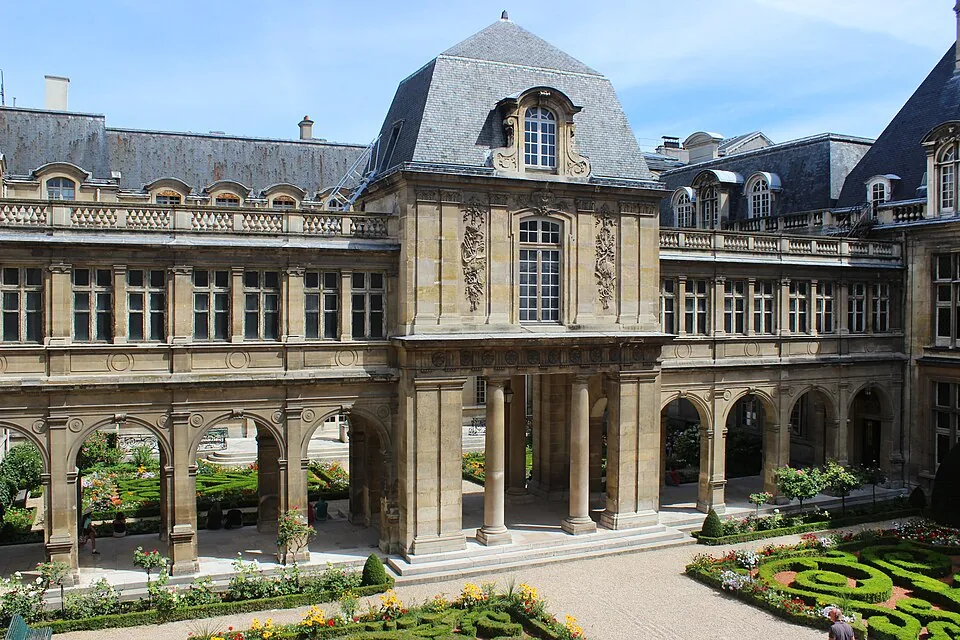
Musée Carnavalet
Two adjoining Marais mansions house a museum devoted to Paris itself. Renaissance courtyards, historic interiors brought from other addresses, and objects spanning prehistory to the present make the buildings part of the city story.
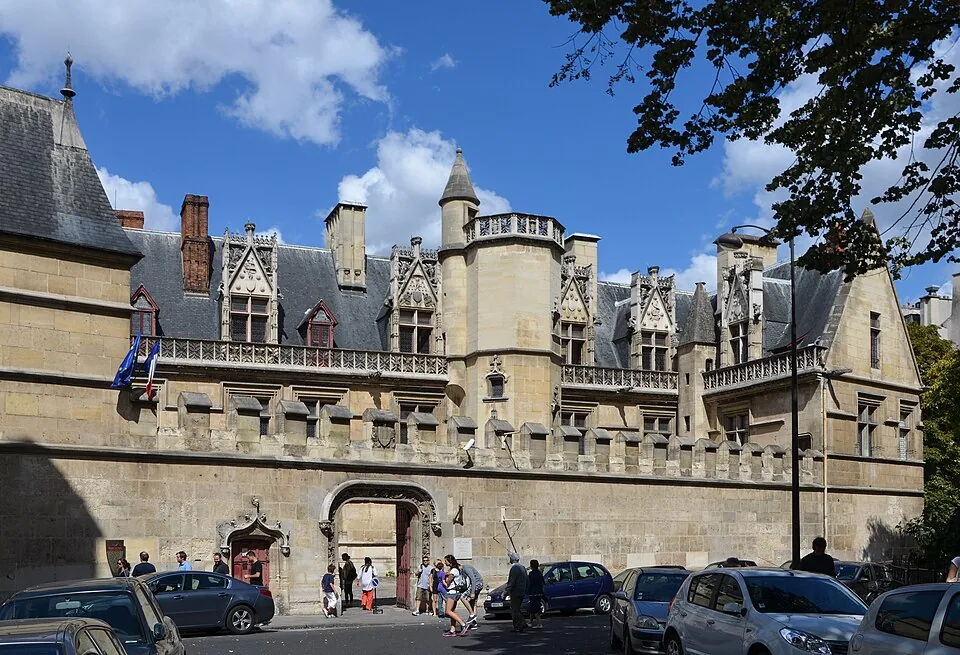
Musée de Cluny
The Musée de Cluny joins a late-medieval abbots’ residence with the remains of Roman baths. Its unusual juxtaposition makes the site itself the exhibit: successive buildings rose over ancient structures, preserving fragments of Paris across nearly two millennia.
Musée de la Chasse et de la Nature
In two restored Marais townhouses, the Musée de la Chasse et de la Nature sets historic hunting art beside taxidermy, curious objects and contemporary installations. Its intimate rooms turn a collection into an ongoing question about how people represent, use and live alongside animals.
Musée de l’Armée
Musée de l’Armée occupies historic Hôtel des Invalides, where military objects are displayed within the institution created to house veterans. Its collections connect weapons, uniforms, and personal histories to the changing purposes of the complex around them.
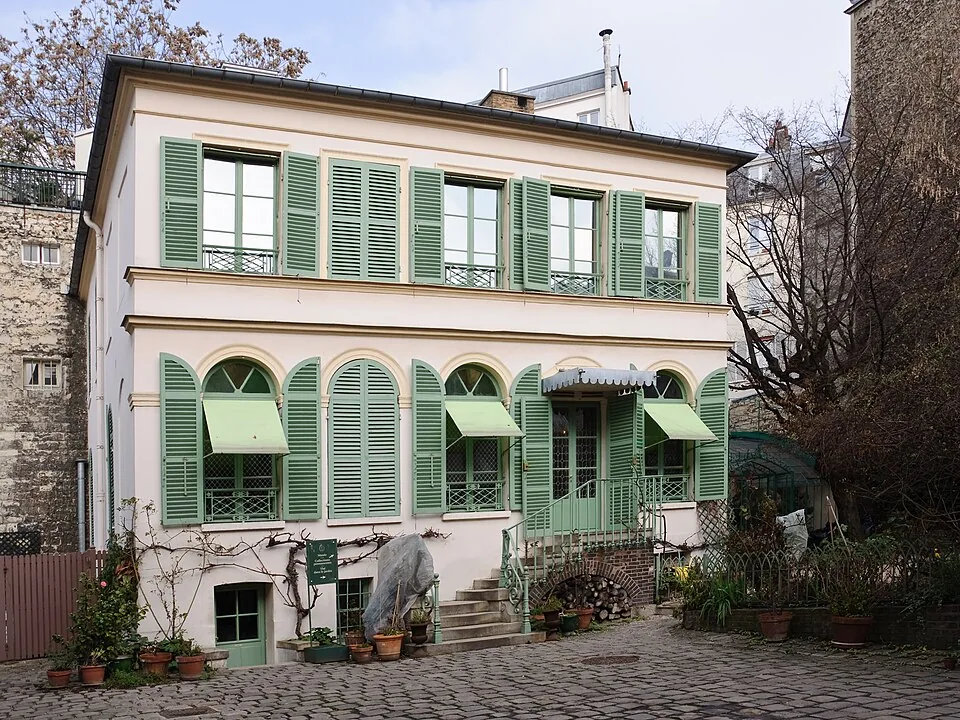
Musée de la Vie Romantique
The Musée de la Vie Romantique occupies the former home and studios of painter Ary Scheffer in the Nouvelle Athènes district. Built in 1830, the house hosted artists and writers and preserves the domestic scale of nineteenth-century creative life.
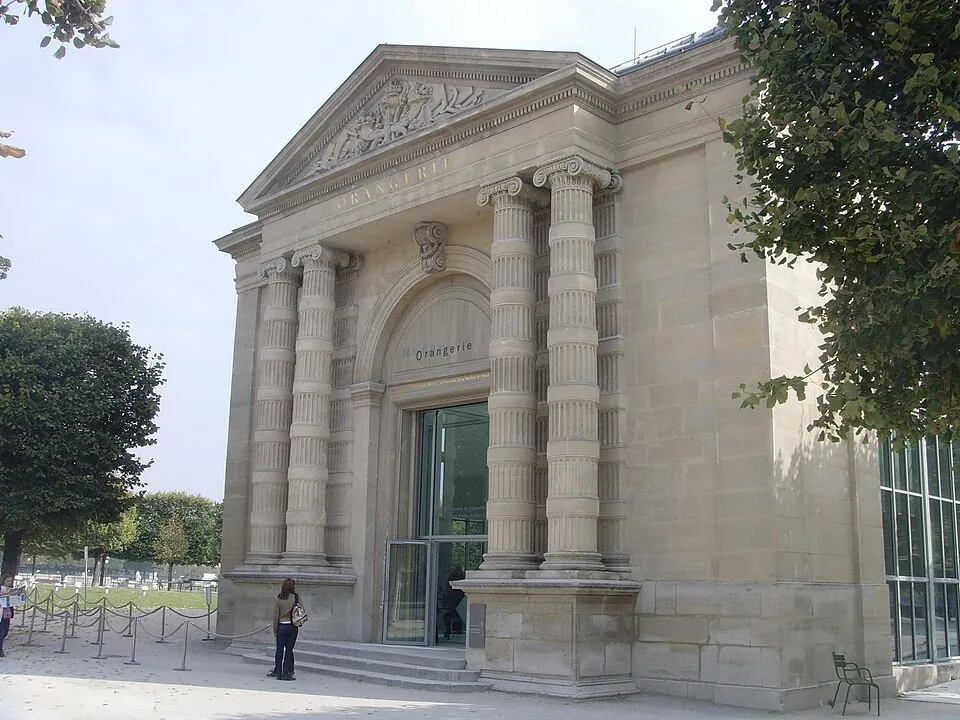
Musée de l’Orangerie
Musée de l’Orangerie was built as a winter shelter for the Tuileries’ orange trees, then became home to Monet’s Water Lilies and the Walter-Guillaume collection. Its daylight-filled oval rooms turn painting into an environment, while lower galleries connect it to modern art in Paris.
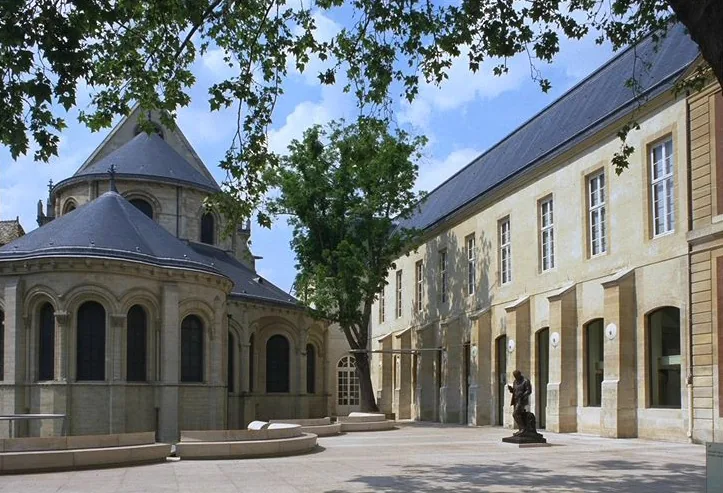
Musée des Arts et Métiers
In the former priory of Saint-Martin-des-Champs, ingenious machines and scientific instruments occupy a historic religious complex. The museum grew from a Revolutionary-era mission to gather useful inventions, turning technical objects into tools for public learning.
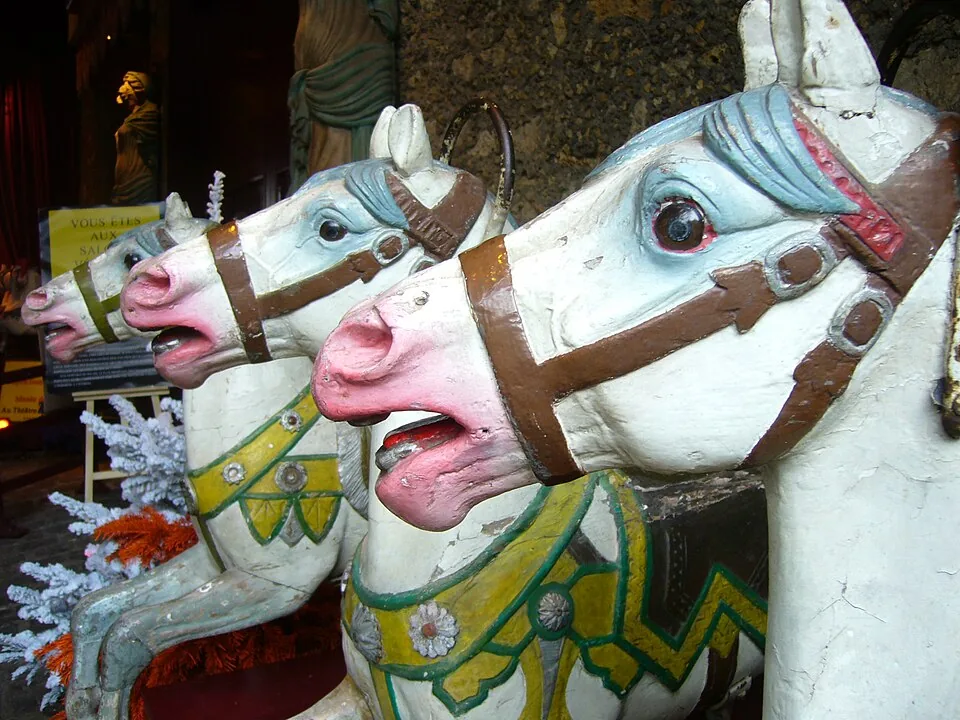
Musée des Arts Forains
The Musée des Arts Forains preserves fairground rides, games, and mechanical theatre inside Bercy’s former Lheureux wine cellars. Its collection turns a working warehouse district into a stage for the popular arts, linking the neighborhood’s river and rail trade with shared entertainment.
Musée des Égouts de Paris
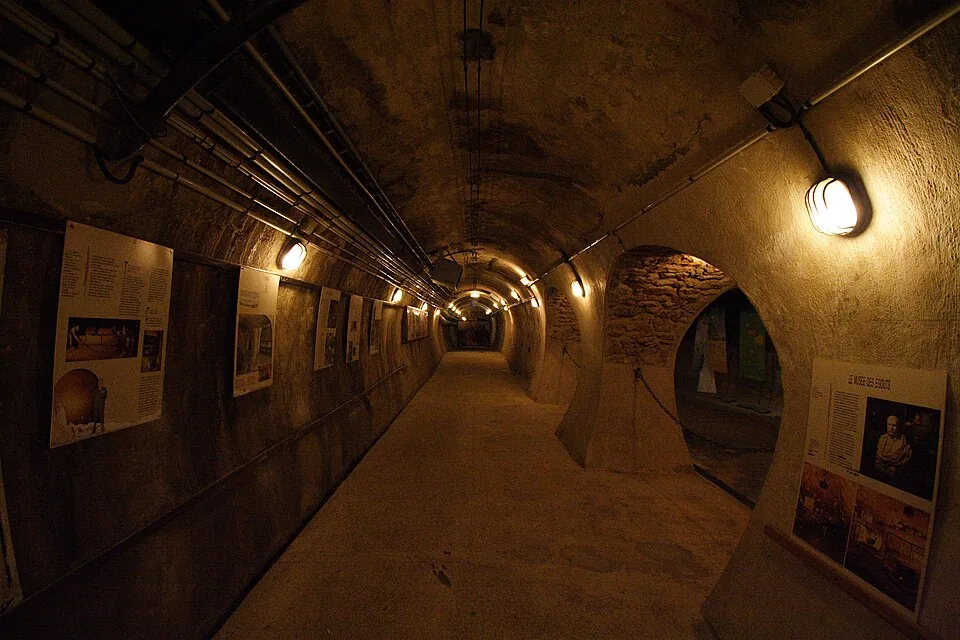
The Musée des Égouts de Paris takes visitors into working galleries beneath the Alma bridge, where street plaques, cleaning tools, and models reveal how Paris built and maintains its water and sewer systems.
Musée d’Orsay
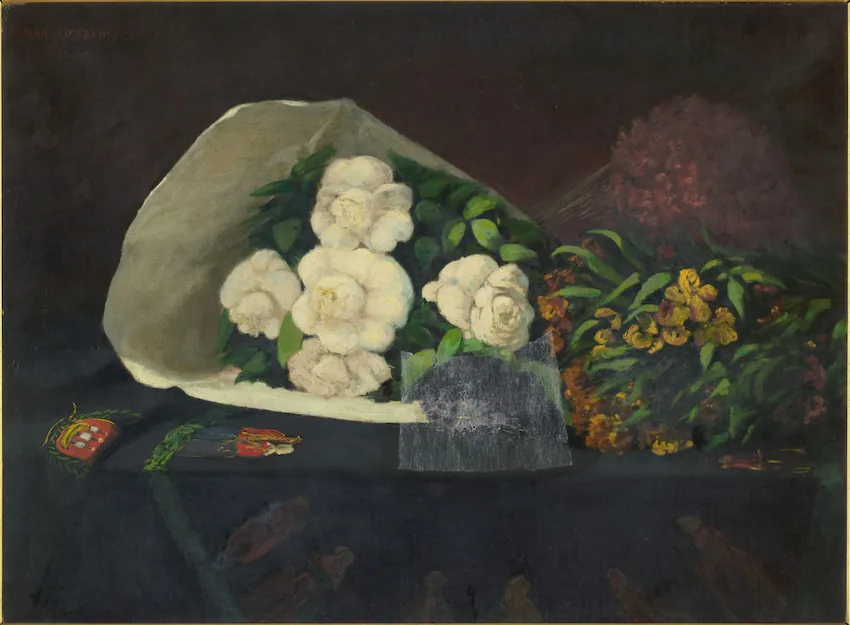
Musée d’Orsay occupies Victor Laloux’s former Gare d’Orsay, built for the 1900 Paris Exposition. Its glass roof, clocks and great nave preserve the experience of a railway terminus, now framing collections of art and design from 1848 to 1914.
Musée du quai Branly
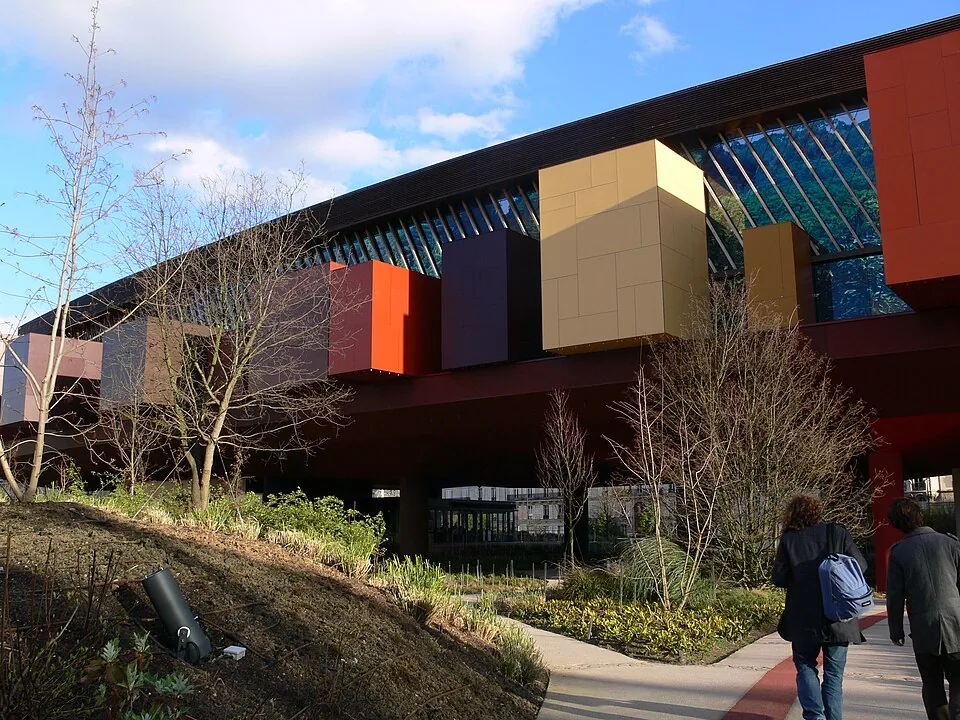
Musée du quai Branly’s elevated galleries and planted approach create a gradual transition from the Seine-side city into its collections. Jean Nouvel designed the building around objects from Africa, Asia, Oceania, and the Americas, challenging the conventions of a traditional museum façade.

Musée Marmottan Monet
The former townhouse of Paul Marmottan now holds one of the world’s most important collections of Claude Monet’s work. In this quiet sixteenth-arrondissement setting, Empire-era rooms and Impressionist canvases create an intimate encounter with the artist’s changing vision.
Musée Picasso
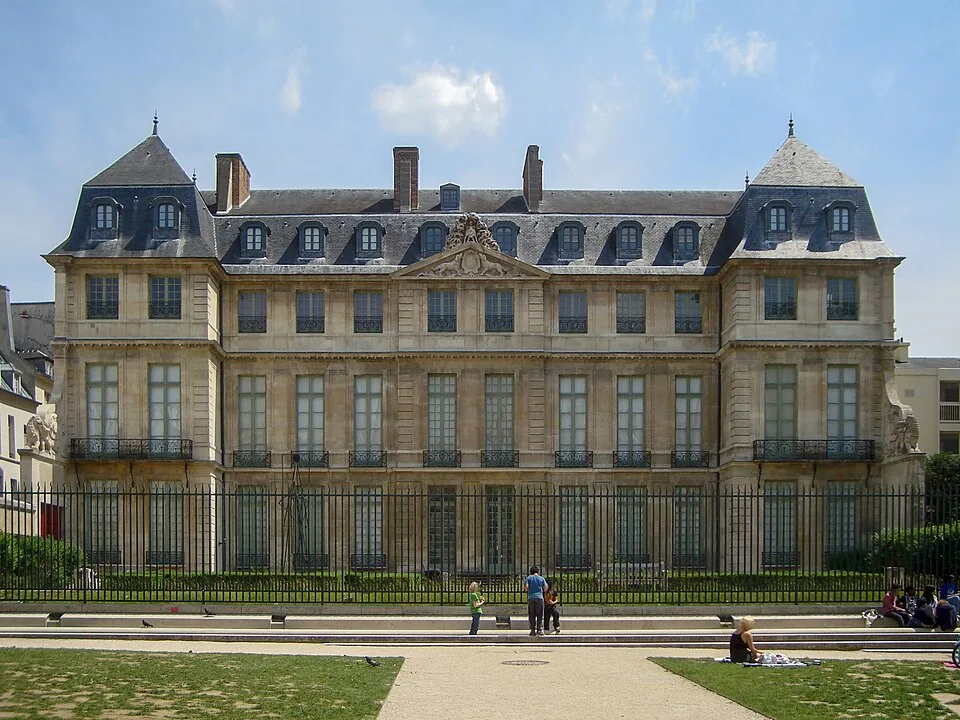
Musée Picasso occupies Hôtel Salé, a seventeenth-century mansion whose rooms now hold an unusually broad record of Picasso’s work and creative process. The museum’s collection came together through donations and state acquisitions after the artist’s death.
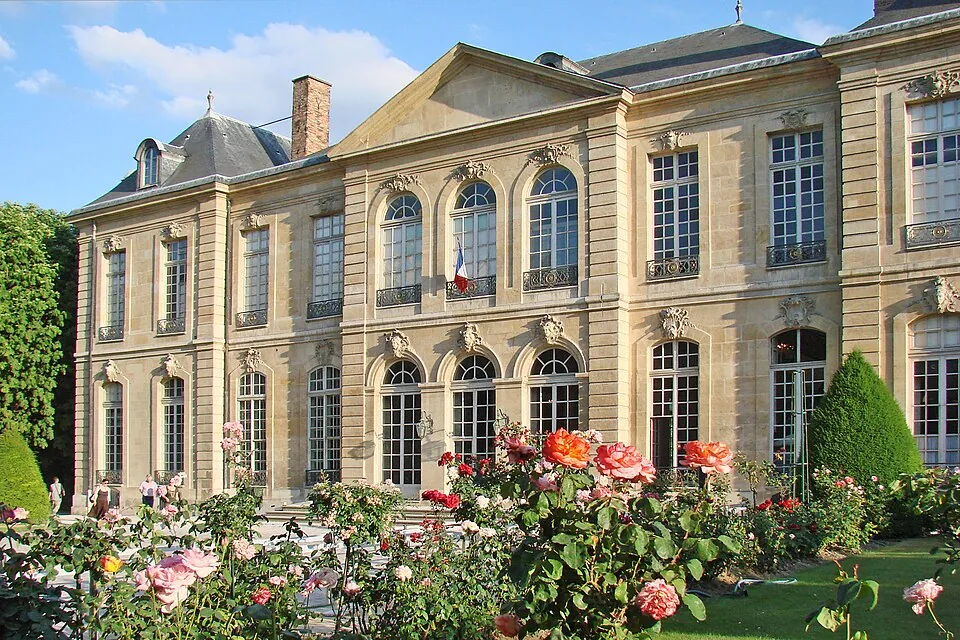
Musée Rodin
Musée Rodin brings sculpture into the Hôtel Biron, an eighteenth-century Paris mansion, and its garden. The museum grew from Rodin’s bequest to the French state, joining his art and working legacy to the rooms and grounds he chose for their display.
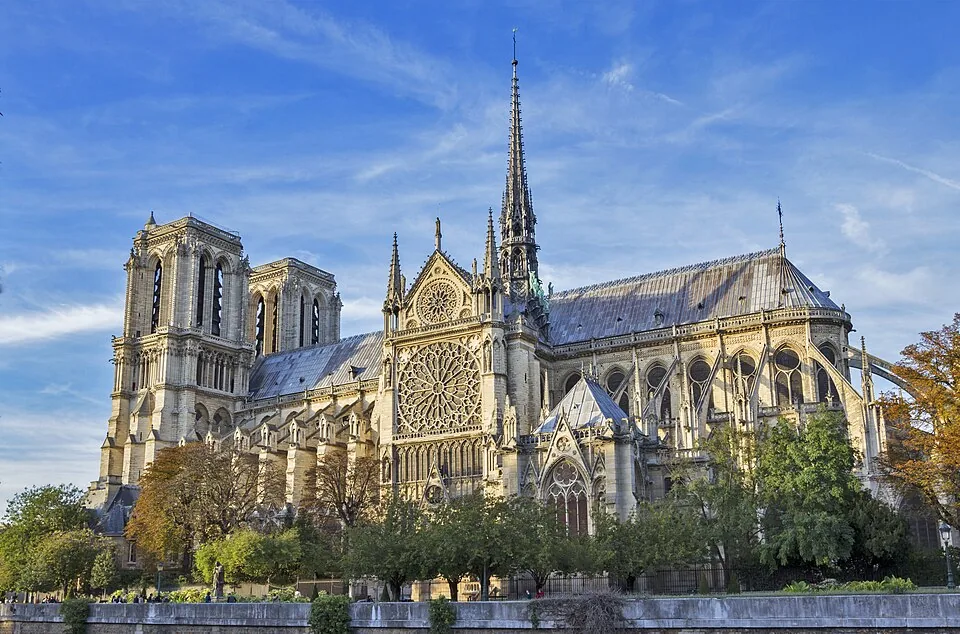
Notre-Dame Cathedral
Notre-Dame is a living Gothic cathedral on the Île de la Cité, where Paris once concentrated its religious life and river crossings. Its medieval fabric, nineteenth-century restoration, 2019 fire and continuing conservation record how the city repeatedly rebuilds its most visible landmark.
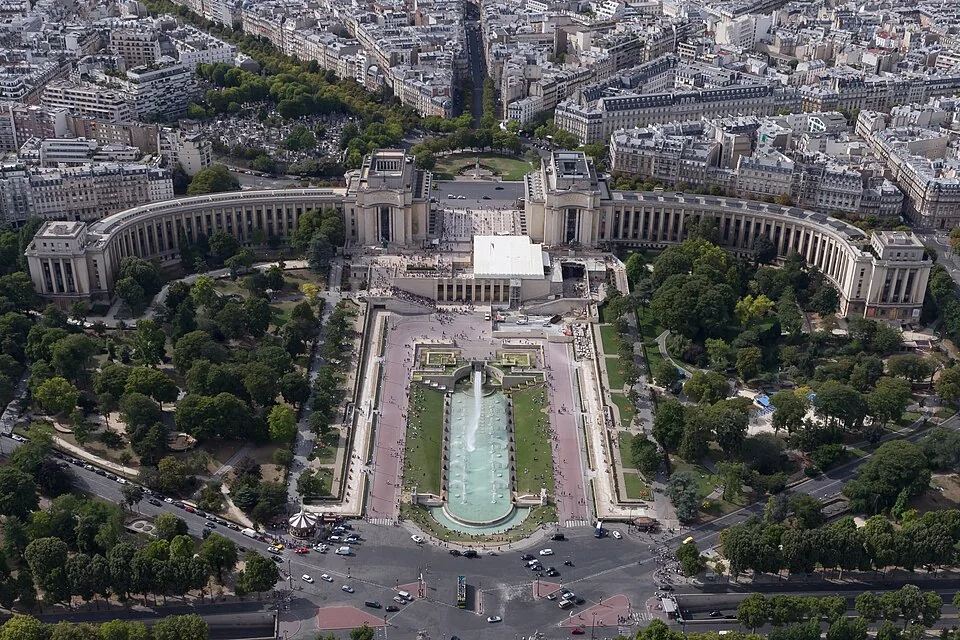
Palais de Chaillot
The Palais de Chaillot sits on the Trocadéro hill as a monumental frame for views across the Seine. Built for the 1937 Universal Exhibition, it now houses cultural institutions and preserves a site repeatedly chosen for grand public architecture.
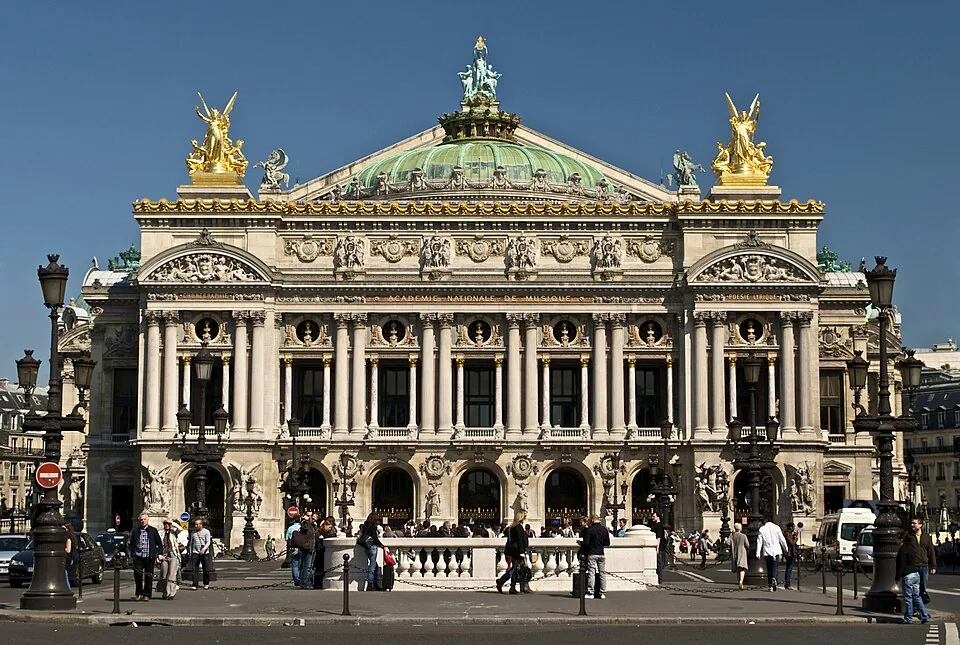
Palais Garnier
Palais Garnier’s grand staircase and richly decorated public rooms make the opera house a spectacle before performance begins. Designed by Charles Garnier and inaugurated in 1875, it joined stage machinery with the ceremonial social life of nineteenth-century Paris.
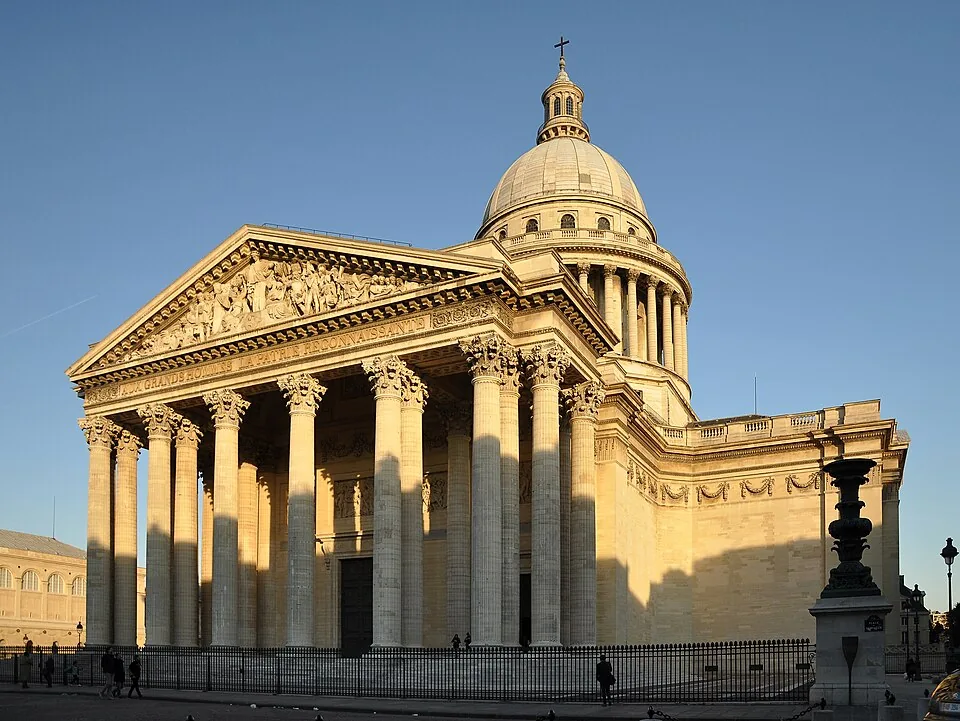
Panthéon
The Panthéon began as a church dedicated to Saint Geneviève and became a national mausoleum during the Revolution. Its neoclassical dome and portico now frame an evolving memorial to people whom France chooses to honor.
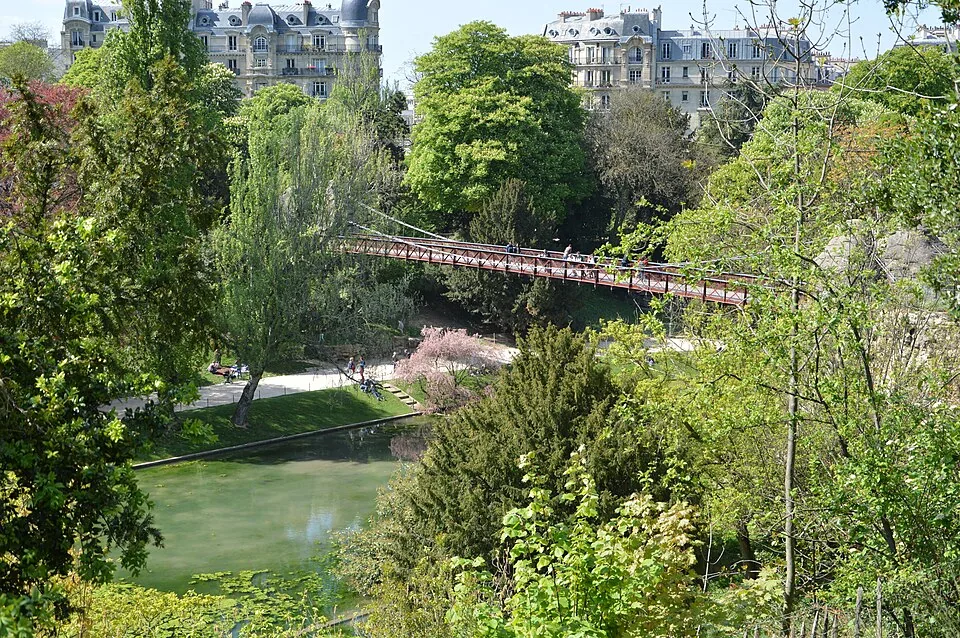
Parc des Buttes-Chaumont
Steep paths, a lake, and a temple perched on a rocky island give Buttes-Chaumont the feel of a countryside landscape inside Paris. That scenery was engineered on the site of a gypsum quarry, making the park’s natural-looking forms a feat of urban design.
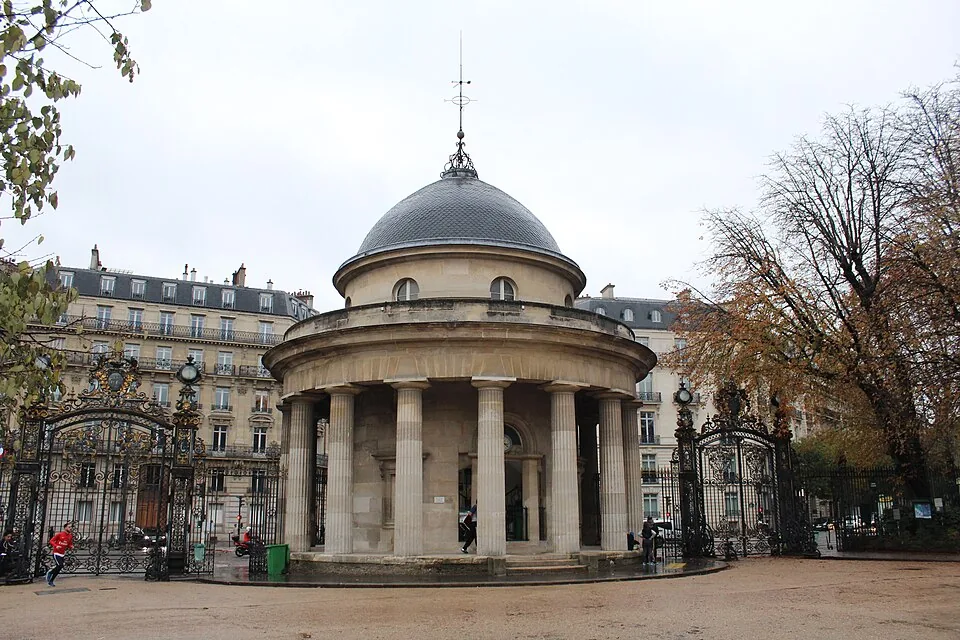
Parc Monceau
Parc Monceau mixes winding paths, old trees, and small architectural follies within a landscape that has changed hands and styles several times. Its picturesque variety began as a private aristocratic garden and became a public park under the Second Empire.
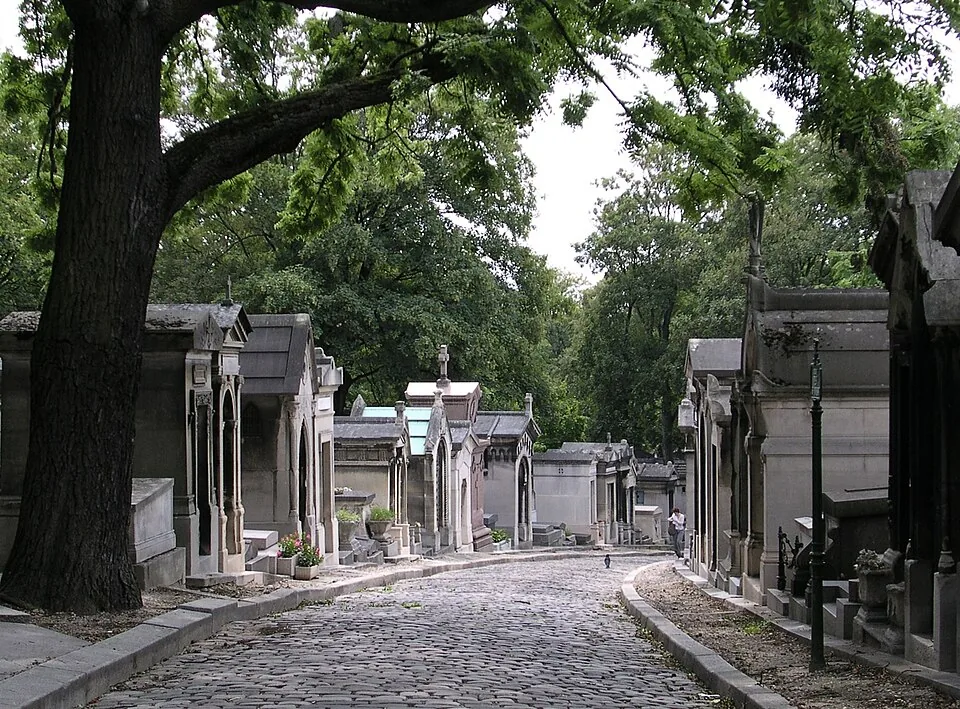
Père Lachaise Cemetery
Opened in 1804 on a former Jesuit estate, Père Lachaise became a landscaped cemetery where winding paths, family tombs, and public memorials trace Parisian life and loss. It remains an active burial ground in the 20th arrondissement, so visits call for quiet and respect.
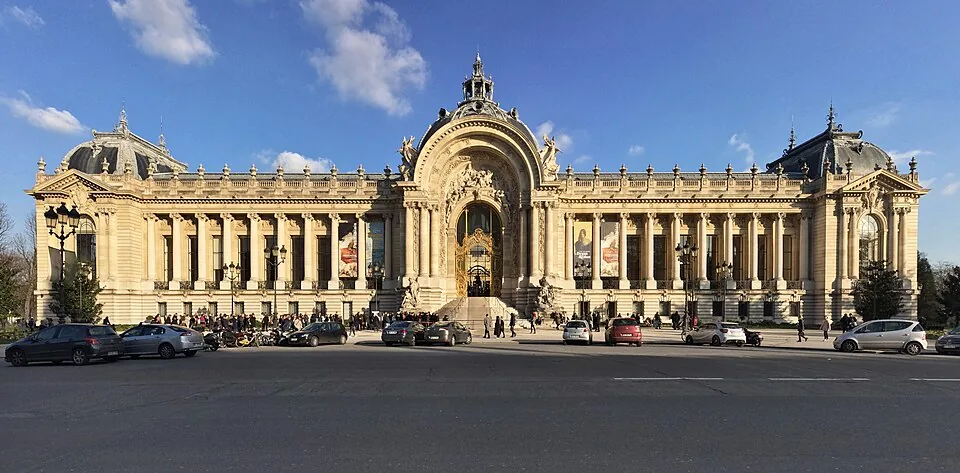
Petit Palais
Built for the 1900 Exposition Universelle, Charles Girault’s Petit Palais became the City of Paris Museum of Fine Arts in 1902. Its curved galleries circle a garden court, while the collection grew from municipal purchases into a broad public art museum through major bequests.
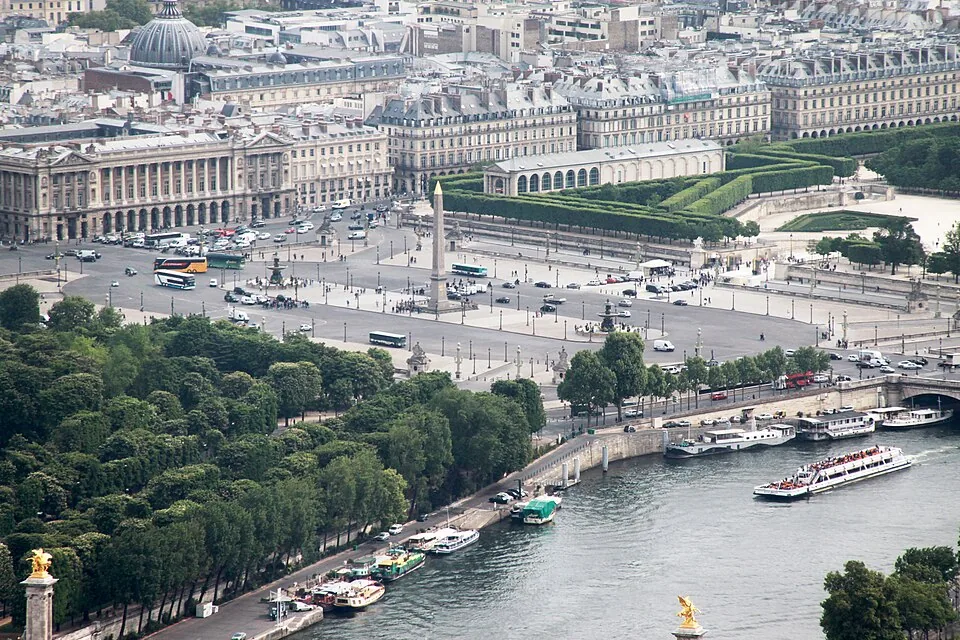
Place de la Concorde
Place de la Concorde occupies a ceremonial crossroads between the Tuileries, Champs-Élysées and Seine. Its obelisk, twin fountains and eight city statues frame a public square reshaped from royal monument to Revolutionary stage and later civic junction.
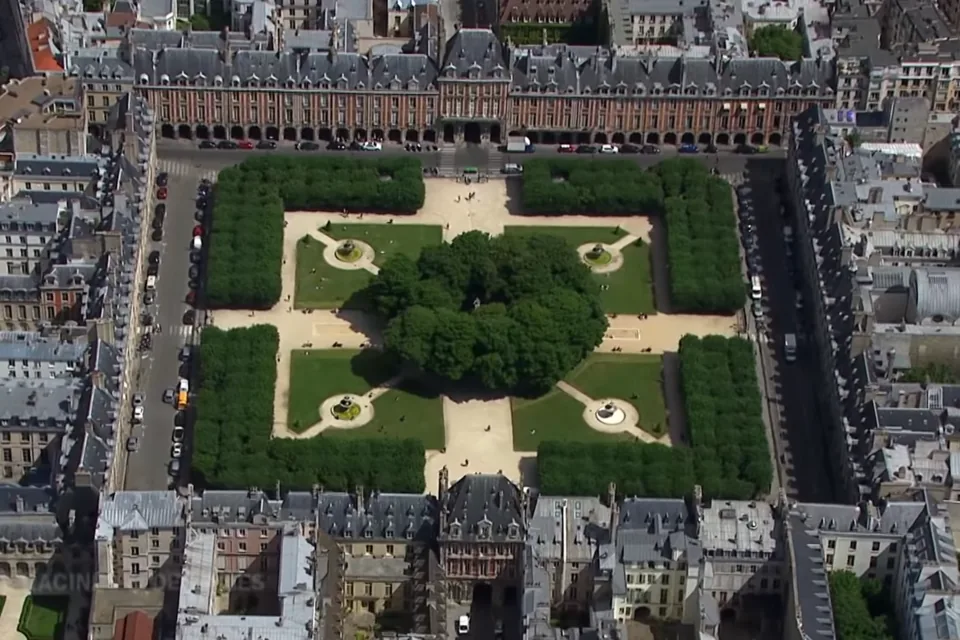
Place des Vosges
Place des Vosges is a planned square of brick-and-stone façades, arcades, and a central garden. Begun under Henri IV in 1605 and completed in 1612, it has served as royal stage, revolutionary landmark, writers’ address, and public city garden.