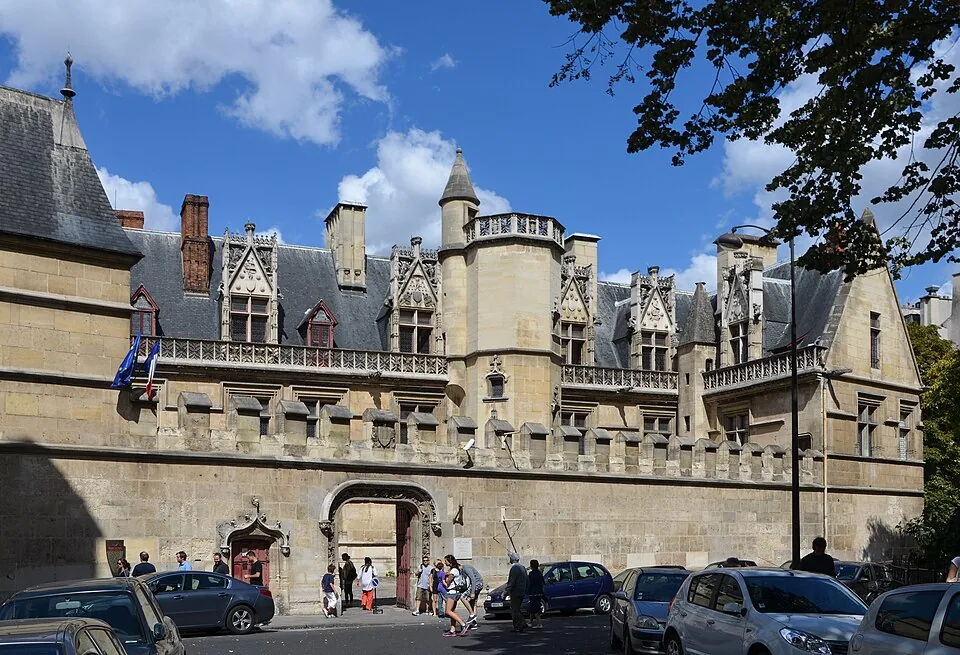
The Musée de Cluny joins a late-medieval abbots’ residence with the remains of Roman baths. Its unusual juxtaposition makes the site itself the exhibit: successive buildings rose over ancient structures, preserving fragments of Paris across nearly two millennia.
Quick facts
The Cluny baths were part of a much larger Roman public complex; their precise construction date remains disputed, with official interpretations ranging from the late first century to proposals in the second century.
Jacques d’Amboise commissioned the Hôtel de Cluny around 1485–1500 as the Paris residence of the abbots of Cluny.
The state acquired Alexandre Du Sommerard’s collection and the Hôtel de Cluny in 1843; the museum opened to the public in 1844.
Get directions to Musée de Cluny. Confirm the visitor entrance and current access with the venue before travelling.
Audio guide
Listen to this place’s guide.
Guide
At the Musée de Cluny, two buildings from different centuries share one address. A vast Roman bath hall rises beside and beneath the late-medieval residence of the abbots of Cluny. The museum’s particular strength is this physical overlap: instead of presenting antiquity and the Middle Ages in separate galleries, it lets the city’s earlier fabric remain part of the later building.
Continue exploring
Discover the full story
Keep reading with a travel pass and explore every full guide and tour.
UpgradeMore places in Paris
Panthéon
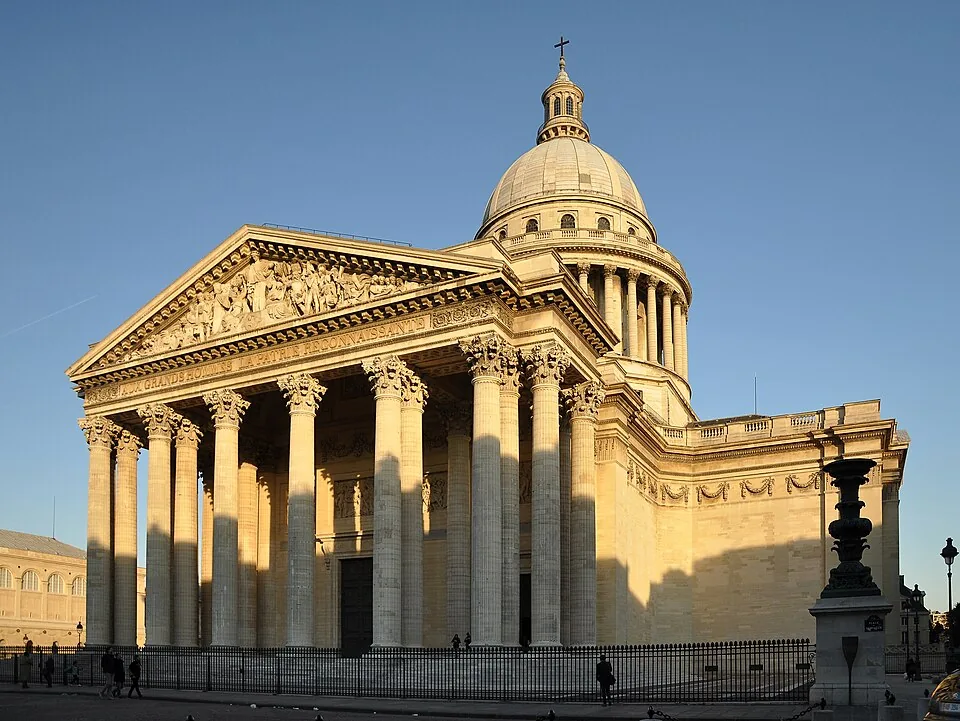
The Panthéon began as a church dedicated to Saint Geneviève and became a national mausoleum during the Revolution. Its neoclassical dome and portico now frame an evolving memorial to people whom France chooses to honor.
Sainte-Chapelle
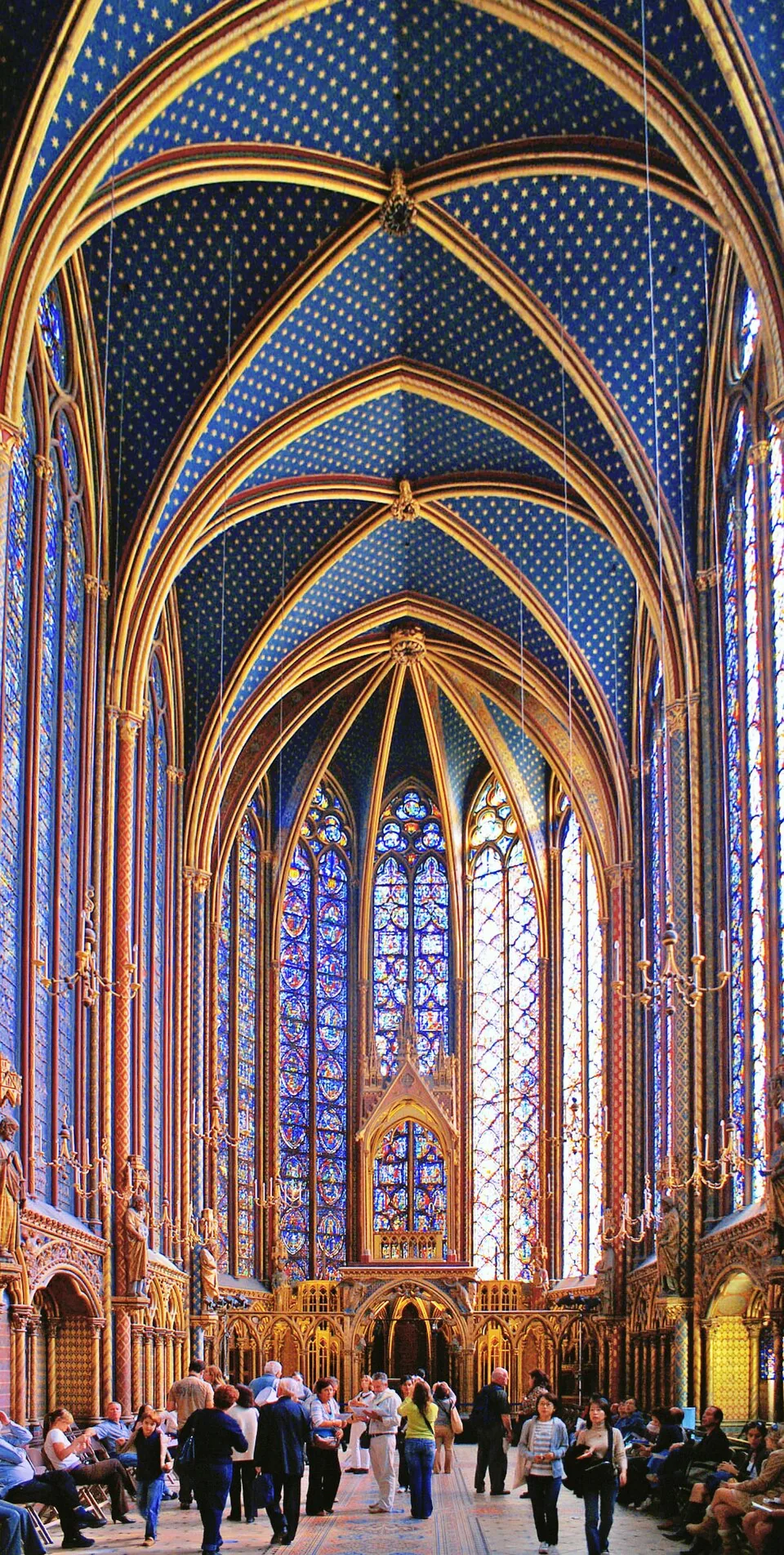
Built for Louis IX inside the former Palais de la Cité, Sainte-Chapelle was a royal sanctuary for Passion relics. Its two stacked chapels culminate in an upper room of stained glass, where biblical history, royal imagery and sacred light meet.
Notre-Dame Cathedral
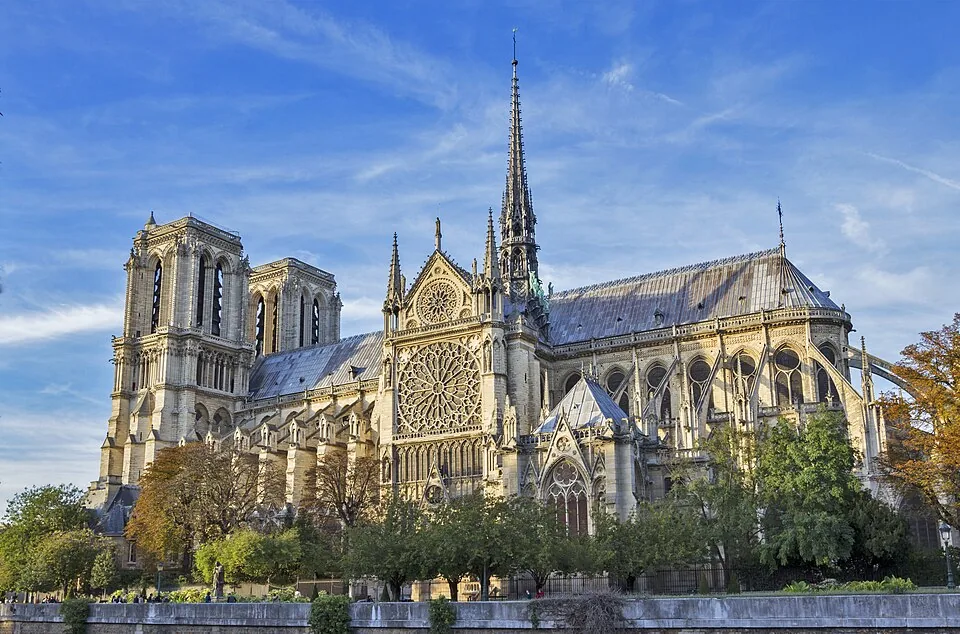
Notre-Dame is a living Gothic cathedral on the Île de la Cité, where Paris once concentrated its religious life and river crossings. Its medieval fabric, nineteenth-century restoration, 2019 fire and continuing conservation record how the city repeatedly rebuilds its most visible landmark.
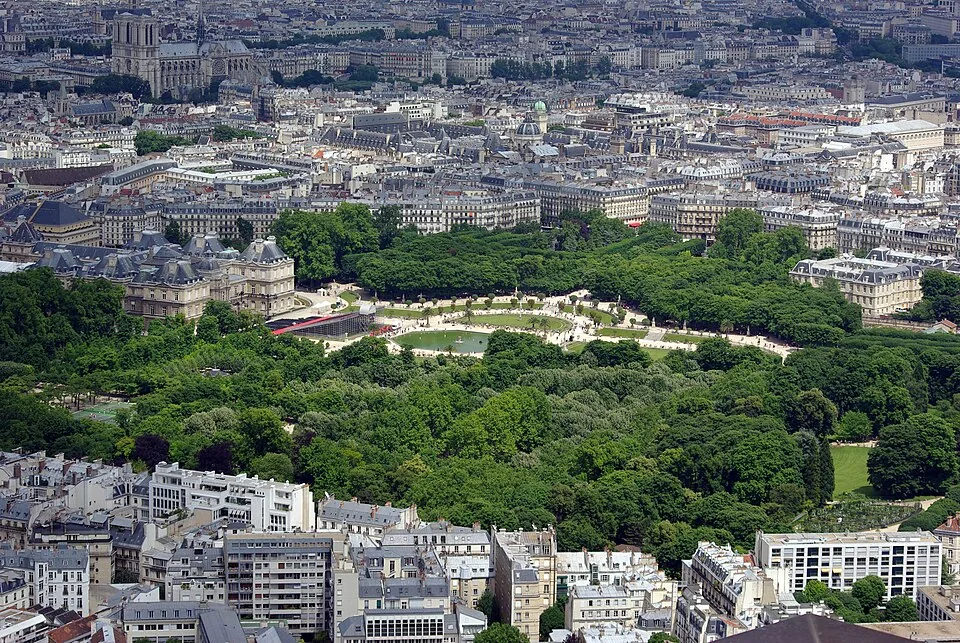
Luxembourg Gardens
Luxembourg Gardens pair formal parterres, fountains and shaded paths with the French Senate’s palace. Marie de Médicis began shaping the estate in the early seventeenth century; later political upheavals and Haussmann’s streets reshaped its boundaries.
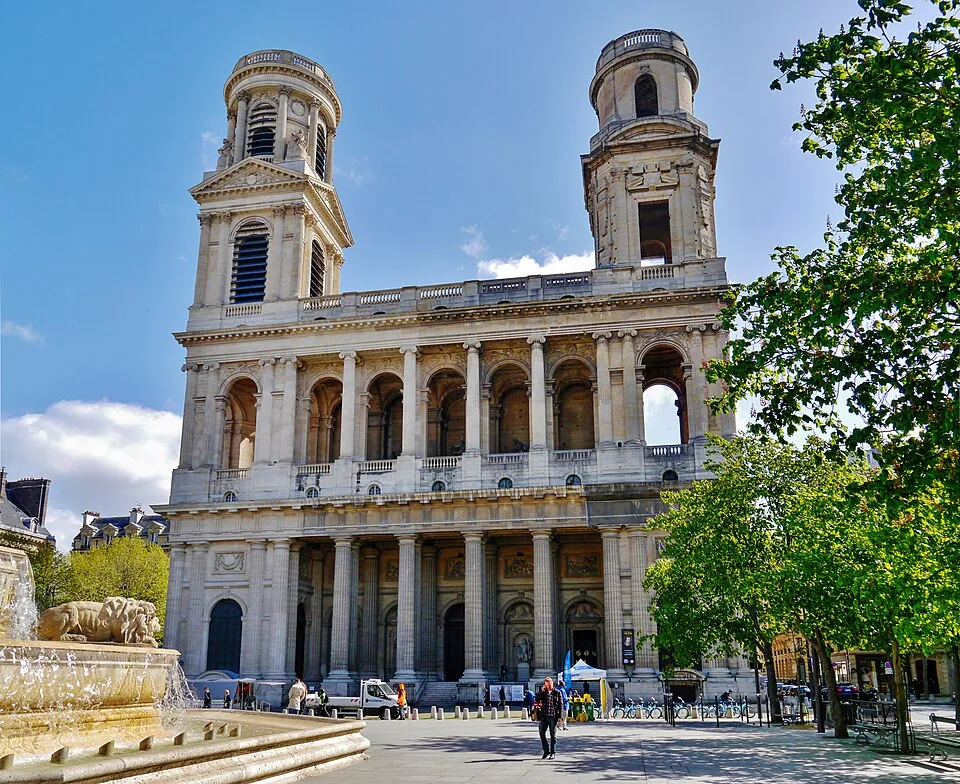
Saint-Sulpice Church
Saint-Sulpice’s broad façade and unfinished-looking towers frame one of Paris’s largest church interiors. Built over centuries, the church gathers architectural styles, Delacroix murals, a monumental organ, and a scientific gnomon beneath a single roof.
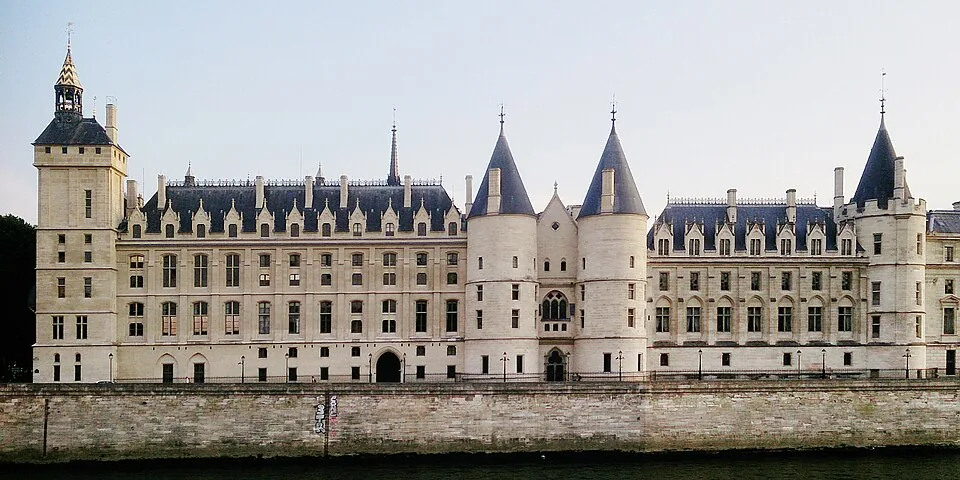
Conciergerie
The Conciergerie preserves part of the medieval Palais de la Cité, once the residence and seat of French royal power. Later converted into a prison, it became closely associated with the Revolutionary Tribunal and the confinement of Marie-Antoinette.