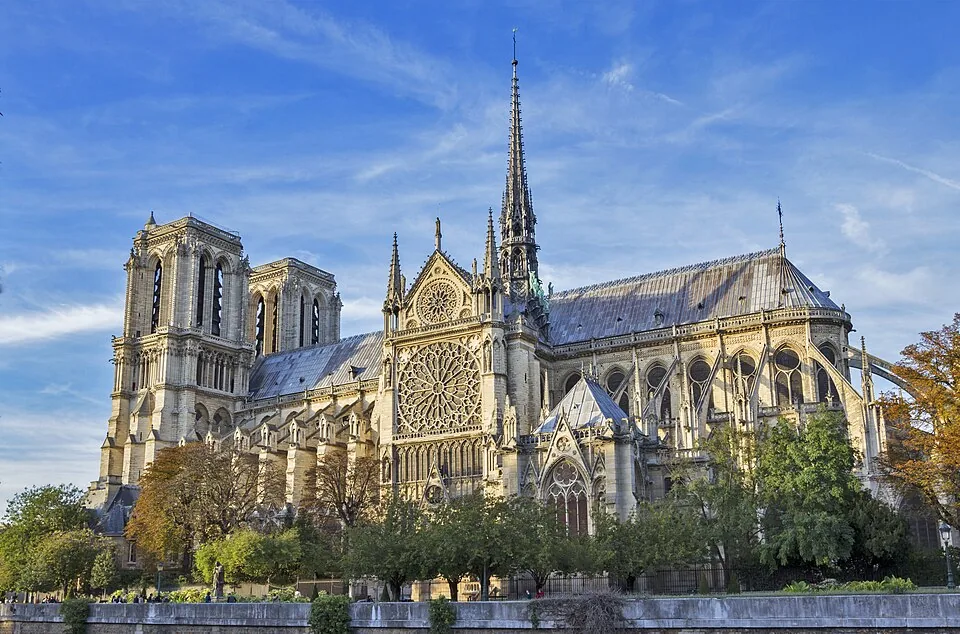
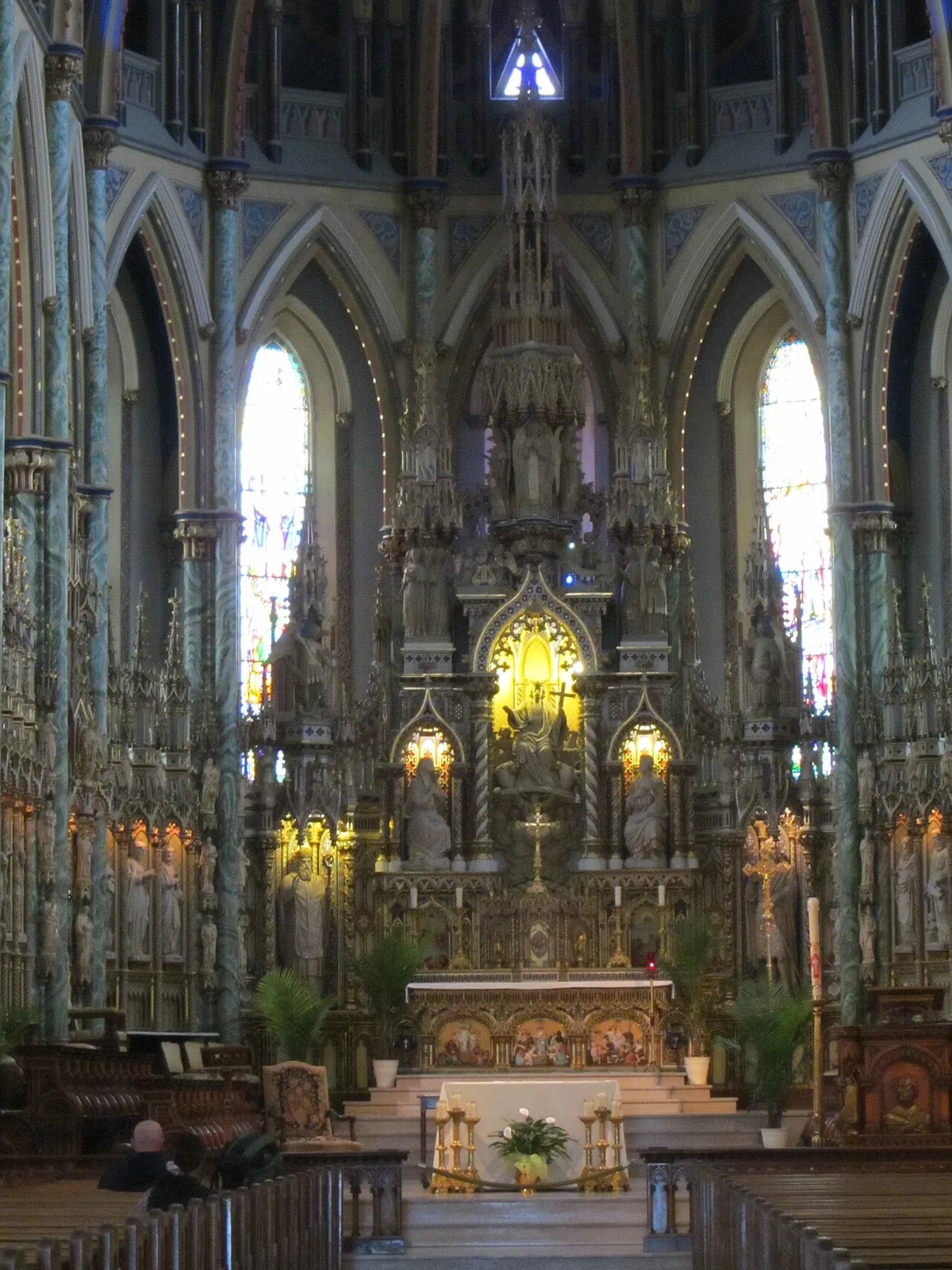
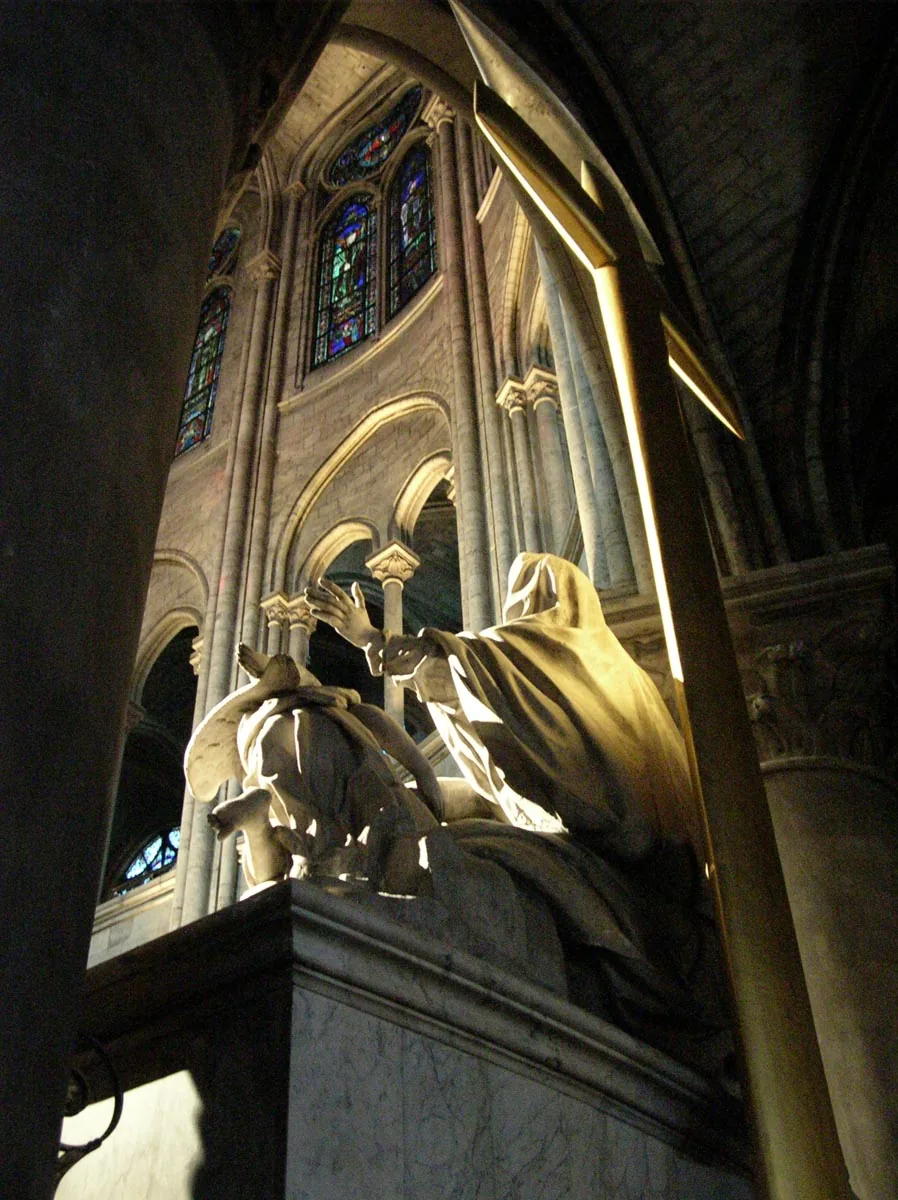
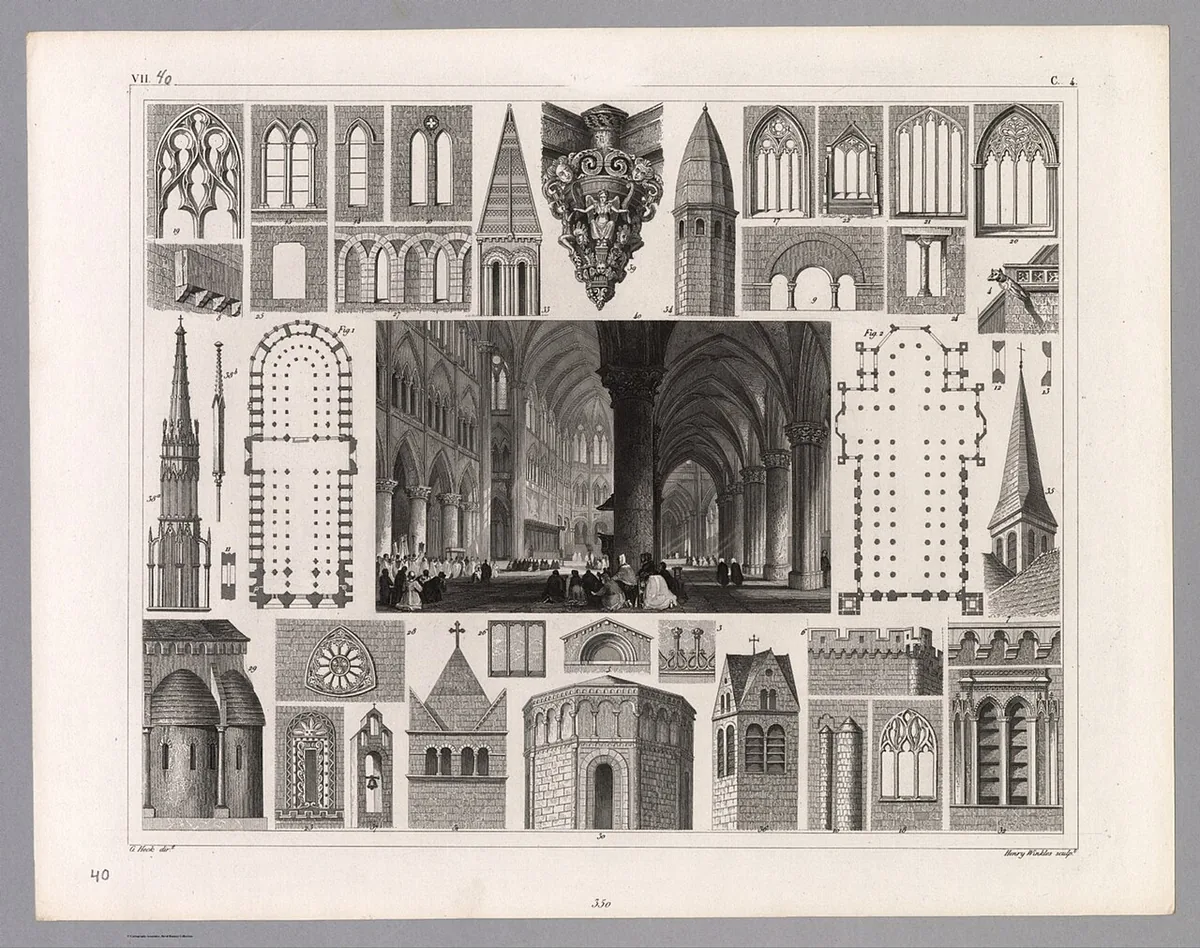
Notre-Dame is a living Gothic cathedral on the Île de la Cité, where Paris once concentrated its religious life and river crossings. Its medieval fabric, nineteenth-century restoration, 2019 fire and continuing conservation record how the city repeatedly rebuilds its most visible landmark.
Quick facts
Bishop Maurice de Sully laid the first stone of Notre-Dame in 1163, in the presence of Pope Alexander III.
The crowned figures in the Gallery of Kings portray kings of ancient Judah, not French monarchs; revolutionary attackers beheaded them, and their heads were rediscovered in 1977.
The cathedral reopened for worship and visitors on 8 December 2024 after the 2019 fire; its towers reopened to visitors in September 2025.
Get directions to Notre-Dame Cathedral. Confirm the visitor entrance and current access with the venue before travelling.
Audio guide
Listen to this place’s guide.
Guide
On the parvis outside Notre-Dame, a small brass compass rose marks “point zéro,” the point from which France’s road distances are measured. The original marker was removed after the 2019 fire and damaged beyond restoration; the City of Paris installed a faithful replica in 2025. The city also records a local saying: step on it and you will return to Paris. The promise is folklore, but the marker’s location is meaningful.
Continue exploring
Discover the full story
Keep reading with a travel pass and explore every full guide and tour.
UpgradeMore places in Paris
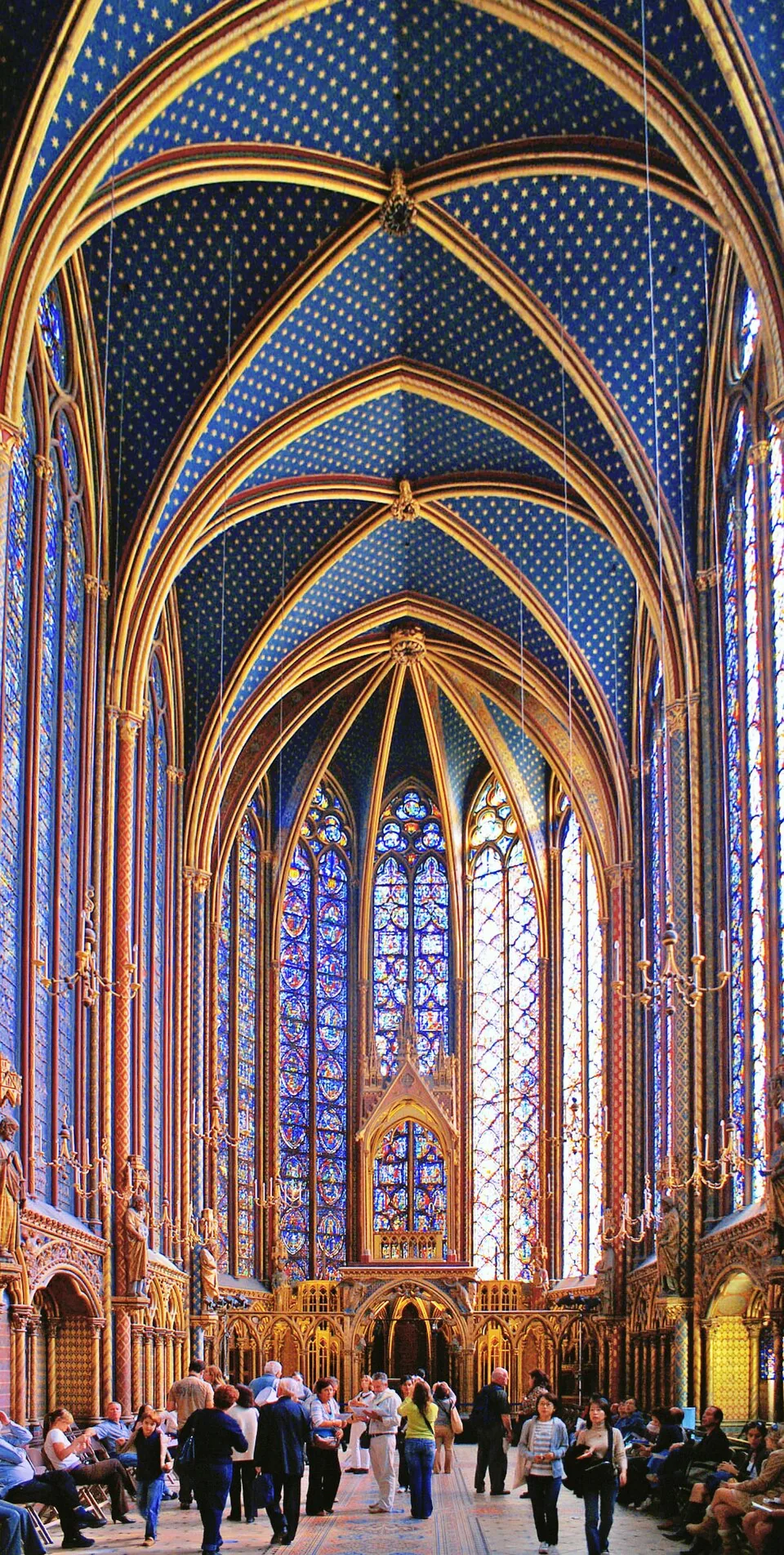
Sainte-Chapelle
Built for Louis IX inside the former Palais de la Cité, Sainte-Chapelle was a royal sanctuary for Passion relics. Its two stacked chapels culminate in an upper room of stained glass, where biblical history, royal imagery and sacred light meet.
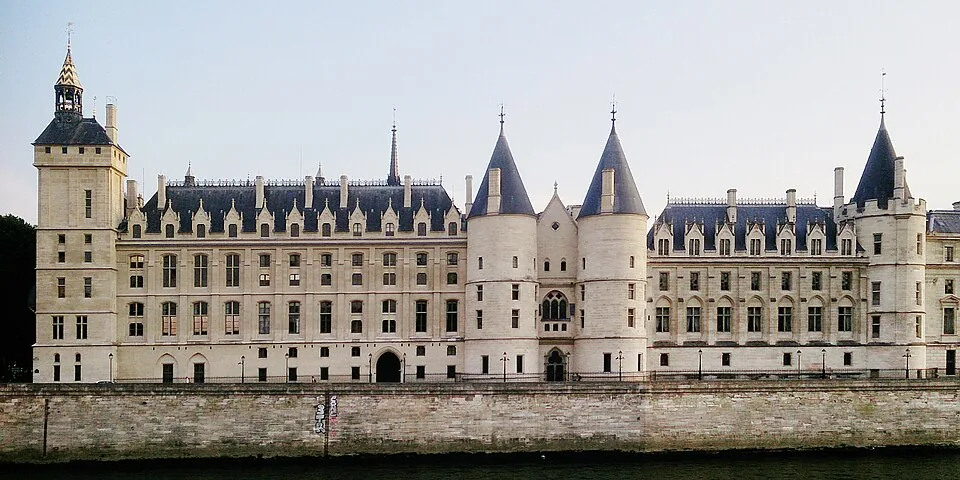
Conciergerie
The Conciergerie preserves part of the medieval Palais de la Cité, once the residence and seat of French royal power. Later converted into a prison, it became closely associated with the Revolutionary Tribunal and the confinement of Marie-Antoinette.
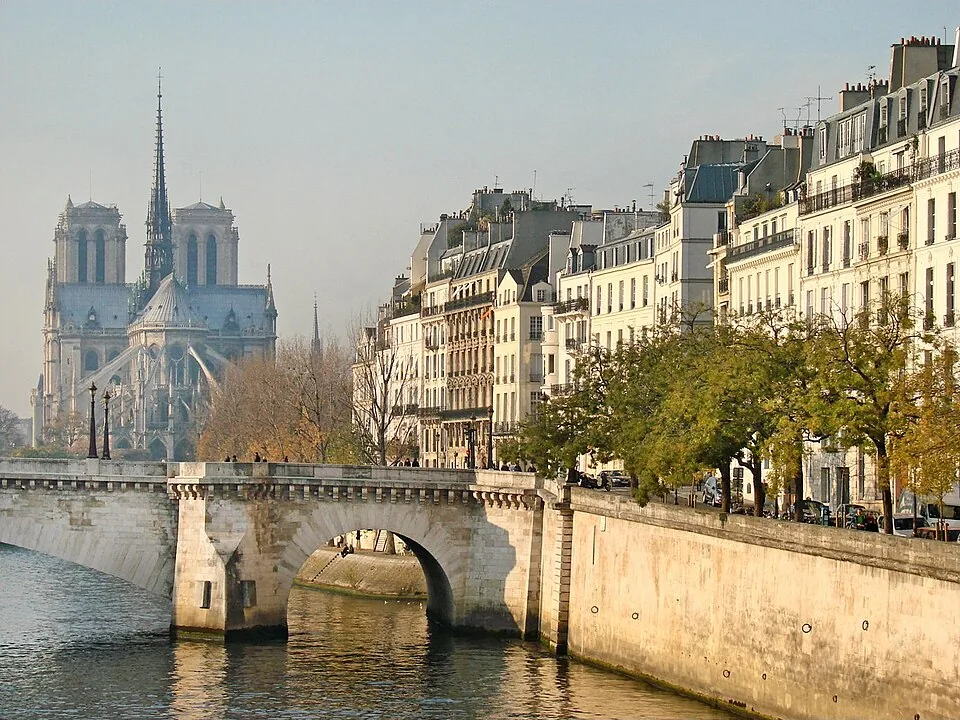
Île Saint-Louis
Île Saint-Louis is a compact island of seventeenth-century streets and residences in the Seine. Its present shape emerged when two smaller islands were joined, then developed through a planned urban project that gave it a distinctive architectural unity.
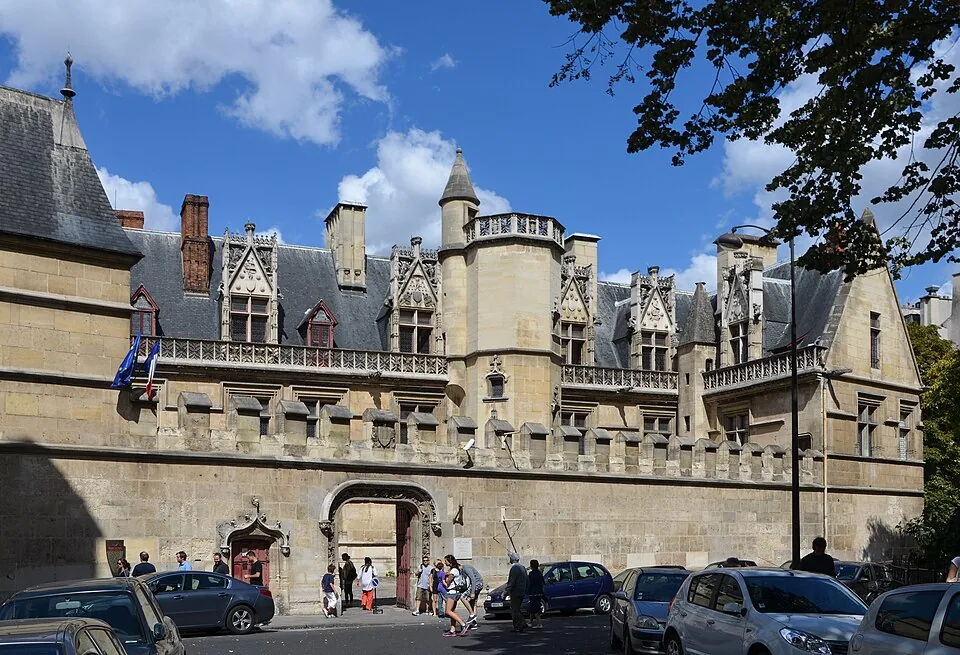
Musée de Cluny
The Musée de Cluny joins a late-medieval abbots’ residence with the remains of Roman baths. Its unusual juxtaposition makes the site itself the exhibit: successive buildings rose over ancient structures, preserving fragments of Paris across nearly two millennia.
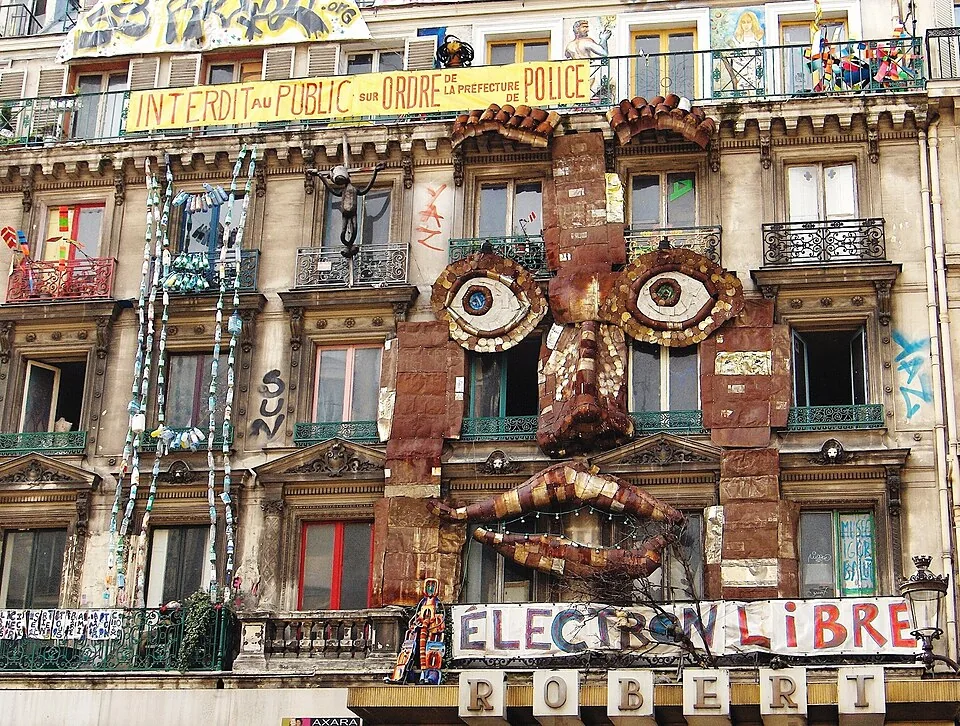
59 Rivoli
59 Rivoli is a working artist collective and public art space in a 19th-century Rue de Rivoli building. Born from a 1999 occupation of a vacant property, it now combines artist studios, a gallery and public programming under an association-city partnership.
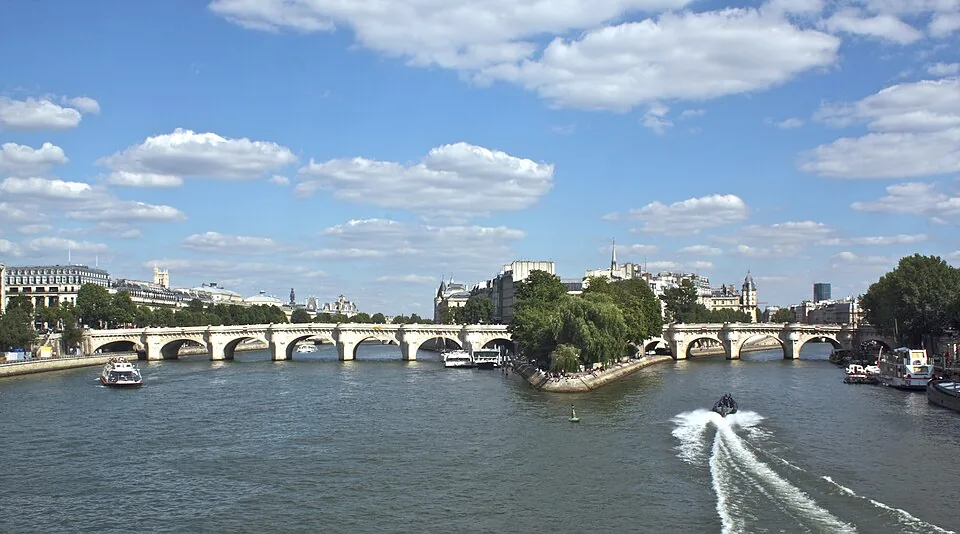
Pont Neuf
Pont Neuf is paradoxically the oldest surviving bridge in Paris. Its late sixteenth-century design introduced stone construction without houses on the bridge, leaving it open as a public route and viewpoint over the Seine.