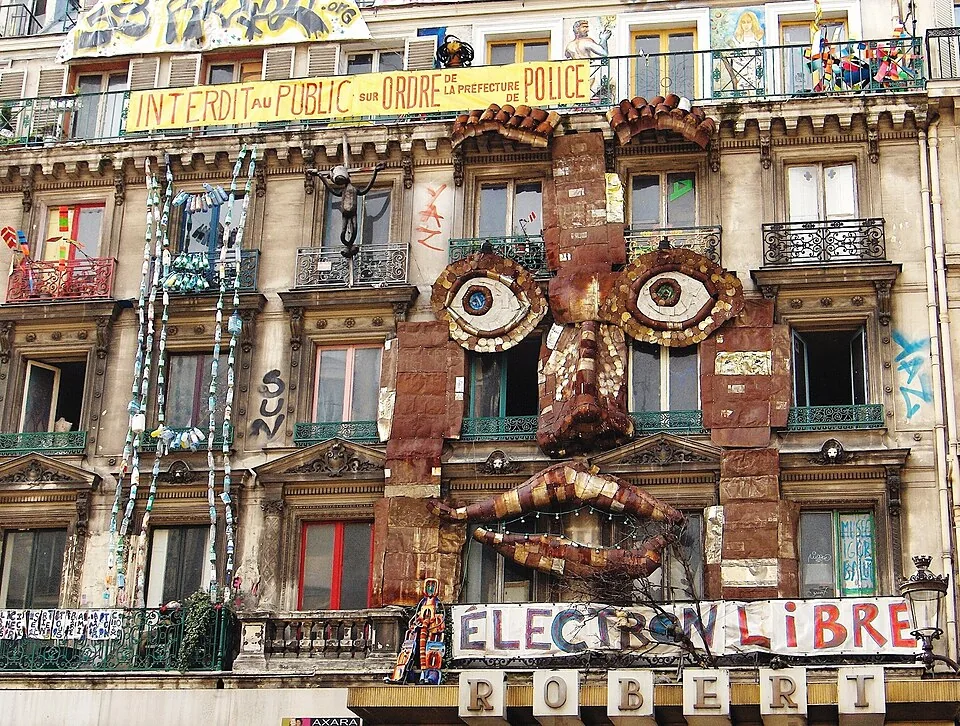
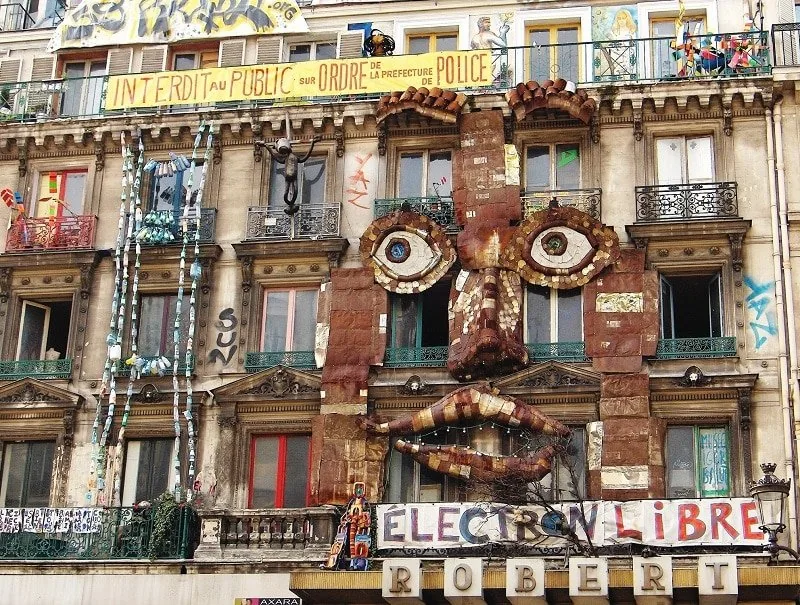
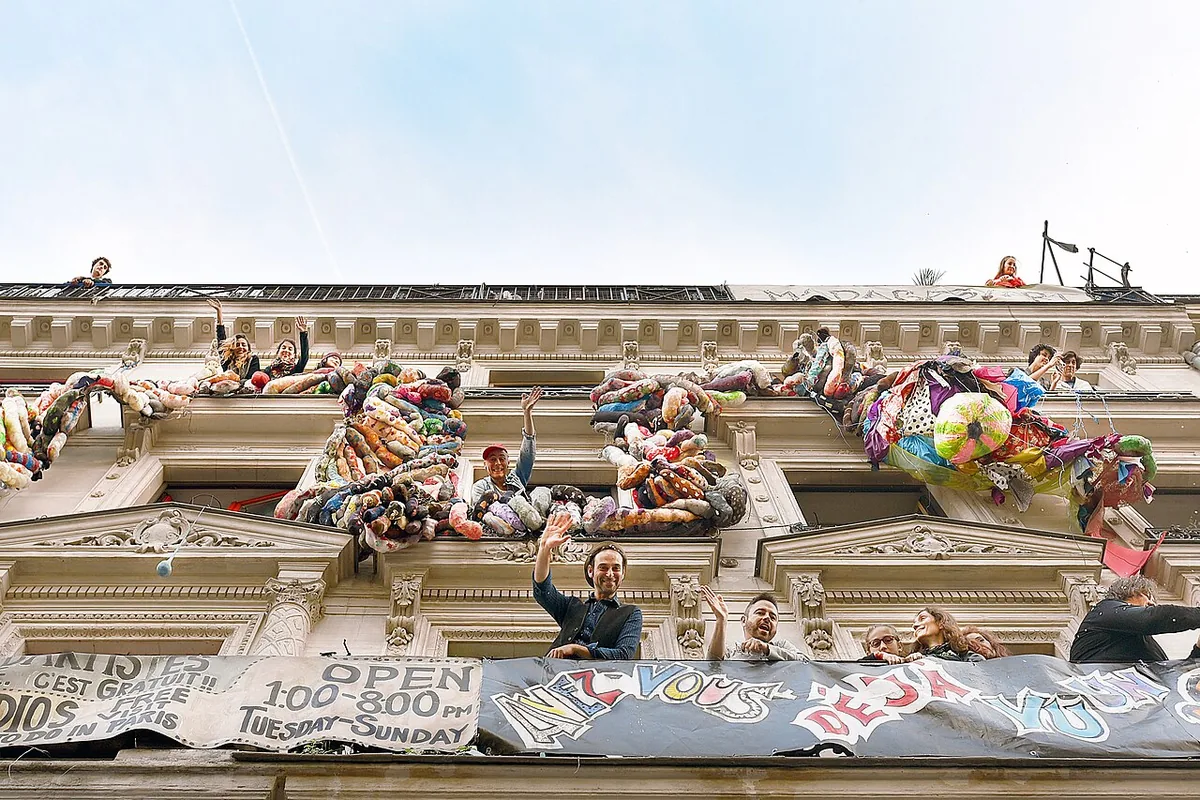
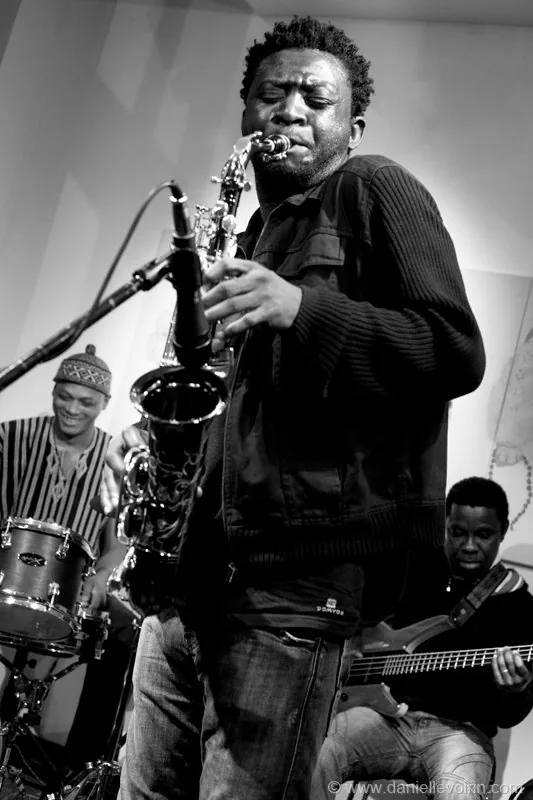
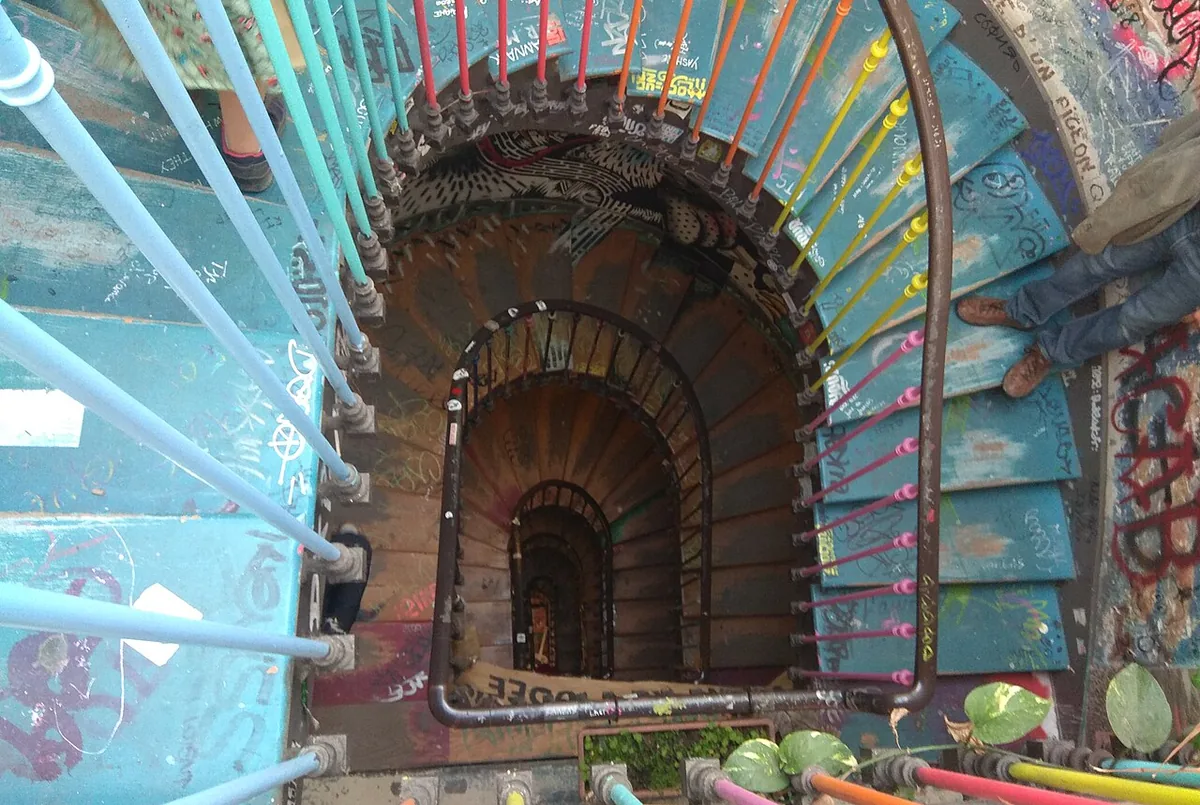
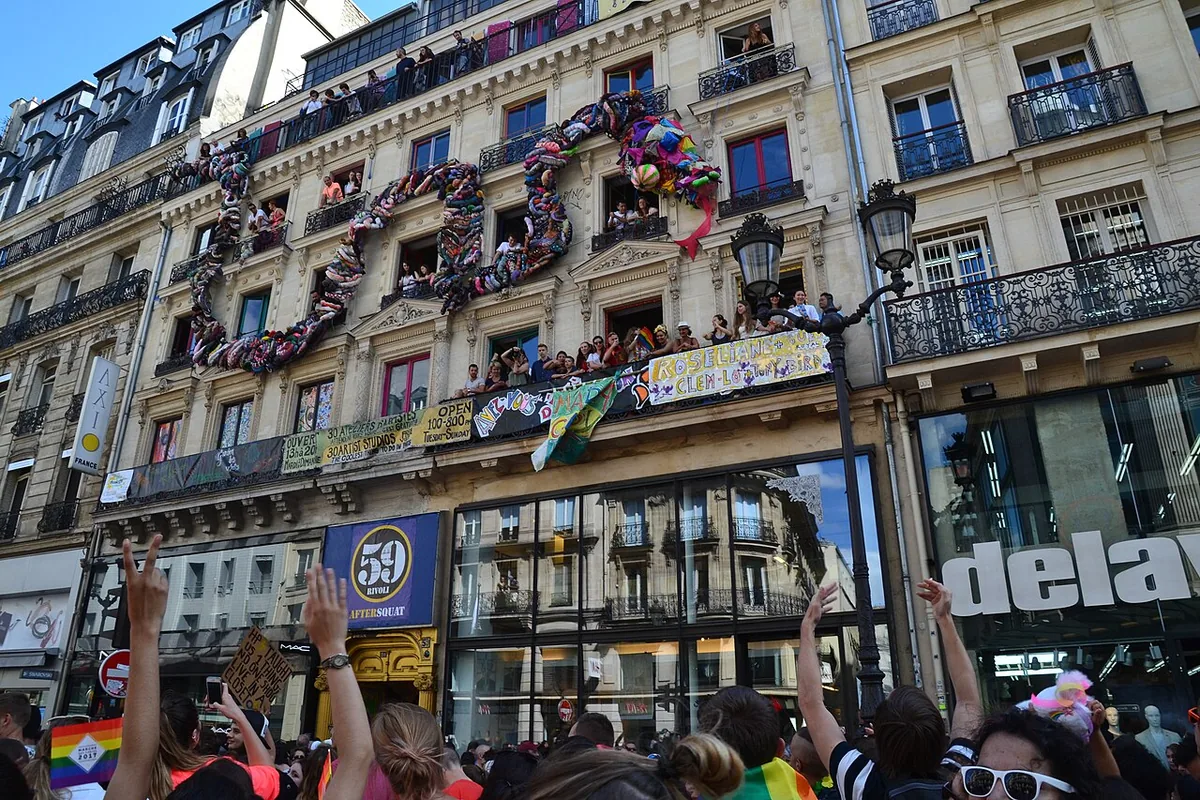
59 Rivoli is a working artist collective and public art space in a 19th-century Rue de Rivoli building. Born from a 1999 occupation of a vacant property, it now combines artist studios, a gallery and public programming under an association-city partnership.
Quick facts
Artists Gaspard Delanoë, Kalex and Bruno Dumont began the 59 Rivoli occupation on 1 November 1999; they opened the building to visitors and other artists joined within days.
The City of Paris completed its acquisition of 59 rue de Rivoli in May 2002 and proposed a long-term cultural arrangement with the artists’ association.
After renovation, 59 Rivoli officially reopened as an artist-run art center on 9 November 2009, with studios and public exhibition space.
Get directions to 59 Rivoli. Confirm the visitor entrance and current access with the venue before travelling.
Audio guide
Listen to this place’s guide.
Guide
At 59 rue de Rivoli, an ordinary stretch of a grand Paris shopping street opens into something less conventional: artists work in studios while visitors encounter art in progress. The address is in the 1st arrondissement, in the municipality of Paris. The catalog classifies it as a museum, but the collective describes its primary purpose as a place of work for artists, alongside a public gallery.
Continue exploring
Discover the full story
Keep reading with a travel pass and explore every full guide and tour.
UpgradeMore places in Paris
Conciergerie
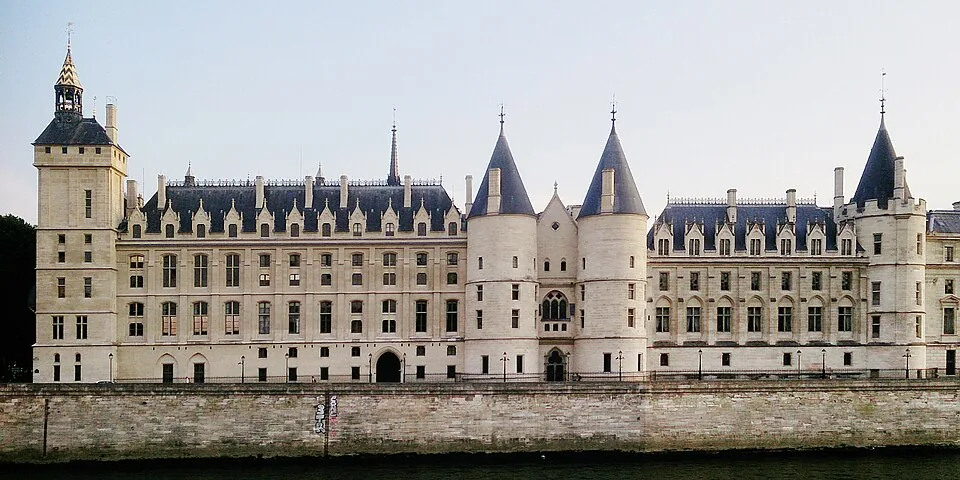
The Conciergerie preserves part of the medieval Palais de la Cité, once the residence and seat of French royal power. Later converted into a prison, it became closely associated with the Revolutionary Tribunal and the confinement of Marie-Antoinette.
Pont Neuf
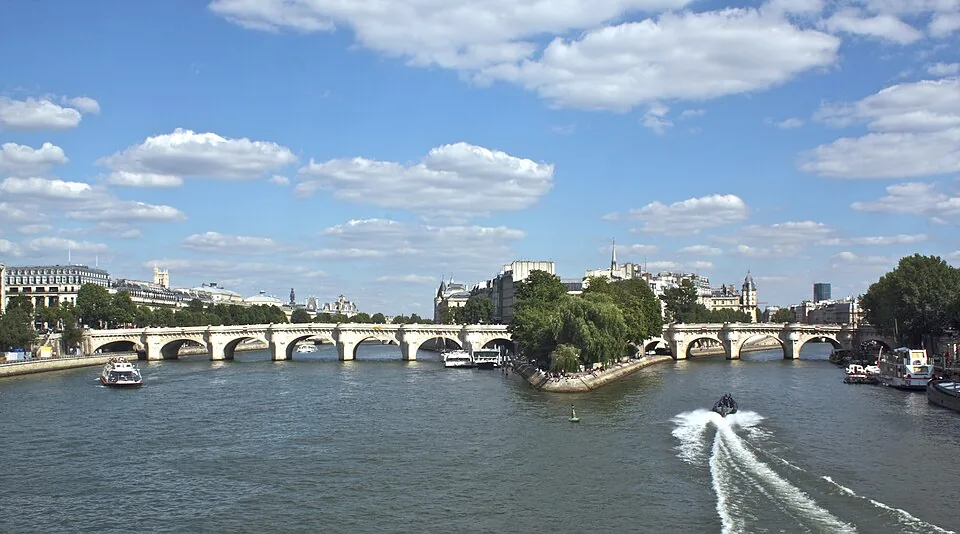
Pont Neuf is paradoxically the oldest surviving bridge in Paris. Its late sixteenth-century design introduced stone construction without houses on the bridge, leaving it open as a public route and viewpoint over the Seine.
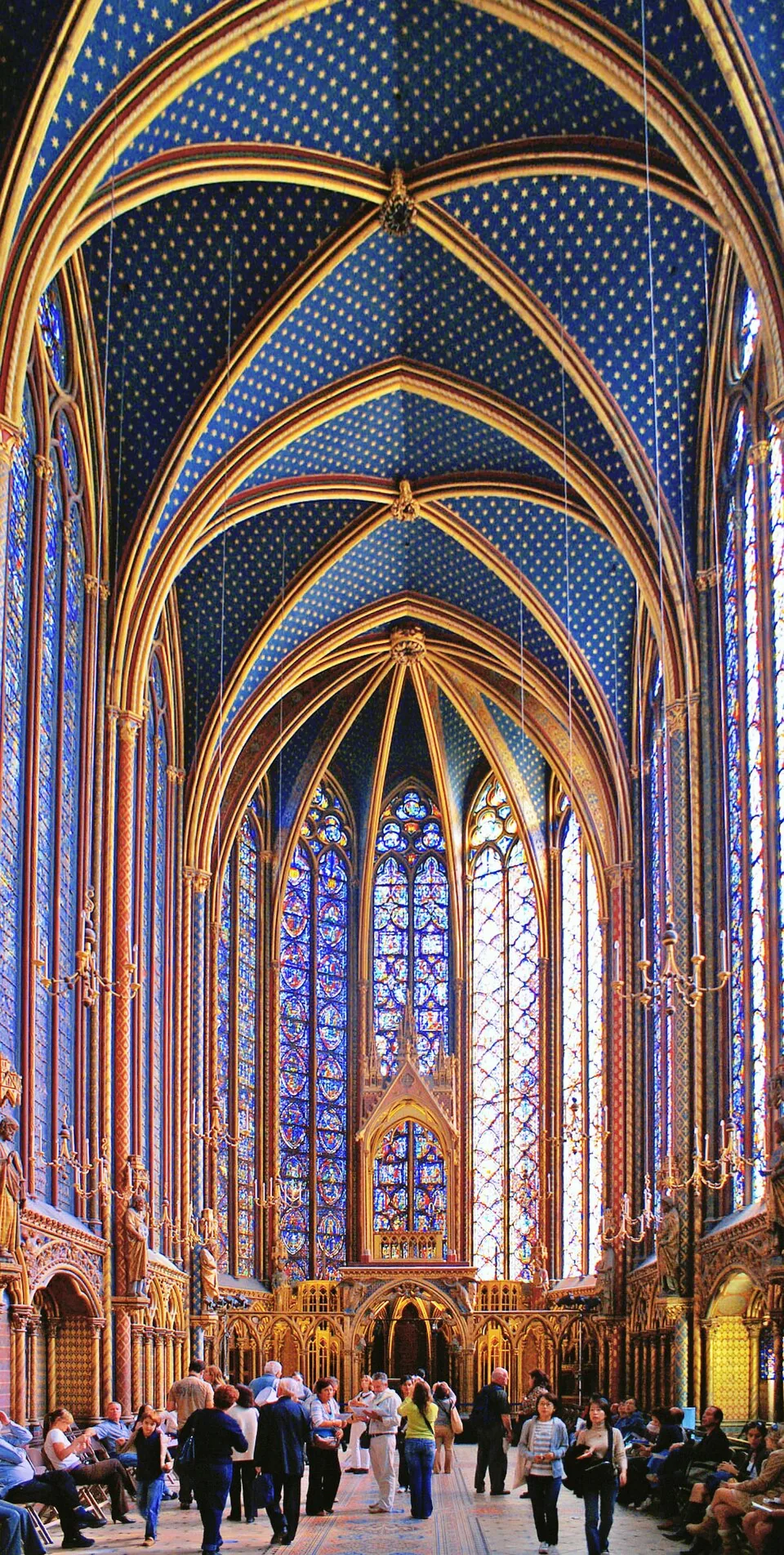
Sainte-Chapelle
Built for Louis IX inside the former Palais de la Cité, Sainte-Chapelle was a royal sanctuary for Passion relics. Its two stacked chapels culminate in an upper room of stained glass, where biblical history, royal imagery and sacred light meet.

Centre Pompidou
Centre Pompidou brings modern art, public reading, design, and music research together in a landmark cultural complex in Paris’s Beaubourg district. Its exposed structure made a flexible cultural institution visible to the city; the historic building is closed for renovation until its planned 2030 r
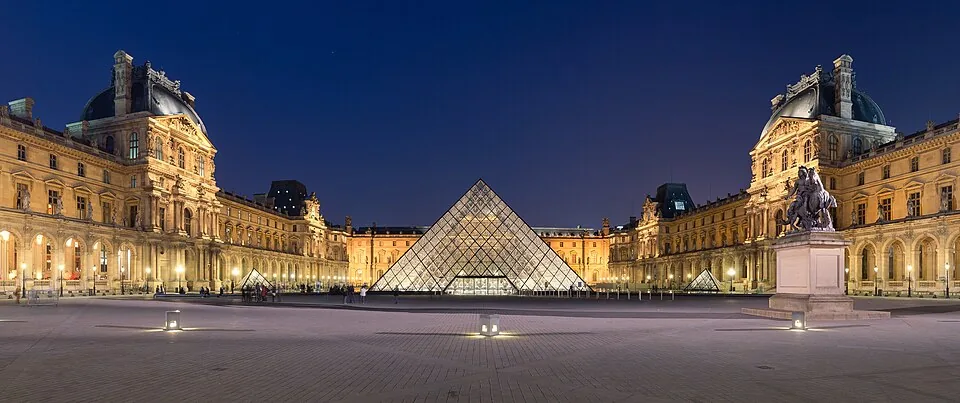
Louvre Museum
Explore the Louvre as a fortress transformed into a royal palace and public museum. Medieval remains, the Grande Galerie, and I. M. Pei’s pyramid reveal how each era reshaped this Paris landmark.

Maison de Nicolas Flamel
The house at 51 Rue de Montmorency is associated with Nicolas Flamel and dates to 1407. Its façade preserves an inscription tied to charitable lodging, while the famous alchemist stories belong to later legend rather than verified biography.