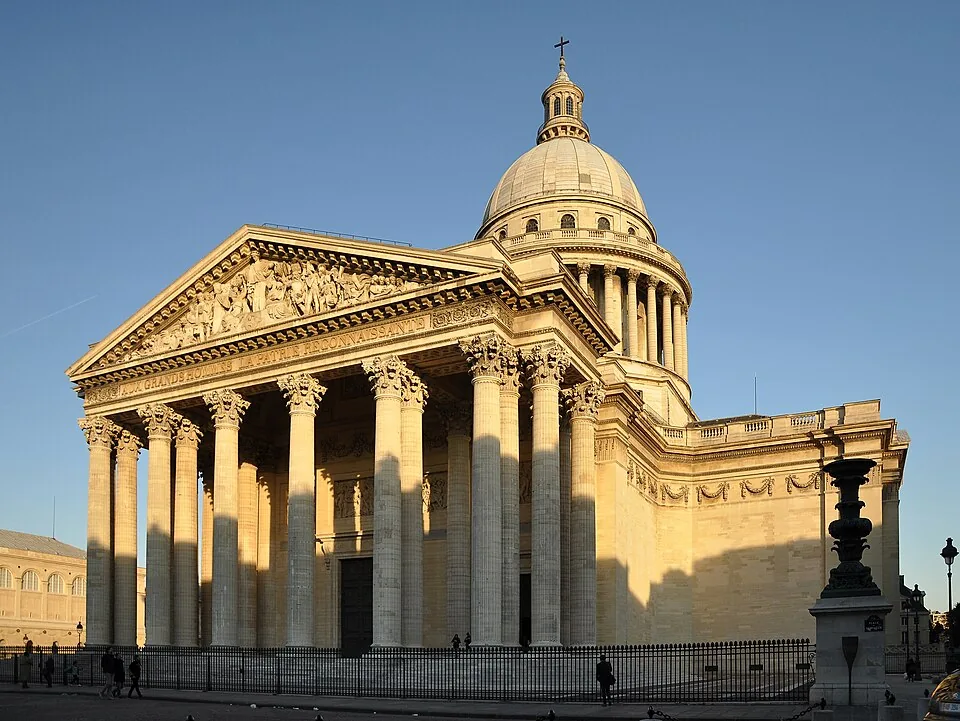
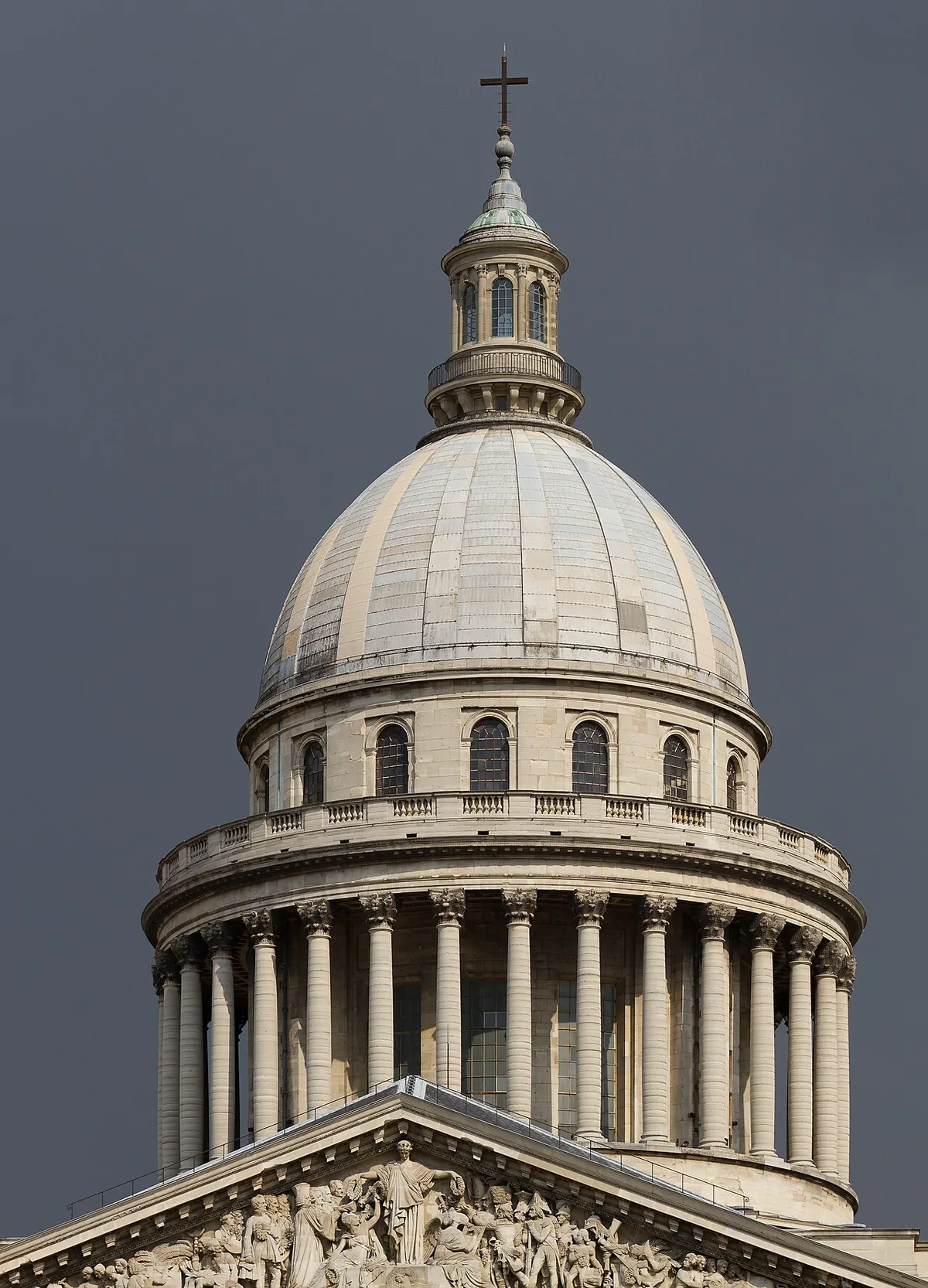
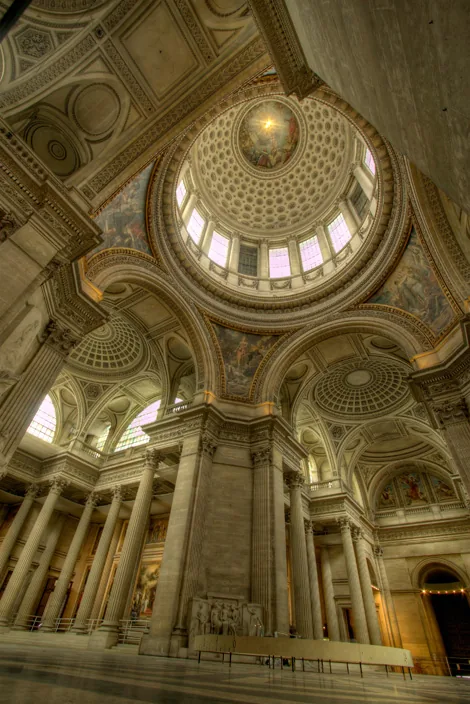
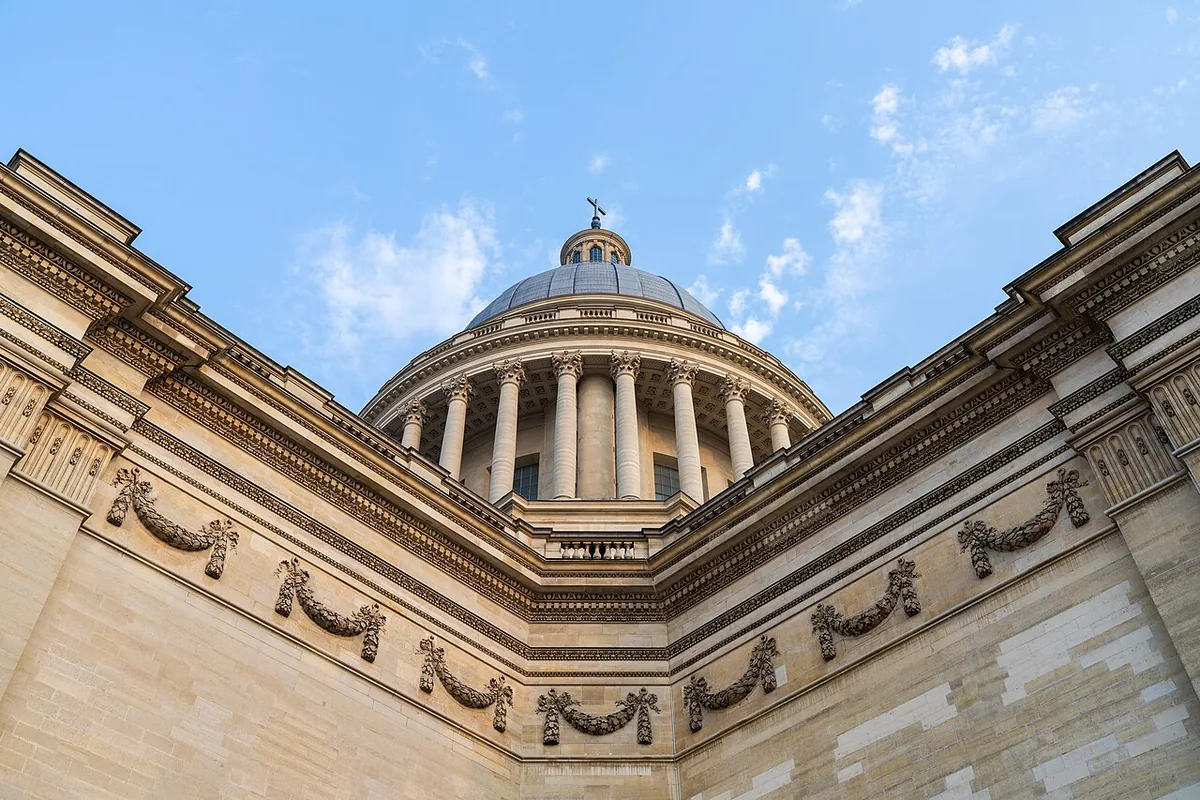
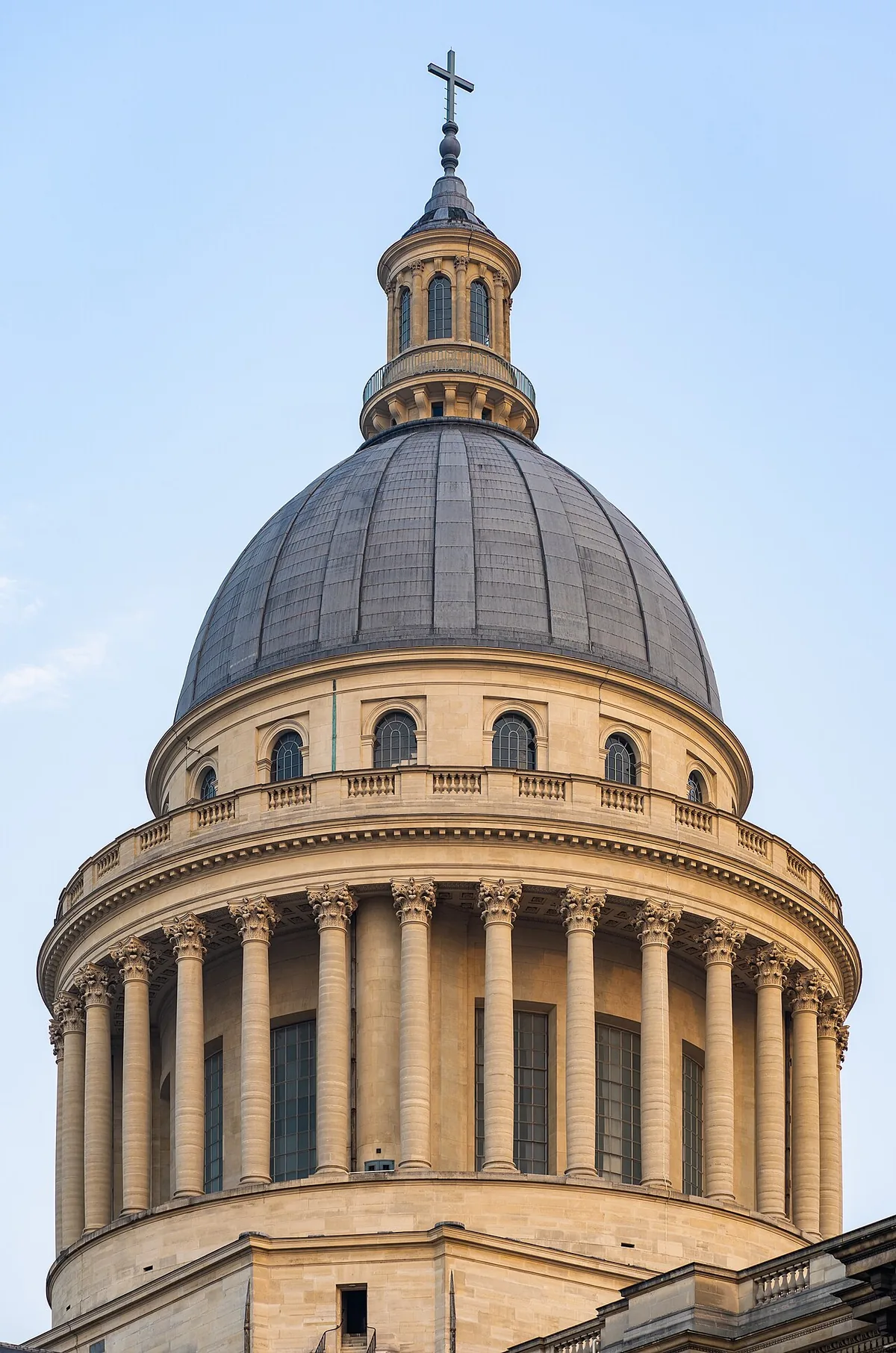
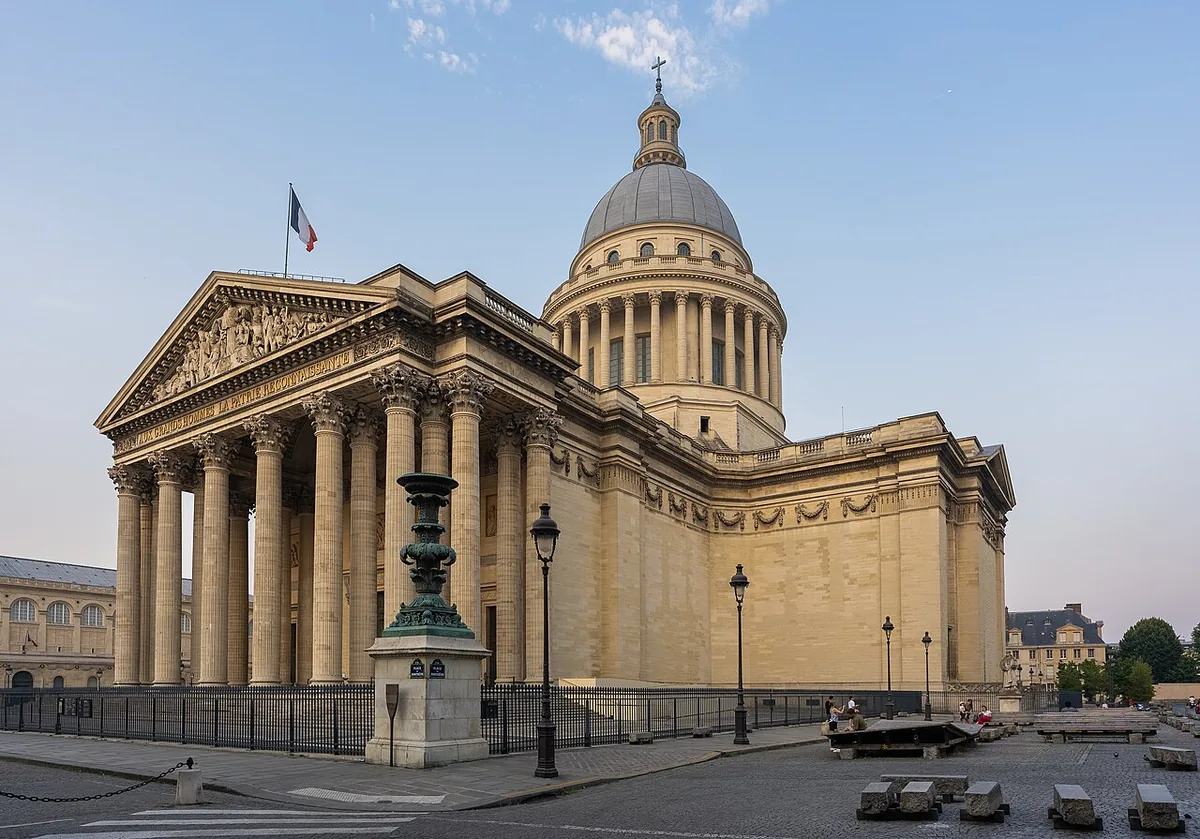
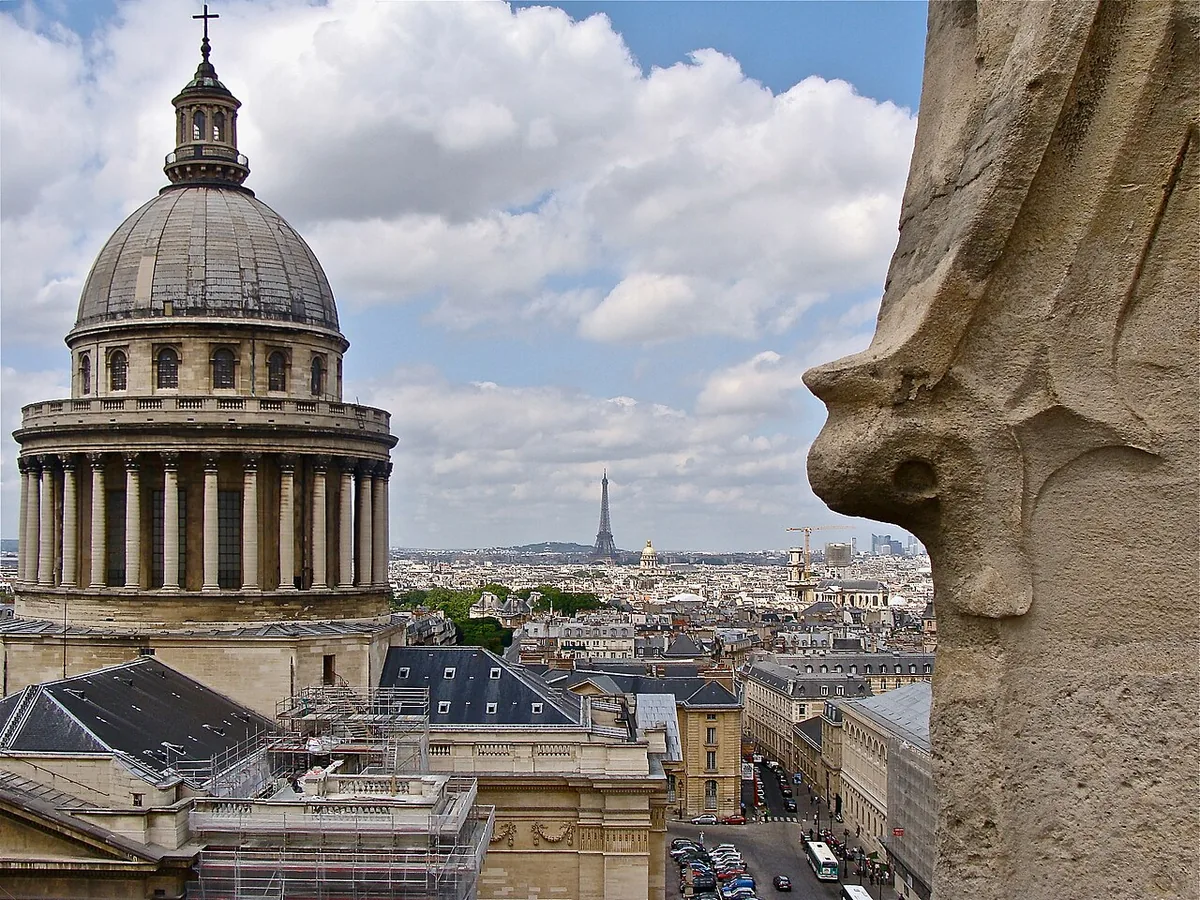
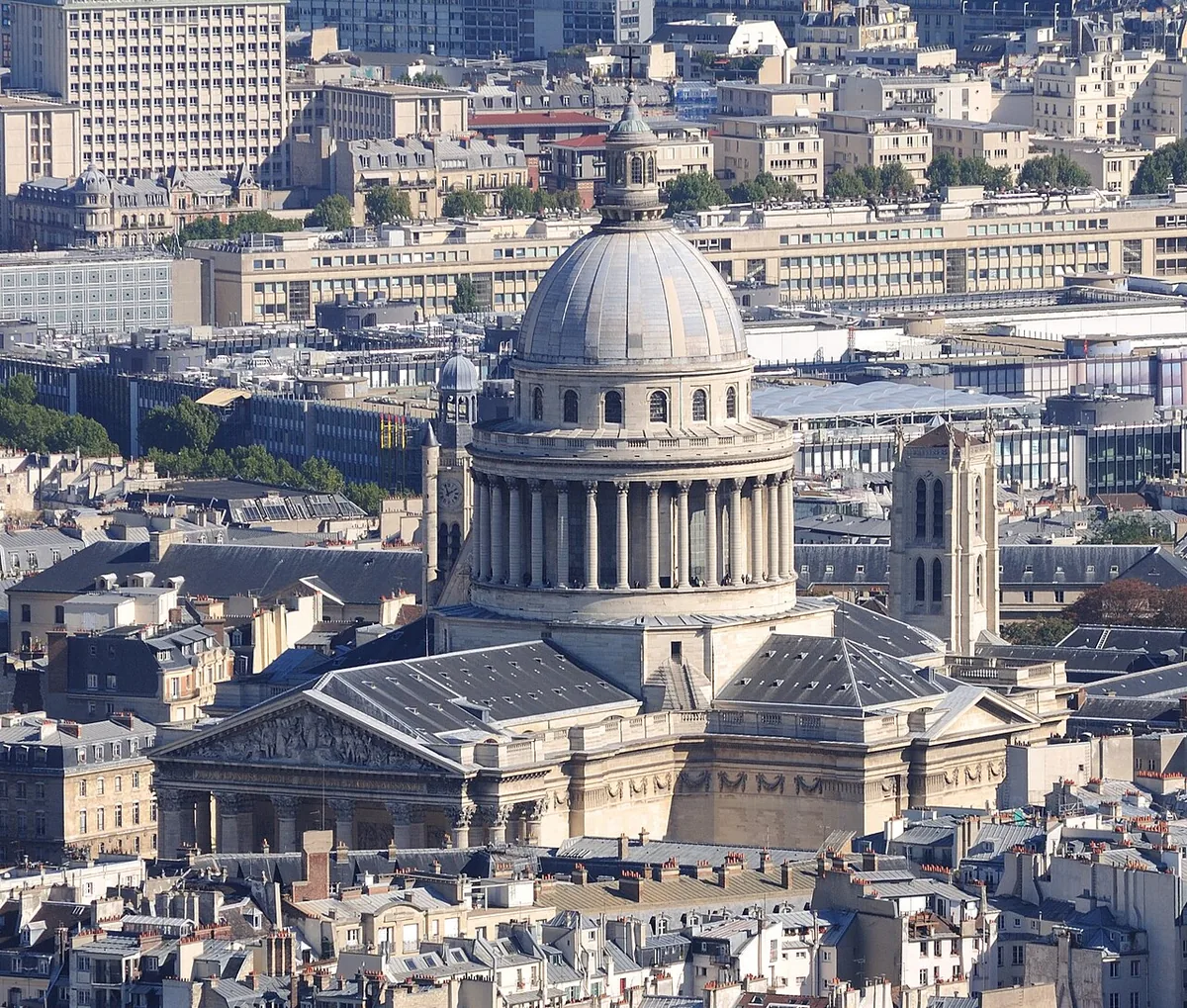
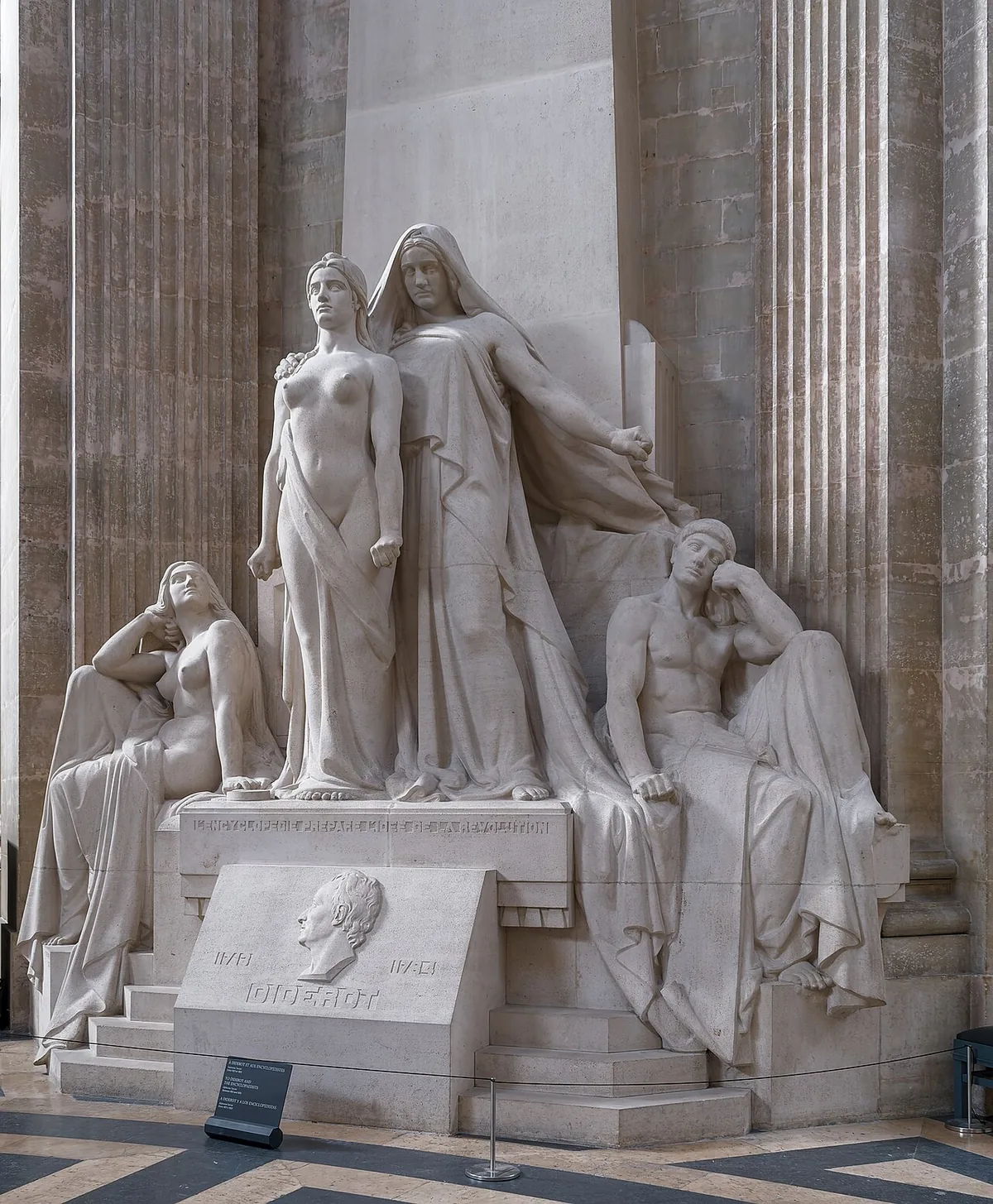
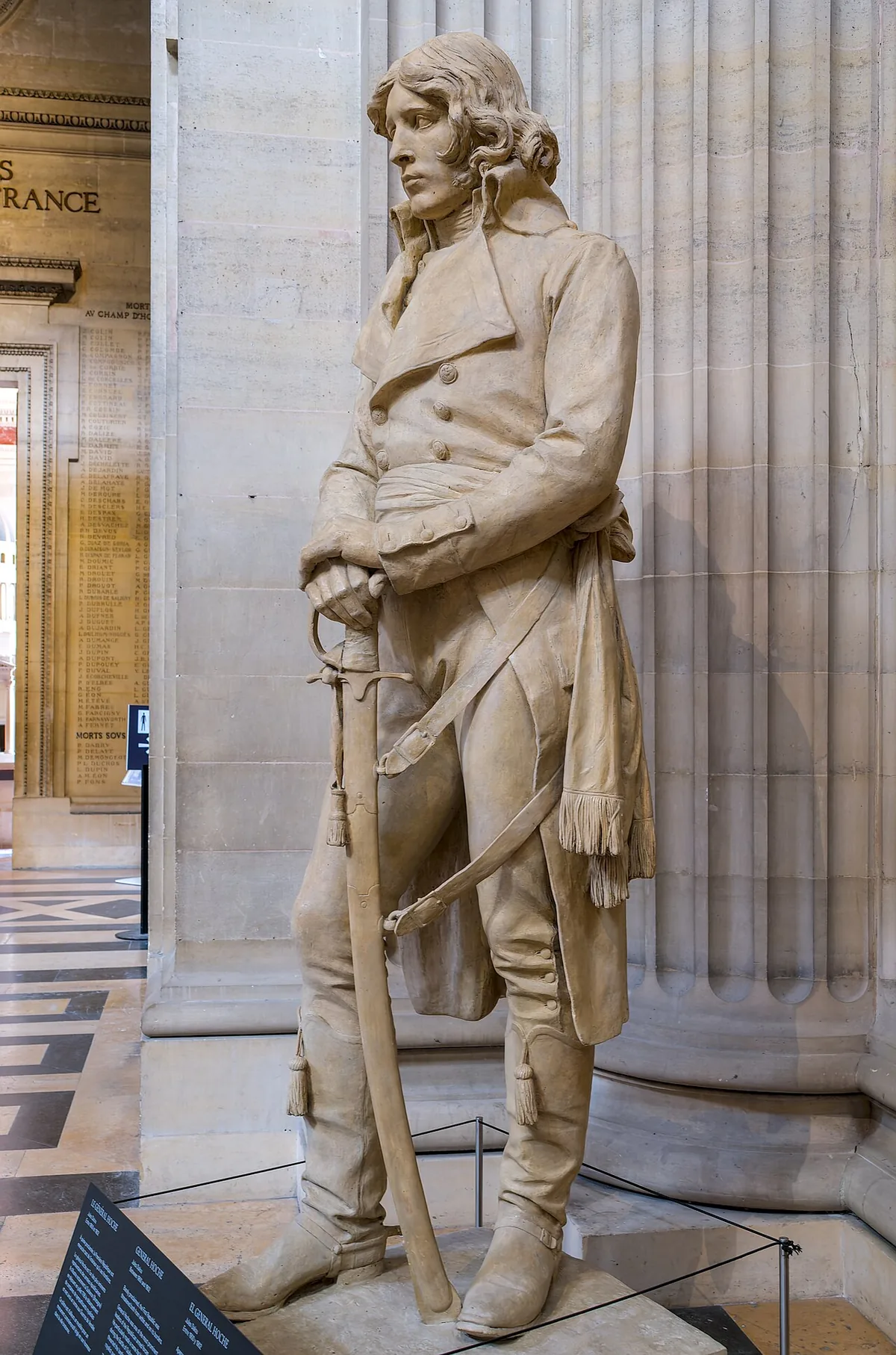
The Panthéon began as a church dedicated to Saint Geneviève and became a national mausoleum during the Revolution. Its neoclassical dome and portico now frame an evolving memorial to people whom France chooses to honor.
Quick facts
The Panthéon began as the church of Sainte-Geneviève, commissioned by Louis XV.
It became a national mausoleum during the Revolution in 1791.
The building definitively retained its role as a Panthéon after Victor Hugo’s burial in 1885.
Get directions to Panthéon. Confirm the visitor entrance and current access with the venue before travelling.
Audio guide
Listen to this place’s guide.
Guide
The Panthéon stands on the Montagne Sainte-Geneviève in Paris’s Latin Quarter. Its monumental dome is visible from across the city, but the building’s identity has never been fixed. It began as the Church of Sainte-Geneviève, intended to honor Paris’s patron saint; after the Revolution, it became a civic temple and a national resting place. Since 1885, when Victor Hugo was buried here, that memorial role has endured.
Continue exploring
Discover the full story
Keep reading with a travel pass and explore every full guide and tour.
UpgradeMore places in Paris
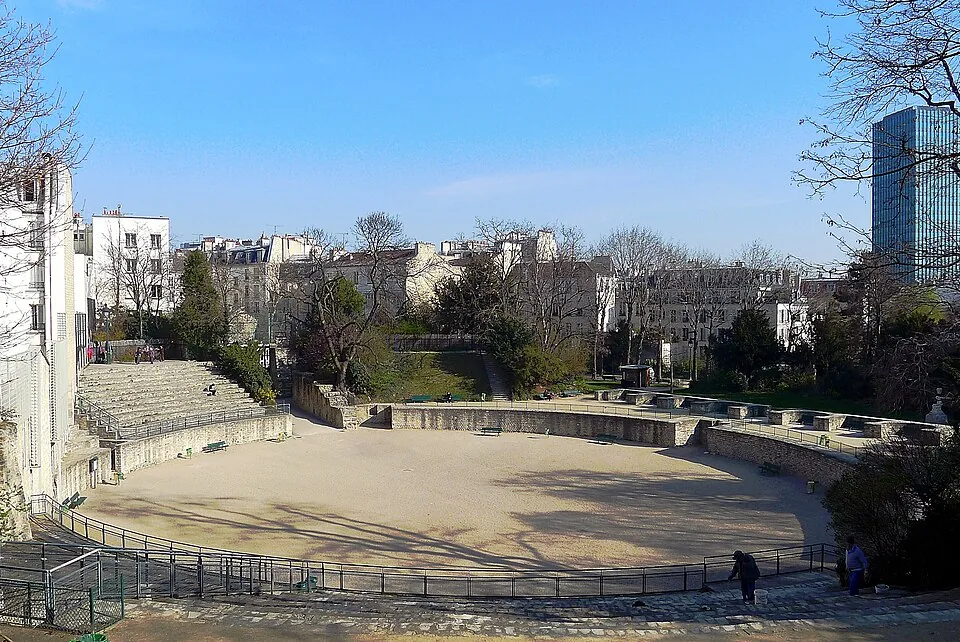
Arènes de Lutèce
Paris’s Arènes de Lutèce joined a Roman arena and theatre stage in one Gallo-Roman monument. Excavation, demolition, public campaigning and reconstruction shaped the ruins now shared as a neighborhood garden.
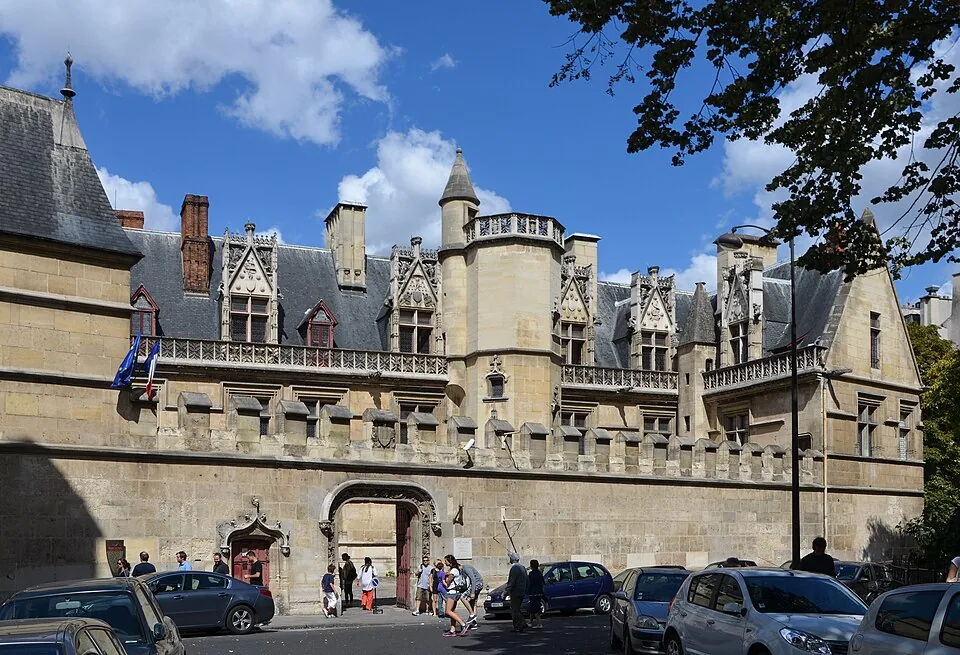
Musée de Cluny
The Musée de Cluny joins a late-medieval abbots’ residence with the remains of Roman baths. Its unusual juxtaposition makes the site itself the exhibit: successive buildings rose over ancient structures, preserving fragments of Paris across nearly two millennia.
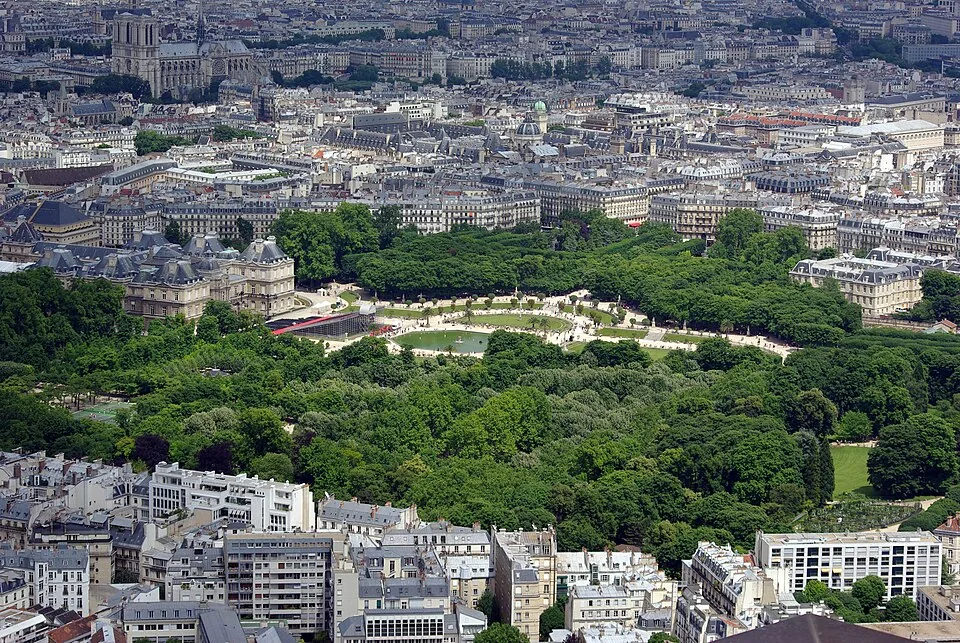
Luxembourg Gardens
Luxembourg Gardens pair formal parterres, fountains and shaded paths with the French Senate’s palace. Marie de Médicis began shaping the estate in the early seventeenth century; later political upheavals and Haussmann’s streets reshaped its boundaries.
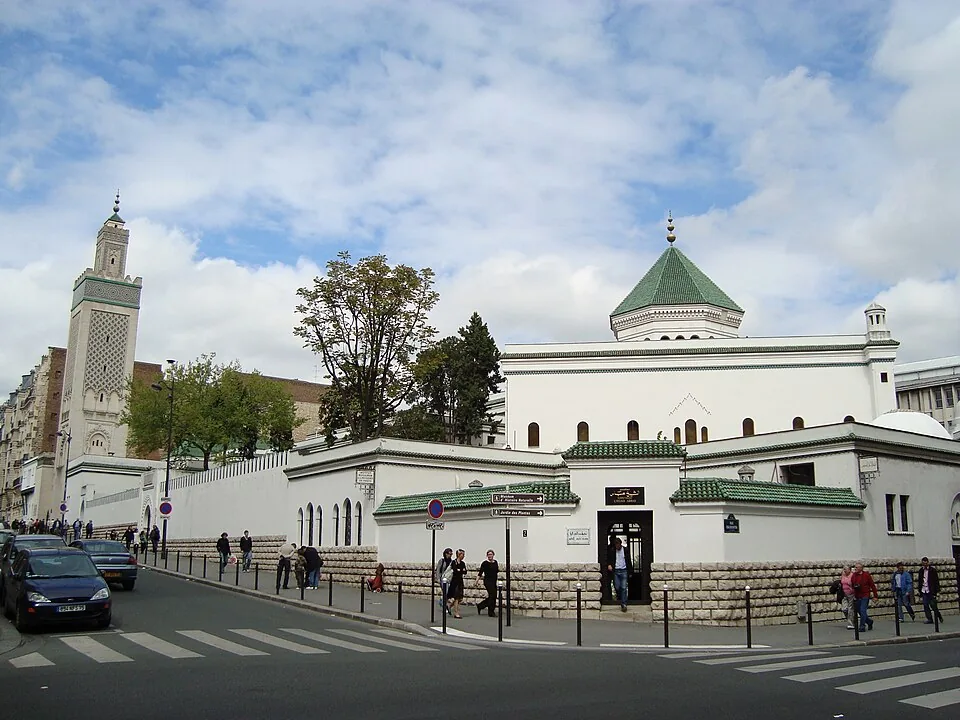
Grande Mosquée de Paris
An active mosque and cultural institution in Paris’s 5th arrondissement, the Grande Mosquée was built after the First World War to honor Muslim soldiers who died for France. Its North African crafts, garden, memorials, and colonial-era origins give the complex a layered story.
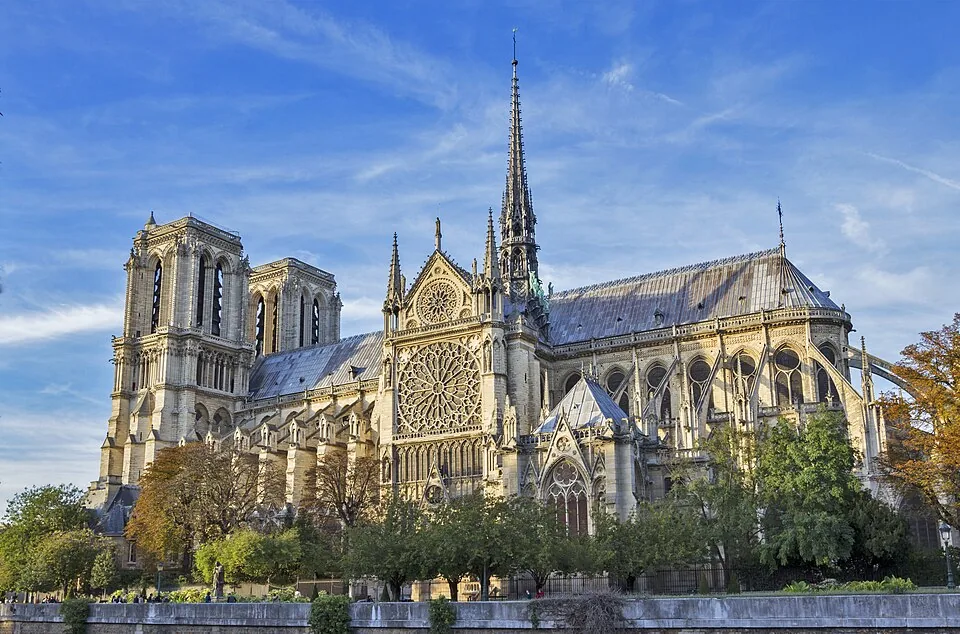
Notre-Dame Cathedral
Notre-Dame is a living Gothic cathedral on the Île de la Cité, where Paris once concentrated its religious life and river crossings. Its medieval fabric, nineteenth-century restoration, 2019 fire and continuing conservation record how the city repeatedly rebuilds its most visible landmark.
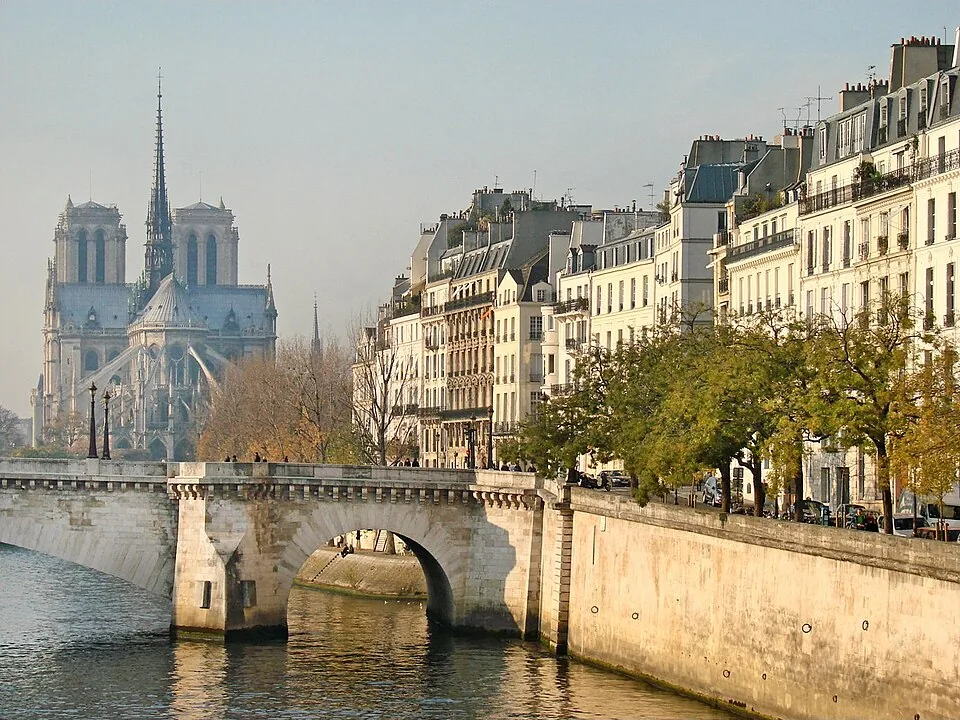
Île Saint-Louis
Île Saint-Louis is a compact island of seventeenth-century streets and residences in the Seine. Its present shape emerged when two smaller islands were joined, then developed through a planned urban project that gave it a distinctive architectural unity.