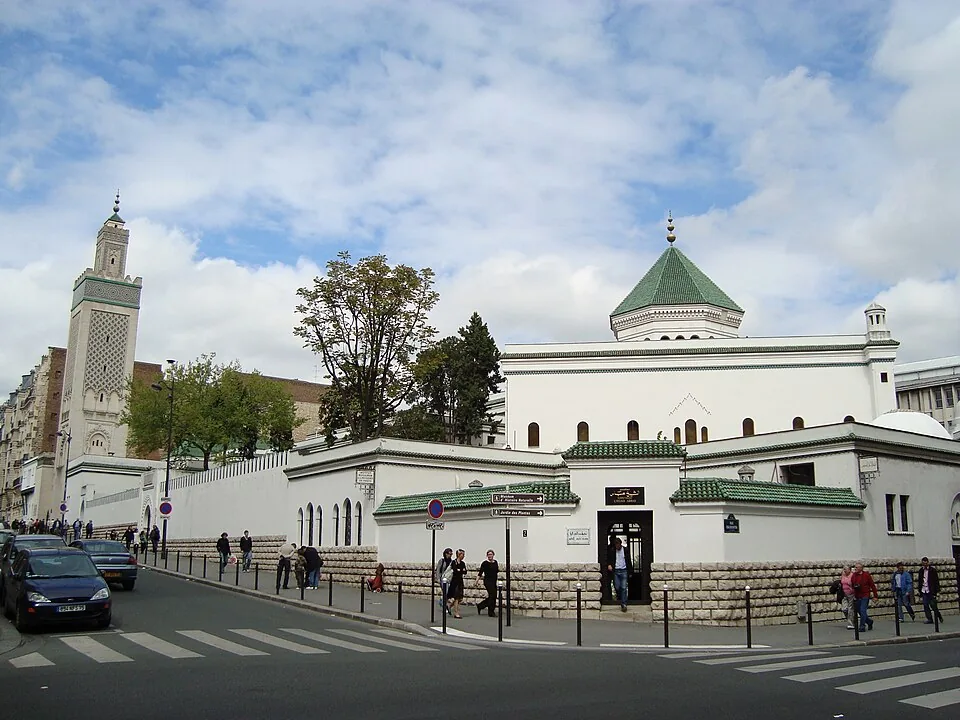
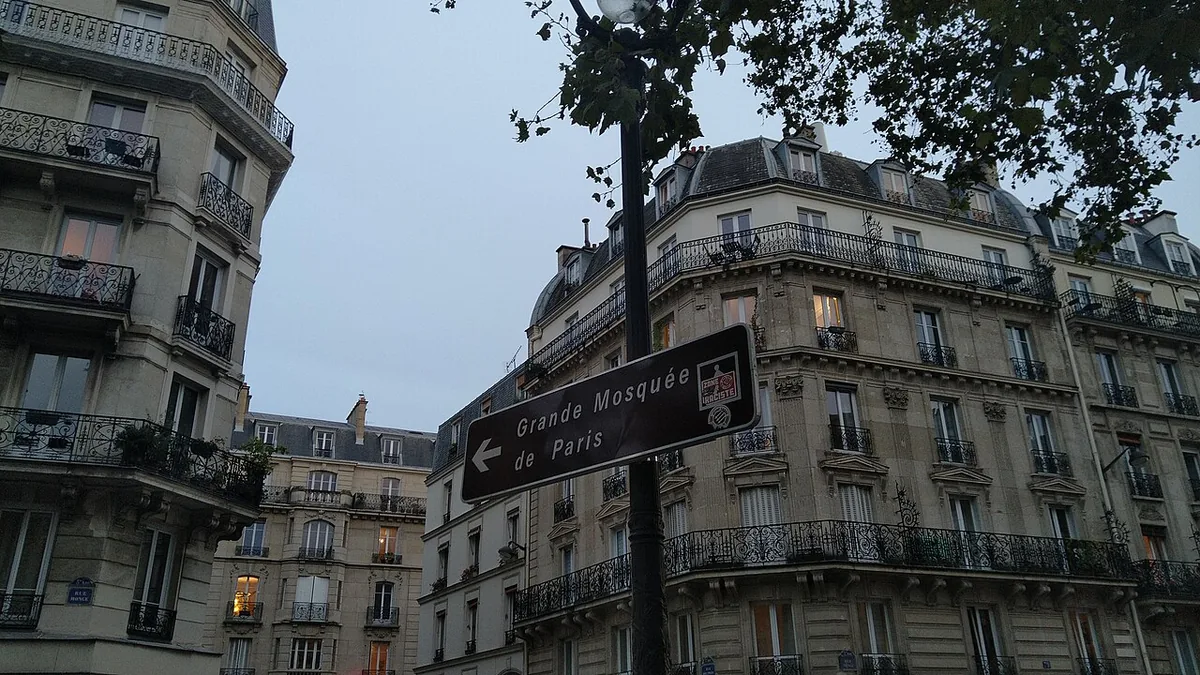
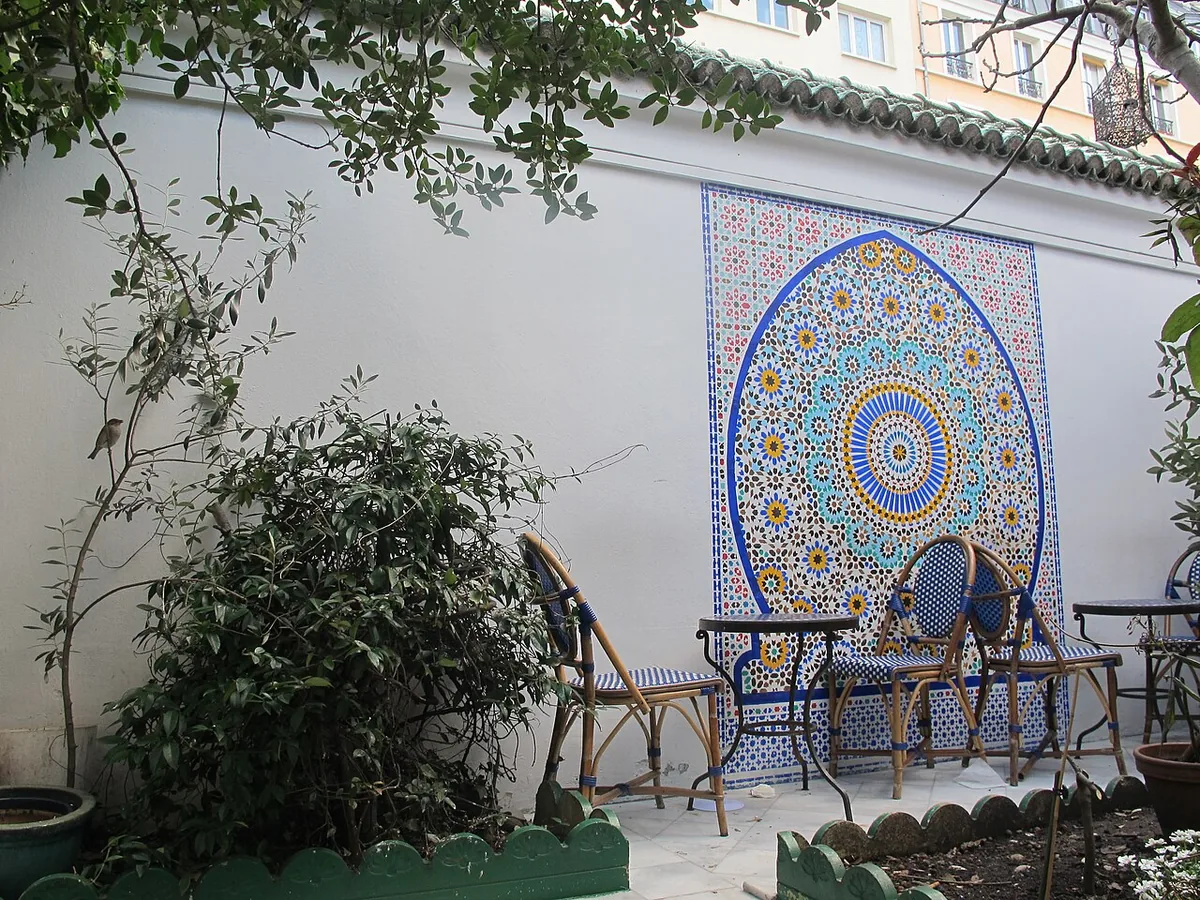
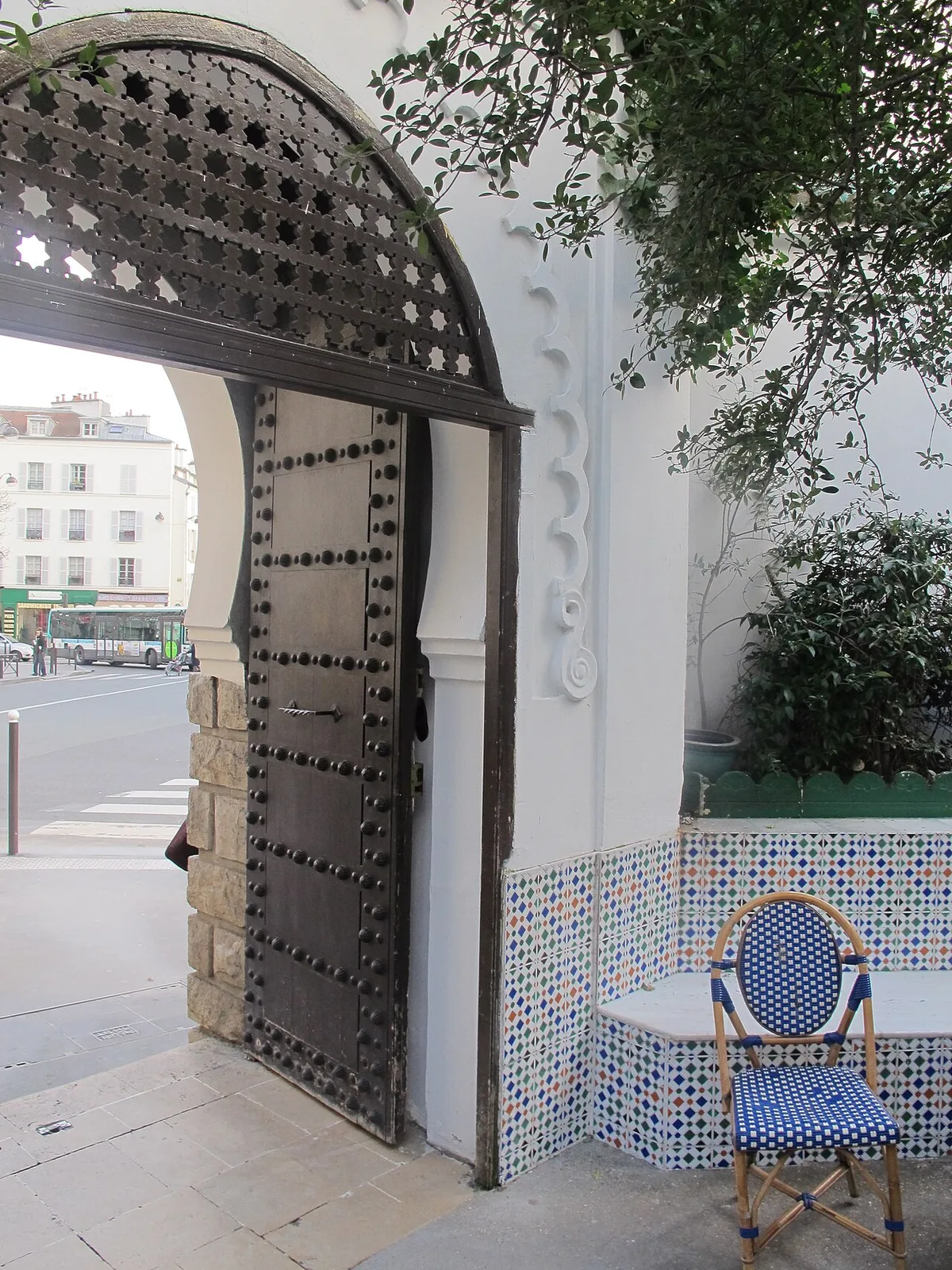
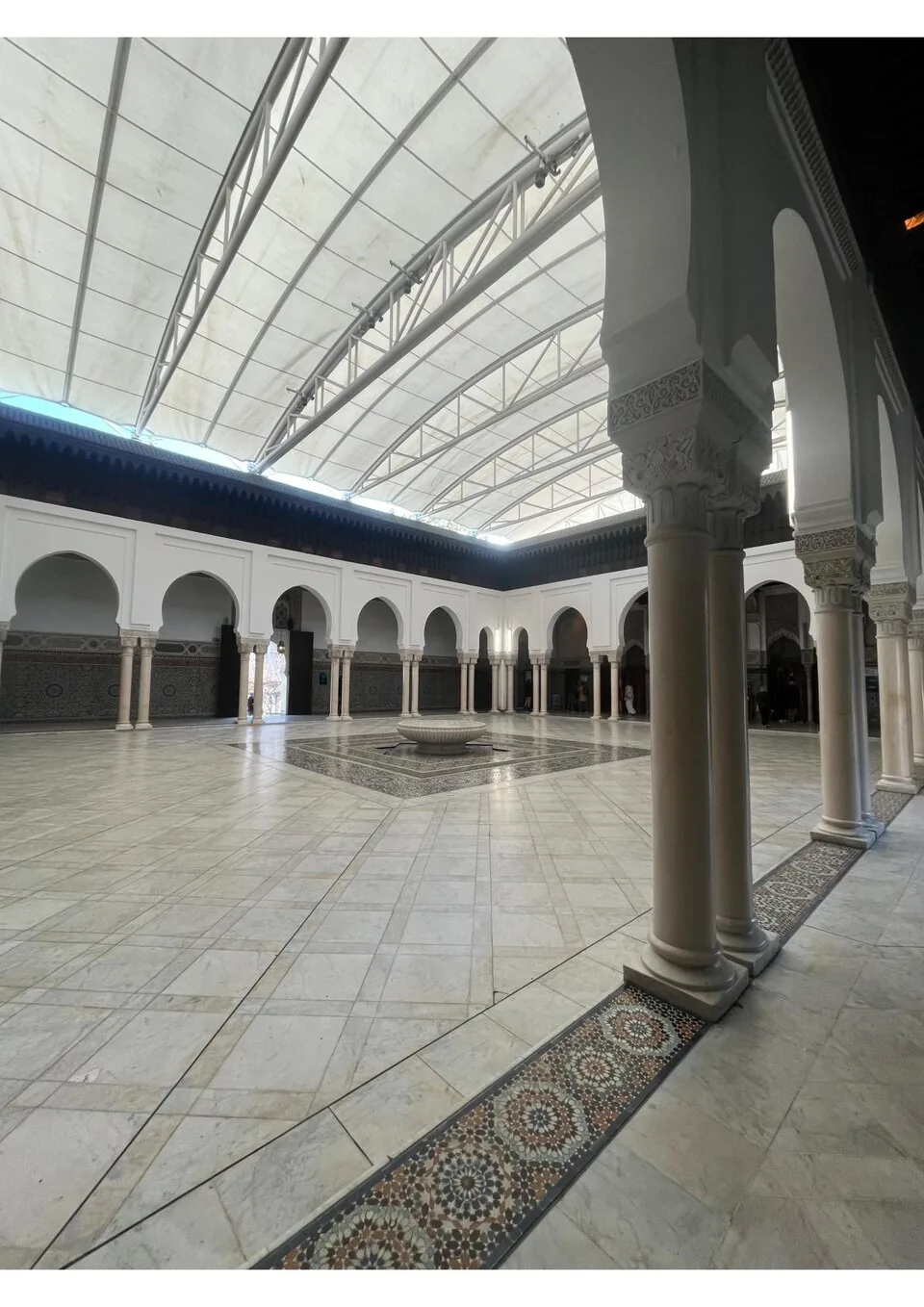
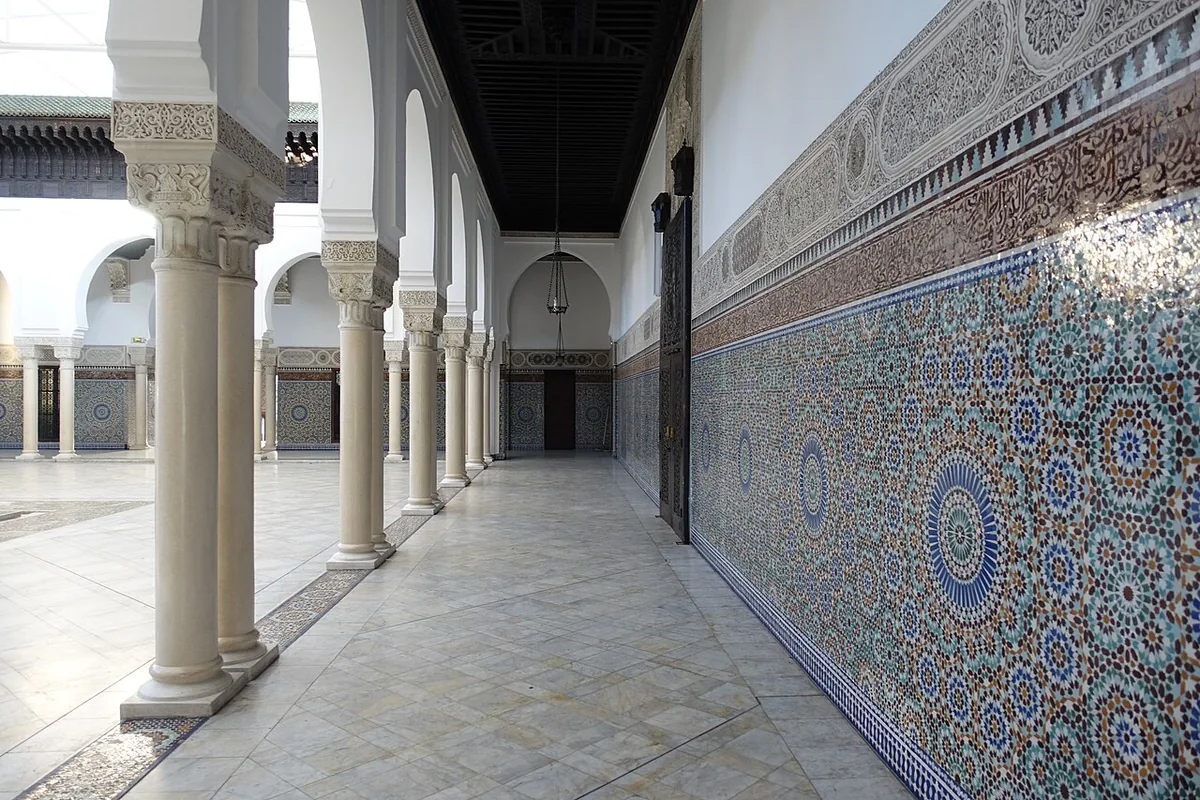
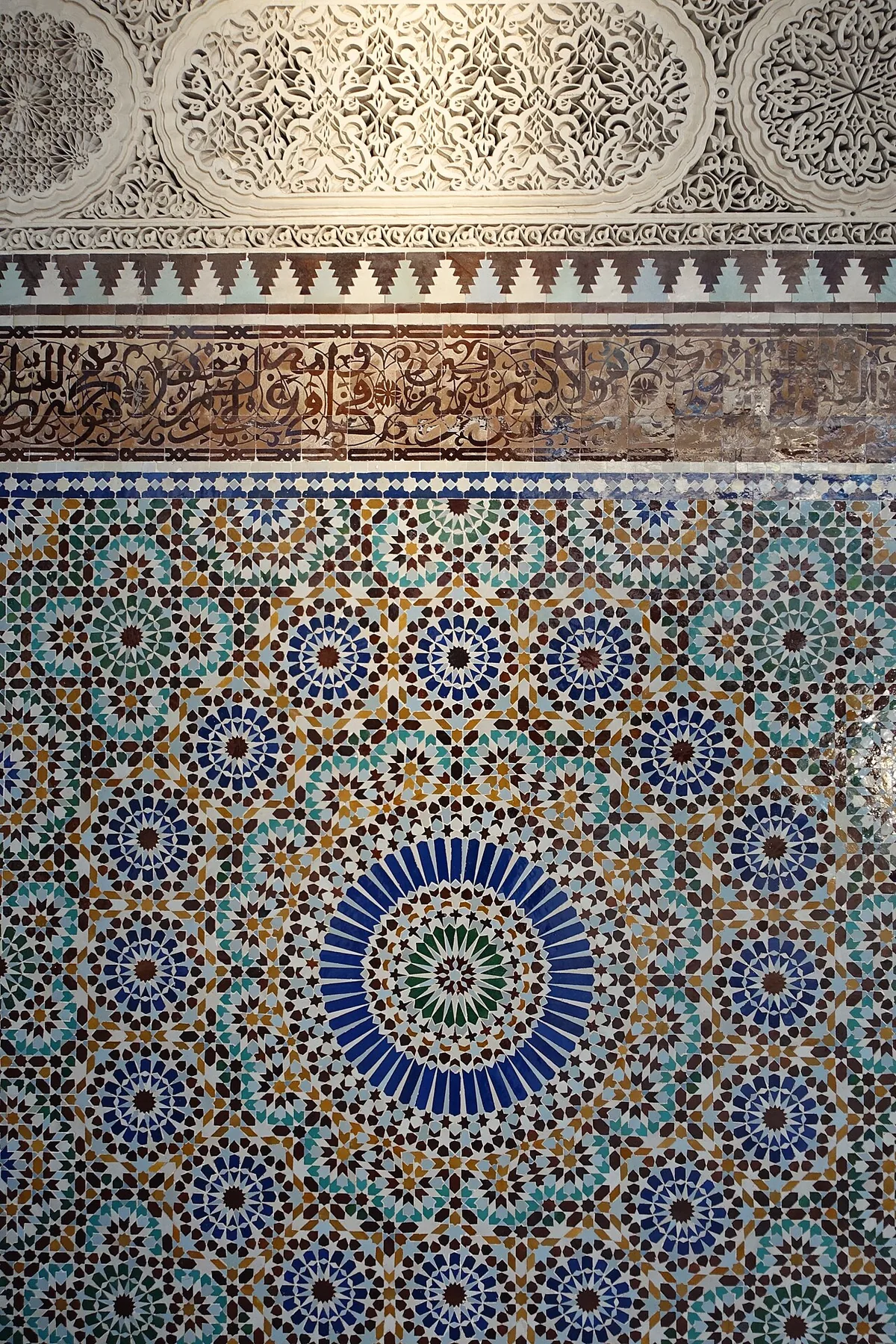
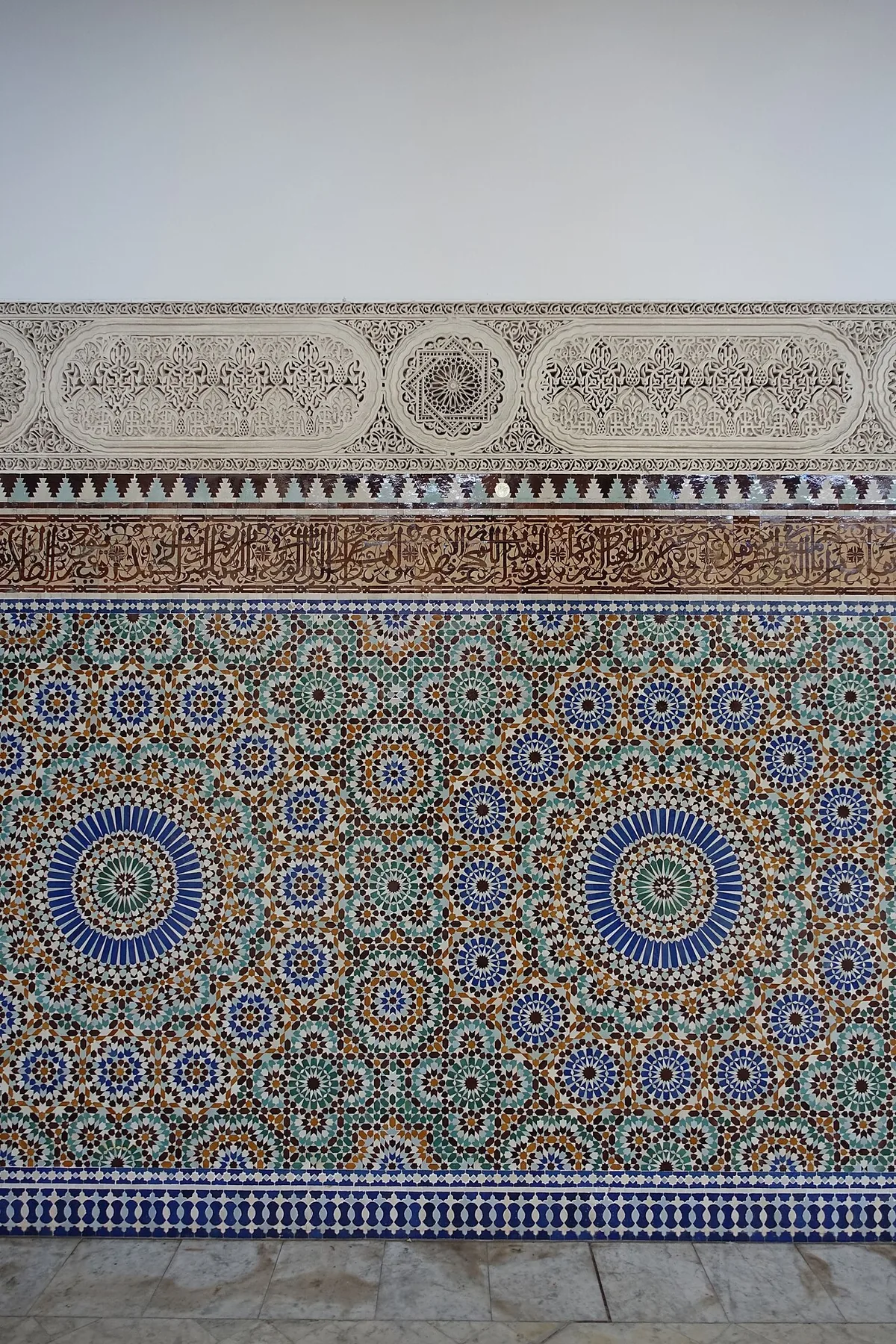
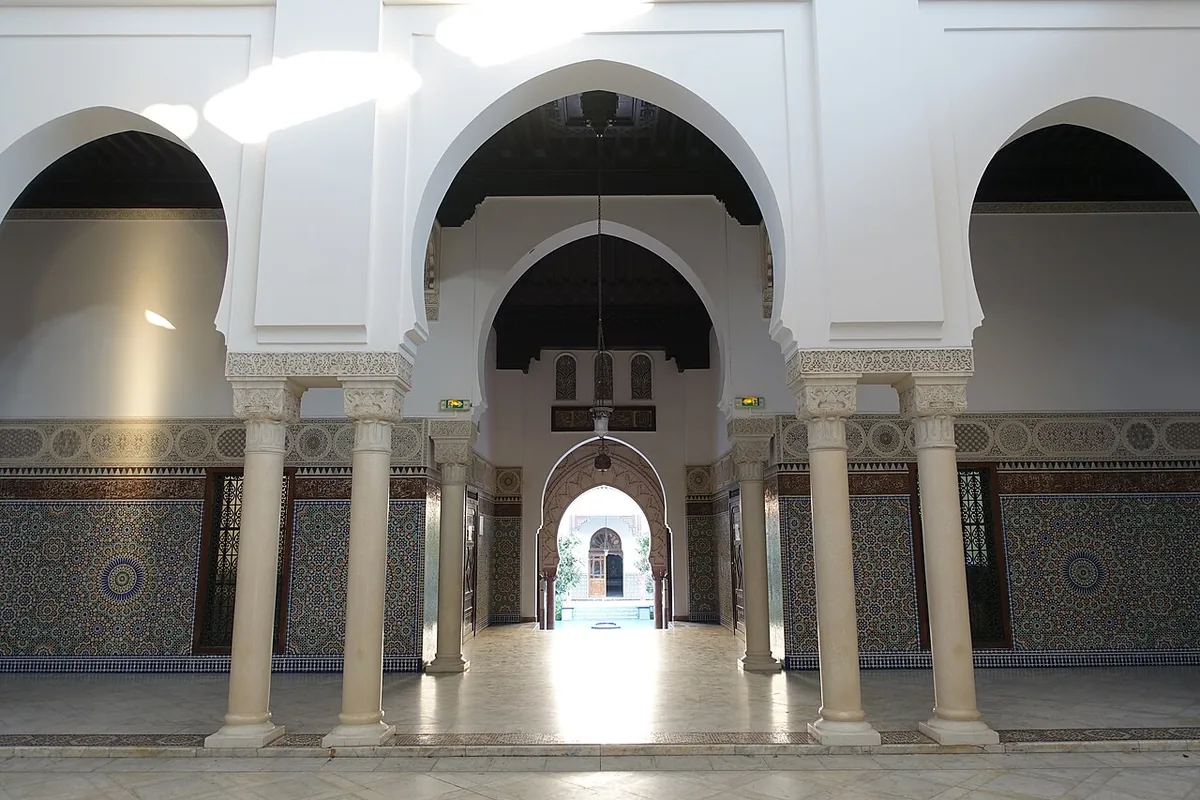
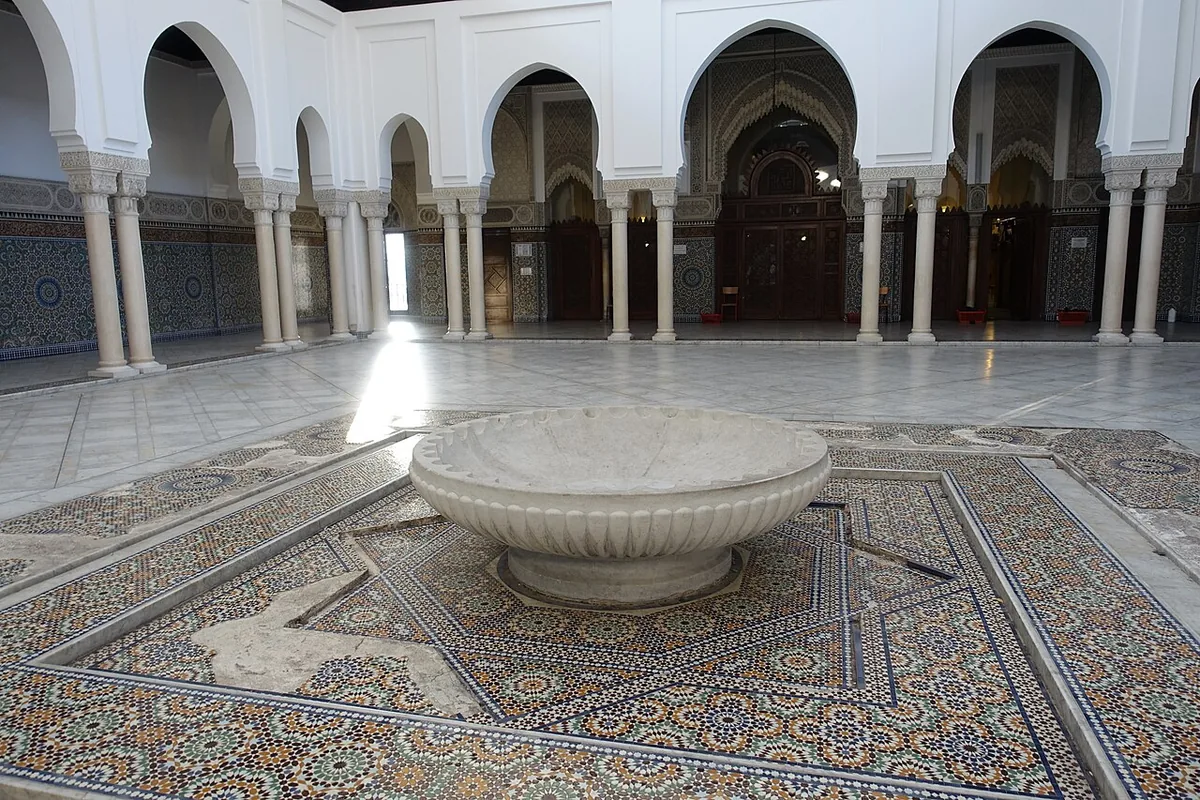
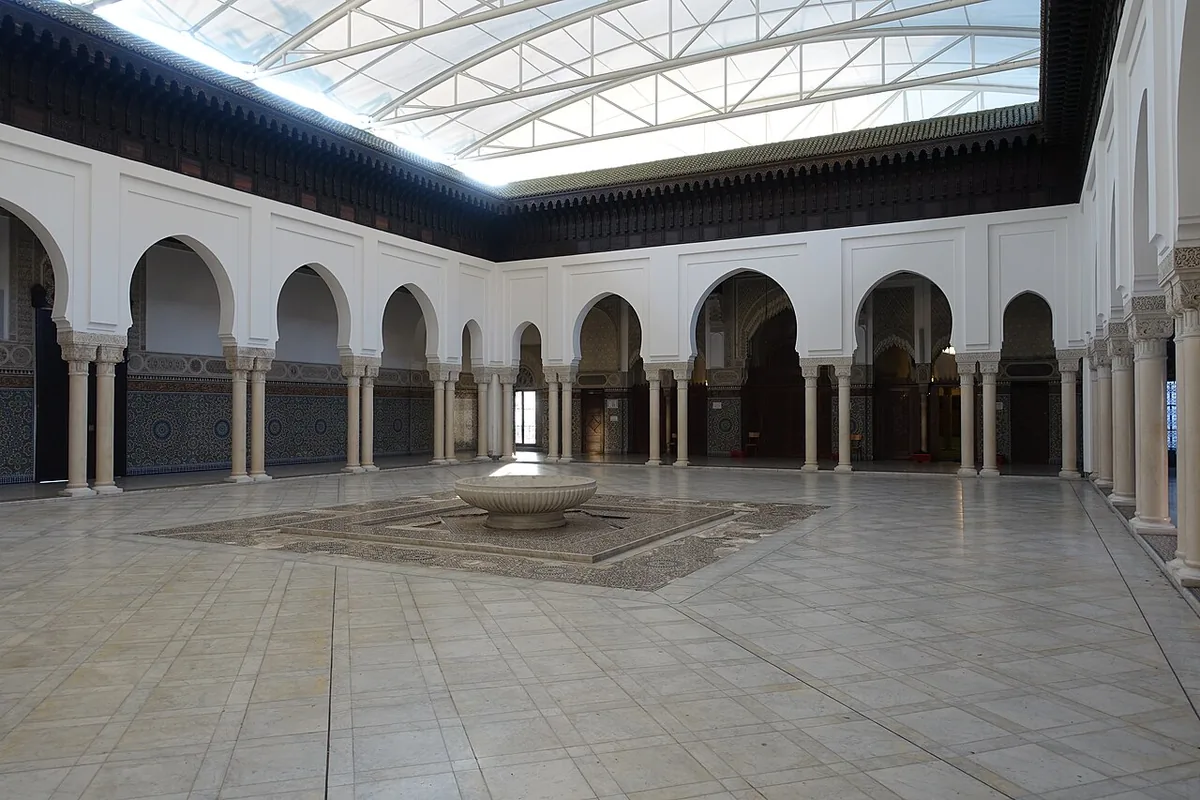
An active mosque and cultural institution in Paris’s 5th arrondissement, the Grande Mosquée was built after the First World War to honor Muslim soldiers who died for France. Its North African crafts, garden, memorials, and colonial-era origins give the complex a layered story.
Quick facts
The mosque was built from 1922 to 1926 on land provided by the City of Paris, with state funding and financing through the Société des Habous and North African Muslim subscriptions.
Its neo-Moorish complex was designed from plans by Maurice Tranchant de Lunel and developed by Robert Fournez, Maurice Mantout, and Charles Heubès, with decorative work by Maghrebi artists and craftspeople.
The City of Paris reports archival evidence that the mosque issued false Muslim identity certificates to some North African Jews during the German occupation; reports of children sheltered in its cellars remain uncertain.
Get directions to Grande Mosquée de Paris. Confirm the visitor entrance and current access with the venue before travelling.
Audio guide
Listen to this place’s guide.
Guide
In the 5th arrondissement, the Grande Mosquée de Paris is both an active place of worship and a public monument shaped by France’s relationship with Muslim communities. Its story holds two truths together: it was built to honor Muslim soldiers who died for France, and it rose within a colonial project that sought to define Islam’s place in the French Republic.
Continue exploring
Discover the full story
Keep reading with a travel pass and explore every full guide and tour.
UpgradeMore places in Paris
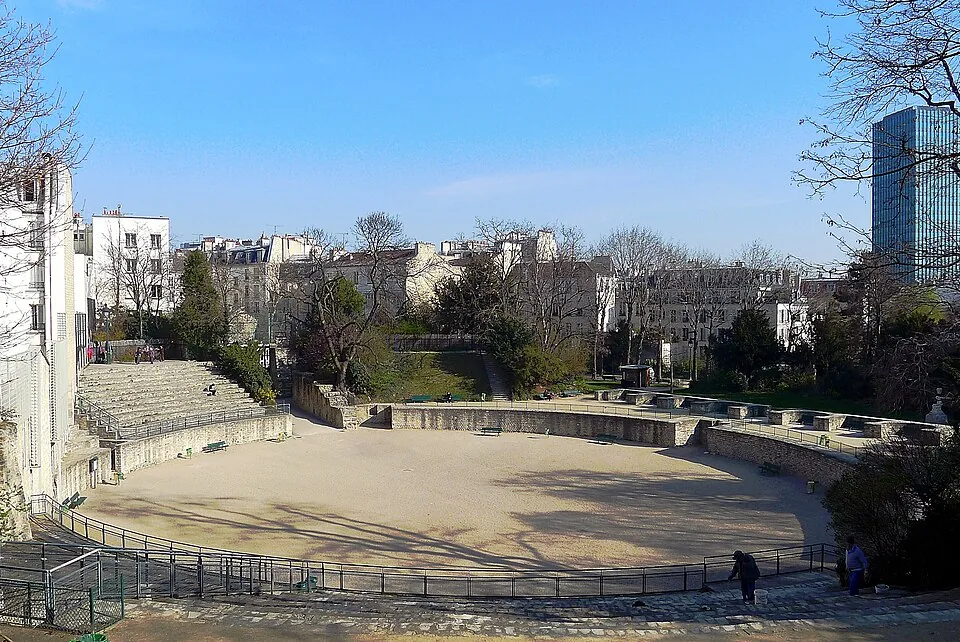
Arènes de Lutèce
Paris’s Arènes de Lutèce joined a Roman arena and theatre stage in one Gallo-Roman monument. Excavation, demolition, public campaigning and reconstruction shaped the ruins now shared as a neighborhood garden.
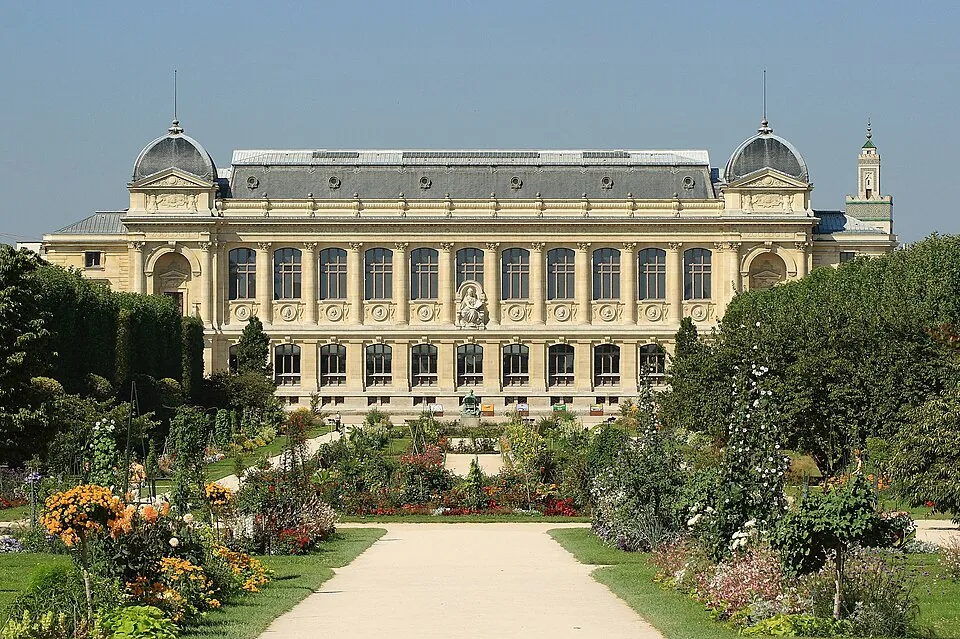
Jardin des Plantes
The Jardin des Plantes began as a royal medicinal garden and grew into the botanical heart of France’s natural-history museum. Its formal paths and plant collections still connect public education with research, conservation, and the careful naming of living species.
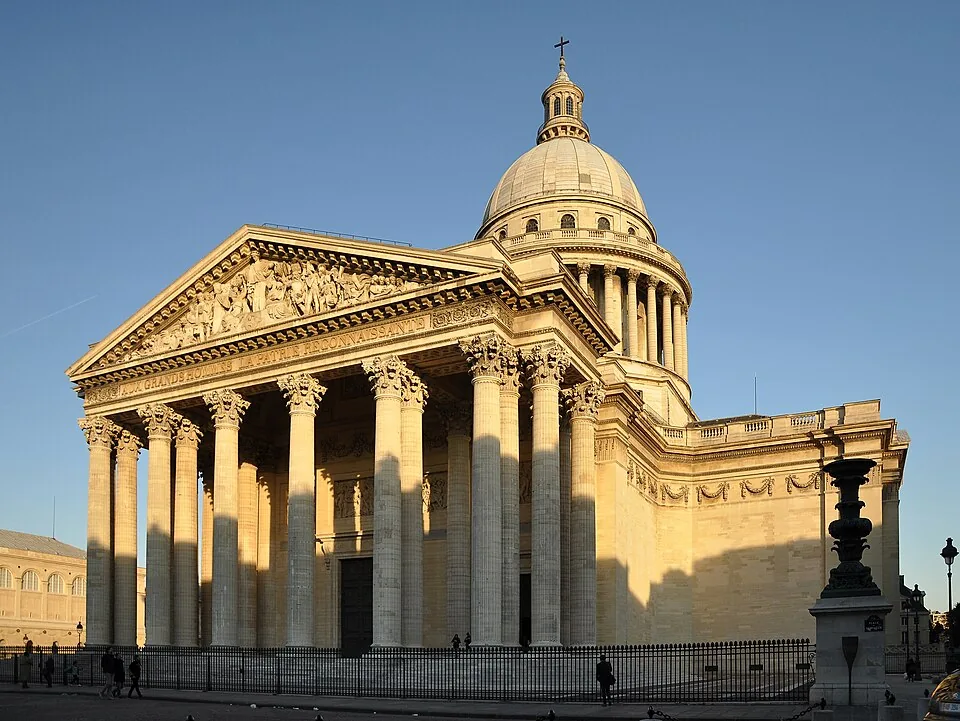
Panthéon
The Panthéon began as a church dedicated to Saint Geneviève and became a national mausoleum during the Revolution. Its neoclassical dome and portico now frame an evolving memorial to people whom France chooses to honor.
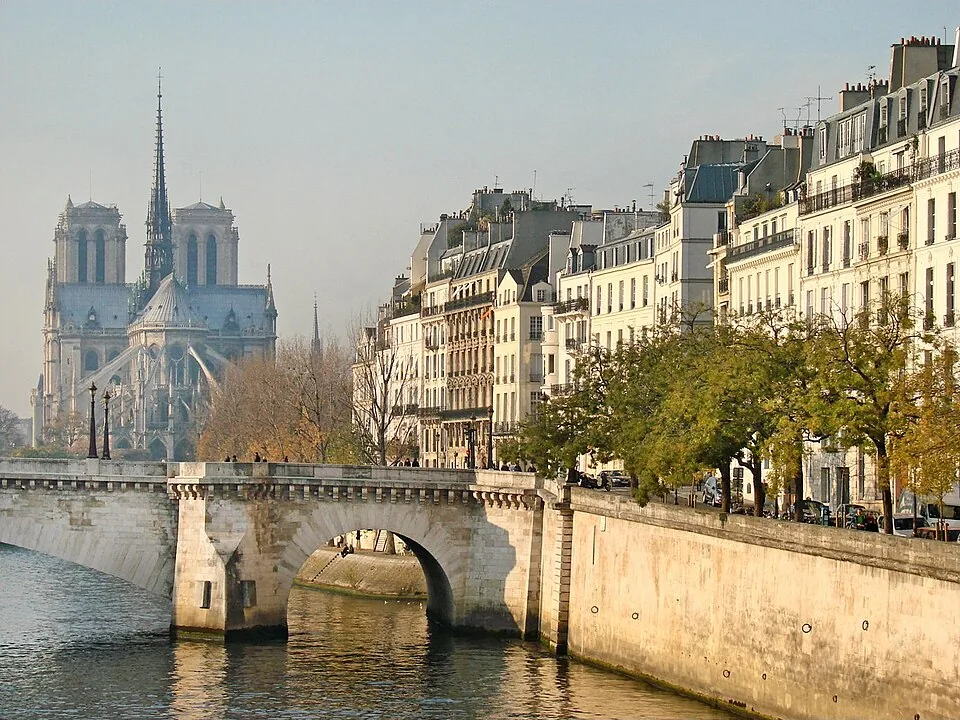
Île Saint-Louis
Île Saint-Louis is a compact island of seventeenth-century streets and residences in the Seine. Its present shape emerged when two smaller islands were joined, then developed through a planned urban project that gave it a distinctive architectural unity.
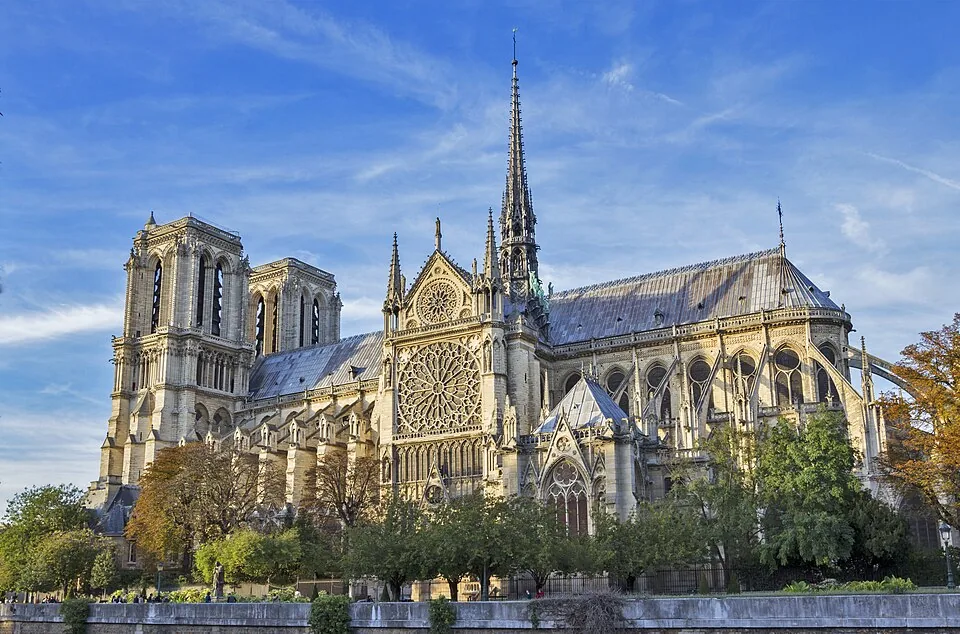
Notre-Dame Cathedral
Notre-Dame is a living Gothic cathedral on the Île de la Cité, where Paris once concentrated its religious life and river crossings. Its medieval fabric, nineteenth-century restoration, 2019 fire and continuing conservation record how the city repeatedly rebuilds its most visible landmark.
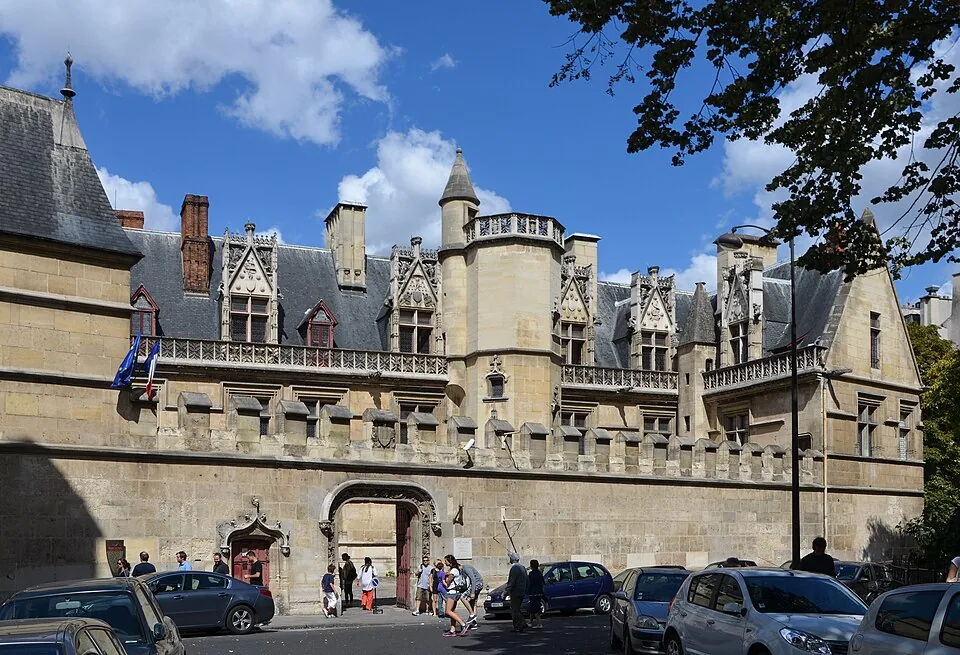
Musée de Cluny
The Musée de Cluny joins a late-medieval abbots’ residence with the remains of Roman baths. Its unusual juxtaposition makes the site itself the exhibit: successive buildings rose over ancient structures, preserving fragments of Paris across nearly two millennia.