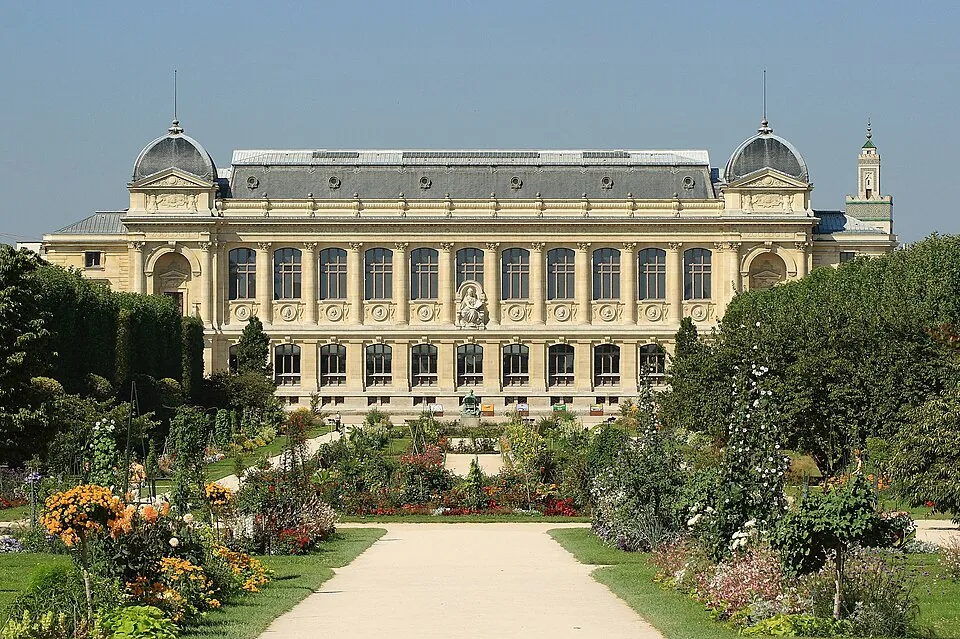
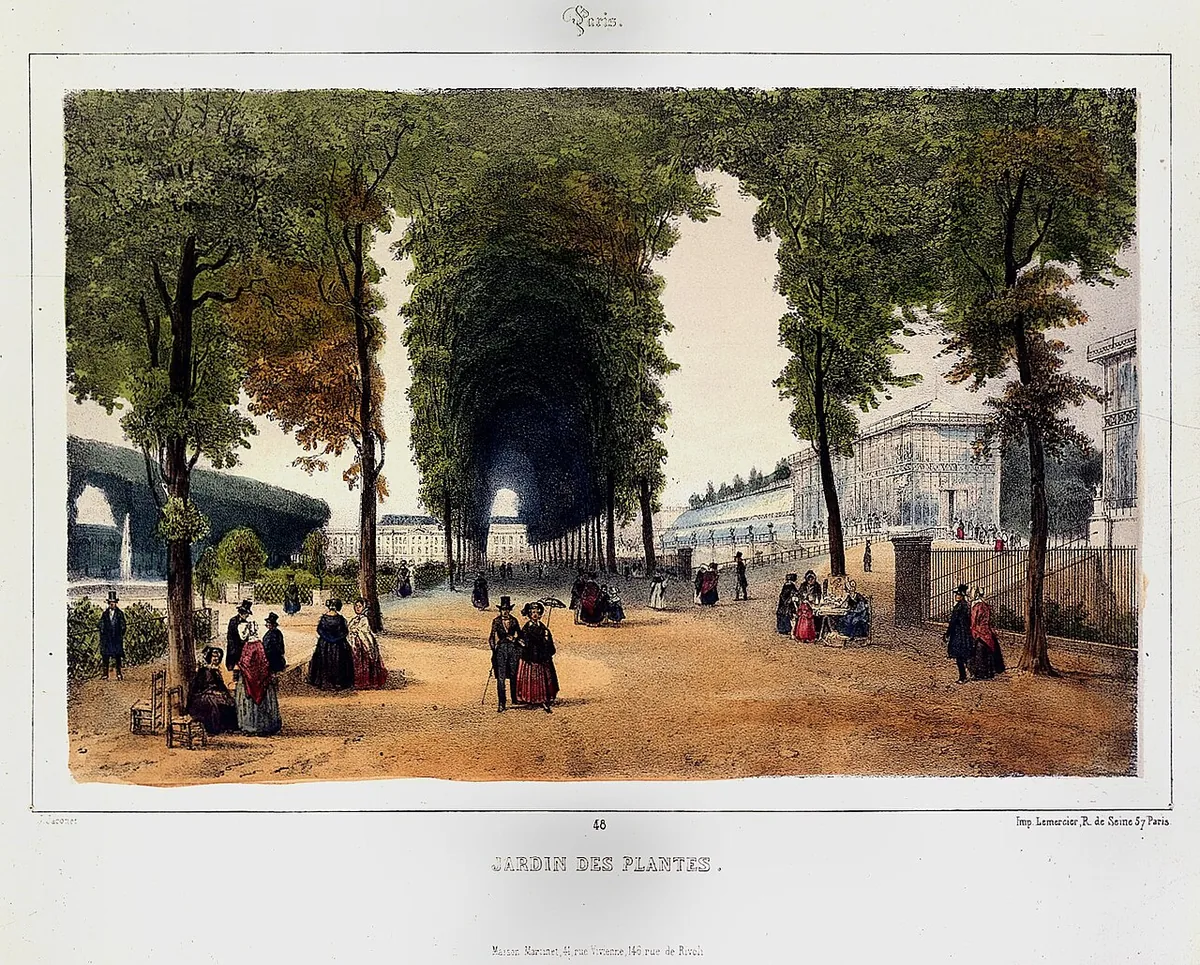
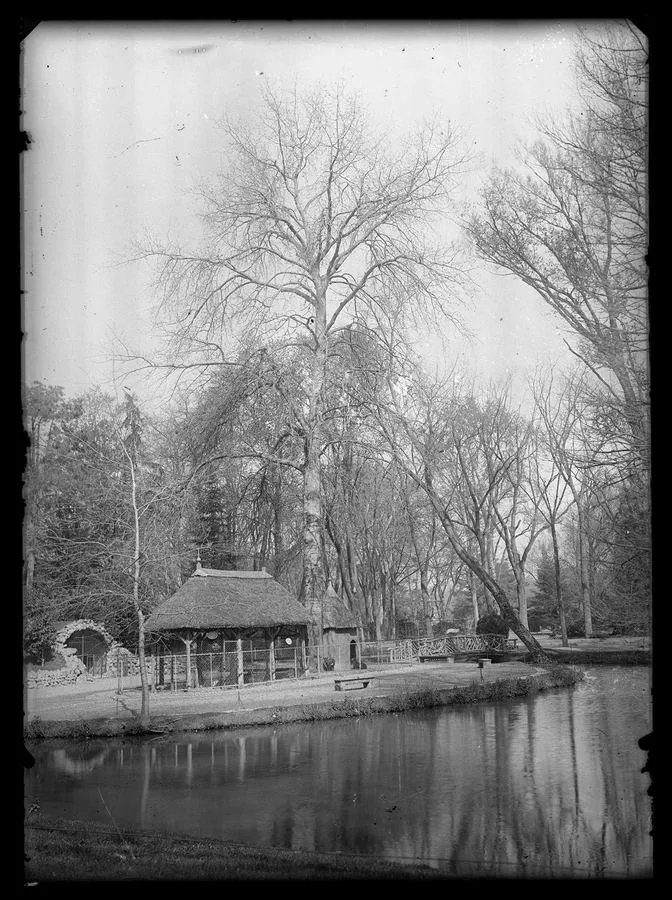
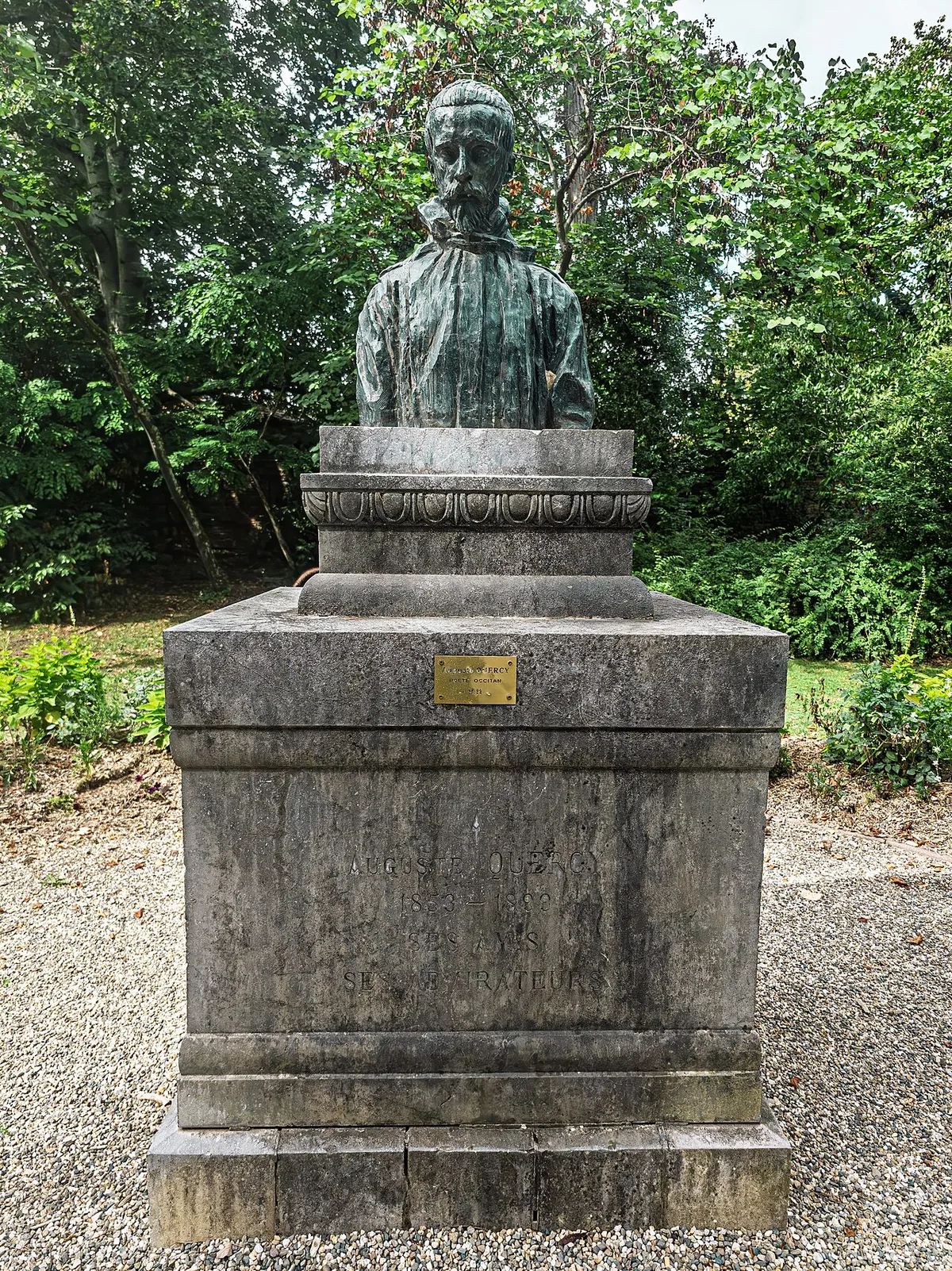
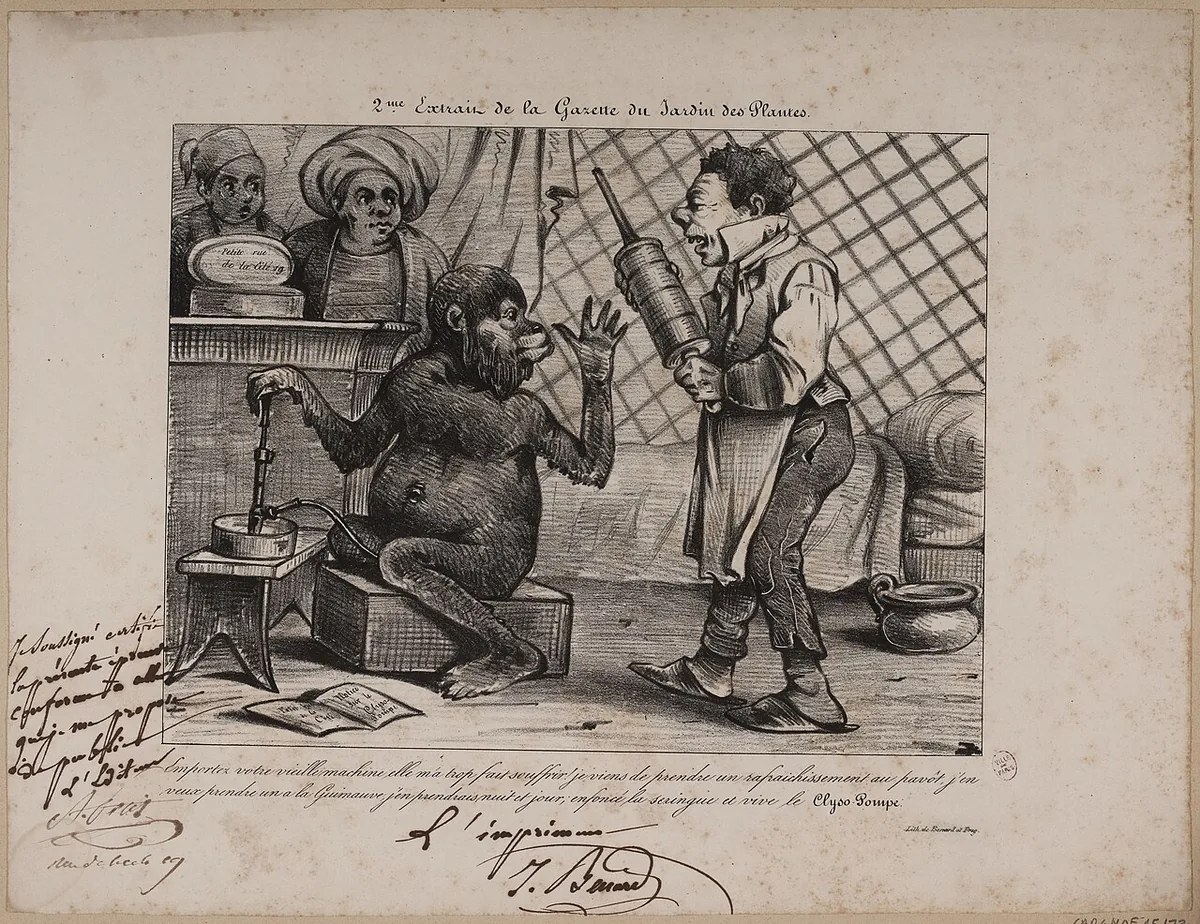
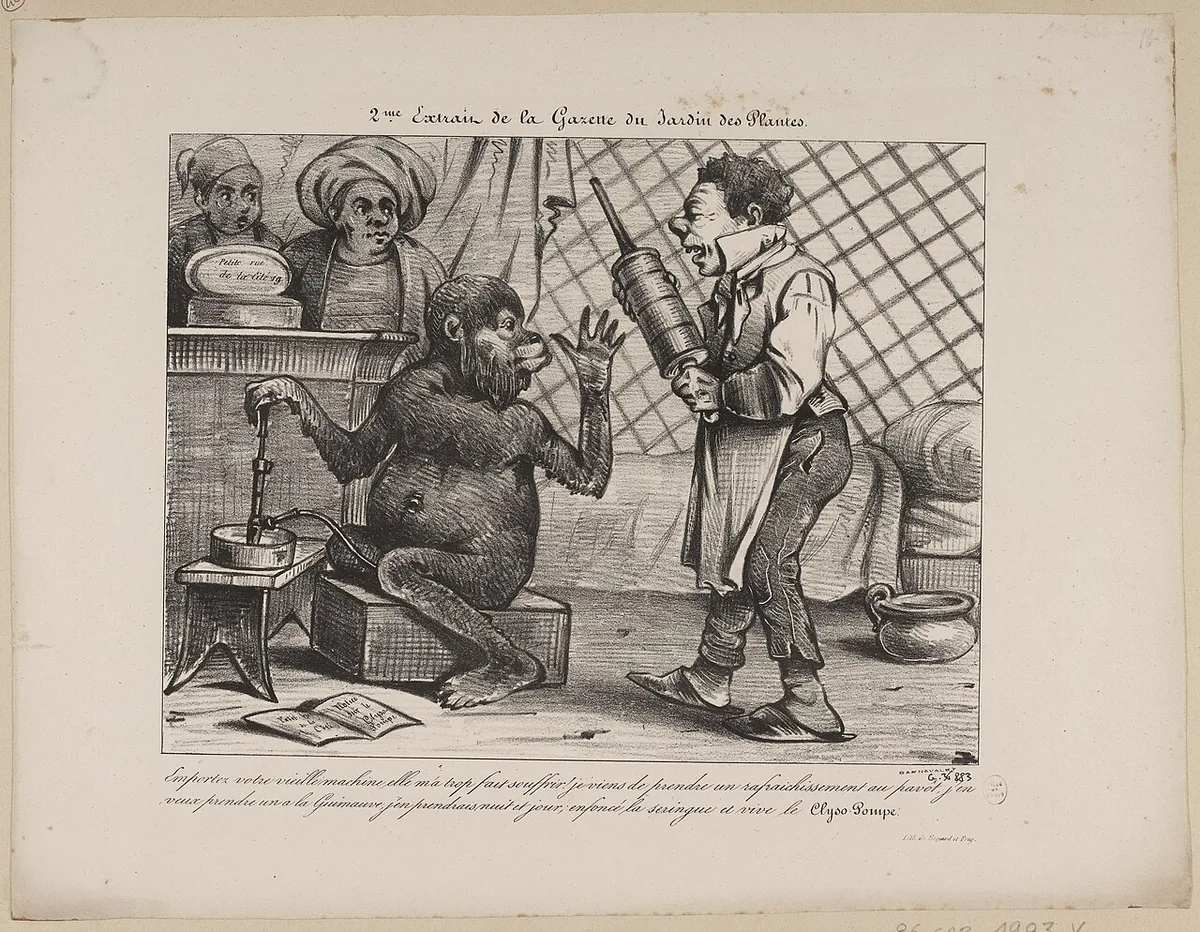

The Jardin des Plantes began as a royal medicinal garden and grew into the botanical heart of France’s natural-history museum. Its formal paths and plant collections still connect public education with research, conservation, and the careful naming of living species.
Quick facts
A royal edict in 1635 fixed the site of the Jardin royal des plantes médicinales in Paris.
The garden opened to the public in 1640 with free lessons in botany, chemistry, and anatomy taught in French.
A decree in 1793 created the Muséum d’histoire naturelle, and the garden took the name Jardin des Plantes.
Get directions to Jardin des Plantes. Confirm the visitor entrance and current access with the venue before travelling.
Audio guide
Listen to this place’s guide.
Guide
The Jardin des Plantes is a botanical garden in Paris’s 5th arrondissement and the historic heart of the Muséum national d’Histoire naturelle. Its orderly beds are not simply decoration: the garden began as a place to grow useful medicinal plants, teach their properties, and make nature available for observation. The streets around it have changed, and the Bièvre River that once marked its edge now runs underground, but the garden still joins public promenade with scientific work.
Continue exploring
Discover the full story
Keep reading with a travel pass and explore every full guide and tour.
UpgradeMore places in Paris
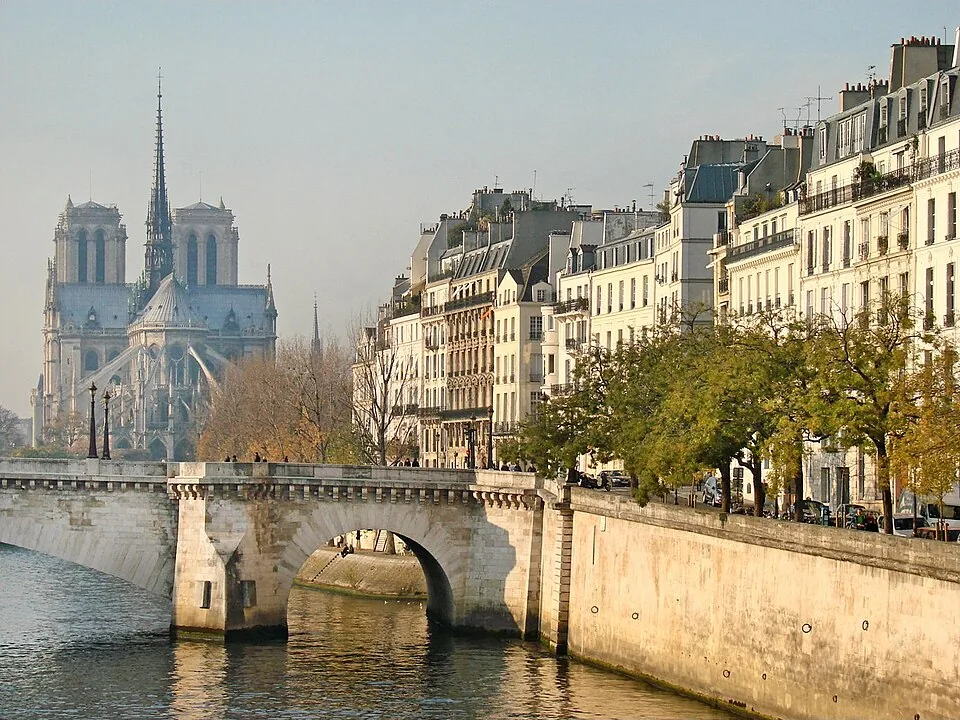
Île Saint-Louis
Île Saint-Louis is a compact island of seventeenth-century streets and residences in the Seine. Its present shape emerged when two smaller islands were joined, then developed through a planned urban project that gave it a distinctive architectural unity.
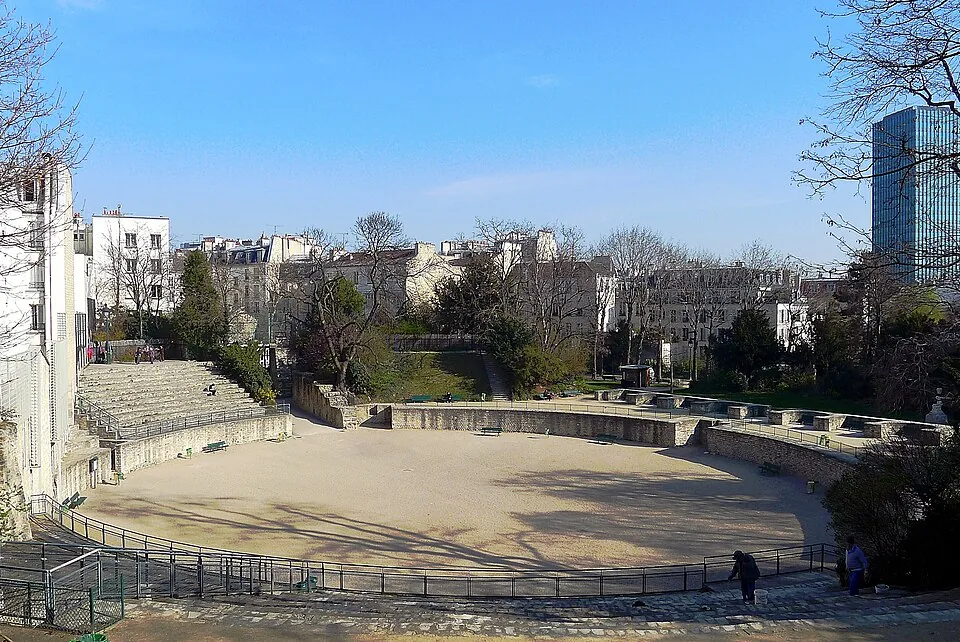
Arènes de Lutèce
Paris’s Arènes de Lutèce joined a Roman arena and theatre stage in one Gallo-Roman monument. Excavation, demolition, public campaigning and reconstruction shaped the ruins now shared as a neighborhood garden.
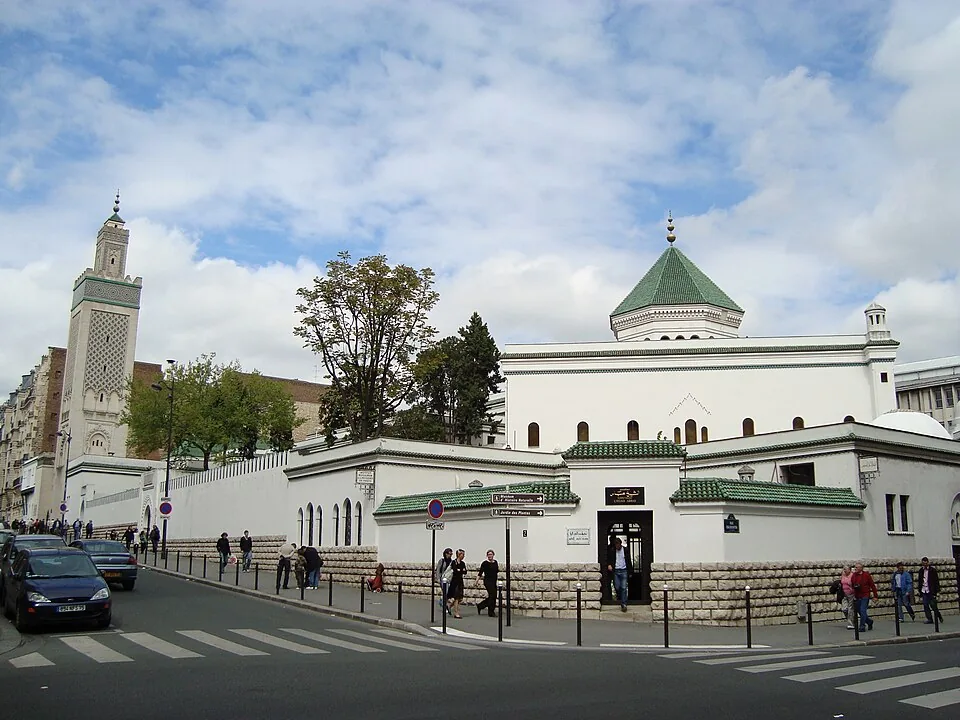
Grande Mosquée de Paris
An active mosque and cultural institution in Paris’s 5th arrondissement, the Grande Mosquée was built after the First World War to honor Muslim soldiers who died for France. Its North African crafts, garden, memorials, and colonial-era origins give the complex a layered story.
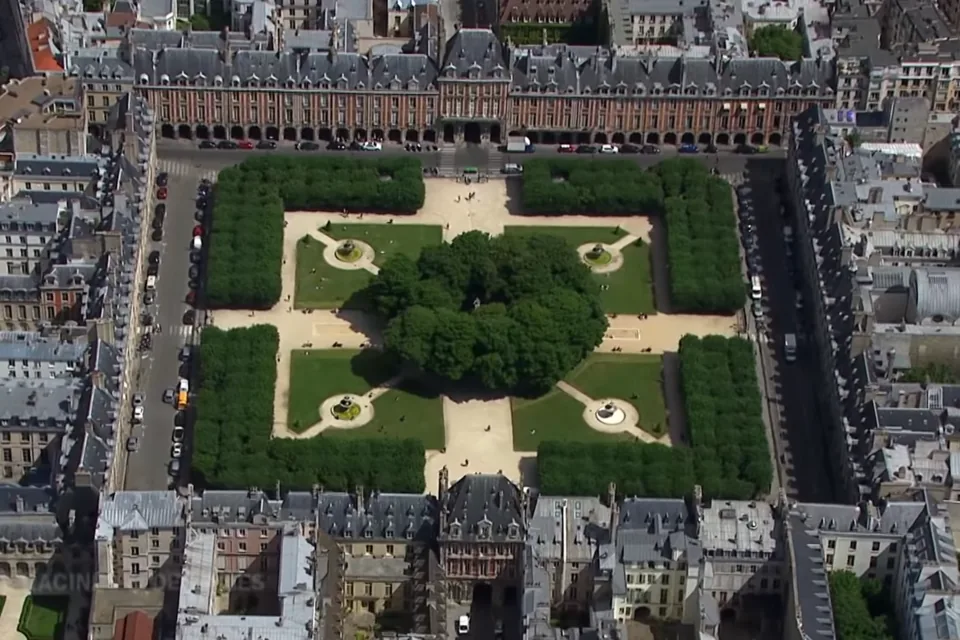
Place des Vosges
Place des Vosges is a planned square of brick-and-stone façades, arcades, and a central garden. Begun under Henri IV in 1605 and completed in 1612, it has served as royal stage, revolutionary landmark, writers’ address, and public city garden.
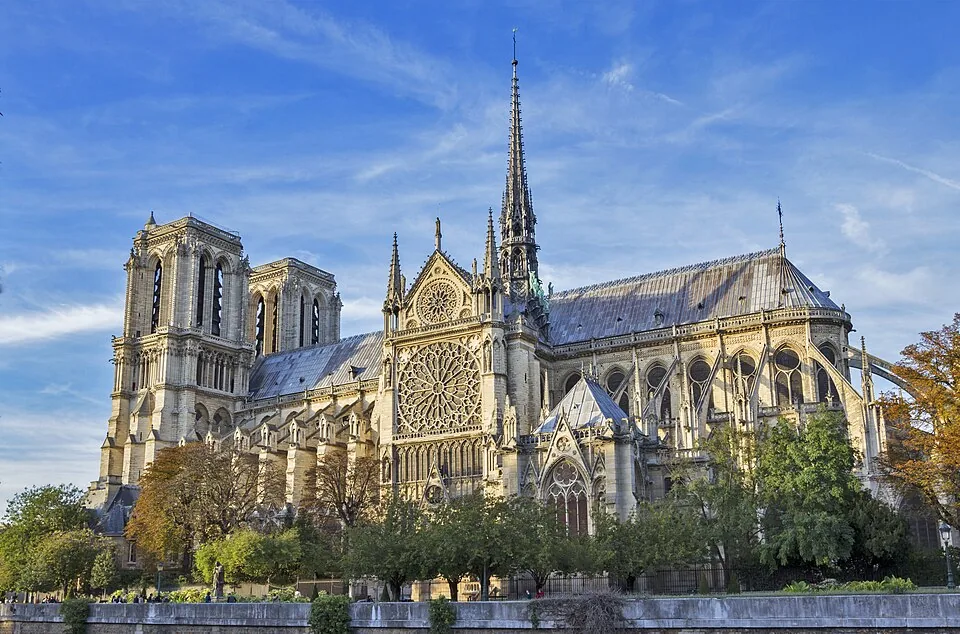
Notre-Dame Cathedral
Notre-Dame is a living Gothic cathedral on the Île de la Cité, where Paris once concentrated its religious life and river crossings. Its medieval fabric, nineteenth-century restoration, 2019 fire and continuing conservation record how the city repeatedly rebuilds its most visible landmark.
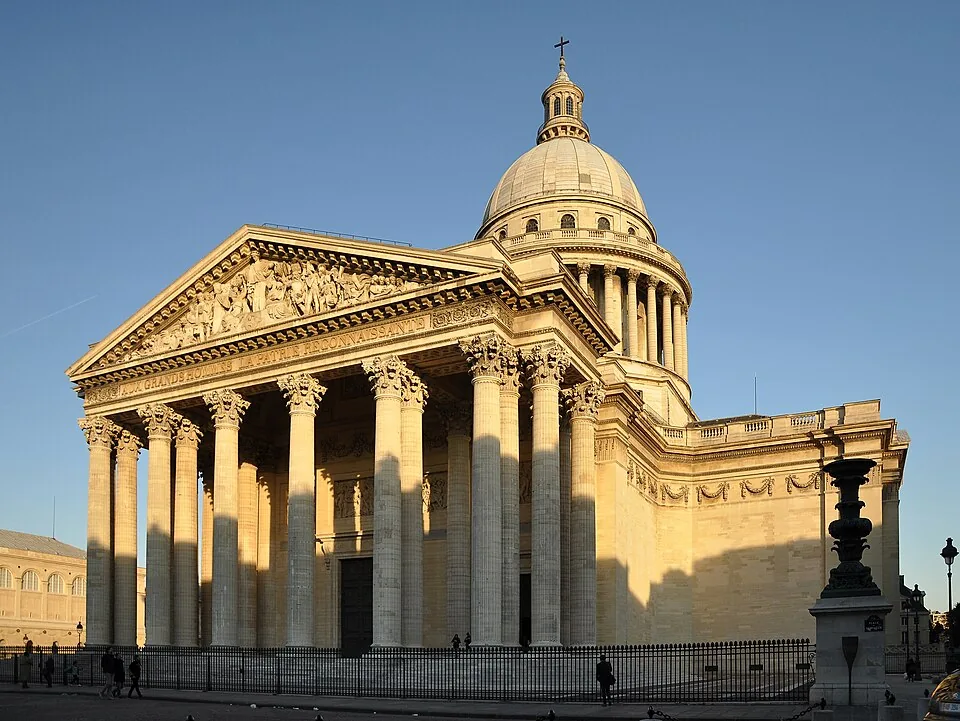
Panthéon
The Panthéon began as a church dedicated to Saint Geneviève and became a national mausoleum during the Revolution. Its neoclassical dome and portico now frame an evolving memorial to people whom France chooses to honor.