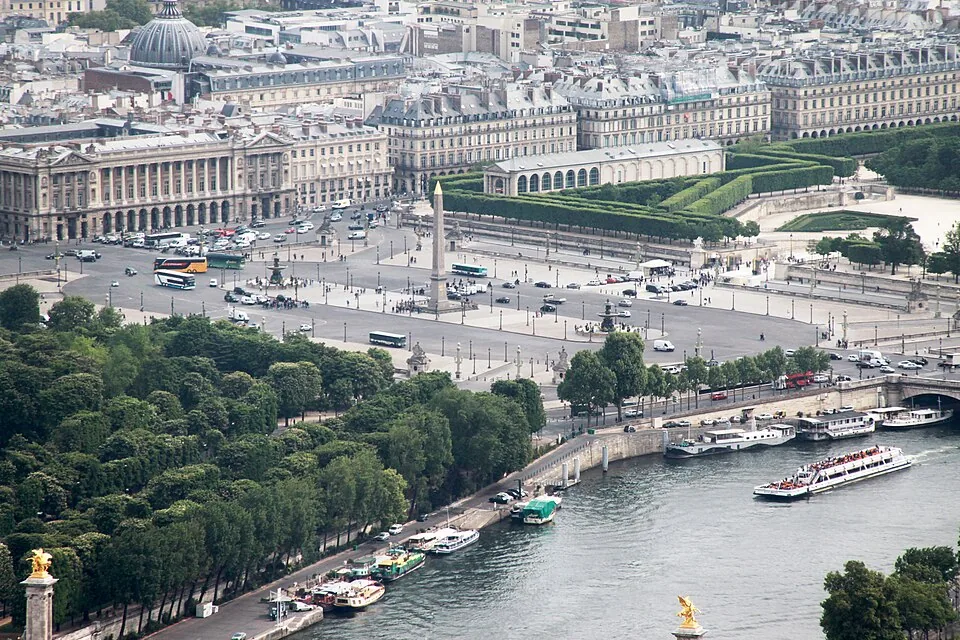
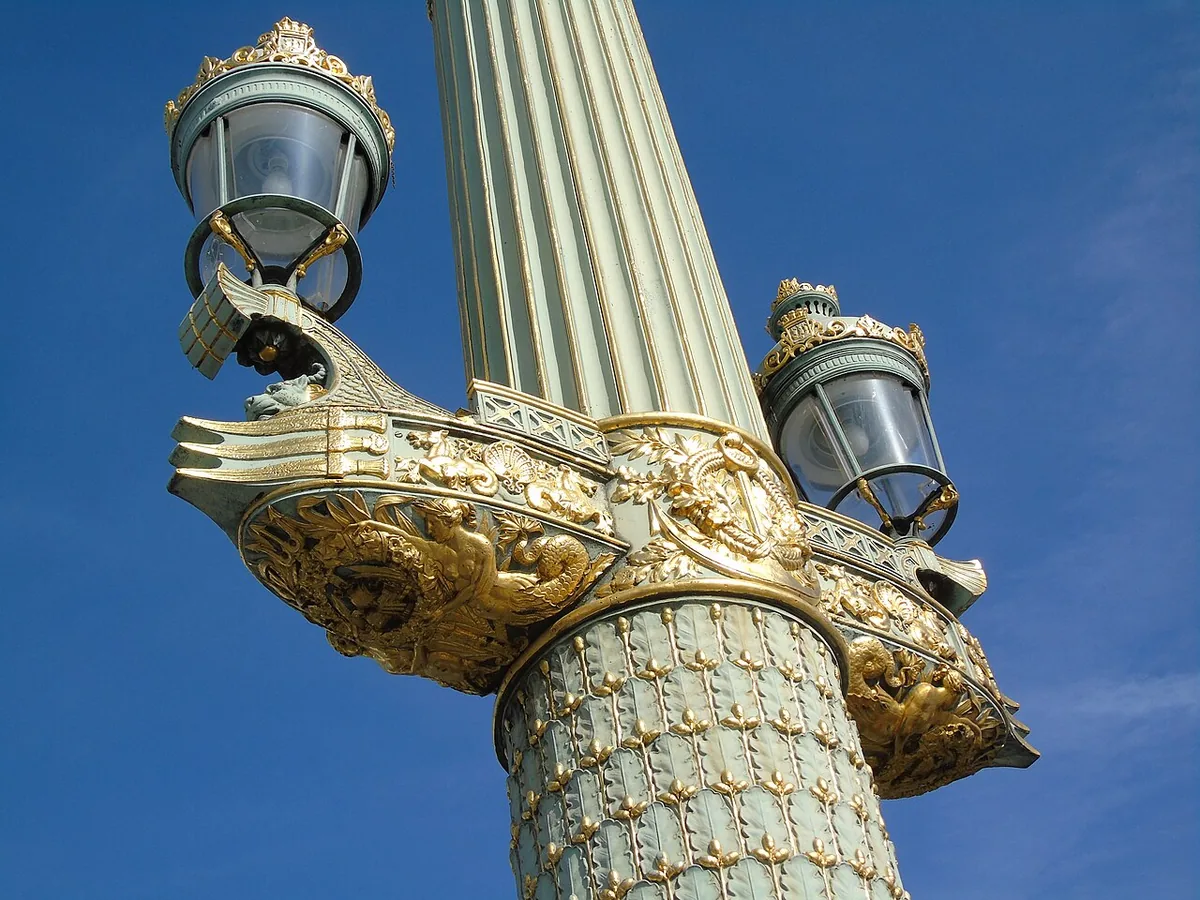
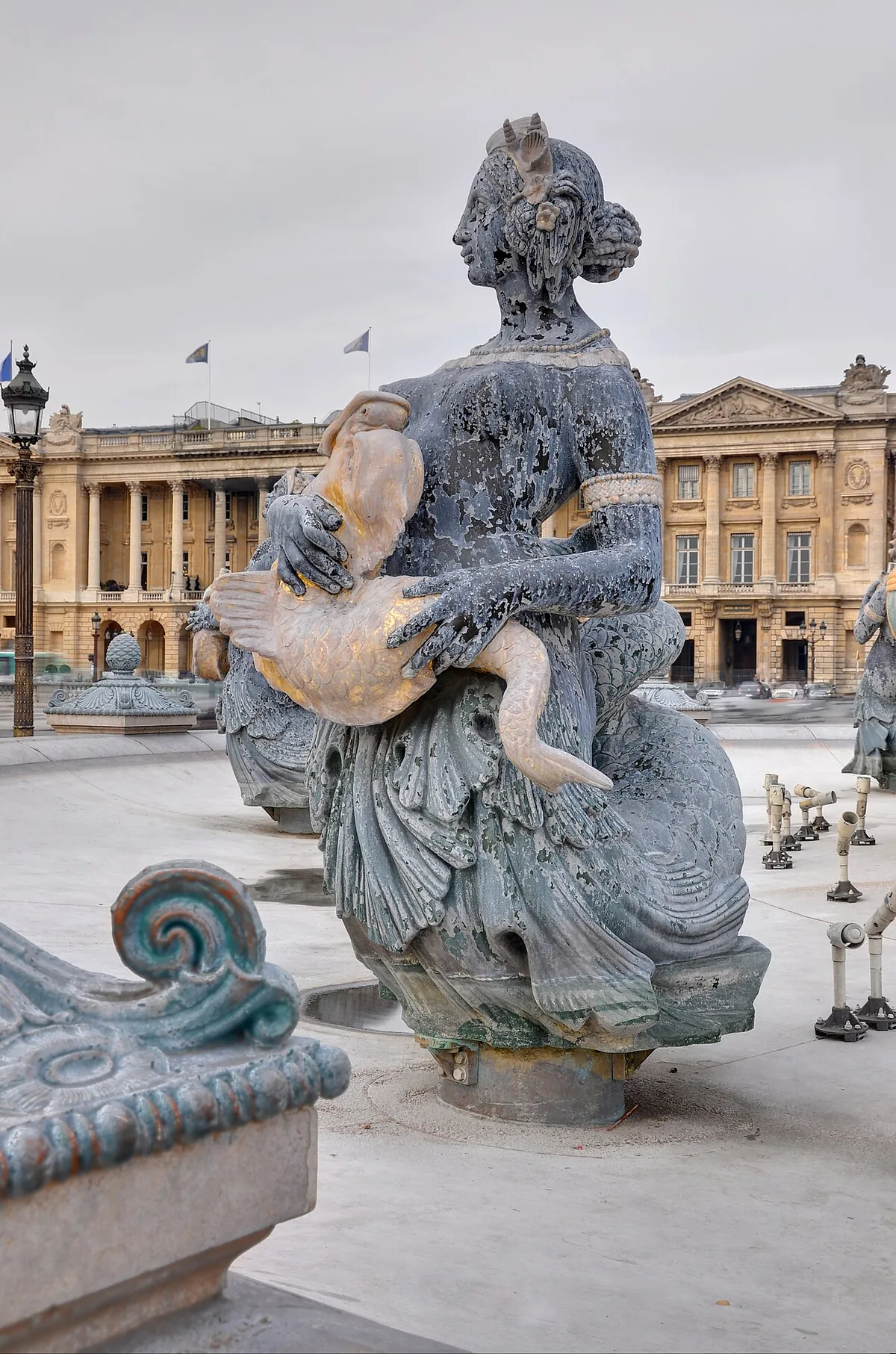
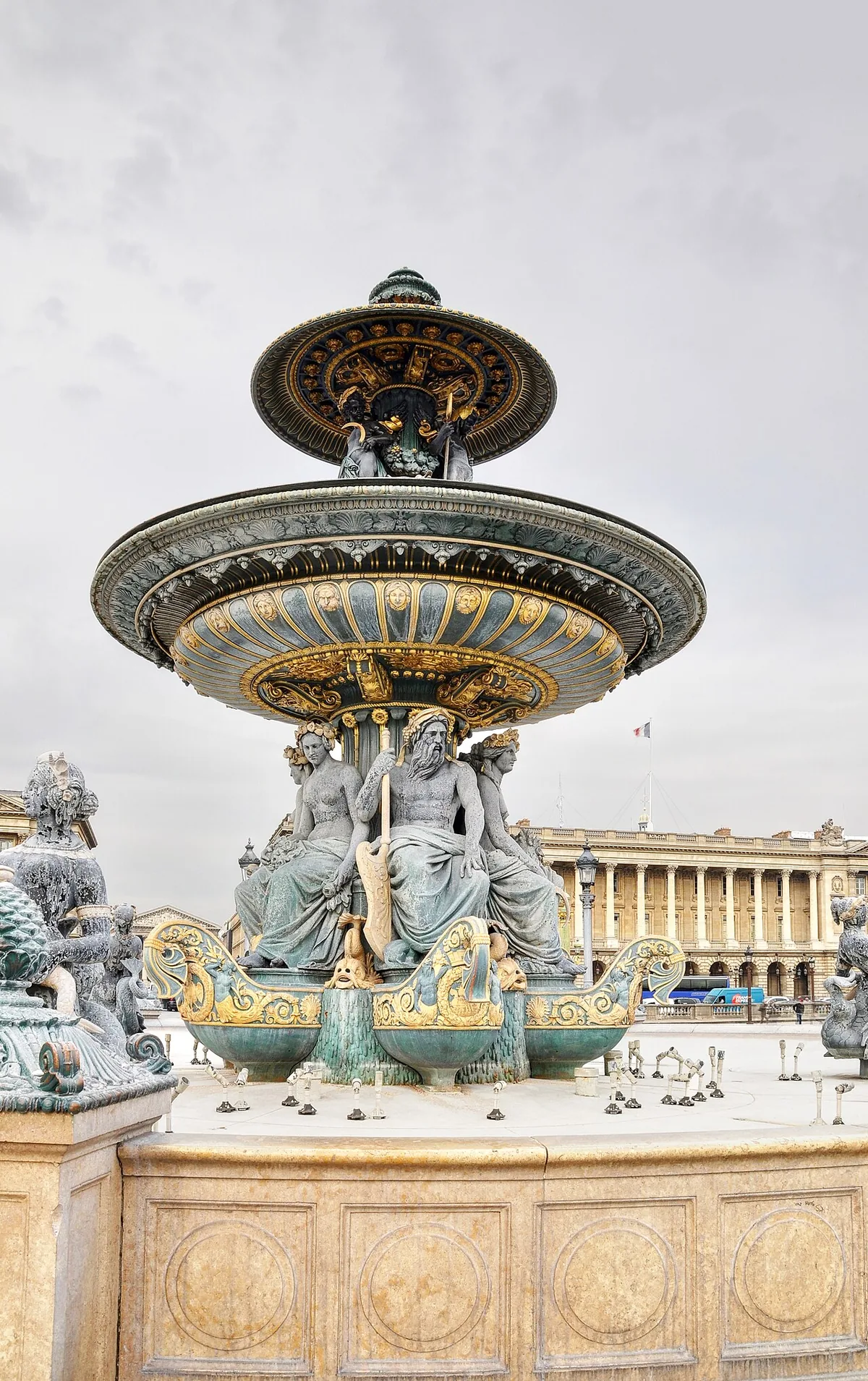
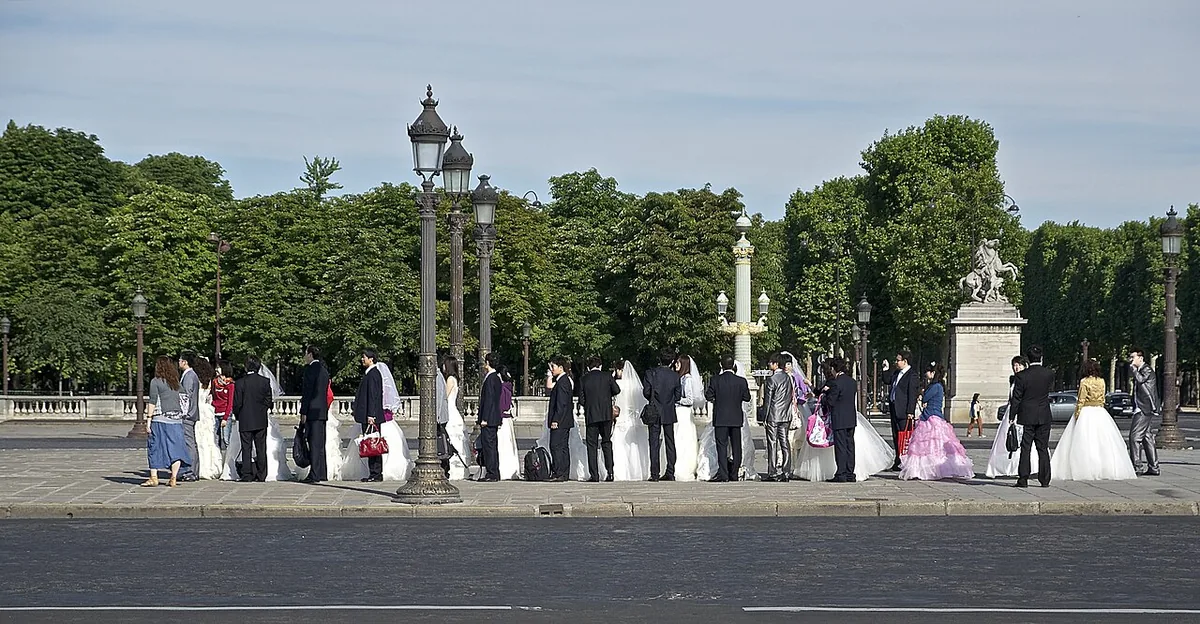
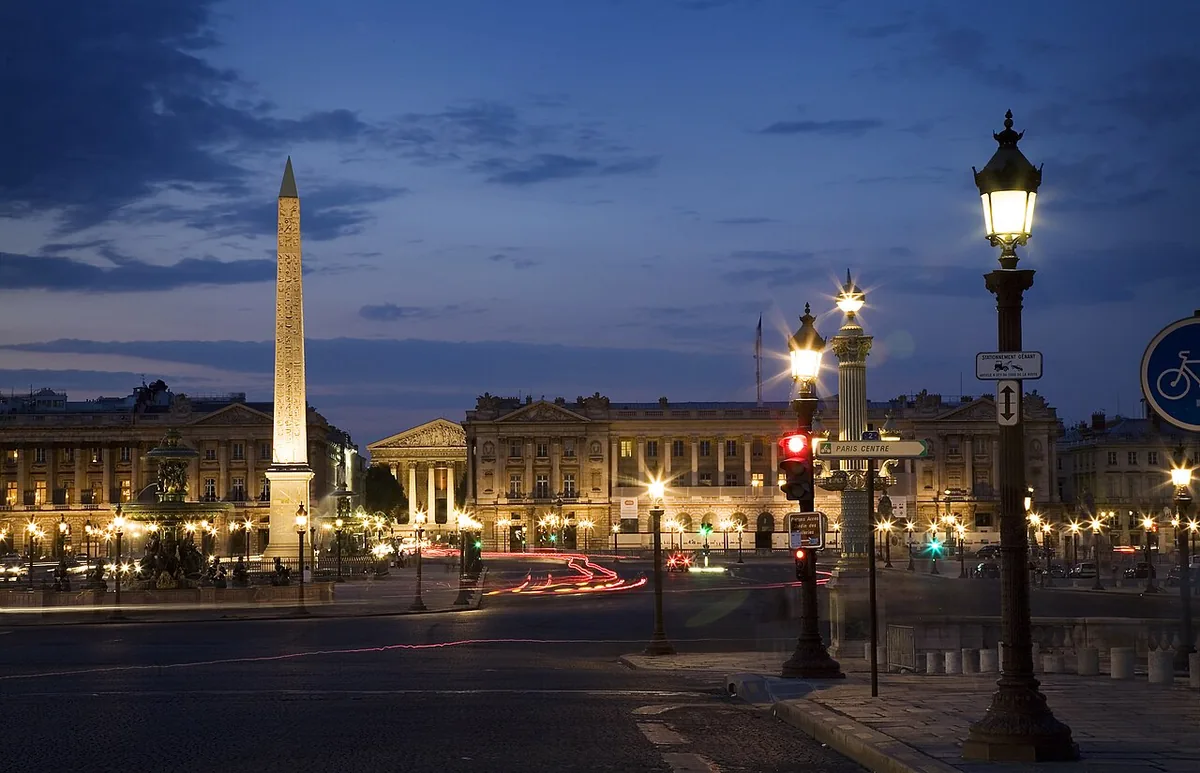
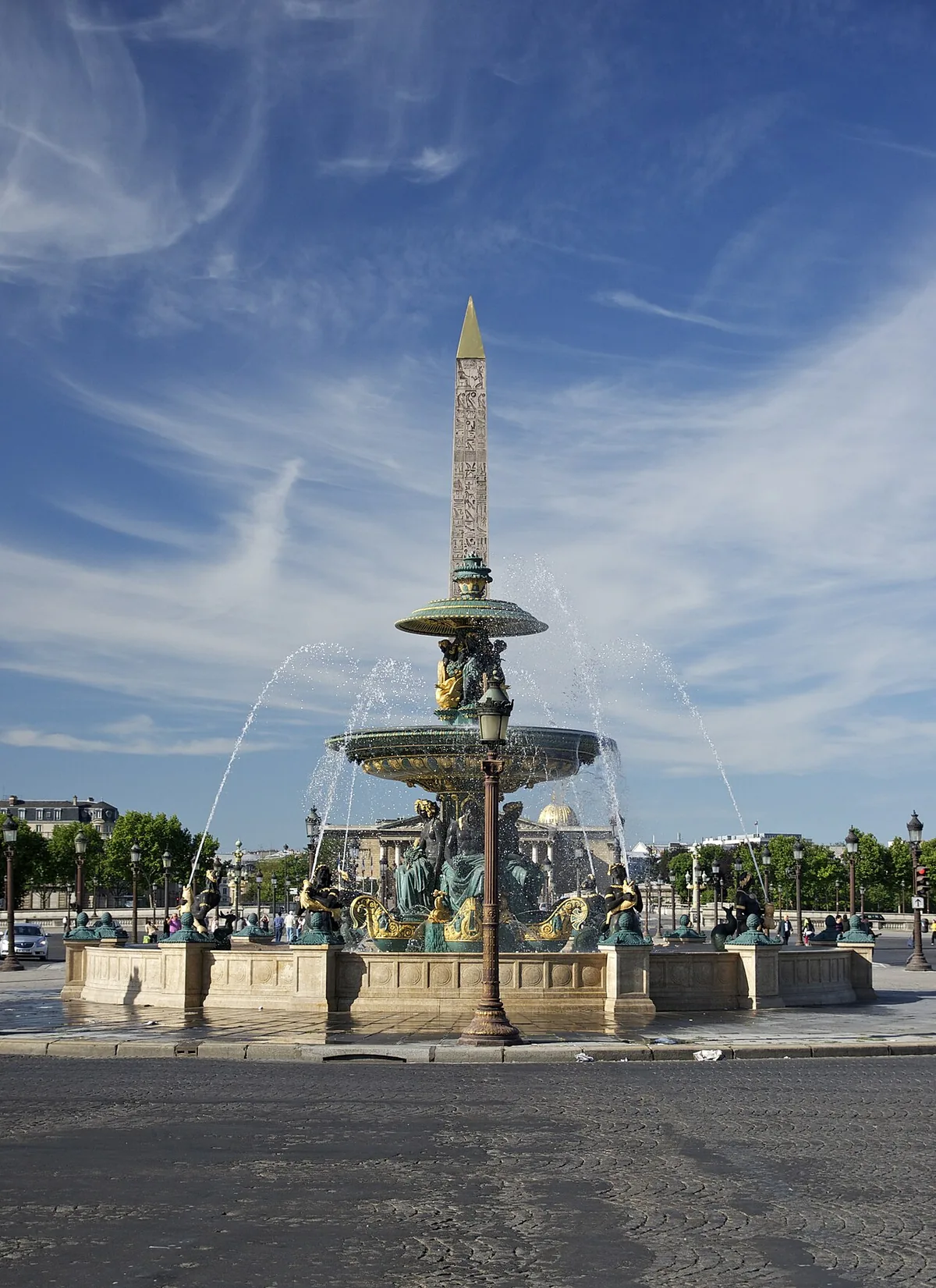
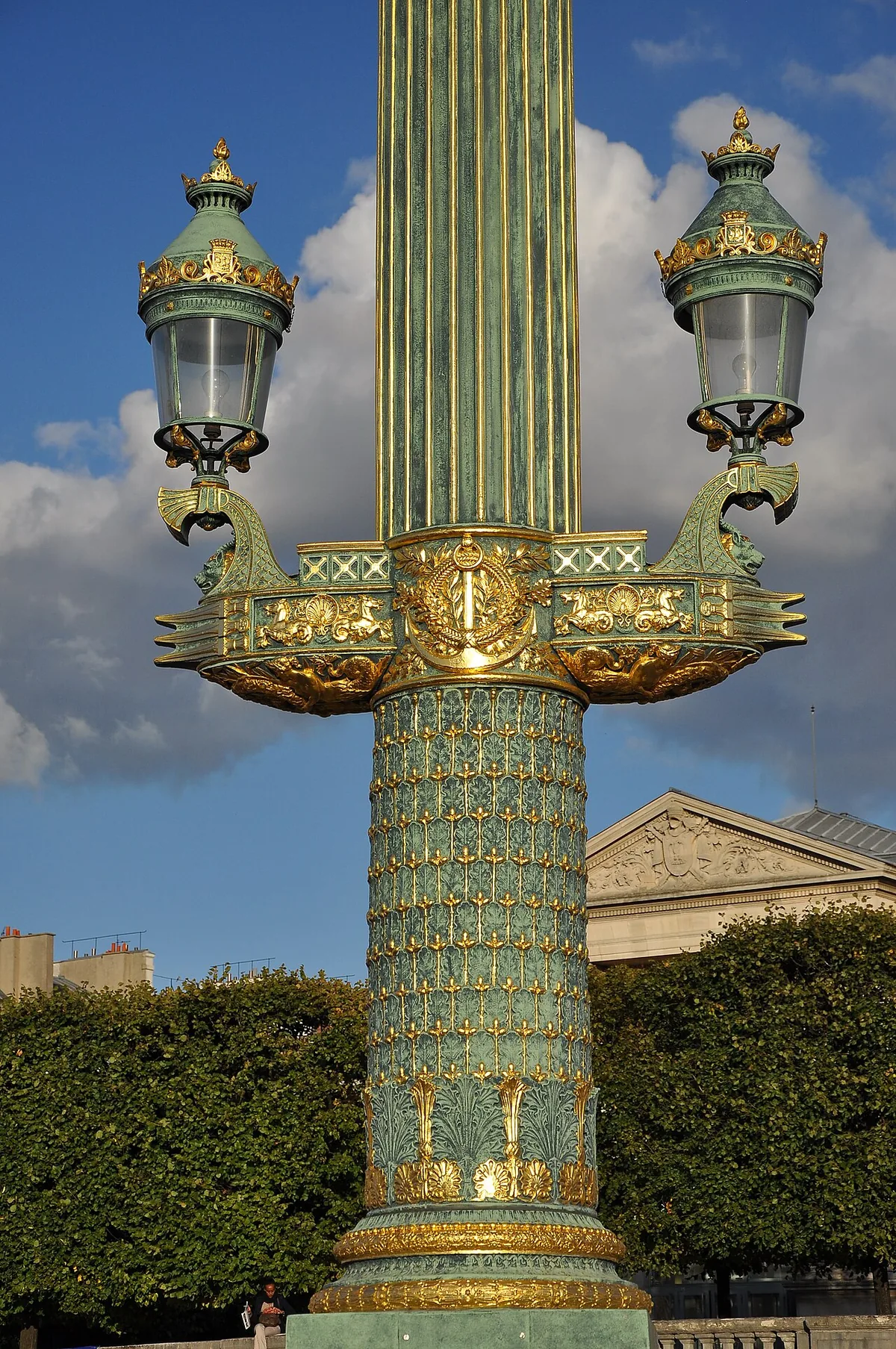
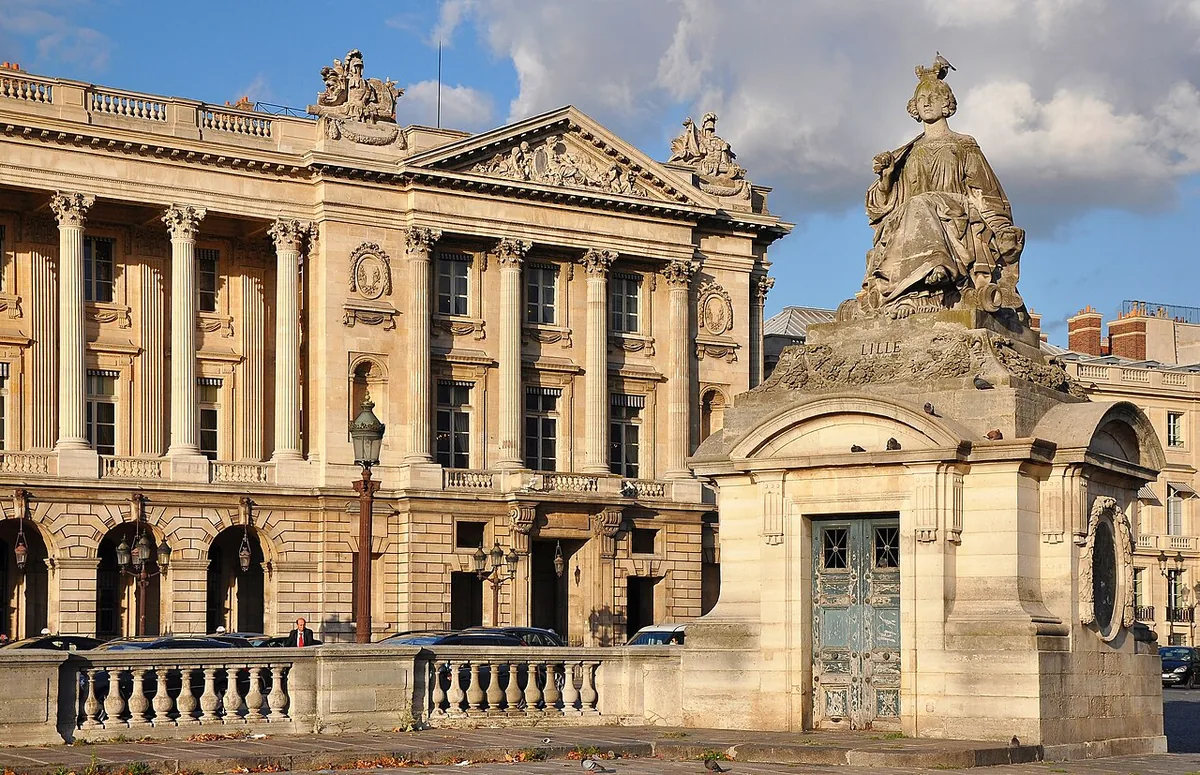
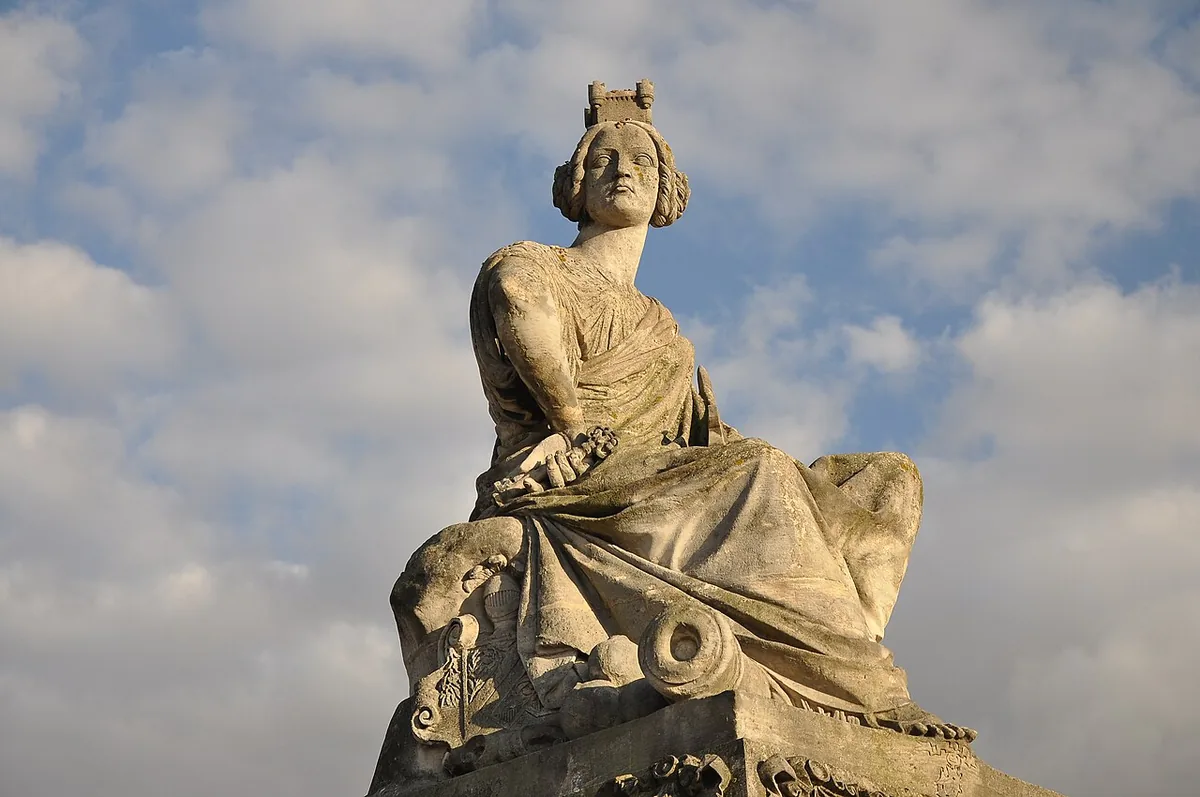
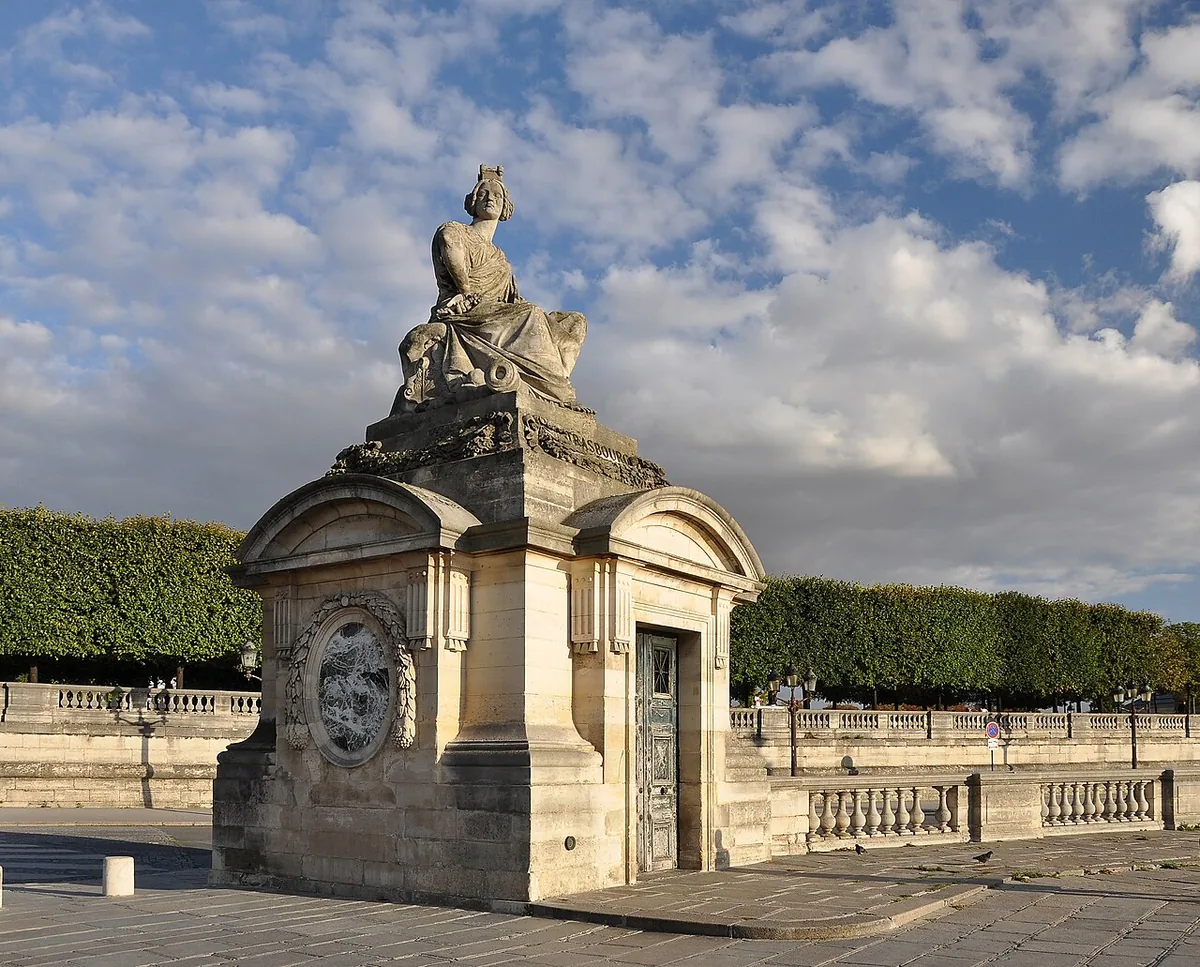
Place de la Concorde occupies a ceremonial crossroads between the Tuileries, Champs-Élysées and Seine. Its obelisk, twin fountains and eight city statues frame a public square reshaped from royal monument to Revolutionary stage and later civic junction.
Quick facts
The square opened in 1772 as Place Louis XV, became Place de la Révolution in 1792, and took the name Place de la Concorde in 1795.
During the Revolution, the square saw the executions of Louis XVI, Marie-Antoinette, Danton, Robespierre and many other people.
The Luxor Obelisk, a thirteenth-century BCE monument offered to France by Egypt, was erected at the centre of the square in 1836.
Get directions to Place de la Concorde. Confirm the visitor entrance and current access with the venue before travelling.
Audio guide
Listen to this place’s guide.
Guide
At the centre of Place de la Concorde, a 3,000-year-old Egyptian obelisk stands where a statue of Louis XV once announced royal authority. The contrast is the square’s key: its stones have repeatedly been asked to make a new political story look permanent. Today it links the Tuileries and Louvre to the Champs-Élysées, with the Seine to the south. It spans the 1st and 8th arrondissements, though its ceremonial centrality began as an edge-of-town project.
Continue exploring
Discover the full story
Keep reading with a travel pass and explore every full guide and tour.
UpgradeMore places in Paris
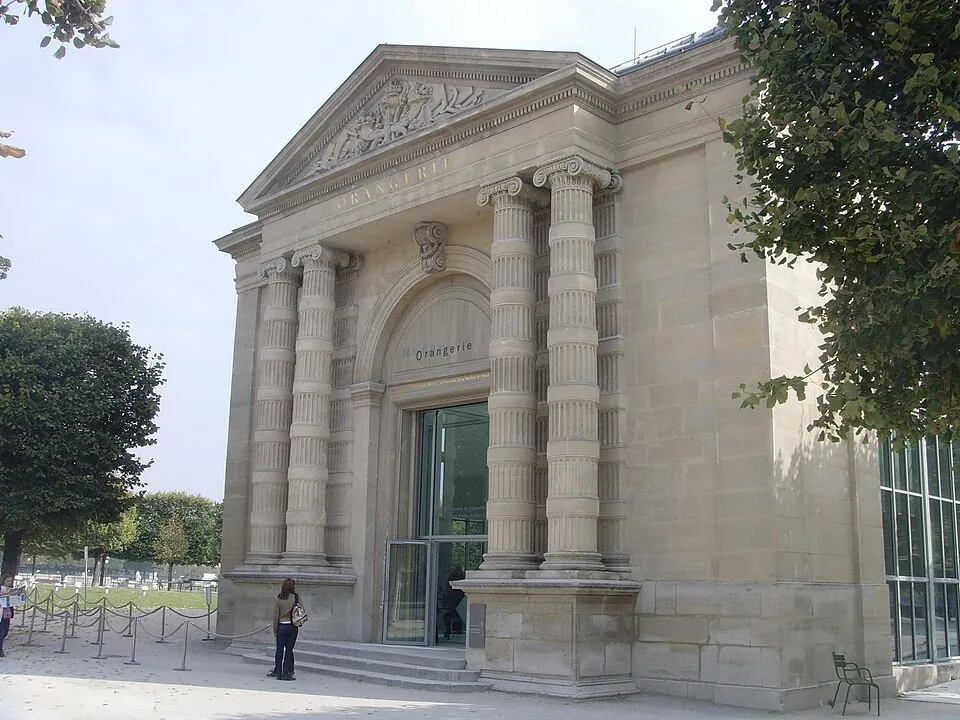
Musée de l’Orangerie
Musée de l’Orangerie was built as a winter shelter for the Tuileries’ orange trees, then became home to Monet’s Water Lilies and the Walter-Guillaume collection. Its daylight-filled oval rooms turn painting into an environment, while lower galleries connect it to modern art in Paris.
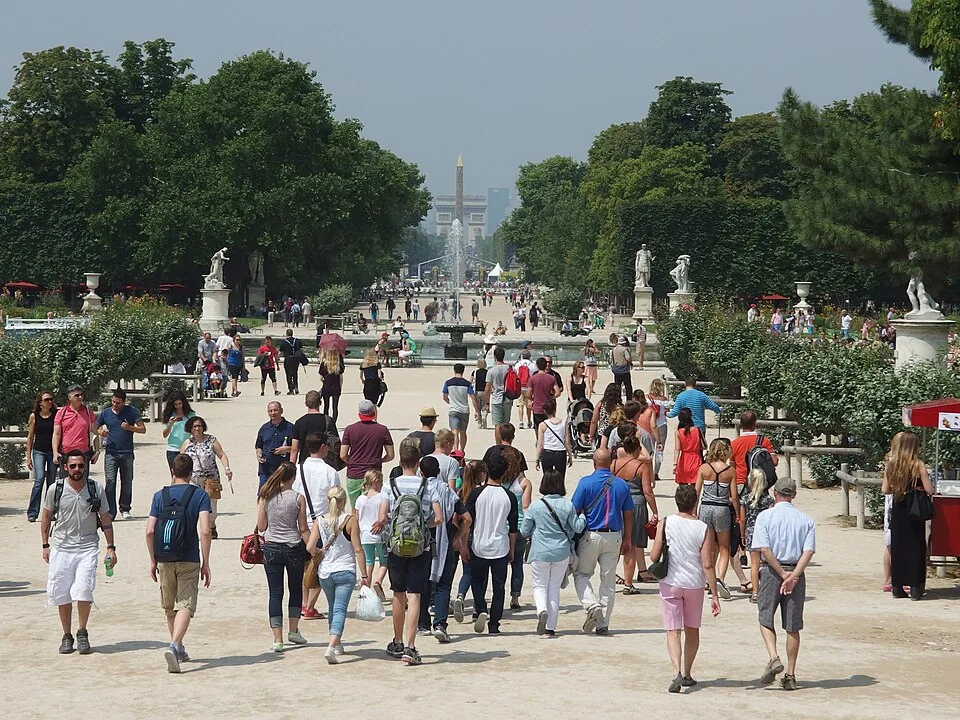
Jardin des Tuileries
The Jardin des Tuileries links the Louvre with Place de la Concorde through formal beds, shaded groves, basins, sculpture and a long westward view. Created for a palace that was burned in 1871 and never rebuilt, the garden survives as a public landscape shaped by royal design, revolution and everyda
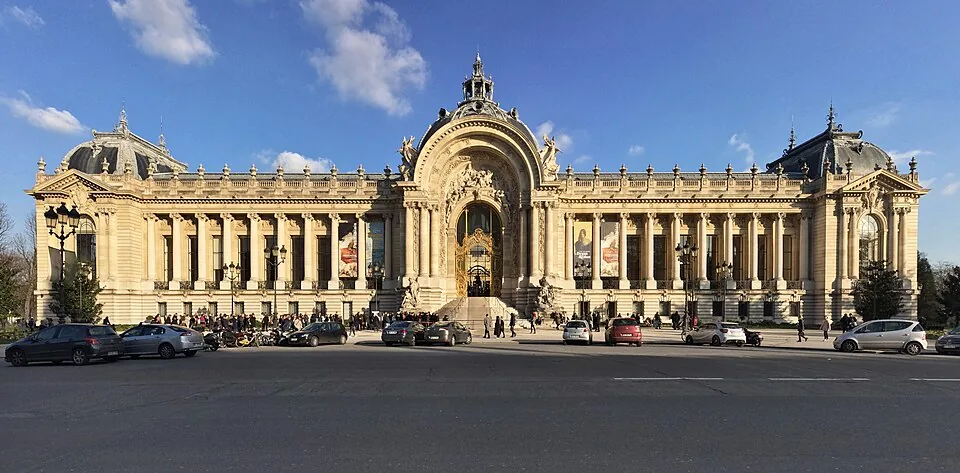
Petit Palais
Built for the 1900 Exposition Universelle, Charles Girault’s Petit Palais became the City of Paris Museum of Fine Arts in 1902. Its curved galleries circle a garden court, while the collection grew from municipal purchases into a broad public art museum through major bequests.
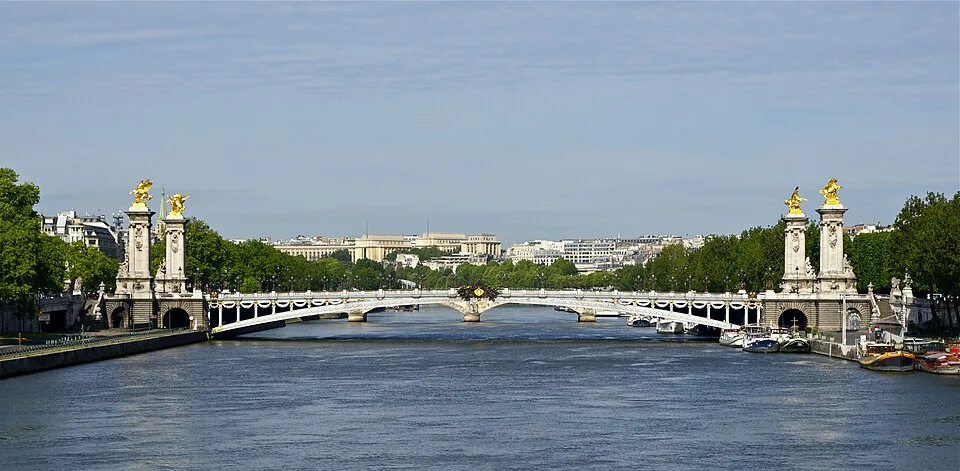
Pont Alexandre III
Pont Alexandre III is a low steel arch across the Seine, built for Paris’s 1900 Universal Exhibition and named for the Russian tsar whose son laid its first stone. Its gilded Pegasi, river nymphs and broad ceremonial axis connect the Invalides with the Grand and Petit Palais.
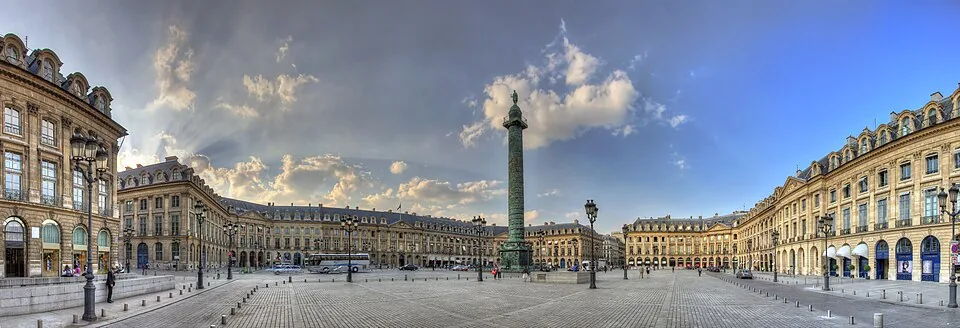
Place Vendôme
Place Vendôme’s ordered façades frame a square whose political symbols have repeatedly changed. Planned for Louis XIV, renamed Place des Piques during the Revolution and centered on a Napoleonic column, it remains a public square in Paris’s 1st arrondissement.
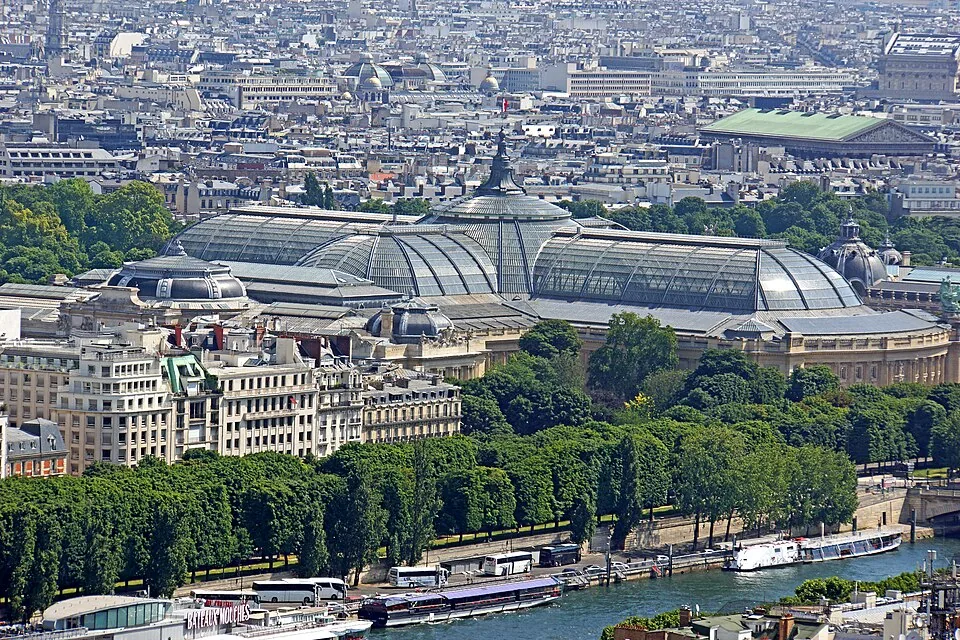
Grand Palais
Built for Paris’s 1900 World’s Fair, the Grand Palais pairs an immense glass-roofed nave with a sculpted Beaux-Arts exterior. Repeatedly adapted for exhibitions, wartime service, sport, and public culture, it reopened fully after restoration in 2025.