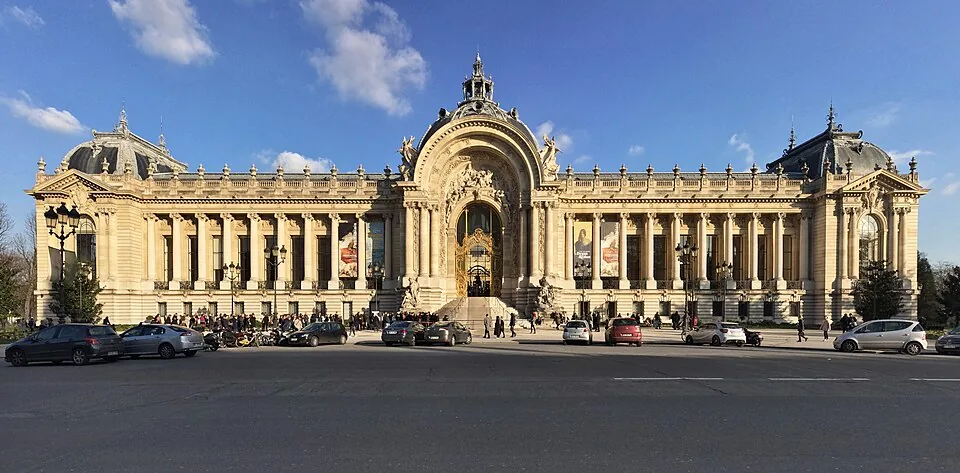
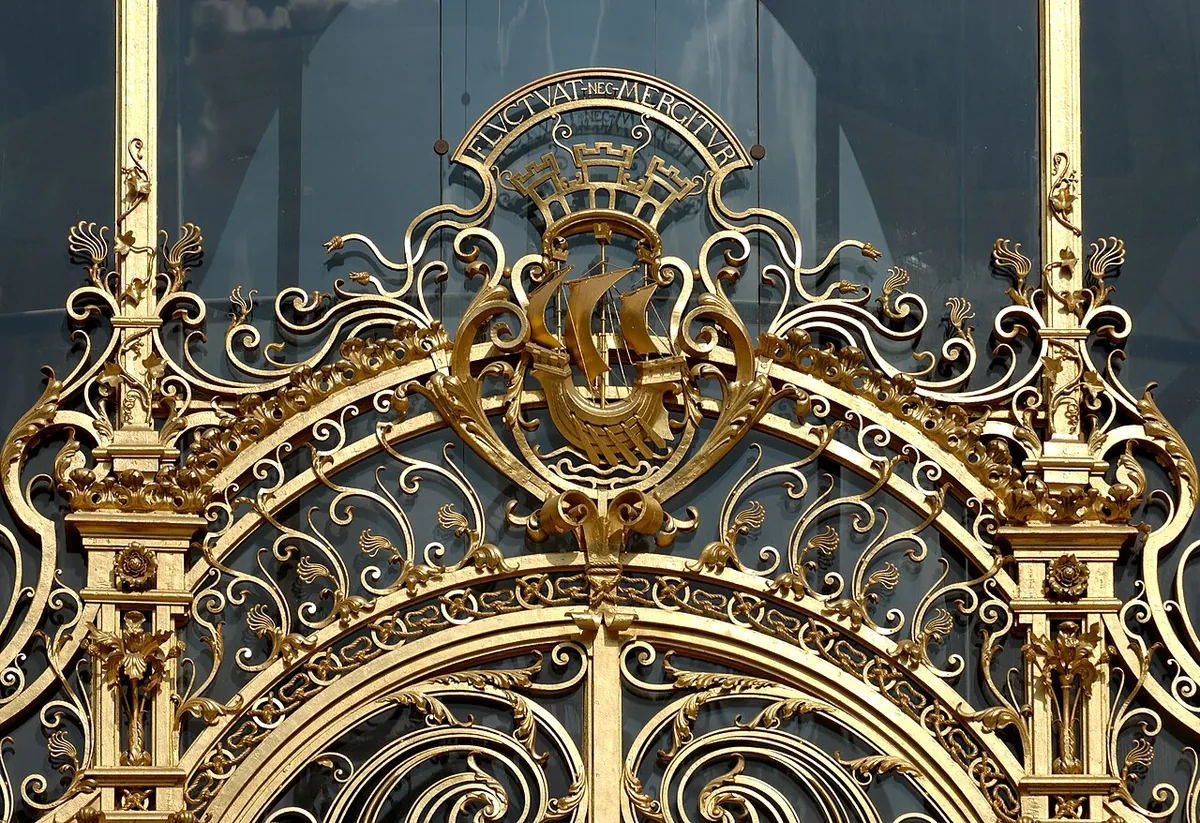
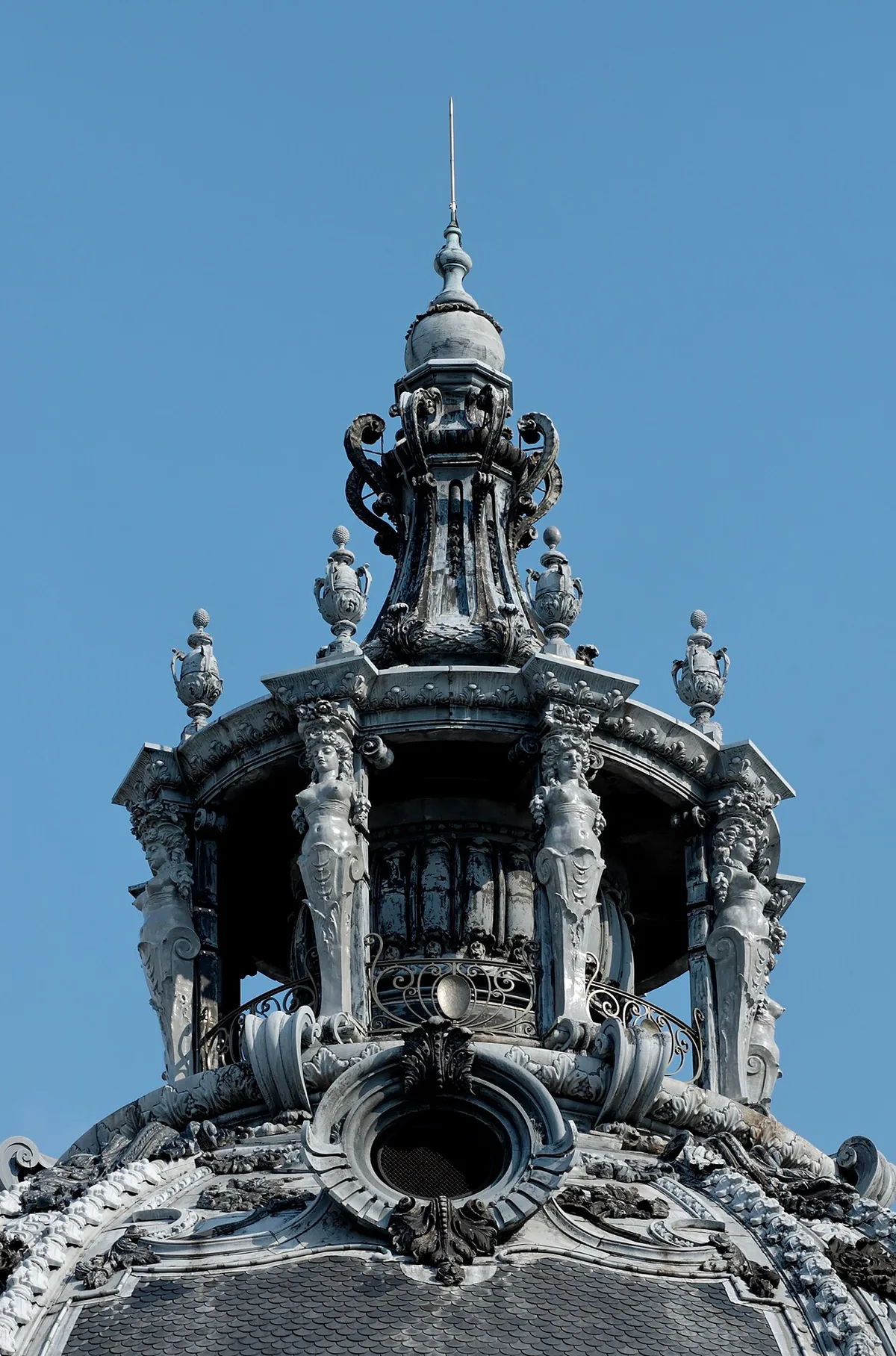
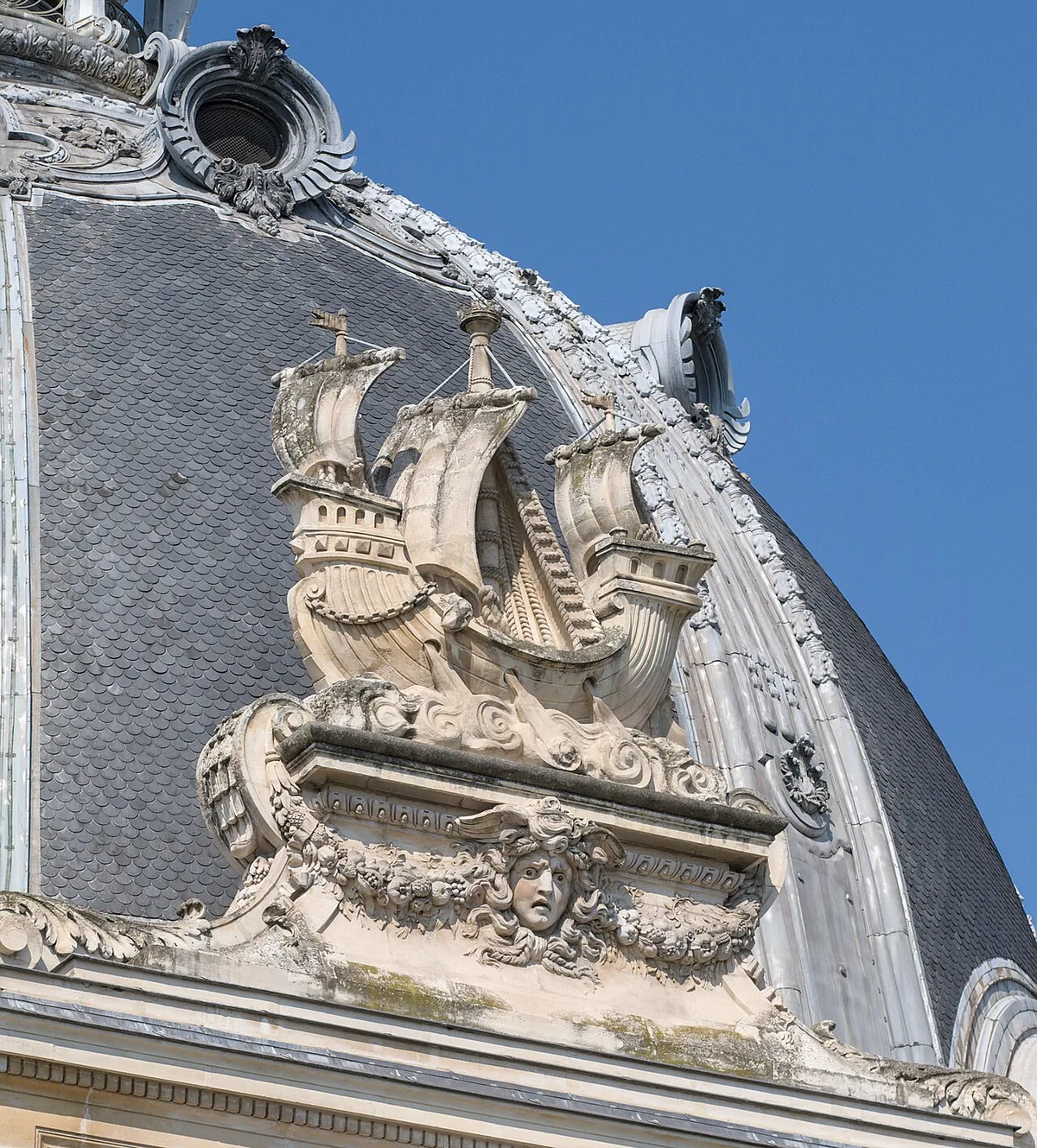
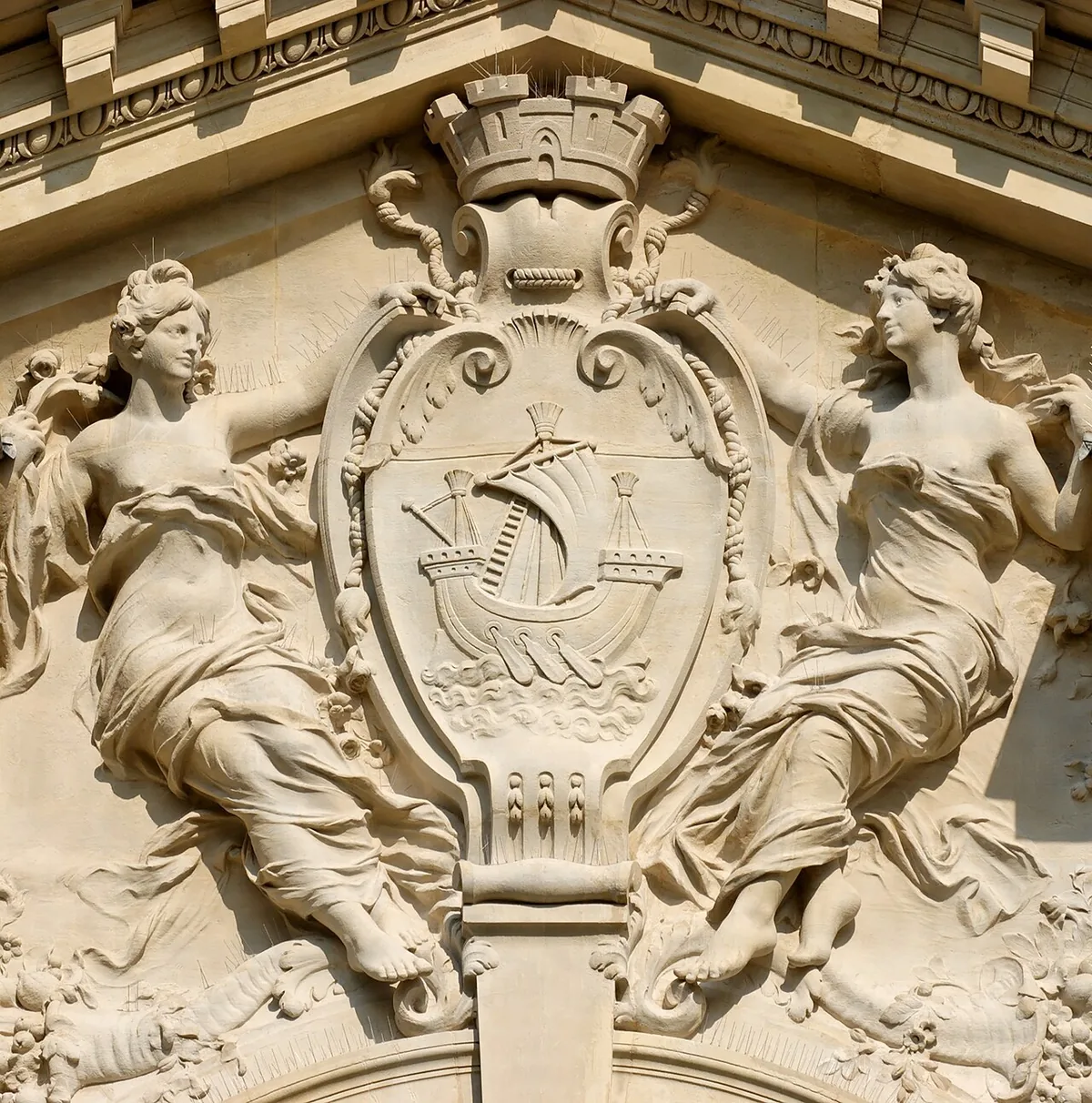
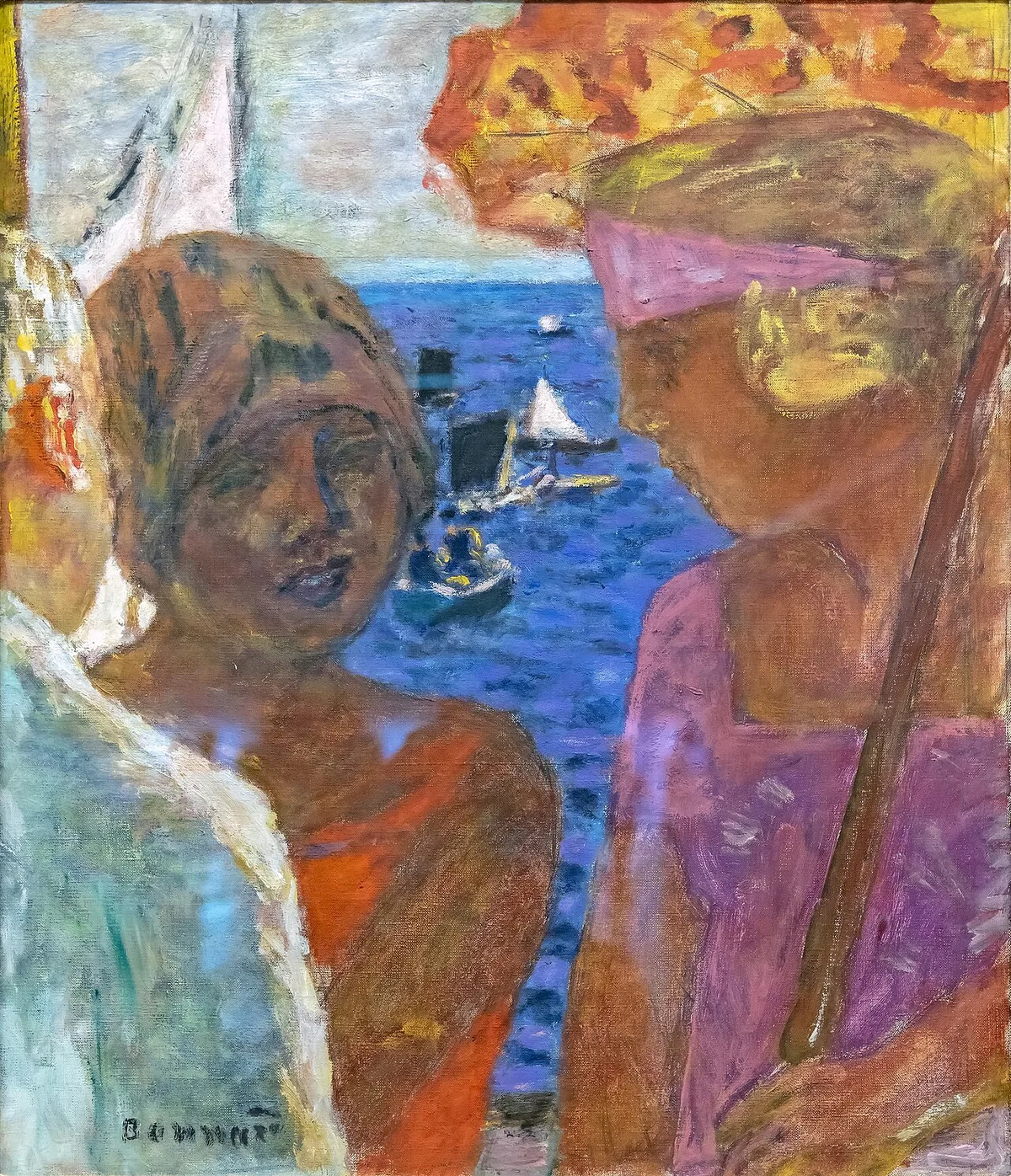
Built for the 1900 Exposition Universelle, Charles Girault’s Petit Palais became the City of Paris Museum of Fine Arts in 1902. Its curved galleries circle a garden court, while the collection grew from municipal purchases into a broad public art museum through major bequests.
Quick facts
Charles Girault designed Petit Palais for the 1900 Exposition Universelle as part of an ensemble with the Grand Palais and Pont Alexandre III.
Petit Palais became the City of Paris Museum of Fine Arts in 1902; a large 1902 bequest assembled by the Dutuit siblings accelerated the museum conversion.
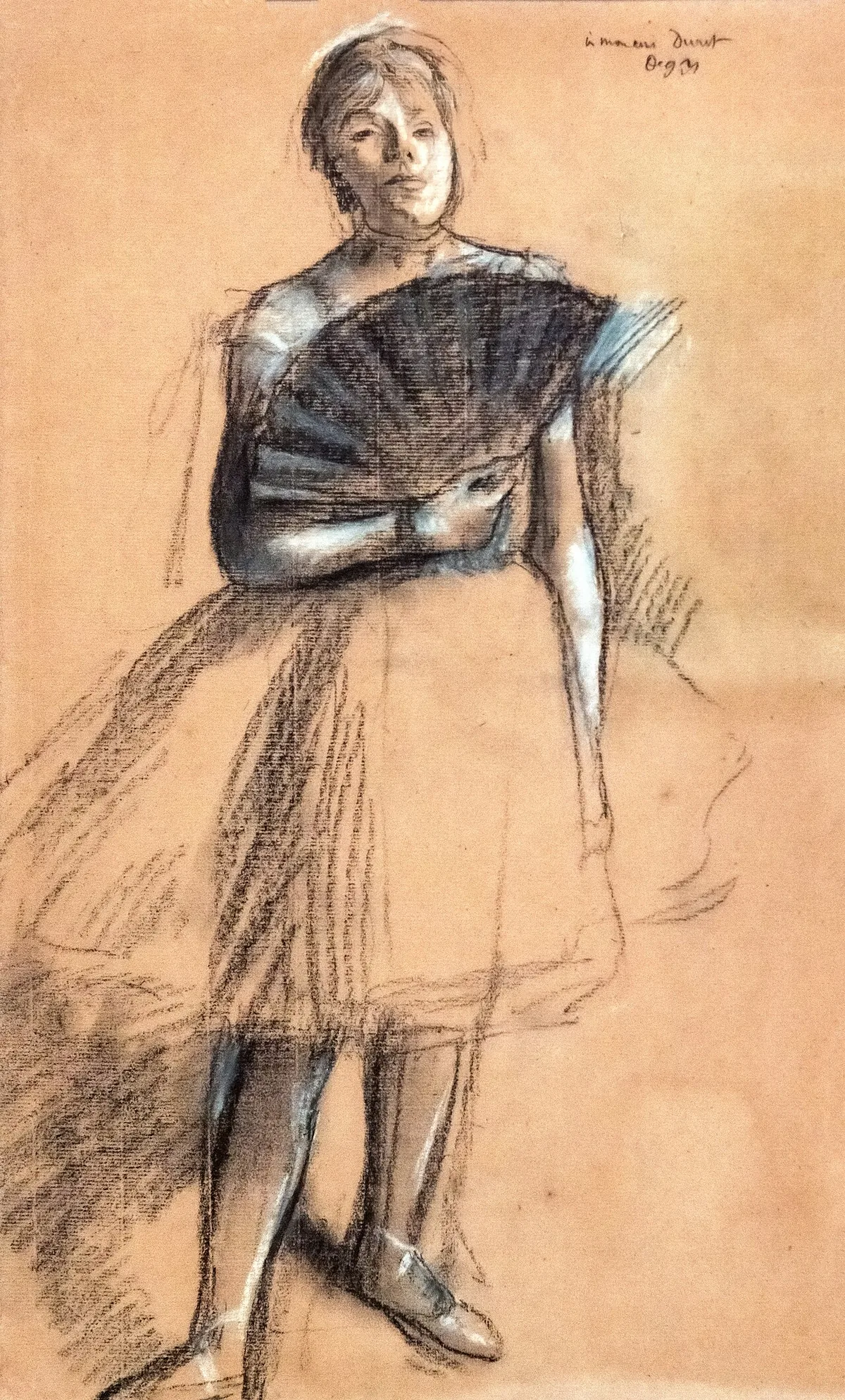
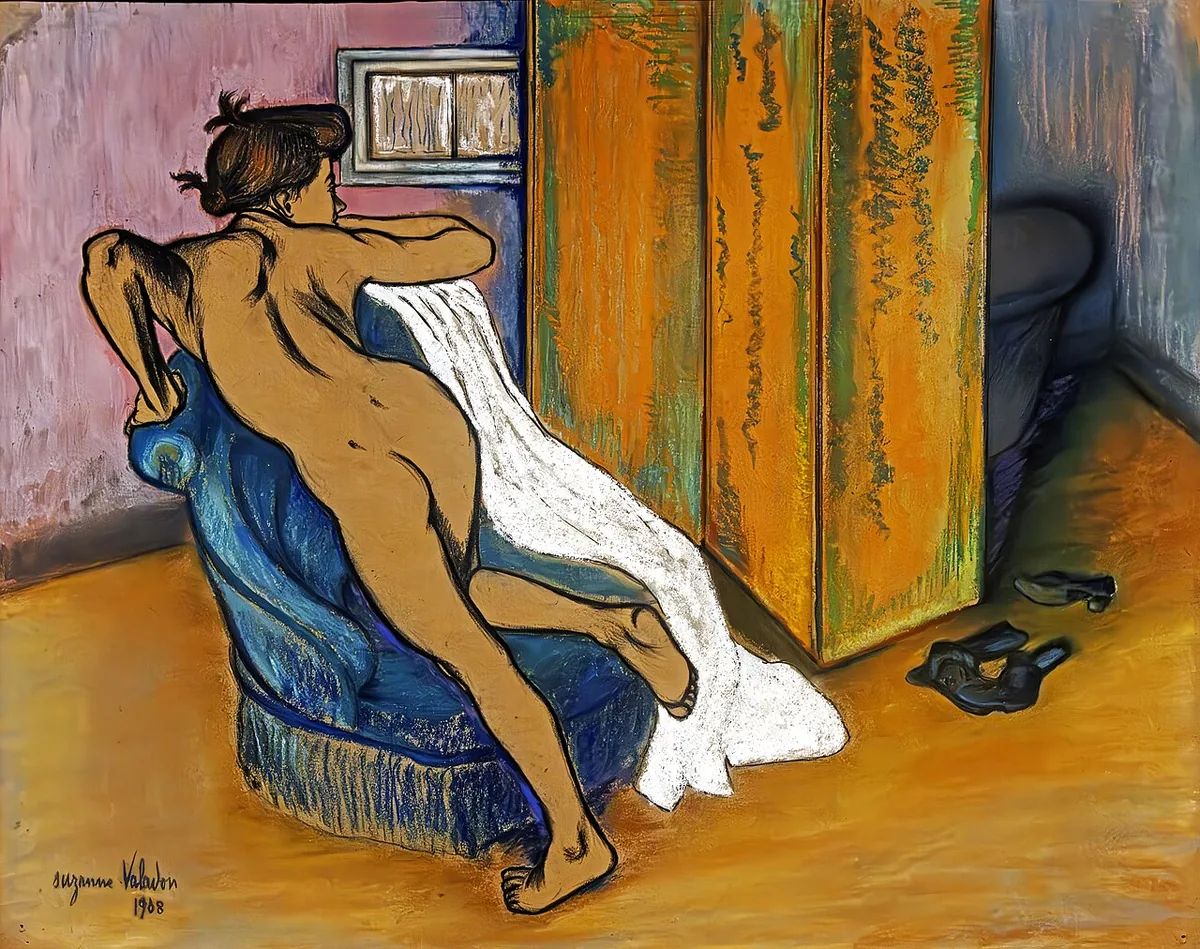
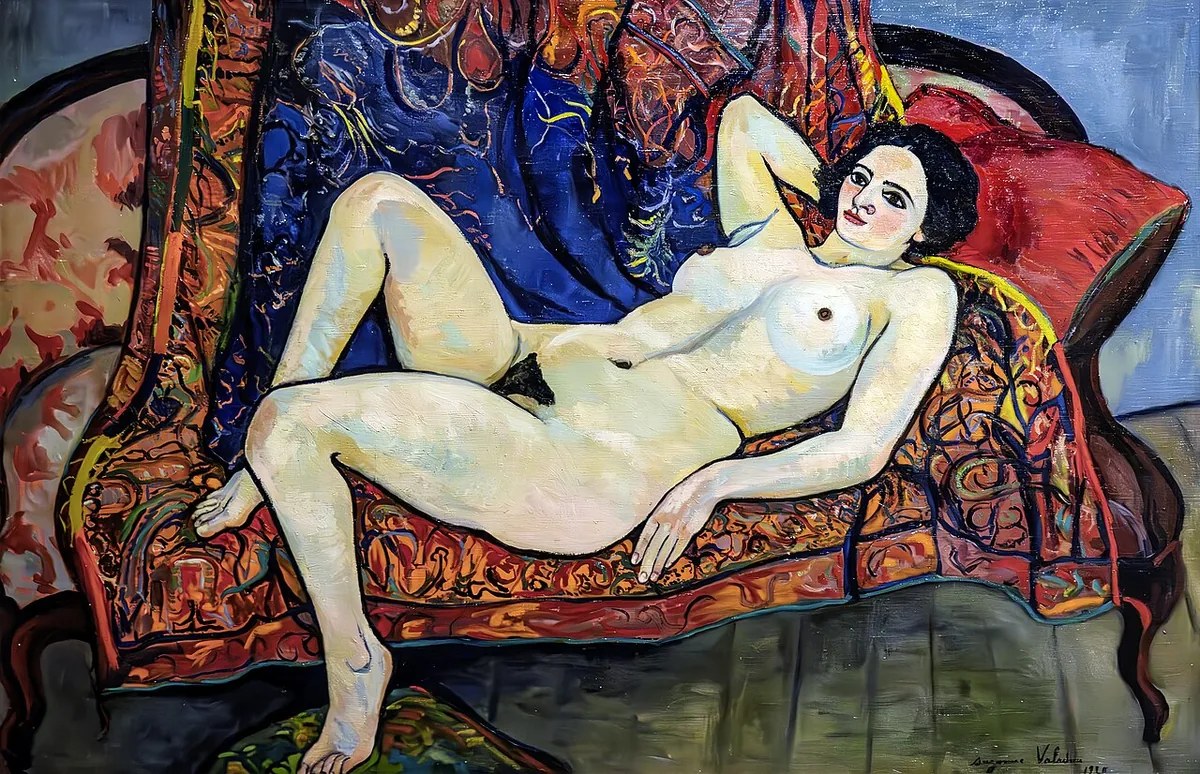
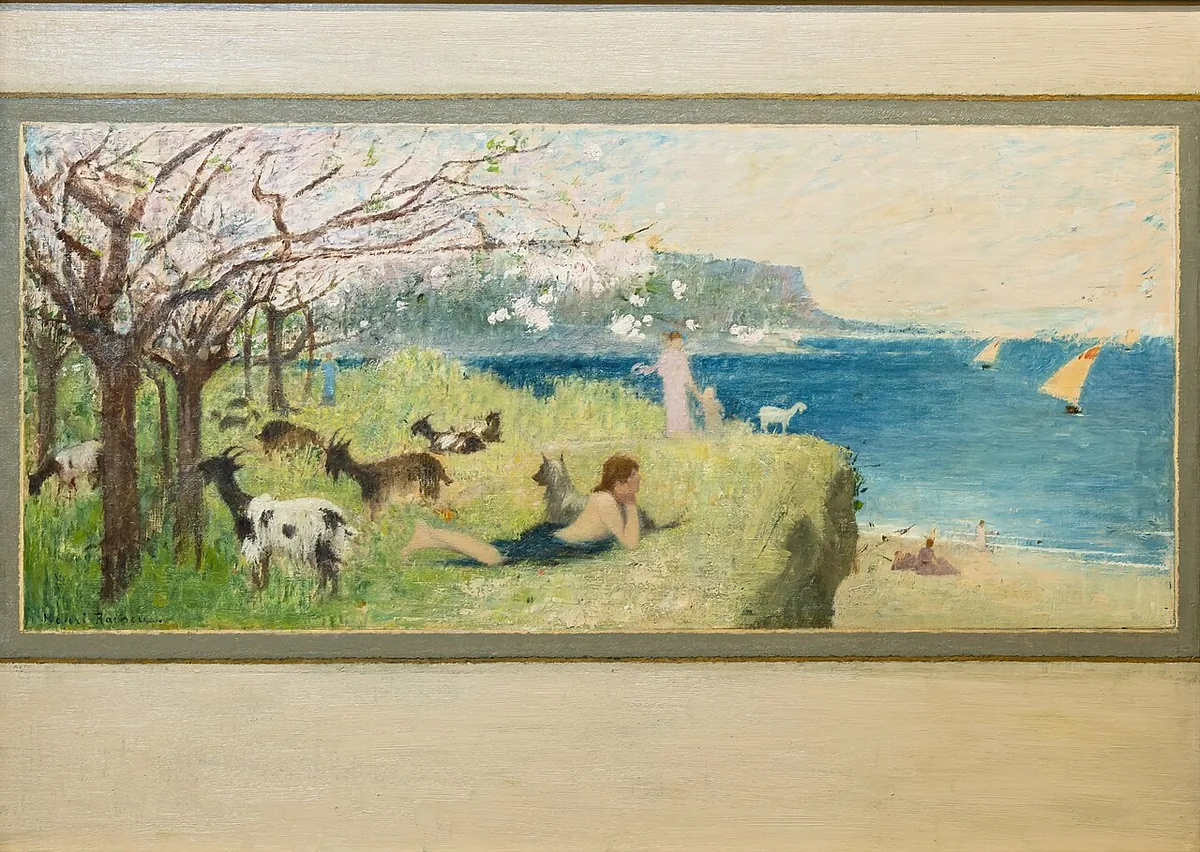
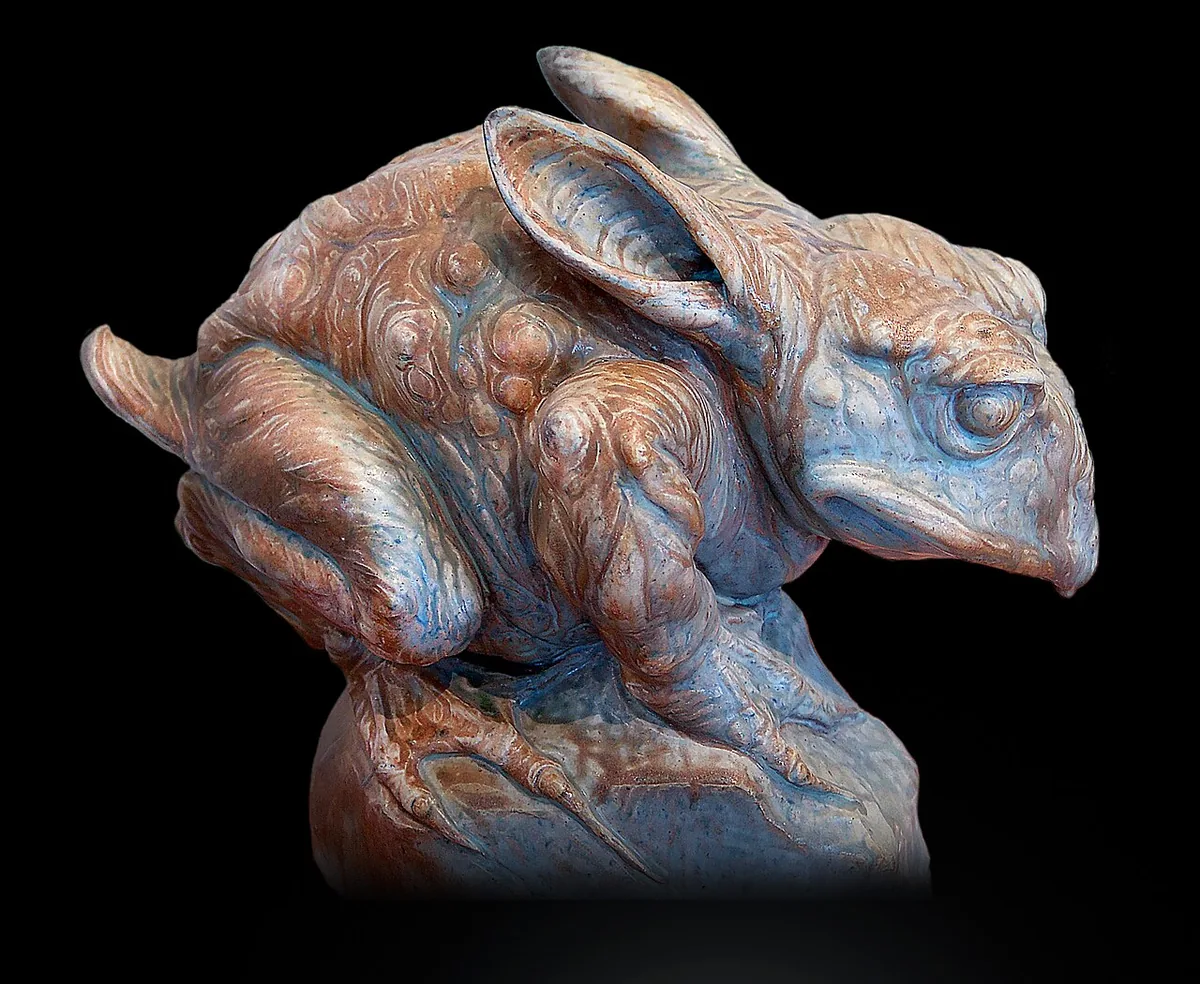
The museum’s collection began with City of Paris purchases and commissions and expanded through the Dutuit bequest and later gifts, including the Tuck donation received in 1921.
Get directions to Petit Palais. Confirm the visitor entrance and current access with the venue before travelling.
Audio guide
Listen to this place’s guide.
Guide
Petit Palais is the smaller name for a building with a deliberately grand civic role. Charles Girault designed it for the 1900 Exposition Universelle, alongside the Grand Palais and Pont Alexandre III. The three structures were conceived as parts of a new monumental approach between the Champs-Élysées and the Seine. The fair was temporary; the Petit Palais was one of its buildings intended to remain.
Continue exploring
Discover the full story
Keep reading with a travel pass and explore every full guide and tour.
UpgradeMore places in Paris
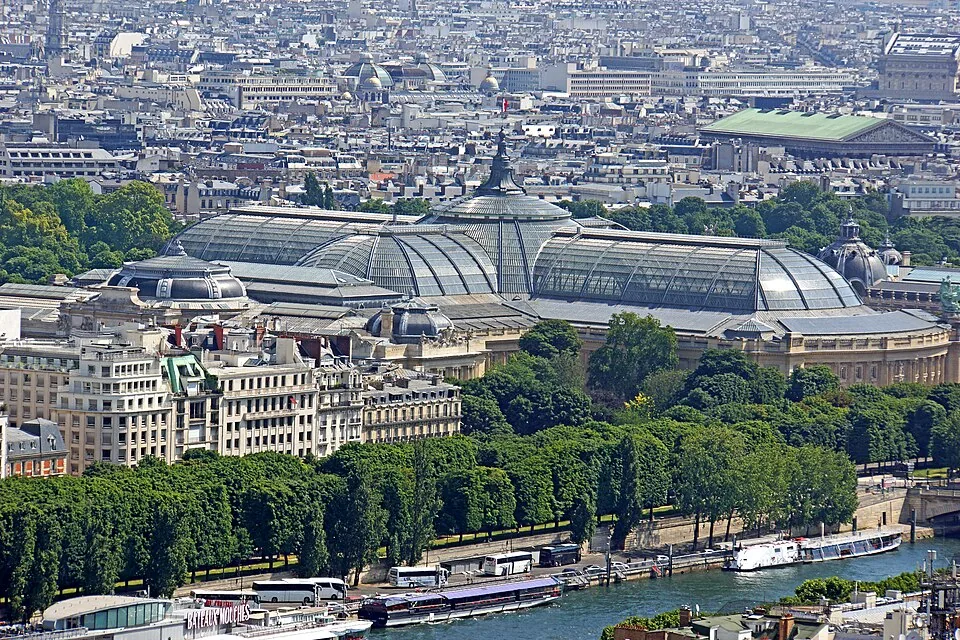
Grand Palais
Built for Paris’s 1900 World’s Fair, the Grand Palais pairs an immense glass-roofed nave with a sculpted Beaux-Arts exterior. Repeatedly adapted for exhibitions, wartime service, sport, and public culture, it reopened fully after restoration in 2025.
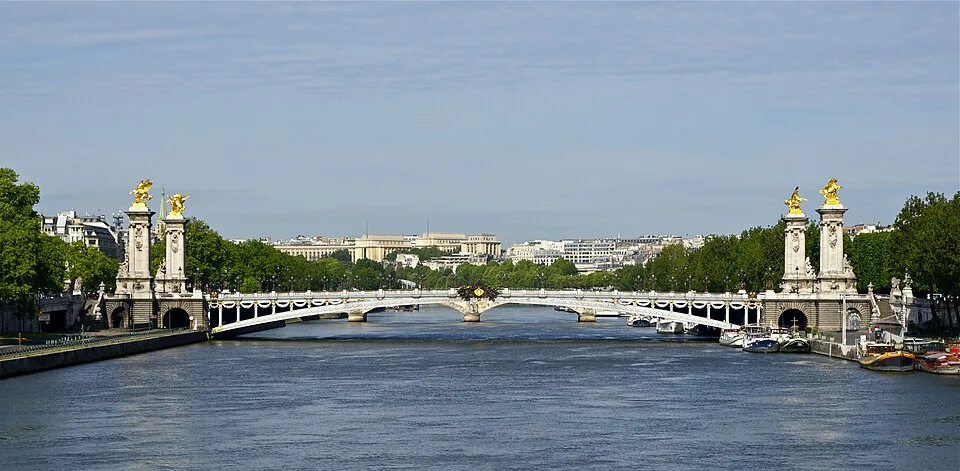
Pont Alexandre III
Pont Alexandre III is a low steel arch across the Seine, built for Paris’s 1900 Universal Exhibition and named for the Russian tsar whose son laid its first stone. Its gilded Pegasi, river nymphs and broad ceremonial axis connect the Invalides with the Grand and Petit Palais.
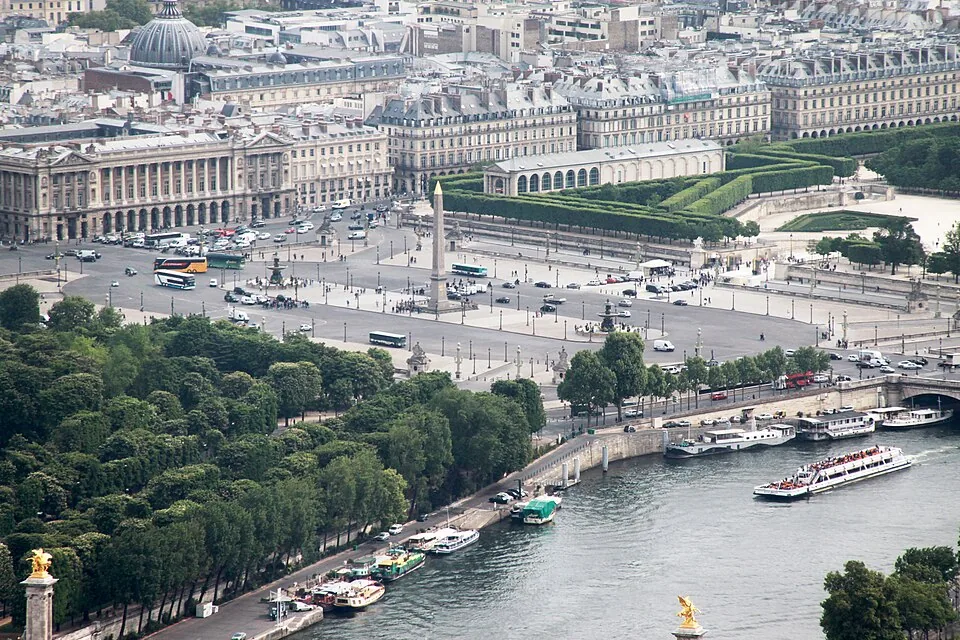
Place de la Concorde
Place de la Concorde occupies a ceremonial crossroads between the Tuileries, Champs-Élysées and Seine. Its obelisk, twin fountains and eight city statues frame a public square reshaped from royal monument to Revolutionary stage and later civic junction.
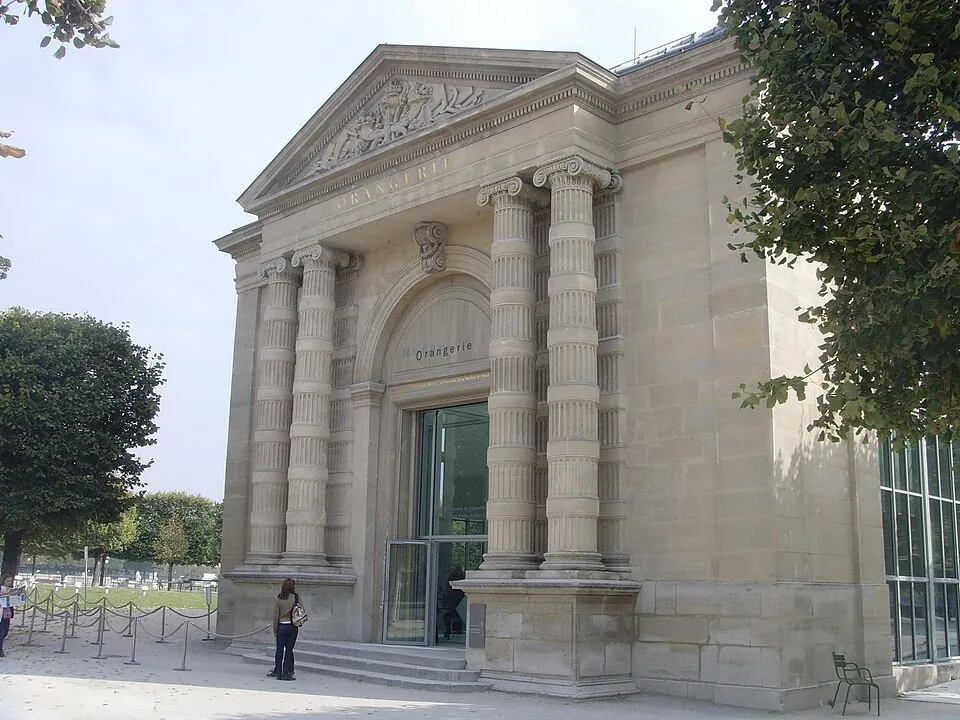
Musée de l’Orangerie
Musée de l’Orangerie was built as a winter shelter for the Tuileries’ orange trees, then became home to Monet’s Water Lilies and the Walter-Guillaume collection. Its daylight-filled oval rooms turn painting into an environment, while lower galleries connect it to modern art in Paris.
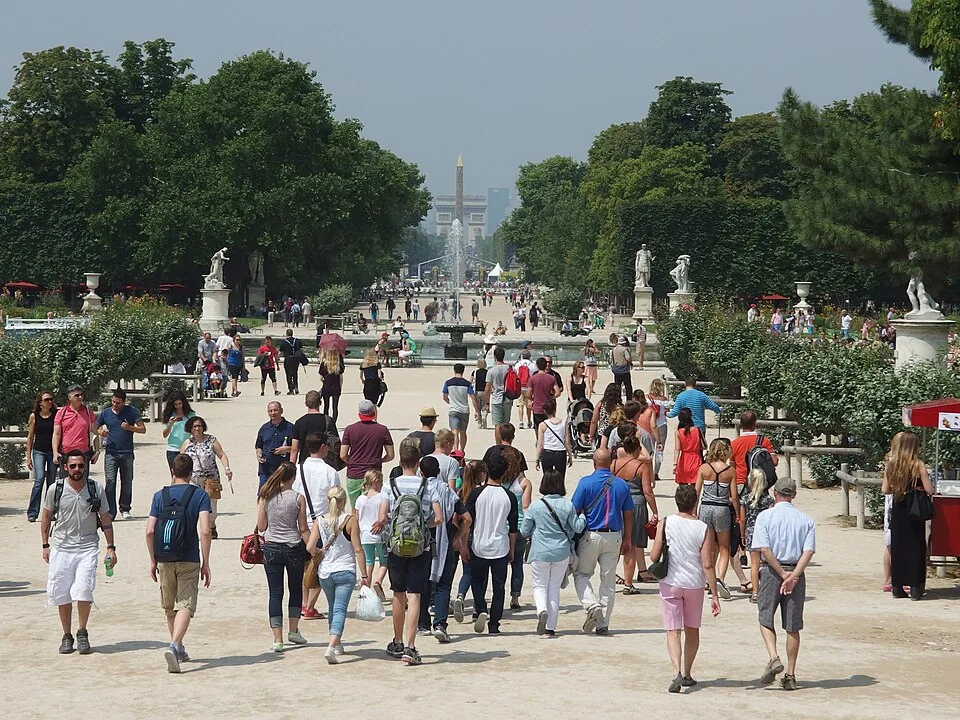
Jardin des Tuileries
The Jardin des Tuileries links the Louvre with Place de la Concorde through formal beds, shaded groves, basins, sculpture and a long westward view. Created for a palace that was burned in 1871 and never rebuilt, the garden survives as a public landscape shaped by royal design, revolution and everyda
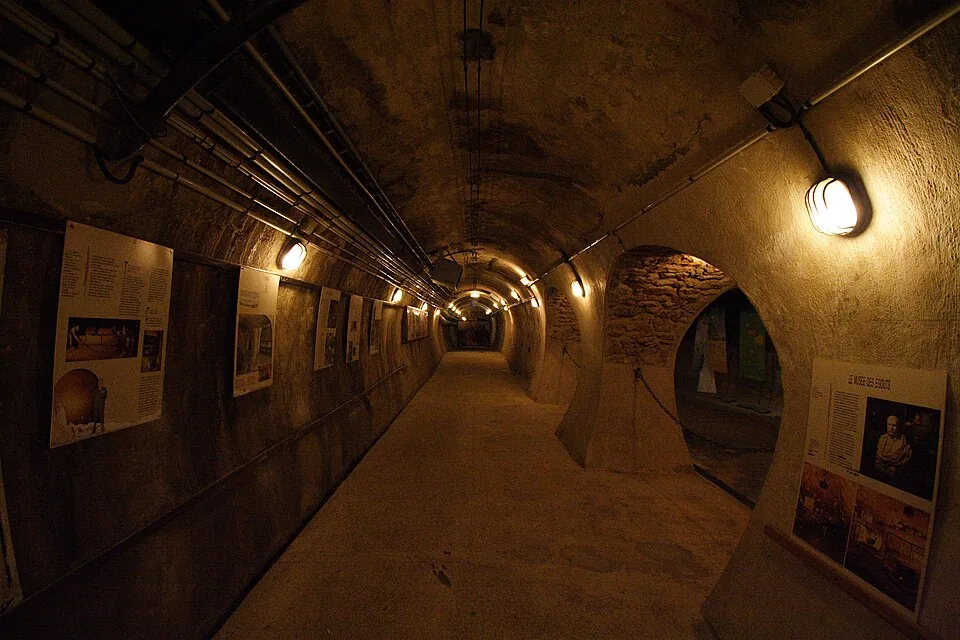
Musée des Égouts de Paris
The Musée des Égouts de Paris takes visitors into working galleries beneath the Alma bridge, where street plaques, cleaning tools, and models reveal how Paris built and maintains its water and sewer systems.