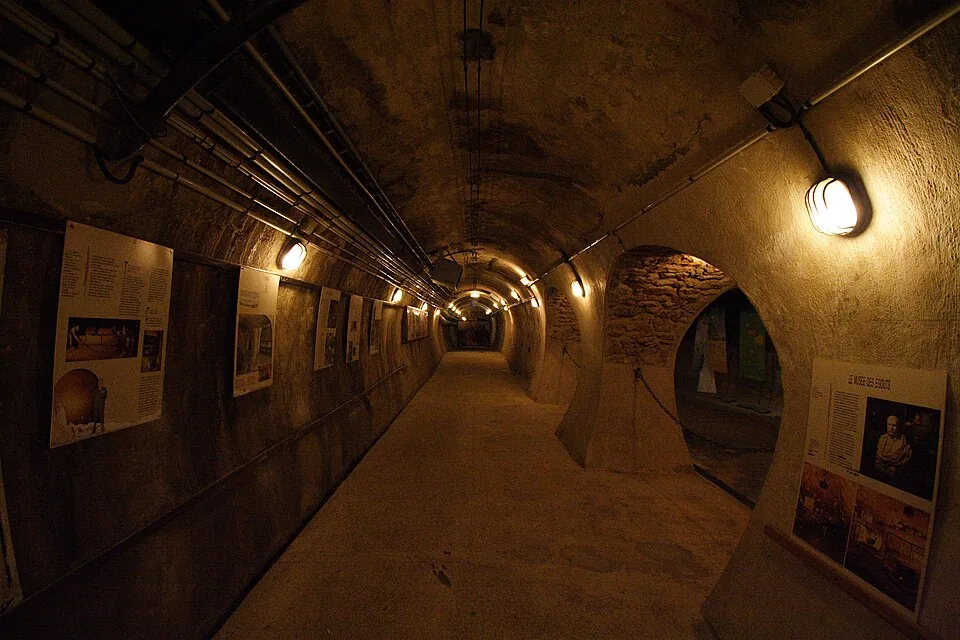
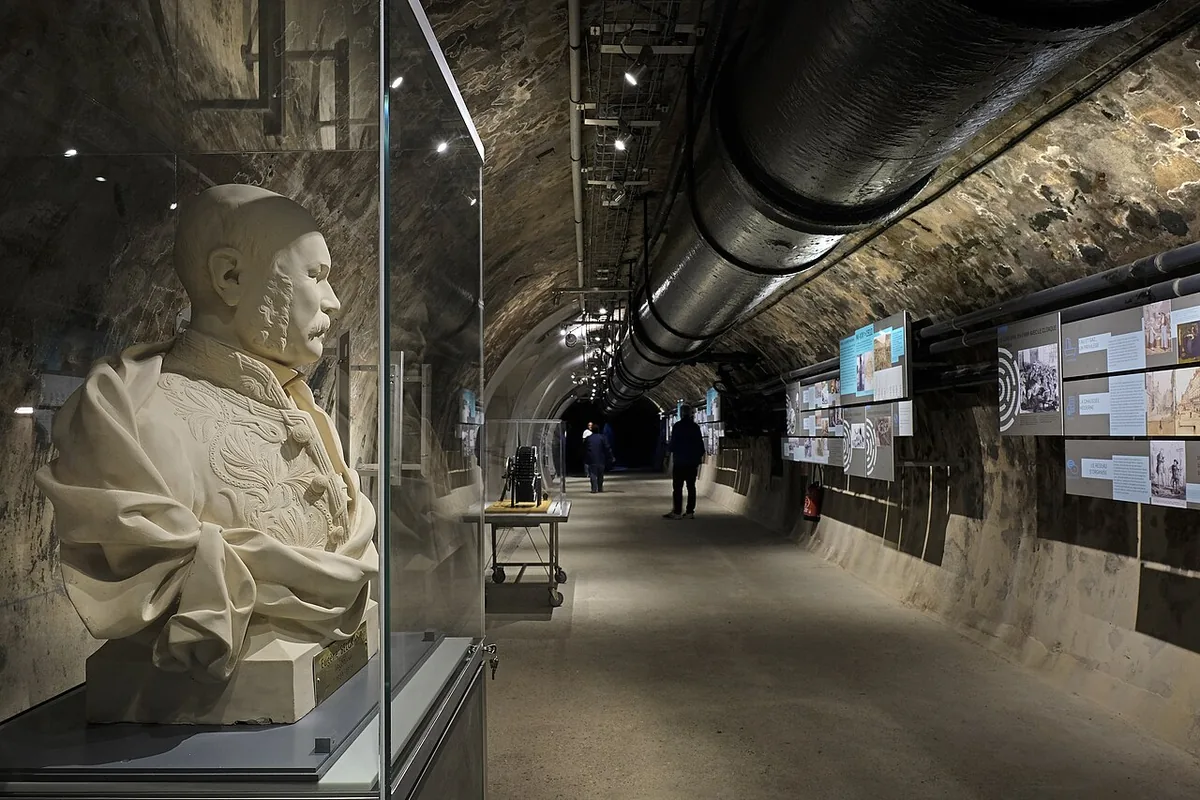
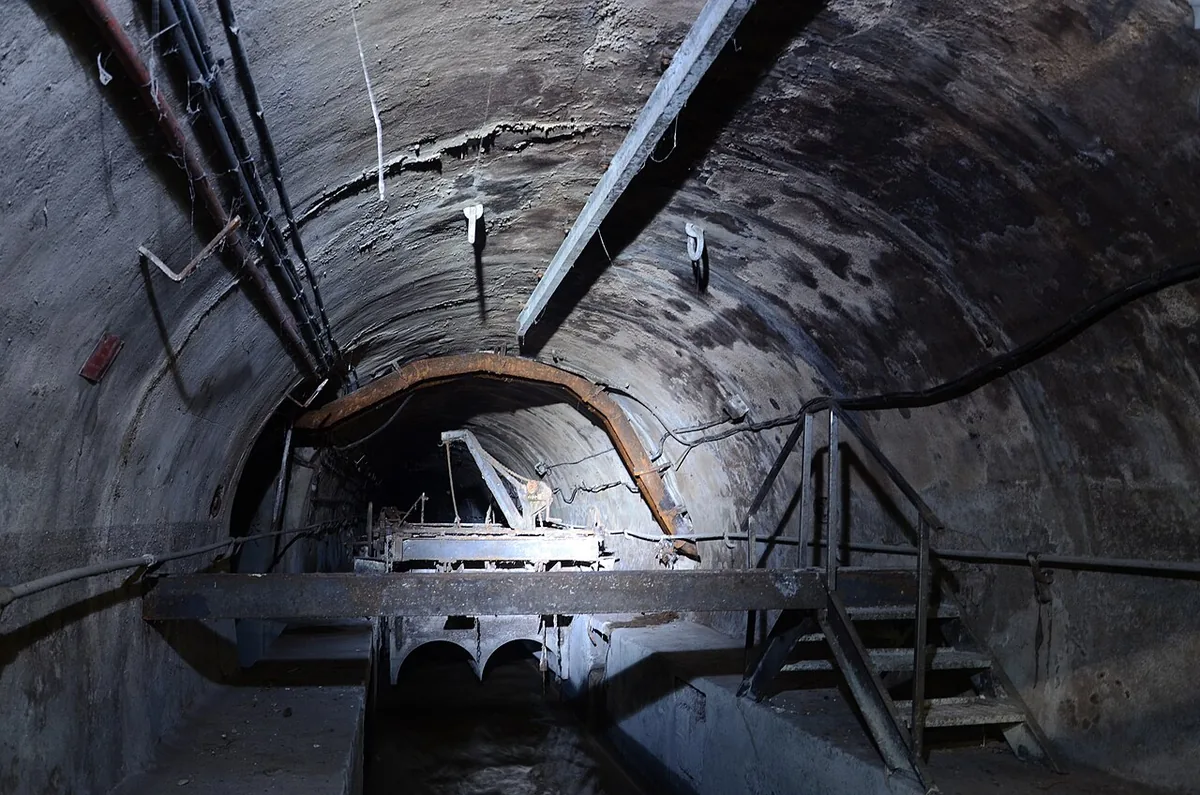
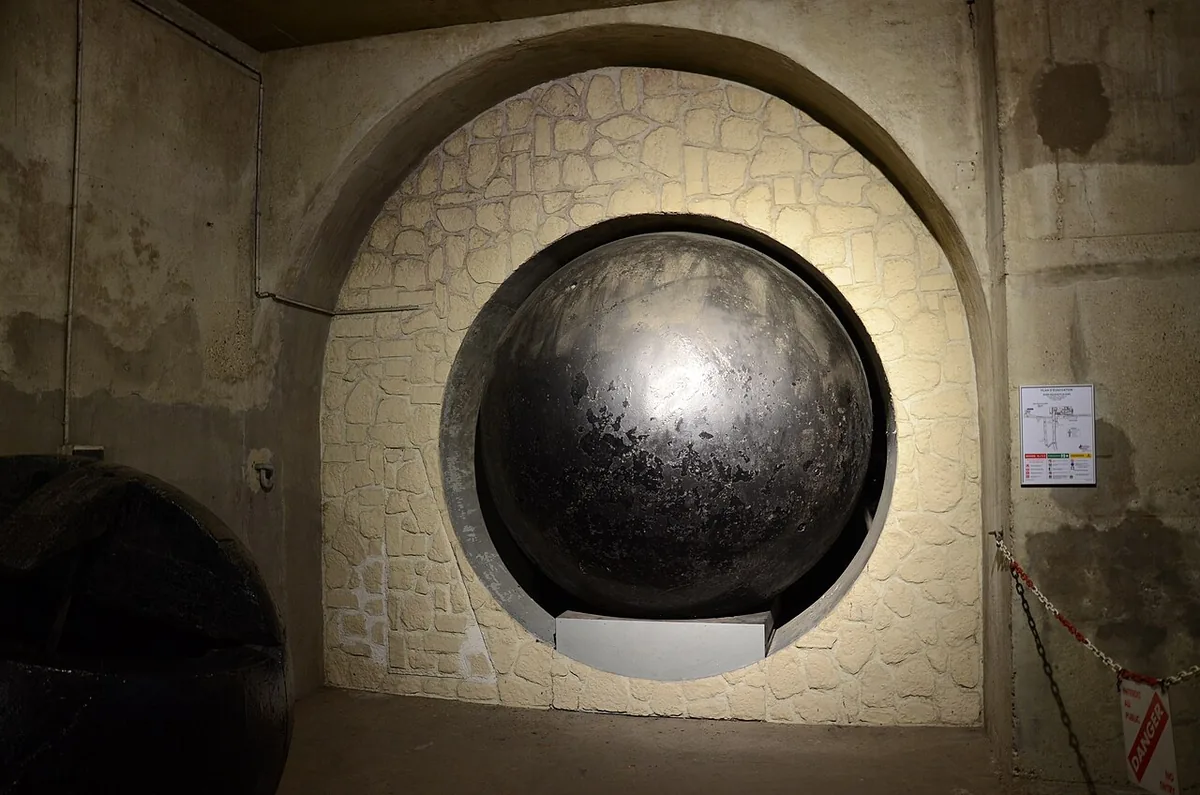
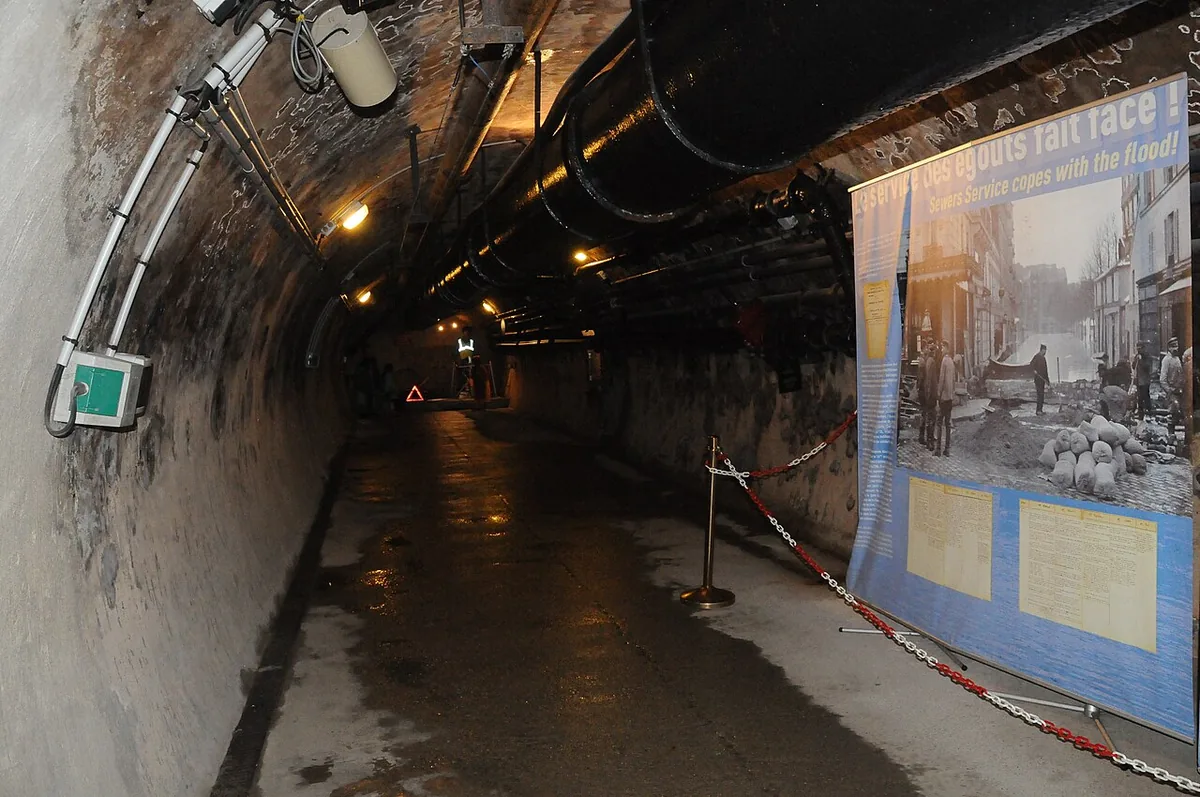
The Musée des Égouts de Paris takes visitors into working galleries beneath the Alma bridge, where street plaques, cleaning tools, and models reveal how Paris built and maintains its water and sewer systems.
Quick facts
Eugène Belgrand took charge of Paris’s water service in 1854 and later directed the city’s water and sewer service.
Public tours of the sewers began during the 1867 Universal Exposition, guided by sewer workers in boats or wagons.
A 1894 law required Paris property owners to connect toilets to the public sewer.
Get directions to Musée des Égouts de Paris. Confirm the visitor entrance and current access with the venue before travelling.
Audio guide
Listen to this place’s guide.
Guide
At the Musée des Égouts de Paris, street names continue underground. Small plaques mark the corners of galleries, translating the familiar city grid into a working map below the pavement. The museum, beside the Alma bridge in Paris’s 7th arrondissement, lets visitors enter a short section of this infrastructure and see how a capital moves water, waste, and maintenance through its foundations.
Continue exploring
Discover the full story
Keep reading with a travel pass and explore every full guide and tour.
UpgradeMore places in Paris
Musée du quai Branly
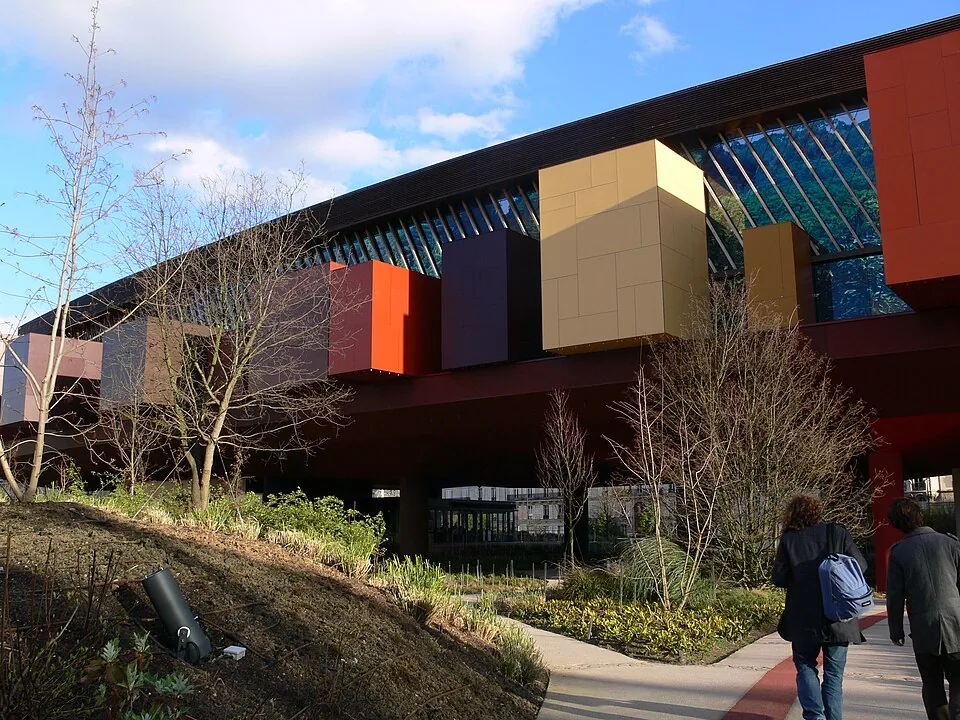
Musée du quai Branly’s elevated galleries and planted approach create a gradual transition from the Seine-side city into its collections. Jean Nouvel designed the building around objects from Africa, Asia, Oceania, and the Americas, challenging the conventions of a traditional museum façade.
Eiffel Tower
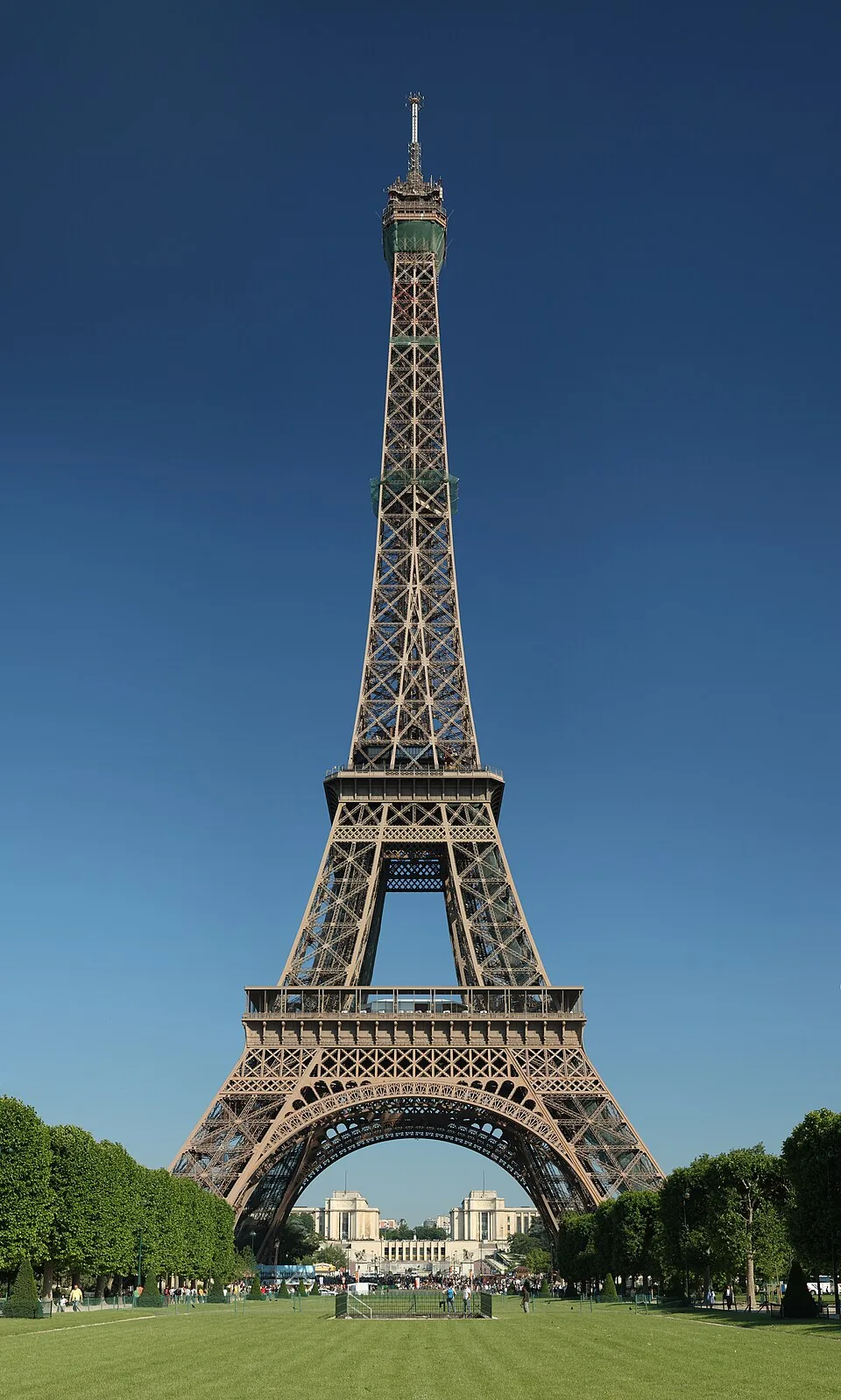
Built for the 1889 Paris Exposition, the Eiffel Tower turned a daring iron-engineering project into a public monument. Its four curved legs and open lattice reveal how the structure works, while experiments and radio transmission helped it outlast its planned term.
Champ de Mars
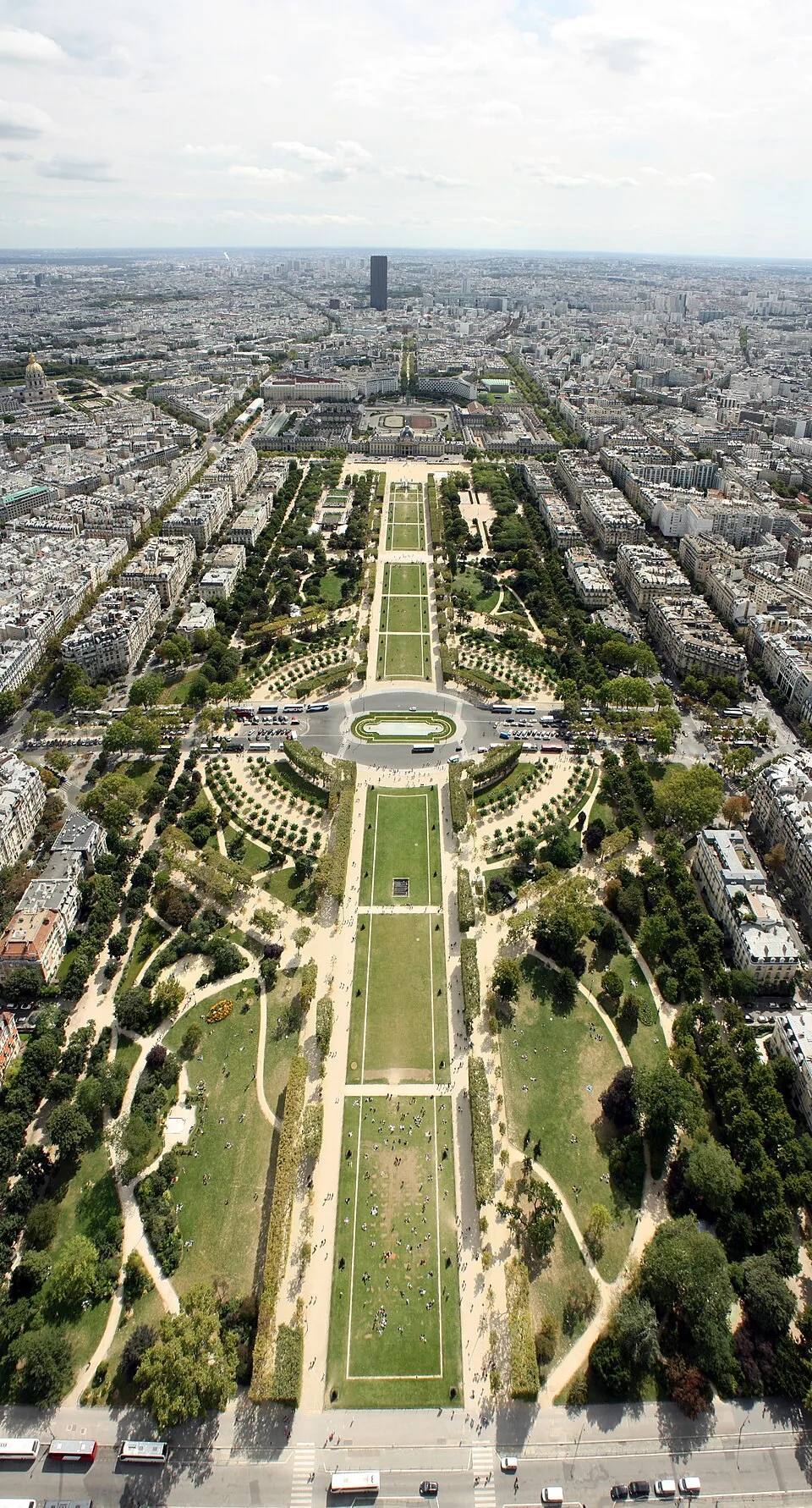
The Champ de Mars is a public garden between the École Militaire and Eiffel Tower. Its lawns and long axis recall an exercise ground transformed by revolutionary gatherings, balloon experiments, world fairs and a 1908 city park design.
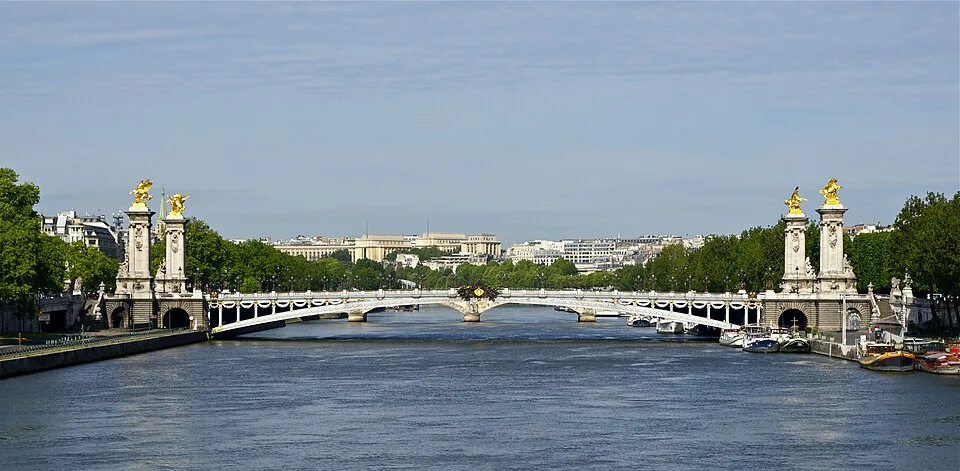
Pont Alexandre III
Pont Alexandre III is a low steel arch across the Seine, built for Paris’s 1900 Universal Exhibition and named for the Russian tsar whose son laid its first stone. Its gilded Pegasi, river nymphs and broad ceremonial axis connect the Invalides with the Grand and Petit Palais.
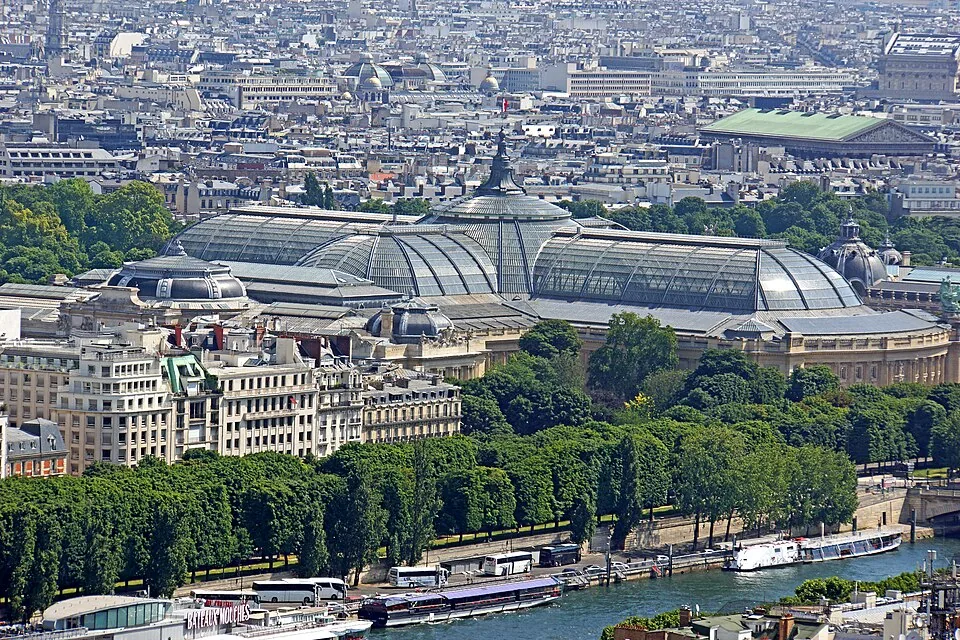
Grand Palais
Built for Paris’s 1900 World’s Fair, the Grand Palais pairs an immense glass-roofed nave with a sculpted Beaux-Arts exterior. Repeatedly adapted for exhibitions, wartime service, sport, and public culture, it reopened fully after restoration in 2025.
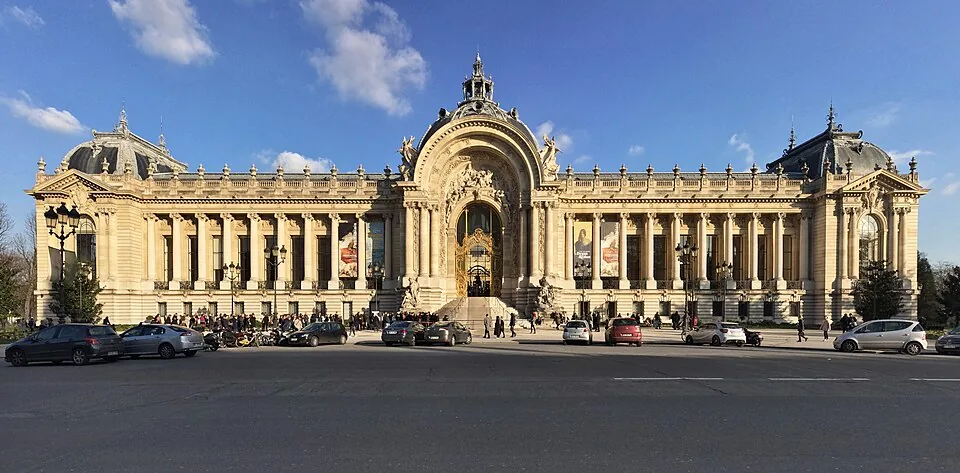
Petit Palais
Built for the 1900 Exposition Universelle, Charles Girault’s Petit Palais became the City of Paris Museum of Fine Arts in 1902. Its curved galleries circle a garden court, while the collection grew from municipal purchases into a broad public art museum through major bequests.