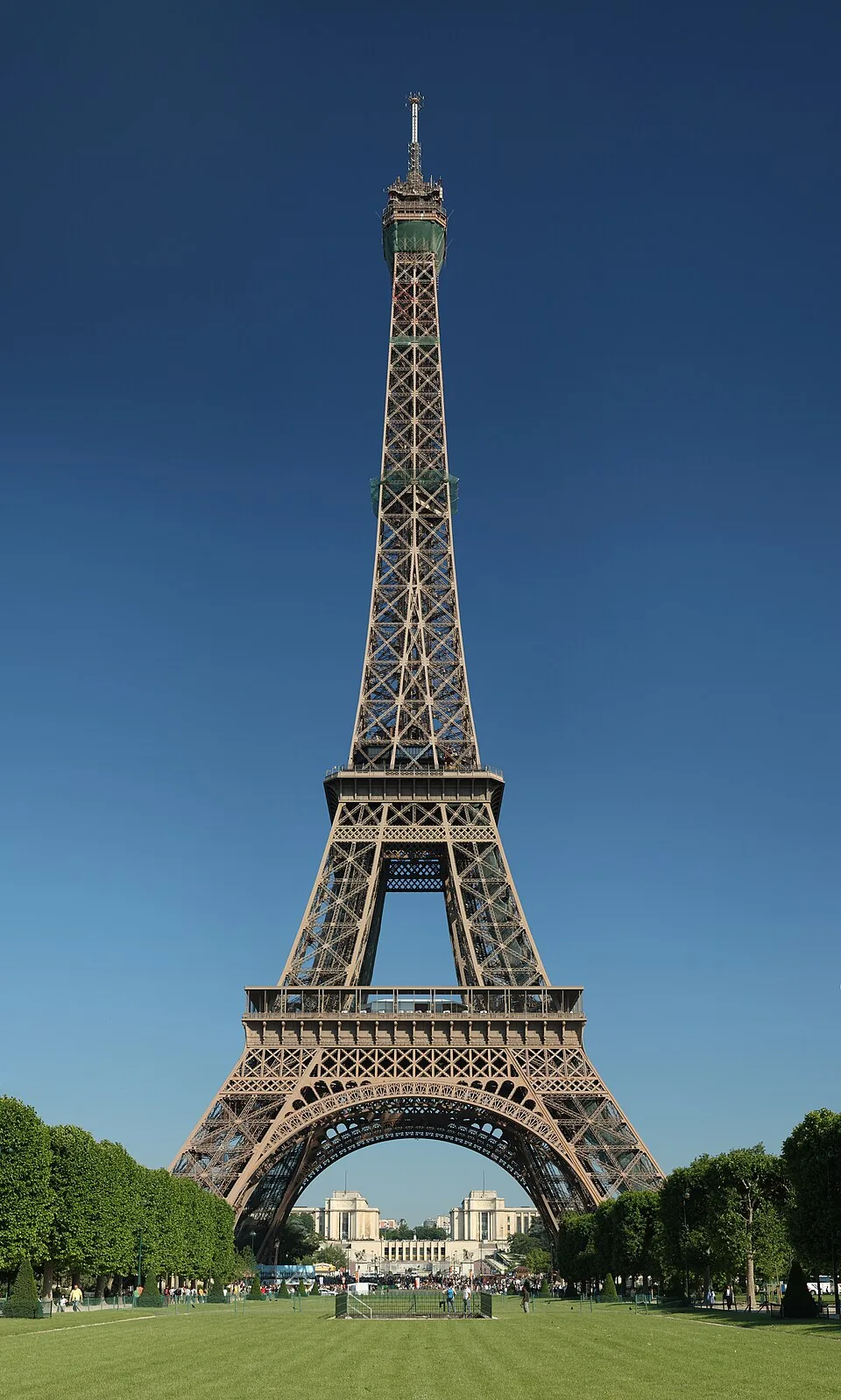
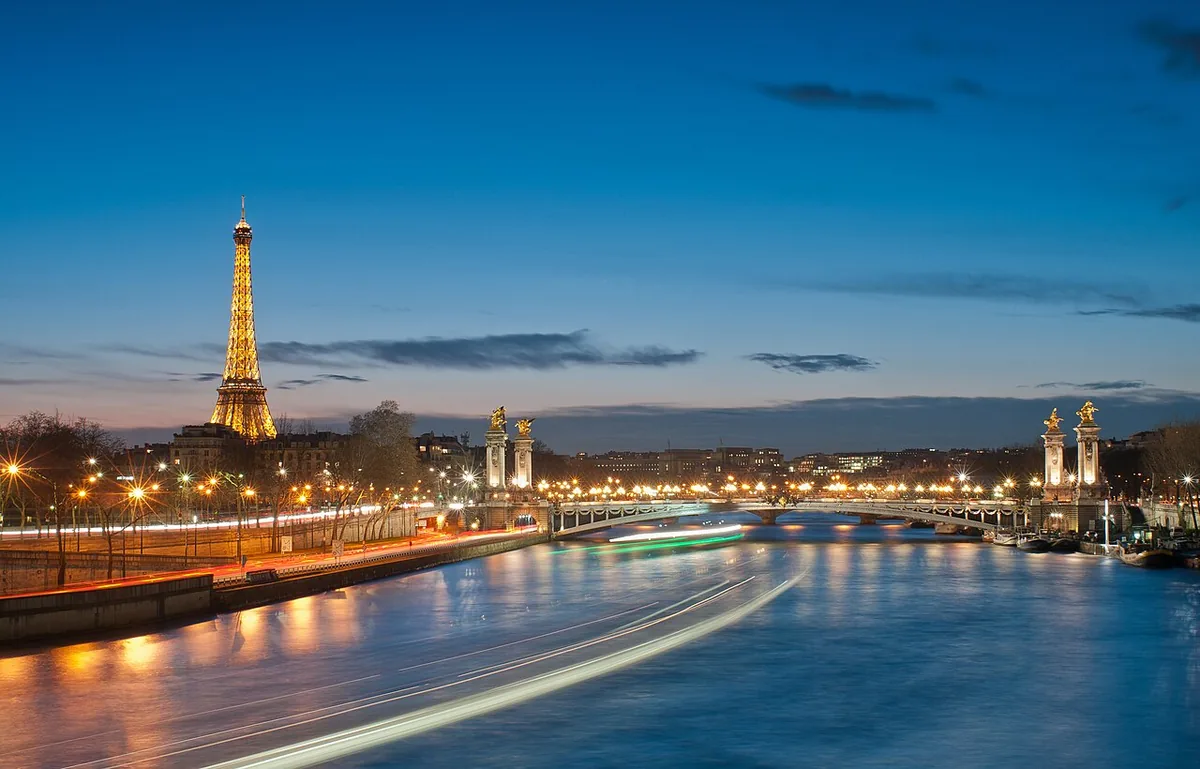
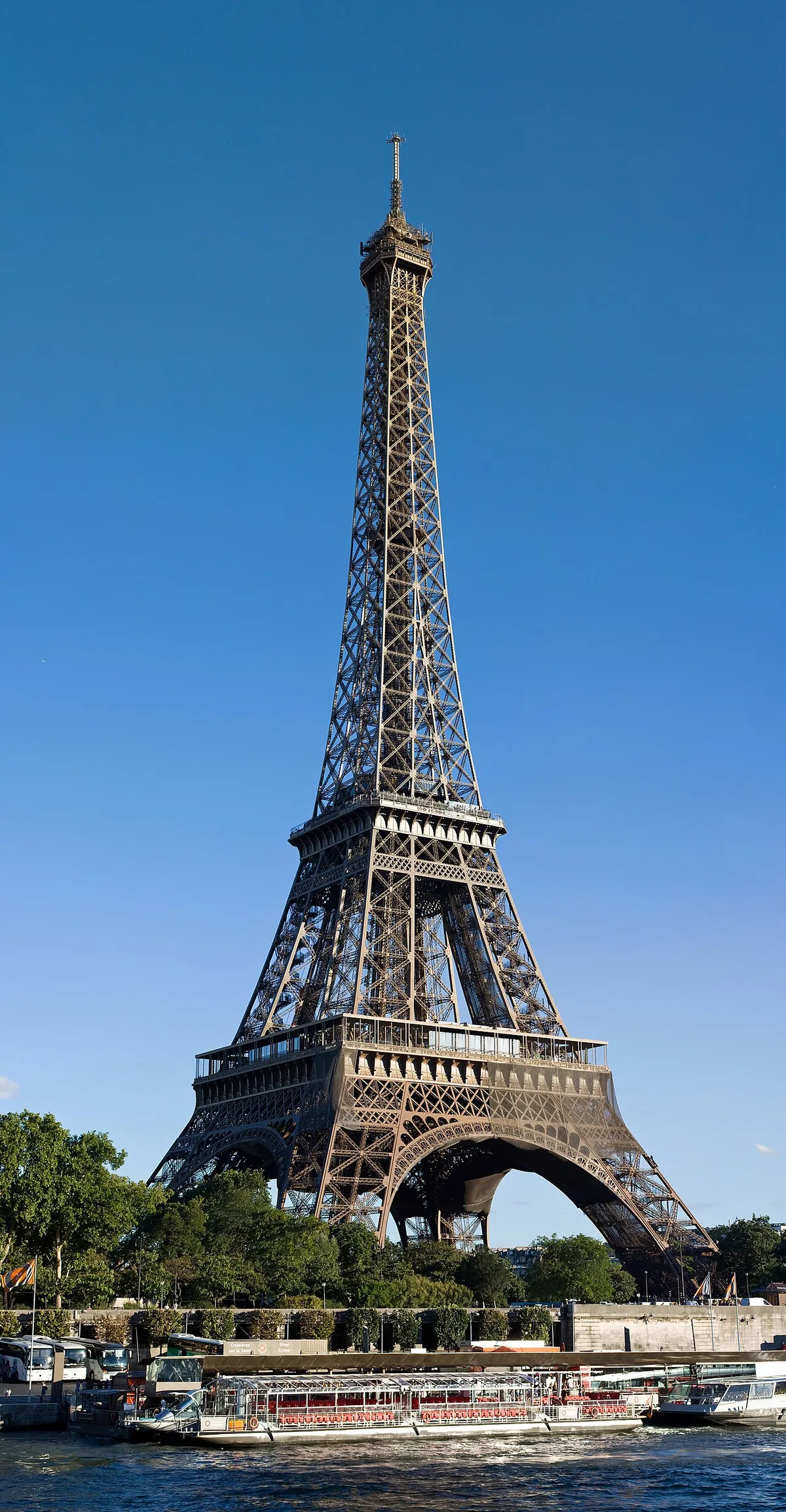
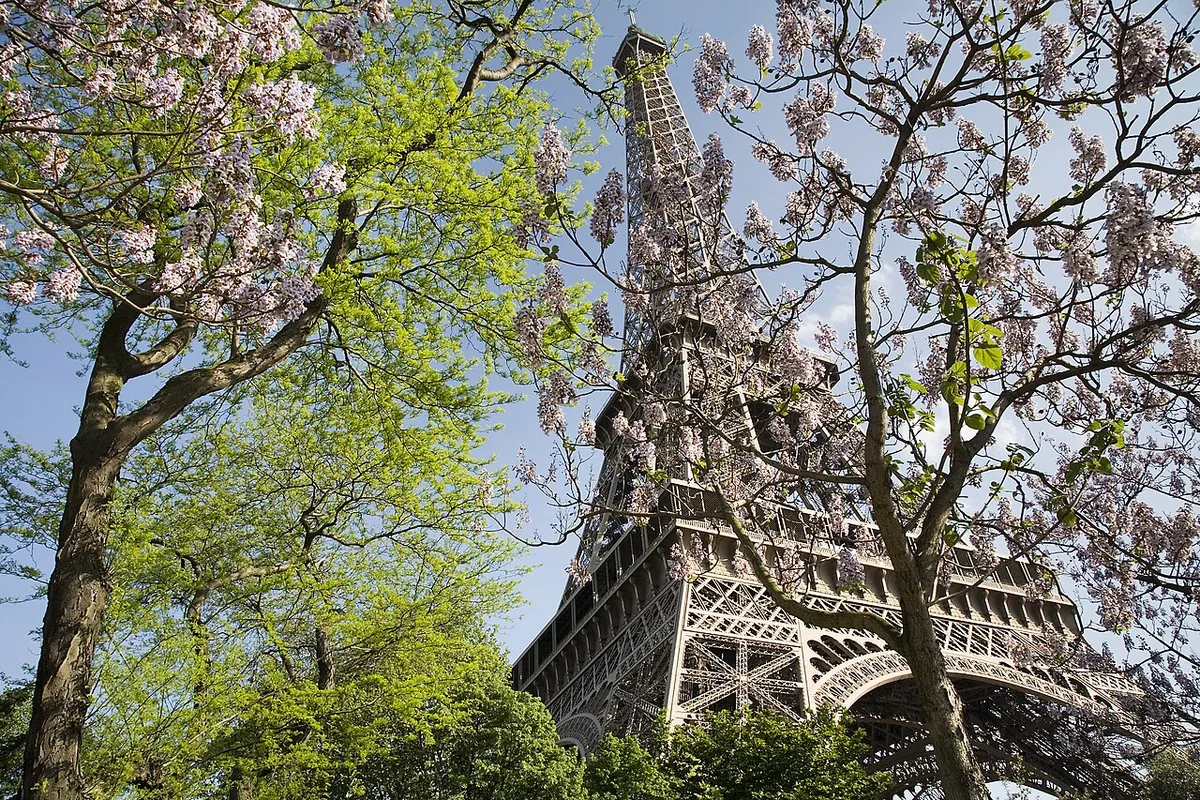
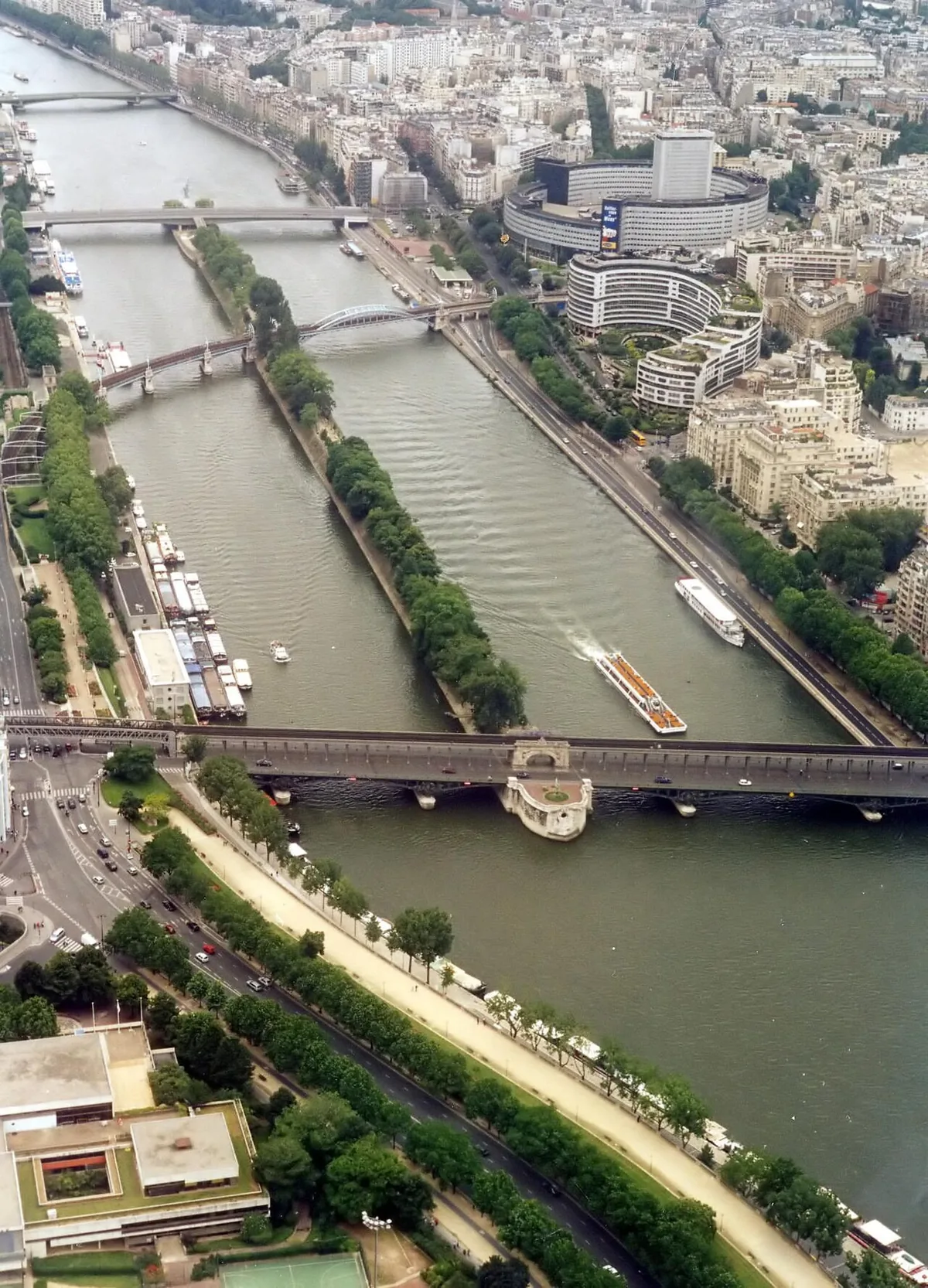
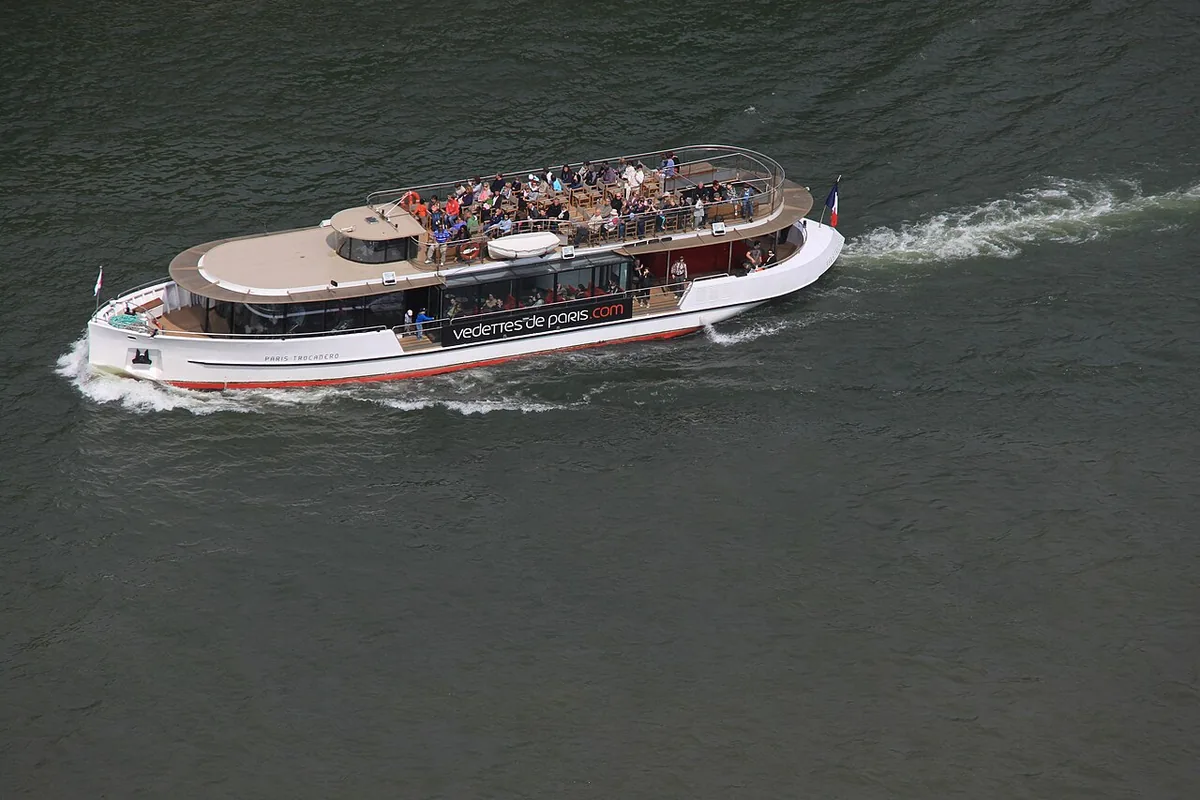
Built for the 1889 Paris Exposition, the Eiffel Tower turned a daring iron-engineering project into a public monument. Its four curved legs and open lattice reveal how the structure works, while experiments and radio transmission helped it outlast its planned term.
Quick facts
Engineers Émile Nouguier and Maurice Koechlin devised the 300-metre tower proposal in 1884; architect Stephen Sauvestre revised it before Gustave Eiffel secured the 1889 Exposition commission.
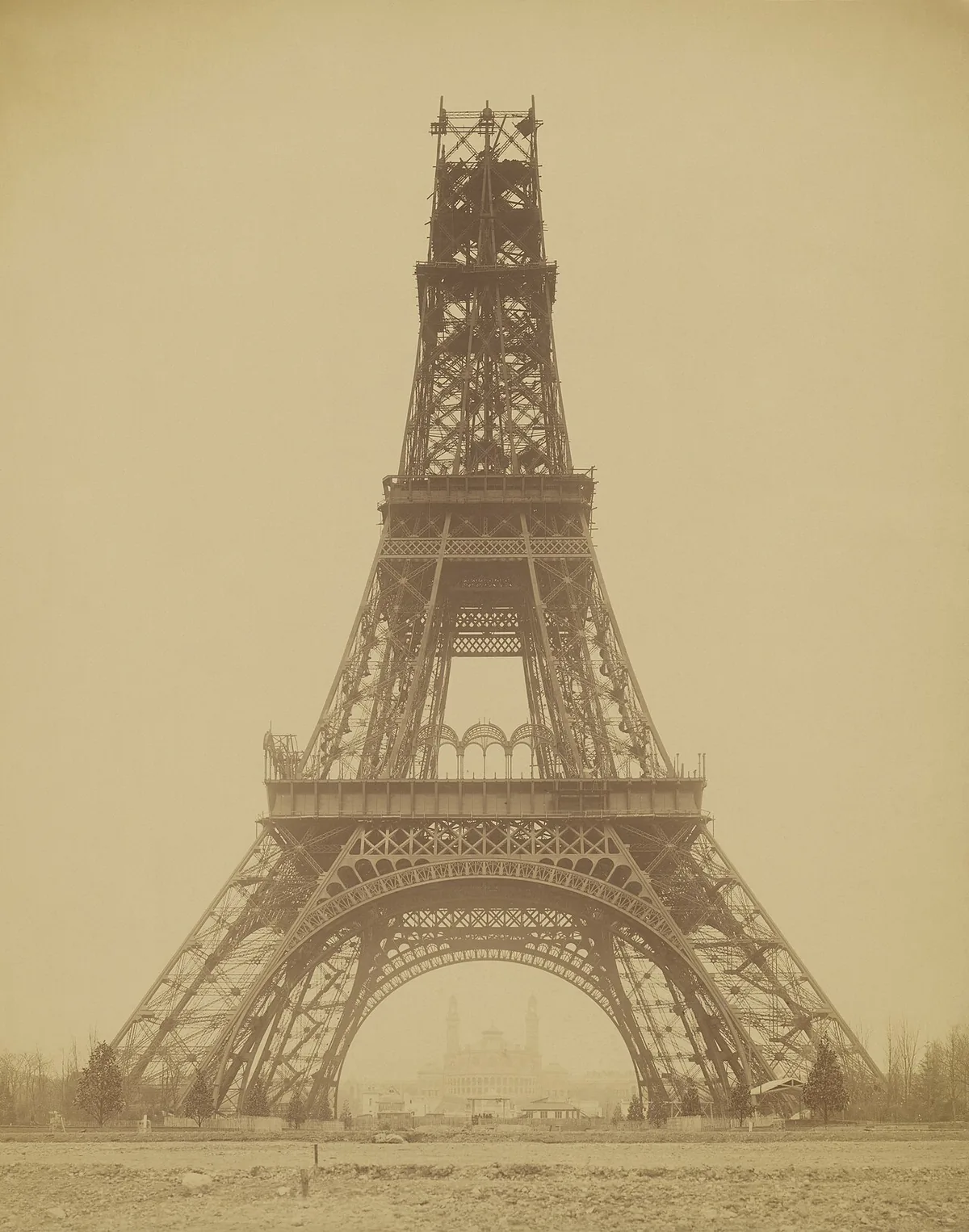
The tower was completed on 31 March 1889 after two years, two months and five days of construction, using about 18,000 metal components assembled by between 150 and 300 site workers.
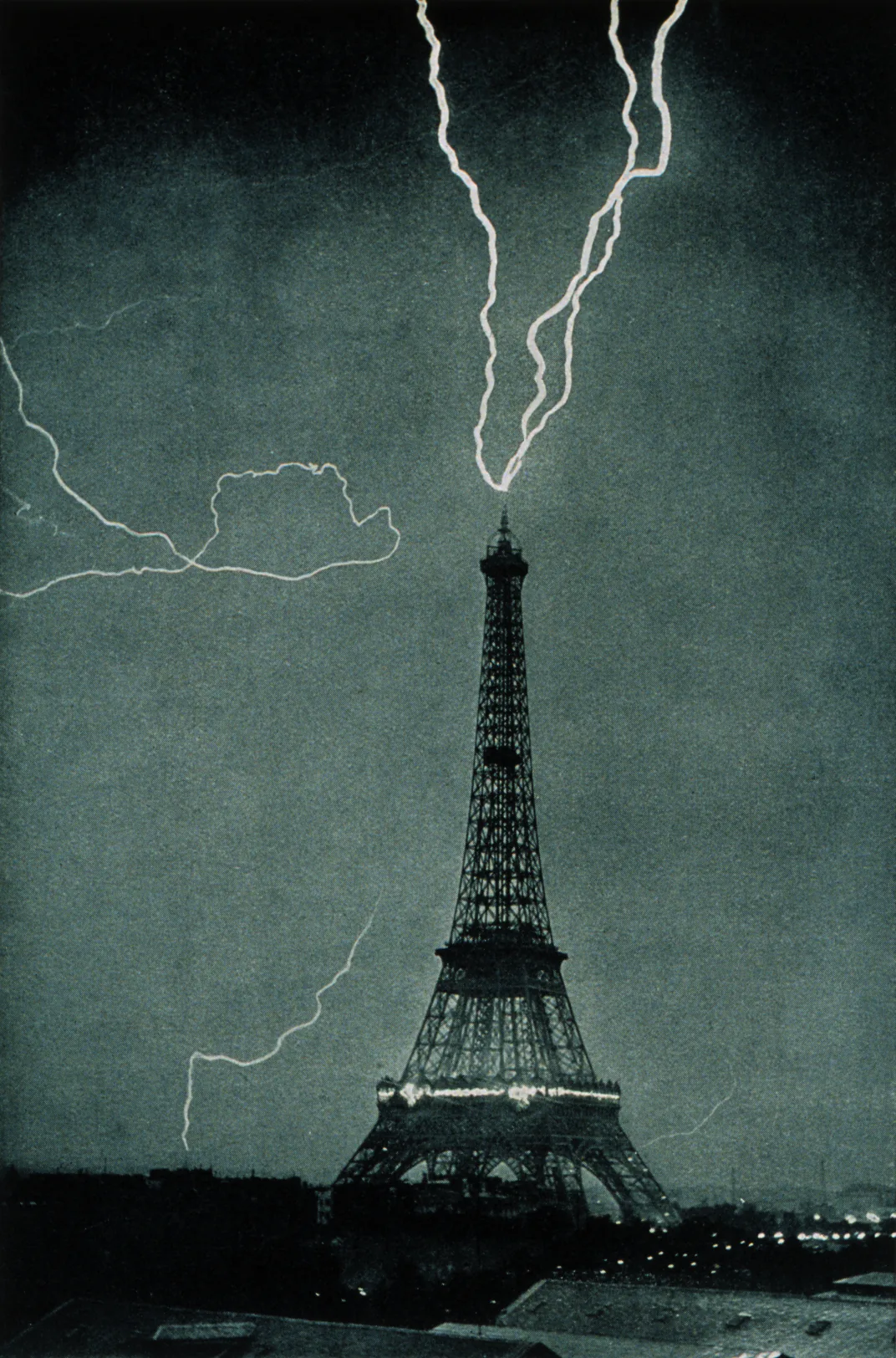
Radio experiments helped preserve the tower: wireless telegraphy trials linked it with the Panthéon in 1898, and Paris renewed Eiffel’s concession in 1910 after the tower gained military communications value.
Planning your visit
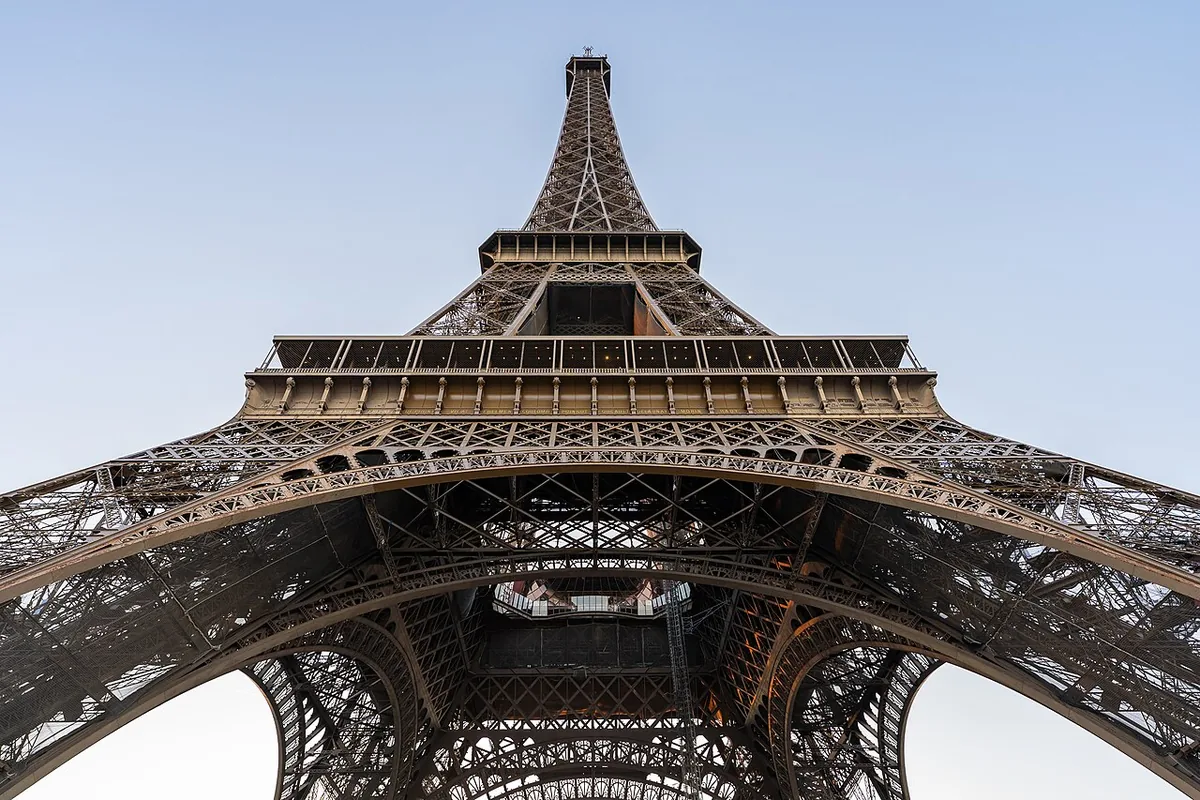
The Eiffel Tower is worth looking at from underneath as well as from above. On the esplanade, compare the broad bases of its four pillars with the open iron lattice rising between them. Near the north pillar, look for Antoine Bourdelle's bust of Gustave Eiffel; the west pillar has the visitor information desk.
Choose your ascent before buying a ticket. A second-floor visit and a summit visit are different ticket options, and the final journey from the second floor to the top is by lift. On the first floor, the glass floor and a surviving section of the old spiral staircase offer details to seek out beyond the skyline, subject to access during works.
The gardens and esplanade can be entered without an ascent ticket, but security checks still apply. The operator lists south and east entrances and separate arrangements for ticket holders. Check its planning page for current access, ticket availability and restrictions; a reserved ascent does not remove the need to pass through security.
Sources and verification
- Eiffel Tower: the esplanade
- Eiffel Tower: floors and ticket choices
- Eiffel Tower: the first floor
- Eiffel Tower: planning a visit
Sources checked by Finding Locations using AI-assisted research. This is a source check, not a field inspection. Check the official venue information before visiting.
Get directions to Eiffel Tower. Confirm the visitor entrance and current access with the venue before travelling.
Audio guide
Listen to this place’s guide.
Guide
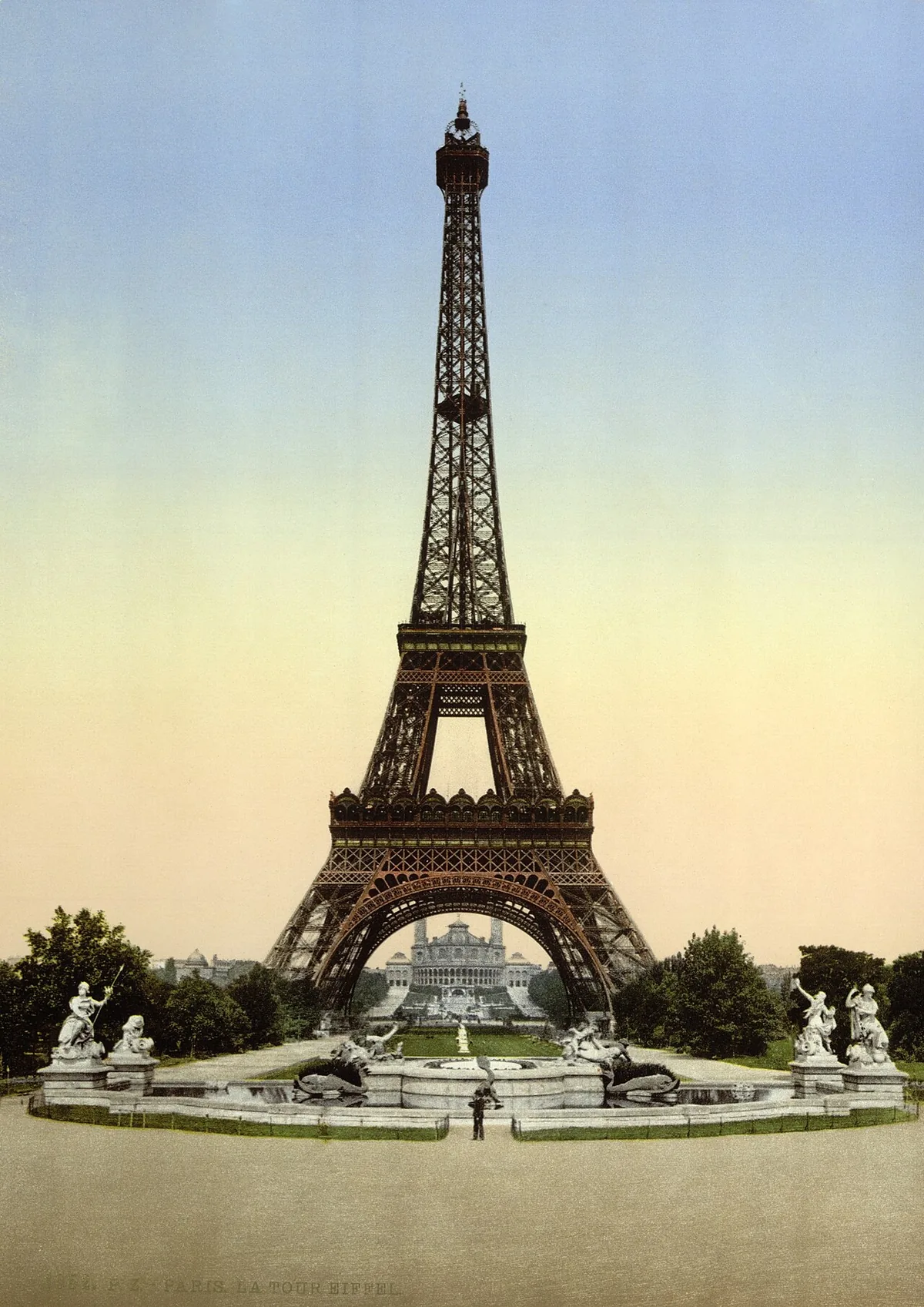
The Eiffel Tower began as a deadline-bound argument in iron. Built on the Champ-de-Mars in Paris for the 1889 Exposition Universelle, it was meant to demonstrate that engineering could create a new kind of monument. The fair marked the centenary of the French Revolution, and its immense, iron-and-glass displays presented industrial progress as a public spectacle. The tower was the fair’s most recognizable emblem, but it did not spring fully formed from Gustave Eiffel’s drawing board.
Continue exploring
Discover the full story
Keep reading with a travel pass and explore every full guide and tour.
UpgradeMore places in Paris
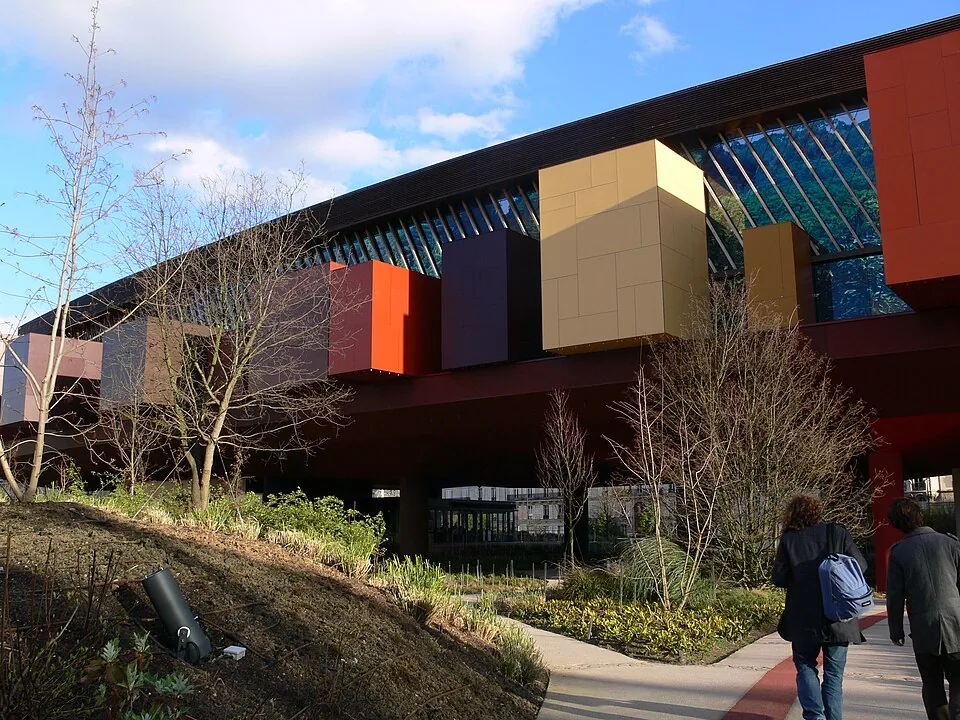
Musée du quai Branly
Musée du quai Branly’s elevated galleries and planted approach create a gradual transition from the Seine-side city into its collections. Jean Nouvel designed the building around objects from Africa, Asia, Oceania, and the Americas, challenging the conventions of a traditional museum façade.
Champ de Mars
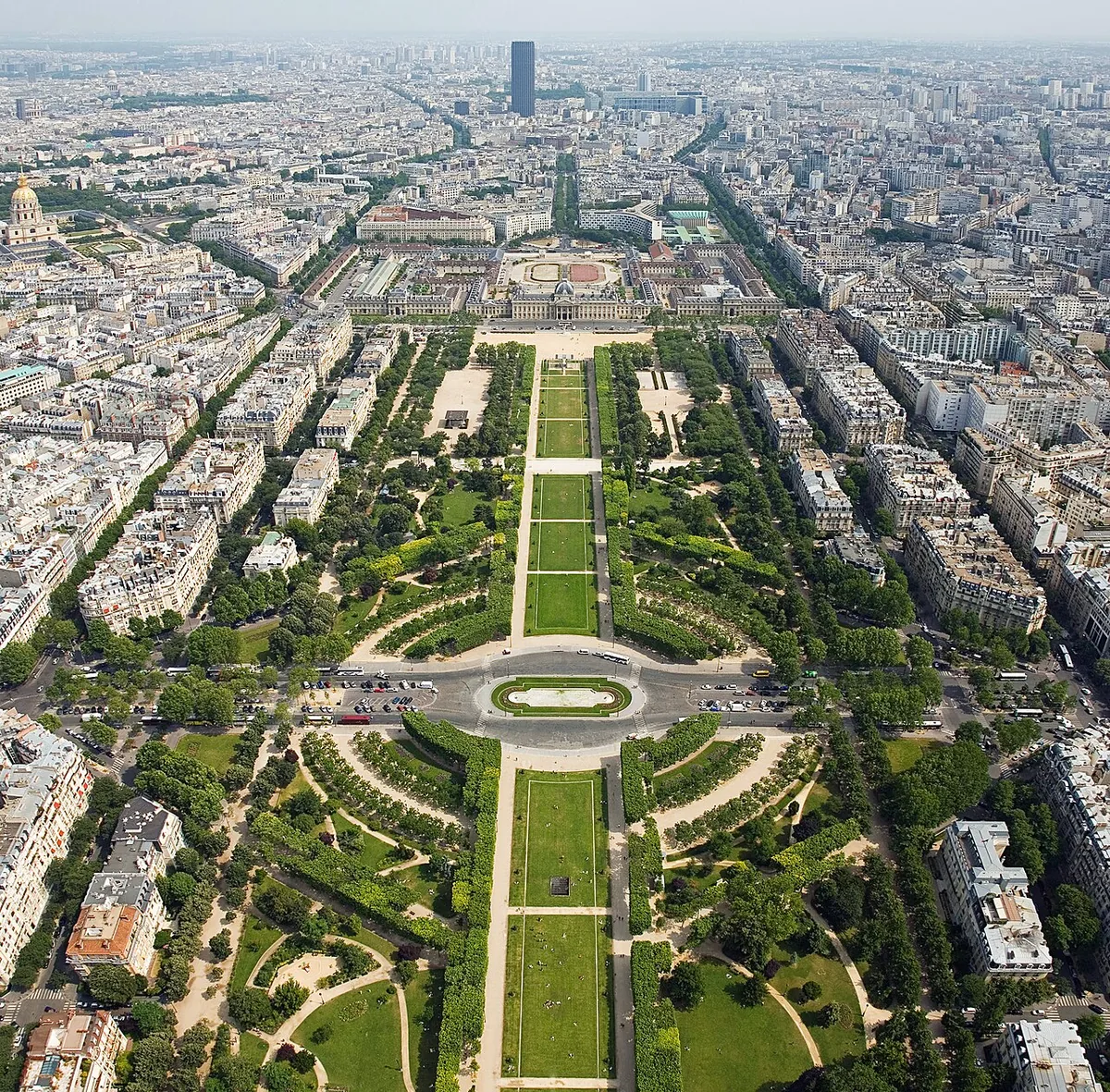
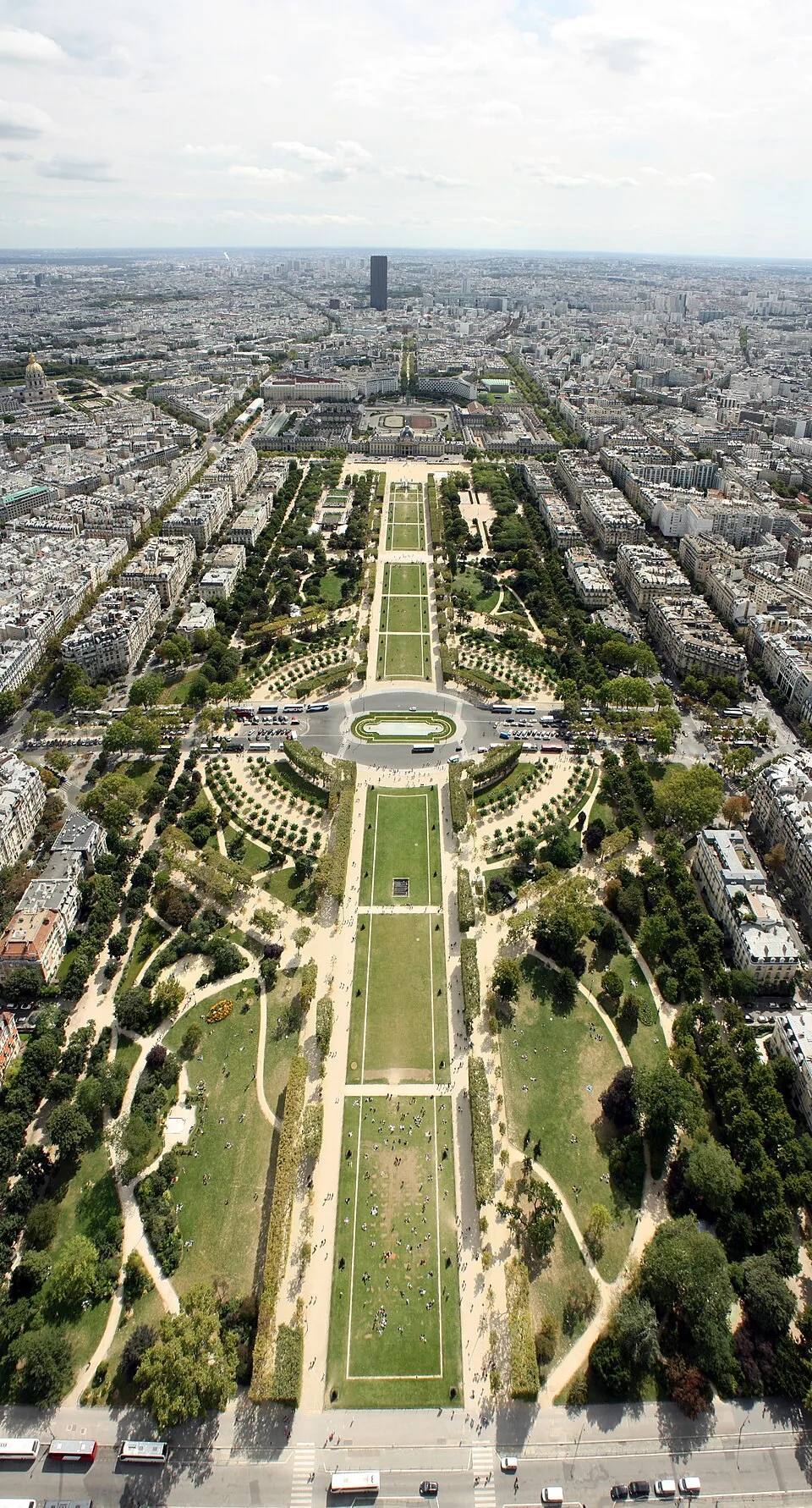
The Champ de Mars is a public garden between the École Militaire and Eiffel Tower. Its lawns and long axis recall an exercise ground transformed by revolutionary gatherings, balloon experiments, world fairs and a 1908 city park design.
Palais de Chaillot
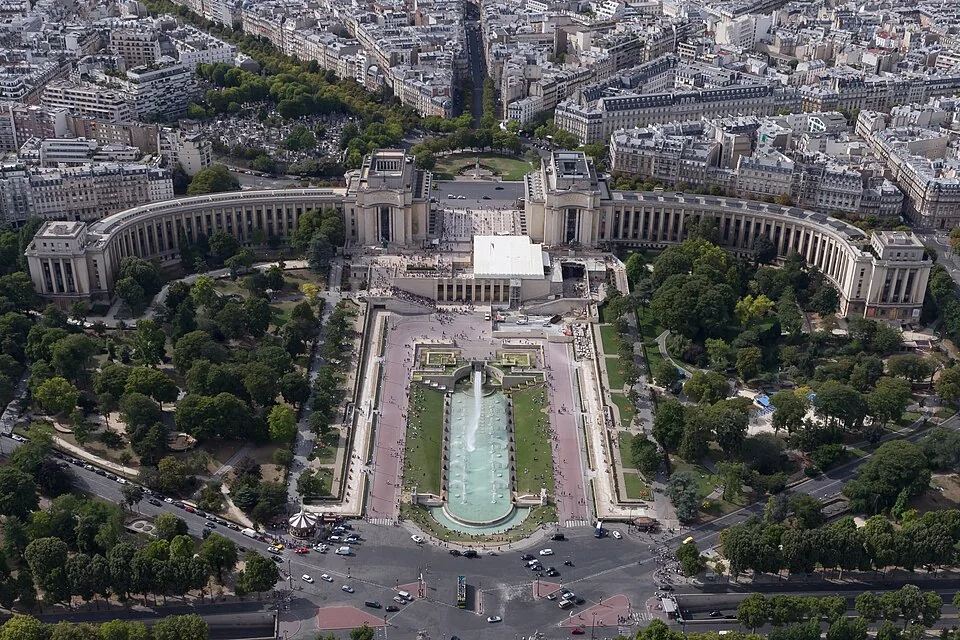
The Palais de Chaillot sits on the Trocadéro hill as a monumental frame for views across the Seine. Built for the 1937 Universal Exhibition, it now houses cultural institutions and preserves a site repeatedly chosen for grand public architecture.
Trocadéro
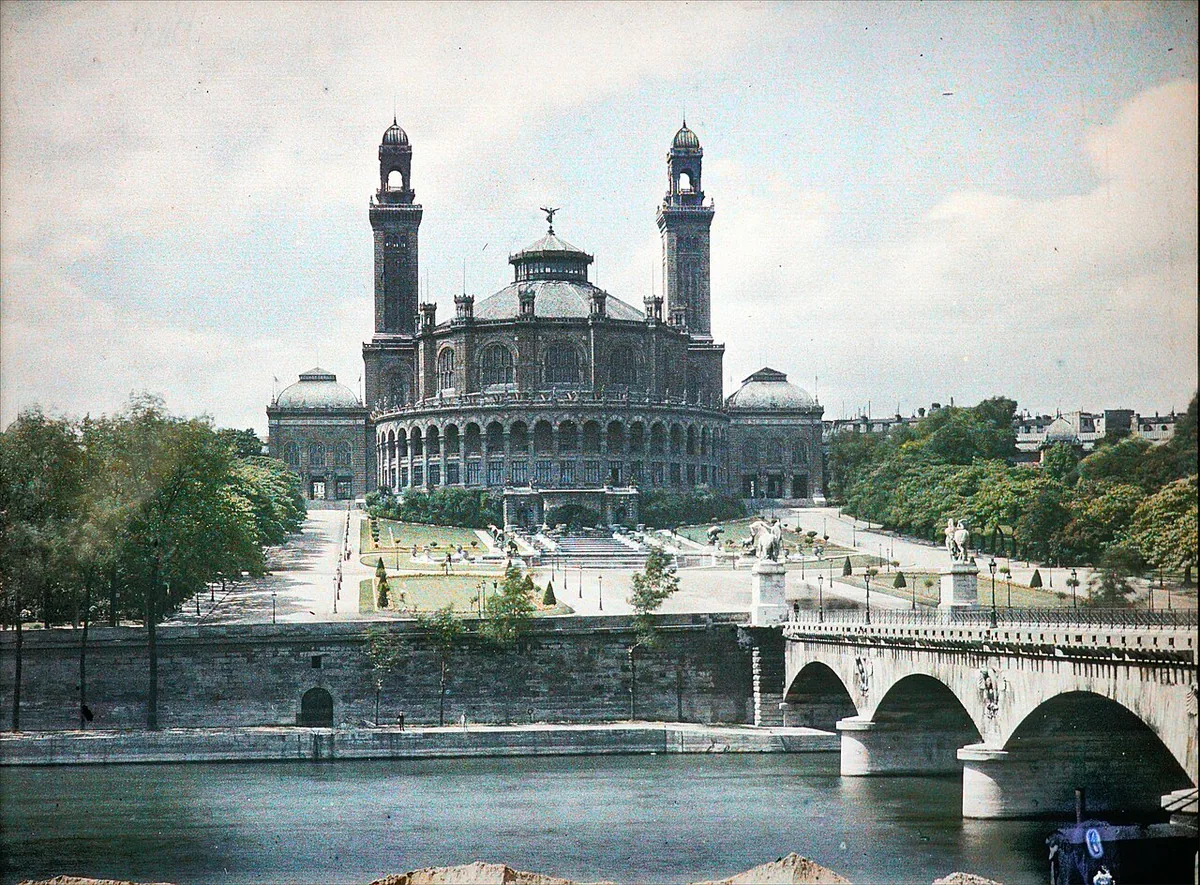
Trocadéro’s terraces frame one of Paris’s most recognizable views, but the gardens and monumental axis were shaped by international exhibitions. Cascades, fountains, and sculptures connect the hilltop Palais de Chaillot with the open Champ de Mars.
Musée des Égouts de Paris
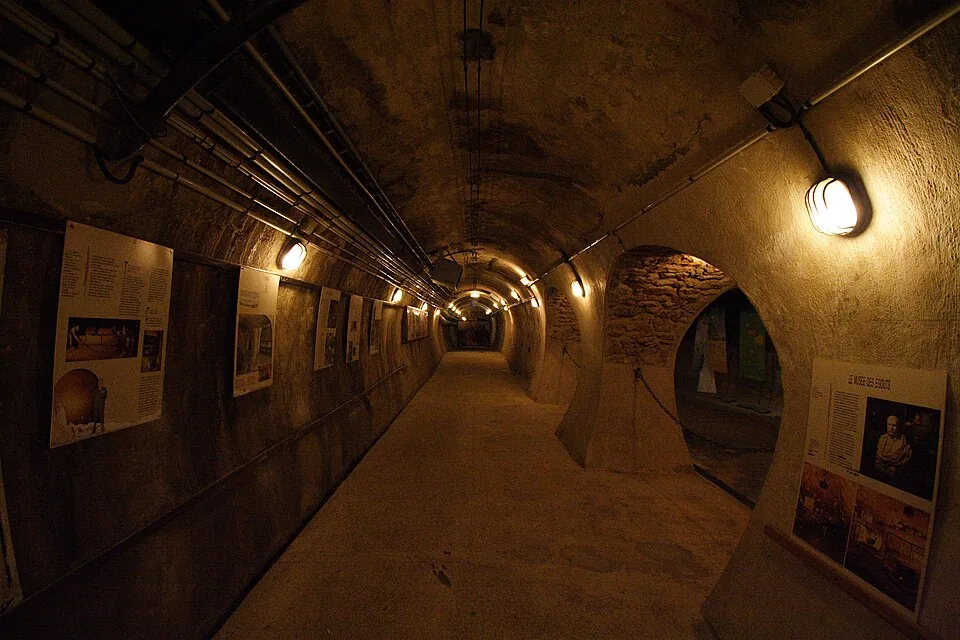
The Musée des Égouts de Paris takes visitors into working galleries beneath the Alma bridge, where street plaques, cleaning tools, and models reveal how Paris built and maintains its water and sewer systems.
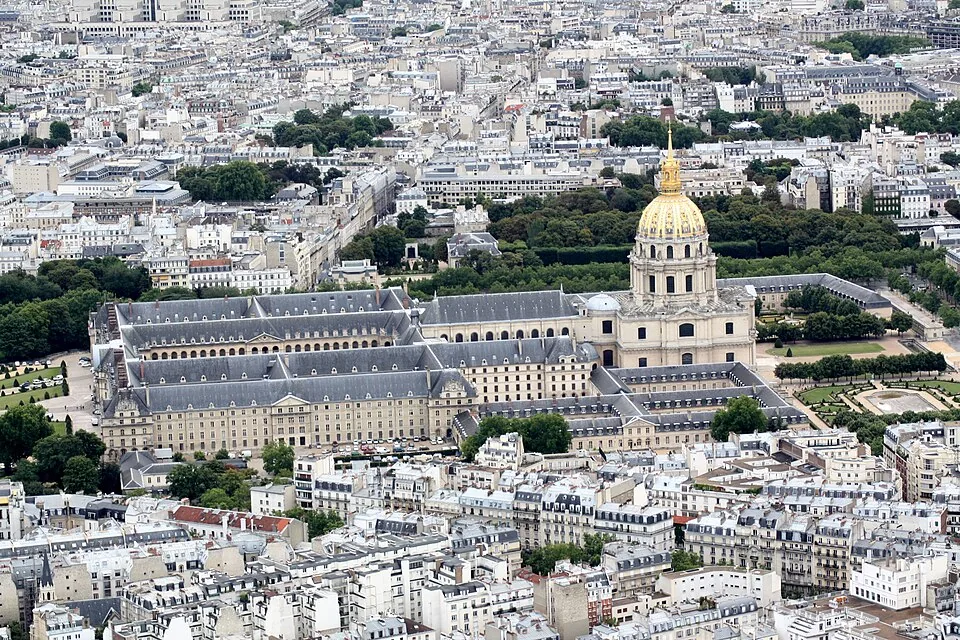
Hôtel des Invalides
Hôtel des Invalides began as a home and hospital for veterans, then grew into a military museum and memorial complex. Its gilded Dome holds Napoleon’s tomb, while the Institution Nationale des Invalides continues the site’s founding work of caring for people affected by war.