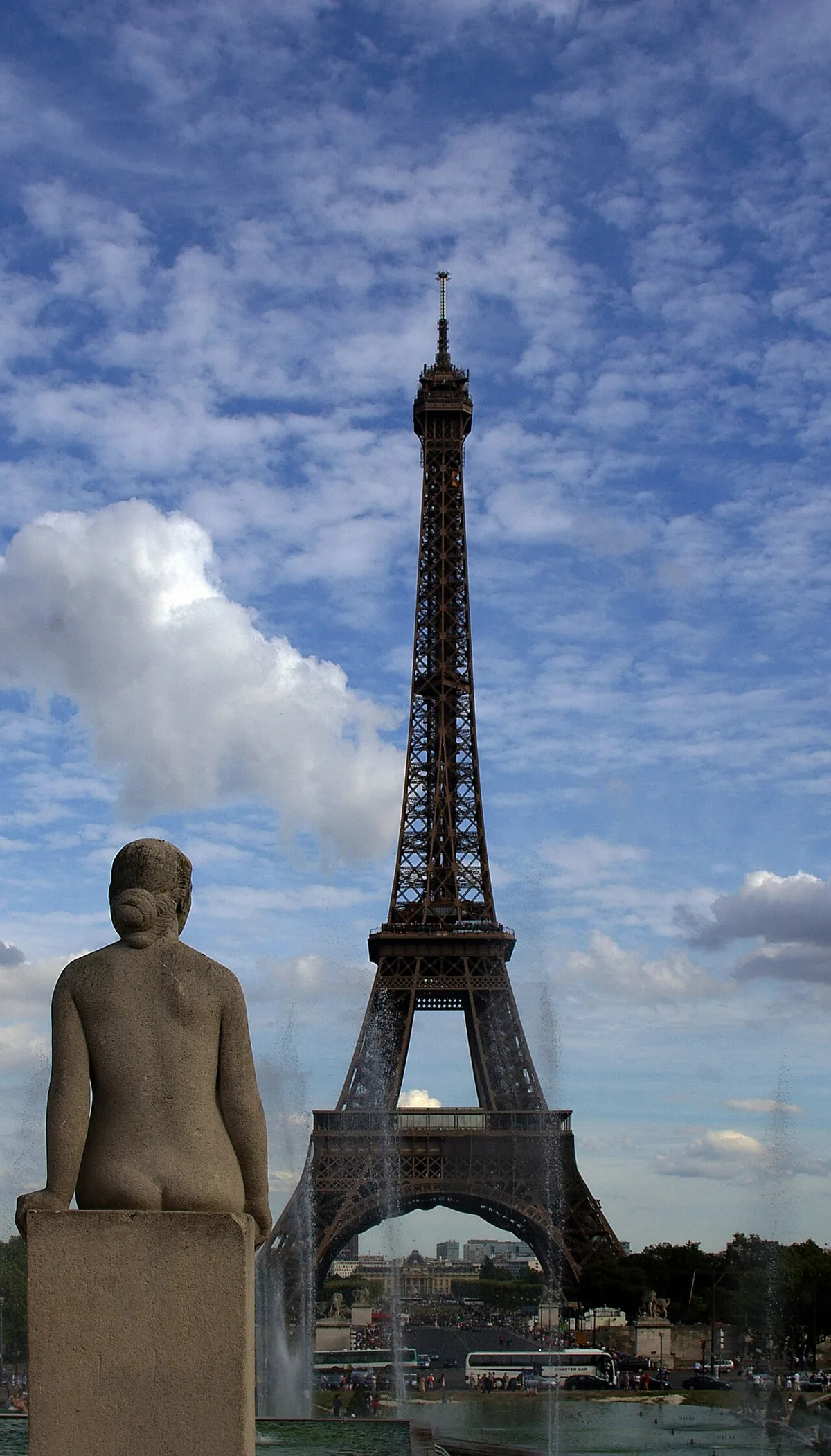
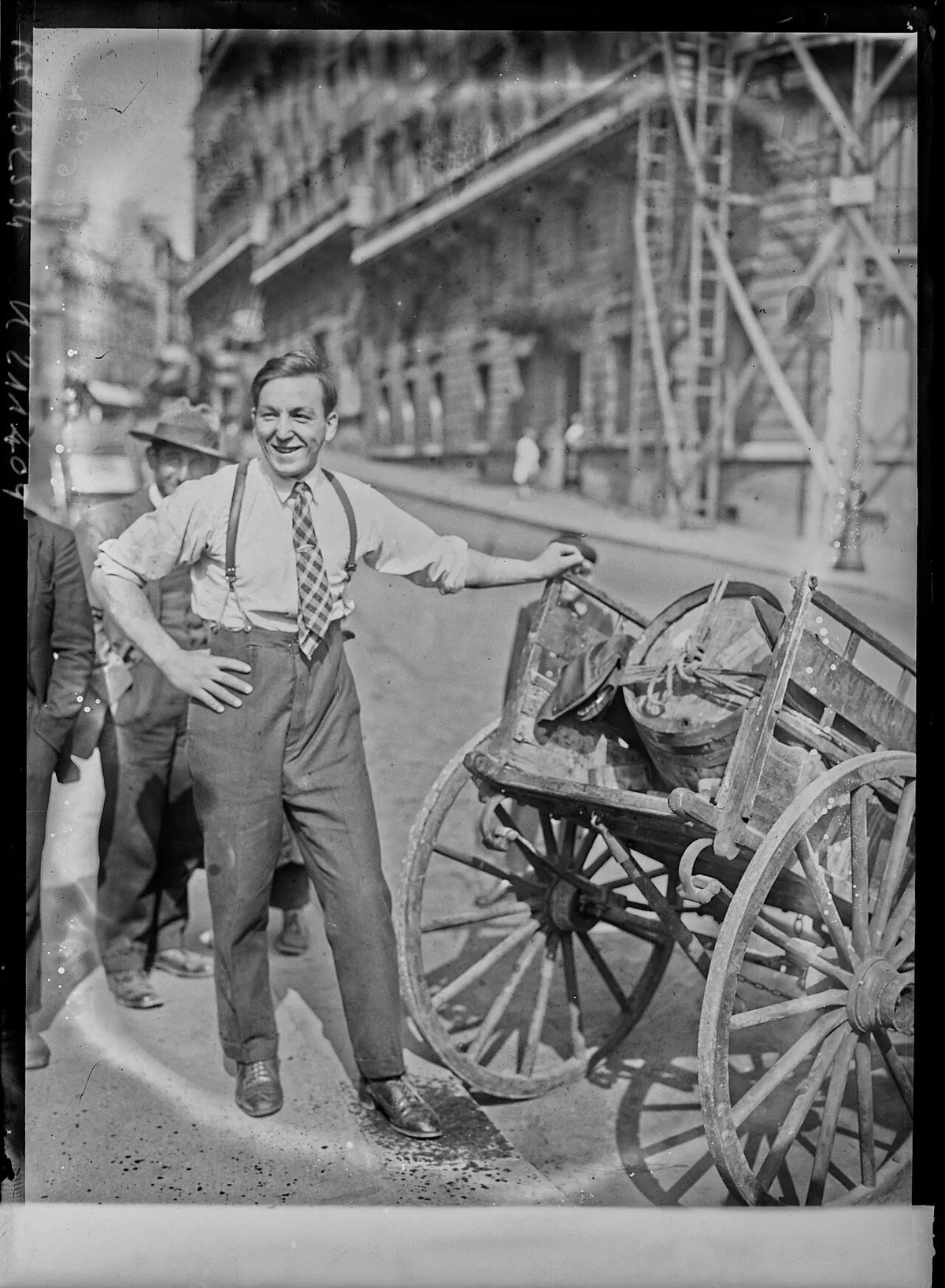
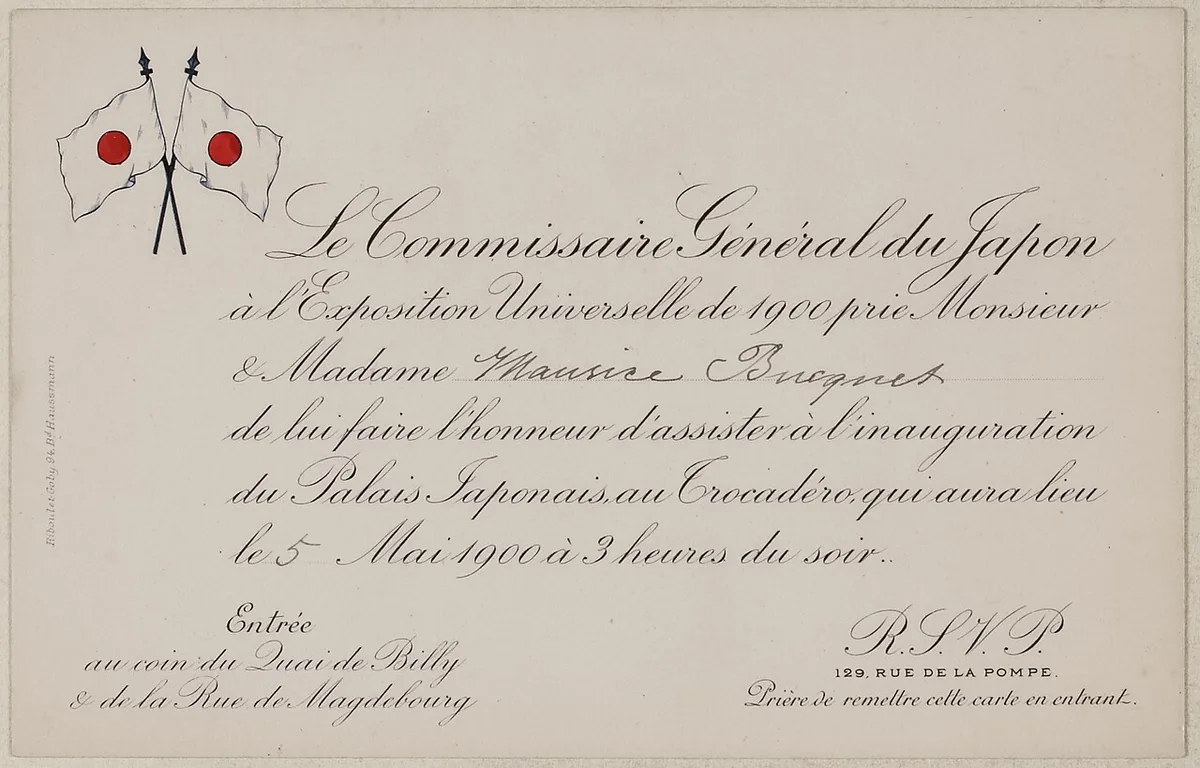
Trocadéro’s terraces frame one of Paris’s most recognizable views, but the gardens and monumental axis were shaped by international exhibitions. Cascades, fountains, and sculptures connect the hilltop Palais de Chaillot with the open Champ de Mars.
Quick facts
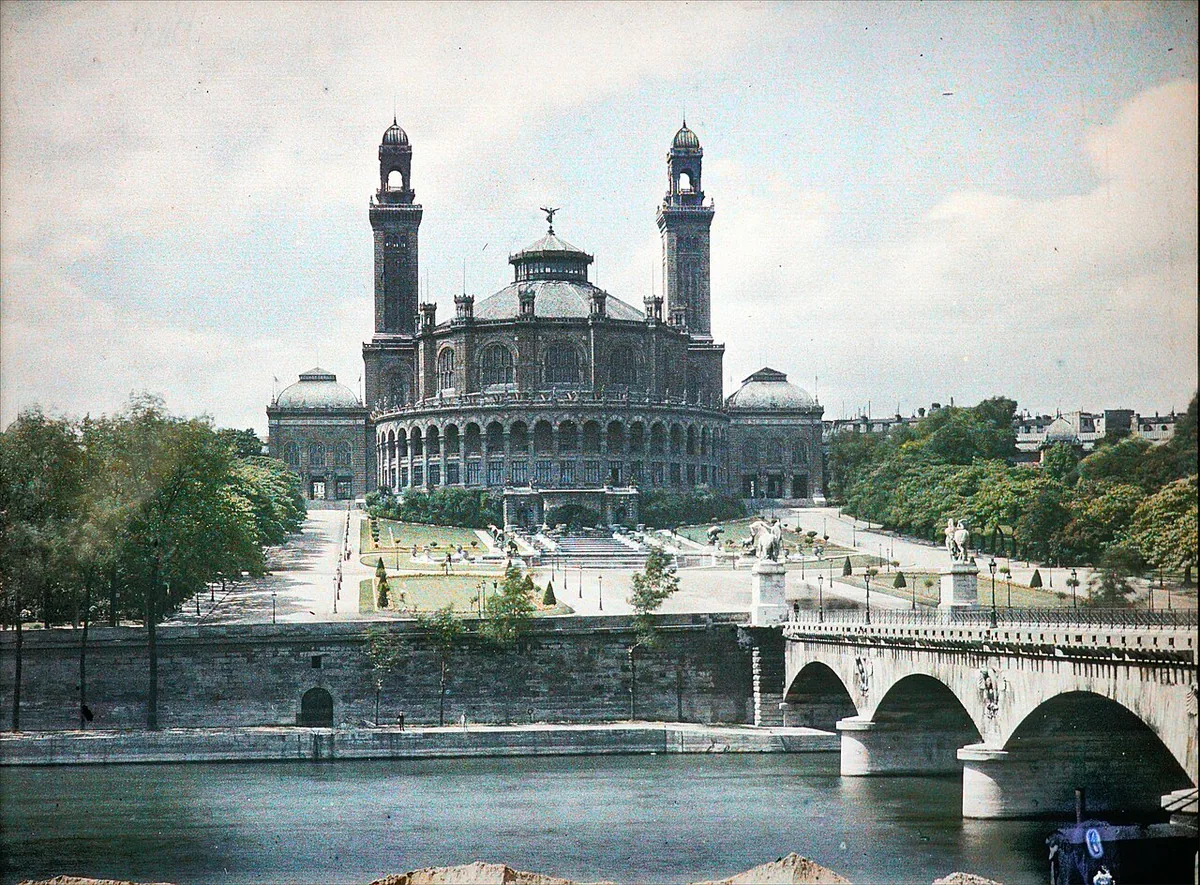
The Trocadéro gardens took shape through the 1878 and 1937 world exhibitions; the current central axis and Fontaine de Varsovie date from the later redesign.
The Palais de Chaillot, designed by Léon Azéma, Jacques Carlu and Louis-Hippolyte Boileau for the 1937 exposition, was built on structures of the Palais du Trocadéro from 1878.
The United Nations General Assembly adopted the Universal Declaration of Human Rights at the Palais de Chaillot on 10 December 1948; the esplanade was renamed the Parvis des Droits de l’Homme in 1985.
Get directions to Trocadéro. Confirm the visitor entrance and current access with the venue before travelling.
Audio guide
Listen to this place’s guide.
Guide
The Eiffel Tower seems to meet the Seine at the end of a perfectly composed picture. From Trocadéro, that view is not an accident of nature: gardens, fountains, terraces and a palace were repeatedly redesigned to frame it. The name describes a broad ensemble on Chaillot Hill in Paris’s 16th arrondissement. The gardens and open esplanade are public space; the Palais de Chaillot behind them contains museums, a theatre and other institutions with their own entrances and visiting arrangements.
Continue exploring
Discover the full story
Keep reading with a travel pass and explore every full guide and tour.
UpgradeMore places in Paris
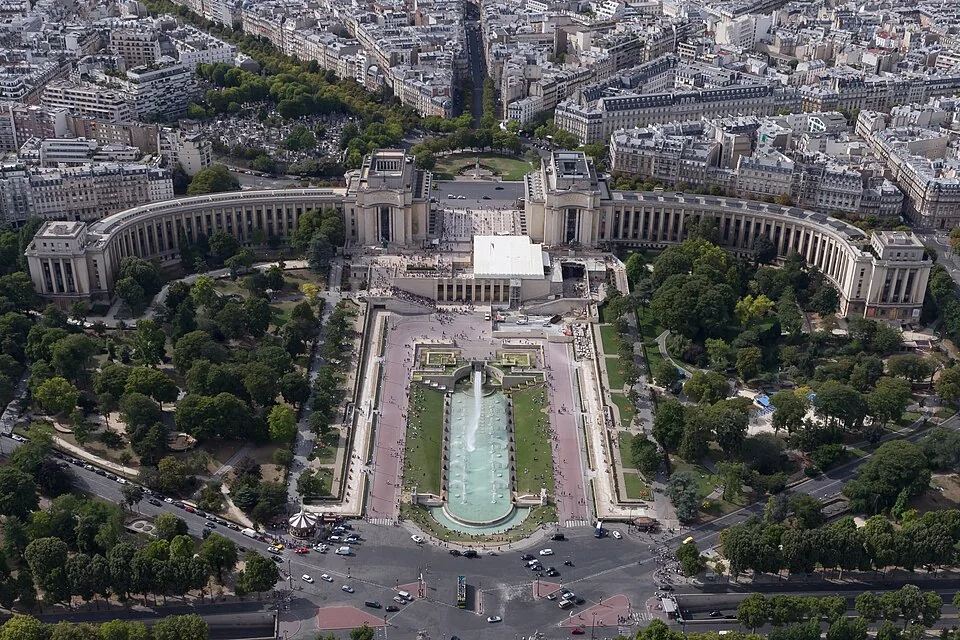
Palais de Chaillot
The Palais de Chaillot sits on the Trocadéro hill as a monumental frame for views across the Seine. Built for the 1937 Universal Exhibition, it now houses cultural institutions and preserves a site repeatedly chosen for grand public architecture.
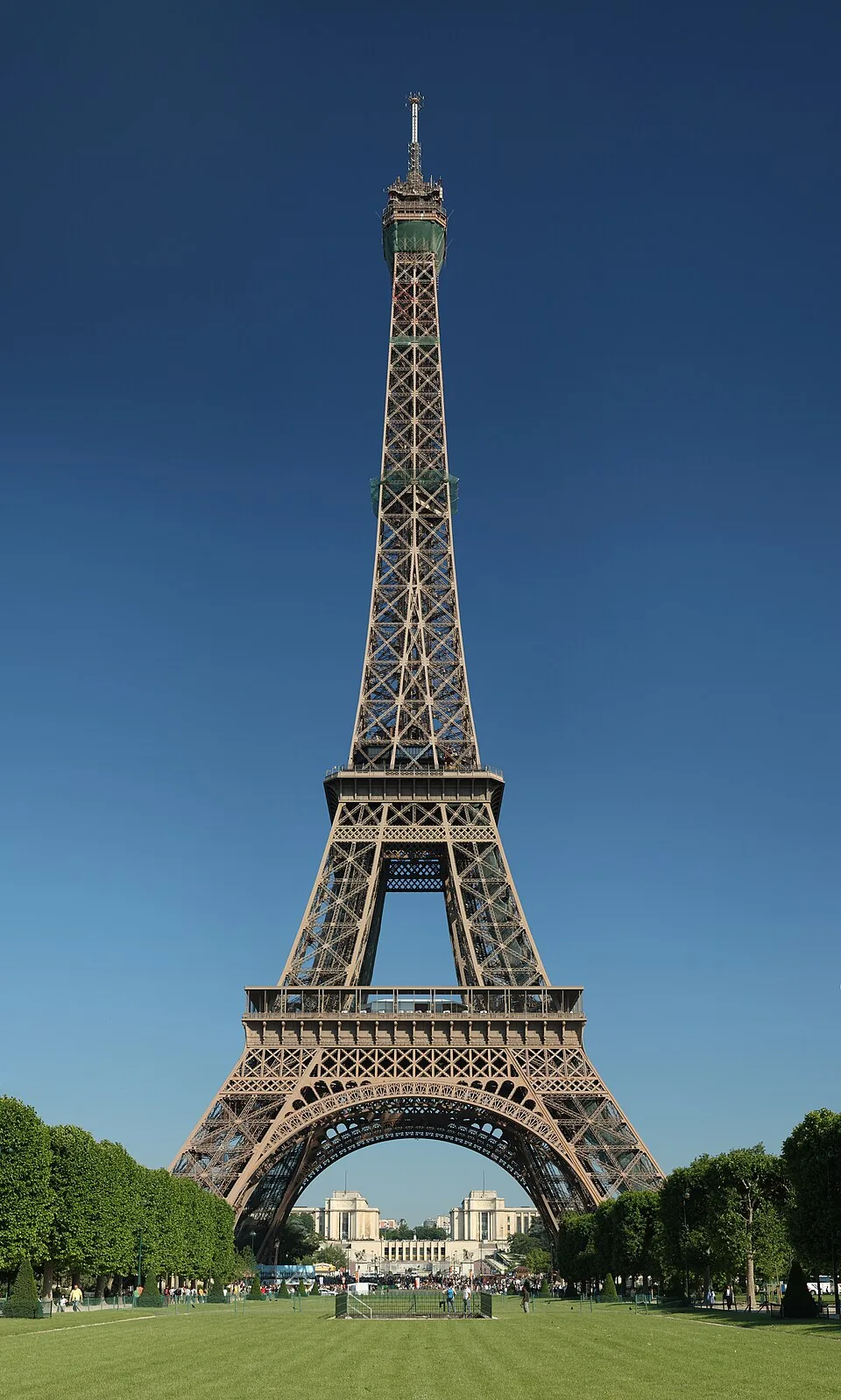
Eiffel Tower
Built for the 1889 Paris Exposition, the Eiffel Tower turned a daring iron-engineering project into a public monument. Its four curved legs and open lattice reveal how the structure works, while experiments and radio transmission helped it outlast its planned term.
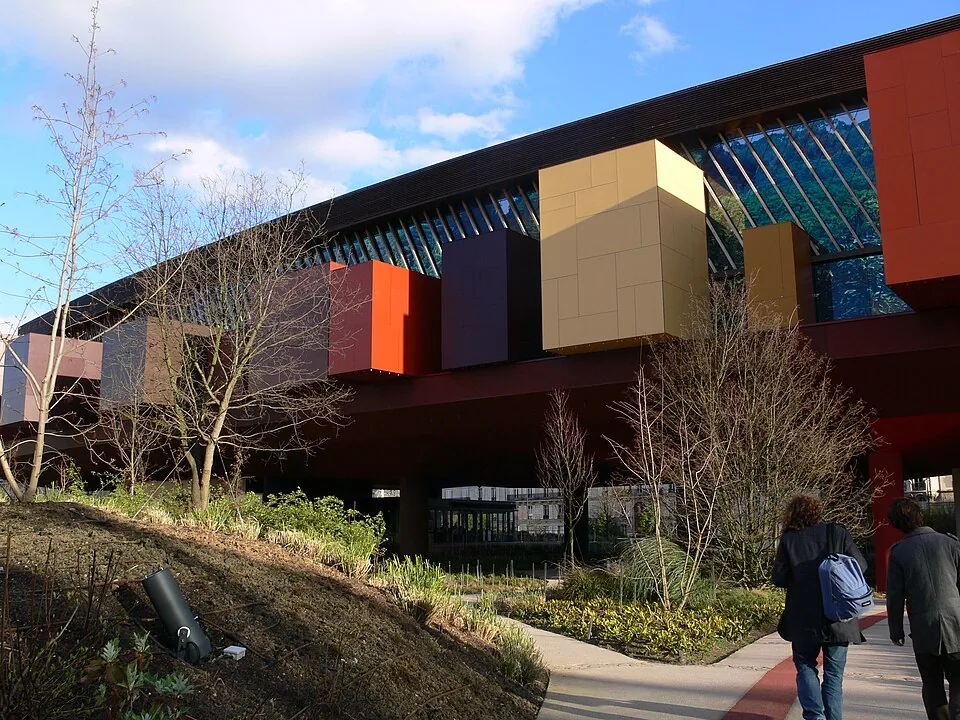
Musée du quai Branly
Musée du quai Branly’s elevated galleries and planted approach create a gradual transition from the Seine-side city into its collections. Jean Nouvel designed the building around objects from Africa, Asia, Oceania, and the Americas, challenging the conventions of a traditional museum façade.
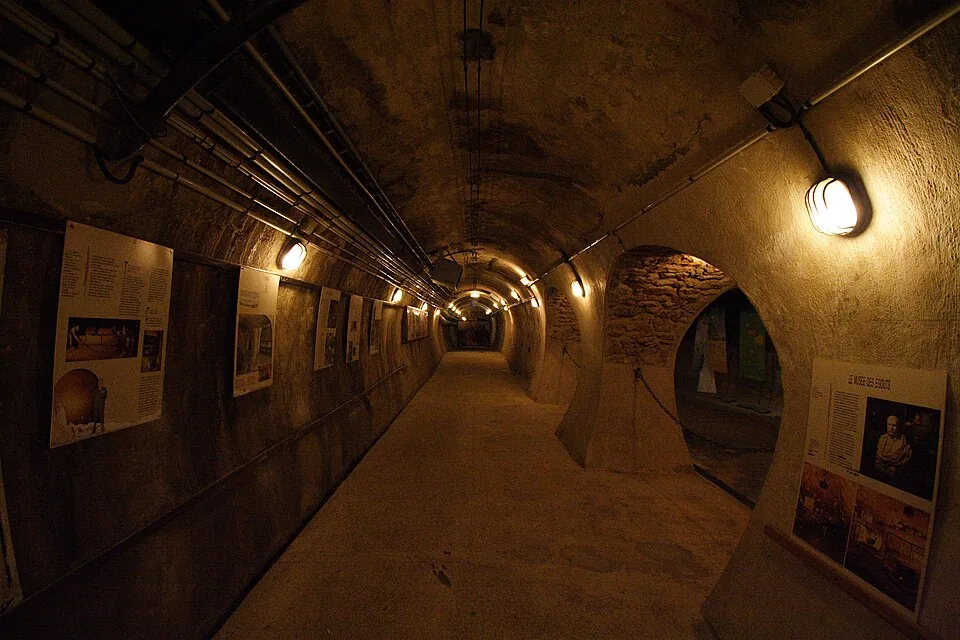
Musée des Égouts de Paris
The Musée des Égouts de Paris takes visitors into working galleries beneath the Alma bridge, where street plaques, cleaning tools, and models reveal how Paris built and maintains its water and sewer systems.
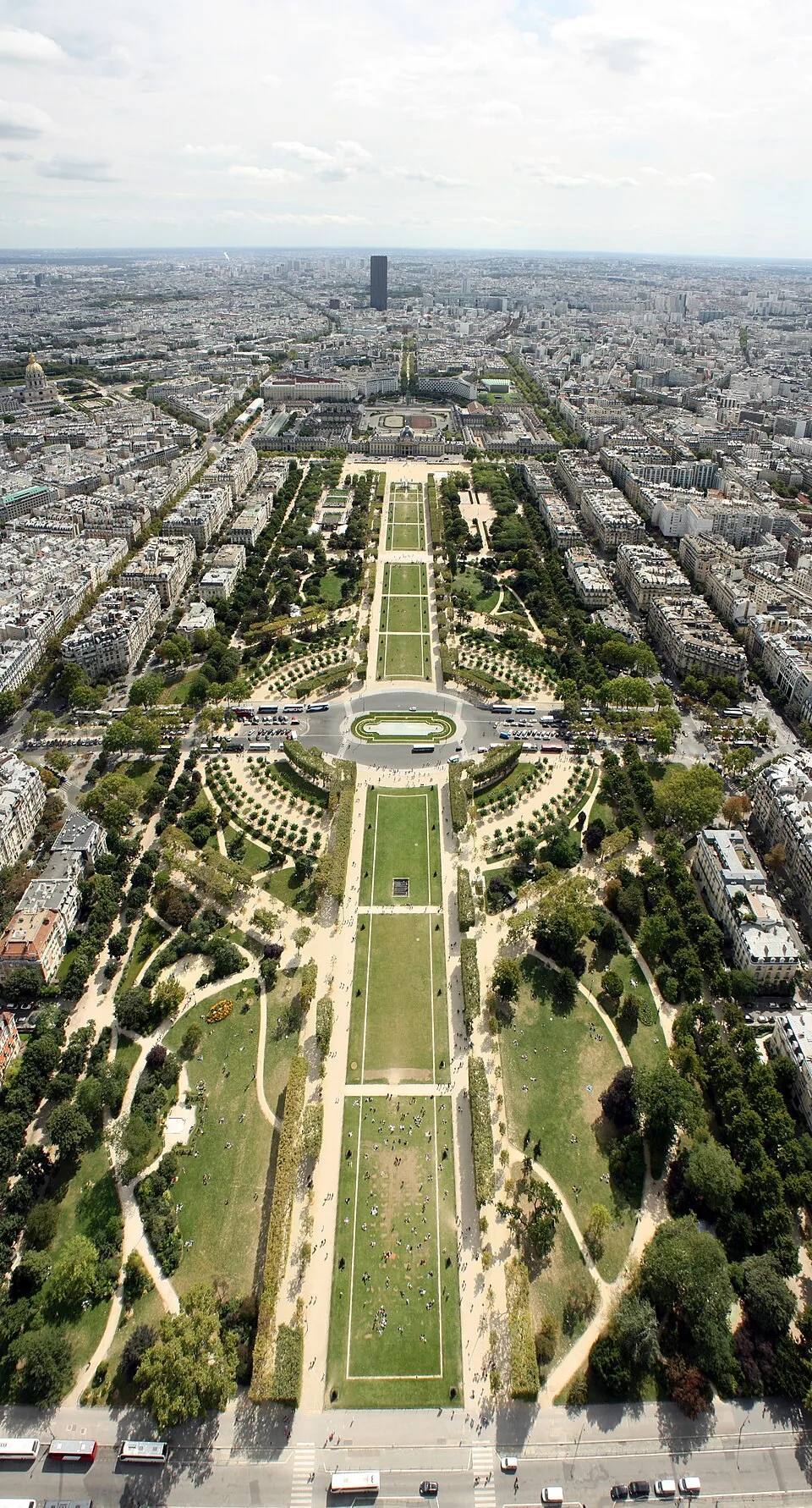
Champ de Mars
The Champ de Mars is a public garden between the École Militaire and Eiffel Tower. Its lawns and long axis recall an exercise ground transformed by revolutionary gatherings, balloon experiments, world fairs and a 1908 city park design.
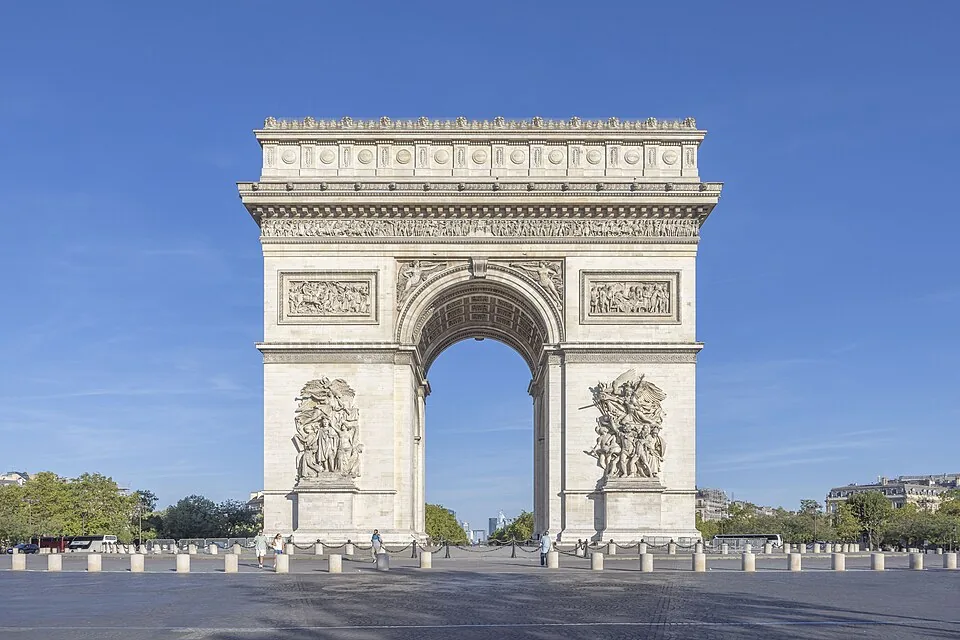
Arc de Triomphe
Commissioned by Napoleon and completed after decades of political change, the Arc de Triomphe at the end of the Champs-Élysées became a stage for Paris and a memorial to France’s unknown dead.