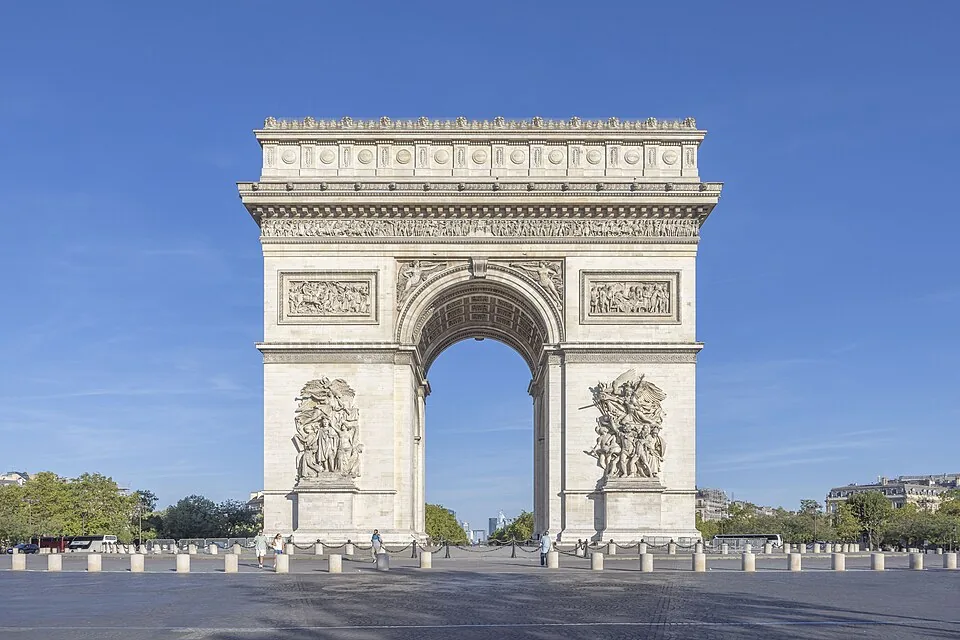
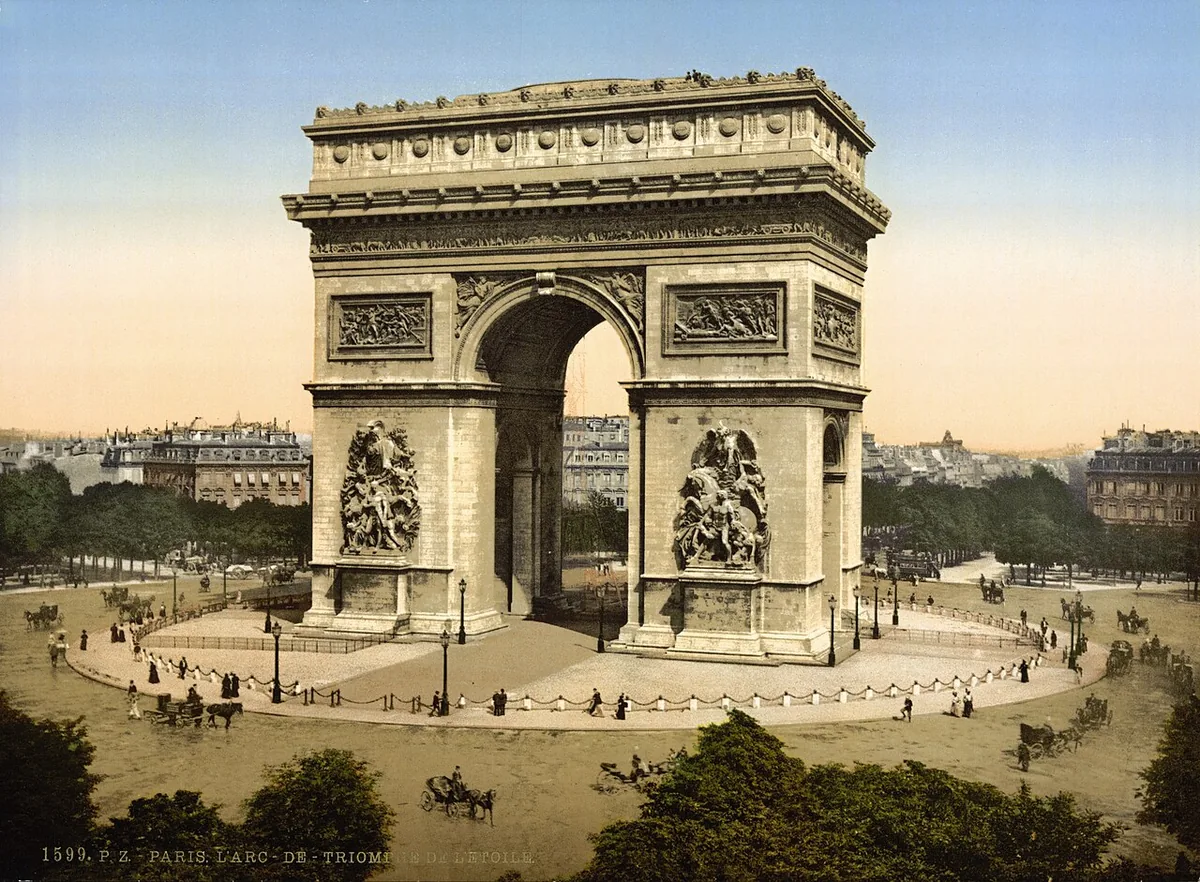
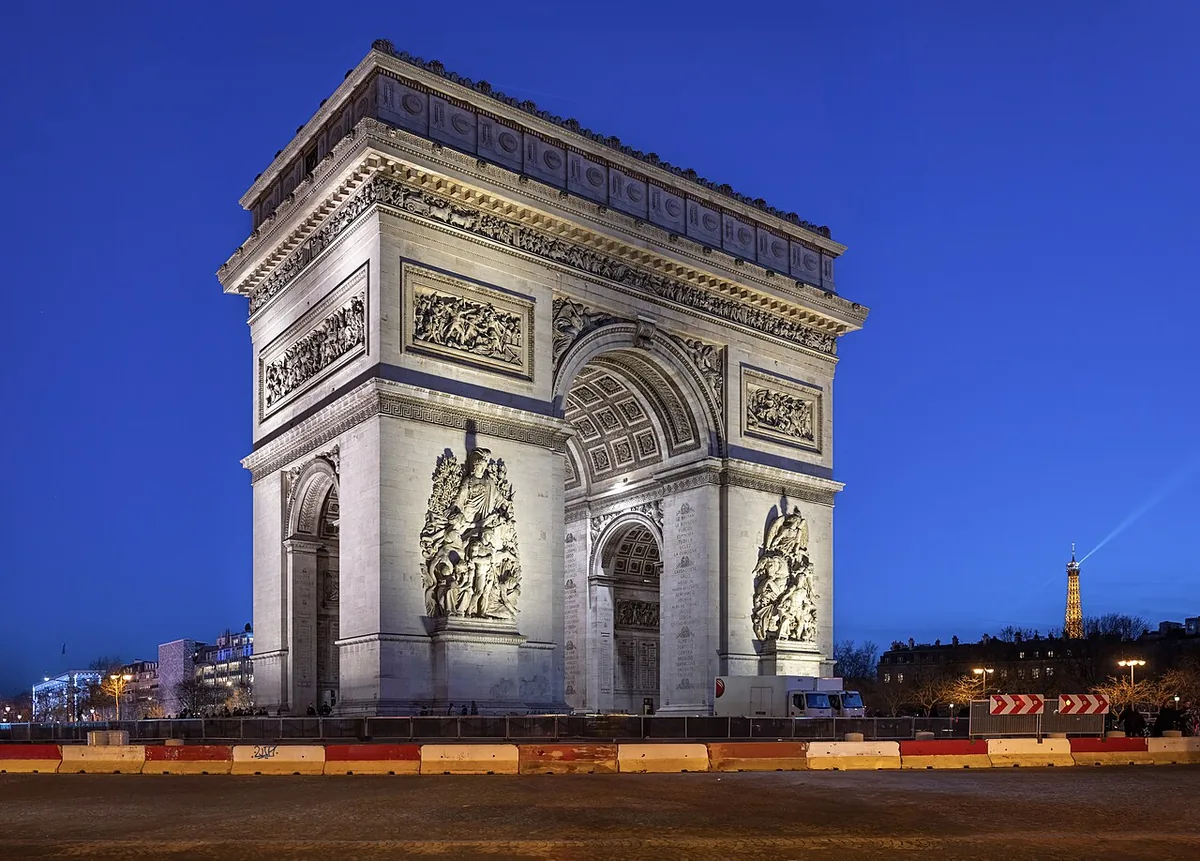
Commissioned by Napoleon and completed after decades of political change, the Arc de Triomphe at the end of the Champs-Élysées became a stage for Paris and a memorial to France’s unknown dead.
Quick facts
Napoleon’s 1806 commission first considered an eastern Paris site near the Bastille before the Place de l’Étoile was selected to complete the Champs-Élysées perspective.
The monument’s dedication shifted from the Grande Armée to the Army of the Pyrenees and finally to the Armies of the Revolution and the Empire before its 1836 inauguration.
Auguste Thin selected the Unknown Soldier from eight coffins in November 1920; the remembrance flame was first lit on 11 November 1923 and is rekindled daily.
Planning your visit
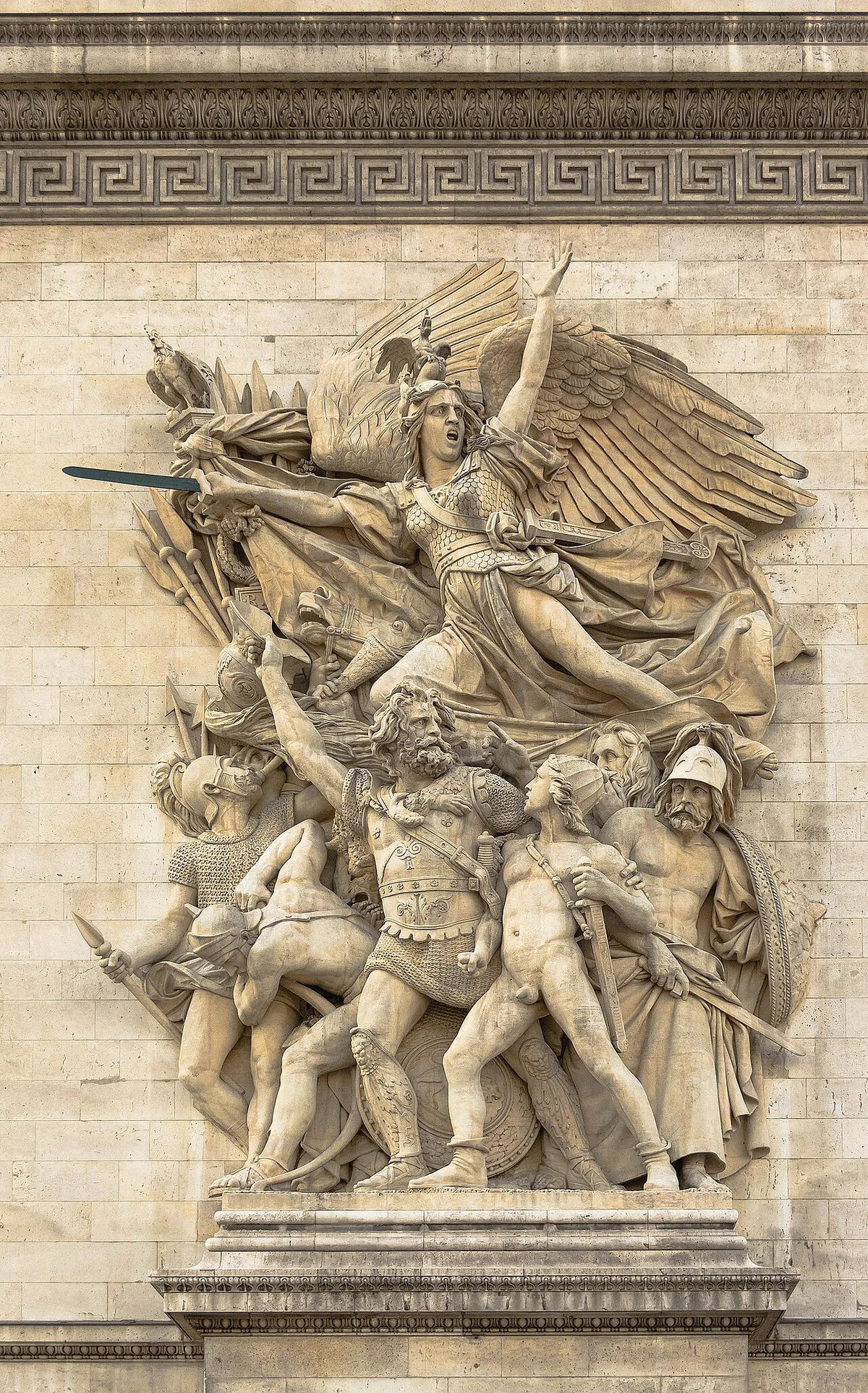
Approach the Arc de Triomphe as both a monument and a place of remembrance. Its large sculpted groups are worth examining before an ascent: François Rude's Departure of the Volunteers places a winged figure above the people being called to defend France. Beneath the arch, the Tomb of the Unknown Soldier and its flame give the site a quieter focus.
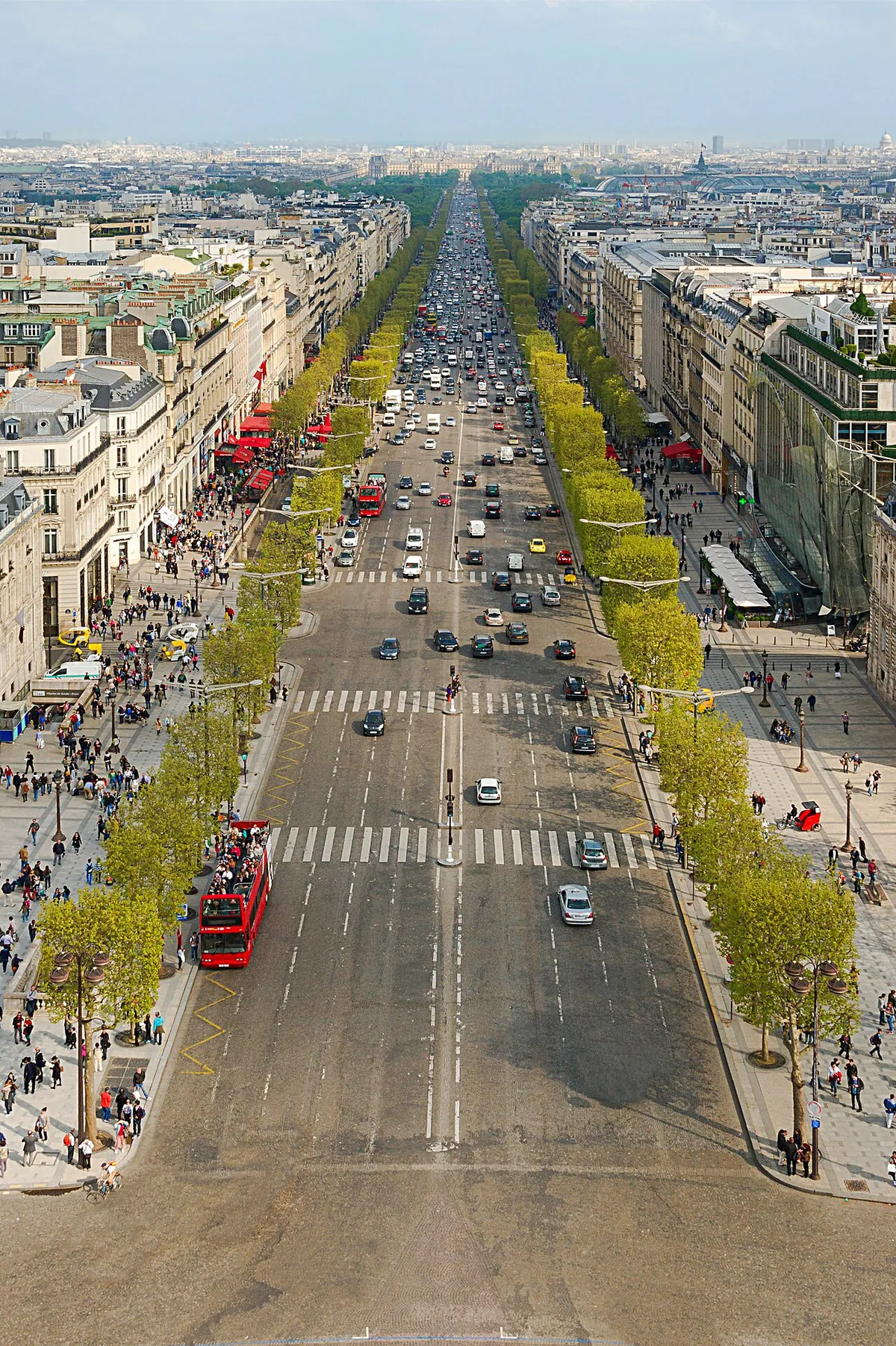
Use the Passage du Souvenir, reached from the Champs-Élysées or Avenue de la Grande-Armée, to access the monument. From the terrace, look along the historic axis towards the Louvre and La Défense, then find the Eiffel Tower within the wider city rather than directly beneath you.
Terrace access involves 284 steps. Check the operator's current accessibility notice before booking if stairs are difficult; lift availability must not be assumed. Access to the Tomb of the Unknown Soldier is separate from the ticketed ascent, and ceremonies or adverse weather can cause partial or complete closure.
Sources and verification
- Arc de Triomphe: the sculpted groups
- Arc de Triomphe: the Unknown Soldier
- Arc de Triomphe: the panorama
- Arc de Triomphe: practical information and access notices
Sources checked by Finding Locations using AI-assisted research. This is a source check, not a field inspection. Check the official venue information before visiting.
Get directions to Arc de Triomphe. Confirm the visitor entrance and current access with the venue before travelling.
Audio guide
Listen to this place’s guide.
Guide
Stand at the Arc de Triomphe and look beyond its carved stone: twelve avenues fan out from the square, turning the monument into both a memorial and the centre of a working city junction. Commissioned by Napoleon to celebrate an army, interrupted by regime changes, and completed with a broader dedication, it became a place where France repeatedly argued over what to honor.
Continue exploring
Discover the full story
Keep reading with a travel pass and explore every full guide and tour.
UpgradeMore places in Paris
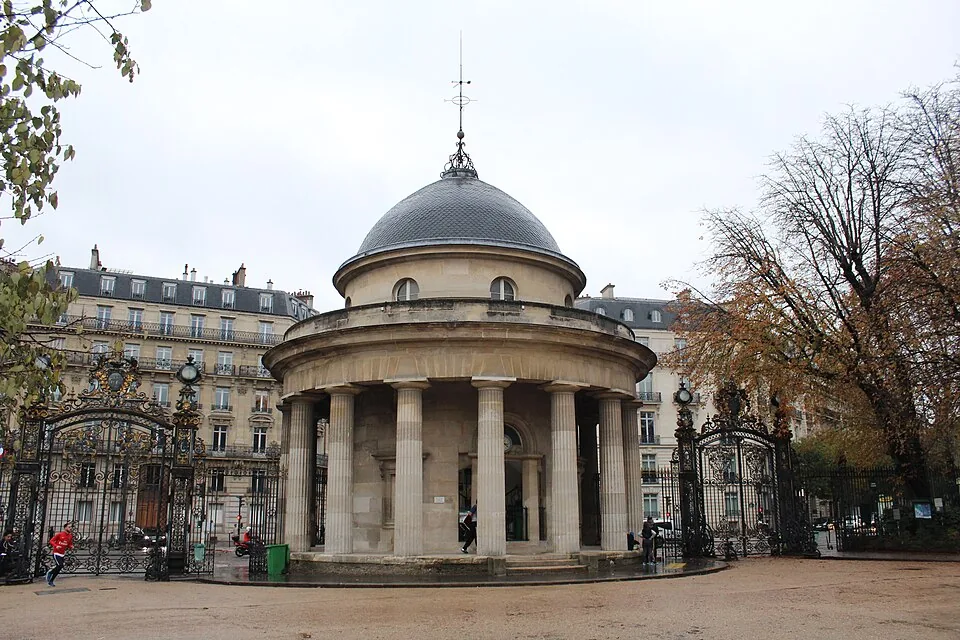
Parc Monceau
Parc Monceau mixes winding paths, old trees, and small architectural follies within a landscape that has changed hands and styles several times. Its picturesque variety began as a private aristocratic garden and became a public park under the Second Empire.
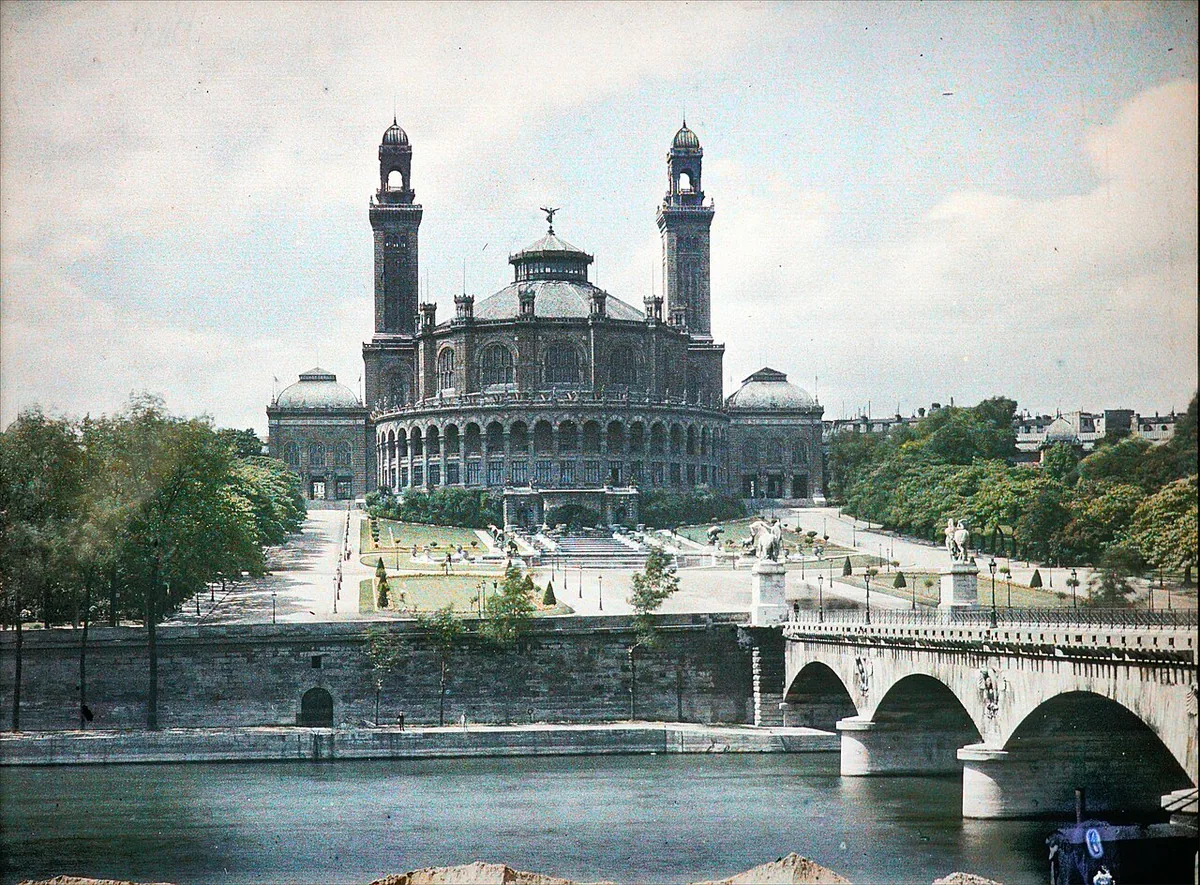
Trocadéro
Trocadéro’s terraces frame one of Paris’s most recognizable views, but the gardens and monumental axis were shaped by international exhibitions. Cascades, fountains, and sculptures connect the hilltop Palais de Chaillot with the open Champ de Mars.
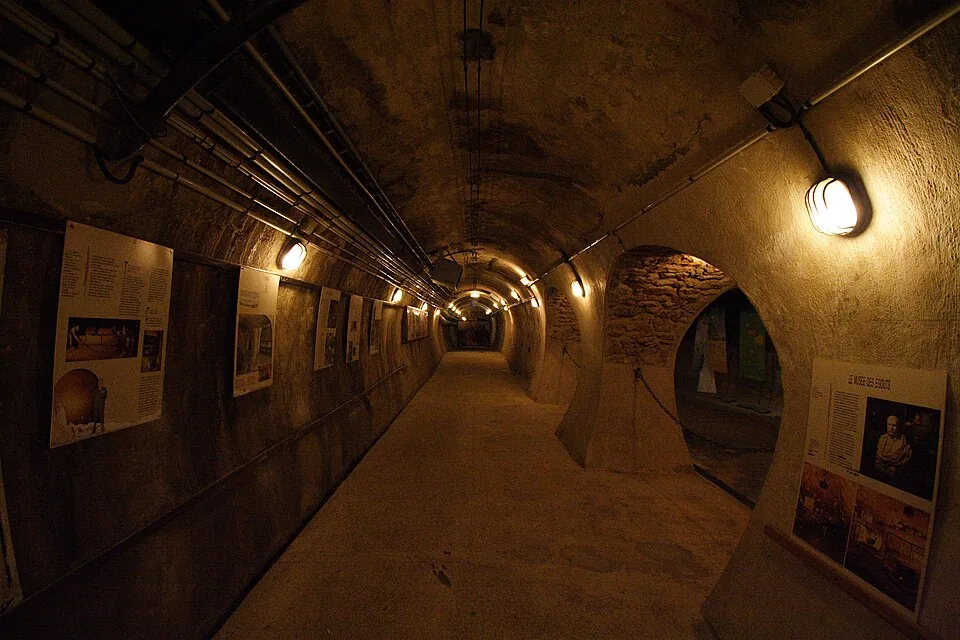
Musée des Égouts de Paris
The Musée des Égouts de Paris takes visitors into working galleries beneath the Alma bridge, where street plaques, cleaning tools, and models reveal how Paris built and maintains its water and sewer systems.
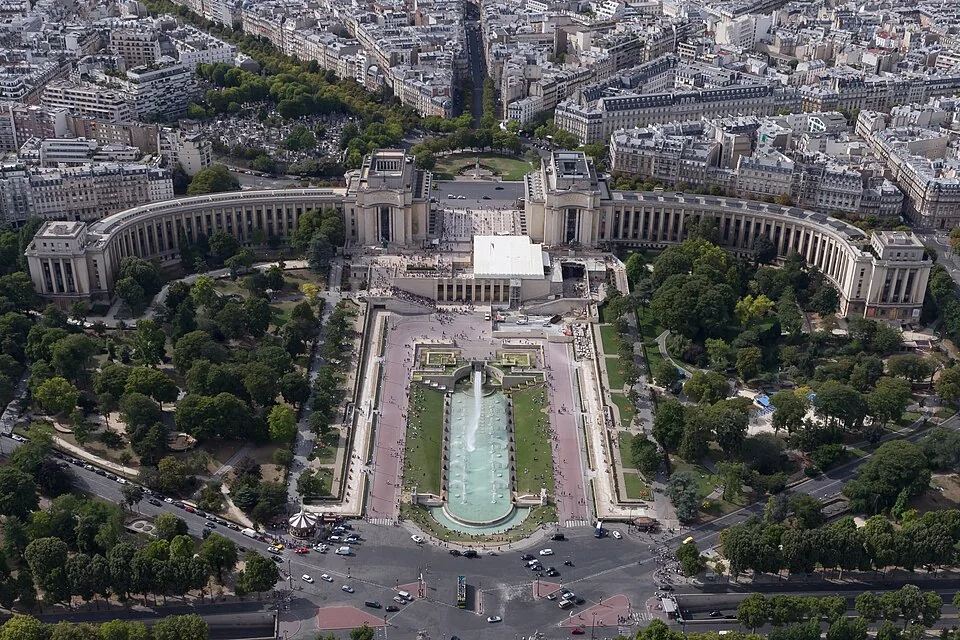
Palais de Chaillot
The Palais de Chaillot sits on the Trocadéro hill as a monumental frame for views across the Seine. Built for the 1937 Universal Exhibition, it now houses cultural institutions and preserves a site repeatedly chosen for grand public architecture.
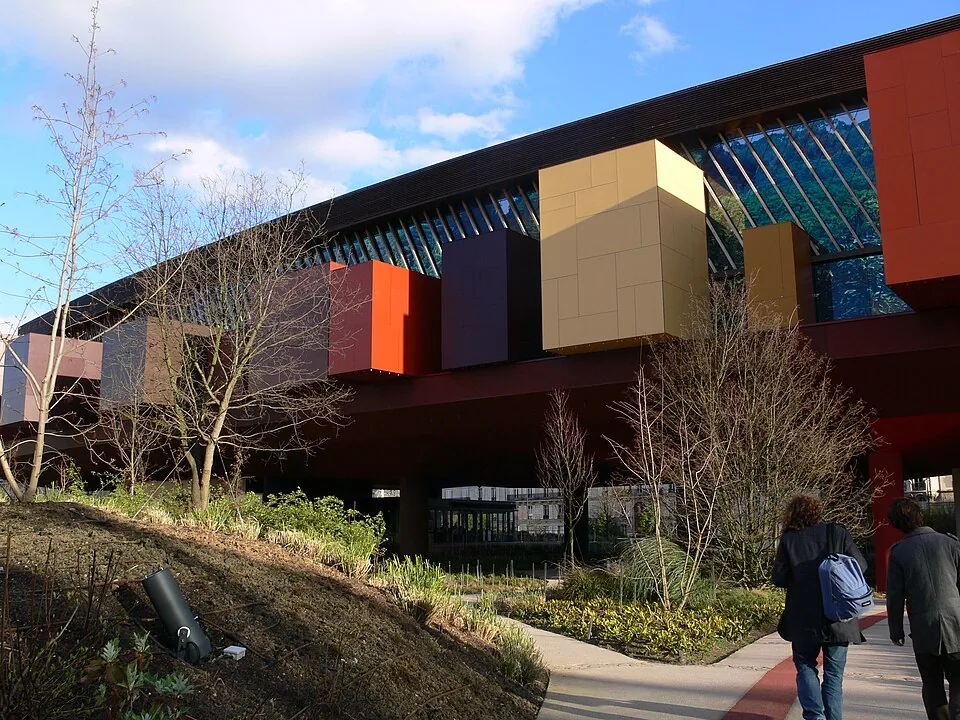
Musée du quai Branly
Musée du quai Branly’s elevated galleries and planted approach create a gradual transition from the Seine-side city into its collections. Jean Nouvel designed the building around objects from Africa, Asia, Oceania, and the Americas, challenging the conventions of a traditional museum façade.
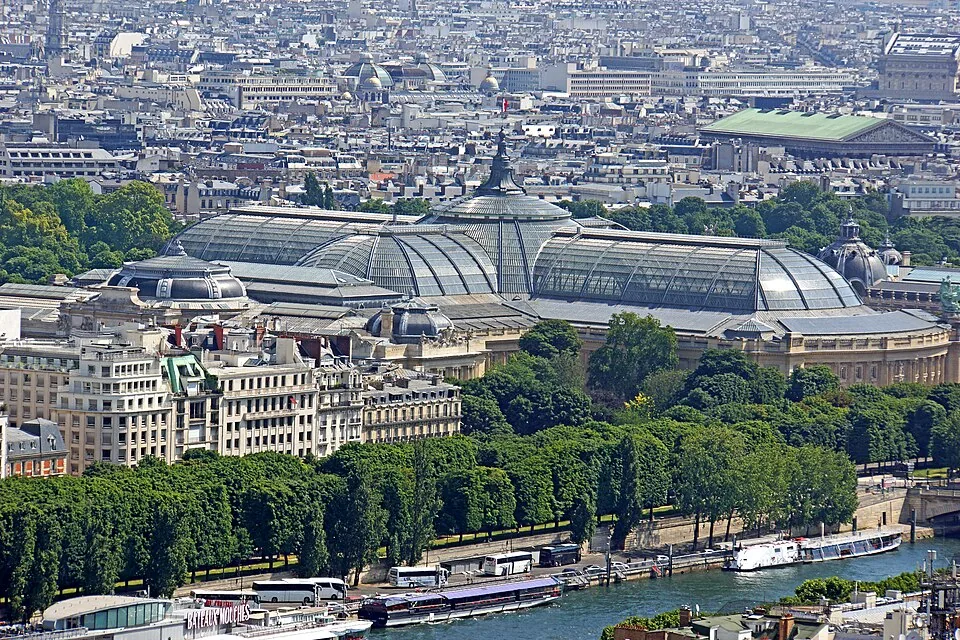
Grand Palais
Built for Paris’s 1900 World’s Fair, the Grand Palais pairs an immense glass-roofed nave with a sculpted Beaux-Arts exterior. Repeatedly adapted for exhibitions, wartime service, sport, and public culture, it reopened fully after restoration in 2025.