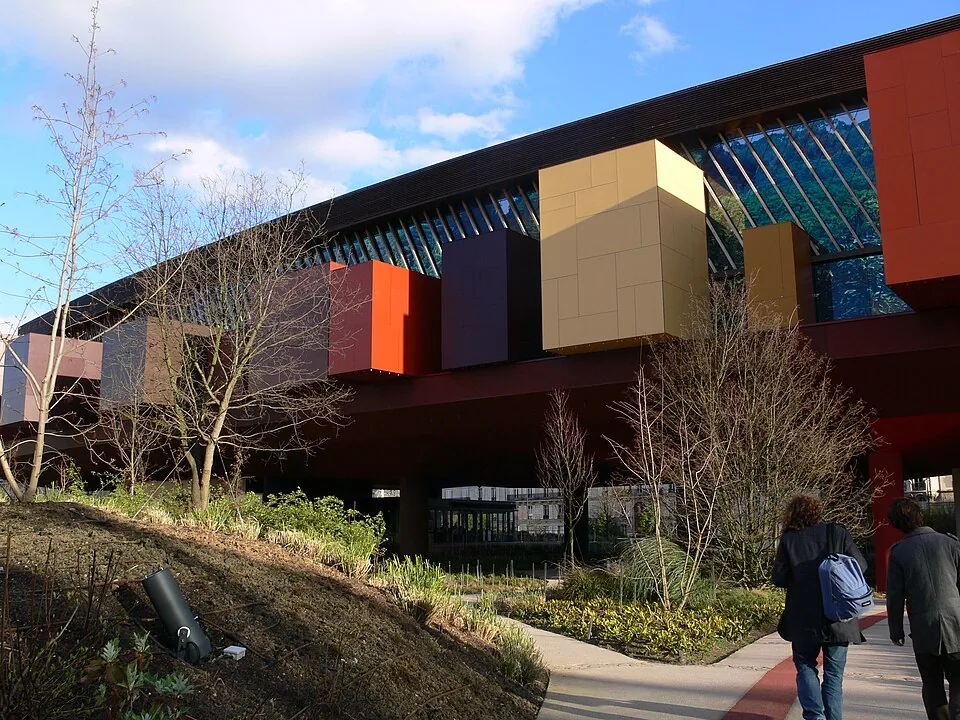
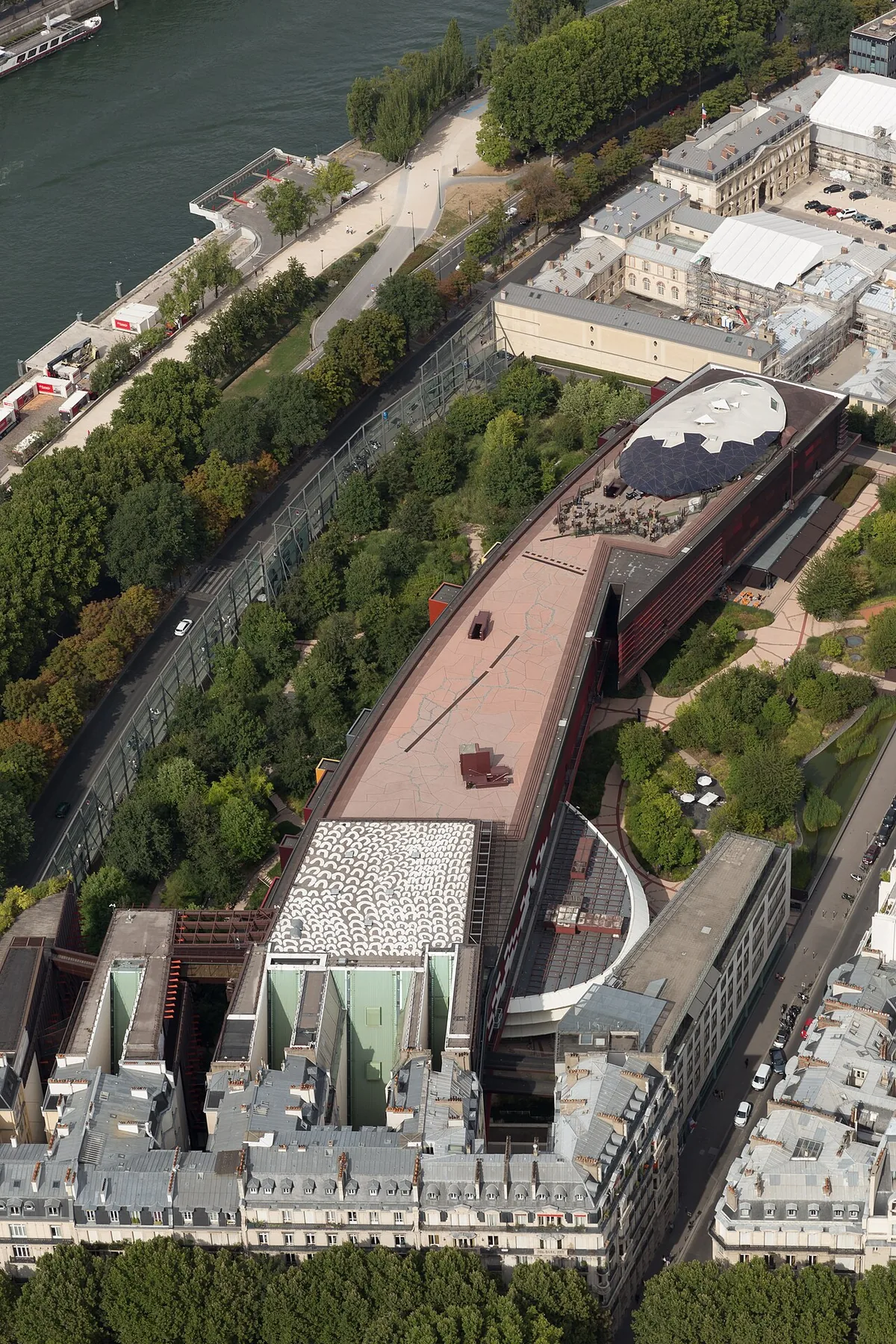
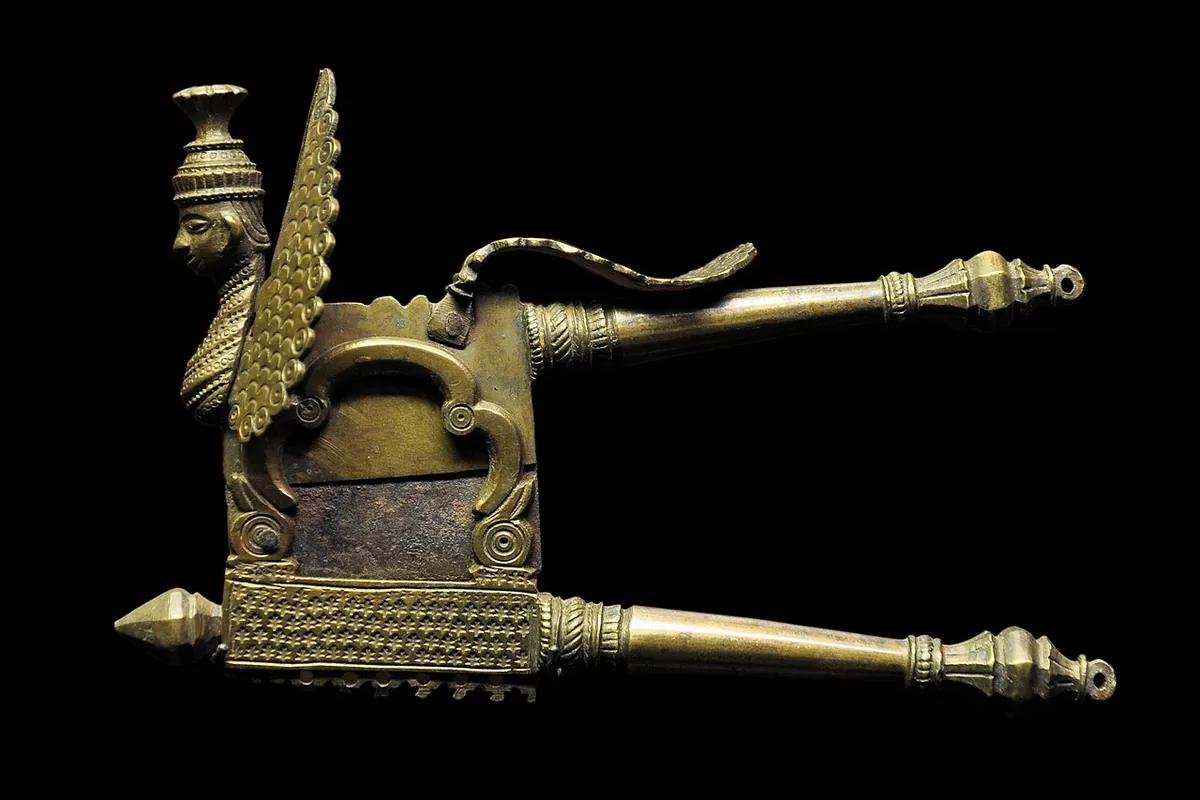
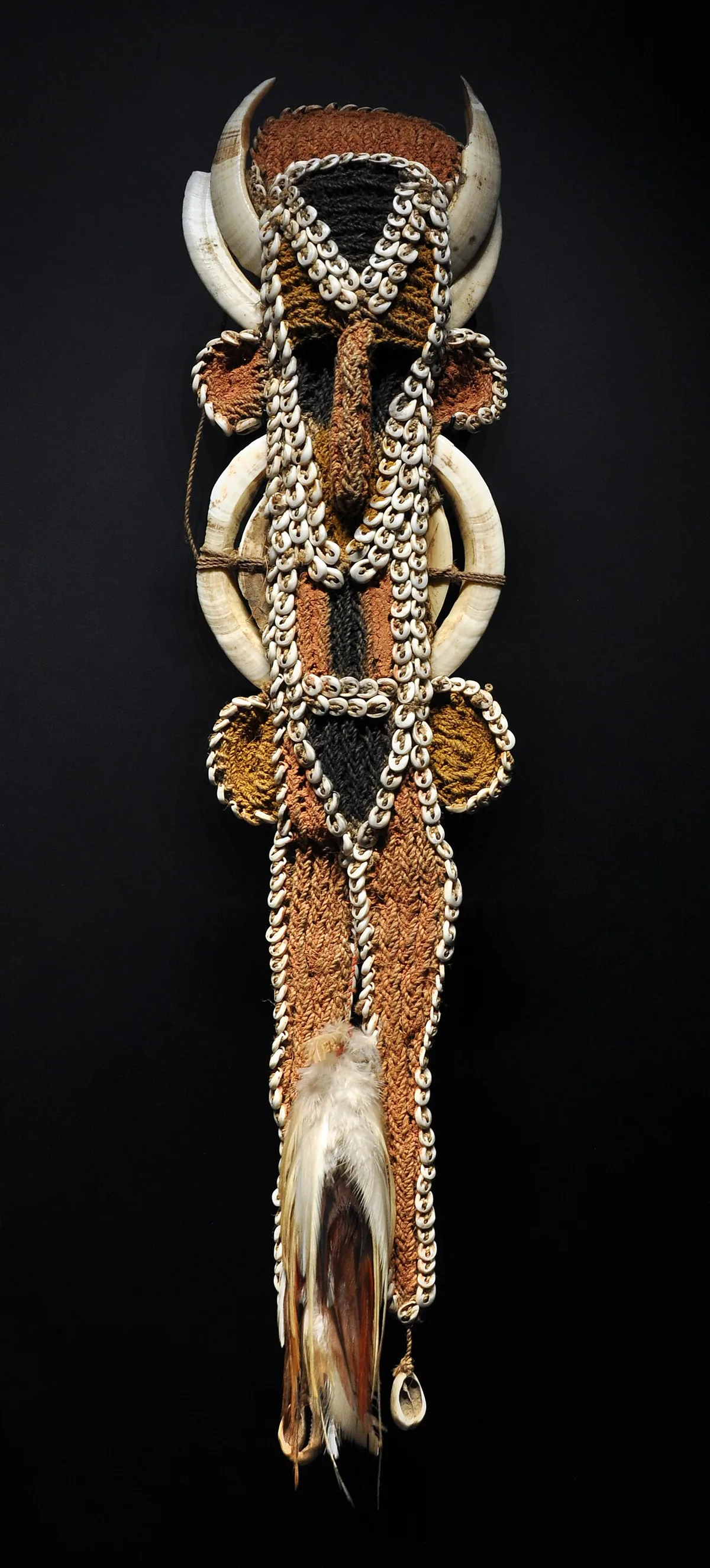
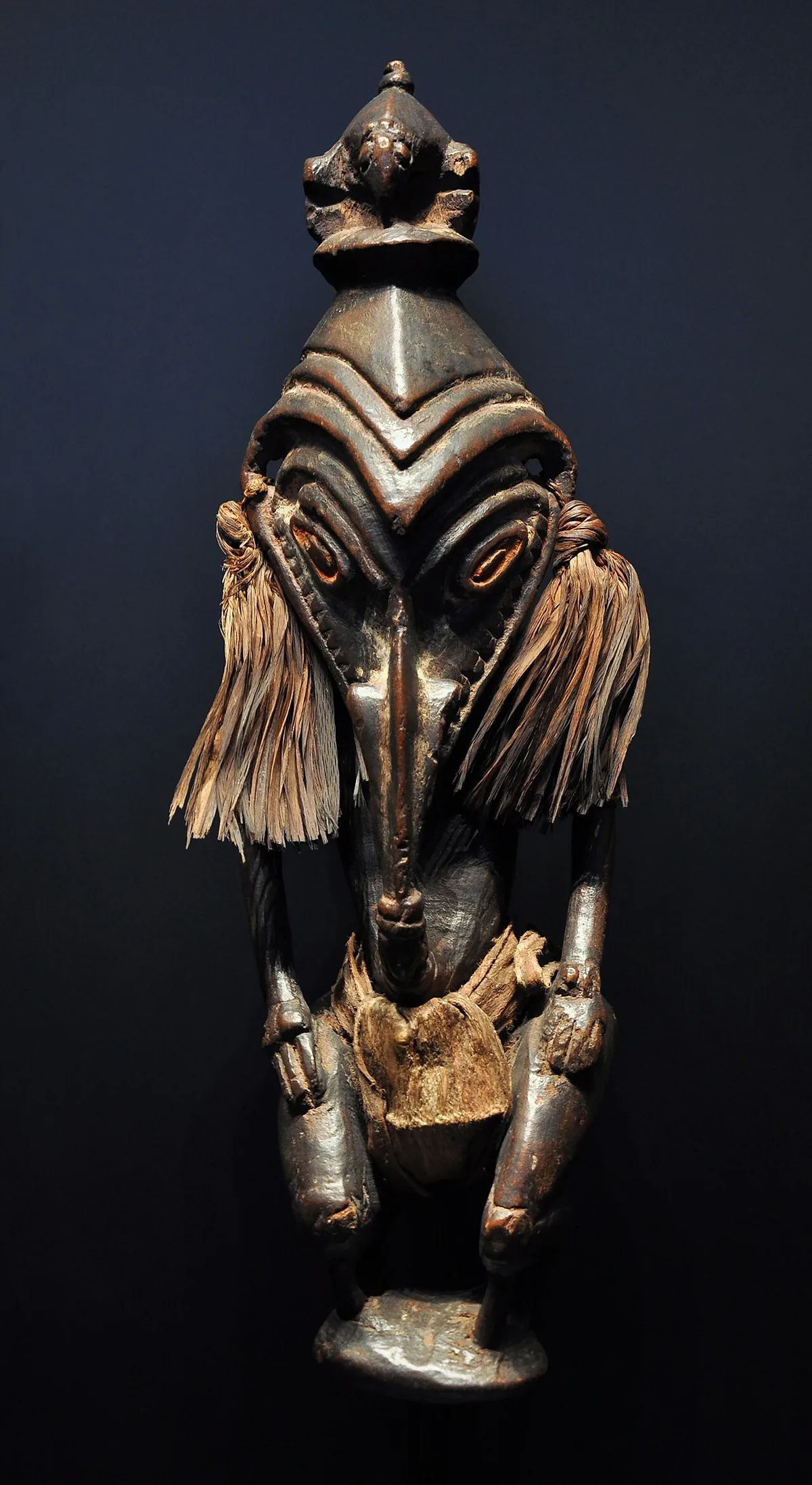
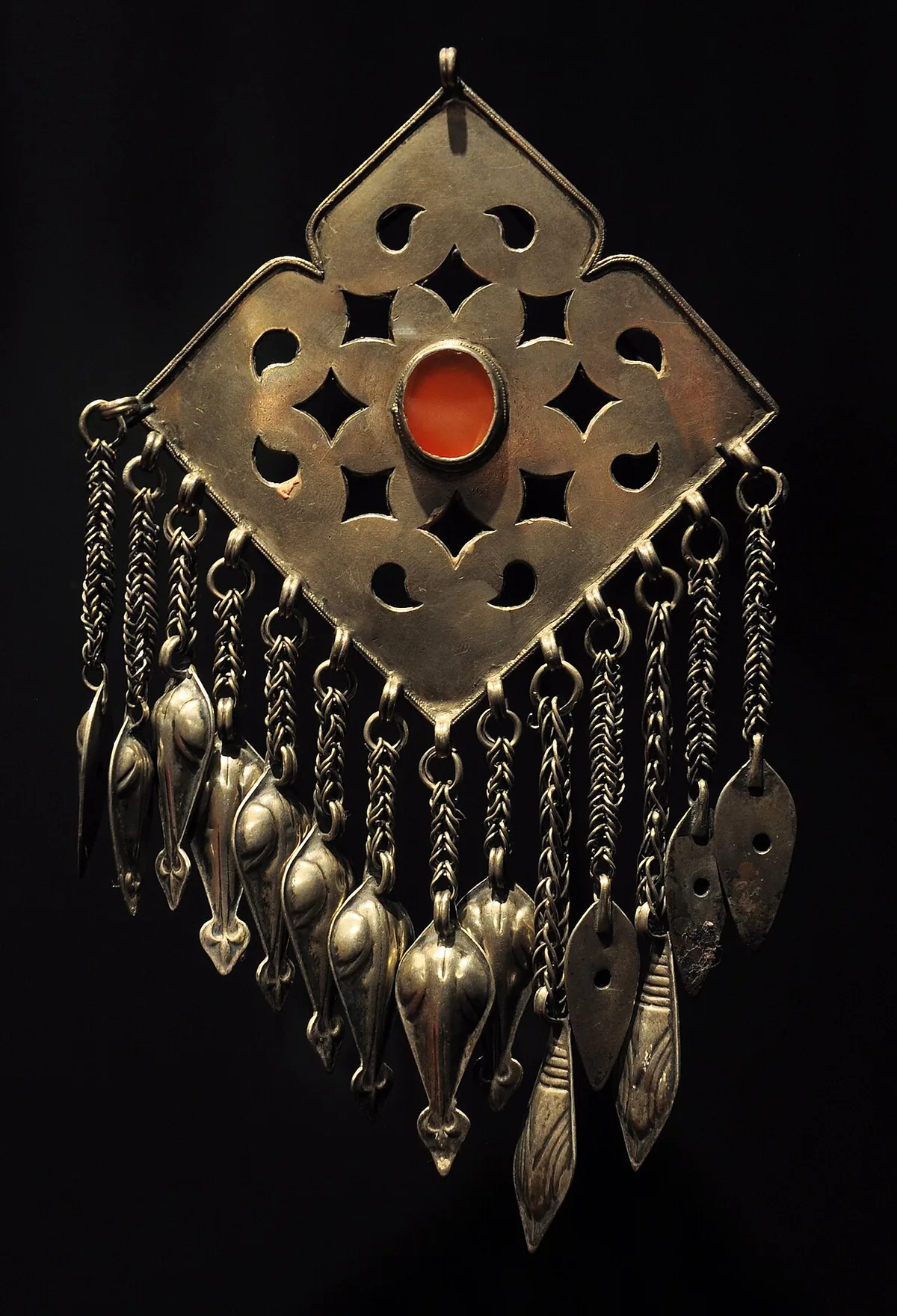
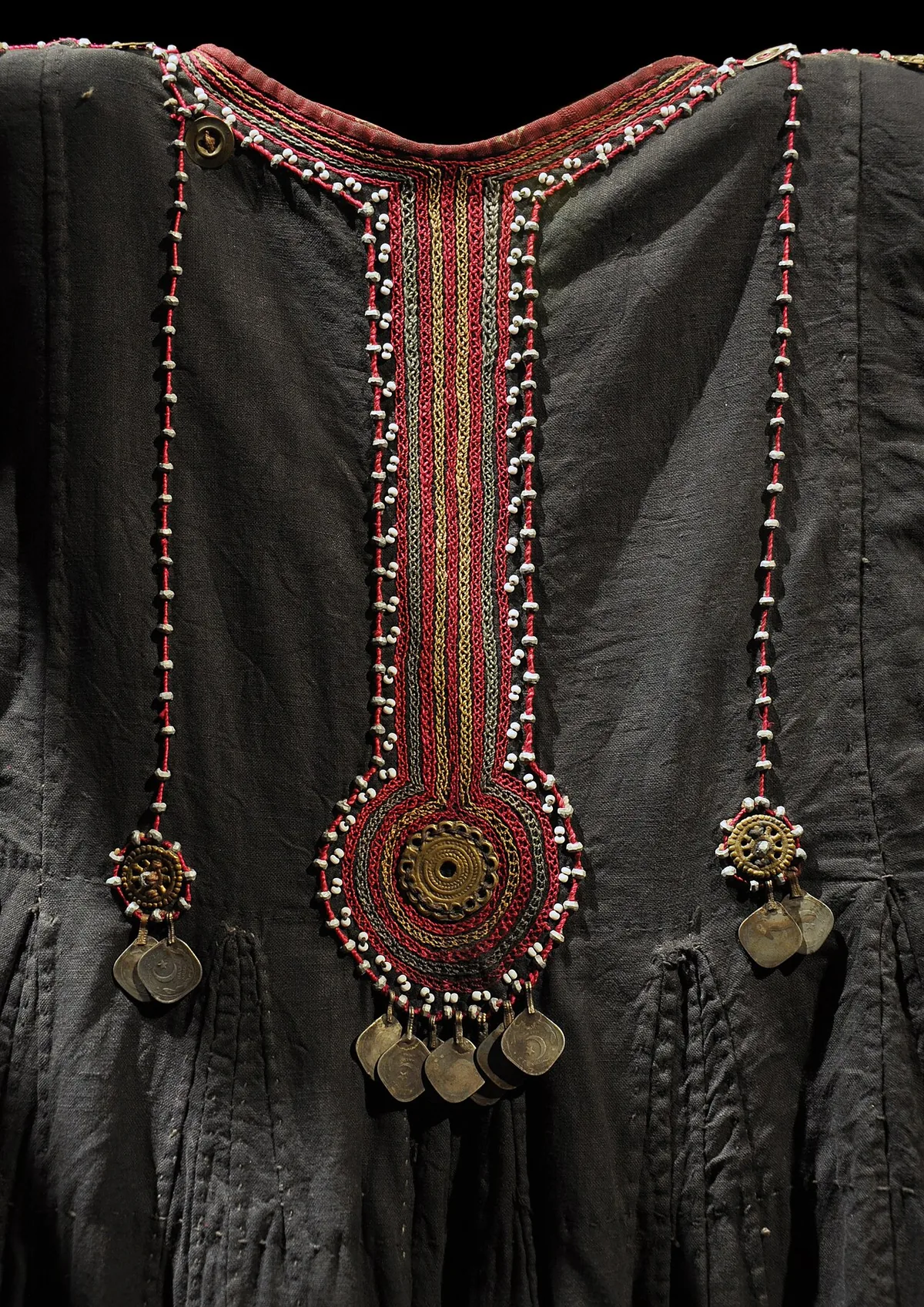

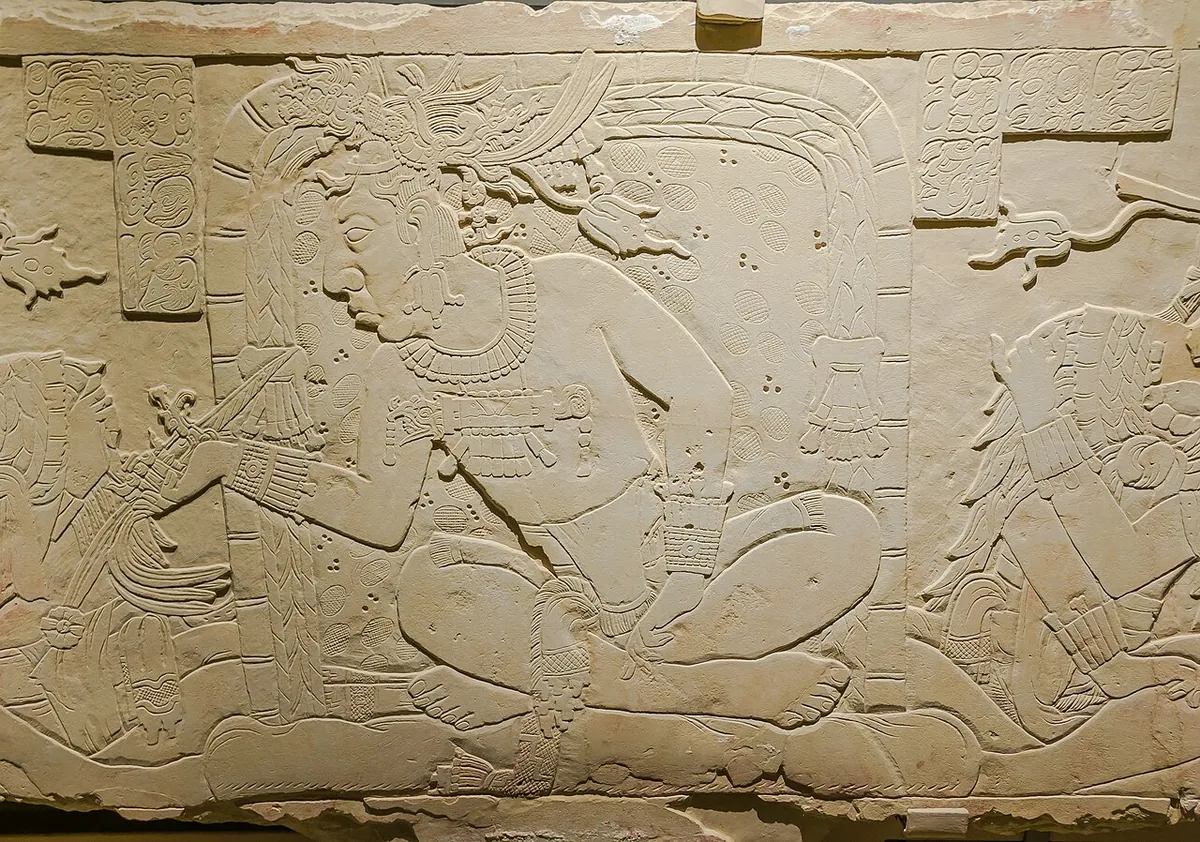
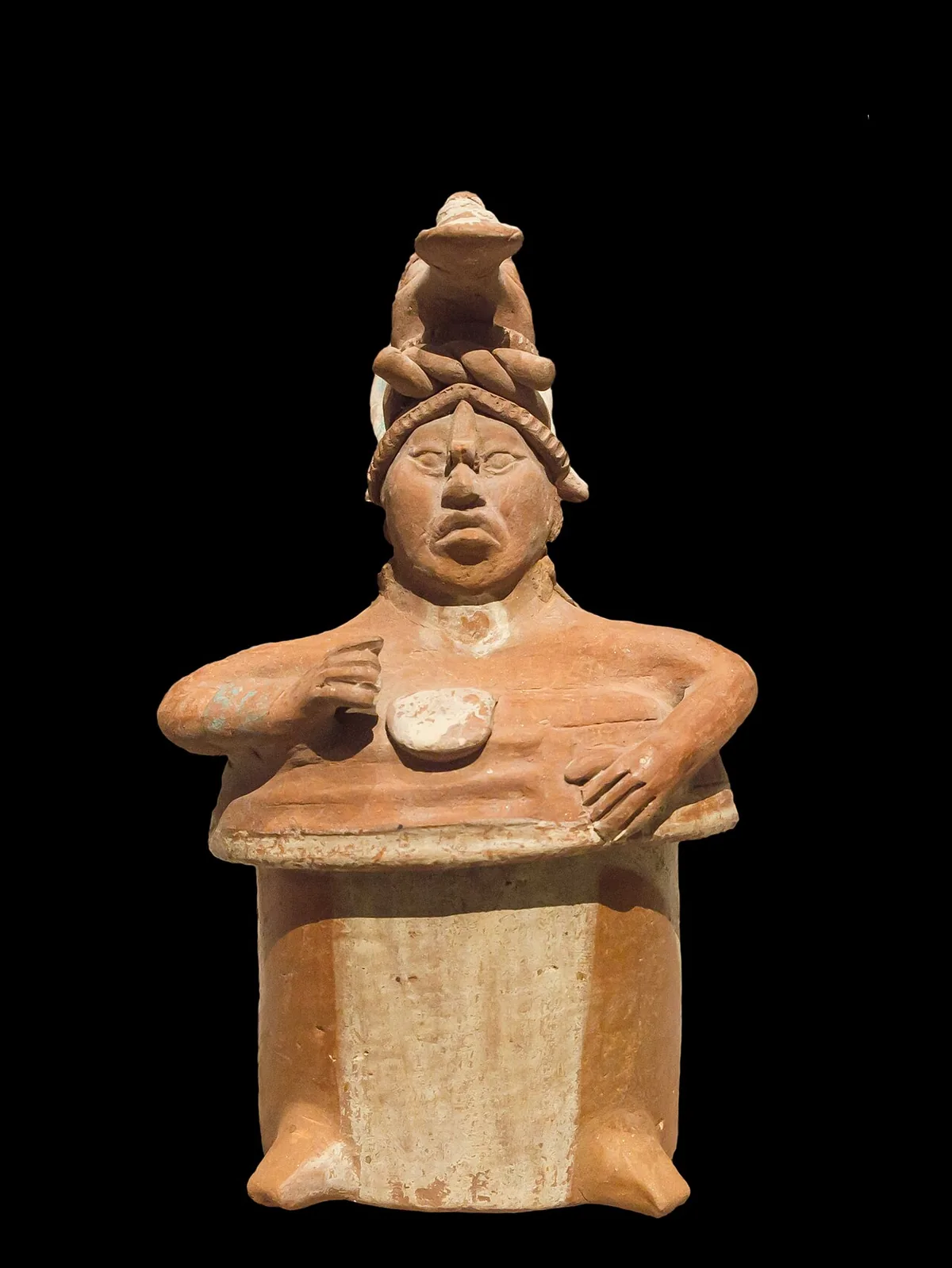
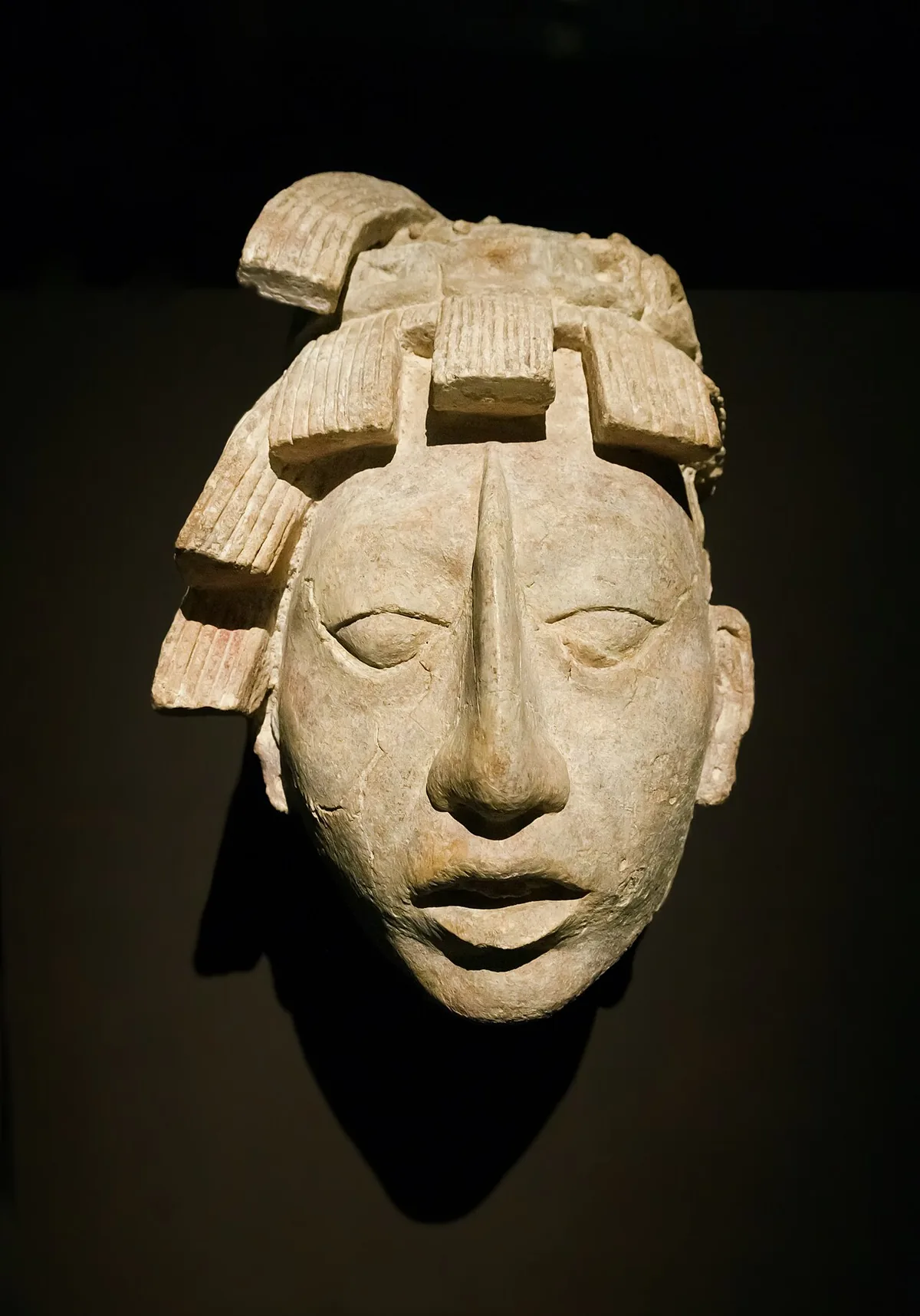
Musée du quai Branly’s elevated galleries and planted approach create a gradual transition from the Seine-side city into its collections. Jean Nouvel designed the building around objects from Africa, Asia, Oceania, and the Americas, challenging the conventions of a traditional museum façade.
Quick facts
The museum opened in Paris in 2006 in a building designed by Jean Nouvel.
Gilles Clément’s garden covers 18,000 square metres and includes 169 trees.
The Atchan community’s Djidji Ayokwè talking drum, confiscated by French colonial authorities in 1916, was returned to Côte d’Ivoire on 20 February 2026.
Get directions to Musée du quai Branly. Confirm the visitor entrance and current access with the venue before travelling.
Audio guide
Listen to this place’s guide.
Guide
The approach to Musée du quai Branly is a gradual reveal. Gilles Clément’s garden softens the Seine-side city with winding paths and small rises; Jean Nouvel’s long, elevated building appears through the planting, its suspended colored galleries suggesting rooms within a room. The garden is not just a forecourt: it passes beneath the museum, so the architecture seems to hover over a living landscape.
Continue exploring
Discover the full story
Keep reading with a travel pass and explore every full guide and tour.
UpgradeMore places in Paris
Eiffel Tower
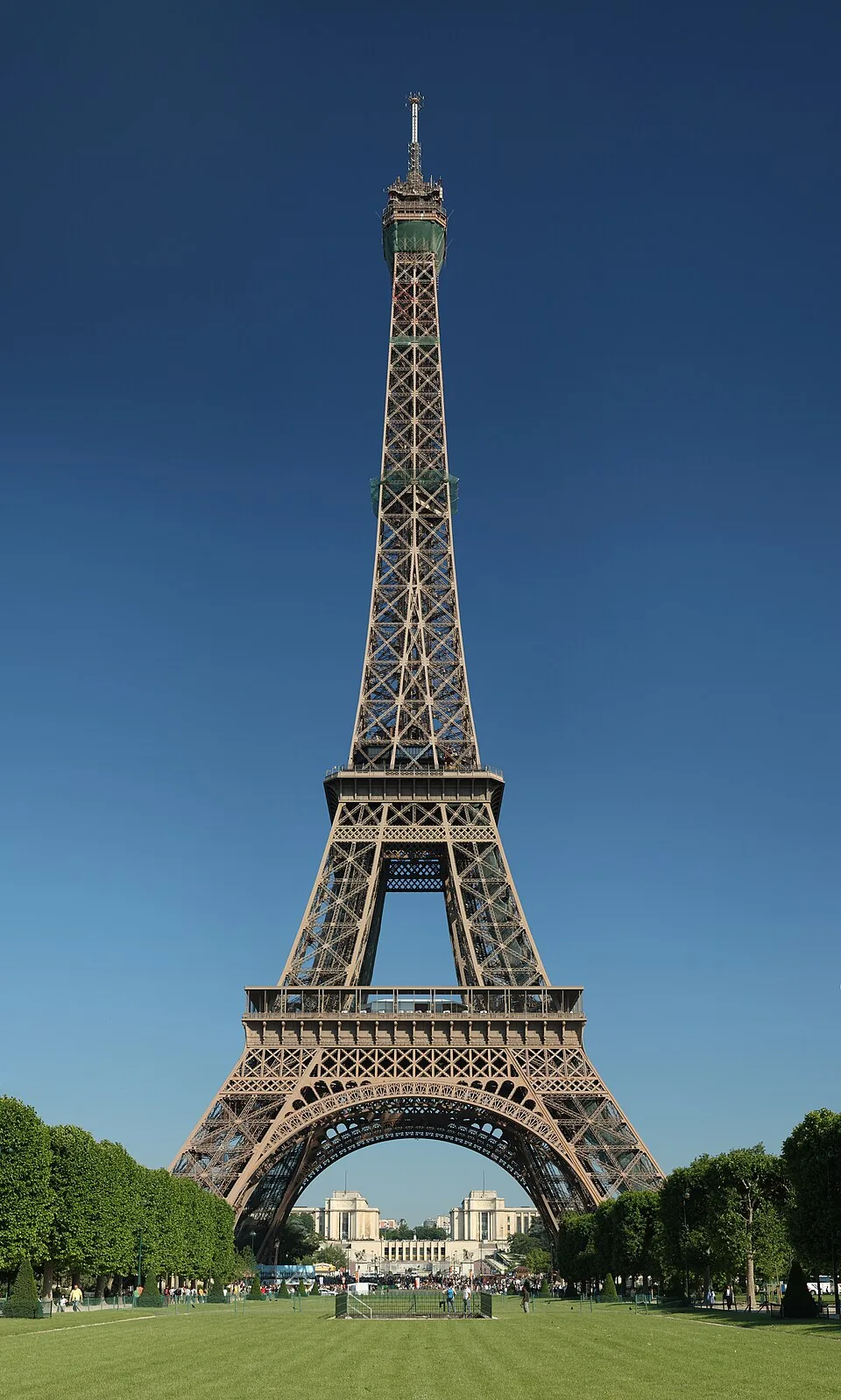
Built for the 1889 Paris Exposition, the Eiffel Tower turned a daring iron-engineering project into a public monument. Its four curved legs and open lattice reveal how the structure works, while experiments and radio transmission helped it outlast its planned term.
Musée des Égouts de Paris
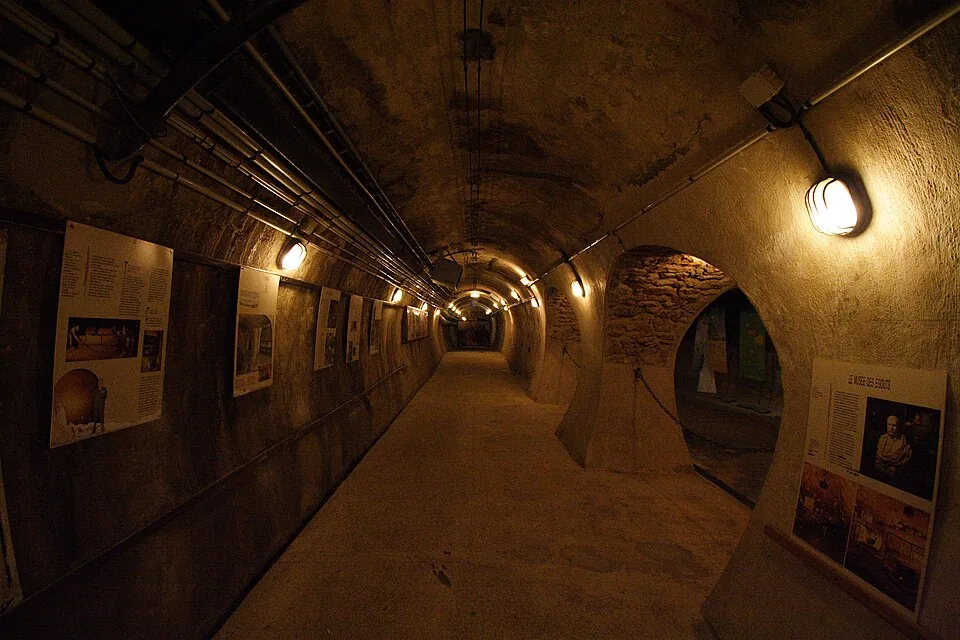
The Musée des Égouts de Paris takes visitors into working galleries beneath the Alma bridge, where street plaques, cleaning tools, and models reveal how Paris built and maintains its water and sewer systems.
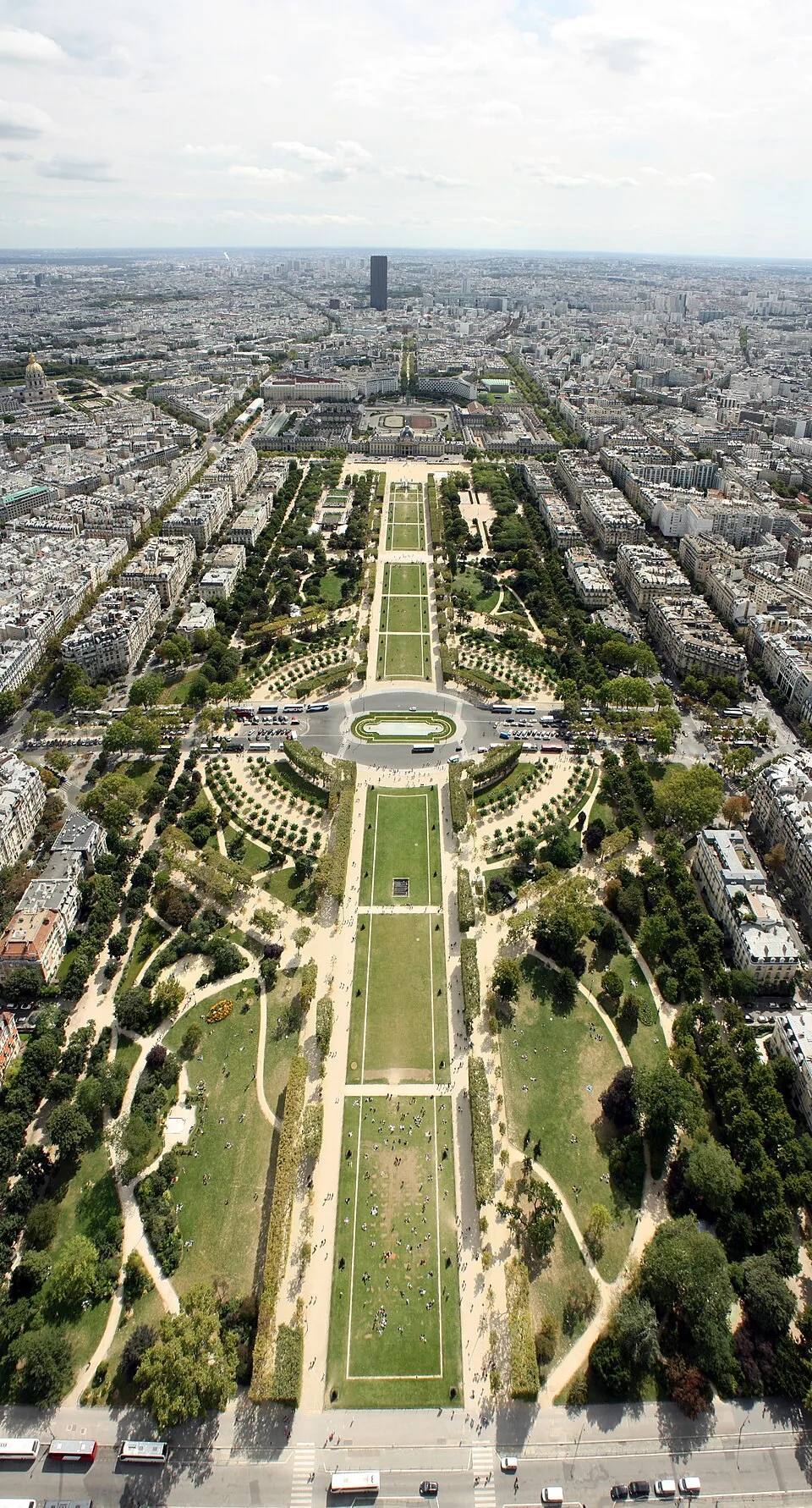
Champ de Mars
The Champ de Mars is a public garden between the École Militaire and Eiffel Tower. Its lawns and long axis recall an exercise ground transformed by revolutionary gatherings, balloon experiments, world fairs and a 1908 city park design.
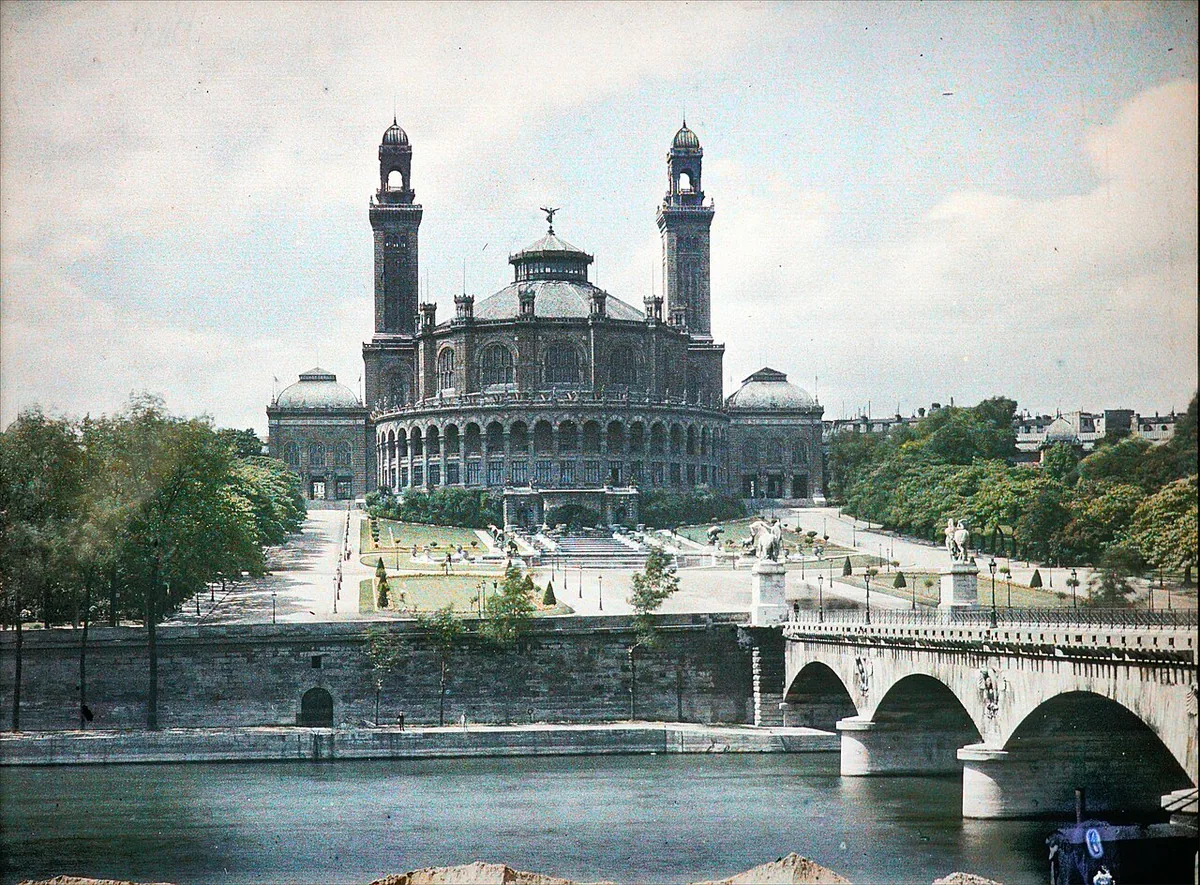
Trocadéro
Trocadéro’s terraces frame one of Paris’s most recognizable views, but the gardens and monumental axis were shaped by international exhibitions. Cascades, fountains, and sculptures connect the hilltop Palais de Chaillot with the open Champ de Mars.
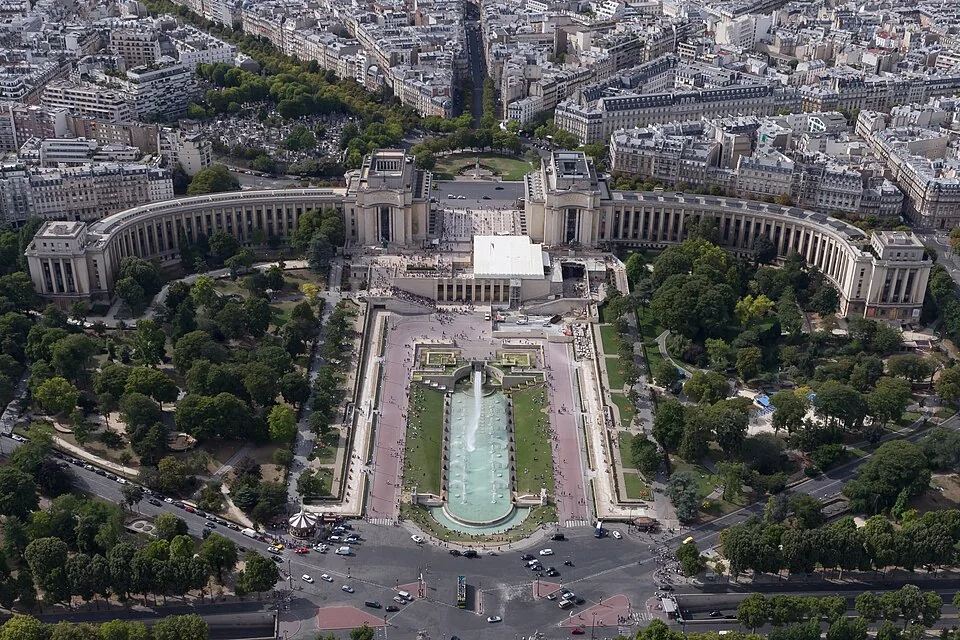
Palais de Chaillot
The Palais de Chaillot sits on the Trocadéro hill as a monumental frame for views across the Seine. Built for the 1937 Universal Exhibition, it now houses cultural institutions and preserves a site repeatedly chosen for grand public architecture.
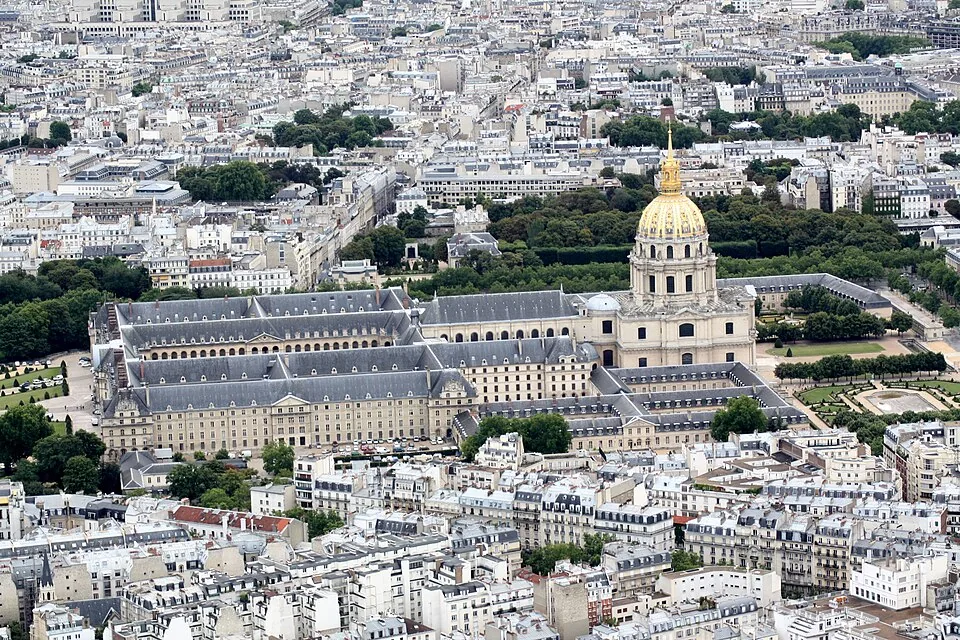
Hôtel des Invalides
Hôtel des Invalides began as a home and hospital for veterans, then grew into a military museum and memorial complex. Its gilded Dome holds Napoleon’s tomb, while the Institution Nationale des Invalides continues the site’s founding work of caring for people affected by war.