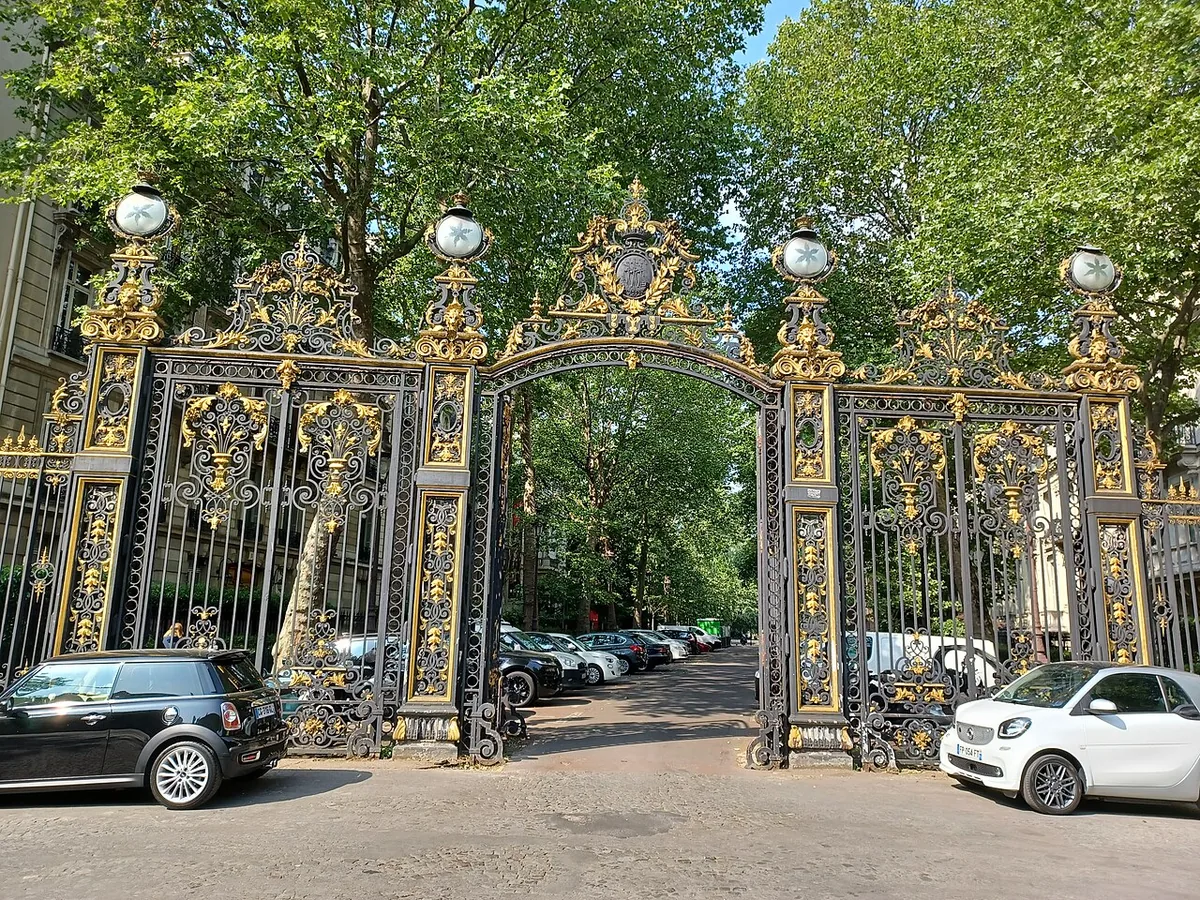
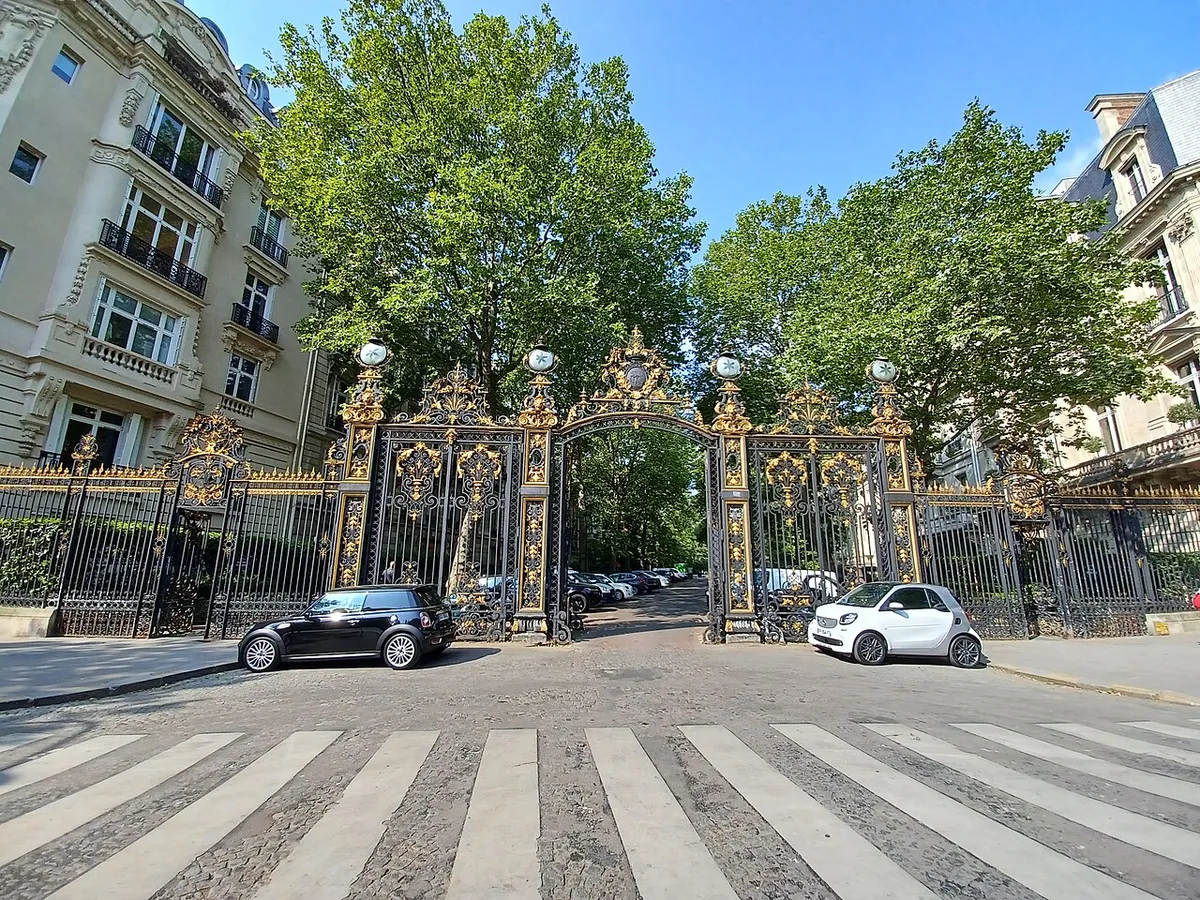
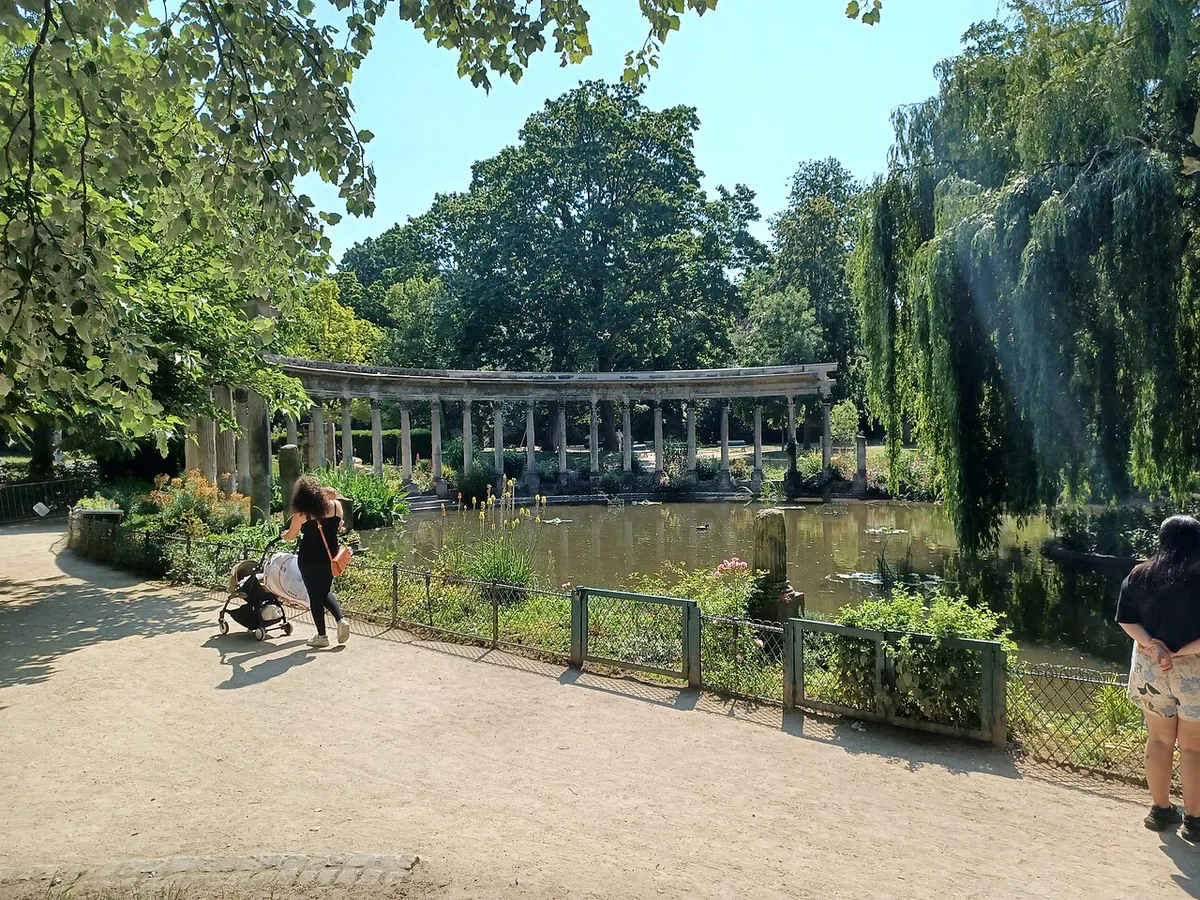
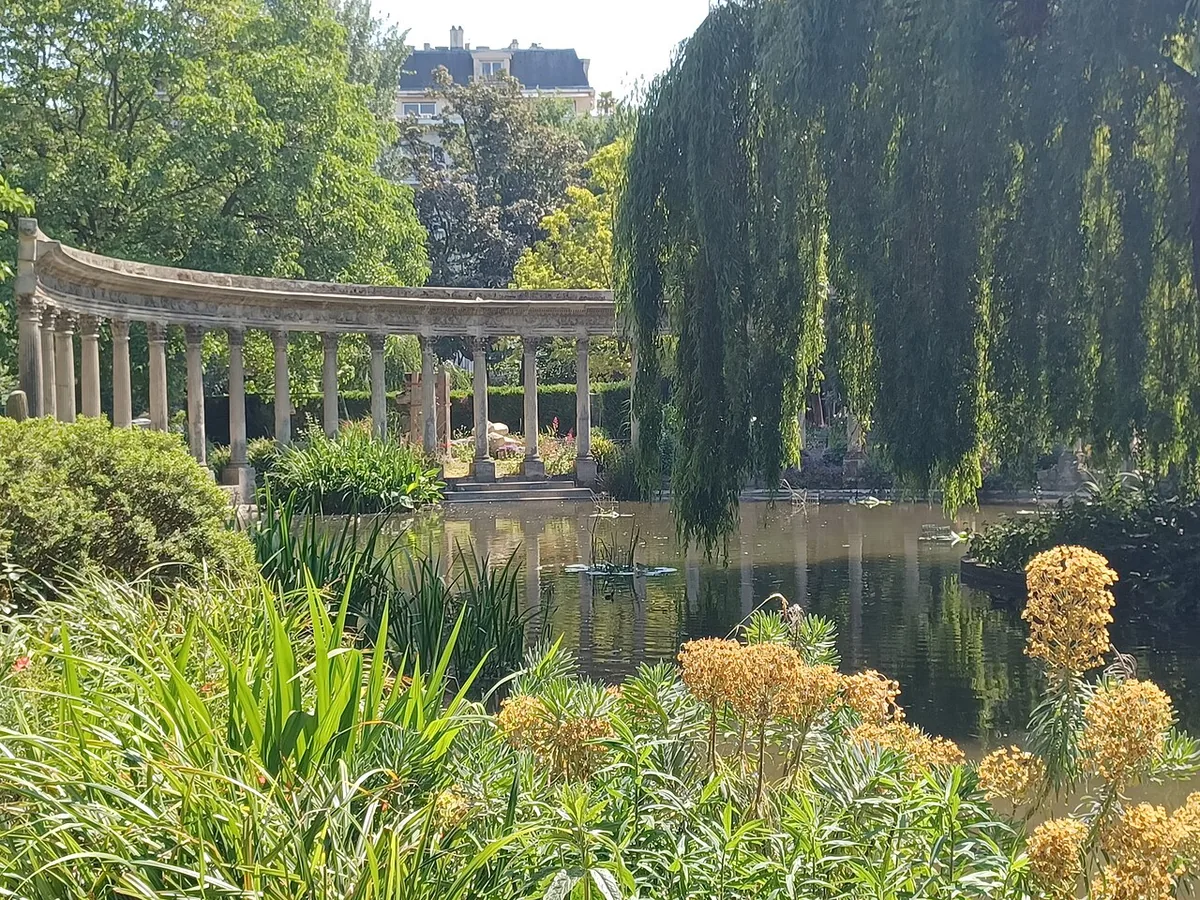
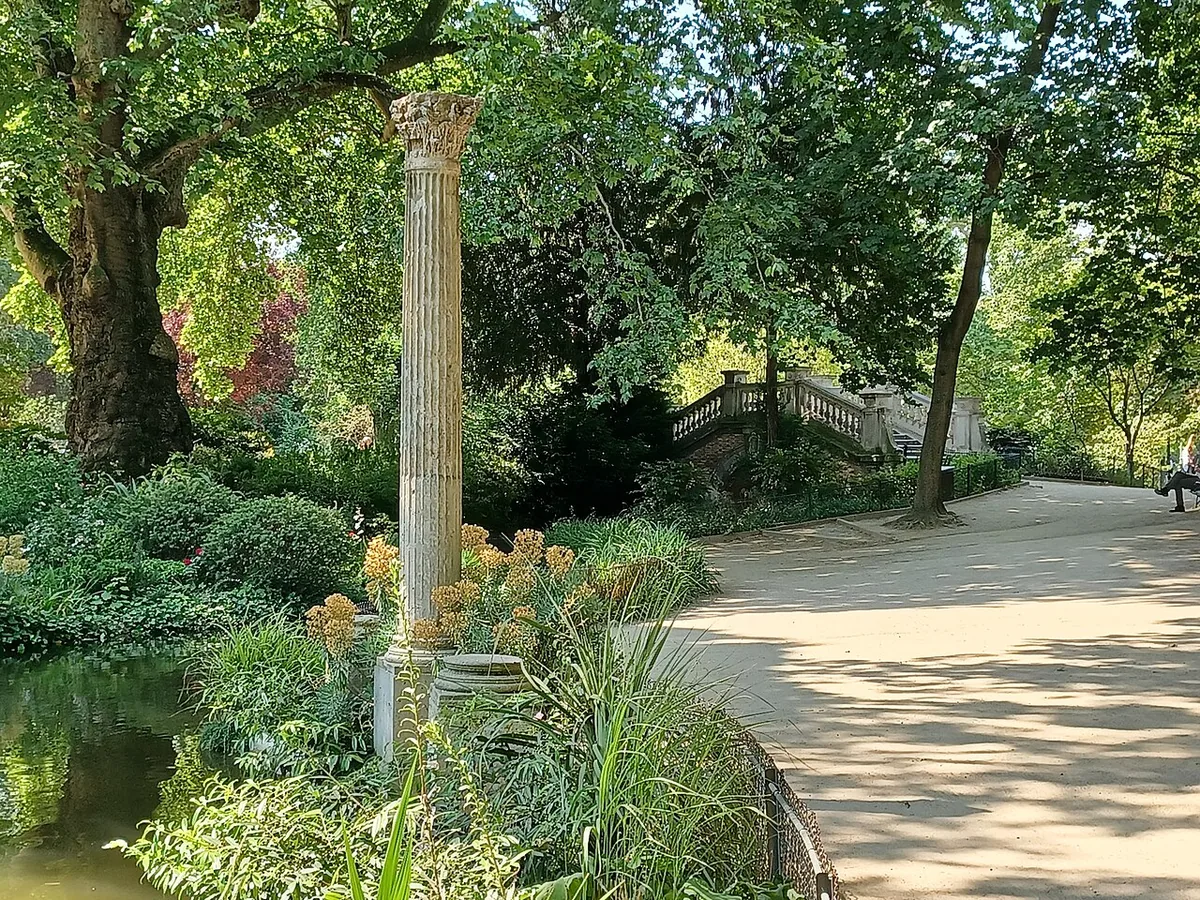
Parc Monceau mixes winding paths, old trees, and small architectural follies within a landscape that has changed hands and styles several times. Its picturesque variety began as a private aristocratic garden and became a public park under the Second Empire.
Quick facts
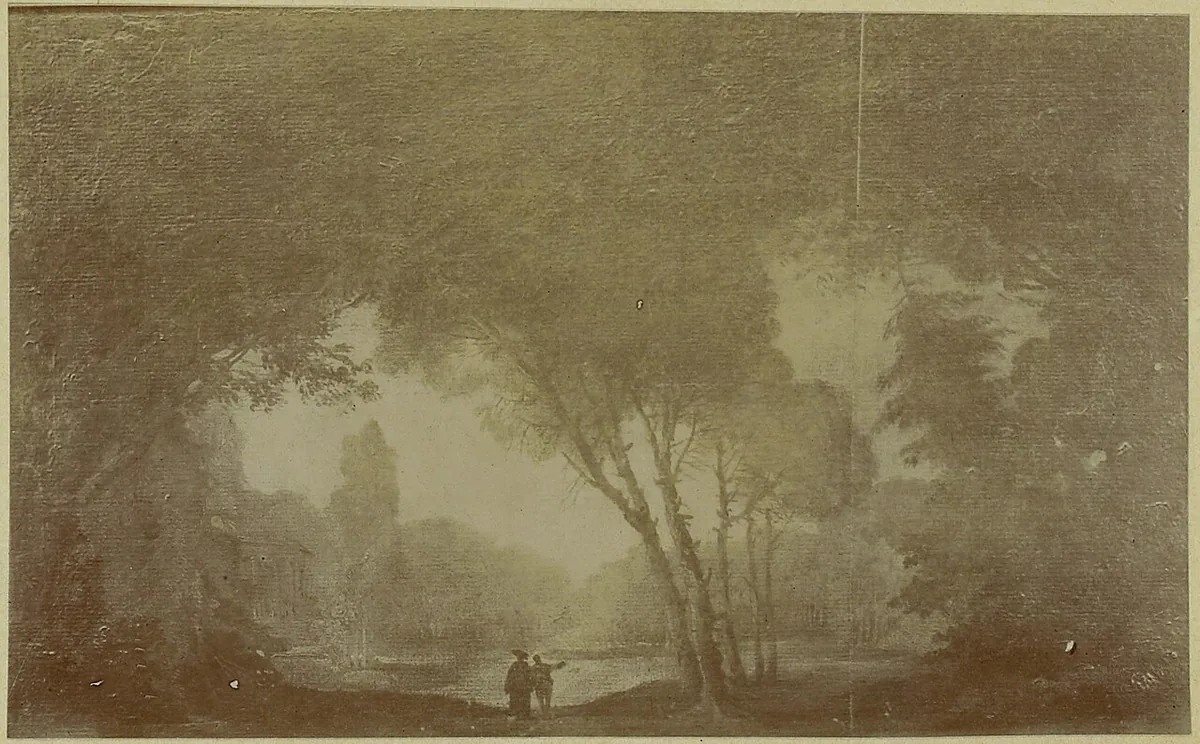
The Duke of Chartres acquired the Mousseau estate in 1769 and commissioned a picturesque garden.
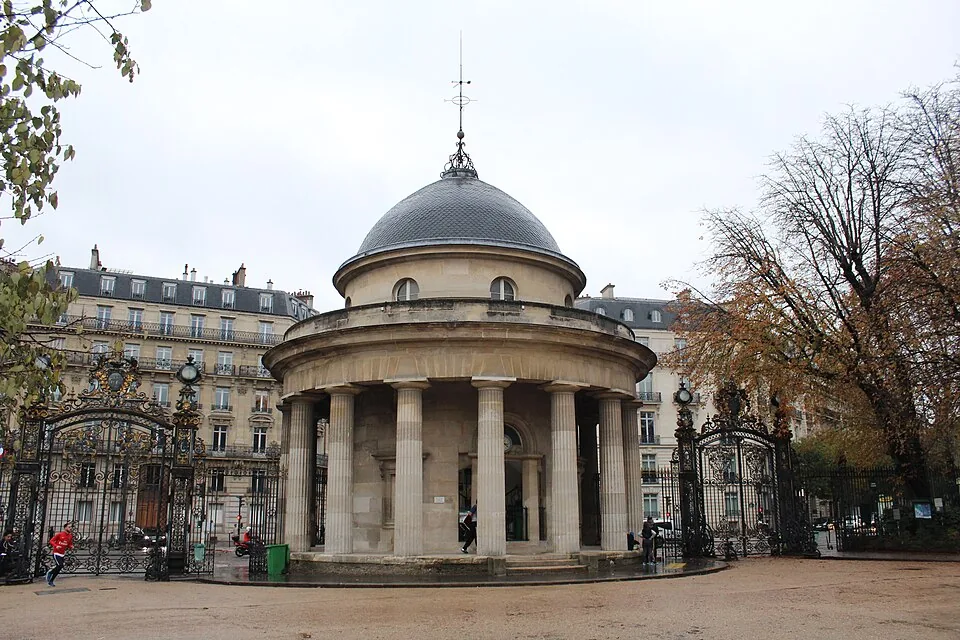
The Rotonde de Chartres was a toll barrier on the Farmers-General wall, built in 1788.
Adolphe Alphand reshaped the surviving grounds as a public promenade from 1861.
Get directions to Parc Monceau. Confirm the visitor entrance and current access with the venue before travelling.
Audio guide
Listen to this place’s guide.
Guide
At Parc Monceau, an Egyptian-looking pyramid stands among trees, but it is not an ancient monument. It belongs to an eighteenth-century garden designed to surprise. The site lies in Paris’s 8th arrondissement; the City of Paris now manages it as a public park and lists it as a protected site. Its winding routes and scattered architectural fragments preserve the idea of a walk as a sequence of changing views.
Continue exploring
Discover the full story
Keep reading with a travel pass and explore every full guide and tour.
UpgradeMore places in Paris
Arc de Triomphe
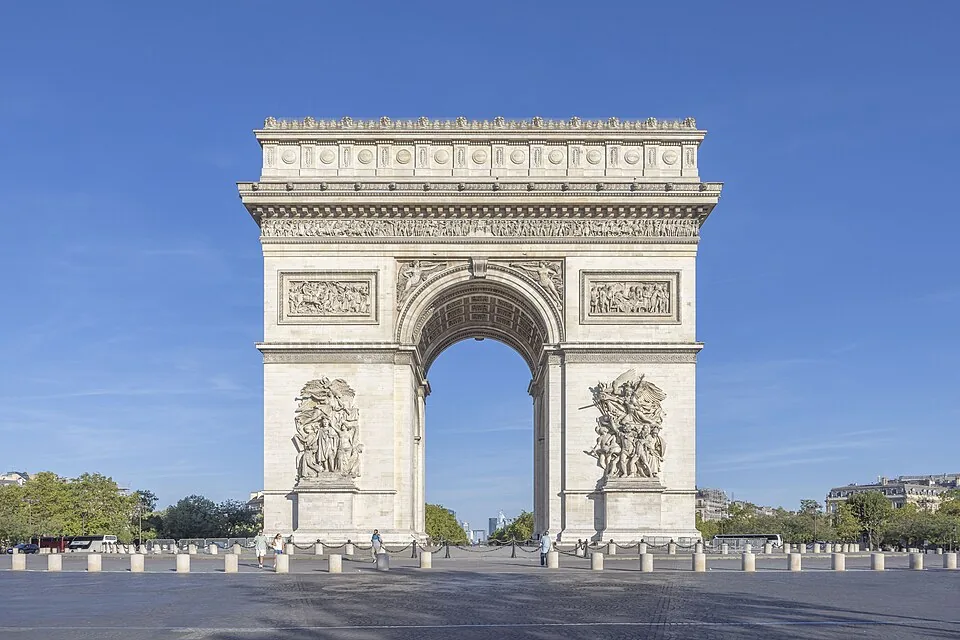
Commissioned by Napoleon and completed after decades of political change, the Arc de Triomphe at the end of the Champs-Élysées became a stage for Paris and a memorial to France’s unknown dead.
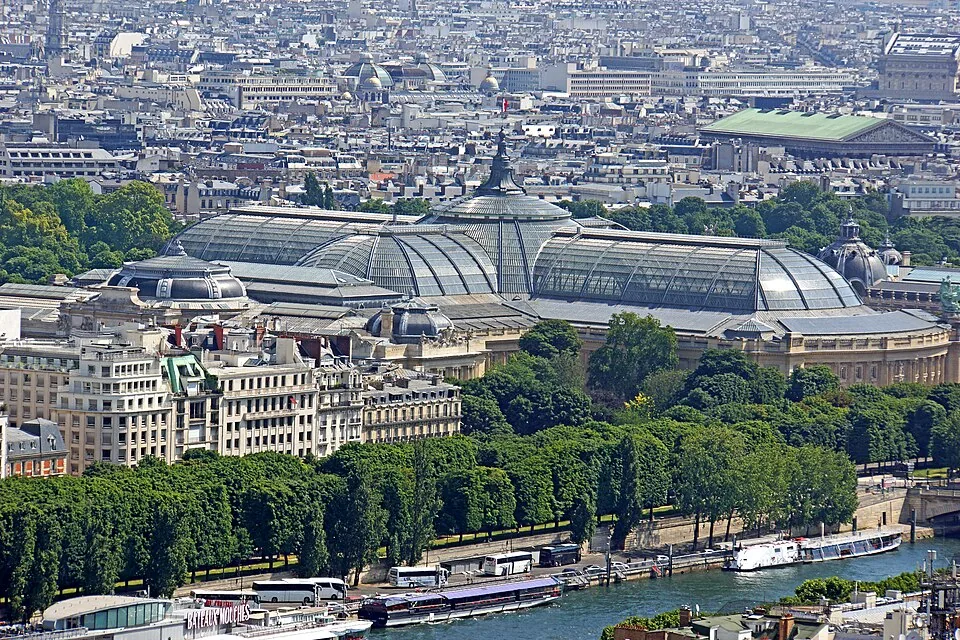
Grand Palais
Built for Paris’s 1900 World’s Fair, the Grand Palais pairs an immense glass-roofed nave with a sculpted Beaux-Arts exterior. Repeatedly adapted for exhibitions, wartime service, sport, and public culture, it reopened fully after restoration in 2025.
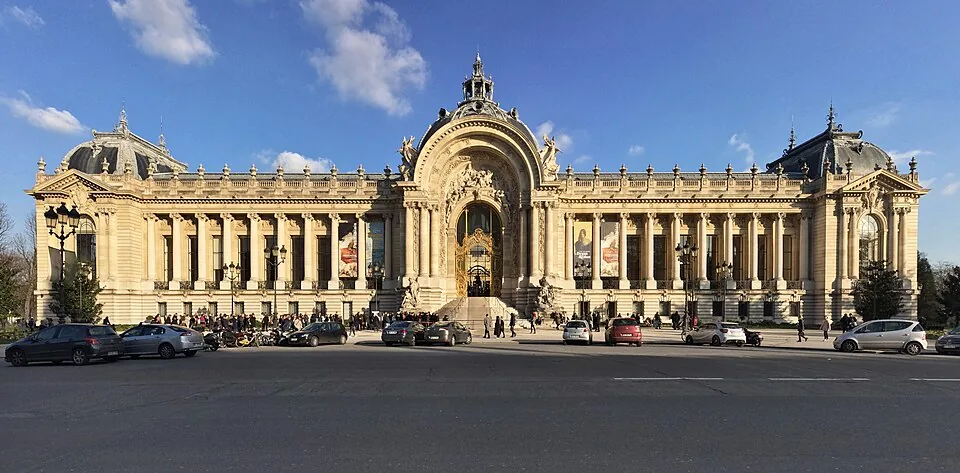
Petit Palais
Built for the 1900 Exposition Universelle, Charles Girault’s Petit Palais became the City of Paris Museum of Fine Arts in 1902. Its curved galleries circle a garden court, while the collection grew from municipal purchases into a broad public art museum through major bequests.
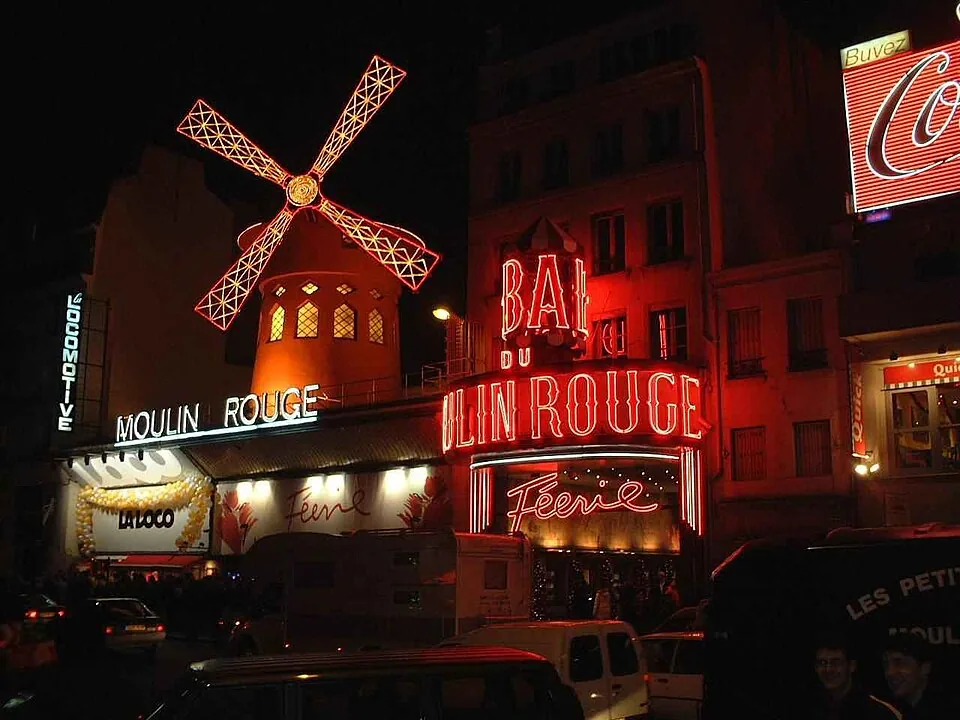
Moulin Rouge
The Moulin Rouge’s red windmill recalls the many windmills that once crowned Montmartre’s hill. Opened in 1889, the cabaret became a stage for popular dance, nightlife, and a visual image of modern Paris.
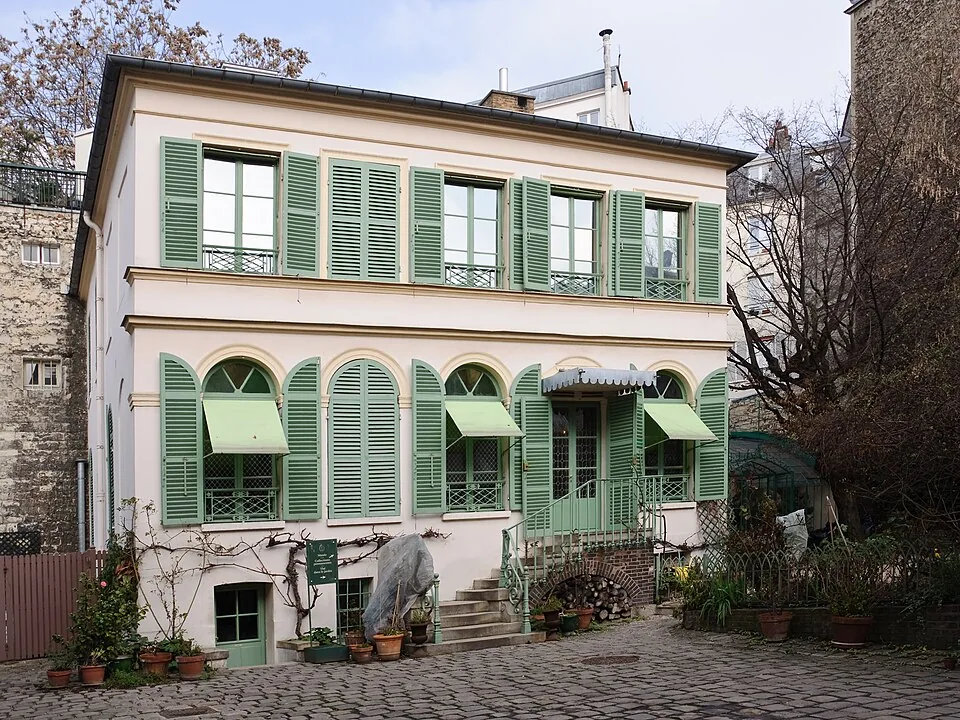
Musée de la Vie Romantique
The Musée de la Vie Romantique occupies the former home and studios of painter Ary Scheffer in the Nouvelle Athènes district. Built in 1830, the house hosted artists and writers and preserves the domestic scale of nineteenth-century creative life.
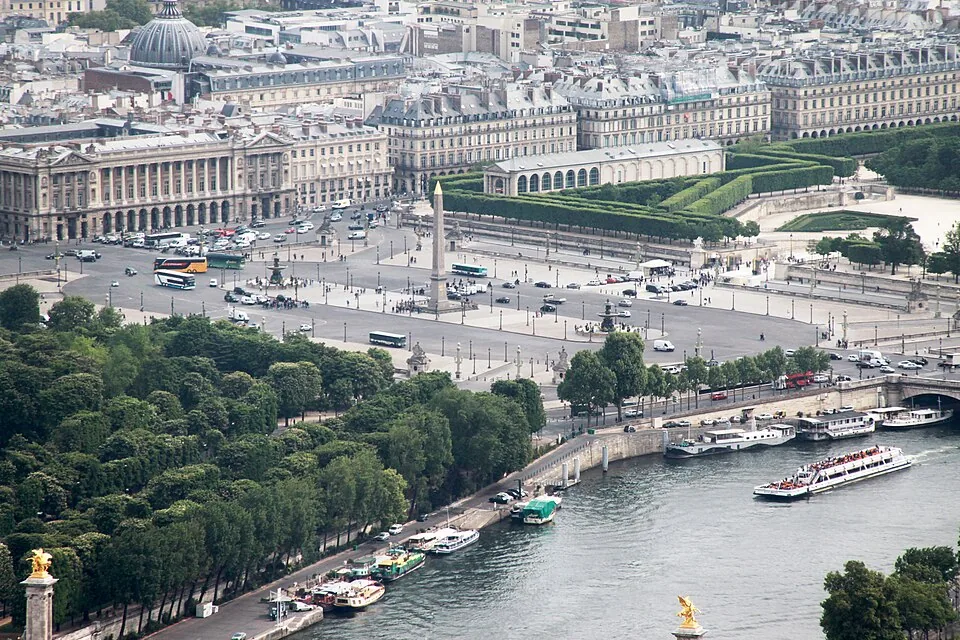
Place de la Concorde
Place de la Concorde occupies a ceremonial crossroads between the Tuileries, Champs-Élysées and Seine. Its obelisk, twin fountains and eight city statues frame a public square reshaped from royal monument to Revolutionary stage and later civic junction.