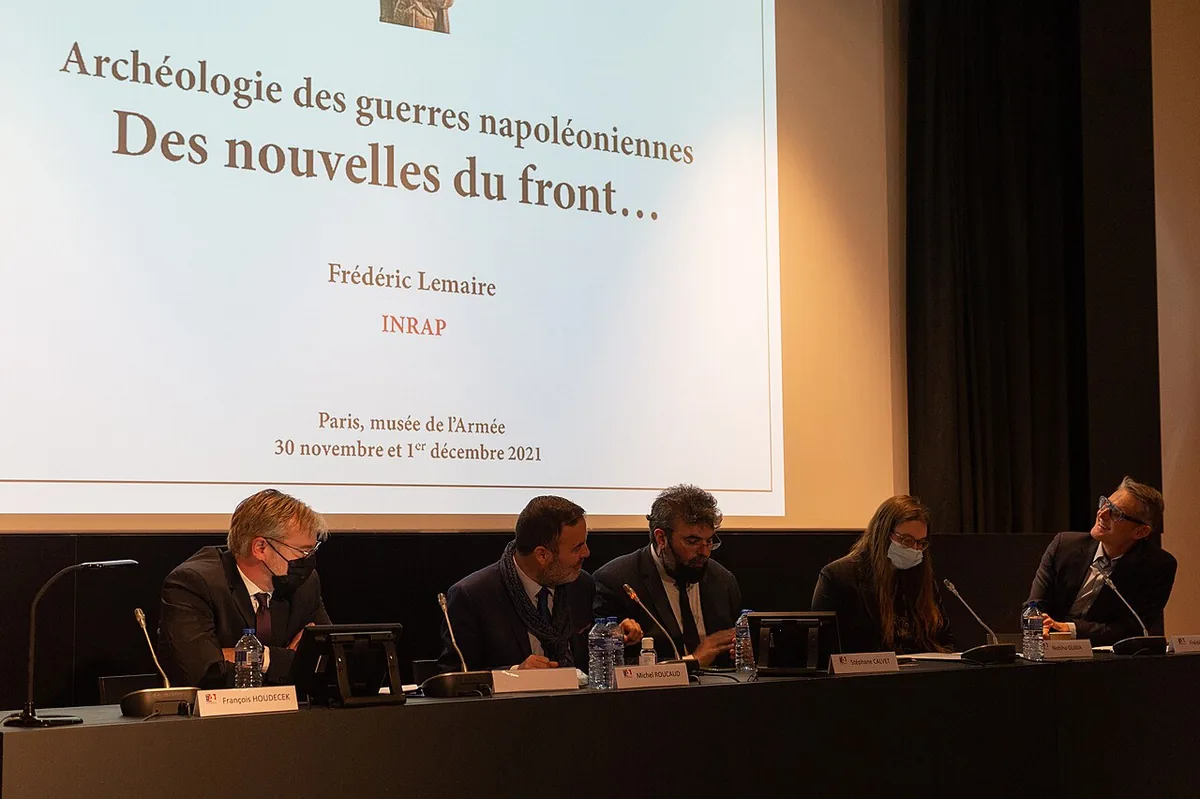
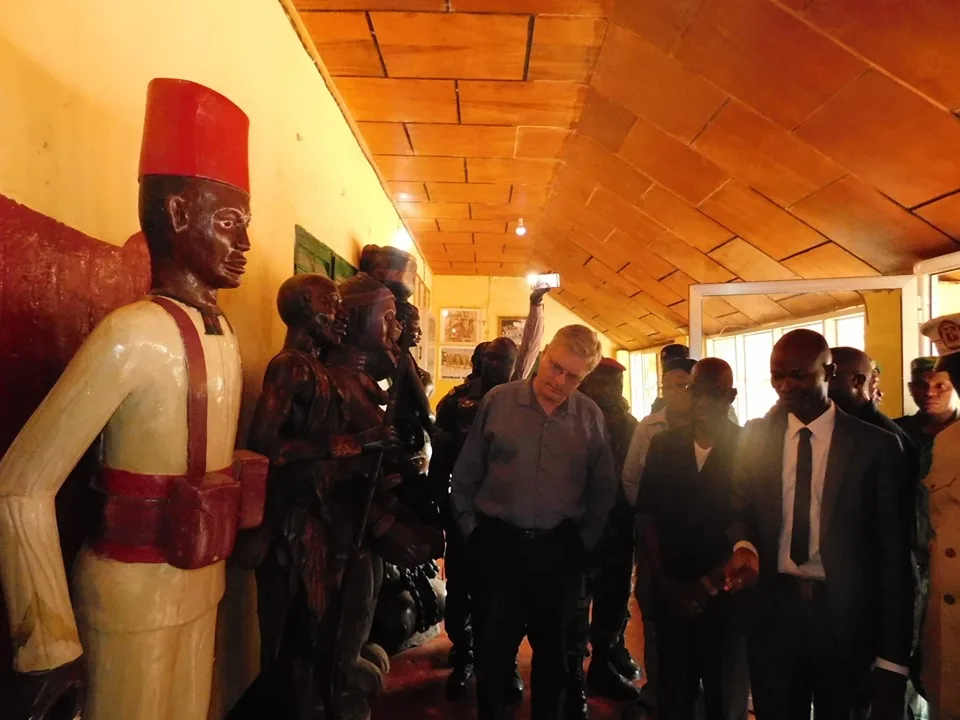
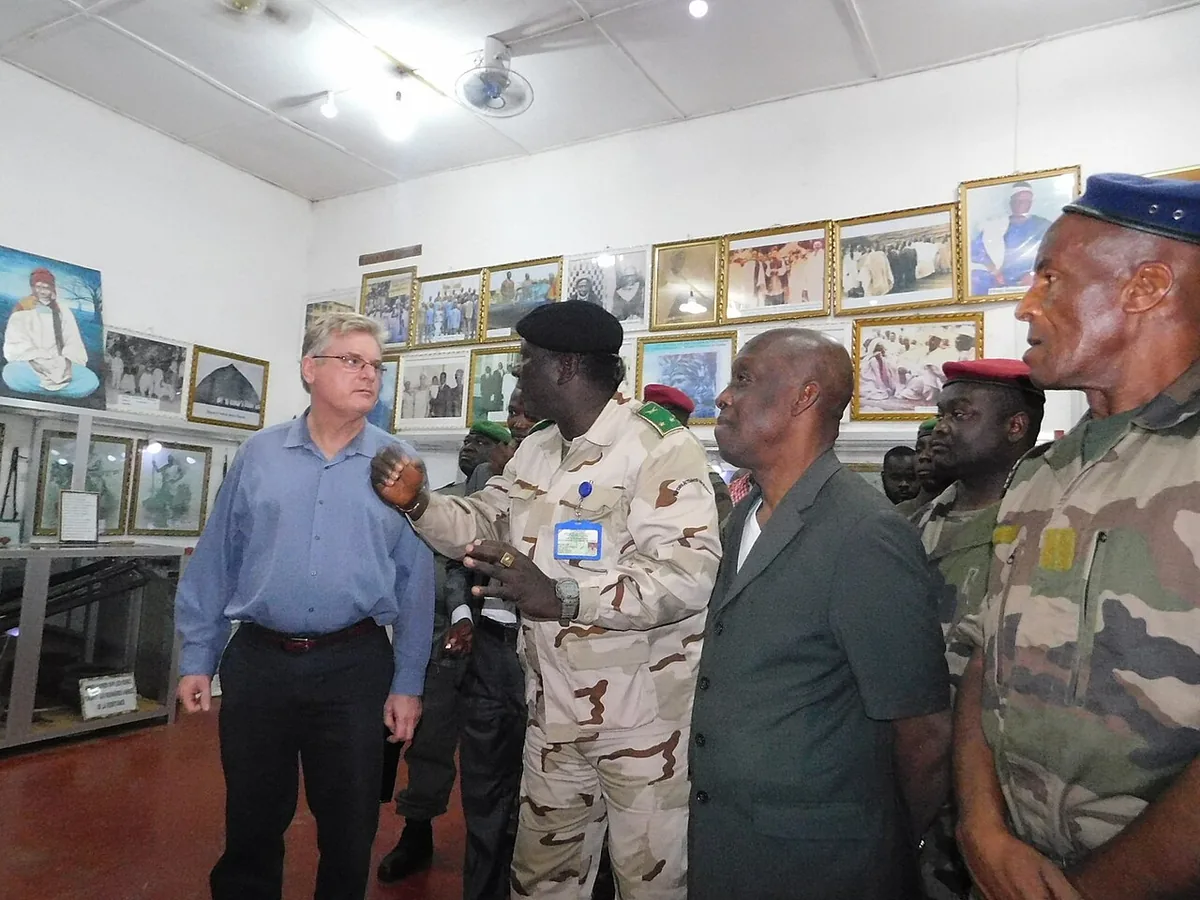
Musée de l’Armée occupies historic Hôtel des Invalides, where military objects are displayed within the institution created to house veterans. Its collections connect weapons, uniforms, and personal histories to the changing purposes of the complex around them.
Quick facts
Louis XIV founded Hôtel des Invalides in 1670 to house veterans; the first residents arrived in 1674.
Musée de l’Armée was created in 1905 by merging the Musée d’Artillerie and the Musée historique de l’Armée.
On 14 July 1789, a crowd seized weapons and cannon stored at the Invalides and carried them to the Bastille.
Get directions to Musée de l’Armée. Confirm the visitor entrance and current access with the venue before travelling.
Audio guide
Listen to this place’s guide.
Guide
The first thing to notice at the Hôtel des Invalides is that it was built as a place to live, not as a museum. Louis XIV ordered the complex in 1670 to house soldiers made old, ill or injured by service. The first veterans arrived in 1674. Today, the Musée de l’Armée fills part of this great Paris complex, alongside the gilded Dôme, the Cathedral of Saint-Louis and the still-active Institution nationale des Invalides.
Continue exploring
Discover the full story
Keep reading with a travel pass and explore every full guide and tour.
UpgradeMore places in Paris
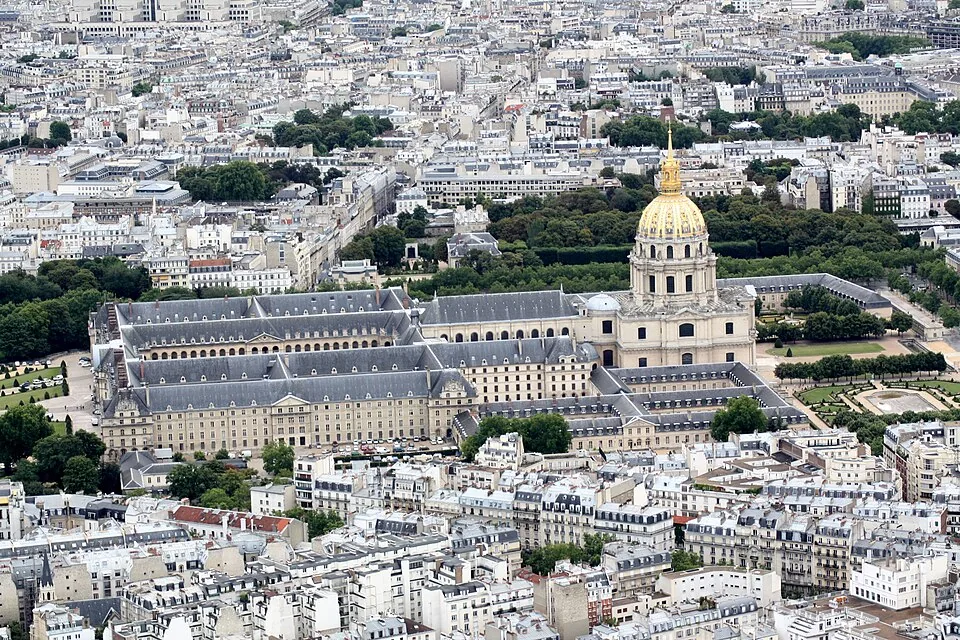
Hôtel des Invalides
Hôtel des Invalides began as a home and hospital for veterans, then grew into a military museum and memorial complex. Its gilded Dome holds Napoleon’s tomb, while the Institution Nationale des Invalides continues the site’s founding work of caring for people affected by war.
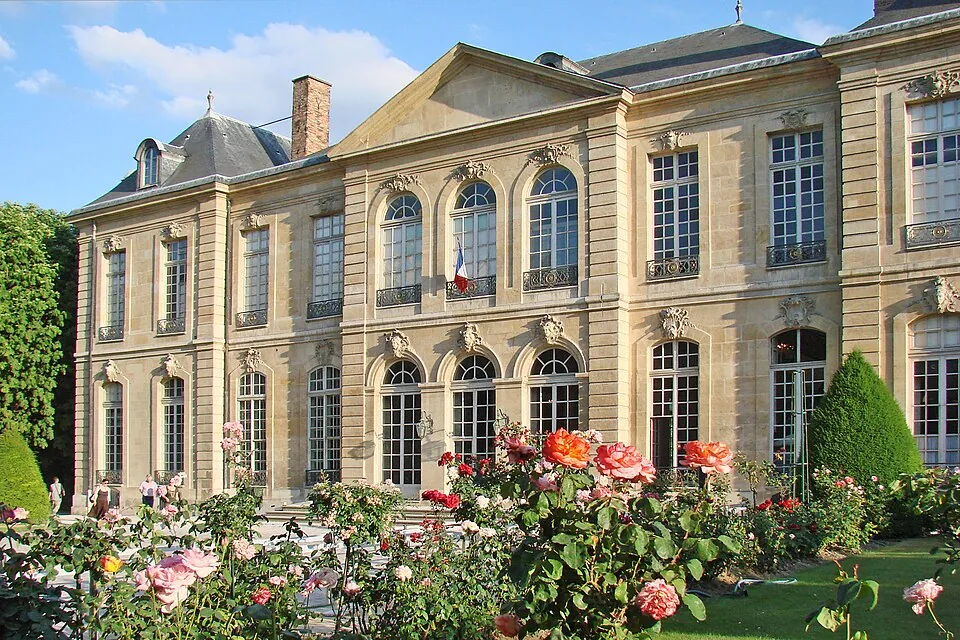
Musée Rodin
Musée Rodin brings sculpture into the Hôtel Biron, an eighteenth-century Paris mansion, and its garden. The museum grew from Rodin’s bequest to the French state, joining his art and working legacy to the rooms and grounds he chose for their display.
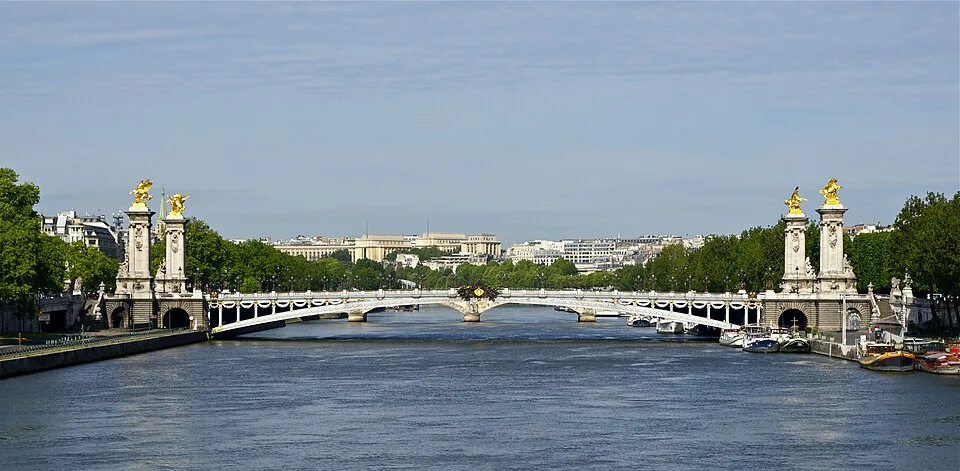
Pont Alexandre III
Pont Alexandre III is a low steel arch across the Seine, built for Paris’s 1900 Universal Exhibition and named for the Russian tsar whose son laid its first stone. Its gilded Pegasi, river nymphs and broad ceremonial axis connect the Invalides with the Grand and Petit Palais.
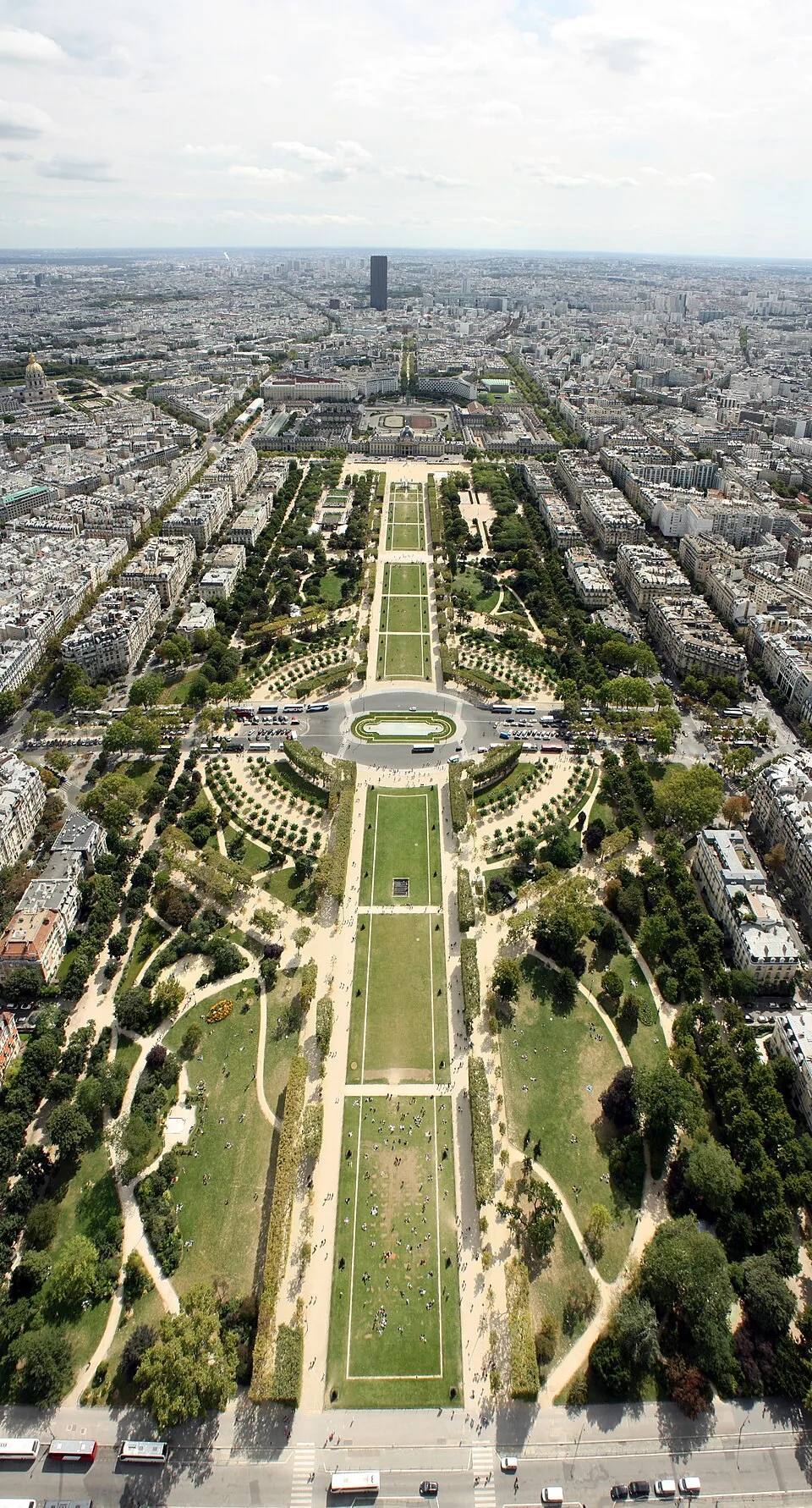
Champ de Mars
The Champ de Mars is a public garden between the École Militaire and Eiffel Tower. Its lawns and long axis recall an exercise ground transformed by revolutionary gatherings, balloon experiments, world fairs and a 1908 city park design.
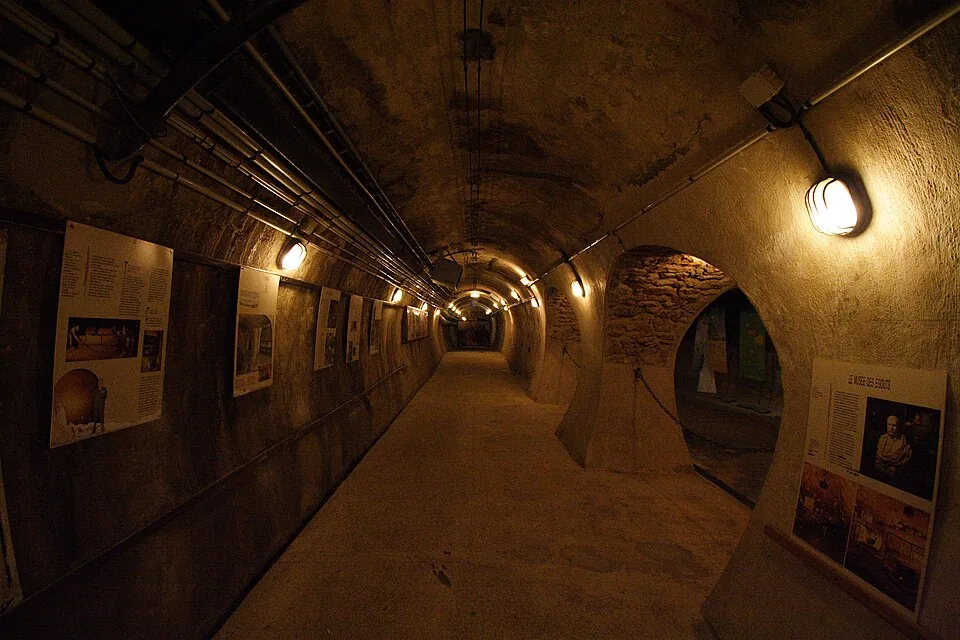
Musée des Égouts de Paris
The Musée des Égouts de Paris takes visitors into working galleries beneath the Alma bridge, where street plaques, cleaning tools, and models reveal how Paris built and maintains its water and sewer systems.
Musée d’Orsay
Musée d’Orsay occupies Victor Laloux’s former Gare d’Orsay, built for the 1900 Paris Exposition. Its glass roof, clocks and great nave preserve the experience of a railway terminus, now framing collections of art and design from 1848 to 1914.