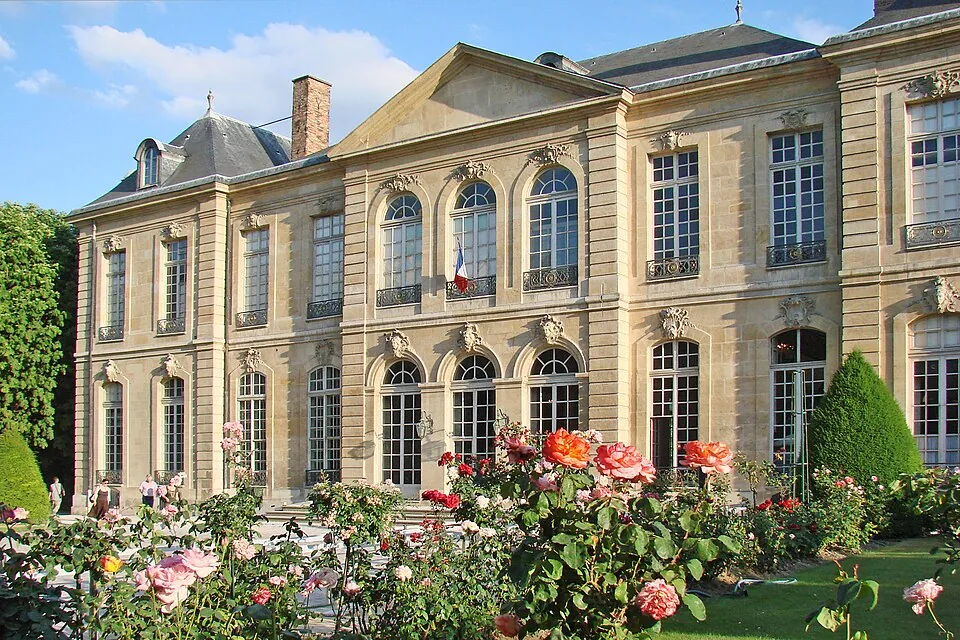
Musée Rodin brings sculpture into the Hôtel Biron, an eighteenth-century Paris mansion, and its garden. The museum grew from Rodin’s bequest to the French state, joining his art and working legacy to the rooms and grounds he chose for their display.
Quick facts
Musée Rodin in Paris opened to the public on 4 August 1919.
Auguste Rodin’s 1916 bequest to the French state included his works, collections, archives and rights, and designated the Hôtel Biron and its garden for a museum.
The Hôtel Biron was built for Abraham Peyrenc de Moras between 1727 and 1732; architect Jean Aubert oversaw the project.
Get directions to Musée Rodin. Confirm the visitor entrance and current access with the venue before travelling.
Audio guide
Listen to this place’s guide.
Guide
At Musée Rodin, the setting is part of the collection. The Paris museum occupies the Hôtel Biron, an eighteenth-century mansion whose tall windows, decorated rooms and garden paths let sculpture meet changing natural light. The address is in the 7th arrondissement of Paris; the museum’s other site is at Meudon, so this guide concerns the Paris house and garden.
Continue exploring
Discover the full story
Keep reading with a travel pass and explore every full guide and tour.
UpgradeMore places in Paris
Musée de l’Armée
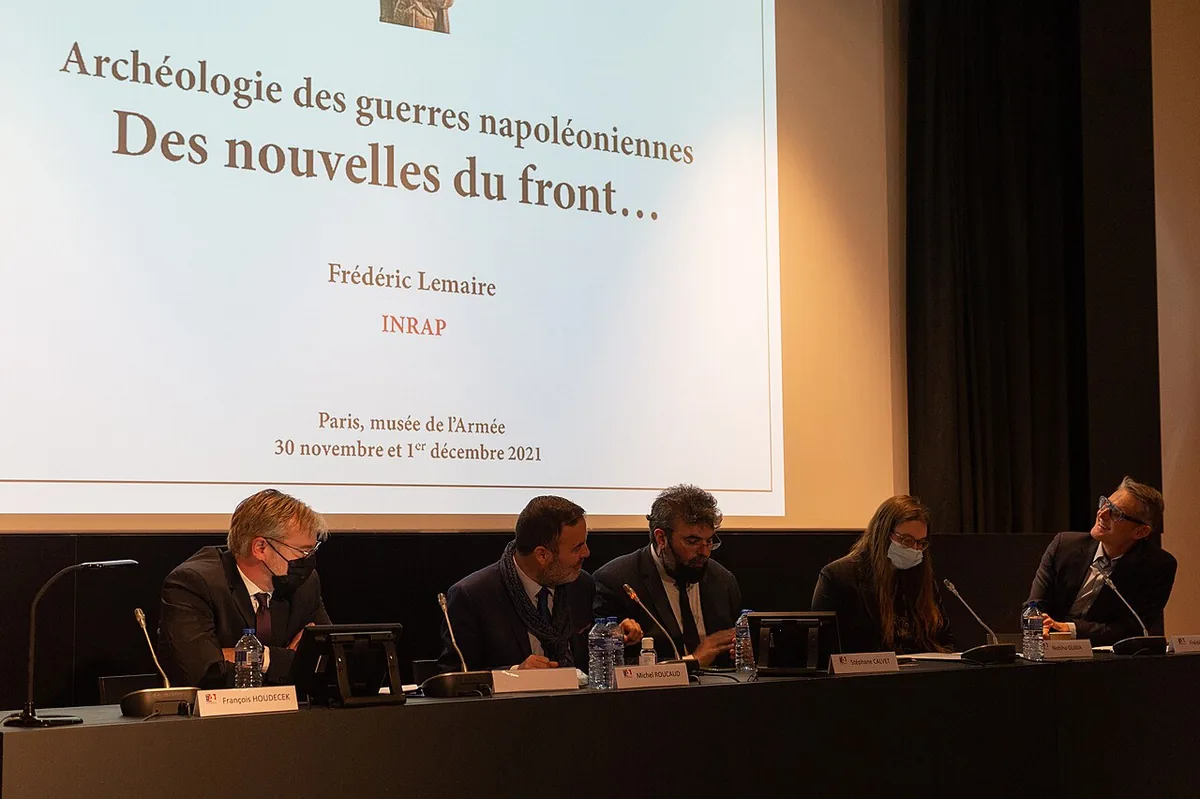
Musée de l’Armée occupies historic Hôtel des Invalides, where military objects are displayed within the institution created to house veterans. Its collections connect weapons, uniforms, and personal histories to the changing purposes of the complex around them.
Hôtel des Invalides
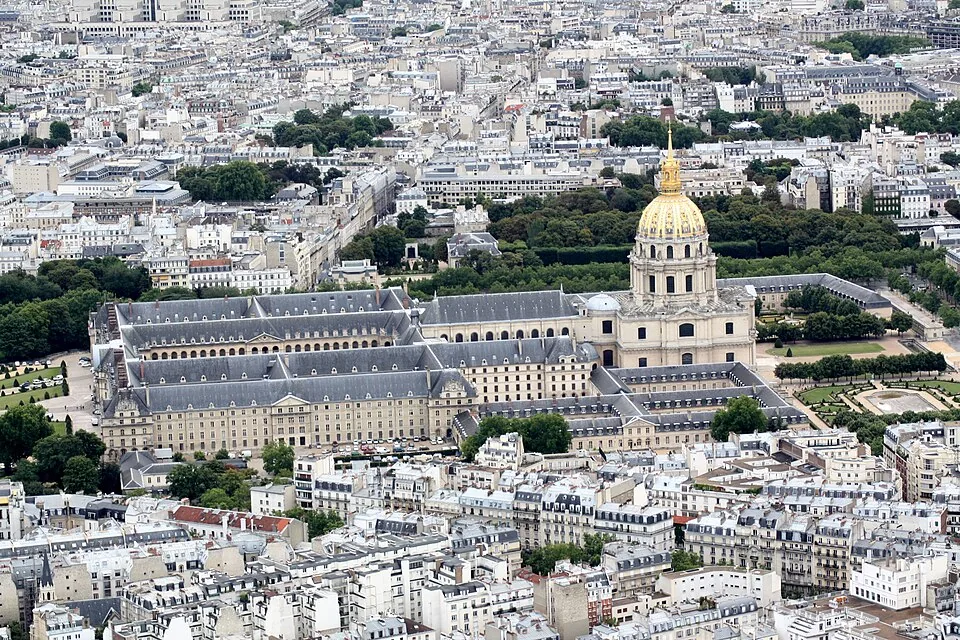
Hôtel des Invalides began as a home and hospital for veterans, then grew into a military museum and memorial complex. Its gilded Dome holds Napoleon’s tomb, while the Institution Nationale des Invalides continues the site’s founding work of caring for people affected by war.
Pont Alexandre III
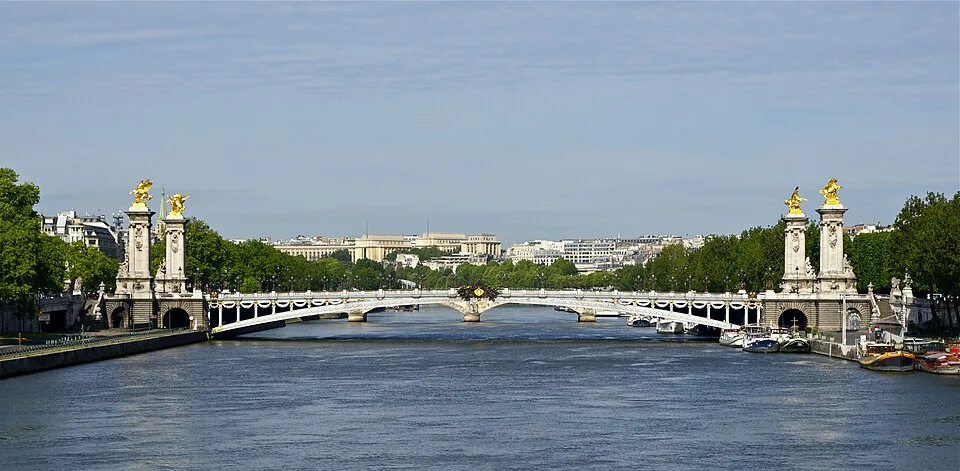
Pont Alexandre III is a low steel arch across the Seine, built for Paris’s 1900 Universal Exhibition and named for the Russian tsar whose son laid its first stone. Its gilded Pegasi, river nymphs and broad ceremonial axis connect the Invalides with the Grand and Petit Palais.
Musée d’Orsay
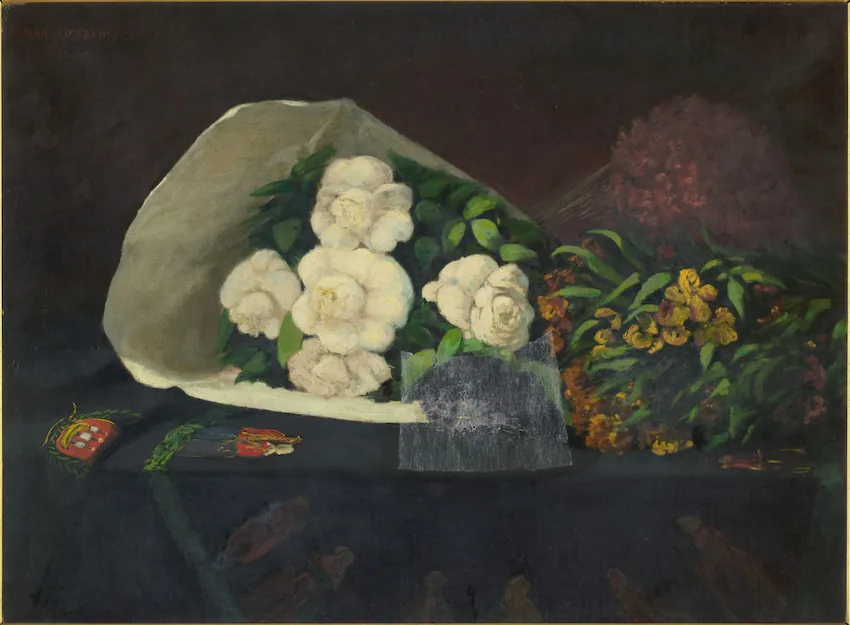
Musée d’Orsay occupies Victor Laloux’s former Gare d’Orsay, built for the 1900 Paris Exposition. Its glass roof, clocks and great nave preserve the experience of a railway terminus, now framing collections of art and design from 1848 to 1914.
Musée de l’Orangerie
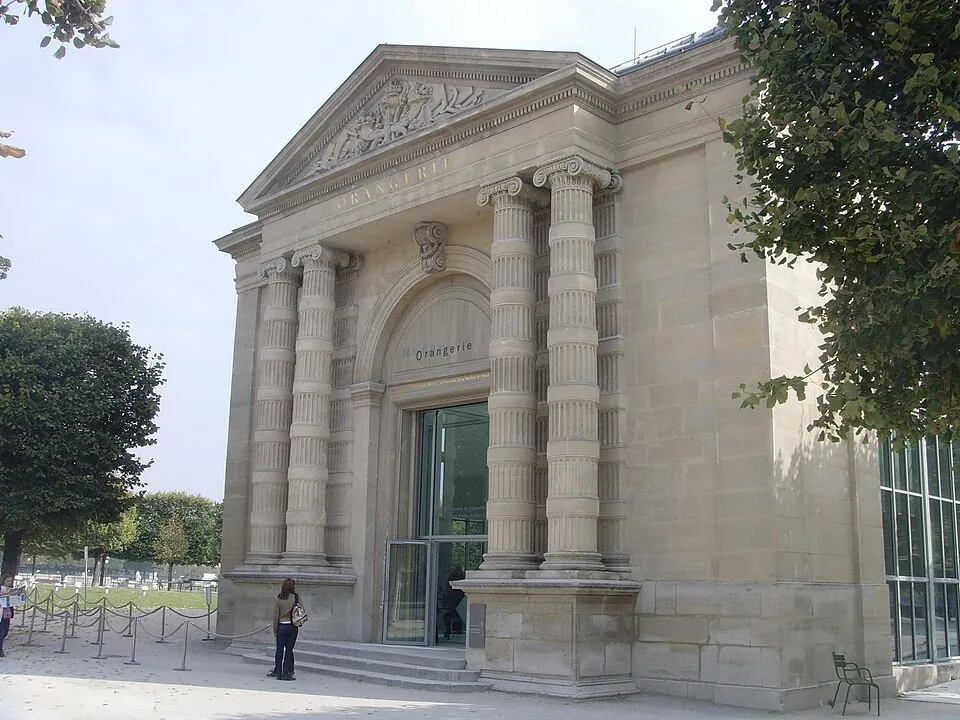
Musée de l’Orangerie was built as a winter shelter for the Tuileries’ orange trees, then became home to Monet’s Water Lilies and the Walter-Guillaume collection. Its daylight-filled oval rooms turn painting into an environment, while lower galleries connect it to modern art in Paris.
Petit Palais
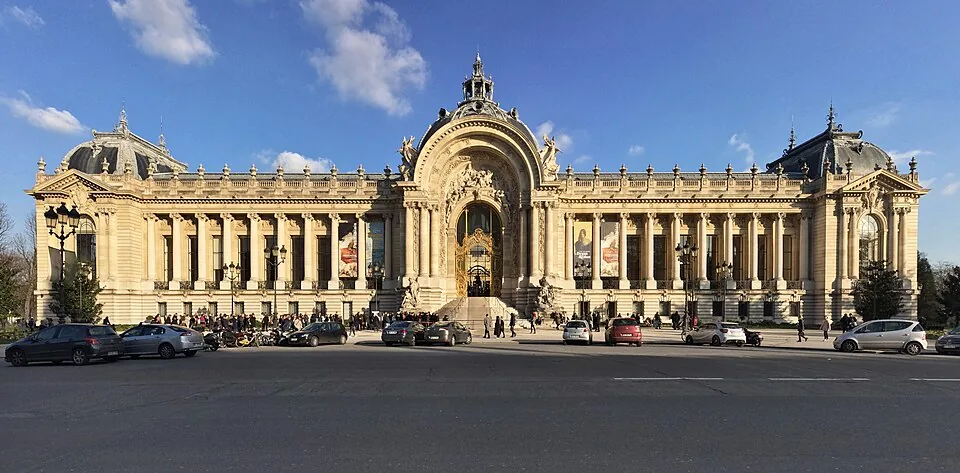
Built for the 1900 Exposition Universelle, Charles Girault’s Petit Palais became the City of Paris Museum of Fine Arts in 1902. Its curved galleries circle a garden court, while the collection grew from municipal purchases into a broad public art museum through major bequests.