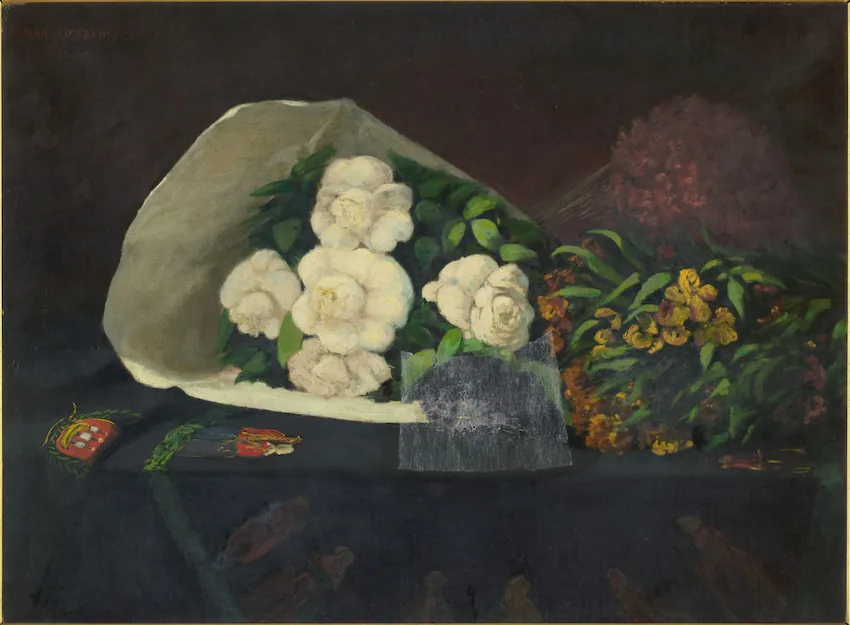
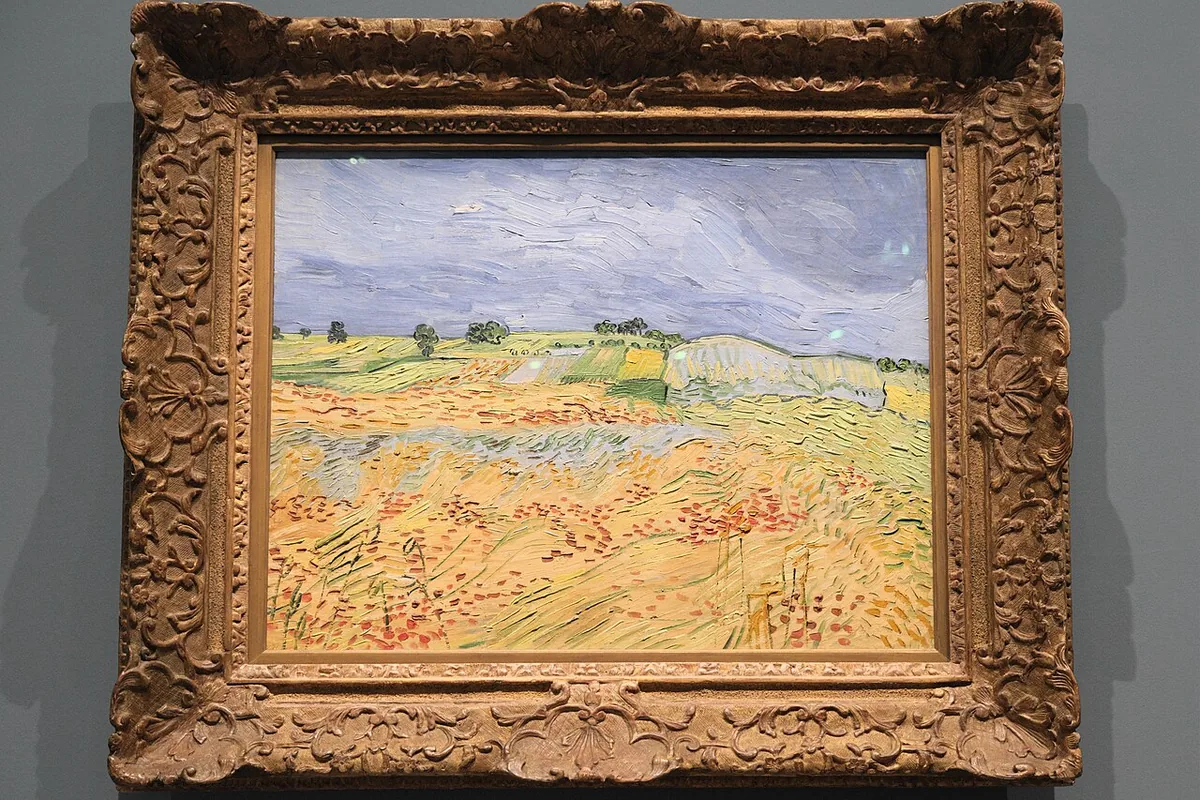
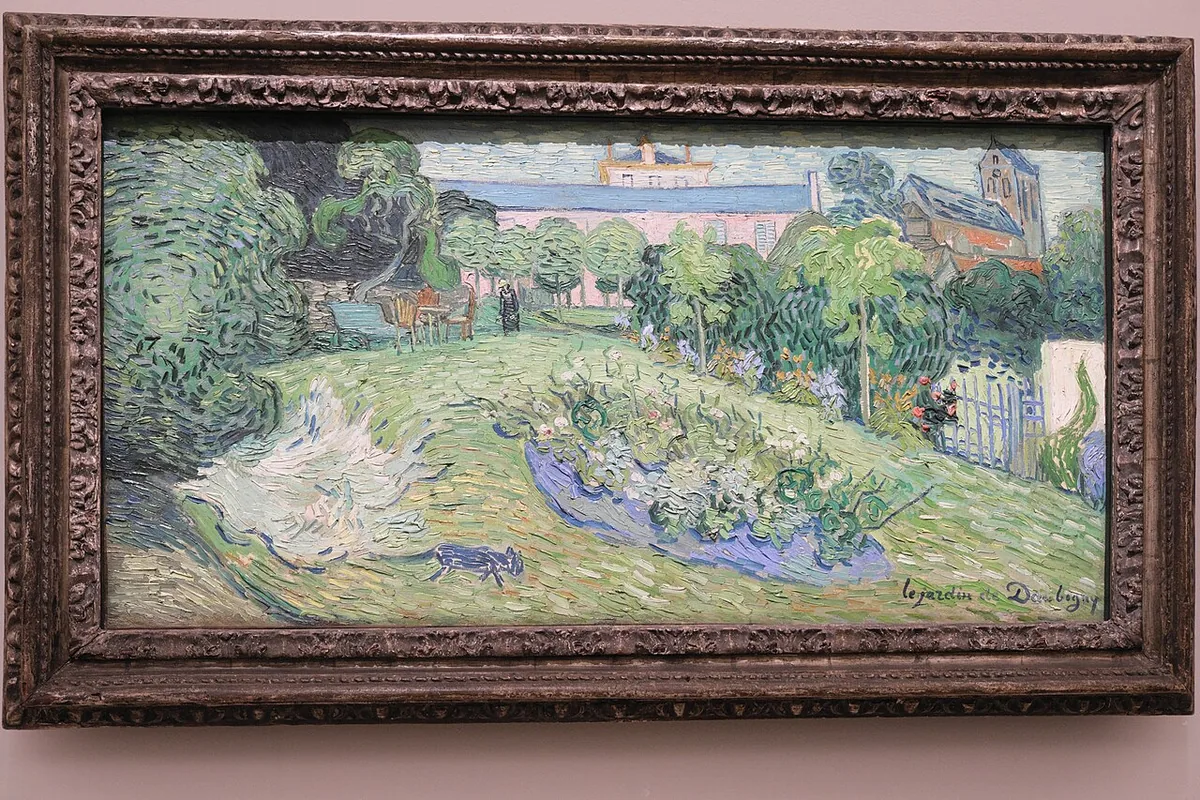
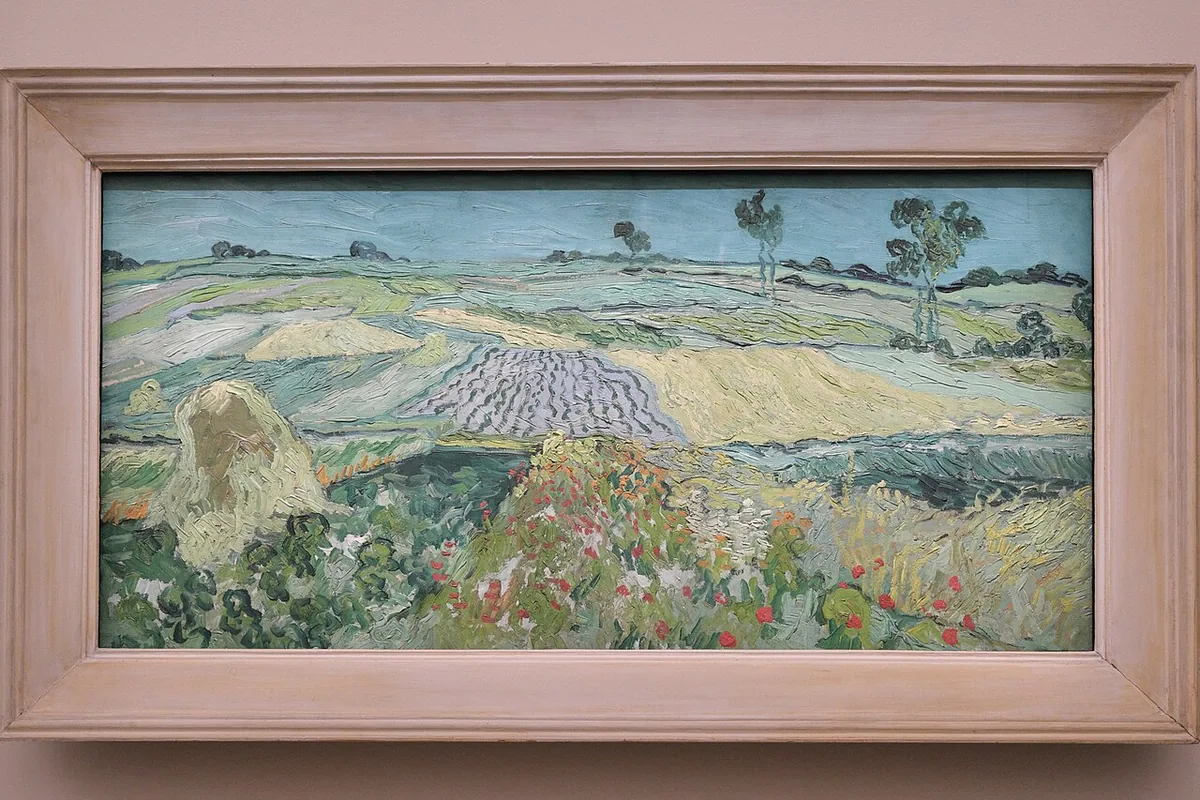
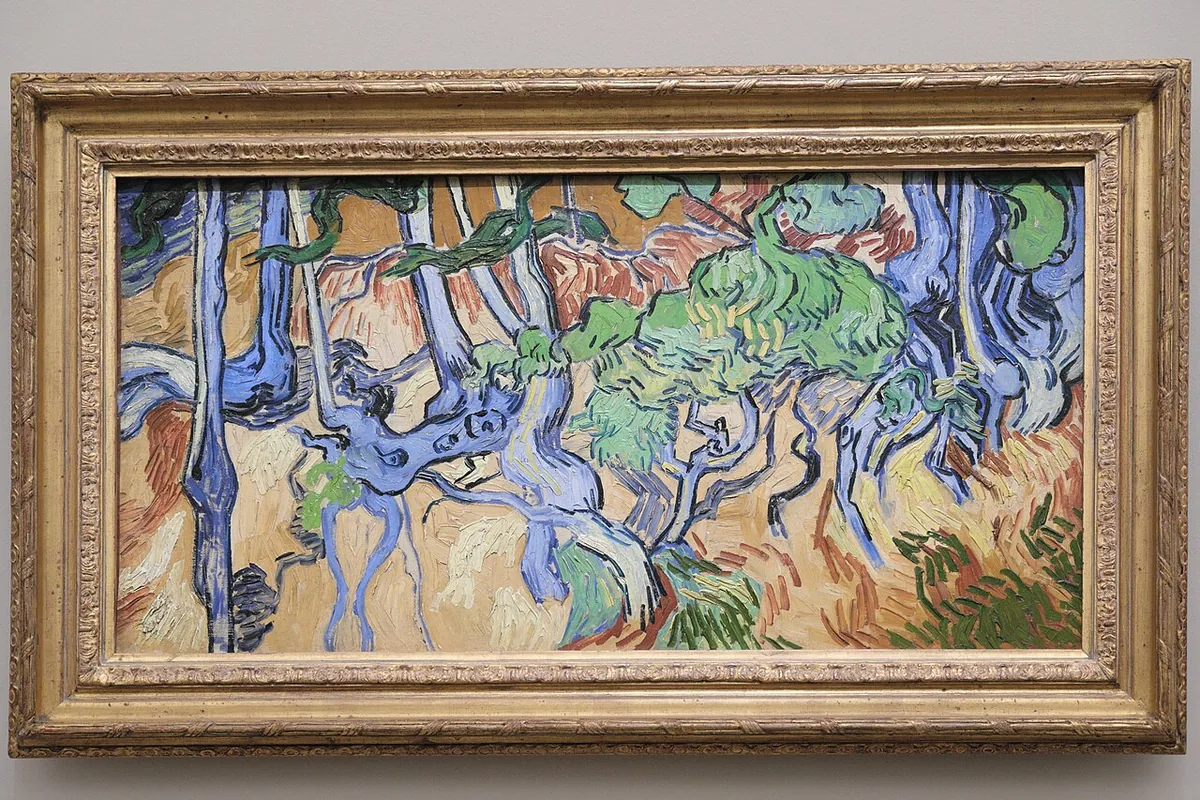
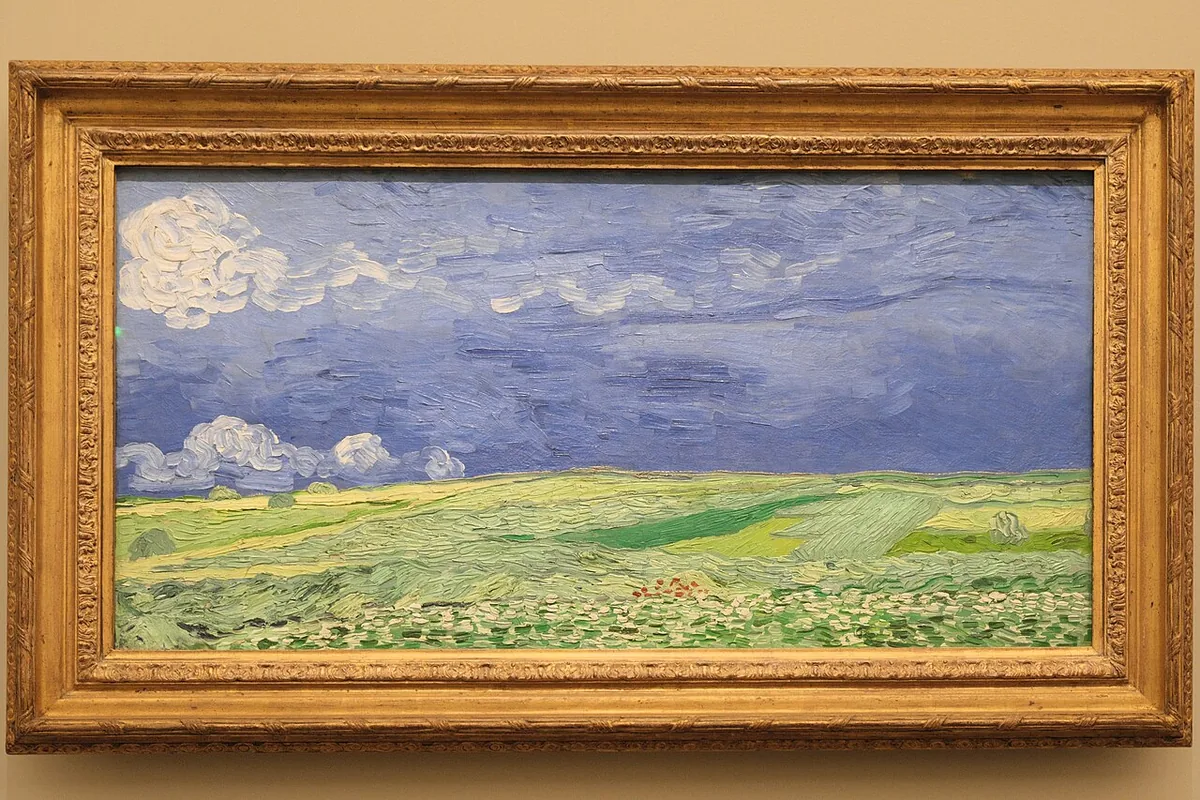
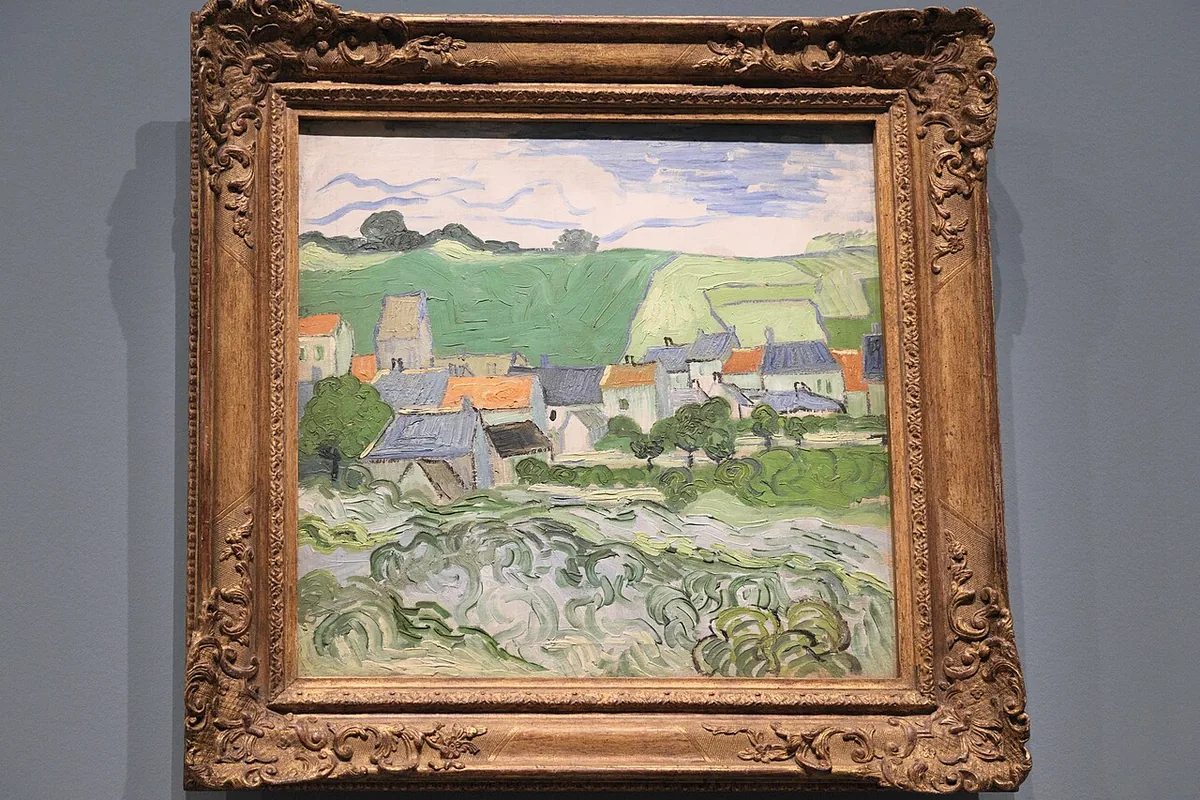
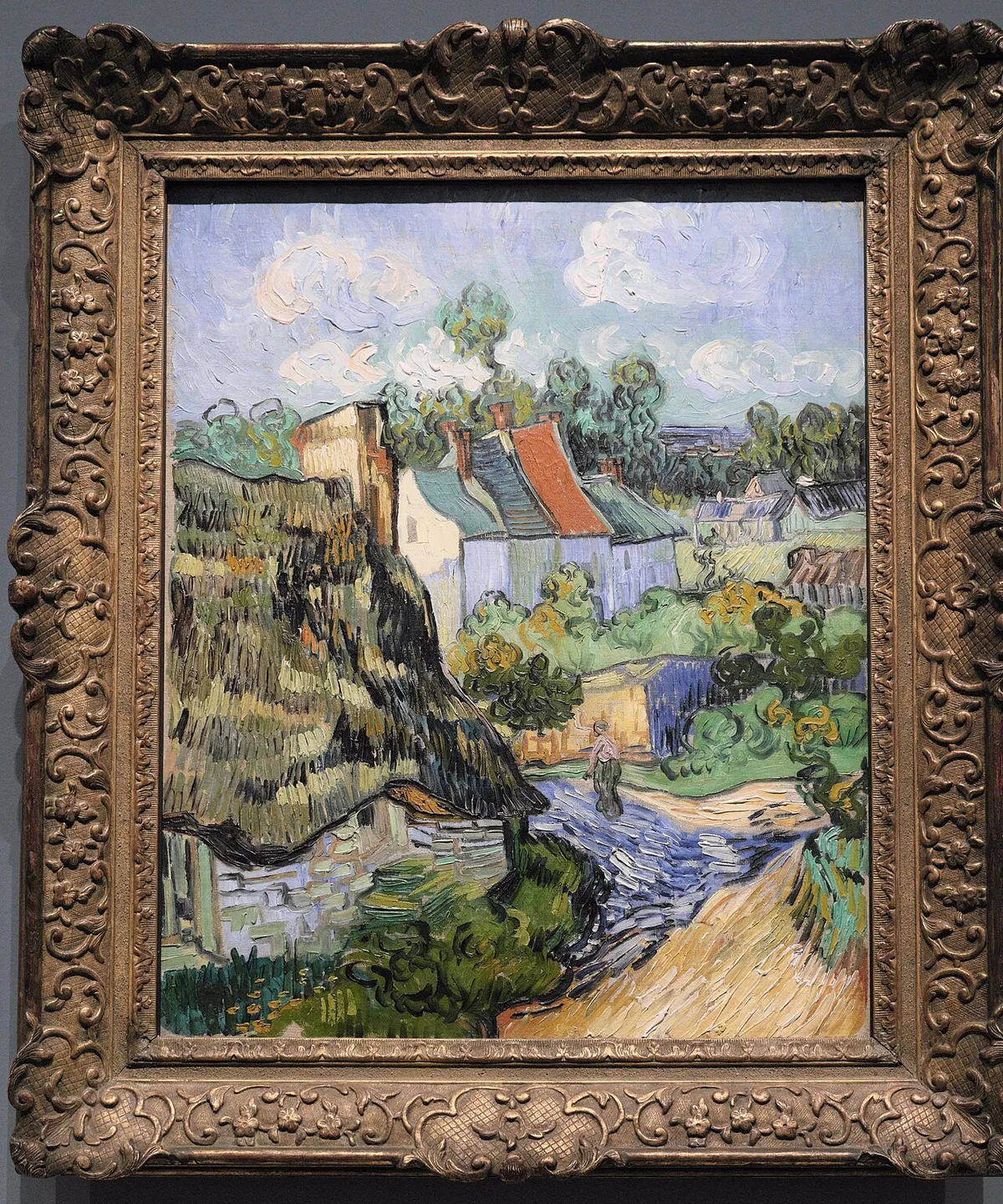
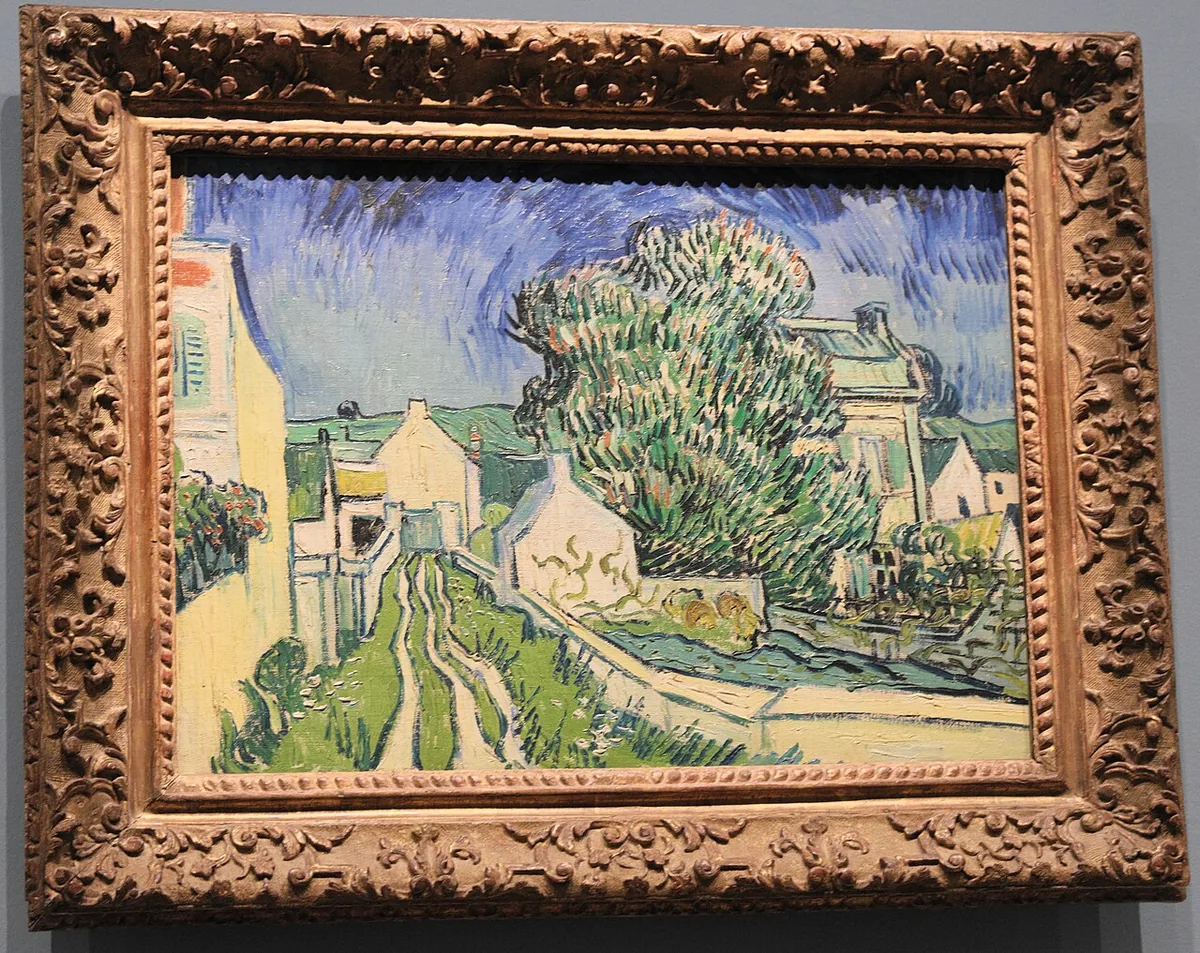
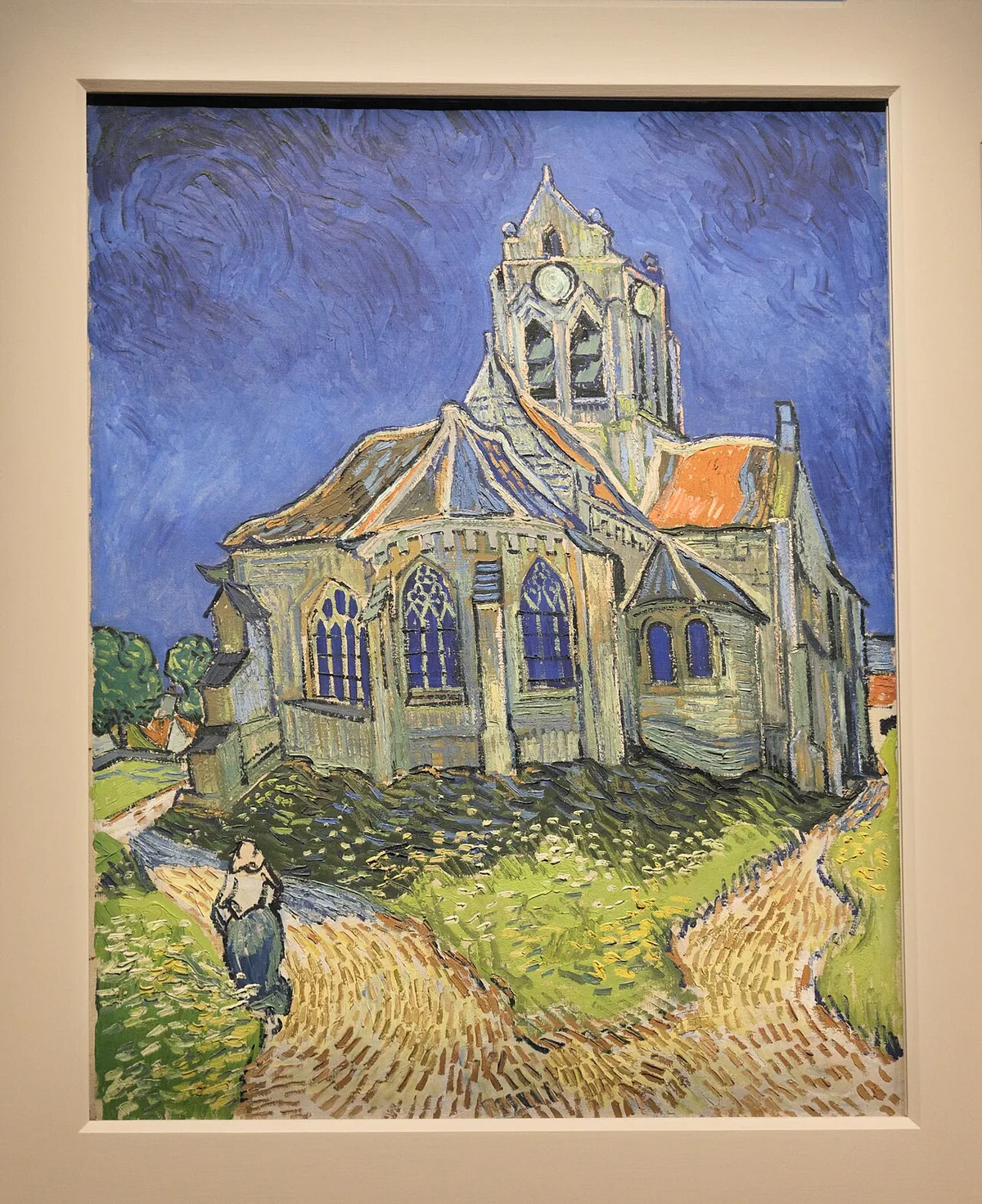
Musée d’Orsay occupies Victor Laloux’s former Gare d’Orsay, built for the 1900 Paris Exposition. Its glass roof, clocks and great nave preserve the experience of a railway terminus, now framing collections of art and design from 1848 to 1914.
Quick facts
Gare d’Orsay and its hotel opened on 14 July 1900 for the Exposition Universelle; Victor Laloux was selected as architect in 1898.
The station’s central hall is approximately 138 metres long, 40 metres wide and 32 metres high, and served as the terminus for southwest France from 1900 to 1939.
Musée d’Orsay was inaugurated on 1 December 1986 and opened to the public on 9 December, presenting Western art from 1848 to 1914 across several disciplines.
Get directions to Musée d’Orsay. Confirm the visitor entrance and current access with the venue before travelling.
Audio guide
Listen to this place’s guide.
Guide
At Musée d’Orsay, the railway building is part of the collection’s story. Before you focus on the paintings, look along the immense central nave: the clocks, stone surfaces, metalwork and glass roof belong to a station built to welcome travelers to the 1900 Paris Exposition Universelle. The museum occupies the former Gare d’Orsay on the Seine in the 7th arrondissement.
Continue exploring
Discover the full story
Keep reading with a travel pass and explore every full guide and tour.
UpgradeMore places in Paris
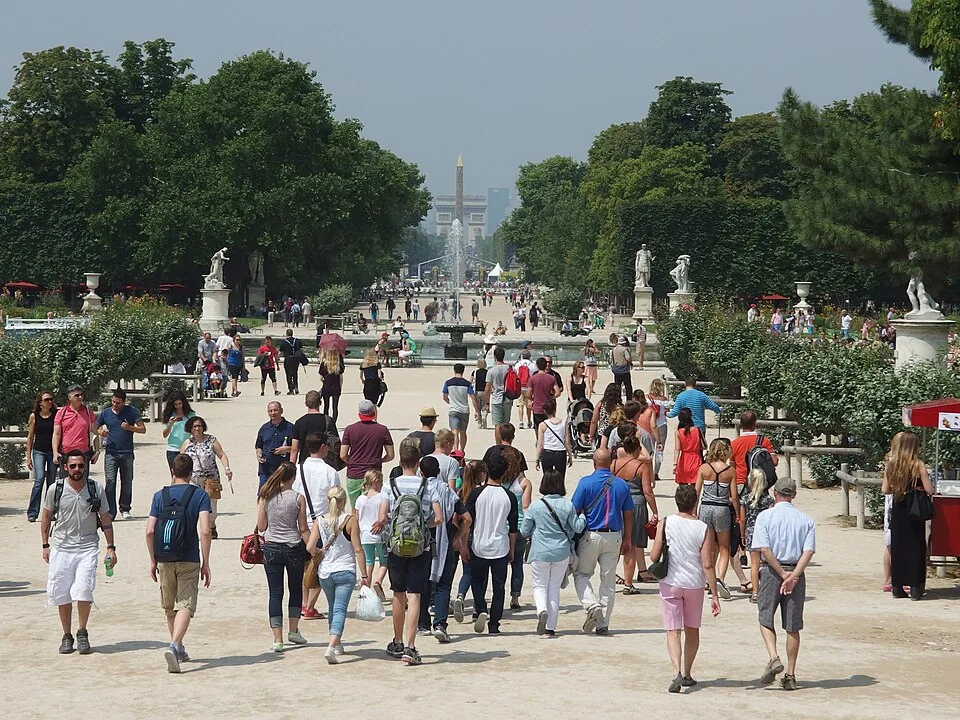
Jardin des Tuileries
The Jardin des Tuileries links the Louvre with Place de la Concorde through formal beds, shaded groves, basins, sculpture and a long westward view. Created for a palace that was burned in 1871 and never rebuilt, the garden survives as a public landscape shaped by royal design, revolution and everyda
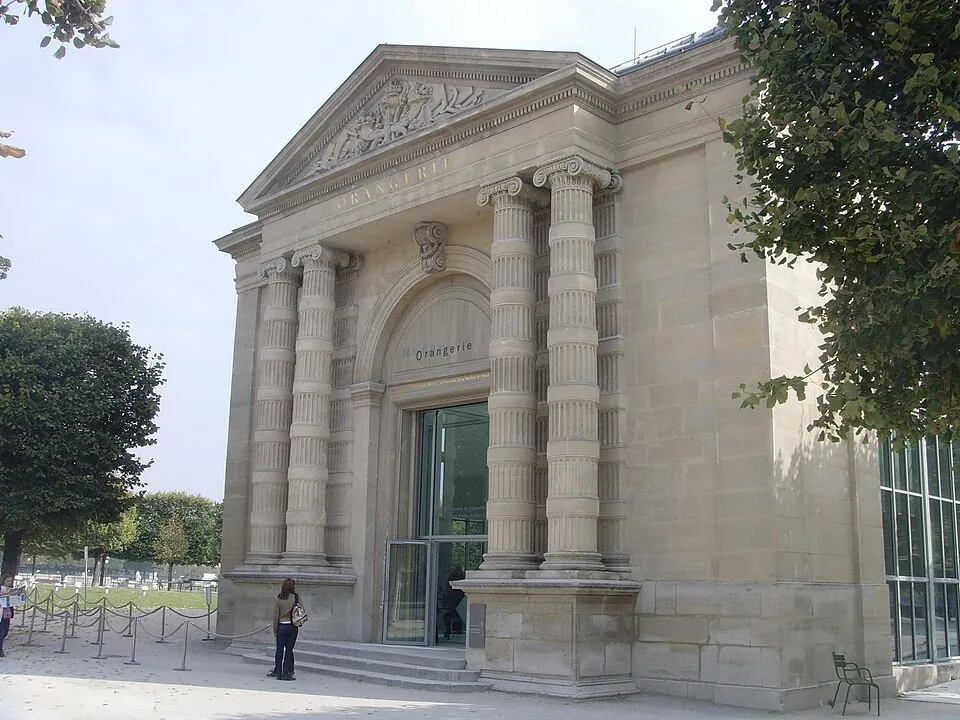
Musée de l’Orangerie
Musée de l’Orangerie was built as a winter shelter for the Tuileries’ orange trees, then became home to Monet’s Water Lilies and the Walter-Guillaume collection. Its daylight-filled oval rooms turn painting into an environment, while lower galleries connect it to modern art in Paris.
Place de la Concorde
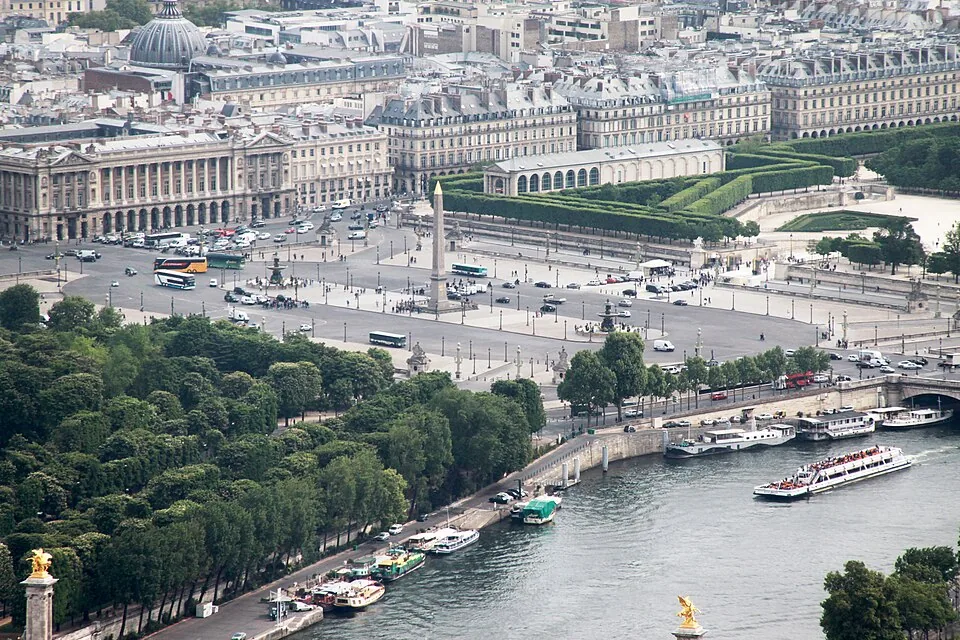
Place de la Concorde occupies a ceremonial crossroads between the Tuileries, Champs-Élysées and Seine. Its obelisk, twin fountains and eight city statues frame a public square reshaped from royal monument to Revolutionary stage and later civic junction.
Louvre Museum
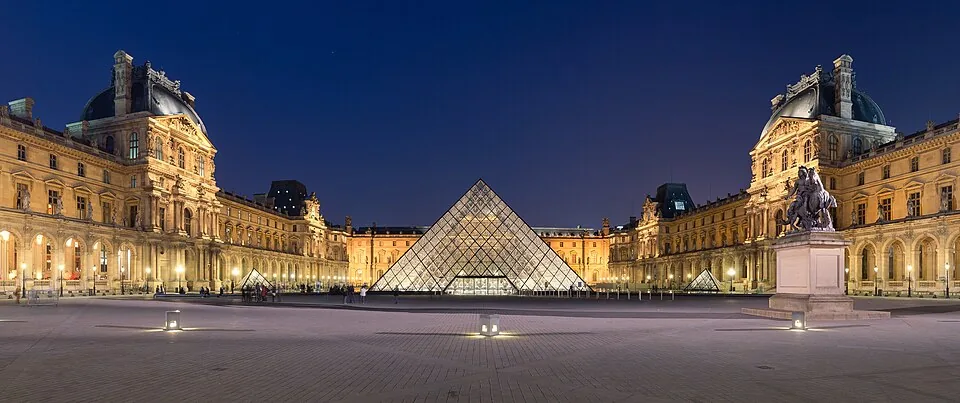
Explore the Louvre as a fortress transformed into a royal palace and public museum. Medieval remains, the Grande Galerie, and I. M. Pei’s pyramid reveal how each era reshaped this Paris landmark.
Place Vendôme
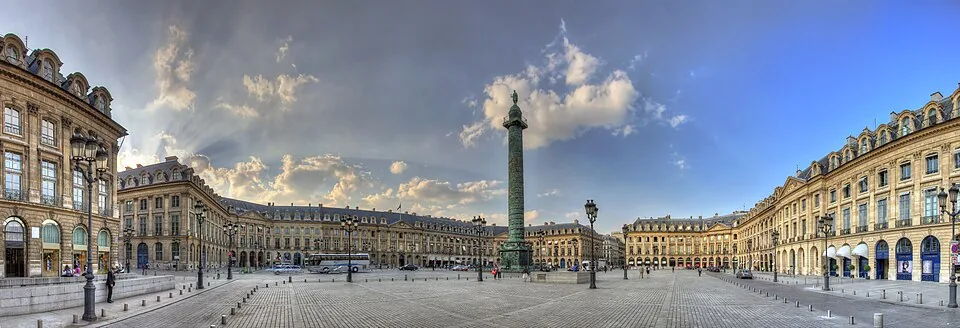
Place Vendôme’s ordered façades frame a square whose political symbols have repeatedly changed. Planned for Louis XIV, renamed Place des Piques during the Revolution and centered on a Napoleonic column, it remains a public square in Paris’s 1st arrondissement.
Saint-Germain-des-Prés
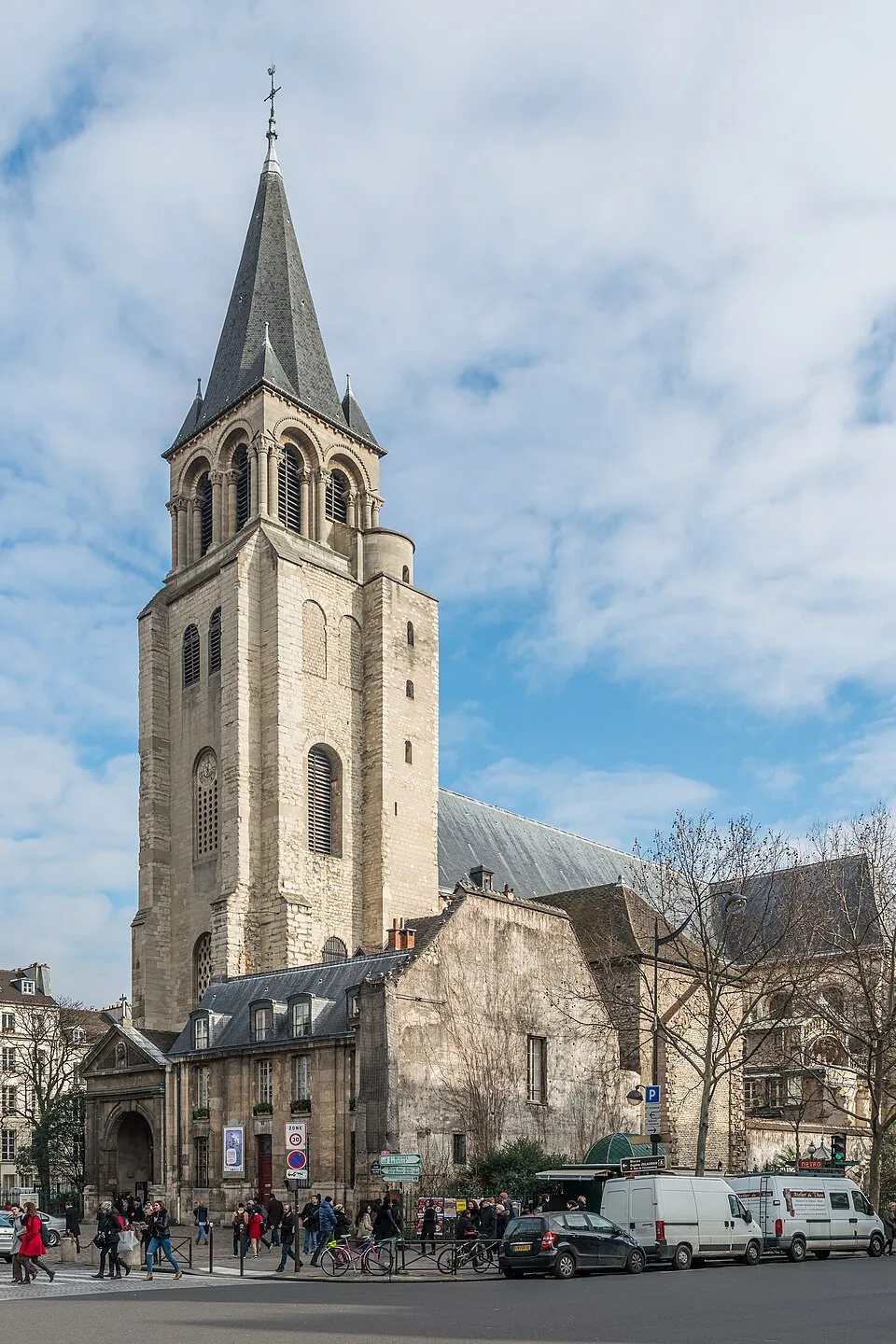
Saint-Germain-des-Prés grew around a sixth-century abbey outside Paris’s early walls. Its medieval church, former fairground, scholarly monasteries, and postwar cafés trace a neighborhood shaped by pilgrimage, performance, study, and everyday gathering.