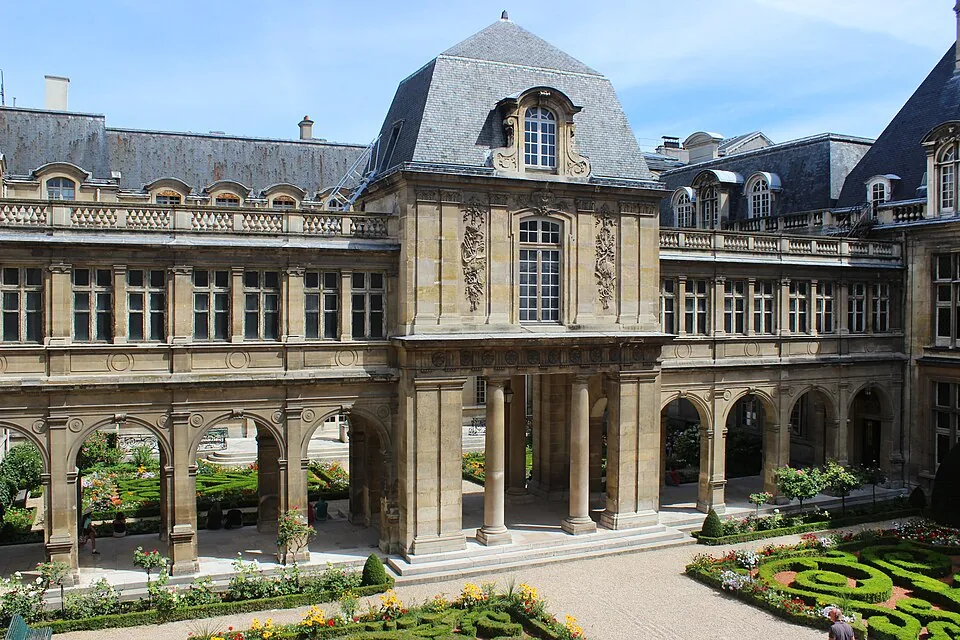
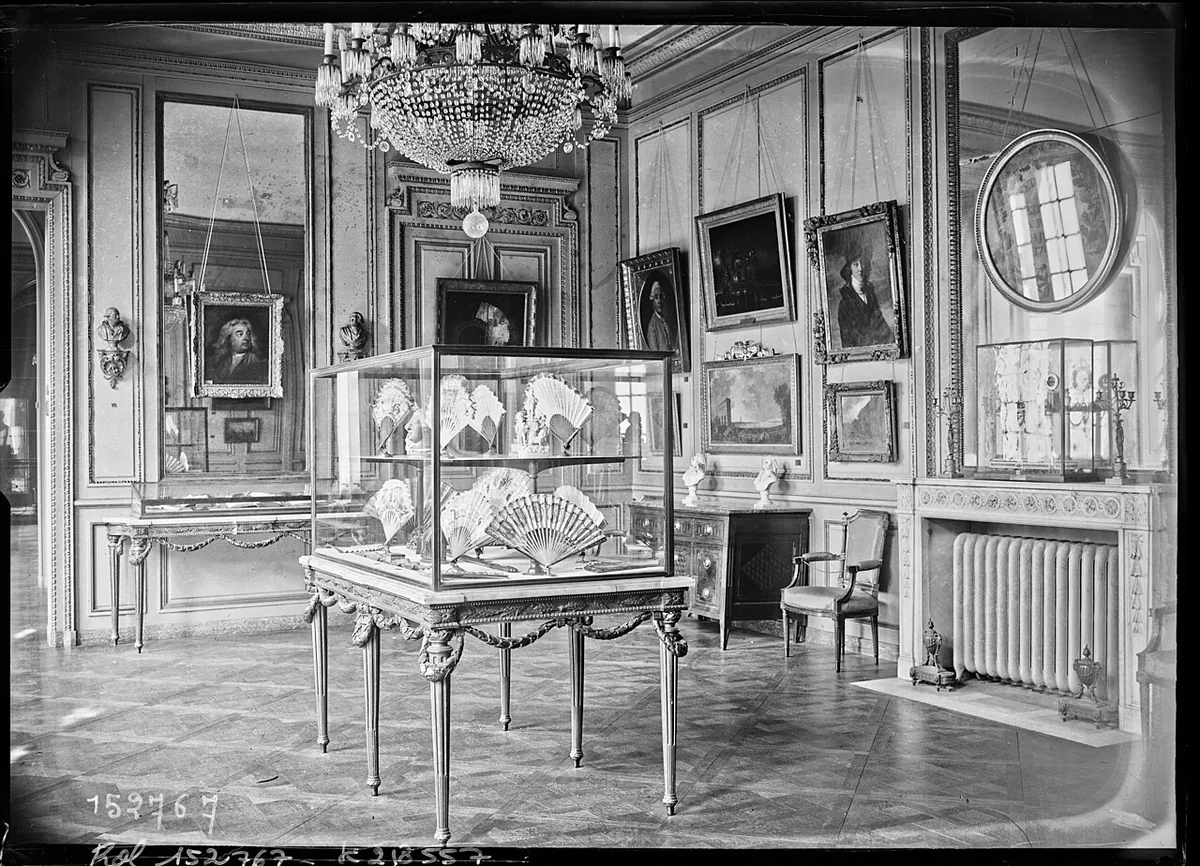
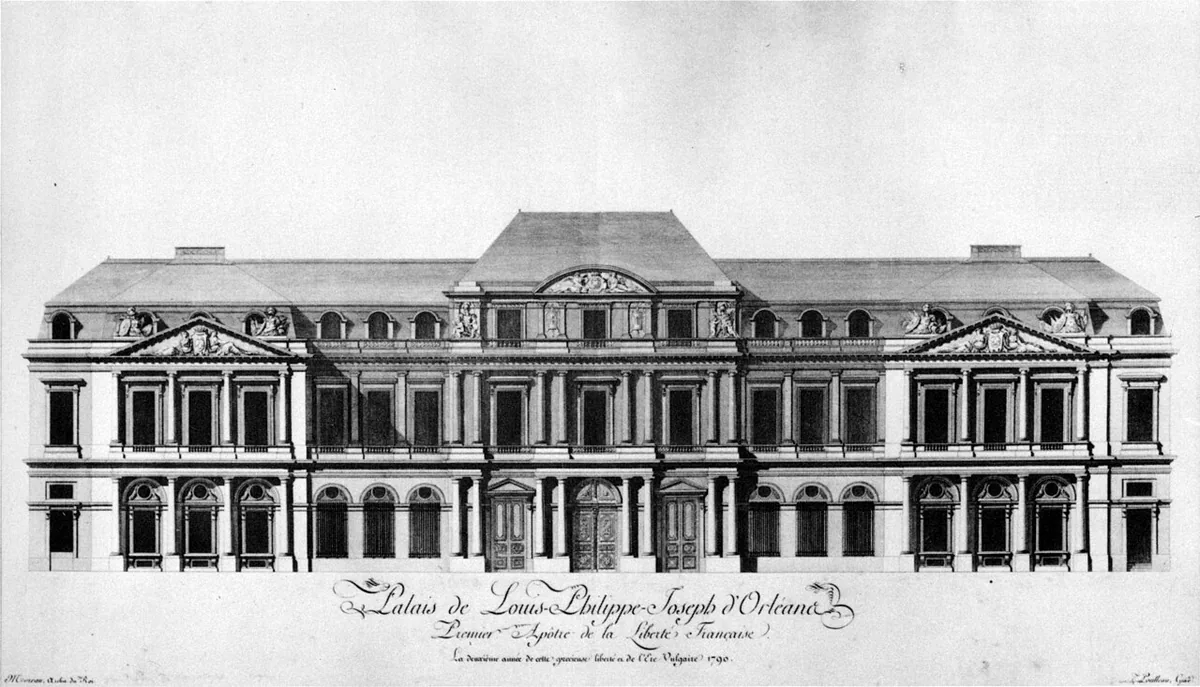
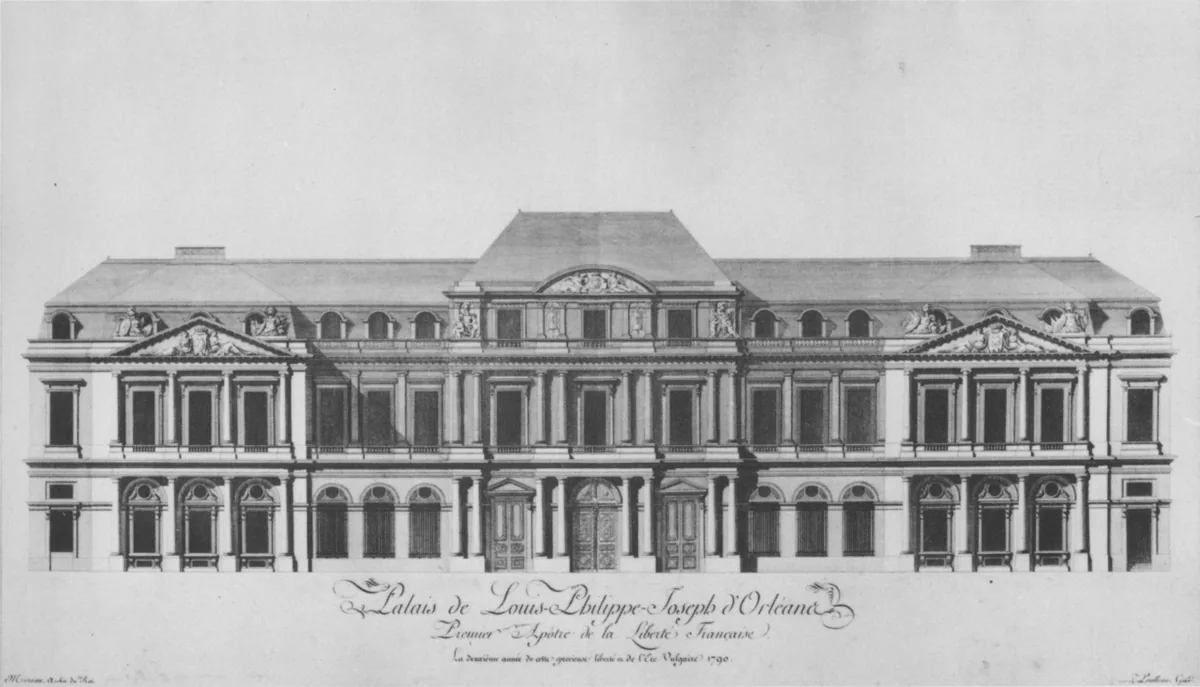
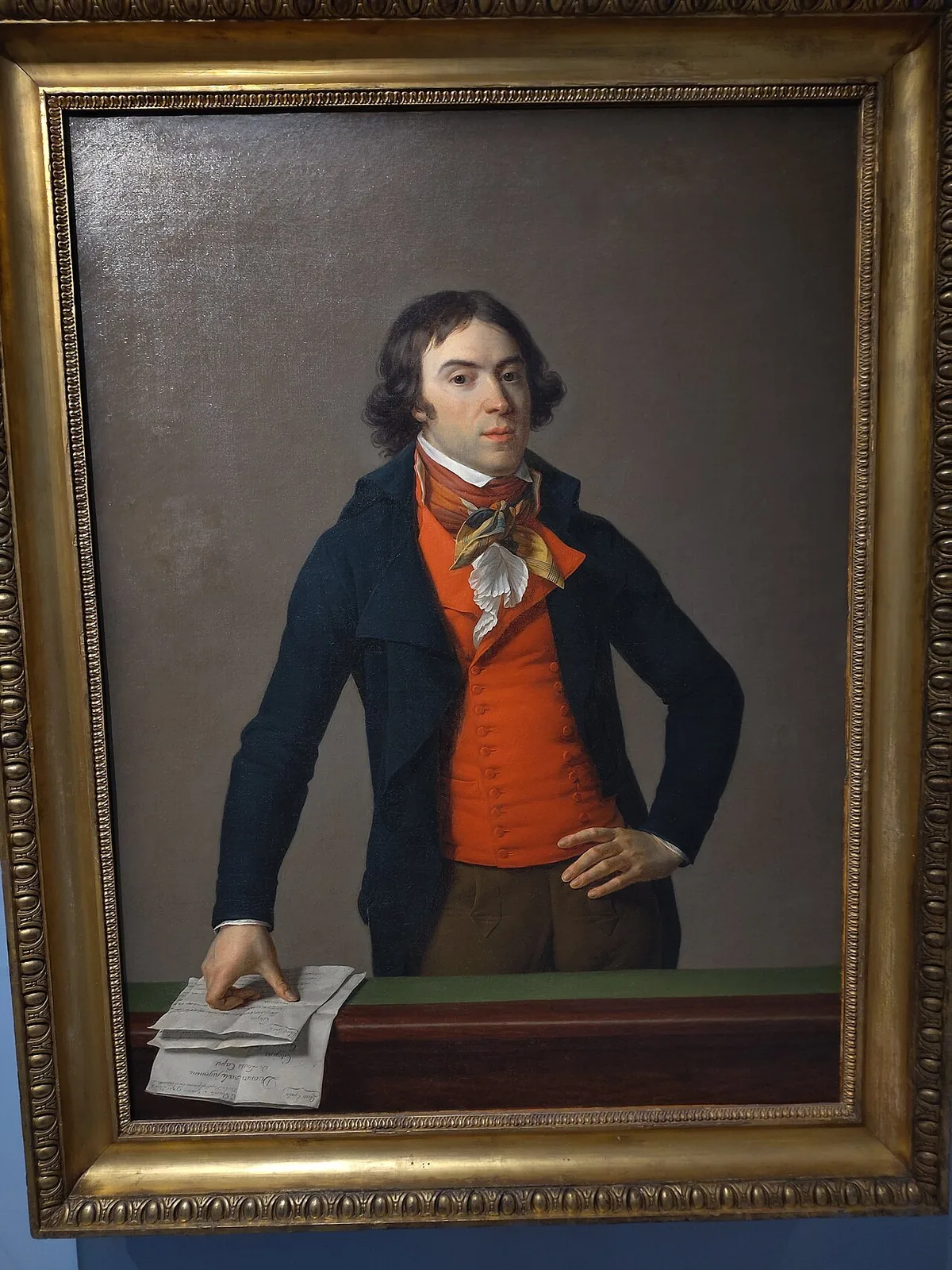
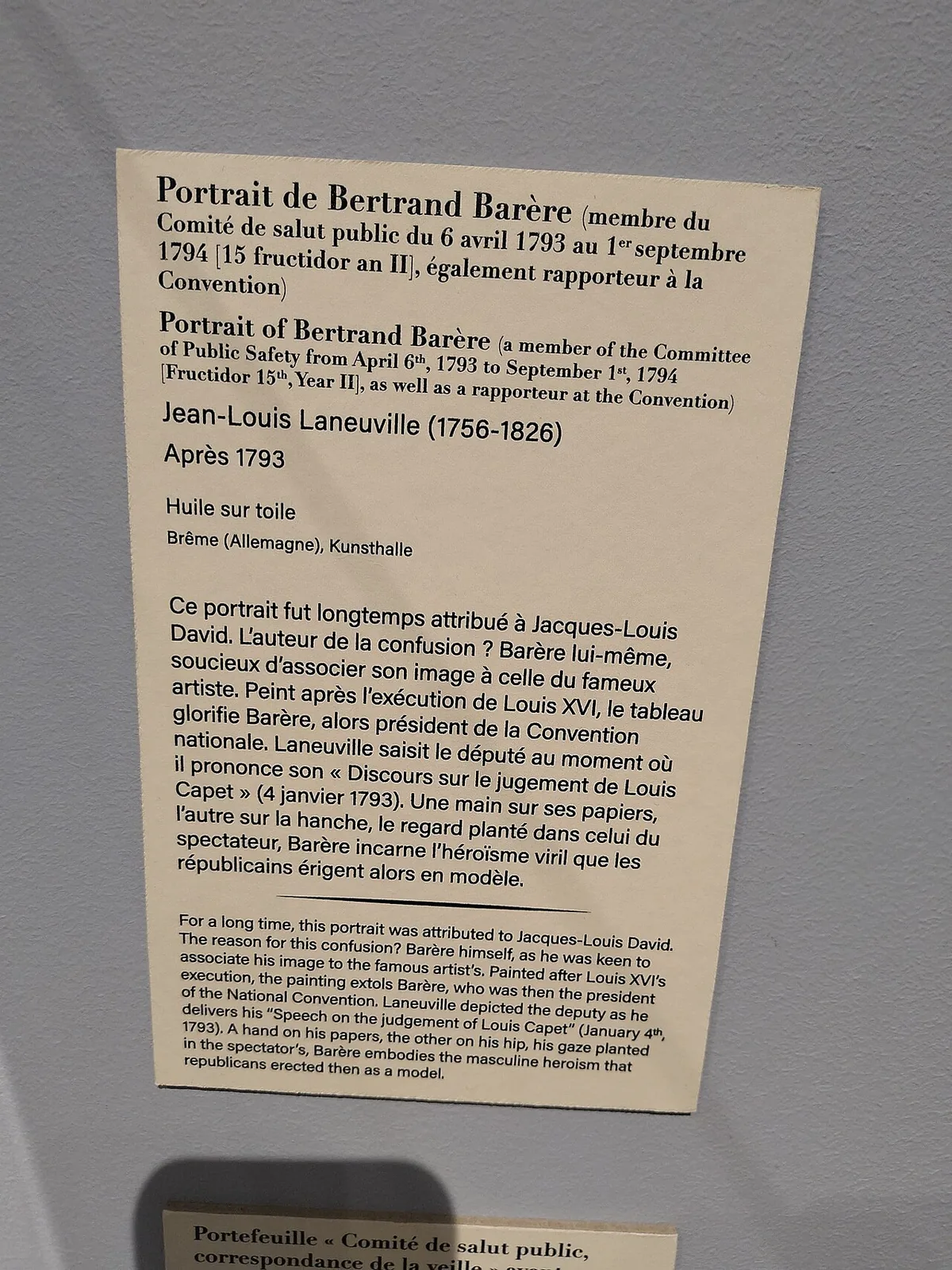
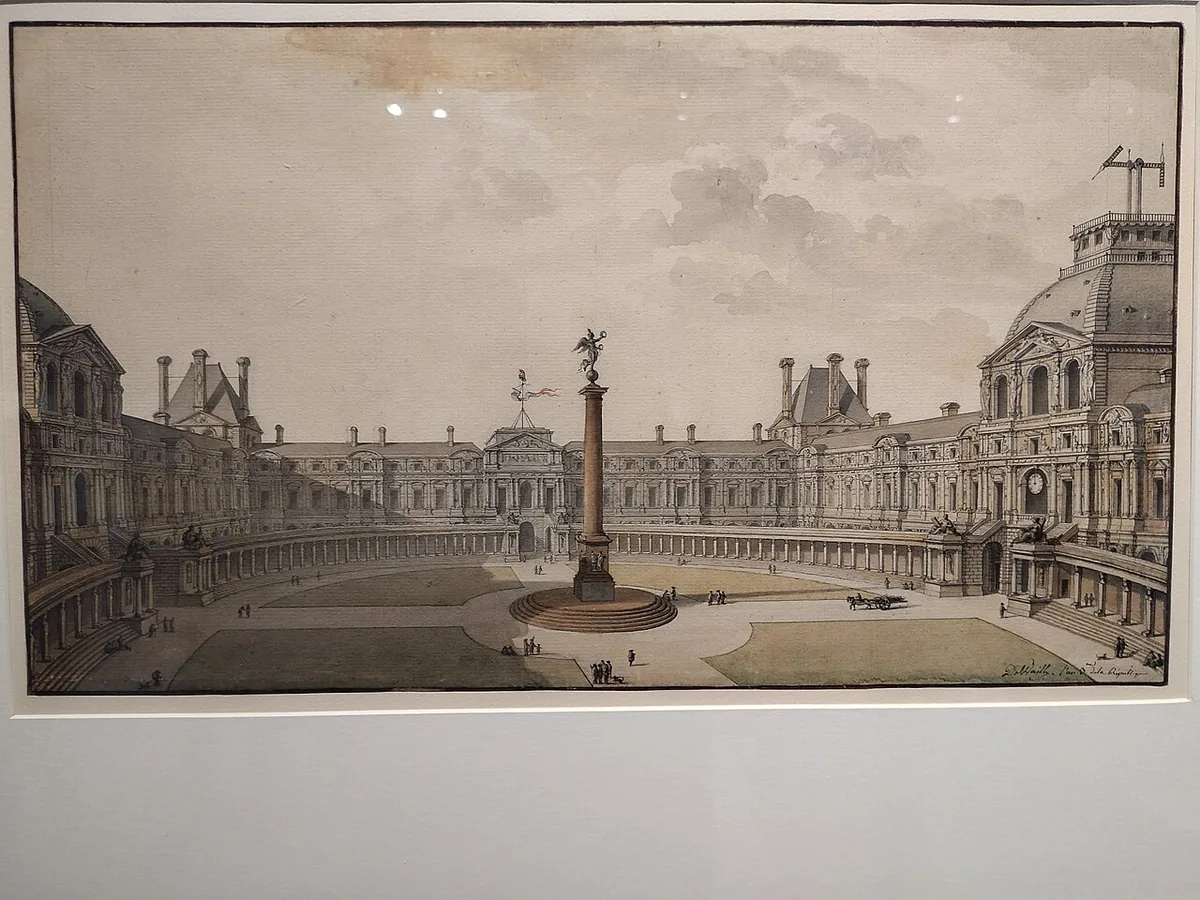
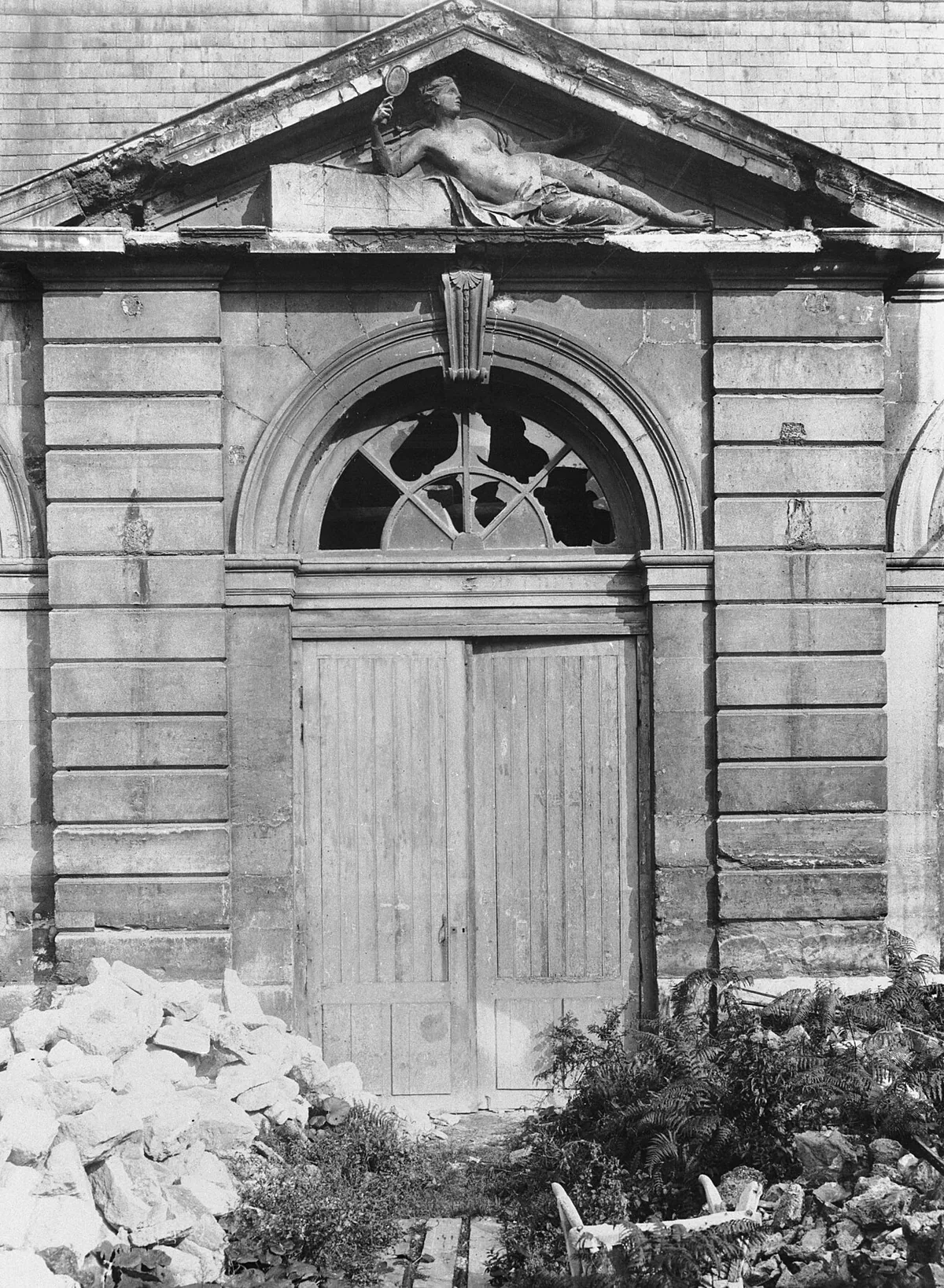
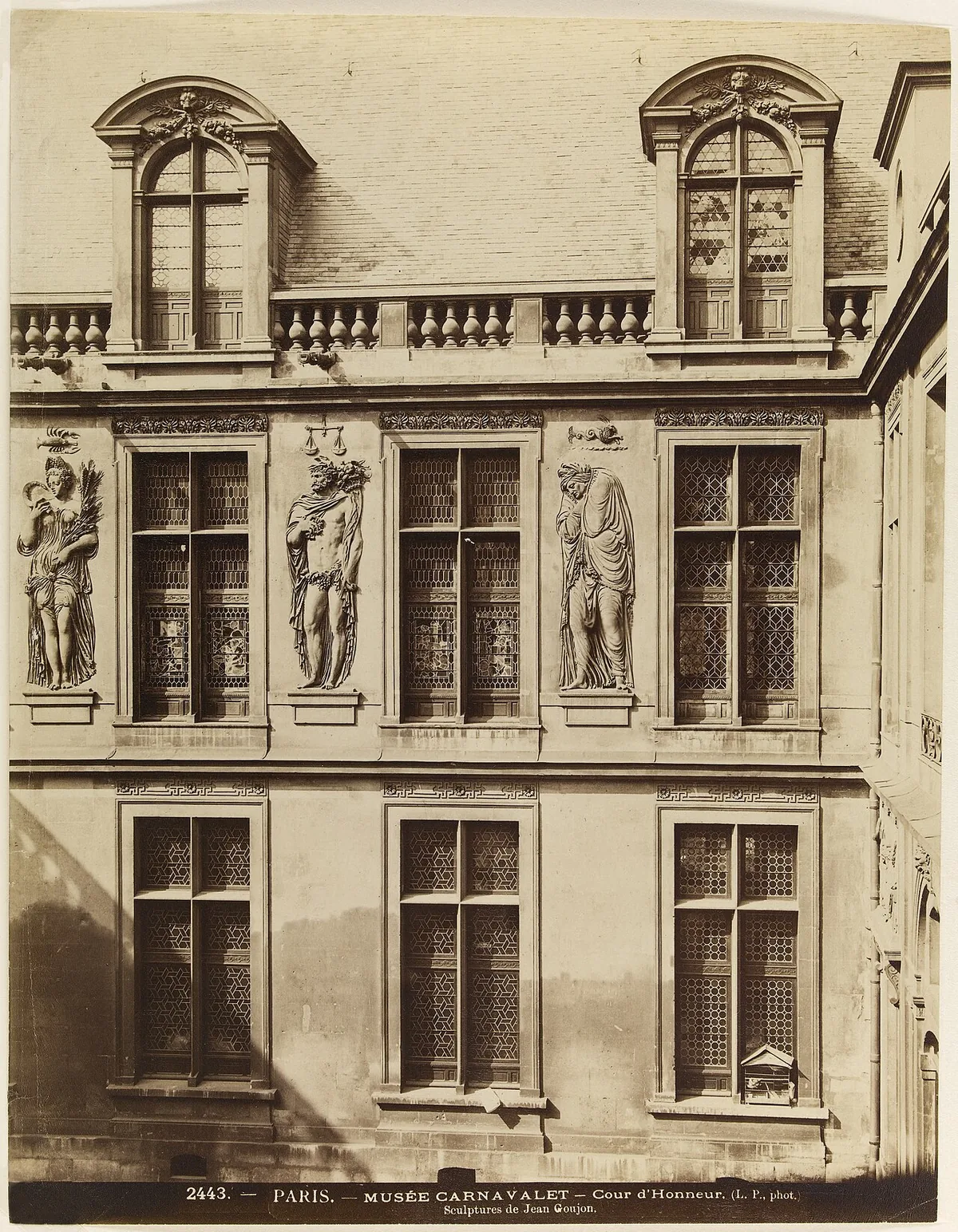
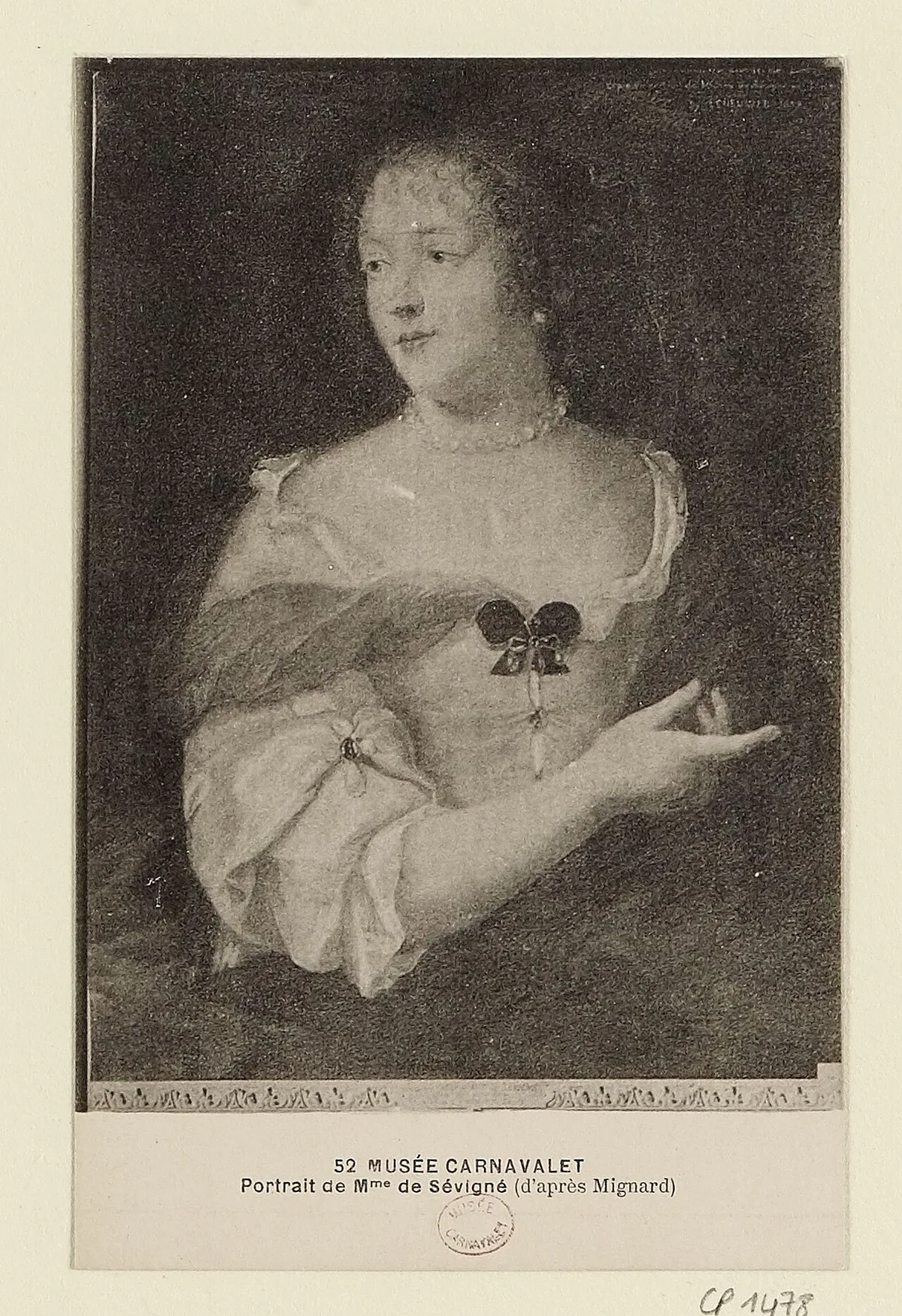
Two adjoining Marais mansions house a museum devoted to Paris itself. Renaissance courtyards, historic interiors brought from other addresses, and objects spanning prehistory to the present make the buildings part of the city story.
Quick facts
The Hôtel des Ligneris, now the older part of Musée Carnavalet, was built for Jacques des Ligneris between 1548 and 1560.
Musée Carnavalet opened to the public on 25 February 1880.
The neighboring Hôtel Le Peletier de Saint-Fargeau was annexed to the museum in 1989.
Get directions to Musée Carnavalet. Confirm the visitor entrance and current access with the venue before travelling.
Audio guide
Listen to this place’s guide.
Guide
At Musée Carnavalet, the buildings are part of the collection. Two adjoining mansions in the Marais hold objects from Paris’s long history, but their courtyards, façades, and rooms tell another story: how a private neighborhood residence became a public attempt to preserve a city being remade. Here, the architecture is not a neutral frame around Parisian history. It is evidence of the changes that history records.
Continue exploring
Discover the full story
Keep reading with a travel pass and explore every full guide and tour.
UpgradeMore places in Paris
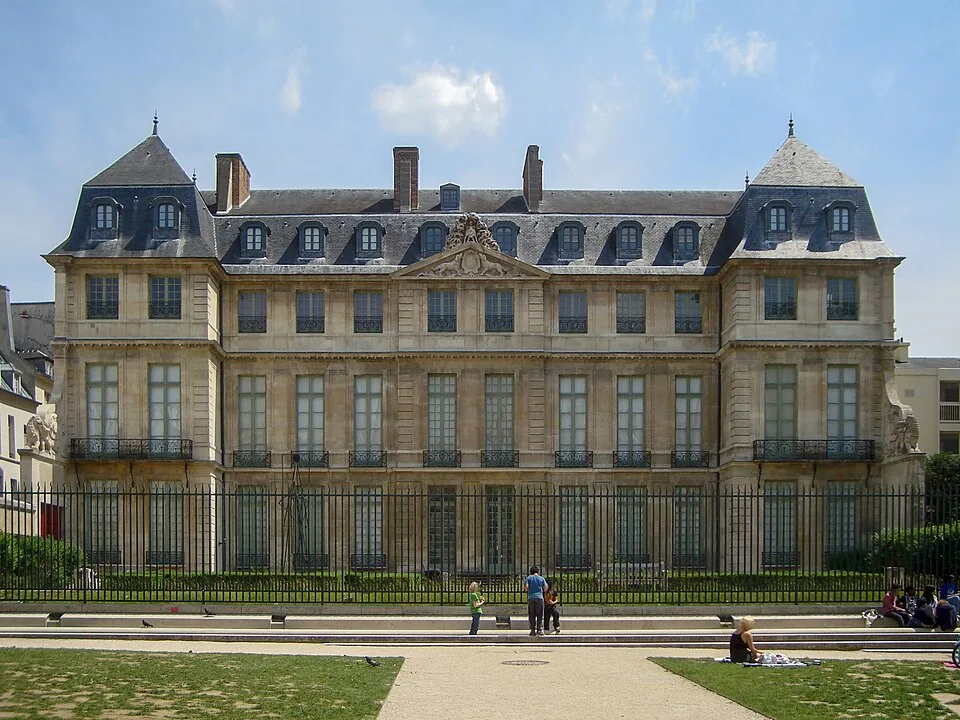
Musée Picasso
Musée Picasso occupies Hôtel Salé, a seventeenth-century mansion whose rooms now hold an unusually broad record of Picasso’s work and creative process. The museum’s collection came together through donations and state acquisitions after the artist’s death.
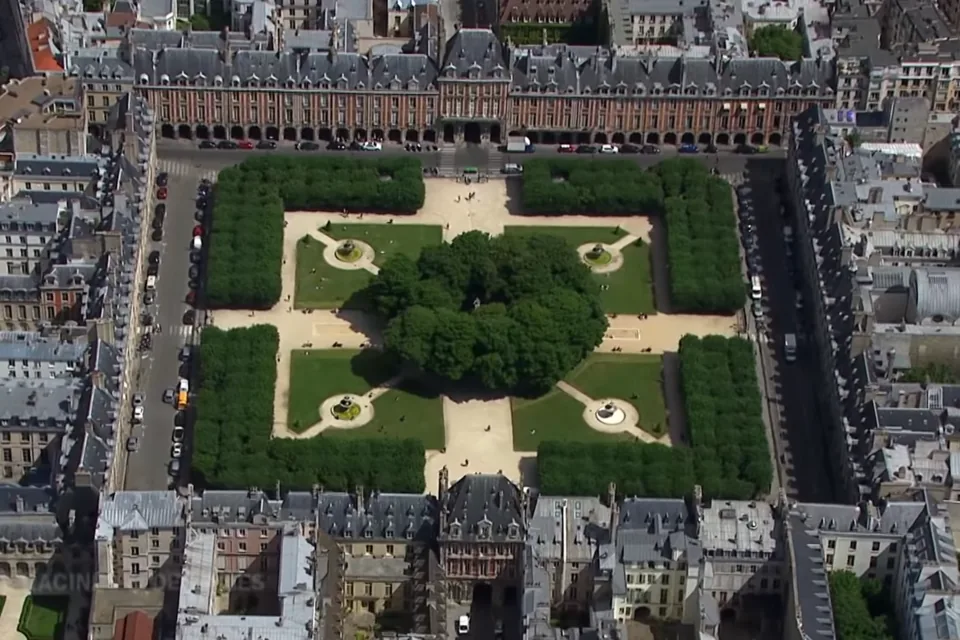
Place des Vosges
Place des Vosges is a planned square of brick-and-stone façades, arcades, and a central garden. Begun under Henri IV in 1605 and completed in 1612, it has served as royal stage, revolutionary landmark, writers’ address, and public city garden.
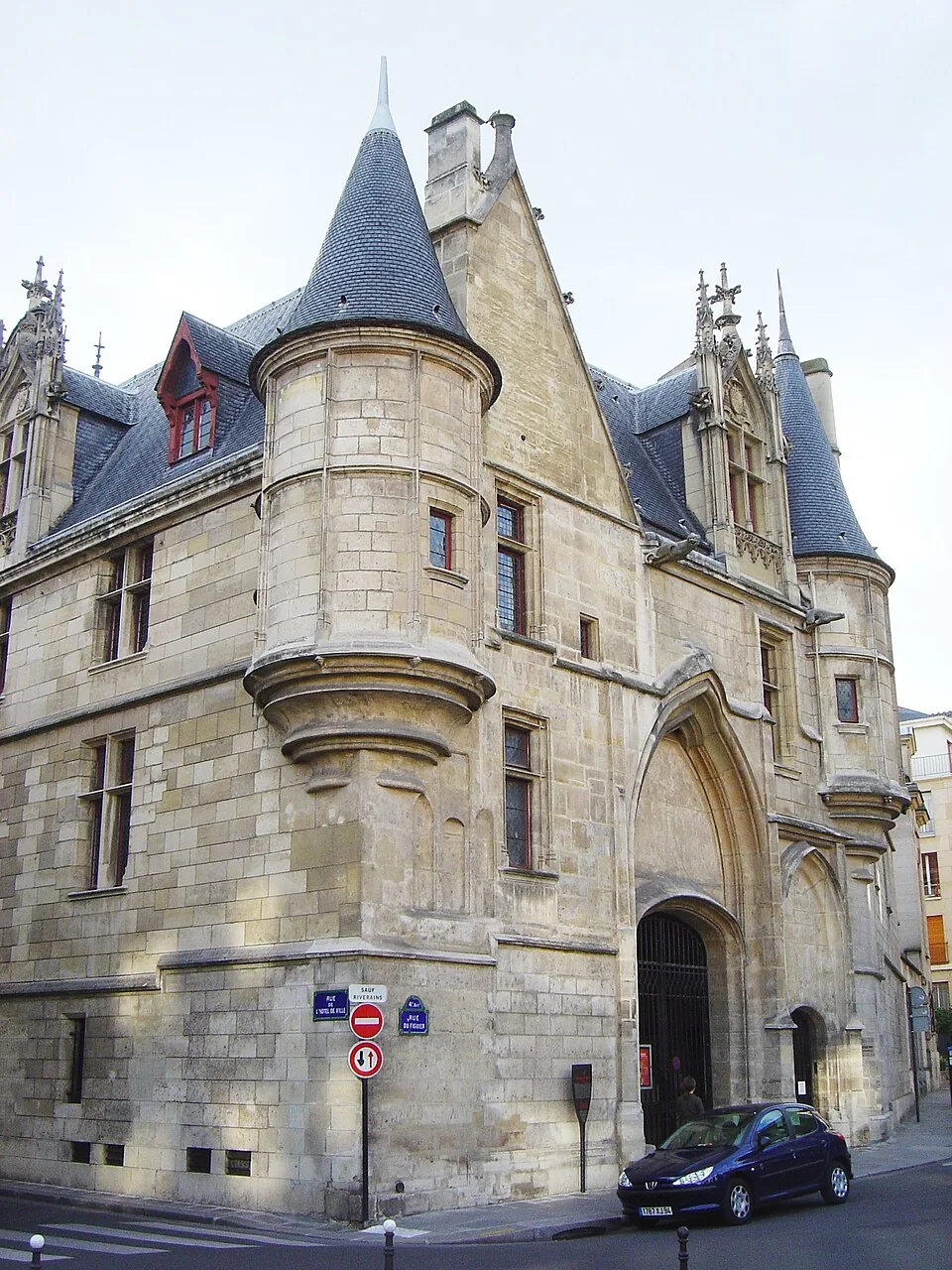
Le Marais
Le Marais is a historic district where medieval street patterns meet aristocratic hôtels particuliers and later cultural institutions. Its survival owes much to preservation policies that began in the 1960s after long periods of neglect.
Musée de la Chasse et de la Nature
In two restored Marais townhouses, the Musée de la Chasse et de la Nature sets historic hunting art beside taxidermy, curious objects and contemporary installations. Its intimate rooms turn a collection into an ongoing question about how people represent, use and live alongside animals.
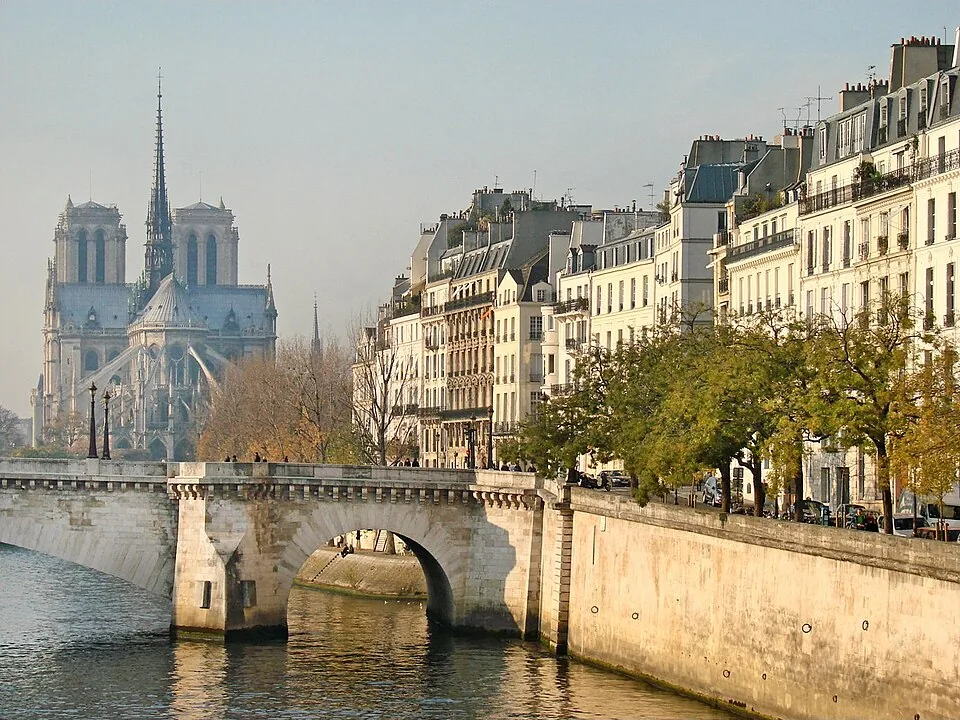
Île Saint-Louis
Île Saint-Louis is a compact island of seventeenth-century streets and residences in the Seine. Its present shape emerged when two smaller islands were joined, then developed through a planned urban project that gave it a distinctive architectural unity.

Centre Pompidou
Centre Pompidou brings modern art, public reading, design, and music research together in a landmark cultural complex in Paris’s Beaubourg district. Its exposed structure made a flexible cultural institution visible to the city; the historic building is closed for renovation until its planned 2030 r