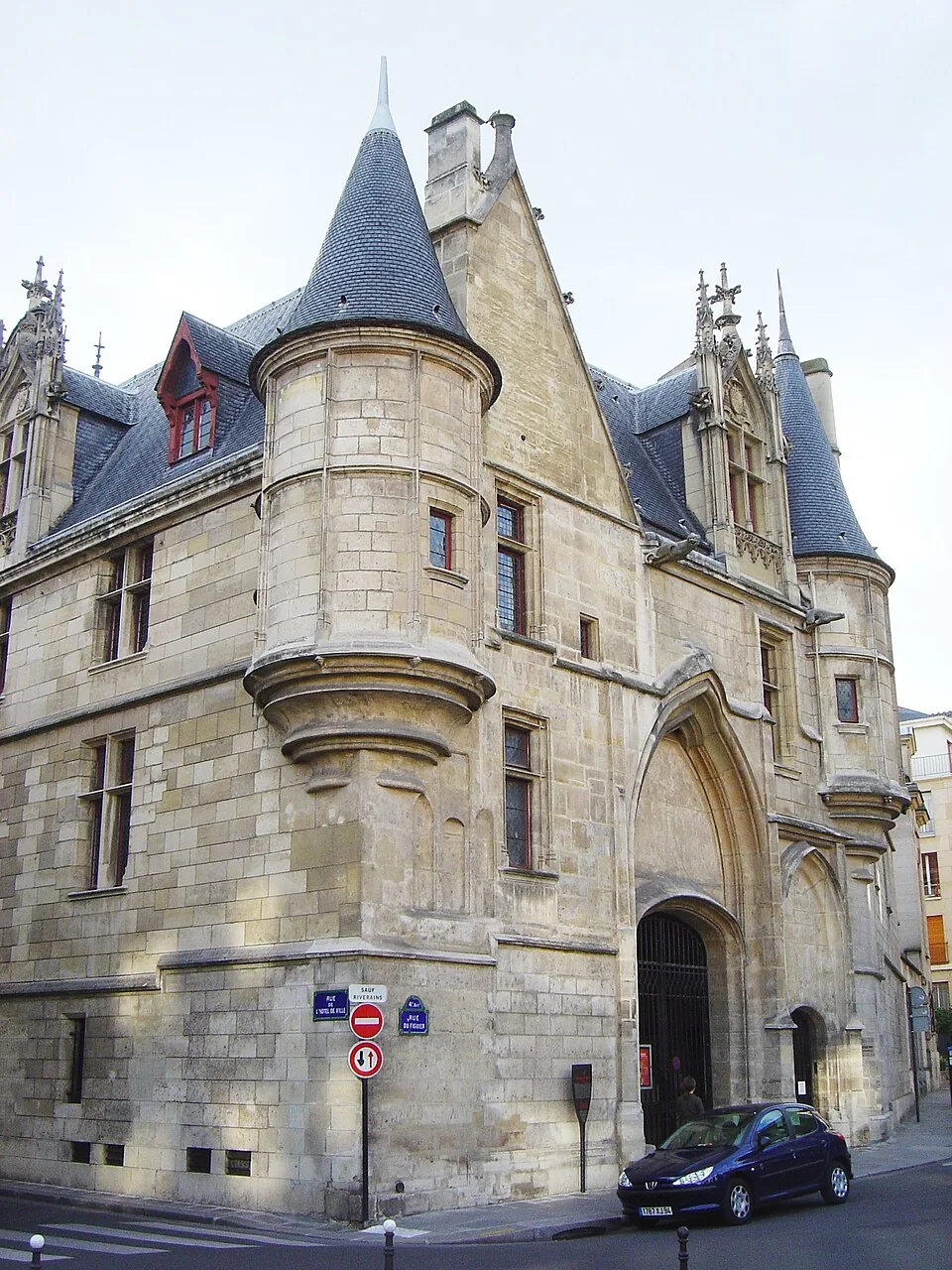
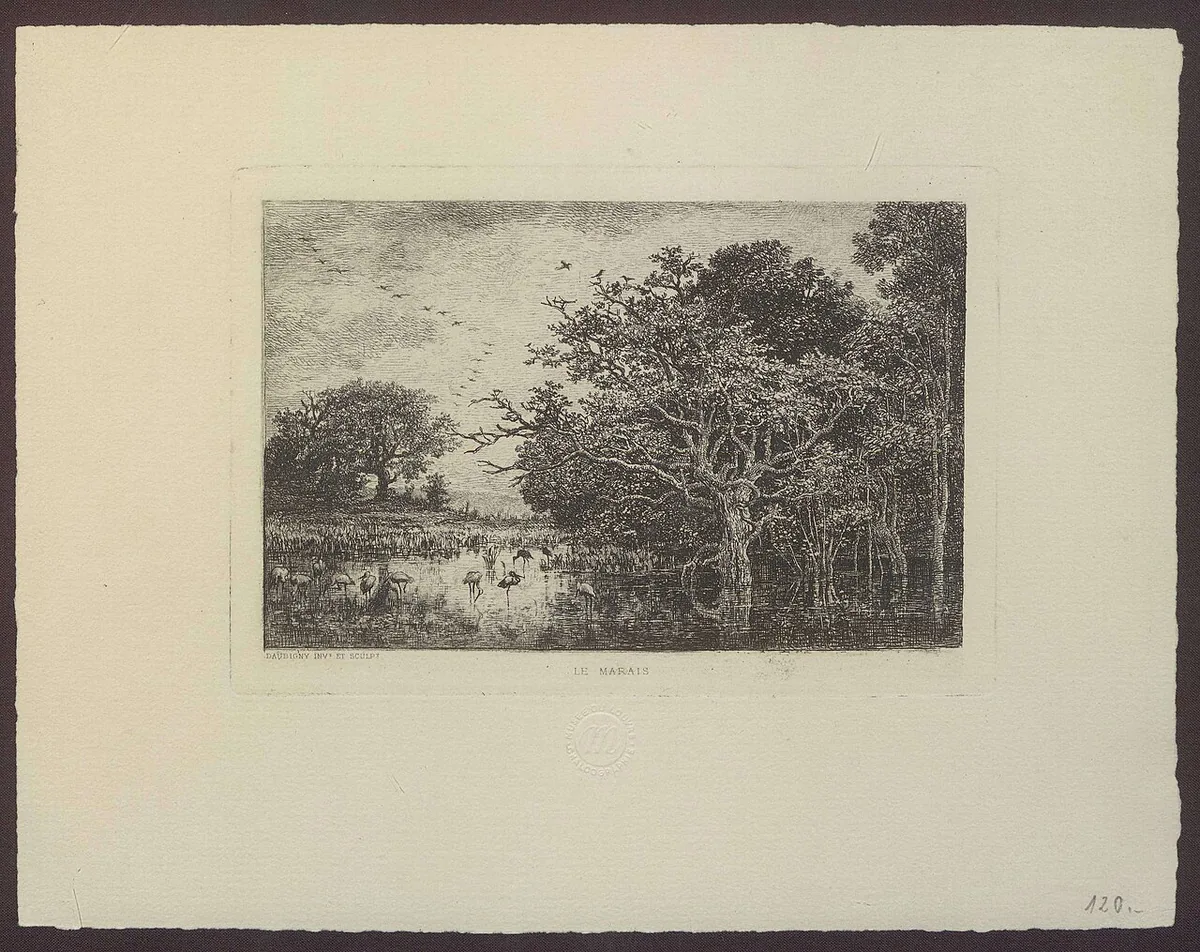
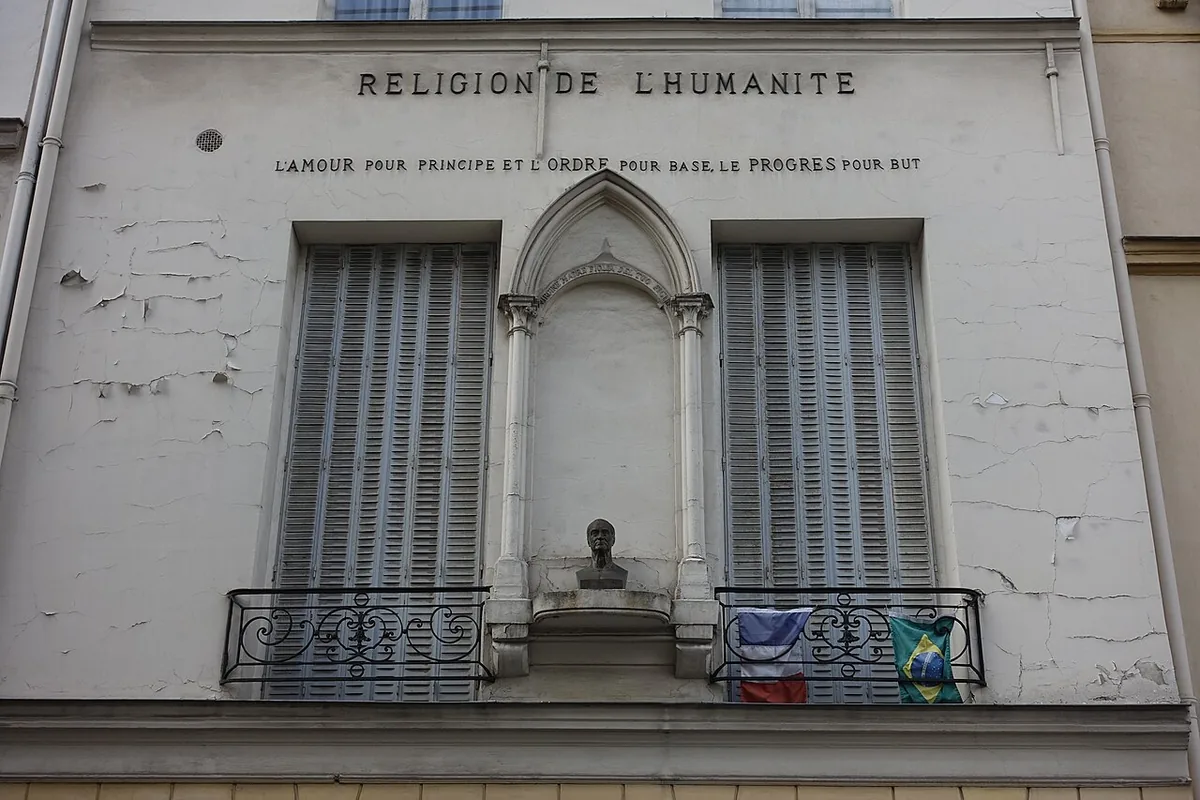
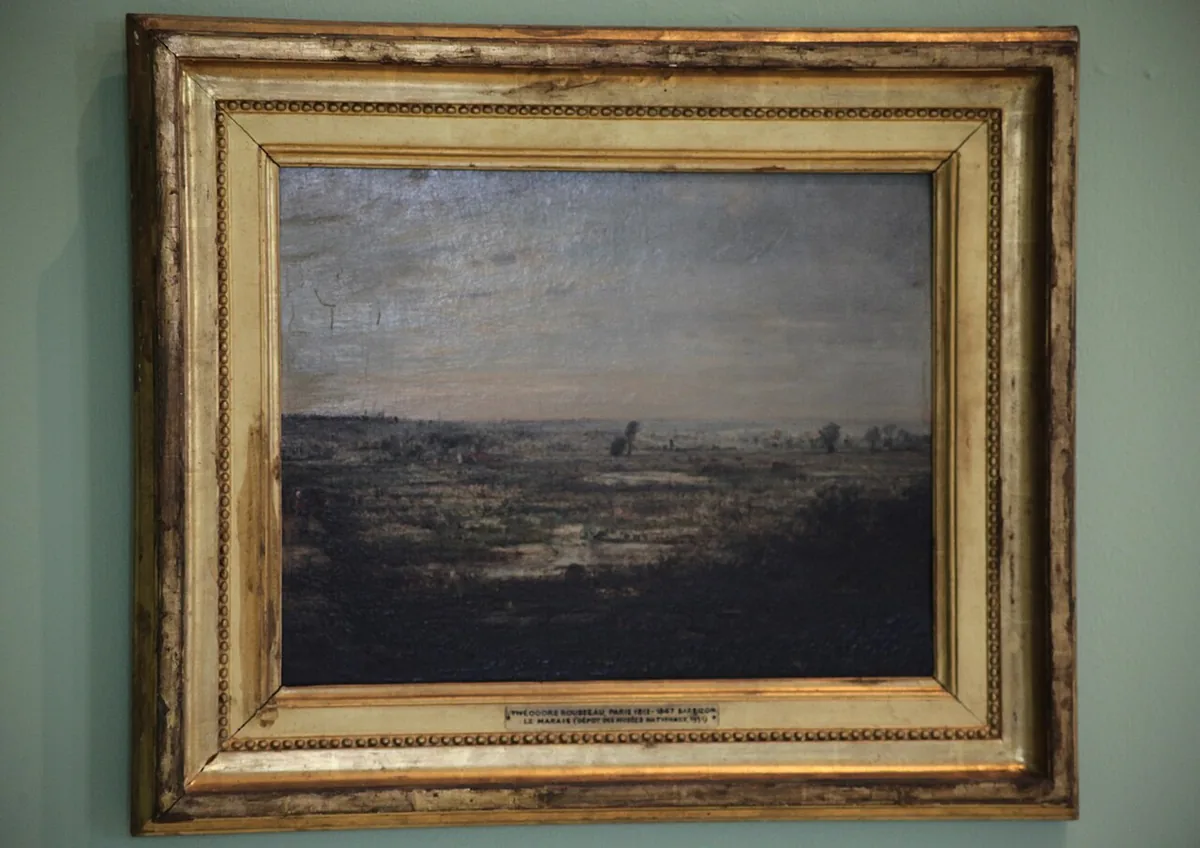
Le Marais is a historic district where medieval street patterns meet aristocratic hôtels particuliers and later cultural institutions. Its survival owes much to preservation policies that began in the 1960s after long periods of neglect.
Quick facts
Paris’s Marais safeguarded heritage sector was created in 1964 and covers 126 hectares across parts of the 3rd and 4th arrondissements.
Place Royale, now Place des Vosges, was begun in 1605 and completed in 1612; a royal carousel celebrating a double marriage marked its inauguration.
Le Village, identified by the City of Paris as the Marais’s first gay bar, opened at 12 rue du Plâtre in December 1978.
Get directions to Le Marais. Confirm the visitor entrance and current access with the venue before travelling.
Audio guide
Listen to this place’s guide.
Guide
Le Marais is a lived-in part of central Paris, not a single monument or a district with one universally agreed boundary. In everyday use, the name covers adjoining streets and places in the 3rd and 4th arrondissements. A more precise outline belongs to its protected heritage area: the City of Paris says the Marais’s 1964 safeguarded sector covers 126 hectares across those two arrondissements.
Continue exploring
Discover the full story
Keep reading with a travel pass and explore every full guide and tour.
UpgradeMore places in Paris
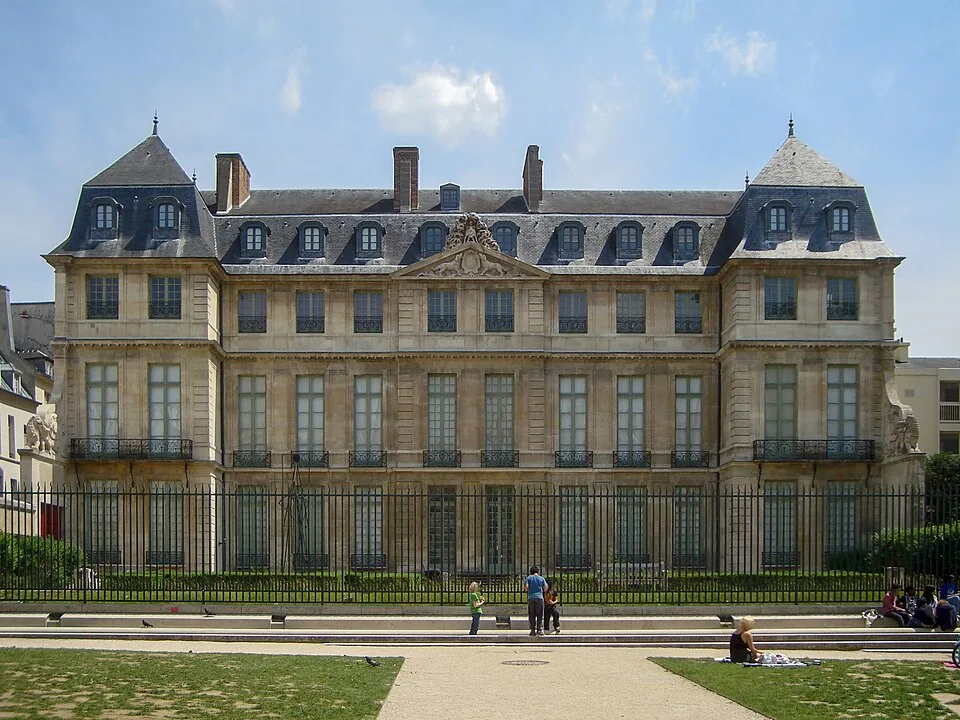
Musée Picasso
Musée Picasso occupies Hôtel Salé, a seventeenth-century mansion whose rooms now hold an unusually broad record of Picasso’s work and creative process. The museum’s collection came together through donations and state acquisitions after the artist’s death.
Musée de la Chasse et de la Nature
In two restored Marais townhouses, the Musée de la Chasse et de la Nature sets historic hunting art beside taxidermy, curious objects and contemporary installations. Its intimate rooms turn a collection into an ongoing question about how people represent, use and live alongside animals.
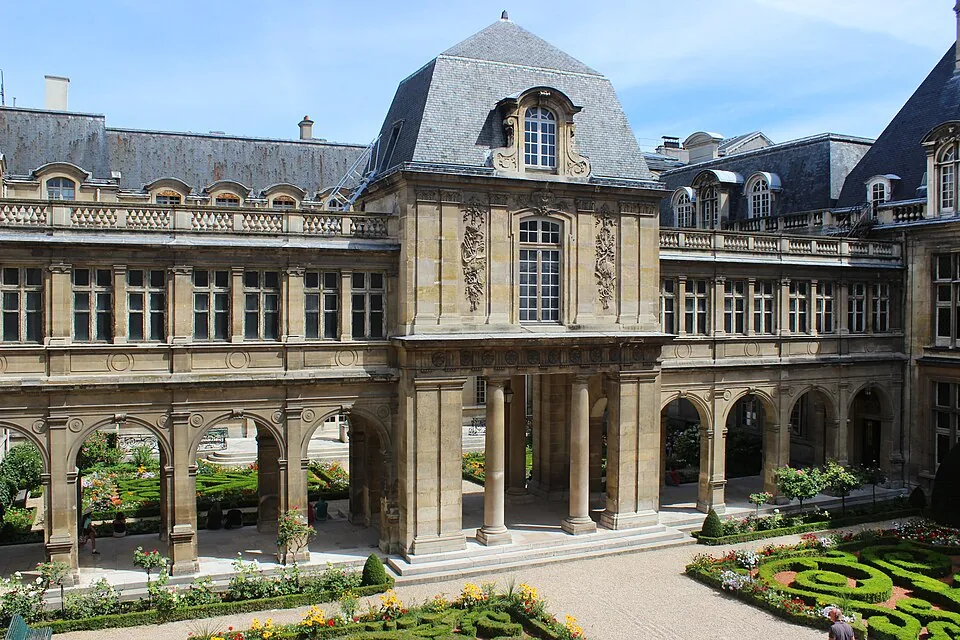
Musée Carnavalet
Two adjoining Marais mansions house a museum devoted to Paris itself. Renaissance courtyards, historic interiors brought from other addresses, and objects spanning prehistory to the present make the buildings part of the city story.
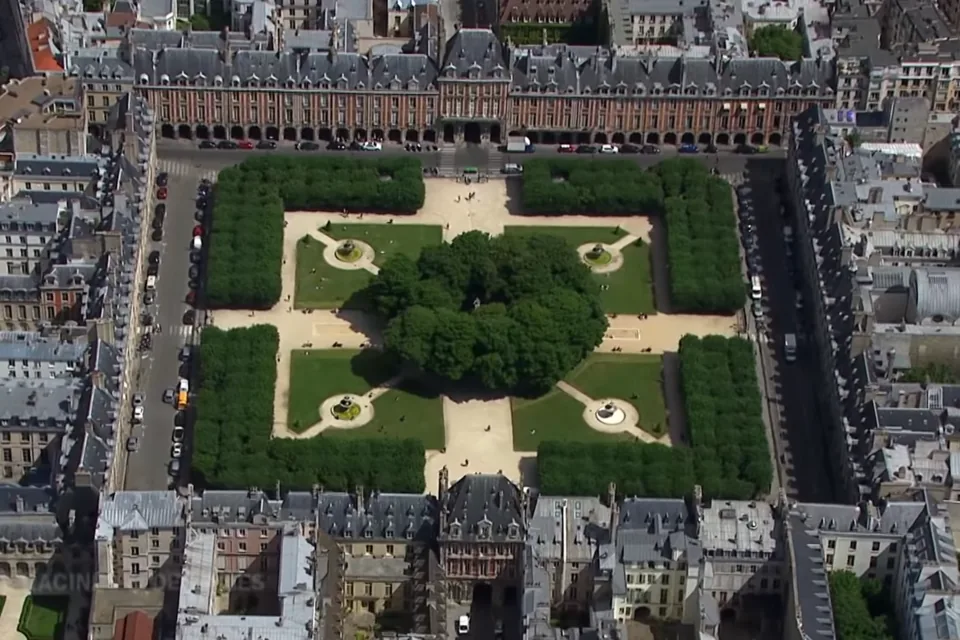
Place des Vosges
Place des Vosges is a planned square of brick-and-stone façades, arcades, and a central garden. Begun under Henri IV in 1605 and completed in 1612, it has served as royal stage, revolutionary landmark, writers’ address, and public city garden.

Centre Pompidou
Centre Pompidou brings modern art, public reading, design, and music research together in a landmark cultural complex in Paris’s Beaubourg district. Its exposed structure made a flexible cultural institution visible to the city; the historic building is closed for renovation until its planned 2030 r

Maison de Nicolas Flamel
The house at 51 Rue de Montmorency is associated with Nicolas Flamel and dates to 1407. Its façade preserves an inscription tied to charitable lodging, while the famous alchemist stories belong to later legend rather than verified biography.