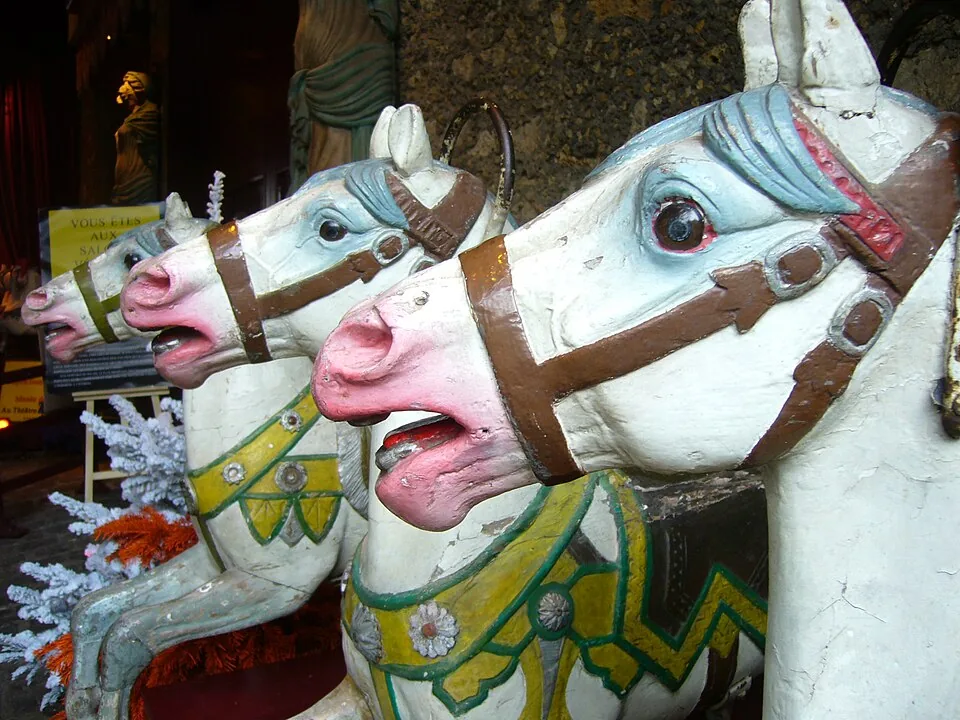
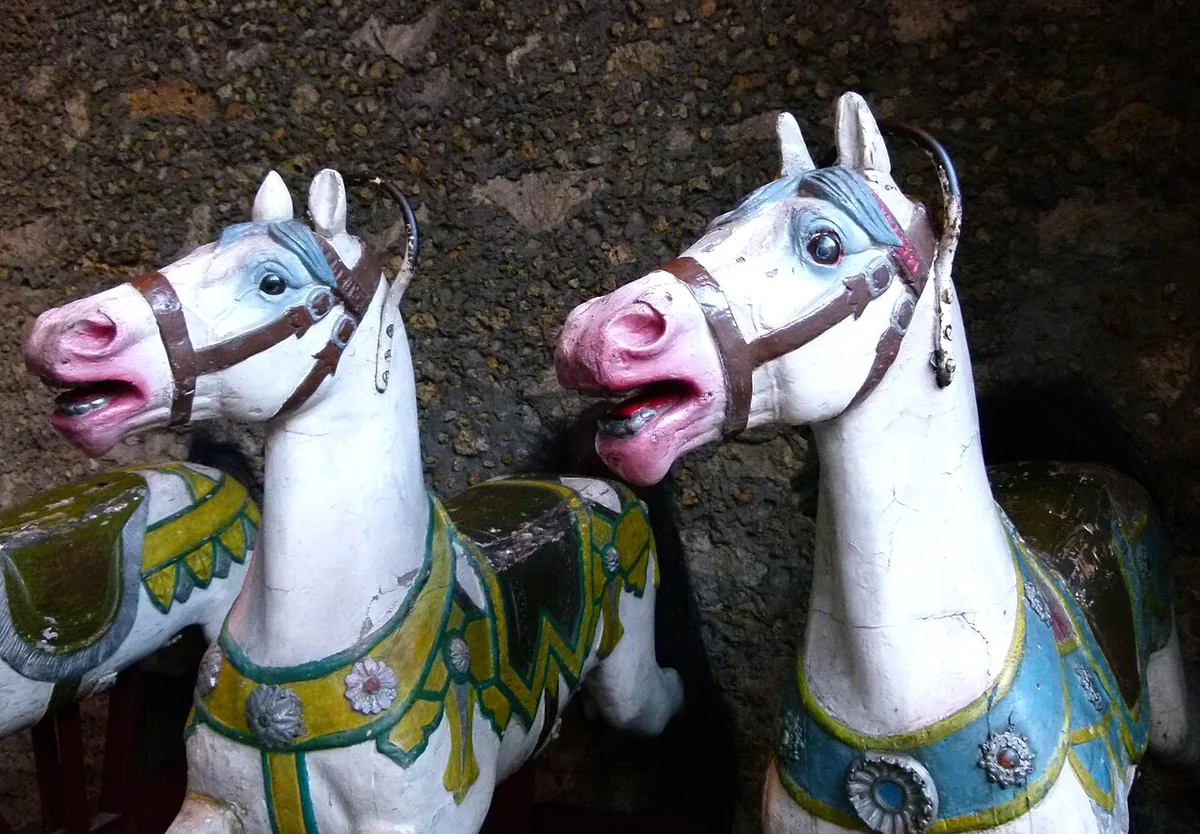
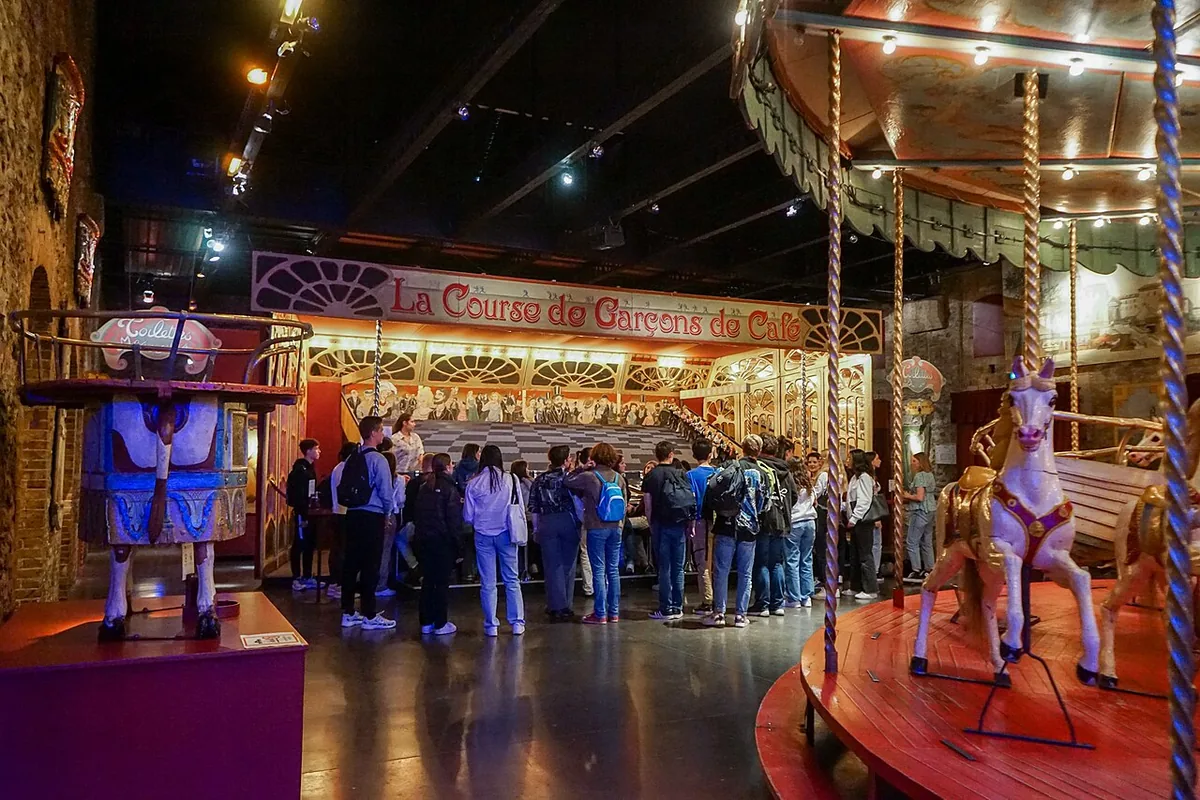
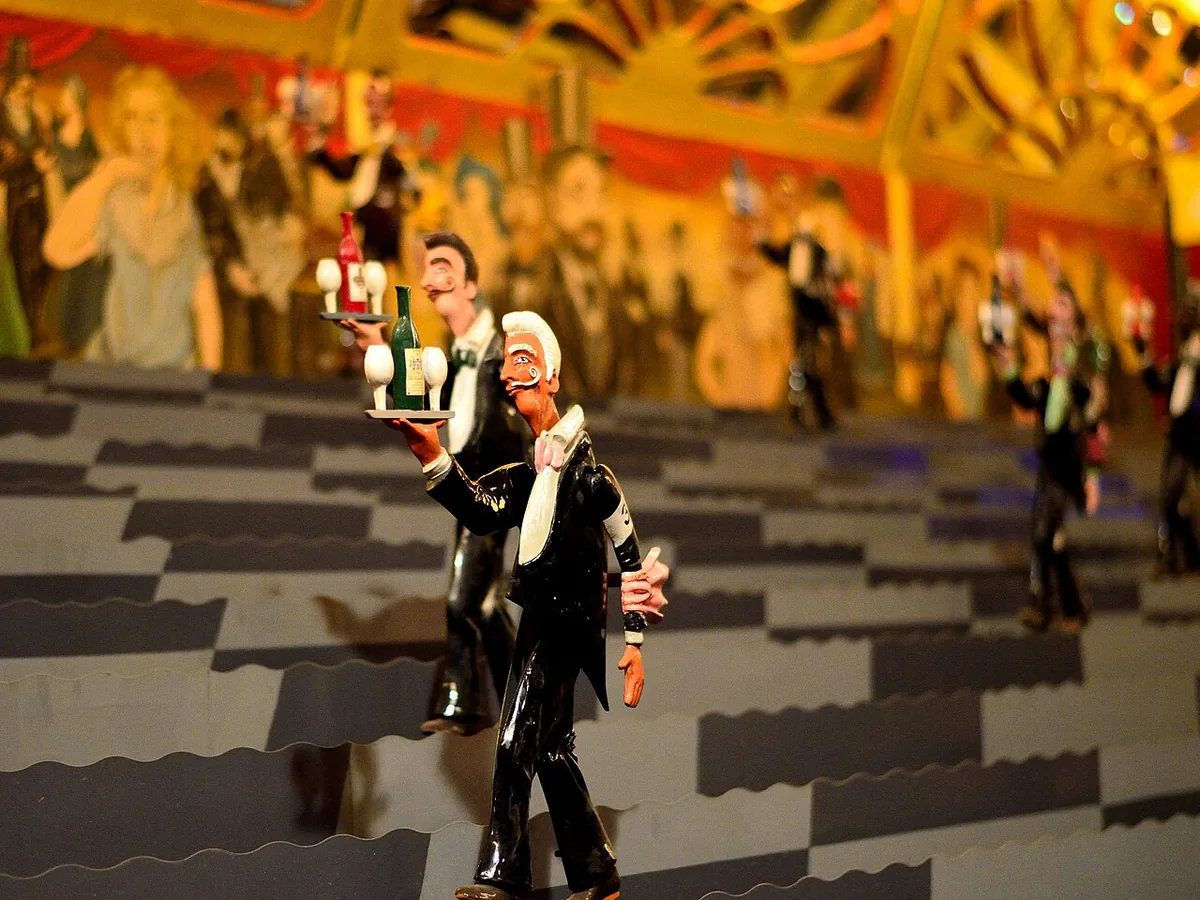
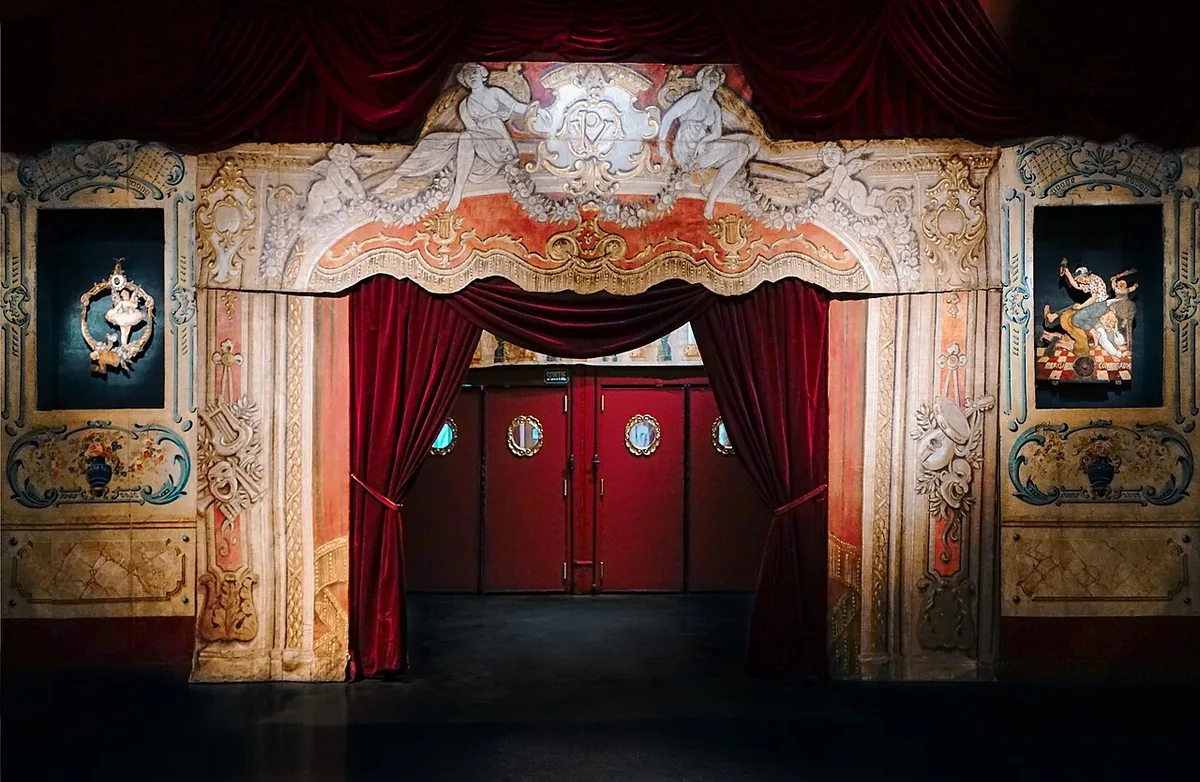
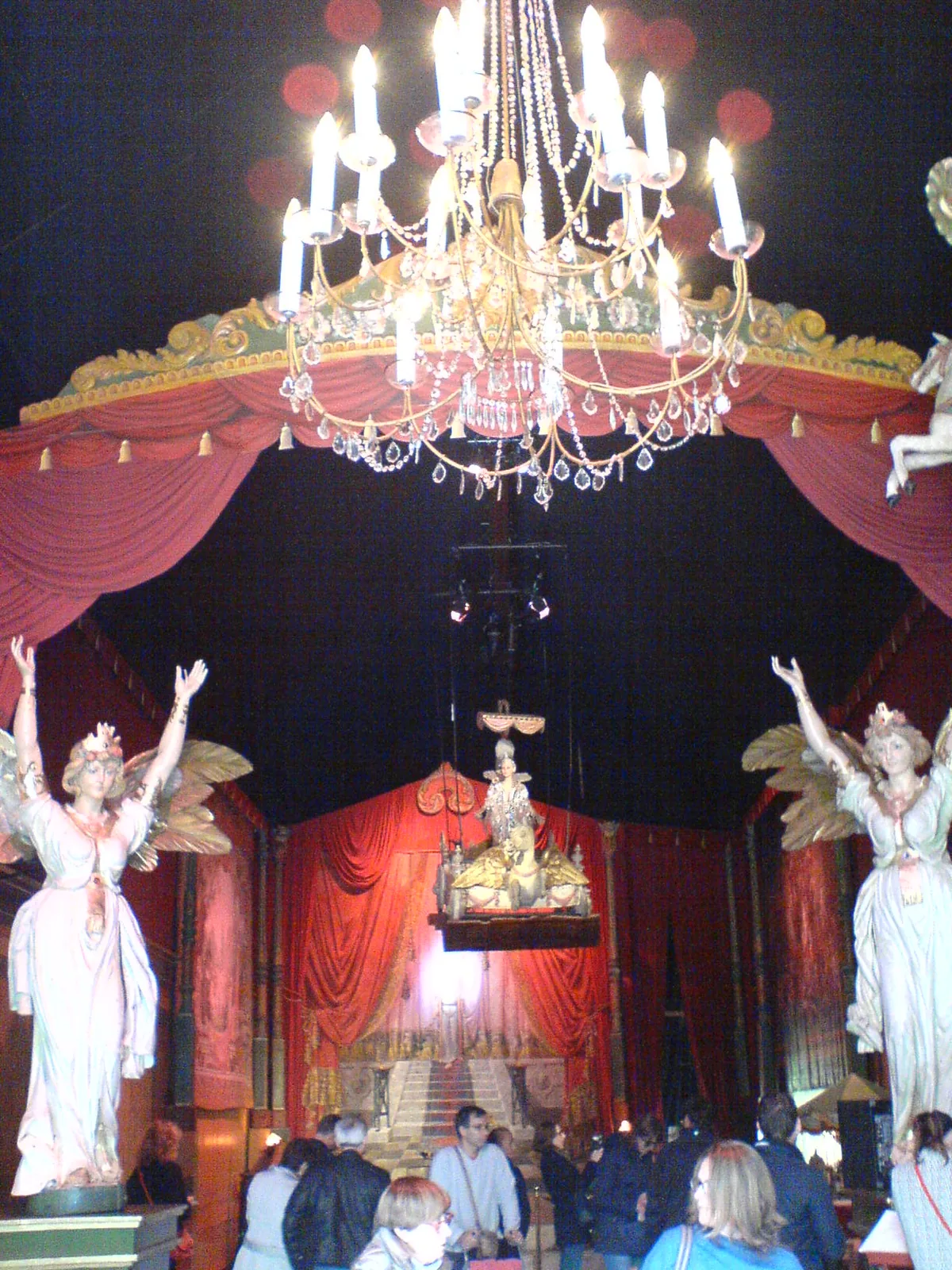
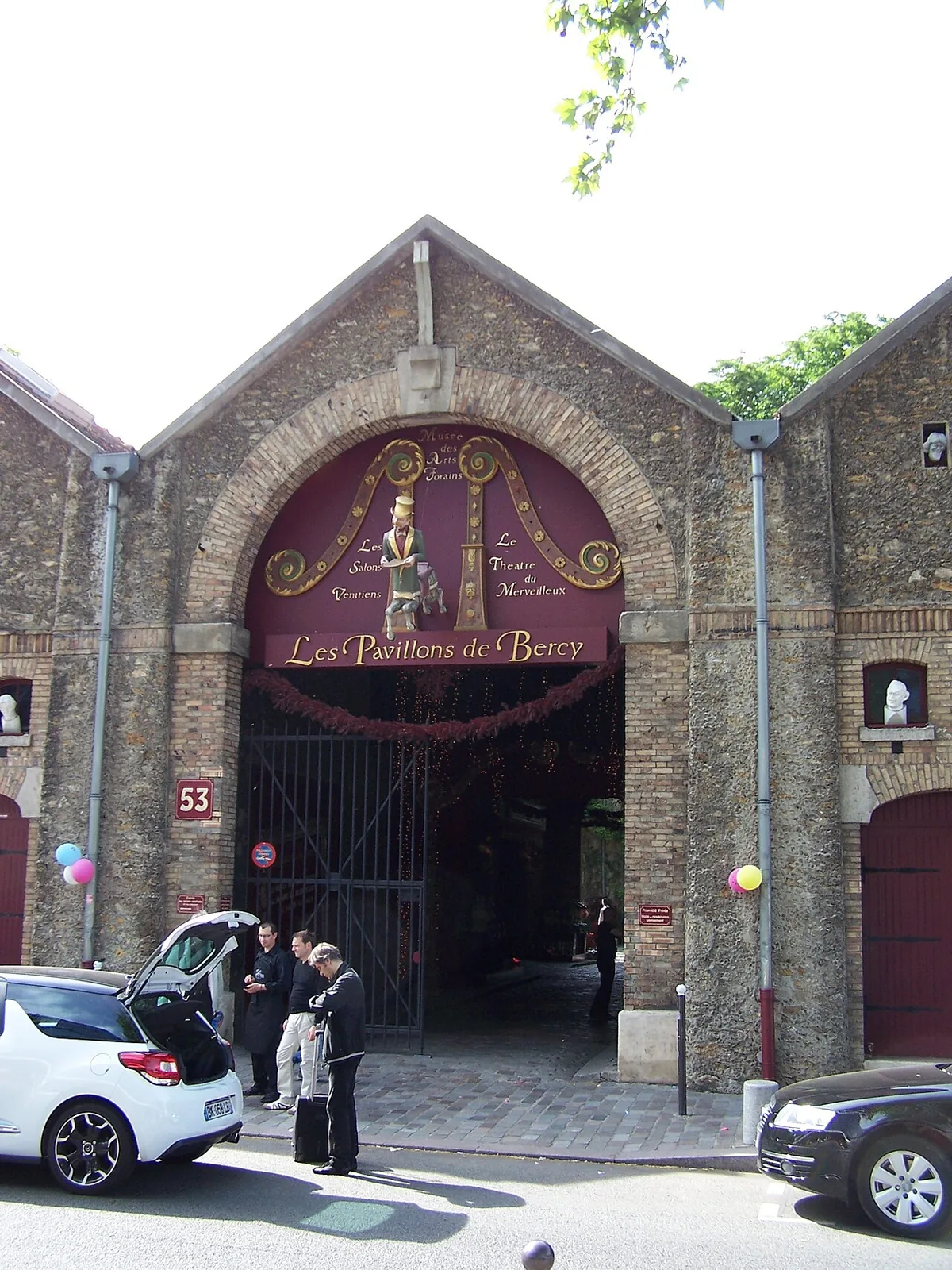
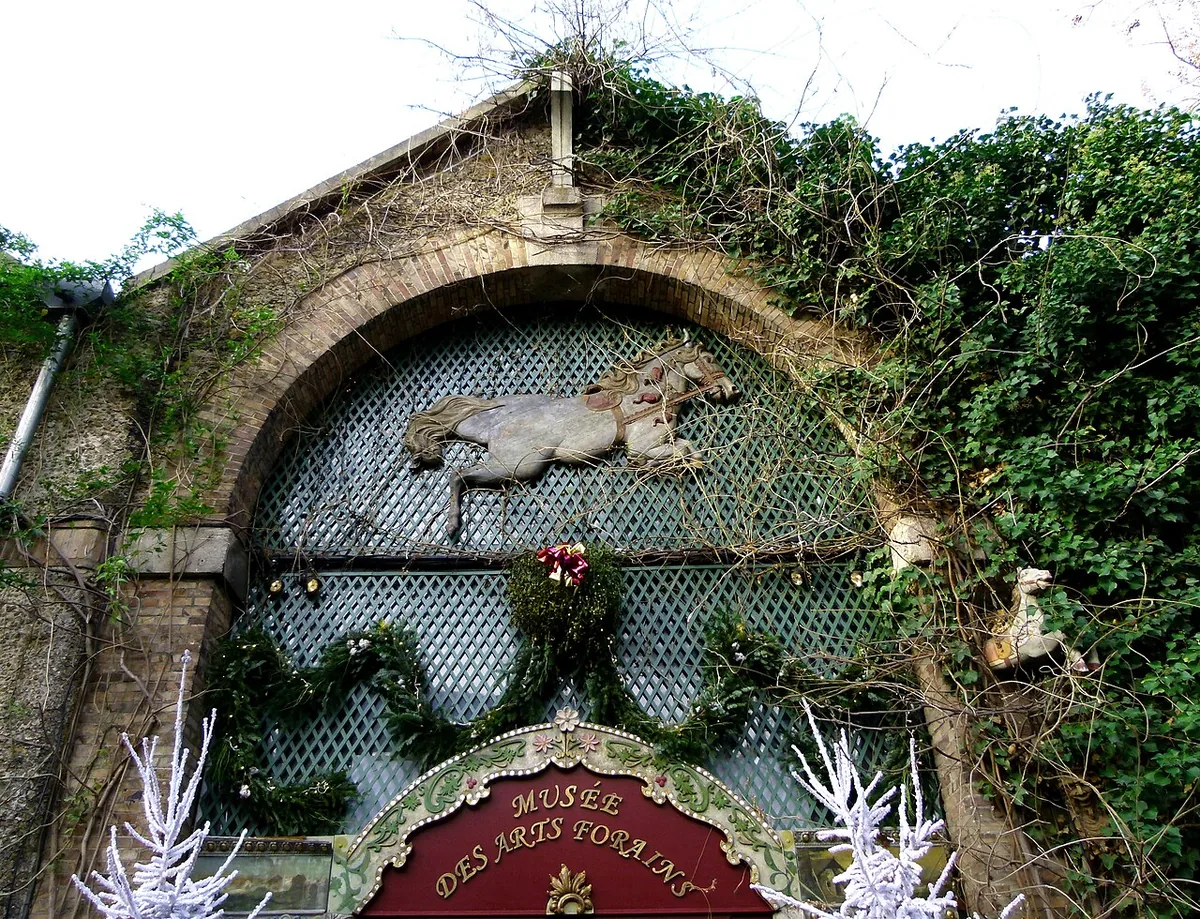
The Musée des Arts Forains preserves fairground rides, games, and mechanical theatre inside Bercy’s former Lheureux wine cellars. Its collection turns a working warehouse district into a stage for the popular arts, linking the neighborhood’s river and rail trade with shared entertainment.
Quick facts
The Musée des Arts Forains settled in the former Chais Lheureux wine cellars in Bercy in 1996.
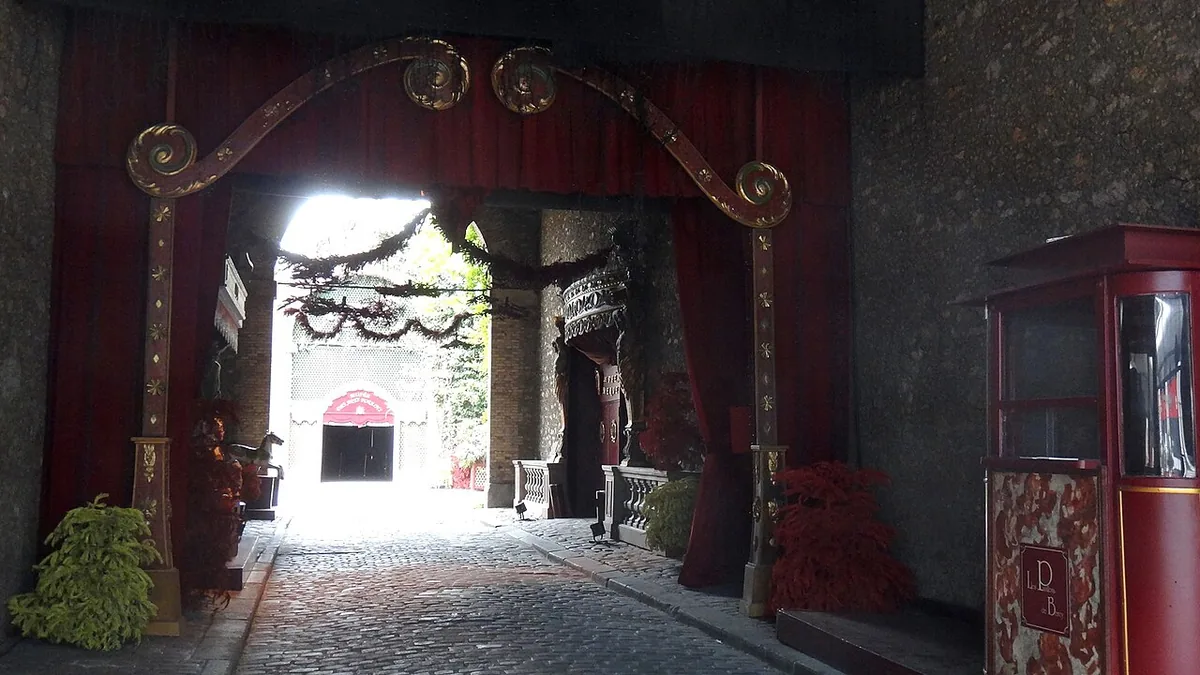
The museum’s history page says wine barrels arrived in Bercy by boat on the Seine and were moved to the cellars by rail; surviving rails remain on the site.
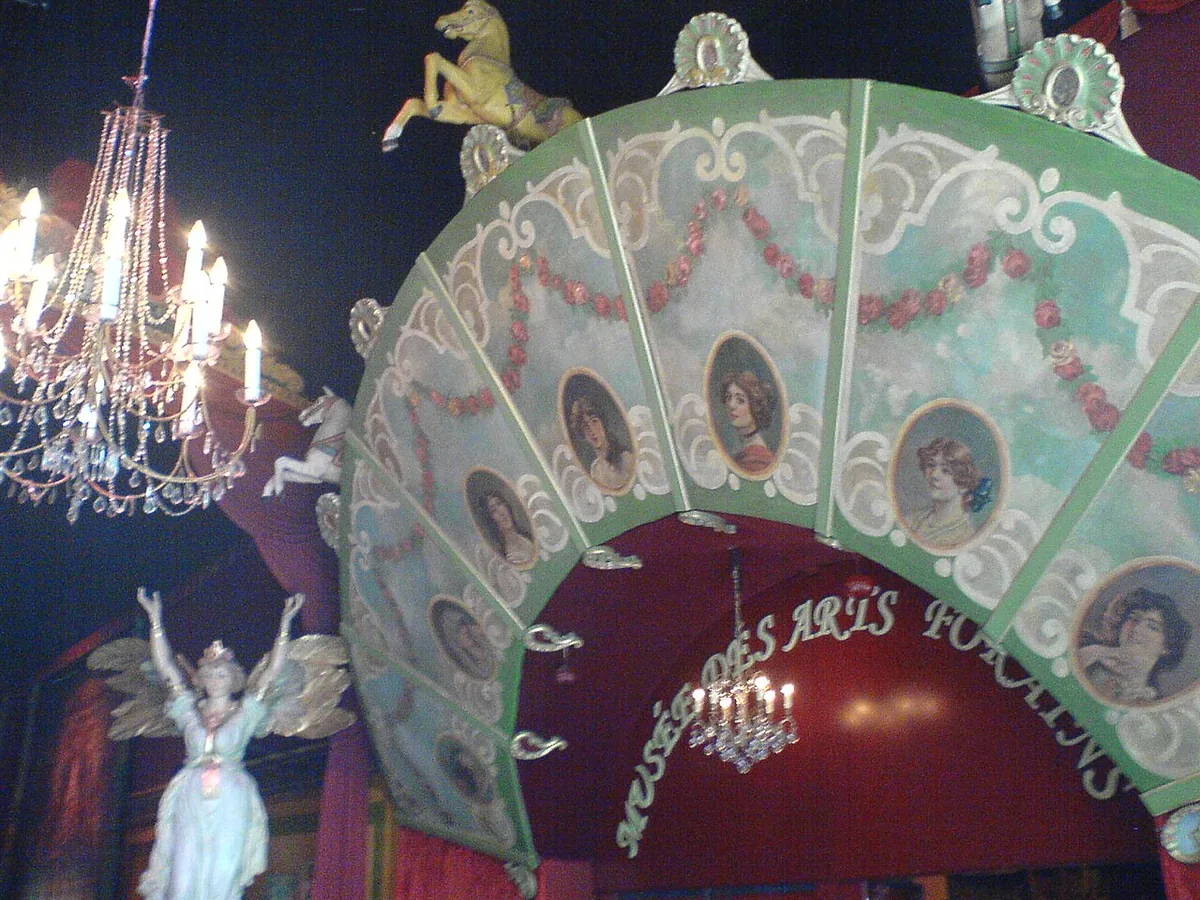
A carousel described by the museum dates to around 1900 and combines twelve Limonaire galloping horses with eight standing horses from the German Friedrich Heyn workshop.
Get directions to Musée des Arts Forains. Confirm the visitor entrance and current access with the venue before travelling.
Audio guide
Listen to this place’s guide.
Guide
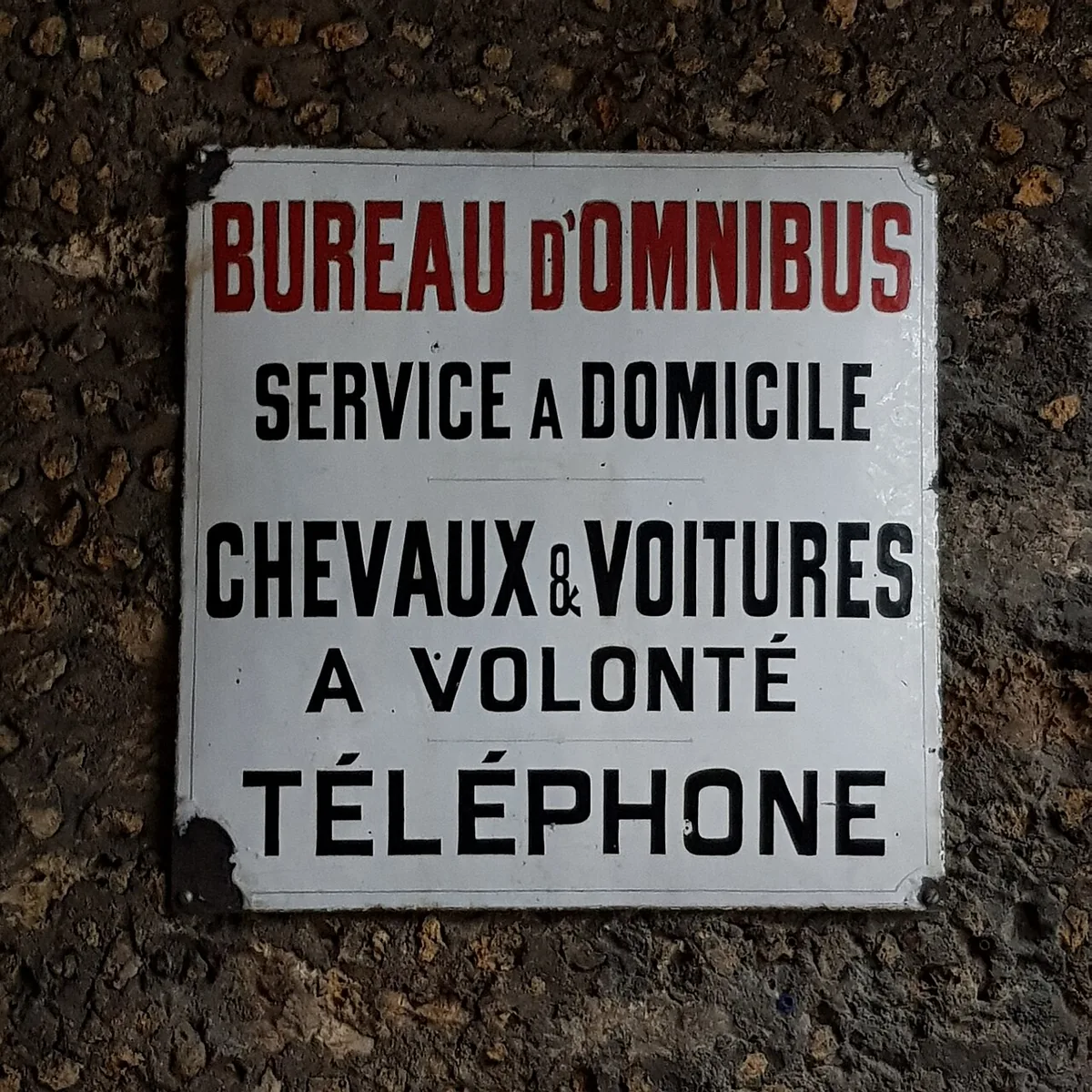
Look down as you enter the Pavillons de Bercy: the rails running through the old warehouse street are more than decoration. Wine arrived by boat on the Seine, then moved on wagons toward the Bercy cellars. The Musée des Arts Forains settled here in 1996, in the Chais Lheureux, so a collection devoted to public amusements now occupies buildings shaped by the business that once made this district festive.
Continue exploring
Discover the full story
Keep reading with a travel pass and explore every full guide and tour.
UpgradeMore places in Paris
Jardin des Plantes
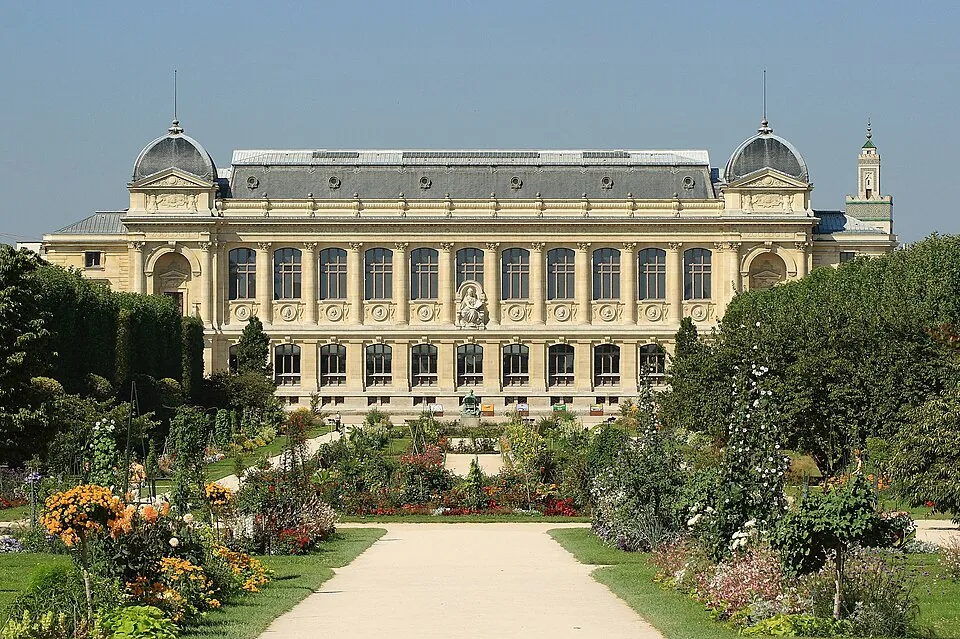
The Jardin des Plantes began as a royal medicinal garden and grew into the botanical heart of France’s natural-history museum. Its formal paths and plant collections still connect public education with research, conservation, and the careful naming of living species.
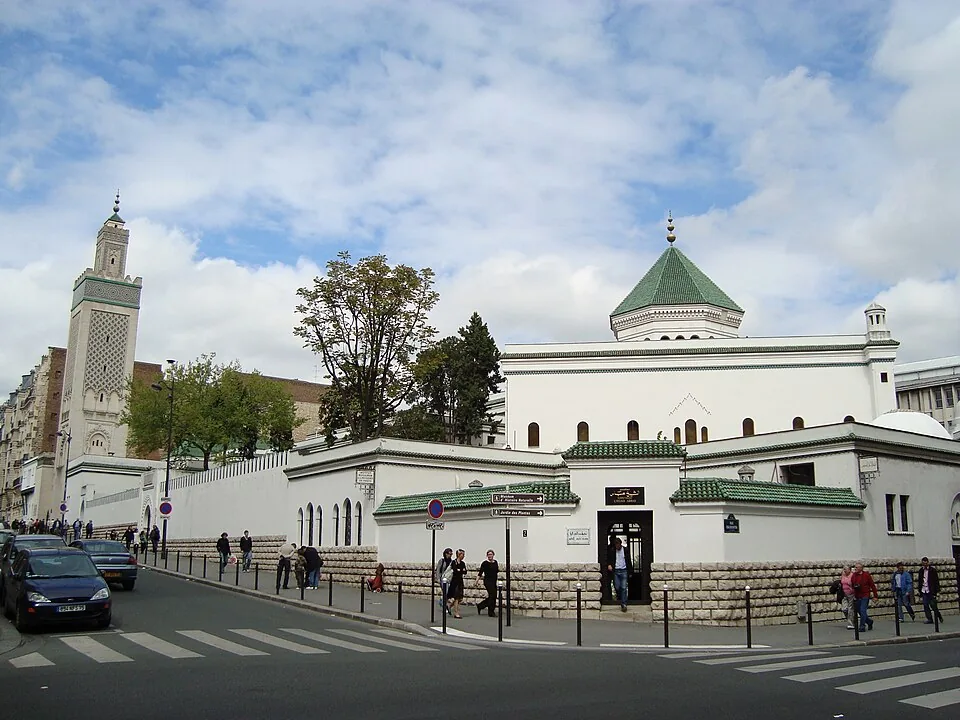
Grande Mosquée de Paris
An active mosque and cultural institution in Paris’s 5th arrondissement, the Grande Mosquée was built after the First World War to honor Muslim soldiers who died for France. Its North African crafts, garden, memorials, and colonial-era origins give the complex a layered story.
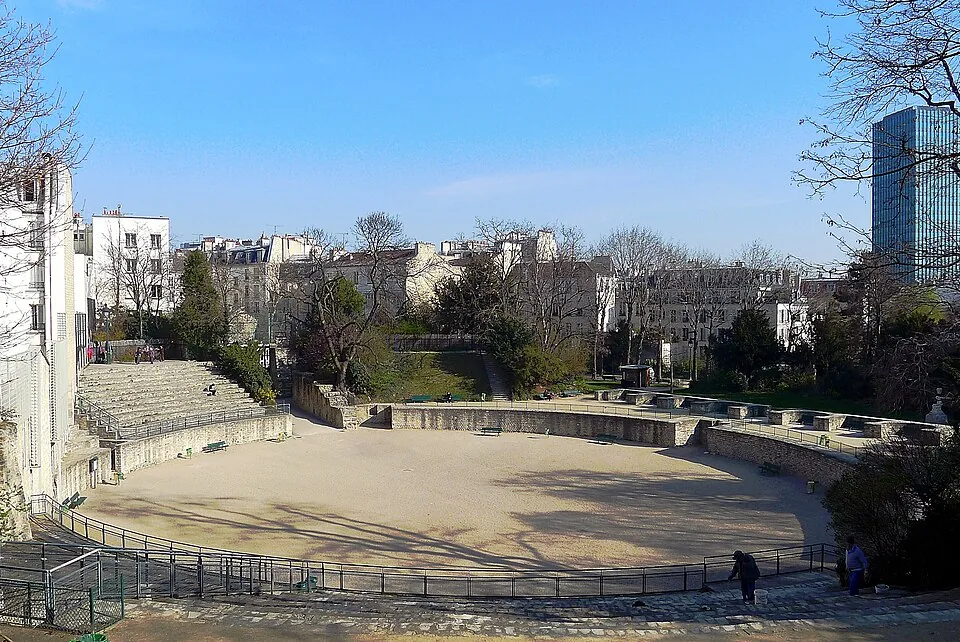
Arènes de Lutèce
Paris’s Arènes de Lutèce joined a Roman arena and theatre stage in one Gallo-Roman monument. Excavation, demolition, public campaigning and reconstruction shaped the ruins now shared as a neighborhood garden.
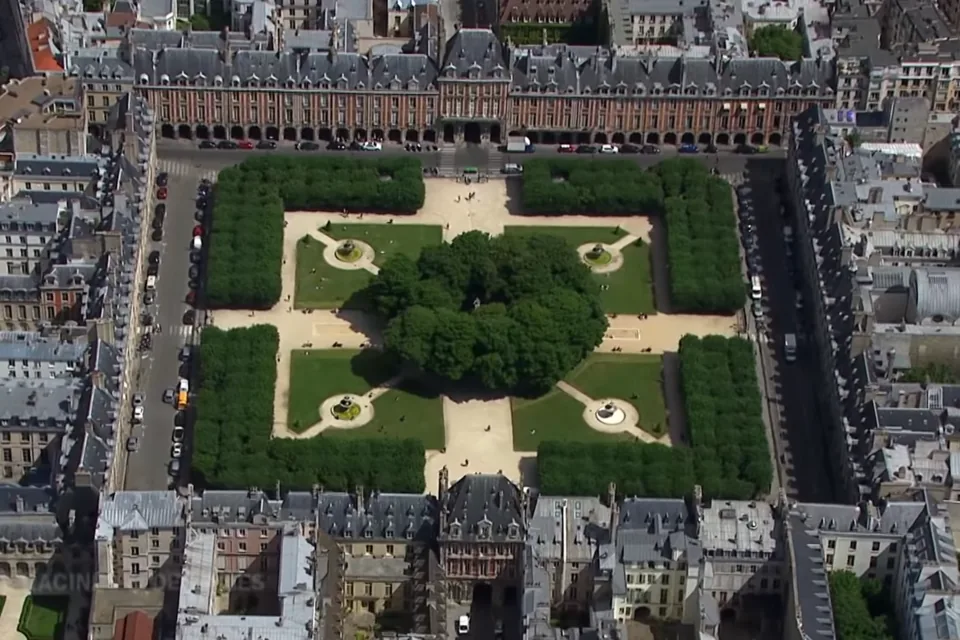
Place des Vosges
Place des Vosges is a planned square of brick-and-stone façades, arcades, and a central garden. Begun under Henri IV in 1605 and completed in 1612, it has served as royal stage, revolutionary landmark, writers’ address, and public city garden.
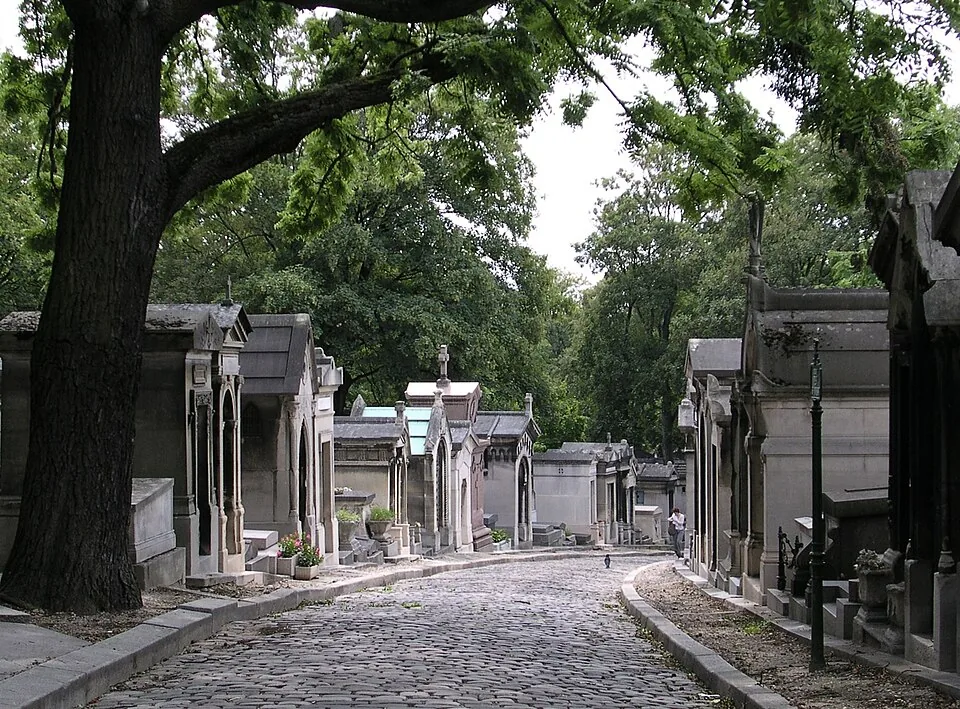
Père Lachaise Cemetery
Opened in 1804 on a former Jesuit estate, Père Lachaise became a landscaped cemetery where winding paths, family tombs, and public memorials trace Parisian life and loss. It remains an active burial ground in the 20th arrondissement, so visits call for quiet and respect.
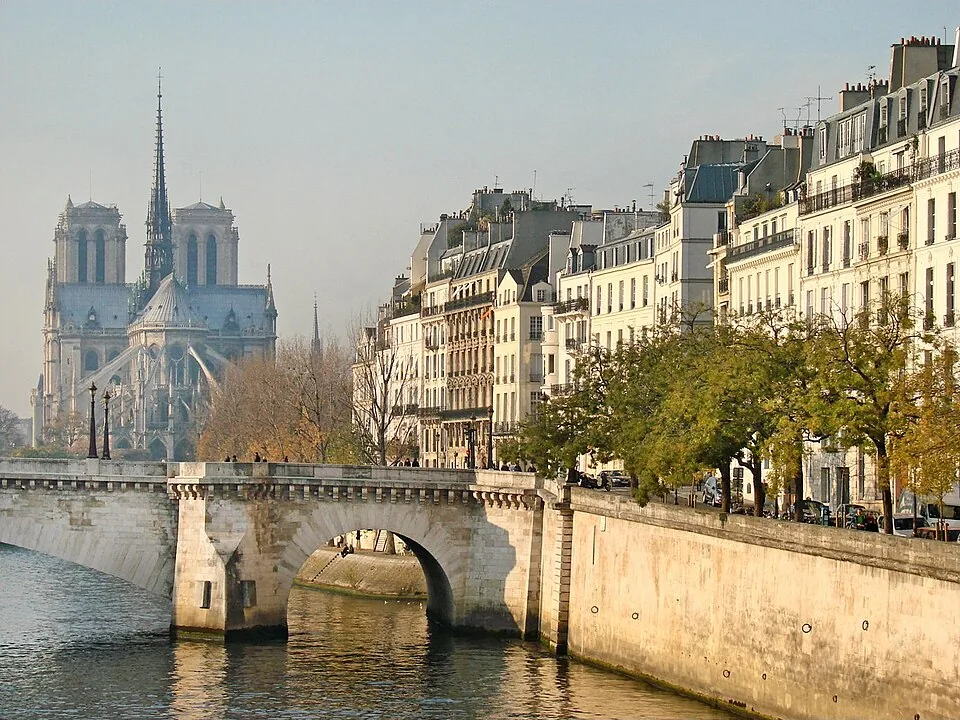
Île Saint-Louis
Île Saint-Louis is a compact island of seventeenth-century streets and residences in the Seine. Its present shape emerged when two smaller islands were joined, then developed through a planned urban project that gave it a distinctive architectural unity.