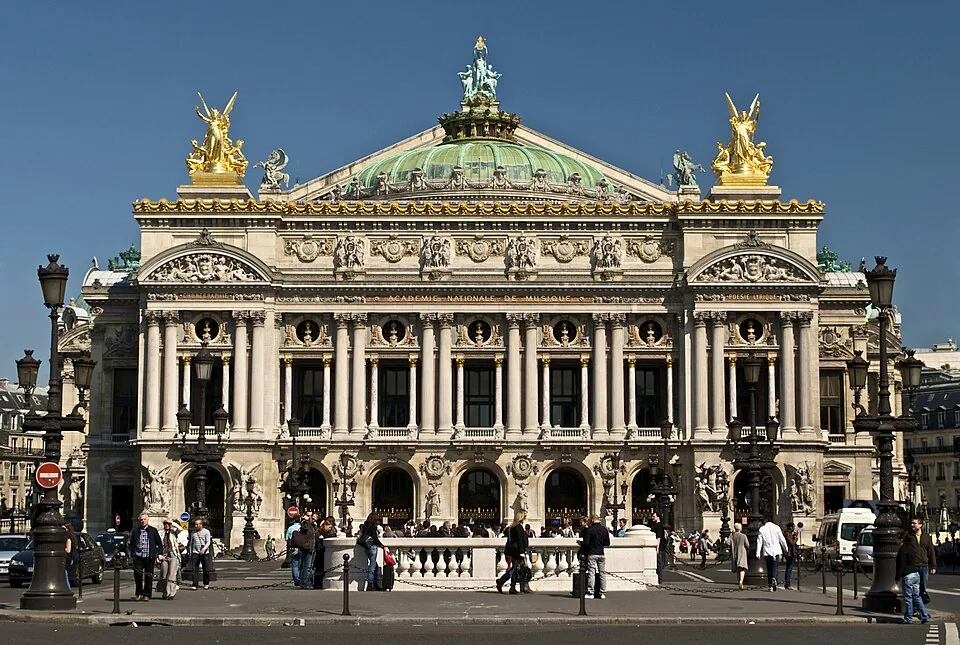
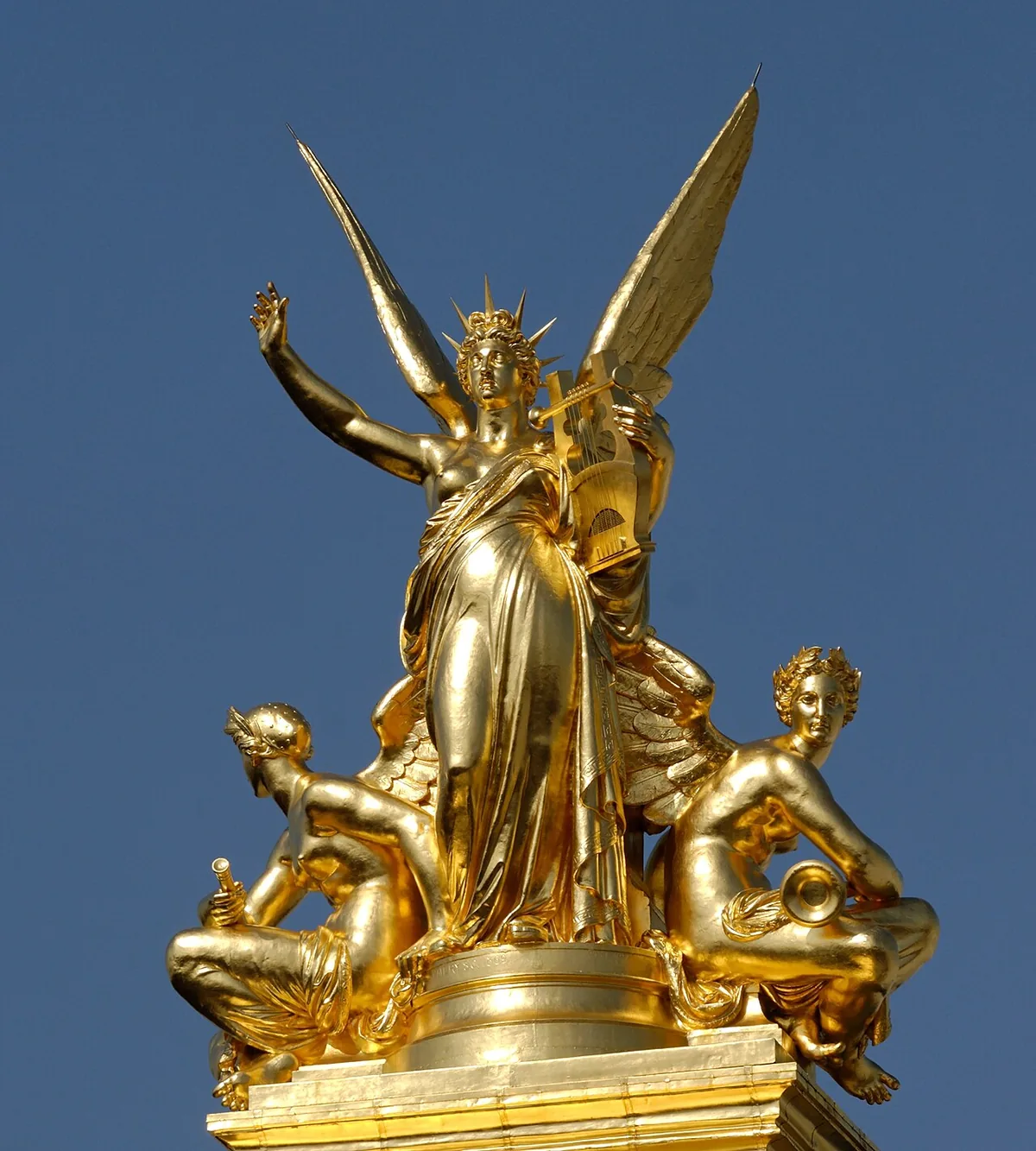
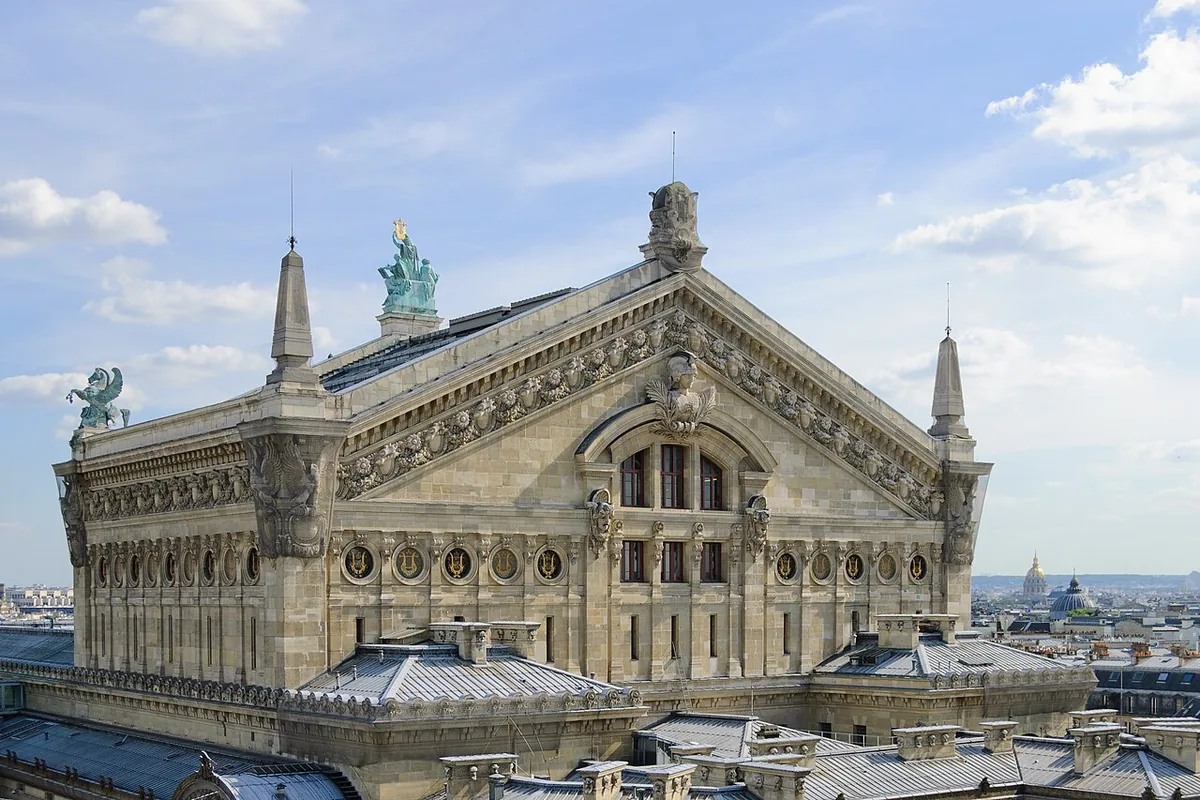
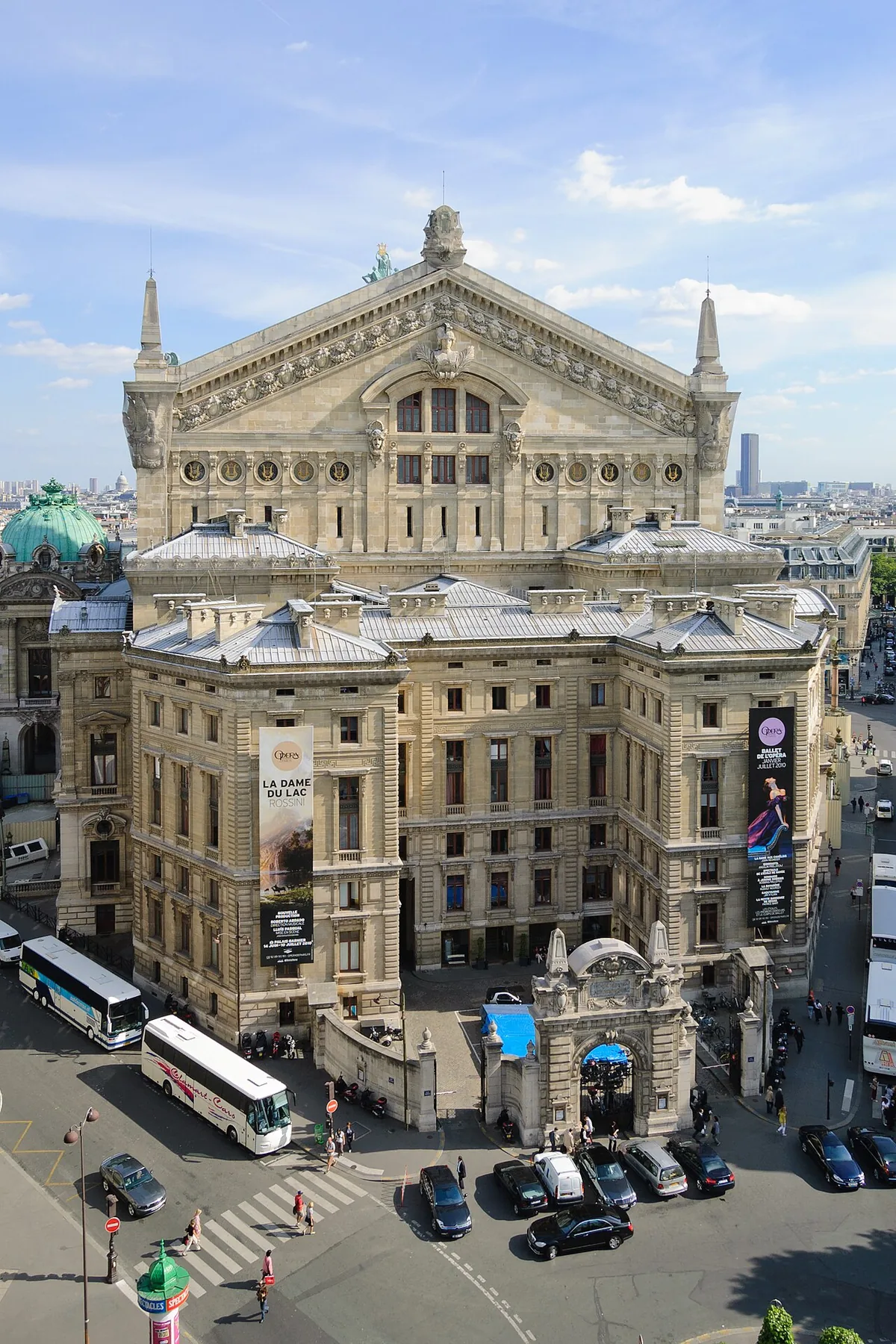
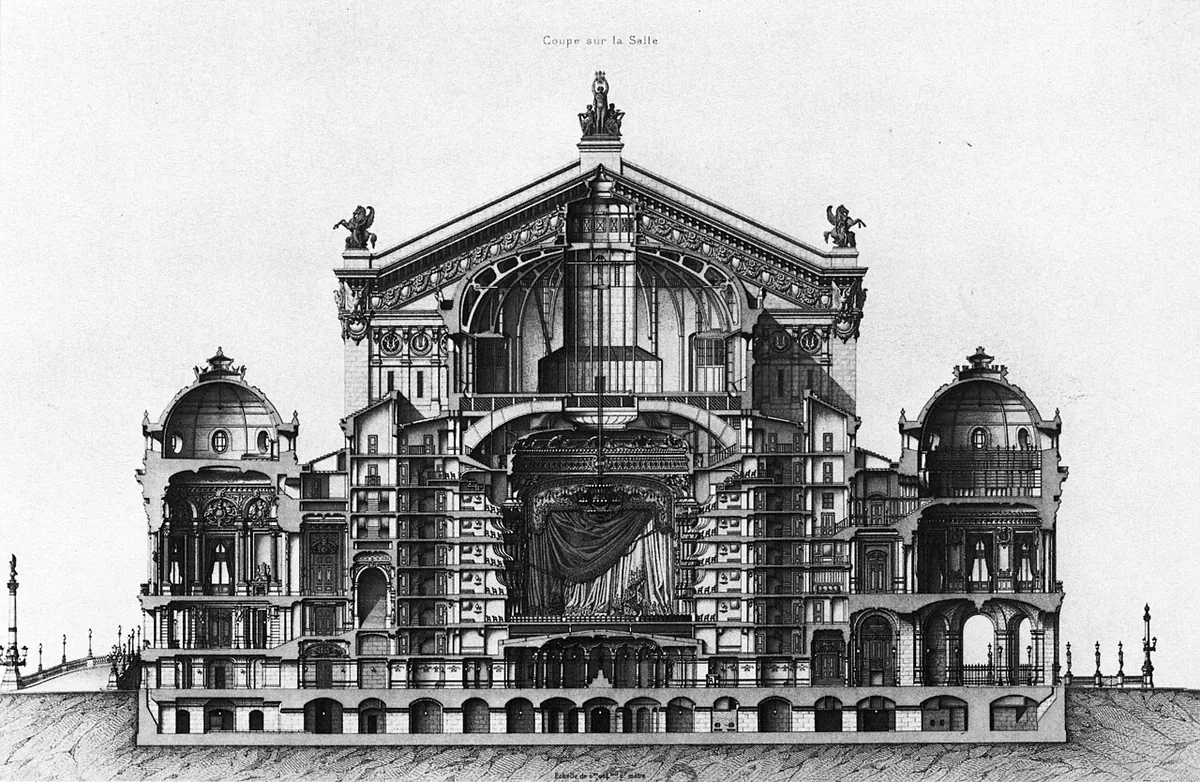
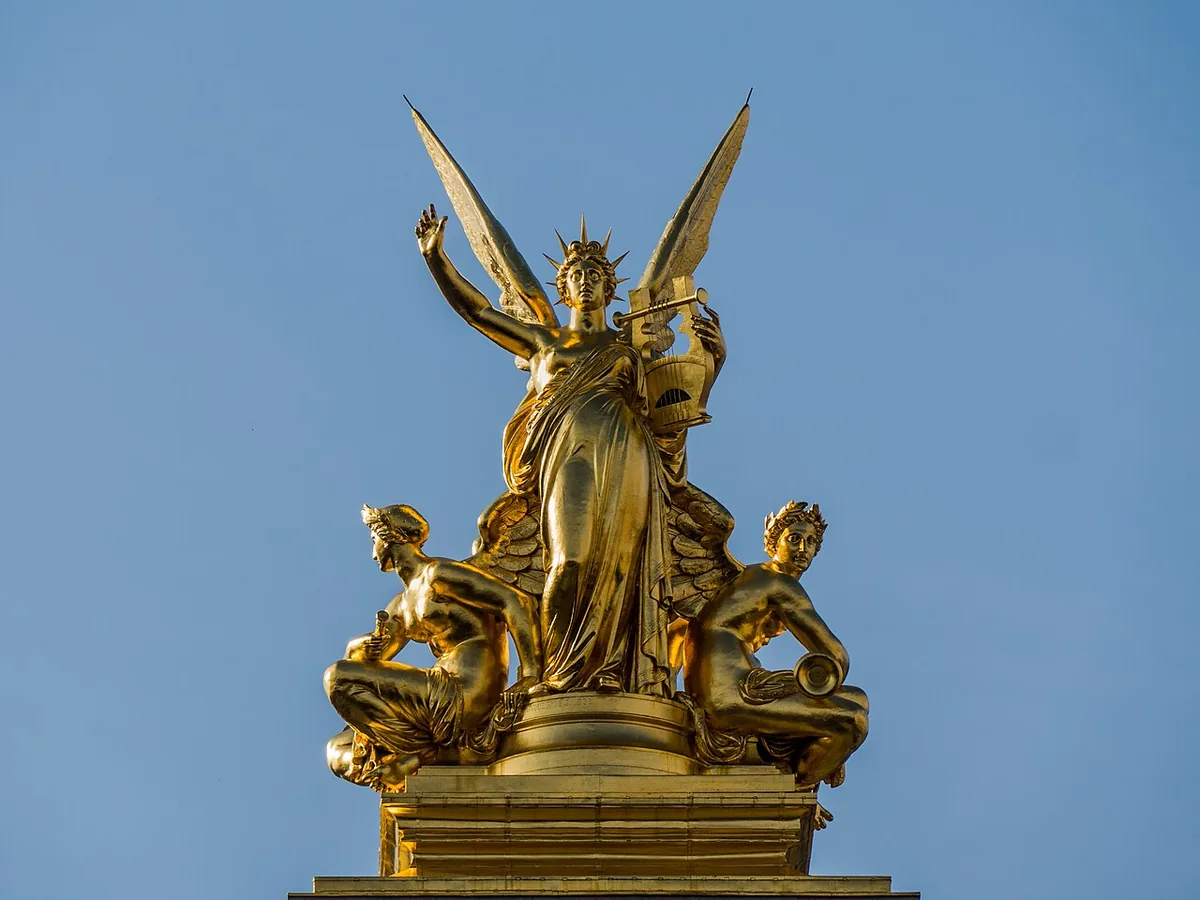
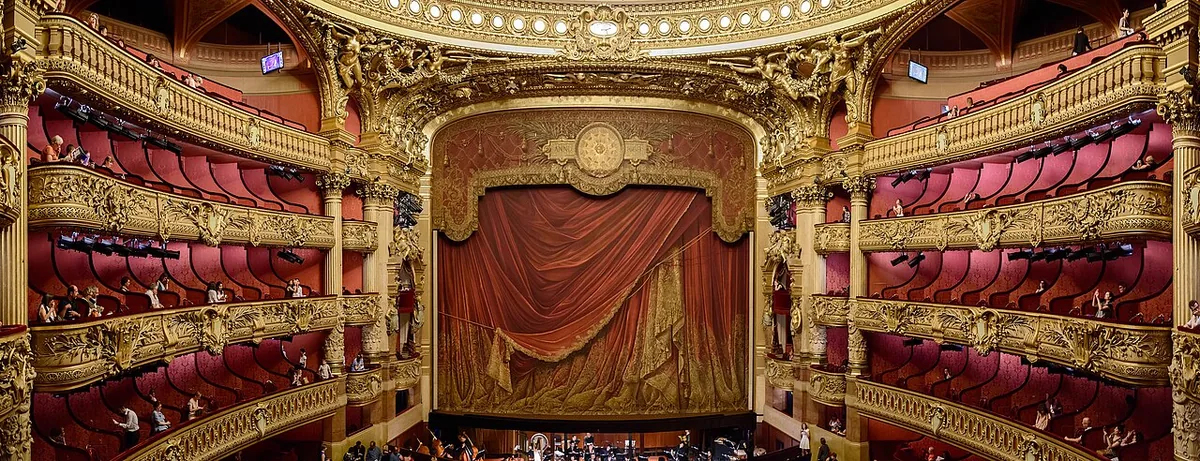
Palais Garnier’s grand staircase and richly decorated public rooms make the opera house a spectacle before performance begins. Designed by Charles Garnier and inaugurated in 1875, it joined stage machinery with the ceremonial social life of nineteenth-century Paris.
Quick facts
Charles Garnier won the competition for the new Paris Opera in 1861, after 171 architects submitted designs.
Palais Garnier was inaugurated on 5 January 1875, after construction was interrupted by the 1870 war and the Paris Commune.
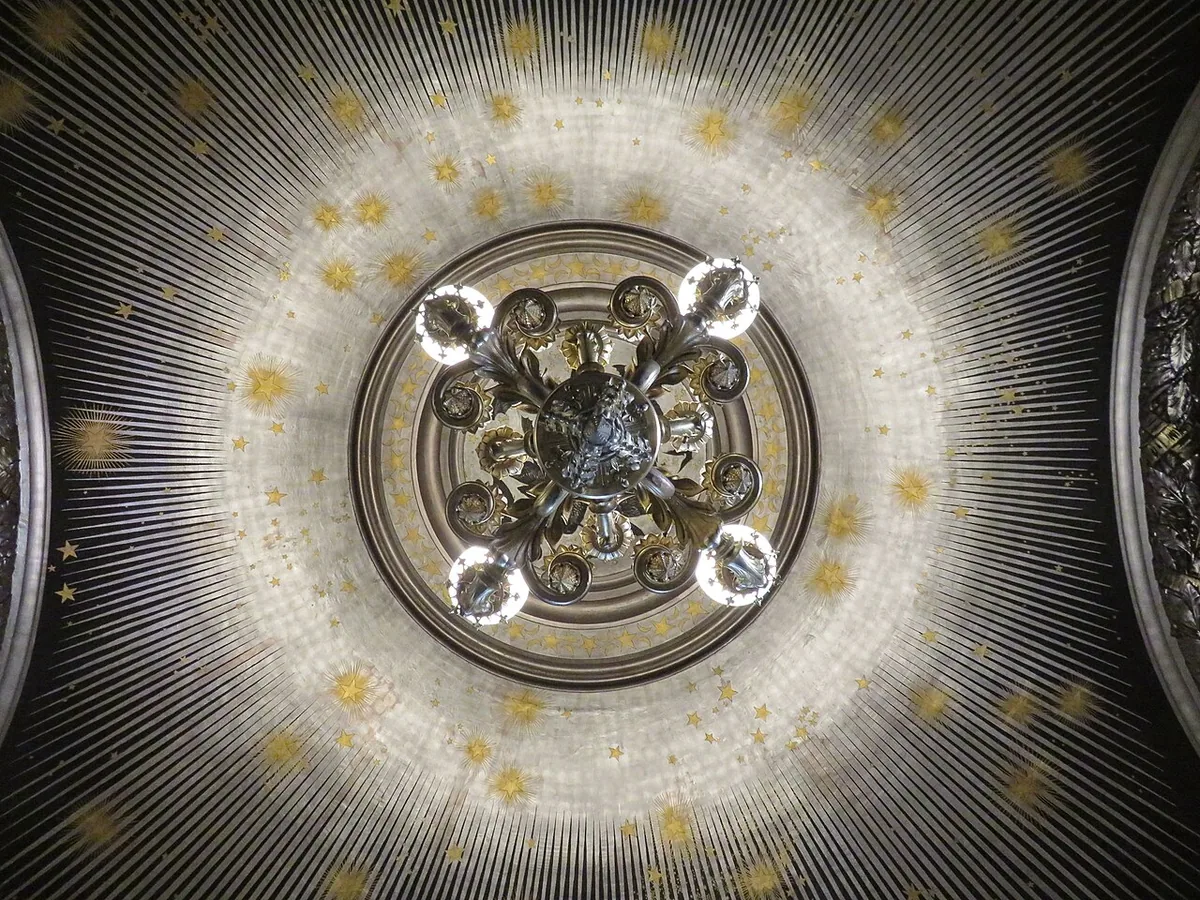
Marc Chagall’s auditorium ceiling was installed in 1964, adding a modern work to Garnier’s nineteenth-century theatre.
Get directions to Palais Garnier. Confirm the visitor entrance and current access with the venue before travelling.
Audio guide
Listen to this place’s guide.
Guide
At Palais Garnier, the staircase is almost a second stage. Its flights divide and reunite, while balconies let one arriving audience watch another. Charles Garnier designed more than a room for opera: he shaped the public ritual around it, from entrance to intermission. The building still performs that role, even when visitors come by day to see its architecture rather than attend a show.
Continue exploring
Discover the full story
Keep reading with a travel pass and explore every full guide and tour.
UpgradeMore places in Paris
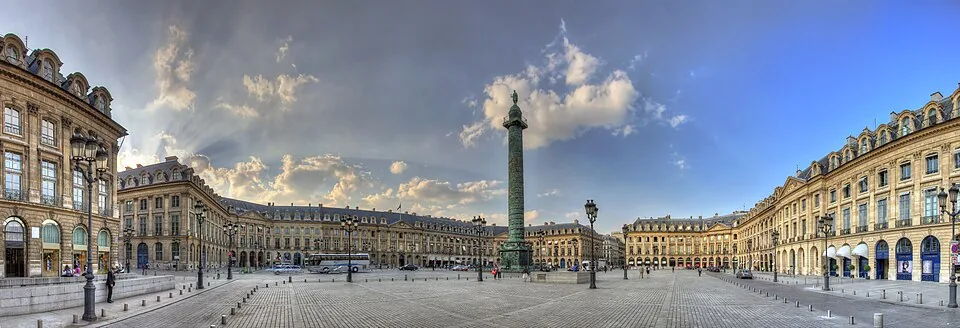
Place Vendôme
Place Vendôme’s ordered façades frame a square whose political symbols have repeatedly changed. Planned for Louis XIV, renamed Place des Piques during the Revolution and centered on a Napoleonic column, it remains a public square in Paris’s 1st arrondissement.
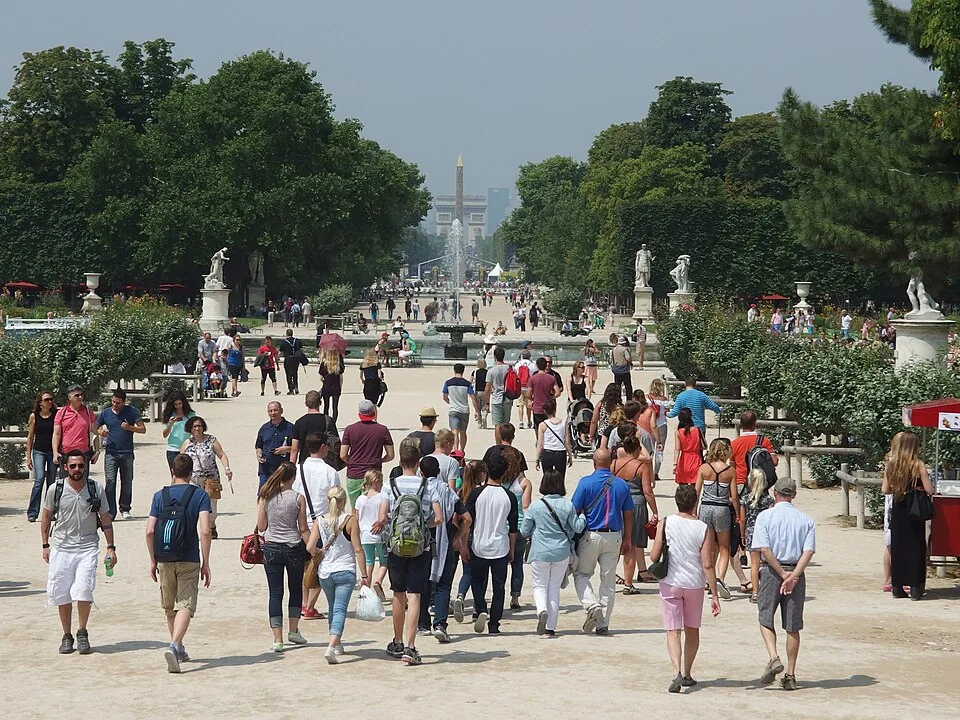
Jardin des Tuileries
The Jardin des Tuileries links the Louvre with Place de la Concorde through formal beds, shaded groves, basins, sculpture and a long westward view. Created for a palace that was burned in 1871 and never rebuilt, the garden survives as a public landscape shaped by royal design, revolution and everyda
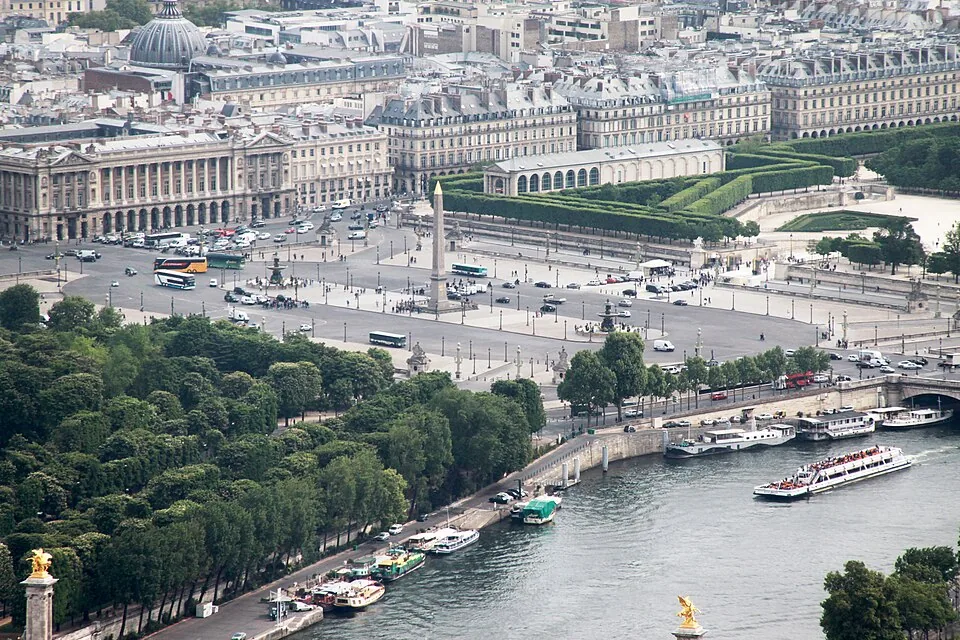
Place de la Concorde
Place de la Concorde occupies a ceremonial crossroads between the Tuileries, Champs-Élysées and Seine. Its obelisk, twin fountains and eight city statues frame a public square reshaped from royal monument to Revolutionary stage and later civic junction.
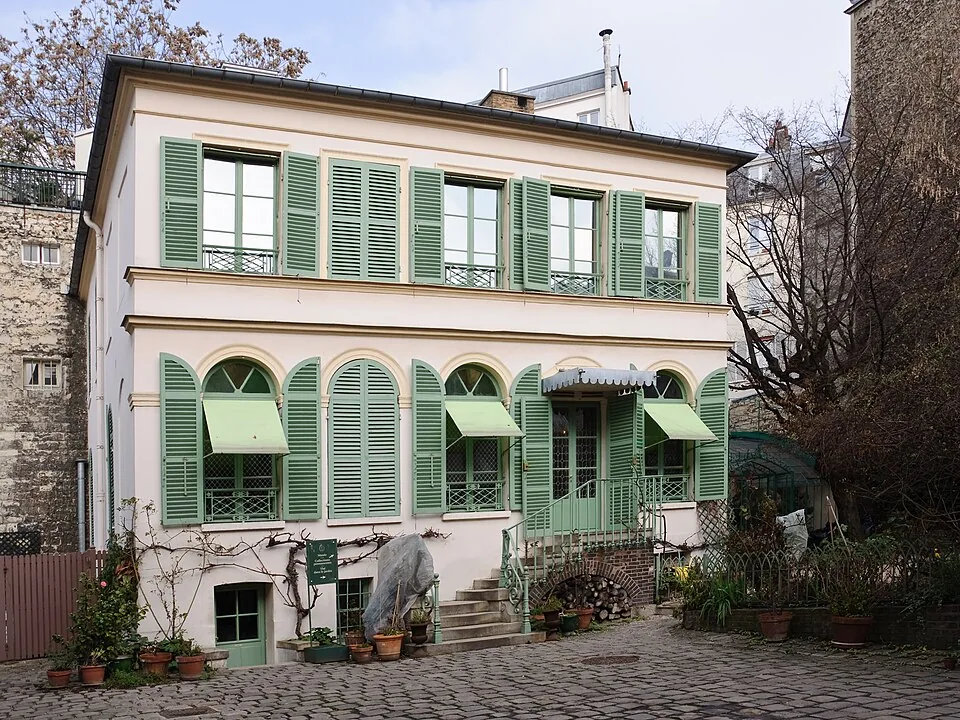
Musée de la Vie Romantique
The Musée de la Vie Romantique occupies the former home and studios of painter Ary Scheffer in the Nouvelle Athènes district. Built in 1830, the house hosted artists and writers and preserves the domestic scale of nineteenth-century creative life.
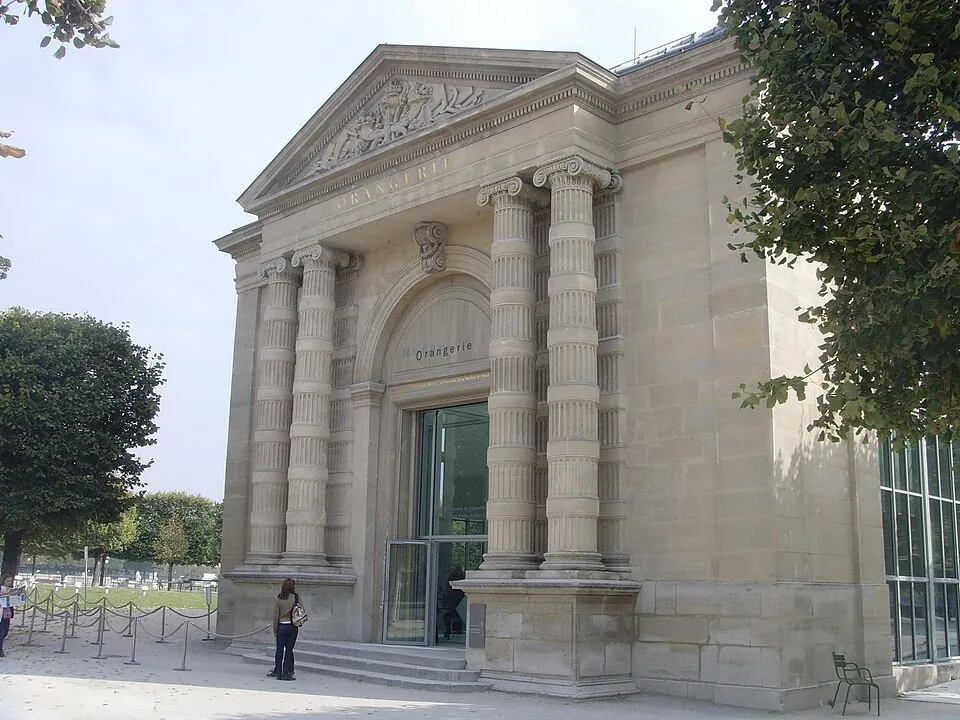
Musée de l’Orangerie
Musée de l’Orangerie was built as a winter shelter for the Tuileries’ orange trees, then became home to Monet’s Water Lilies and the Walter-Guillaume collection. Its daylight-filled oval rooms turn painting into an environment, while lower galleries connect it to modern art in Paris.
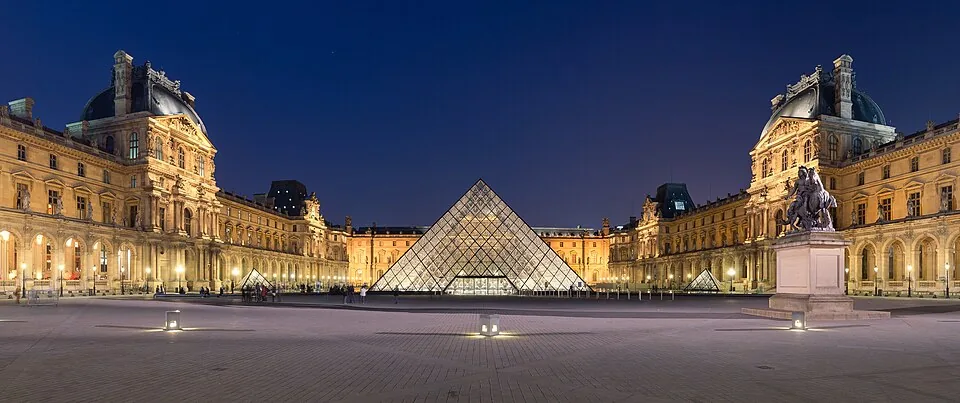
Louvre Museum
Explore the Louvre as a fortress transformed into a royal palace and public museum. Medieval remains, the Grande Galerie, and I. M. Pei’s pyramid reveal how each era reshaped this Paris landmark.