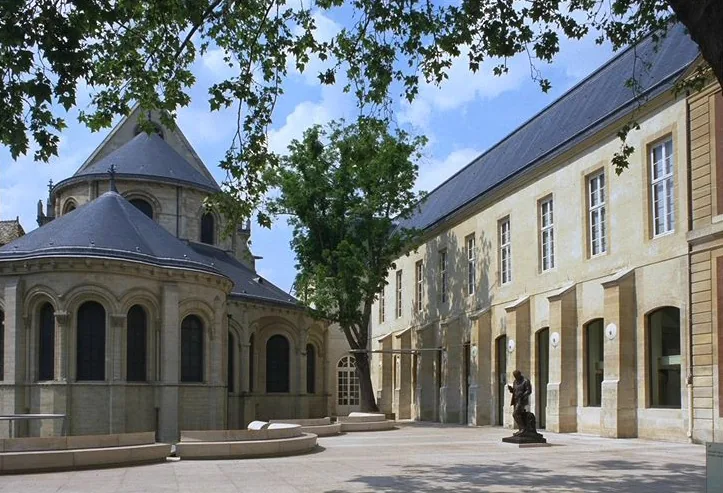
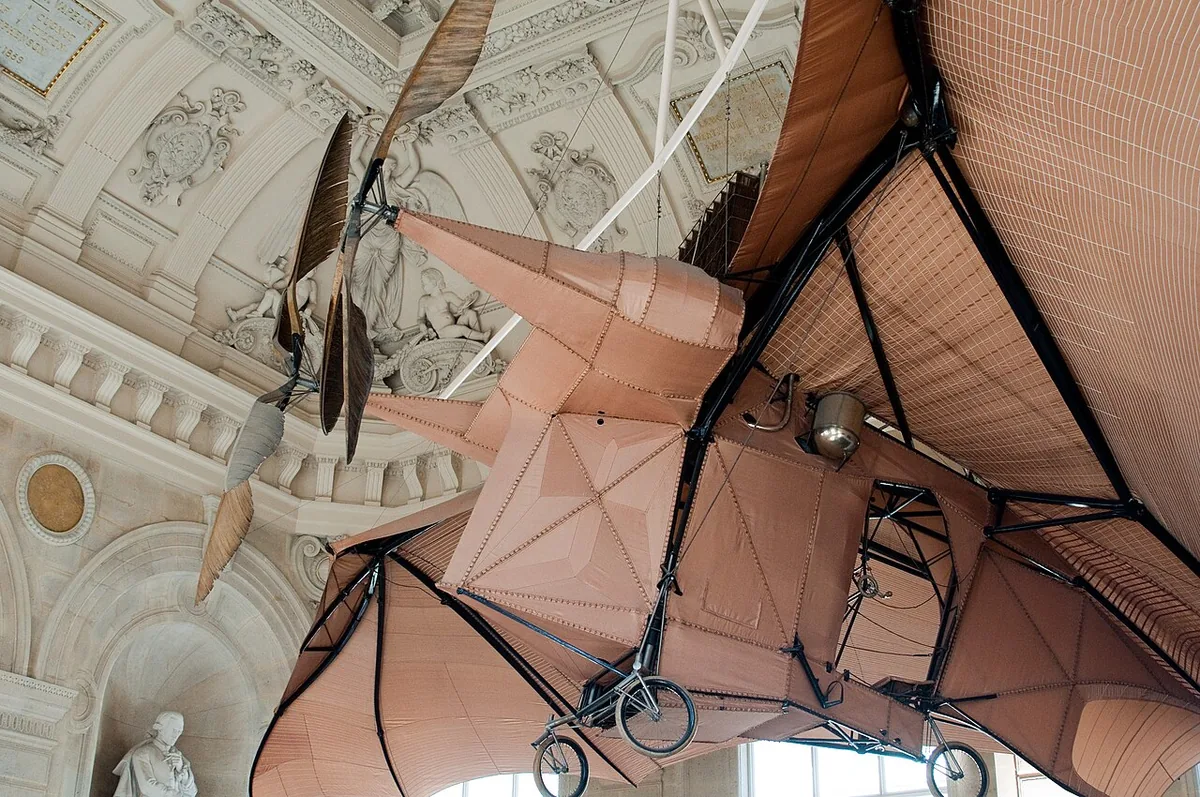
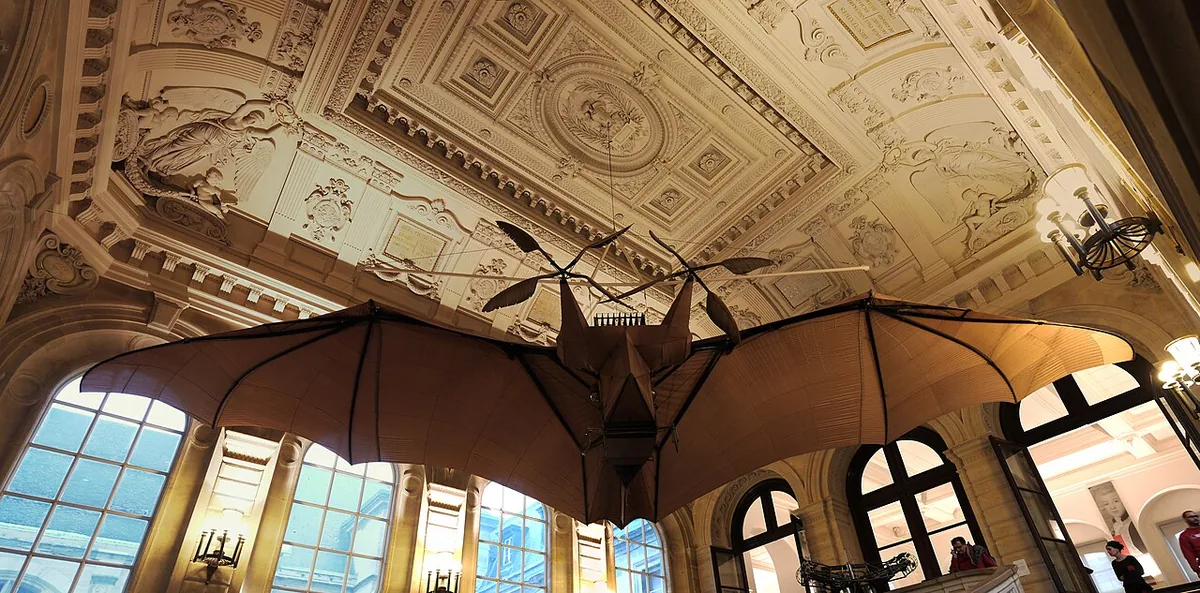
In the former priory of Saint-Martin-des-Champs, ingenious machines and scientific instruments occupy a historic religious complex. The museum grew from a Revolutionary-era mission to gather useful inventions, turning technical objects into tools for public learning.
Quick facts
The Conservatoire des arts et métiers was created by law on 10 October 1794 after Abbé Henri Grégoire proposed a public collection of useful inventions and machines.
The Conservatoire moved into the former priory of Saint-Martin-des-Champs in 1798, and its galleries opened as a museum in 1802.
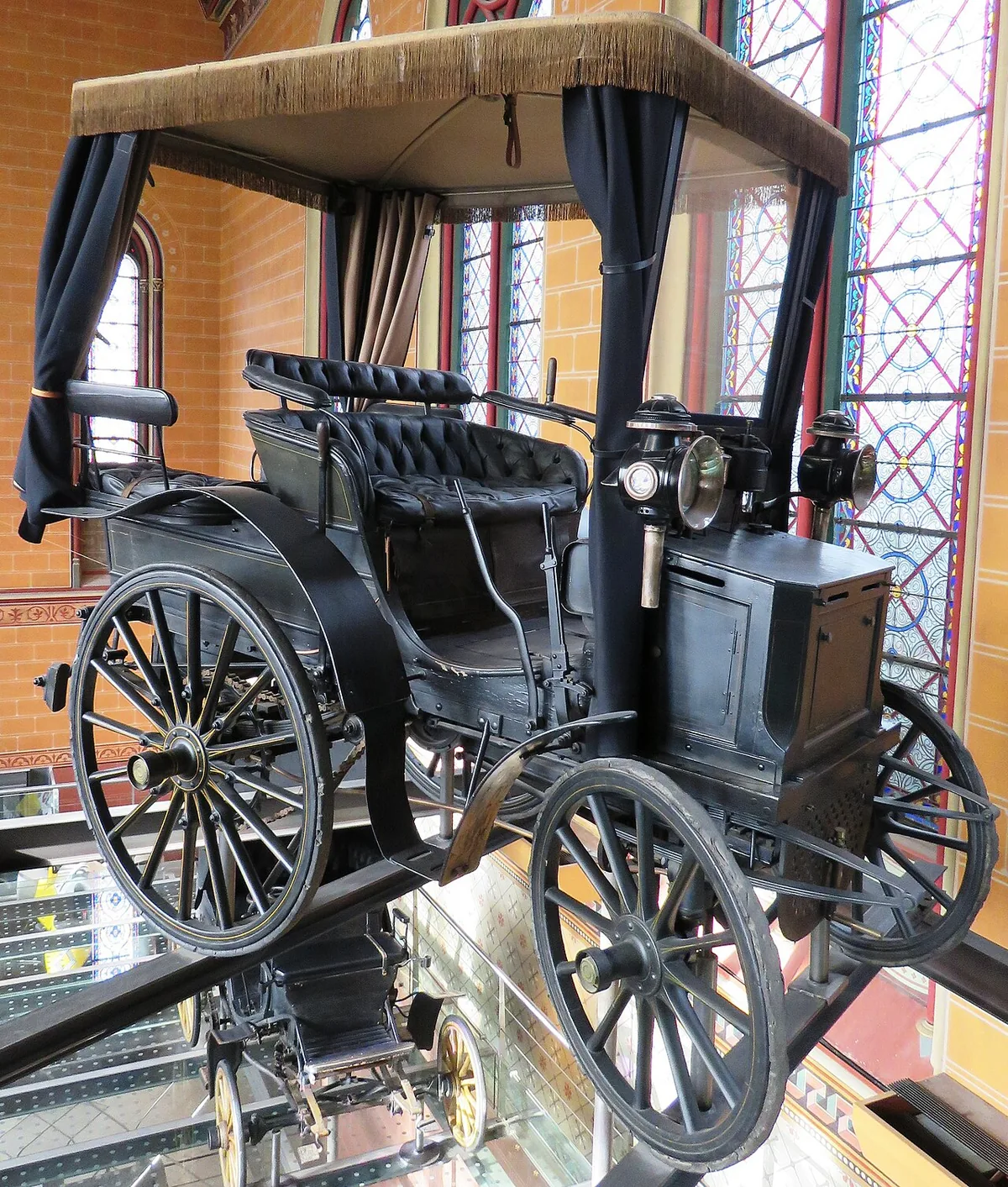
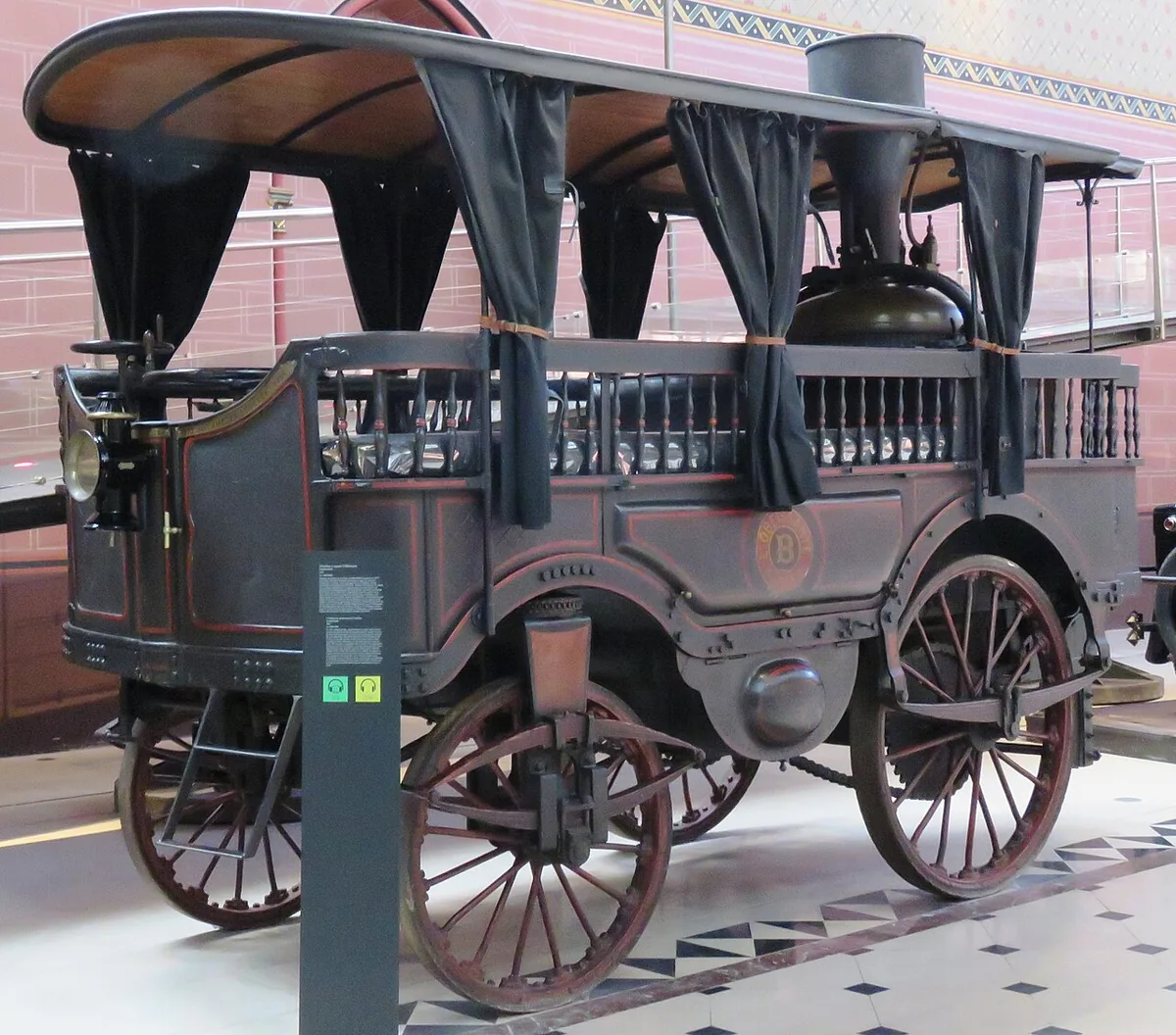
The museum preserves Joseph Cugnot’s 1770–71 steam-powered fardier, which entered the Conservatoire collection in 1799.
Get directions to Musée des Arts et Métiers. Confirm the visitor entrance and current access with the venue before travelling.
Audio guide
Listen to this place’s guide.
Guide
The Musée des Arts et Métiers offers a striking sight: inventions and industrial machines inside the former church of Saint-Martin-des-Champs. The church’s medieval stonework and vaulted spaces were built for a monastic community; today, they hold objects that show how people measured, calculated, built, communicated and travelled. The museum is not simply a collection of old machines.
Continue exploring
Discover the full story
Keep reading with a travel pass and explore every full guide and tour.
UpgradeMore places in Paris

Maison de Nicolas Flamel
The house at 51 Rue de Montmorency is associated with Nicolas Flamel and dates to 1407. Its façade preserves an inscription tied to charitable lodging, while the famous alchemist stories belong to later legend rather than verified biography.
Musée de la Chasse et de la Nature
In two restored Marais townhouses, the Musée de la Chasse et de la Nature sets historic hunting art beside taxidermy, curious objects and contemporary installations. Its intimate rooms turn a collection into an ongoing question about how people represent, use and live alongside animals.

Centre Pompidou
Centre Pompidou brings modern art, public reading, design, and music research together in a landmark cultural complex in Paris’s Beaubourg district. Its exposed structure made a flexible cultural institution visible to the city; the historic building is closed for renovation until its planned 2030 r
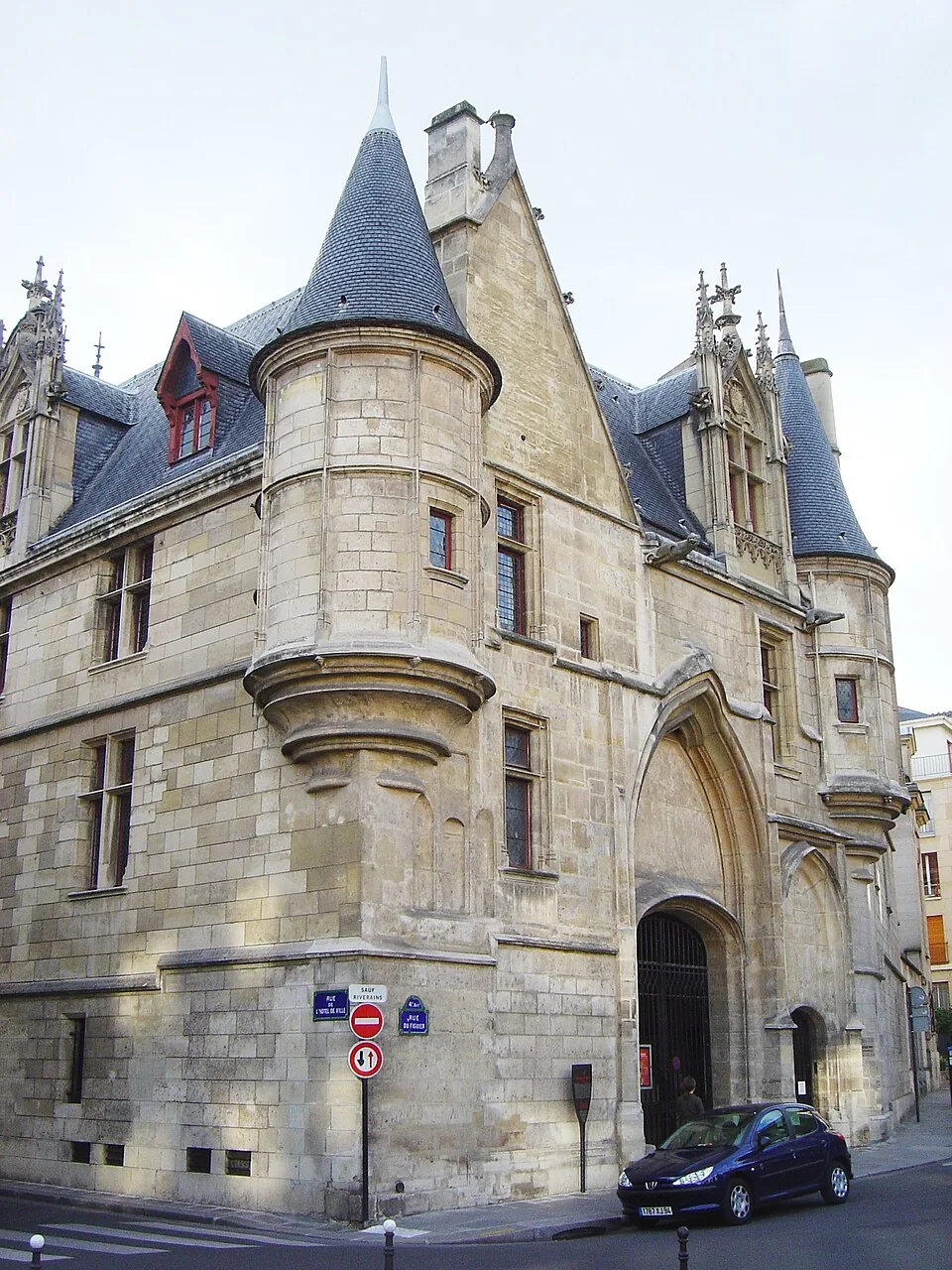
Le Marais
Le Marais is a historic district where medieval street patterns meet aristocratic hôtels particuliers and later cultural institutions. Its survival owes much to preservation policies that began in the 1960s after long periods of neglect.
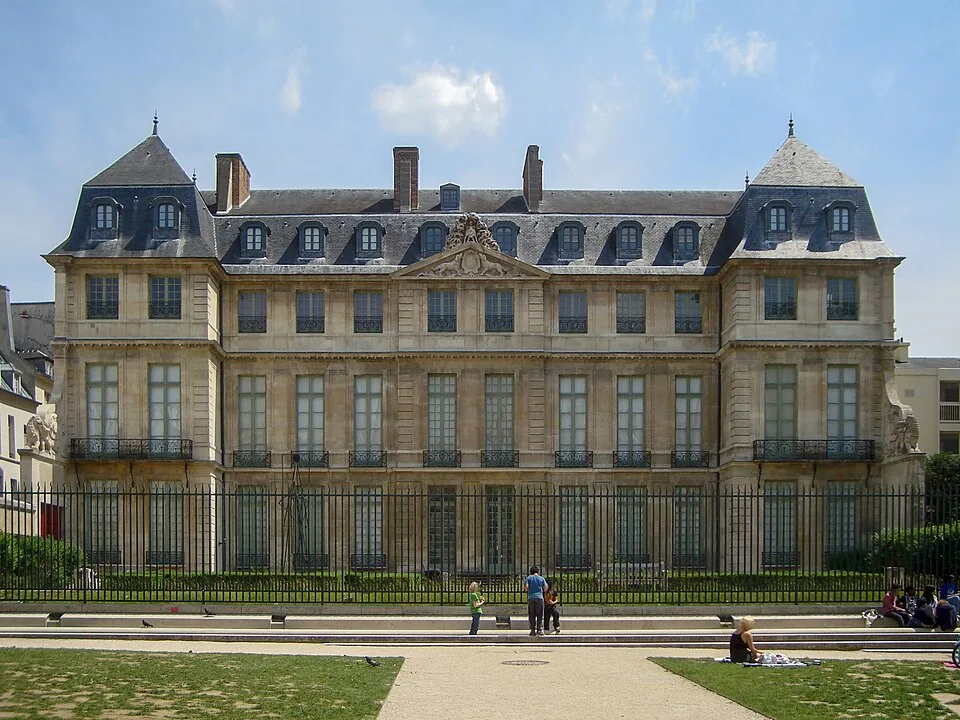
Musée Picasso
Musée Picasso occupies Hôtel Salé, a seventeenth-century mansion whose rooms now hold an unusually broad record of Picasso’s work and creative process. The museum’s collection came together through donations and state acquisitions after the artist’s death.
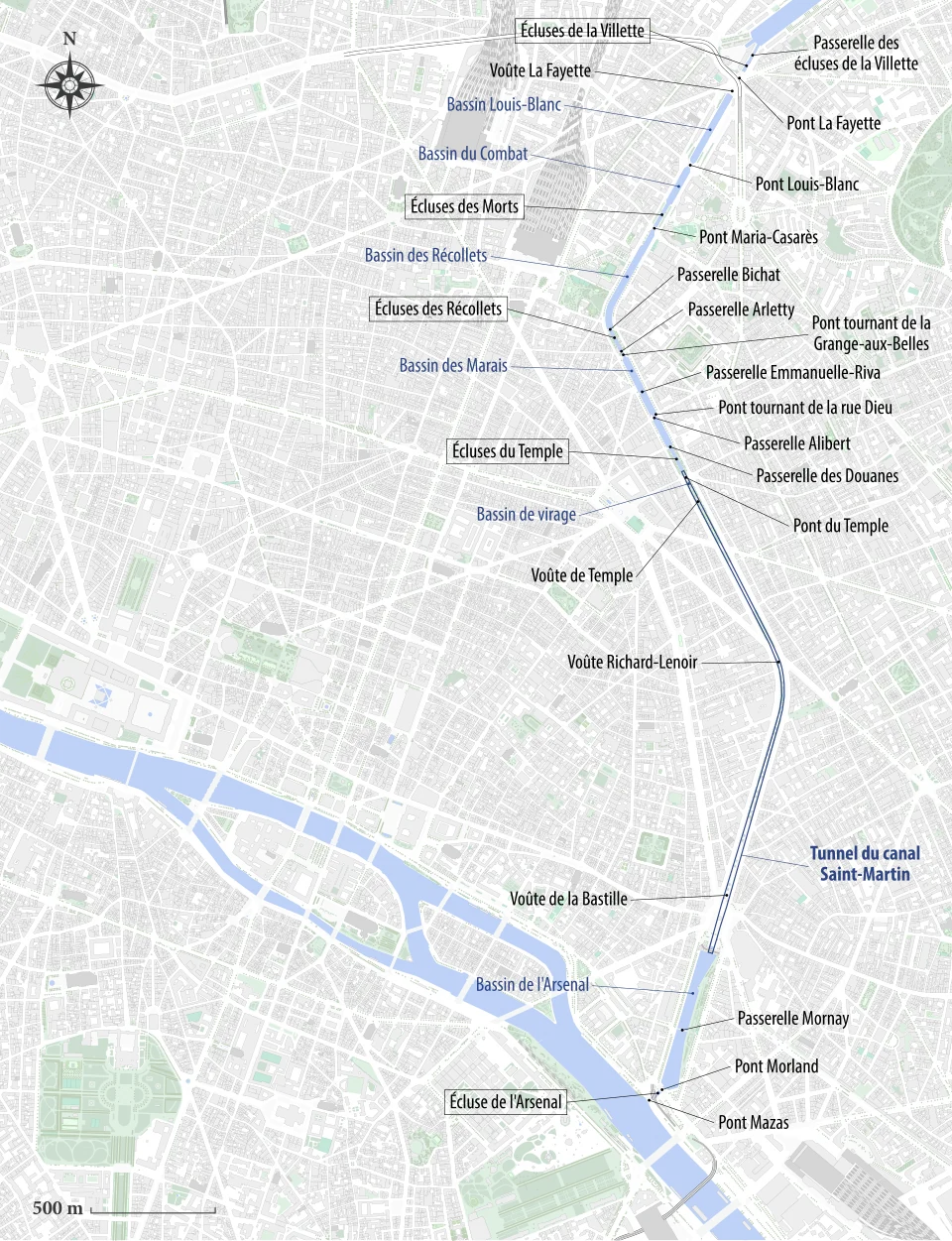
Canal Saint-Martin
An urban waterway of nine locks, iron footbridges and hidden vaults, Canal Saint-Martin links the Bassin de la Villette with the Seine. Built for water supply and freight, it became a neighborhood promenade after an expressway plan was abandoned in 1971.