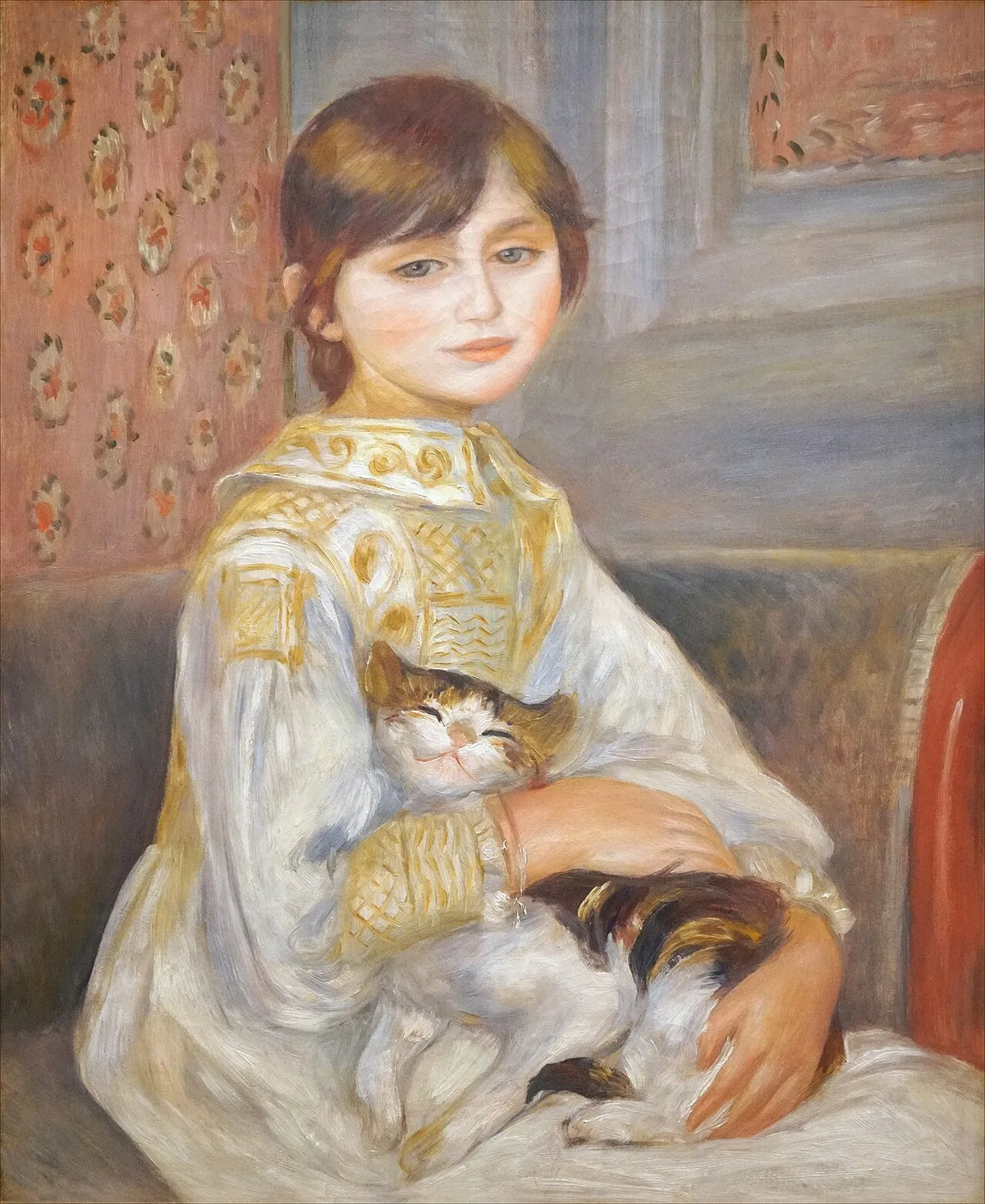
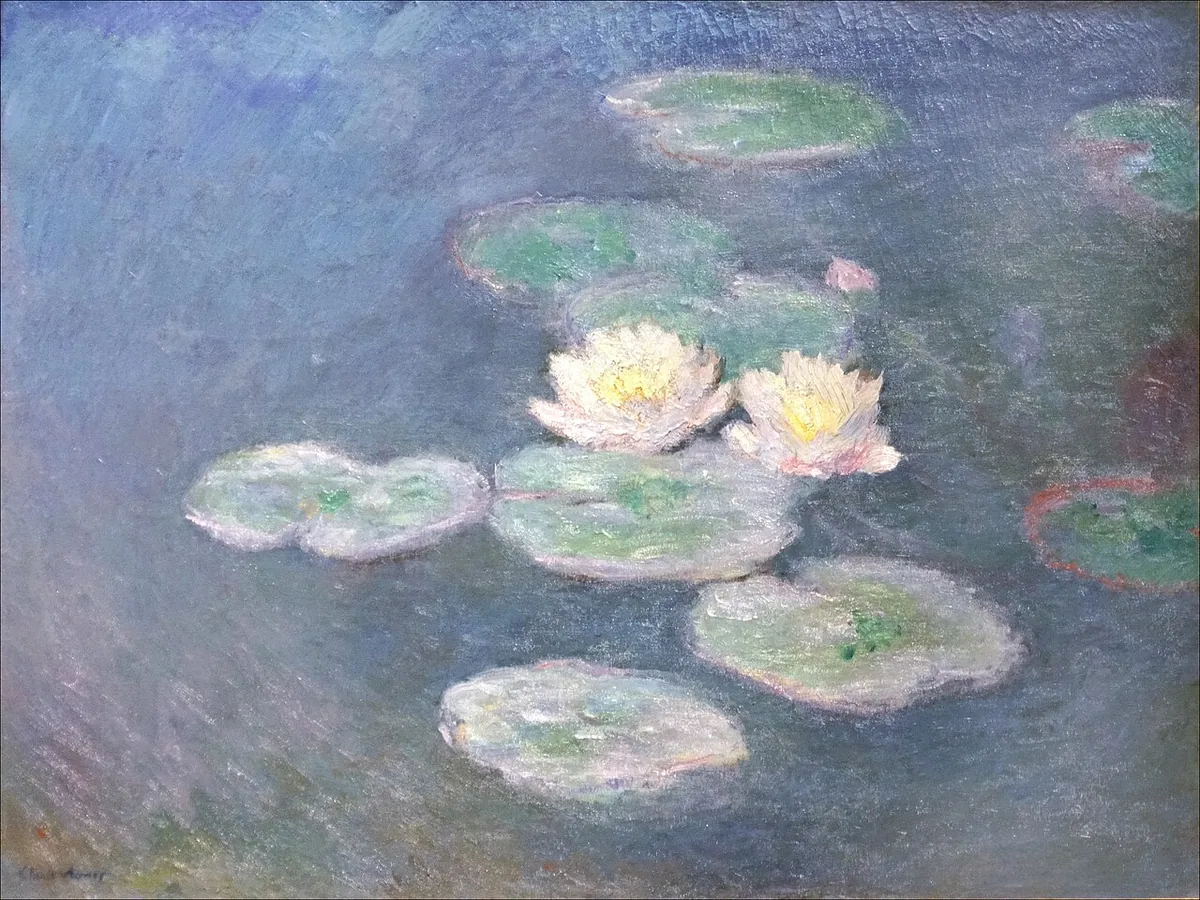
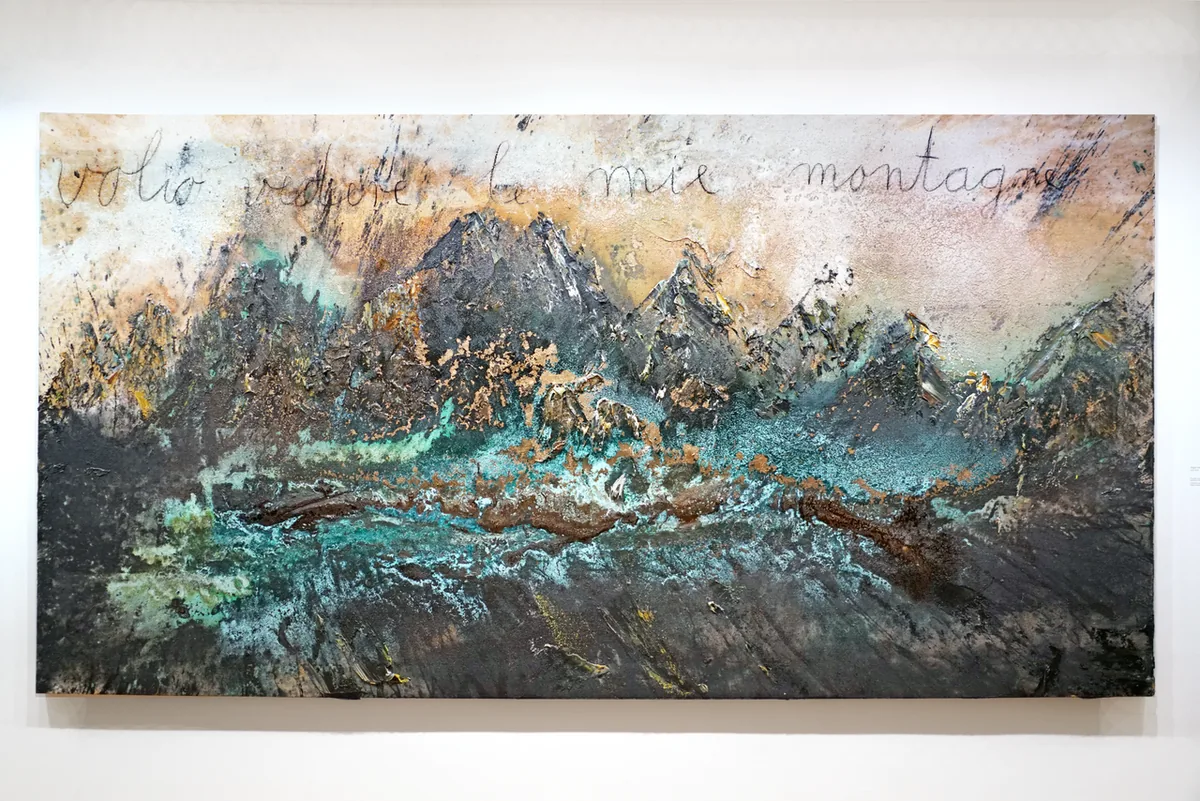
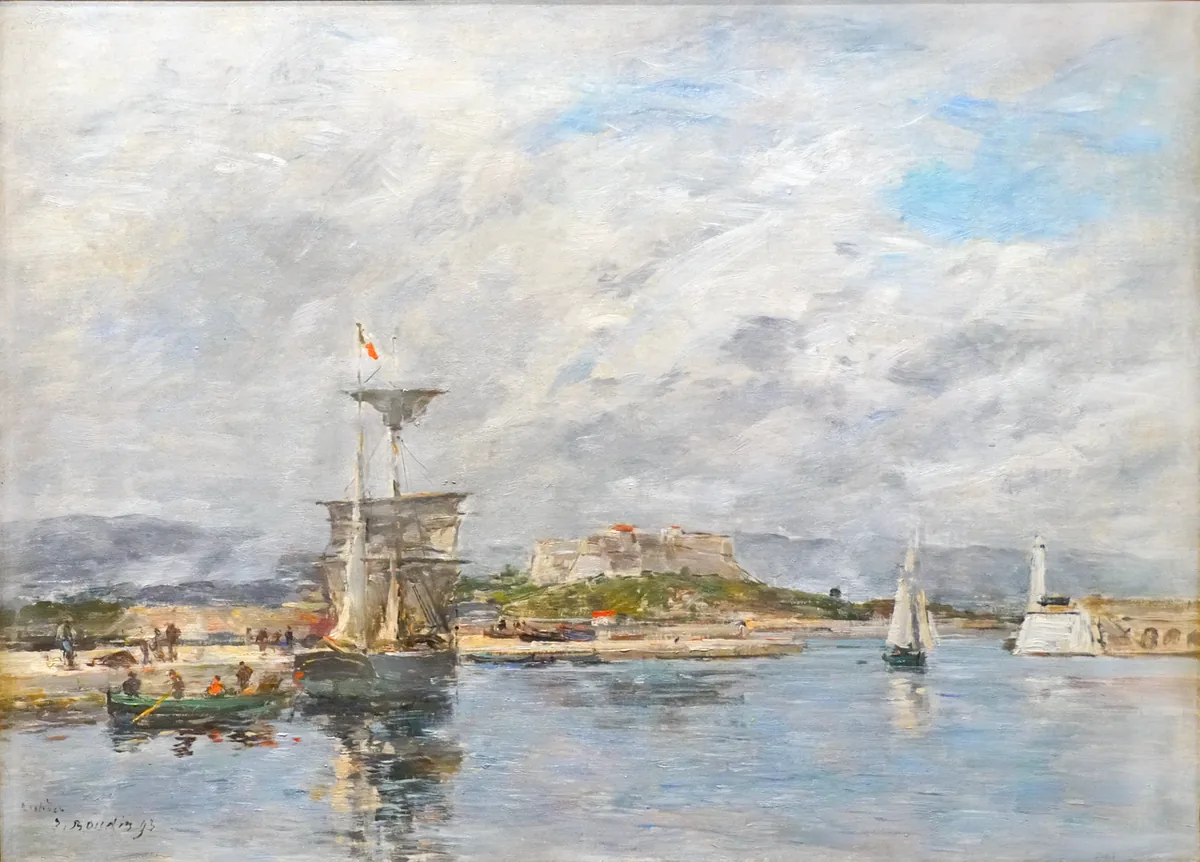
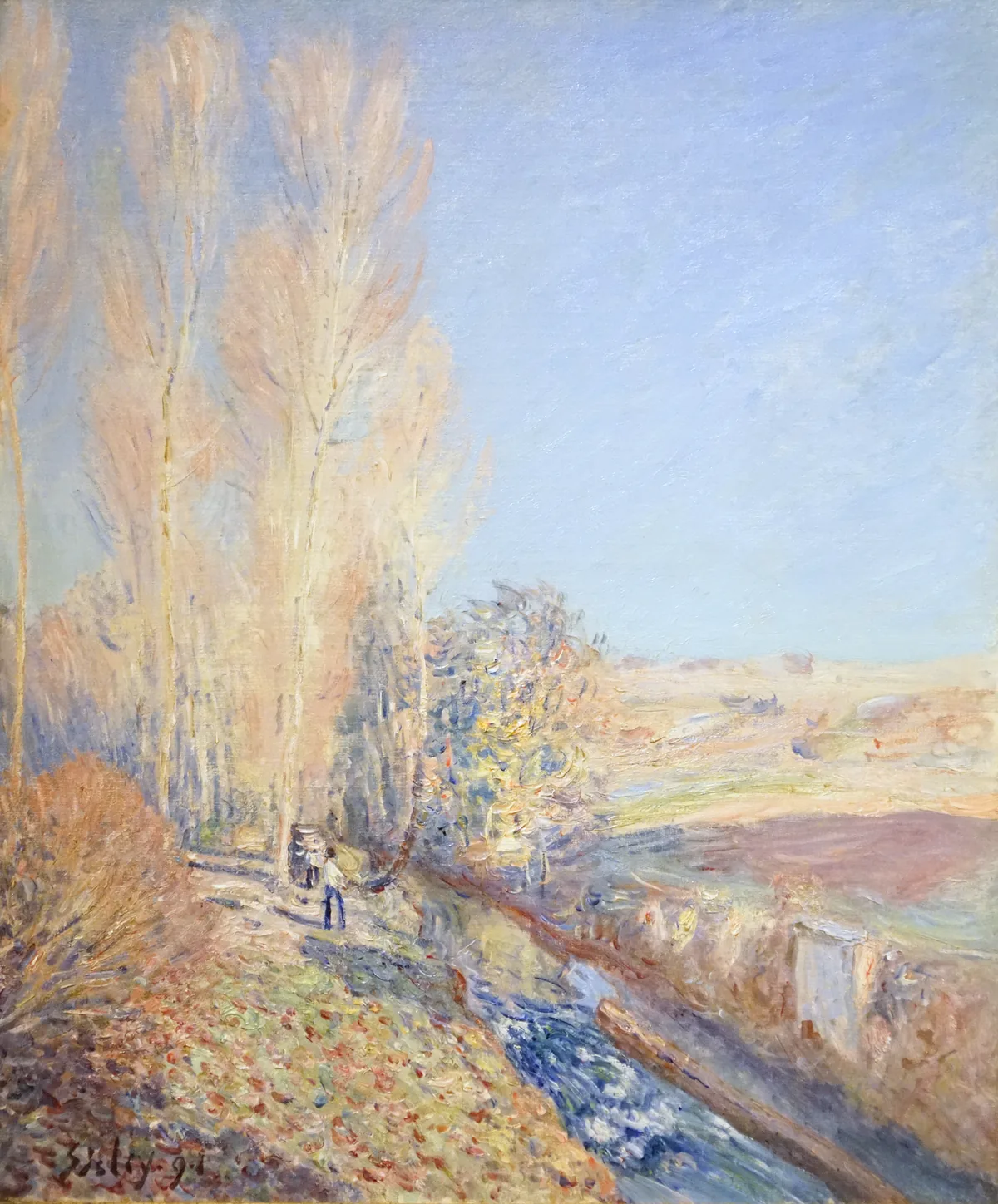
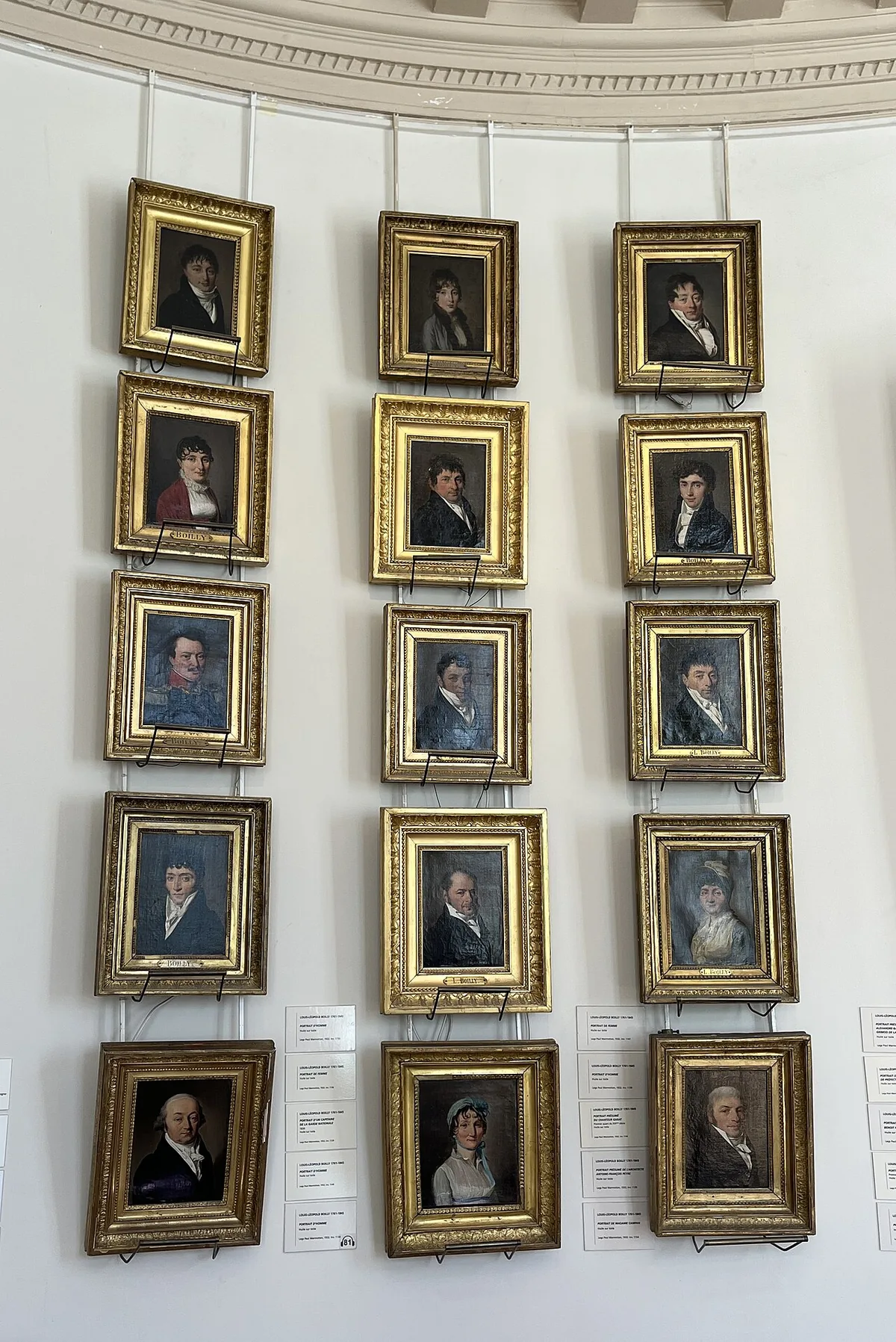
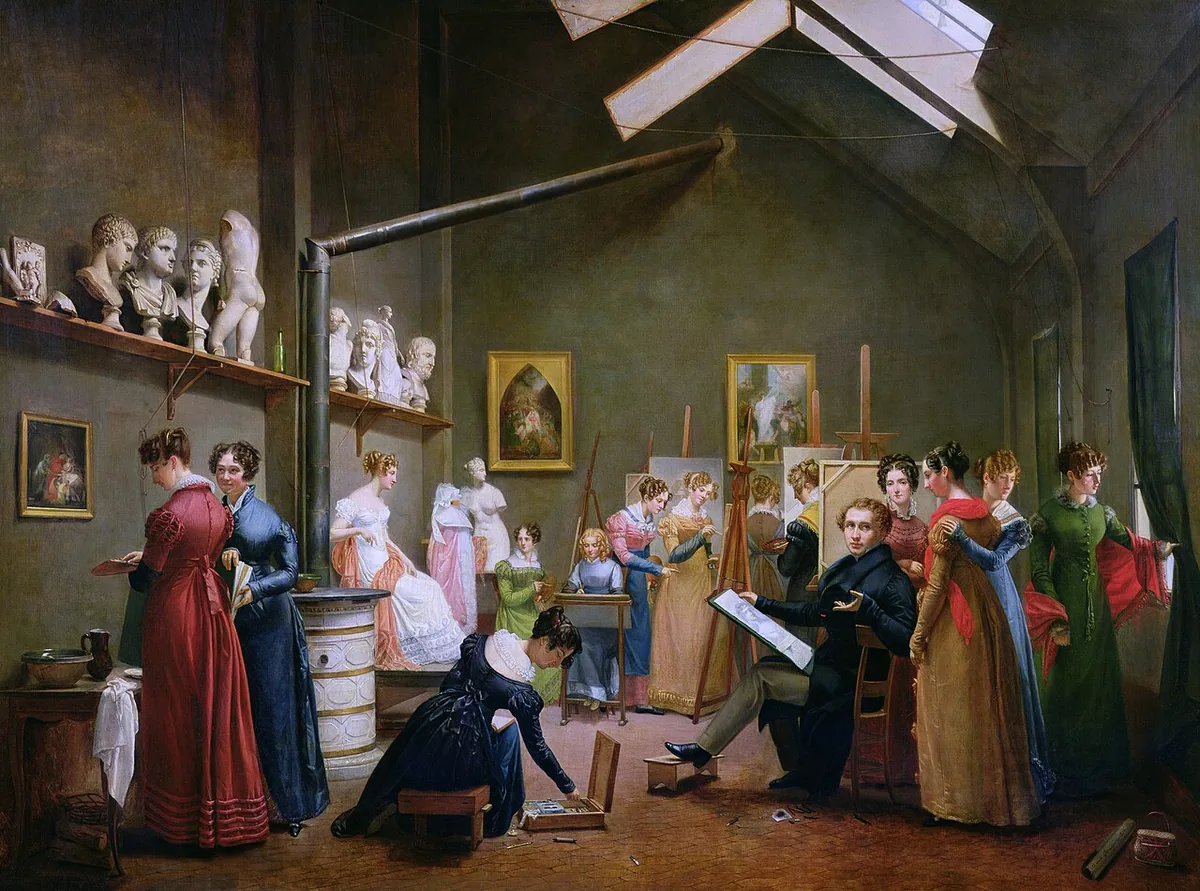
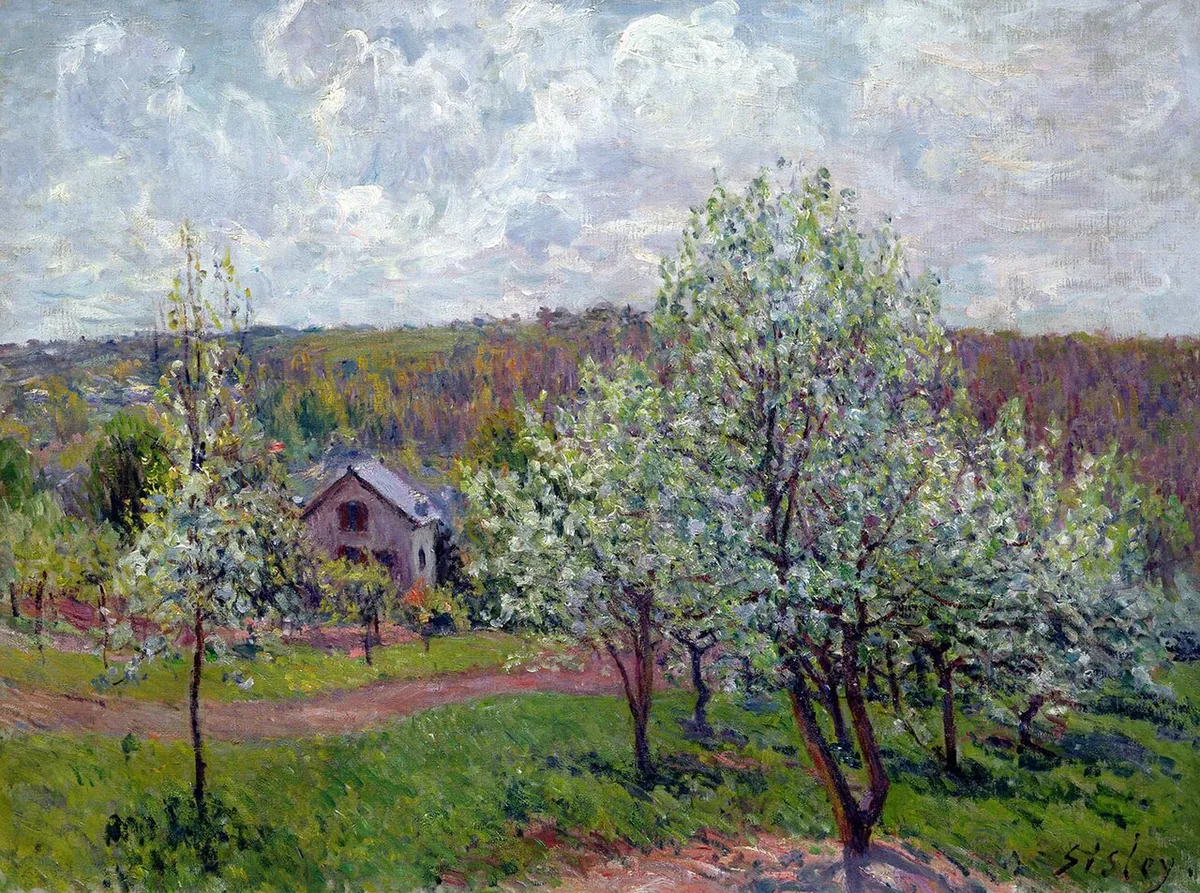
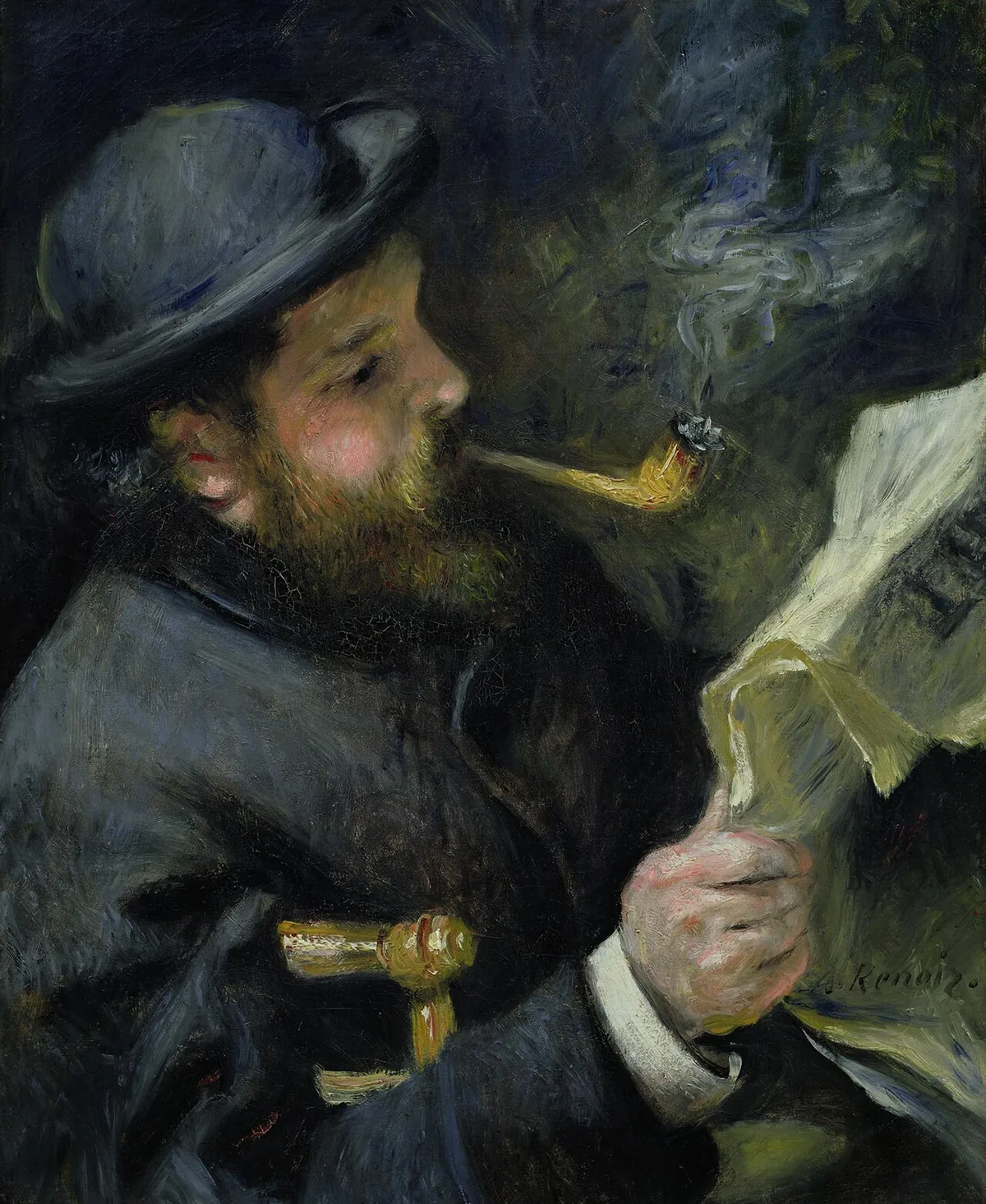
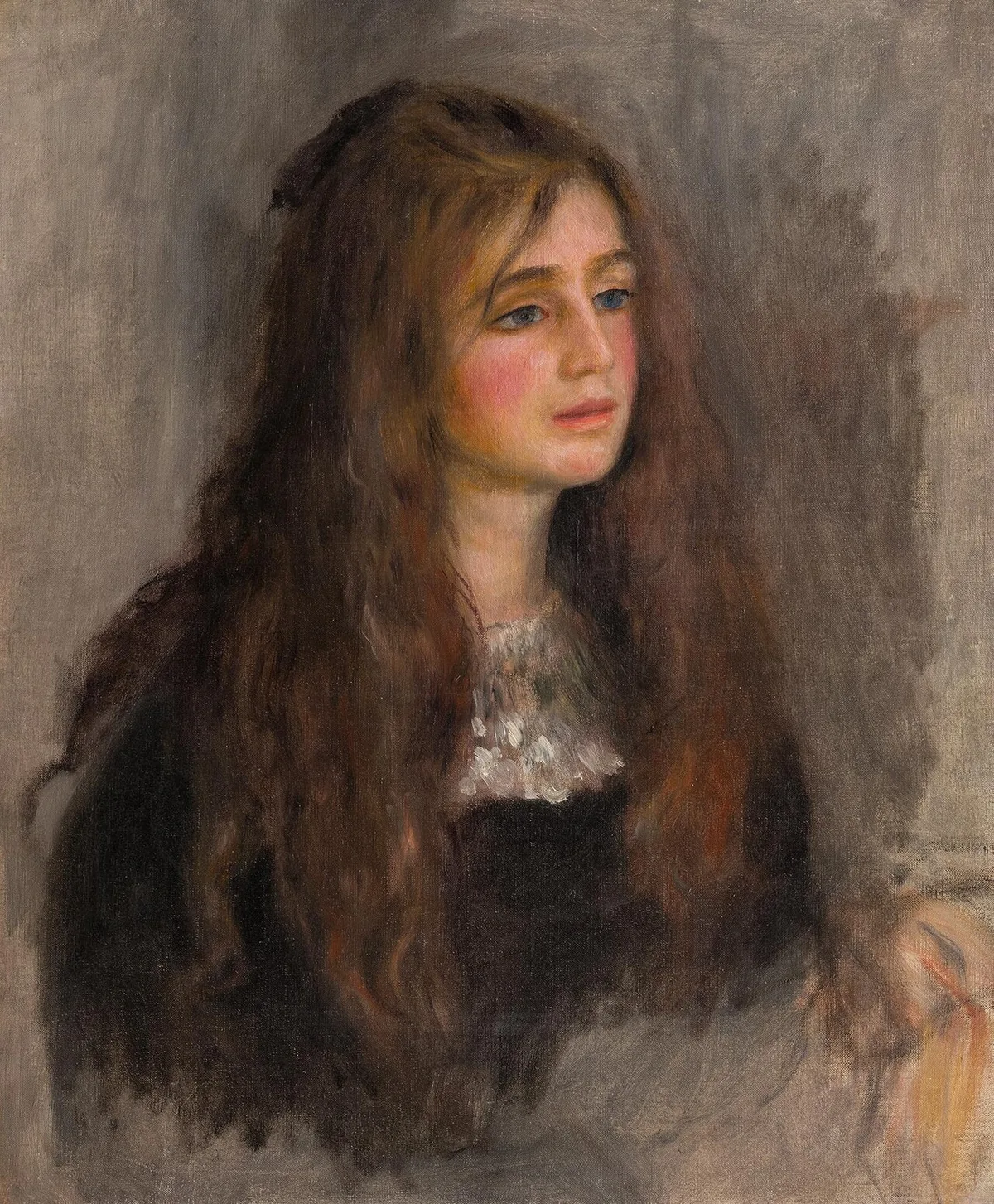
The former townhouse of Paul Marmottan now holds one of the world’s most important collections of Claude Monet’s work. In this quiet sixteenth-arrondissement setting, Empire-era rooms and Impressionist canvases create an intimate encounter with the artist’s changing vision.
Quick facts
Paul Marmottan bequeathed his house and collections to the Académie des beaux-arts; the museum opened to the public on 21 June 1934.
Michel Monet’s 1966 bequest brought more than one hundred Monet works to the museum, and a gallery beneath the garden opened in 1970 to show large canvases.
Nine paintings were stolen from the museum in 1985, recovered in Corsica in December 1990, and rehung in 1991.
Get directions to Musée Marmottan Monet. Confirm the visitor entrance and current access with the venue before travelling.
Audio guide
Listen to this place’s guide.
Guide
The Musée Marmottan Monet contains a revealing contradiction. Its rooms preserve Paul Marmottan’s devotion to Napoleon’s era, yet its most famous painting, Claude Monet’s *Impression, Sunrise*, helped give a name to an art movement that Marmottan himself had criticized. The museum’s history is not a tidy plan; it is a series of gifts that gradually changed what this Paris house means.
Continue exploring
Discover the full story
Keep reading with a travel pass and explore every full guide and tour.
UpgradeMore places in Paris
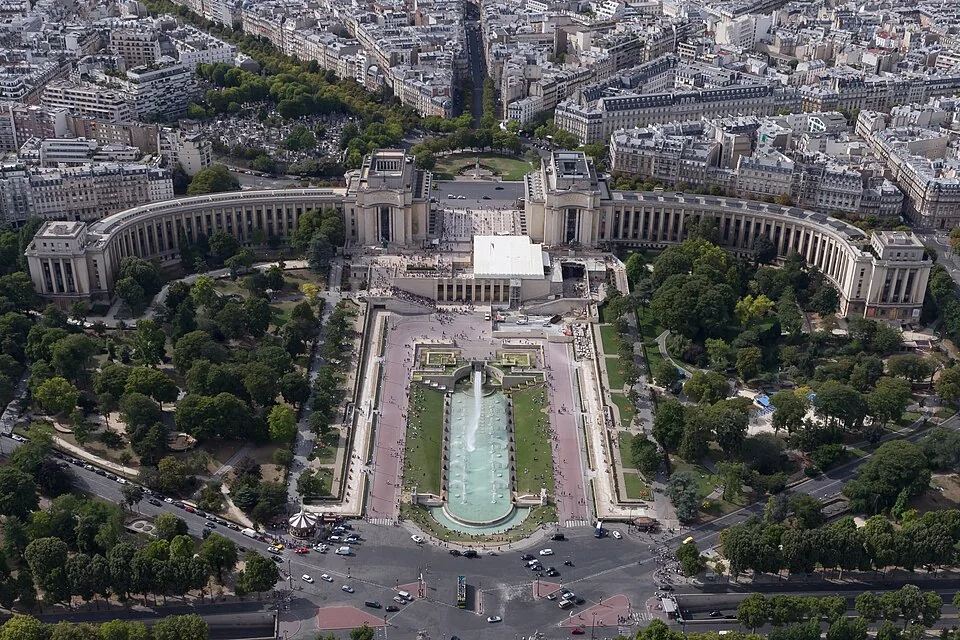
Palais de Chaillot
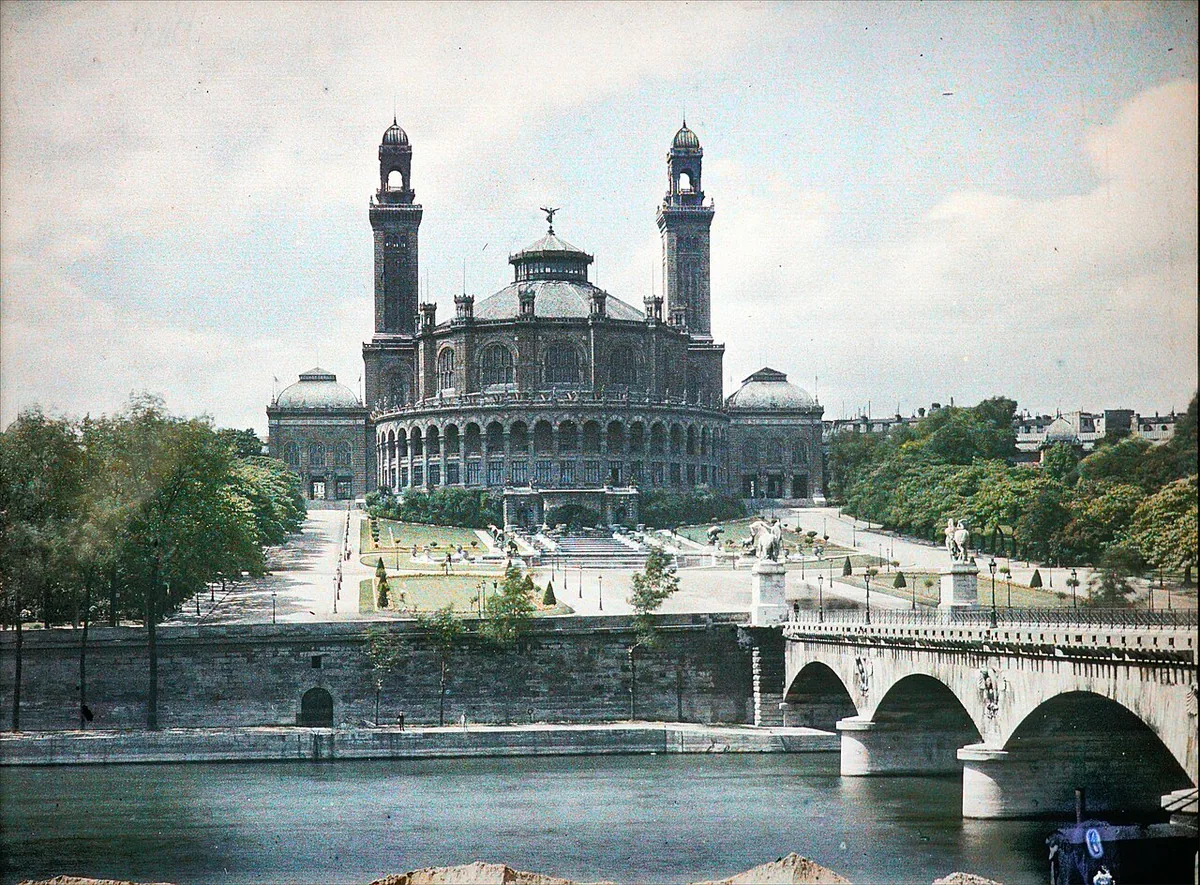
The Palais de Chaillot sits on the Trocadéro hill as a monumental frame for views across the Seine. Built for the 1937 Universal Exhibition, it now houses cultural institutions and preserves a site repeatedly chosen for grand public architecture.
Trocadéro
Trocadéro’s terraces frame one of Paris’s most recognizable views, but the gardens and monumental axis were shaped by international exhibitions. Cascades, fountains, and sculptures connect the hilltop Palais de Chaillot with the open Champ de Mars.
Fondation Louis Vuitton
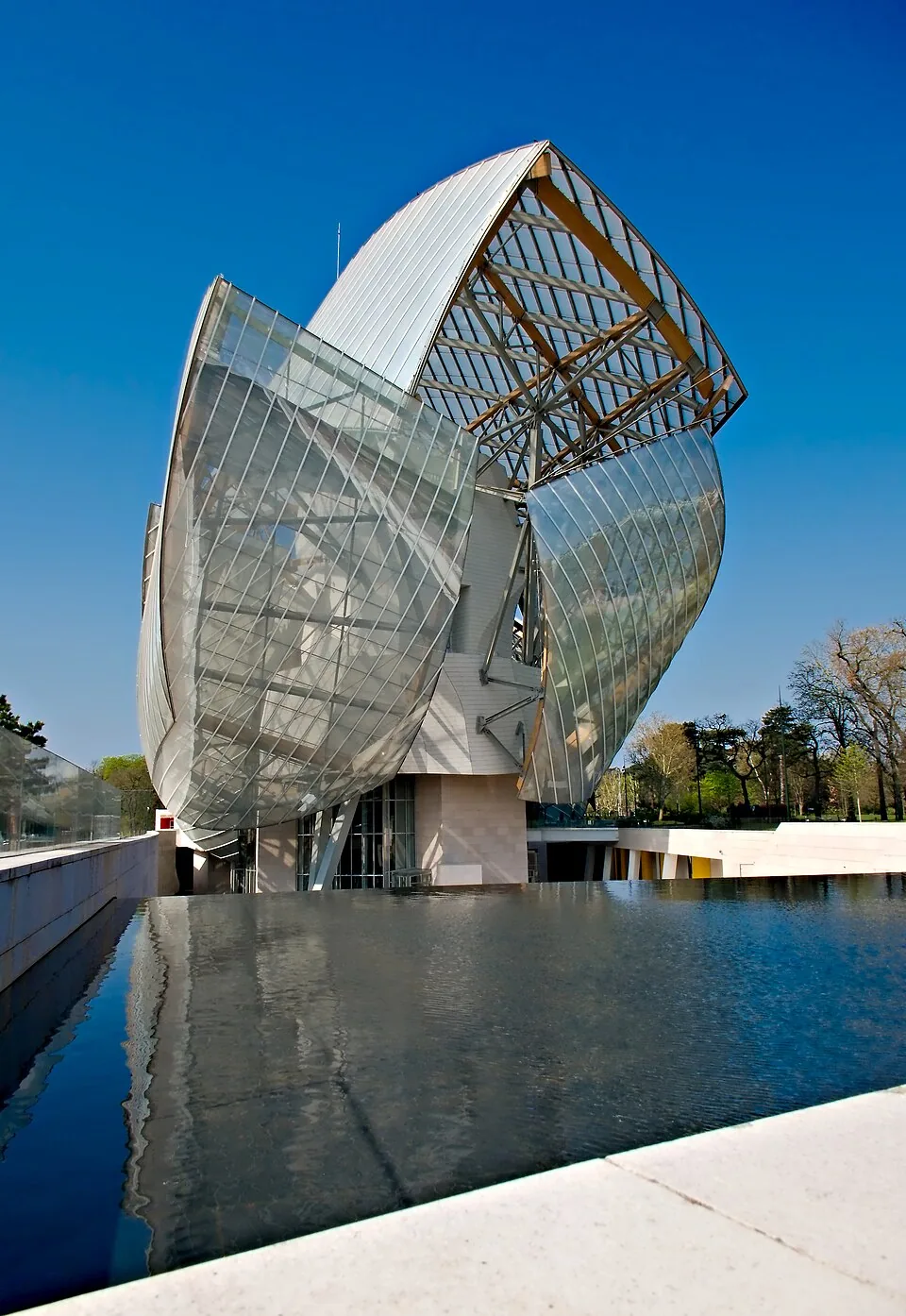
Frank Gehry’s glass sails seem to hover above a white sculptural core at Fondation Louis Vuitton. The building draws on the lightness of nineteenth-century glass garden architecture while using digitally designed forms and custom materials to create a shifting visual presence.
Eiffel Tower
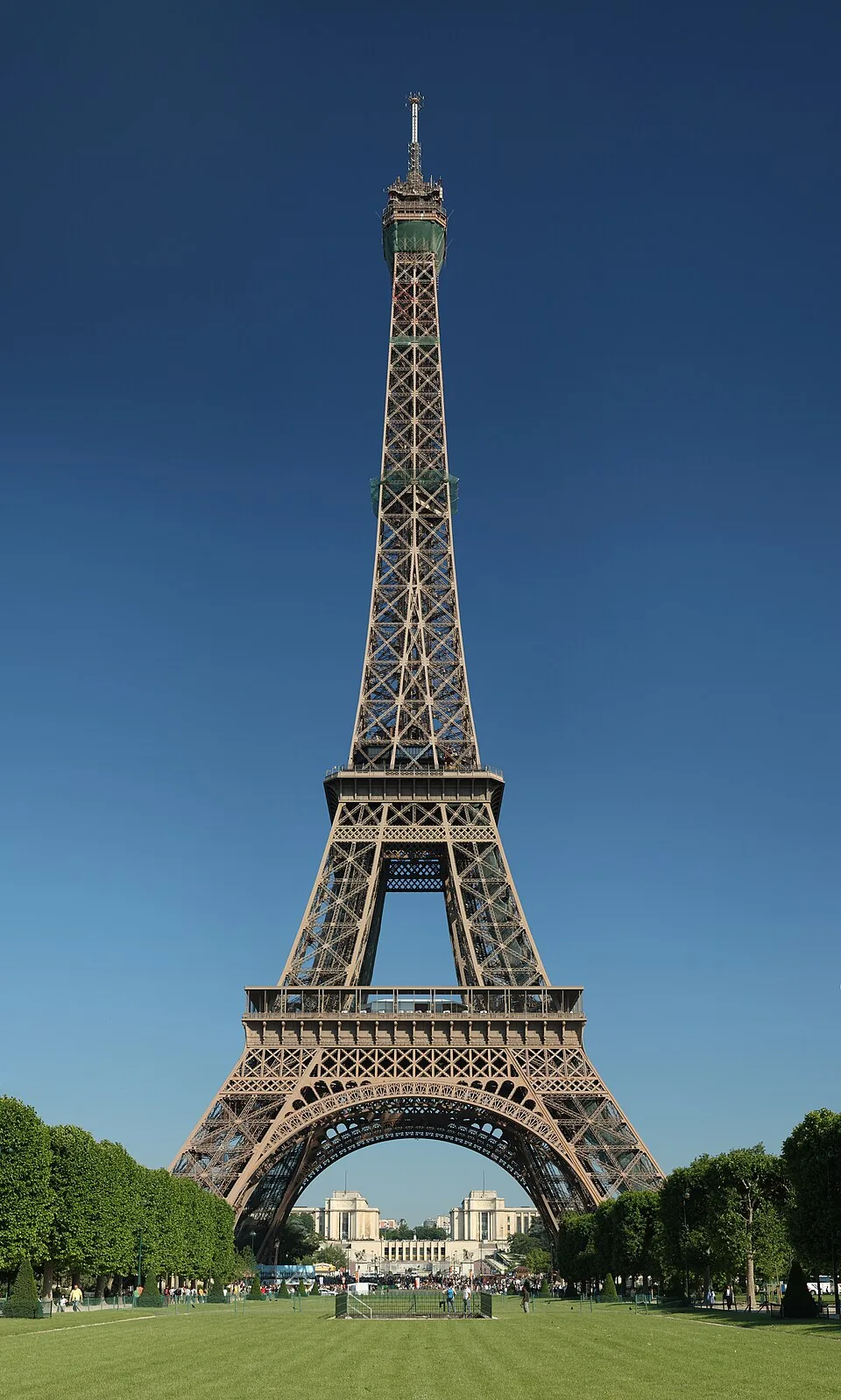
Built for the 1889 Paris Exposition, the Eiffel Tower turned a daring iron-engineering project into a public monument. Its four curved legs and open lattice reveal how the structure works, while experiments and radio transmission helped it outlast its planned term.
Musée du quai Branly
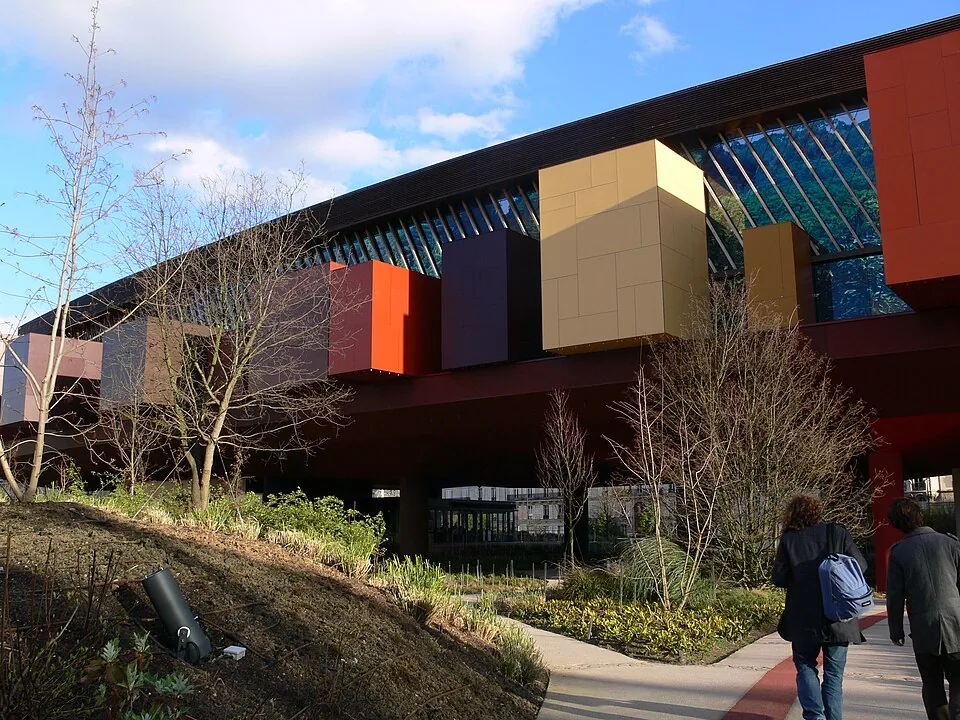
Musée du quai Branly’s elevated galleries and planted approach create a gradual transition from the Seine-side city into its collections. Jean Nouvel designed the building around objects from Africa, Asia, Oceania, and the Americas, challenging the conventions of a traditional museum façade.
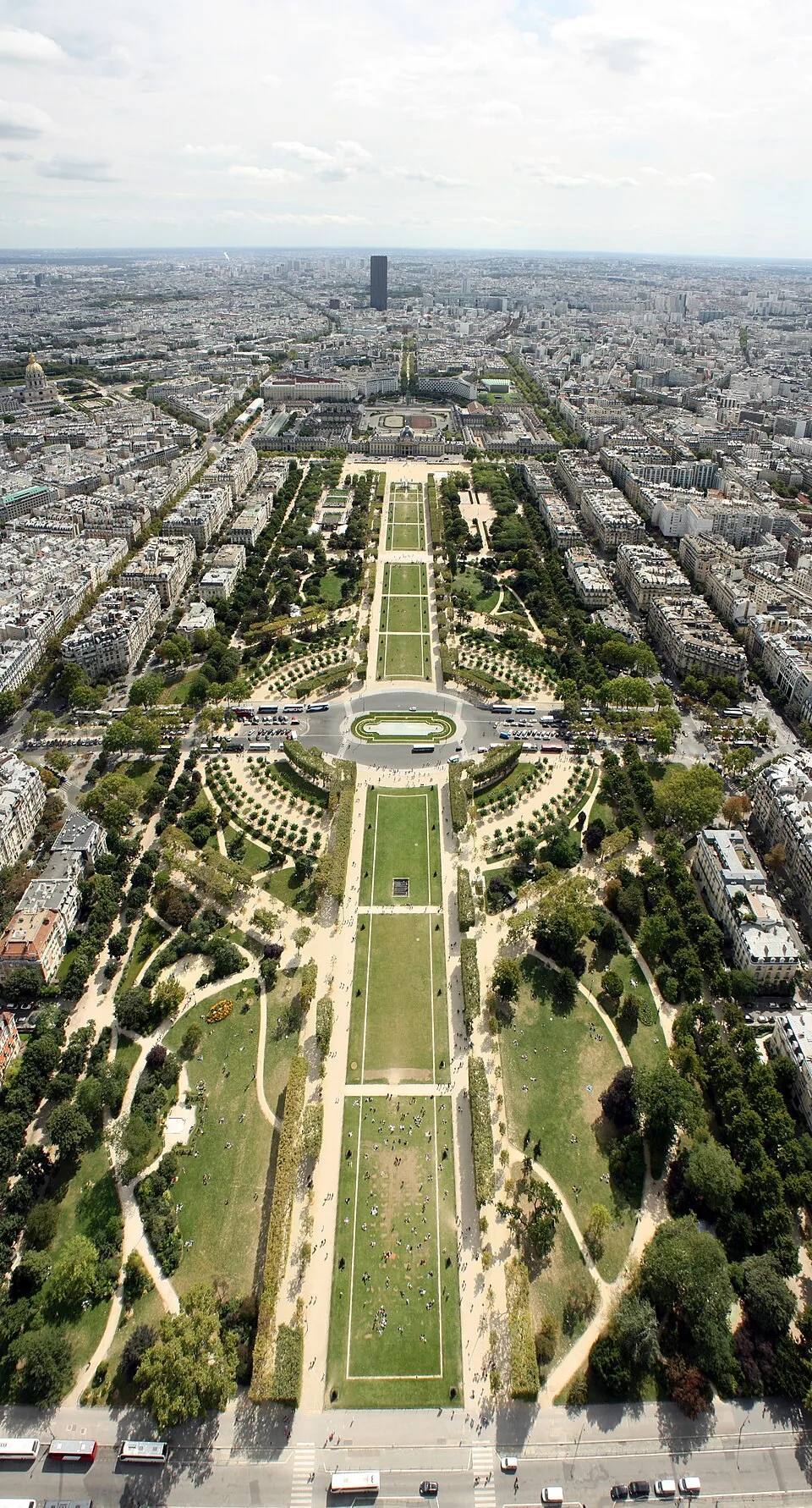
Champ de Mars
The Champ de Mars is a public garden between the École Militaire and Eiffel Tower. Its lawns and long axis recall an exercise ground transformed by revolutionary gatherings, balloon experiments, world fairs and a 1908 city park design.