Explore locations
Browse places by name, city, country or category.
All locations
70 locations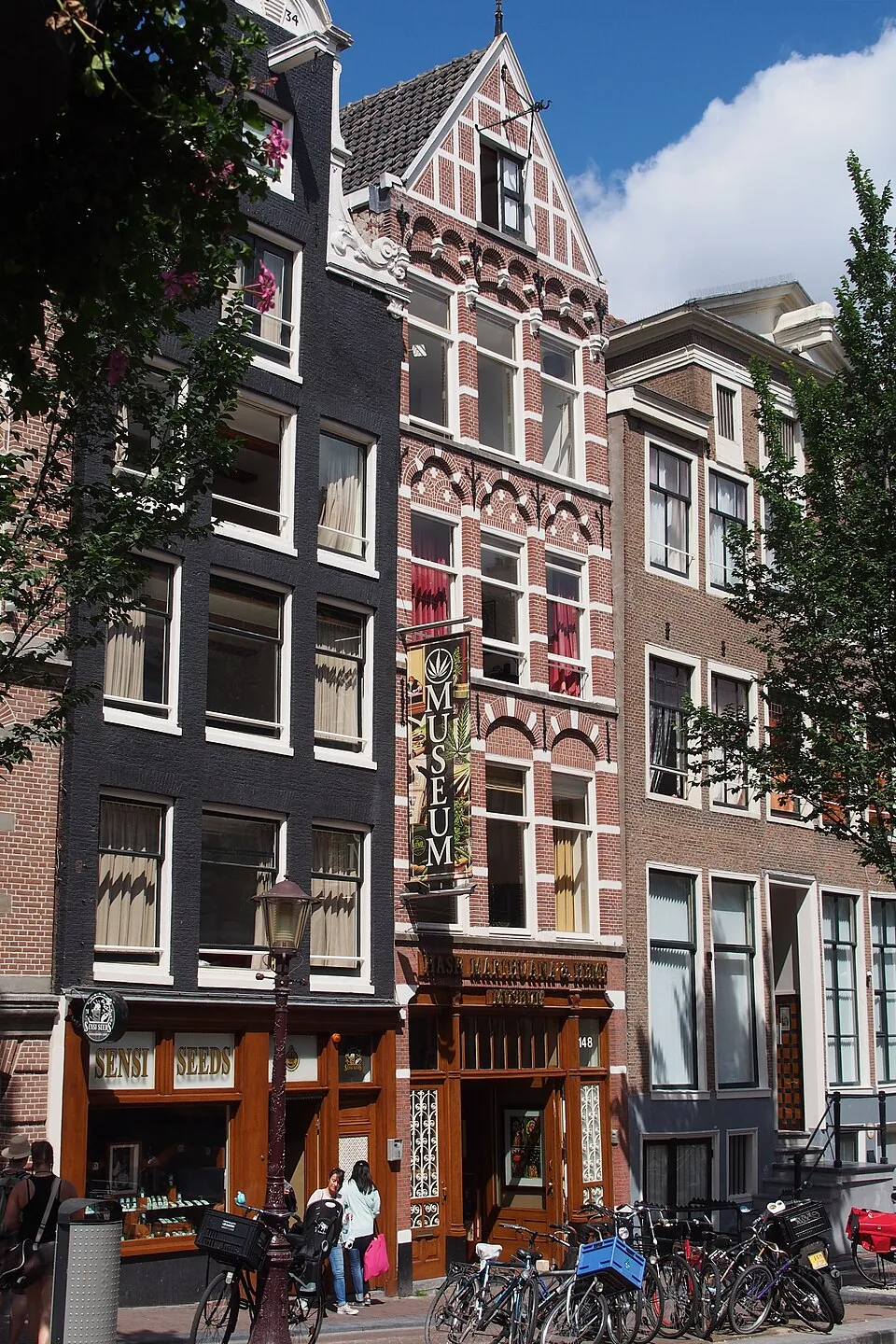
Hash Marihuana & Hemp Museum
Founded in 1987, Amsterdam’s Hash Marihuana & Hemp Museum traces cannabis through history, medicine, art and everyday culture. Its collection includes more than 9,000 objects, while the nearby Hemp Gallery explores industrial hemp’s long and varied uses.
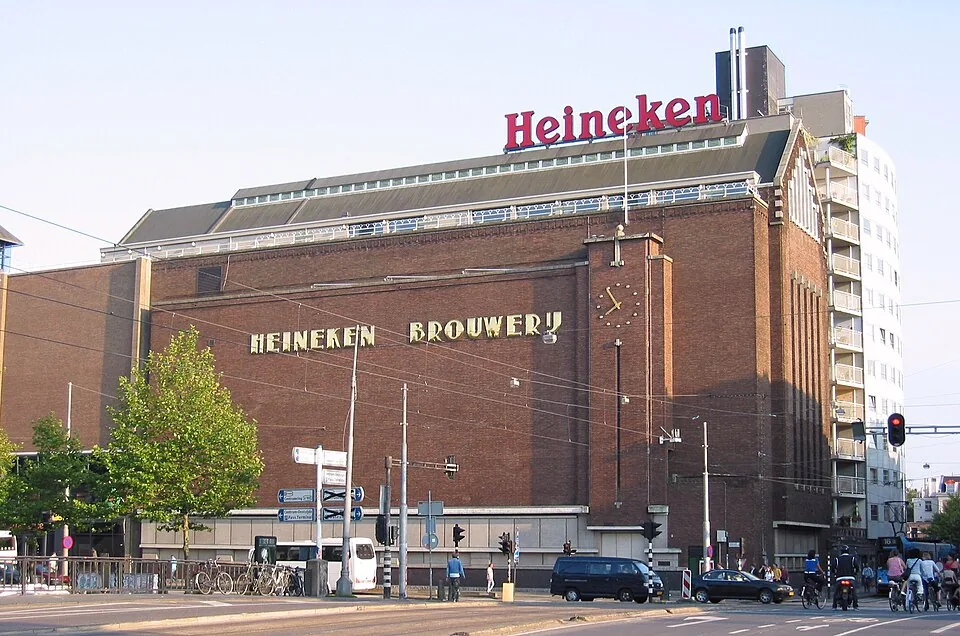
Heineken Experience
In Amsterdam’s De Pijp, the Heineken Experience occupies a surviving part of the brewery complex that grew here from 1867. Its listed brewhouse, copper kettles and later industrial buildings trace the shift from a working factory to a museum and brand experience.
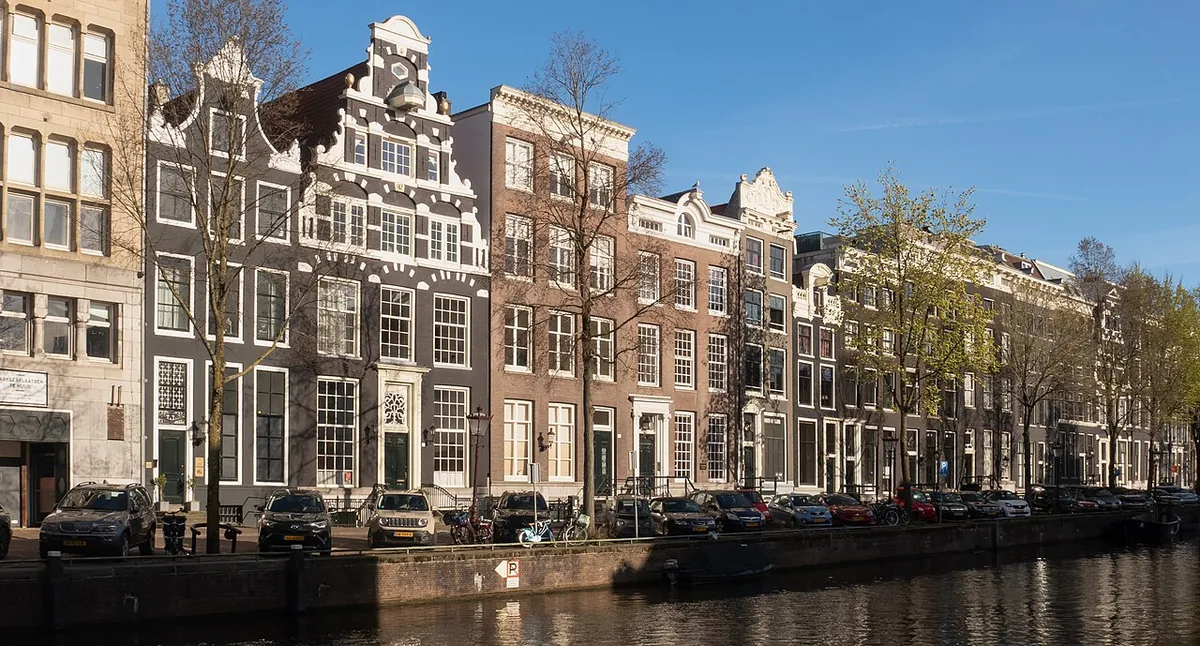
Herengracht
Herengracht is one of Amsterdam’s principal seventeenth-century canals, where a carefully planned waterway became a prestigious address. Its Golden Bend gathers broad, double-plot mansions, but the canal’s quays also reveal the labor, trade and urban engineering behind that display.
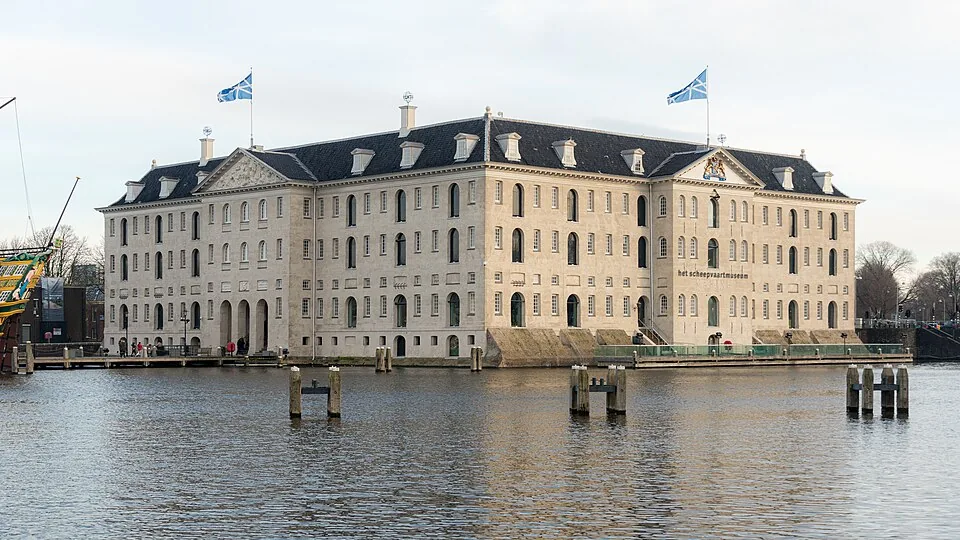
Het Scheepvaartmuseum
Inside the 1656 Admiralty storehouse on Kattenburg, rainwater cisterns, ship supplies and a modern compass-inspired glass roof reveal how Amsterdam equipped its fleet. The museum connects maritime skill with the labor, conflict and colonial violence behind ocean travel.
Hortus Botanicus
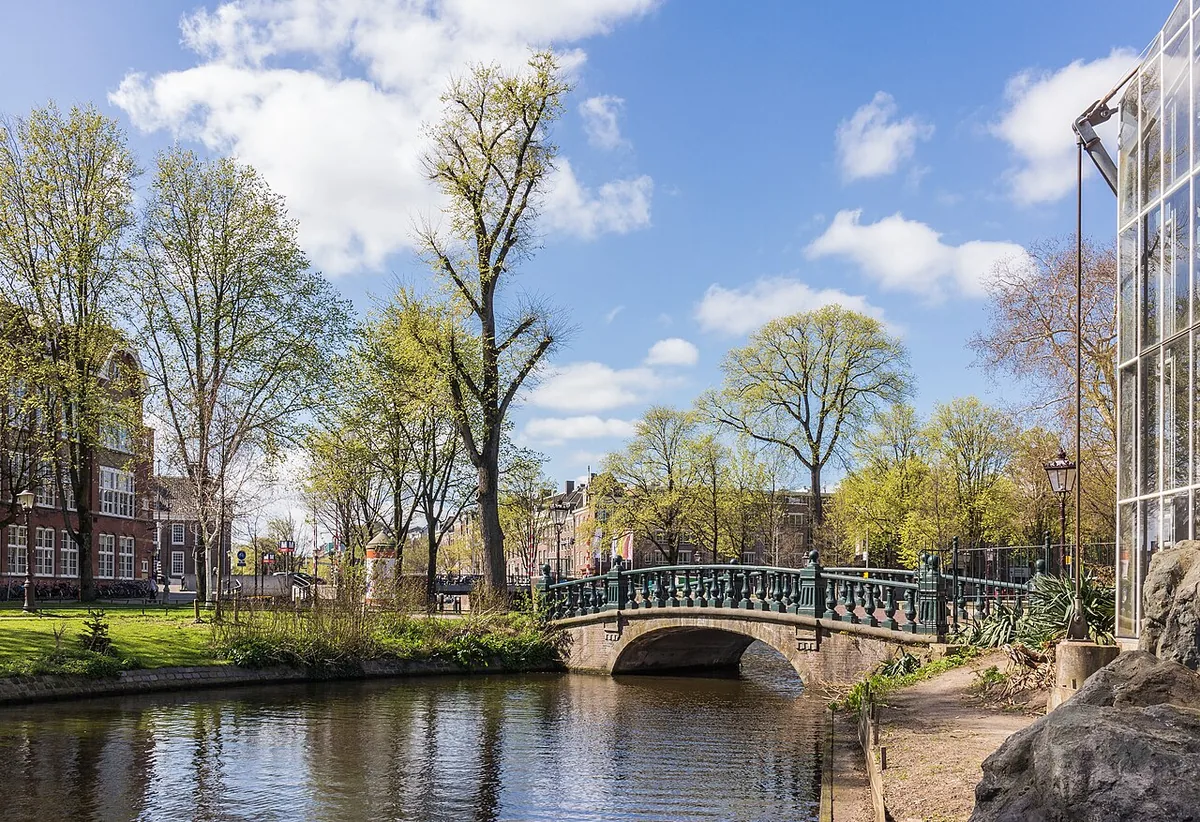
Amsterdam’s Hortus Botanicus grew from a 1638 medicinal garden into a living botanical collection. At the Plantage site since 1682, it brings historic catalogues, glasshouses, plant science and the city’s global trade histories together.
Houseboat Museum
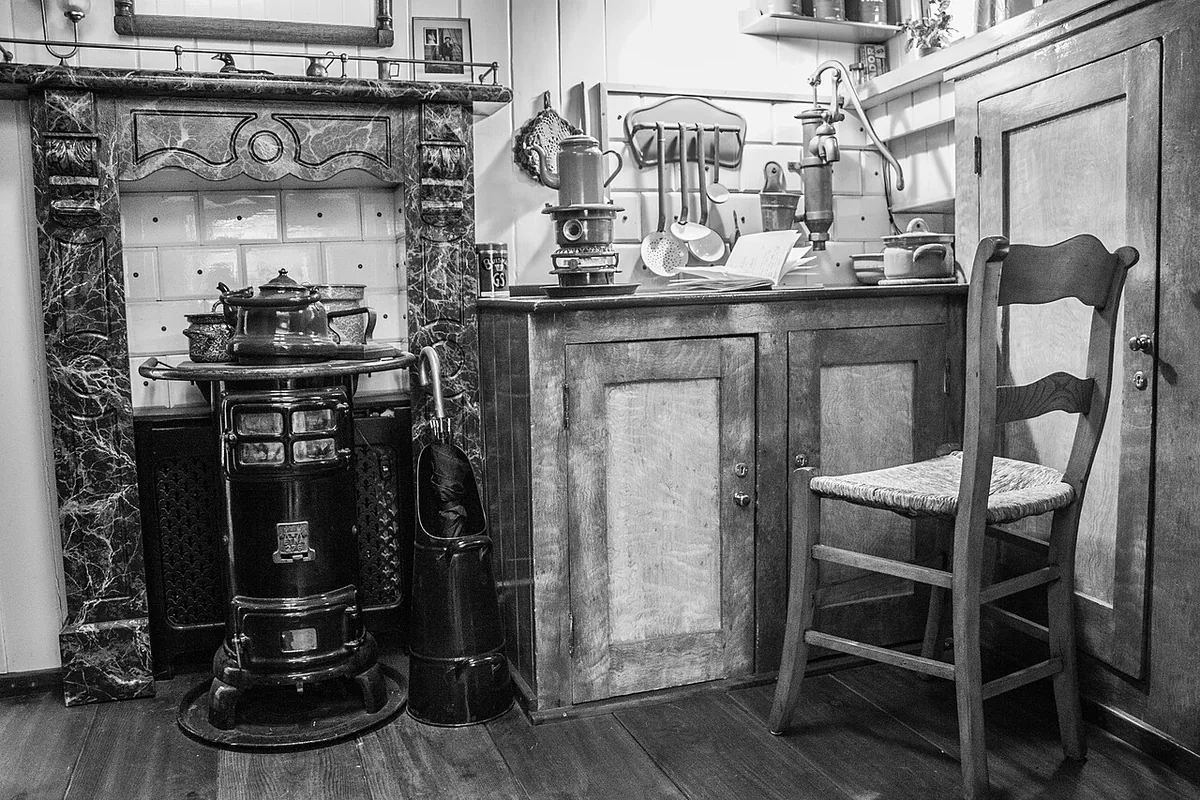
A visit to the Houseboat Museum takes you aboard the Hendrika Maria, a 1914 cargo vessel moored on Amsterdam’s Prinsengracht. Its converted hold makes floating domestic life tangible, while the boat’s story opens onto a wider history of housing pressure, changing freight, and residents claiming spac
In’t Aepjen
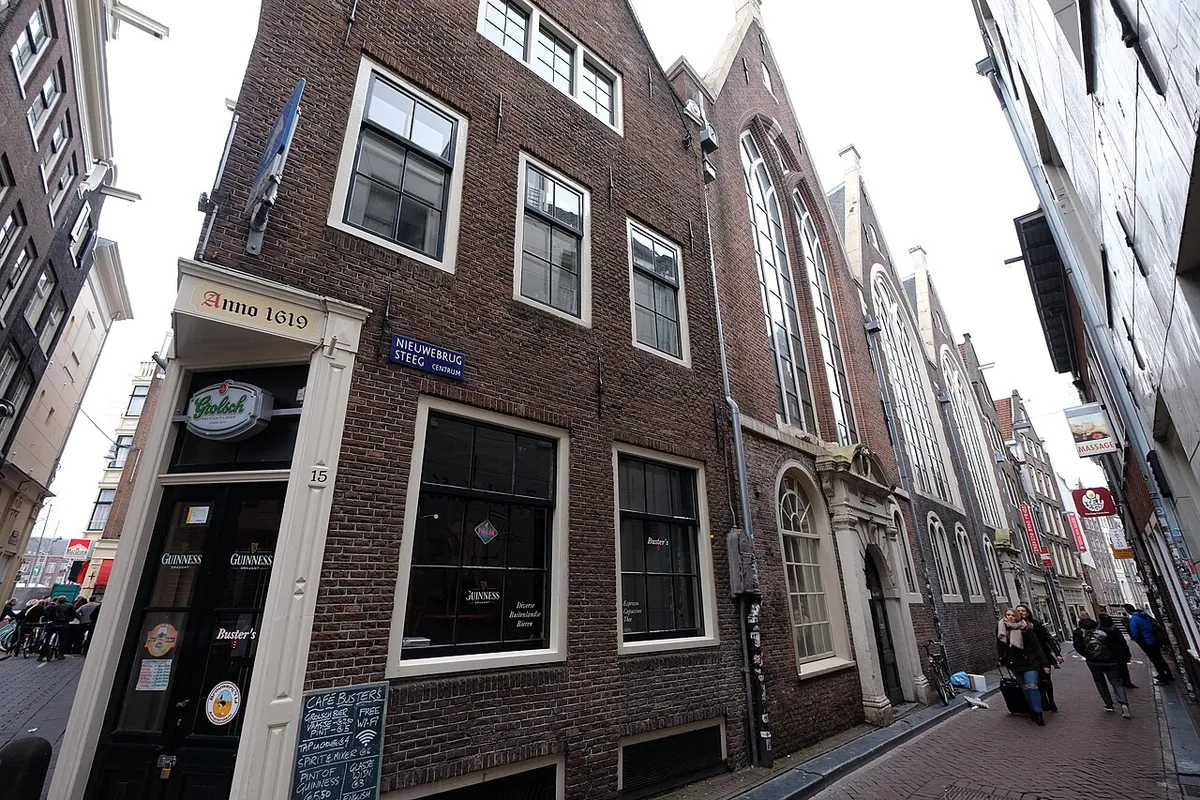
In ’t Aepjen is a café at Zeedijk 1, inside a rare surviving sixteenth-century timber-framed Amsterdam house. Records, later shopfronts and a debated monkey legend reveal how the building’s use and story changed over time.
Jewish Historical Museum
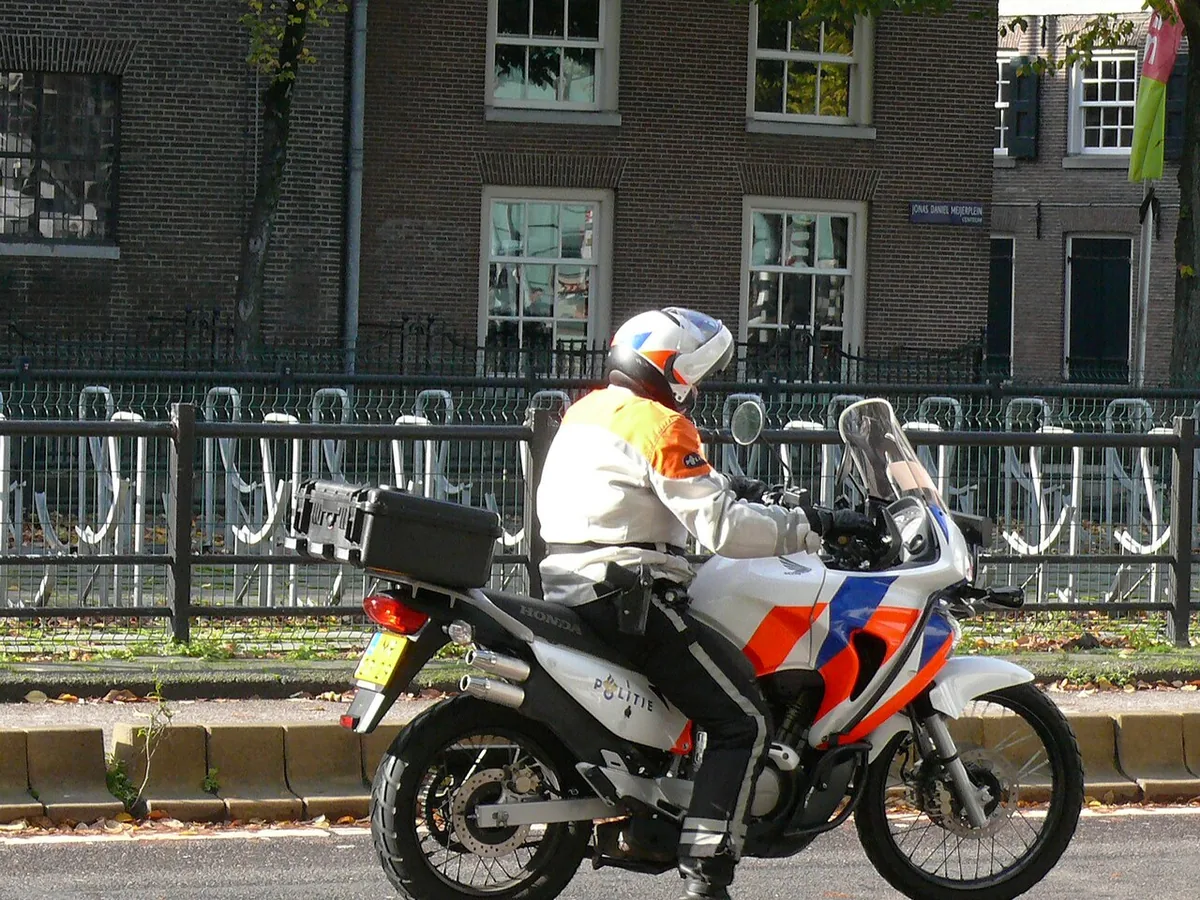
Amsterdam’s Jewish Museum + junior (formerly the Jewish Historical Museum) occupies four connected Ashkenazi synagogues on Jonas Daniël Meijerplein. Their restored interiors and modern links trace both centuries of Jewish communal life and the buildings’ transformation into a museum.
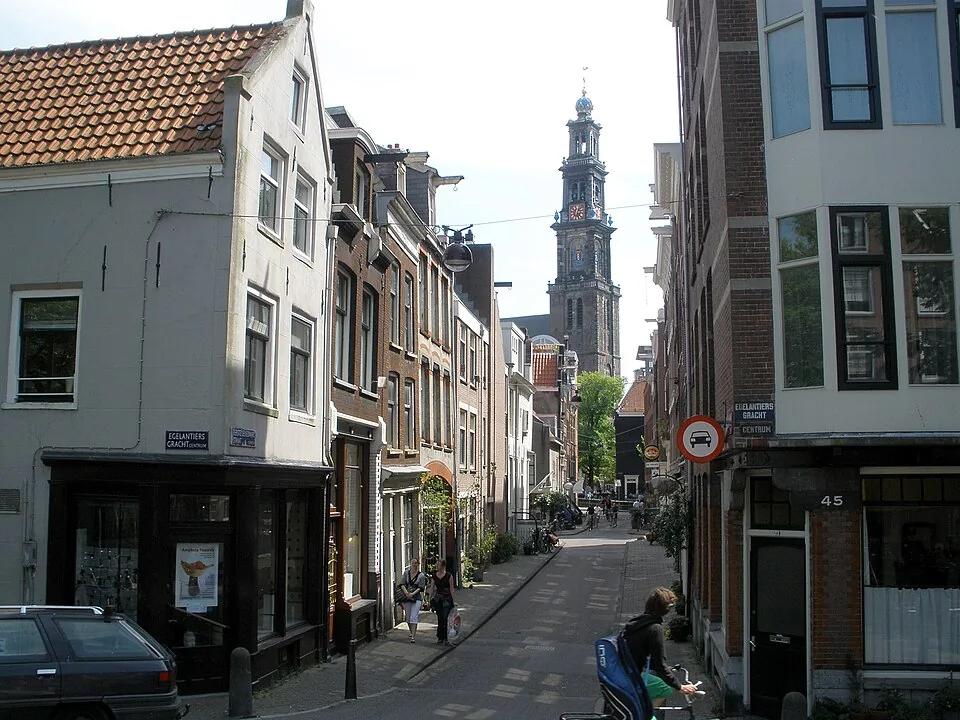
Jordaan
The Jordaan grew from Amsterdam’s 1613 western expansion, where older polder lines shaped a dense artisan neighborhood beside the grand canal ring. Its angled streets, courtyards and renewed homes reflect centuries of work, crowding, protest and repair.
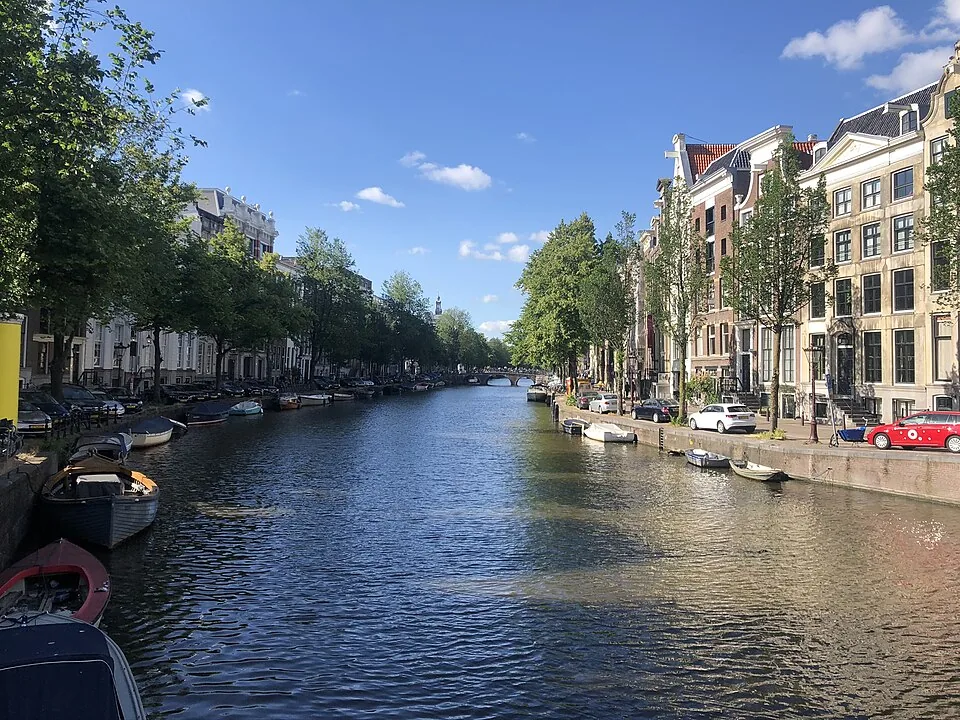
Keizersgracht
Keizersgracht is the middle canal of Amsterdam’s three principal seventeenth-century canal arcs. Begun in 1615 and extended in phases, it links the city’s water-management plan, merchant landscape and living historic centre.
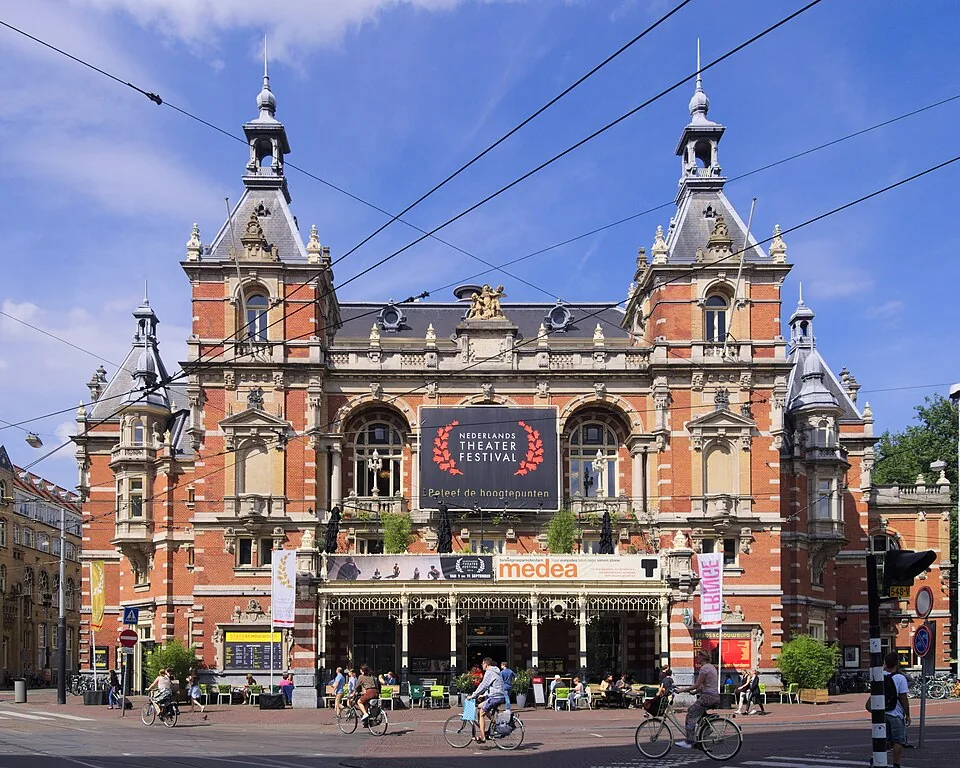
Leidseplein
Named for the former gate on the road to Leiden, Leidseplein grew from a wagon and carriage forecourt into a transport and entertainment hub. Its theatre, tram stop, hidden canal and redesigned Kleine-Gartmanplantsoen show how the square keeps adapting.
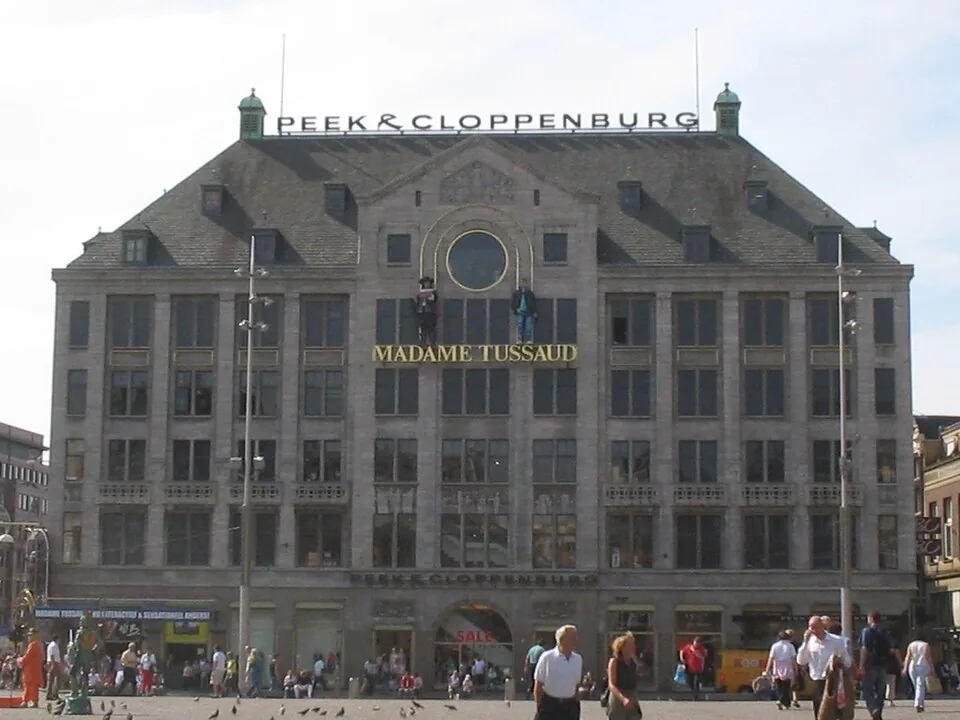
Madame Tussauds Amsterdam
A wax-portrait attraction in a listed Dam Square department store. Opened in Amsterdam in 1970, it moved here in 1991; its present address stands where the square’s early twentieth-century retail expansion reshaped the city centre.
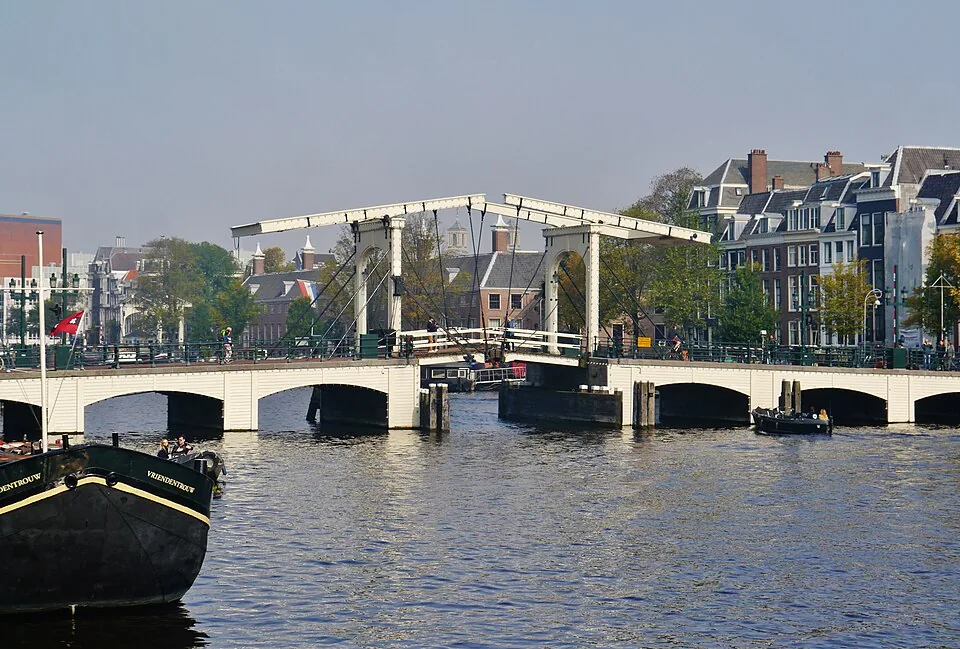
Magere Brug
The Magere Brug is a double wooden lifting bridge across the Amstel, linking Kerkstraat and Nieuwe Kerkstraat. Rebuilt in 1934 to a design by Piet Kramer, it preserves a familiar profile while serving as working river infrastructure.
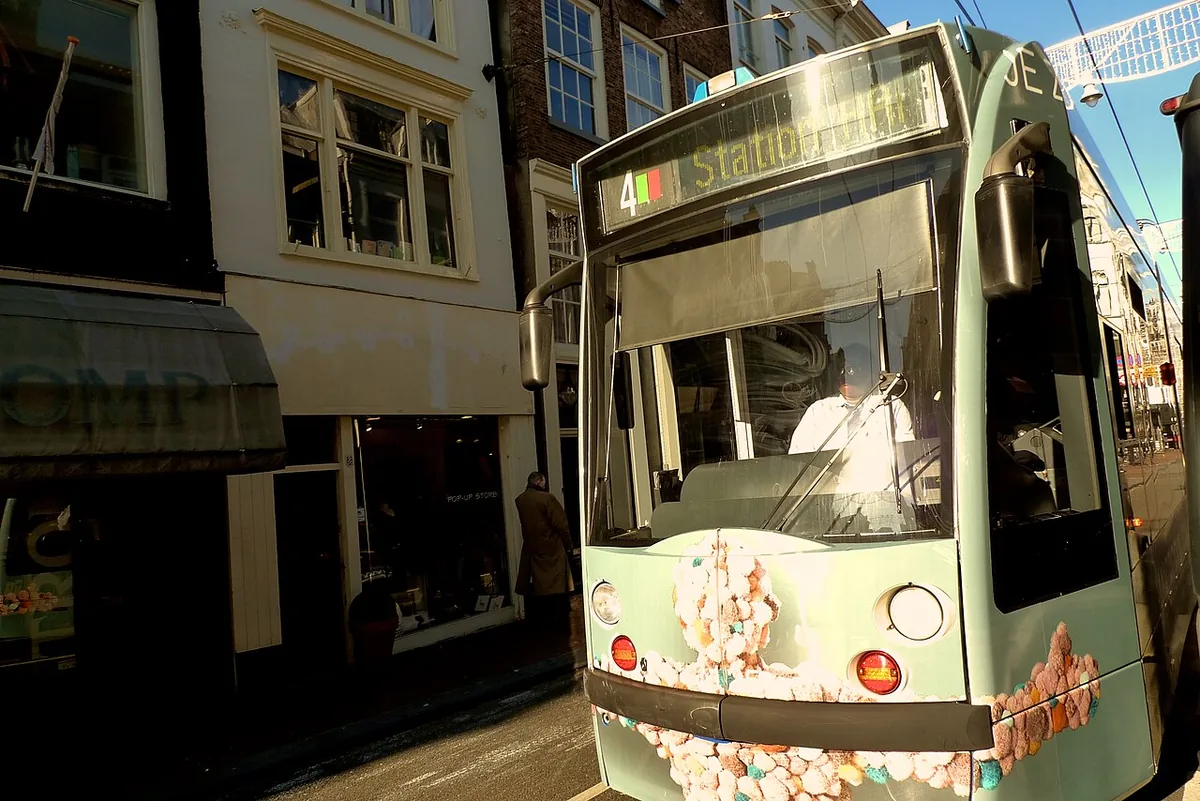
Micropia
ARTIS-Micropia turns the microbial world into something visitors can observe: living cultures, microscopes and interactive exhibits connect microbes to bodies, food and ecosystems. It occupies a restored ARTIS landmark with a complex history of science, civic records and wartime resistance.
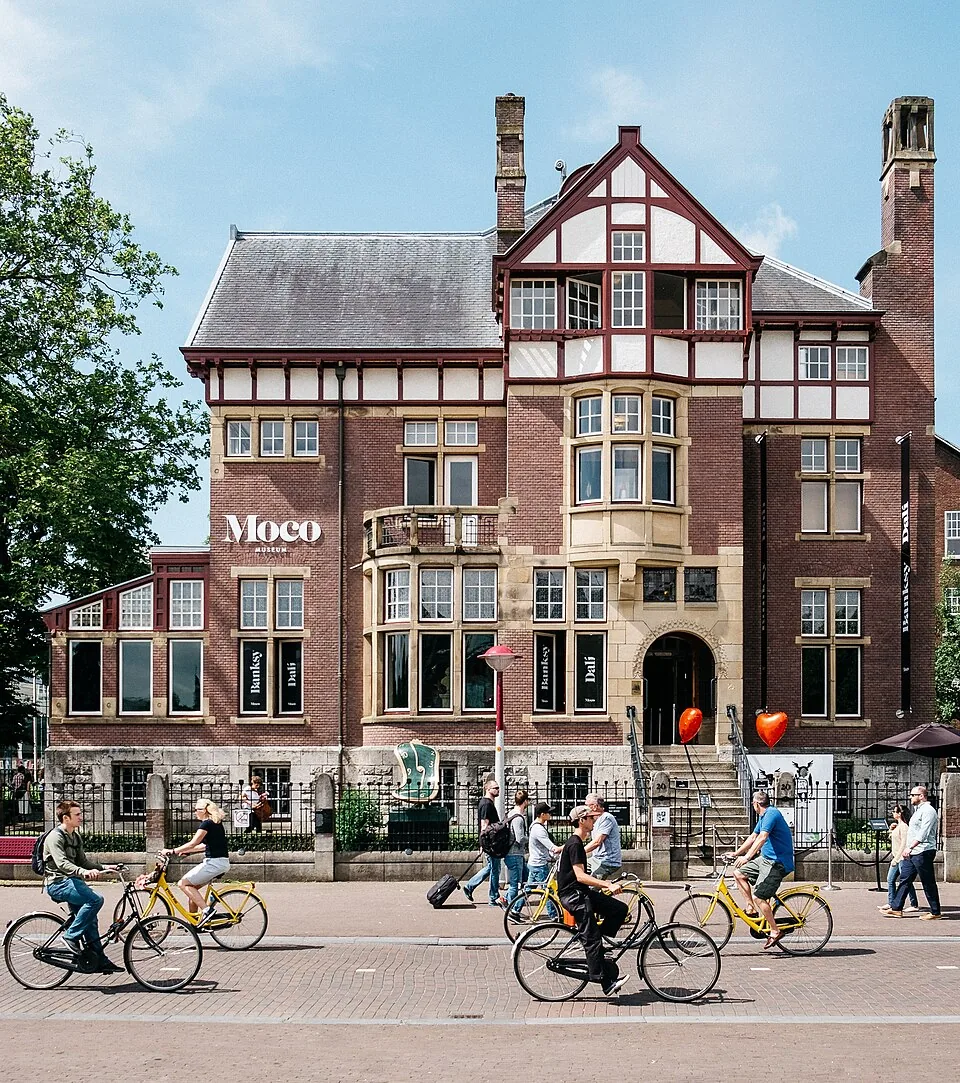
Moco Museum
Inside Villa Alsberg, an early twentieth-century residence on Museumplein, Moco places modern, contemporary and street art in domestic-scale rooms. Its history as a private home, religious residence and museum shapes how visitors encounter the work.
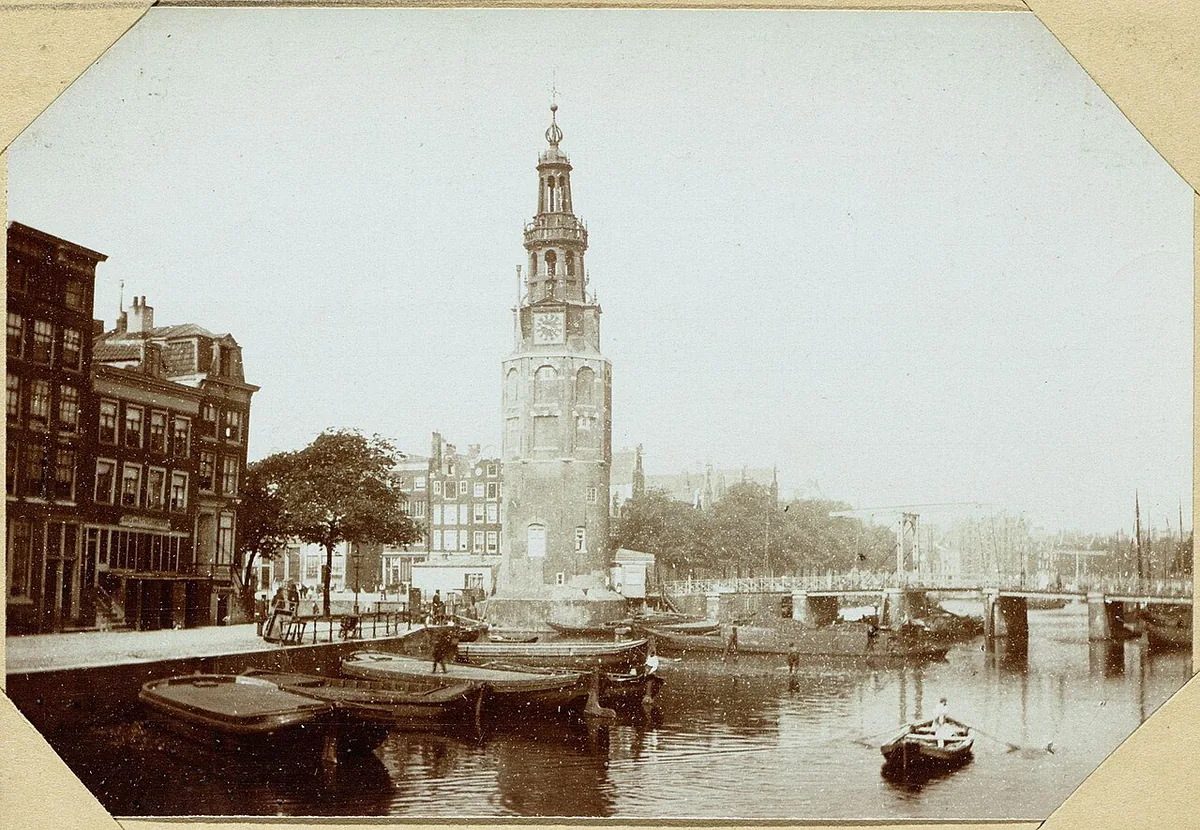
Montelbaanstoren
Montelbaanstoren marks Oudeschans with a 16th-century defensive base and a 1606 crown associated with Hendrick de Keyser. Its erratic clock earned the nickname Malle Jaap; later, the tower housed Amsterdam’s City Water Office.
Munttoren
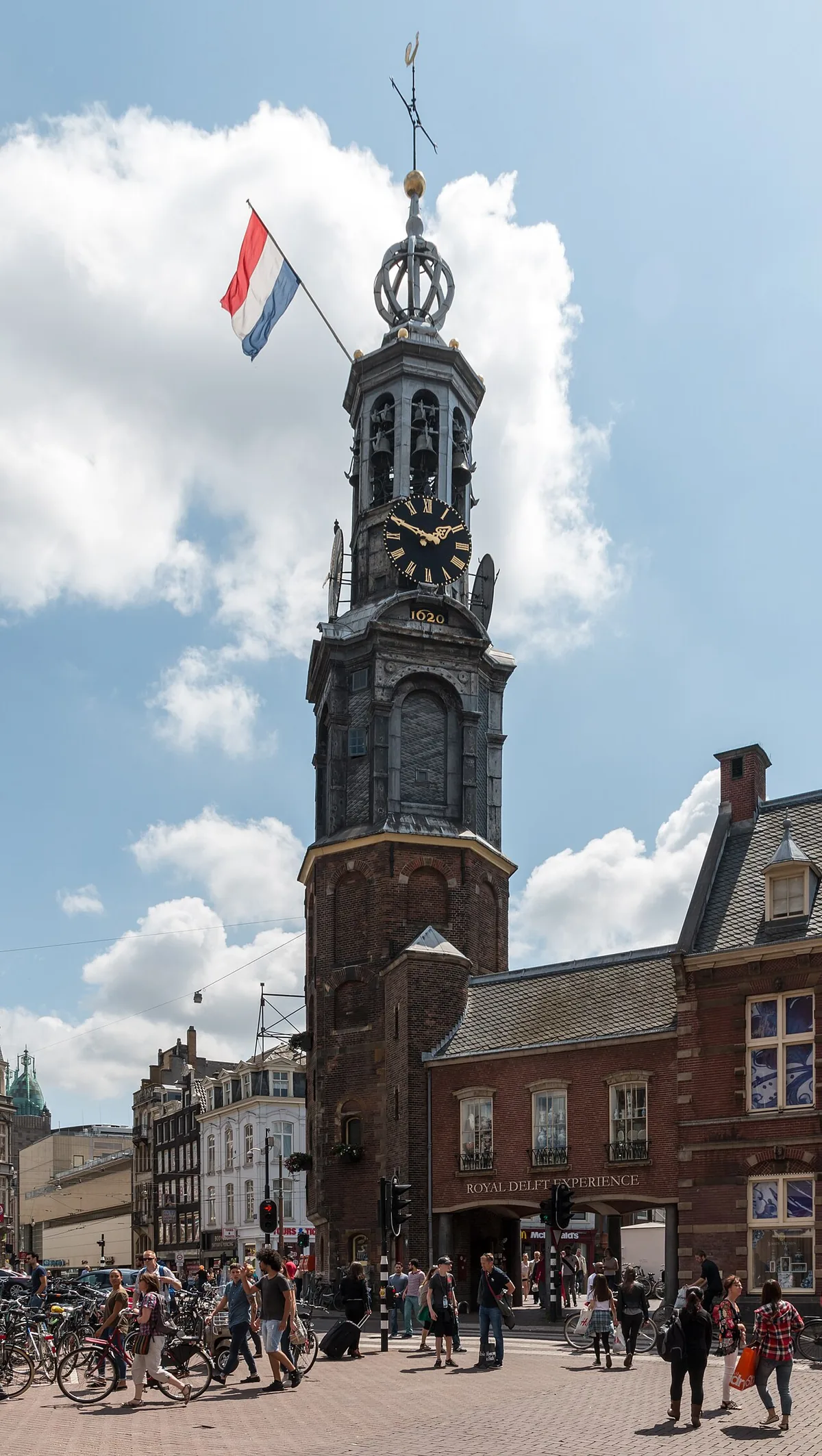
The Munttoren is the surviving western tower of Amsterdam’s Regulierspoort, rebuilt after the 1618 fire into a clock tower. A nearby guardhouse briefly housed a mint during wartime in 1672–73, giving the tower and Muntplein their enduring name.

Museum Het Schip
Museum Het Schip is a social-housing complex in Amsterdam-West, designed by Michel de Klerk for Eigen Haard. Its wave-like brickwork earned the nickname “The Ship.” The museum occupies an incorporated former school and interprets the Amsterdam School, public housing and the restored neighborhood pos
Museumplein
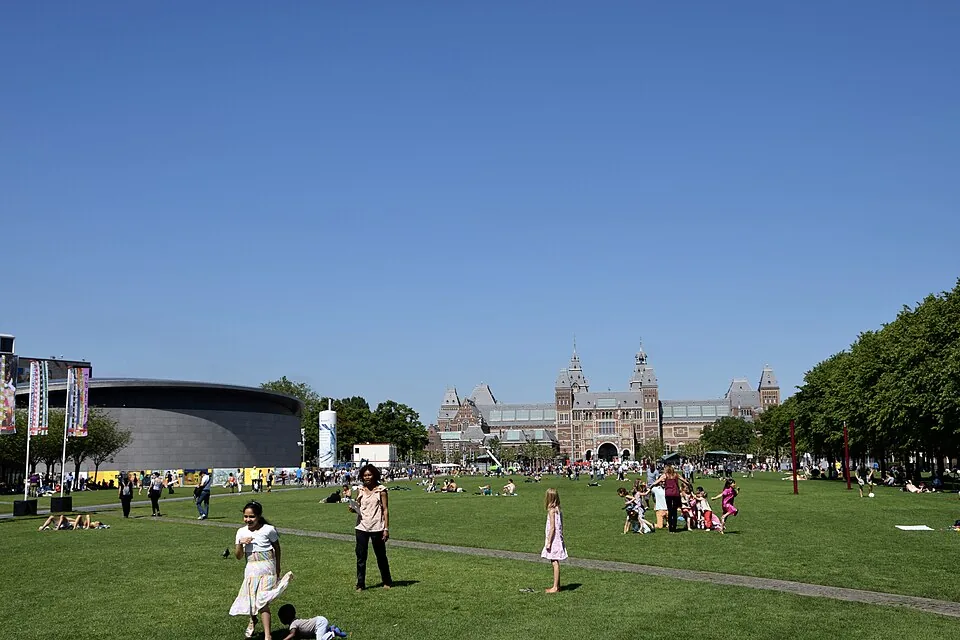
Museumplein is an open public square and park in Amsterdam-Zuid’s Museumkwartier, framed by major cultural institutions. Its broad lawn and tree groves reflect a 1999 redesign; the space also serves sport, neighborhood recreation, protest and public events.
NEMO Science Museum
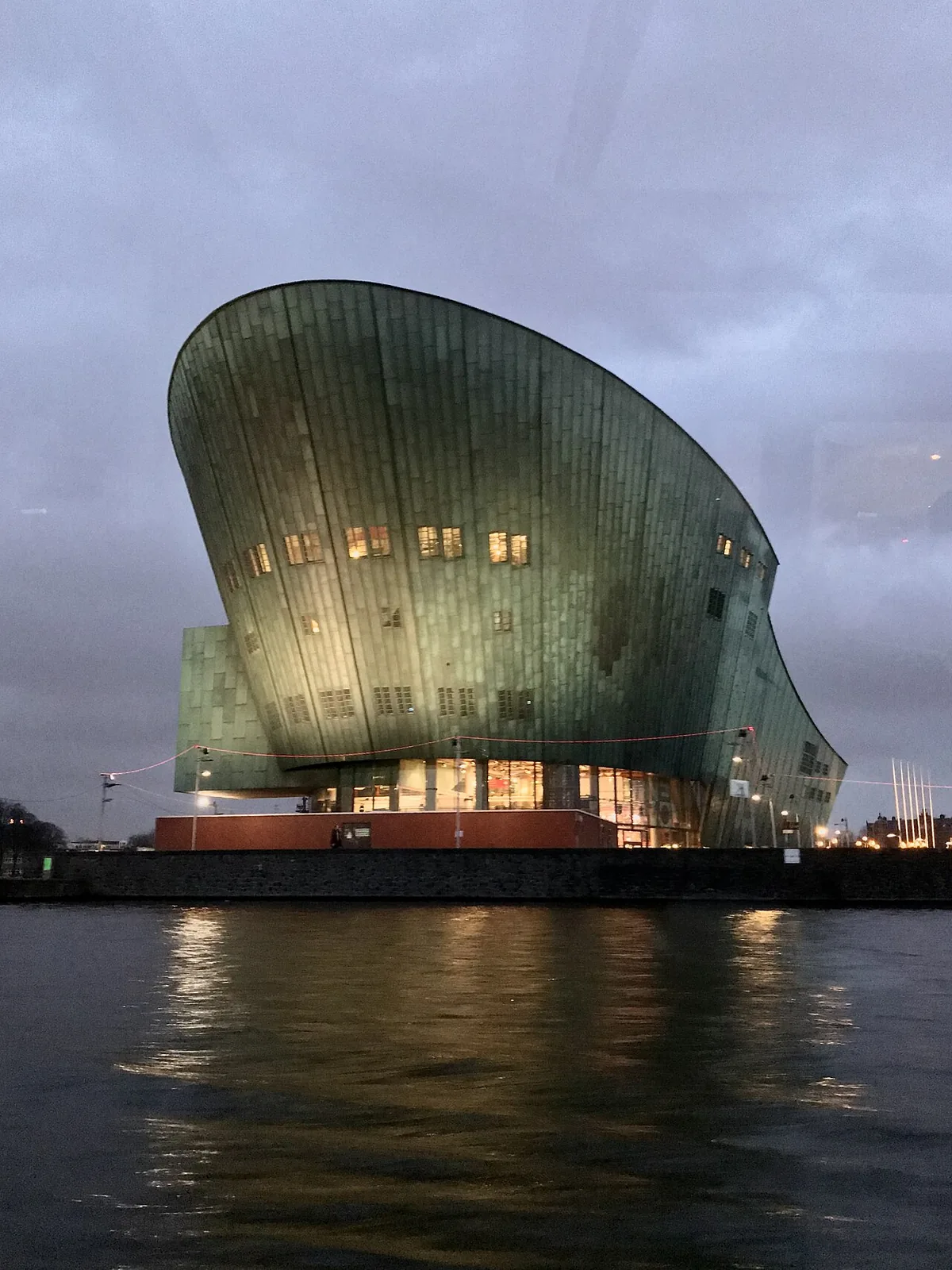
NEMO Science Museum rises above the Oosterdok on the curve of the IJtunnel. Renzo Piano’s copper-green building turns an engineering constraint into a public rooftop square; inside, hands-on science continues an institution’s long reinvention from a workers’ museum founded in 1923.
Nieuwe Kerk
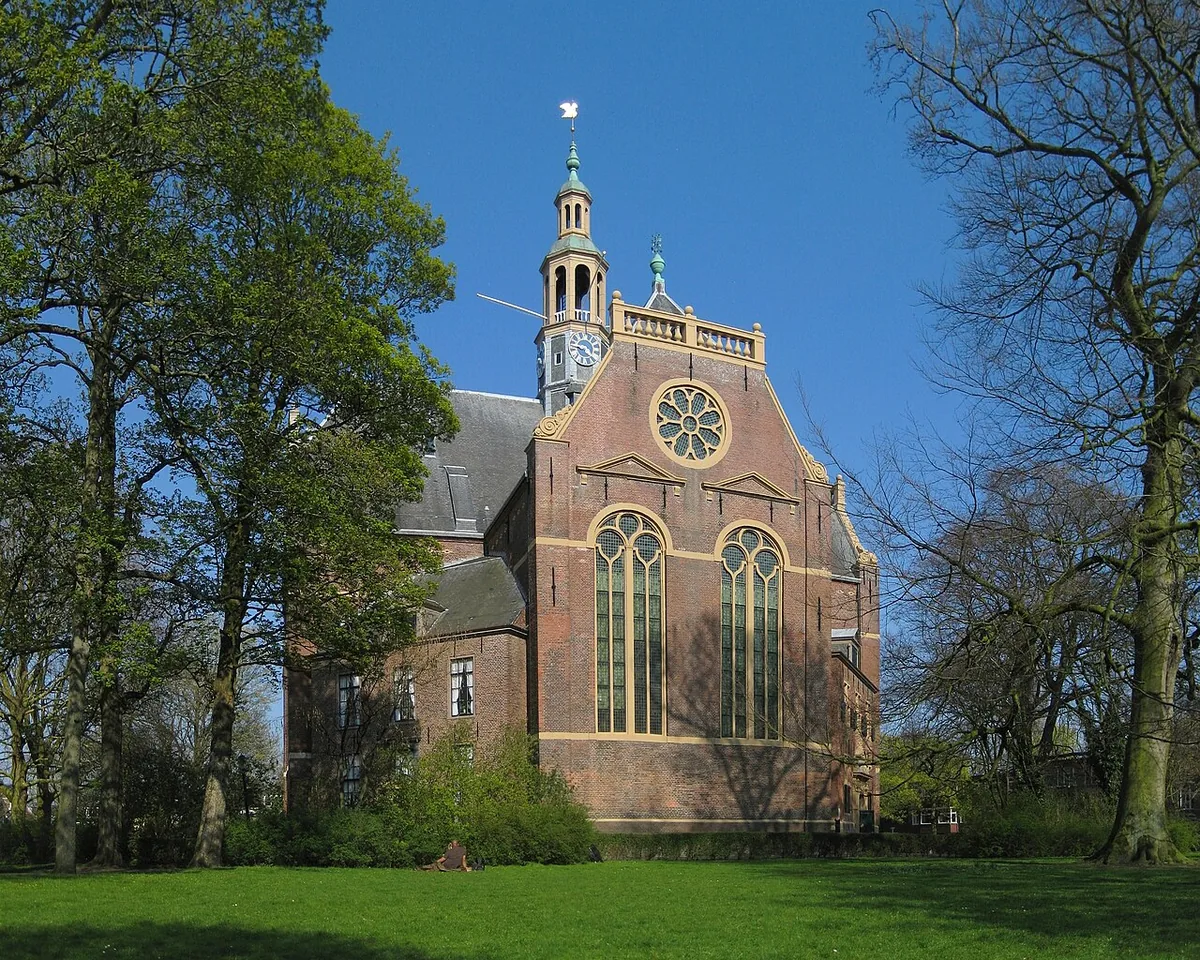
A “new” church for a growing Amsterdam, the Nieuwe Kerk stands on Dam Square beside the Royal Palace. Its Gothic history holds religious upheaval, a devastating fire, elaborate craft, royal investitures, and a tower ambition that remained unfinished.
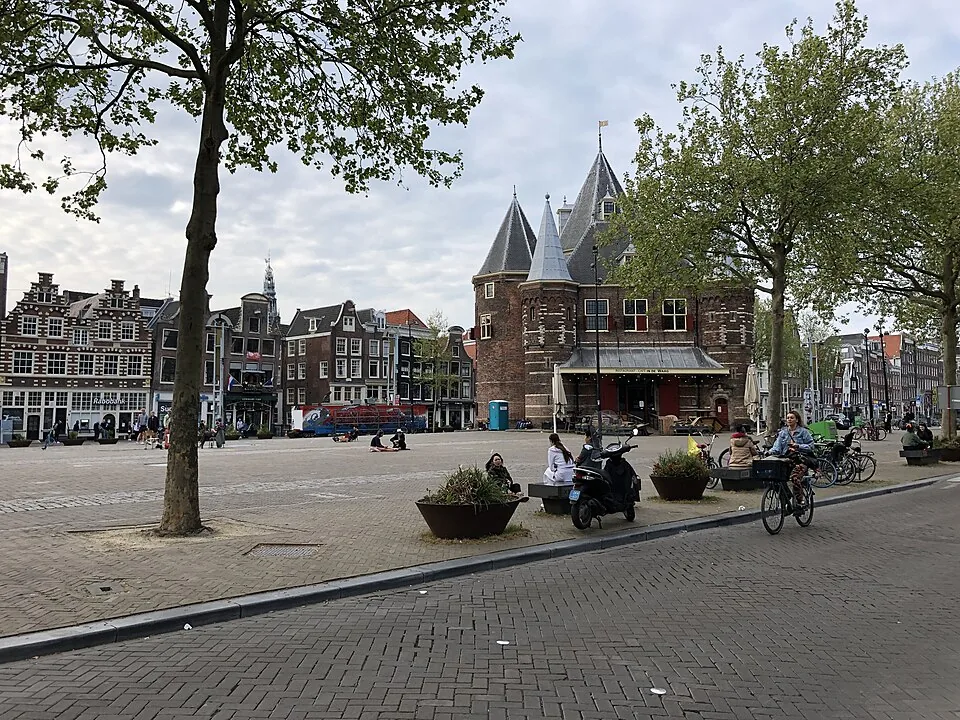
Nieuwmarkt
Nieuwmarkt grew around the Waag, a former city gate that became a public weighing house. The square’s changing uses—from trade to wartime persecution to modern protest—make it one of Amsterdam’s most layered public spaces.
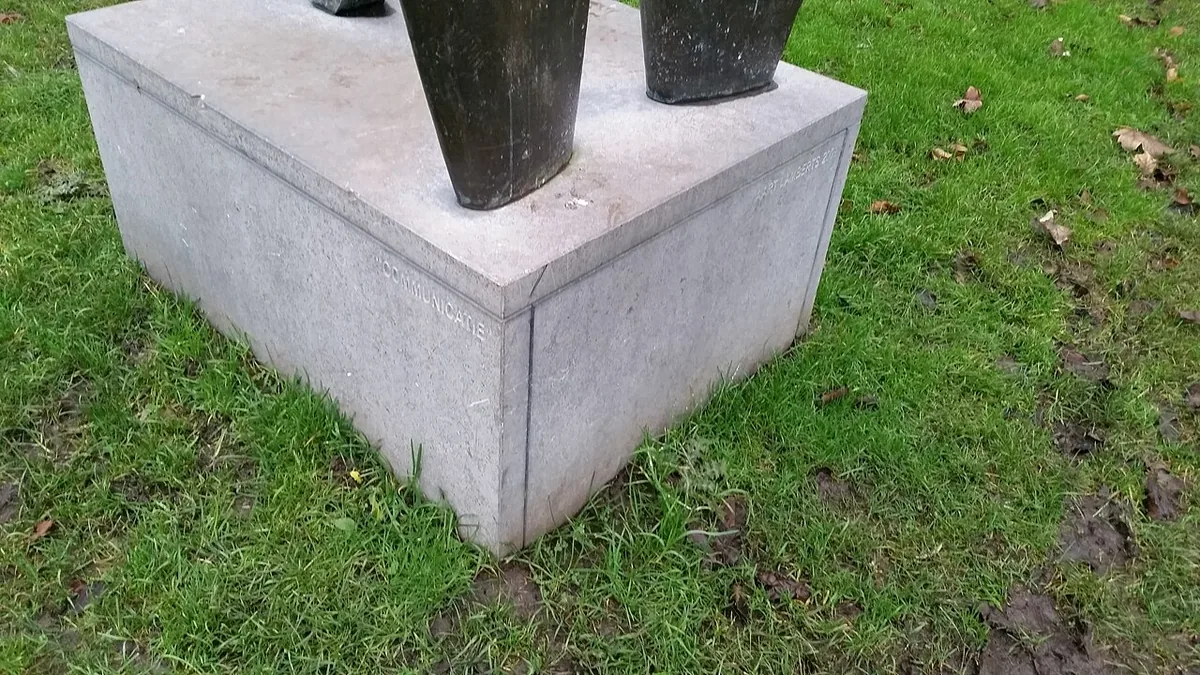
Oosterpark
Oosterpark is Amsterdam-Oost’s first large municipal park: a 19th-century landscape shaped by a former cemetery and a changing neighborhood, with monuments that keep public memory present.
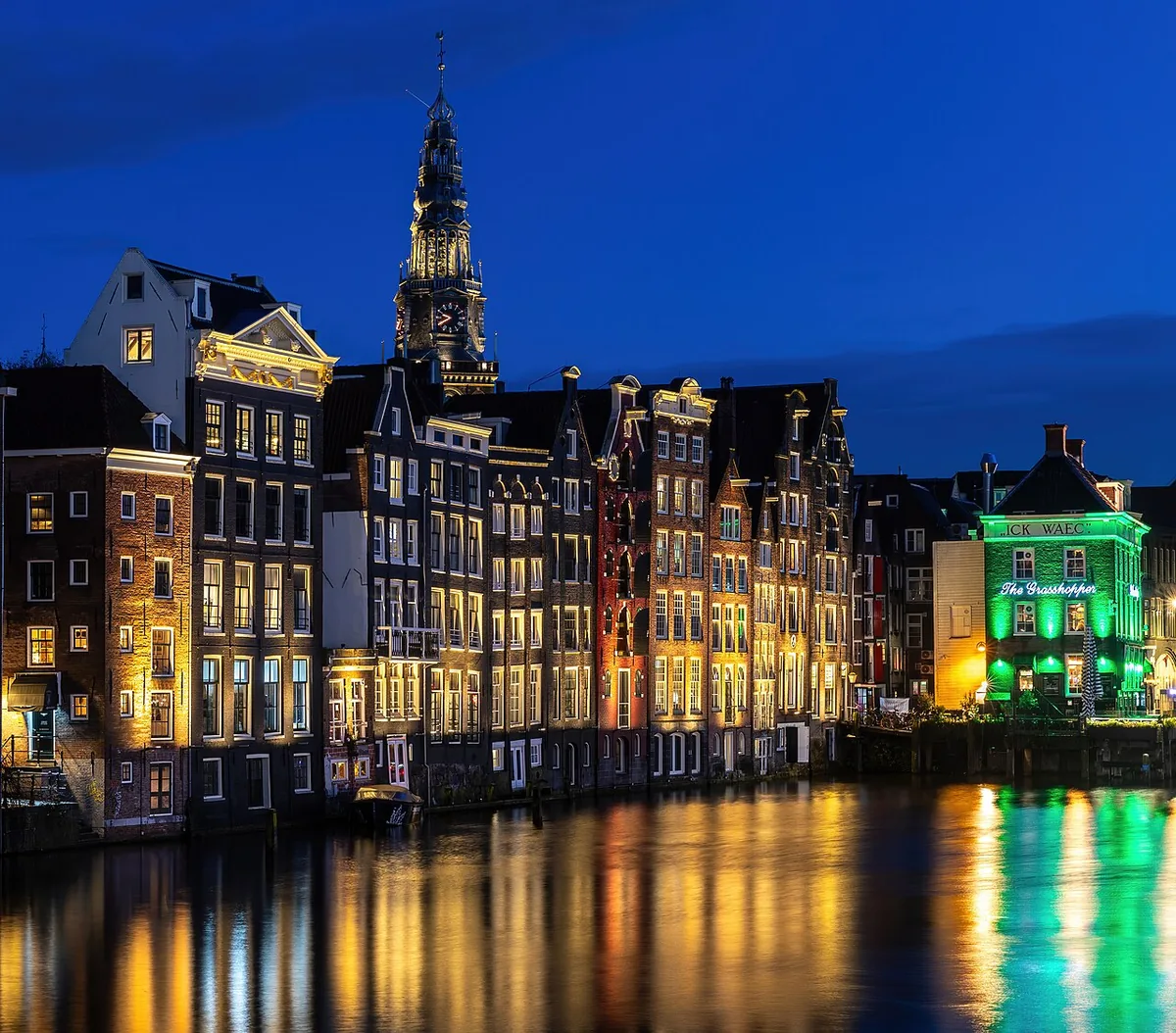
Oude Kerk
Amsterdam’s oldest surviving building grew from a thirteenth-century chapel into a Gothic hall church shaped by port trades, religious change, and generations of burial. Its guild chapels, memorials, music, and contemporary art keep the city’s layered history present.