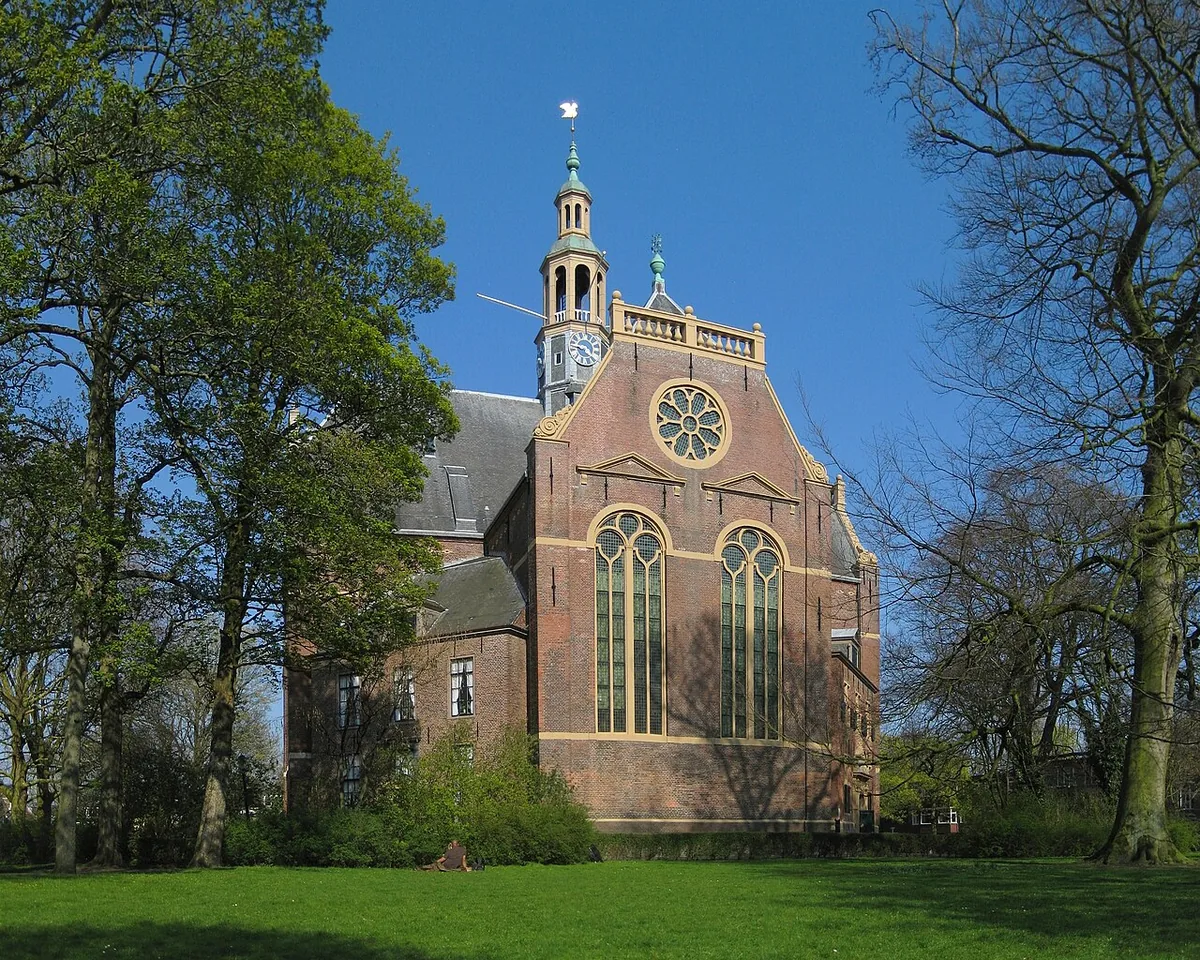
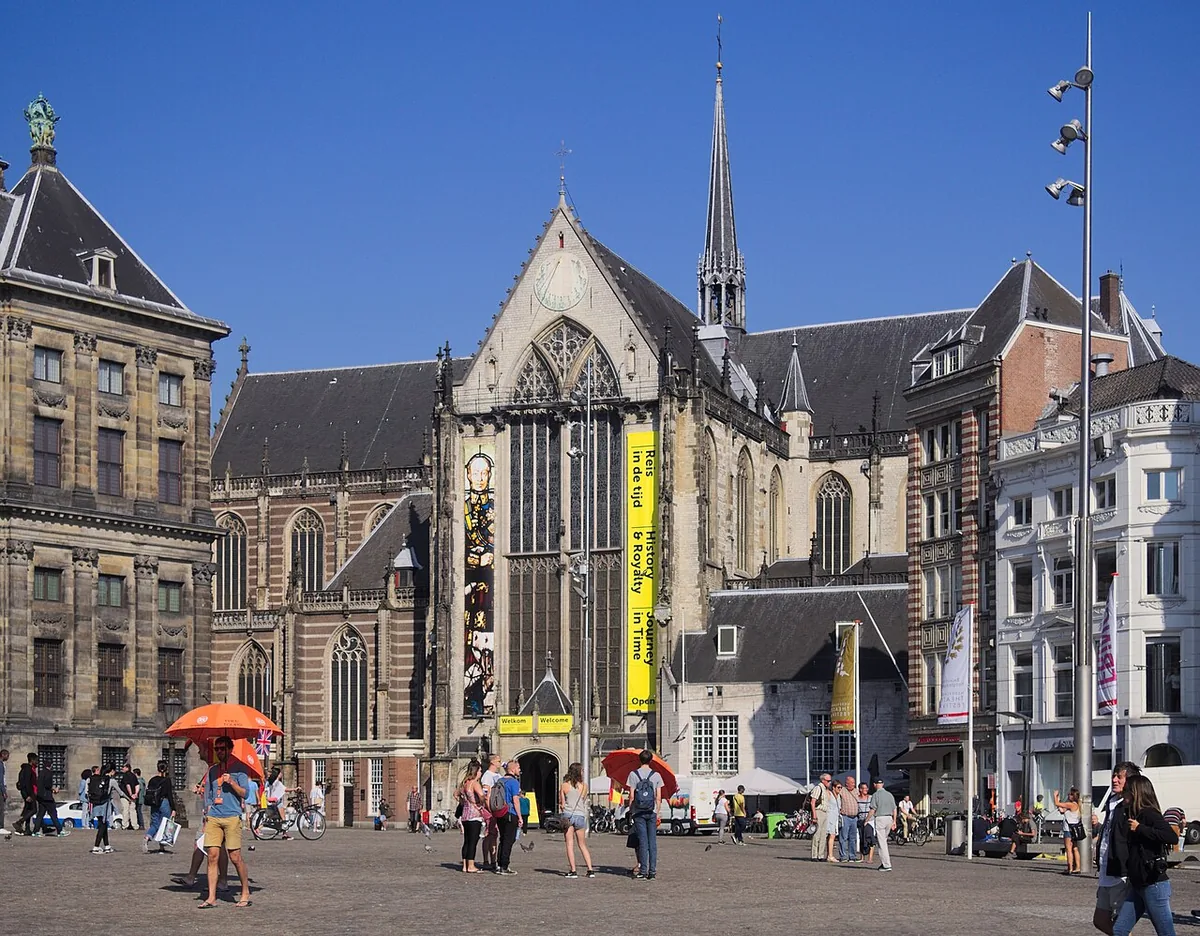
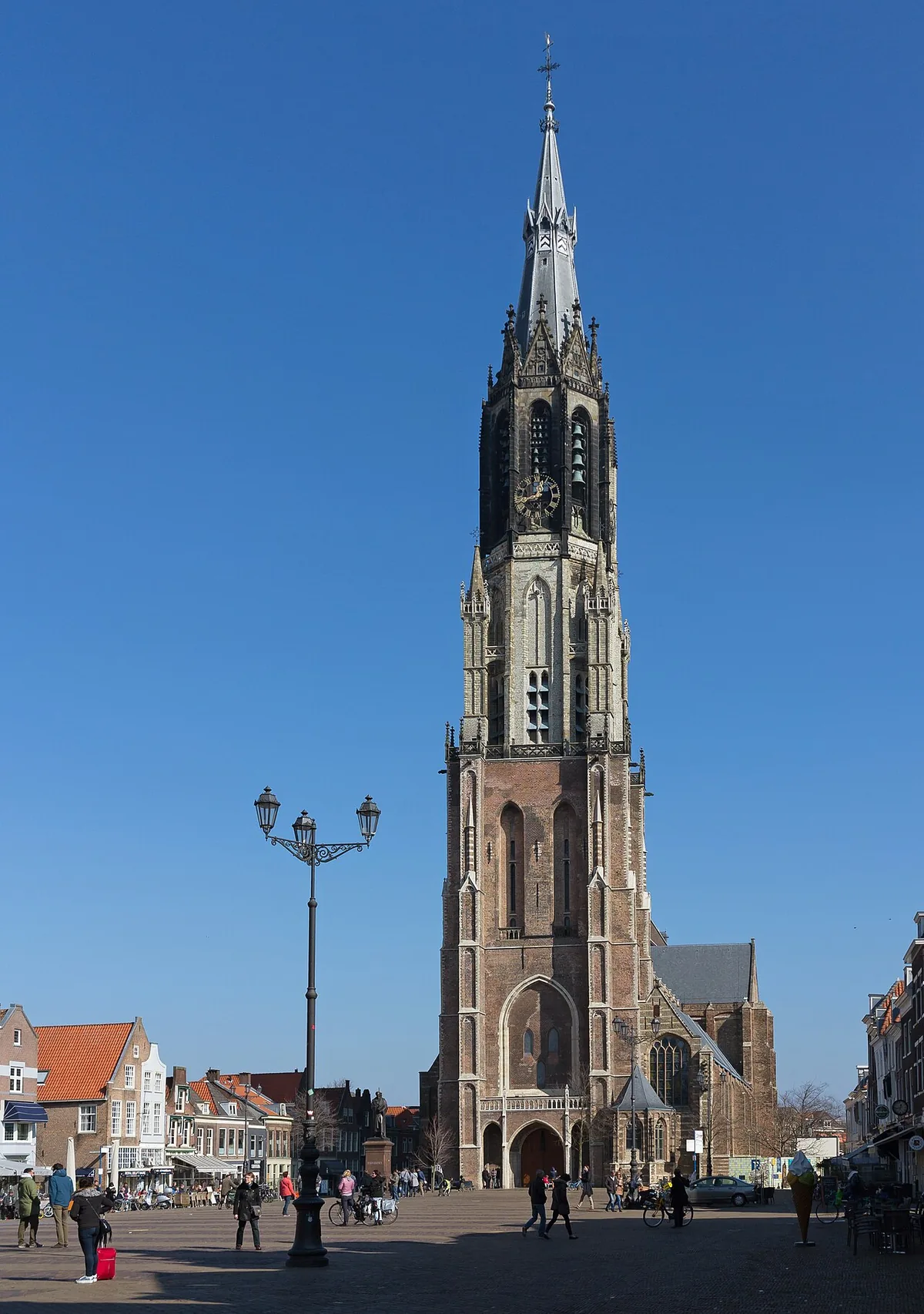
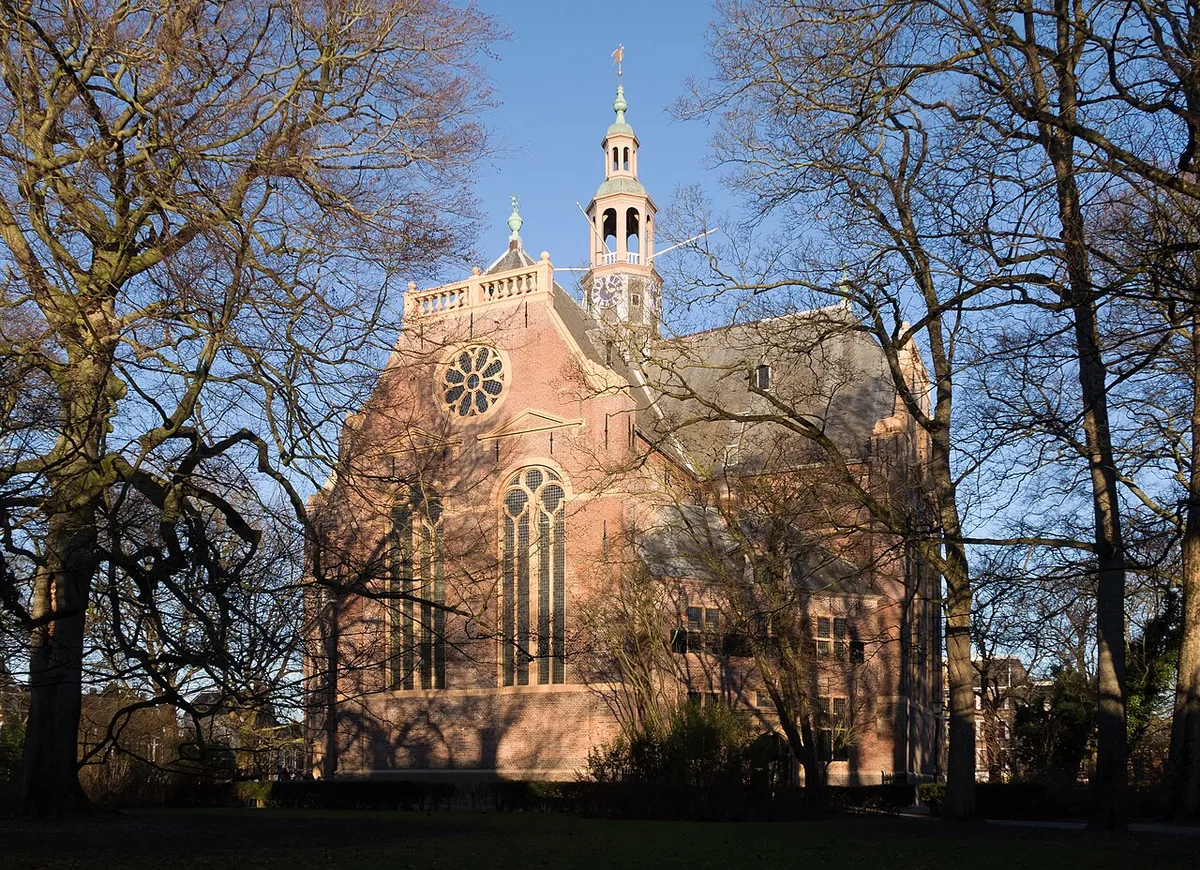
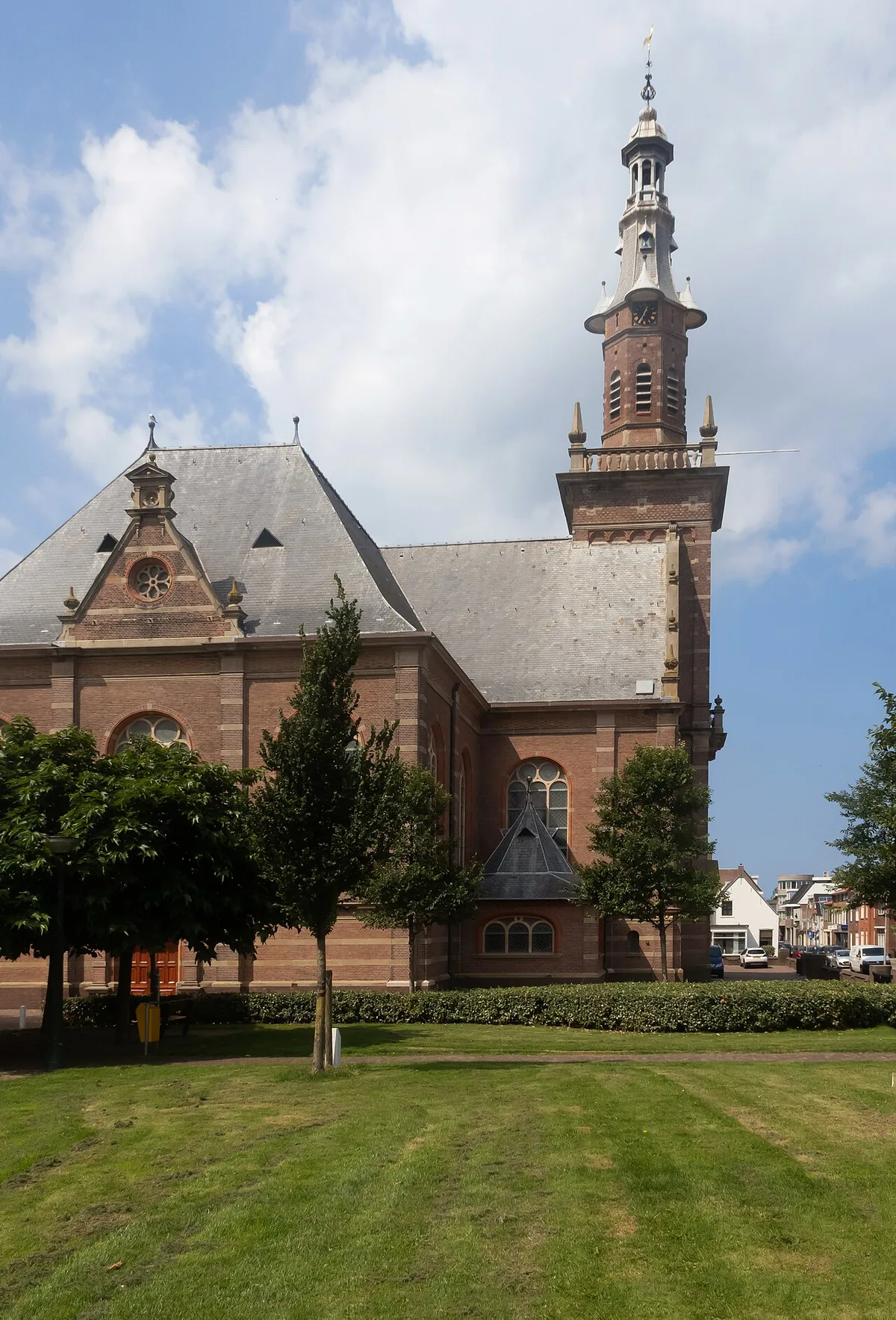
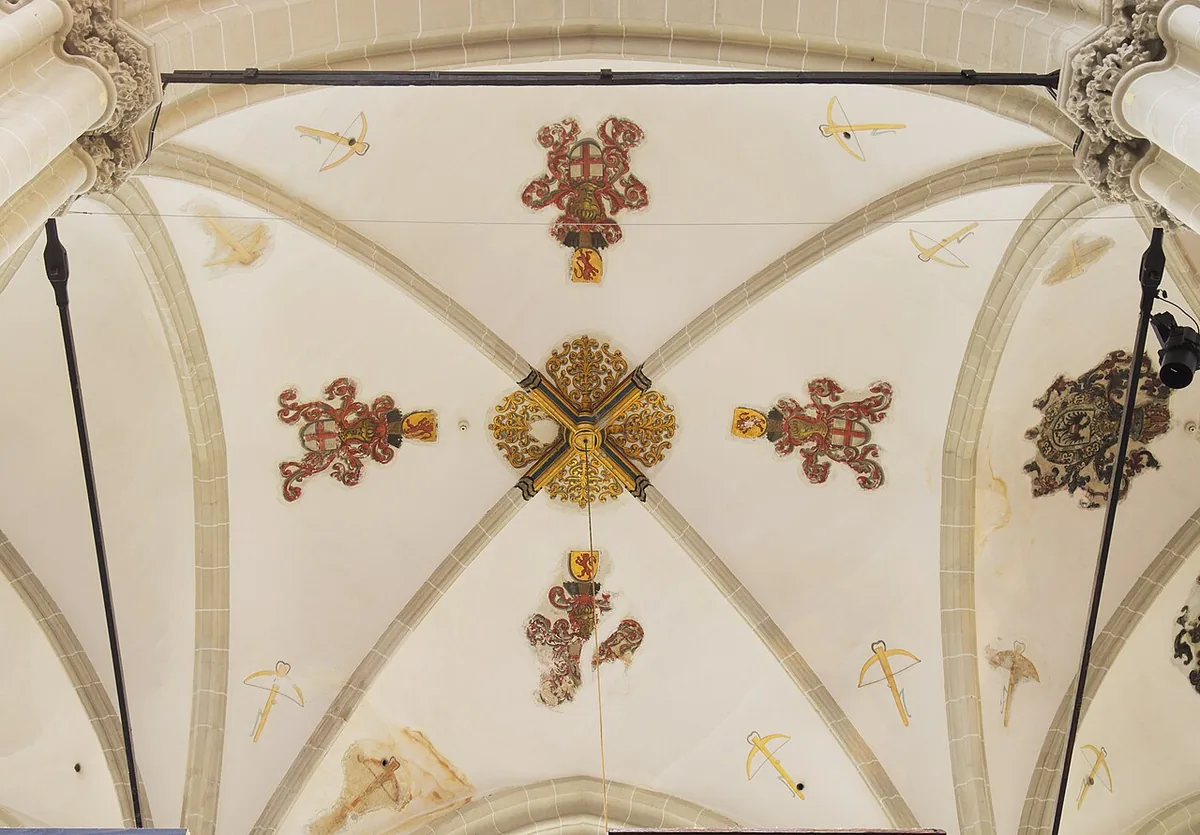
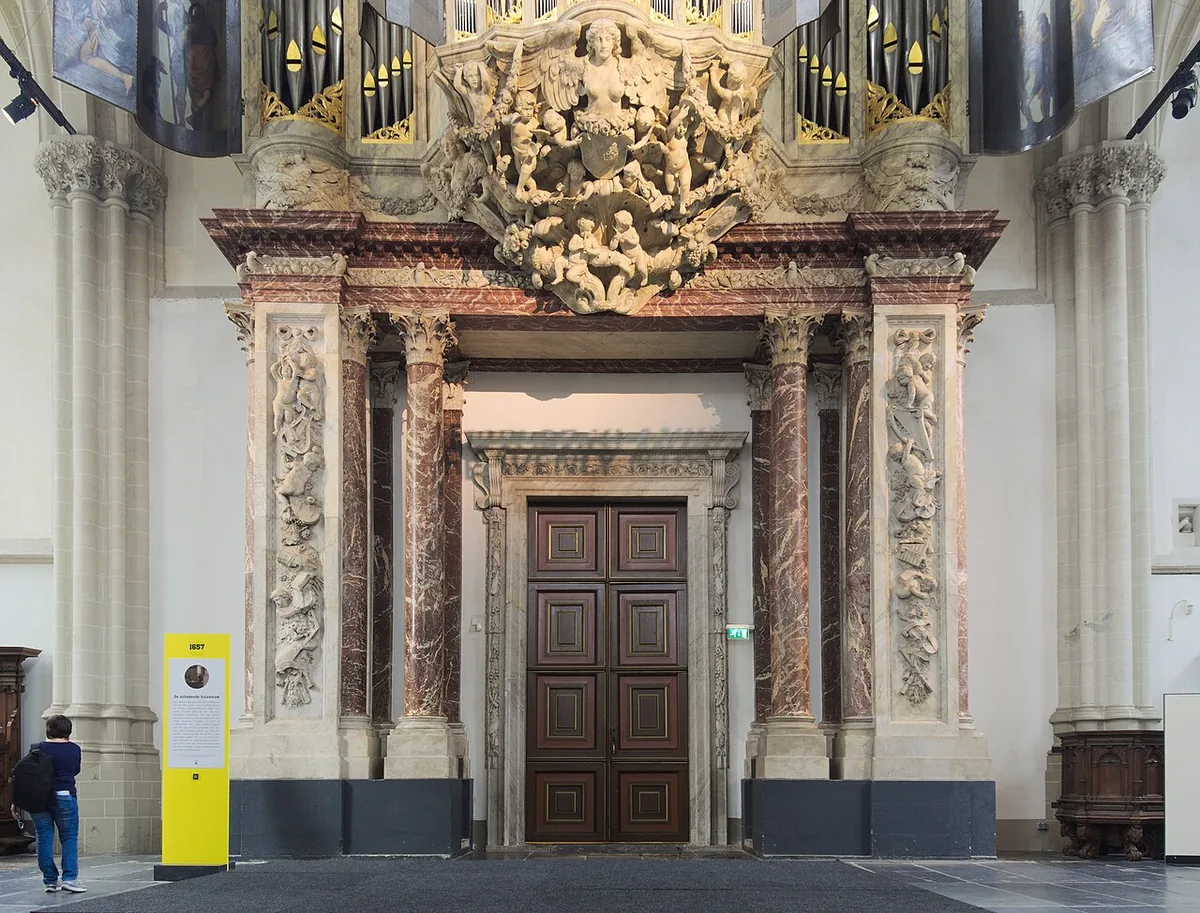
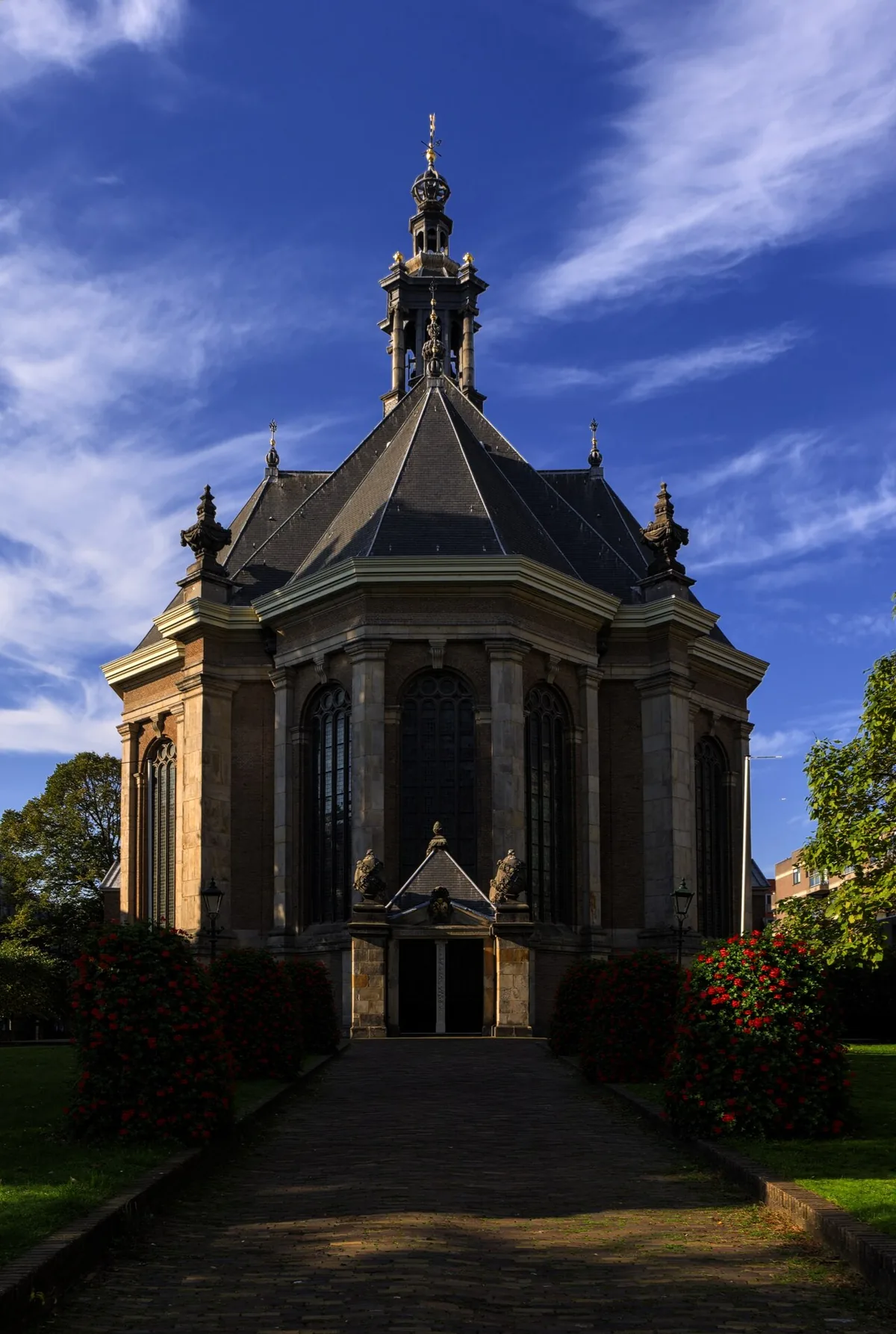
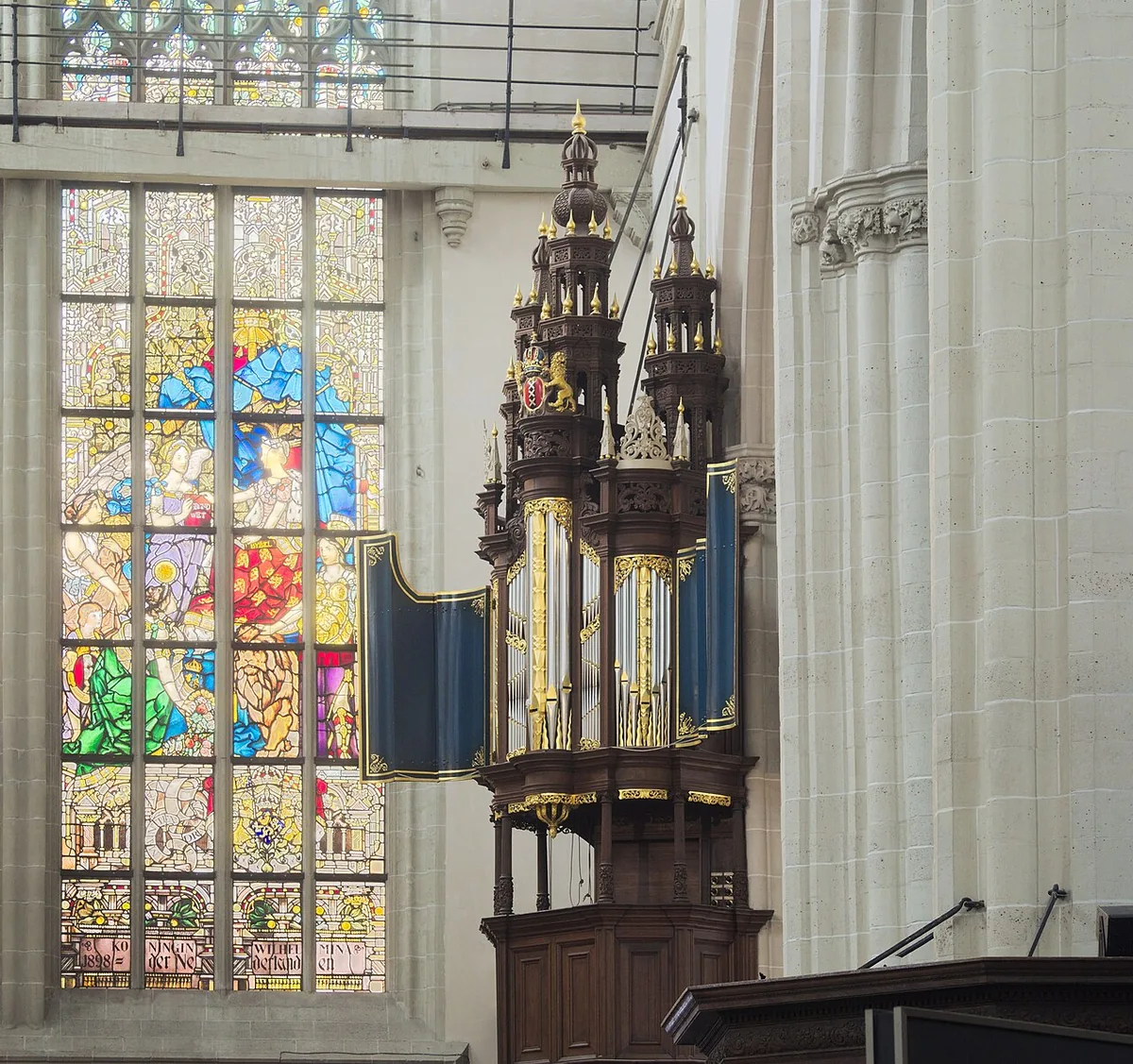
A “new” church for a growing Amsterdam, the Nieuwe Kerk stands on Dam Square beside the Royal Palace. Its Gothic history holds religious upheaval, a devastating fire, elaborate craft, royal investitures, and a tower ambition that remained unfinished.
Quick facts
Amsterdam approved the Nieuwe Kerk in 1408; it was consecrated to Saint Catherine in 1409.
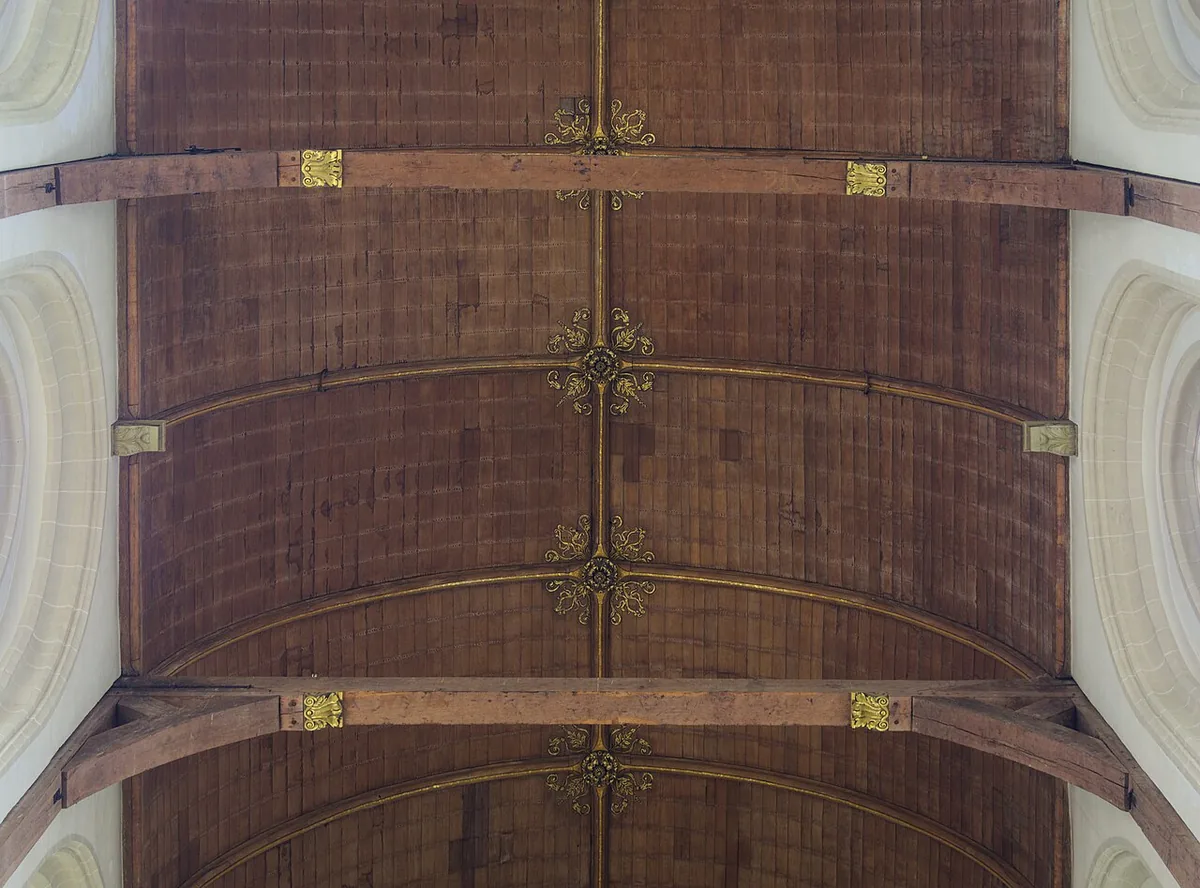
A fire in 1645 destroyed the roof and wooden vault; services resumed after rebuilding in 1648.
Dutch monarchs have been invested at the Nieuwe Kerk since 1814; investiture is a constitutional ceremony, not a coronation.
Get directions to Nieuwe Kerk. Confirm the visitor entrance and current access with the venue before travelling.
Audio guide
Listen to this place’s guide.
Guide
On Amsterdam’s Dam Square, the Nieuwe Kerk stands beside the Royal Palace as a building whose name records an old urban expansion. In 1408, the city approved a second parish church because the older Oude Kerk no longer served the growing population adequately. Willem Eggert, a wealthy Amsterdammer who later became the city’s first mayor, gave an orchard for the new church. It was consecrated to Saint Catherine on 25 November 1409, and its first service followed in 1410.
Continue exploring
Discover the full story
Keep reading with a travel pass and explore every full guide and tour.
UpgradeMore places in Amsterdam
Dam Square
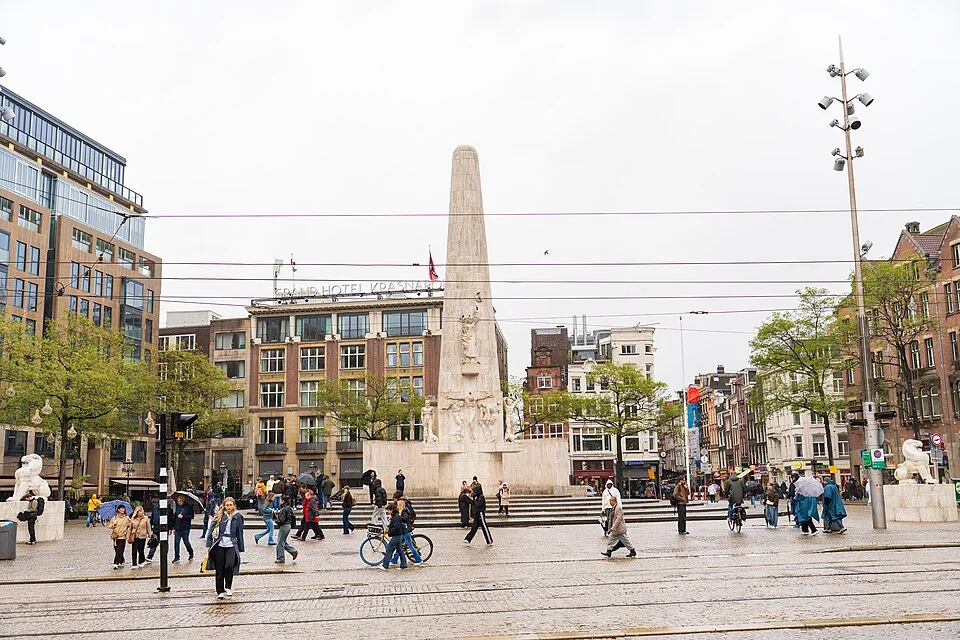
Dam Square grew from a dam across the Amstel and the civic space beside Amsterdam’s town hall. Once a waterside market, it now links the former town hall, today’s Royal Palace, with the National Monument, placing trade, authority, remembrance and protest in one busy public space.
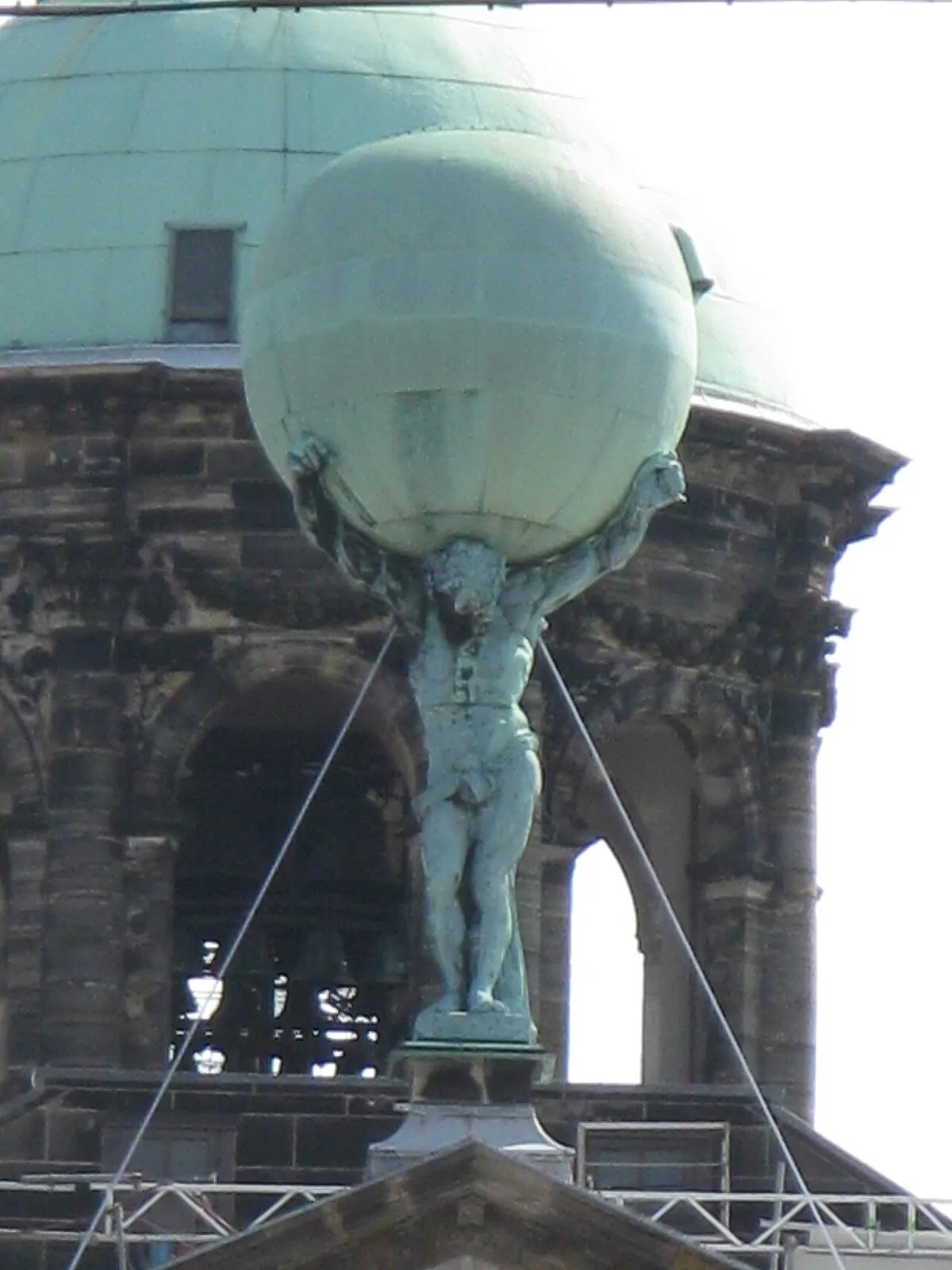
Royal Palace Amsterdam
Amsterdam’s Royal Palace began as the city’s monumental seventeenth-century town hall, built to project the authority of a wealthy mercantile city. Its Citizens’ Hall, marble maps, sculpture and galleries frame both that civic ambition and the global trade networks—and colonial exploitation—behind i
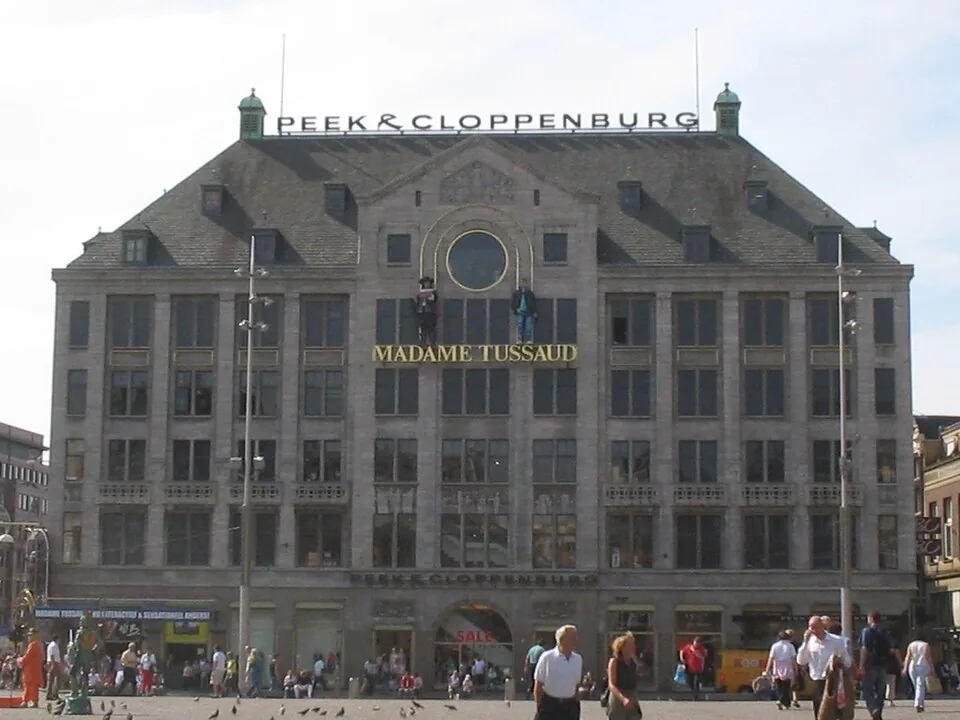
Madame Tussauds Amsterdam
A wax-portrait attraction in a listed Dam Square department store. Opened in Amsterdam in 1970, it moved here in 1991; its present address stands where the square’s early twentieth-century retail expansion reshaped the city centre.
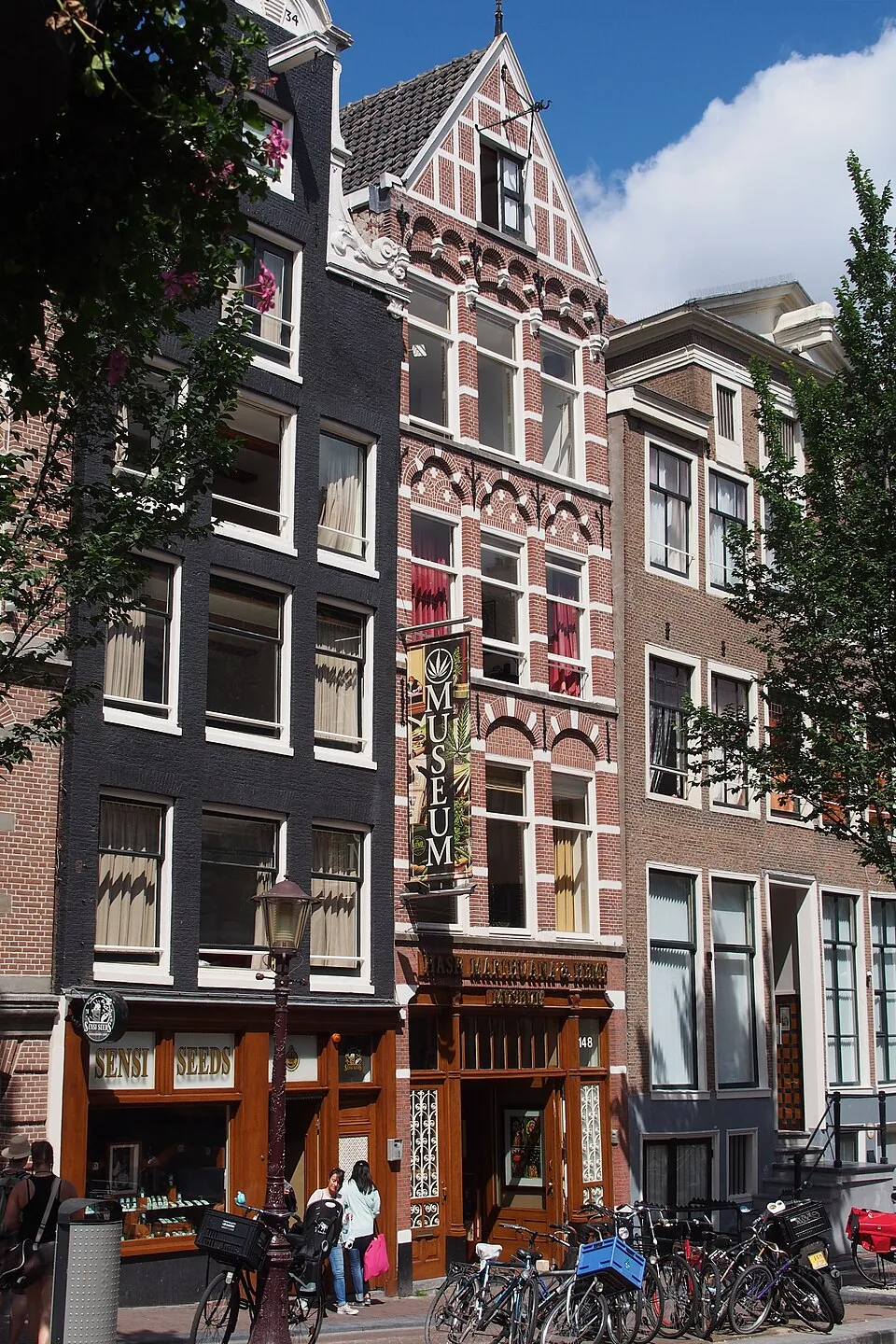
Hash Marihuana & Hemp Museum
Founded in 1987, Amsterdam’s Hash Marihuana & Hemp Museum traces cannabis through history, medicine, art and everyday culture. Its collection includes more than 9,000 objects, while the nearby Hemp Gallery explores industrial hemp’s long and varied uses.
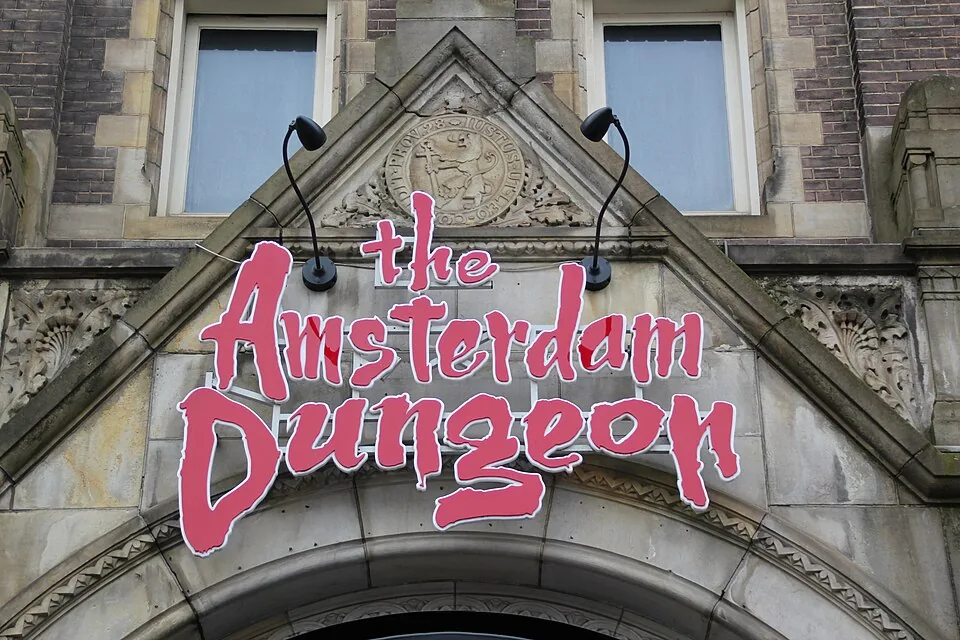
Amsterdam Dungeon
Amsterdam Dungeon stages episodes of Dutch history with actors, sets and effects inside the Nieuwezijds Kapel, a protected church built on a much older religious site. The attraction’s theatrical scenes invite visitors to distinguish popular interpretation from the city’s archival and archaeological
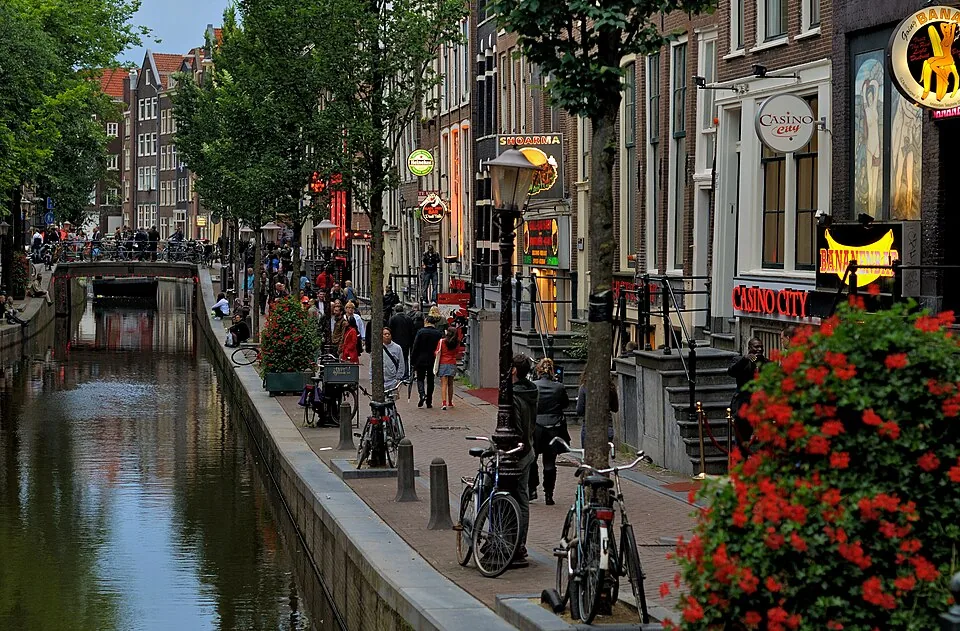
Red Light District
Amsterdam’s Red Light District is a working neighborhood as well as a historic port-area quarter. Its story includes centuries of regulation and change, but the people who live and work here deserve privacy; the most respectful visit begins by treating the streets as public space shared with residen