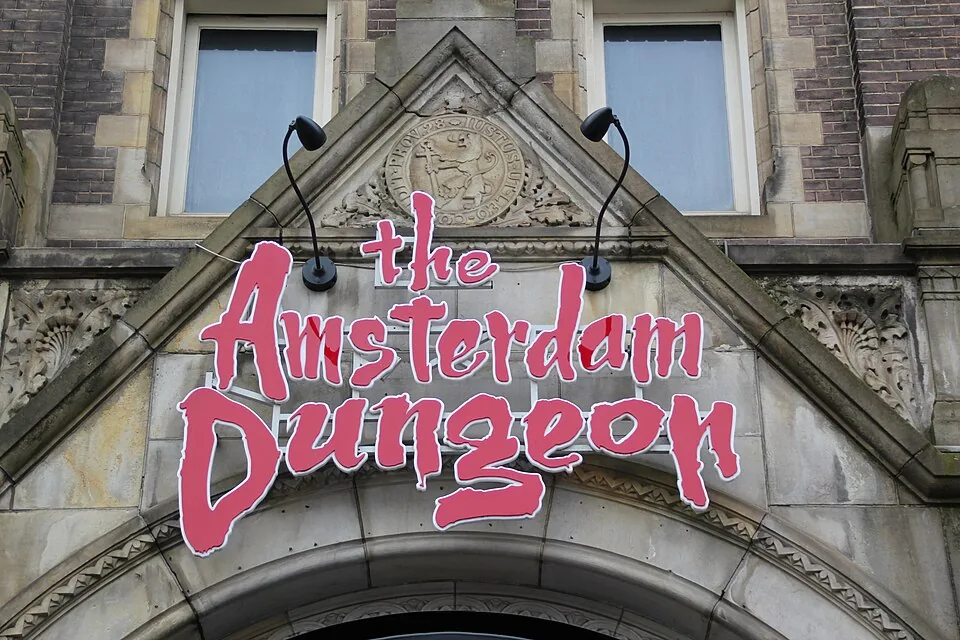
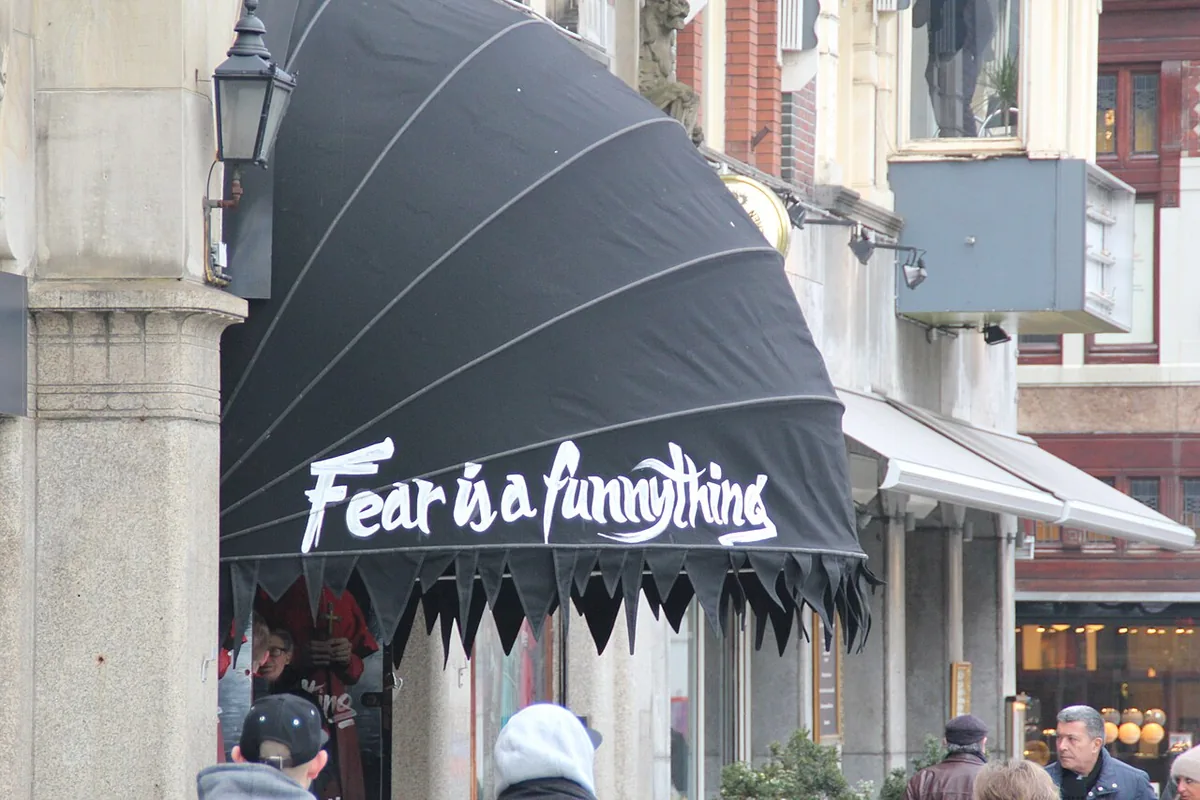
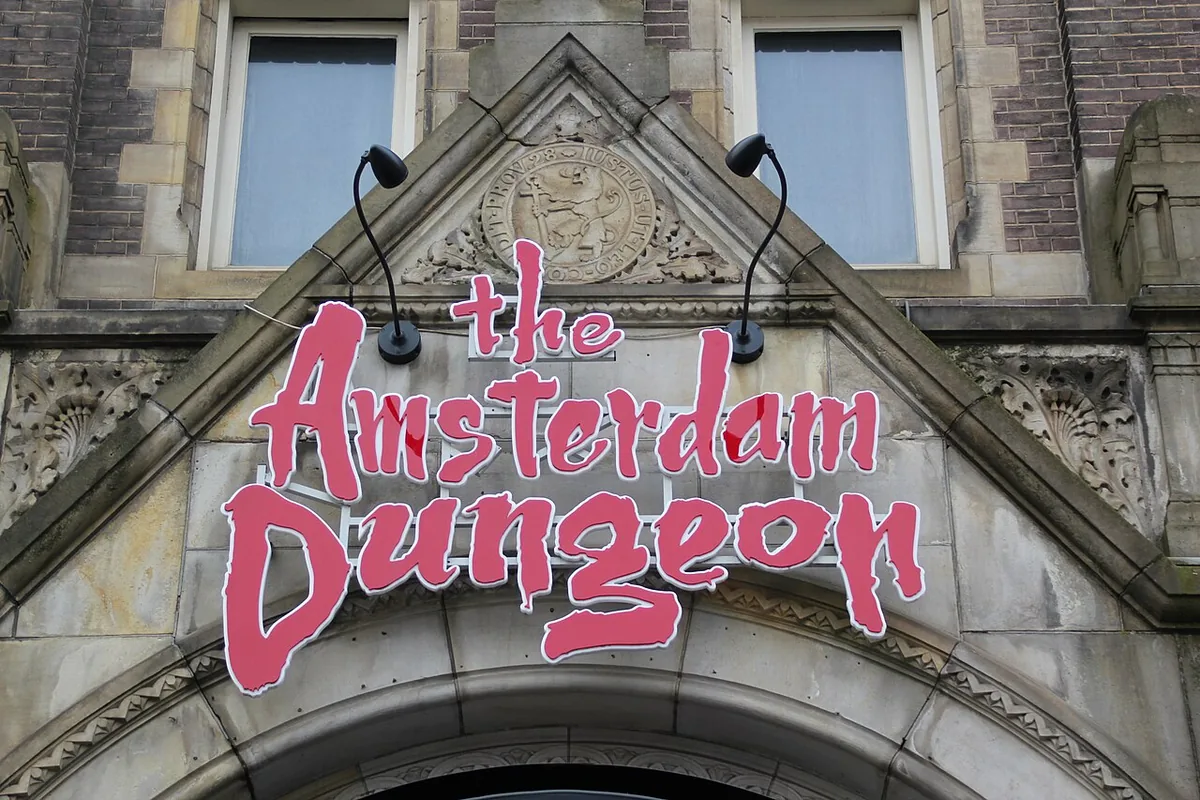
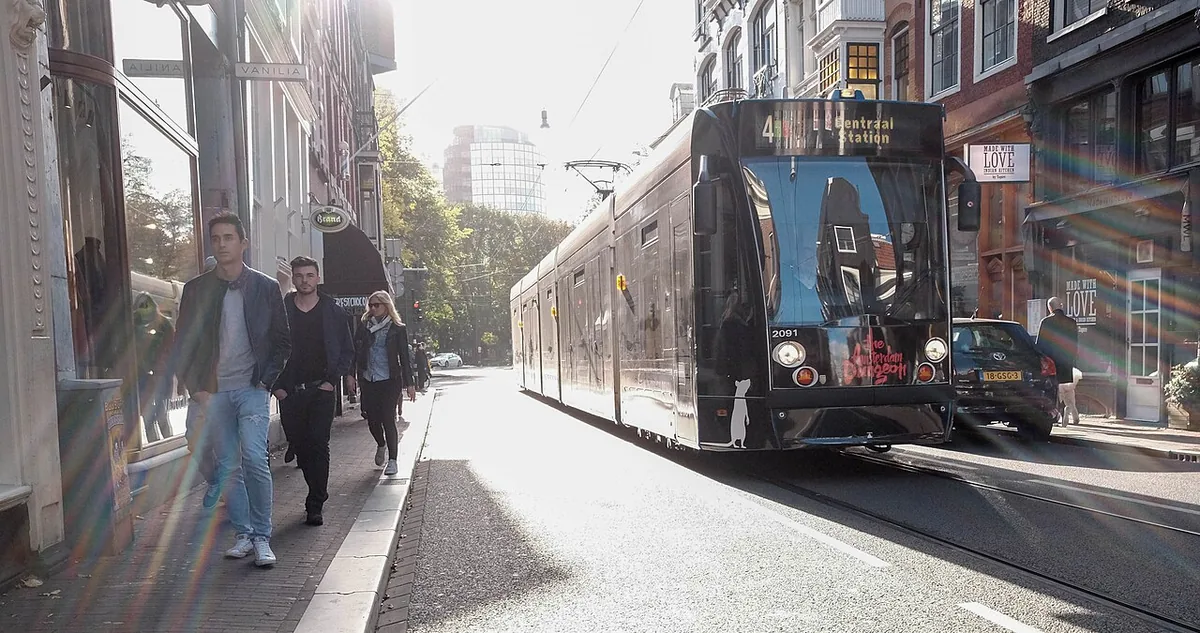
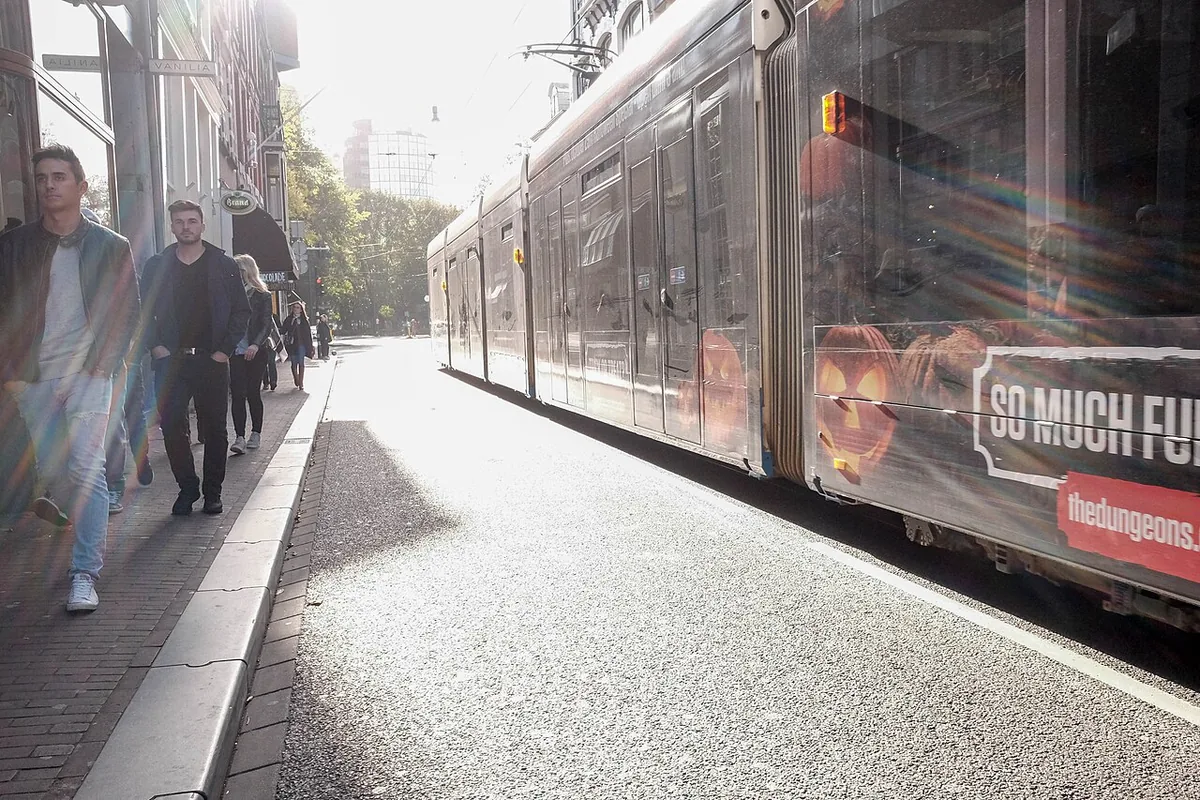
Amsterdam Dungeon stages episodes of Dutch history with actors, sets and effects inside the Nieuwezijds Kapel, a protected church built on a much older religious site. The attraction’s theatrical scenes invite visitors to distinguish popular interpretation from the city’s archival and archaeological record.
Quick facts
The current Nieuwezijds Kapel at Rokin 78A was built in 1908–1912 to a design by C.B. Posthumus Meyjes; it is a national monument.
The site’s earlier Heilige Stede chapel was built in 1347 in connection with the local tradition of the 1345 Miracle of Amsterdam.
Archaeological work before the Dungeon conversion found grave slabs and burials beneath the church floor; the building plan was adjusted to preserve the slab floor in place.
Get directions to Amsterdam Dungeon. Confirm the visitor entrance and current access with the venue before travelling.
Audio guide
Listen to this place’s guide.
Guide
At Rokin 78, the Amsterdam Dungeon turns a former church into a theatrical route through selected episodes of Dutch history. Actors, sets, sound and effects make visitors part of the scene. The operator describes it as a thrilling attraction about the Netherlands’ perilous past; that is useful context for the experience, but it is not a claim that the rooms are original dungeons or that every scene is a literal reconstruction.
Continue exploring
Discover the full story
Keep reading with a travel pass and explore every full guide and tour.
UpgradeMore places in Amsterdam
Singel
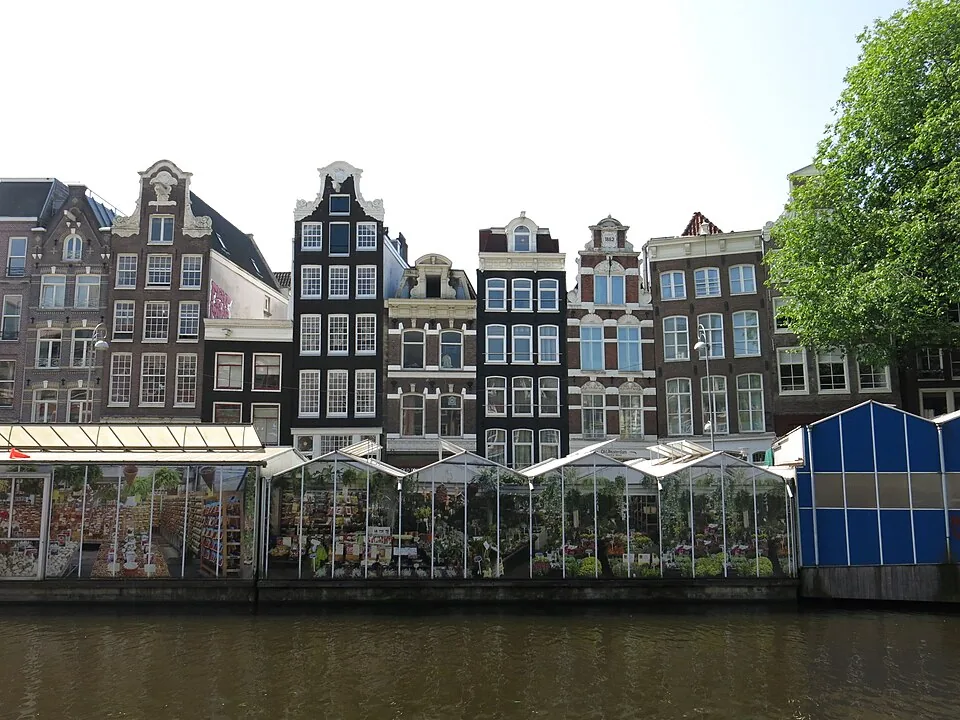
Amsterdam’s Singel began as the medieval city’s defensive edge and became an inner working canal as the city expanded. Traces at Torensluis and in the quay stones reveal the walls, trade and everyday life once tied to its water.
Herengracht
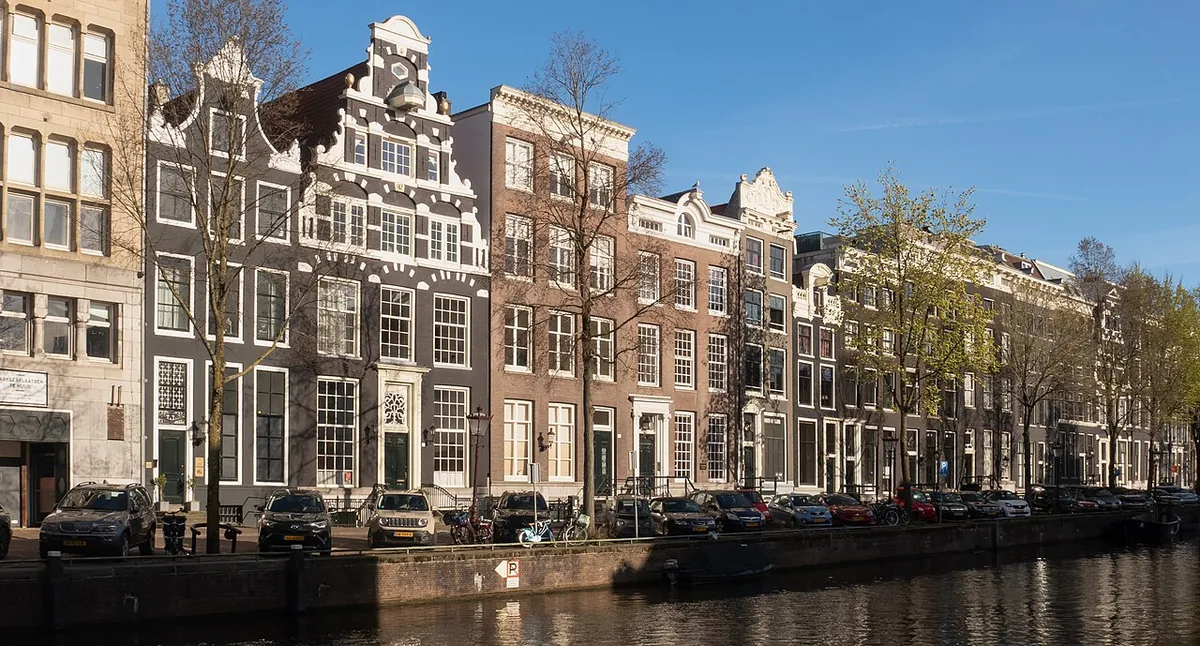
Herengracht is one of Amsterdam’s principal seventeenth-century canals, where a carefully planned waterway became a prestigious address. Its Golden Bend gathers broad, double-plot mansions, but the canal’s quays also reveal the labor, trade and urban engineering behind that display.
Begijnhof
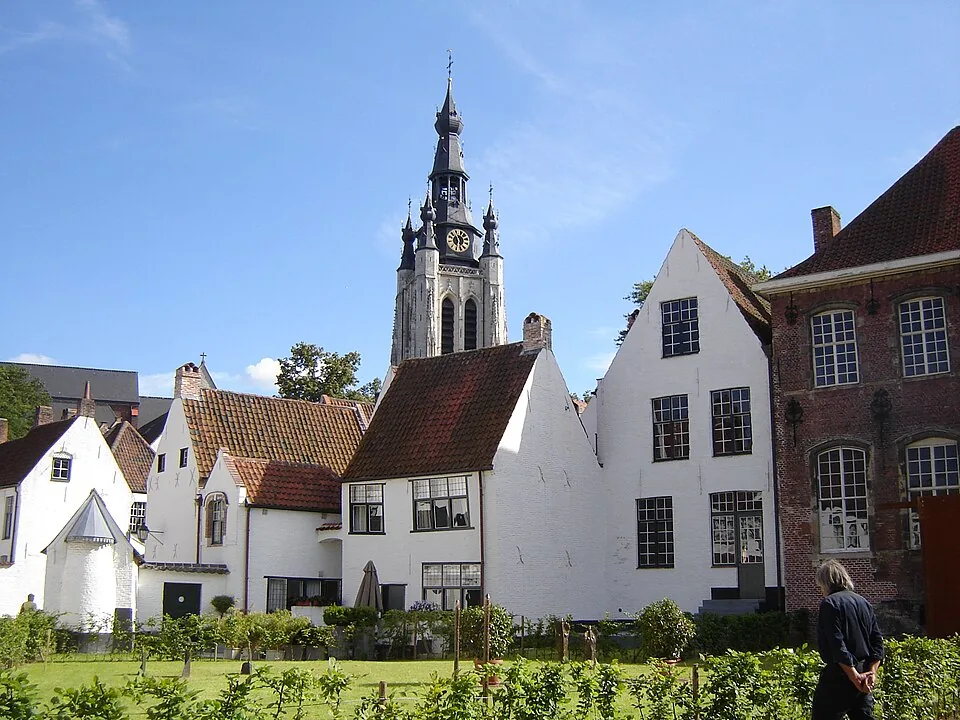
Amsterdam’s medieval Begijnhof was a community of Catholic laywomen who lived and worked together without being cloistered nuns. Its uneven courtyard, rare timber-framed Wooden House, former English church, and still-active Catholic chapel record centuries of changing worship and residential life.
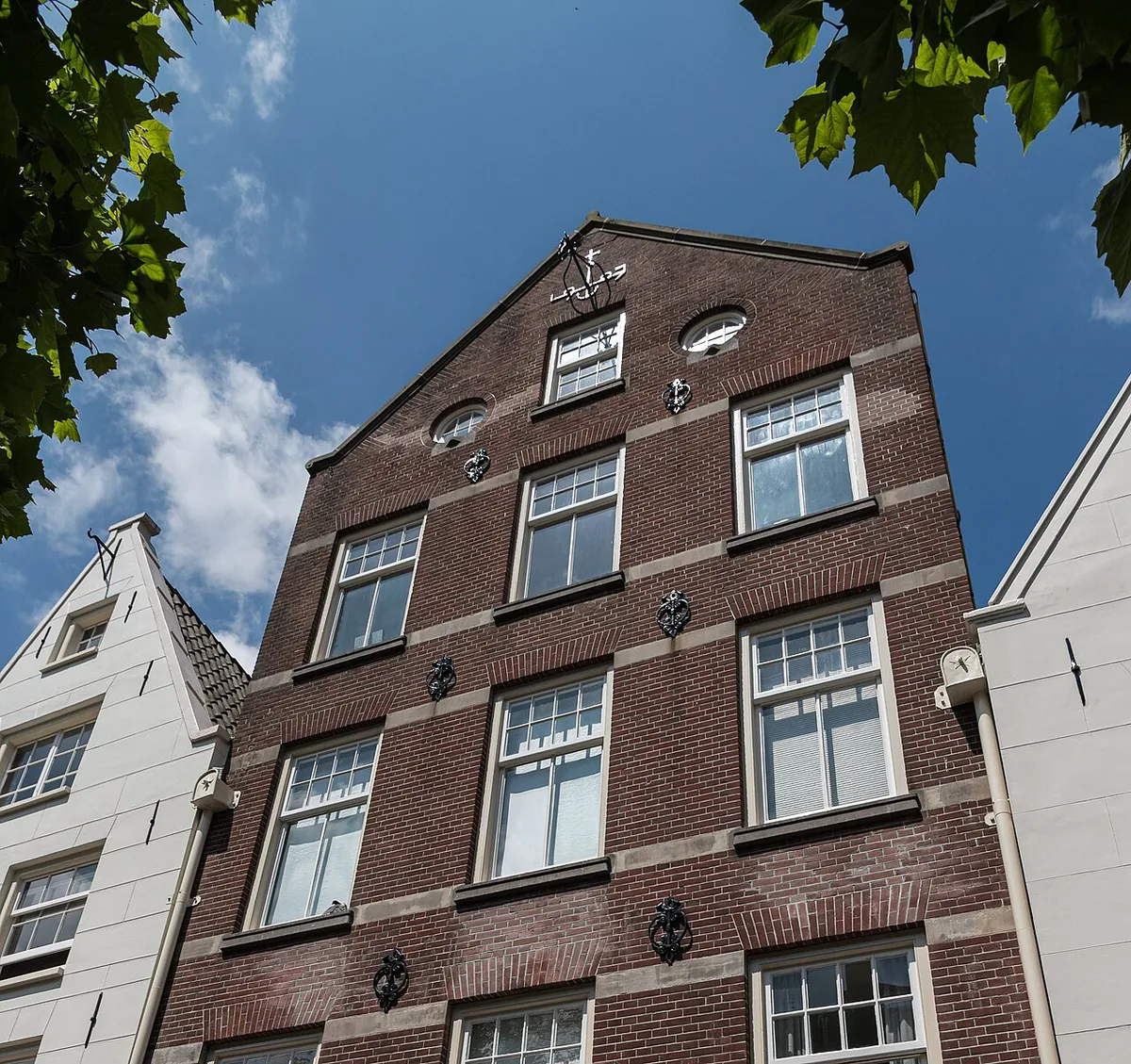
Spui
Spui occupies the line of an old sluice channel that marked Amsterdam’s southern edge around 1425. Filled between 1867 and 1882, the waterway became a tram junction and later a stage for Provo gatherings around Het Lieverdje.
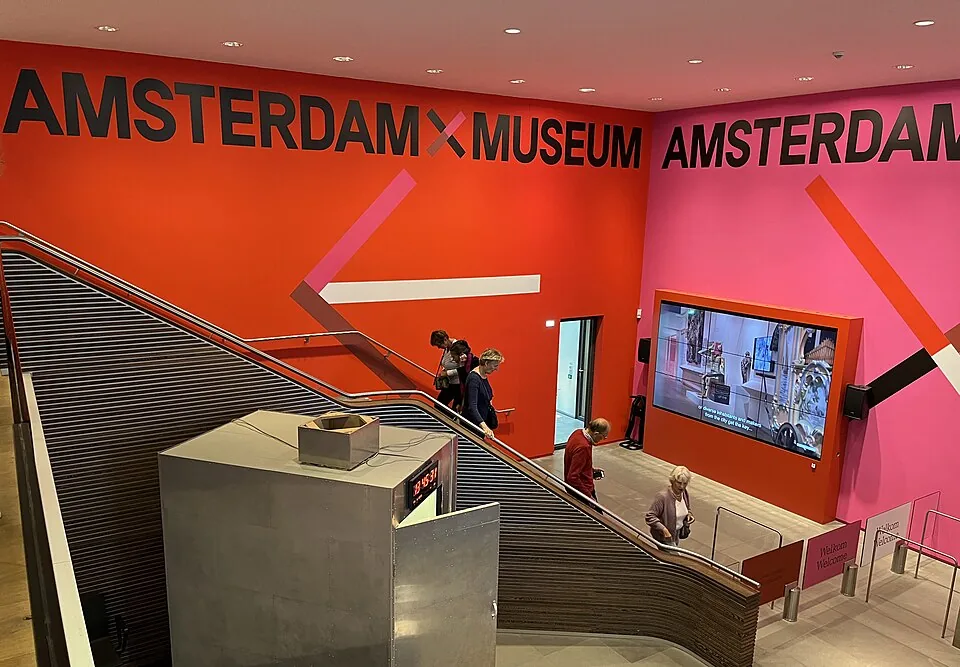
Amsterdam Museum
The Amsterdam Museum’s historic home occupies the former Burgerweeshuis, a centuries-old complex shaped by a convent, an orphanage and the city museum. Its courtyards and façades preserve that changing civic story; the Kalverstraat site is currently closed during renovation.
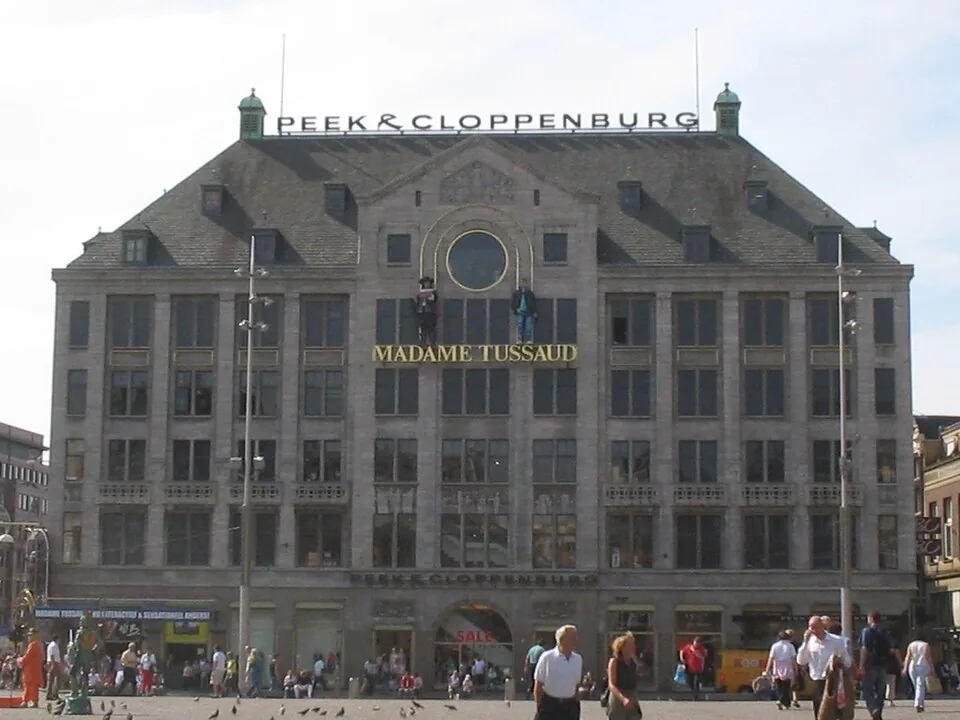
Madame Tussauds Amsterdam
A wax-portrait attraction in a listed Dam Square department store. Opened in Amsterdam in 1970, it moved here in 1991; its present address stands where the square’s early twentieth-century retail expansion reshaped the city centre.