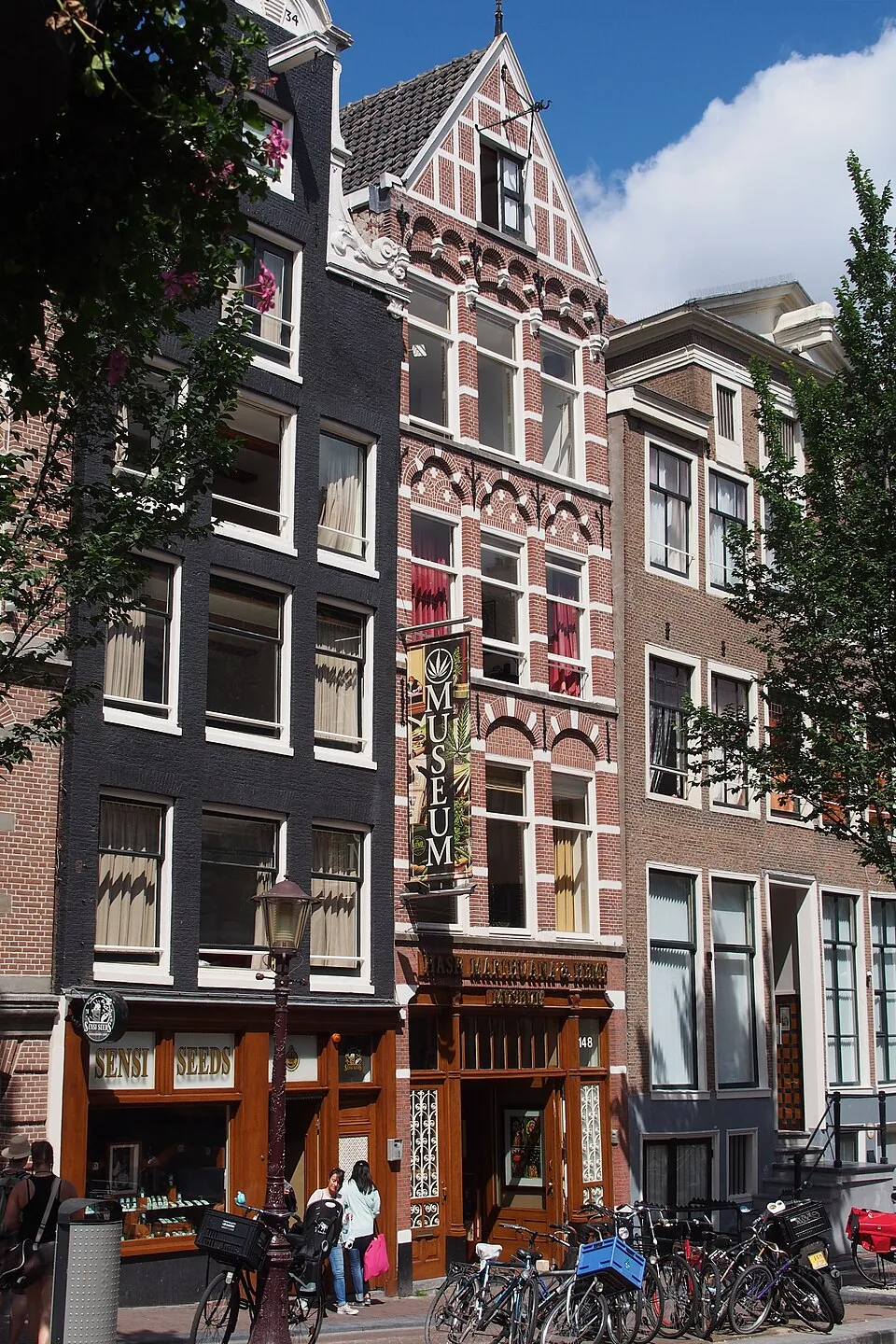
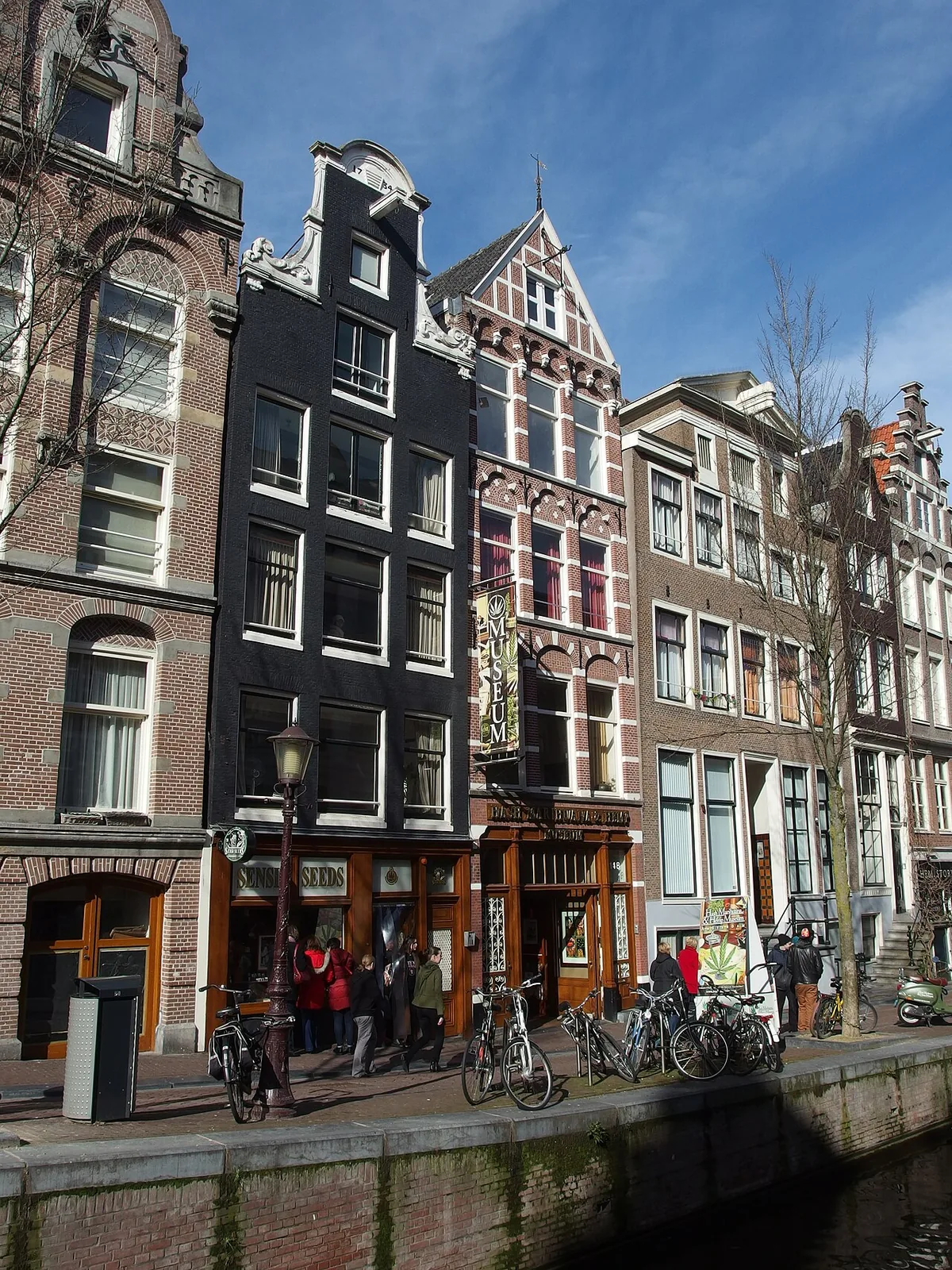
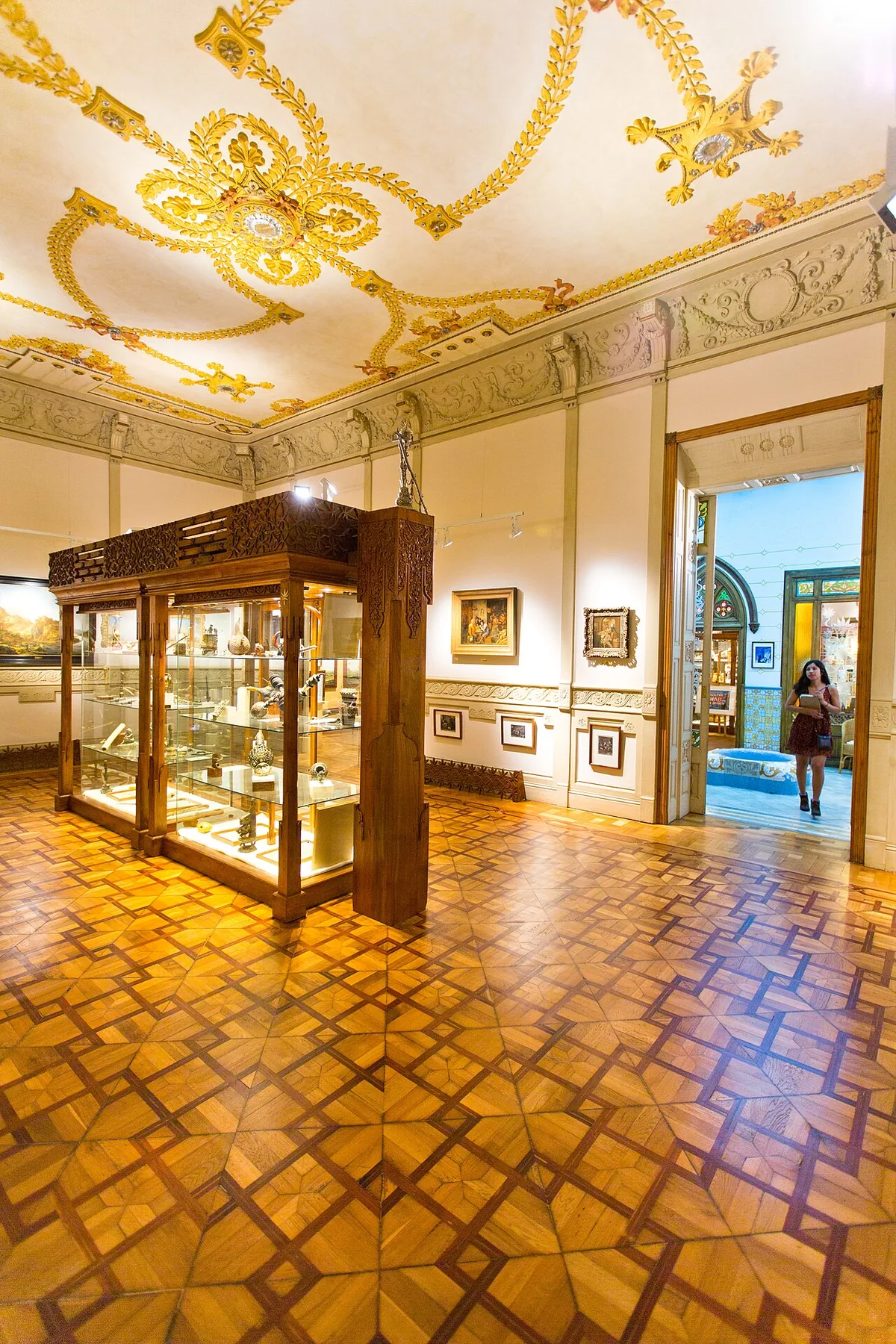
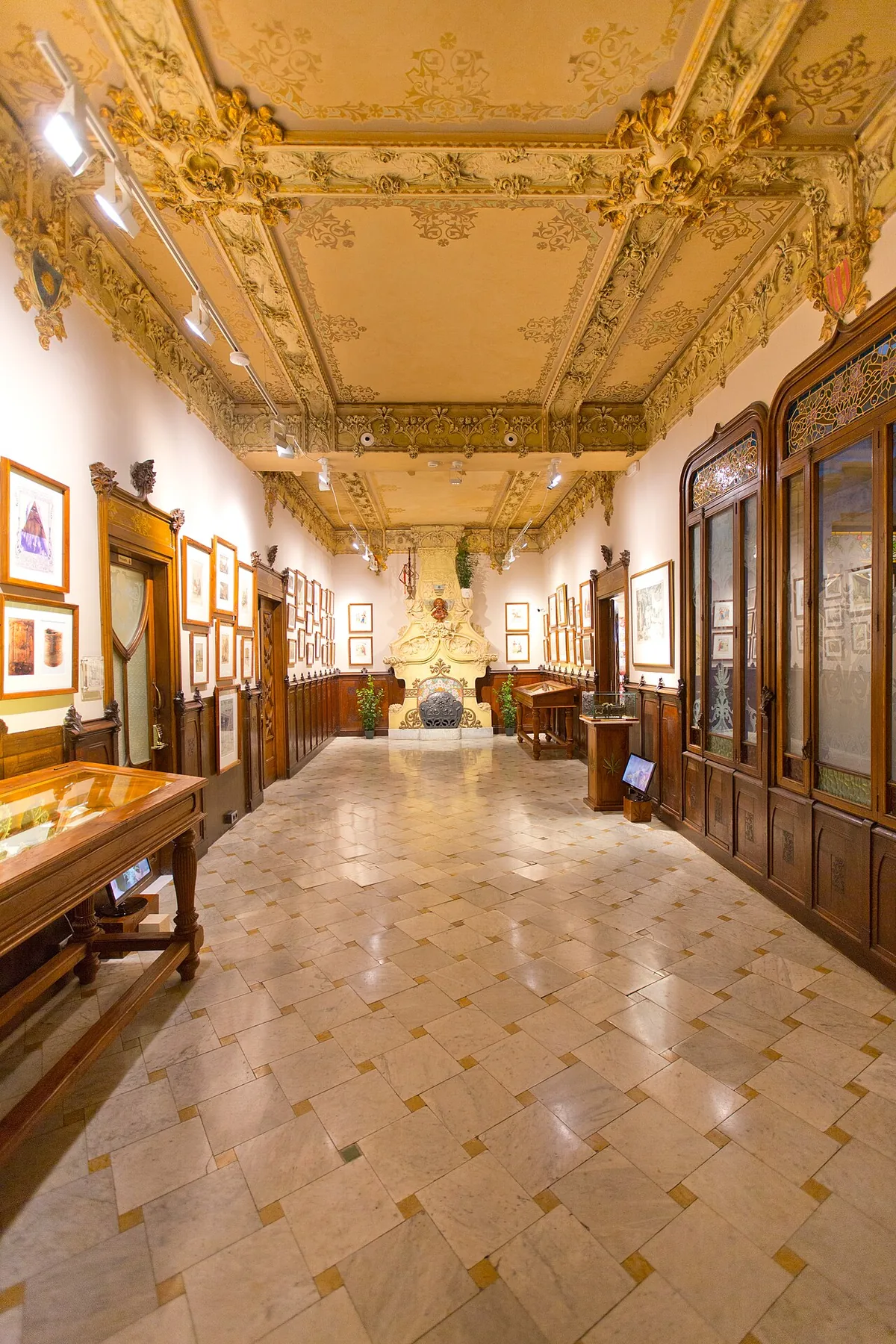
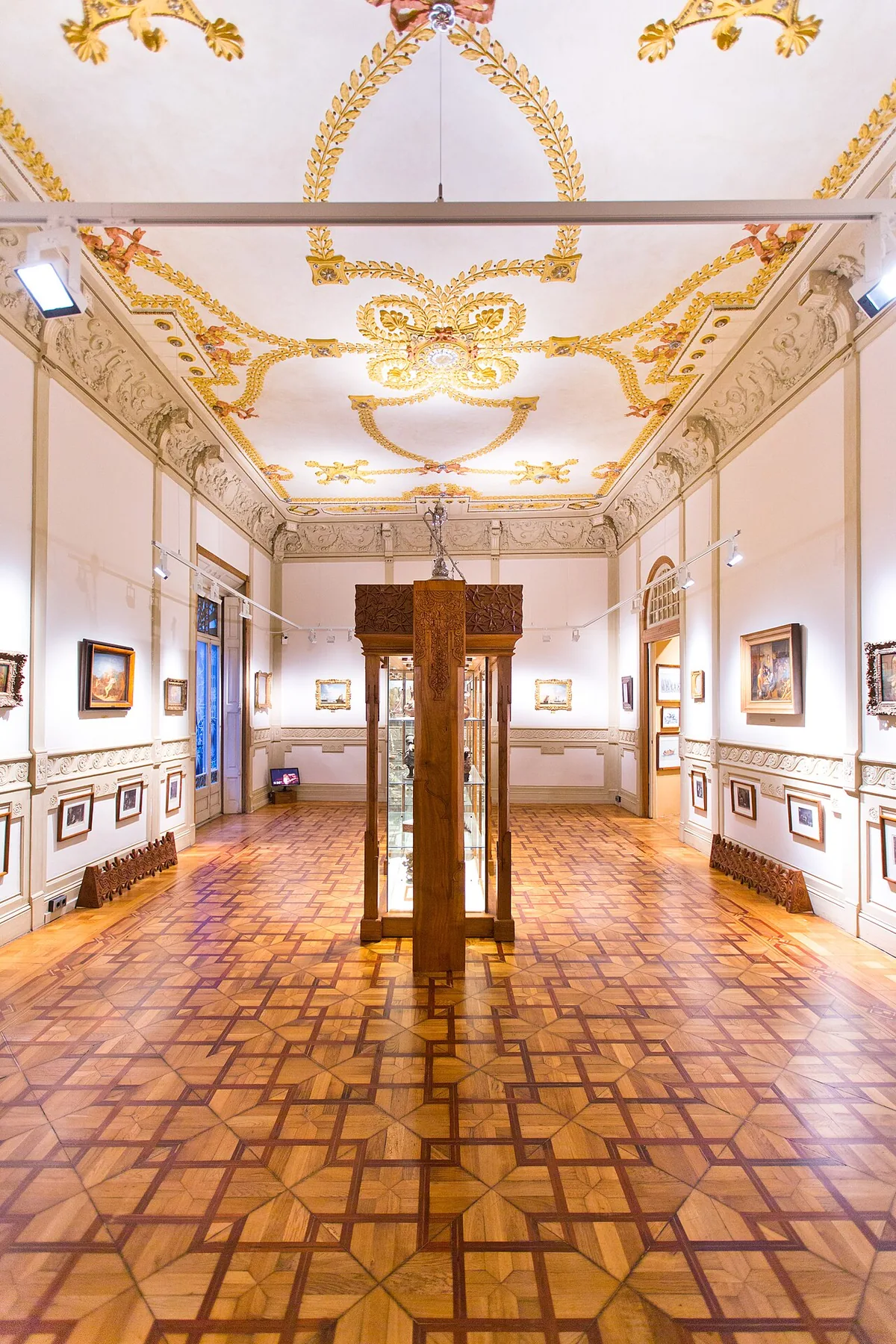
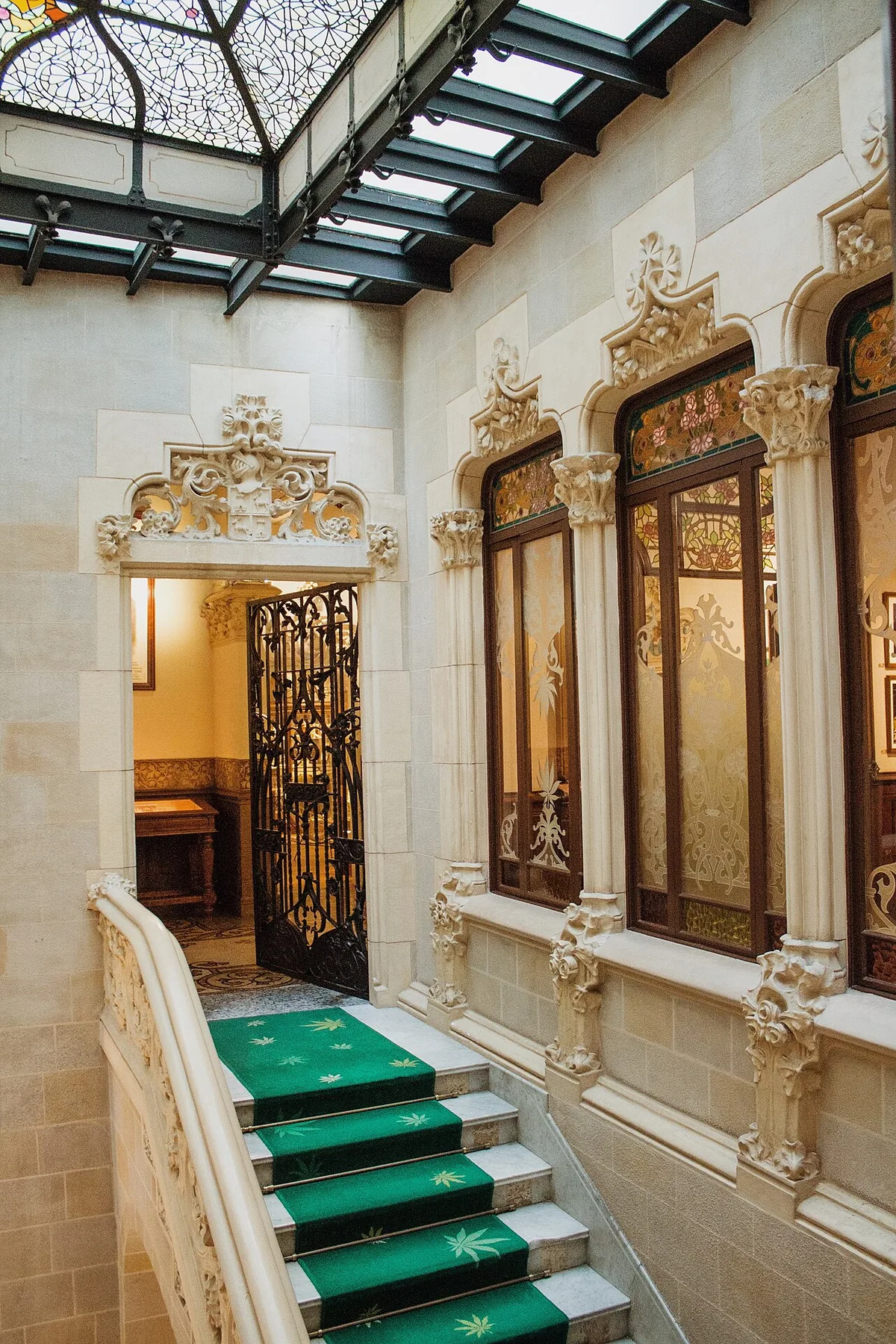
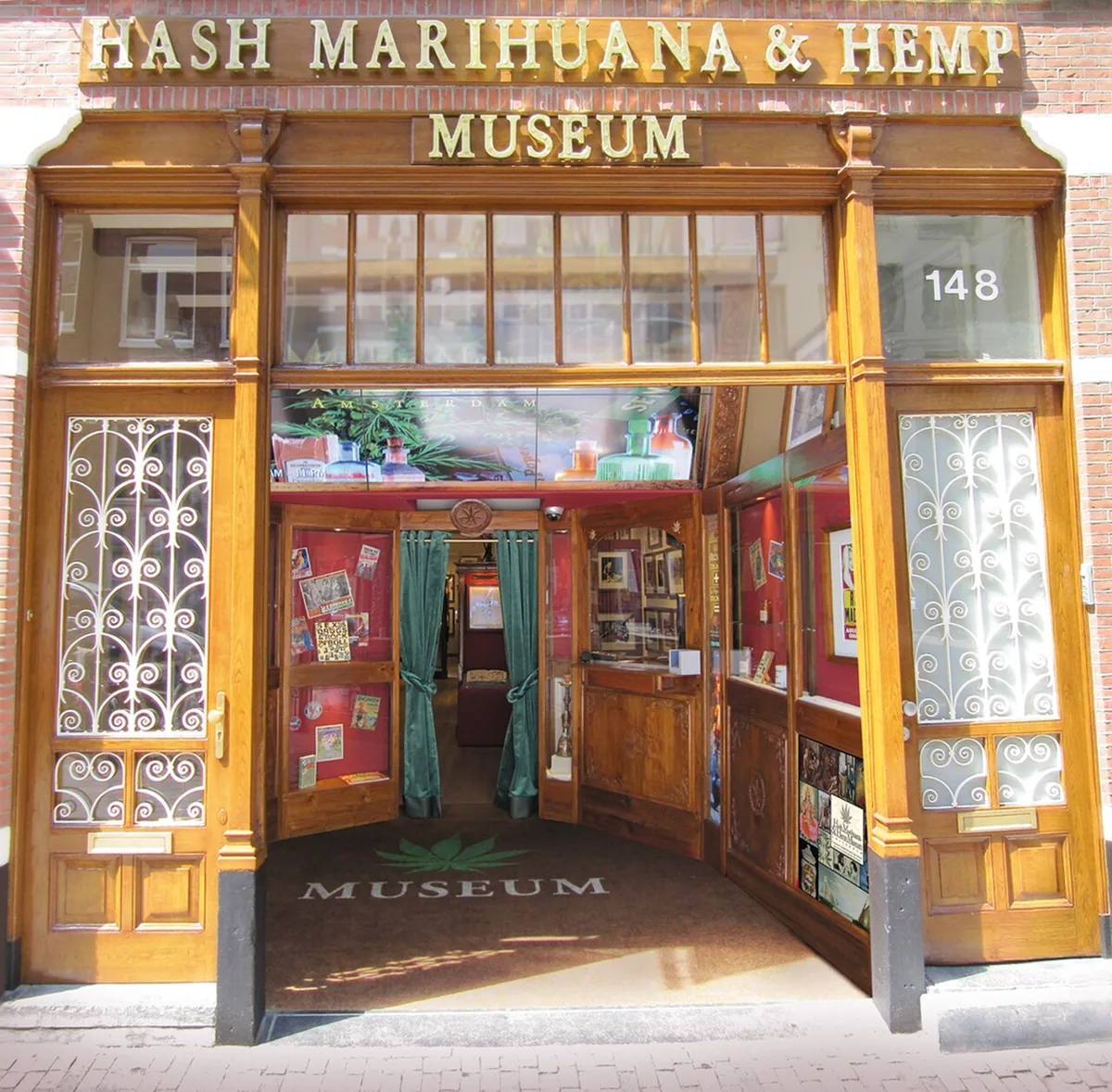
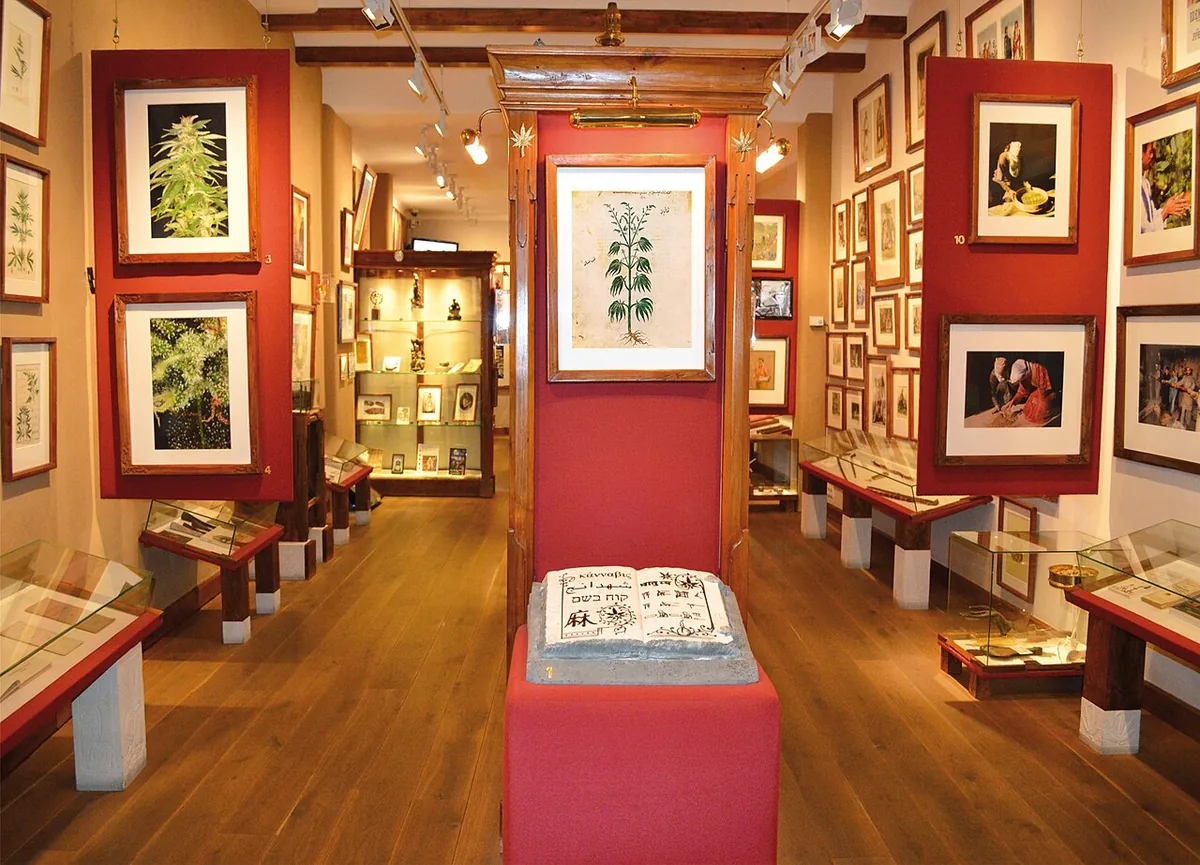
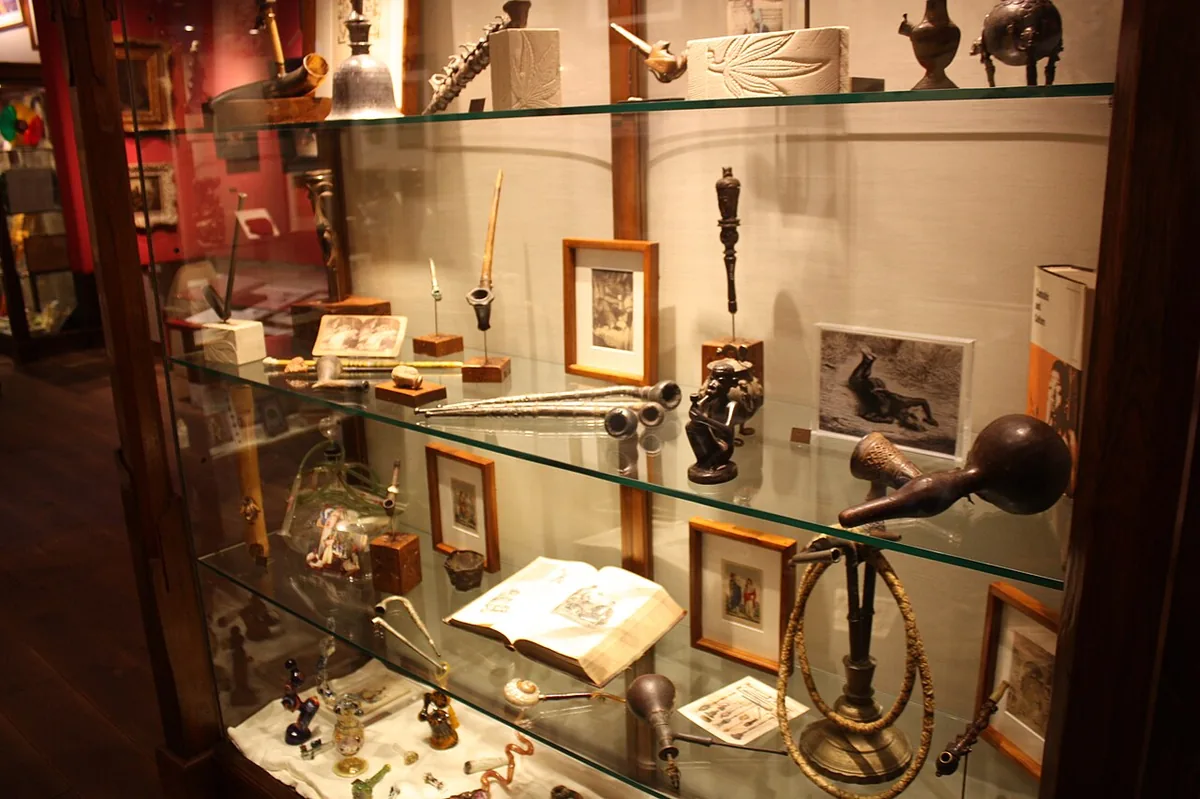
Founded in 1987, Amsterdam’s Hash Marihuana & Hemp Museum traces cannabis through history, medicine, art and everyday culture. Its collection includes more than 9,000 objects, while the nearby Hemp Gallery explores industrial hemp’s long and varied uses.
Quick facts
Ben Dronkers and Ed Rosenthal opened the Cannabis Info Museum in Amsterdam in 1987; its closure shortly after opening became a nationally reported dispute over whether a cannabis museum was lawful.
The museum added a second Amsterdam venue, the Hemp Gallery, in 2009 to focus on hemp’s history and industrial uses.
The museum reports a collection of more than 9,000 items, spanning subjects from medicinal cannabis and botanical imagery to textiles, pipes and hemp tools.
Get directions to Hash Marihuana & Hemp Museum. Confirm the visitor entrance and current access with the venue before travelling.
Audio guide
Listen to this place’s guide.
Guide
At Oudezijds Achterburgwal 148, the Hash Marihuana & Hemp Museum occupies a place where the story of cannabis has never been only botanical. It is also a story about public display, law, commerce and the line between education and promotion. In 1987, Ben Dronkers and American writer Ed Rosenthal opened the Cannabis Info Museum to share their collections and interest in the plant.
Continue exploring
Discover the full story
Keep reading with a travel pass and explore every full guide and tour.
UpgradeMore places in Amsterdam
Red Light District
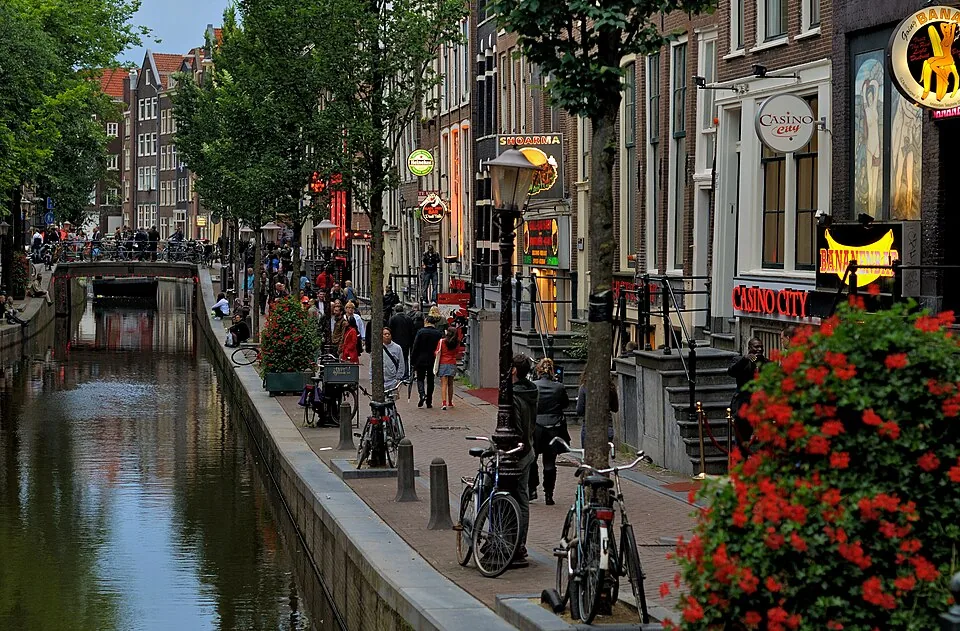
Amsterdam’s Red Light District is a working neighborhood as well as a historic port-area quarter. Its story includes centuries of regulation and change, but the people who live and work here deserve privacy; the most respectful visit begins by treating the streets as public space shared with residen
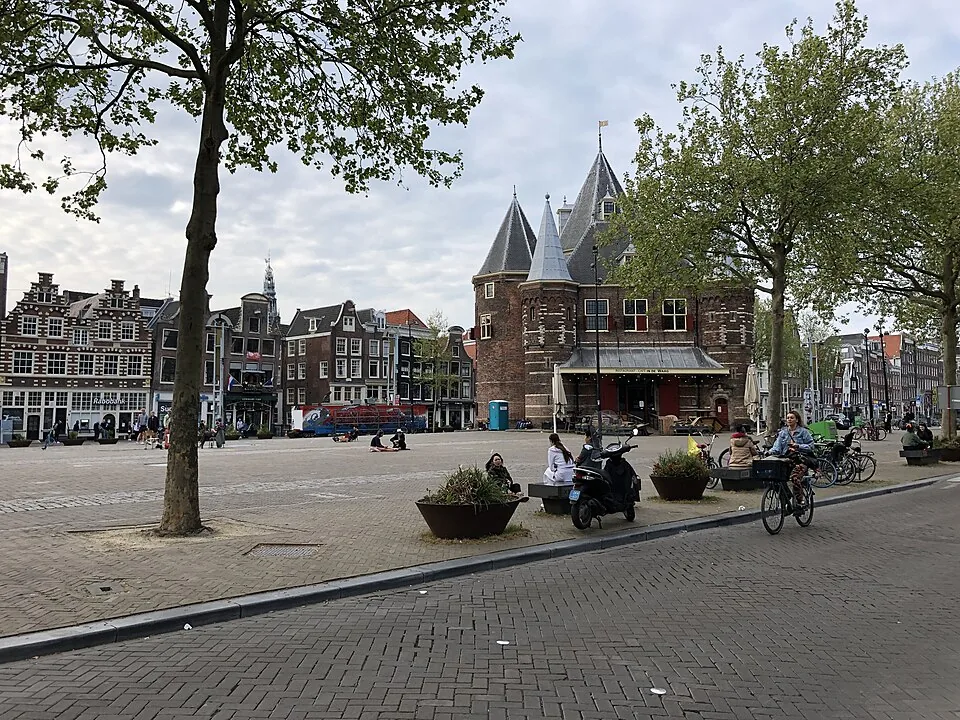
Nieuwmarkt
Nieuwmarkt grew around the Waag, a former city gate that became a public weighing house. The square’s changing uses—from trade to wartime persecution to modern protest—make it one of Amsterdam’s most layered public spaces.
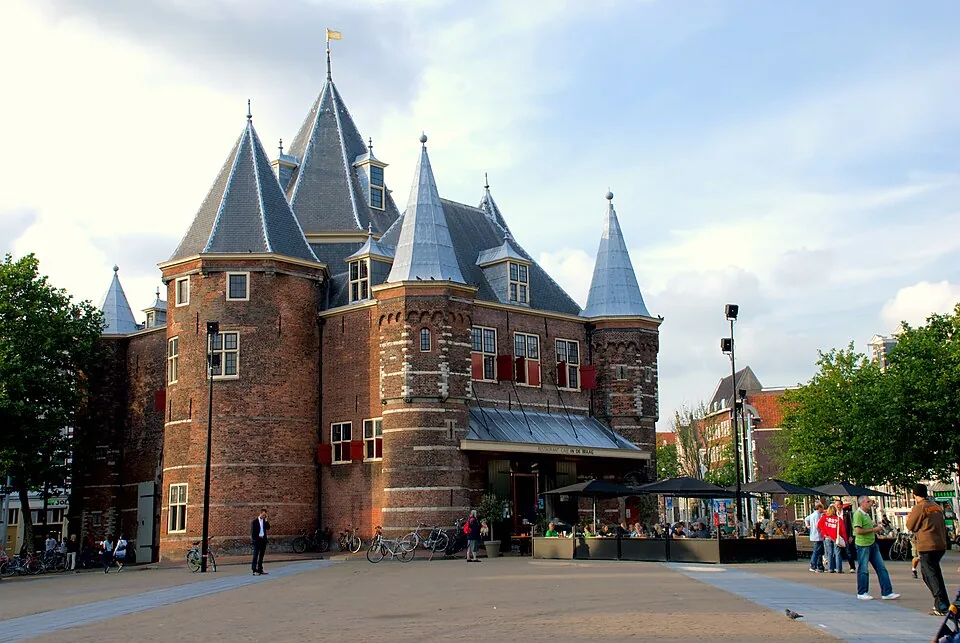
De Waag
De Waag began as Amsterdam’s Sint Anthoniespoort, a fortified eastern gate built in 1488. After the city expanded, it became a public weighing house in 1617, with guild rooms above and an anatomical theatre added in 1691. Its clustered towers trace centuries of changing city life.
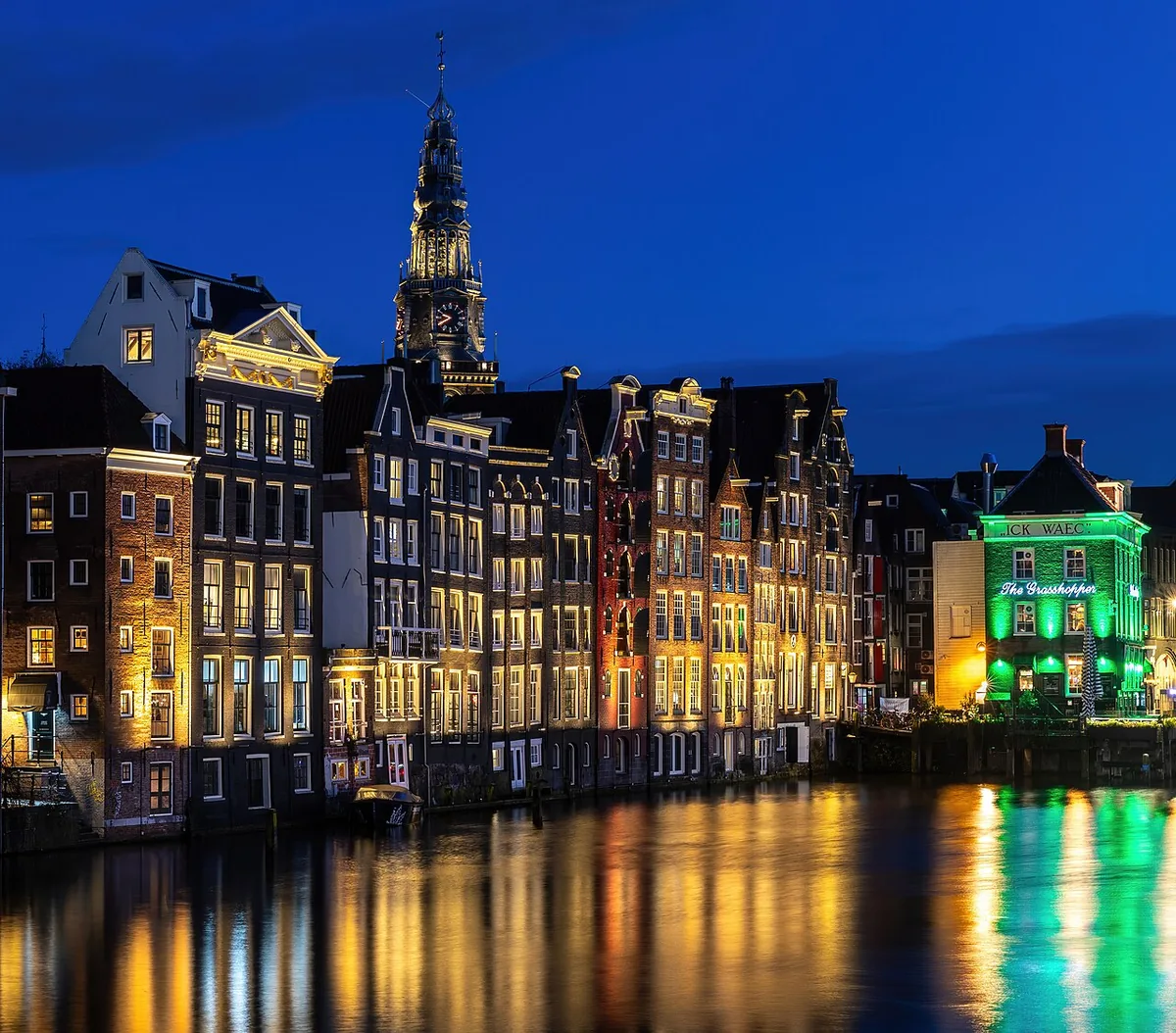
Oude Kerk
Amsterdam’s oldest surviving building grew from a thirteenth-century chapel into a Gothic hall church shaped by port trades, religious change, and generations of burial. Its guild chapels, memorials, music, and contemporary art keep the city’s layered history present.
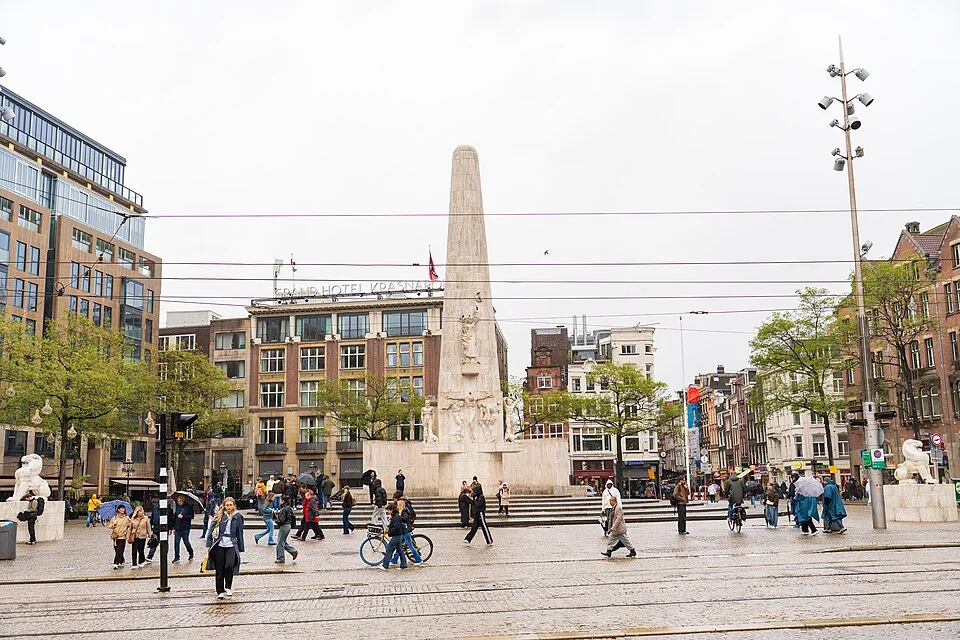
Dam Square
Dam Square grew from a dam across the Amstel and the civic space beside Amsterdam’s town hall. Once a waterside market, it now links the former town hall, today’s Royal Palace, with the National Monument, placing trade, authority, remembrance and protest in one busy public space.
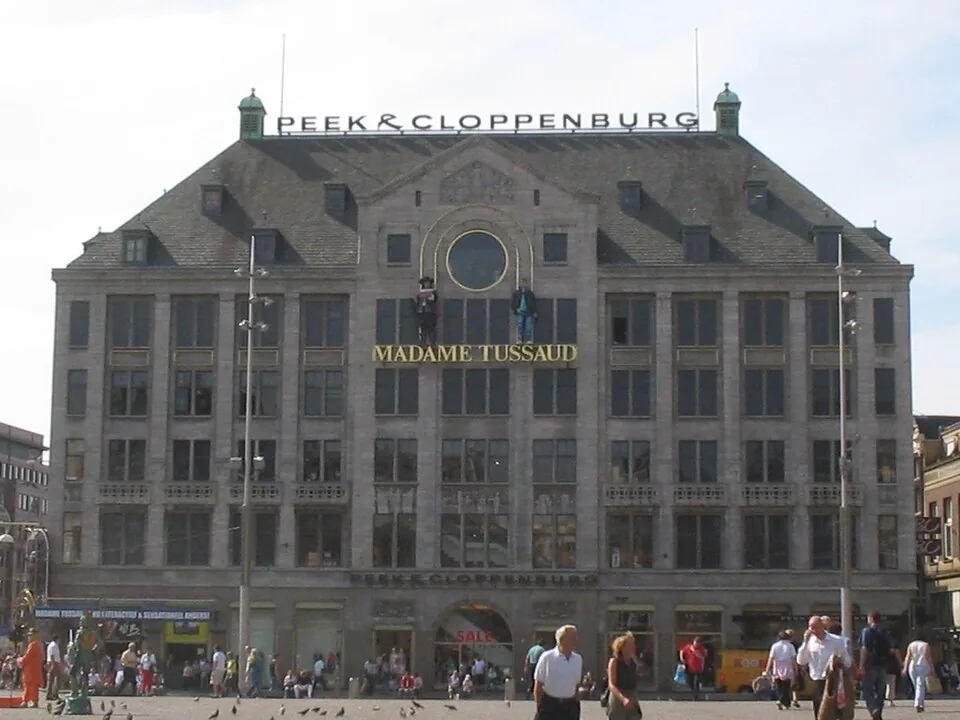
Madame Tussauds Amsterdam
A wax-portrait attraction in a listed Dam Square department store. Opened in Amsterdam in 1970, it moved here in 1991; its present address stands where the square’s early twentieth-century retail expansion reshaped the city centre.