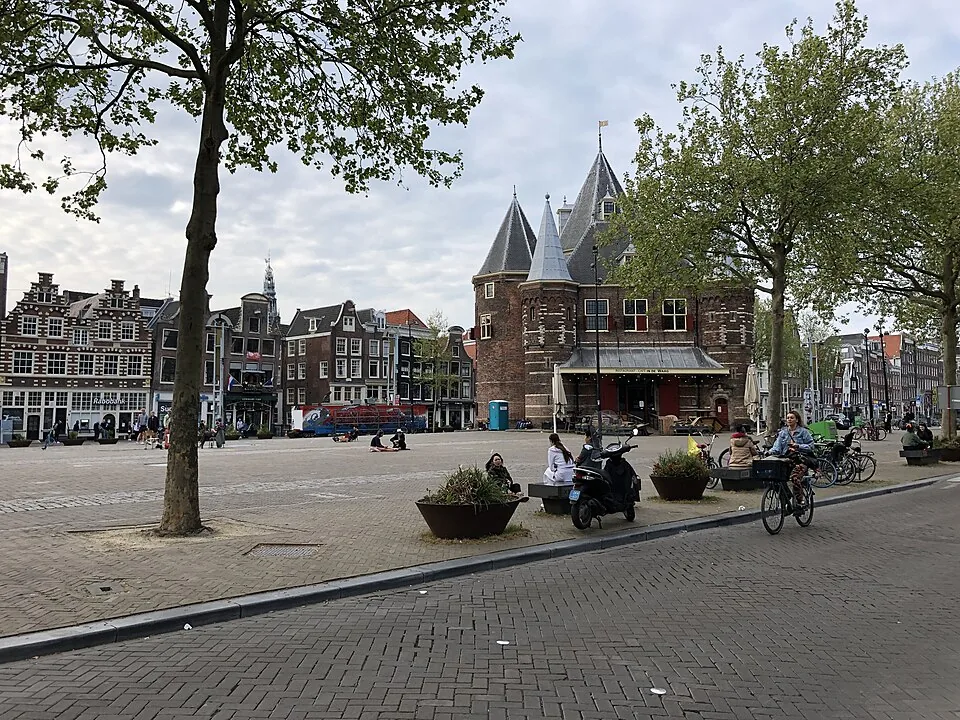
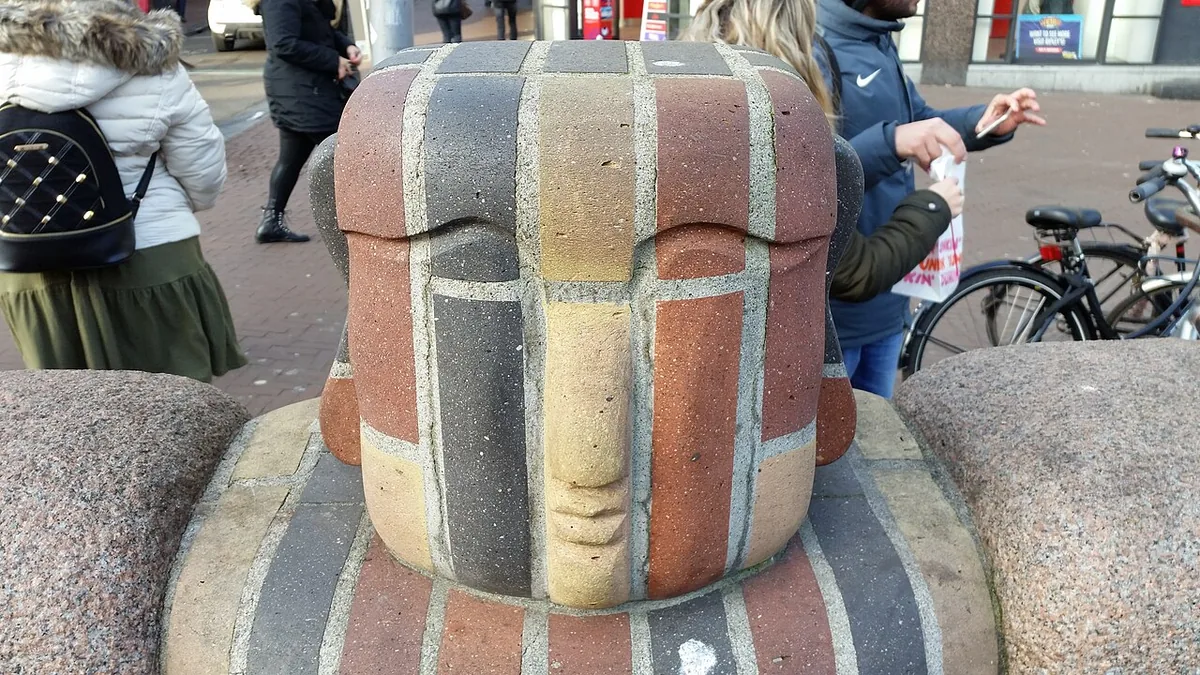
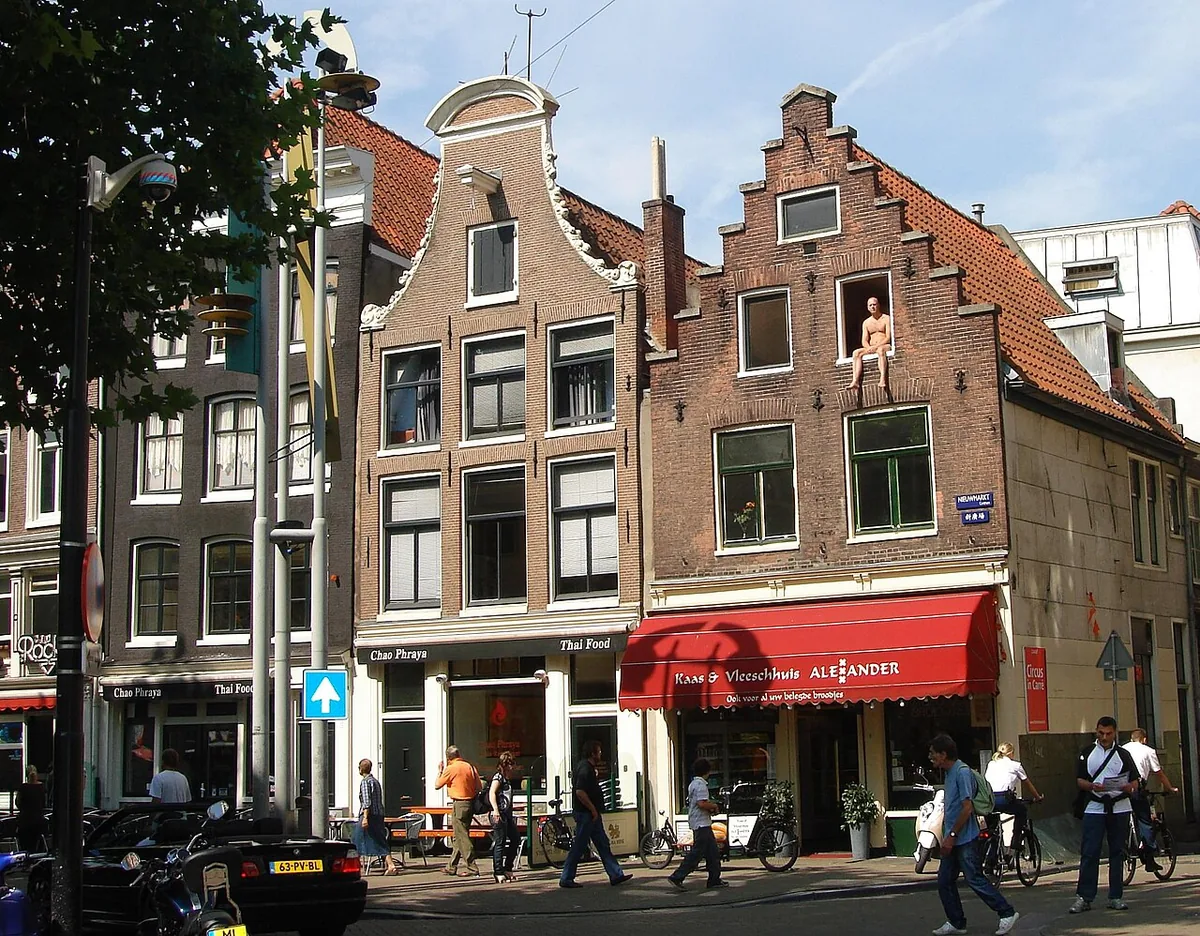
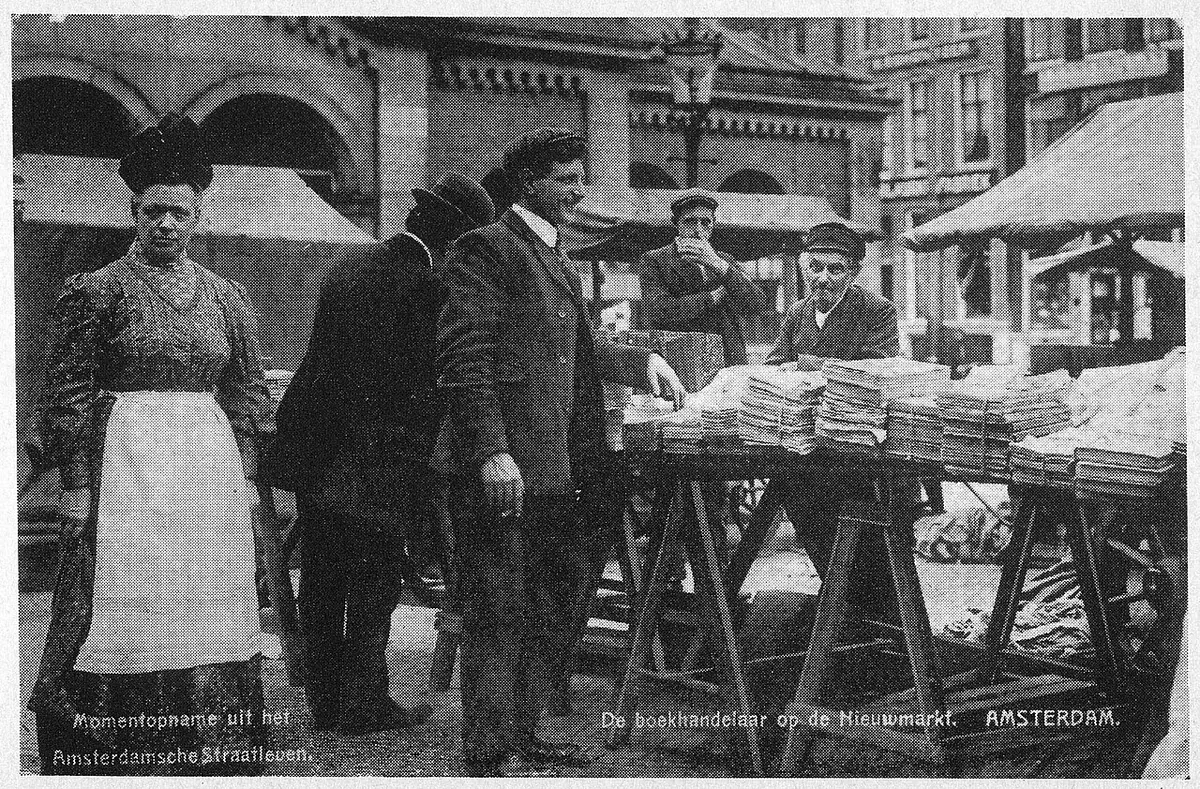
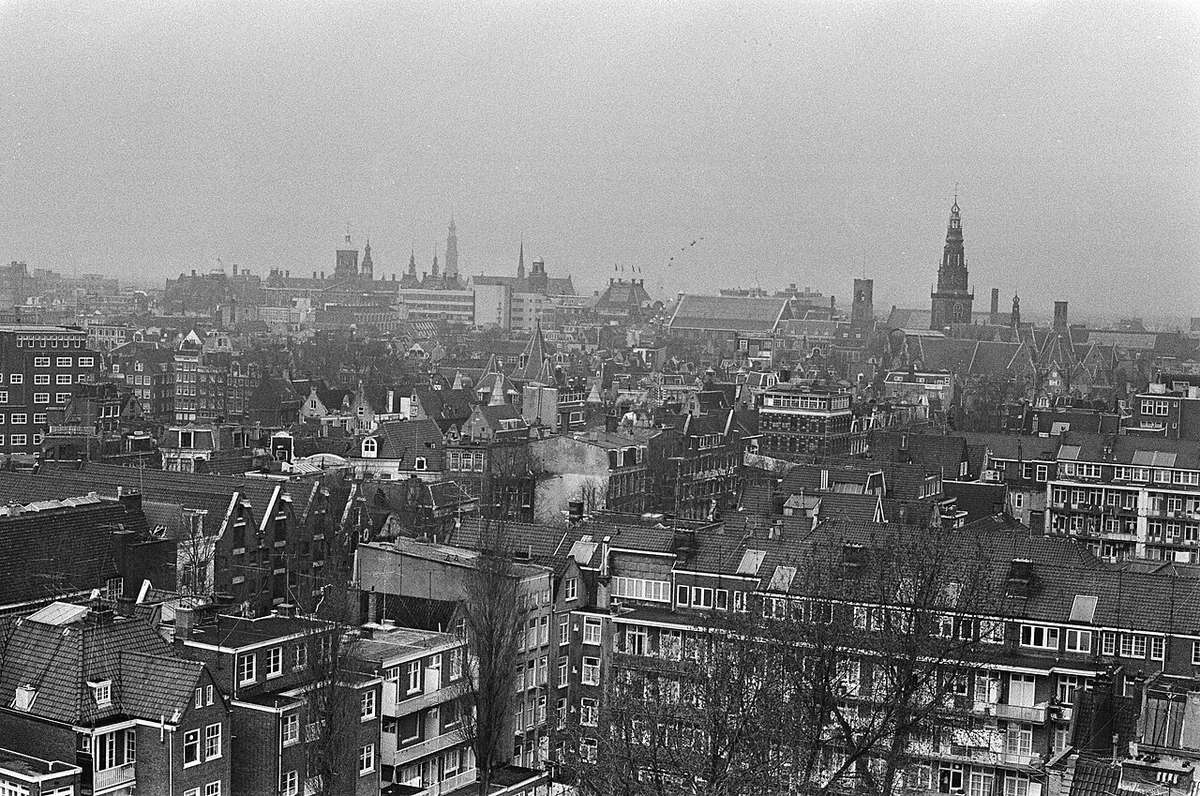
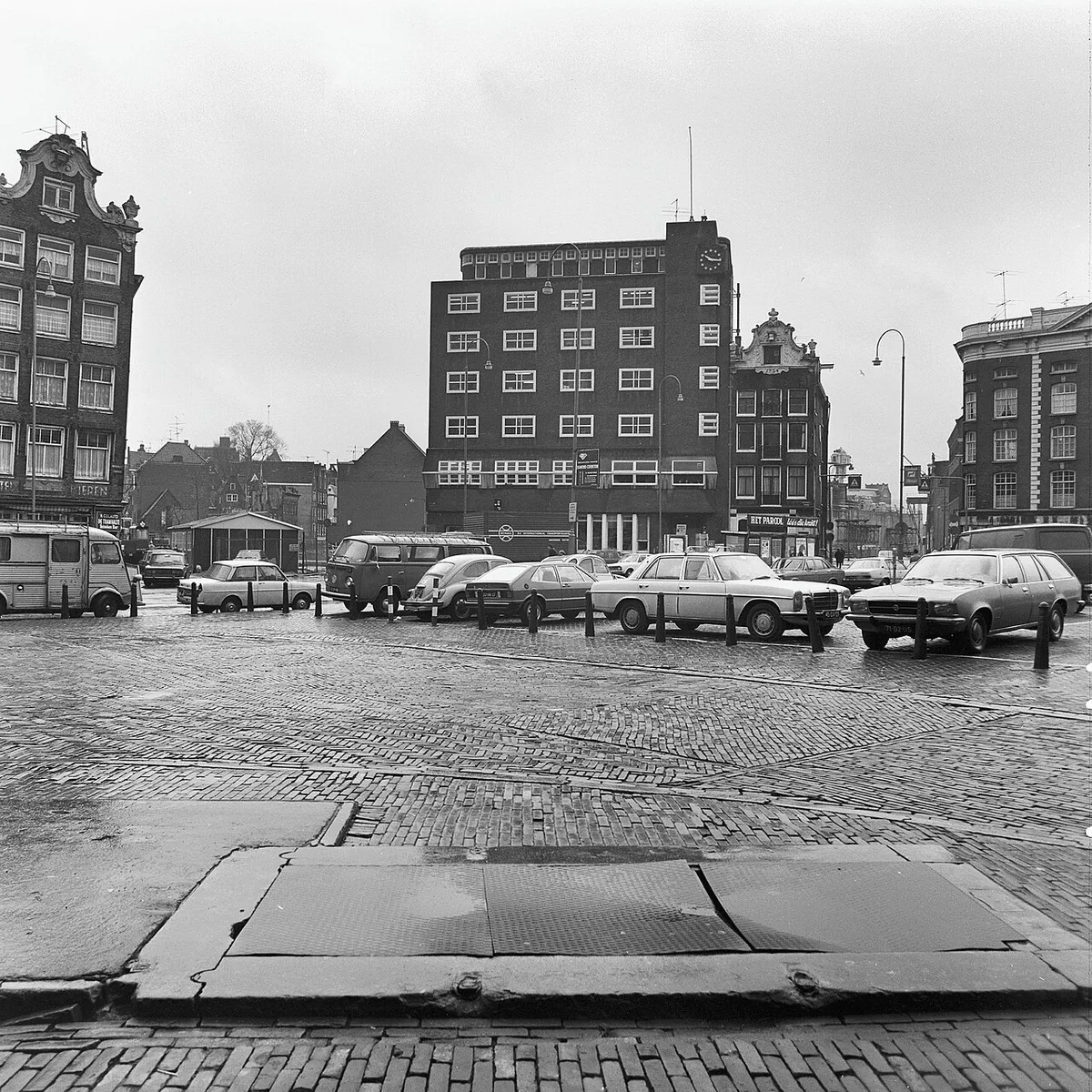
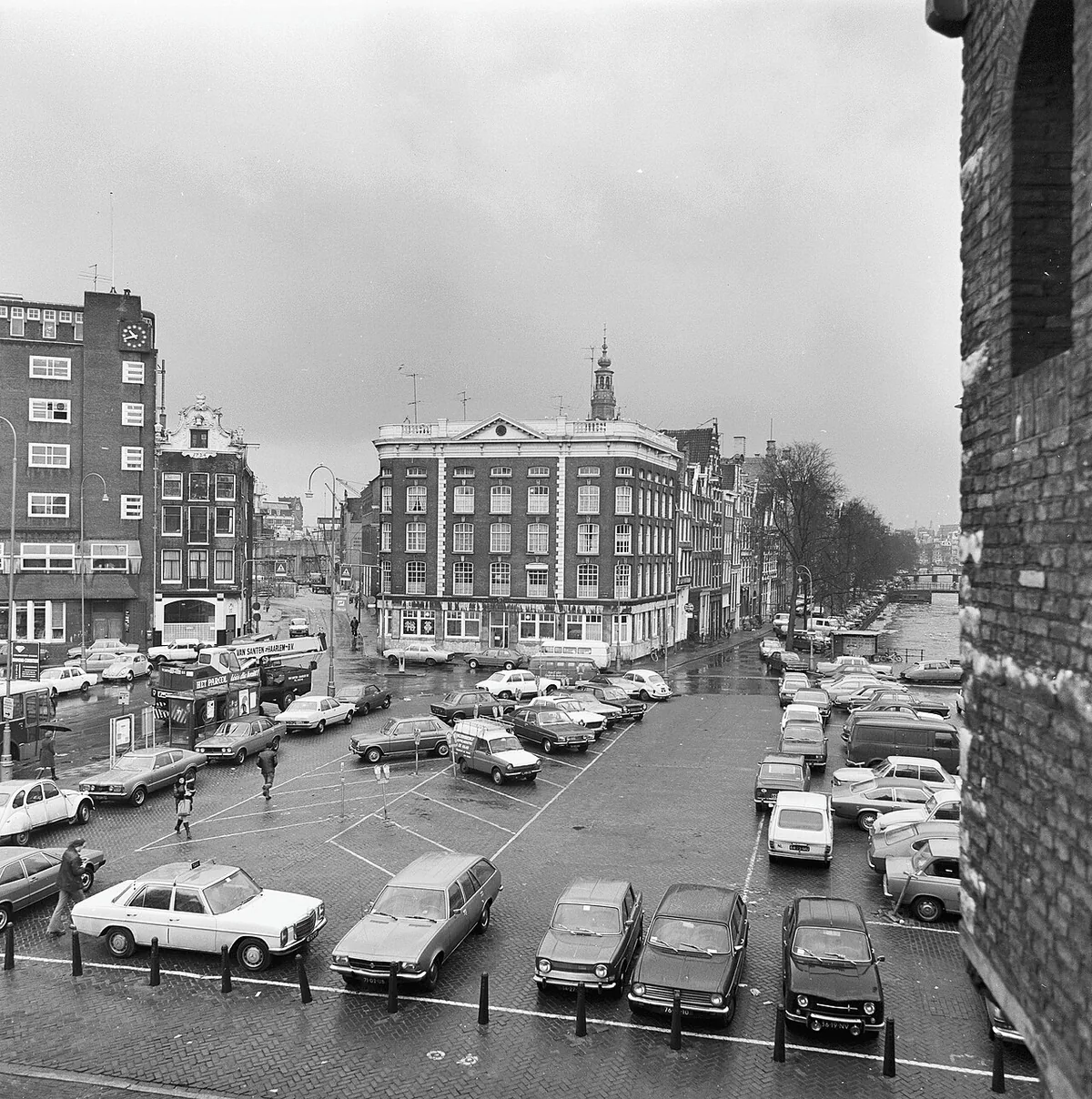
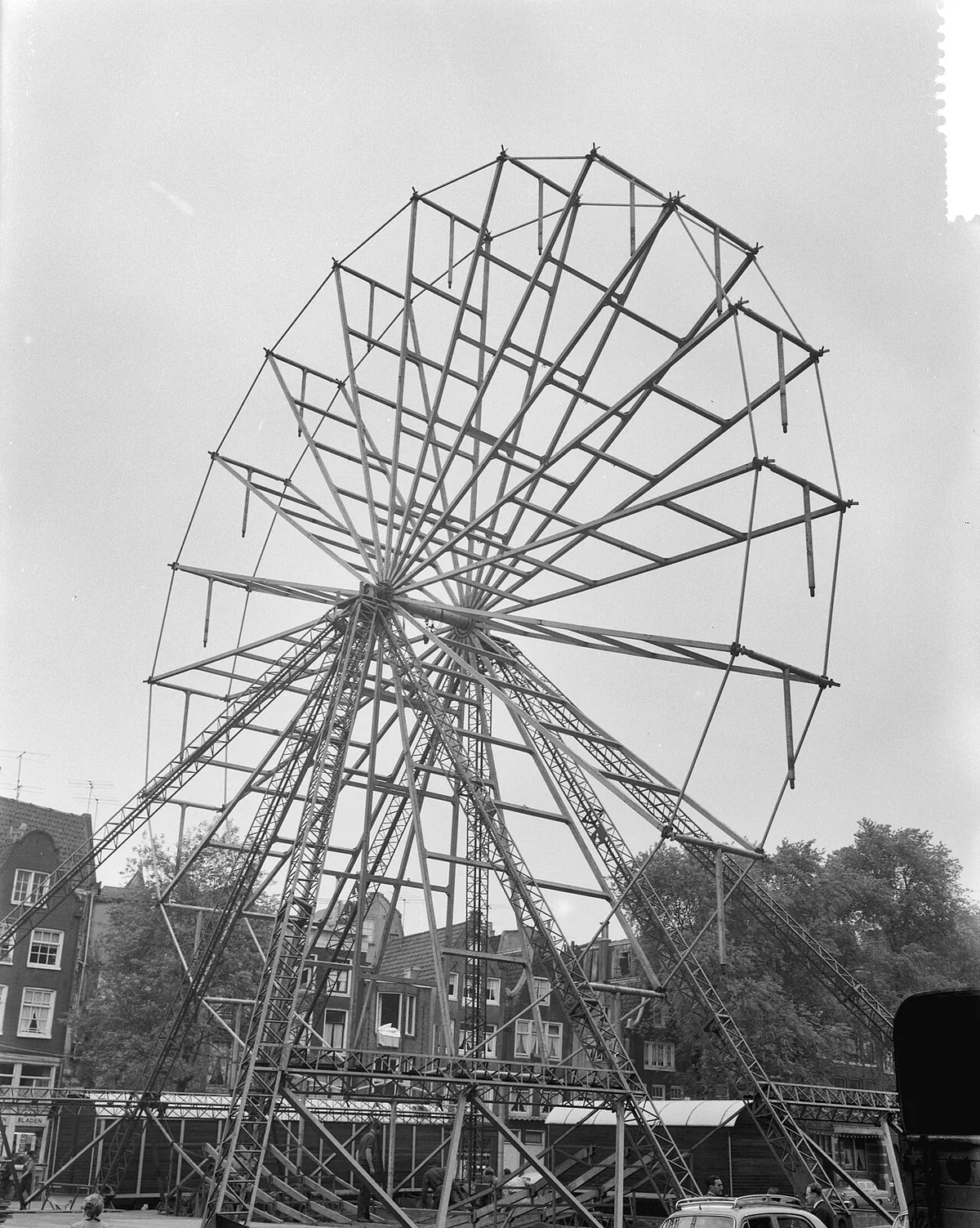
Nieuwmarkt grew around the Waag, a former city gate that became a public weighing house. The square’s changing uses—from trade to wartime persecution to modern protest—make it one of Amsterdam’s most layered public spaces.
Quick facts
The Waag began as Amsterdam’s Sint Anthoniespoort, built in 1488; after the city expanded, it became a weighing house for goods including ship anchors and artillery.
During the German occupation, Nieuwmarkt lay inside the Amsterdam Jewish Quarter: the area was enclosed with barbed wire, and the Amsterdam City Archives says Jews were assembled on the square for deportation.
In 1975, residents and activists confronted plans for metro-related demolition; Amsterdam’s account says campaigners helped stop a planned four-lane road and secured housing above the metro route.
Get directions to Nieuwmarkt. Confirm the visitor entrance and current access with the venue before travelling.
Audio guide
Listen to this place’s guide.
Guide
Nieuwmarkt is a public square in Amsterdam’s old center, and the Waag at its heart makes the city’s growth visible. In 1488, this building began as the Sint Anthoniespoort, an eastern gate in Amsterdam’s defensive wall. When the city extended beyond the gate, the structure became part of the interior city. Its courtyard was covered, its military function gave way to weighing and guild activity, and the canal edges around it were altered to create a market square.
Continue exploring
Discover the full story
Keep reading with a travel pass and explore every full guide and tour.
UpgradeMore places in Amsterdam
De Waag
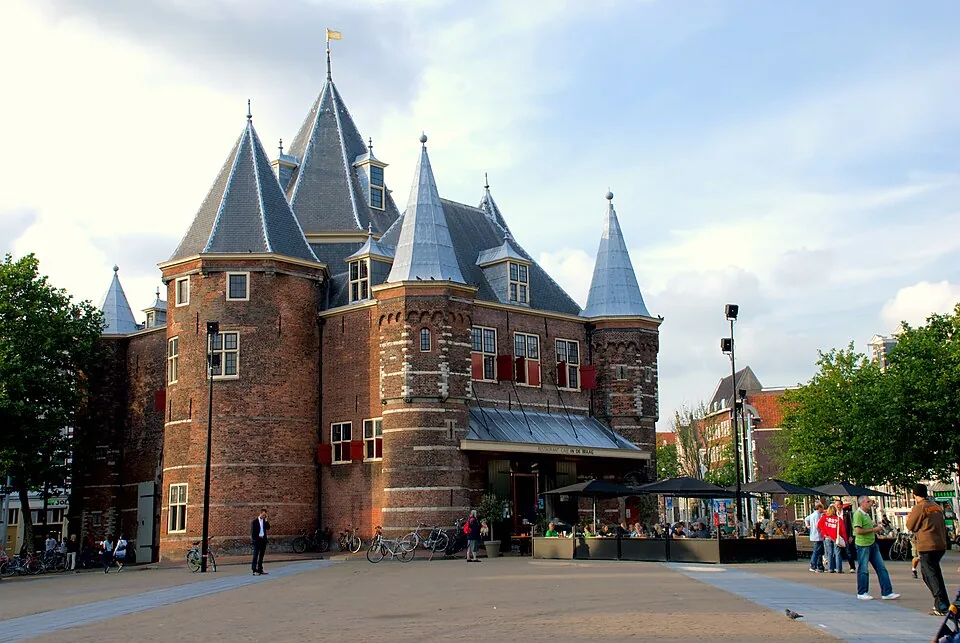
De Waag began as Amsterdam’s Sint Anthoniespoort, a fortified eastern gate built in 1488. After the city expanded, it became a public weighing house in 1617, with guild rooms above and an anatomical theatre added in 1691. Its clustered towers trace centuries of changing city life.
Red Light District
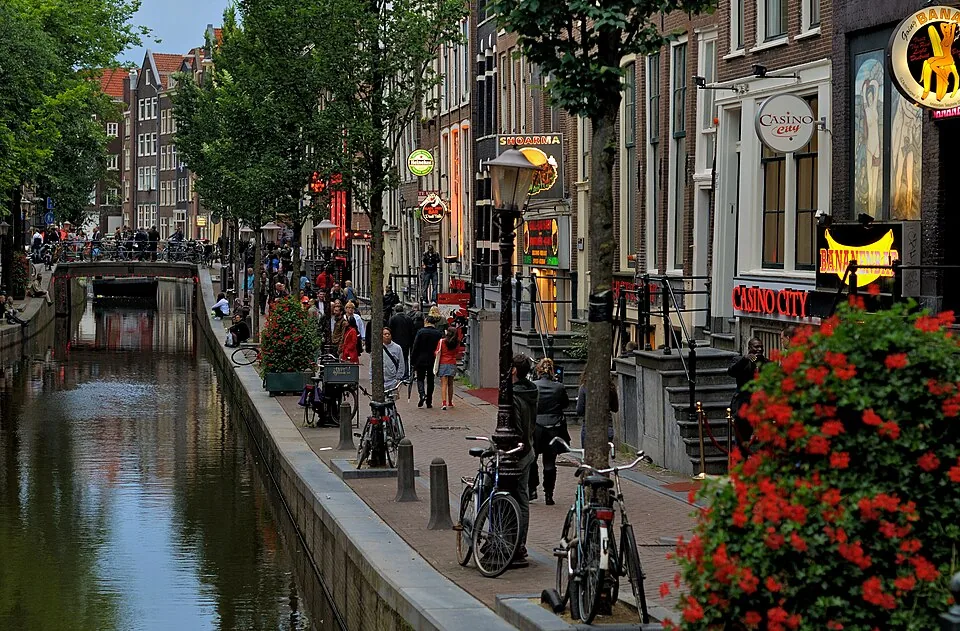
Amsterdam’s Red Light District is a working neighborhood as well as a historic port-area quarter. Its story includes centuries of regulation and change, but the people who live and work here deserve privacy; the most respectful visit begins by treating the streets as public space shared with residen
Hash Marihuana & Hemp Museum
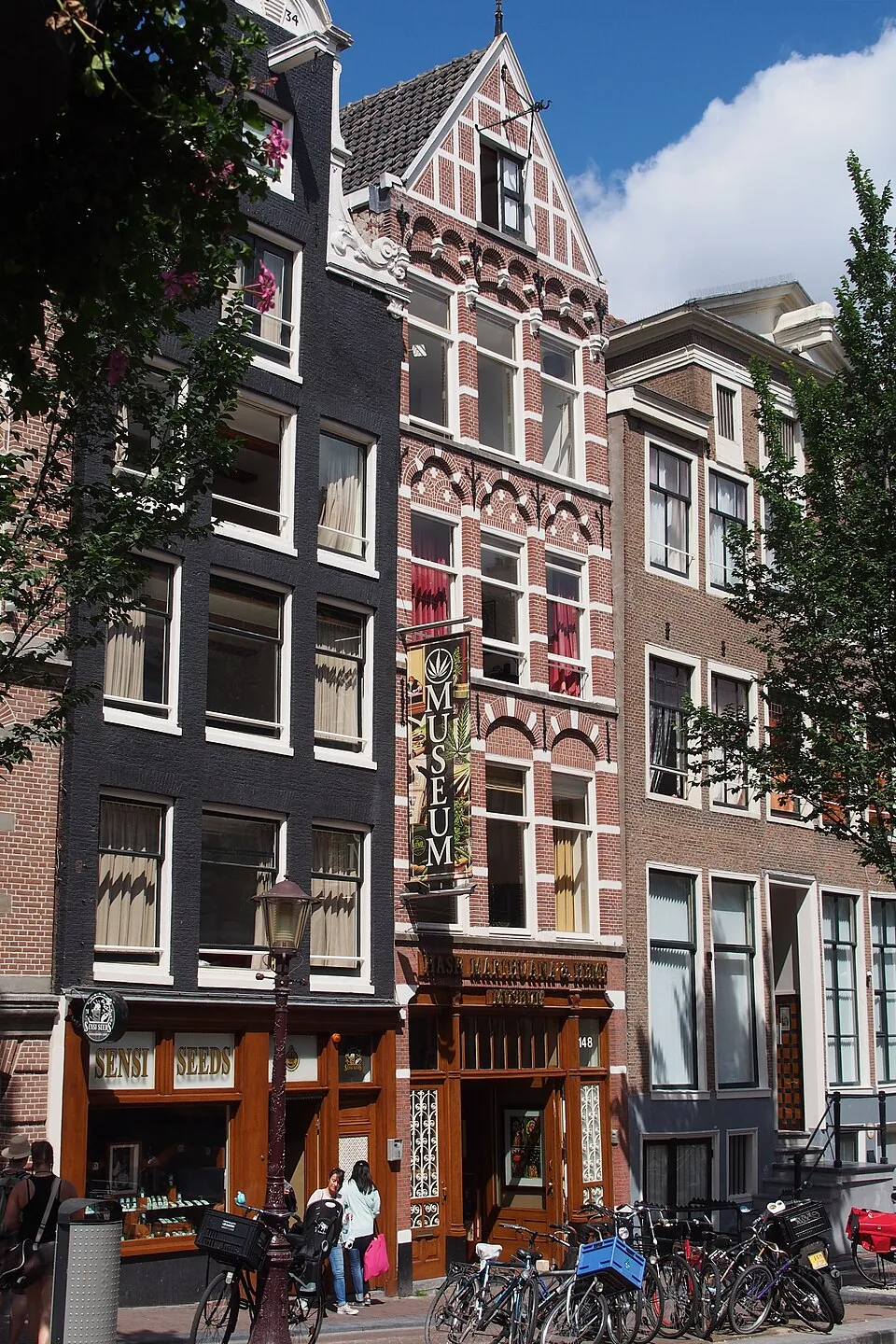
Founded in 1987, Amsterdam’s Hash Marihuana & Hemp Museum traces cannabis through history, medicine, art and everyday culture. Its collection includes more than 9,000 objects, while the nearby Hemp Gallery explores industrial hemp’s long and varied uses.
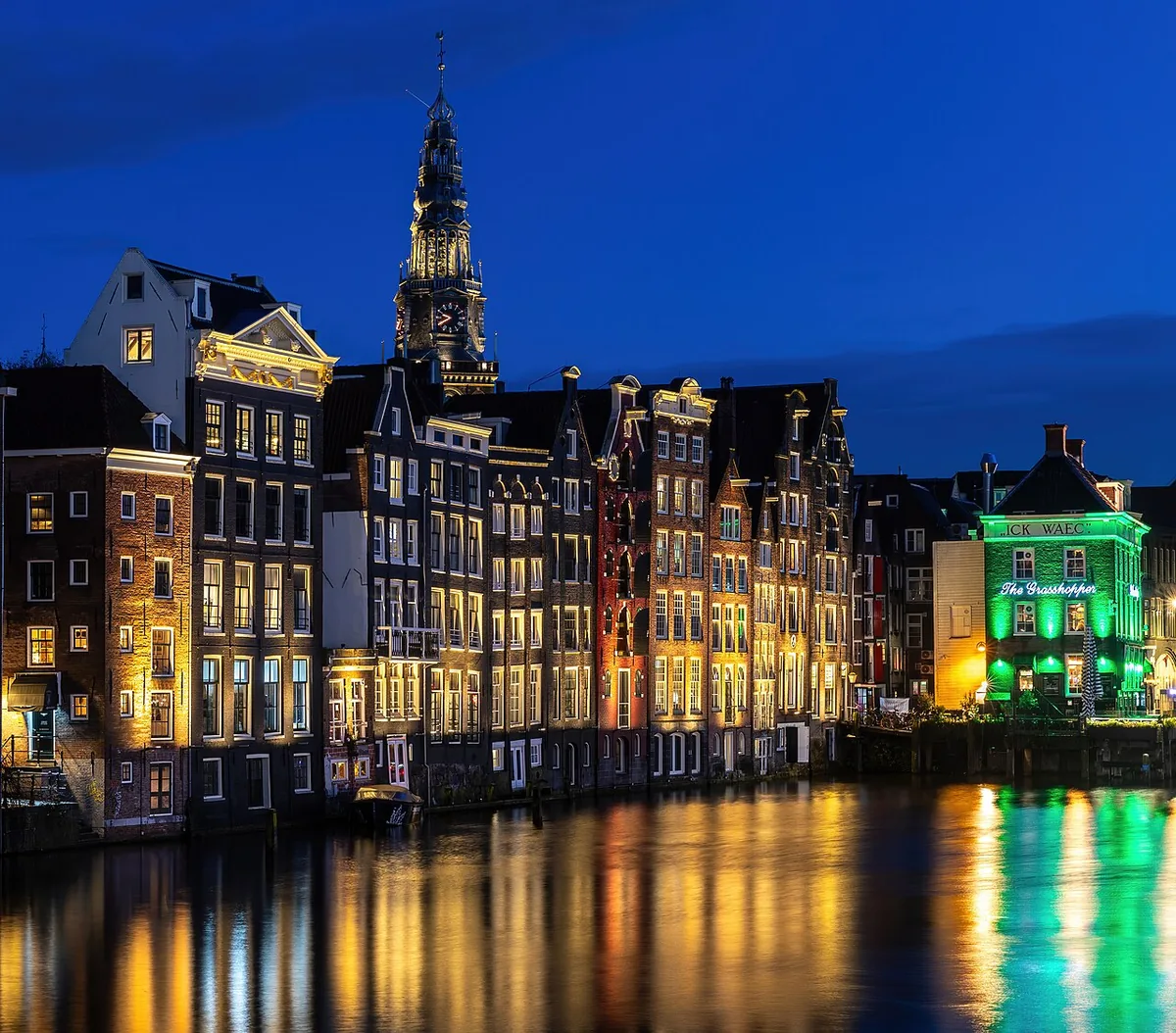
Oude Kerk
Amsterdam’s oldest surviving building grew from a thirteenth-century chapel into a Gothic hall church shaped by port trades, religious change, and generations of burial. Its guild chapels, memorials, music, and contemporary art keep the city’s layered history present.
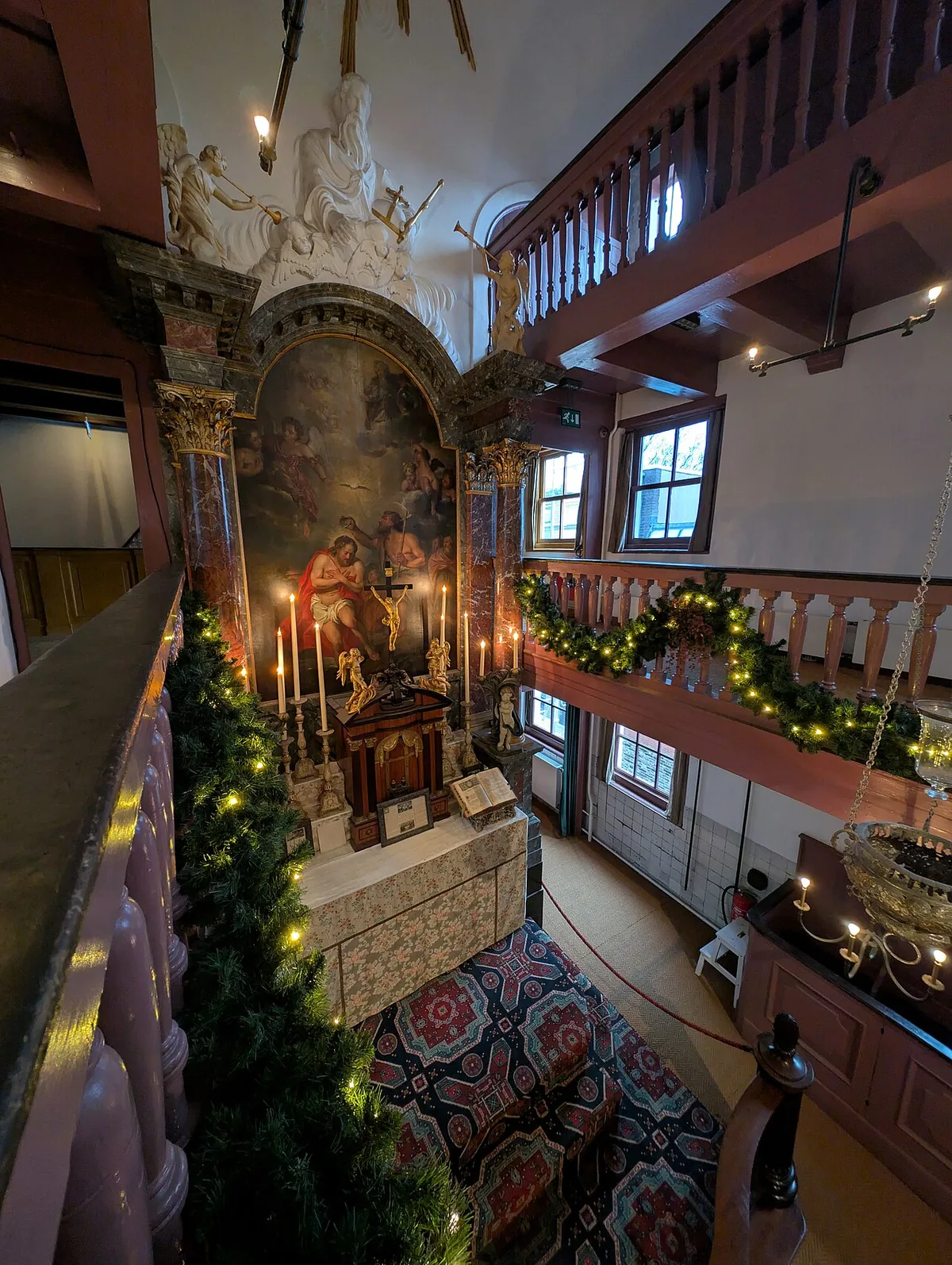
Our Lord in the Attic Museum
A seventeenth-century Catholic church fills the joined upper floors of a canal house and two rear houses. Built by merchant Jan Hartman, it preserves the history of Amsterdam’s tolerated house churches and the community that worshipped here.
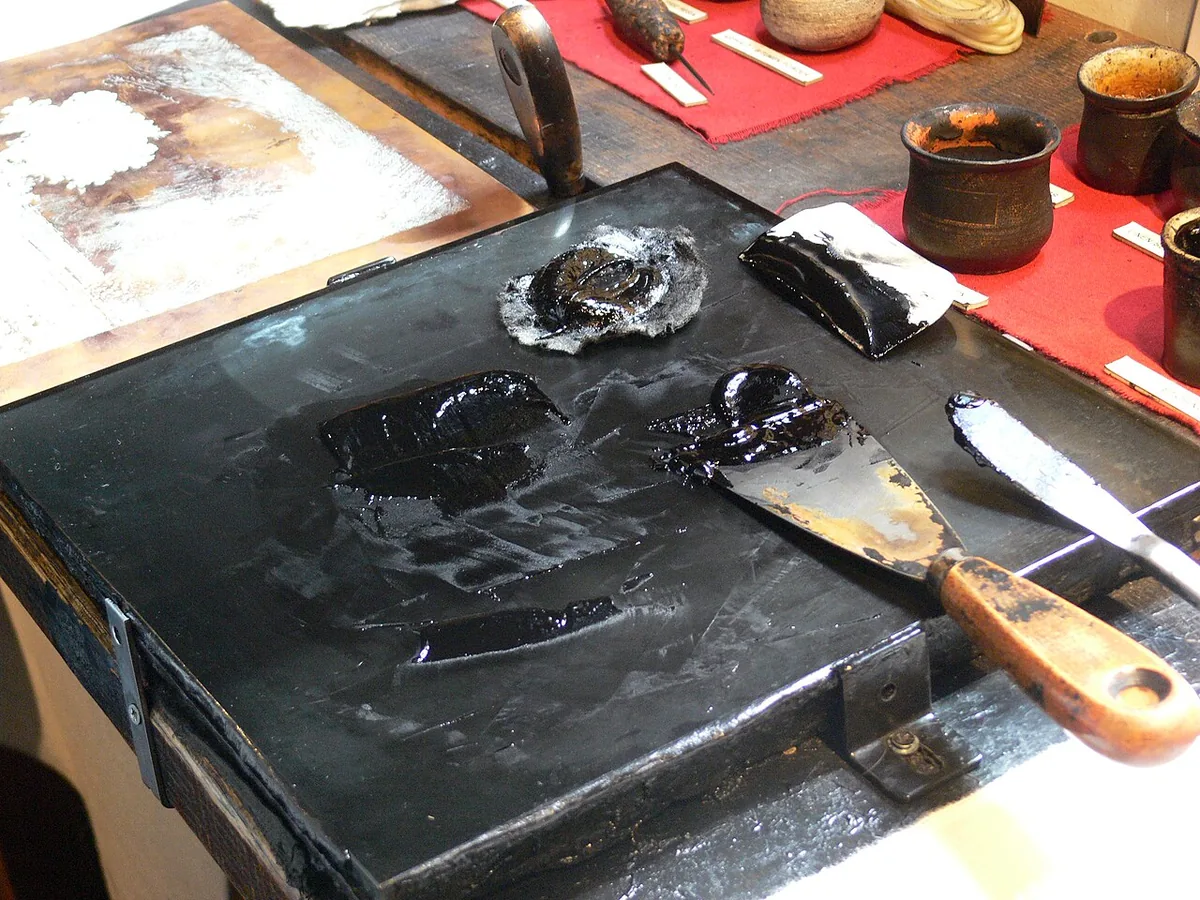
Rembrandt House Museum
On Amsterdam’s Jodenbreestraat, Rembrandt House Museum occupies the historic home and workplace he bought in 1639. Reconstructed rooms draw on a 1656 inventory, bringing a painter’s studio, household and collecting world into view while making the museum’s own history part of the story.