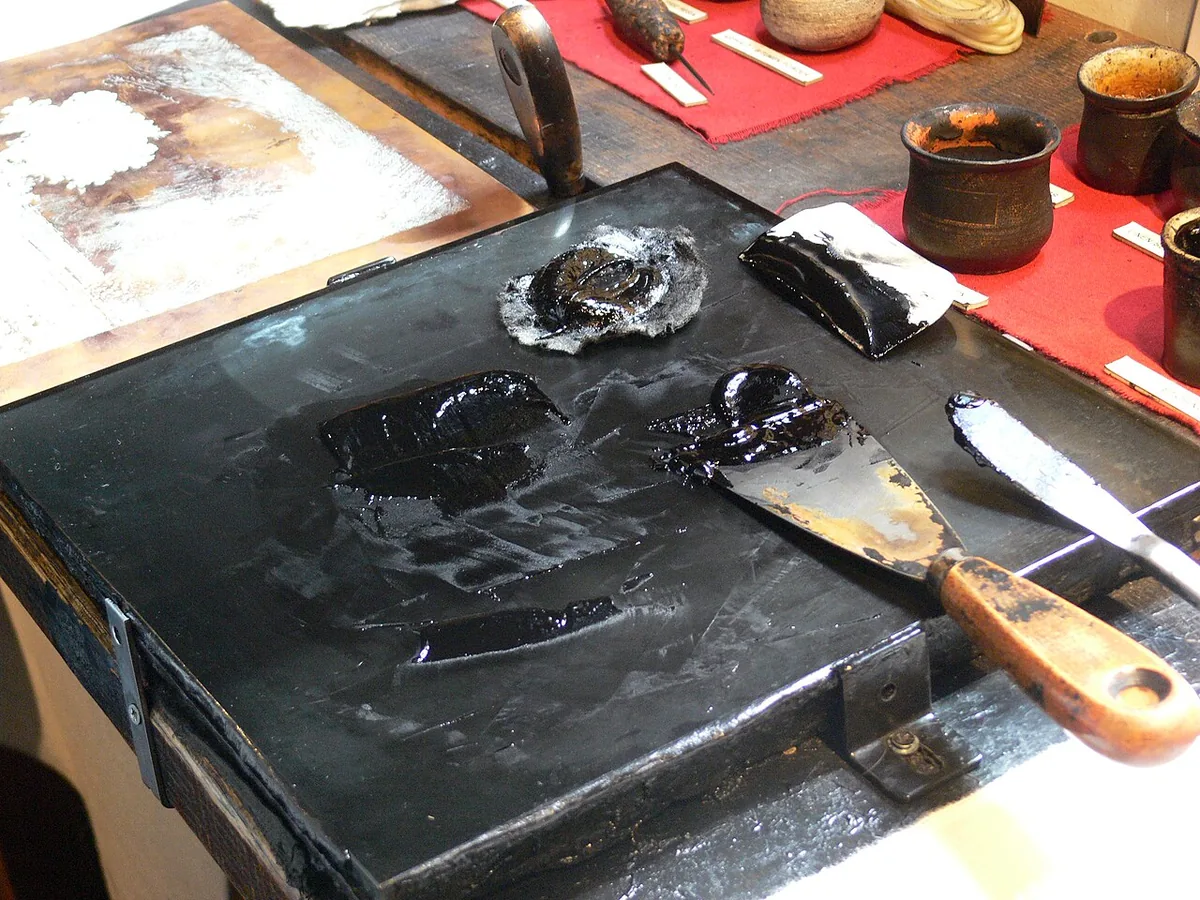
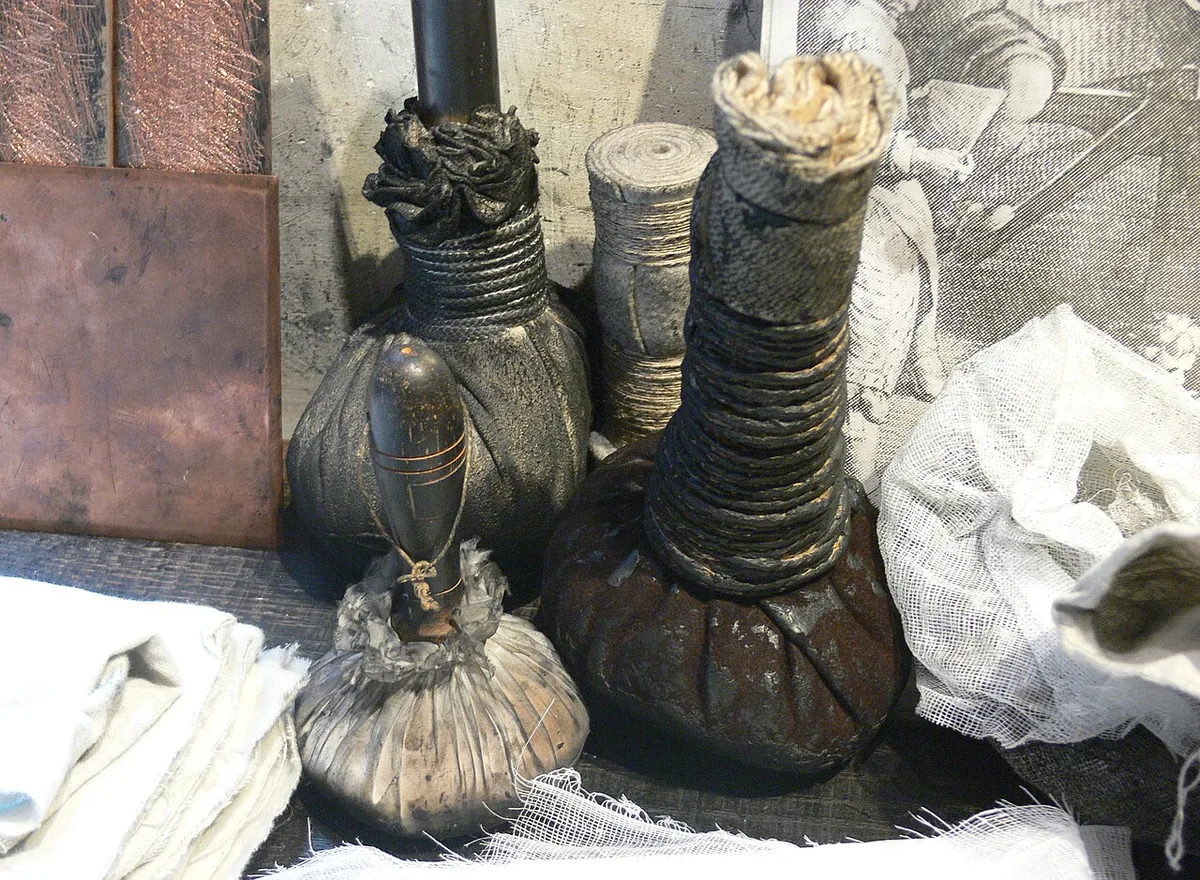
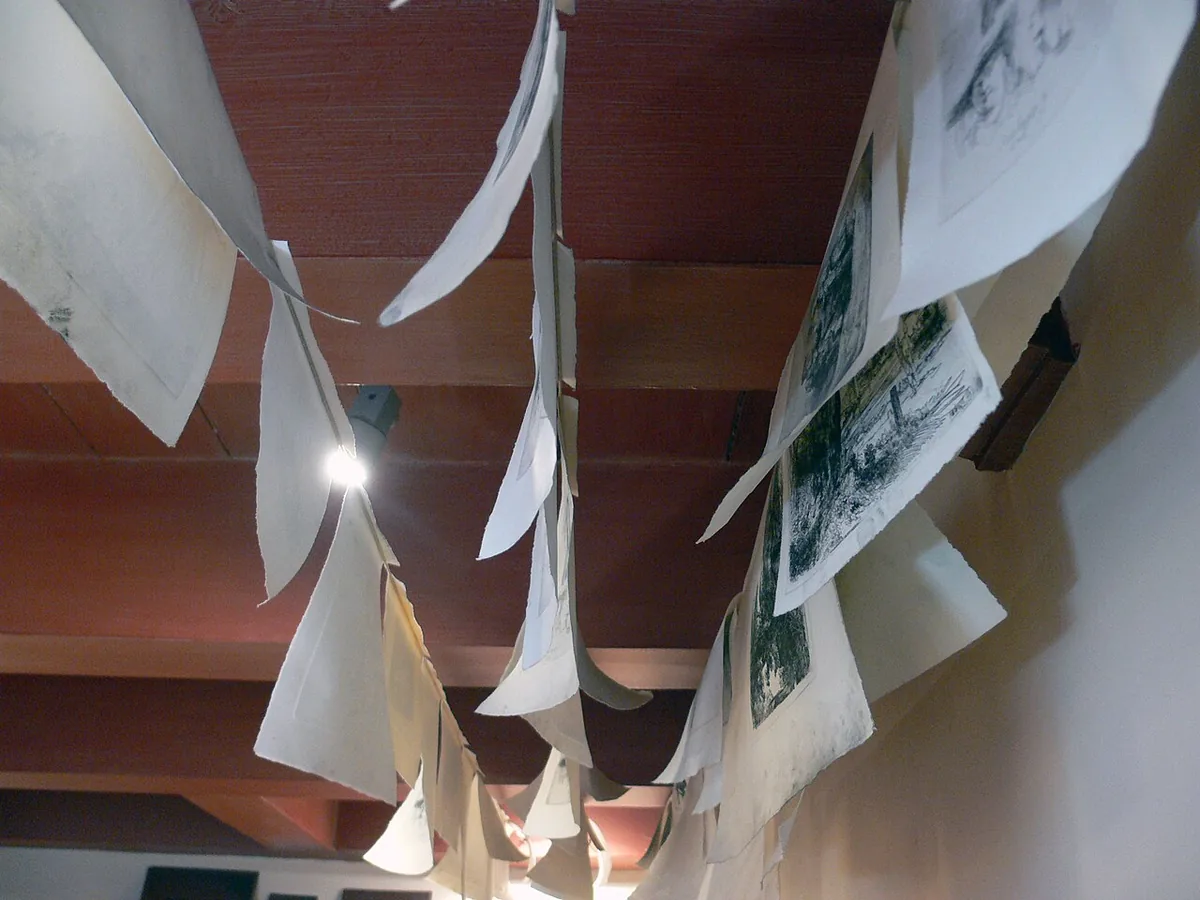
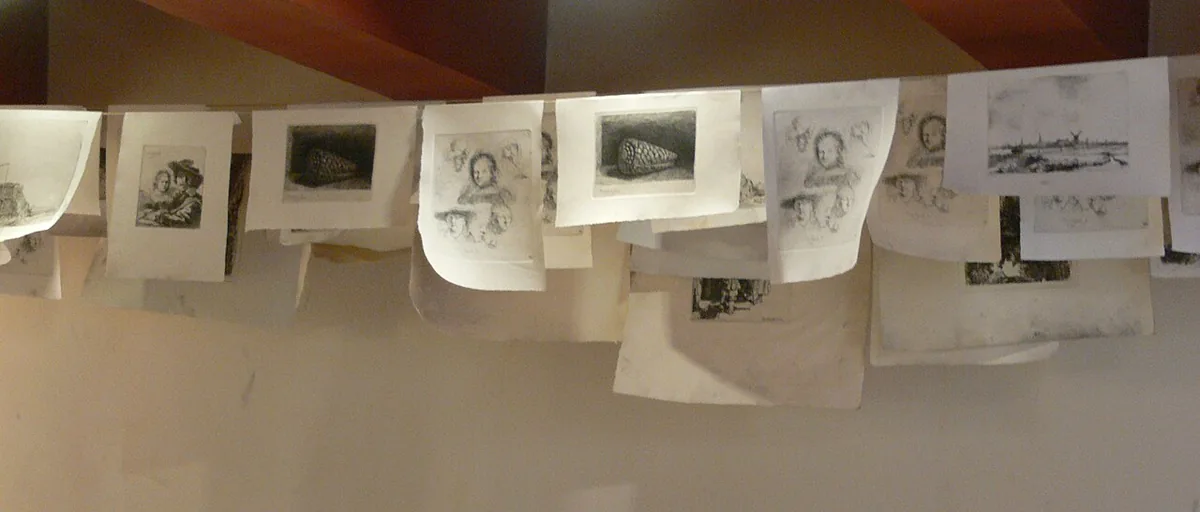
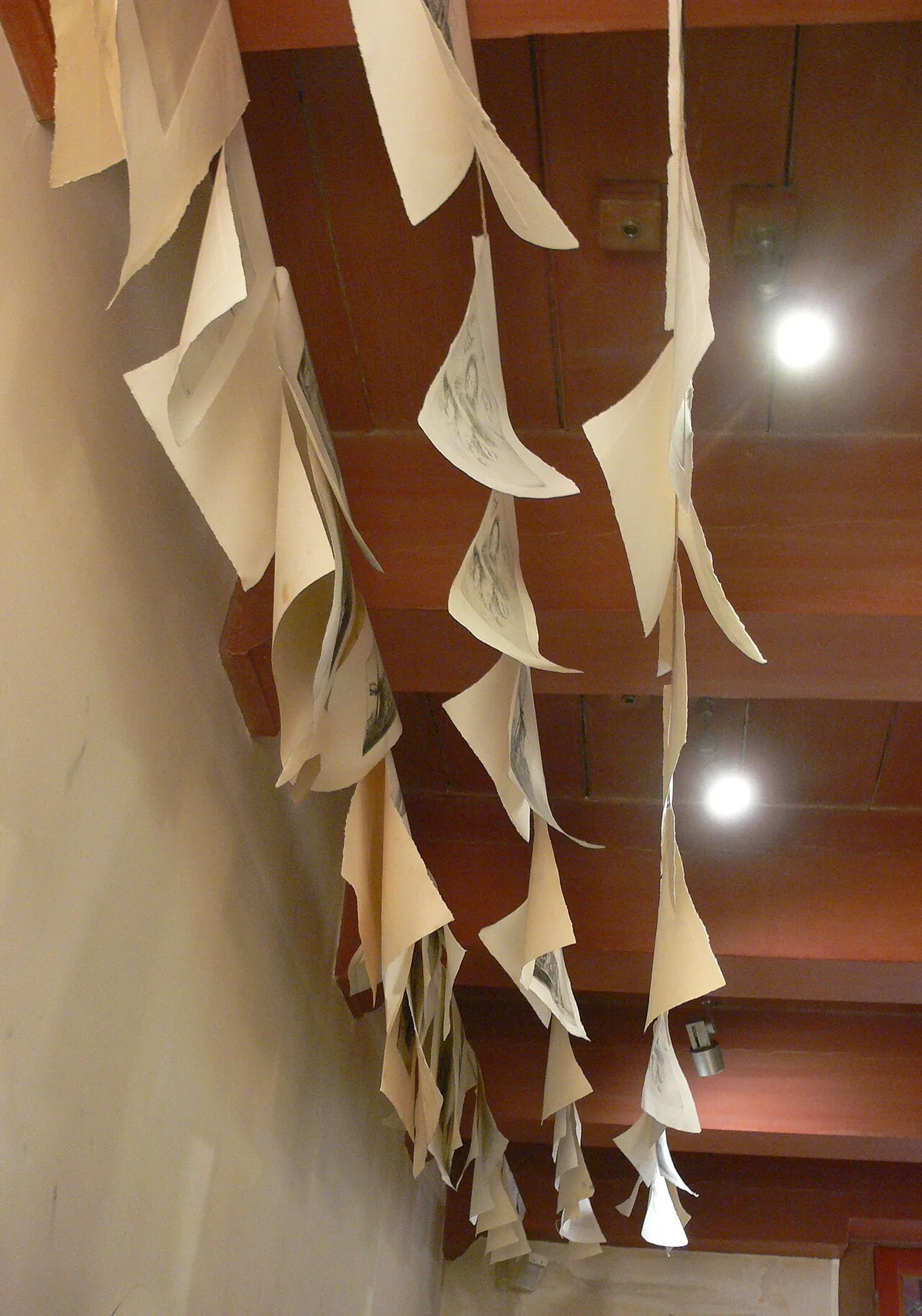
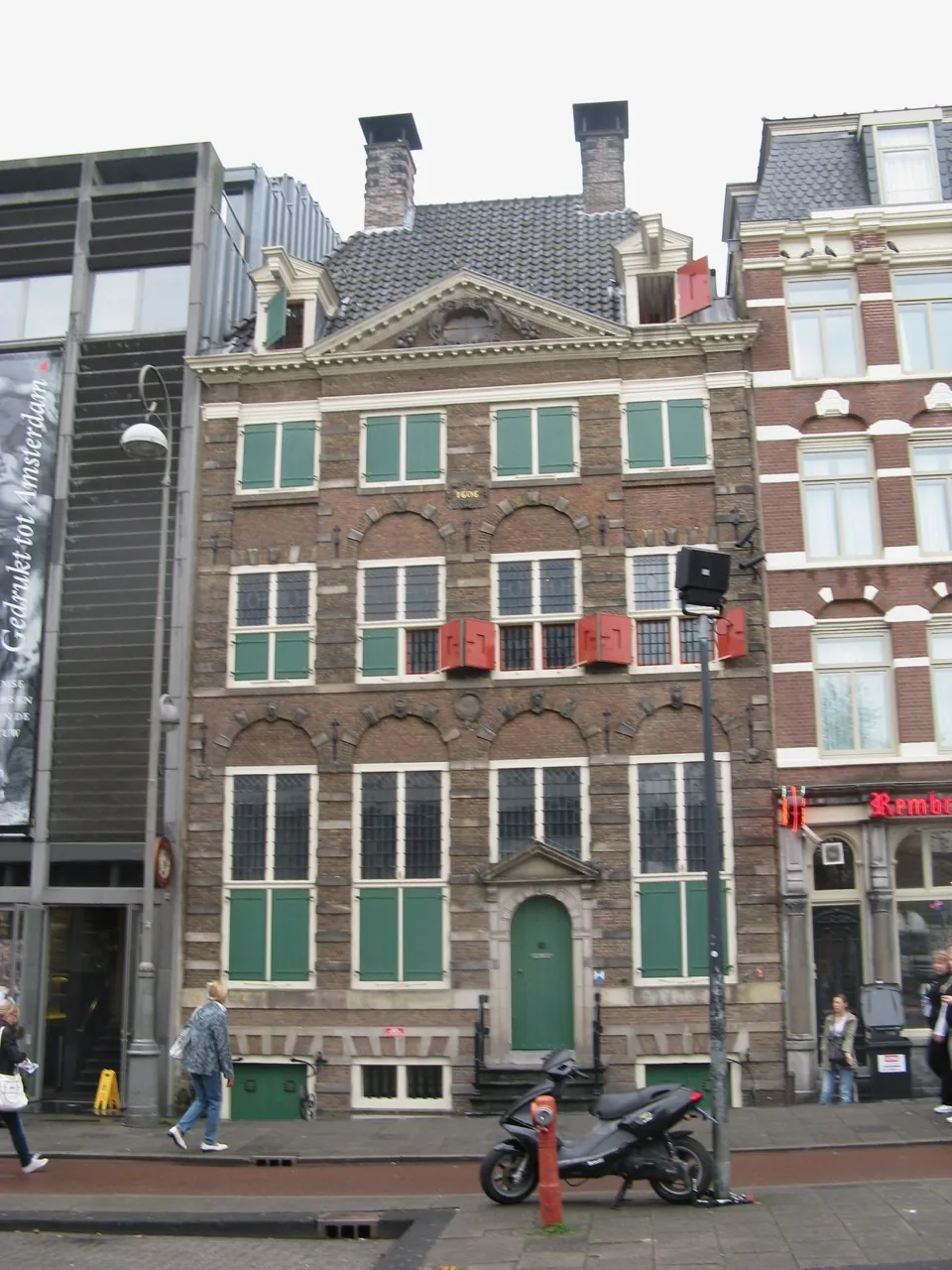
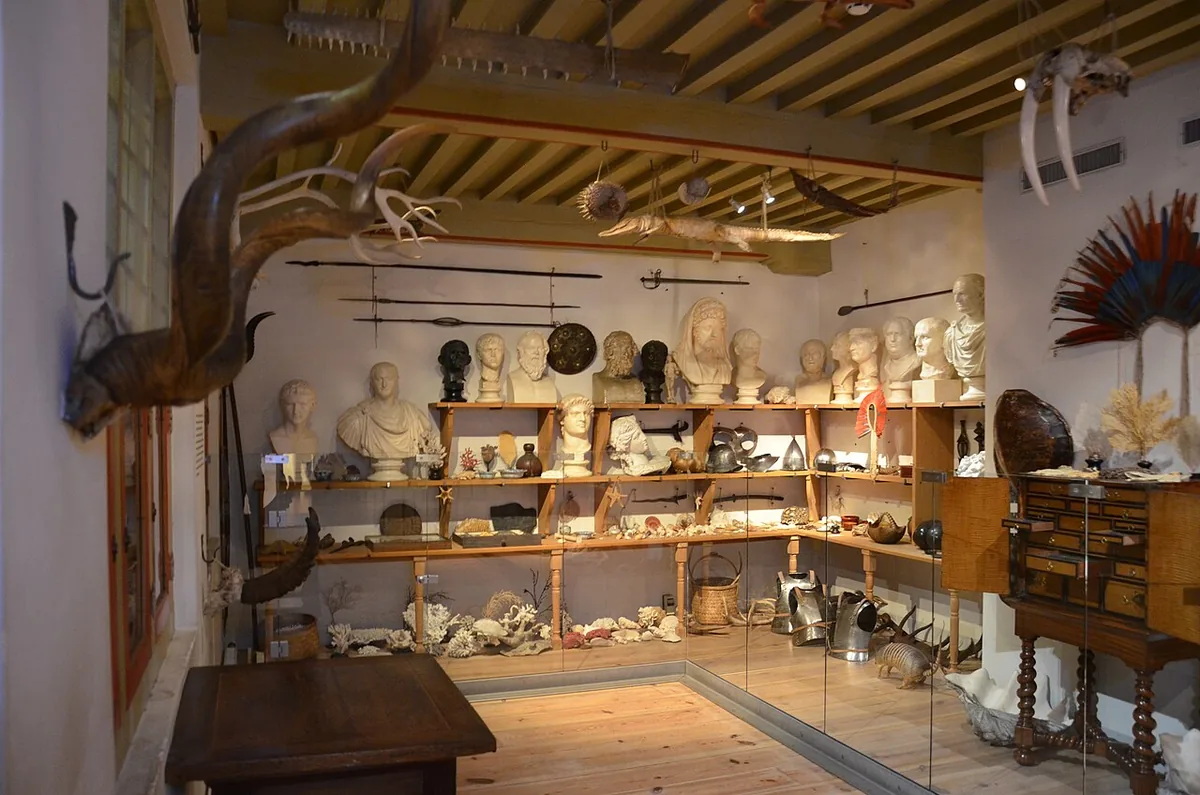
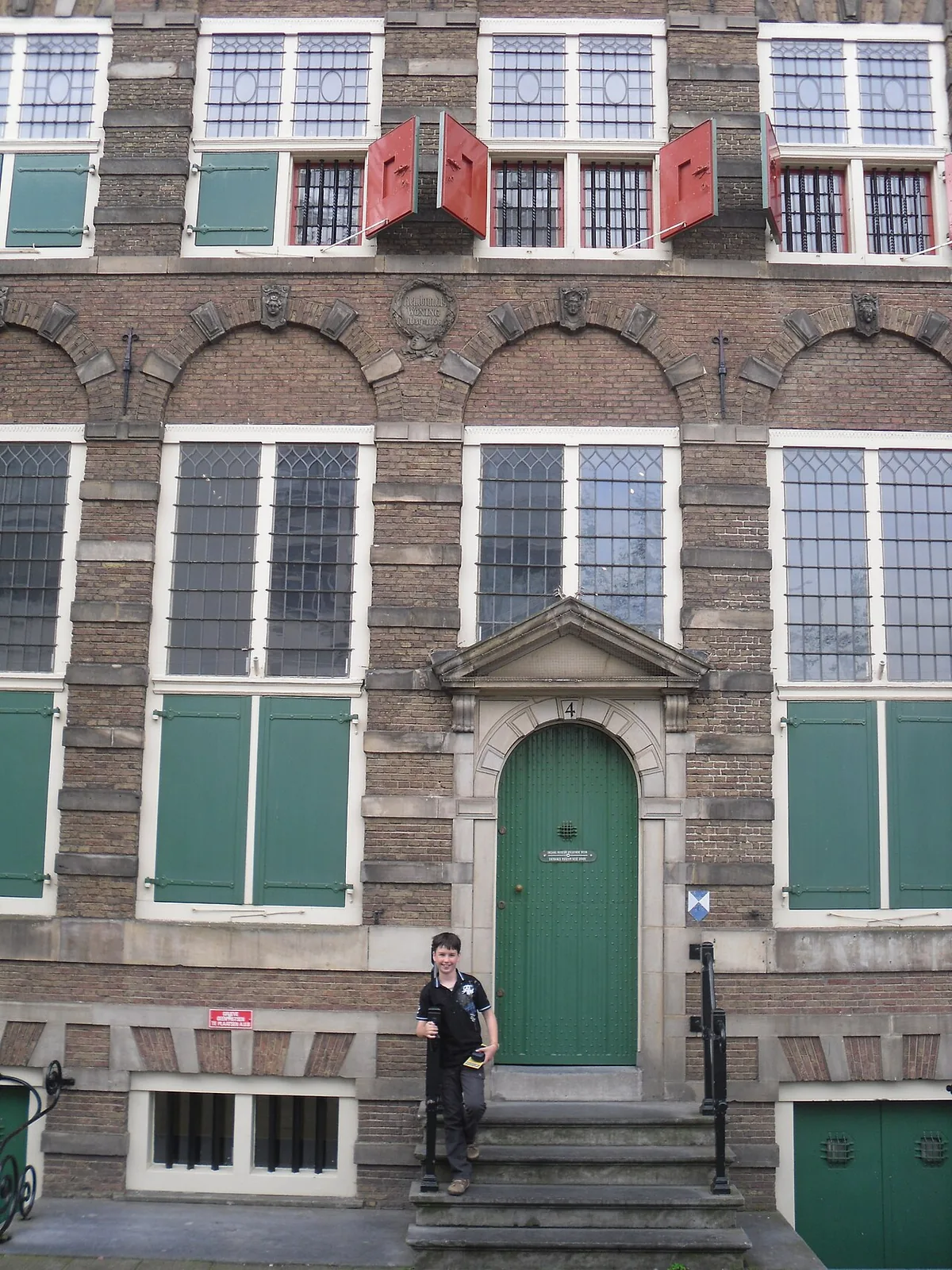
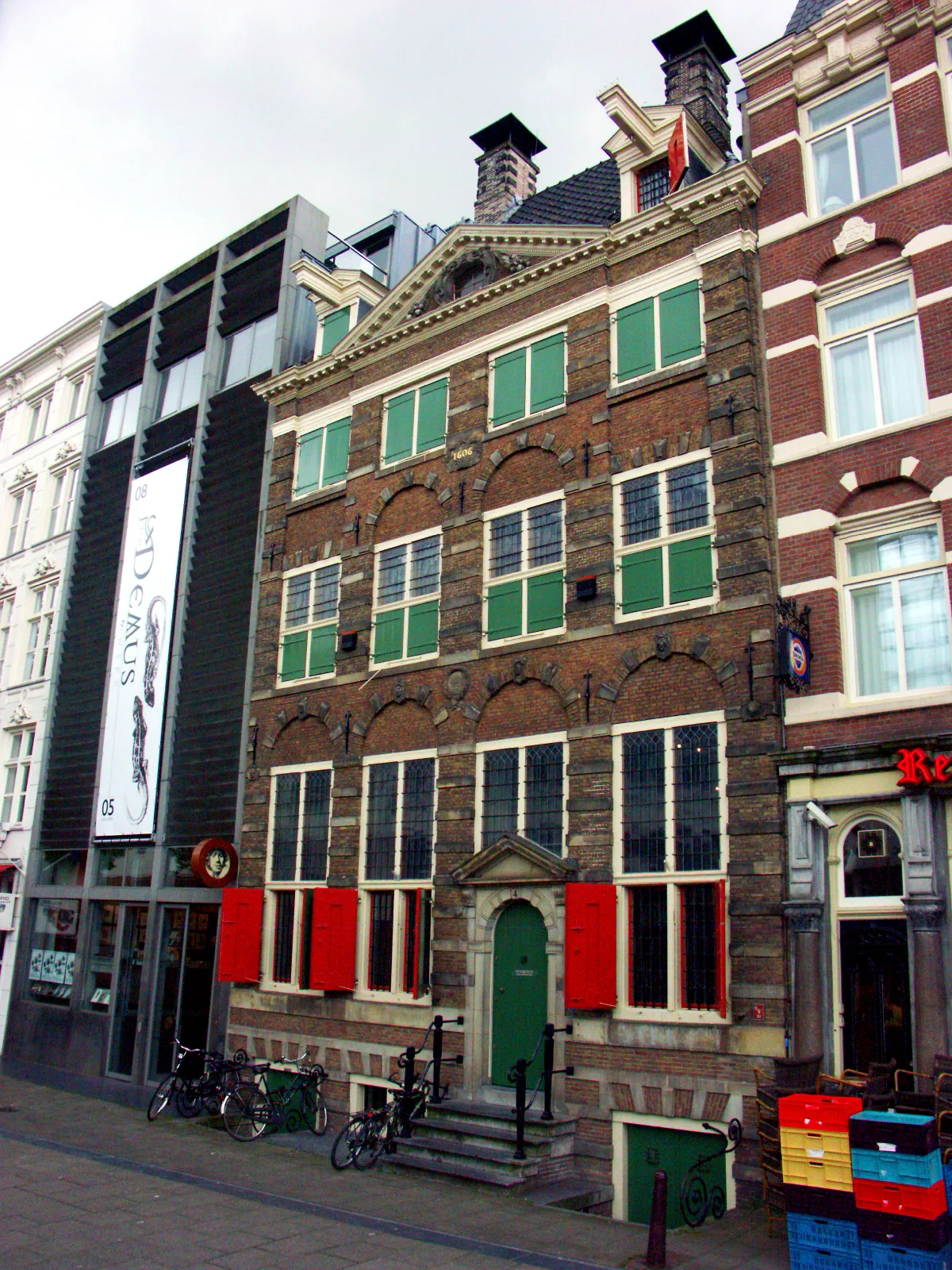
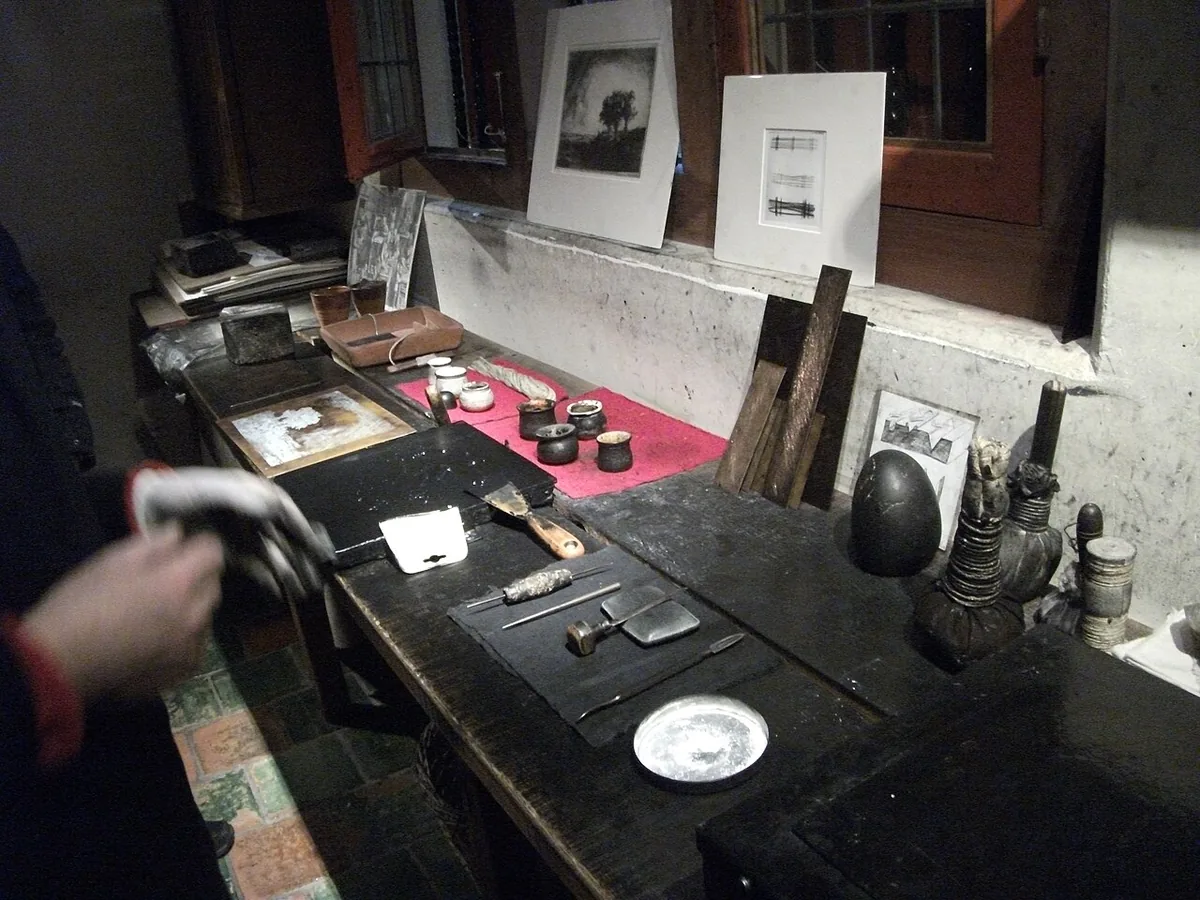
On Amsterdam’s Jodenbreestraat, Rembrandt House Museum occupies the historic home and workplace he bought in 1639. Reconstructed rooms draw on a 1656 inventory, bringing a painter’s studio, household and collecting world into view while making the museum’s own history part of the story.
Quick facts
Rembrandt bought the Jodenbreestraat house in 1639 for about 13,000 guilders; four north-facing windows lit its studio.
A room-by-room inventory was made in July 1656 during Rembrandt’s formal surrender of assets to creditors; the contents were auctioned in 1657–58 and the house was sold in 1658.
The current reconstructed interiors took shape in 1998–99, after a 1911 museum presentation that had not recreated Rembrandt’s seventeenth-century home.
Get directions to Rembrandt House Museum. Confirm the visitor entrance and current access with the venue before travelling.
Audio guide
Listen to this place’s guide.
Guide
At Jodenbreestraat 4, the Rembrandt House Museum brings two histories together: a real Amsterdam home where Rembrandt van Rijn lived and worked, and a later museum interpretation of what its rooms may have looked like. The distinction matters. The building is the historic house associated with the artist, but the rooms visitors see are not untouched interiors preserved exactly as he left them. They have been reconstructed from documentary and visual evidence, especially the room-by-room inventory made in 1656.
Continue exploring
Discover the full story
Keep reading with a travel pass and explore every full guide and tour.
UpgradeMore places in Amsterdam
Waterlooplein
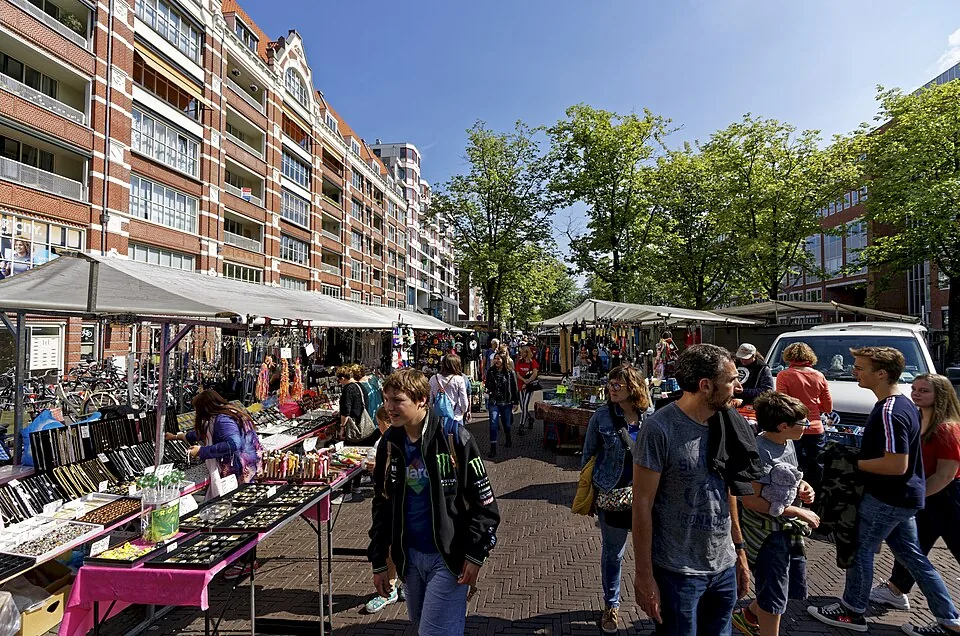
Waterlooplein is a market square formed over two filled canals in Amsterdam’s historic Jewish quarter. Its story connects Jewish street trade and wartime persecution with metro construction, neighborhood protest, and the Stopera redevelopment.
Jewish Historical Museum
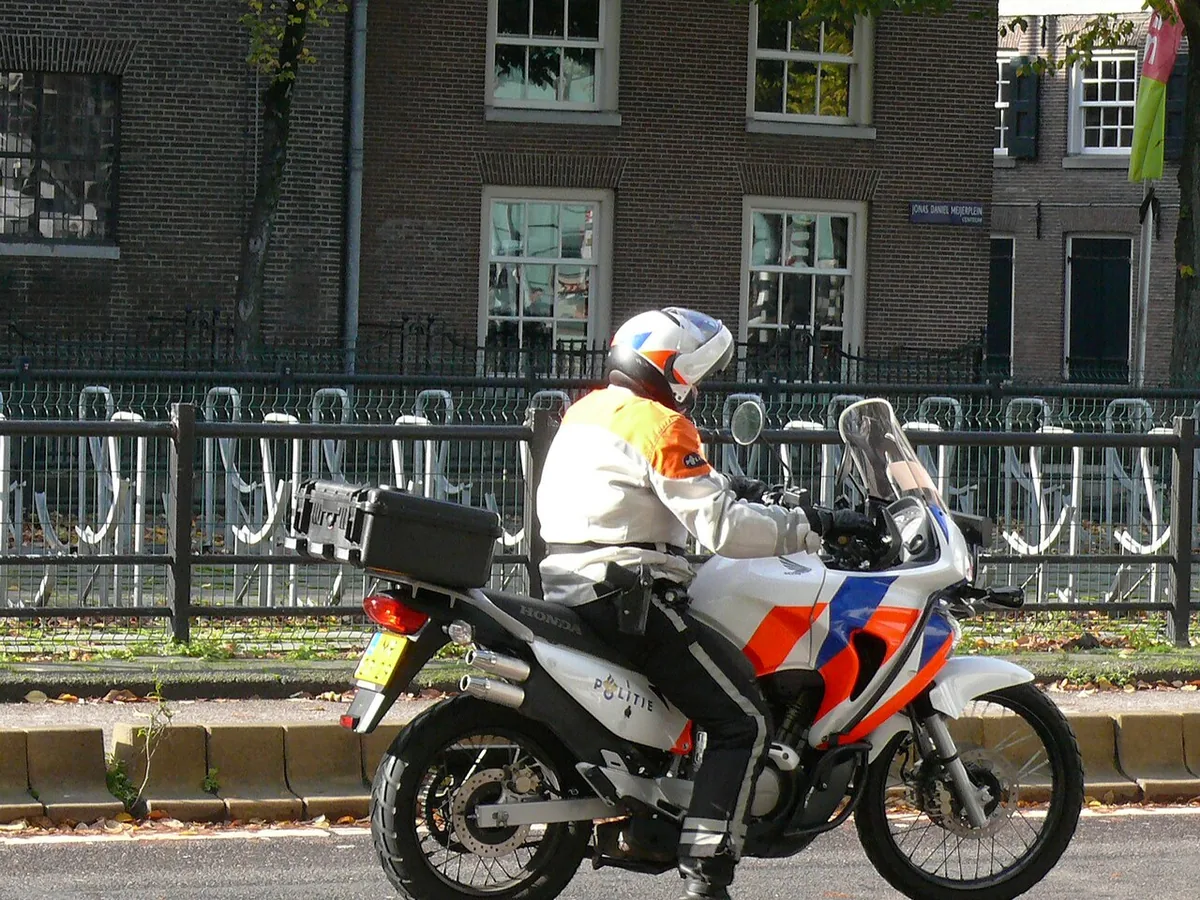
Amsterdam’s Jewish Museum + junior (formerly the Jewish Historical Museum) occupies four connected Ashkenazi synagogues on Jonas Daniël Meijerplein. Their restored interiors and modern links trace both centuries of Jewish communal life and the buildings’ transformation into a museum.
Portuguese Synagogue
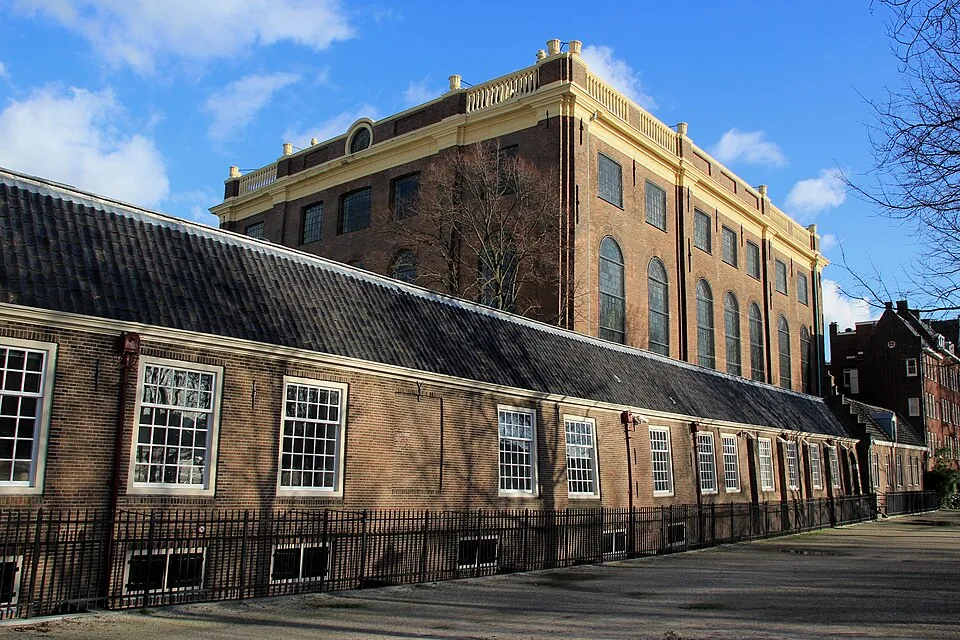
Amsterdam’s Portuguese Synagogue, or Esnoga, is an active place of Sephardic worship, opened in 1675. Its historic interior centers on a tebah and Torah ark, with candle chandeliers and a sanded pine floor still linking the space to its religious use today.
Nieuwmarkt
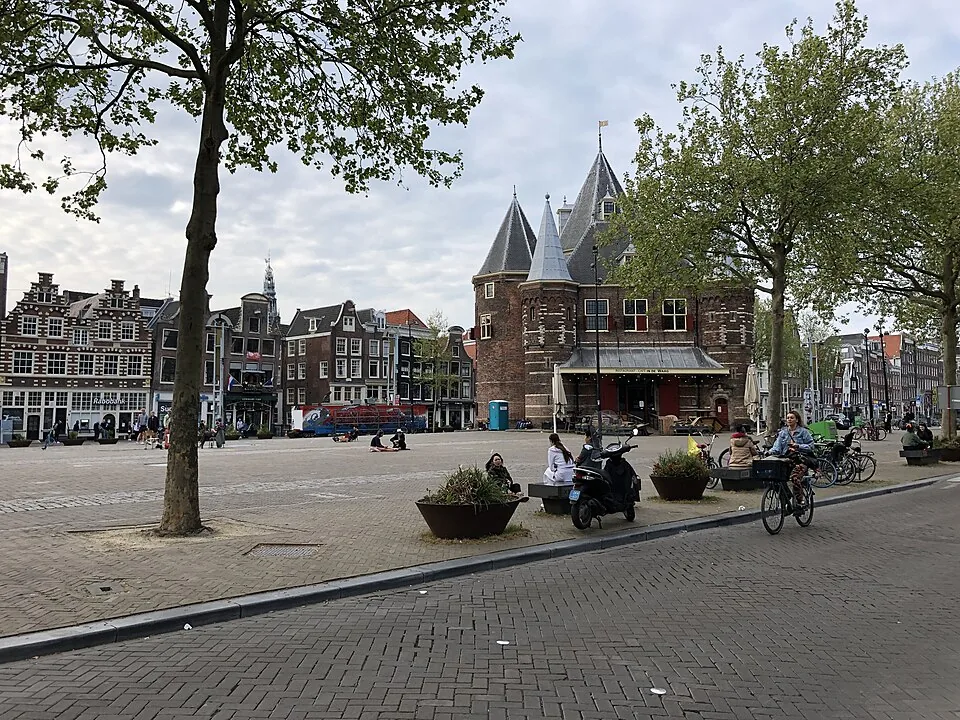
Nieuwmarkt grew around the Waag, a former city gate that became a public weighing house. The square’s changing uses—from trade to wartime persecution to modern protest—make it one of Amsterdam’s most layered public spaces.
De Waag
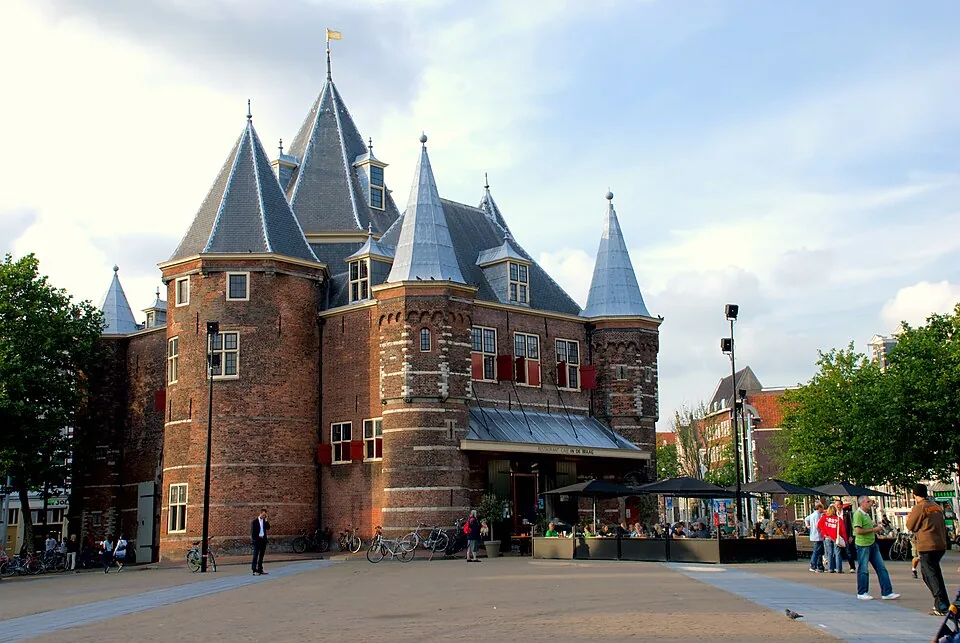
De Waag began as Amsterdam’s Sint Anthoniespoort, a fortified eastern gate built in 1488. After the city expanded, it became a public weighing house in 1617, with guild rooms above and an anatomical theatre added in 1691. Its clustered towers trace centuries of changing city life.
Hash Marihuana & Hemp Museum
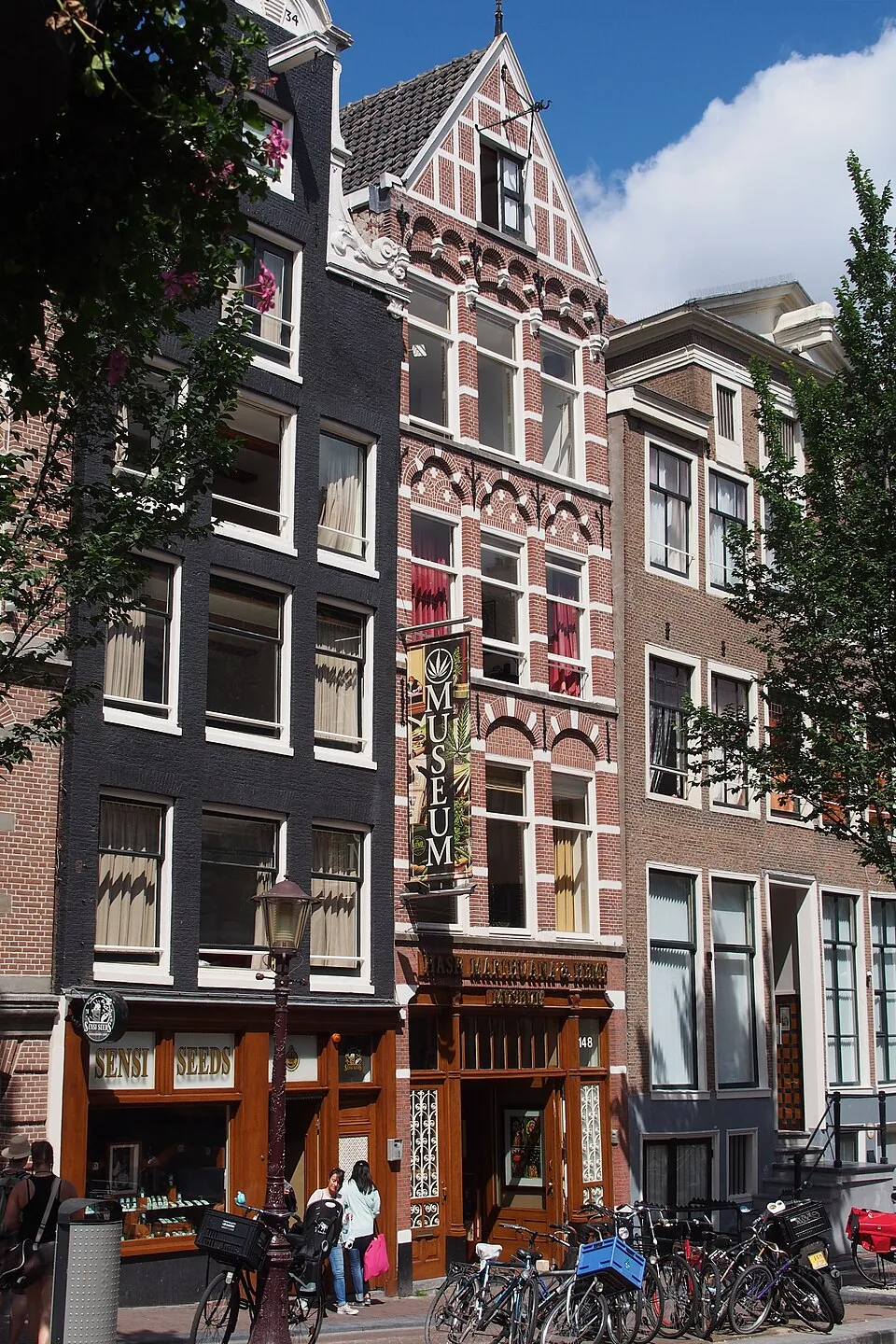
Founded in 1987, Amsterdam’s Hash Marihuana & Hemp Museum traces cannabis through history, medicine, art and everyday culture. Its collection includes more than 9,000 objects, while the nearby Hemp Gallery explores industrial hemp’s long and varied uses.