


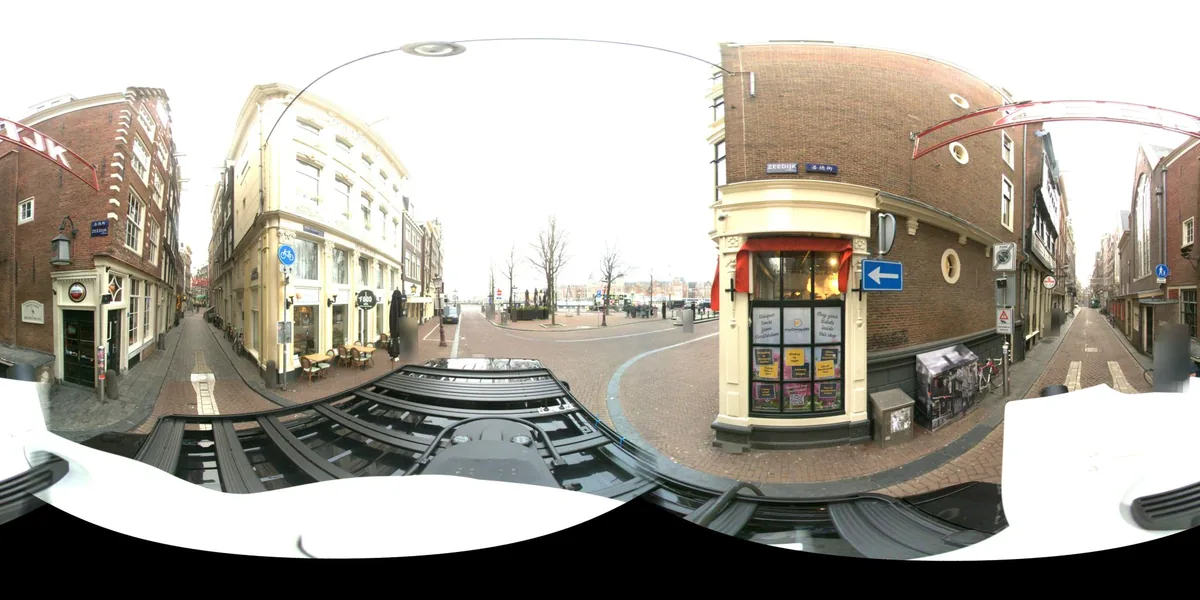
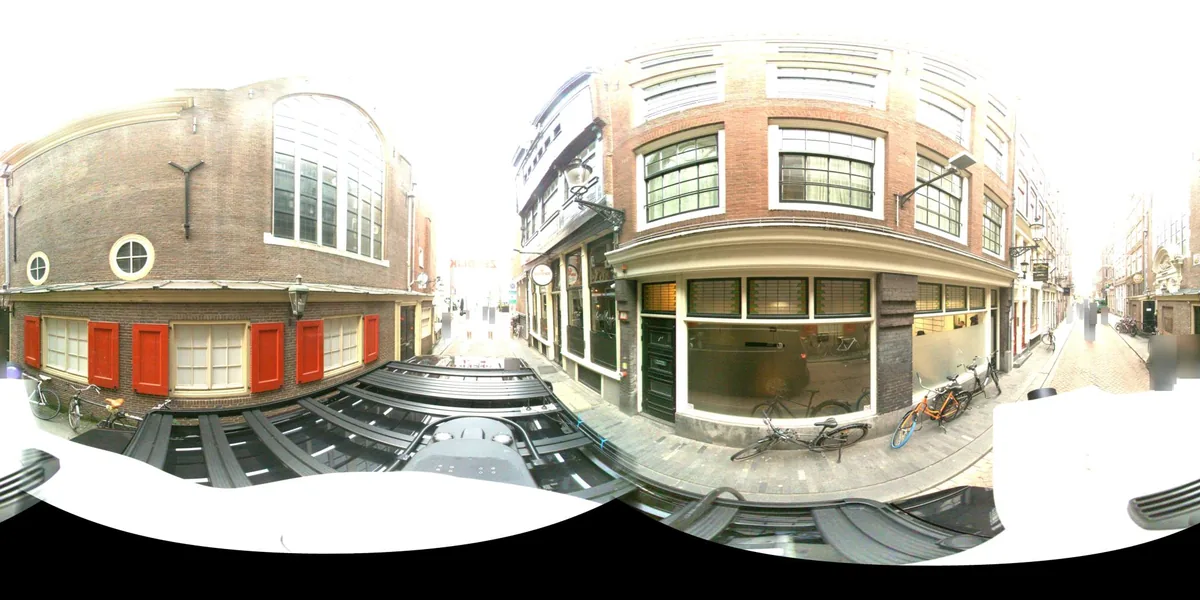
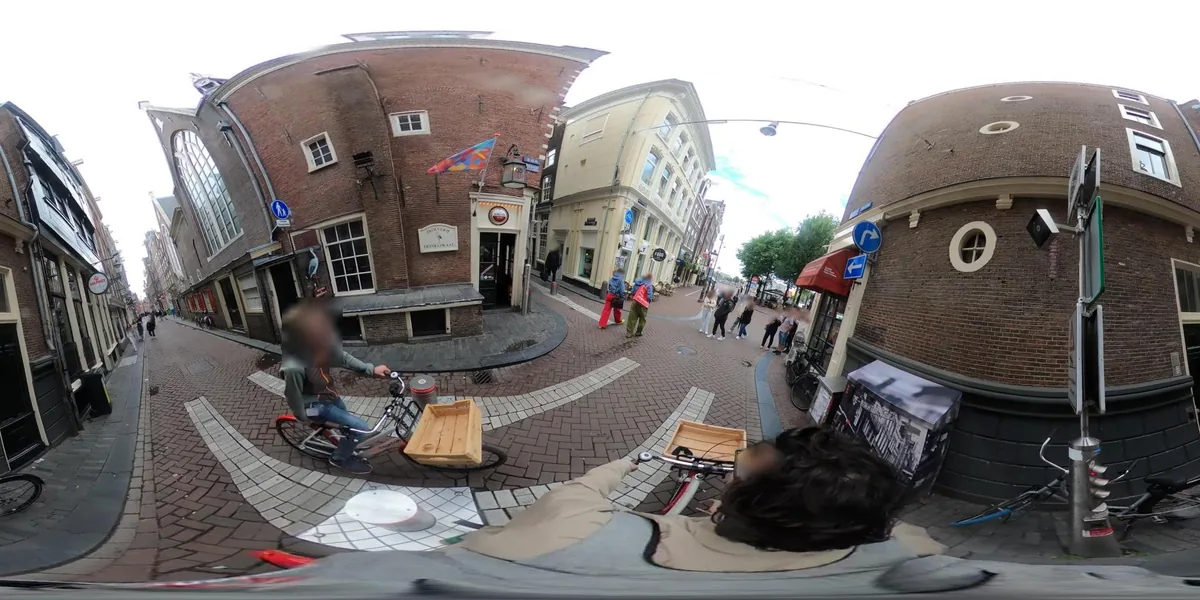
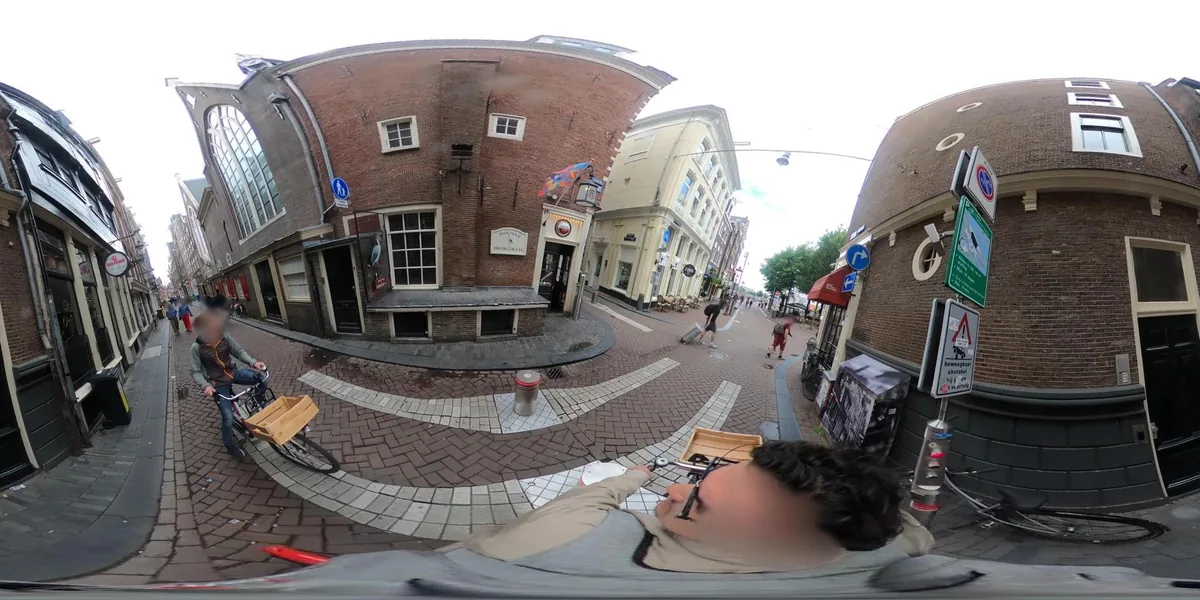
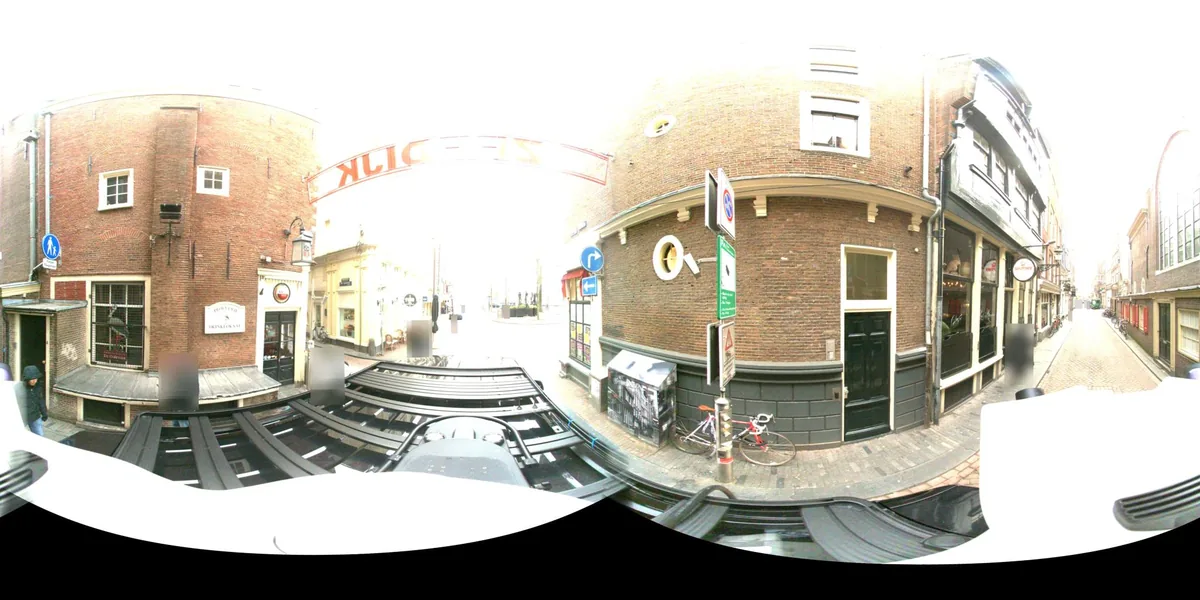
In ’t Aepjen is a café at Zeedijk 1, inside a rare surviving sixteenth-century timber-framed Amsterdam house. Records, later shopfronts and a debated monkey legend reveal how the building’s use and story changed over time.
Quick facts
The current Zeedijk 1 house has a largely surviving sixteenth-century timber frame; its precise date is debated, with wood research suggesting 1545–1550 and an architectural database favoring circa 1560.
The house’s first known owner was Jan Claesz ‘int Aepgen; the building was later a paper shop, a grocer’s shop and, after its 1986–1987 restoration, a café.
Hendrick de Keyser acquired the house in 1920; it is a rare Amsterdam property with a substantially intact historic timber structure.
Get directions to In’t Aepjen. Confirm the visitor entrance and current access with the venue before travelling.
Audio guide
Listen to this place’s guide.
Guide
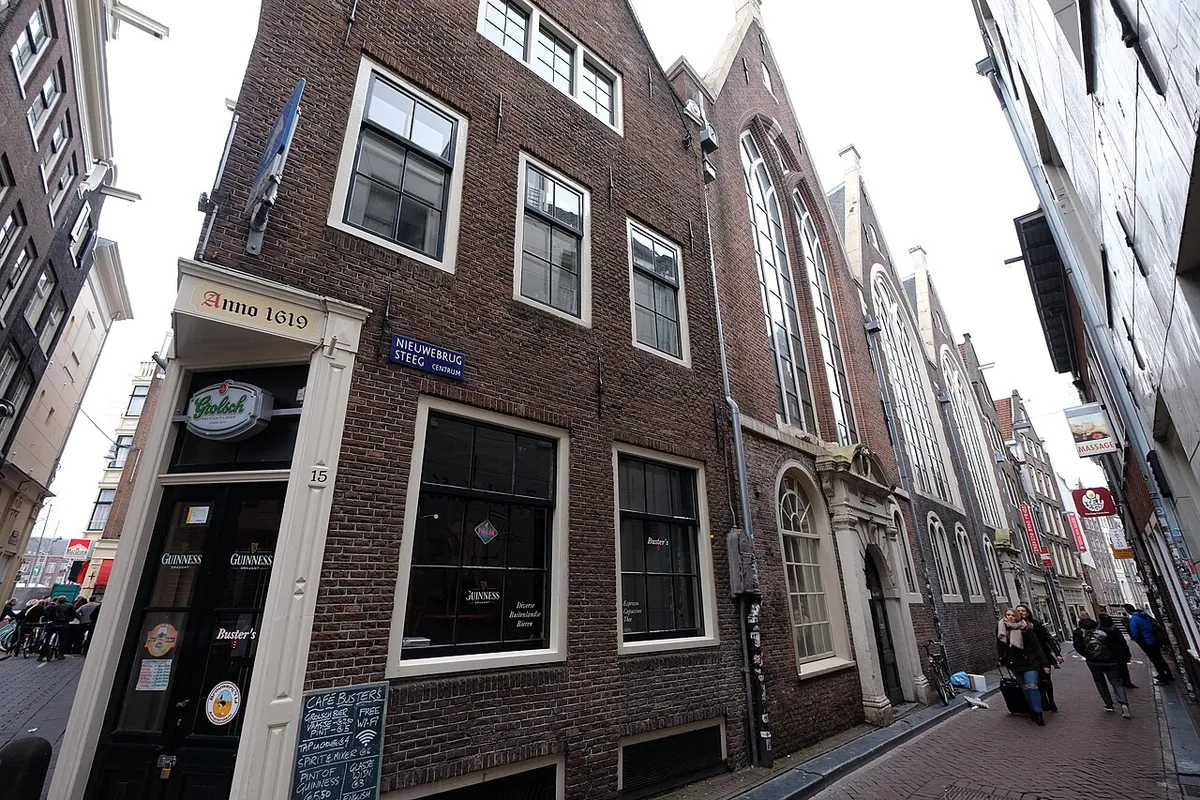
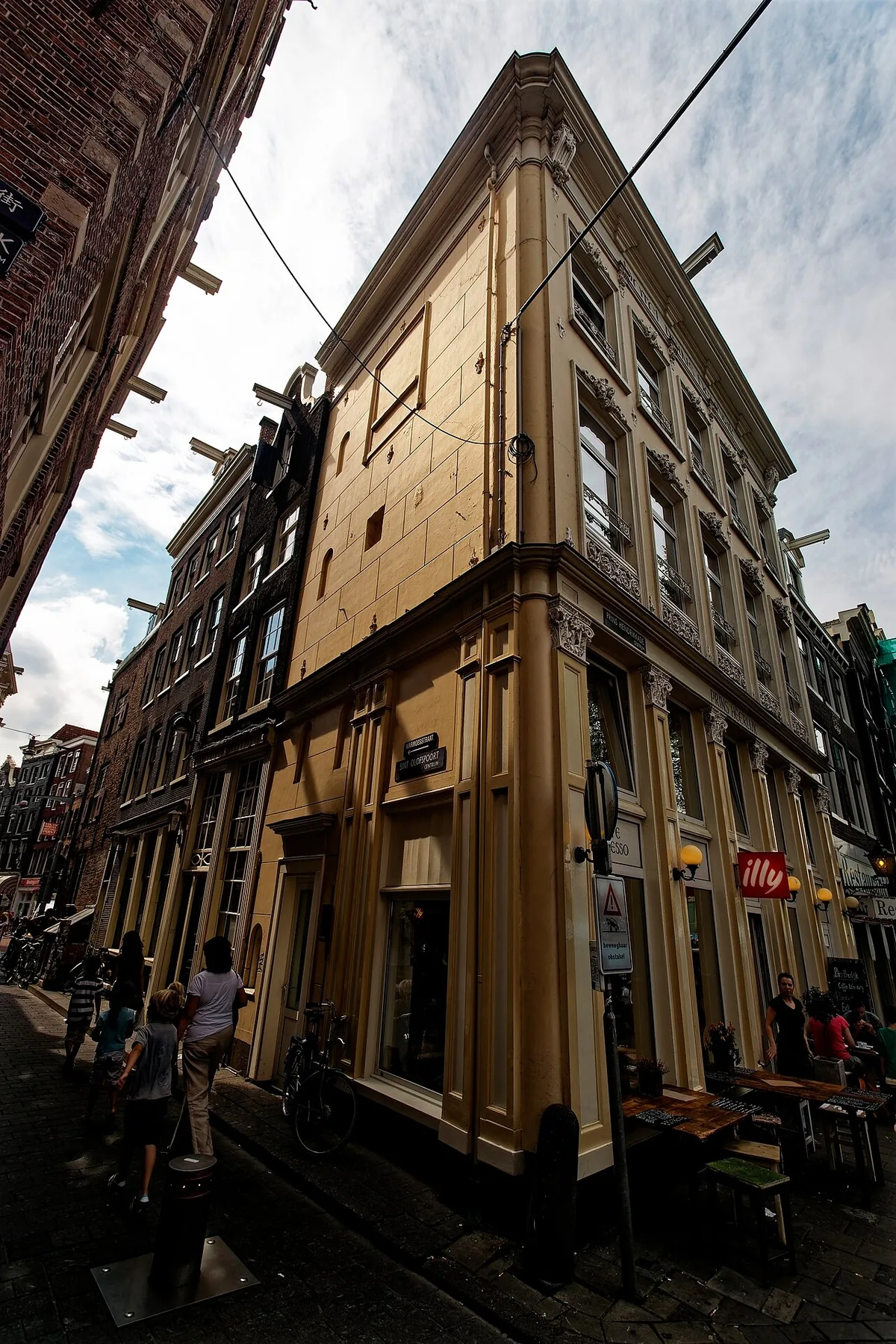
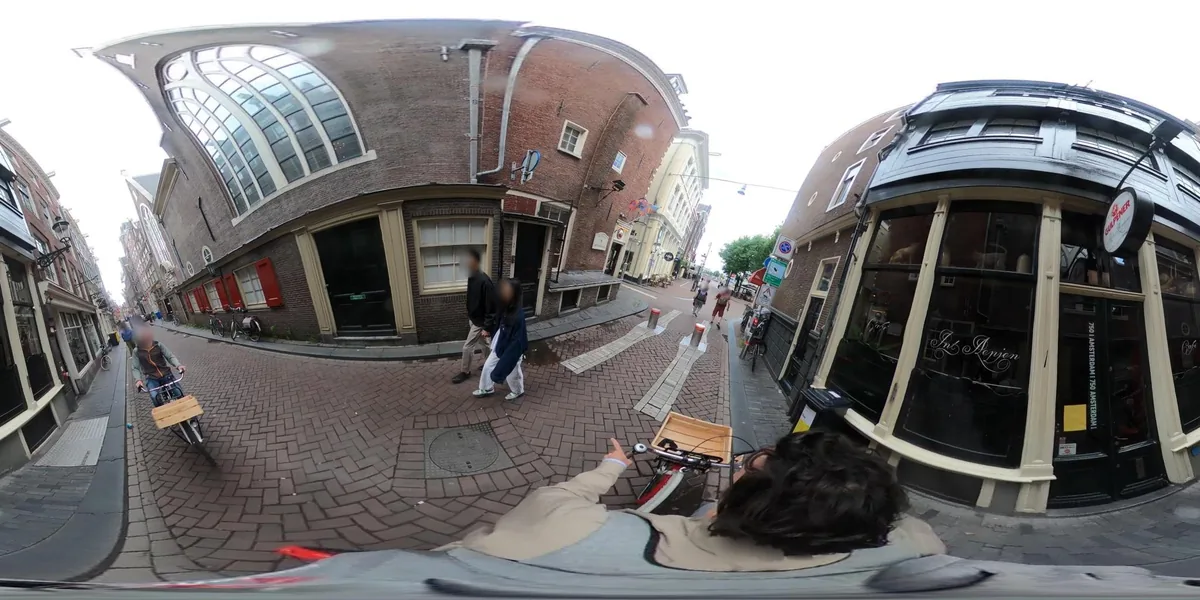
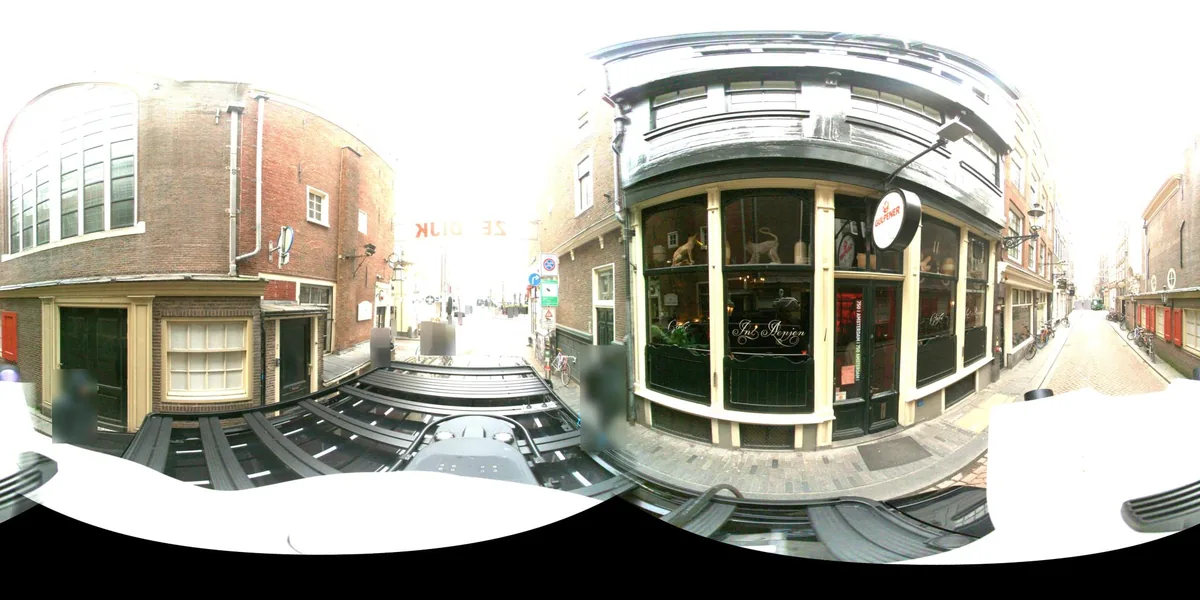
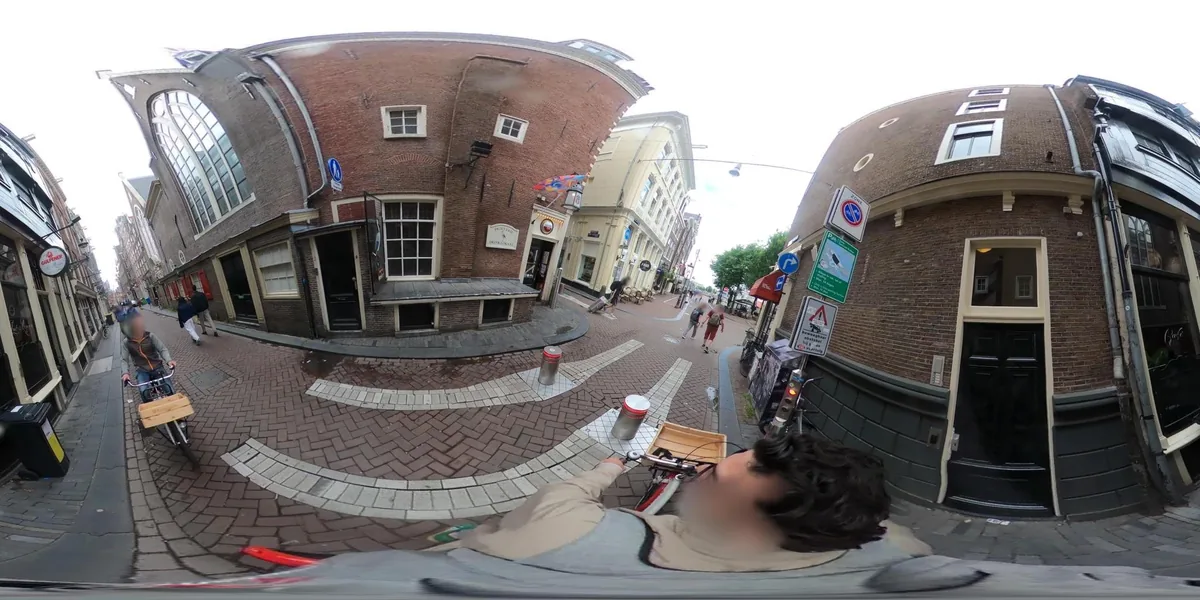
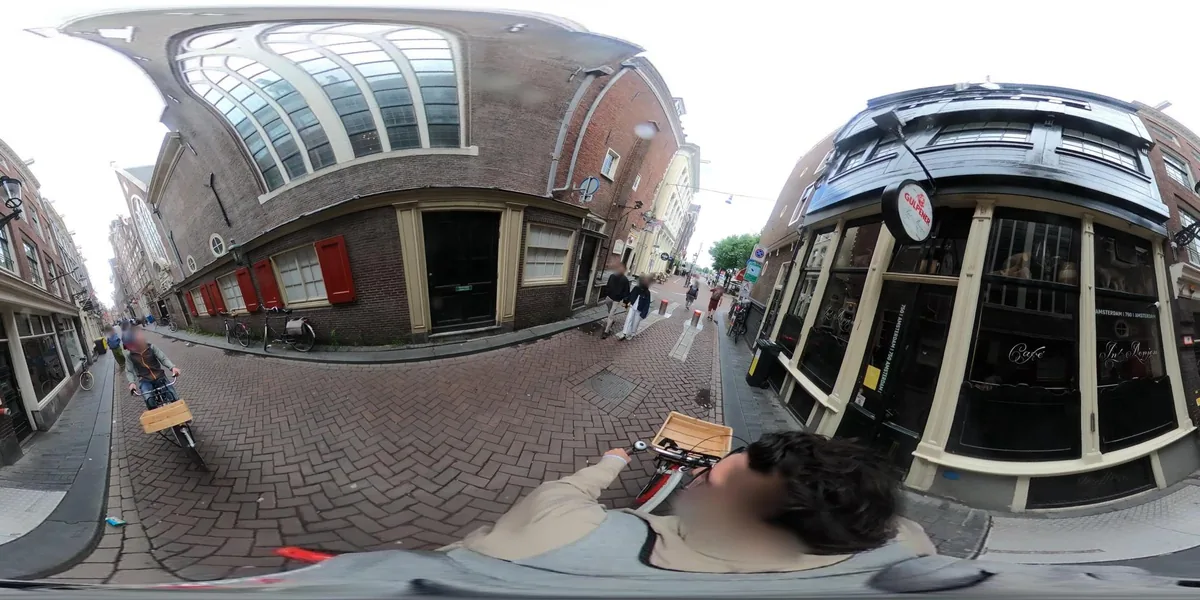
At Zeedijk 1, In ’t Aepjen occupies a house whose upper floors lean outward over a narrower ground level. The dark timber front is not just a picturesque surface: behind it is a largely surviving sixteenth-century wooden frame. In a city where fire and rebuilding erased most early timber houses, this is one of Amsterdam’s rarest surviving examples. The address is in Amsterdam municipality’s Centrum district; the assigned catalog point, 52.376312, 4.900146, matches the building’s mapped location.
Continue exploring
Discover the full story
Keep reading with a travel pass and explore every full guide and tour.
UpgradeMore places in Amsterdam
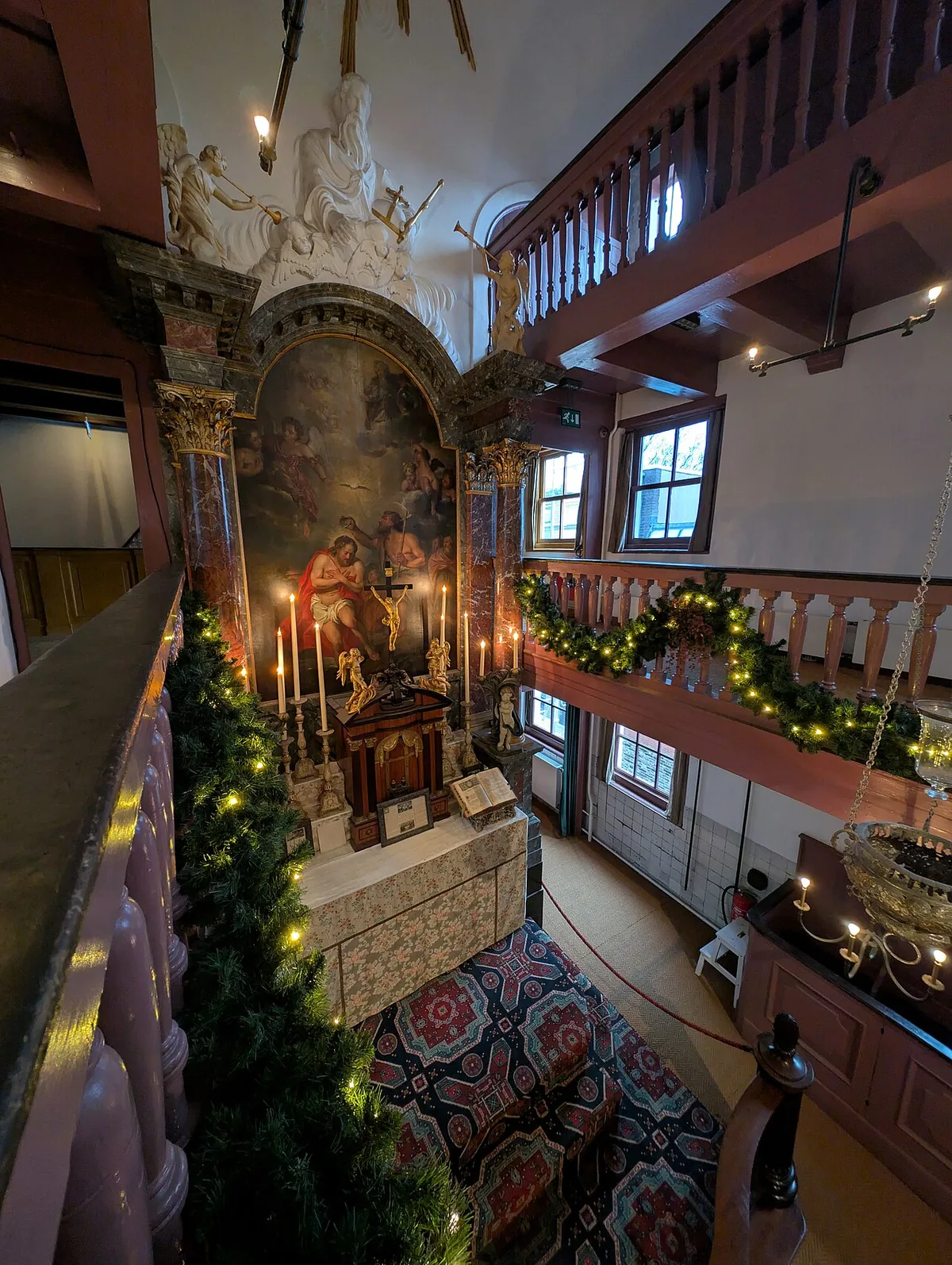
Our Lord in the Attic Museum
A seventeenth-century Catholic church fills the joined upper floors of a canal house and two rear houses. Built by merchant Jan Hartman, it preserves the history of Amsterdam’s tolerated house churches and the community that worshipped here.
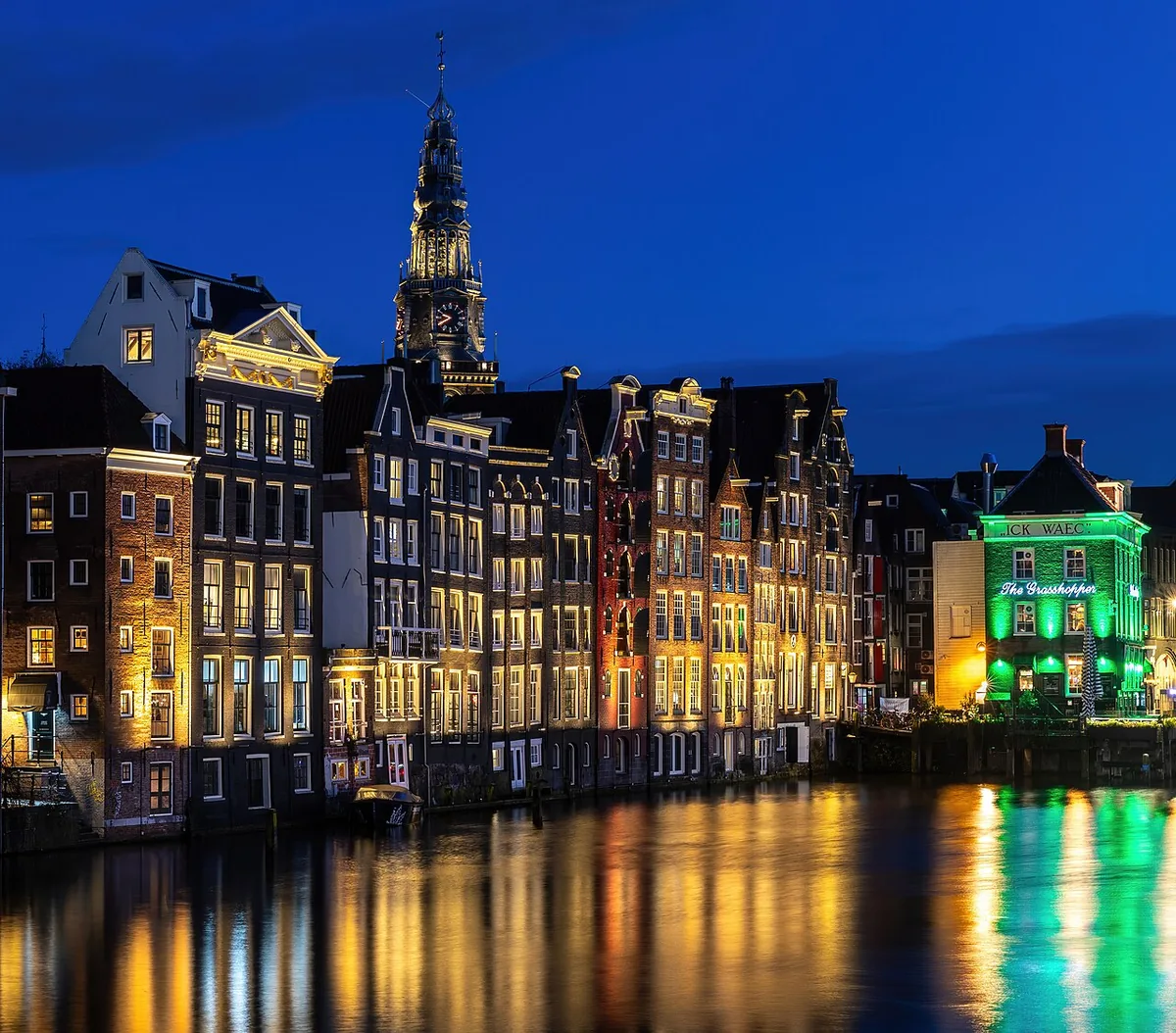
Oude Kerk
Amsterdam’s oldest surviving building grew from a thirteenth-century chapel into a Gothic hall church shaped by port trades, religious change, and generations of burial. Its guild chapels, memorials, music, and contemporary art keep the city’s layered history present.
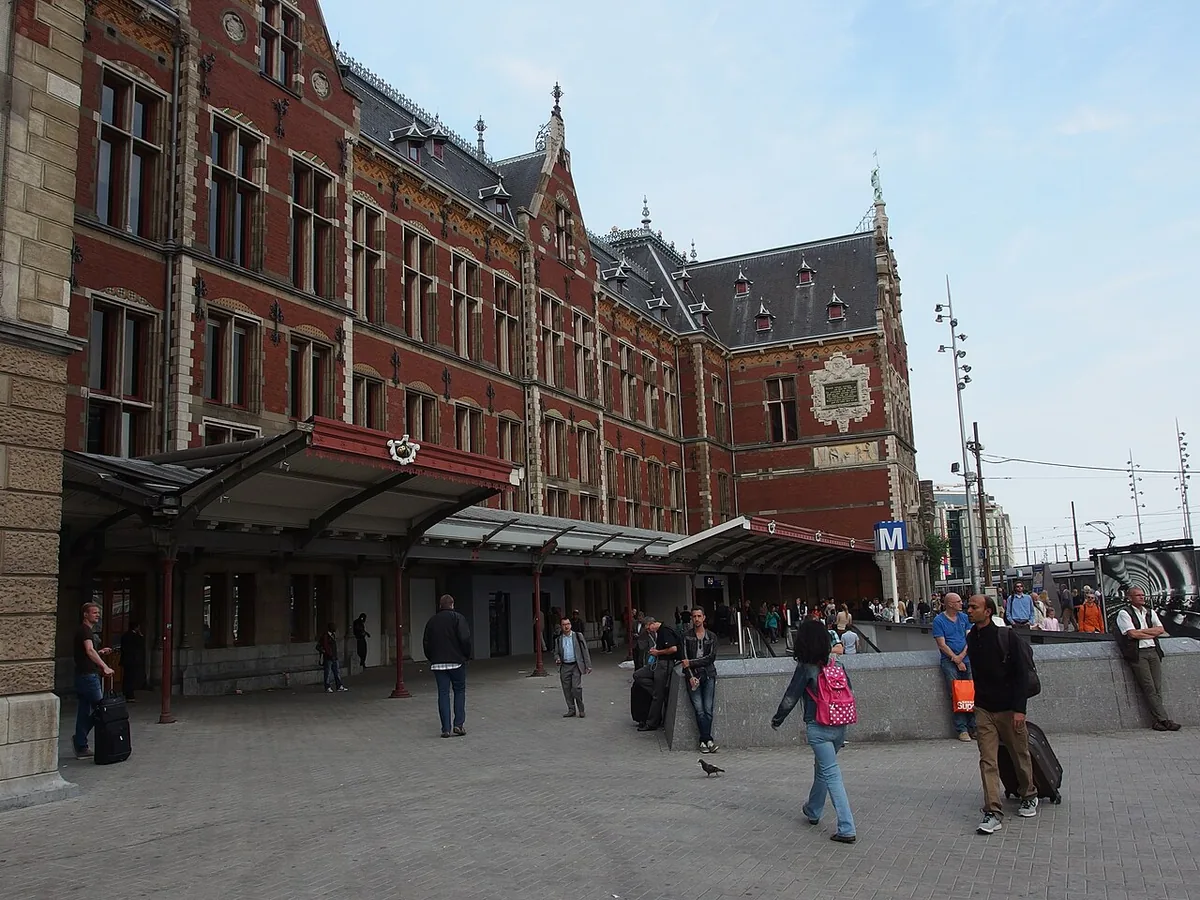
Amsterdam Centraal Station
Amsterdam Centraal occupies Station Island in the IJ, where the historic centre meets the waterfront. Pierre Cuypers and A.L. van Gendt designed its monumental 1889 gateway, built on reclaimed islands and thousands of piles. Today the station remains a busy link between rail, city and harbour.
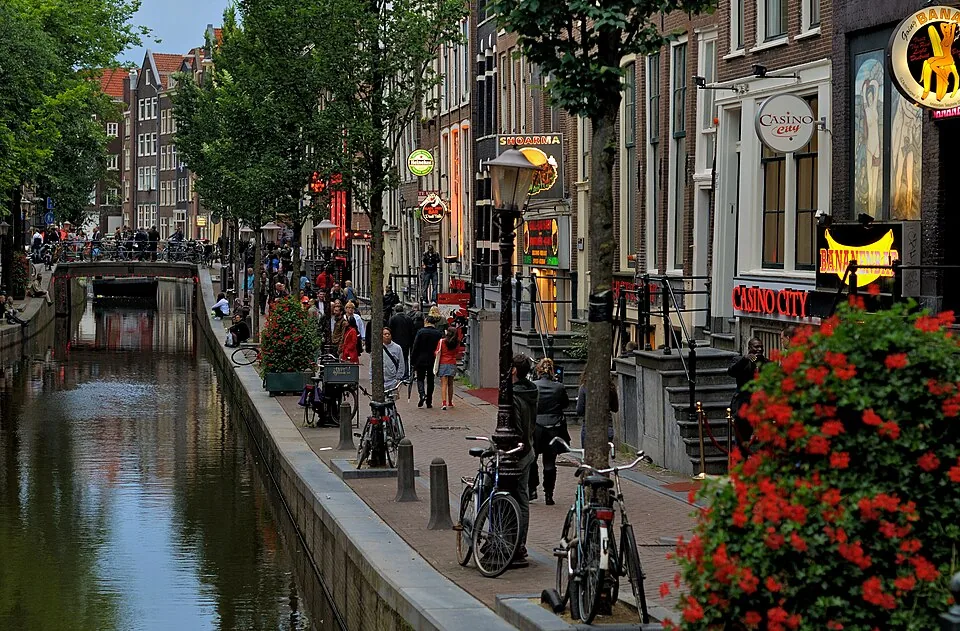
Red Light District
Amsterdam’s Red Light District is a working neighborhood as well as a historic port-area quarter. Its story includes centuries of regulation and change, but the people who live and work here deserve privacy; the most respectful visit begins by treating the streets as public space shared with residen
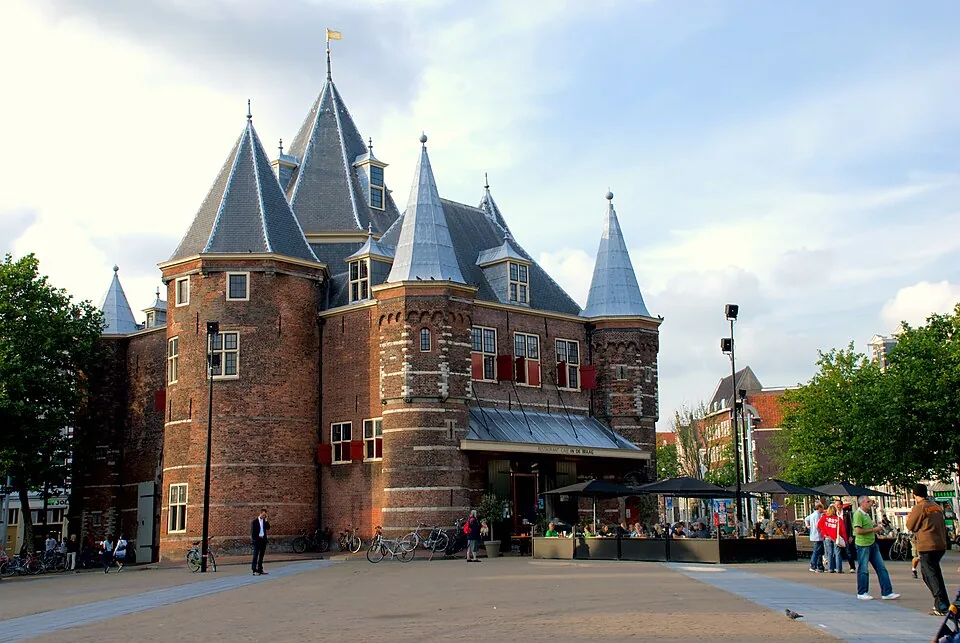
De Waag
De Waag began as Amsterdam’s Sint Anthoniespoort, a fortified eastern gate built in 1488. After the city expanded, it became a public weighing house in 1617, with guild rooms above and an anatomical theatre added in 1691. Its clustered towers trace centuries of changing city life.
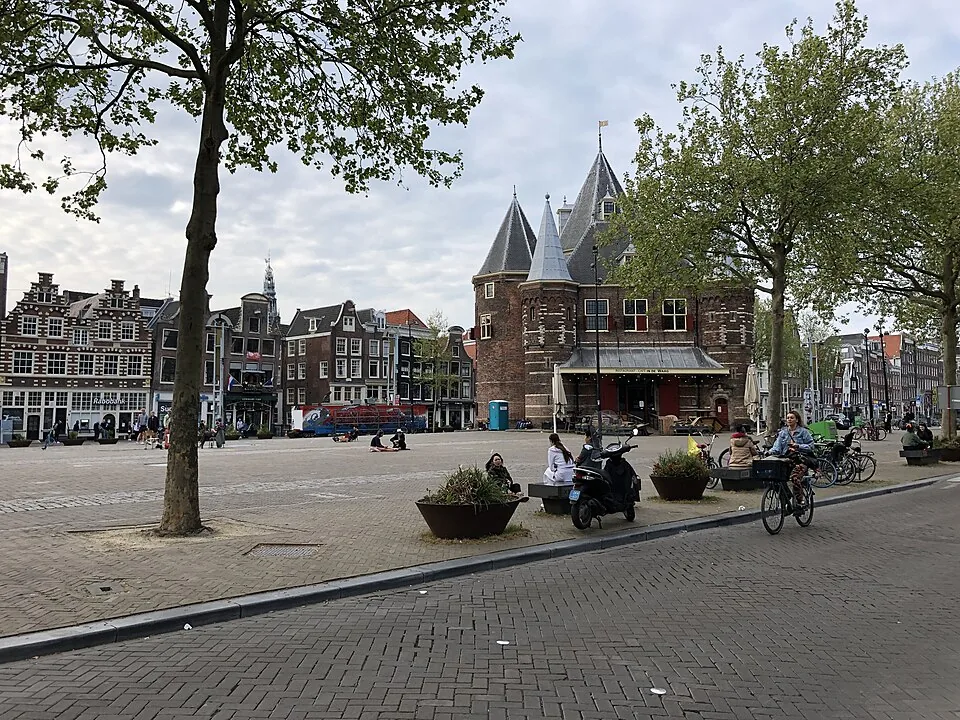
Nieuwmarkt
Nieuwmarkt grew around the Waag, a former city gate that became a public weighing house. The square’s changing uses—from trade to wartime persecution to modern protest—make it one of Amsterdam’s most layered public spaces.