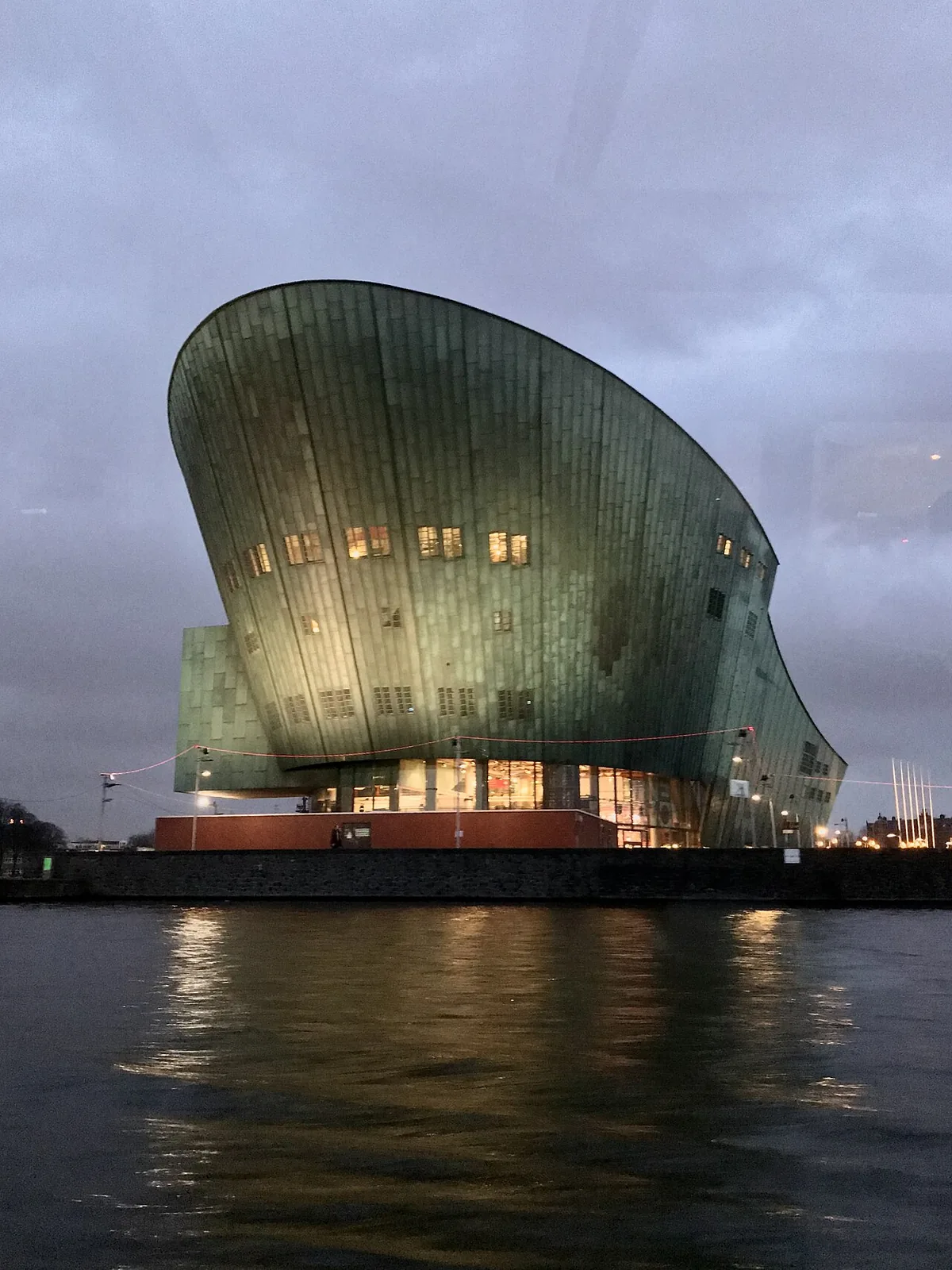
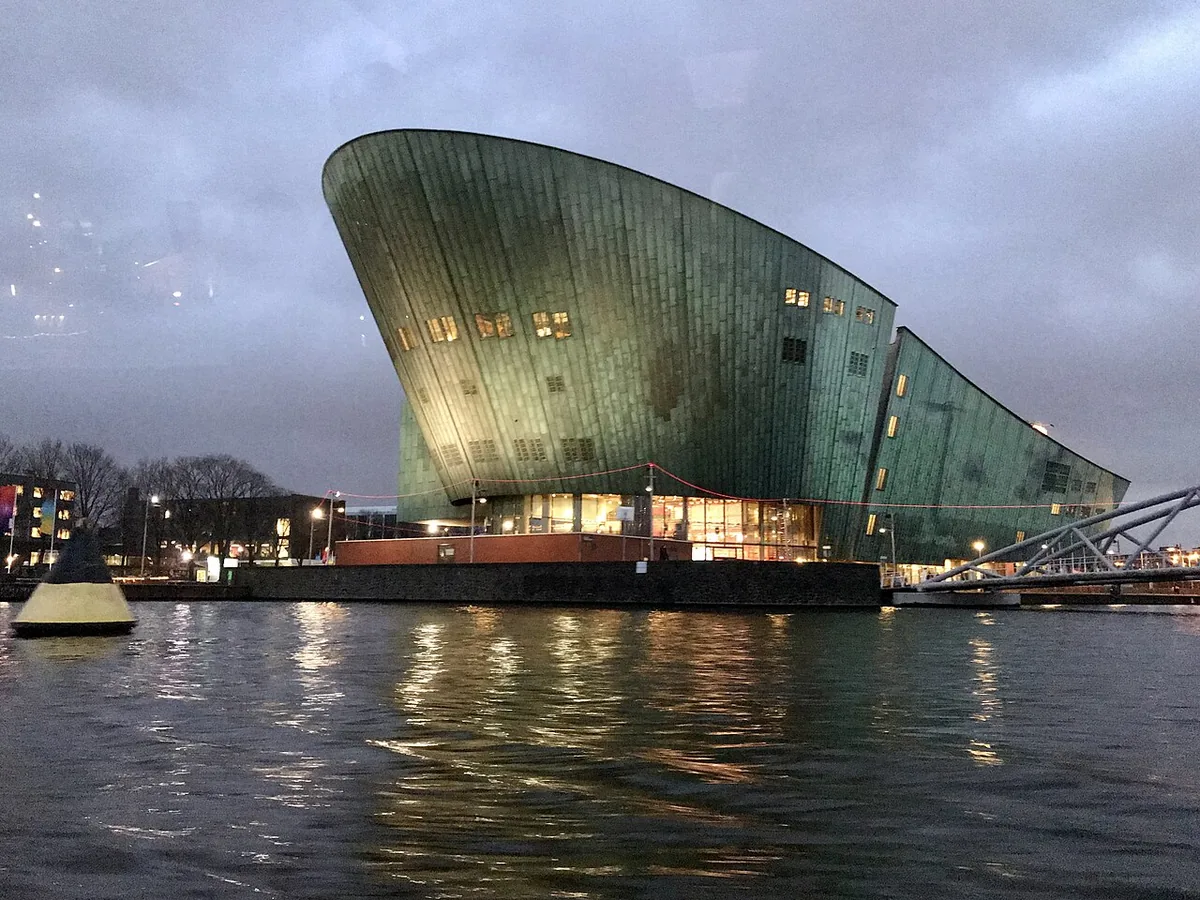
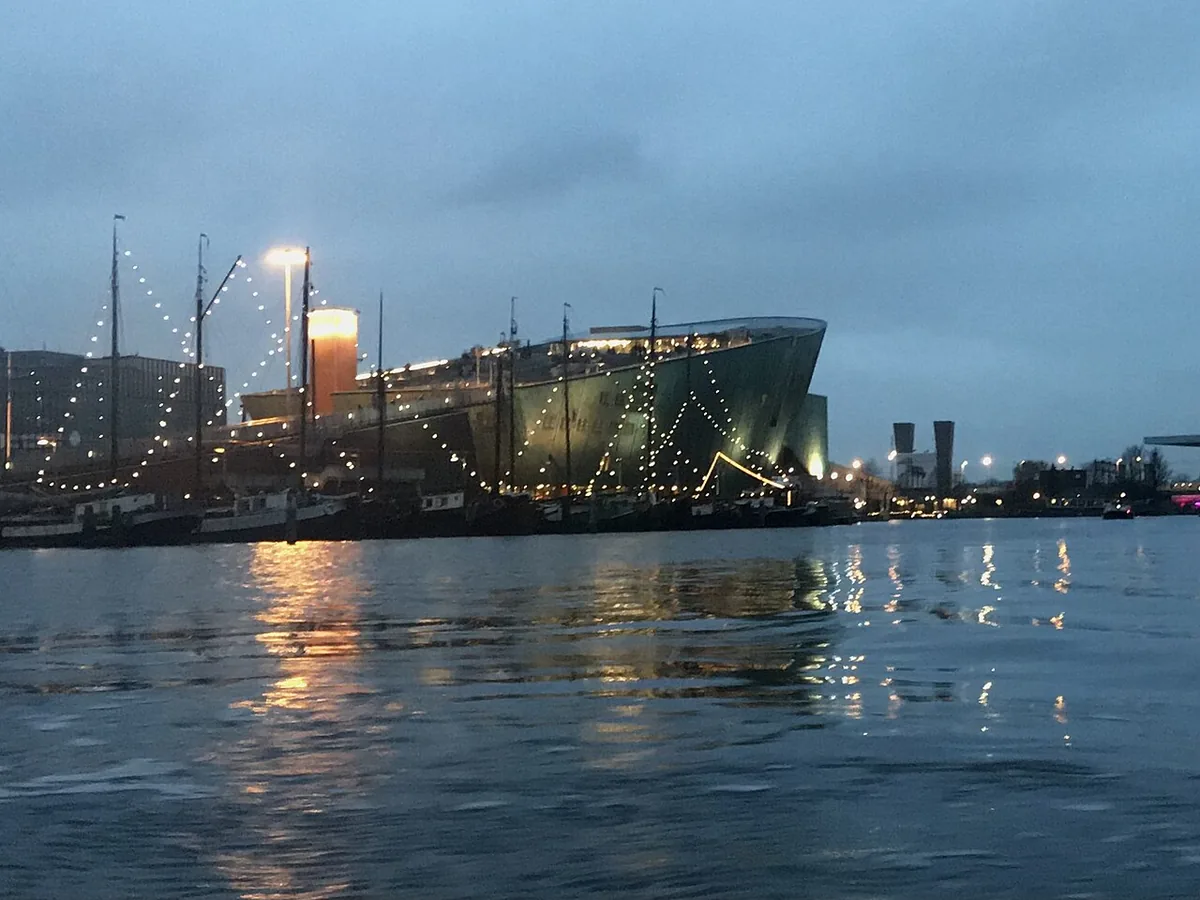
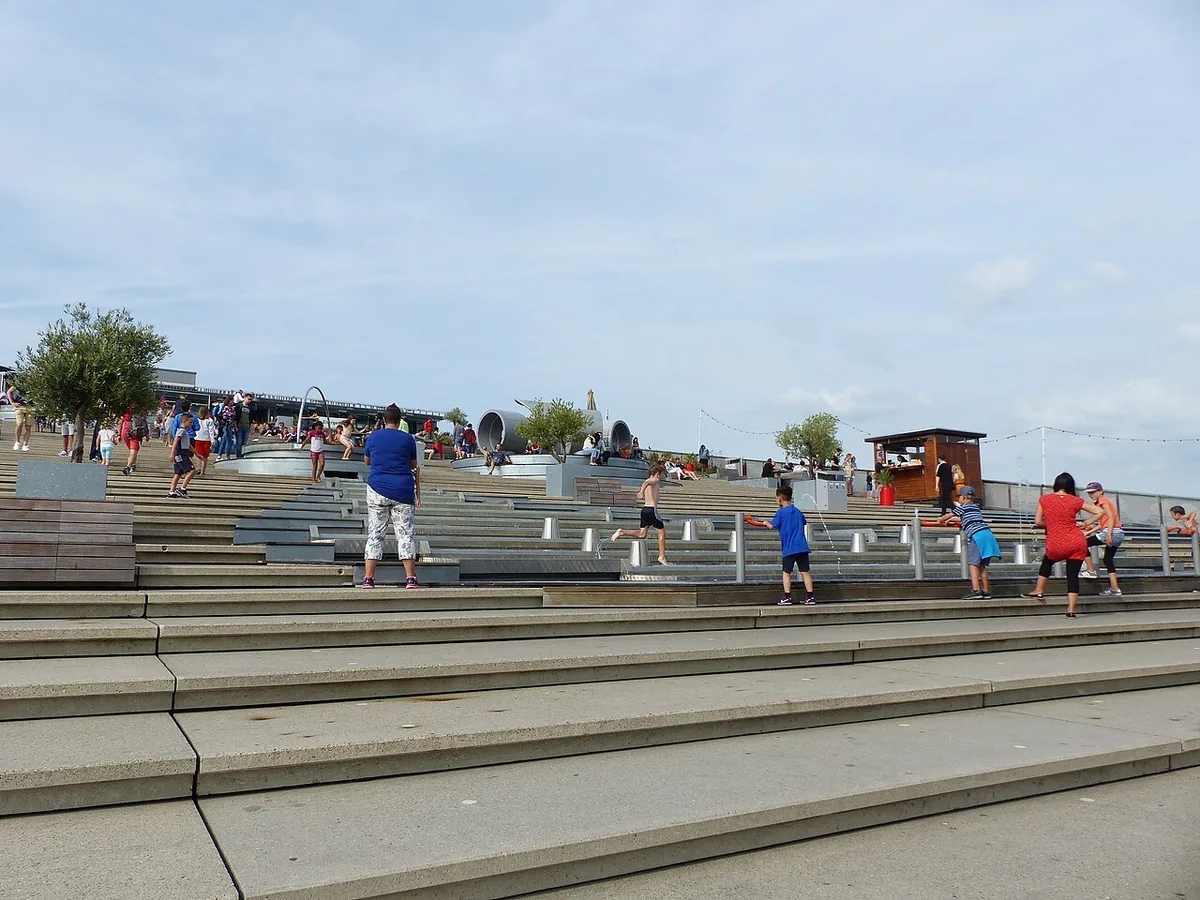
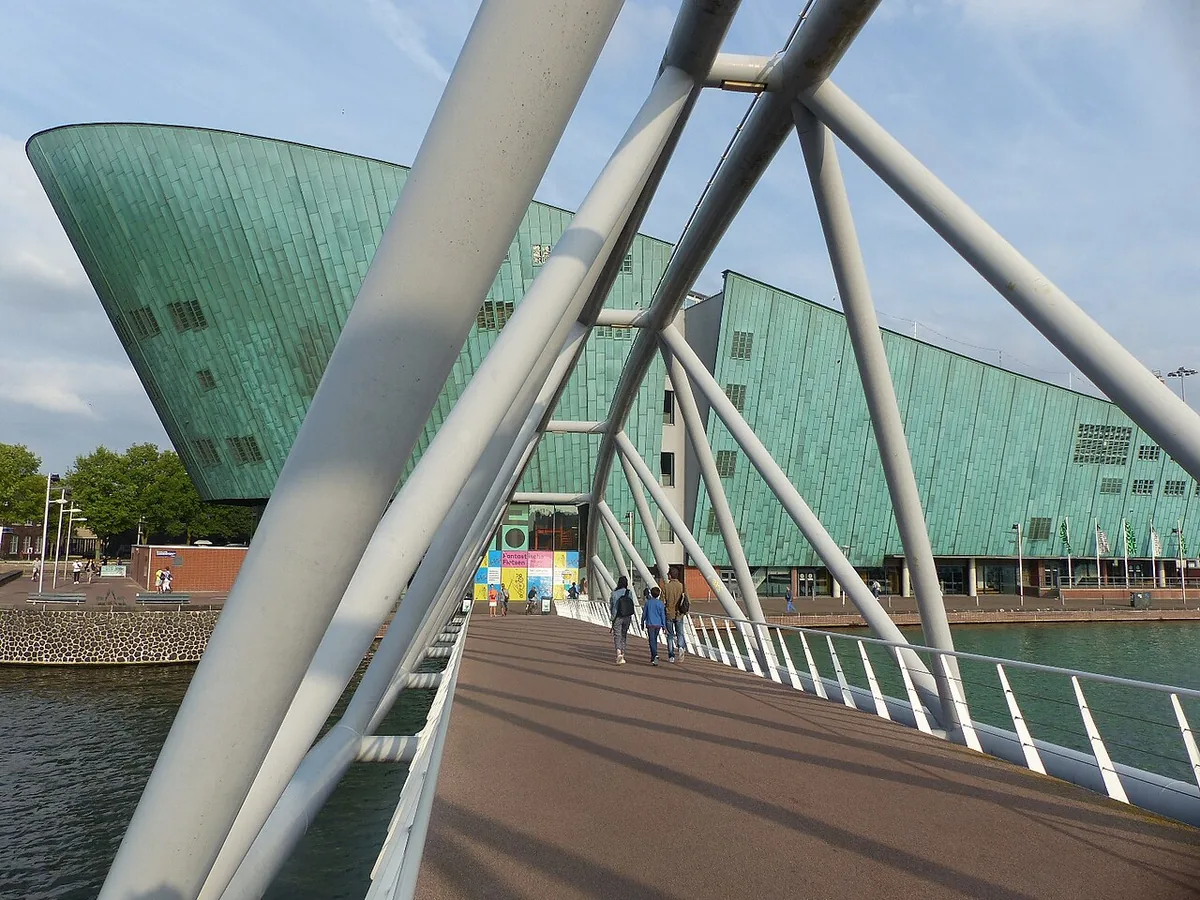
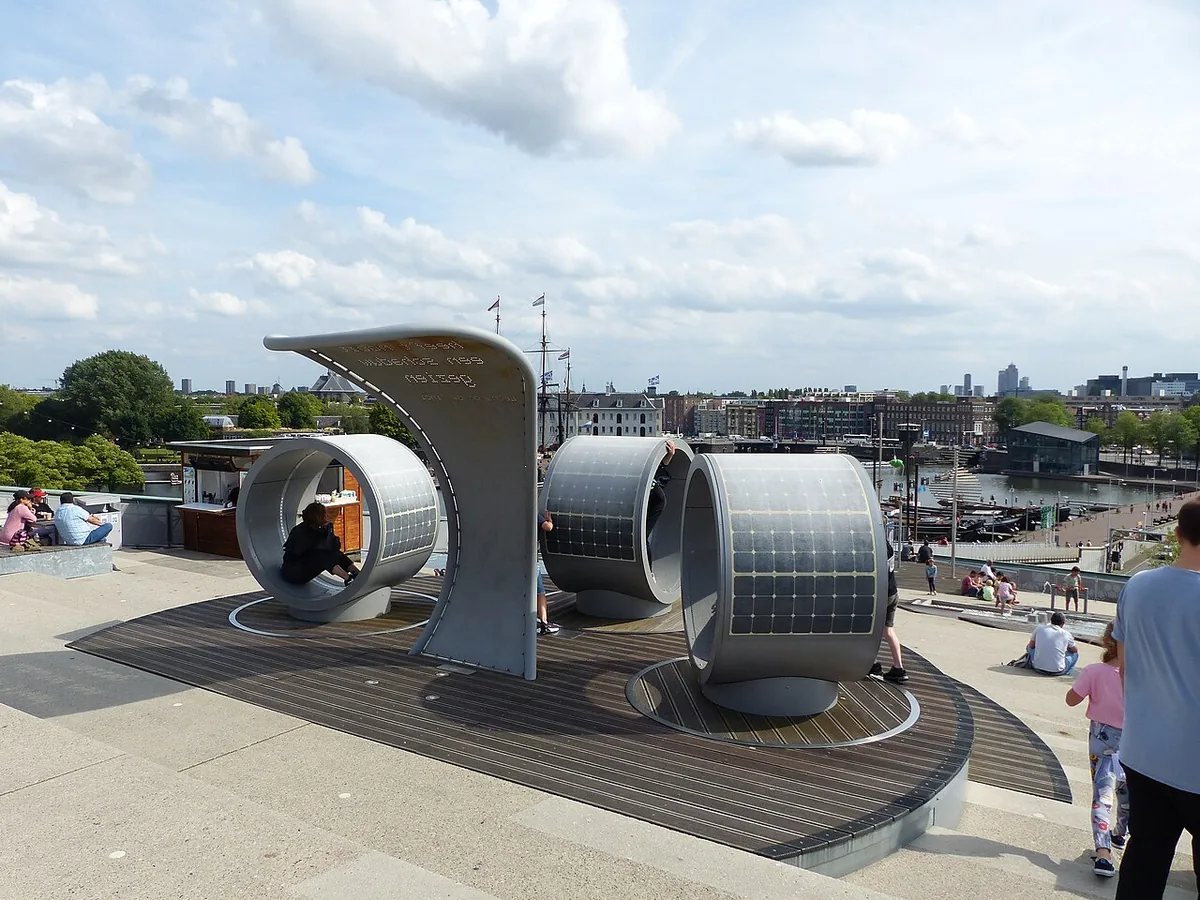
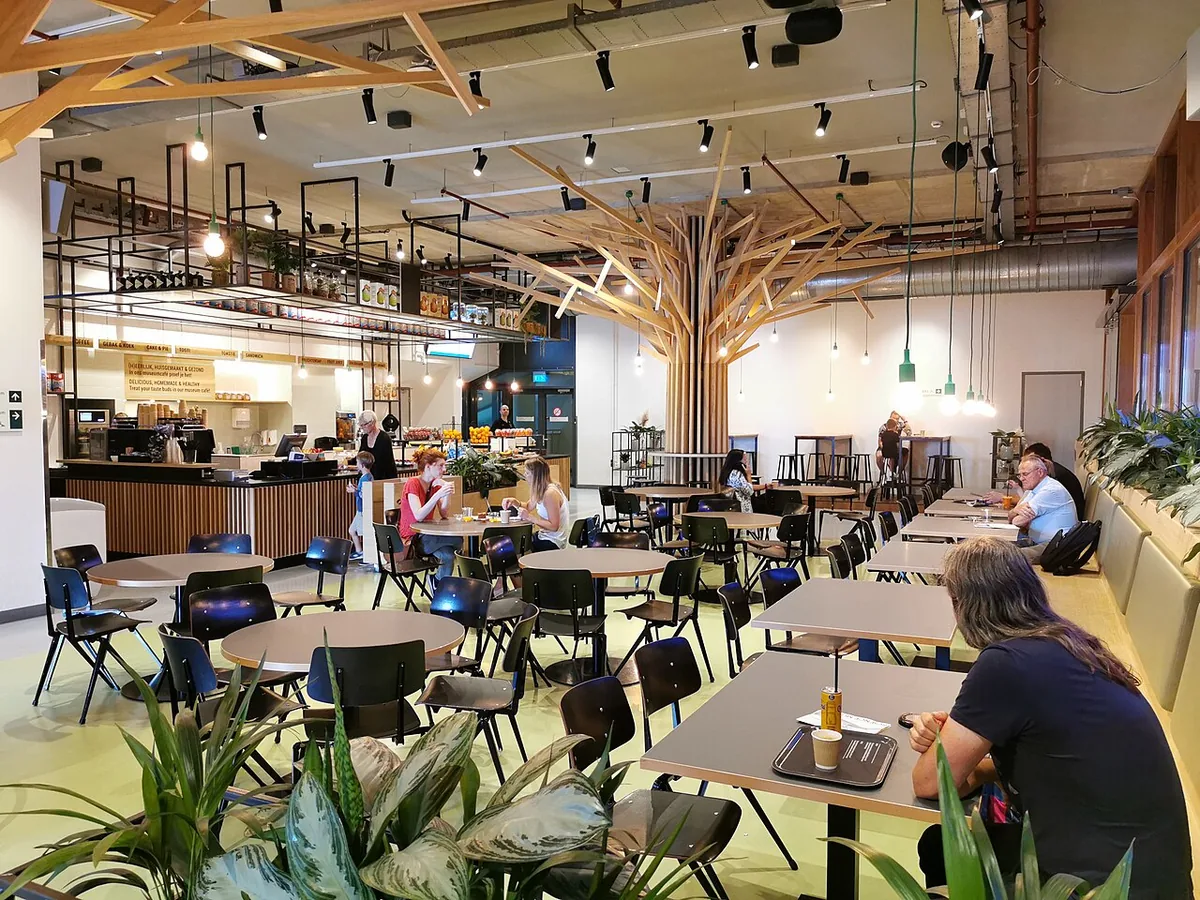
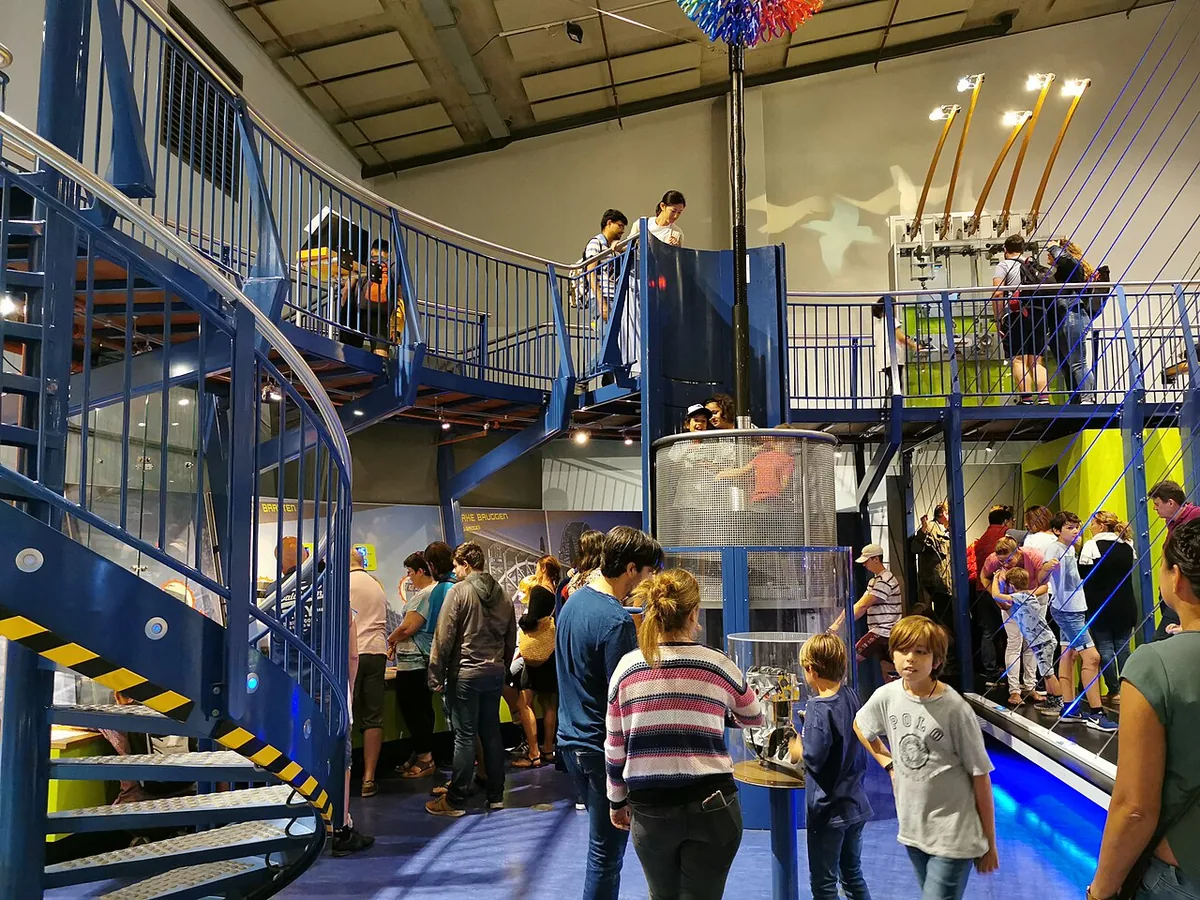
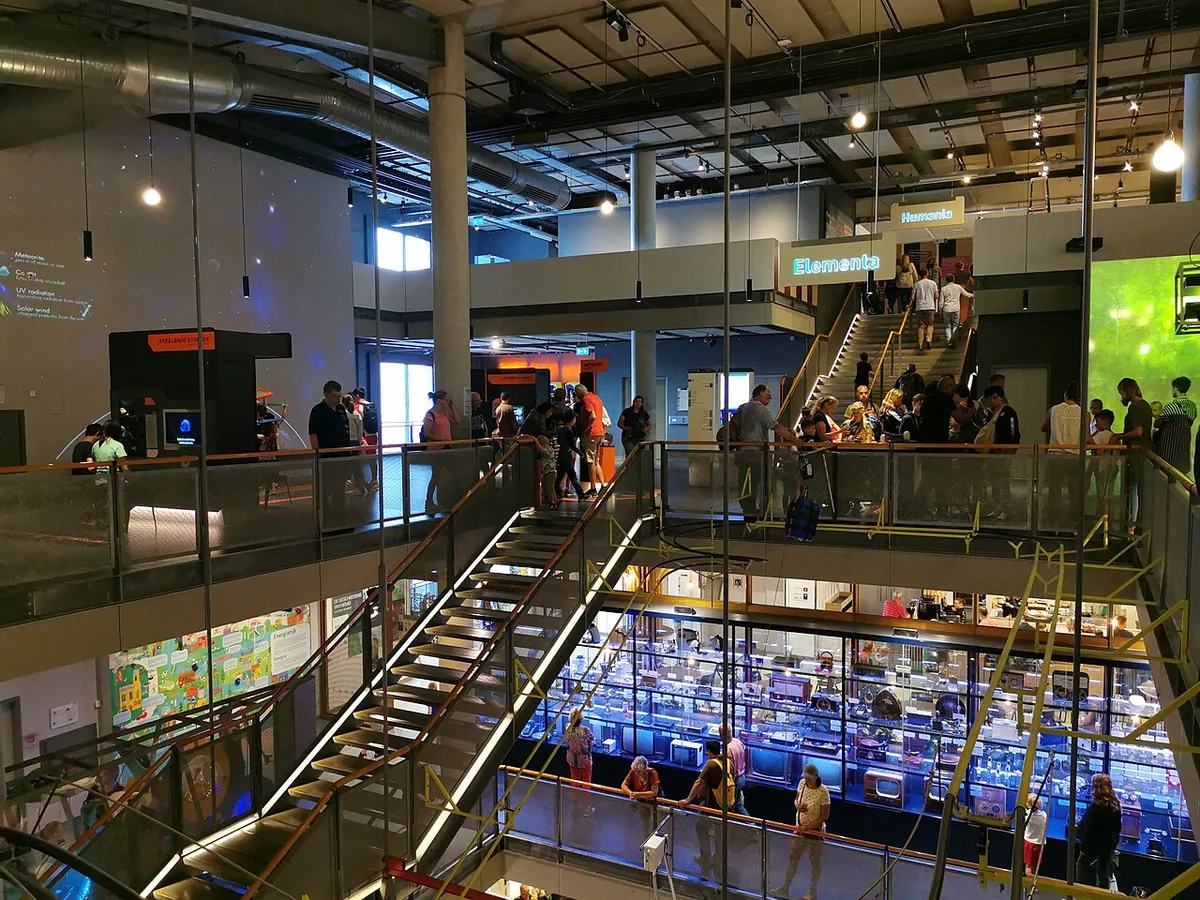
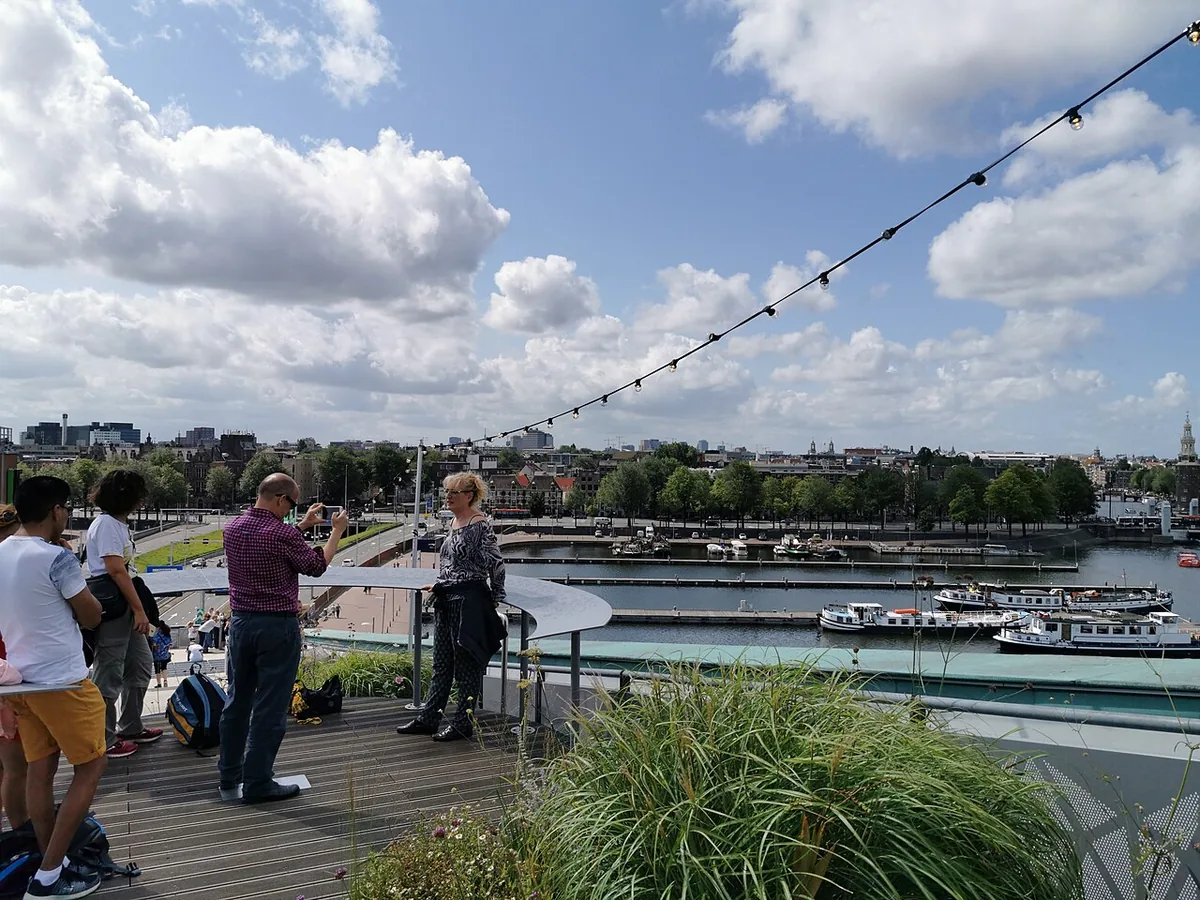
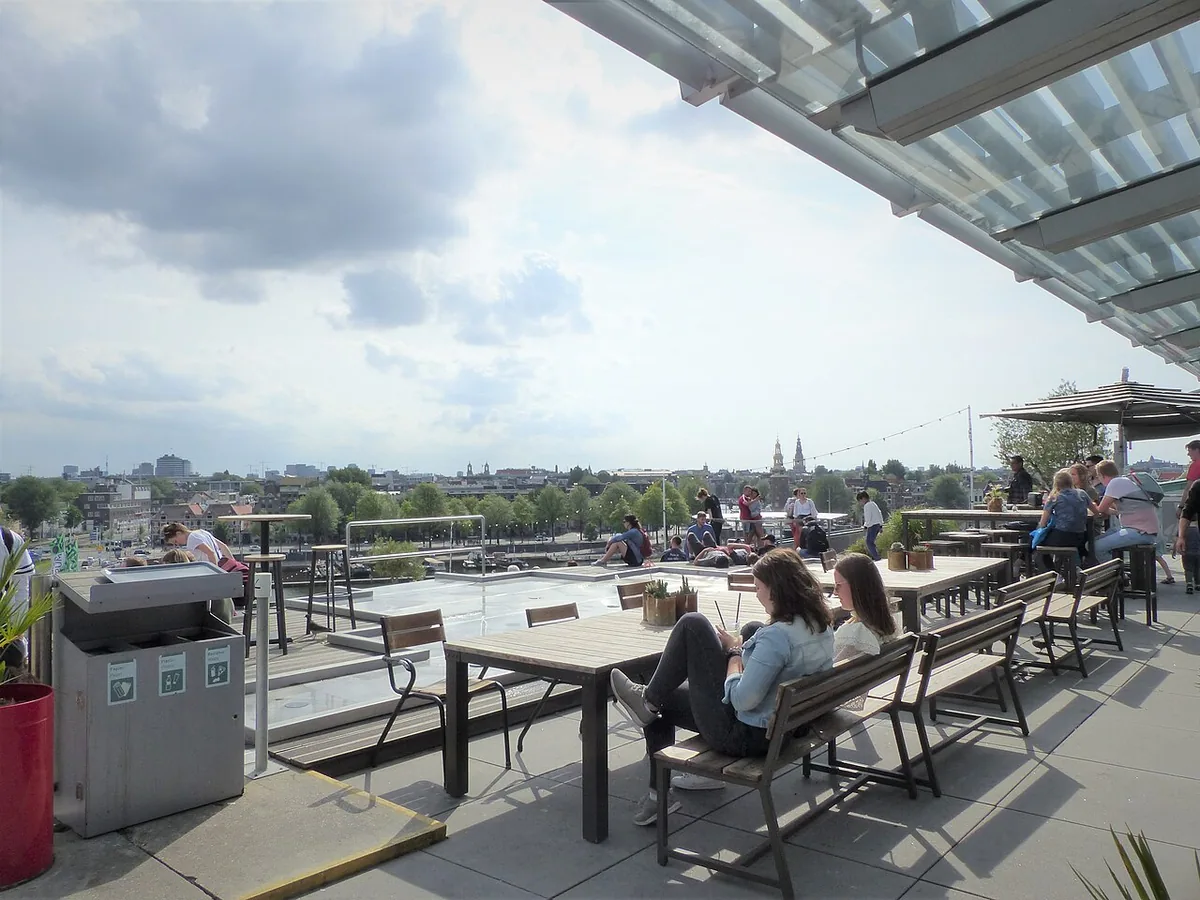
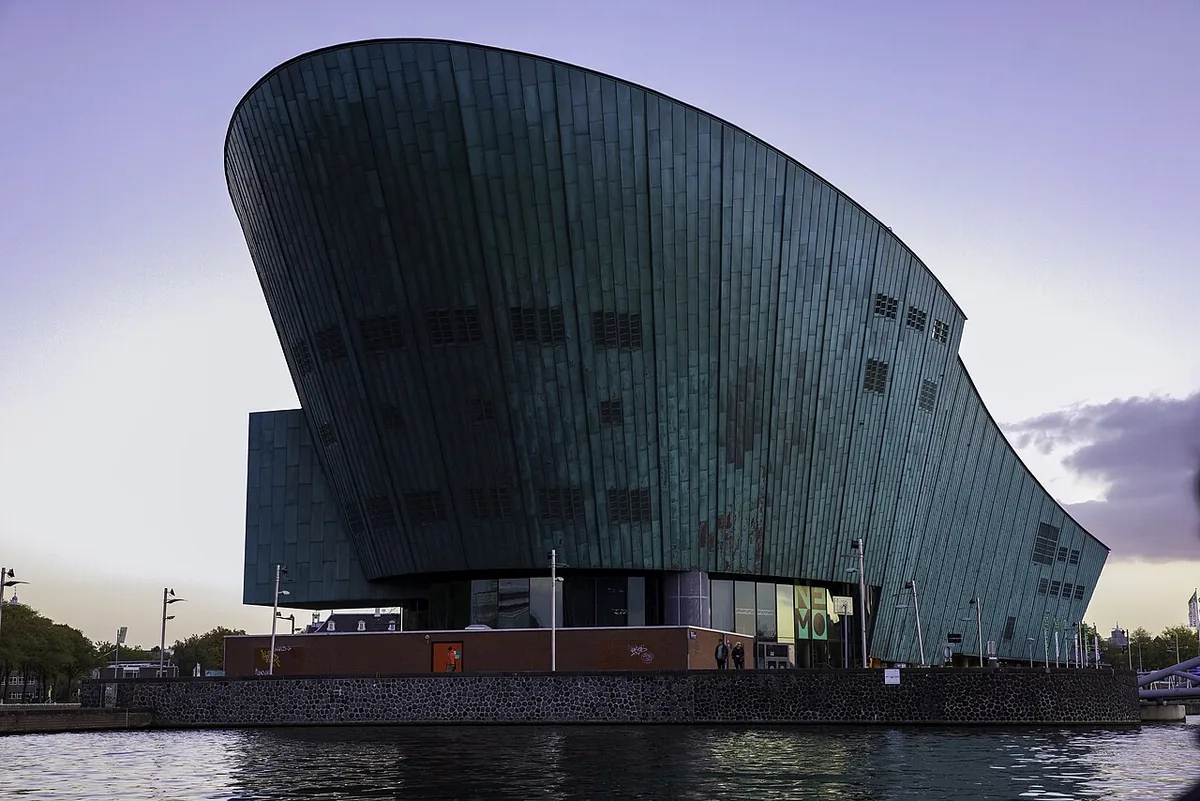
NEMO Science Museum rises above the Oosterdok on the curve of the IJtunnel. Renzo Piano’s copper-green building turns an engineering constraint into a public rooftop square; inside, hands-on science continues an institution’s long reinvention from a workers’ museum founded in 1923.
Quick facts
The Museum van den Arbeid, a predecessor of NEMO, was founded on 8 December 1923 after an exhibition of industrial artist Herman Heijenbrock’s work.
Renzo Piano designed NEMO above the IJtunnel; the tunnel’s curve helped shape the museum’s rising form.
The building opened as NewMetropolis in 1997 and was reorganized and relaunched as NEMO in 2000 after early financial difficulties.
Get directions to NEMO Science Museum. Confirm the visitor entrance and current access with the venue before travelling.
Audio guide
Listen to this place’s guide.
Guide
NEMO Science Museum’s copper-green silhouette rises above Amsterdam’s Oosterdok like a ship. Underneath, Renzo Piano designed the building over the IJtunnel approach; the tunnel’s curve shaped its rising form. A piece of transport infrastructure became the reason this museum looks as if it is lifting itself out of the water.
Continue exploring
Discover the full story
Keep reading with a travel pass and explore every full guide and tour.
UpgradeMore places in Amsterdam
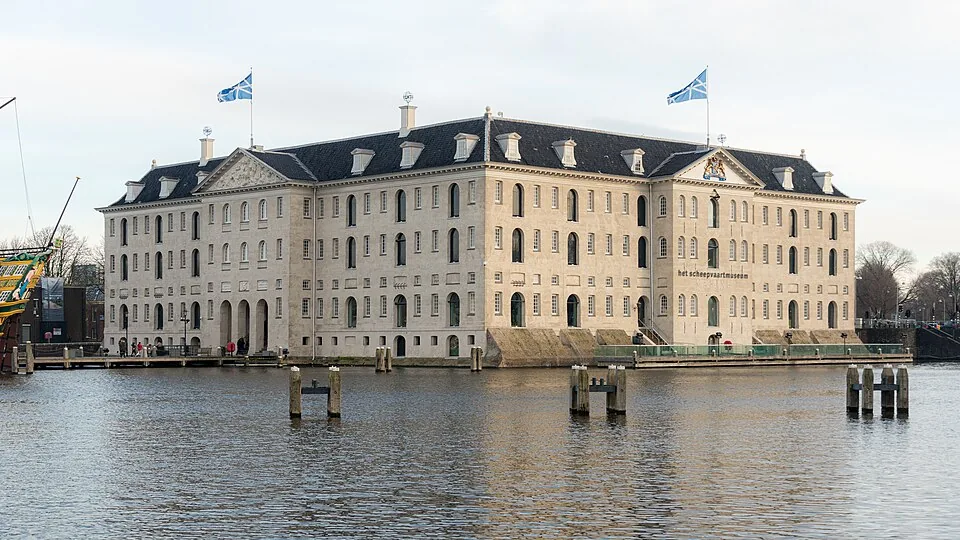
Het Scheepvaartmuseum
Inside the 1656 Admiralty storehouse on Kattenburg, rainwater cisterns, ship supplies and a modern compass-inspired glass roof reveal how Amsterdam equipped its fleet. The museum connects maritime skill with the labor, conflict and colonial violence behind ocean travel.
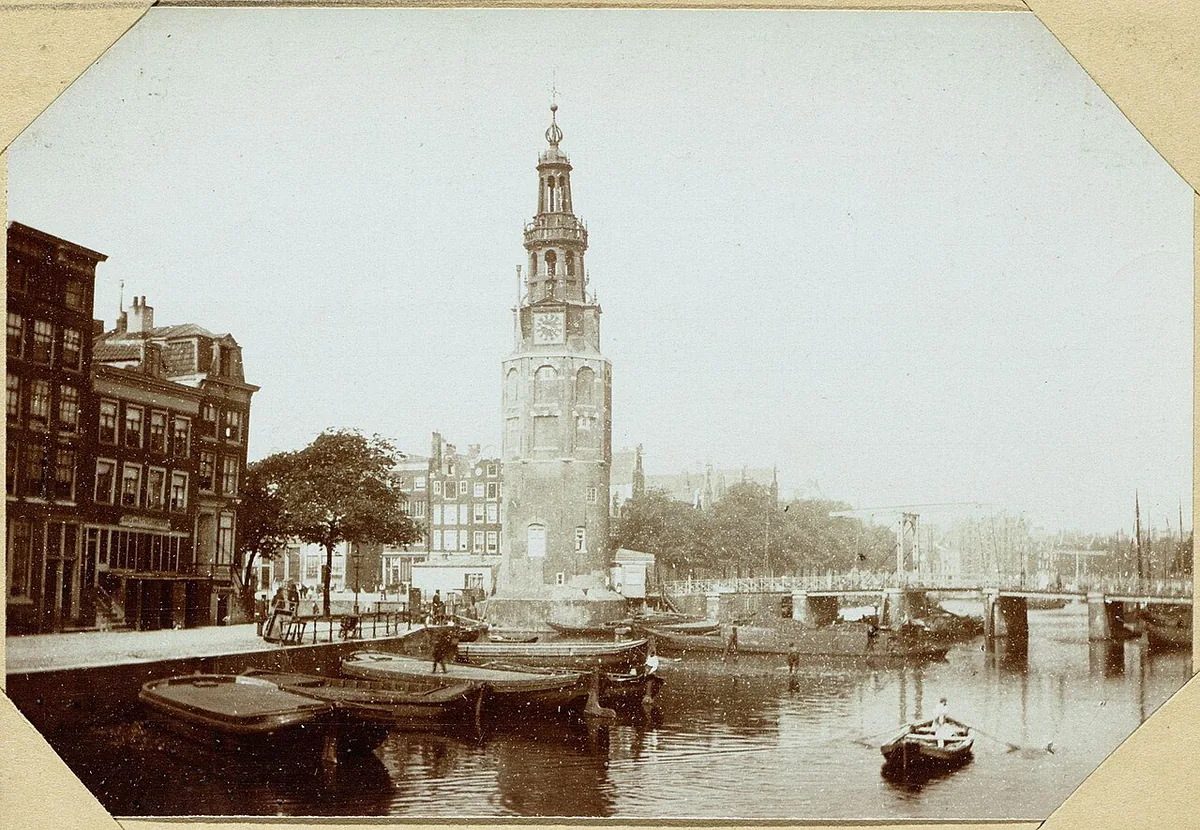
Montelbaanstoren
Montelbaanstoren marks Oudeschans with a 16th-century defensive base and a 1606 crown associated with Hendrick de Keyser. Its erratic clock earned the nickname Malle Jaap; later, the tower housed Amsterdam’s City Water Office.
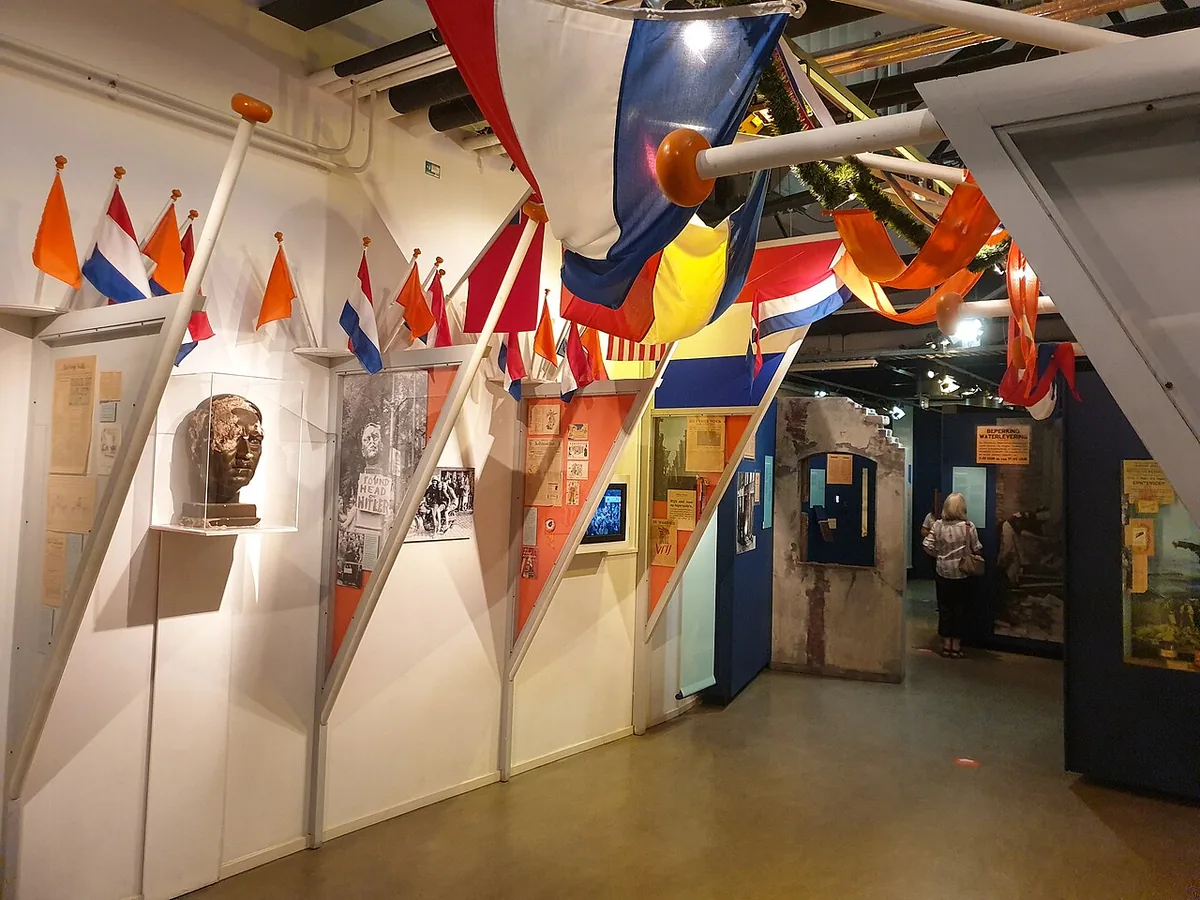
Verzetsmuseum Amsterdam
In the Plantage district, the Verzetsmuseum explores personal choices under Nazi occupation and the war’s colonial histories. Its home, the 1876 Plancius Building, began as a Jewish choral hall; across the street, resistance fighters attacked Amsterdam’s population registry in 1943.
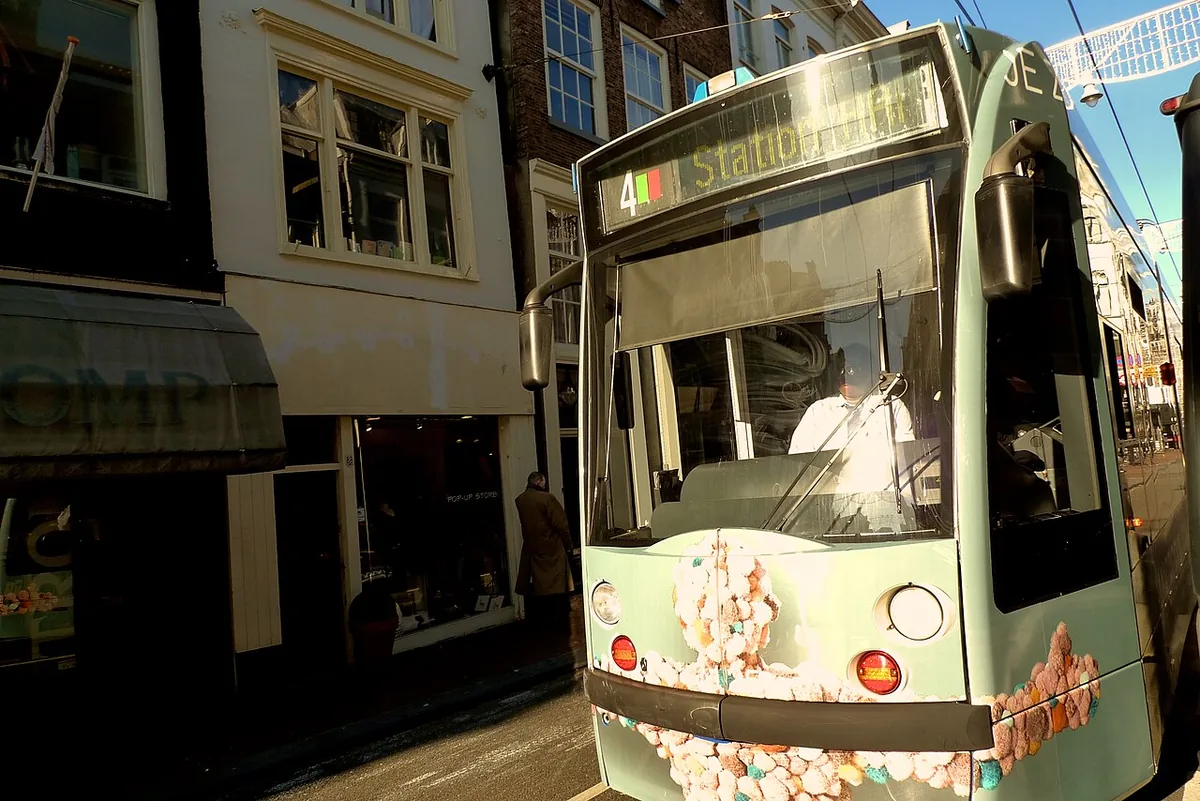
Micropia
ARTIS-Micropia turns the microbial world into something visitors can observe: living cultures, microscopes and interactive exhibits connect microbes to bodies, food and ecosystems. It occupies a restored ARTIS landmark with a complex history of science, civic records and wartime resistance.
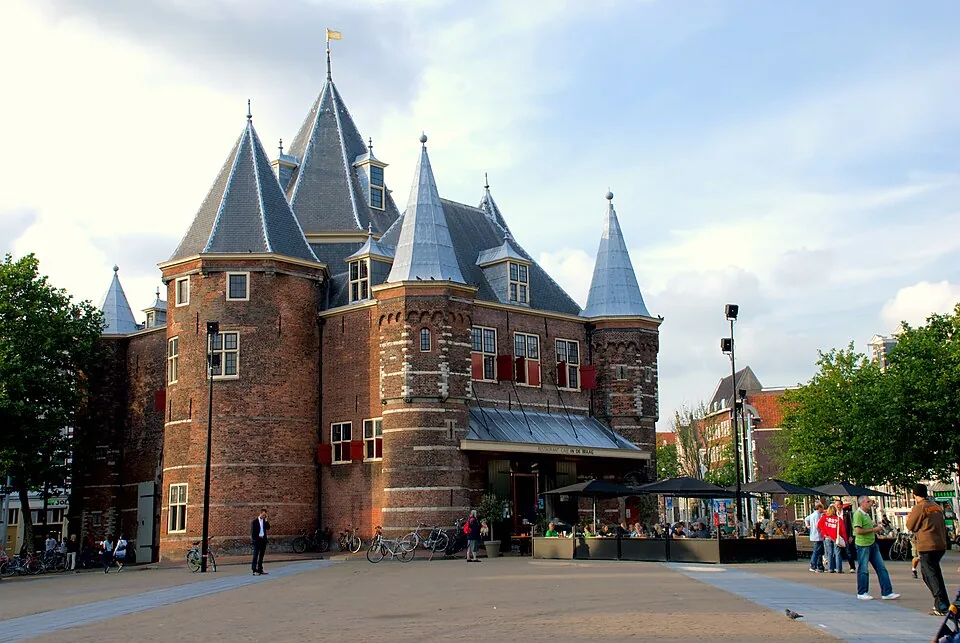
De Waag
De Waag began as Amsterdam’s Sint Anthoniespoort, a fortified eastern gate built in 1488. After the city expanded, it became a public weighing house in 1617, with guild rooms above and an anatomical theatre added in 1691. Its clustered towers trace centuries of changing city life.
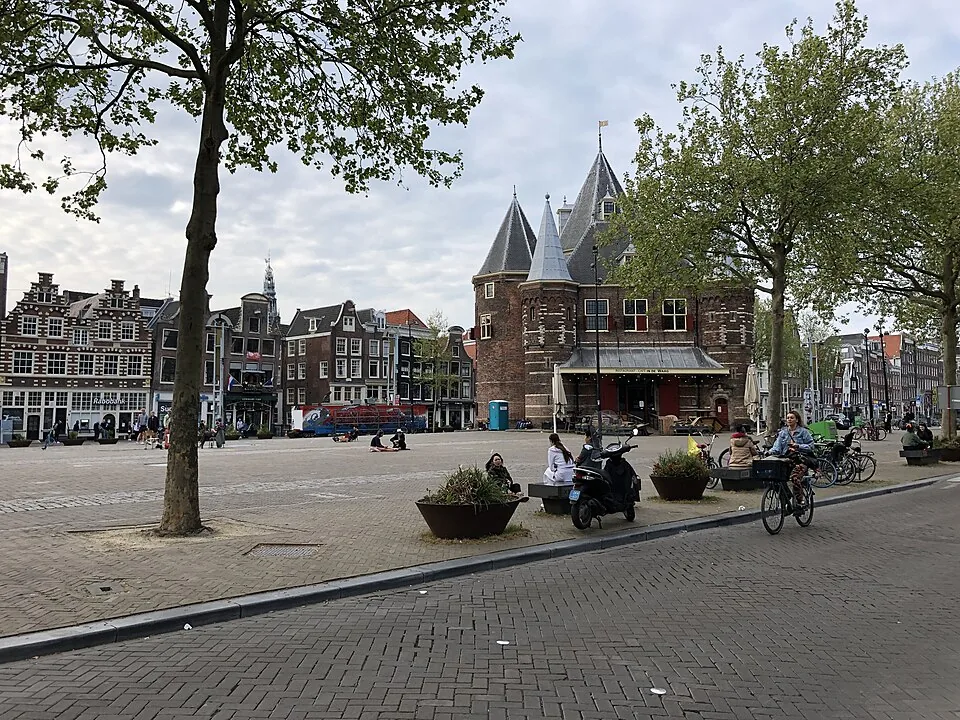
Nieuwmarkt
Nieuwmarkt grew around the Waag, a former city gate that became a public weighing house. The square’s changing uses—from trade to wartime persecution to modern protest—make it one of Amsterdam’s most layered public spaces.