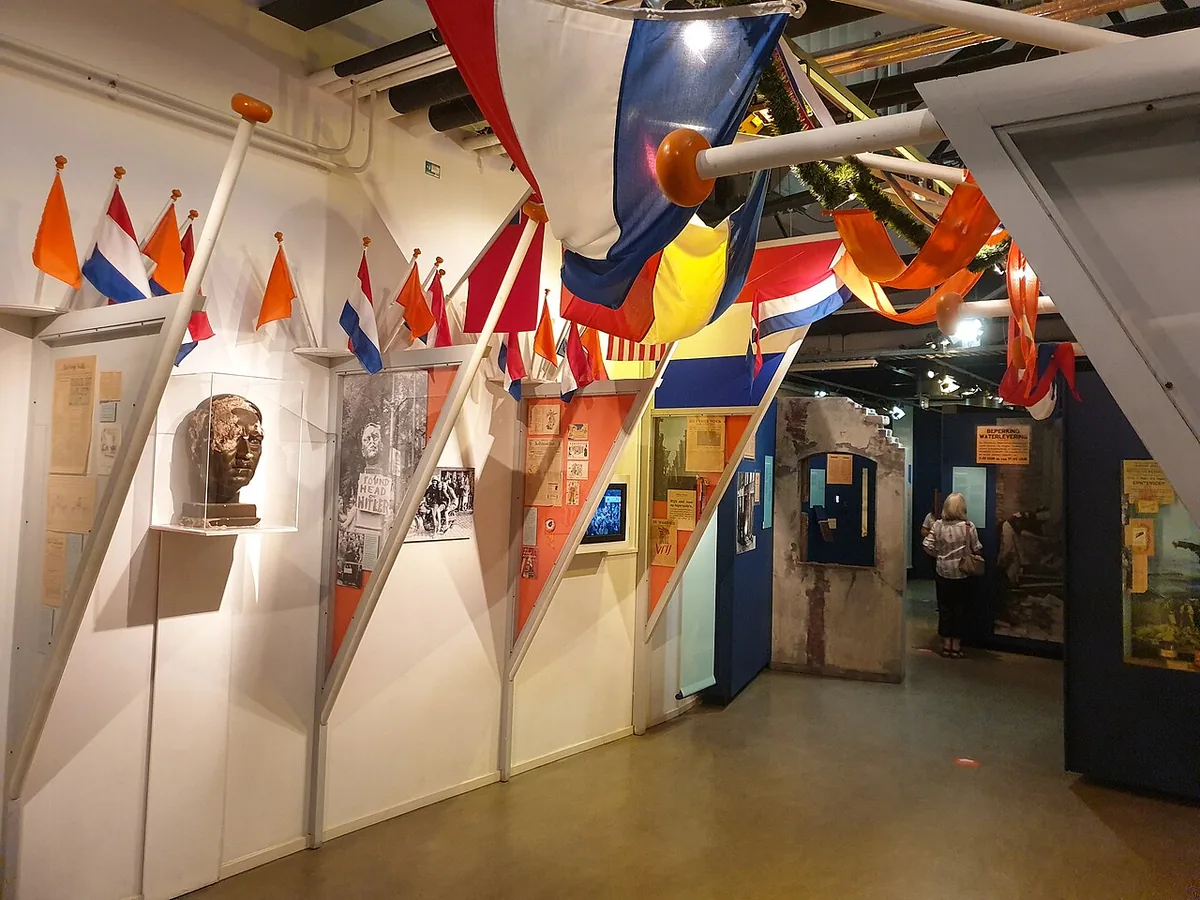
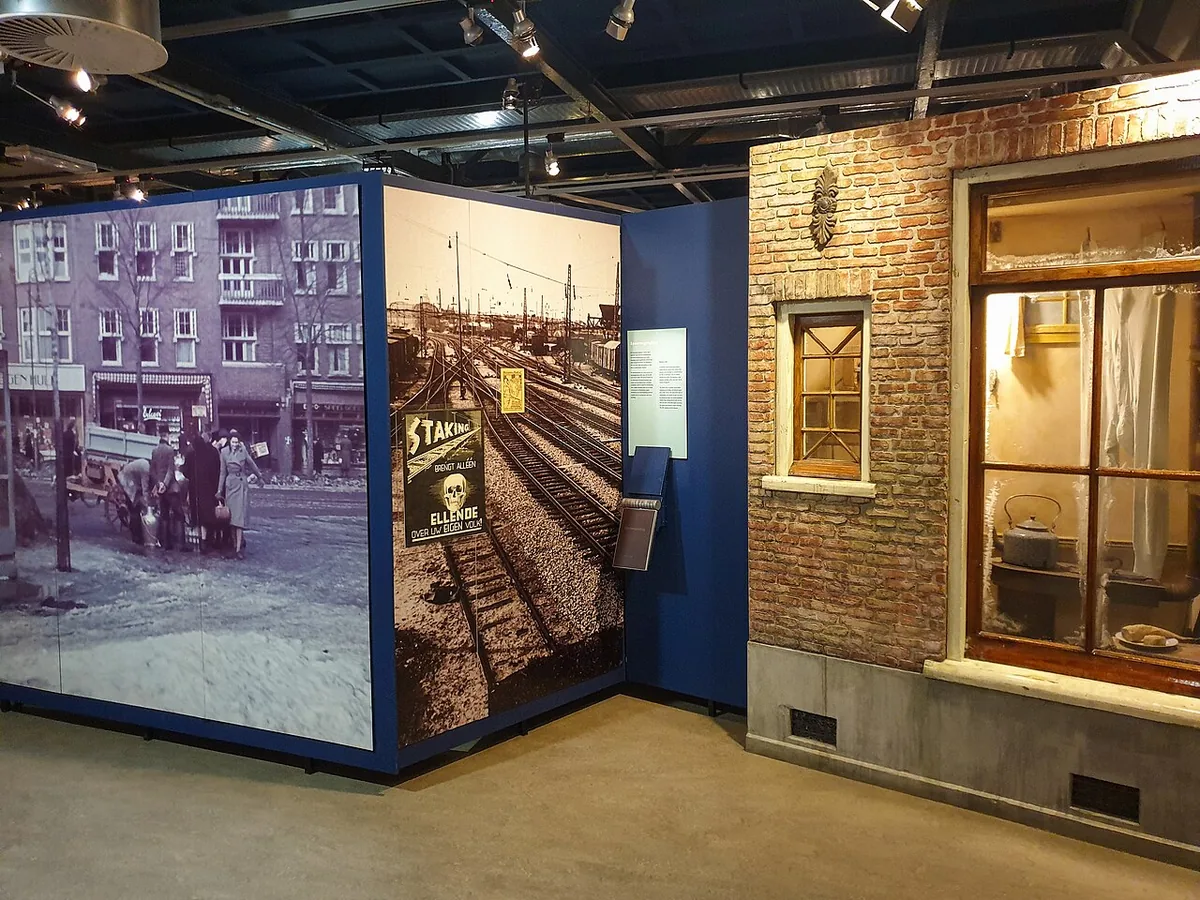
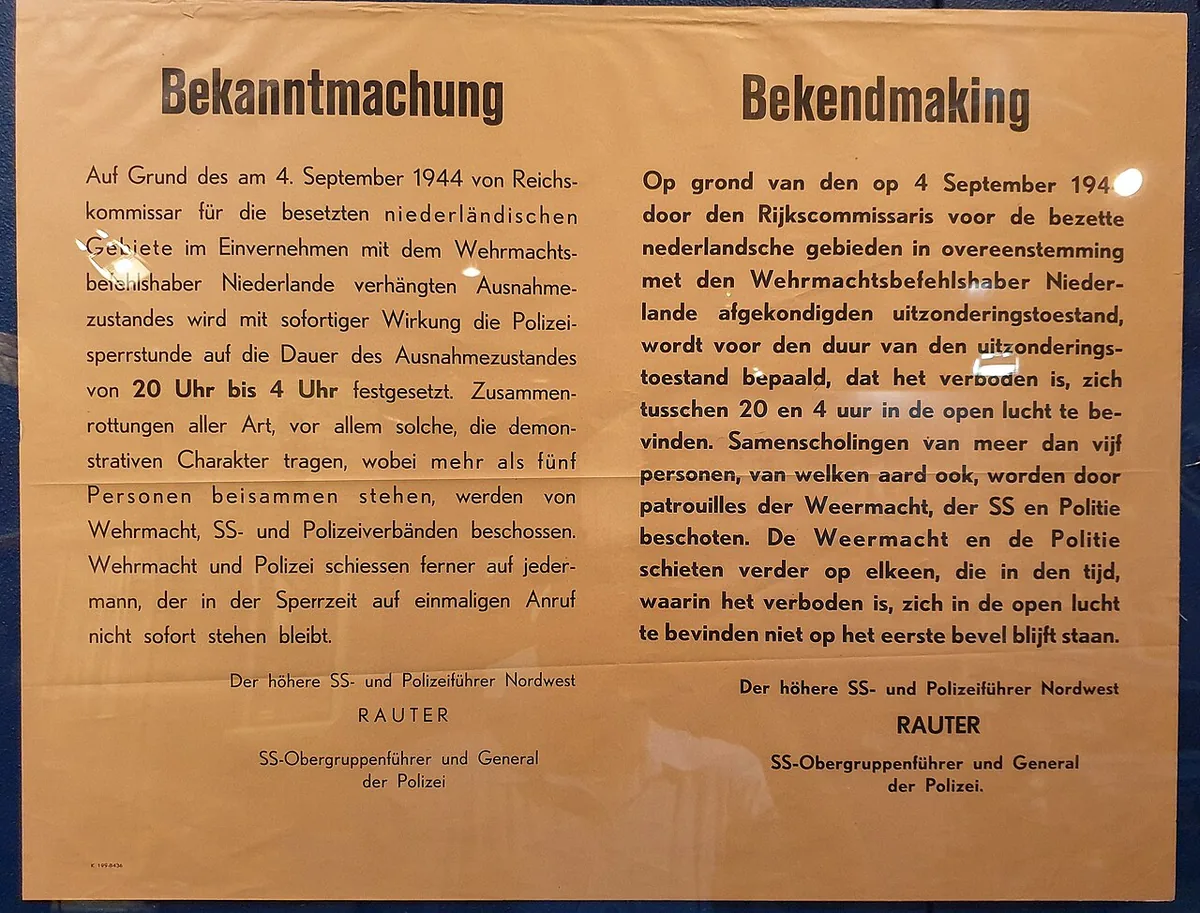
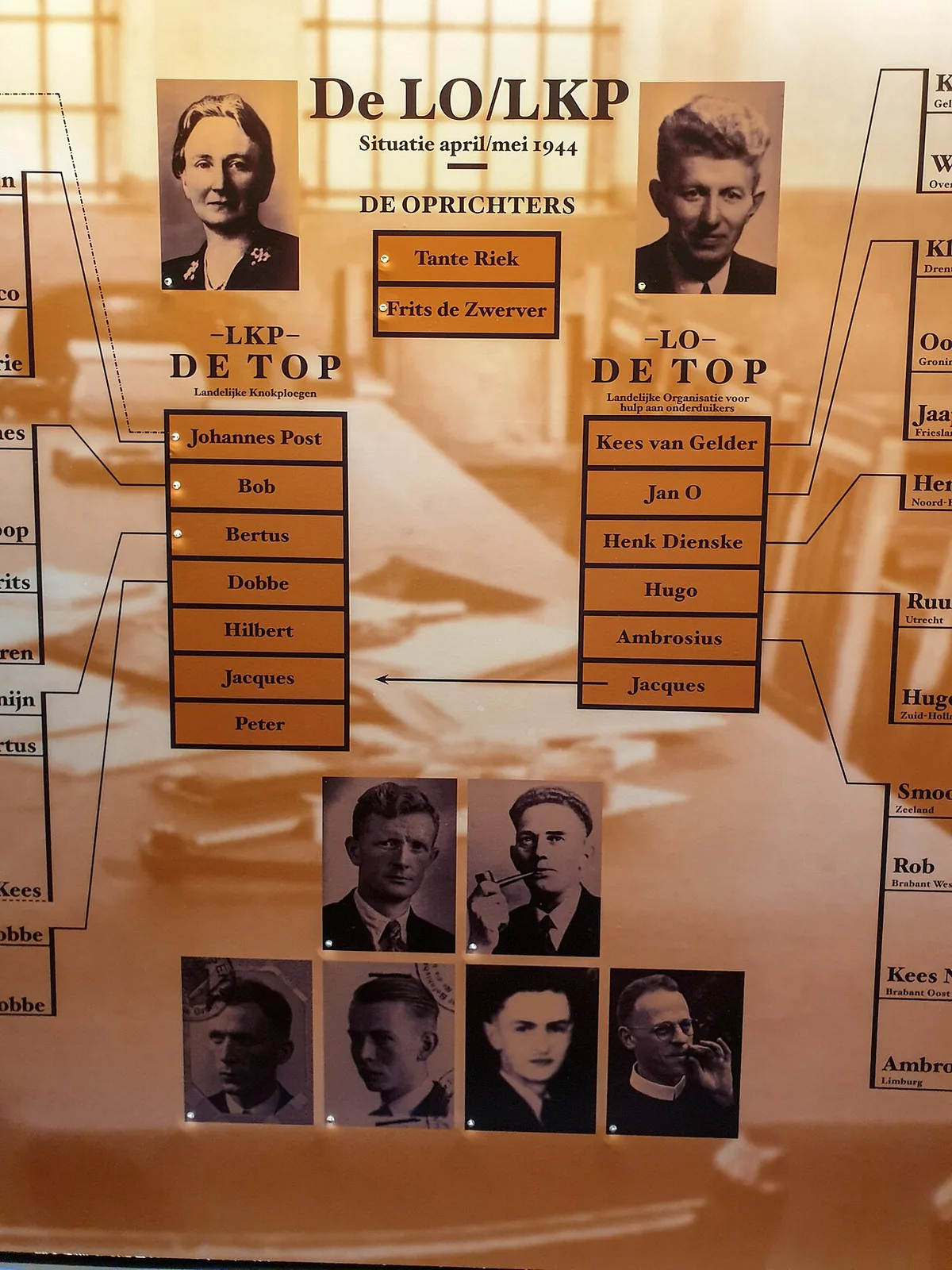
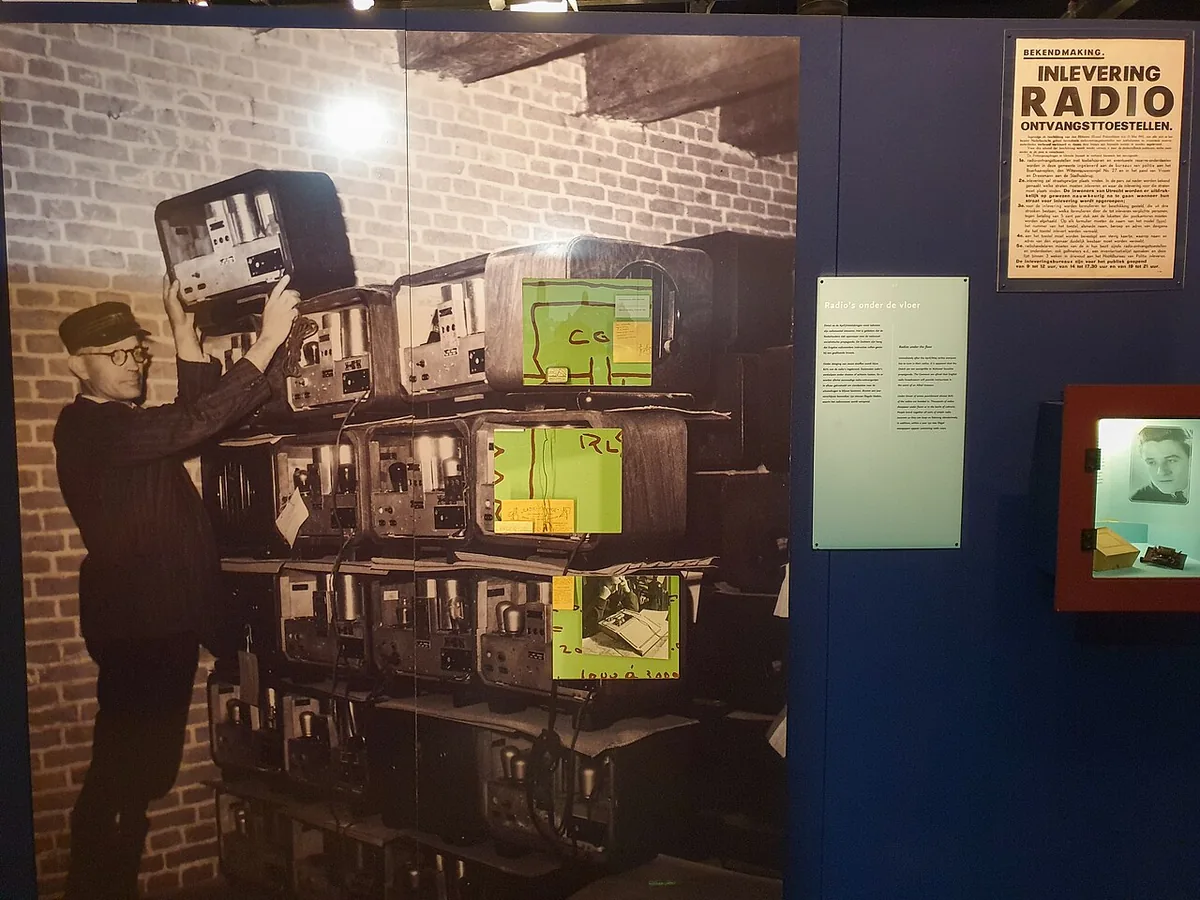
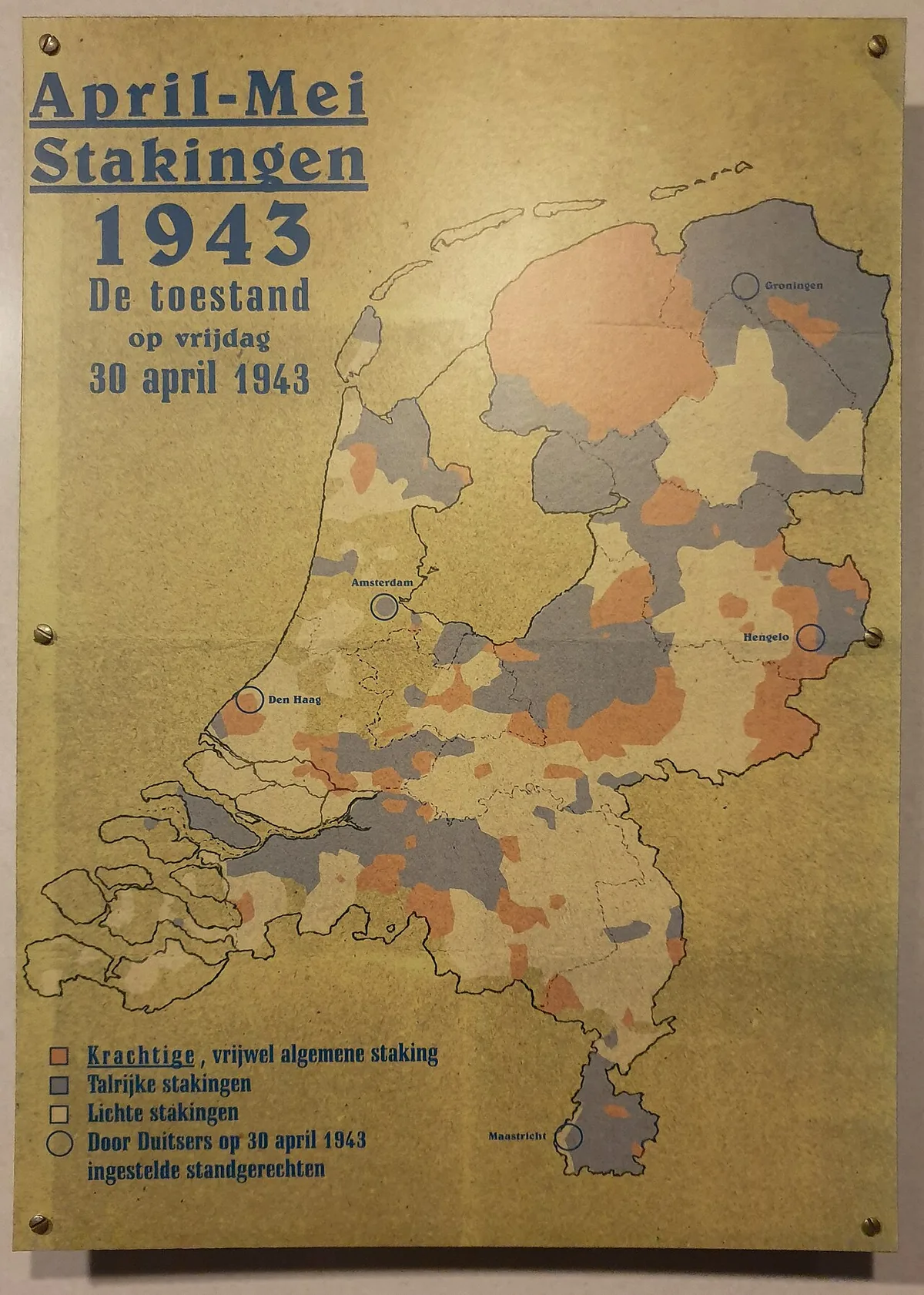
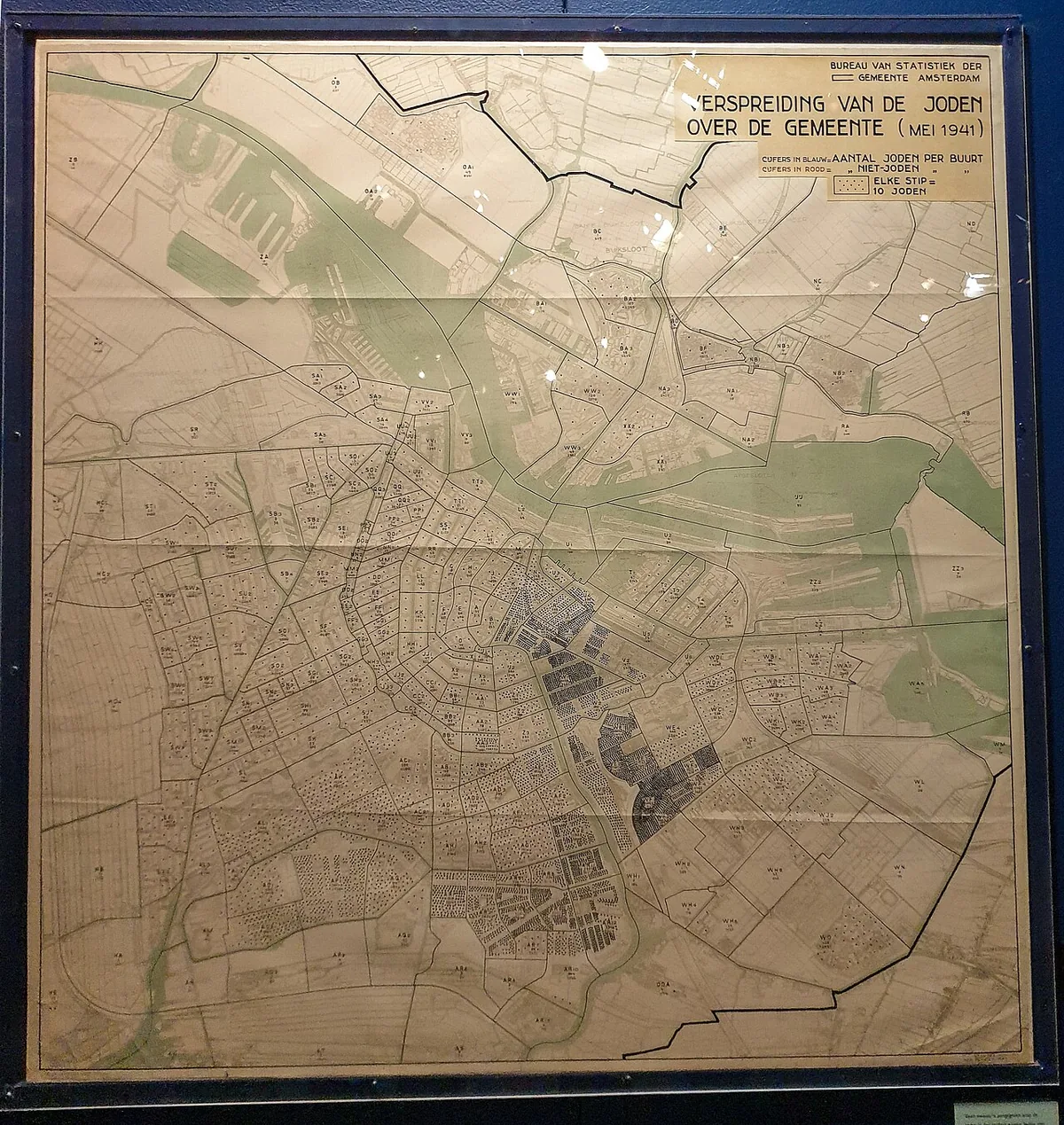
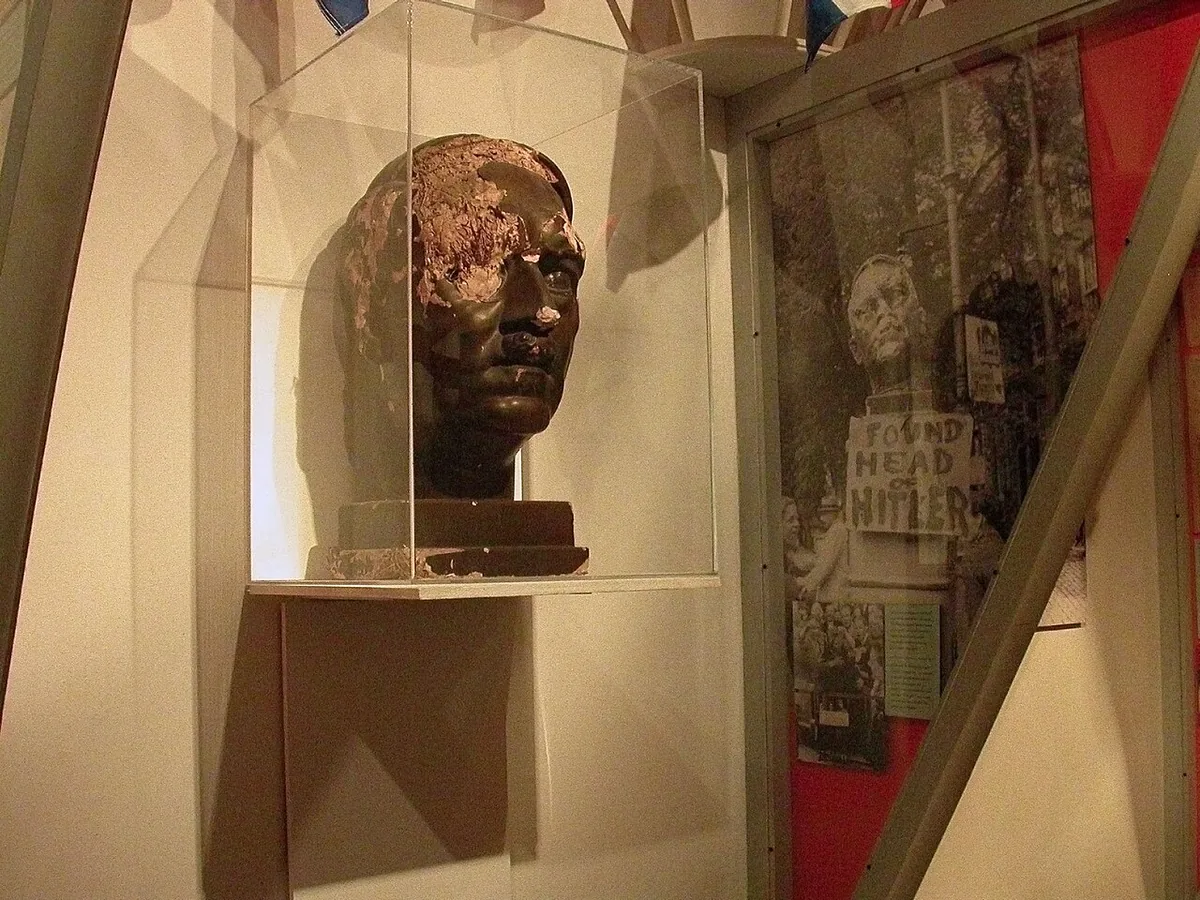
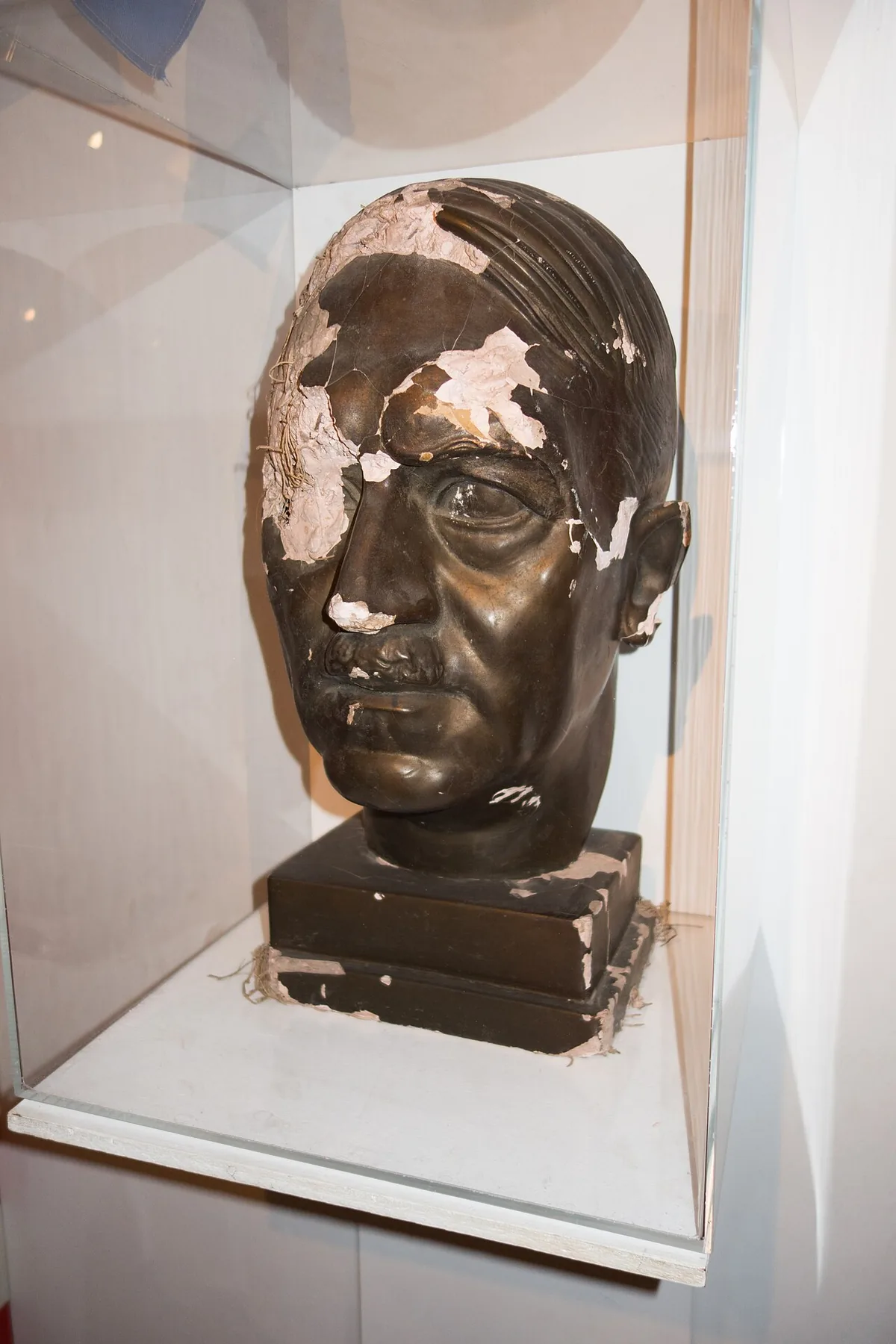

In the Plantage district, the Verzetsmuseum explores personal choices under Nazi occupation and the war’s colonial histories. Its home, the 1876 Plancius Building, began as a Jewish choral hall; across the street, resistance fighters attacked Amsterdam’s population registry in 1943.
Quick facts
Built between 1874 and 1876 for Jewish choral society Oefening Baart Kunst, the Plancius Building later hosted concerts, political meetings and synagogue services.
The Verzetsmuseum was founded in 1984, opened in 1985, and moved to the Plancius Building in 1999.
On 27 March 1943, resistance fighters attacked the Amsterdam population registry opposite the museum; Willem Arondéus and eleven others were executed for the action.
Get directions to Verzetsmuseum Amsterdam. Confirm the visitor entrance and current access with the venue before travelling.
Audio guide
Listen to this place’s guide.
Guide
Look up at the Plancius Building’s façade and you will find a Star of David above the entrance. It is not a later museum emblem. This building began as a home for Jewish music and public life; today the Verzetsmuseum Amsterdam uses it to explore resistance, persecution, survival and compromise under occupation, as well as the war’s longer reach into the former Dutch colonies. Its setting makes the museum’s histories especially tangible.
Continue exploring
Discover the full story
Keep reading with a travel pass and explore every full guide and tour.
UpgradeMore places in Amsterdam
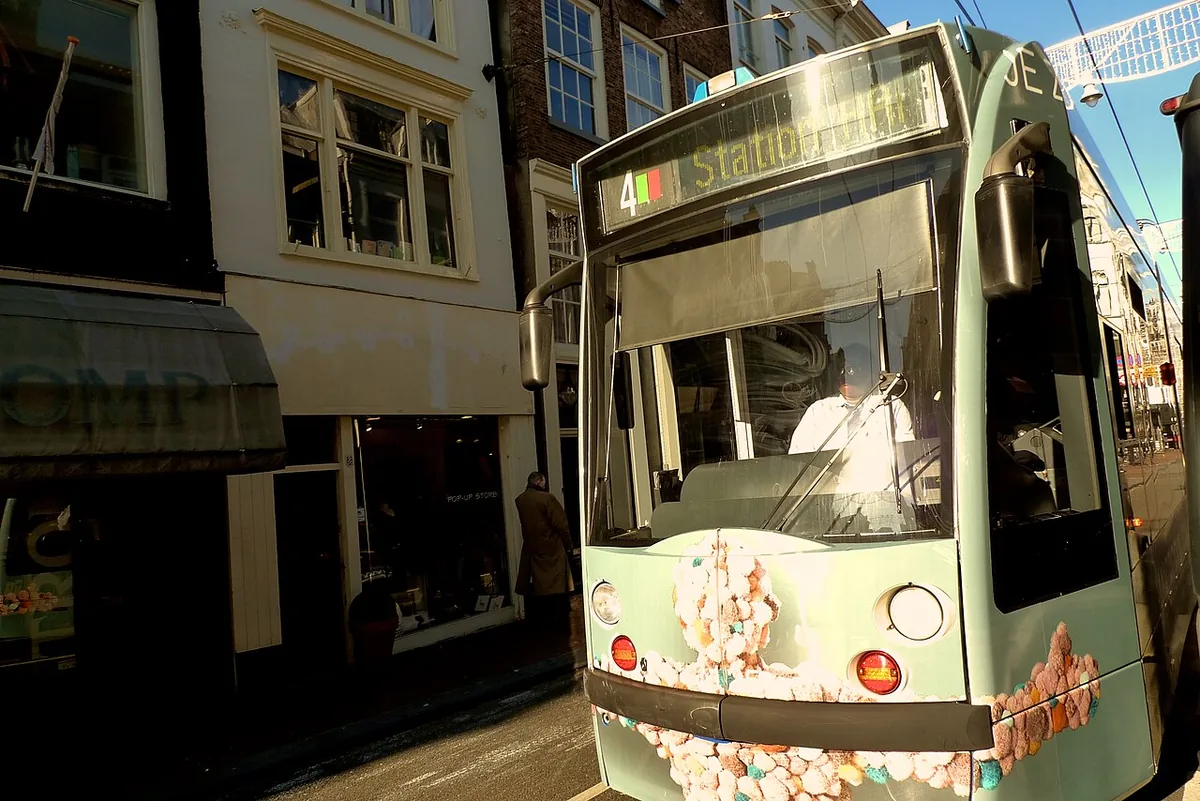
Micropia
ARTIS-Micropia turns the microbial world into something visitors can observe: living cultures, microscopes and interactive exhibits connect microbes to bodies, food and ecosystems. It occupies a restored ARTIS landmark with a complex history of science, civic records and wartime resistance.

Artis Royal Zoo
Founded in 1838, ARTIS grew from a members’ society for studying living and preserved nature into Amsterdam’s historic zoo and museum landscape. Its grounds preserve nineteenth-century buildings and paths, while the Groote Museum invites visitors to reconsider how people have classified and related
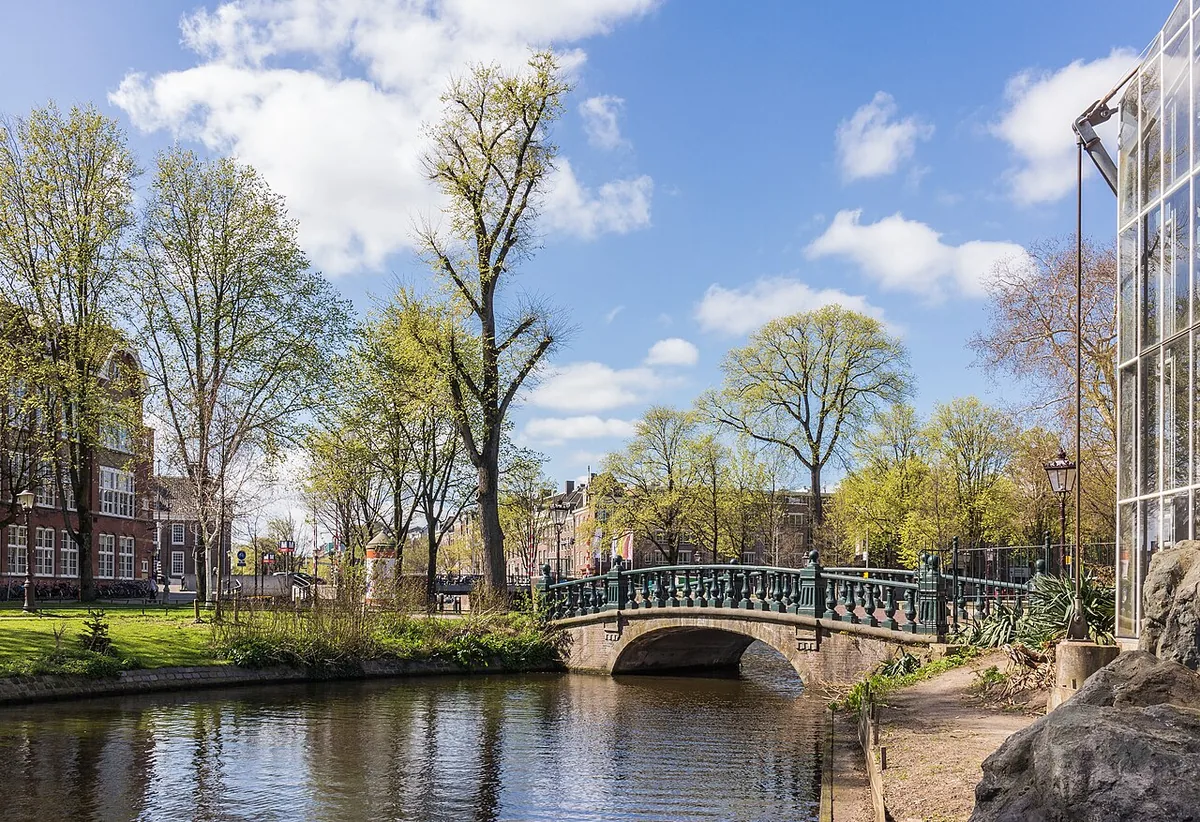
Hortus Botanicus
Amsterdam’s Hortus Botanicus grew from a 1638 medicinal garden into a living botanical collection. At the Plantage site since 1682, it brings historic catalogues, glasshouses, plant science and the city’s global trade histories together.
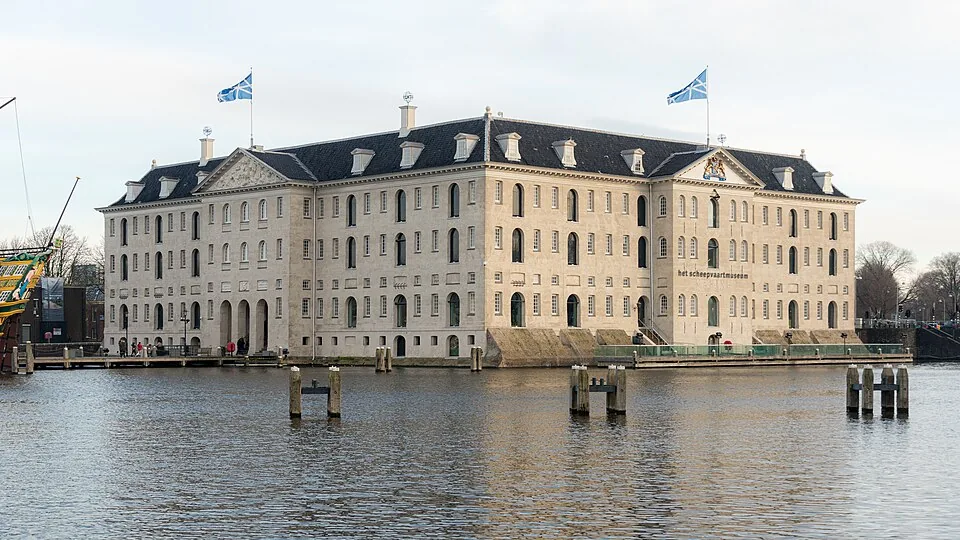
Het Scheepvaartmuseum
Inside the 1656 Admiralty storehouse on Kattenburg, rainwater cisterns, ship supplies and a modern compass-inspired glass roof reveal how Amsterdam equipped its fleet. The museum connects maritime skill with the labor, conflict and colonial violence behind ocean travel.
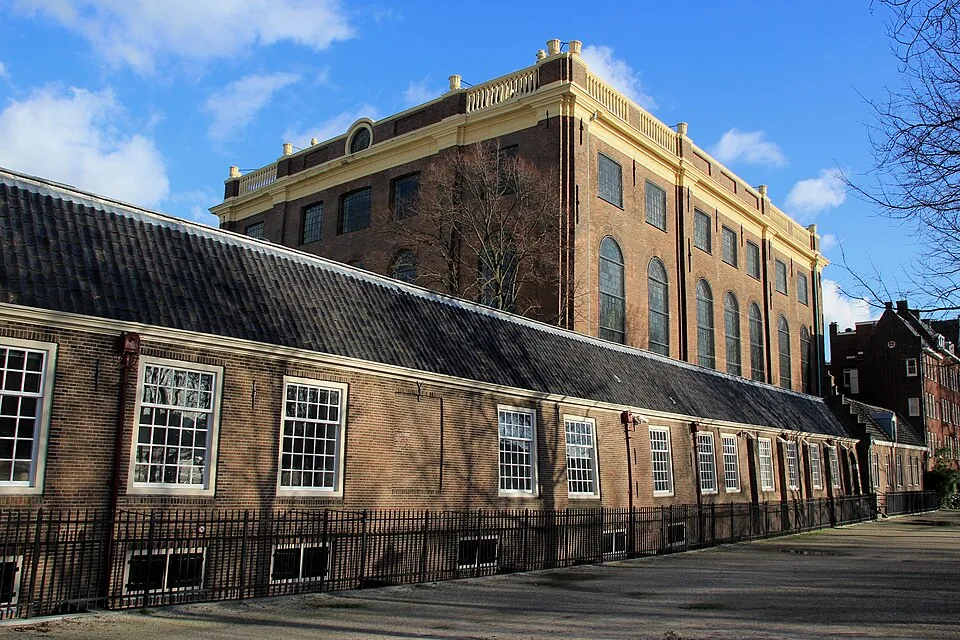
Portuguese Synagogue
Amsterdam’s Portuguese Synagogue, or Esnoga, is an active place of Sephardic worship, opened in 1675. Its historic interior centers on a tebah and Torah ark, with candle chandeliers and a sanded pine floor still linking the space to its religious use today.
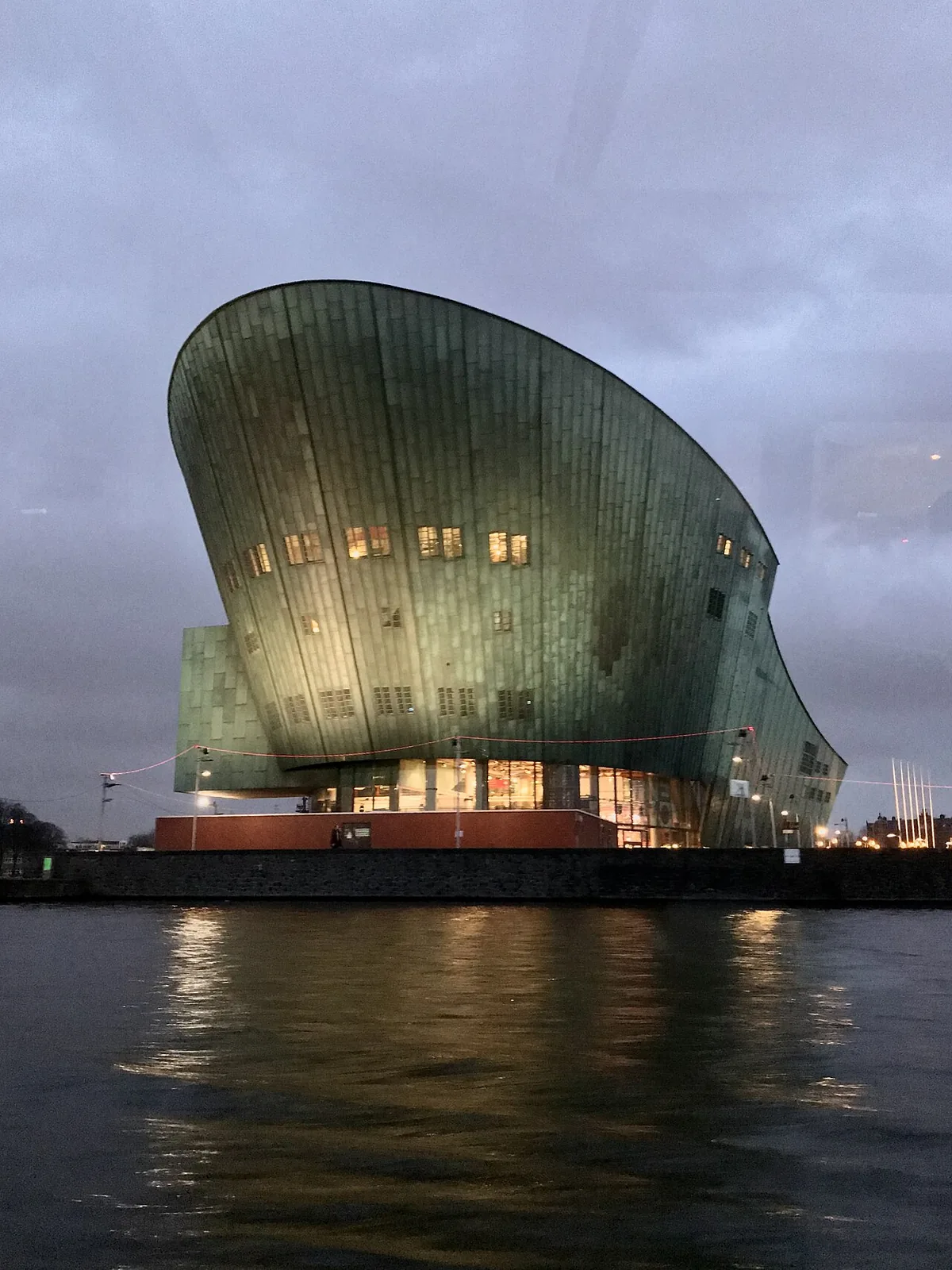
NEMO Science Museum
NEMO Science Museum rises above the Oosterdok on the curve of the IJtunnel. Renzo Piano’s copper-green building turns an engineering constraint into a public rooftop square; inside, hands-on science continues an institution’s long reinvention from a workers’ museum founded in 1923.