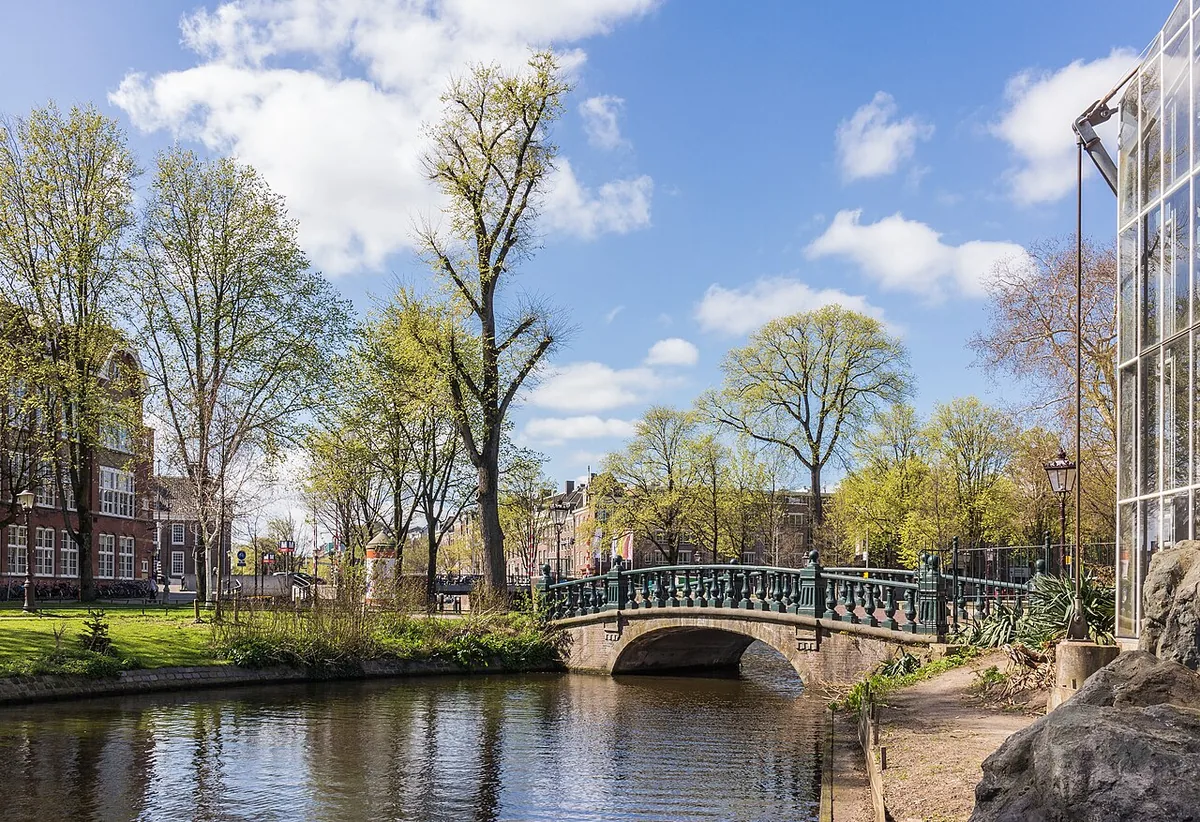
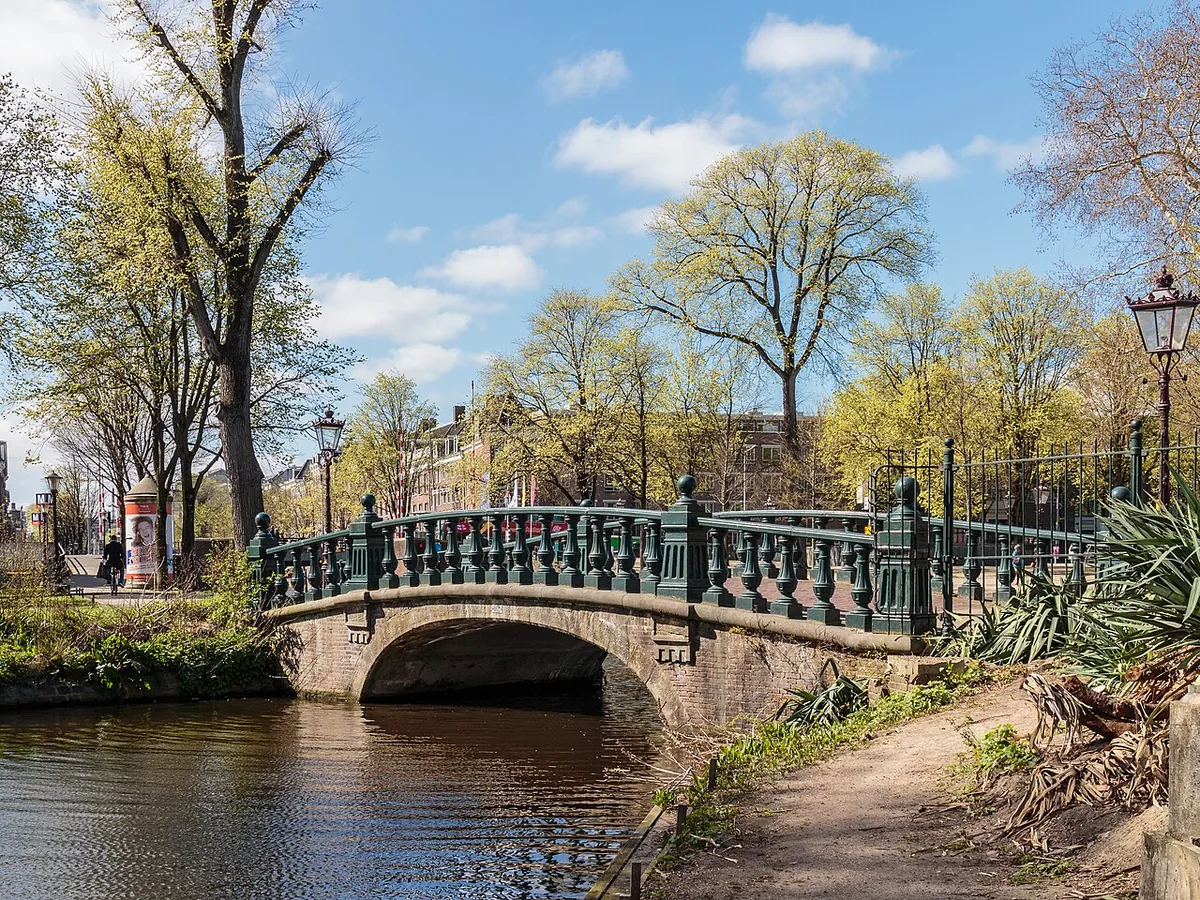
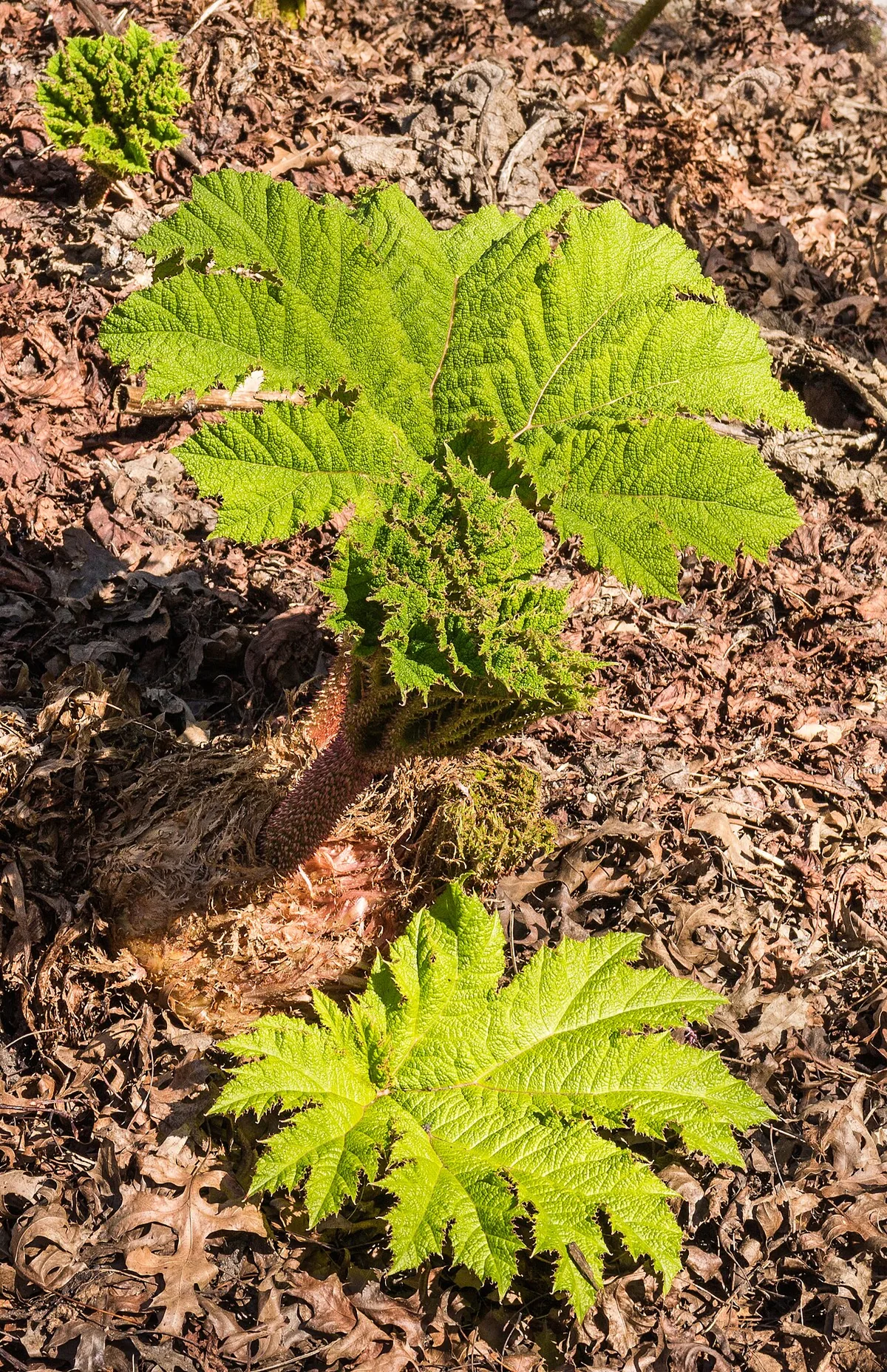
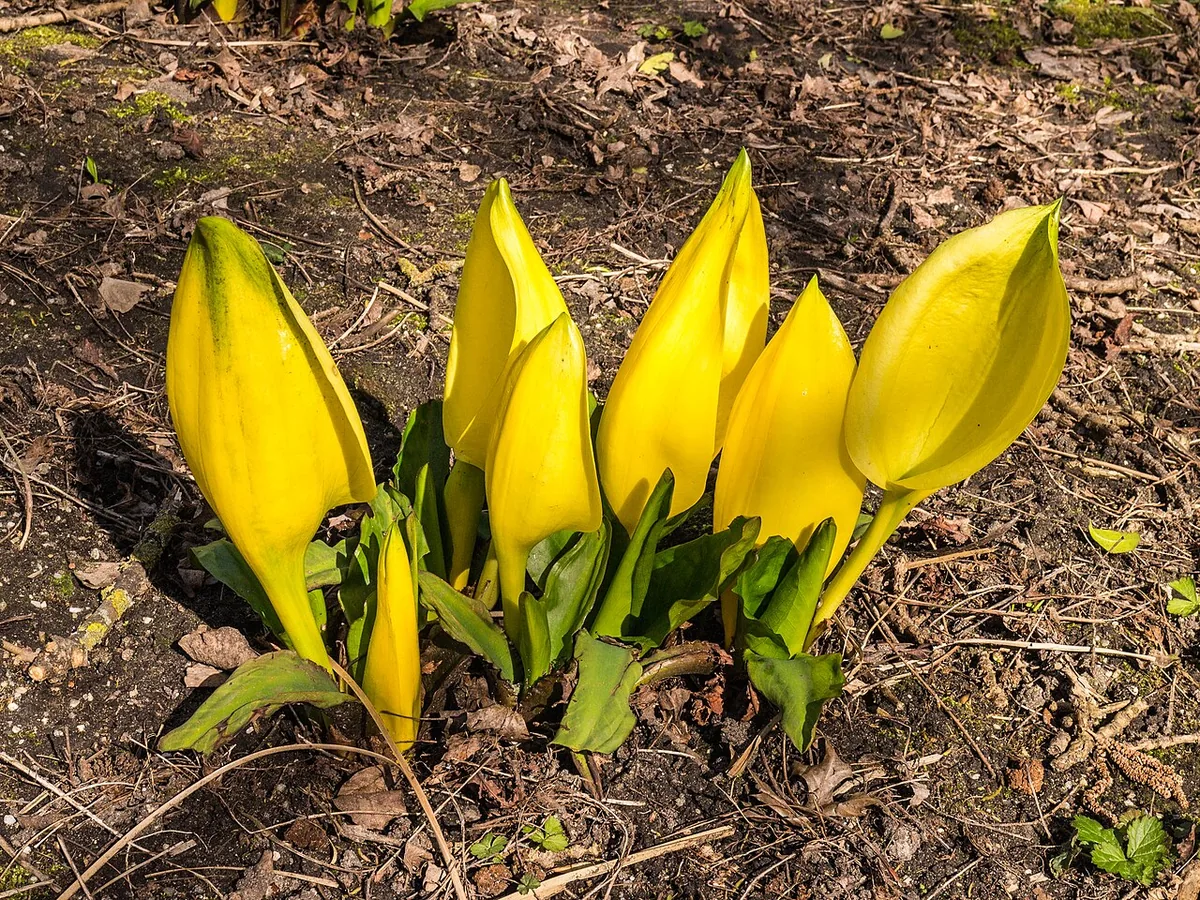
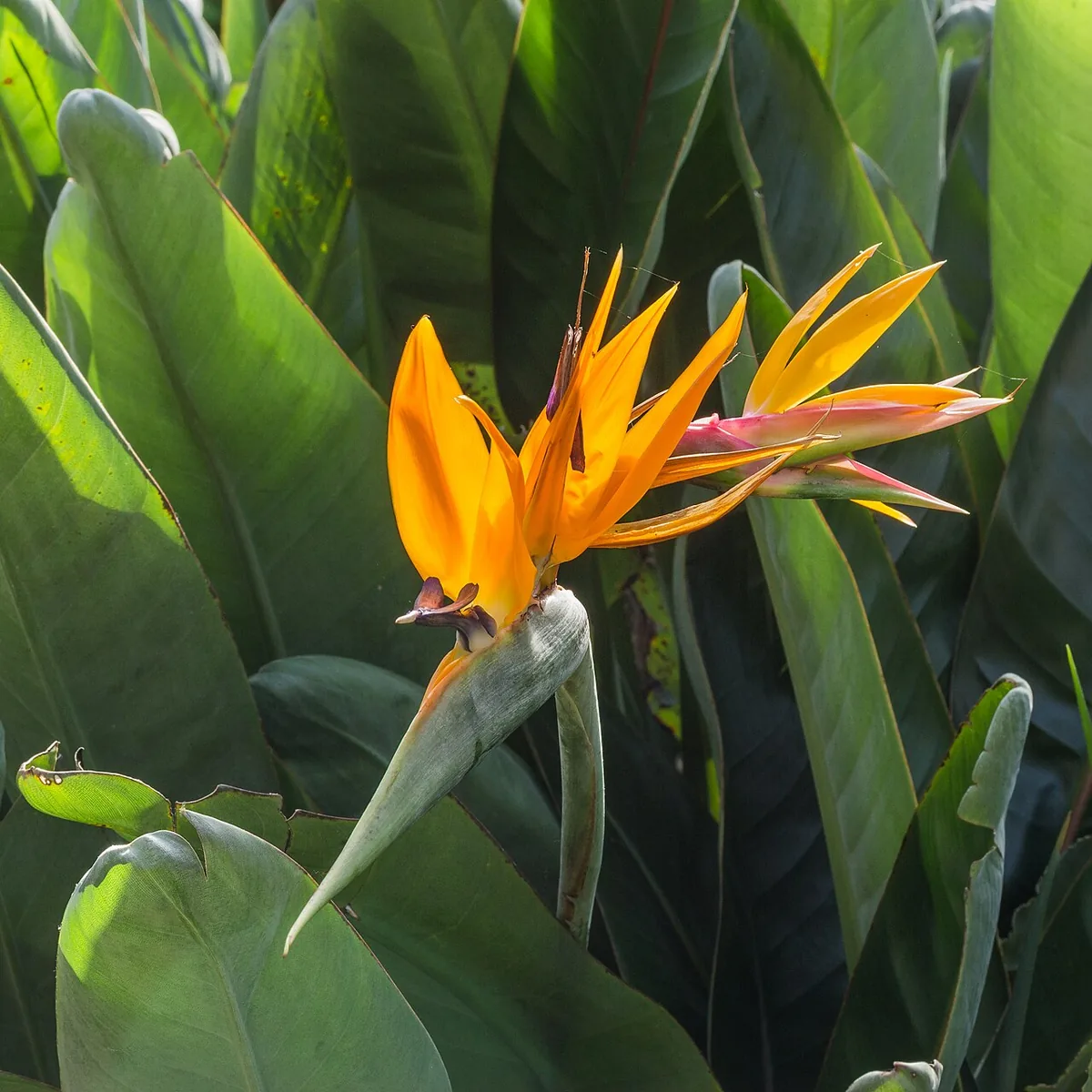
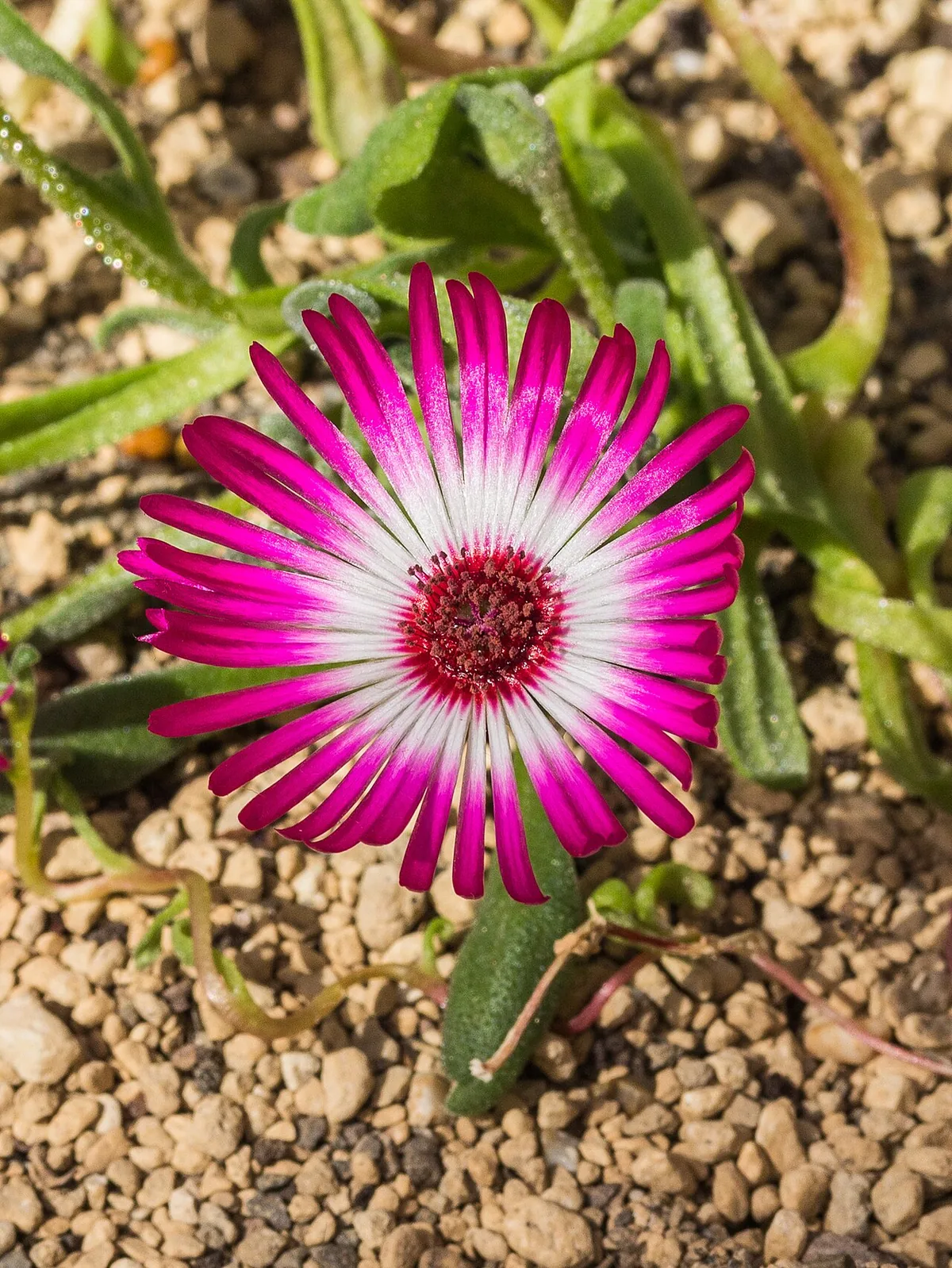
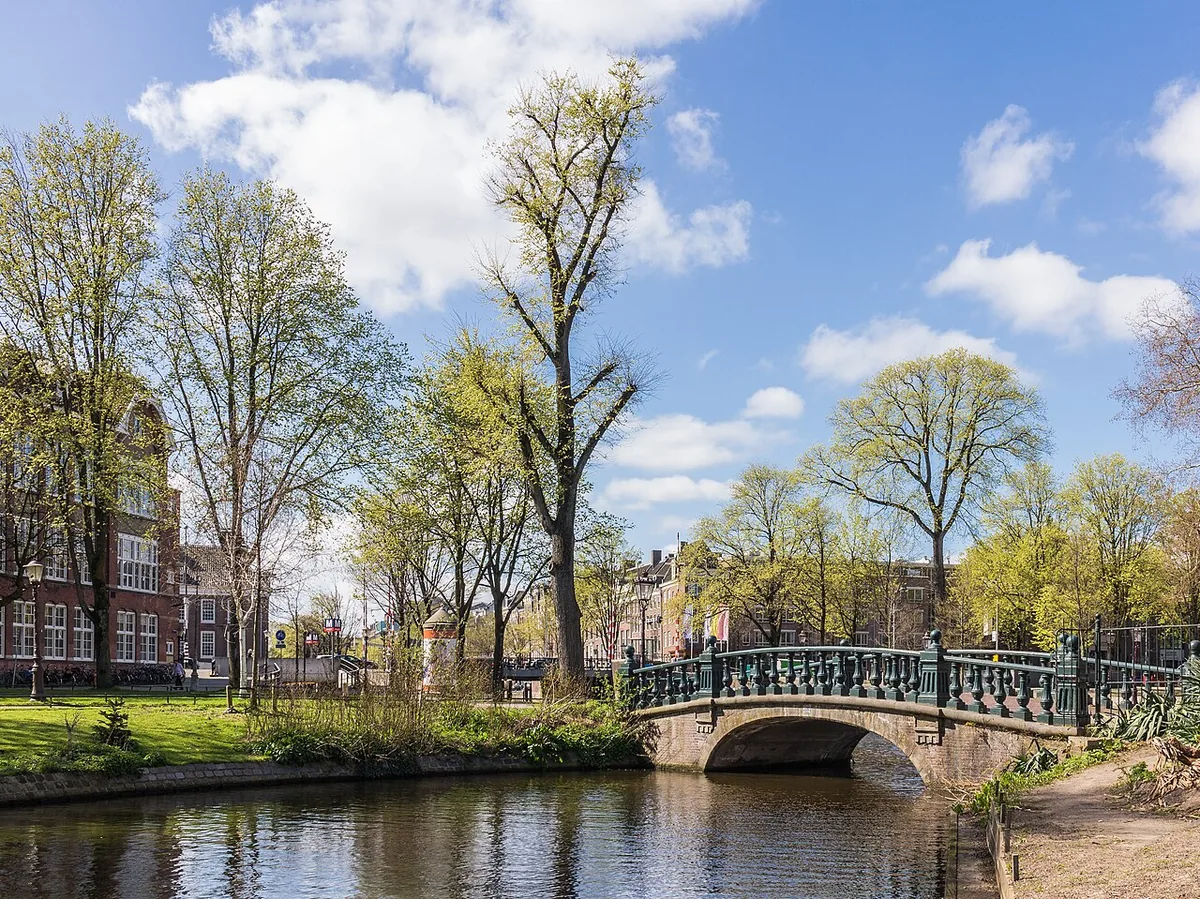
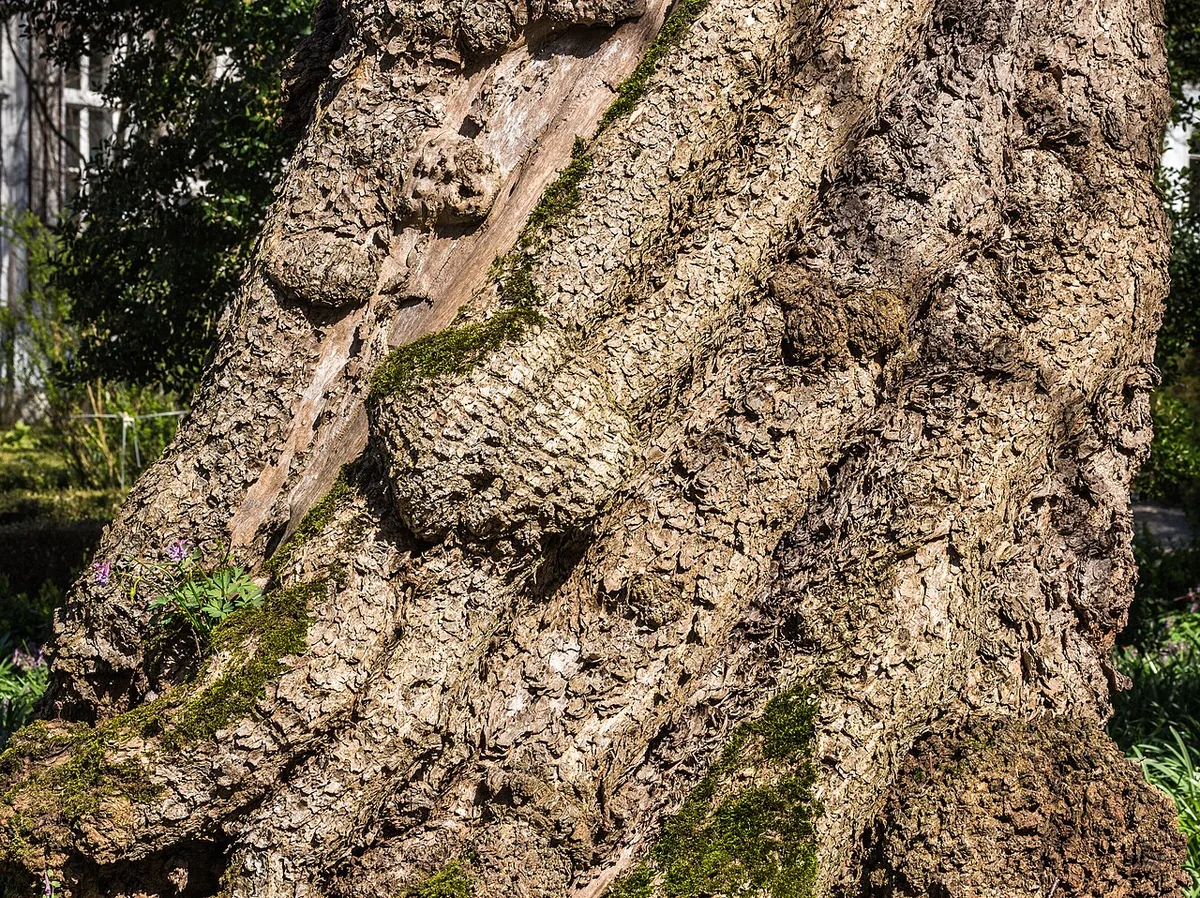

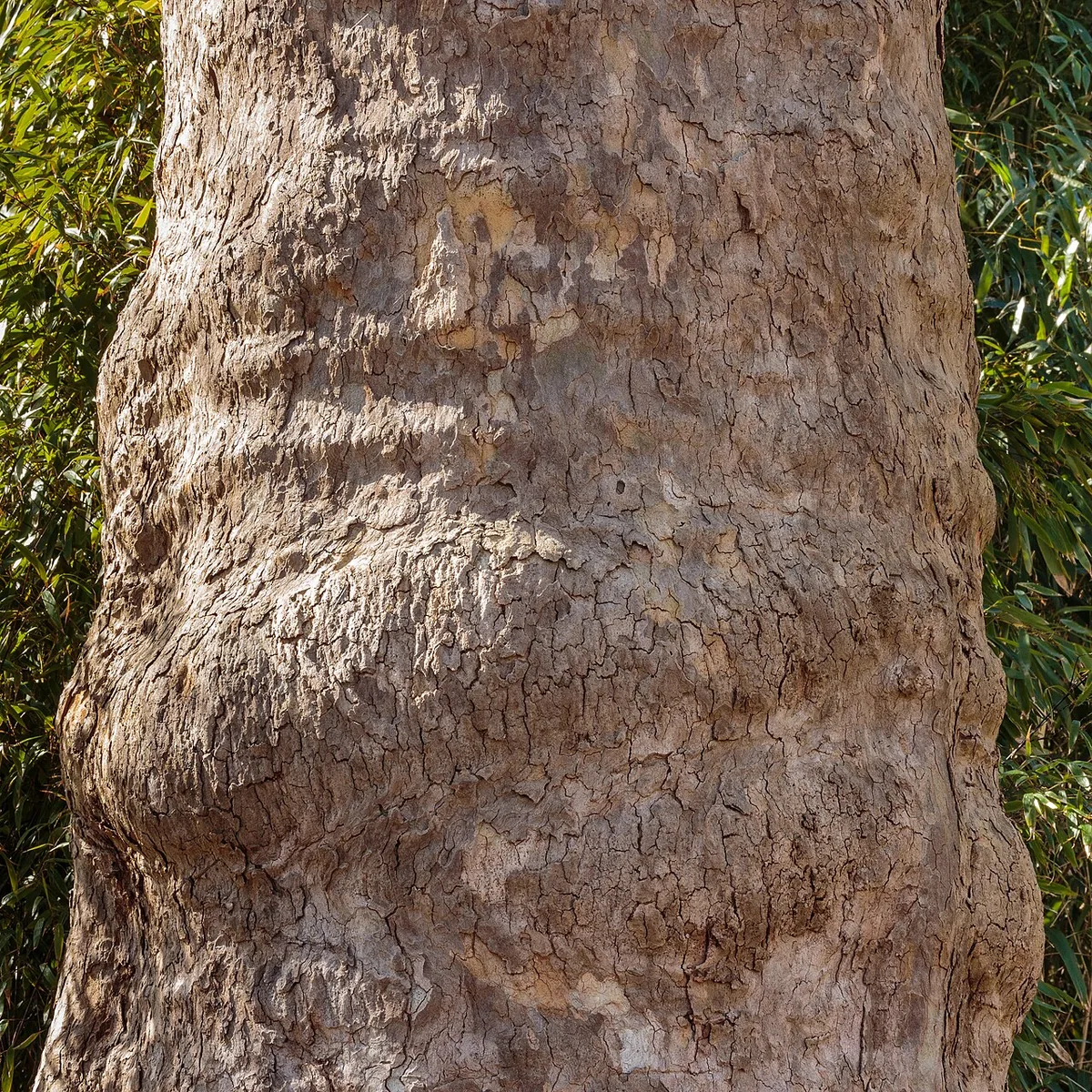
Amsterdam’s Hortus Botanicus grew from a 1638 medicinal garden into a living botanical collection. At the Plantage site since 1682, it brings historic catalogues, glasshouses, plant science and the city’s global trade histories together.
Quick facts
The Hortus was founded in 1638 as Amsterdam’s medicinal garden and moved to its current Plantage site in 1682.
Johannes Snippendaal catalogued 796 plant species in 1646; plants in today’s Snippendaal Garden appeared in that list, though its layout is modern.
The Palm House was built in 1911–12 as a replacement palm-and-fern greenhouse and is part of the protected historic garden complex.
Get directions to Hortus Botanicus. Confirm the visitor entrance and current access with the venue before travelling.
Audio guide
Listen to this place’s guide.
Guide
At Hortus Botanicus Amsterdam, a garden bed can preserve a piece of history without pretending to recreate the past. The Snippendaal Garden contains plants recorded in a 1646 catalogue, but its present arrangement is modern: the original beds are unknown. That distinction captures the character of this place. It is a living botanical collection, continually tended, layered over nearly four centuries of teaching, collecting, research and civic care.
Continue exploring
Discover the full story
Keep reading with a travel pass and explore every full guide and tour.
UpgradeMore places in Amsterdam
Portuguese Synagogue
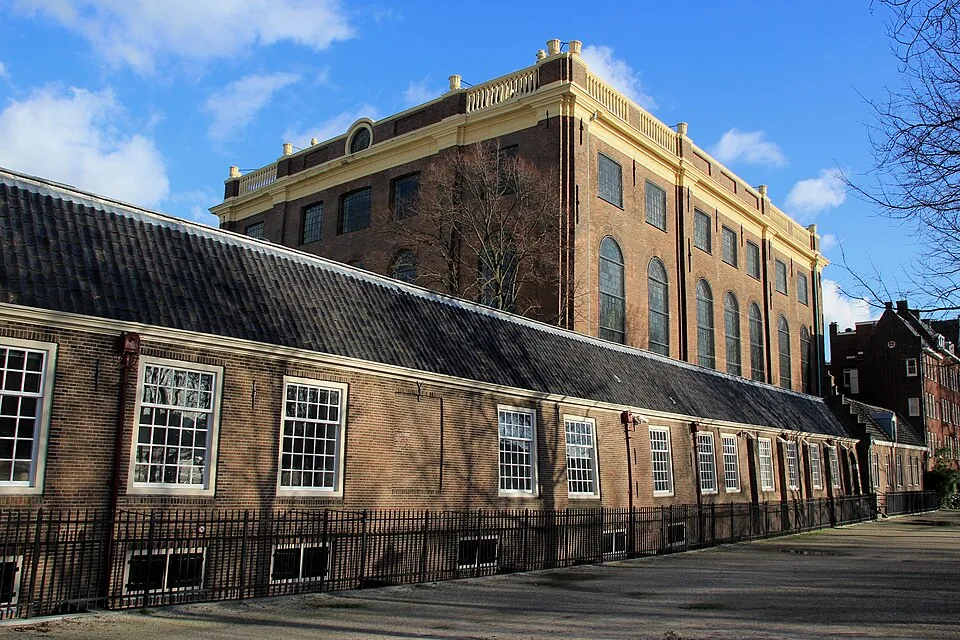
Amsterdam’s Portuguese Synagogue, or Esnoga, is an active place of Sephardic worship, opened in 1675. Its historic interior centers on a tebah and Torah ark, with candle chandeliers and a sanded pine floor still linking the space to its religious use today.
Micropia
ARTIS-Micropia turns the microbial world into something visitors can observe: living cultures, microscopes and interactive exhibits connect microbes to bodies, food and ecosystems. It occupies a restored ARTIS landmark with a complex history of science, civic records and wartime resistance.
Verzetsmuseum Amsterdam
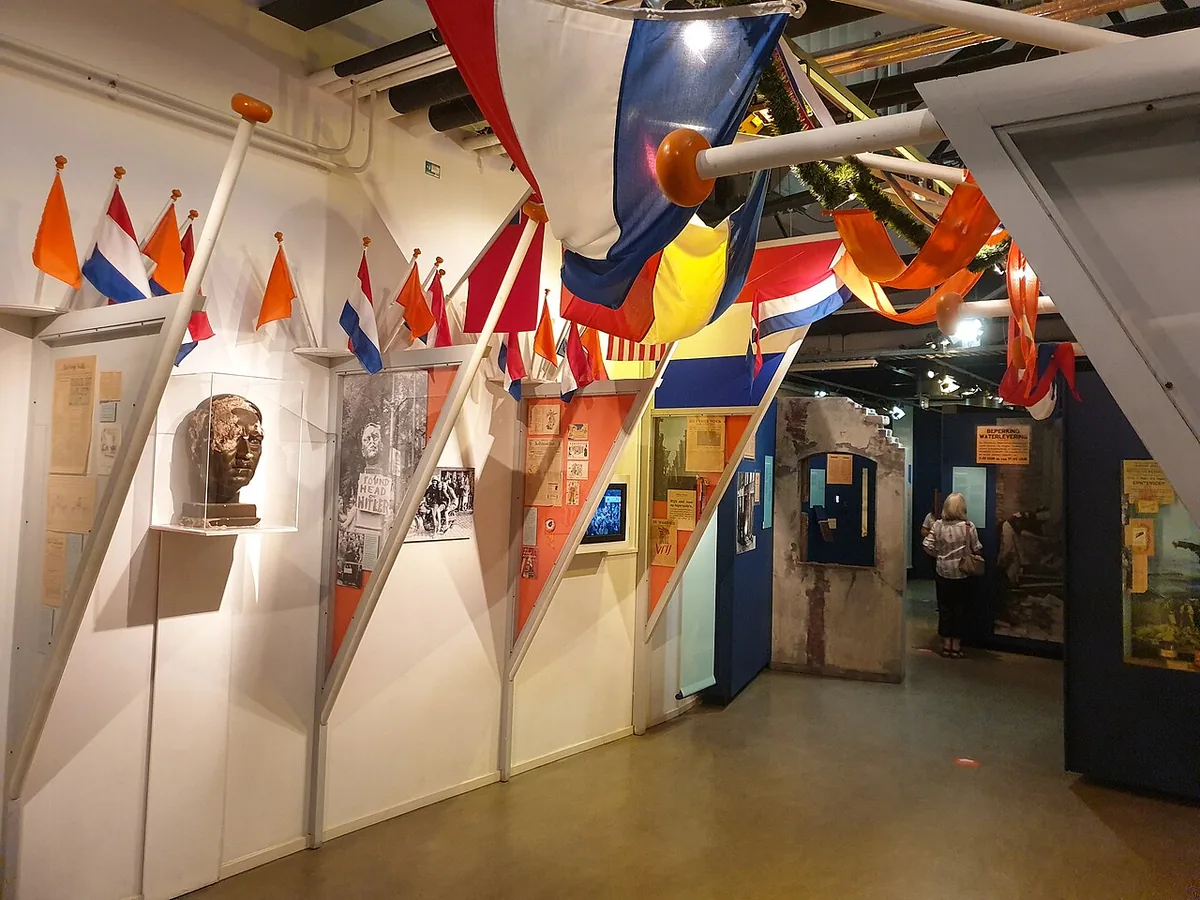
In the Plantage district, the Verzetsmuseum explores personal choices under Nazi occupation and the war’s colonial histories. Its home, the 1876 Plancius Building, began as a Jewish choral hall; across the street, resistance fighters attacked Amsterdam’s population registry in 1943.
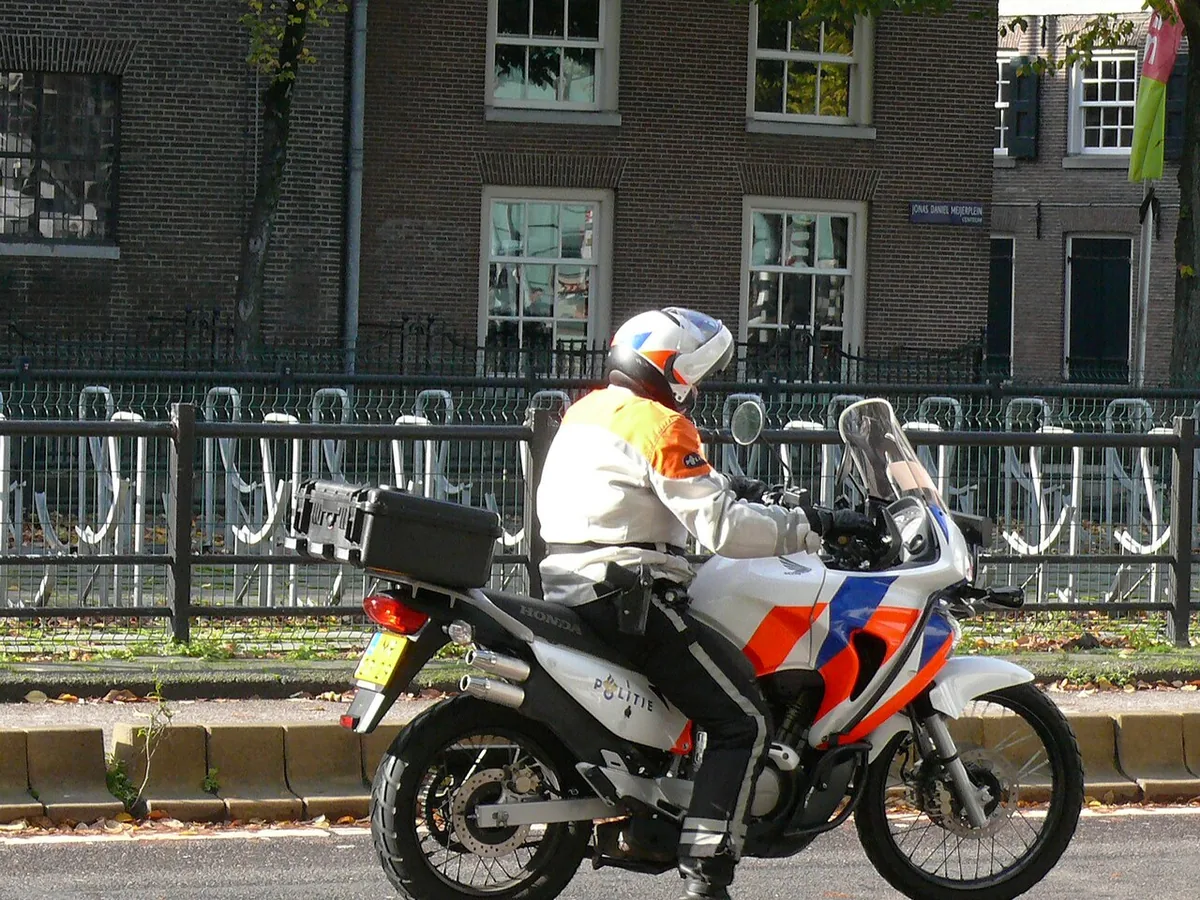
Jewish Historical Museum
Amsterdam’s Jewish Museum + junior (formerly the Jewish Historical Museum) occupies four connected Ashkenazi synagogues on Jonas Daniël Meijerplein. Their restored interiors and modern links trace both centuries of Jewish communal life and the buildings’ transformation into a museum.
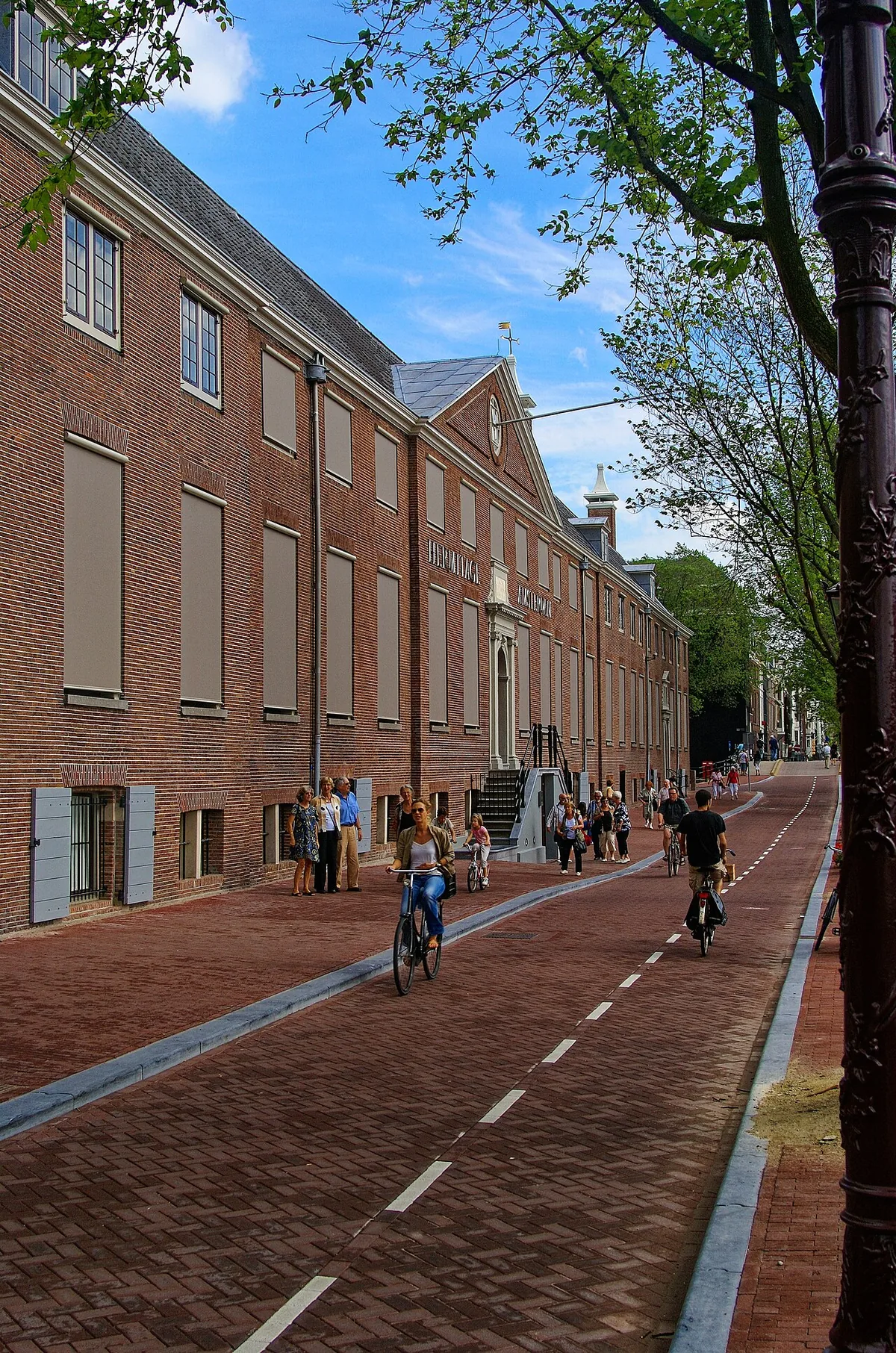
H’ART Museum
H’ART Museum occupies the Amstelhof, a riverside care home built for older women in the 1680s. Its long façade and courtyard reflect church-run care, while later museum chapters—from Hermitage Amsterdam to international partnerships—show how the building continues to serve a changing city.
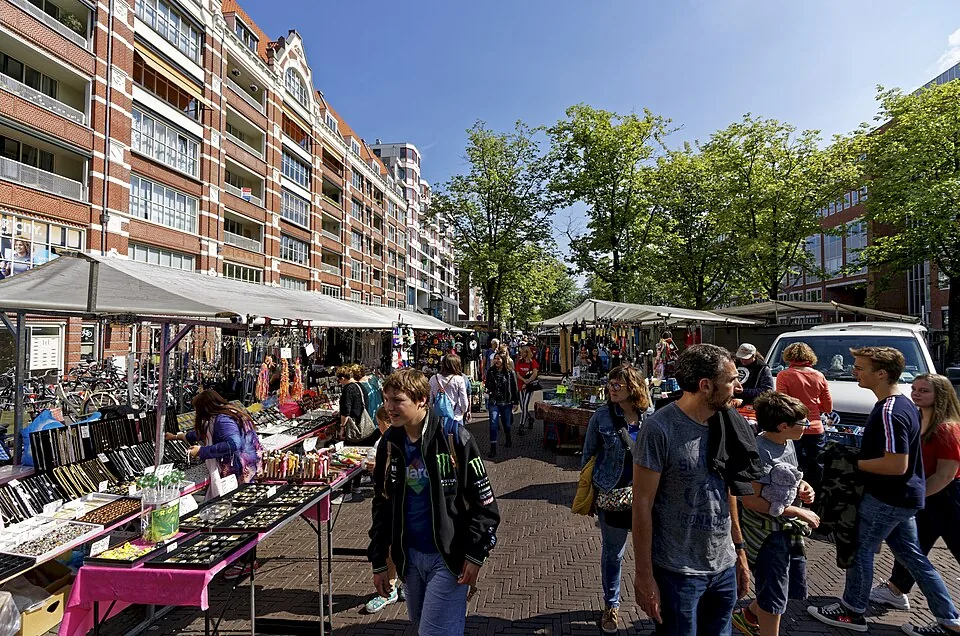
Waterlooplein
Waterlooplein is a market square formed over two filled canals in Amsterdam’s historic Jewish quarter. Its story connects Jewish street trade and wartime persecution with metro construction, neighborhood protest, and the Stopera redevelopment.