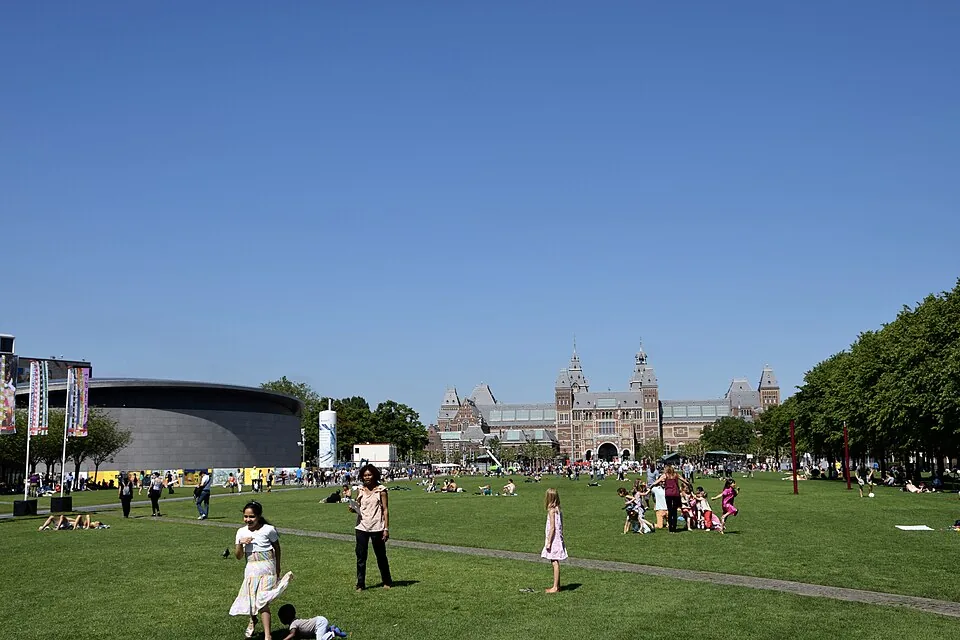
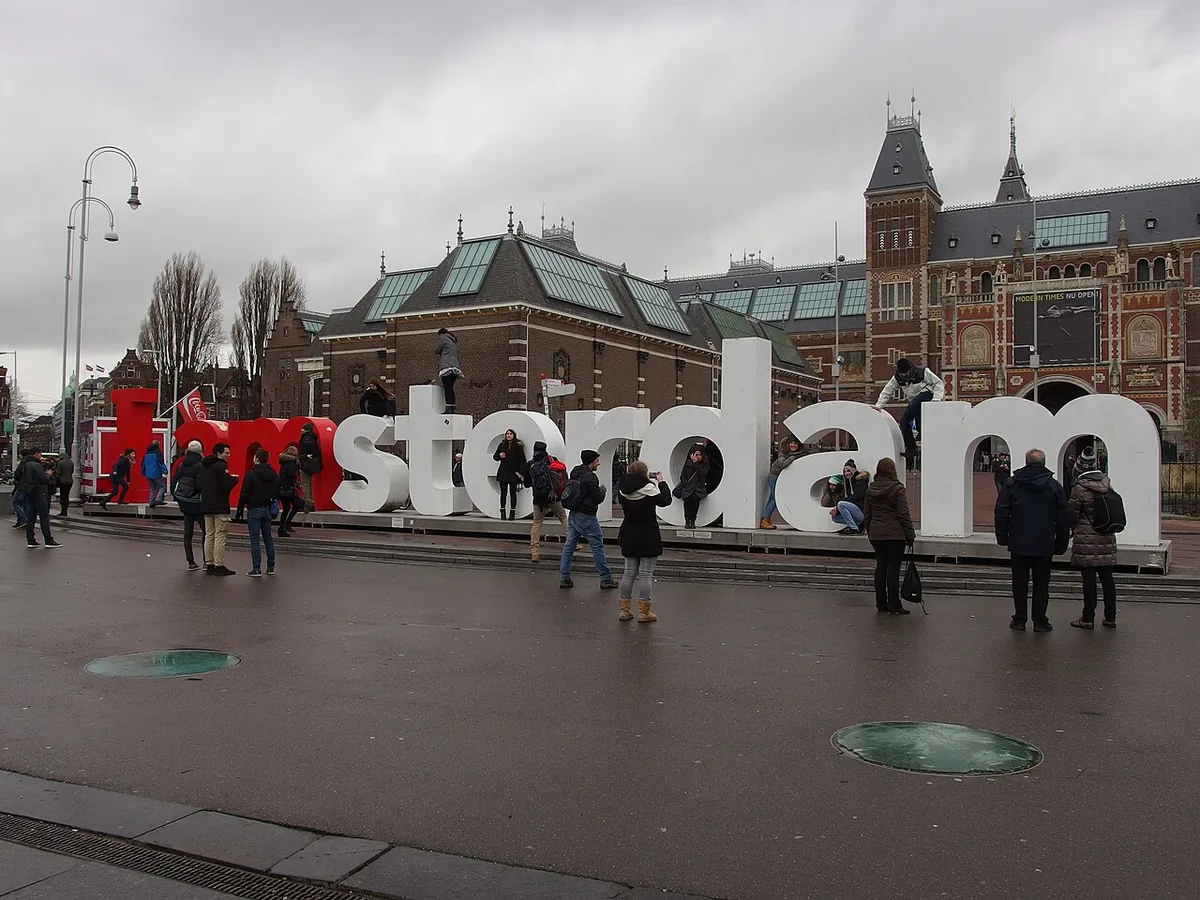
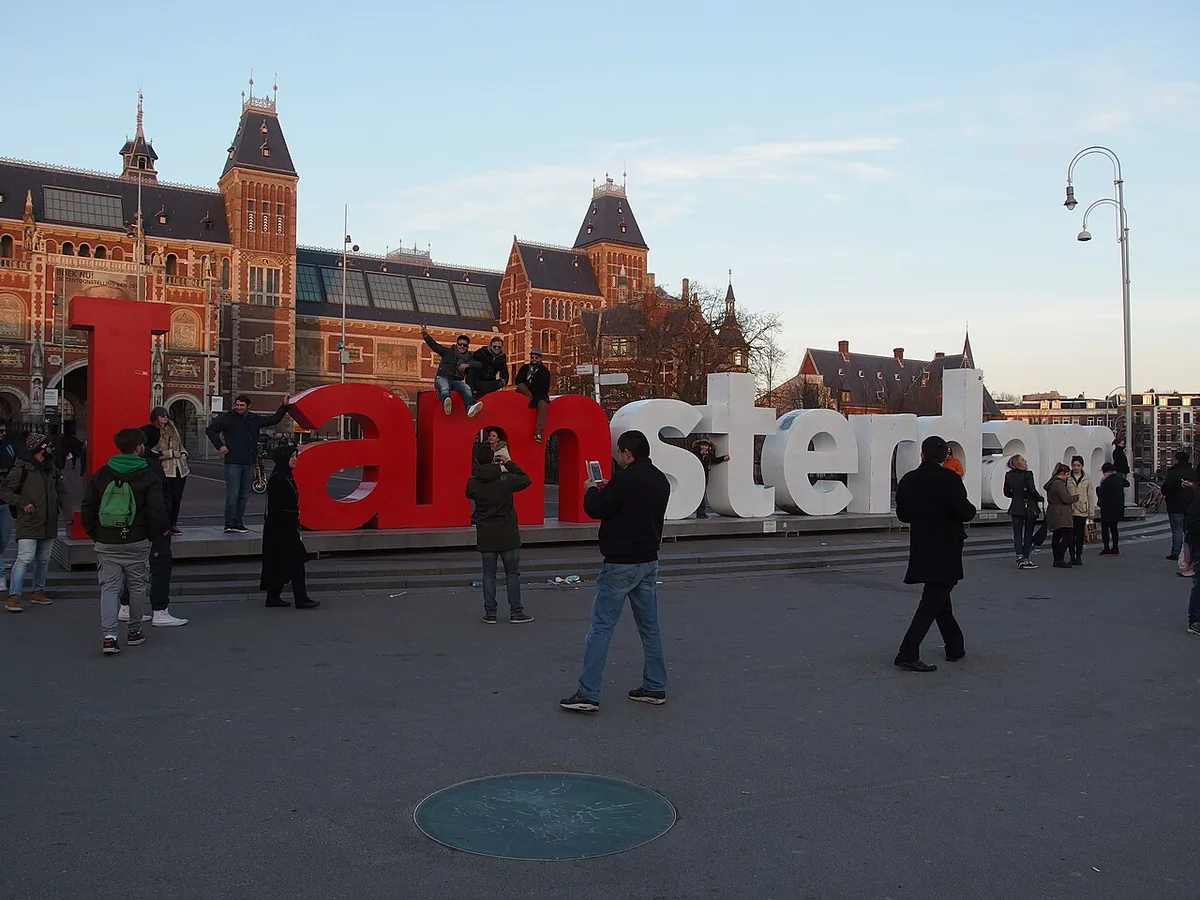
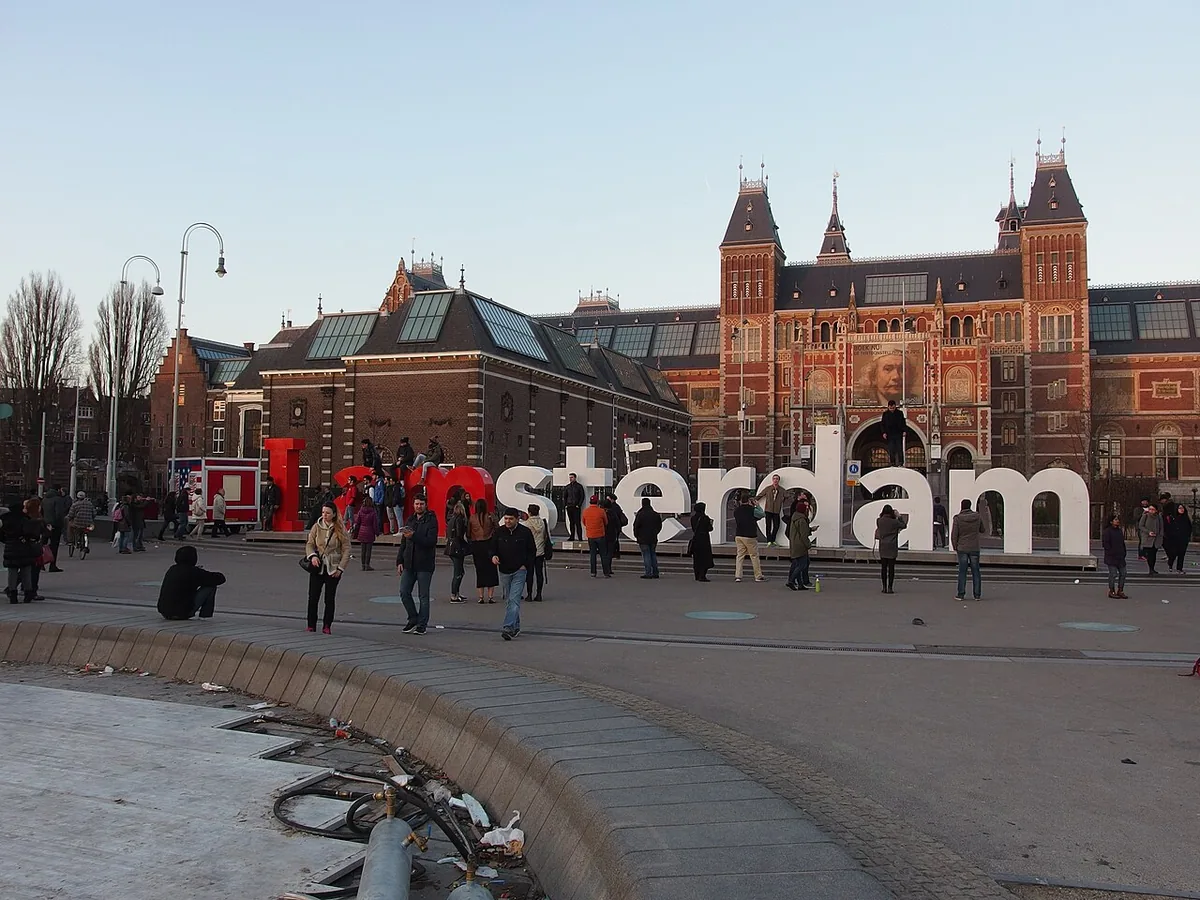
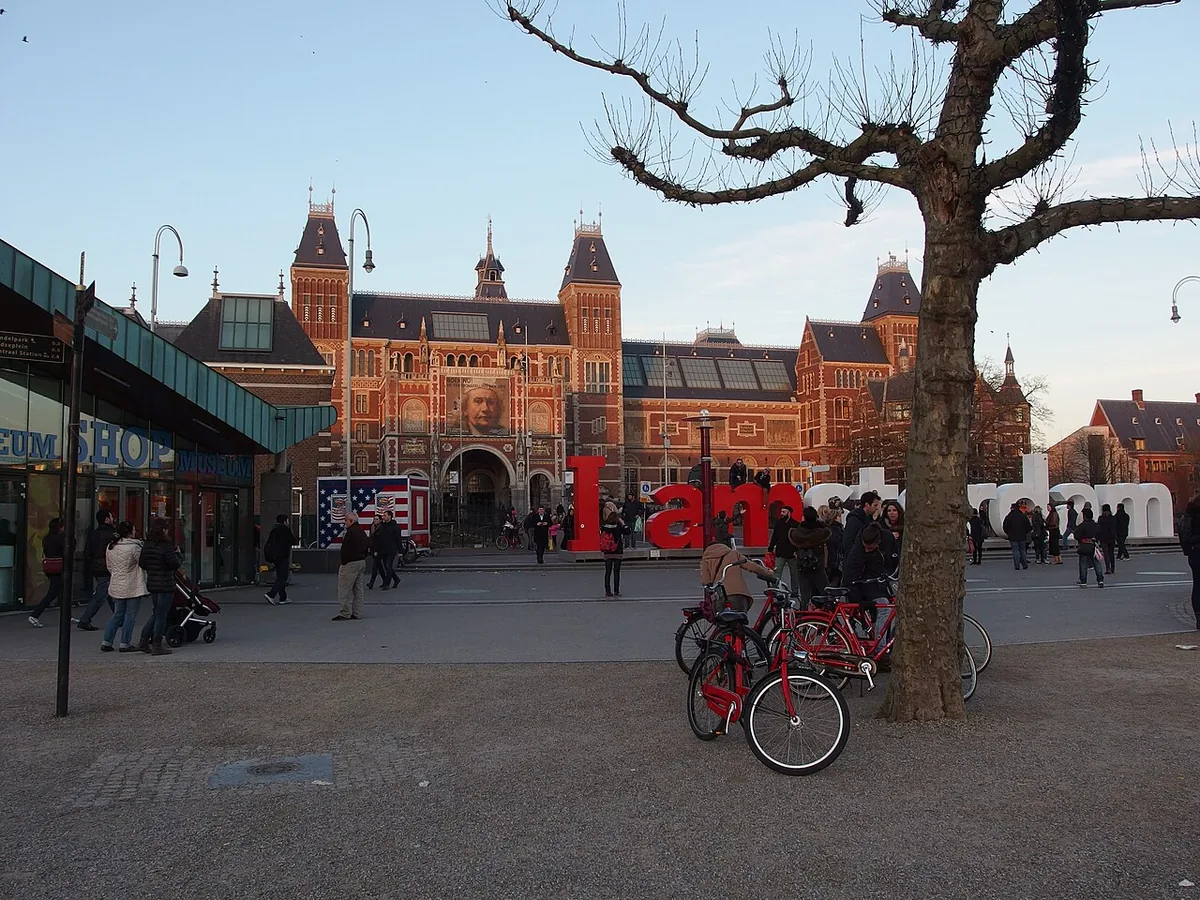
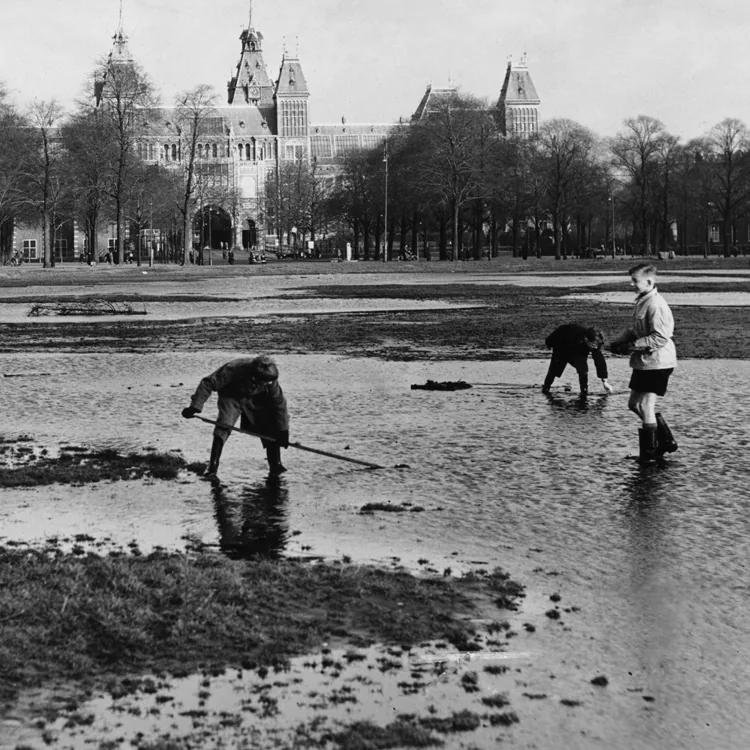
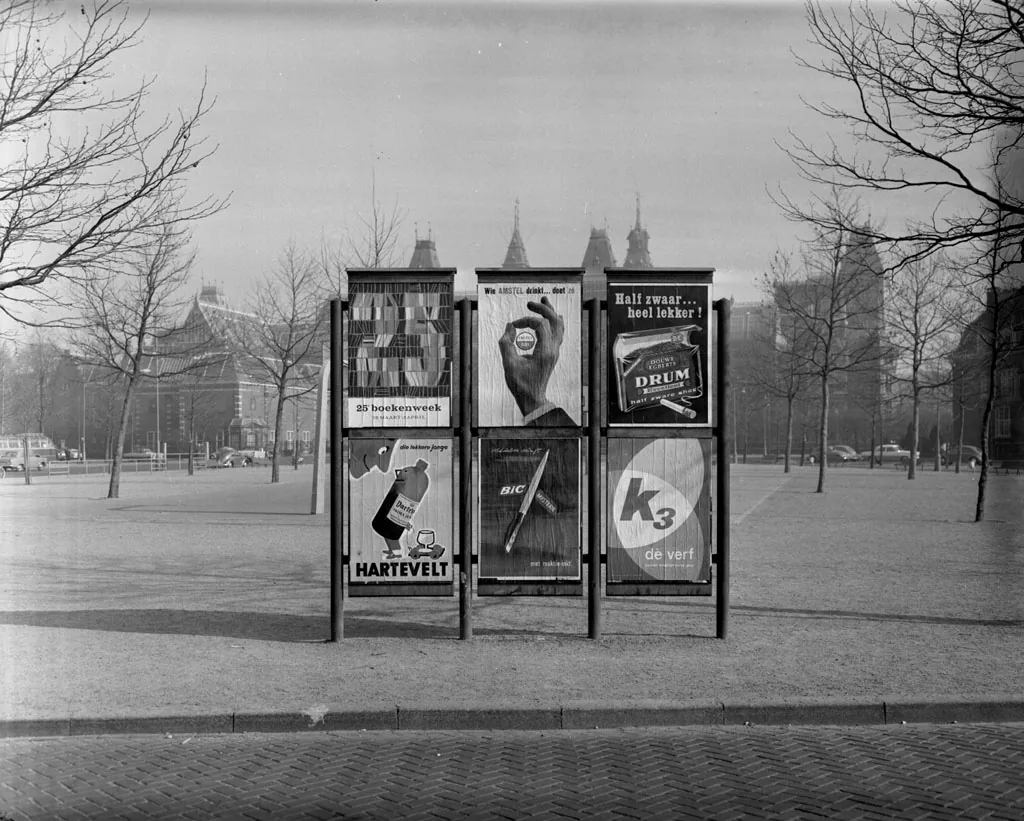
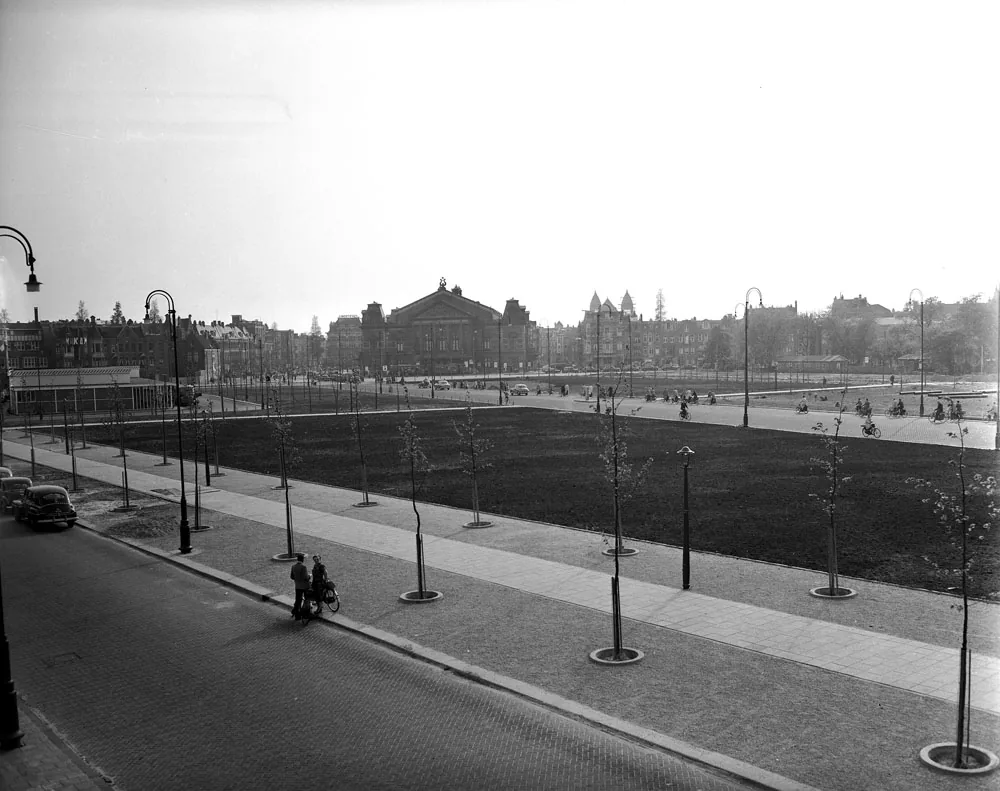
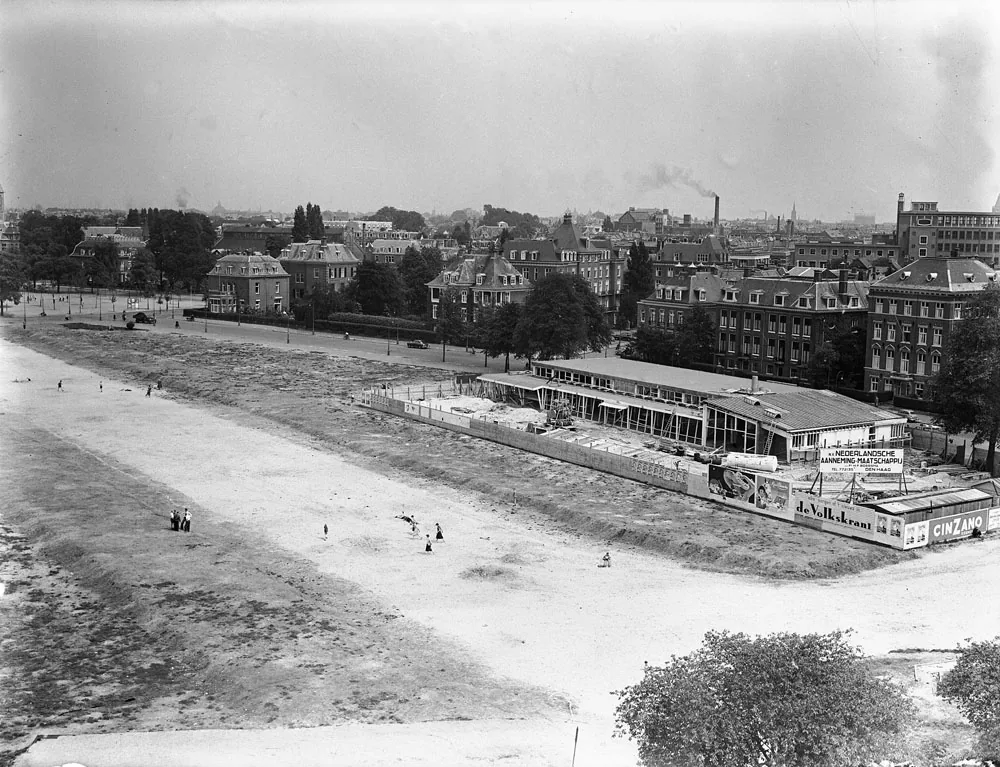
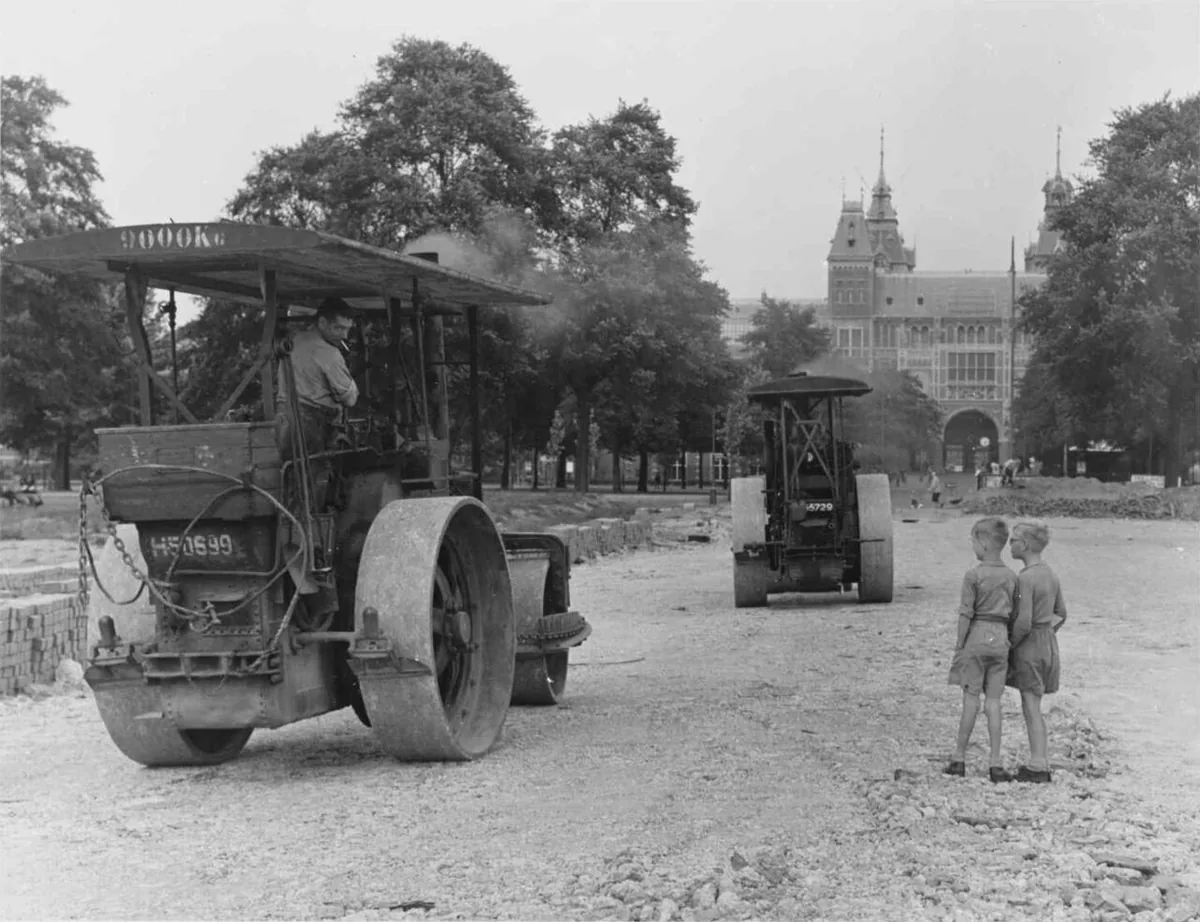
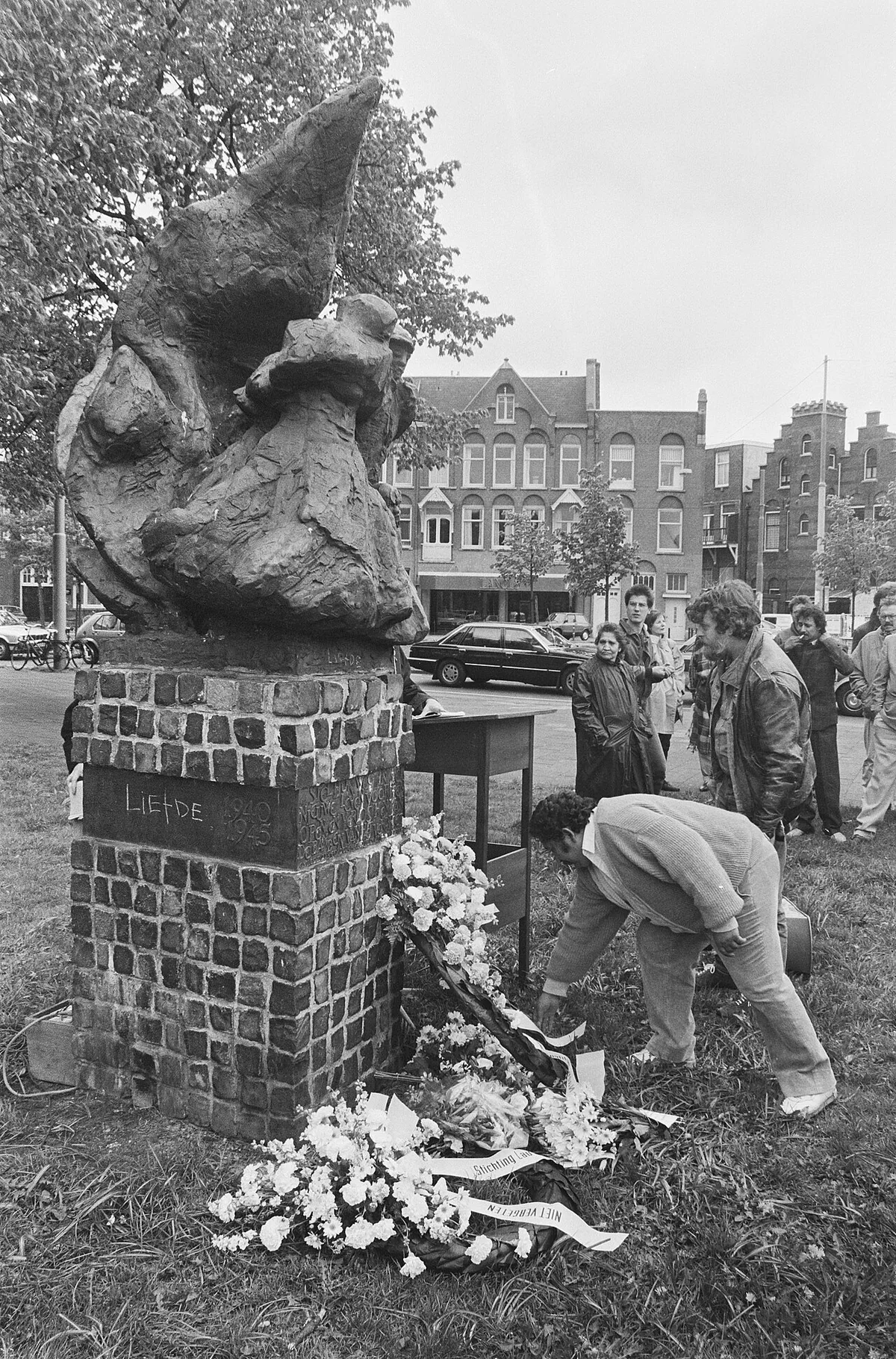
Museumplein is an open public square and park in Amsterdam-Zuid’s Museumkwartier, framed by major cultural institutions. Its broad lawn and tree groves reflect a 1999 redesign; the space also serves sport, neighborhood recreation, protest and public events.
Quick facts
Sven-Ingvar Andersson and Stefan Gall’s redesign, completed in 1999, removed the through-road and moved parking underground to restore an open field.
On 21 November 1981, more than 400,000 people gathered at Museumplein to protest the planned placement of American cruise missiles in the Netherlands.
During the 1883 International Colonial and Export Exhibition, 28 Surinamers were exhibited on the Museumplein grounds for six months.
Get directions to Museumplein. Confirm the visitor entrance and current access with the venue before travelling.
Audio guide
Listen to this place’s guide.
Guide
Museumplein’s defining feature is the breadth of sky between its cultural buildings. From the lawn, notice how the Rijksmuseum anchors the northern end, the Stedelijk and Van Gogh museums mark the west, and the Concertgebouw lies beyond the south. Their presence gives the square its name and setting; the open public ground has its own contested history.
Continue exploring
Discover the full story
Keep reading with a travel pass and explore every full guide and tour.
UpgradeMore places in Amsterdam
Van Gogh Museum
At the Van Gogh Museum, follow the artist’s work alongside the family story that kept it together. Compare the dark, carefully staged Potato Eaters with later experiments in color, and notice how letters, drawings and works by contemporaries turn a celebrated name into a working artist in his time.
Stedelijk Museum
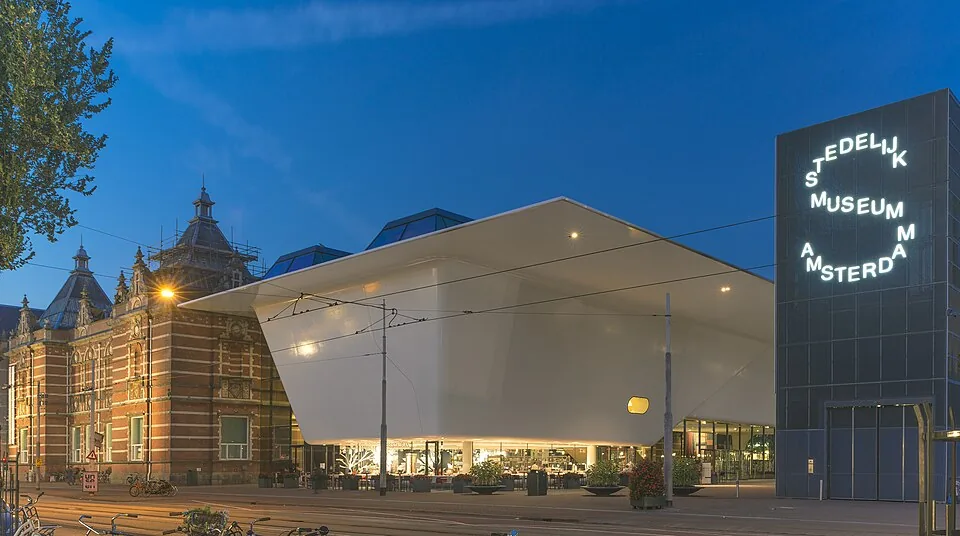
At Museumplein, a nineteenth-century red-brick museum meets a sweeping white extension opened in 2012. Inside, the Stedelijk brings modern and contemporary art into conversation with design and photography. Its changing displays invite close looking, while the building and its history reveal how Ams
Moco Museum
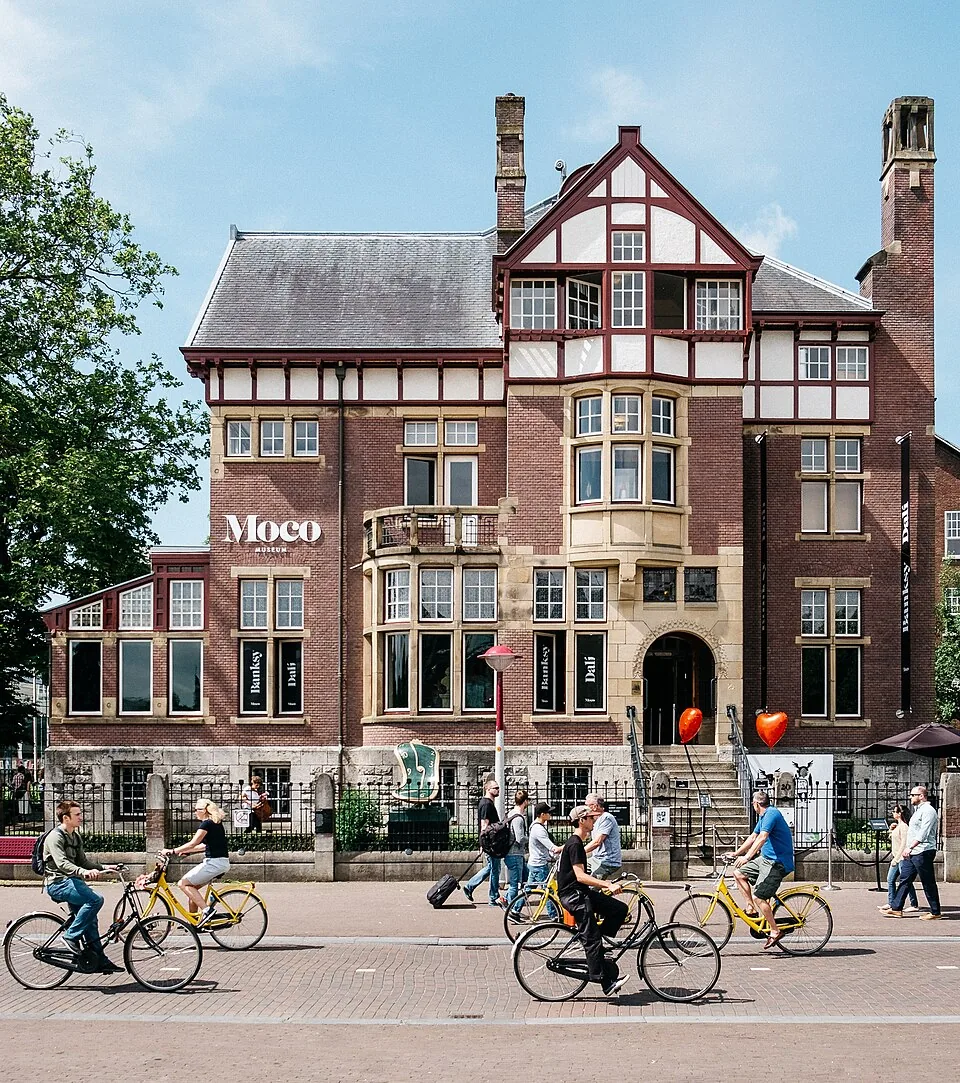
Inside Villa Alsberg, an early twentieth-century residence on Museumplein, Moco places modern, contemporary and street art in domestic-scale rooms. Its history as a private home, religious residence and museum shapes how visitors encounter the work.
Concertgebouw
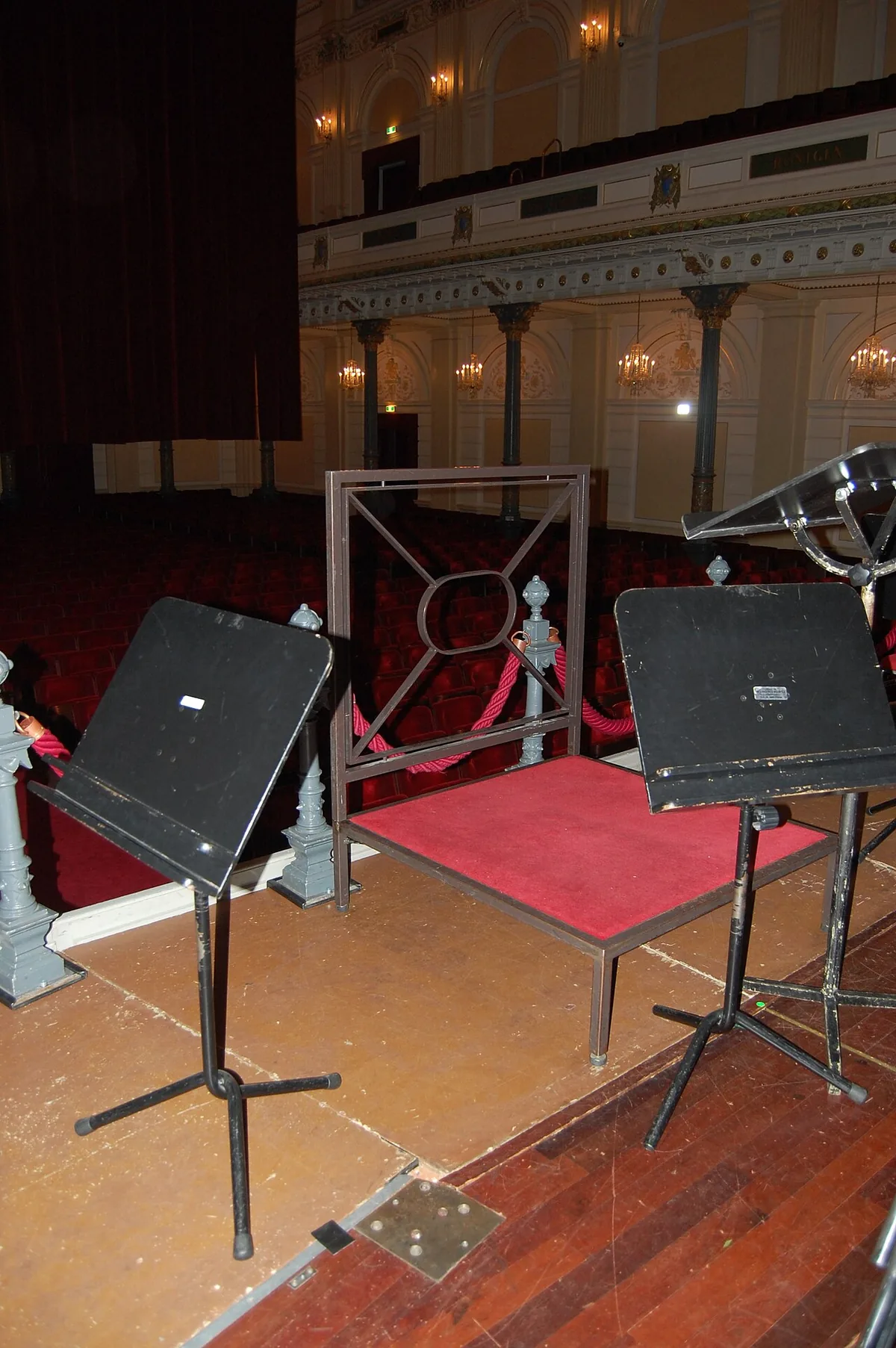
Amsterdam’s Concertgebouw began as a citizens’ campaign for a dedicated concert hall on the fields of Nieuwer-Amstel. Opened in 1888, its Main Hall became renowned only after years of acoustic adjustment; a memorial inside also recalls Jewish musicians dismissed during the occupation.
Rijksmuseum
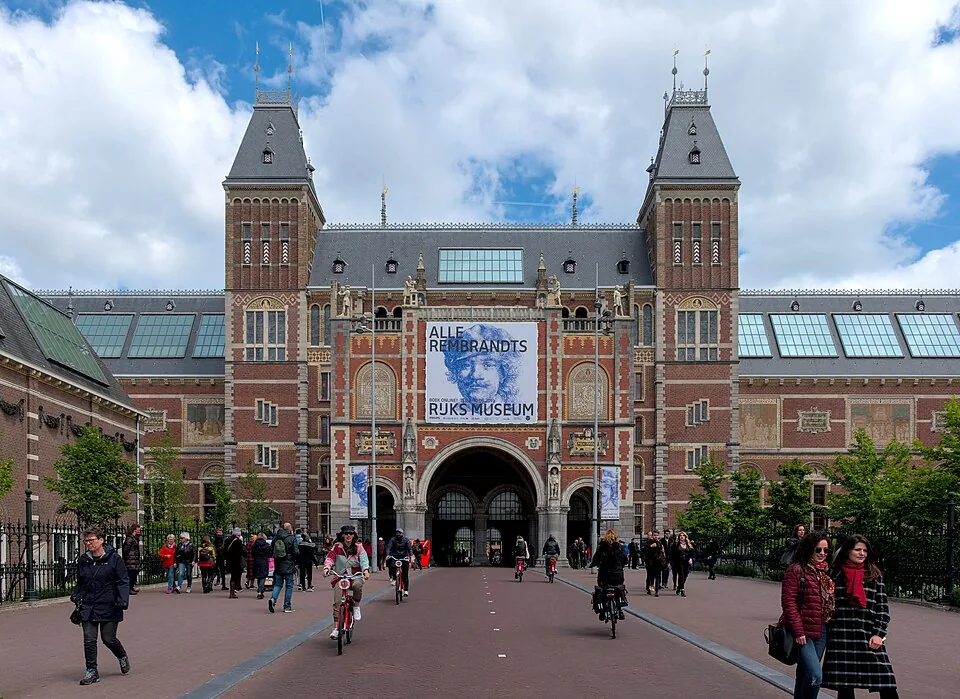
Start with the Rijksmuseum’s red-brick gateway, where towers, arches, and carved details make the building itself part of the collection. Inside, the Gallery of Honour draws your eye toward Rembrandt’s immense Night Watch, while Vermeer and other Dutch masters reward a slower look.
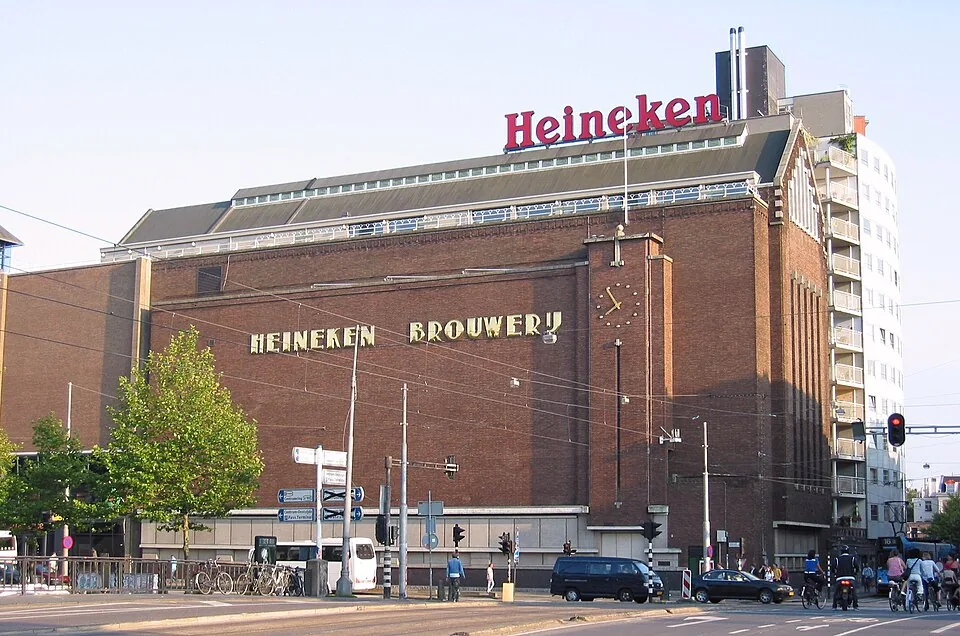
Heineken Experience
In Amsterdam’s De Pijp, the Heineken Experience occupies a surviving part of the brewery complex that grew here from 1867. Its listed brewhouse, copper kettles and later industrial buildings trace the shift from a working factory to a museum and brand experience.