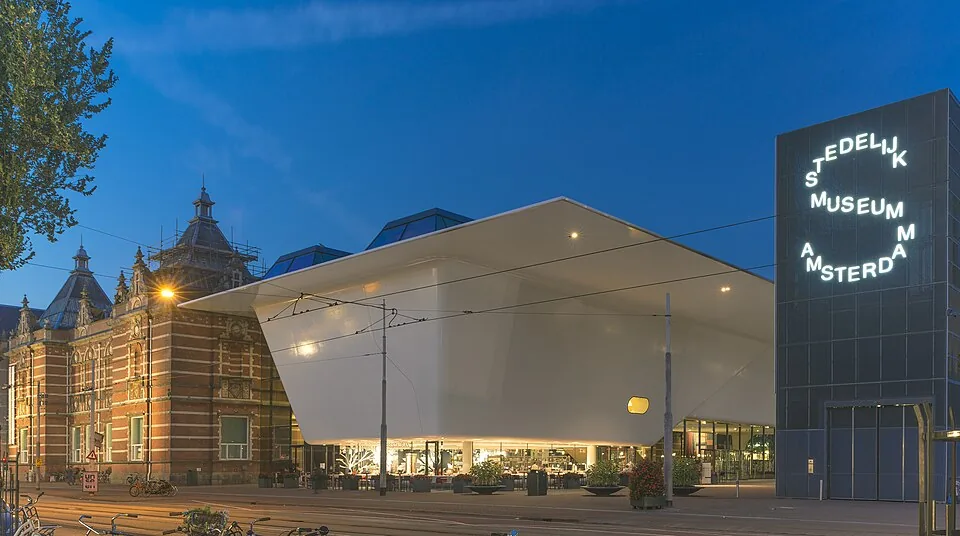
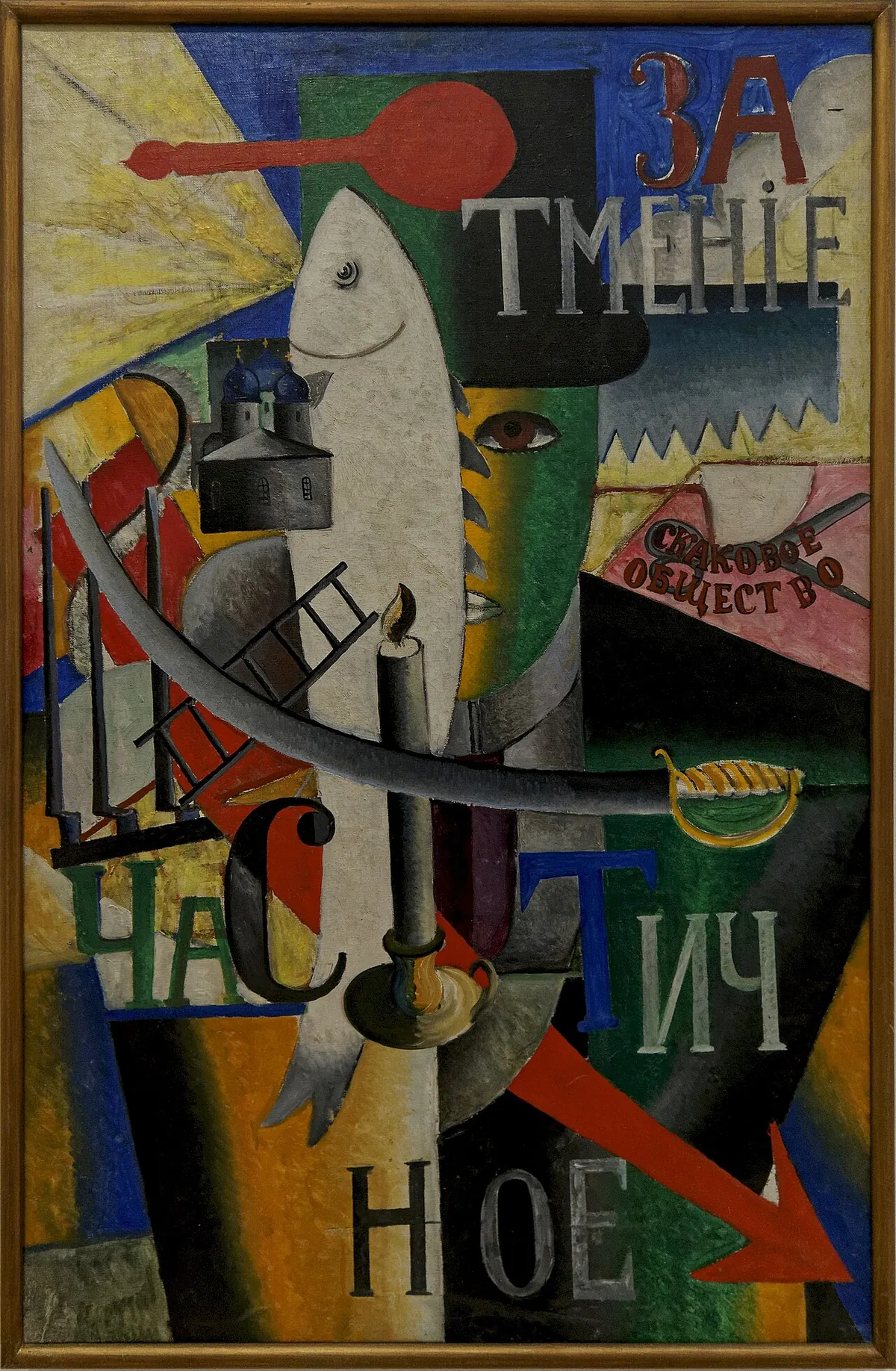
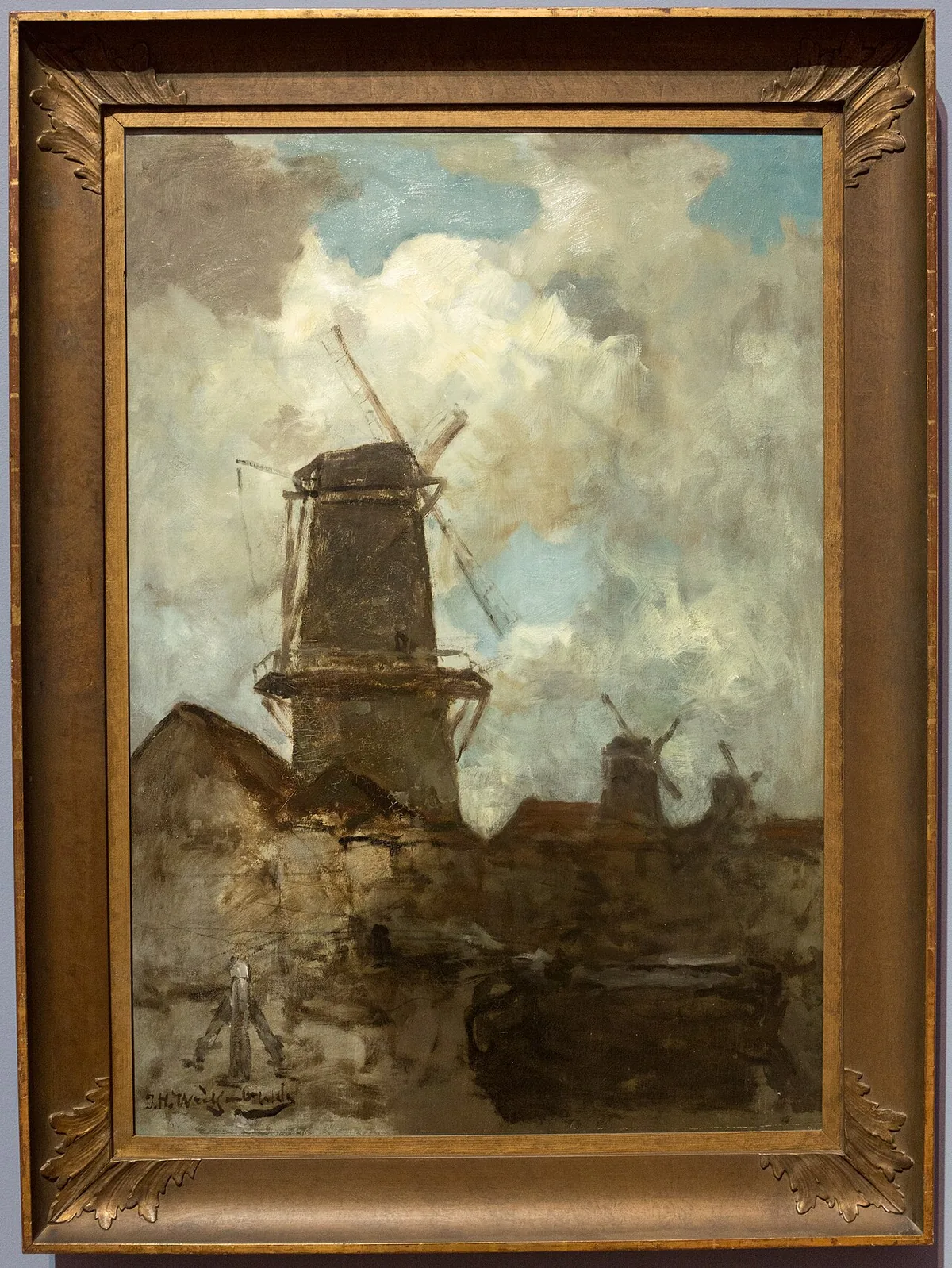
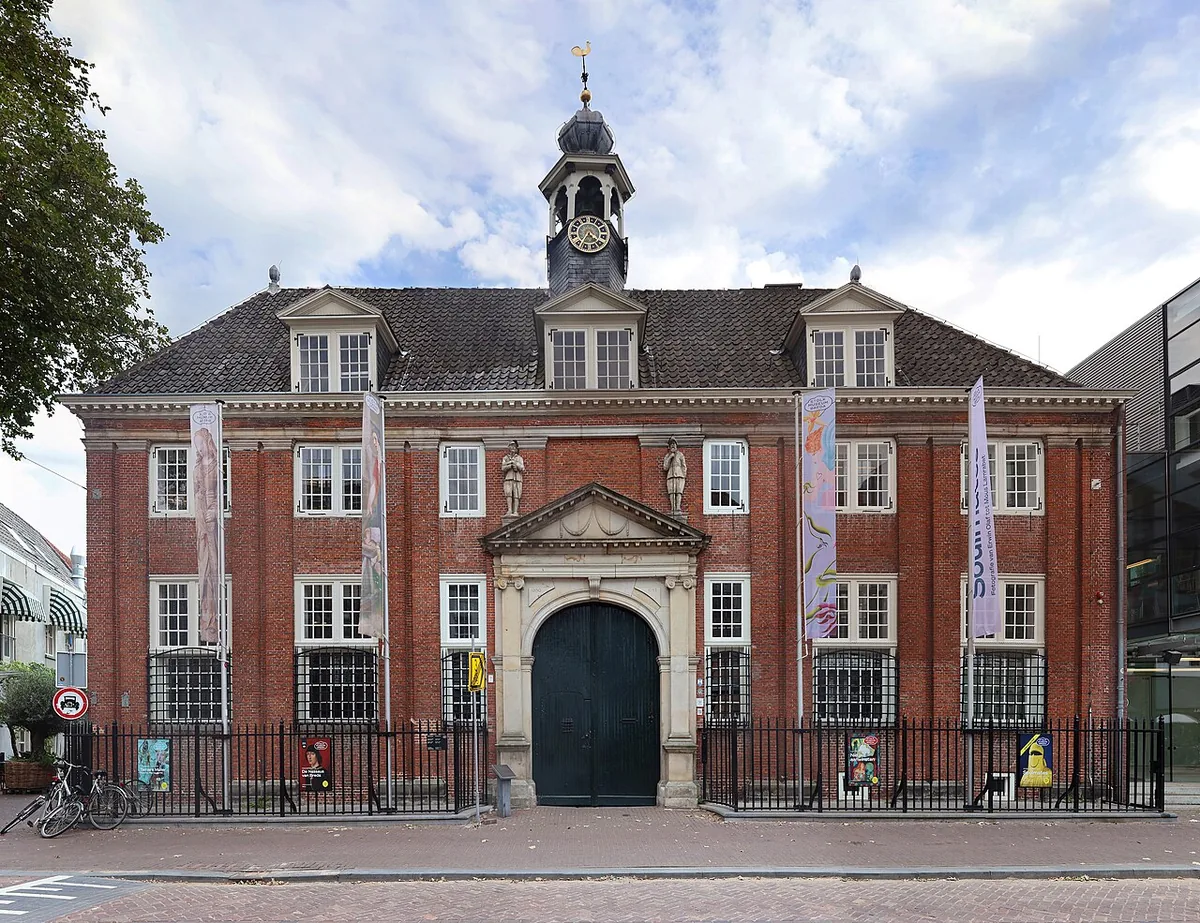
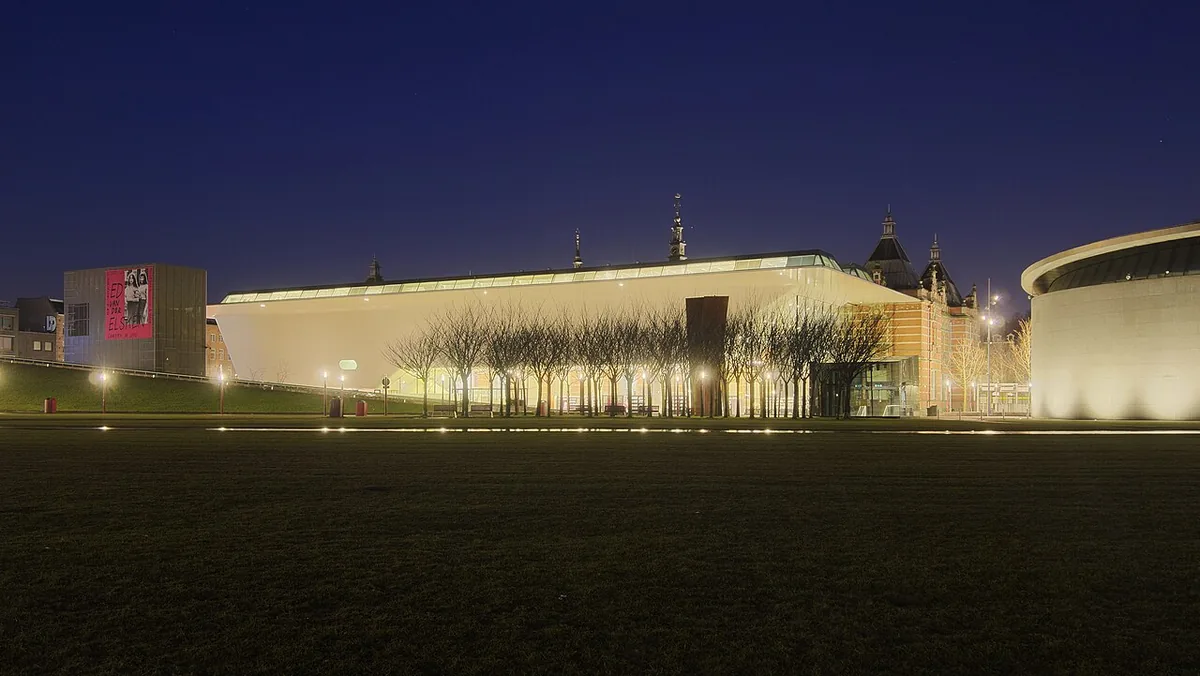
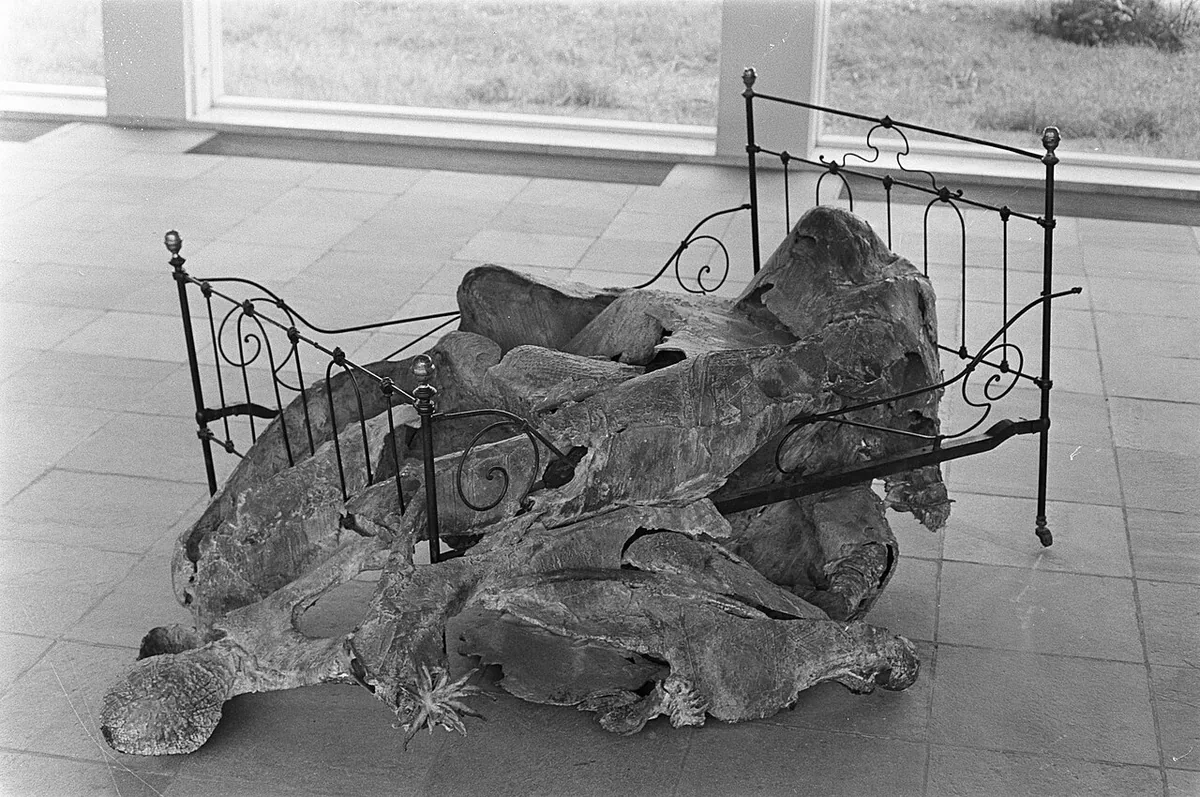
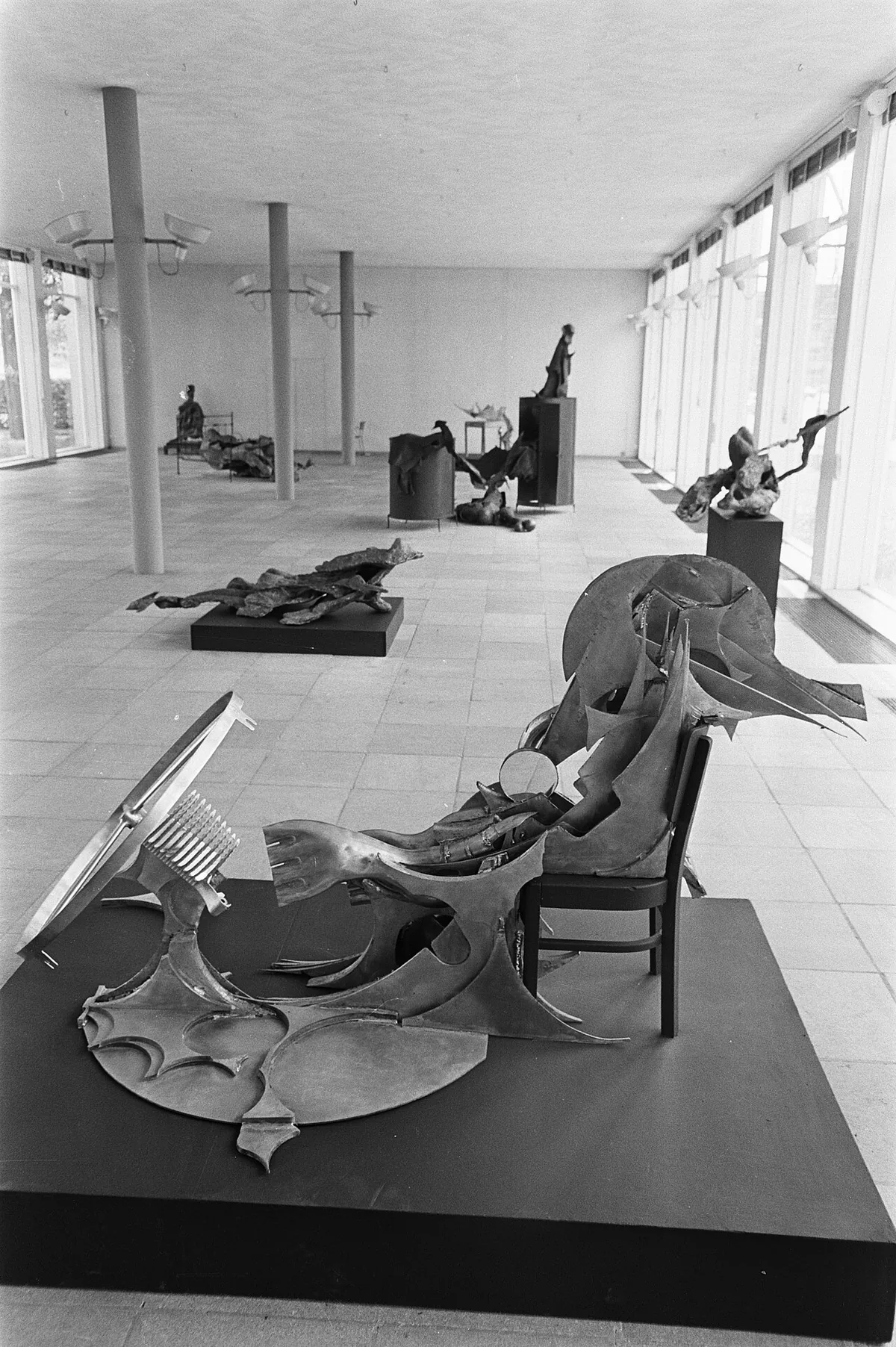
At Museumplein, a nineteenth-century red-brick museum meets a sweeping white extension opened in 2012. Inside, the Stedelijk brings modern and contemporary art into conversation with design and photography. Its changing displays invite close looking, while the building and its history reveal how Amsterdam’s ideas about art have changed.
Quick facts
The Stedelijk opened in 1895 as a joint initiative of Amsterdam’s municipal authorities and private citizens; Adriaan Willem Weissman designed its original Dutch Renaissance-style building.
Willem Sandberg, director from 1945 to 1962, experimented with thematic exhibitions and ways of connecting art with everyday life.
The museum’s historical research connects its ship-shaped weathervane and some early founding wealth to Dutch colonial commerce; this is part of the institution’s documented history.
Get directions to Stedelijk Museum. Confirm the visitor entrance and current access with the venue before travelling.
Audio guide
Listen to this place’s guide.
Guide
On Amsterdam’s Museumplein, the Stedelijk Museum joins a red-brick building from the nineteenth century to a broad, white extension that seems to float above the entrance. That meeting of old and new is a useful introduction to the museum itself: its identity has been assembled through changing ideas about what art is, who it is for, and whose histories a collection tells.
Continue exploring
Discover the full story
Keep reading with a travel pass and explore every full guide and tour.
UpgradeMore places in Amsterdam
Van Gogh Museum
At the Van Gogh Museum, follow the artist’s work alongside the family story that kept it together. Compare the dark, carefully staged Potato Eaters with later experiments in color, and notice how letters, drawings and works by contemporaries turn a celebrated name into a working artist in his time.
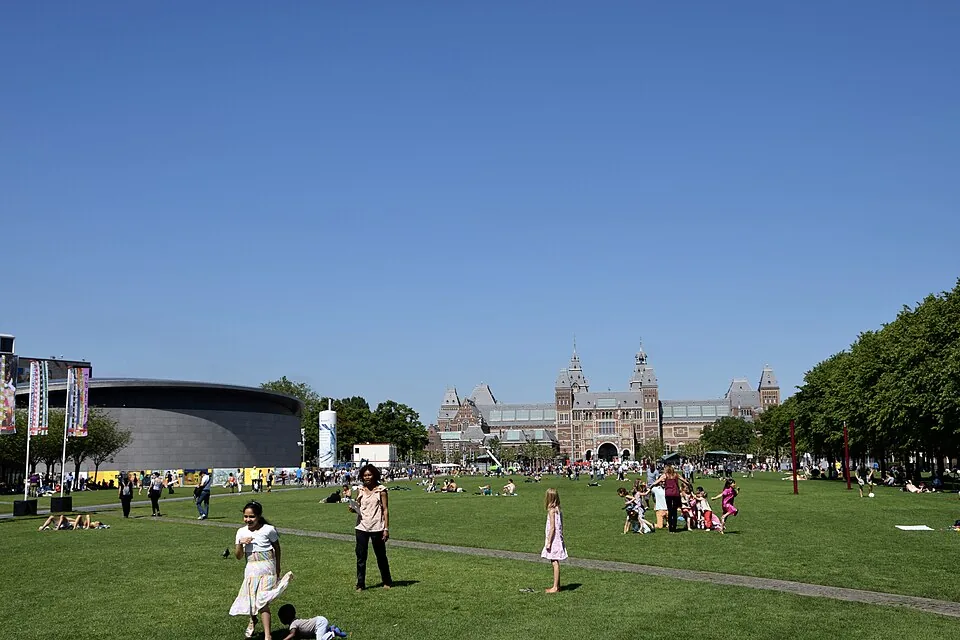
Museumplein
Museumplein is an open public square and park in Amsterdam-Zuid’s Museumkwartier, framed by major cultural institutions. Its broad lawn and tree groves reflect a 1999 redesign; the space also serves sport, neighborhood recreation, protest and public events.
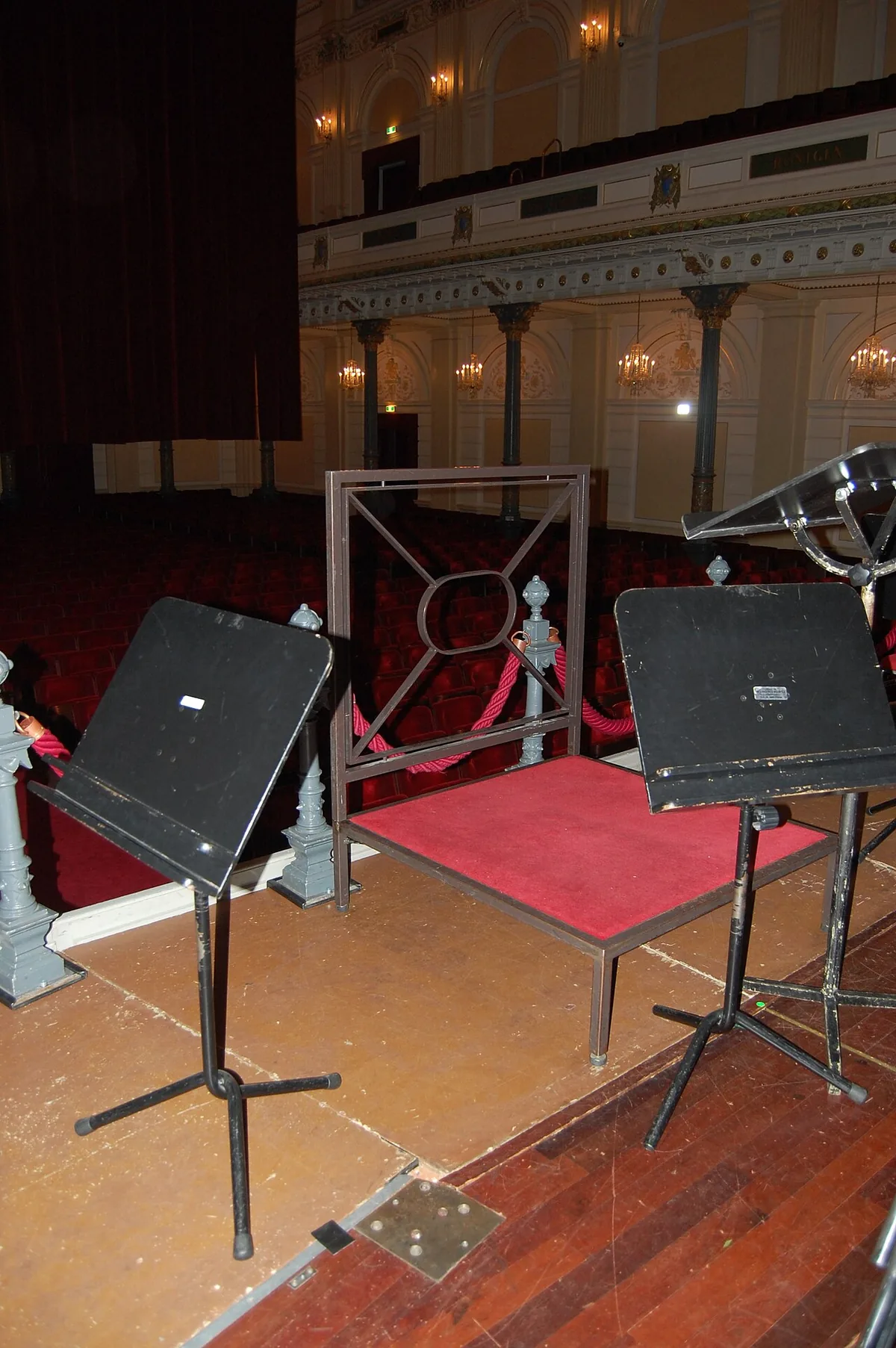
Concertgebouw
Amsterdam’s Concertgebouw began as a citizens’ campaign for a dedicated concert hall on the fields of Nieuwer-Amstel. Opened in 1888, its Main Hall became renowned only after years of acoustic adjustment; a memorial inside also recalls Jewish musicians dismissed during the occupation.
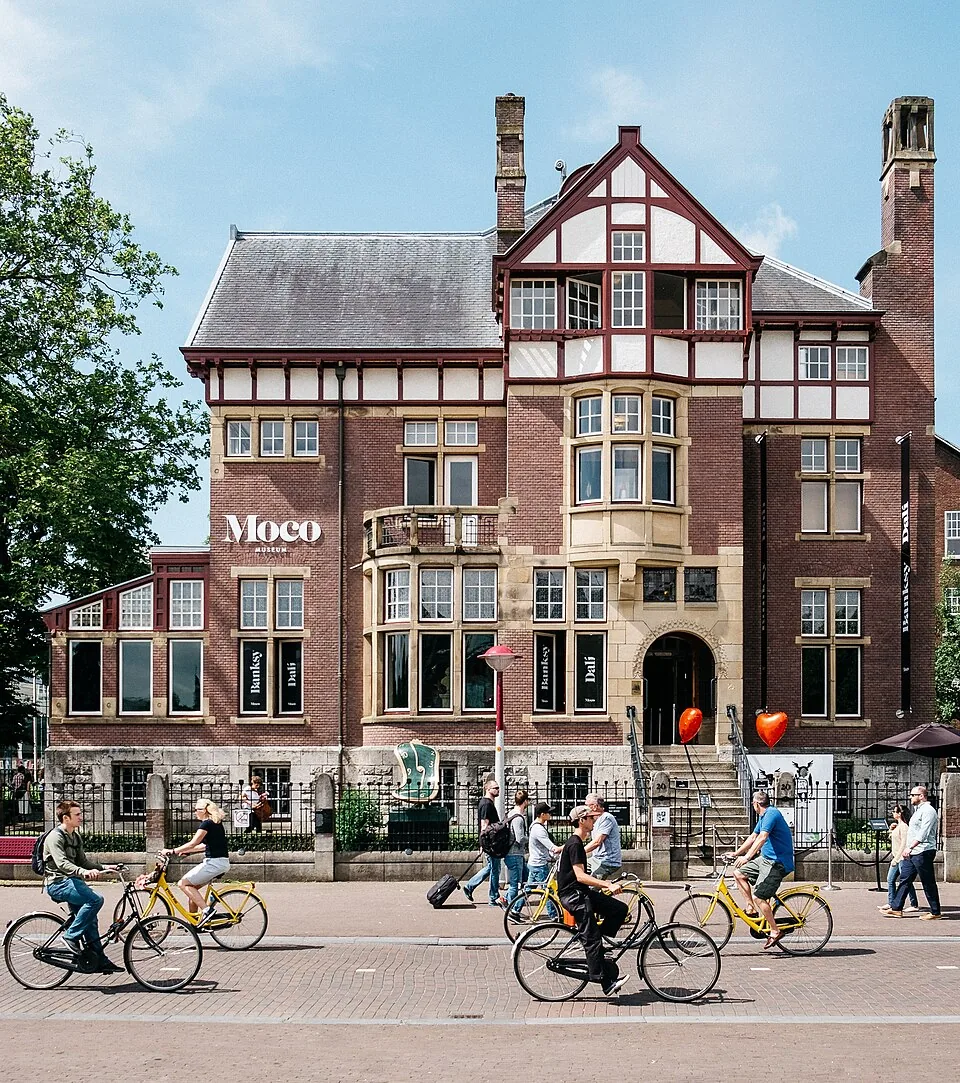
Moco Museum
Inside Villa Alsberg, an early twentieth-century residence on Museumplein, Moco places modern, contemporary and street art in domestic-scale rooms. Its history as a private home, religious residence and museum shapes how visitors encounter the work.
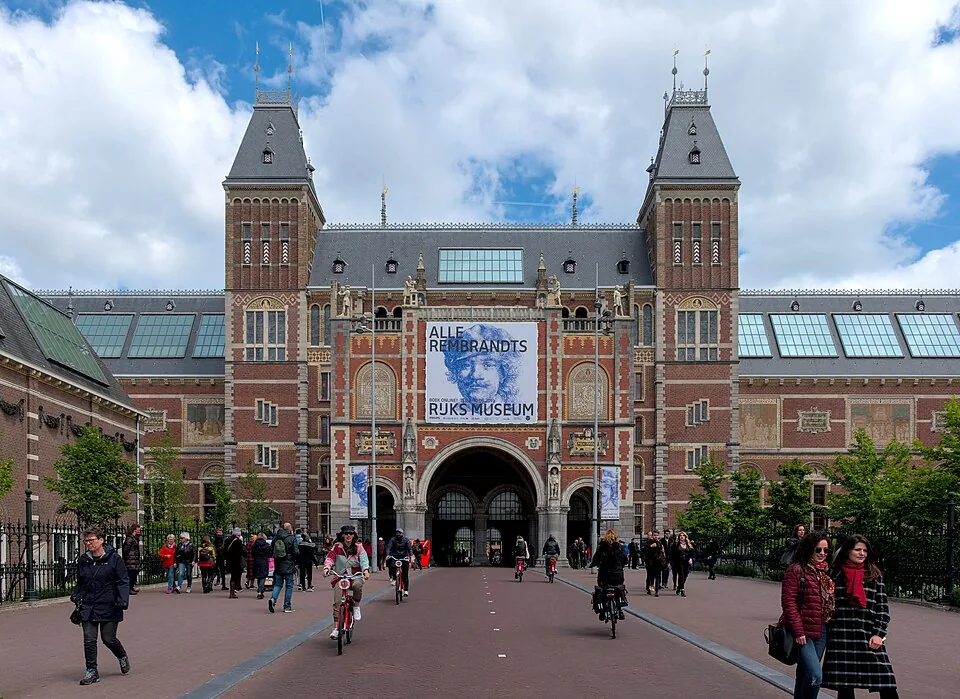
Rijksmuseum
Start with the Rijksmuseum’s red-brick gateway, where towers, arches, and carved details make the building itself part of the collection. Inside, the Gallery of Honour draws your eye toward Rembrandt’s immense Night Watch, while Vermeer and other Dutch masters reward a slower look.
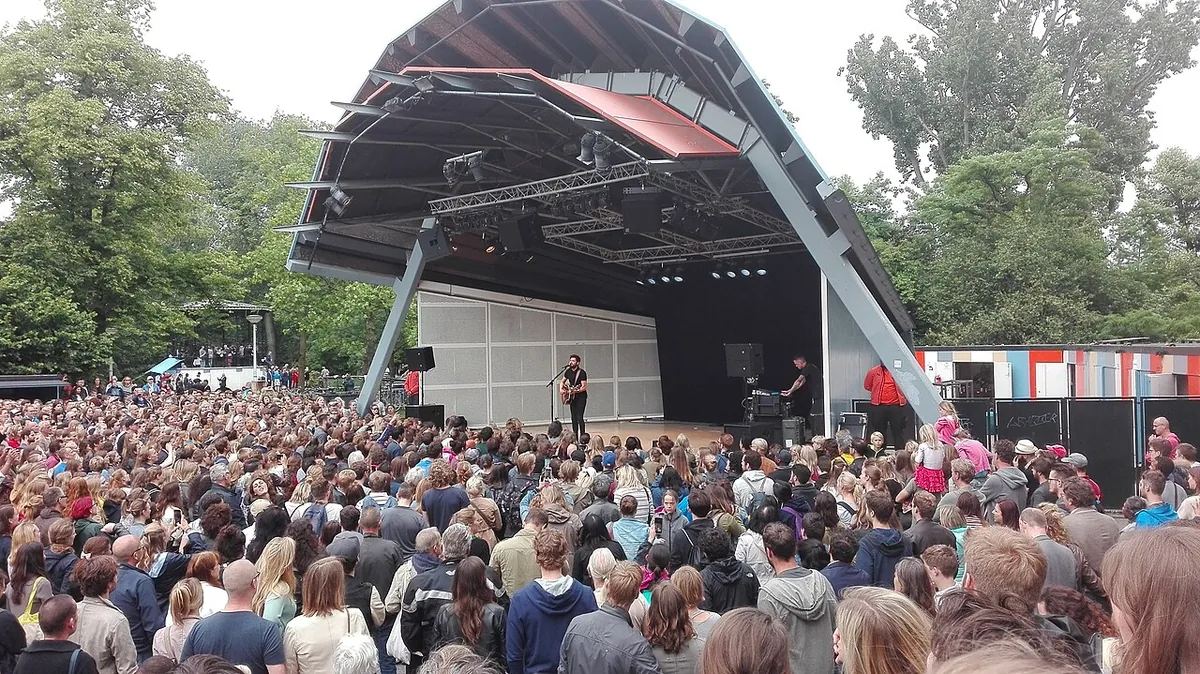
Vondelpark Open Air Theatre
Since the 1950s, music and performance have drawn audiences to Vondelpark. The open-air theatre opened in 1965, and a regular free programme was established in 1974, turning the park’s informal culture of gathering into an enduring public stage.