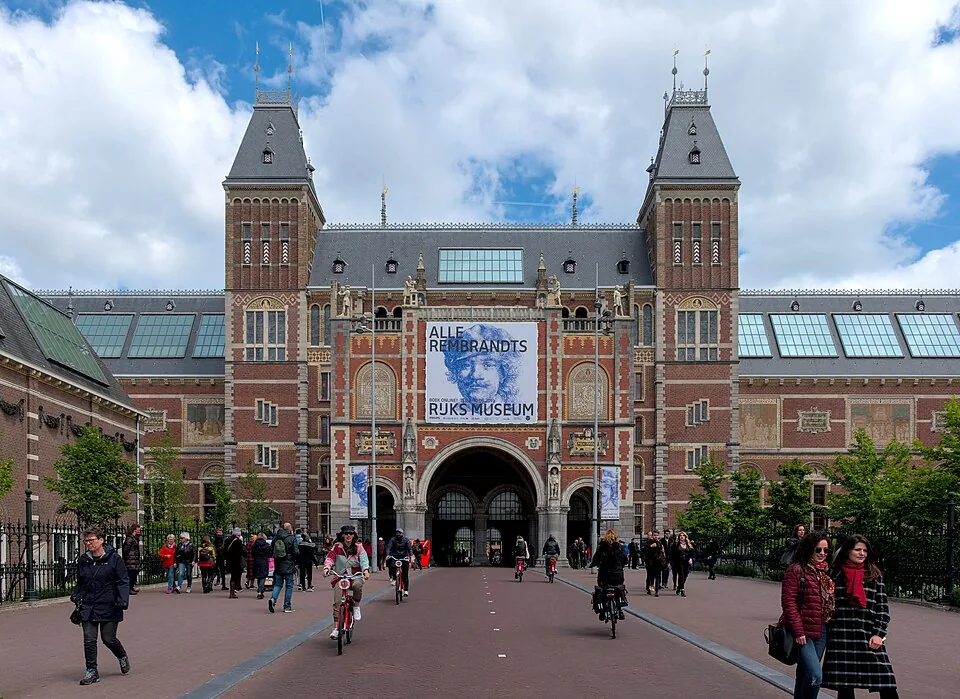
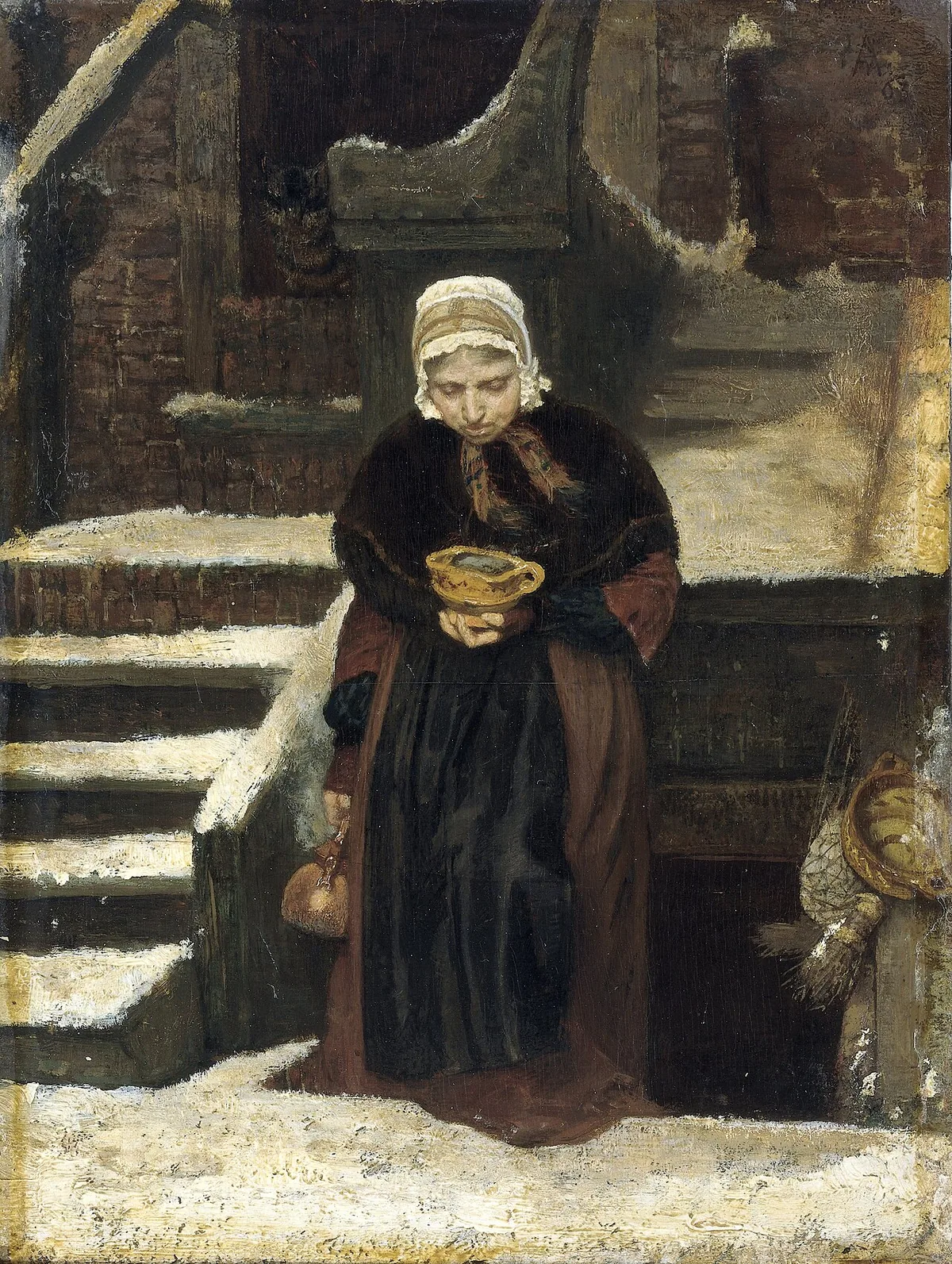
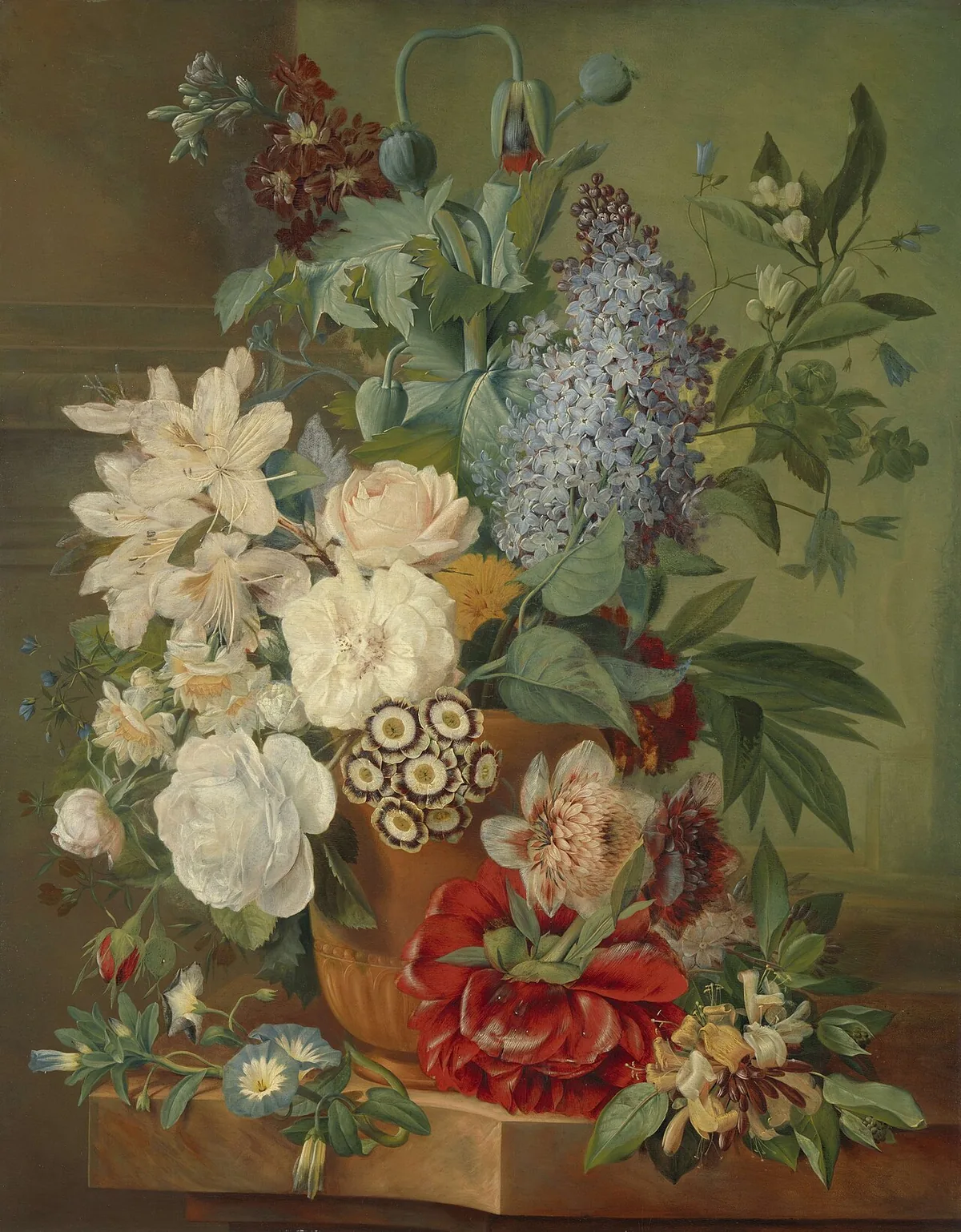

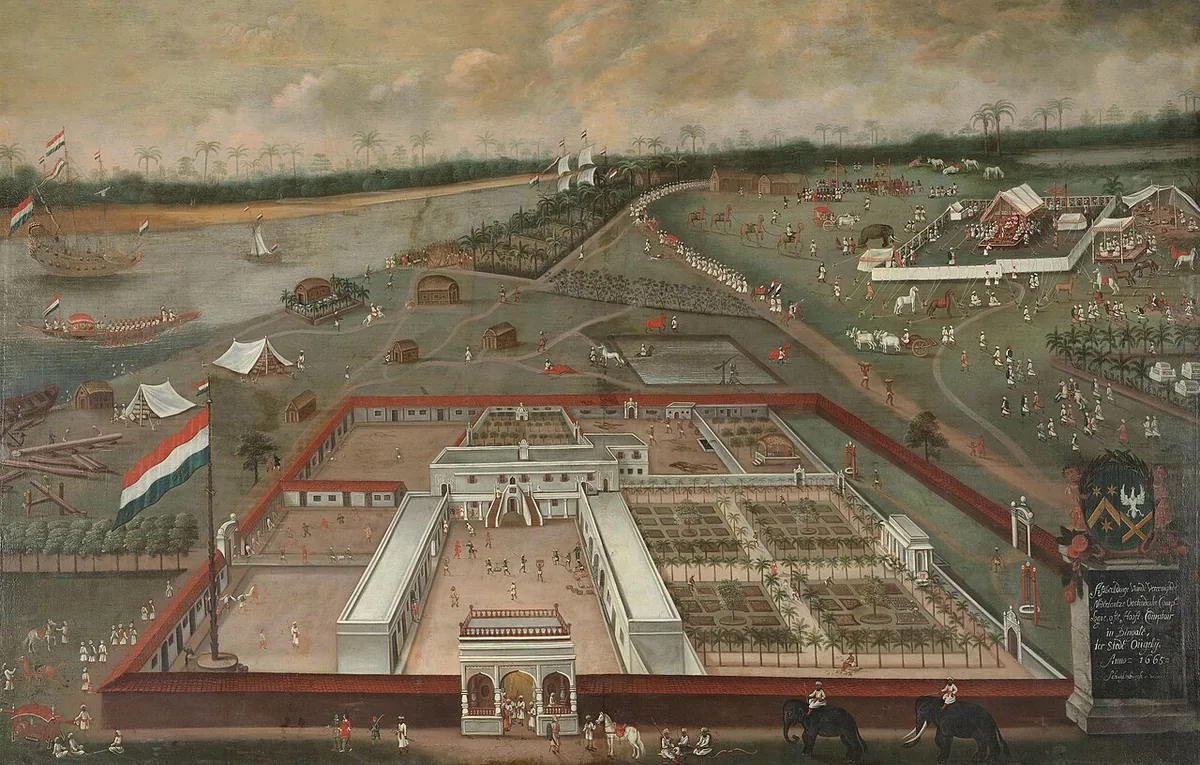
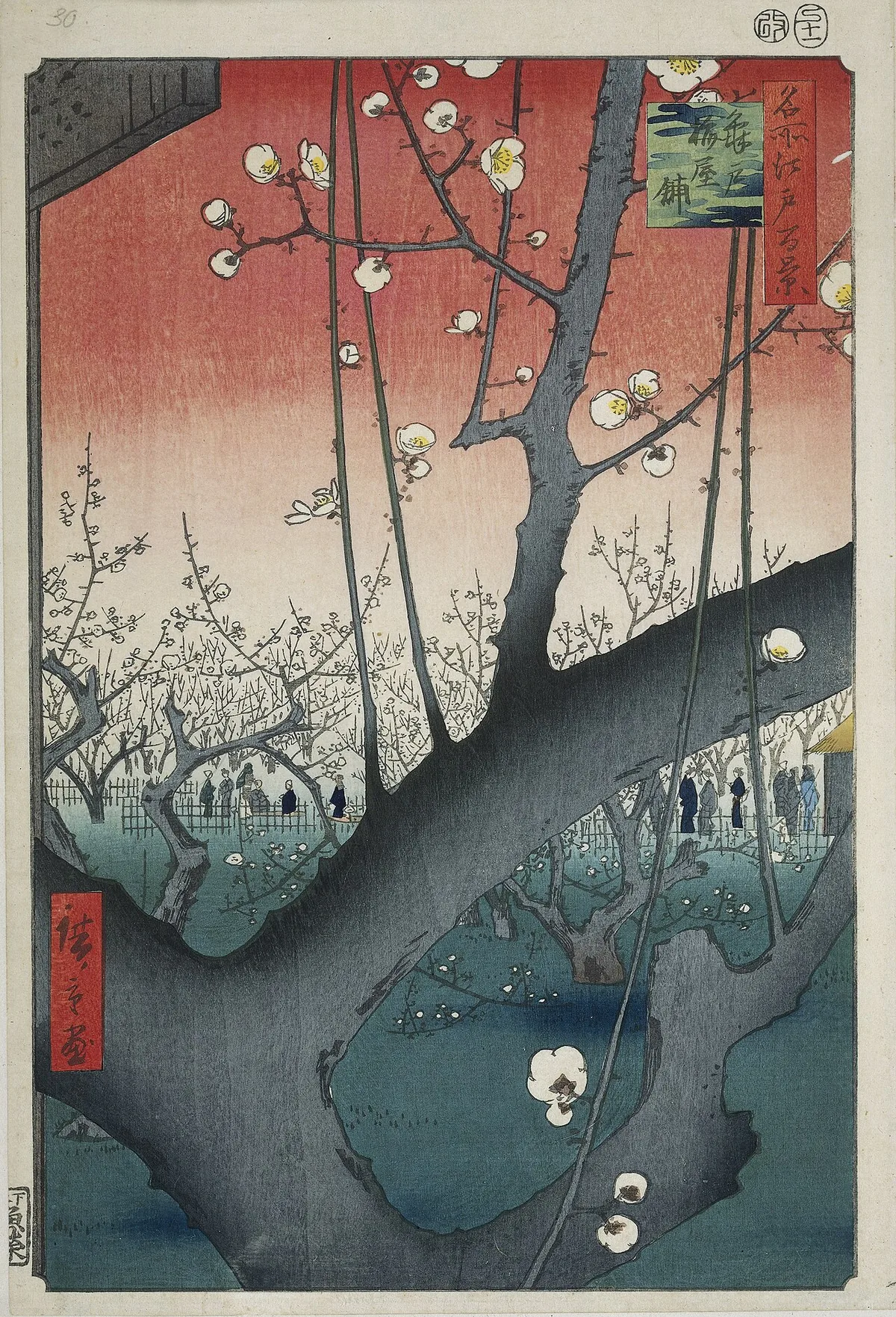
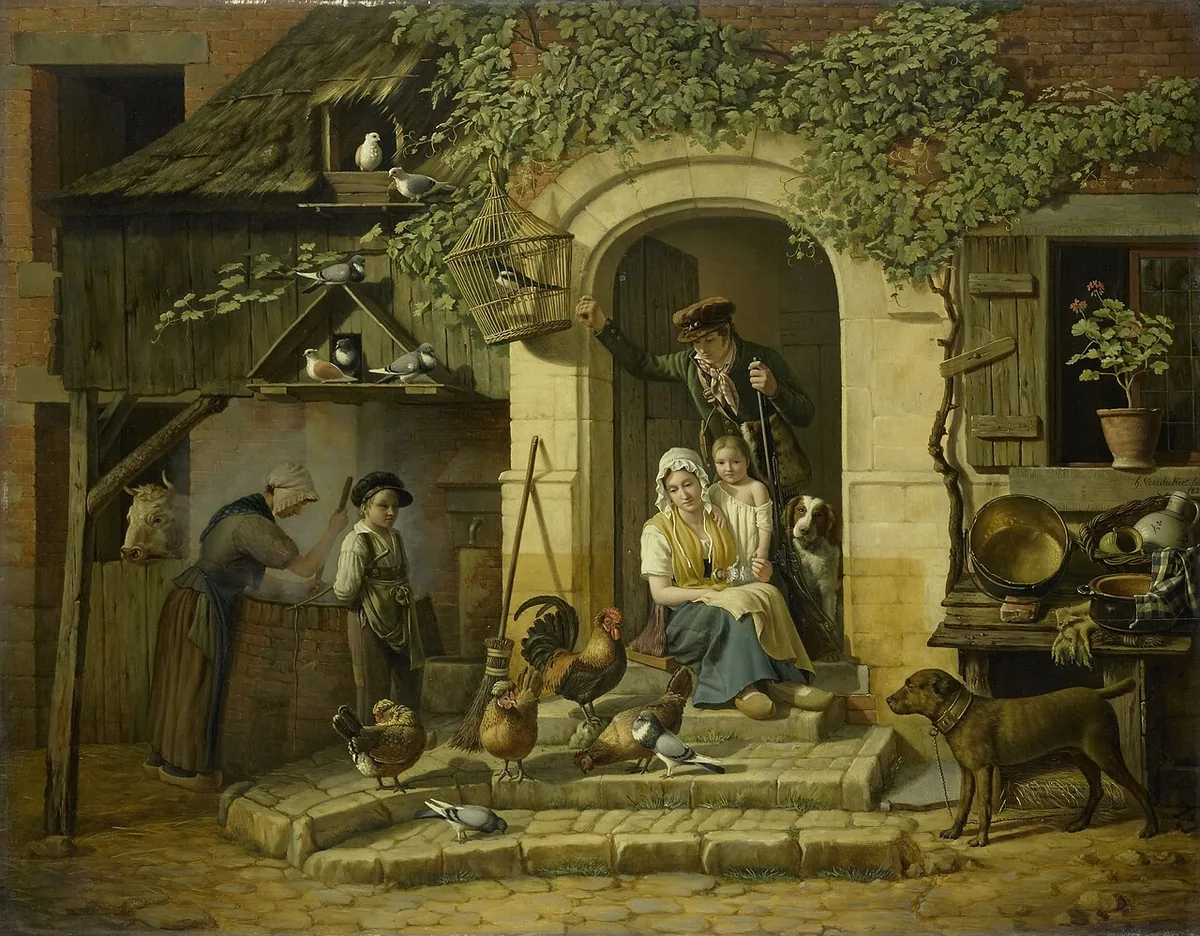
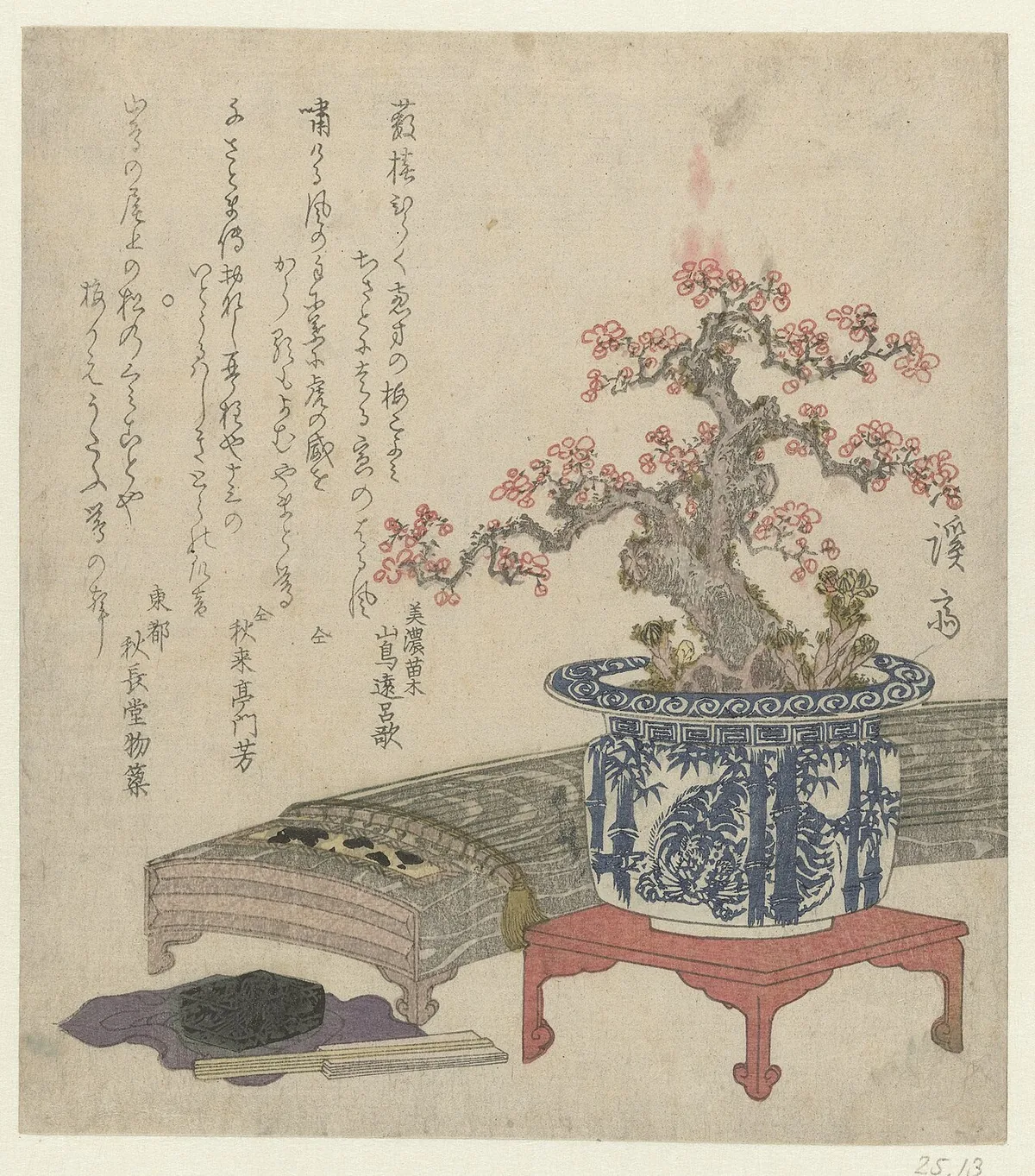
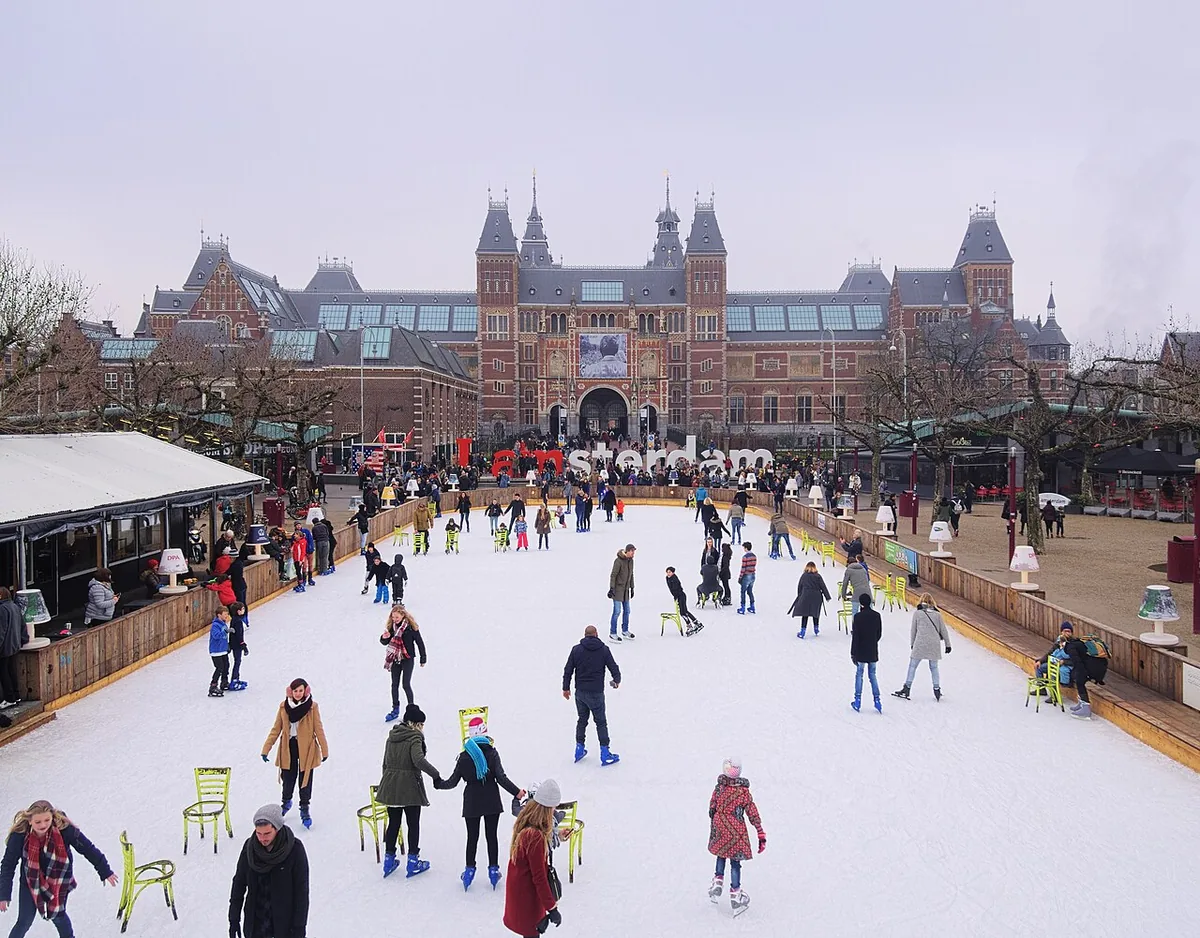
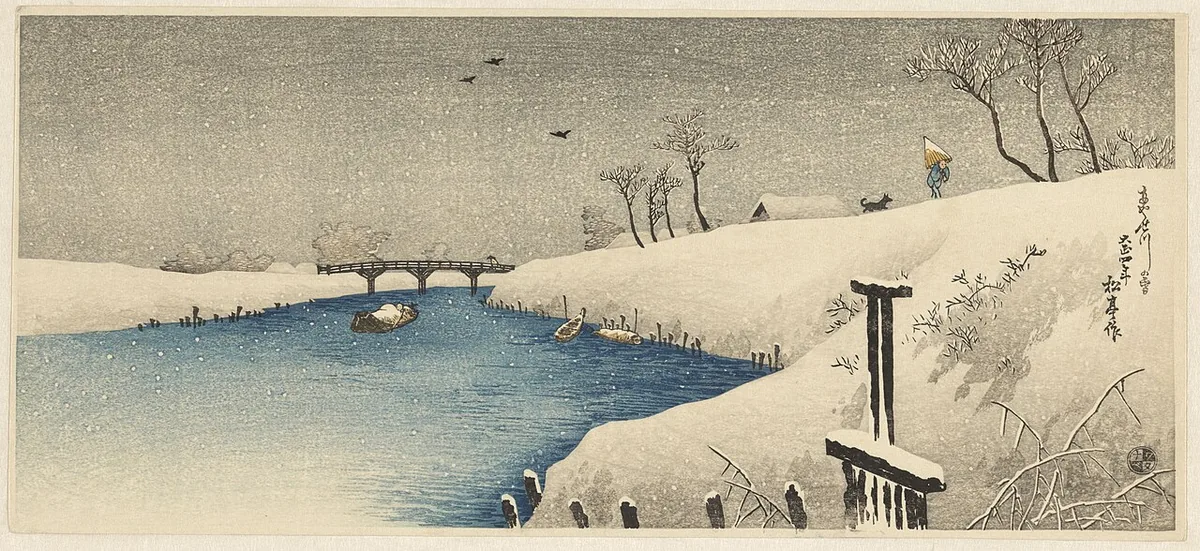
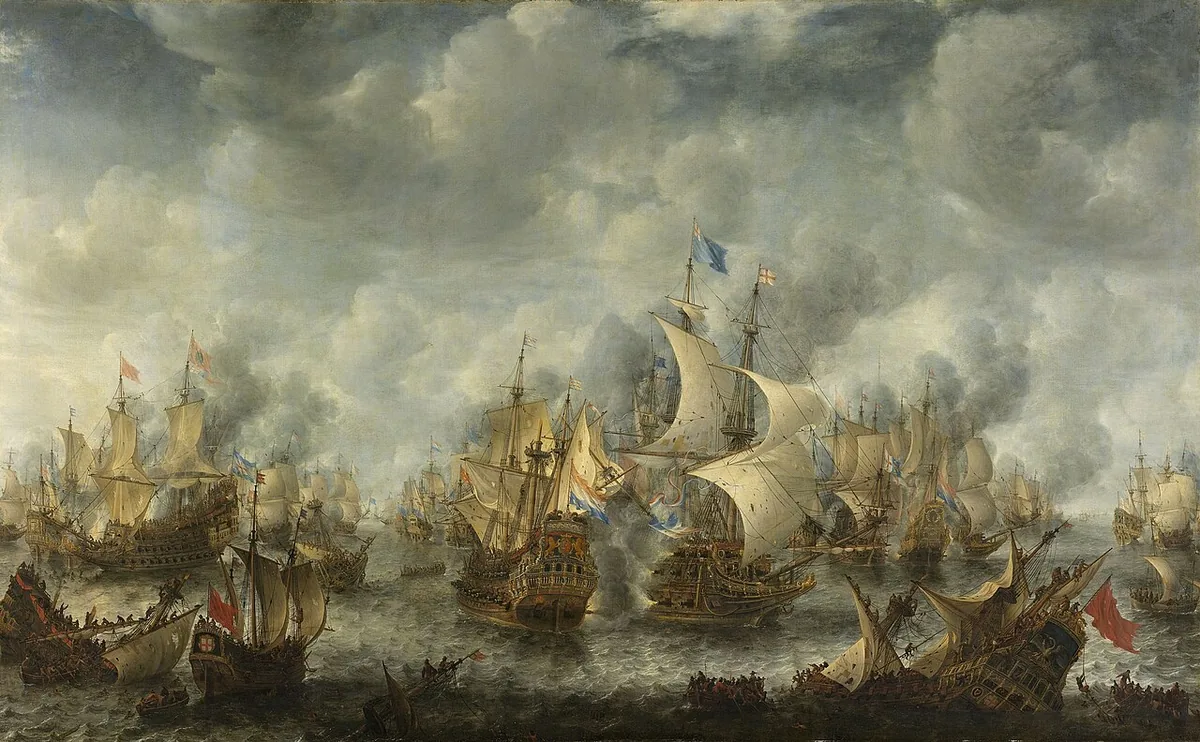
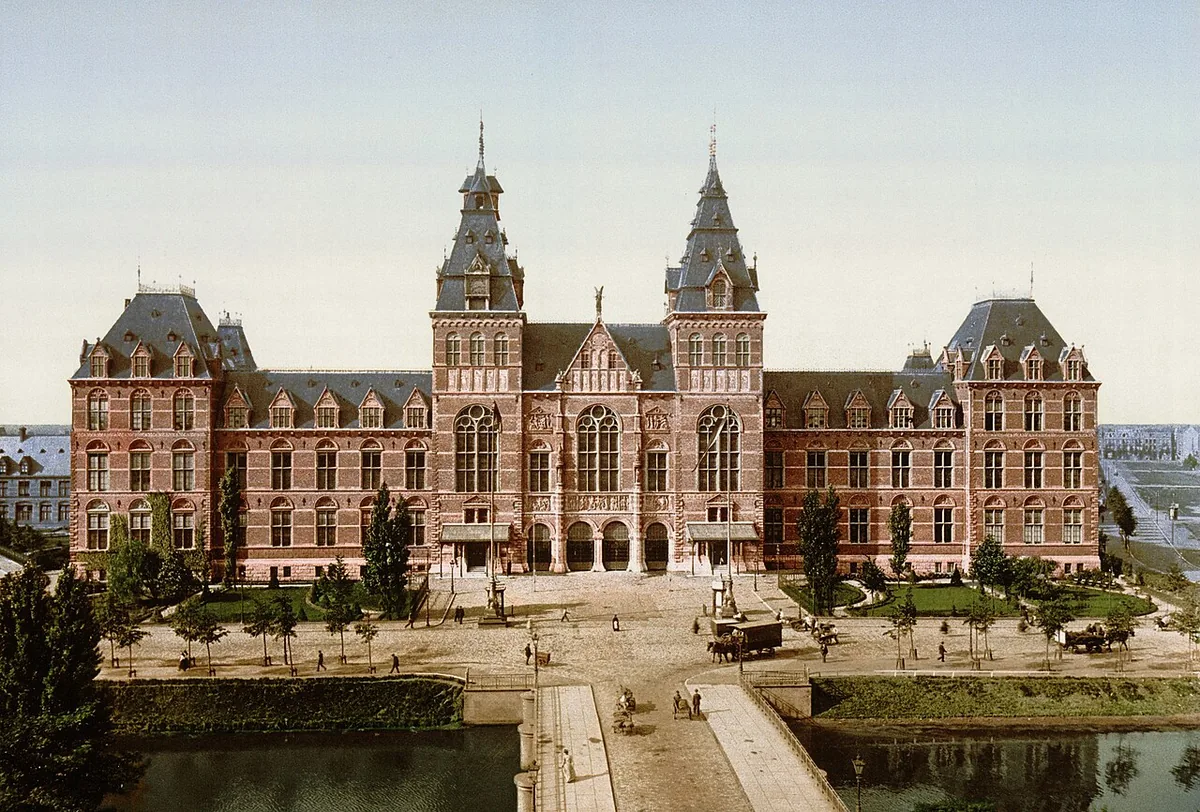
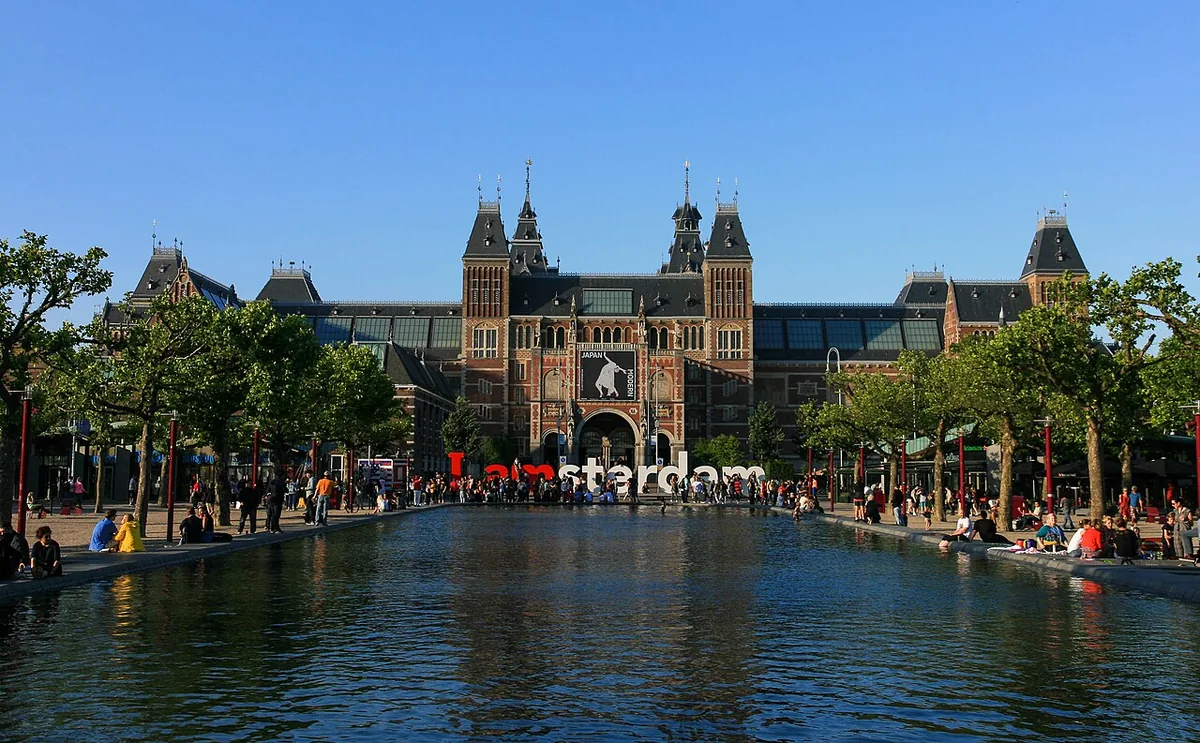
Start with the Rijksmuseum’s red-brick gateway, where towers, arches, and carved details make the building itself part of the collection. Inside, the Gallery of Honour draws your eye toward Rembrandt’s immense Night Watch, while Vermeer and other Dutch masters reward a slower look.
Quick facts
Pierre Cuypers’s Rijksmuseum took ten years to build and officially opened on 13 July 1885.
The Night Watch was cut down in or shortly after 1715 to fit between doors in Amsterdam’s town hall; two figures and part of a drummer were lost.
In October 2026, the Dutch government announced the return to Indonesia of two Rijksmuseum-held objects after provenance research found involuntary loss of possession during the colonial period.
Planning your visit
At the Rijksmuseum, use a few works as anchors rather than trying to see everything. The Gallery of Honour brings together paintings by Rembrandt, Vermeer and Frans Hals; The Night Watch and The Milkmaid are among the museum's central works. The collections also cover Dutch history, so allow yourself to follow an object or period beyond the best-known paintings.
The museum is on Museumplein, with the visitor address at Museumstraat 1. Its gardens offer an outdoor counterpart to the galleries. A start-time reservation is required, including for Museumkaart holders; check the official booking page before making the museum the fixed point of your day.
Ask for the accessibility map at the information desk if you need to plan around lifts, seating or accessible toilets. The museum provides lifts on all floors. Backpacks and oversized handbags are not permitted in the galleries, with an exception process for medical needs, so check the practical information before arriving with luggage.
Sources and verification
- Rijksmuseum: collections, location and reservations
- Rijksmuseum: practical information
- Rijksmuseum: accessibility and bag arrangements
Sources checked by Finding Locations using AI-assisted research. This is a source check, not a field inspection. Check the official venue information before visiting.
Get directions to Rijksmuseum. Confirm the visitor entrance and current access with the venue before travelling.
Audio guide
Listen to this place’s guide.
Guide
The Rijksmuseum was already a national institution before this red-brick building existed. Founded in The Hague in 1800, the collection moved to Amsterdam in 1808, first occupying the former town hall on Dam Square, now the Royal Palace. After 1813 it was housed in the Trippenhuis, a seventeenth-century mansion that proved too cramped for a growing public collection.
Continue exploring
Discover the full story
Keep reading with a travel pass and explore every full guide and tour.
UpgradeMore places in Amsterdam
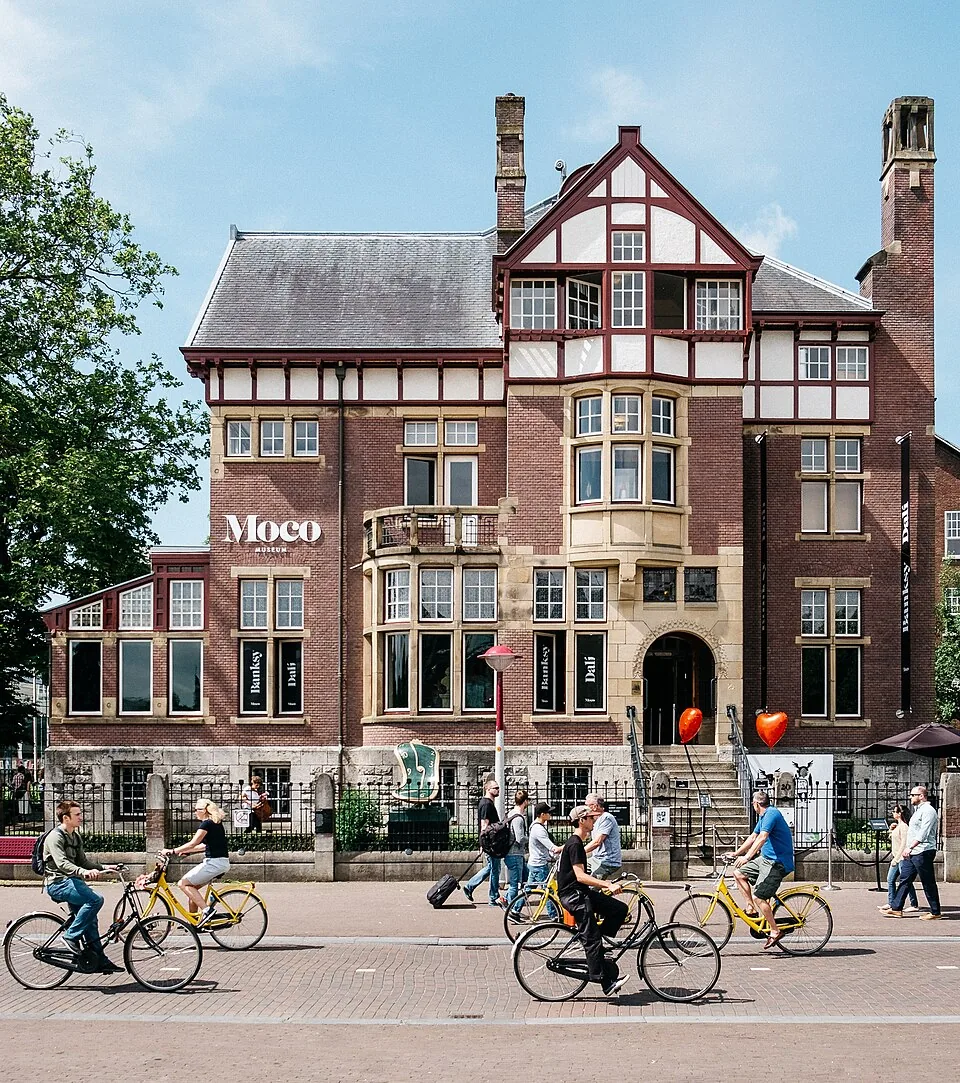
Moco Museum
Inside Villa Alsberg, an early twentieth-century residence on Museumplein, Moco places modern, contemporary and street art in domestic-scale rooms. Its history as a private home, religious residence and museum shapes how visitors encounter the work.

Van Gogh Museum
At the Van Gogh Museum, follow the artist’s work alongside the family story that kept it together. Compare the dark, carefully staged Potato Eaters with later experiments in color, and notice how letters, drawings and works by contemporaries turn a celebrated name into a working artist in his time.
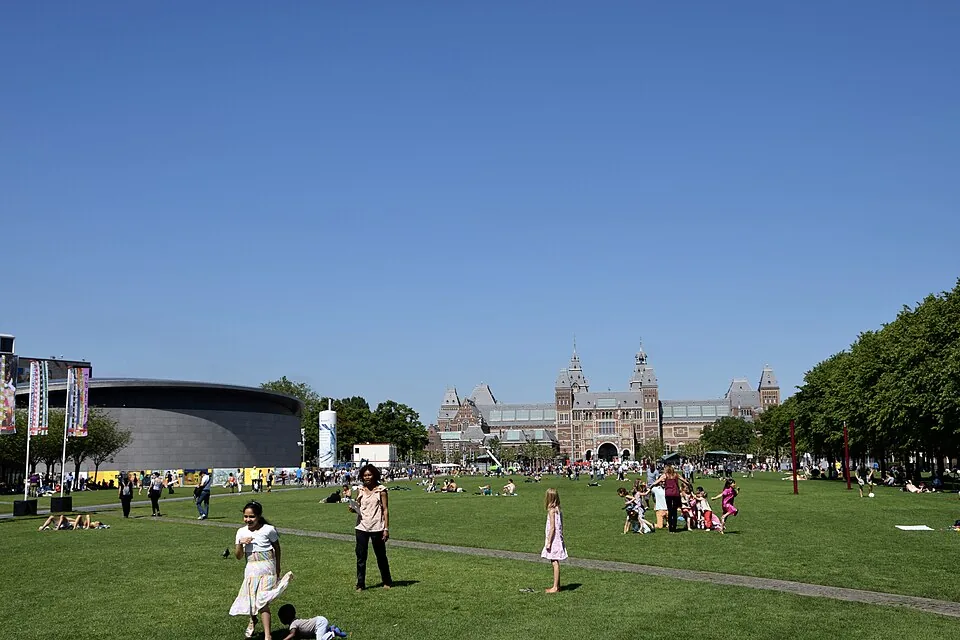
Museumplein
Museumplein is an open public square and park in Amsterdam-Zuid’s Museumkwartier, framed by major cultural institutions. Its broad lawn and tree groves reflect a 1999 redesign; the space also serves sport, neighborhood recreation, protest and public events.
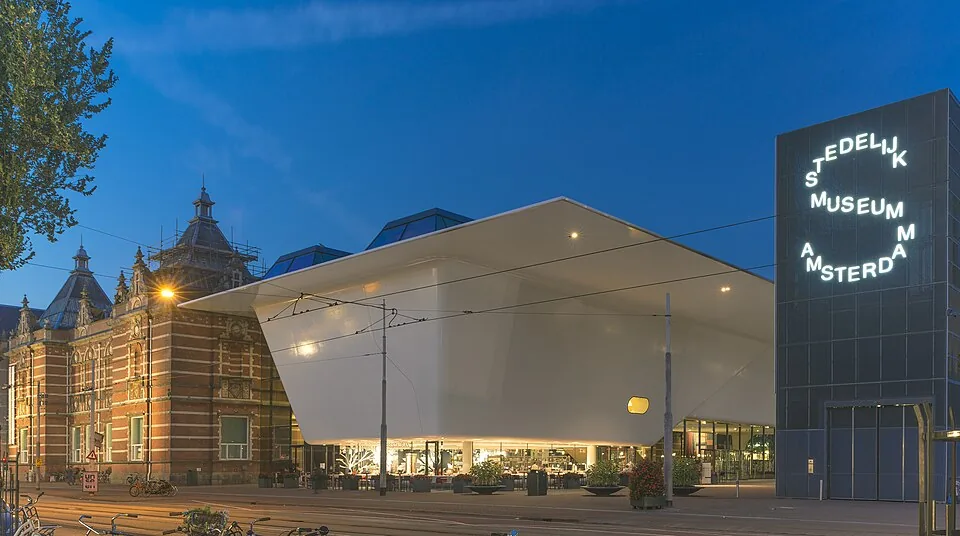
Stedelijk Museum
At Museumplein, a nineteenth-century red-brick museum meets a sweeping white extension opened in 2012. Inside, the Stedelijk brings modern and contemporary art into conversation with design and photography. Its changing displays invite close looking, while the building and its history reveal how Ams
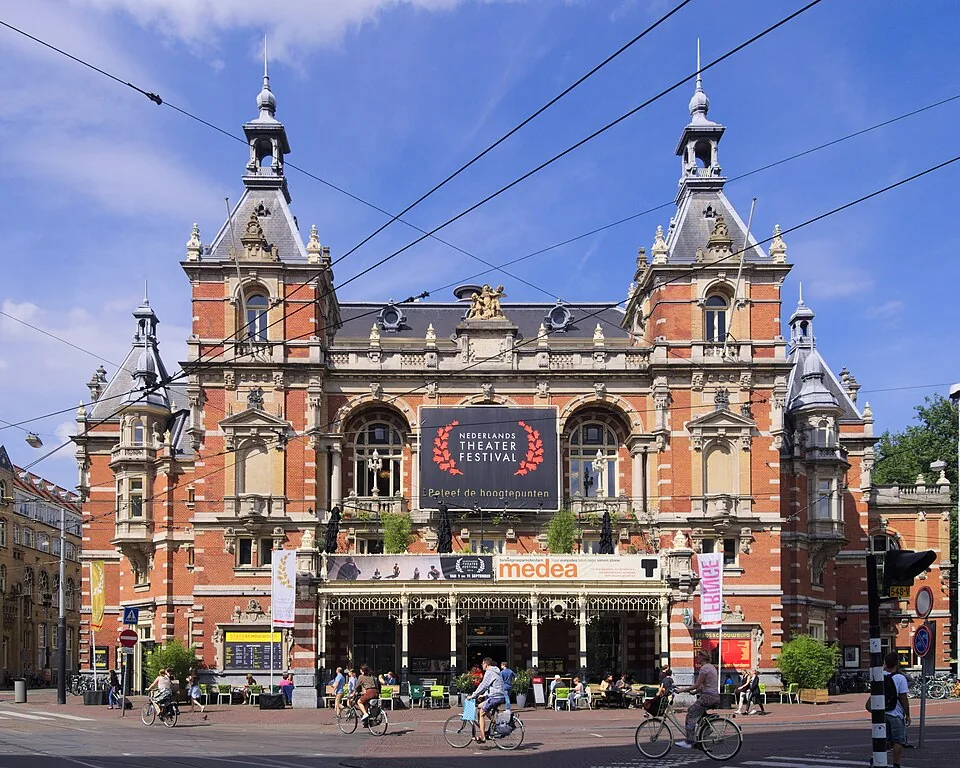
Leidseplein
Named for the former gate on the road to Leiden, Leidseplein grew from a wagon and carriage forecourt into a transport and entertainment hub. Its theatre, tram stop, hidden canal and redesigned Kleine-Gartmanplantsoen show how the square keeps adapting.
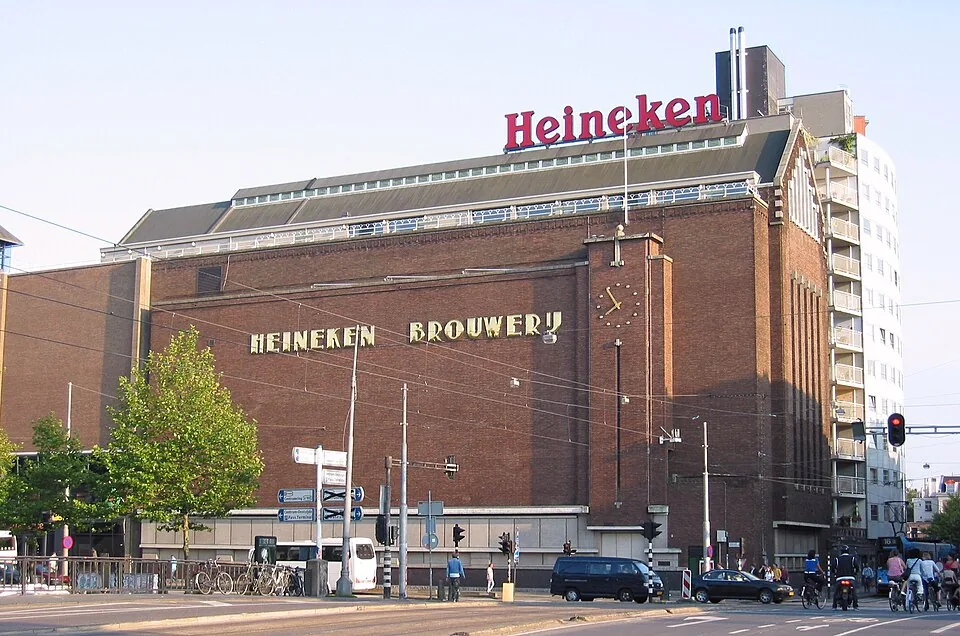
Heineken Experience
In Amsterdam’s De Pijp, the Heineken Experience occupies a surviving part of the brewery complex that grew here from 1867. Its listed brewhouse, copper kettles and later industrial buildings trace the shift from a working factory to a museum and brand experience.