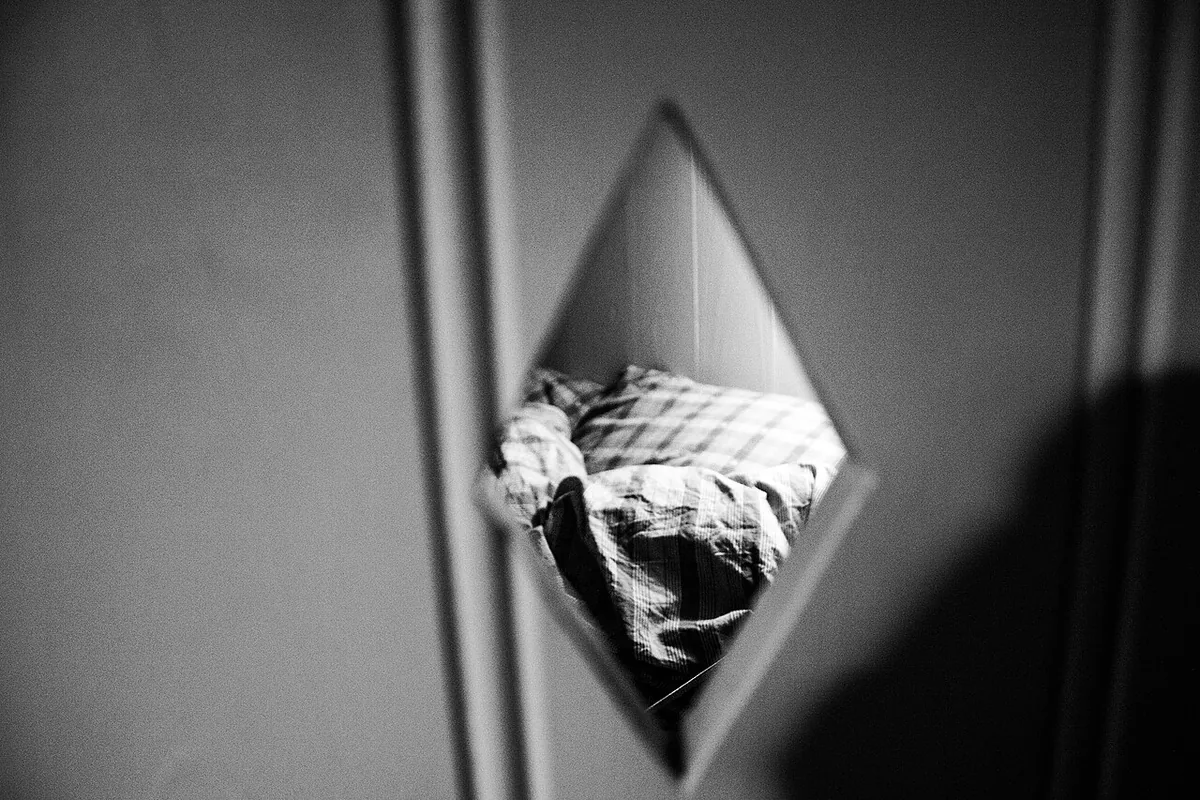
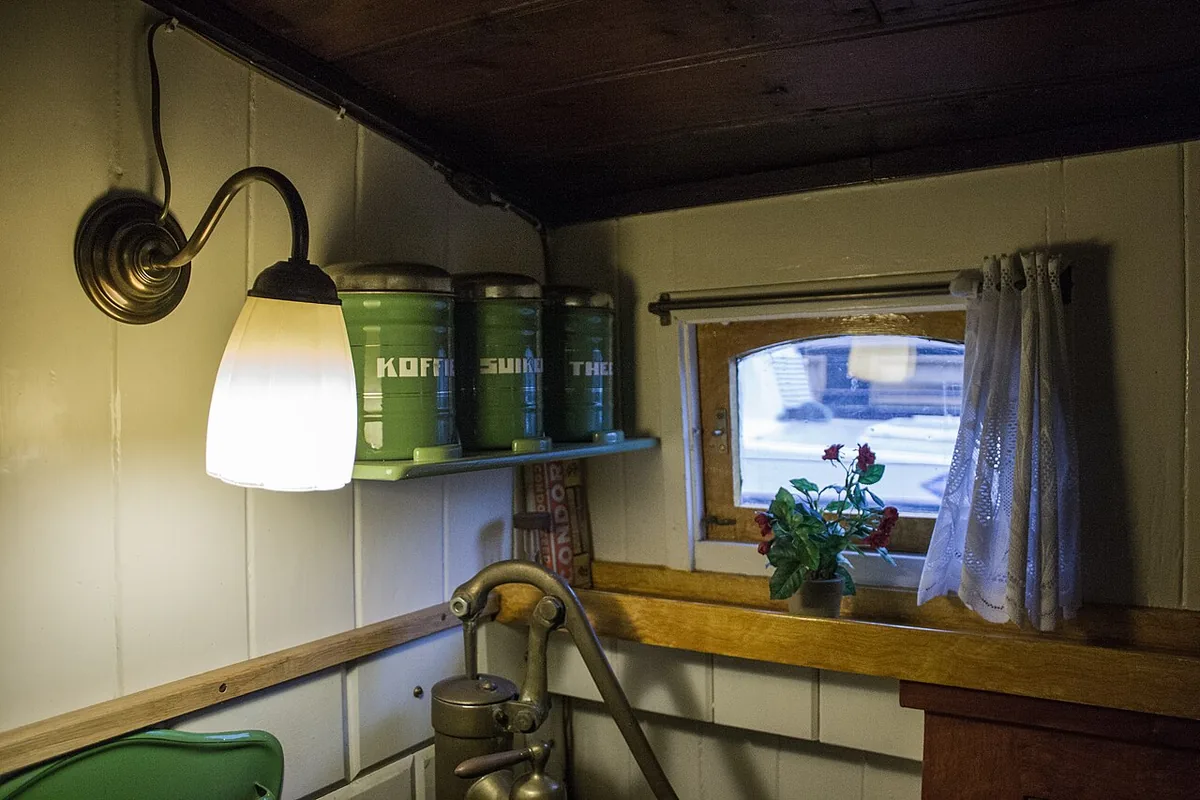
A visit to the Houseboat Museum takes you aboard the Hendrika Maria, a 1914 cargo vessel moored on Amsterdam’s Prinsengracht. Its converted hold makes floating domestic life tangible, while the boat’s story opens onto a wider history of housing pressure, changing freight, and residents claiming space on the city’s canals.
Quick facts
The Houseboat Museum is aboard the Hendrika Maria, a former cargo vessel built in 1914.
The museum began in 1996, when resident Vincent van Loon opened his boat to answer passers-by’s questions about life on board.
Amsterdam’s City Archives documents houseboat residents organizing in 1969 against a municipal plan to remove hundreds of boats.
Get directions to Houseboat Museum. Confirm the visitor entrance and current access with the venue before travelling.
Audio guide
Listen to this place’s guide.
Guide
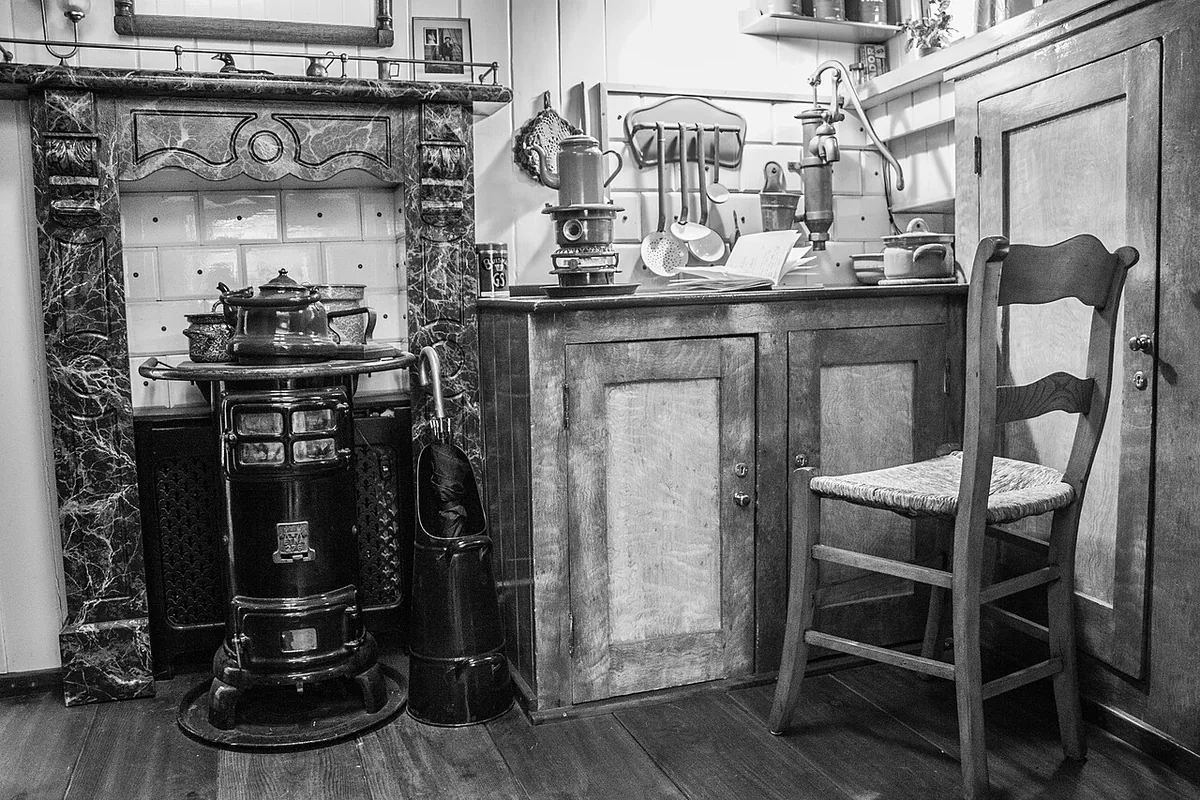
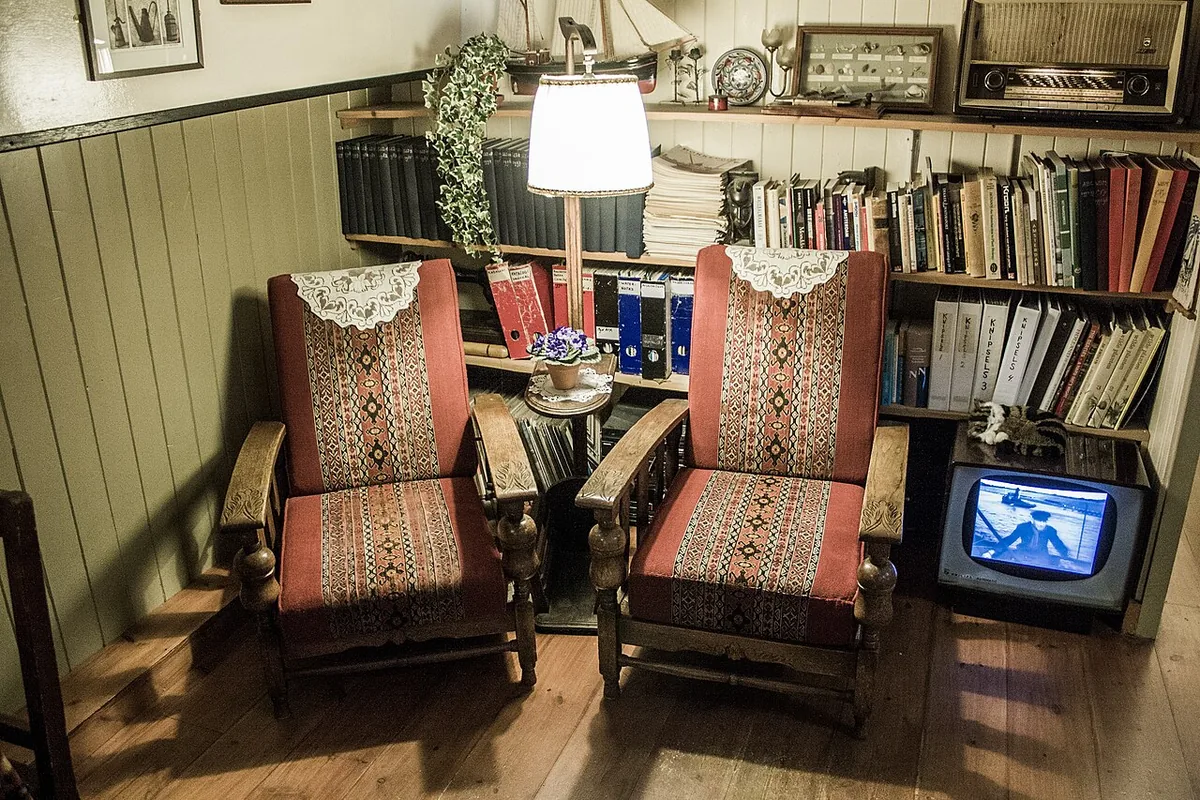
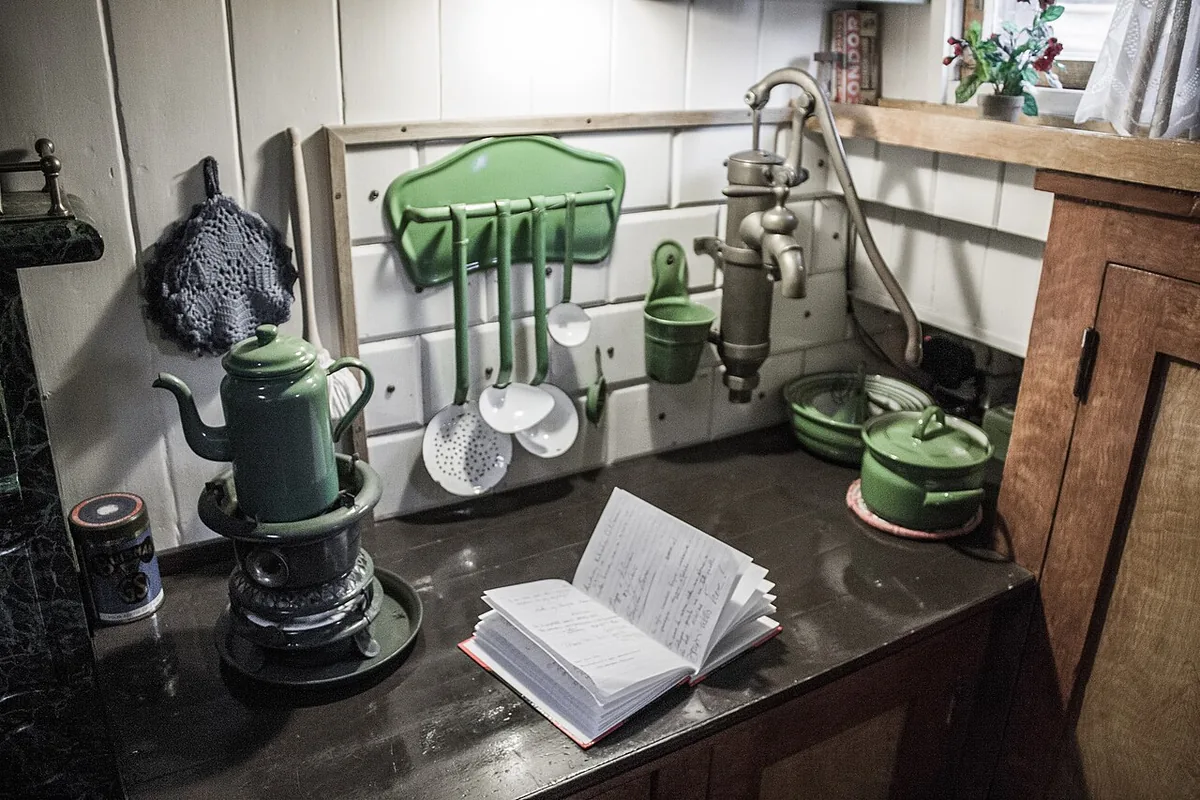
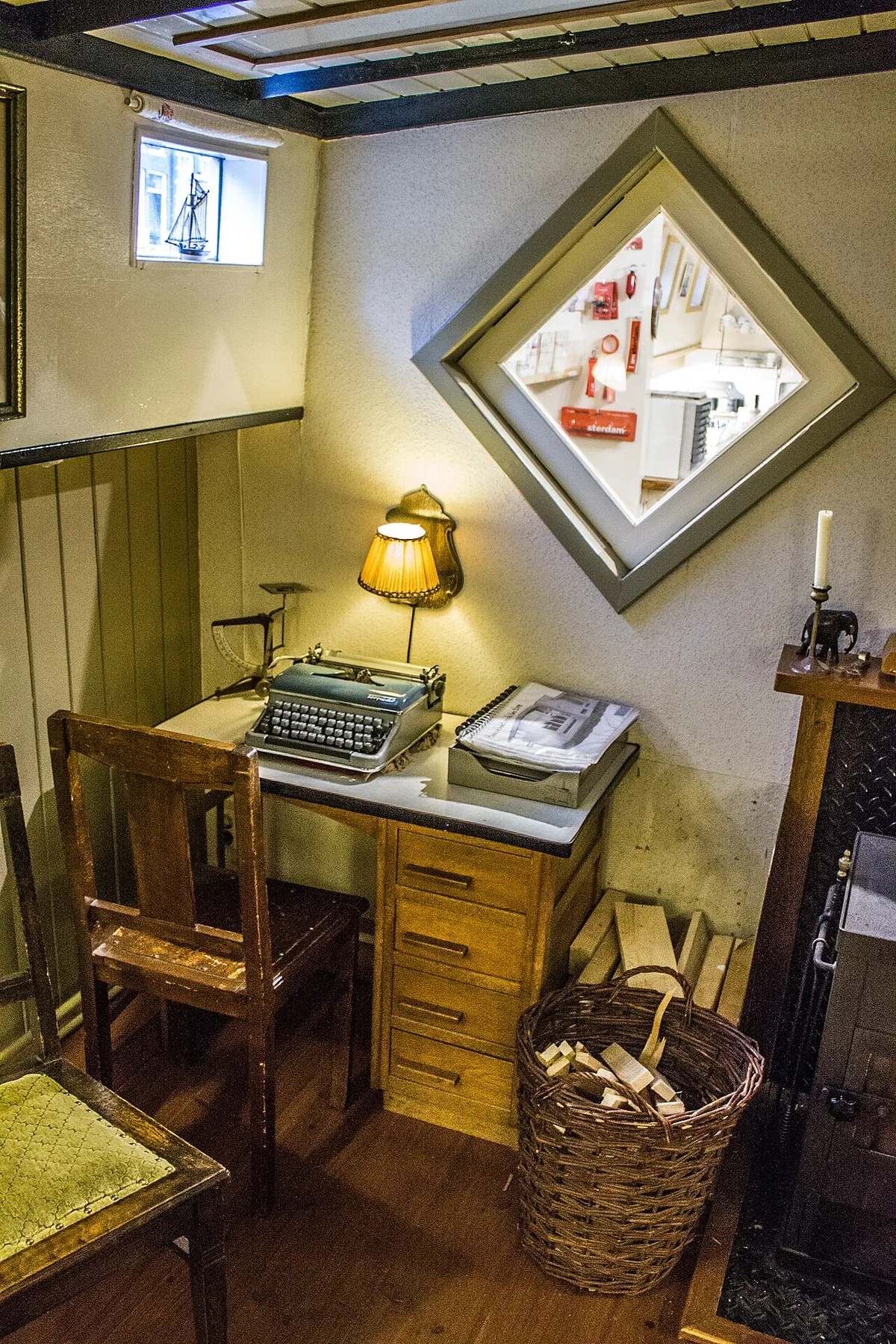
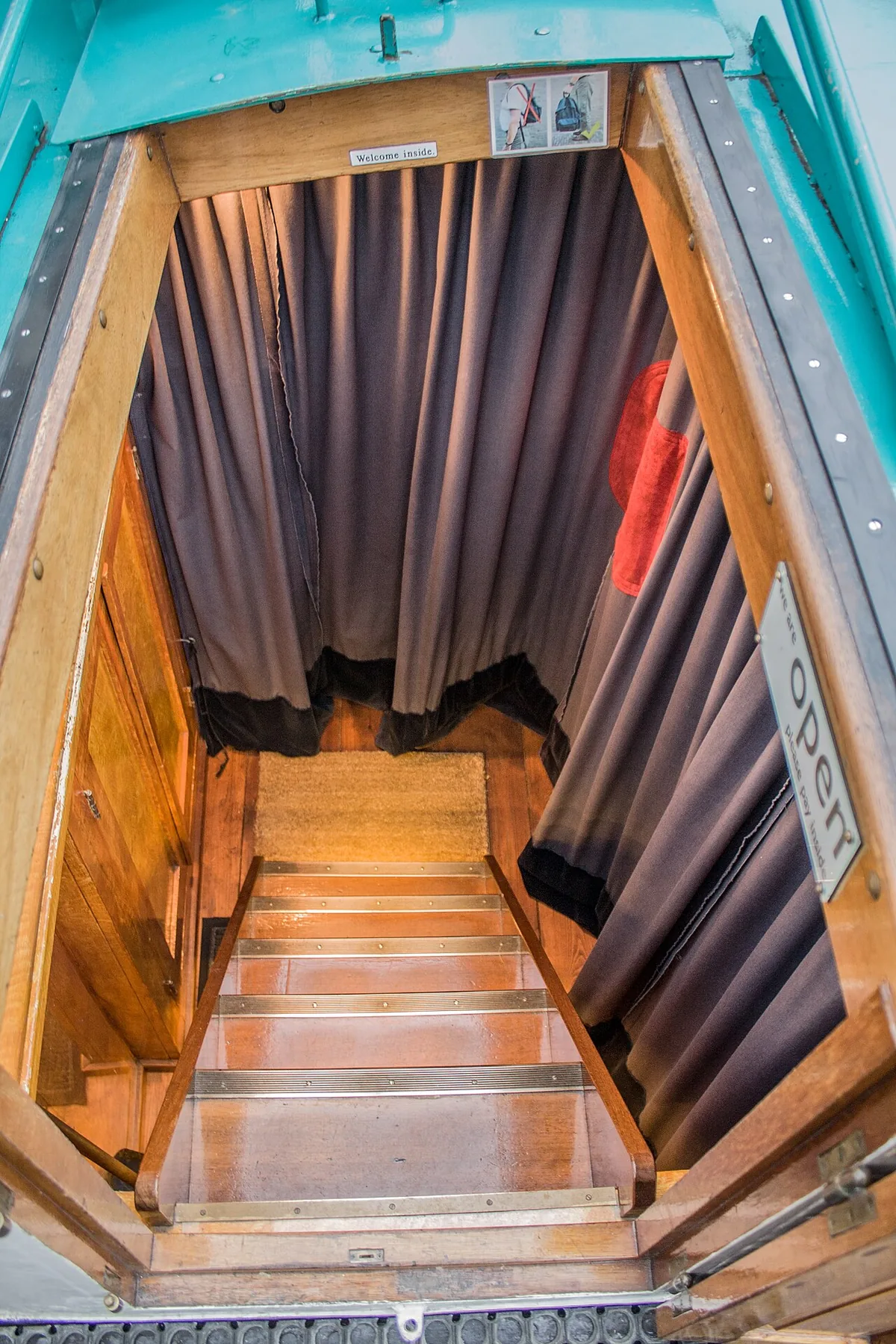
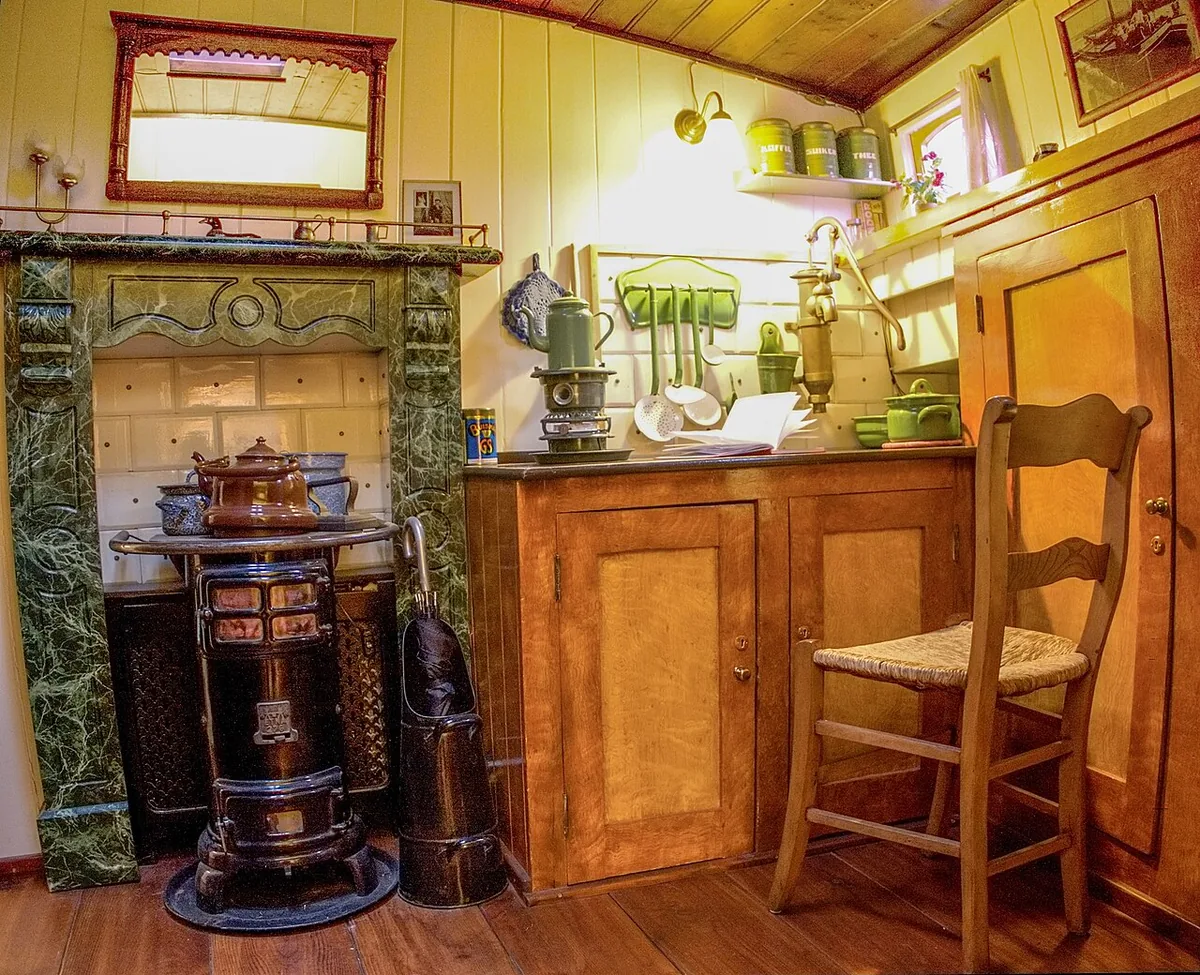
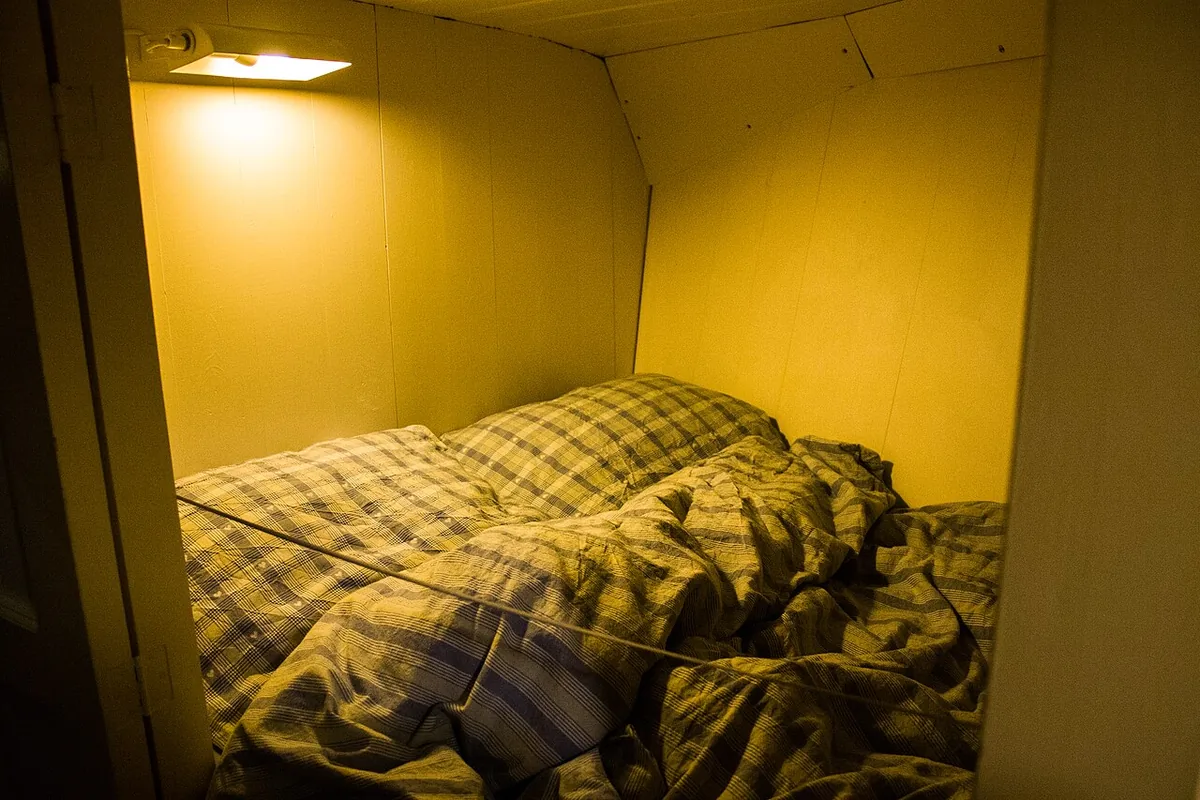
From the quay, the Houseboat Museum looks like one more vessel folded into Amsterdam’s canal landscape. Its story changes when you step aboard. The museum occupies the Hendrika Maria, a former cargo ship built in 1914; its hold is now arranged as domestic space. The hull once carried goods through the Dutch waterways, but the same enclosed volume now shows how a boat can become a home.
Continue exploring
Discover the full story
Keep reading with a travel pass and explore every full guide and tour.
UpgradeMore places in Amsterdam
De Negen Straatjes
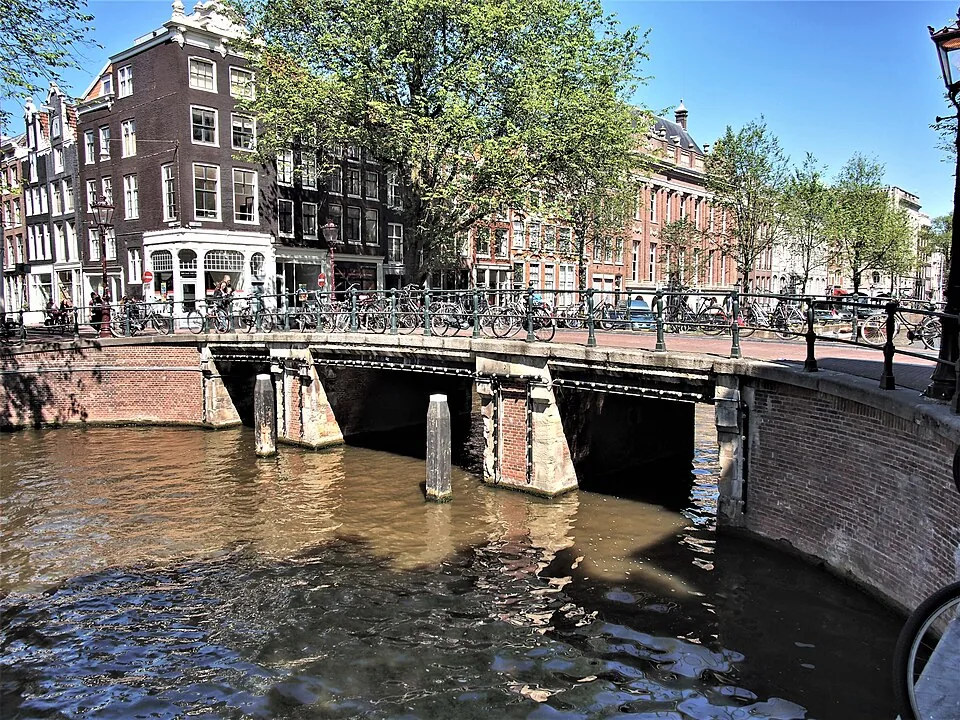
De Negen Straatjes is a named group of nine cross streets in Amsterdam’s canal belt, between the Singel, Herengracht, Keizersgracht and Prinsengracht. Their small plots once housed trades serving canal residents; today the historic street pattern frames a changing mix of shops, cafés and homes.
Prinsengracht
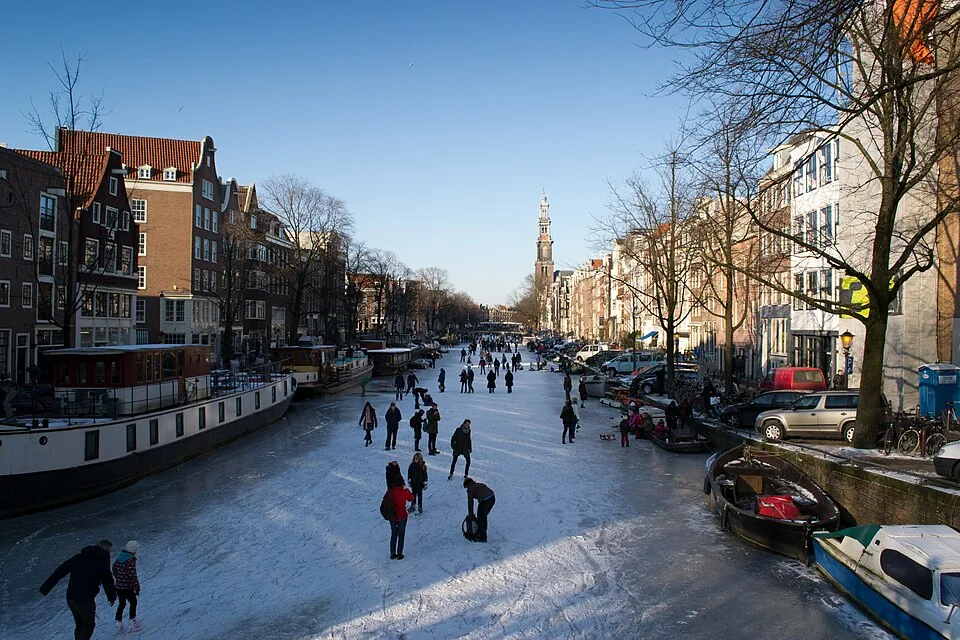
Prinsengracht, Amsterdam’s outermost principal canal on the west side of the Amstel, grew from a seventeenth-century city expansion into a working waterway lined with warehouses and homes. Its bridges and dense plots reveal how trade, transport, and everyday life shaped the canal belt.
Keizersgracht
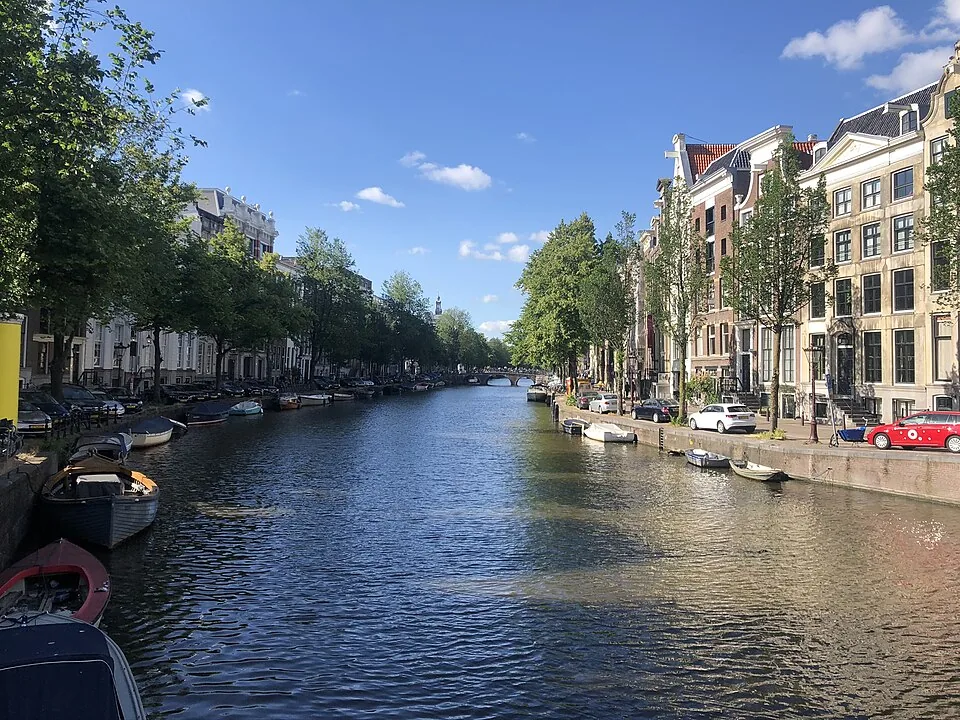
Keizersgracht is the middle canal of Amsterdam’s three principal seventeenth-century canal arcs. Begun in 1615 and extended in phases, it links the city’s water-management plan, merchant landscape and living historic centre.
Canal Ring (Grachtengordel)
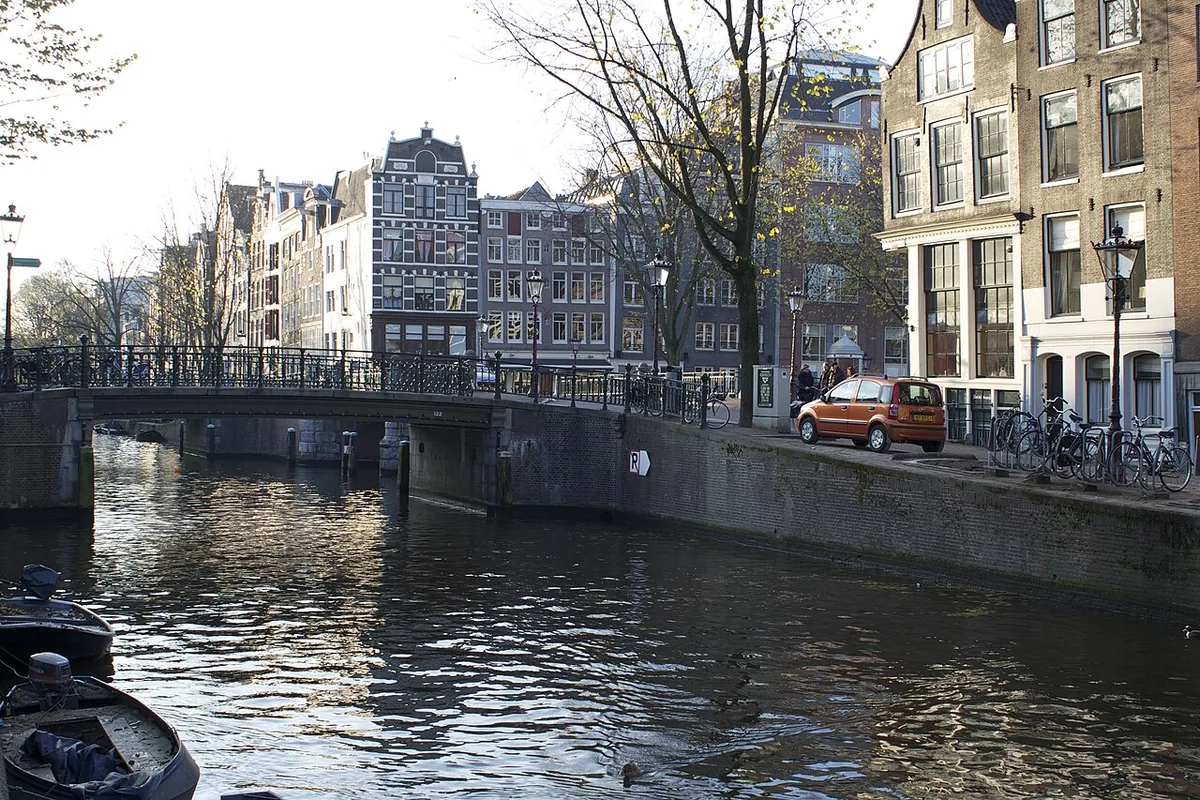
Amsterdam’s Grachtengordel is a seventeenth-century urban expansion built in stages around the older center. Read its canals, cross streets, bridges, and canal houses as one working city plan, while remembering that the UNESCO-listed area inside the Singelgracht is only a defined part of this broad
Amsterdam Museum
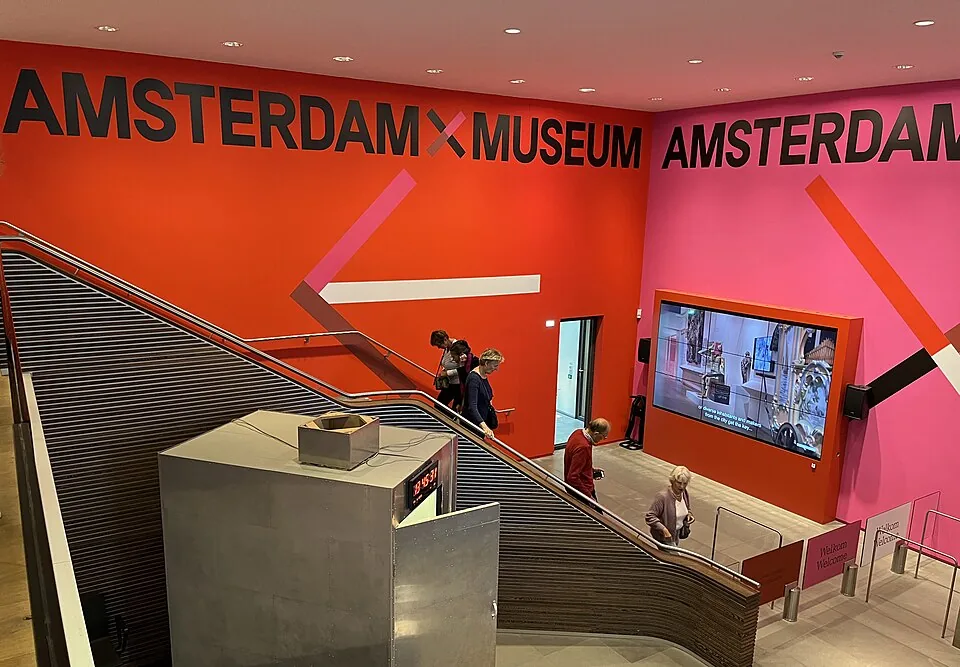
The Amsterdam Museum’s historic home occupies the former Burgerweeshuis, a centuries-old complex shaped by a convent, an orphanage and the city museum. Its courtyards and façades preserve that changing civic story; the Kalverstraat site is currently closed during renovation.
Begijnhof
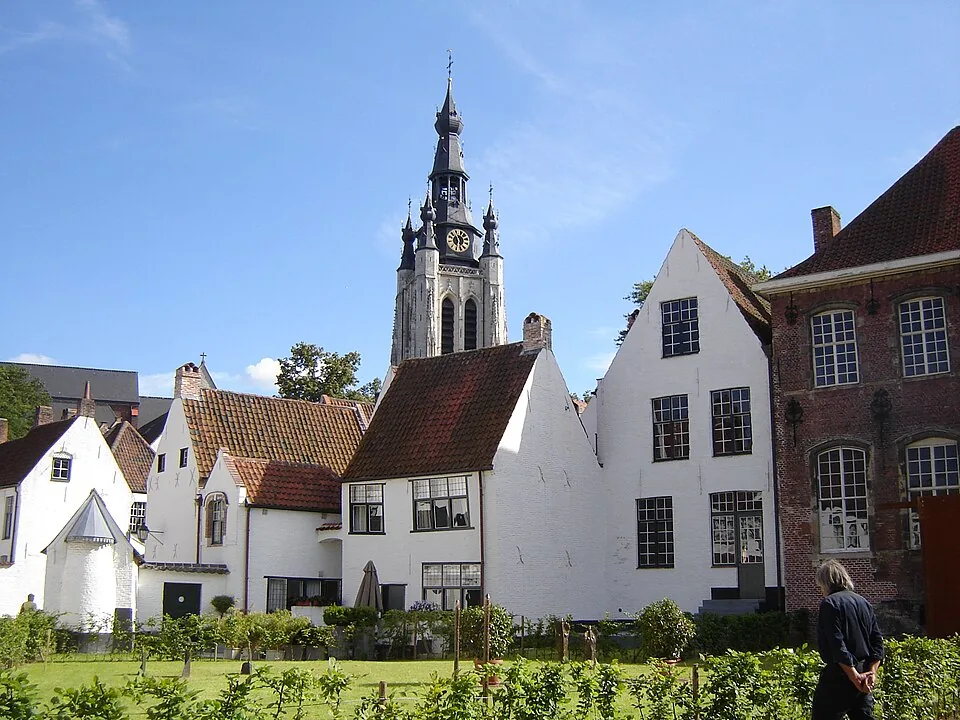
Amsterdam’s medieval Begijnhof was a community of Catholic laywomen who lived and worked together without being cloistered nuns. Its uneven courtyard, rare timber-framed Wooden House, former English church, and still-active Catholic chapel record centuries of changing worship and residential life.