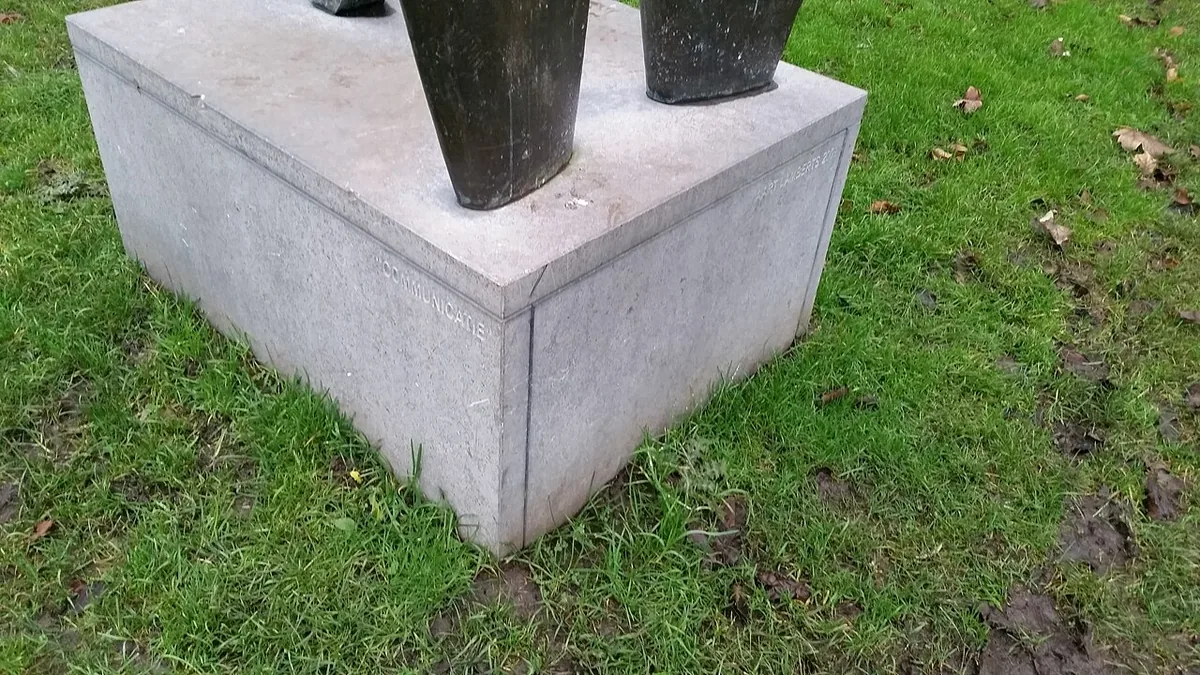
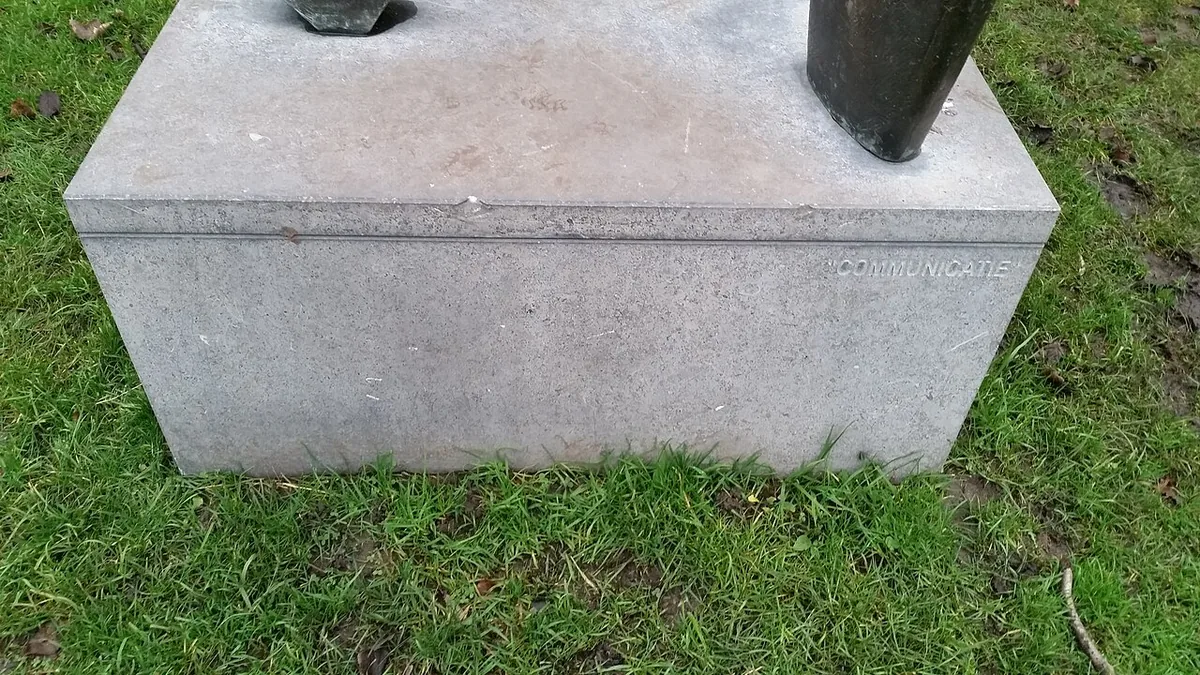
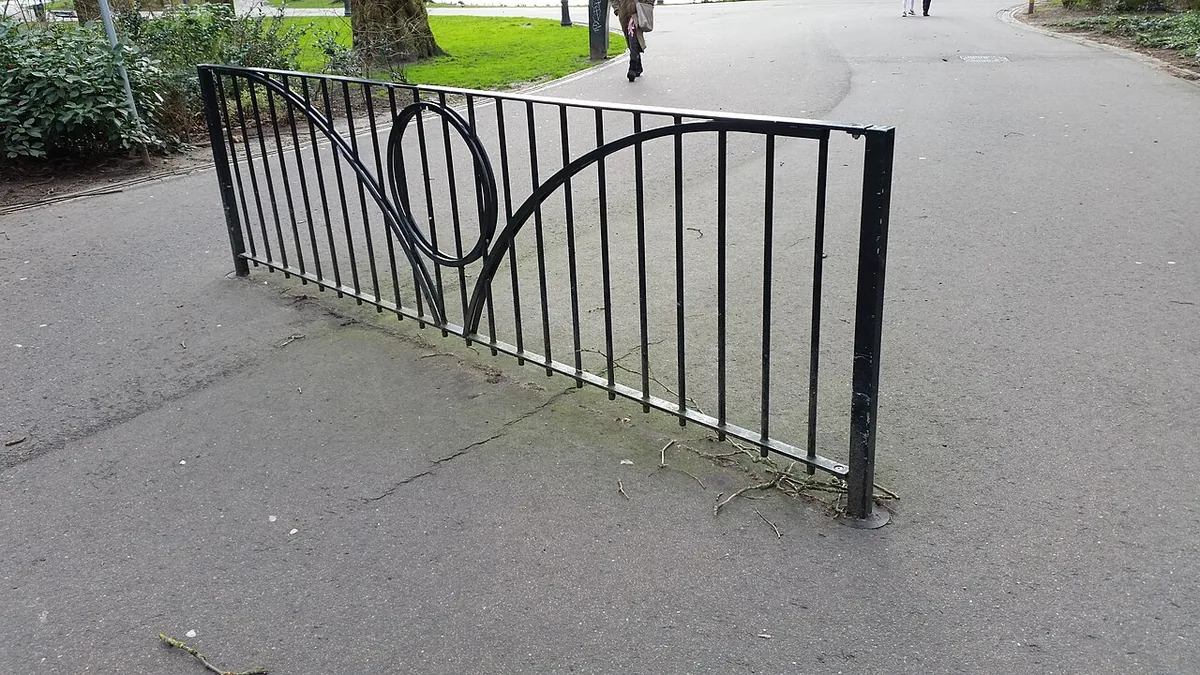
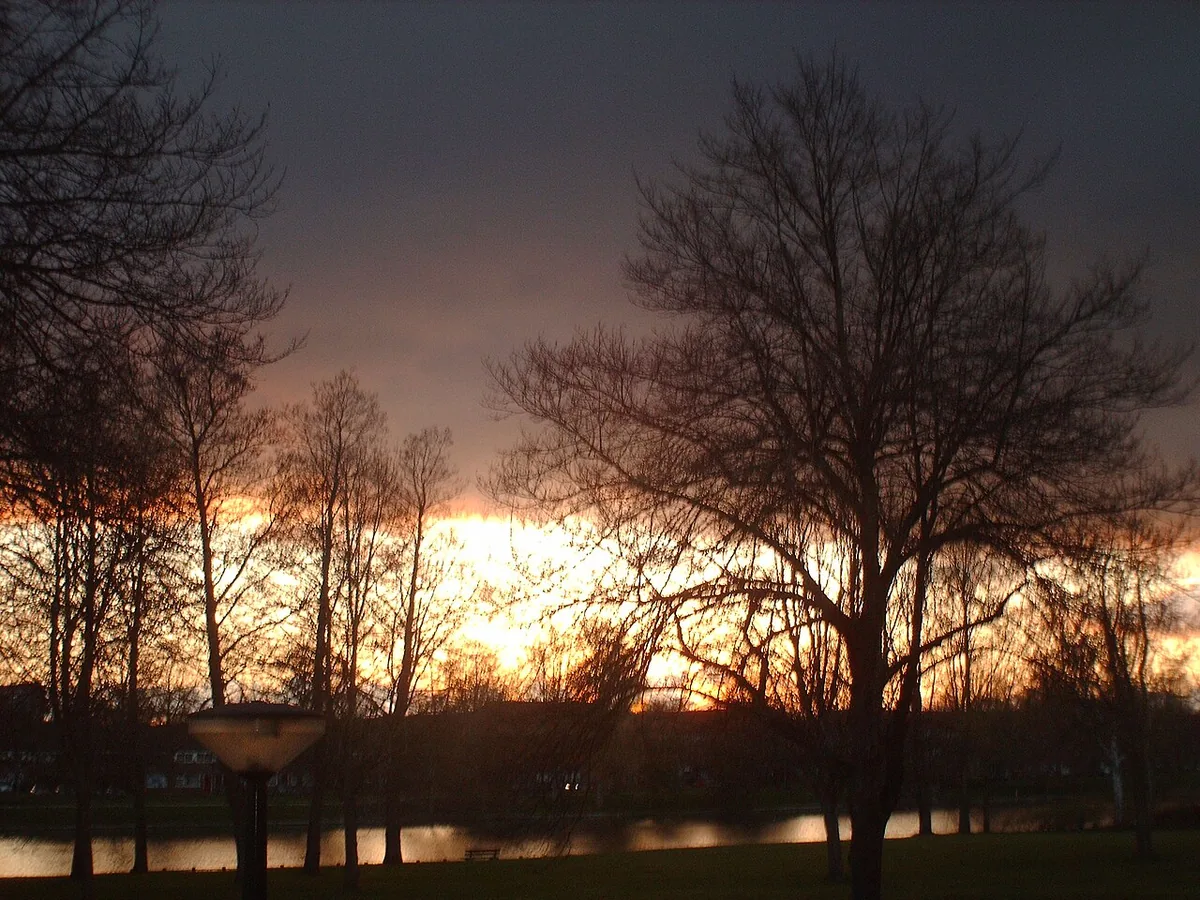
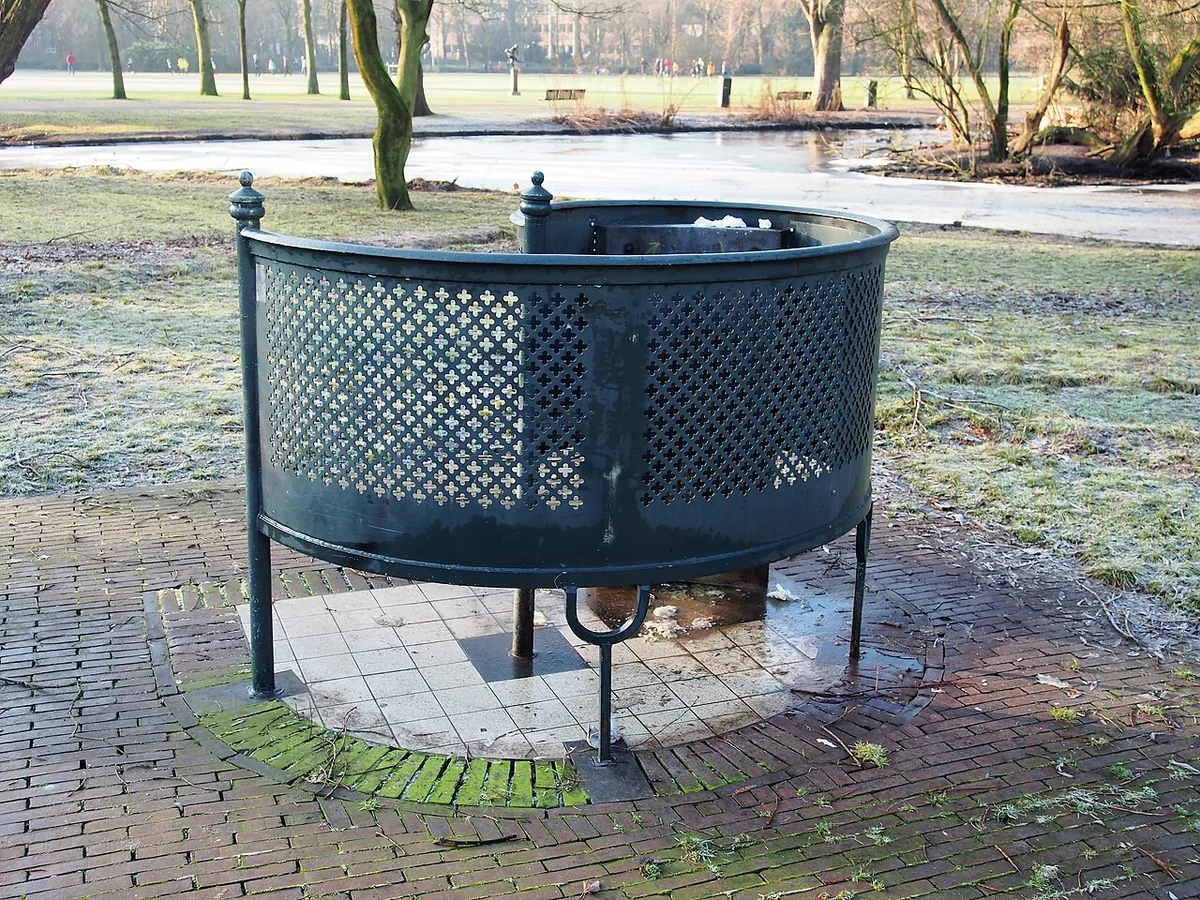
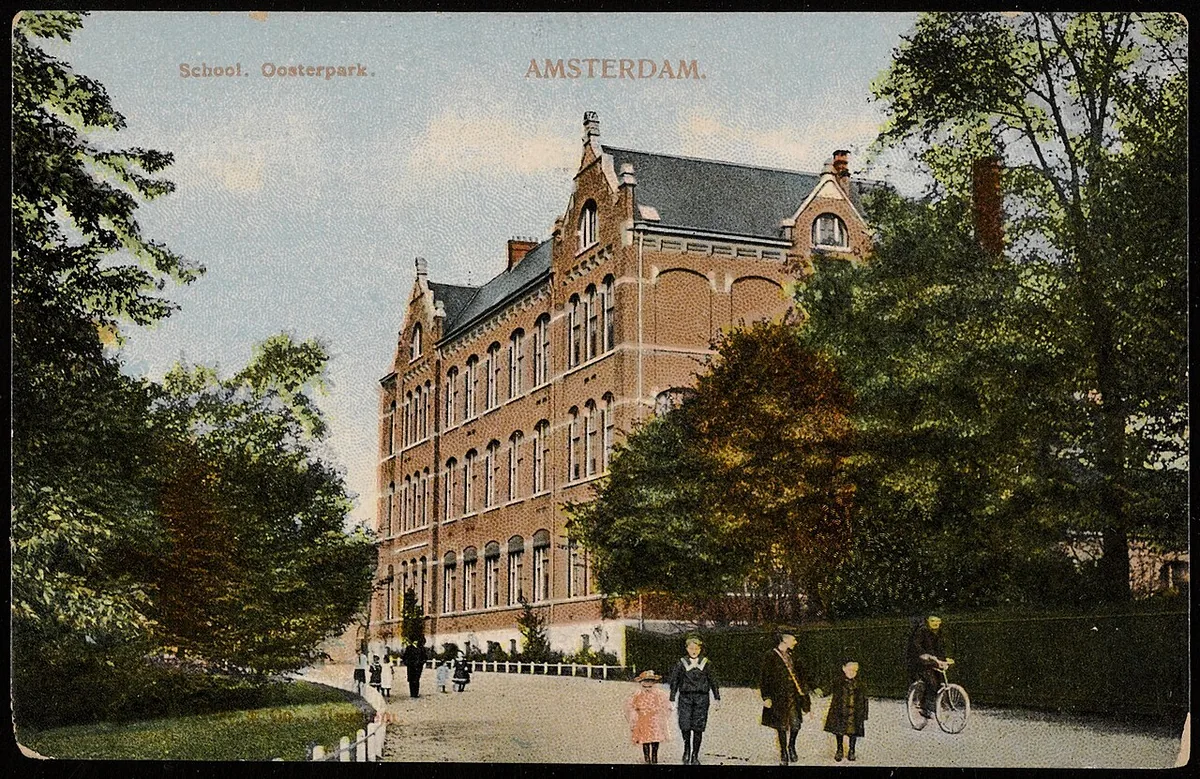
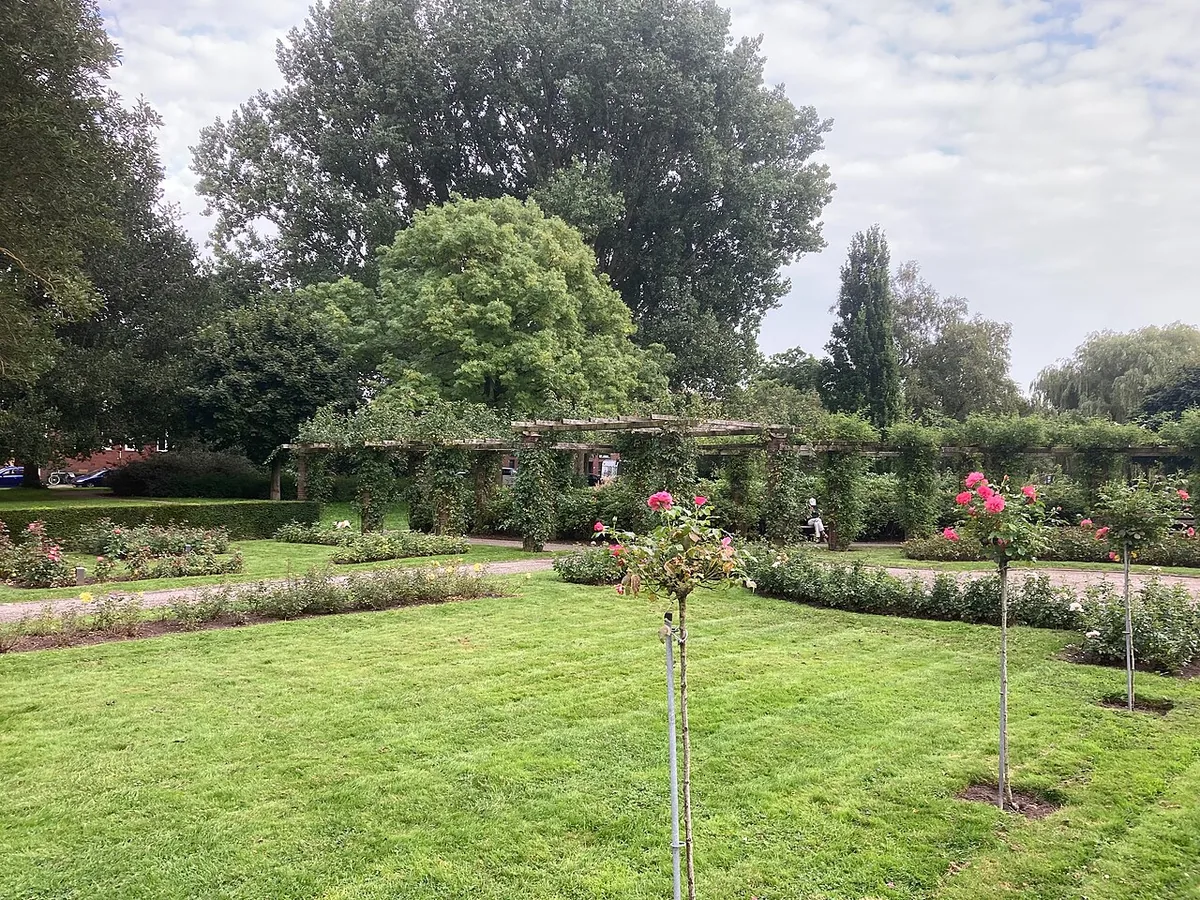
Oosterpark is Amsterdam-Oost’s first large municipal park: a 19th-century landscape shaped by a former cemetery and a changing neighborhood, with monuments that keep public memory present.
Quick facts
Oosterpark opened in 1894; Leonard Springer’s plan is dated 1891.
The National Slavery Monument by Erwin de Vries was inaugurated in Oosterpark on 1 July 2002.
Jeroen Henneman’s De Schreeuw, commemorating Theo van Gogh and reflecting on freedom of expression, was unveiled at the park edge in 2007.
Get directions to Oosterpark. Confirm the visitor entrance and current access with the venue before travelling.
Audio guide
Listen to this place’s guide.
Guide
Oosterpark is more than a green pause in Amsterdam-Oost: it is a public landscape layered over a cemetery, shaped by arguments about what a crowded neighborhood needed, and repeatedly claimed as a place of remembrance. Its long pond, open lawns and curling paths still make the landscape reveal itself in pieces. The changing views are part of the design, not an accident of leftover ground.
Continue exploring
Discover the full story
Keep reading with a travel pass and explore every full guide and tour.
UpgradeMore places in Amsterdam
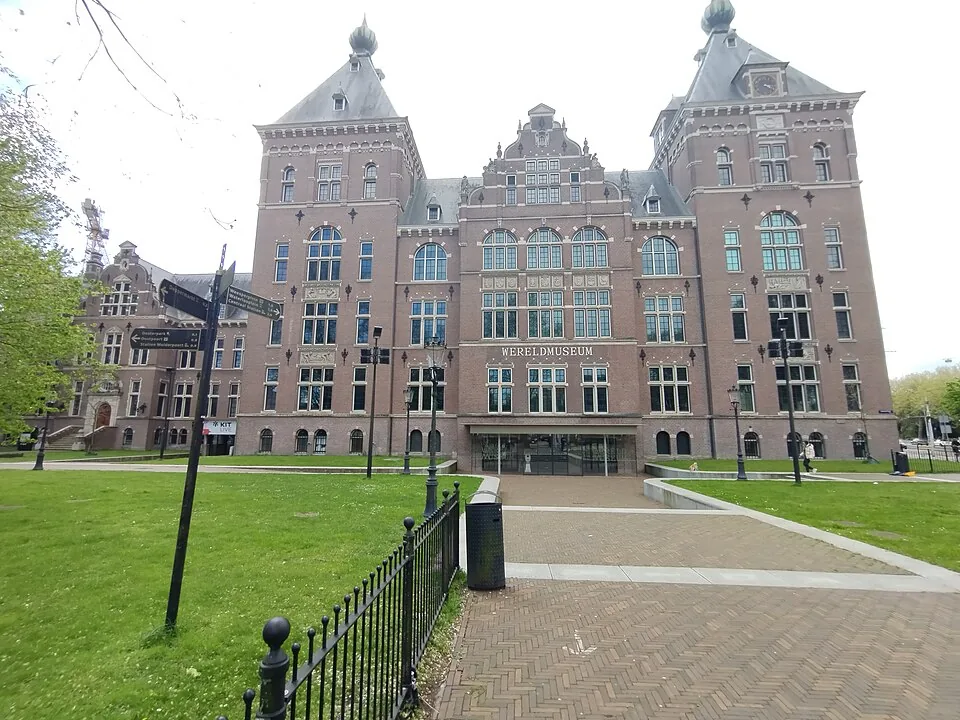
Tropenmuseum
Wereldmuseum Amsterdam occupies the monumental former Colonial Institute, opened in 1926. Its historic architecture and collections now frame exhibitions that examine the museum’s colonial origins, the histories of objects, and the continuing effects of colonialism.

Artis Royal Zoo
Founded in 1838, ARTIS grew from a members’ society for studying living and preserved nature into Amsterdam’s historic zoo and museum landscape. Its grounds preserve nineteenth-century buildings and paths, while the Groote Museum invites visitors to reconsider how people have classified and related

Brouwerij ’t IJ
Brouwerij ’t IJ has brewed beside Amsterdam’s De Gooyer windmill since 1985, in the former Funen municipal bathhouse. Its story links the city’s public-health history with a pioneering craft brewery and a neighborhood tasting room shaped by local regulars.
Micropia
ARTIS-Micropia turns the microbial world into something visitors can observe: living cultures, microscopes and interactive exhibits connect microbes to bodies, food and ecosystems. It occupies a restored ARTIS landmark with a complex history of science, civic records and wartime resistance.
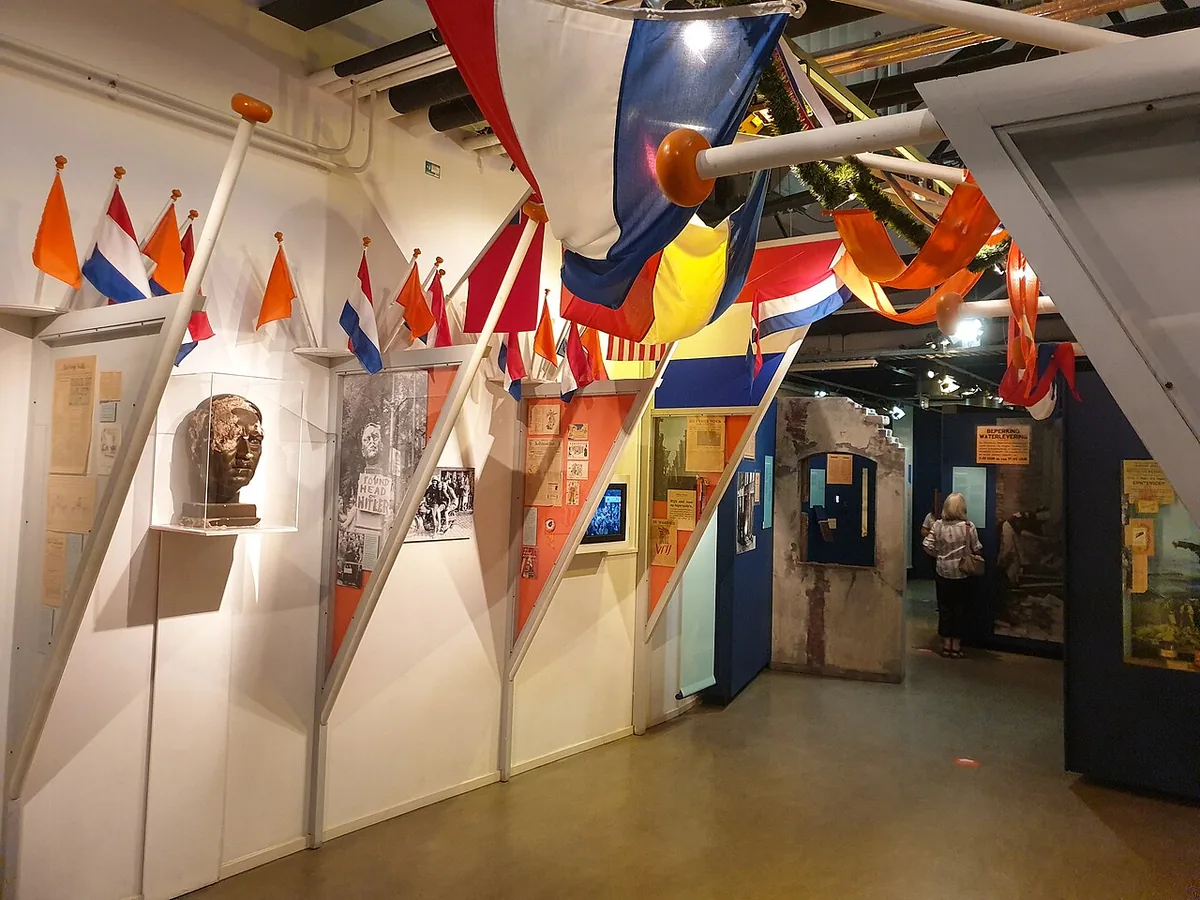
Verzetsmuseum Amsterdam
In the Plantage district, the Verzetsmuseum explores personal choices under Nazi occupation and the war’s colonial histories. Its home, the 1876 Plancius Building, began as a Jewish choral hall; across the street, resistance fighters attacked Amsterdam’s population registry in 1943.
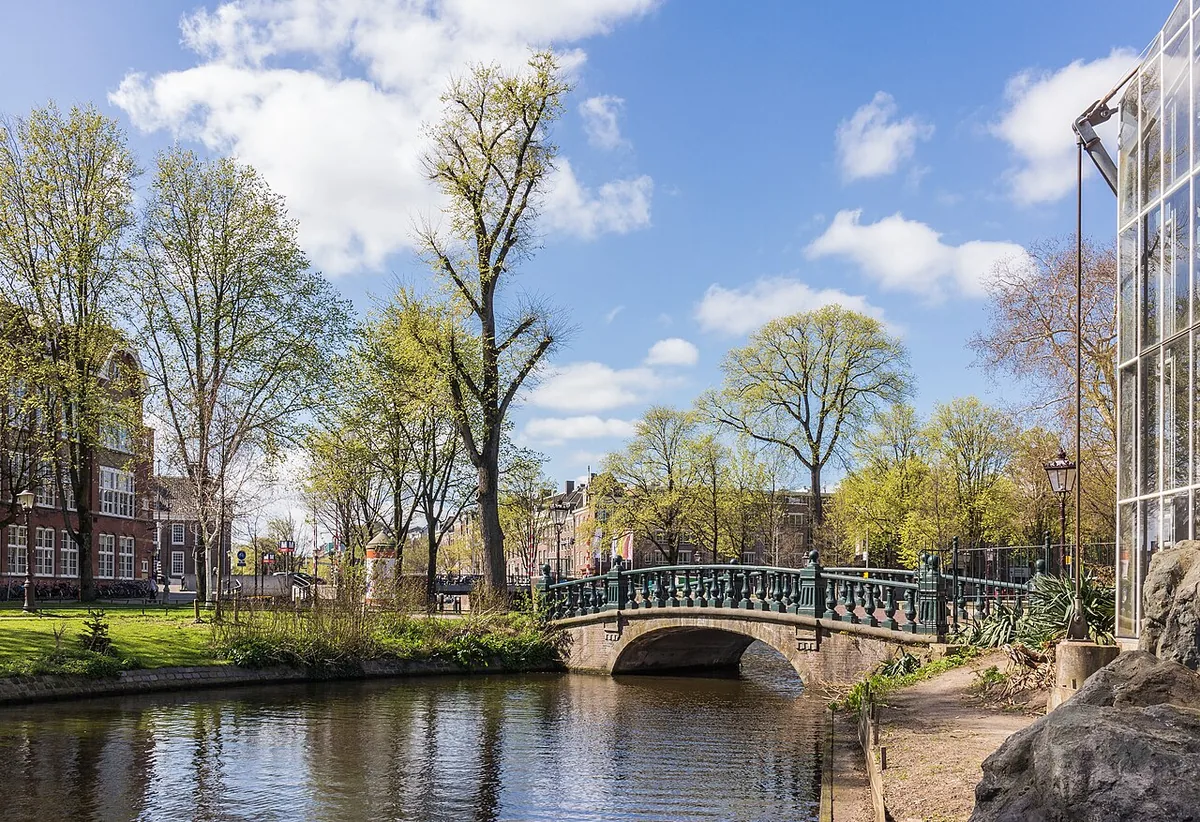
Hortus Botanicus
Amsterdam’s Hortus Botanicus grew from a 1638 medicinal garden into a living botanical collection. At the Plantage site since 1682, it brings historic catalogues, glasshouses, plant science and the city’s global trade histories together.