Explore locations
Browse places by name, city, country or category.
All locations
56 locations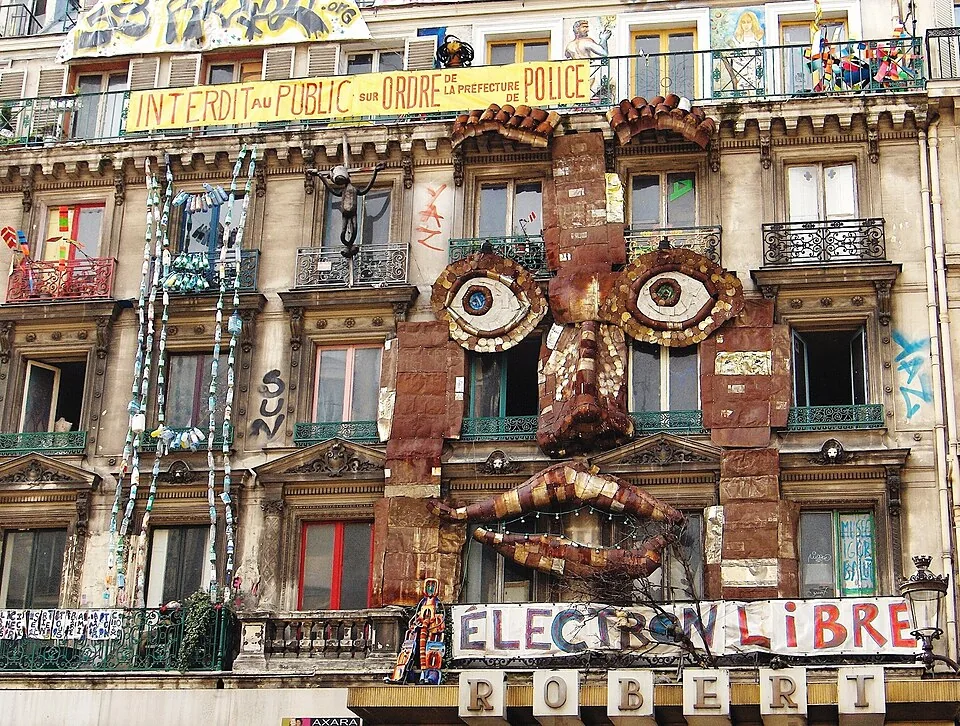
59 Rivoli
59 Rivoli is a working artist collective and public art space in a 19th-century Rue de Rivoli building. Born from a 1999 occupation of a vacant property, it now combines artist studios, a gallery and public programming under an association-city partnership.
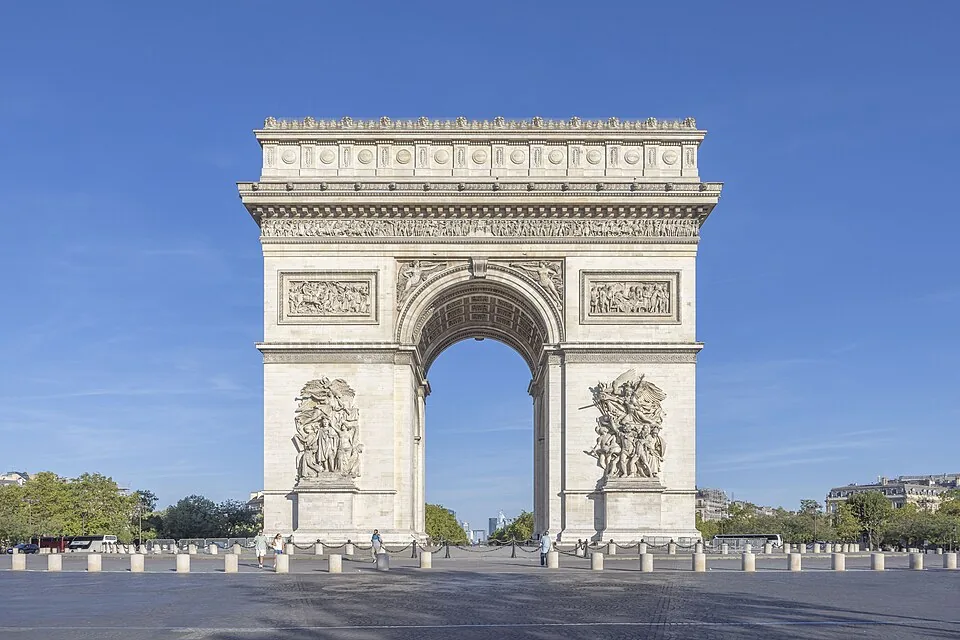
Arc de Triomphe
Commissioned by Napoleon and completed after decades of political change, the Arc de Triomphe at the end of the Champs-Élysées became a stage for Paris and a memorial to France’s unknown dead.
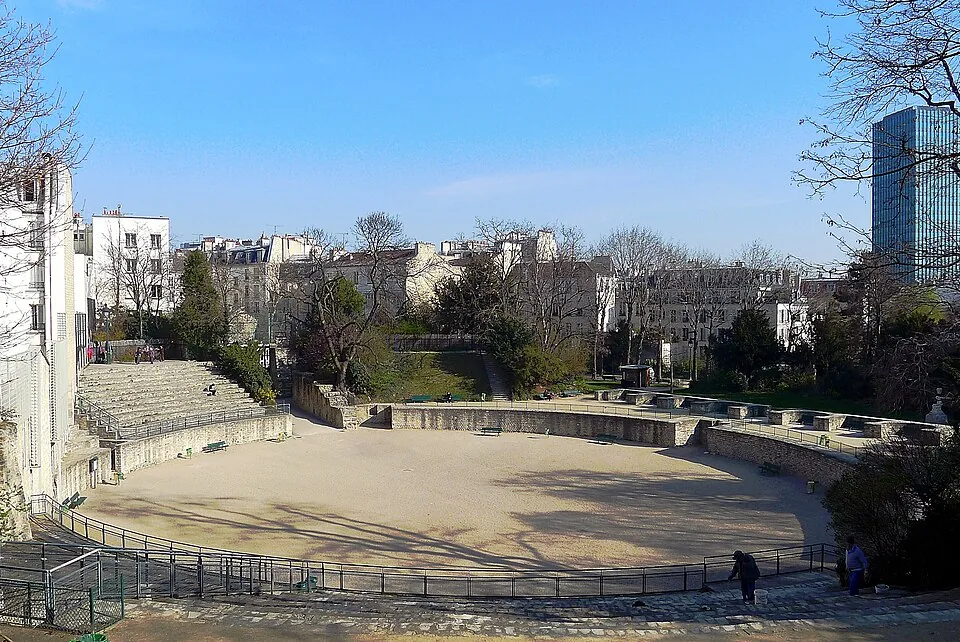
Arènes de Lutèce
Paris’s Arènes de Lutèce joined a Roman arena and theatre stage in one Gallo-Roman monument. Excavation, demolition, public campaigning and reconstruction shaped the ruins now shared as a neighborhood garden.
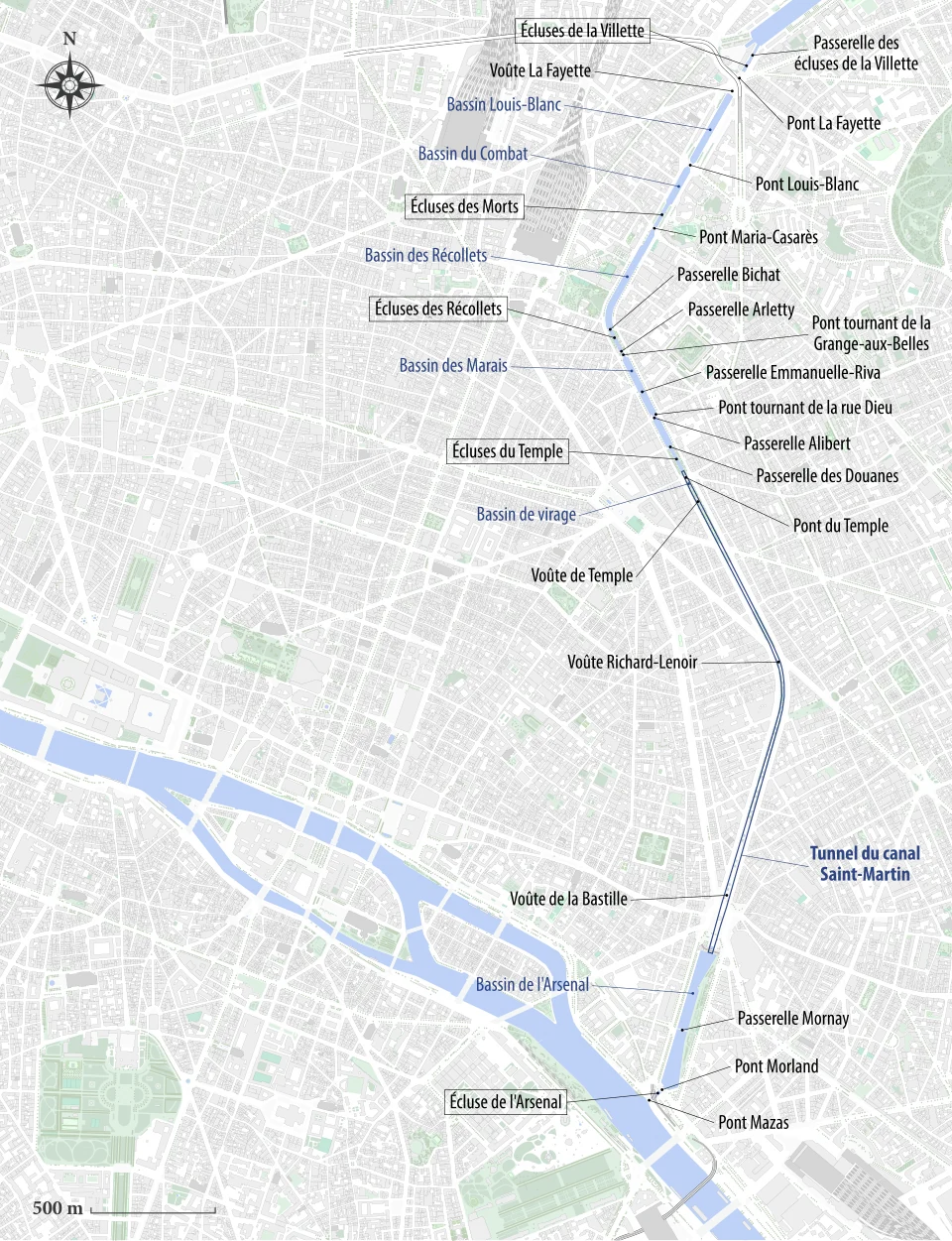
Canal Saint-Martin
An urban waterway of nine locks, iron footbridges and hidden vaults, Canal Saint-Martin links the Bassin de la Villette with the Seine. Built for water supply and freight, it became a neighborhood promenade after an expressway plan was abandoned in 1971.
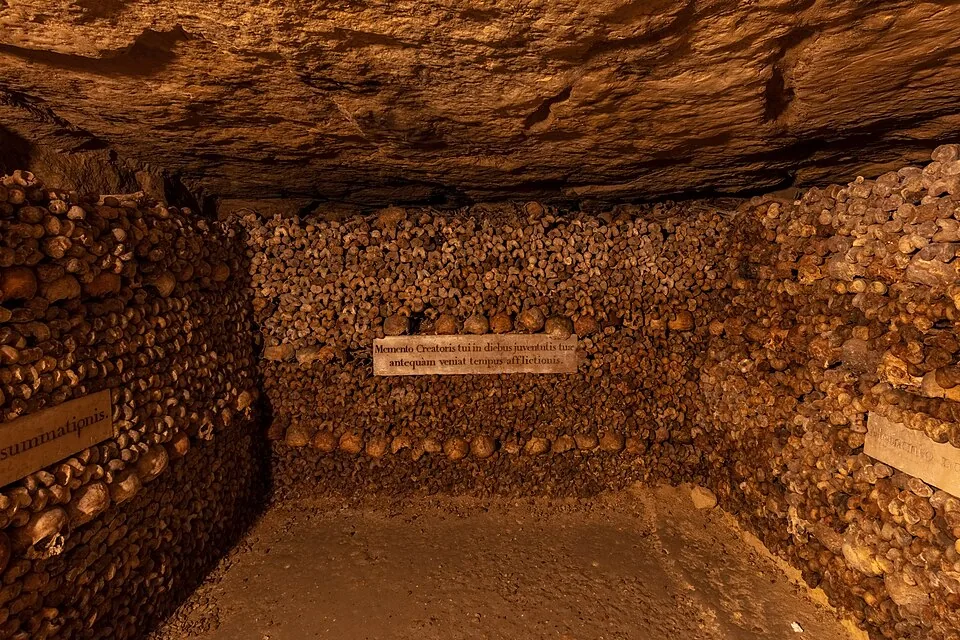
Catacombs of Paris
The Catacombs of Paris are a municipal ossuary within former limestone quarries, holding remains transferred from the city’s overcrowded cemeteries. Its arranged galleries connect a public health crisis with quarry engineering, scientific curiosity and remembrance.

Centre Pompidou
Centre Pompidou brings modern art, public reading, design, and music research together in a landmark cultural complex in Paris’s Beaubourg district. Its exposed structure made a flexible cultural institution visible to the city; the historic building is closed for renovation until its planned 2030 r
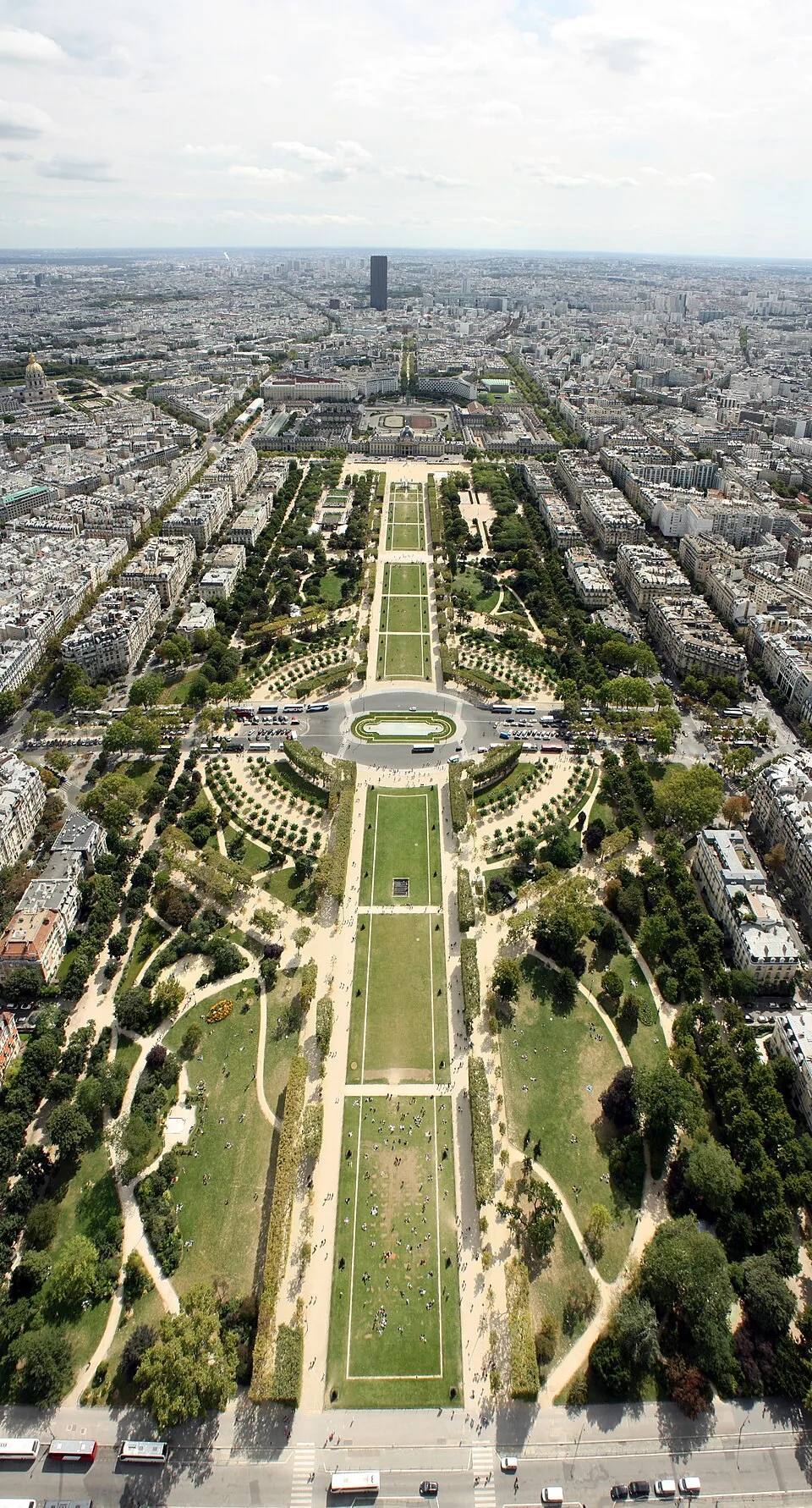
Champ de Mars
The Champ de Mars is a public garden between the École Militaire and Eiffel Tower. Its lawns and long axis recall an exercise ground transformed by revolutionary gatherings, balloon experiments, world fairs and a 1908 city park design.
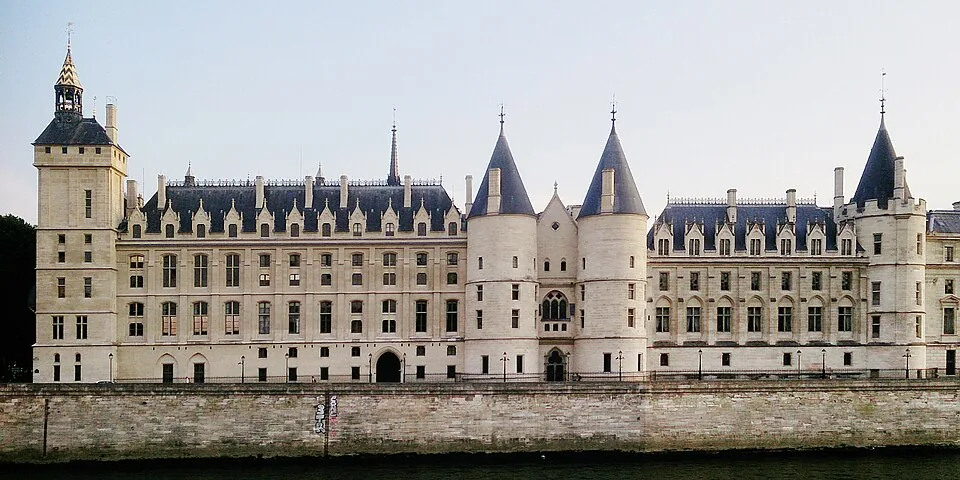
Conciergerie
The Conciergerie preserves part of the medieval Palais de la Cité, once the residence and seat of French royal power. Later converted into a prison, it became closely associated with the Revolutionary Tribunal and the confinement of Marie-Antoinette.
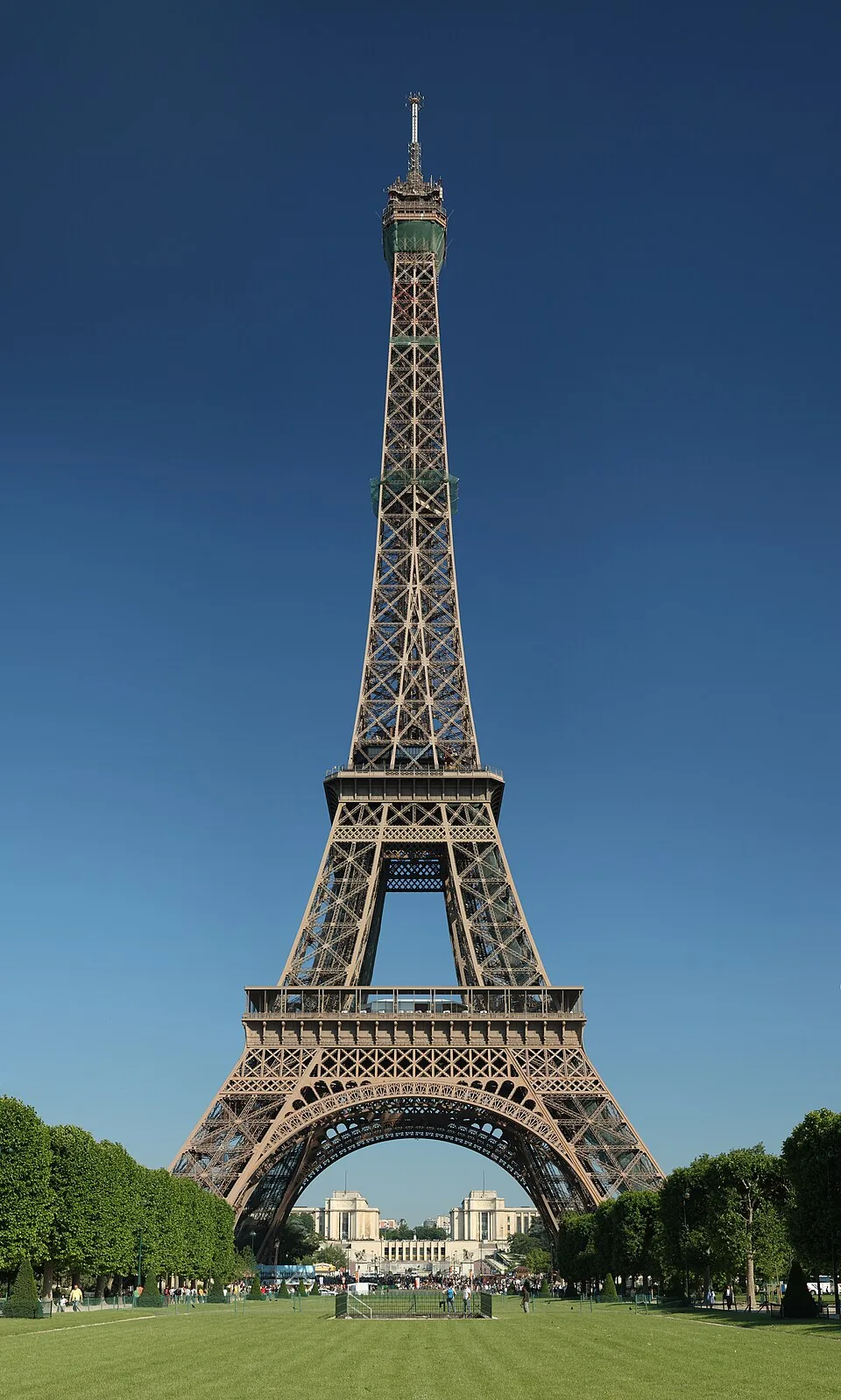
Eiffel Tower
Built for the 1889 Paris Exposition, the Eiffel Tower turned a daring iron-engineering project into a public monument. Its four curved legs and open lattice reveal how the structure works, while experiments and radio transmission helped it outlast its planned term.
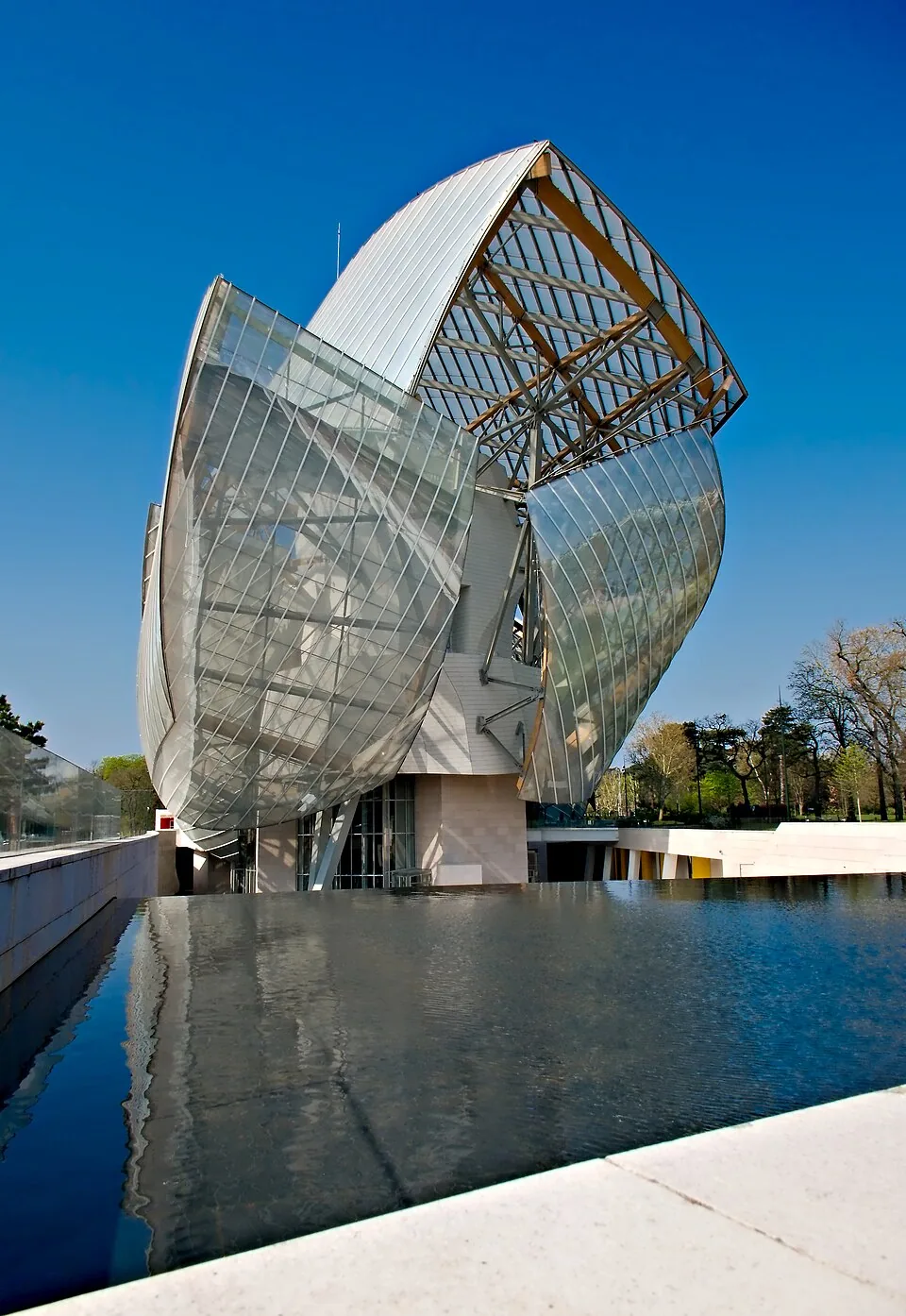
Fondation Louis Vuitton
Frank Gehry’s glass sails seem to hover above a white sculptural core at Fondation Louis Vuitton. The building draws on the lightness of nineteenth-century glass garden architecture while using digitally designed forms and custom materials to create a shifting visual presence.
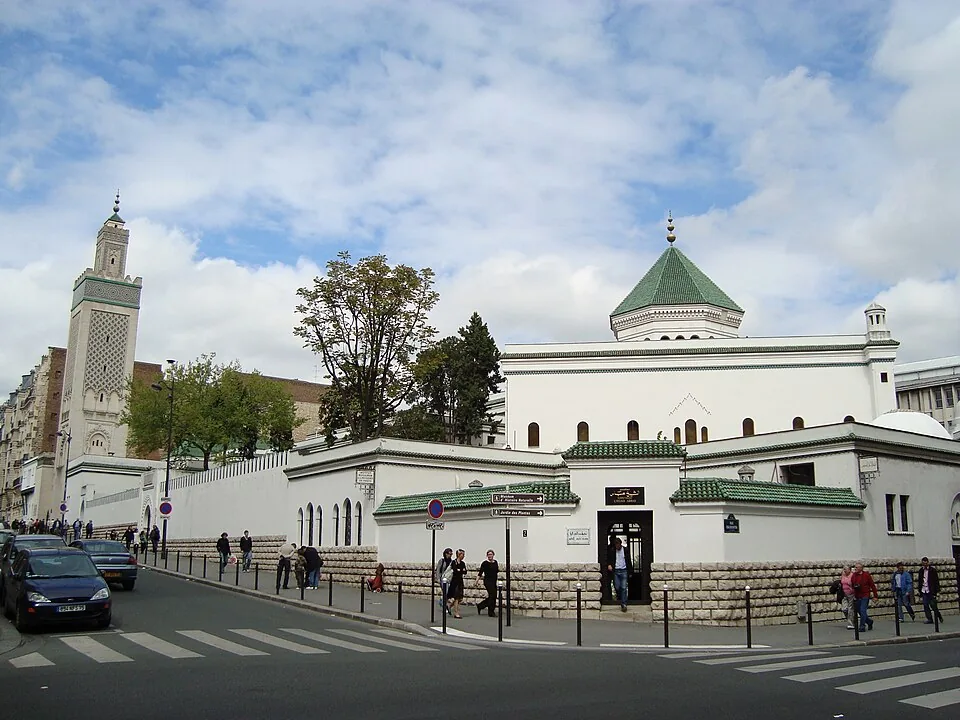
Grande Mosquée de Paris
An active mosque and cultural institution in Paris’s 5th arrondissement, the Grande Mosquée was built after the First World War to honor Muslim soldiers who died for France. Its North African crafts, garden, memorials, and colonial-era origins give the complex a layered story.
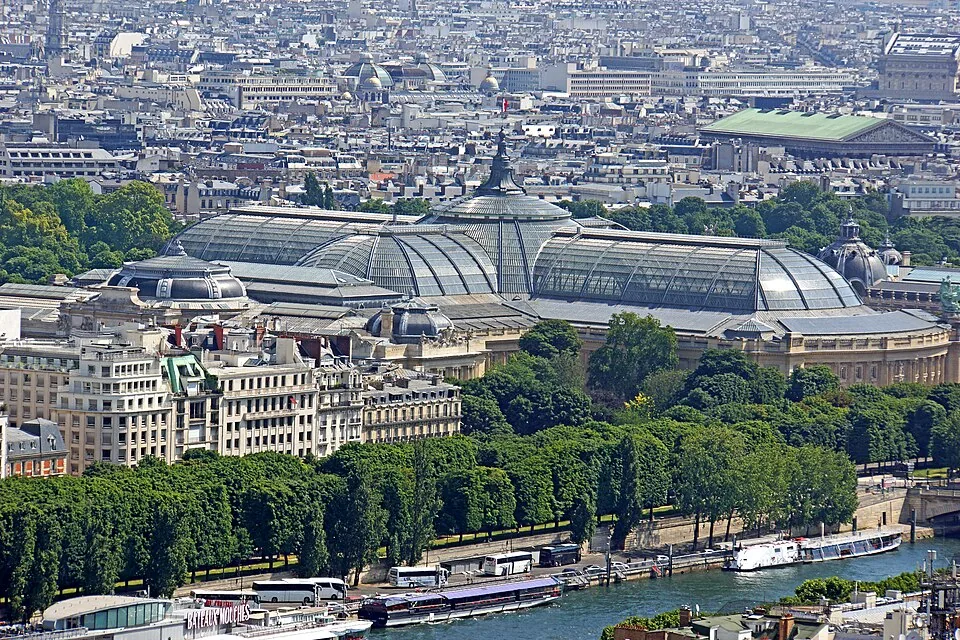
Grand Palais
Built for Paris’s 1900 World’s Fair, the Grand Palais pairs an immense glass-roofed nave with a sculpted Beaux-Arts exterior. Repeatedly adapted for exhibitions, wartime service, sport, and public culture, it reopened fully after restoration in 2025.
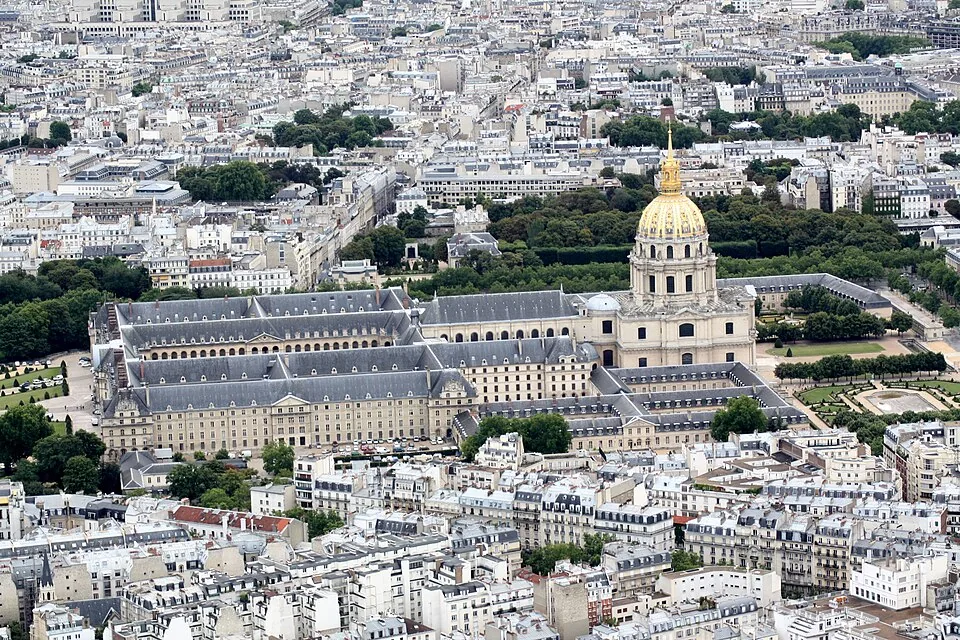
Hôtel des Invalides
Hôtel des Invalides began as a home and hospital for veterans, then grew into a military museum and memorial complex. Its gilded Dome holds Napoleon’s tomb, while the Institution Nationale des Invalides continues the site’s founding work of caring for people affected by war.
Île Saint-Louis
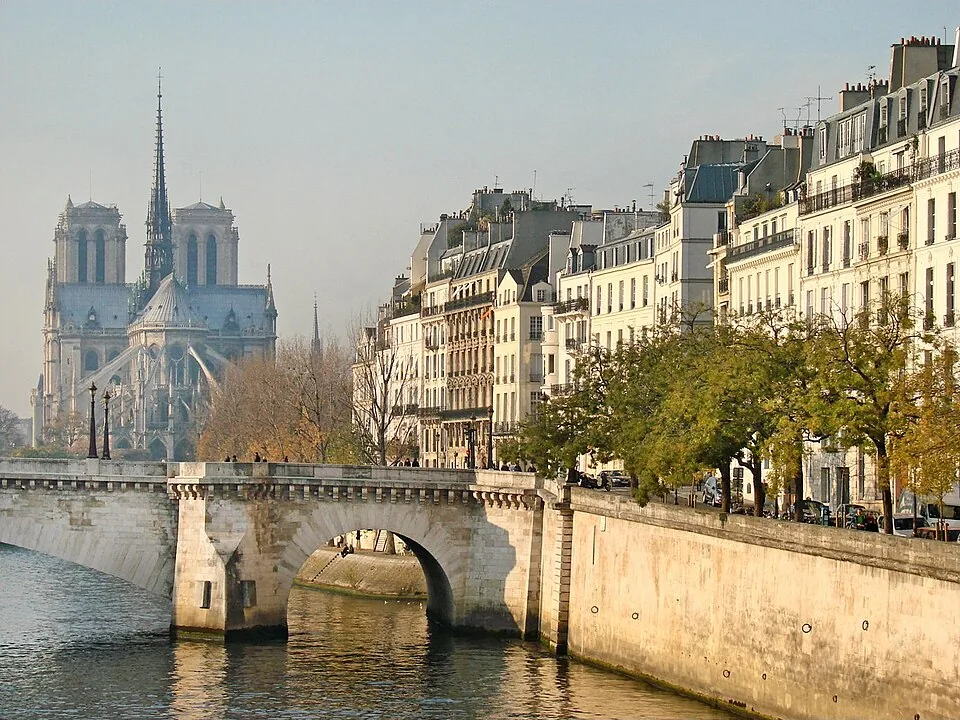
Île Saint-Louis is a compact island of seventeenth-century streets and residences in the Seine. Its present shape emerged when two smaller islands were joined, then developed through a planned urban project that gave it a distinctive architectural unity.
Jardin des Plantes
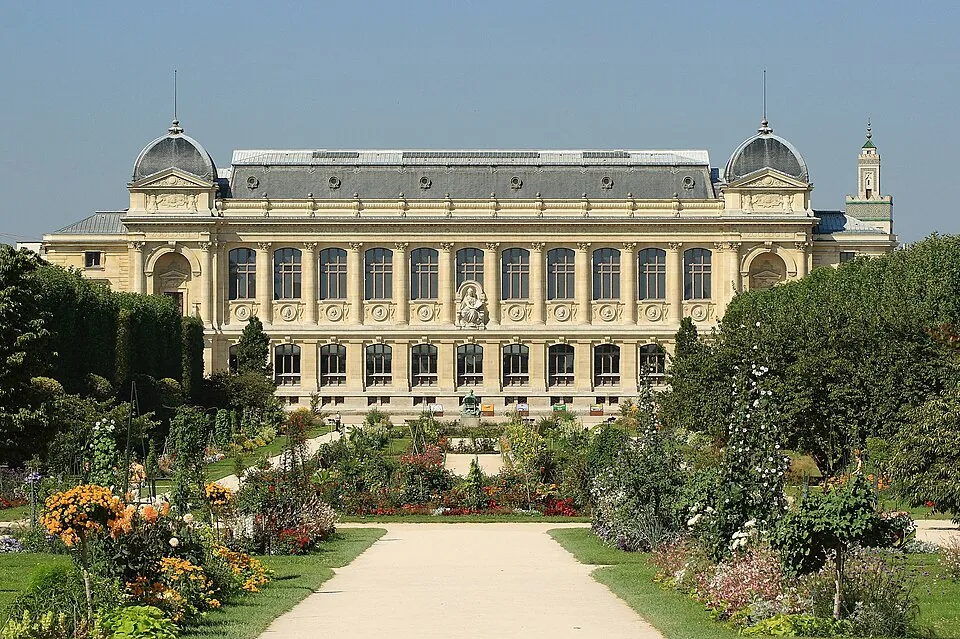
The Jardin des Plantes began as a royal medicinal garden and grew into the botanical heart of France’s natural-history museum. Its formal paths and plant collections still connect public education with research, conservation, and the careful naming of living species.
Jardin des Tuileries
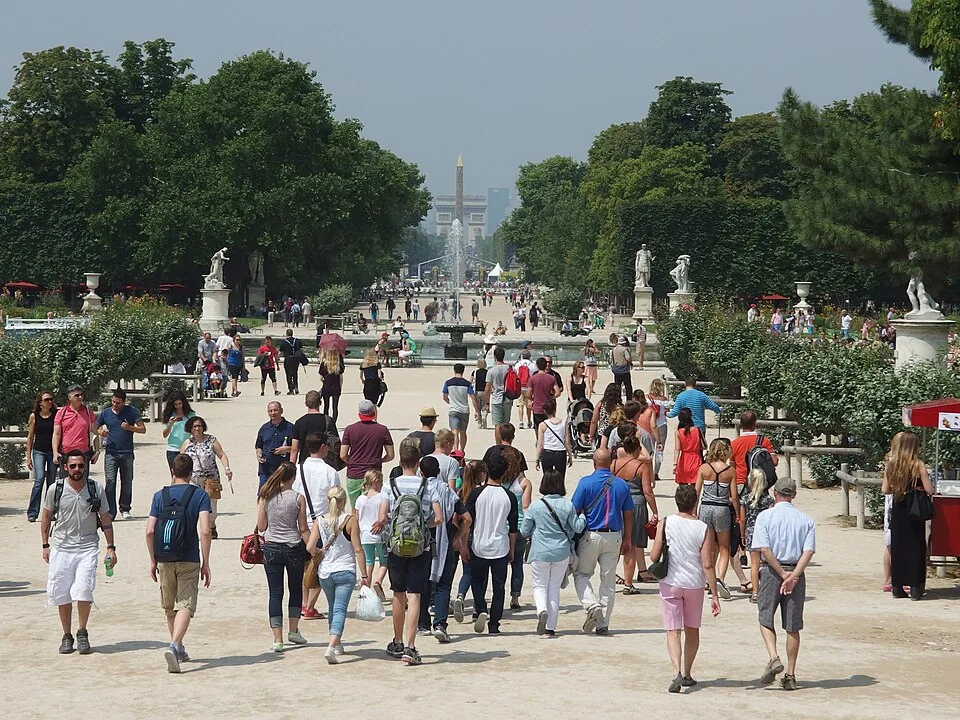
The Jardin des Tuileries links the Louvre with Place de la Concorde through formal beds, shaded groves, basins, sculpture and a long westward view. Created for a palace that was burned in 1871 and never rebuilt, the garden survives as a public landscape shaped by royal design, revolution and everyda
La Petite Ceinture
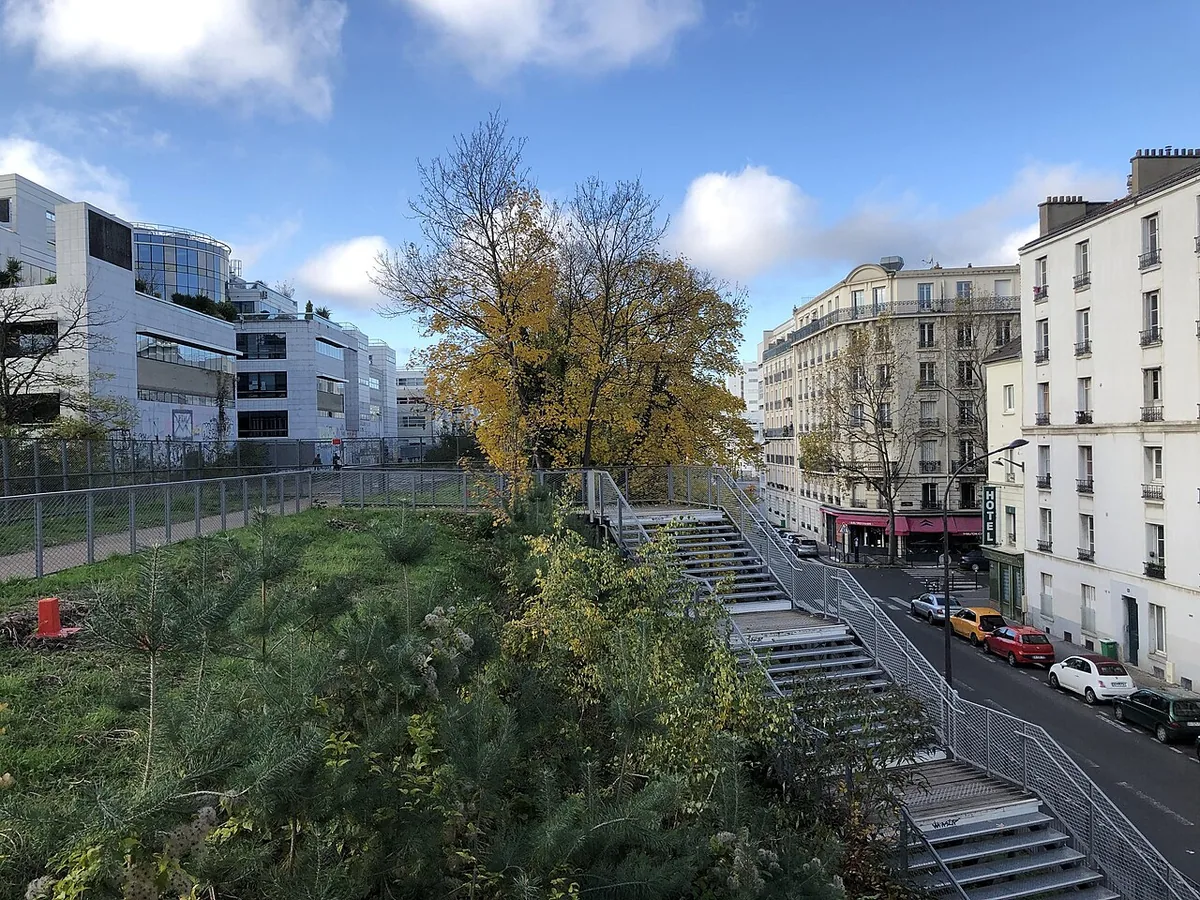
La Petite Ceinture is a former railway ring around Paris, built in stages from 1852 to 1869 for freight, passengers, and military transport. In the 15th arrondissement, its trackside corridor now links parks and neighborhoods while preserving railway traces and supporting urban wildlife.
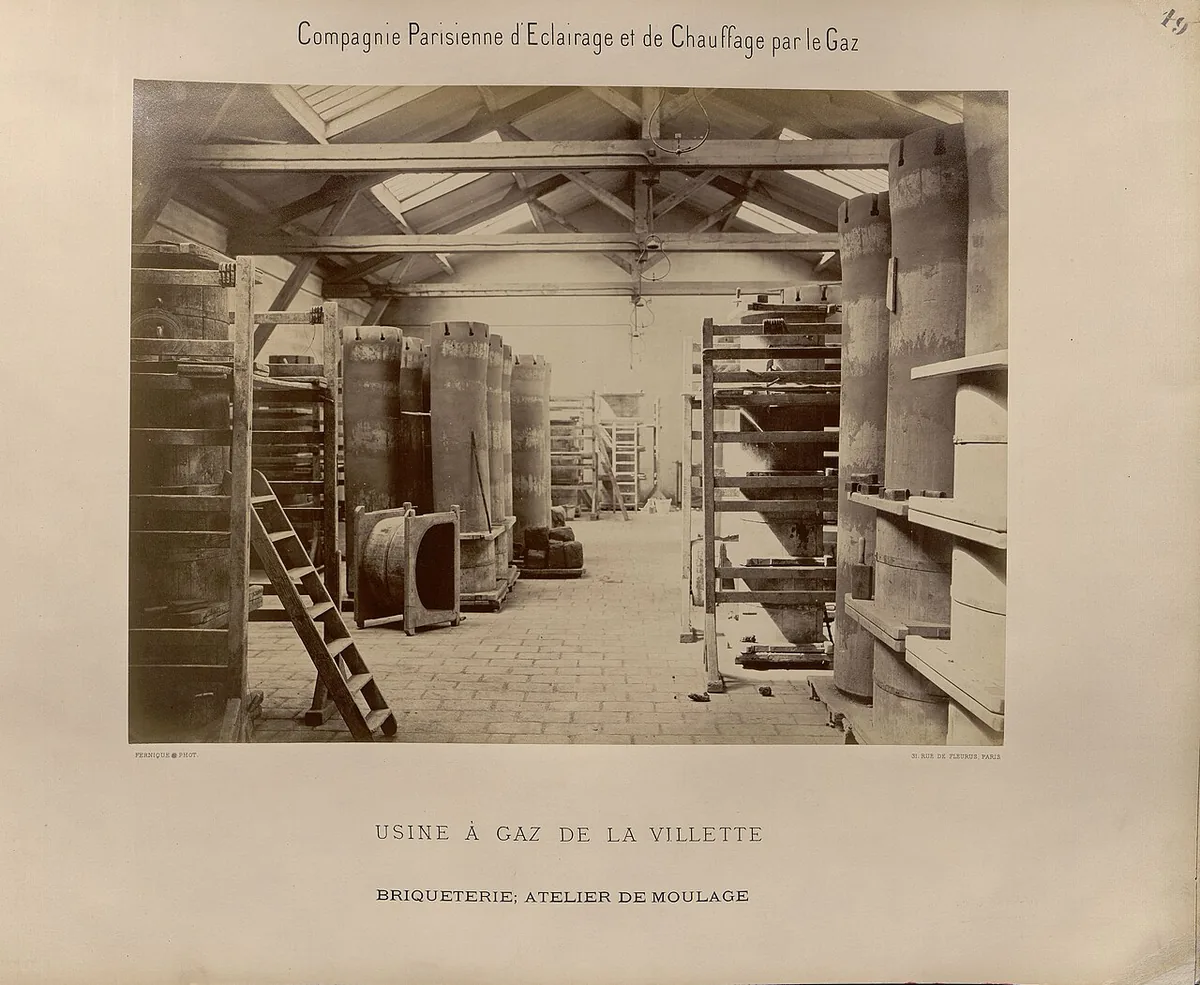
La Villette
La Villette turns a former slaughterhouse and livestock-market district into a broad cultural landscape. The surviving Grande Halle and Bernard Tschumi’s red folies make the park’s transformation visible: industrial infrastructure became a framework for public gathering and discovery.
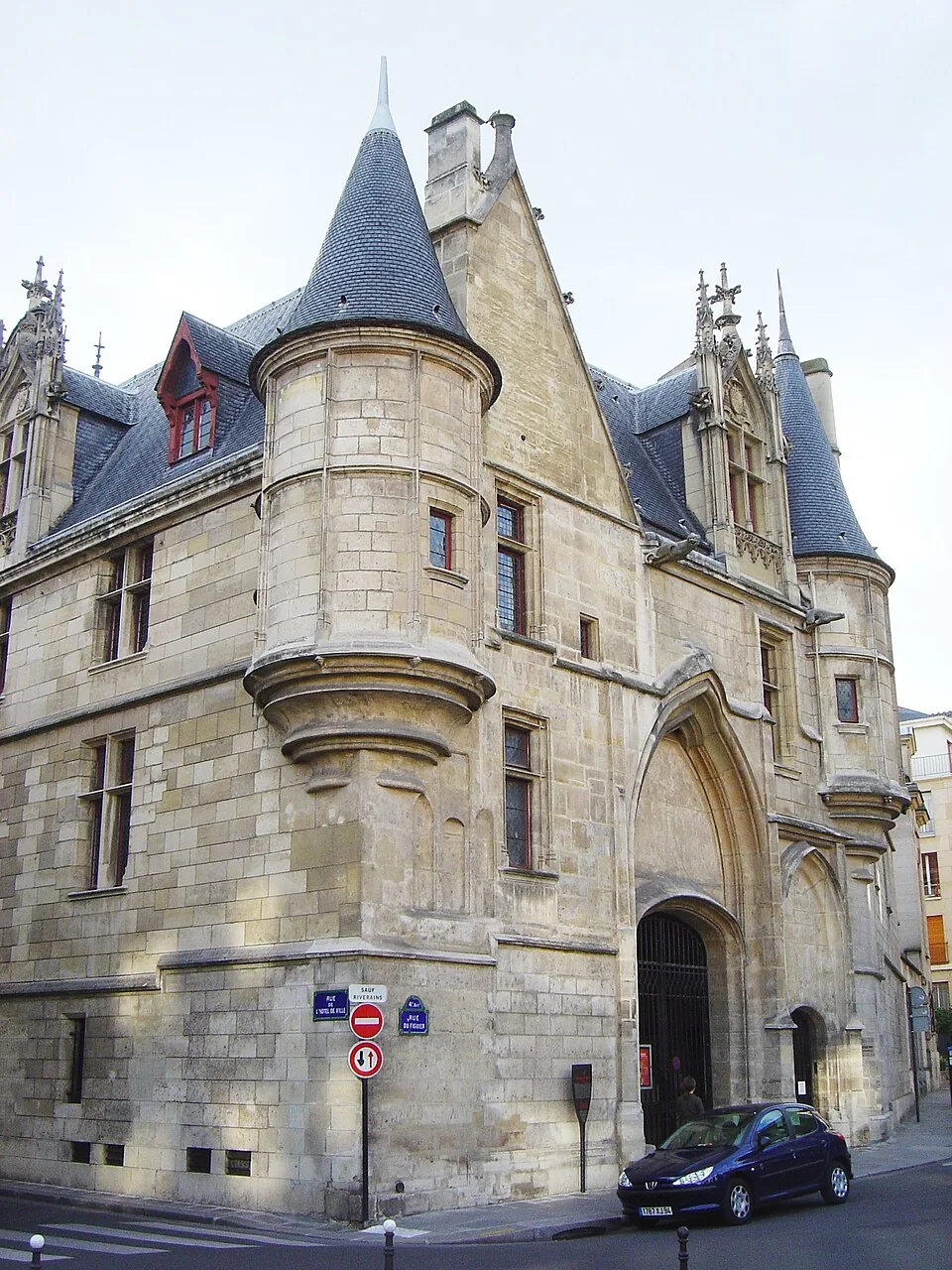
Le Marais
Le Marais is a historic district where medieval street patterns meet aristocratic hôtels particuliers and later cultural institutions. Its survival owes much to preservation policies that began in the 1960s after long periods of neglect.
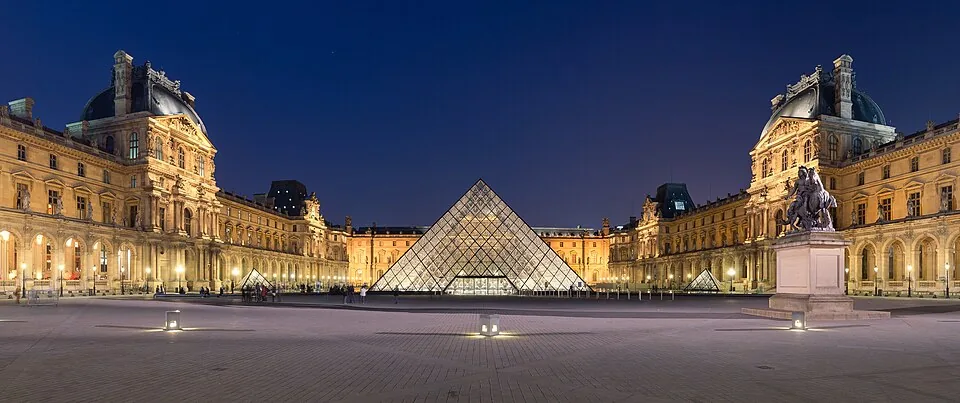
Louvre Museum
Explore the Louvre as a fortress transformed into a royal palace and public museum. Medieval remains, the Grande Galerie, and I. M. Pei’s pyramid reveal how each era reshaped this Paris landmark.
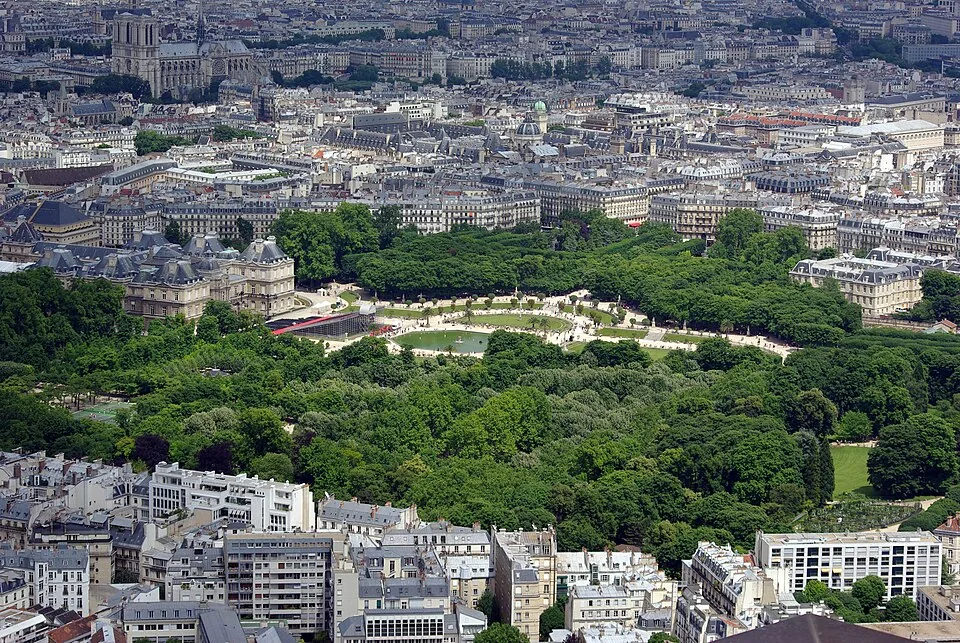
Luxembourg Gardens
Luxembourg Gardens pair formal parterres, fountains and shaded paths with the French Senate’s palace. Marie de Médicis began shaping the estate in the early seventeenth century; later political upheavals and Haussmann’s streets reshaped its boundaries.

Maison de Nicolas Flamel
The house at 51 Rue de Montmorency is associated with Nicolas Flamel and dates to 1407. Its façade preserves an inscription tied to charitable lodging, while the famous alchemist stories belong to later legend rather than verified biography.
Montmartre
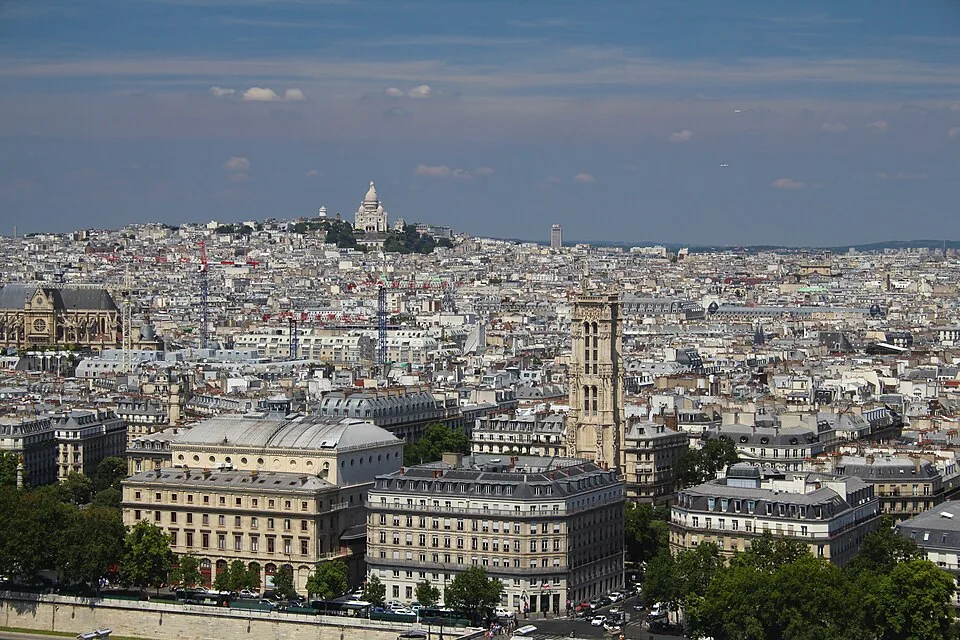
Montmartre’s steep streets and gardens preserve traces of a former village absorbed into Paris. Its working landscapes, artists’ studios, political memory and living neighborhood culture reach well beyond the Sacré-Cœur.
Moulin Rouge
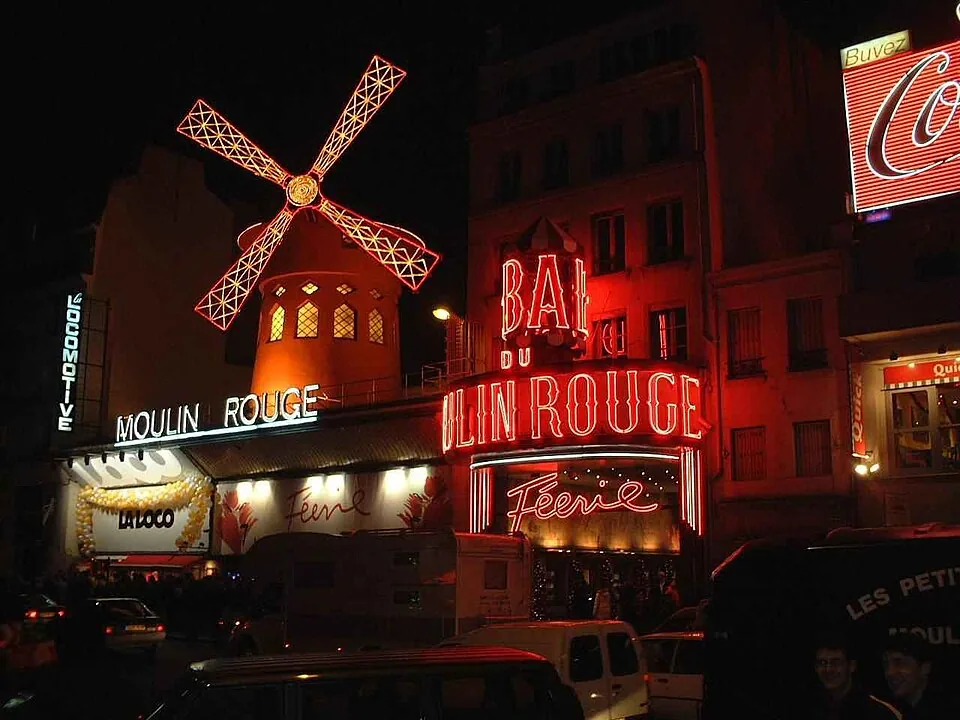
The Moulin Rouge’s red windmill recalls the many windmills that once crowned Montmartre’s hill. Opened in 1889, the cabaret became a stage for popular dance, nightlife, and a visual image of modern Paris.