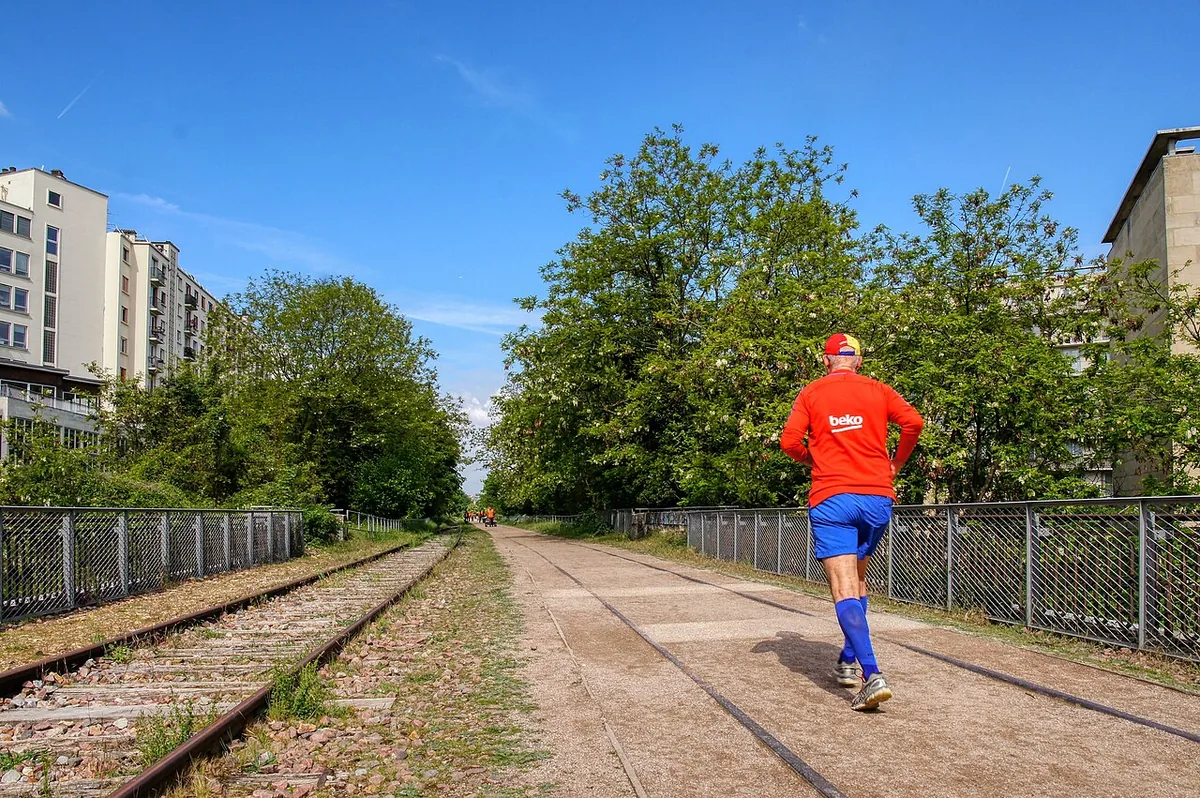
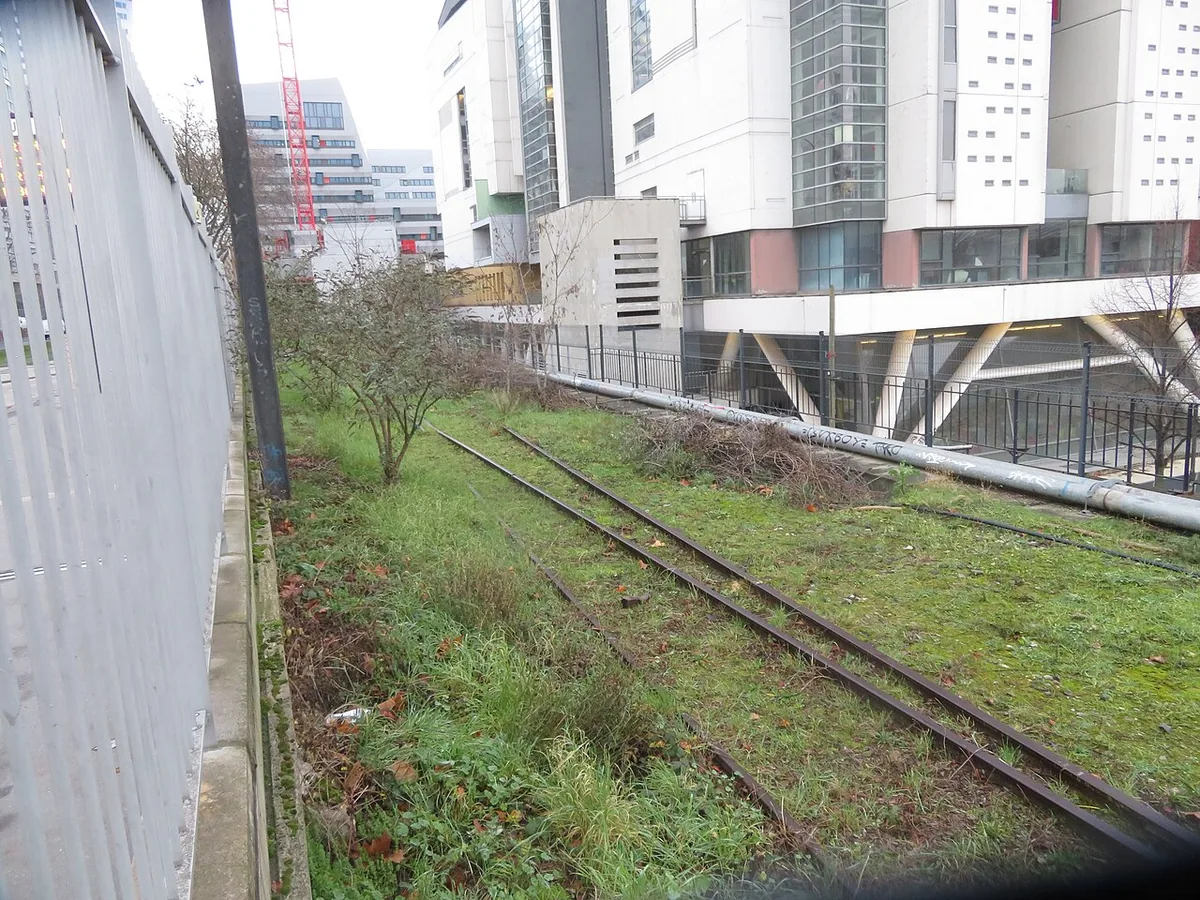
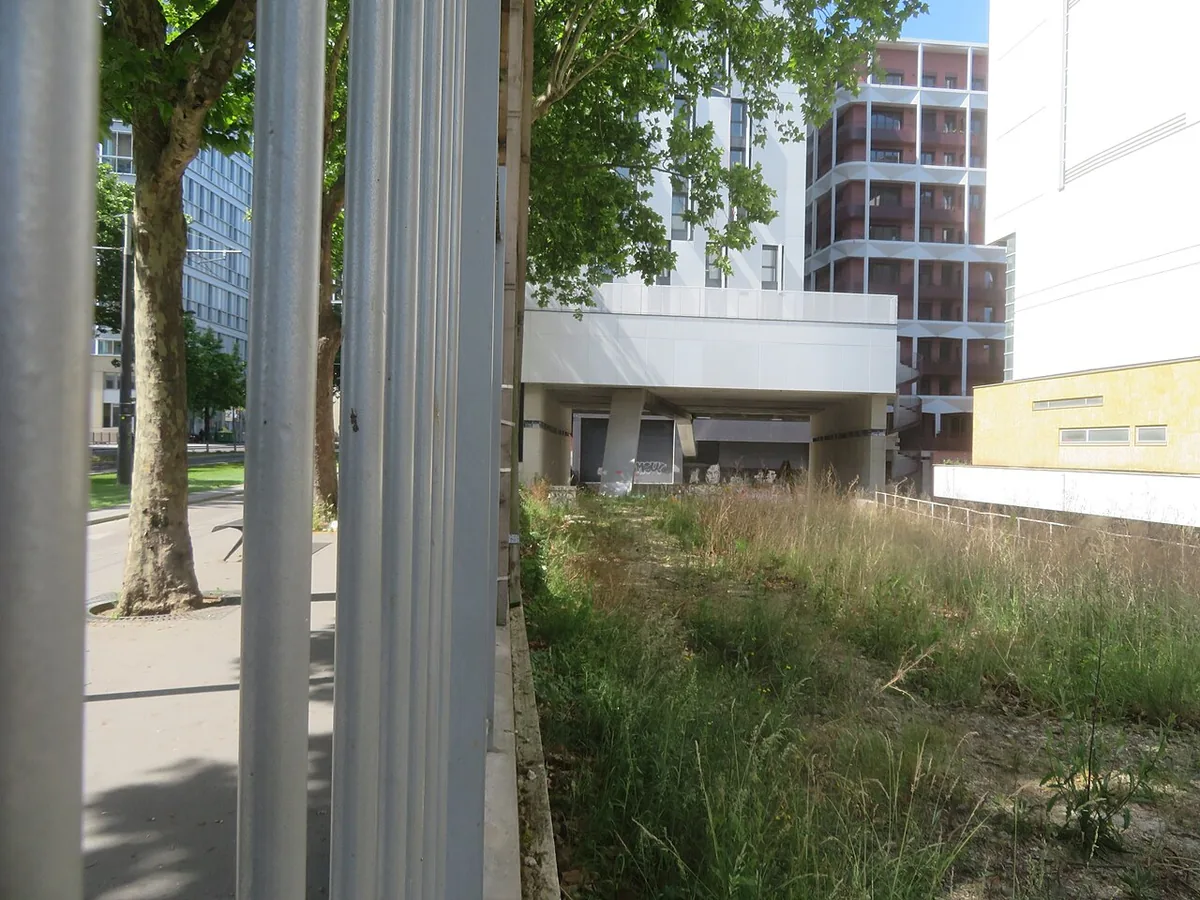
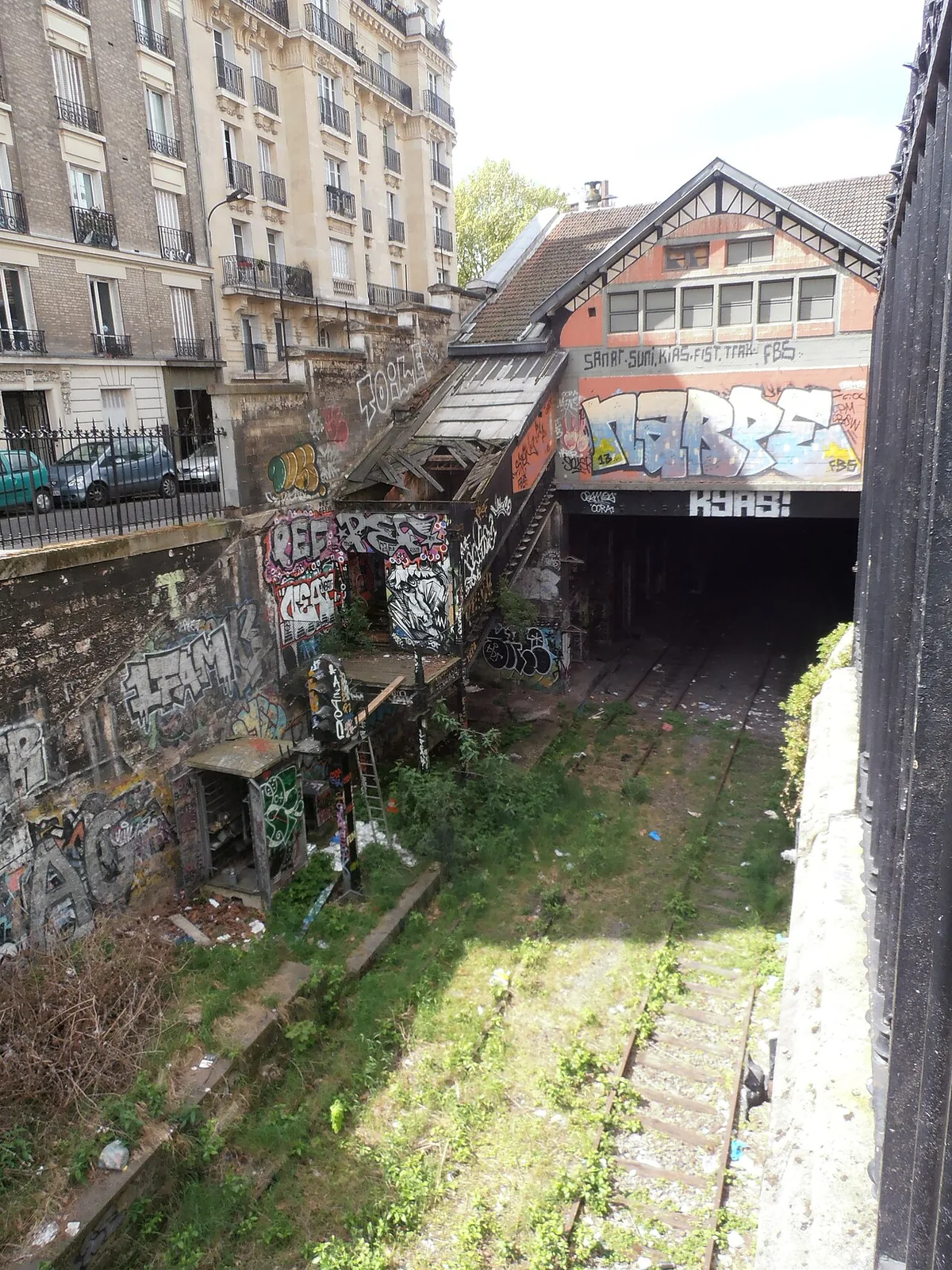
La Petite Ceinture is a former railway ring around Paris, built in stages from 1852 to 1869 for freight, passengers, and military transport. In the 15th arrondissement, its trackside corridor now links parks and neighborhoods while preserving railway traces and supporting urban wildlife.
Quick facts
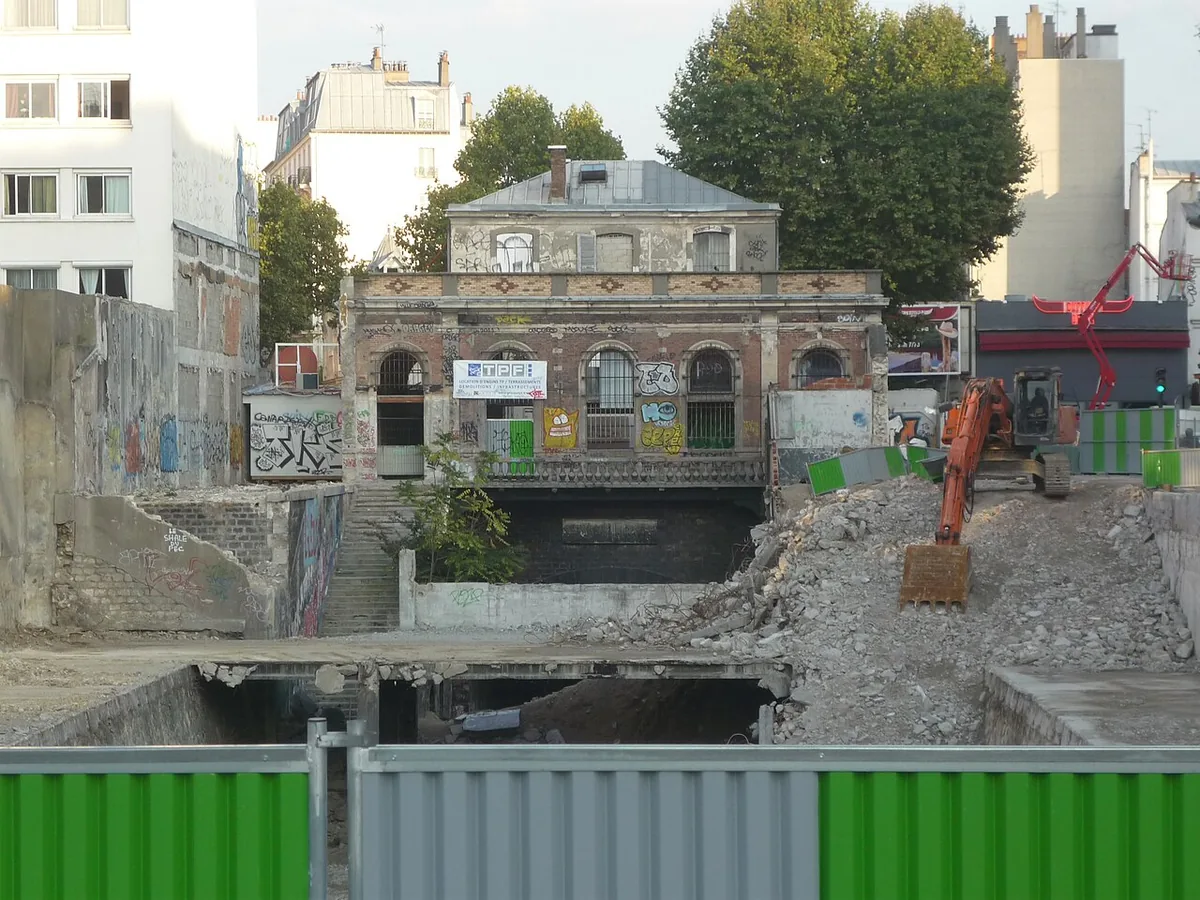
The Petite Ceinture railway was built in stages between 1852 and 1869 to connect Paris rail networks and support freight and military transport.
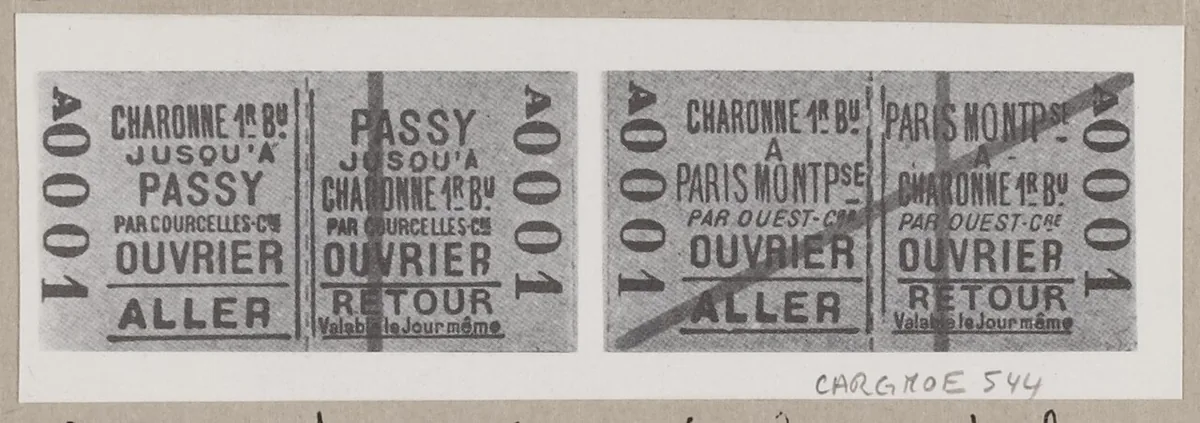
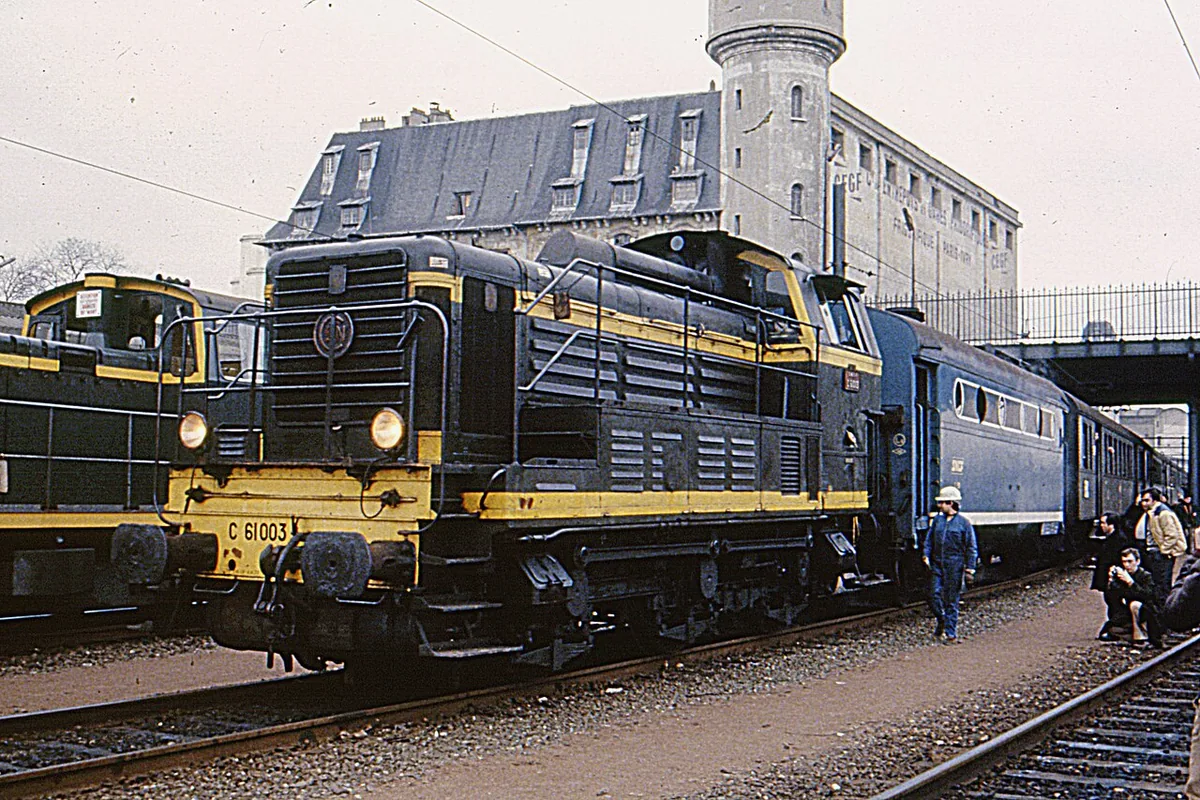
Passenger service on the circular line ended in 1934, though freight use continued on some sections for decades.
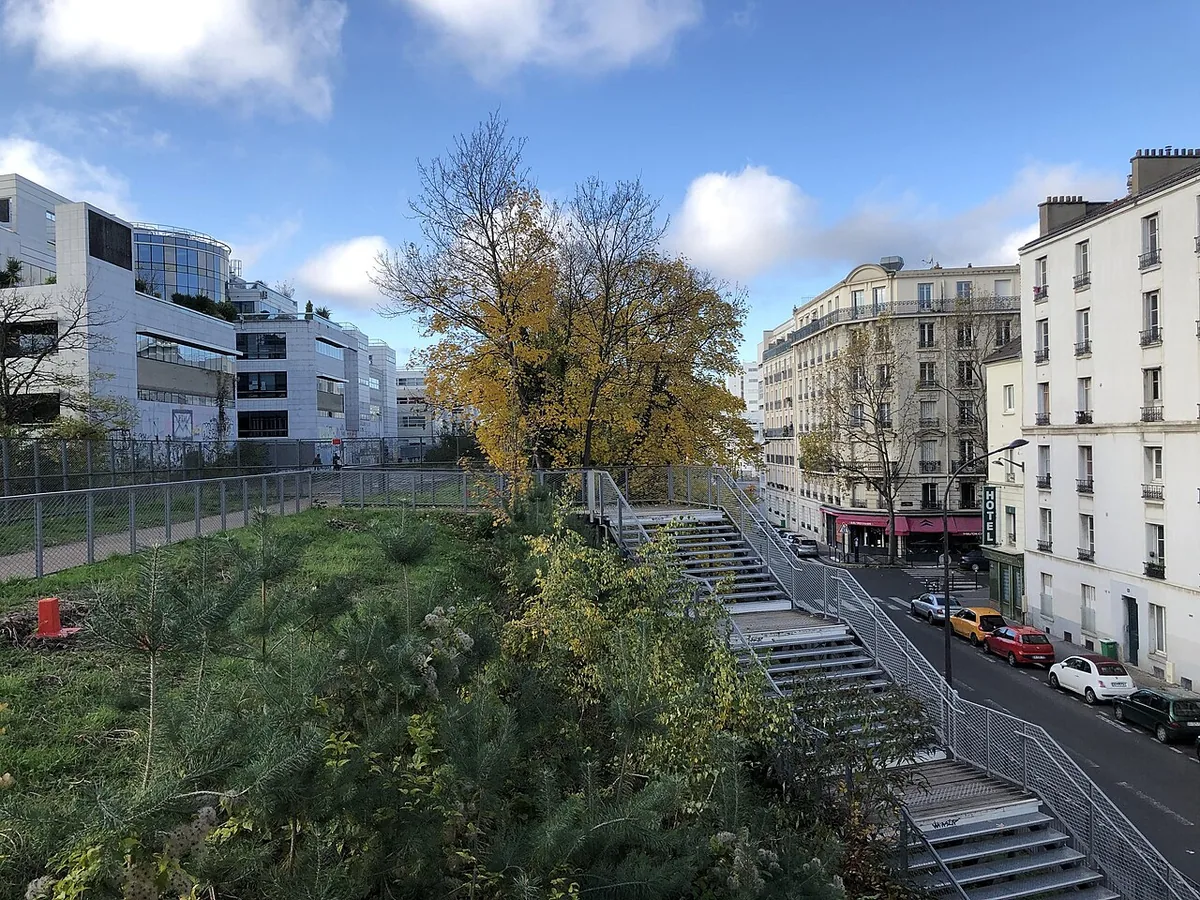
Since August 2026, the 15th-arrondissement promenade connects Place Balard and Georges-Brassens Park along about two kilometres of continuous route, including a 300-metre tunnel.
Get directions to La Petite Ceinture. Confirm the visitor entrance and current access with the venue before travelling.
Audio guide
Listen to this place’s guide.
Guide
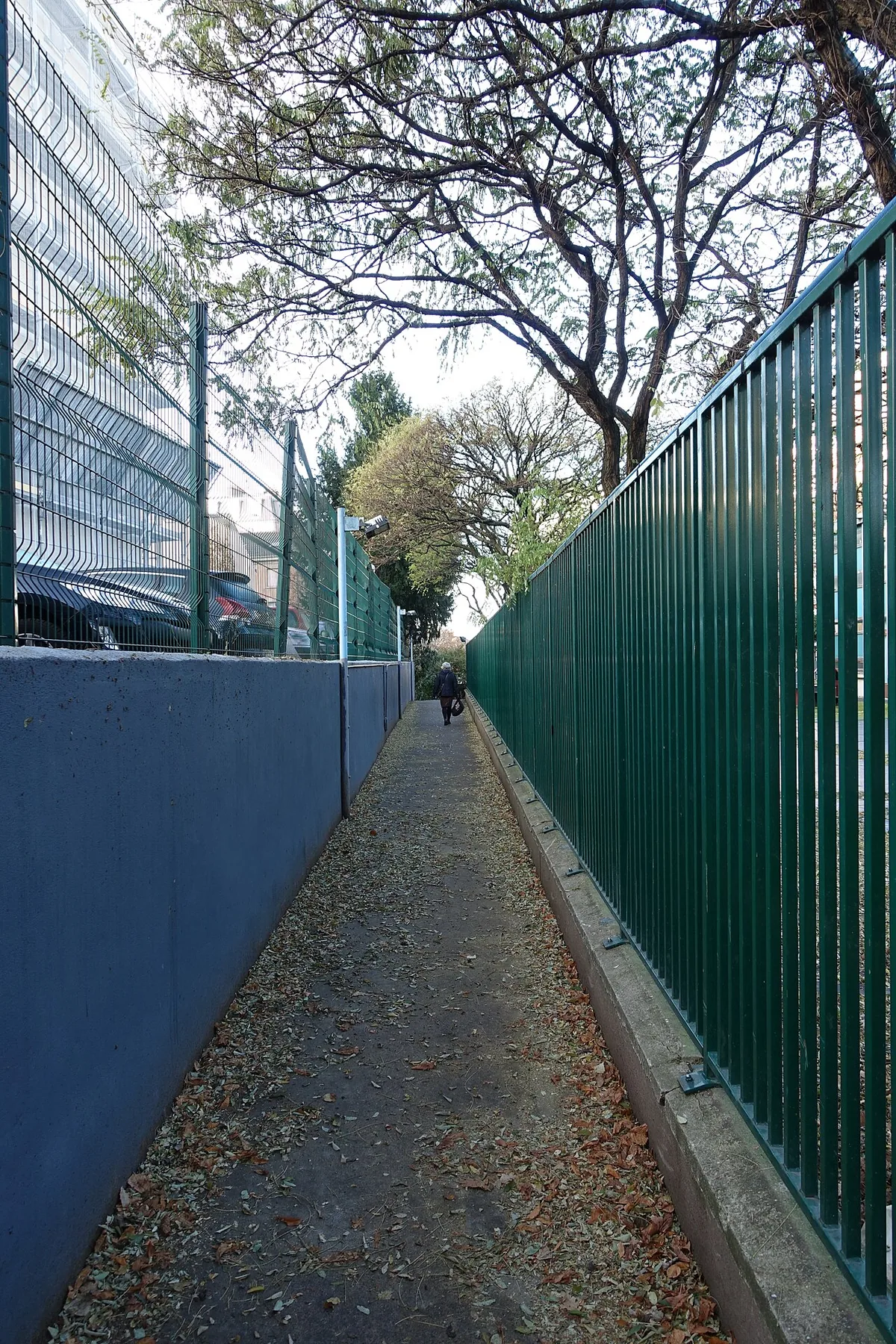
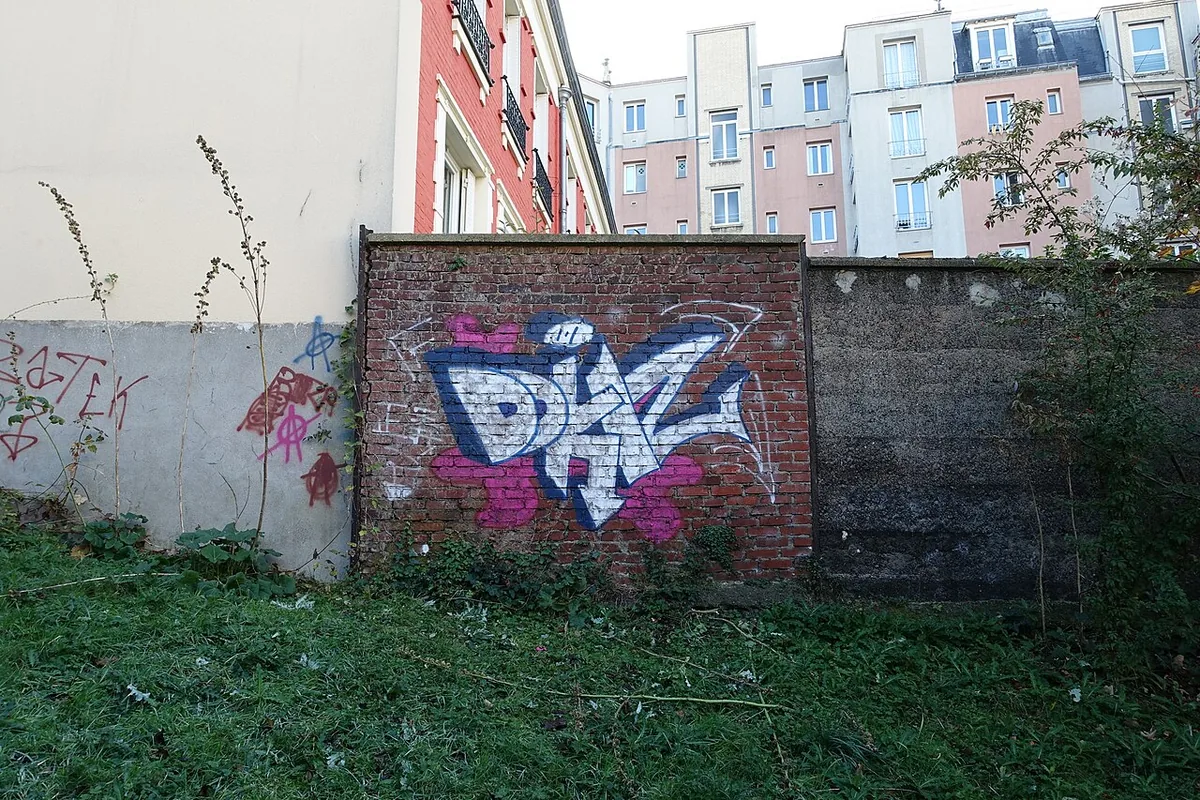
La Petite Ceinture is easiest to understand from a path beside the rails. The track cuts through Paris at a different level from the street, slipping behind walls, beneath bridges, and through tunnels. In the 15th arrondissement, an old railway corridor now holds both industrial traces and a surprisingly varied urban habitat. The whole line is not a continuous public walkway: only selected sections are open, and this pin marks a segment of the Petite Ceinture du 15e.
Continue exploring
Discover the full story
Keep reading with a travel pass and explore every full guide and tour.
UpgradeMore places in Paris
Catacombs of Paris
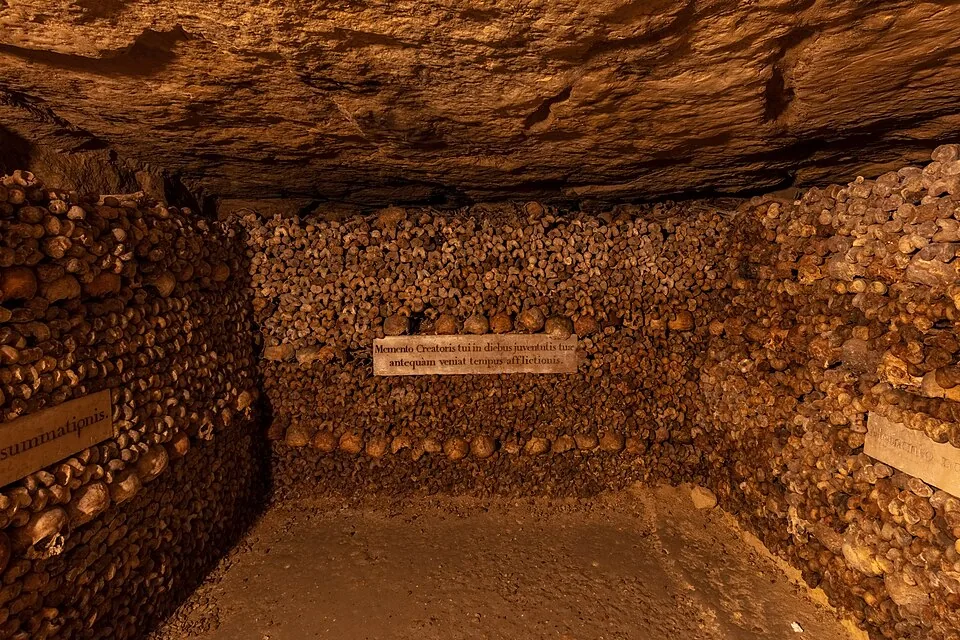
The Catacombs of Paris are a municipal ossuary within former limestone quarries, holding remains transferred from the city’s overcrowded cemeteries. Its arranged galleries connect a public health crisis with quarry engineering, scientific curiosity and remembrance.
Champ de Mars
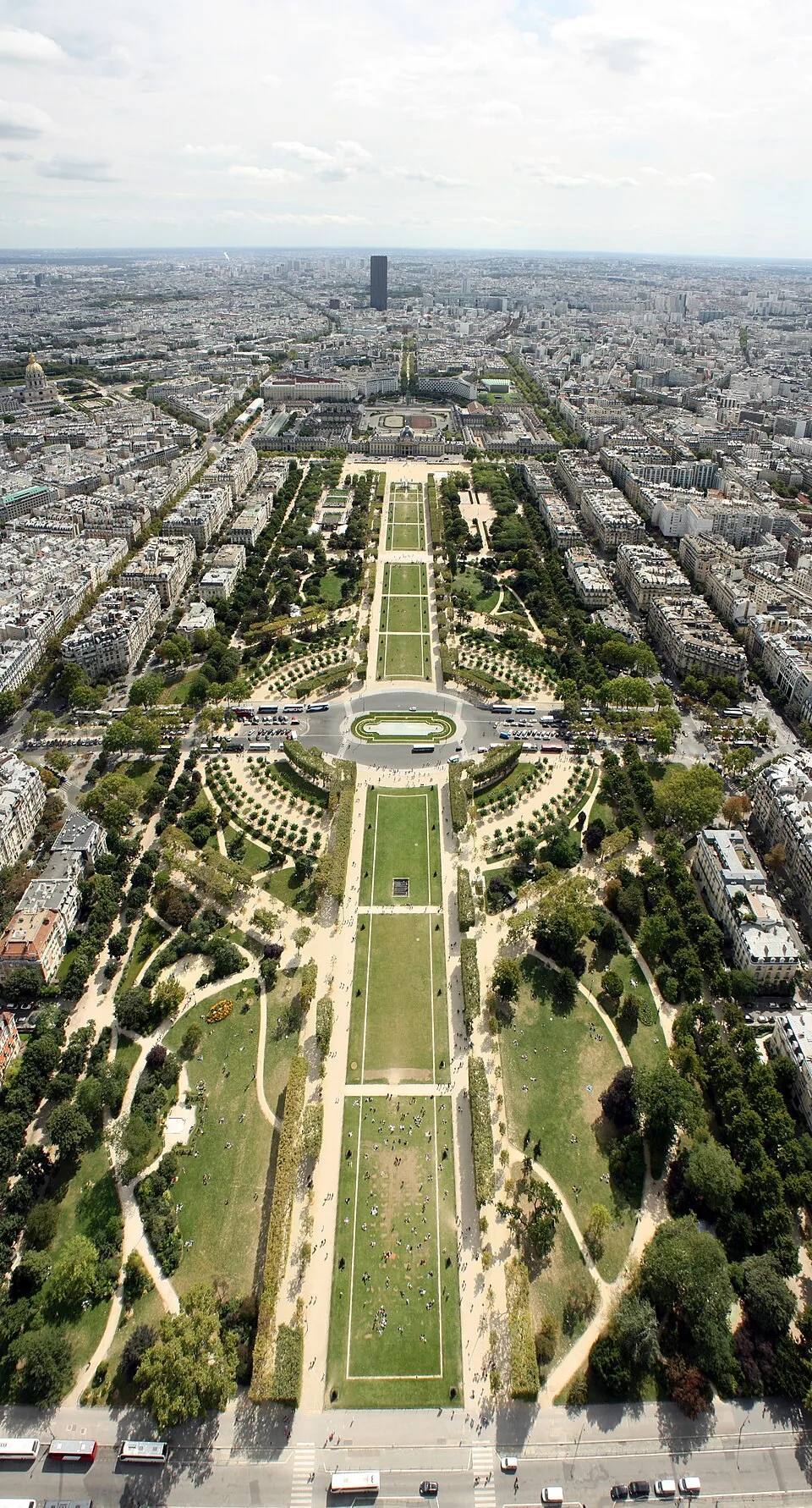
The Champ de Mars is a public garden between the École Militaire and Eiffel Tower. Its lawns and long axis recall an exercise ground transformed by revolutionary gatherings, balloon experiments, world fairs and a 1908 city park design.
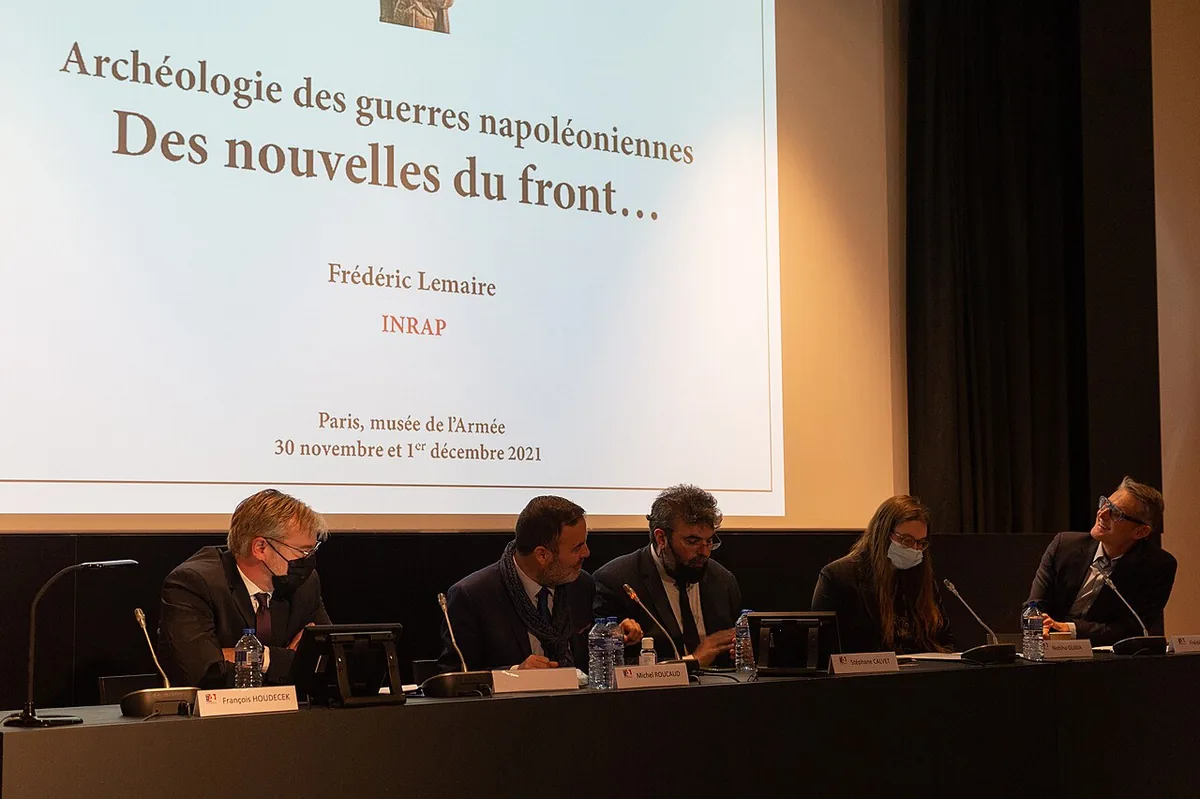
Musée de l’Armée
Musée de l’Armée occupies historic Hôtel des Invalides, where military objects are displayed within the institution created to house veterans. Its collections connect weapons, uniforms, and personal histories to the changing purposes of the complex around them.
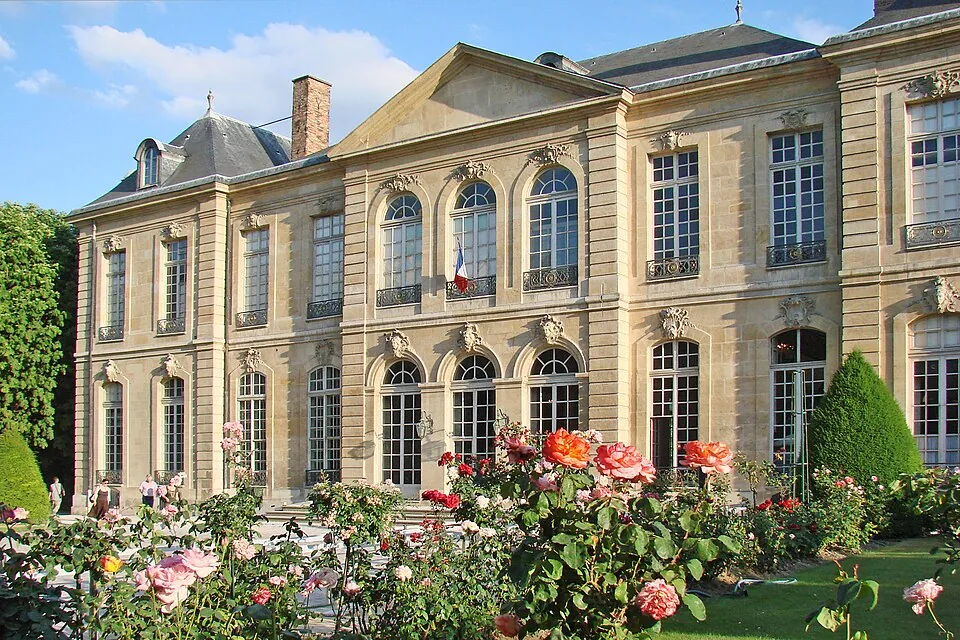
Musée Rodin
Musée Rodin brings sculpture into the Hôtel Biron, an eighteenth-century Paris mansion, and its garden. The museum grew from Rodin’s bequest to the French state, joining his art and working legacy to the rooms and grounds he chose for their display.
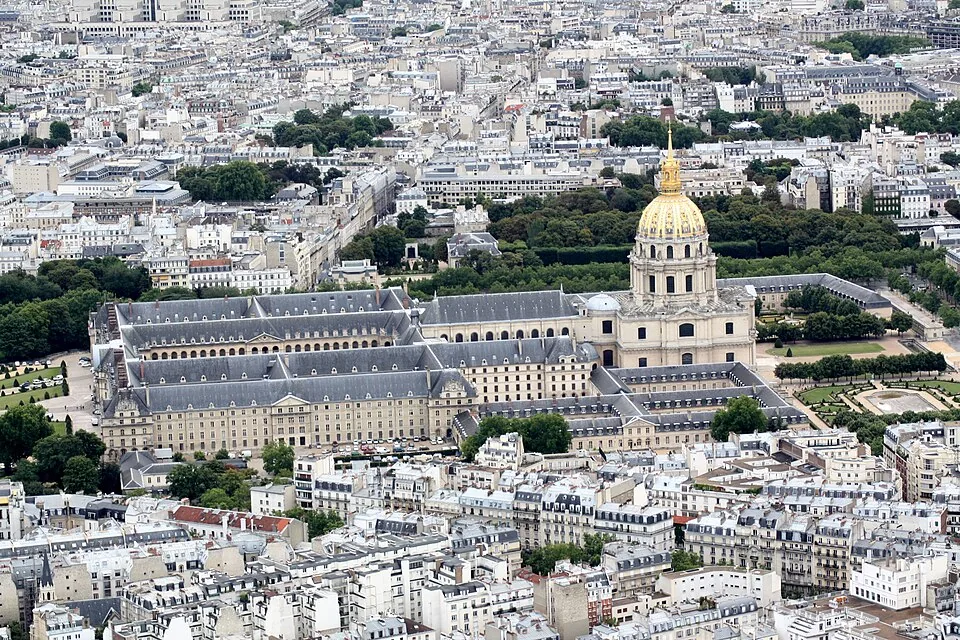
Hôtel des Invalides
Hôtel des Invalides began as a home and hospital for veterans, then grew into a military museum and memorial complex. Its gilded Dome holds Napoleon’s tomb, while the Institution Nationale des Invalides continues the site’s founding work of caring for people affected by war.
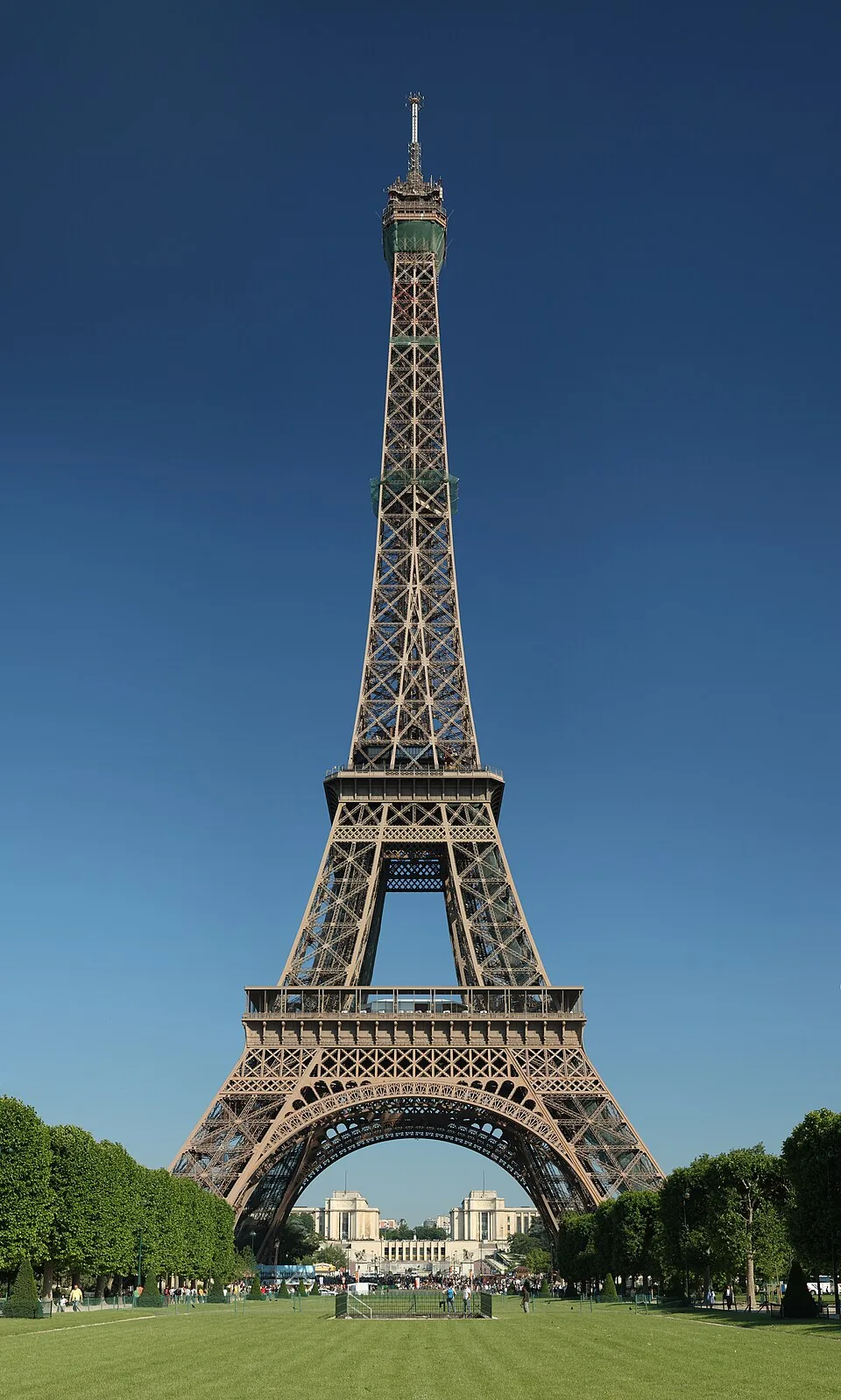
Eiffel Tower
Built for the 1889 Paris Exposition, the Eiffel Tower turned a daring iron-engineering project into a public monument. Its four curved legs and open lattice reveal how the structure works, while experiments and radio transmission helped it outlast its planned term.