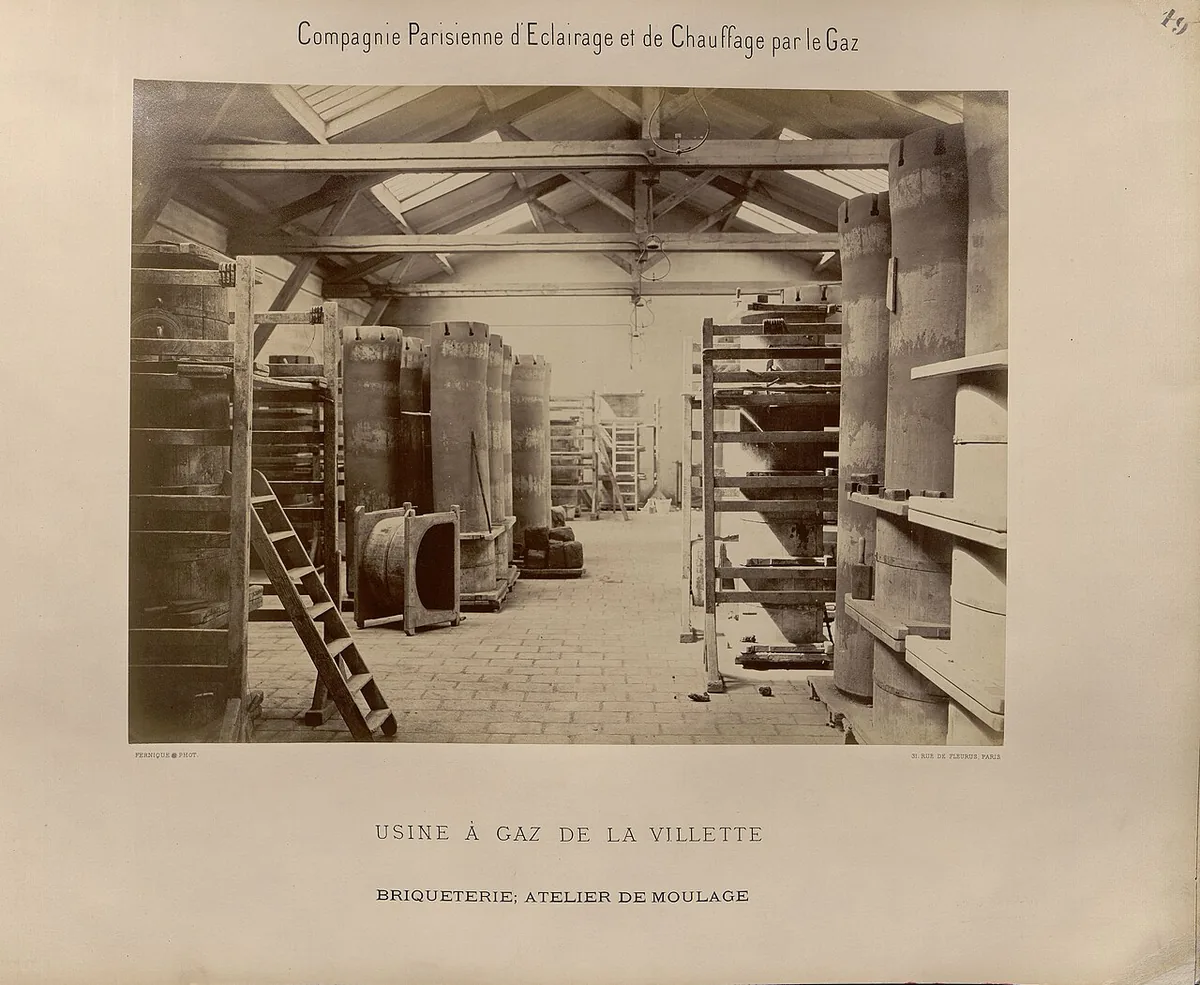


La Villette turns a former slaughterhouse and livestock-market district into a broad cultural landscape. The surviving Grande Halle and Bernard Tschumi’s red folies make the park’s transformation visible: industrial infrastructure became a framework for public gathering and discovery.
Quick facts
The slaughterhouses and livestock market operated here from 1867 to 1974.
Bernard Tschumi was selected to design the park in 1983.
The park’s plan includes 26 red folies and the preserved Grande Halle.
Get directions to La Villette. Confirm the visitor entrance and current access with the venue before travelling.
Audio guide
Listen to this place’s guide.
Guide
Look across La Villette and the red Folies do not line up like a single façade. They appear as points scattered among lawns, paths, gardens and big cultural buildings. The pattern reflects Bernard Tschumi’s idea of a park for activity and encounter. La Villette grew from a vast industrial site, and still invites visitors among different kinds of public life.
Continue exploring
Discover the full story
Keep reading with a travel pass and explore every full guide and tour.
UpgradeMore places in Paris
Parc des Buttes-Chaumont
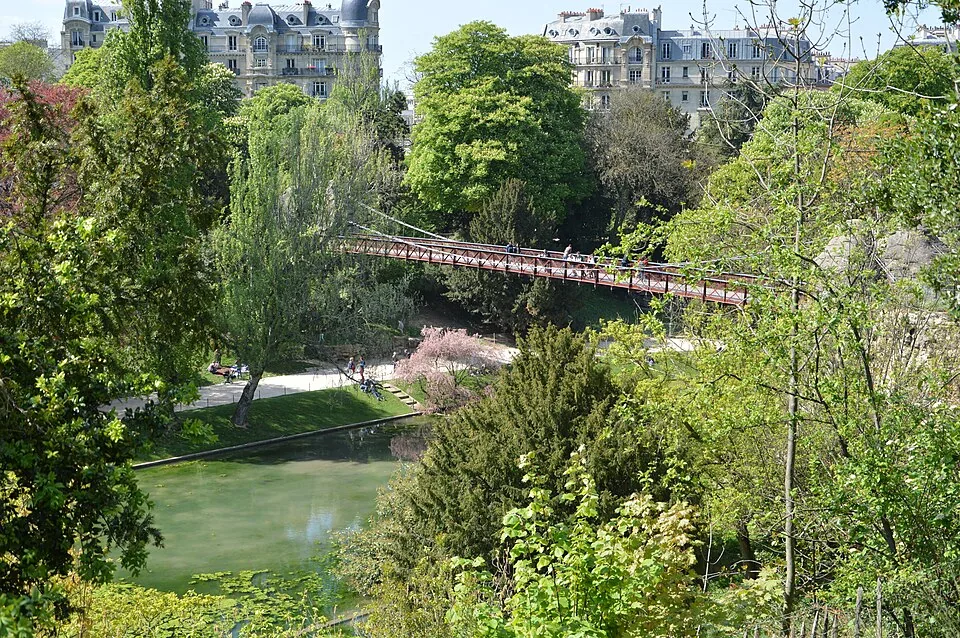
Steep paths, a lake, and a temple perched on a rocky island give Buttes-Chaumont the feel of a countryside landscape inside Paris. That scenery was engineered on the site of a gypsum quarry, making the park’s natural-looking forms a feat of urban design.
Canal Saint-Martin
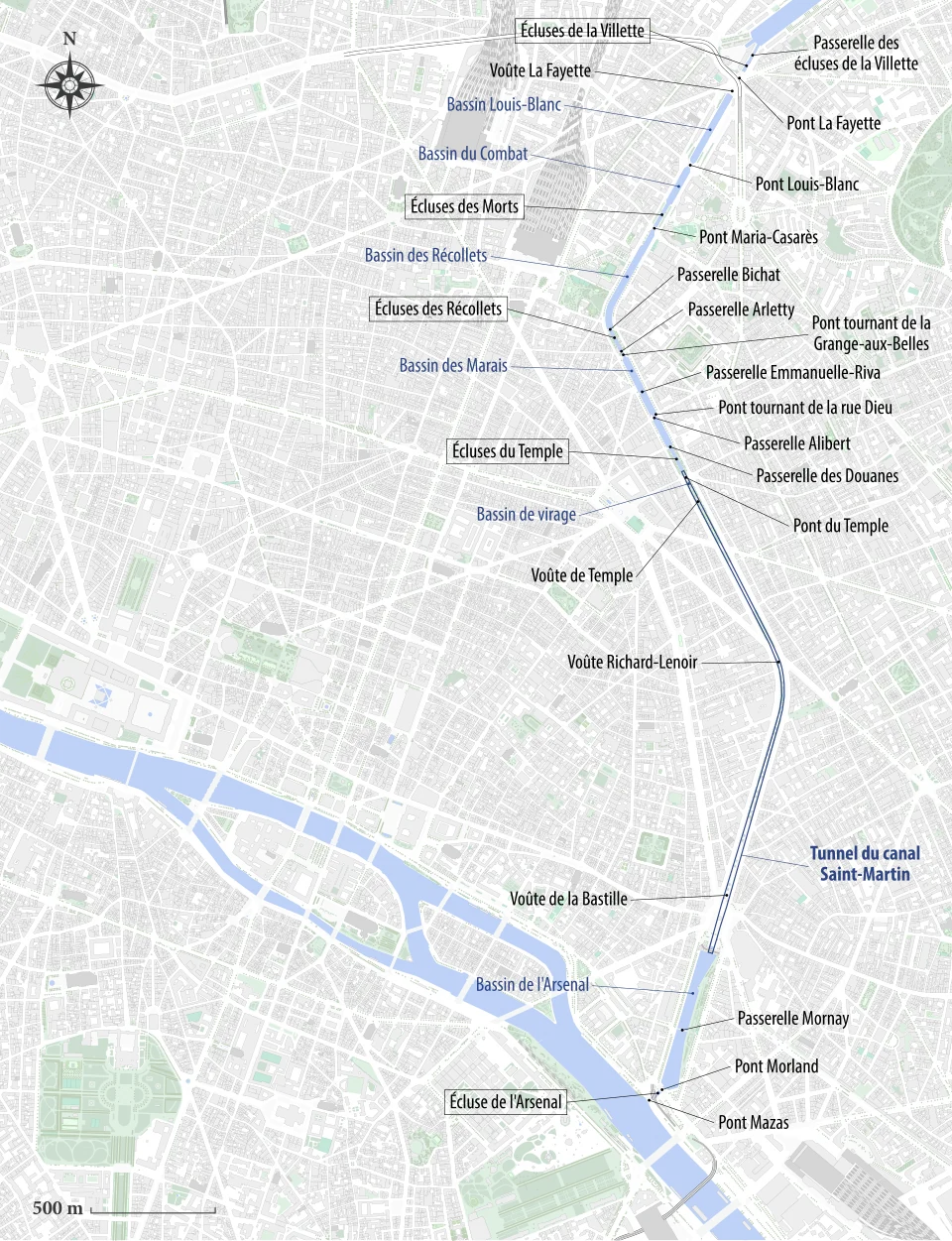
An urban waterway of nine locks, iron footbridges and hidden vaults, Canal Saint-Martin links the Bassin de la Villette with the Seine. Built for water supply and freight, it became a neighborhood promenade after an expressway plan was abandoned in 1971.
Sacré-Cœur Basilica
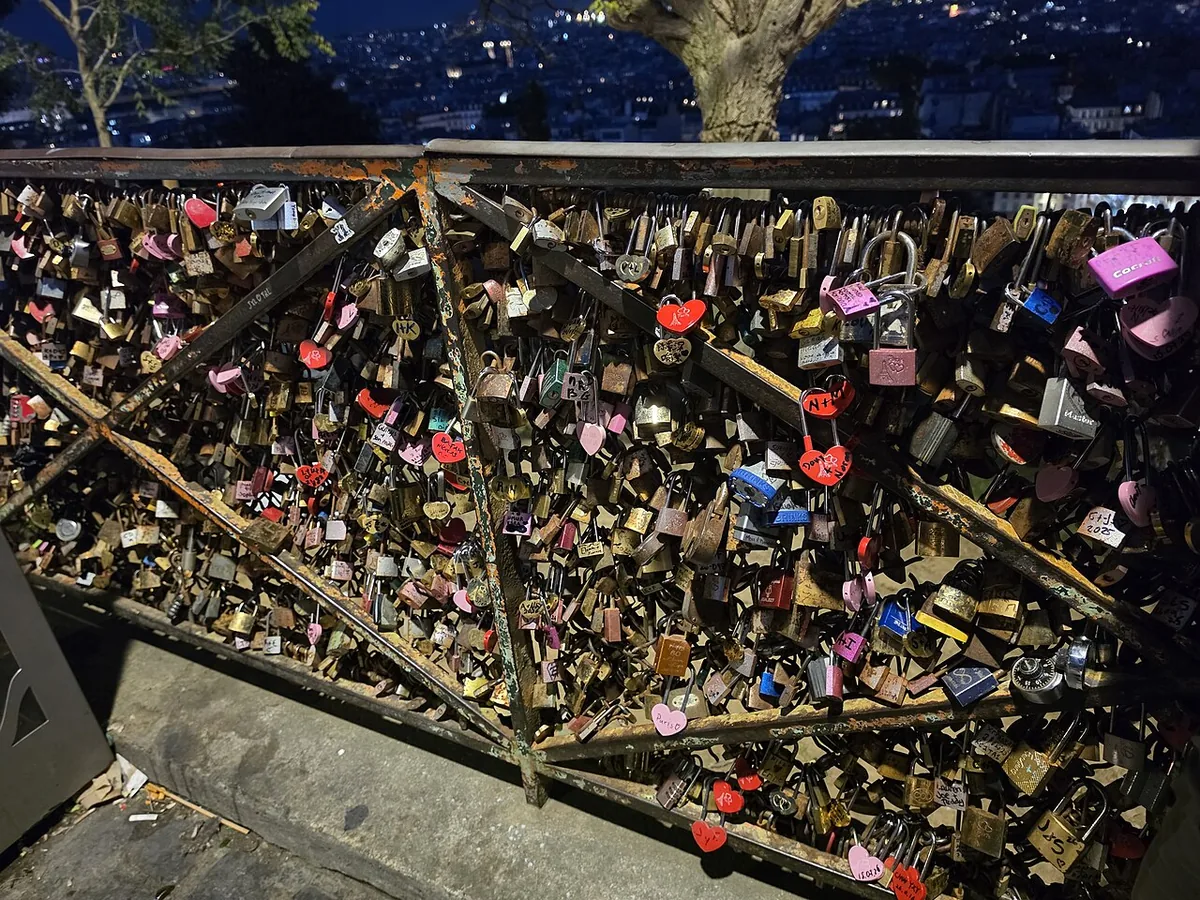
Sacré-Cœur Basilica rises above Montmartre as both an active Catholic sanctuary and a landmark shaped by France’s contested nineteenth-century history. Its Romano-Byzantine domes, donor-funded construction, and monumental mosaic reward close attention.
Montmartre
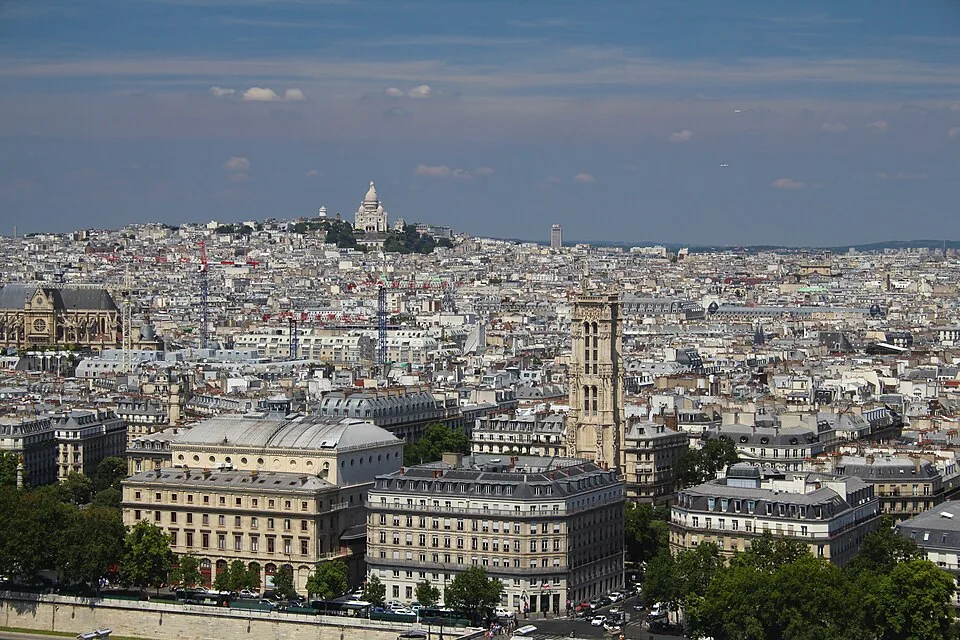
Montmartre’s steep streets and gardens preserve traces of a former village absorbed into Paris. Its working landscapes, artists’ studios, political memory and living neighborhood culture reach well beyond the Sacré-Cœur.
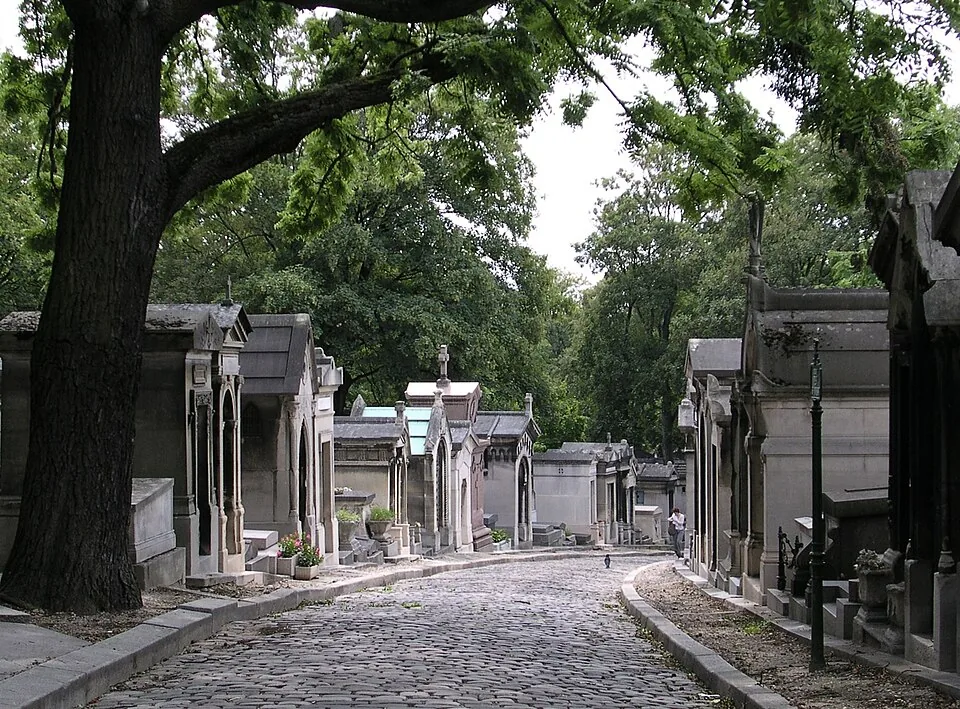
Père Lachaise Cemetery
Opened in 1804 on a former Jesuit estate, Père Lachaise became a landscaped cemetery where winding paths, family tombs, and public memorials trace Parisian life and loss. It remains an active burial ground in the 20th arrondissement, so visits call for quiet and respect.
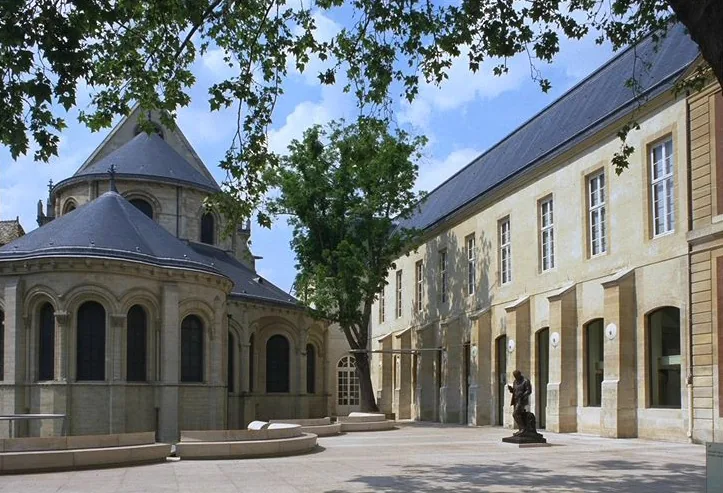
Musée des Arts et Métiers
In the former priory of Saint-Martin-des-Champs, ingenious machines and scientific instruments occupy a historic religious complex. The museum grew from a Revolutionary-era mission to gather useful inventions, turning technical objects into tools for public learning.