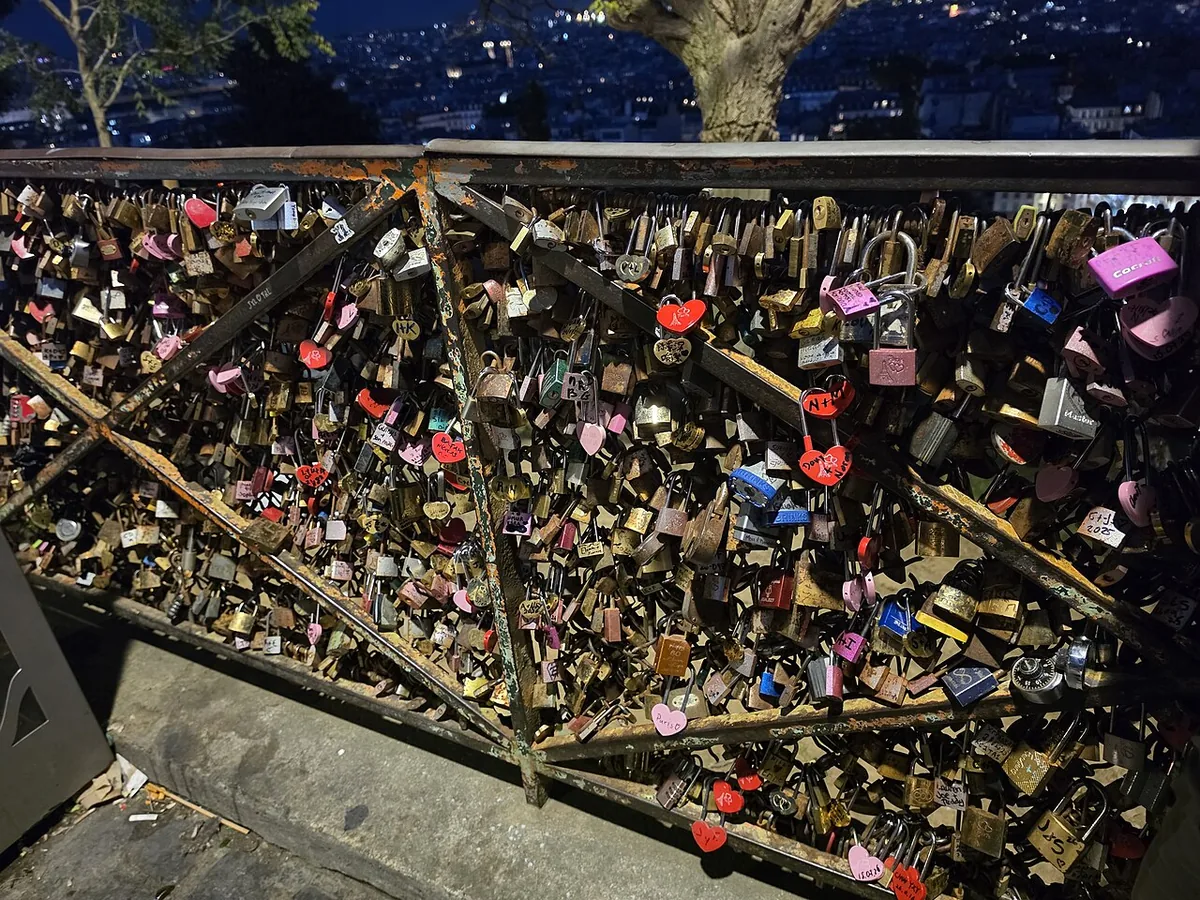

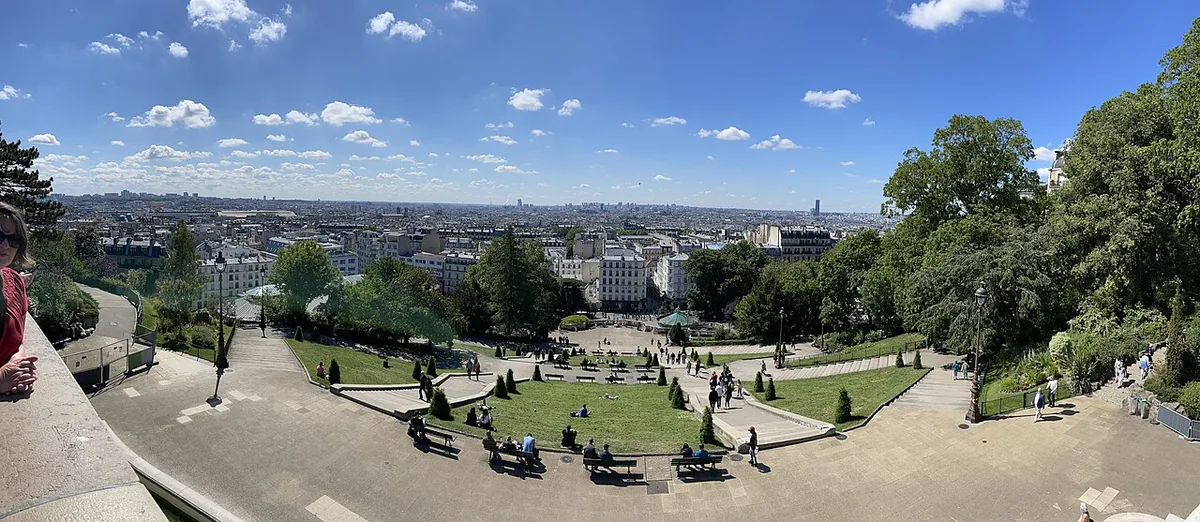
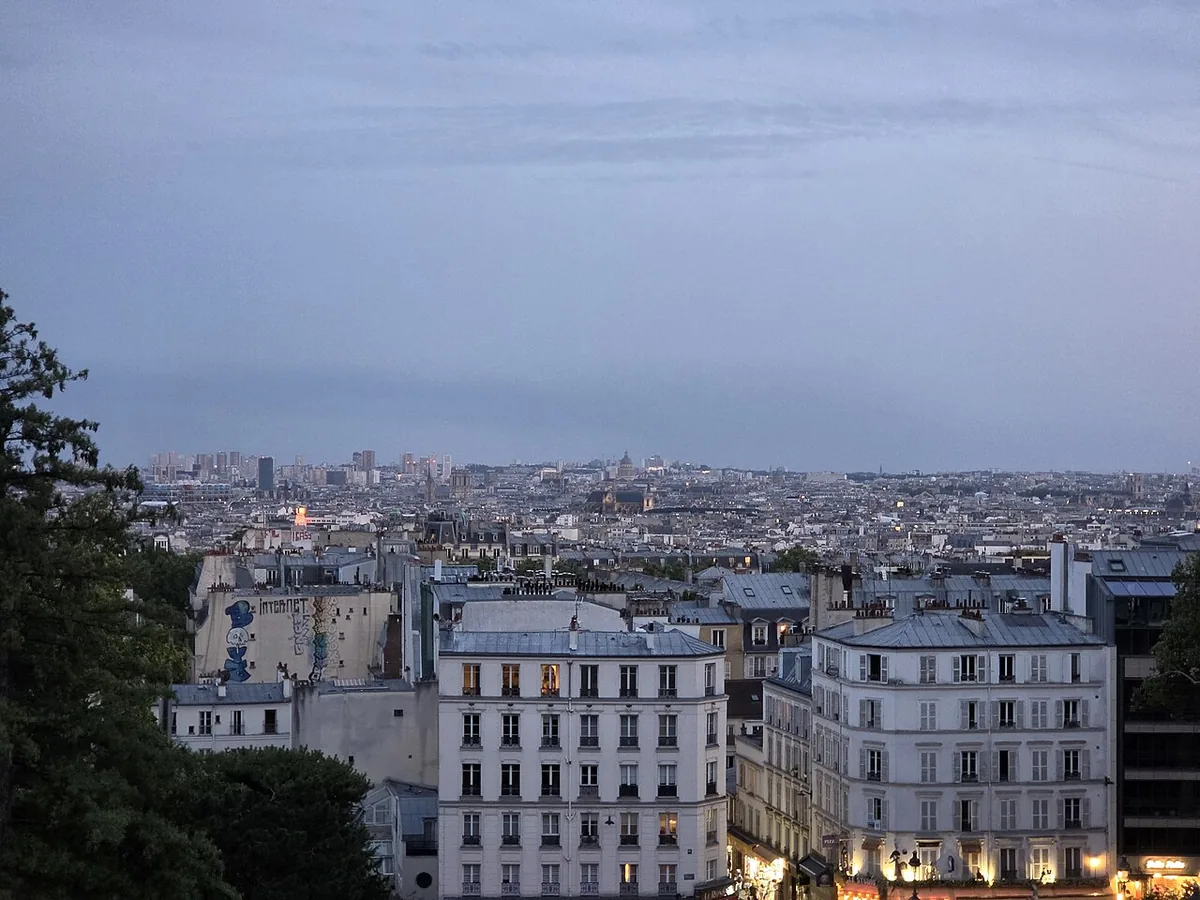
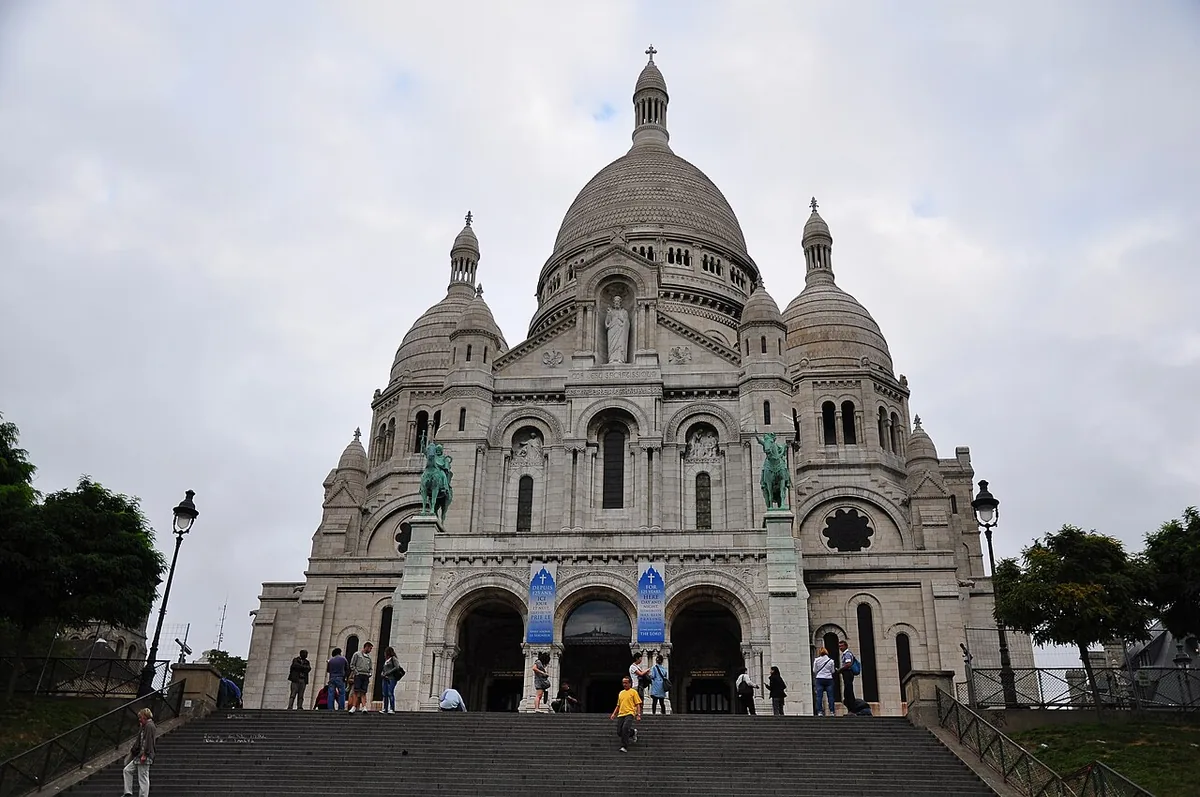
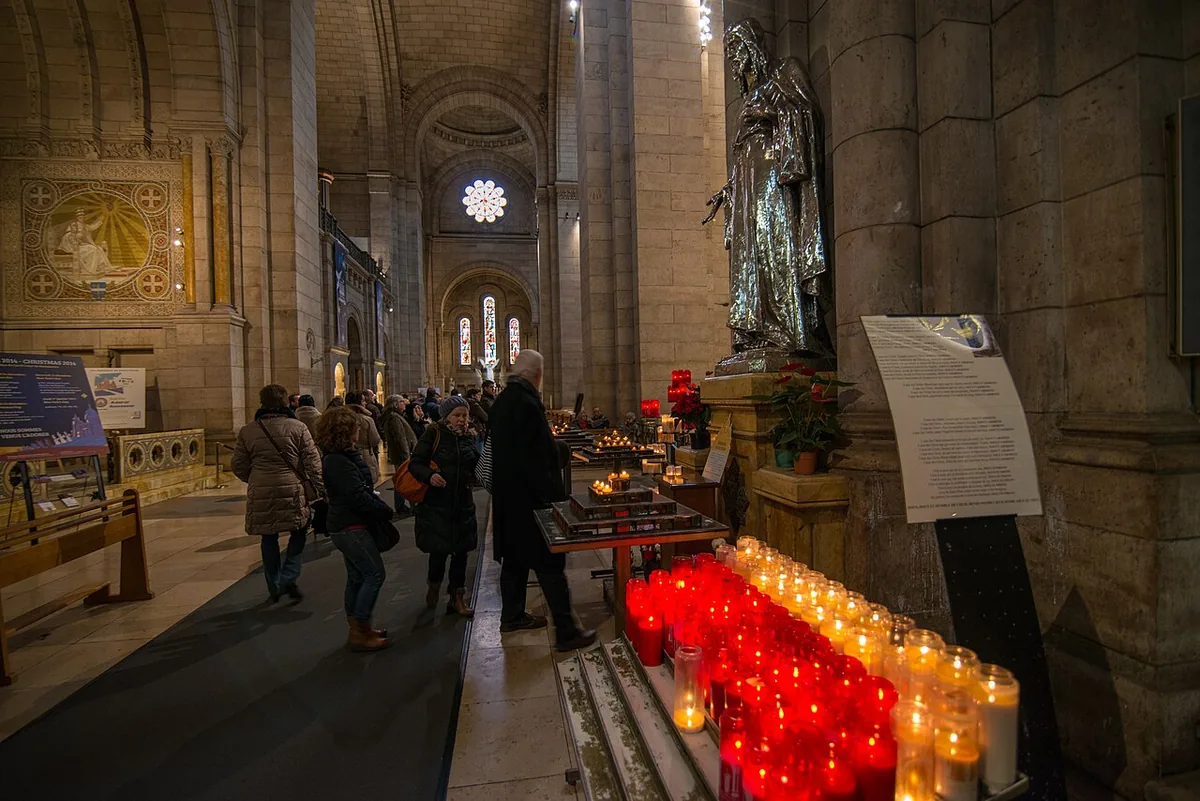
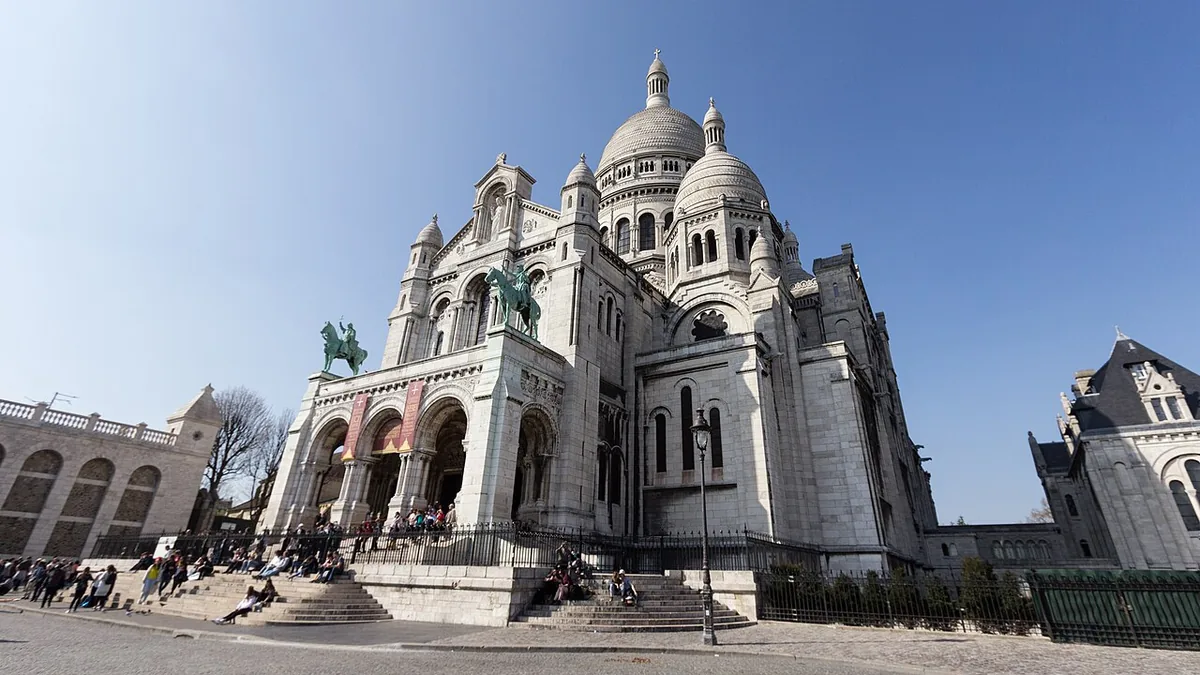
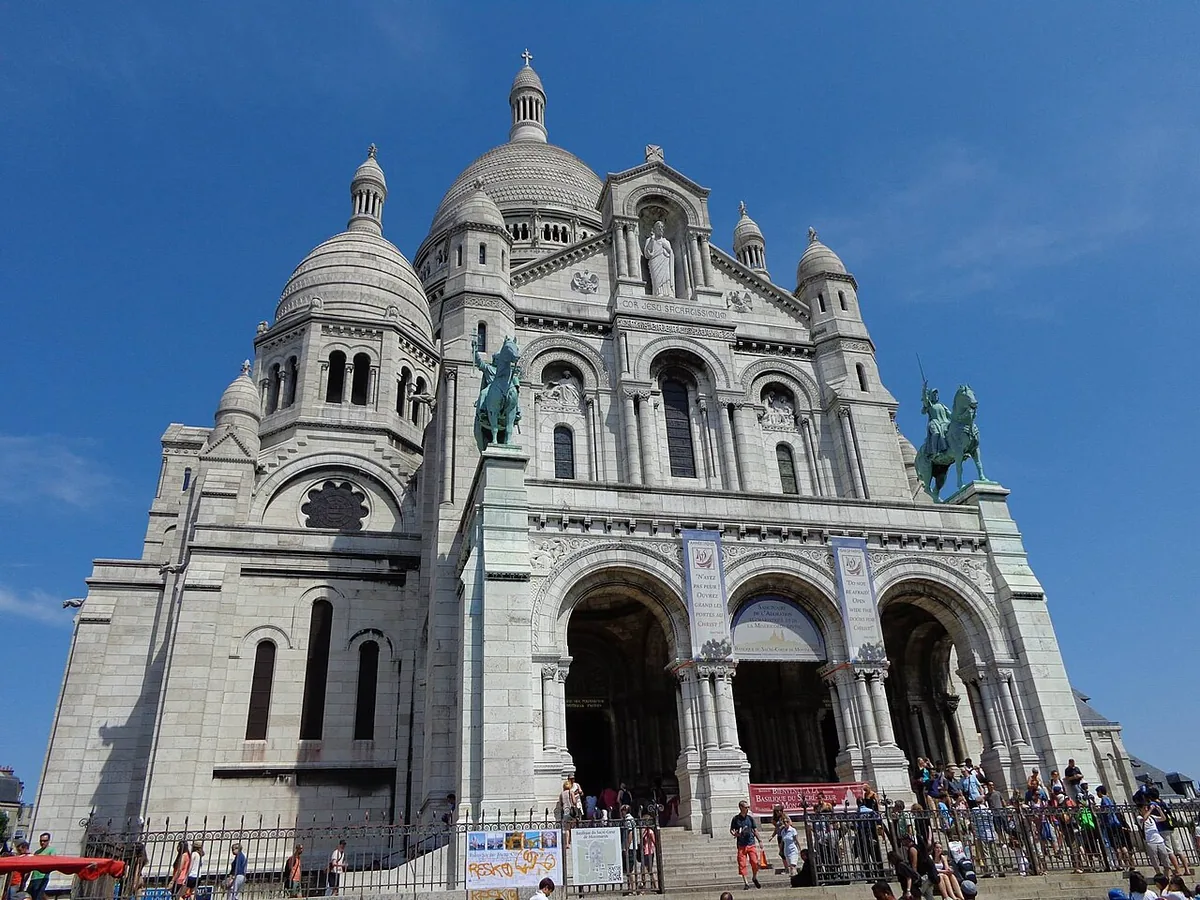
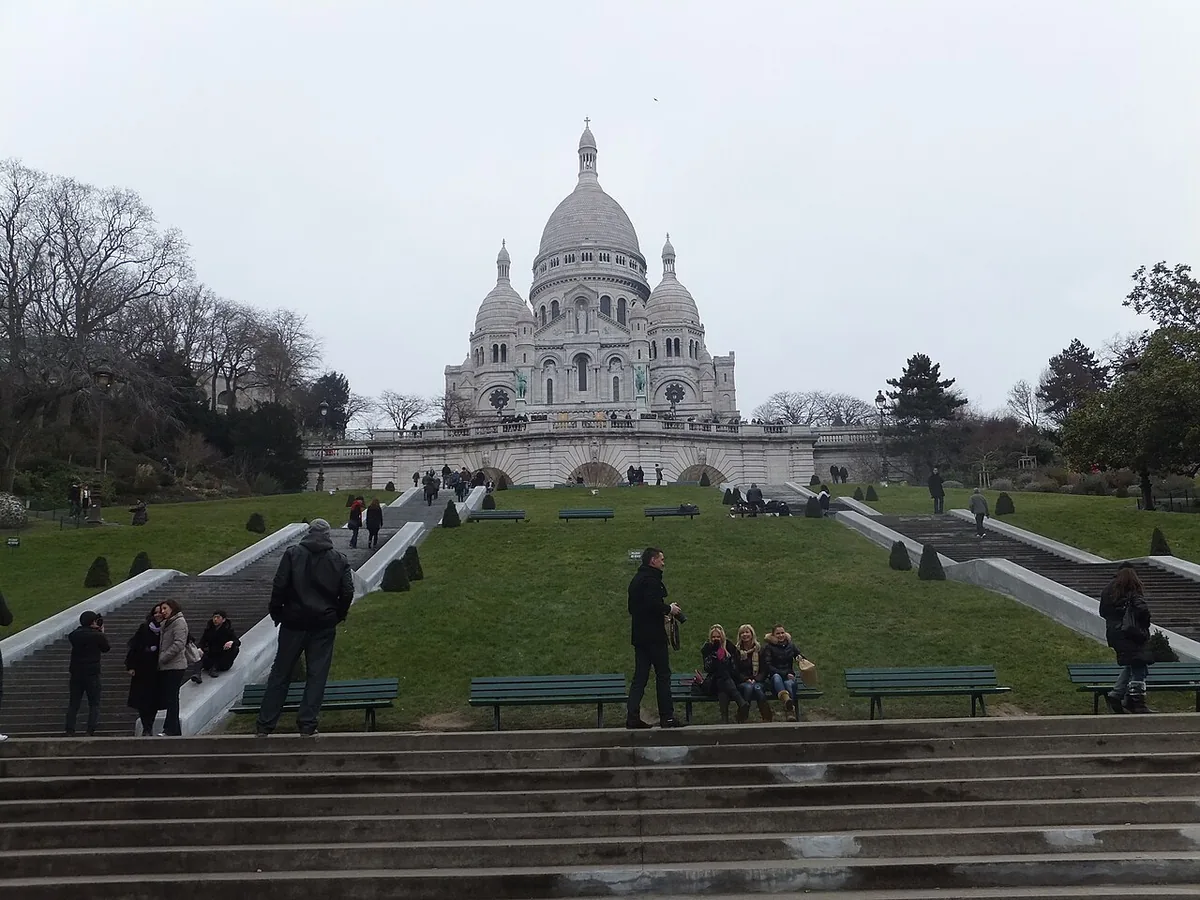
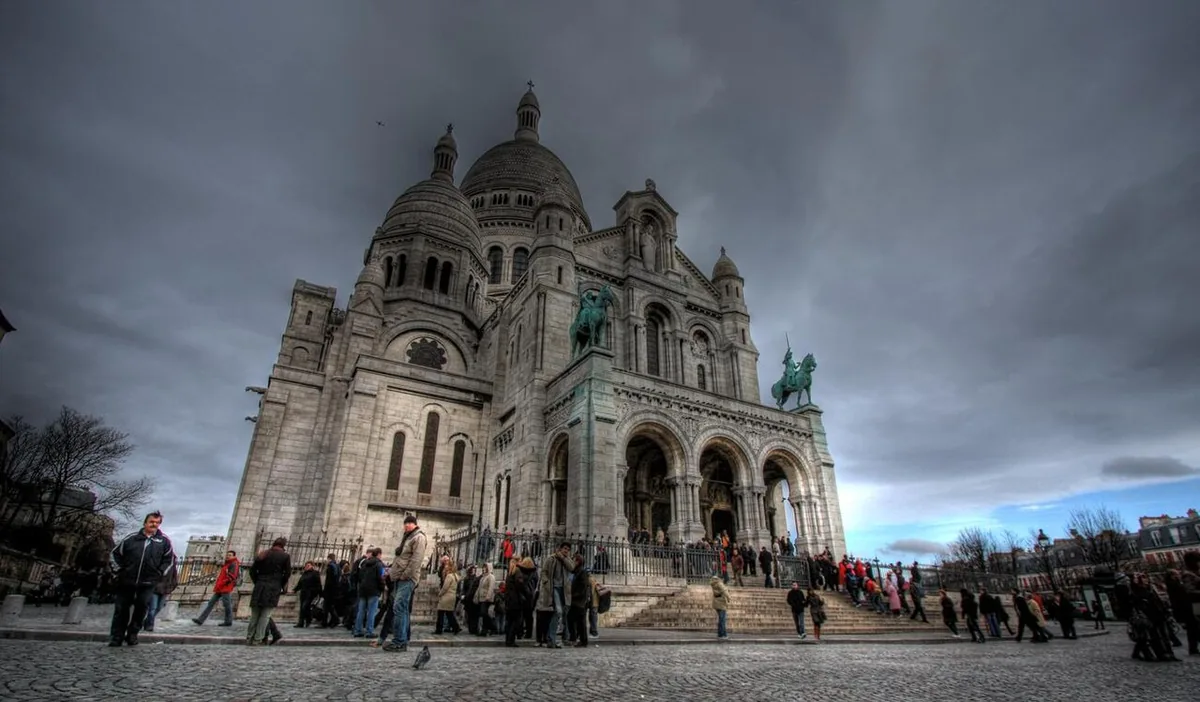
Sacré-Cœur Basilica rises above Montmartre as both an active Catholic sanctuary and a landmark shaped by France’s contested nineteenth-century history. Its Romano-Byzantine domes, donor-funded construction, and monumental mosaic reward close attention.
Quick facts
Alexandre-Félix Legentil proposed the National Vow in December 1870, before the Paris Commune; public-utility approval followed in July 1873.
The City of Paris reports that the basilica’s foundations required 83 shafts, each 33 metres deep.
Continuous Eucharistic adoration began at Sacré-Cœur in 1885, before the basilica opened for worship in 1891.
Get directions to Sacré-Cœur Basilica. Confirm the visitor entrance and current access with the venue before travelling.
Audio guide
Listen to this place’s guide.
Guide
Sacré-Cœur Basilica crowns the Butte Montmartre, its pale domes visible across Paris. The view makes the building feel timeless, but its origins belong to a sharply unsettled moment in French history. The church began as a Catholic vow after France’s defeat in the Franco-Prussian War. Its supporters sought national repentance and renewal; in the decades that followed, the project also became entangled with the politics of the Paris Commune and the conservative order that followed it.
Continue exploring
Discover the full story
Keep reading with a travel pass and explore every full guide and tour.
UpgradeMore places in Paris
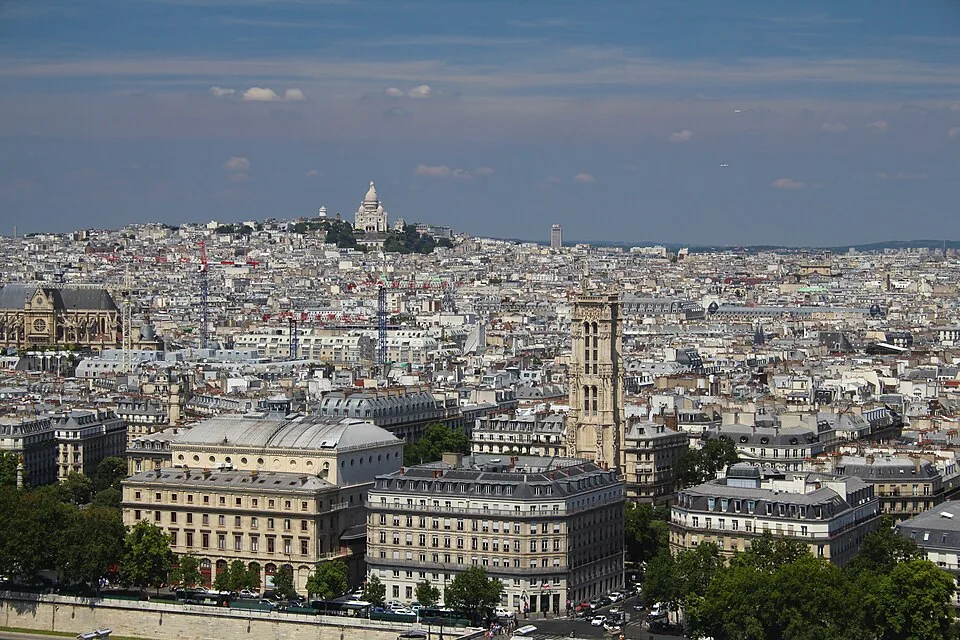
Montmartre
Montmartre’s steep streets and gardens preserve traces of a former village absorbed into Paris. Its working landscapes, artists’ studios, political memory and living neighborhood culture reach well beyond the Sacré-Cœur.
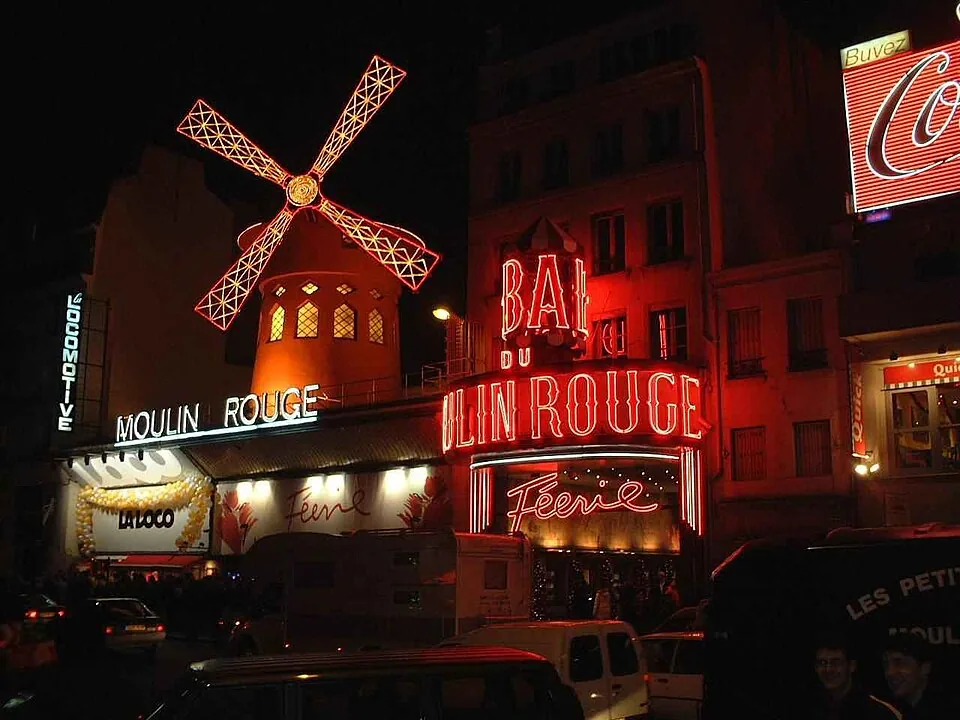
Moulin Rouge
The Moulin Rouge’s red windmill recalls the many windmills that once crowned Montmartre’s hill. Opened in 1889, the cabaret became a stage for popular dance, nightlife, and a visual image of modern Paris.
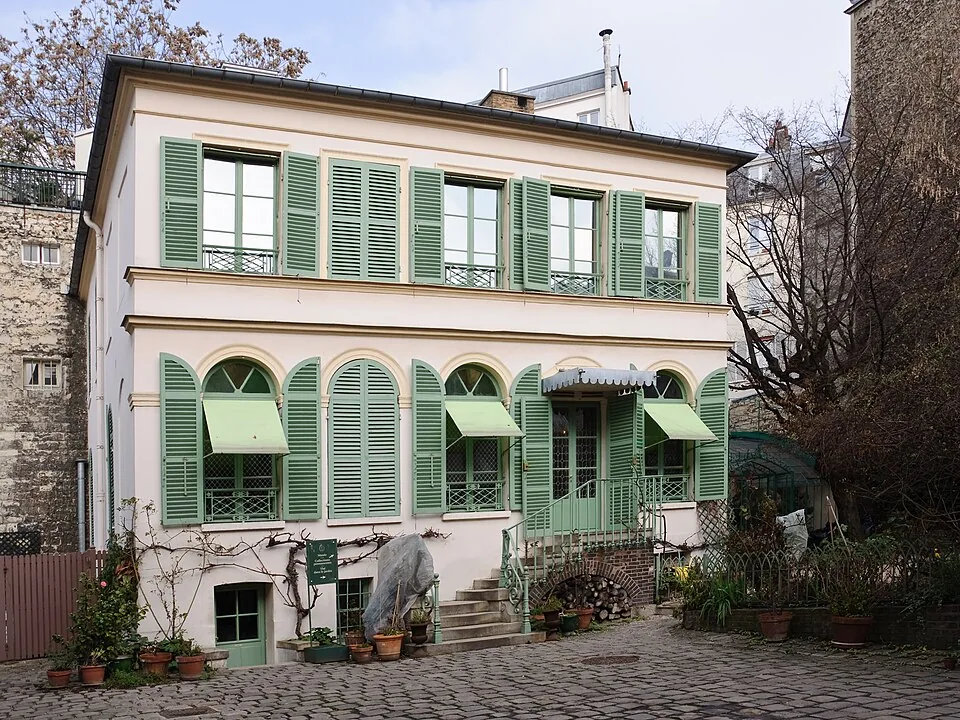
Musée de la Vie Romantique
The Musée de la Vie Romantique occupies the former home and studios of painter Ary Scheffer in the Nouvelle Athènes district. Built in 1830, the house hosted artists and writers and preserves the domestic scale of nineteenth-century creative life.
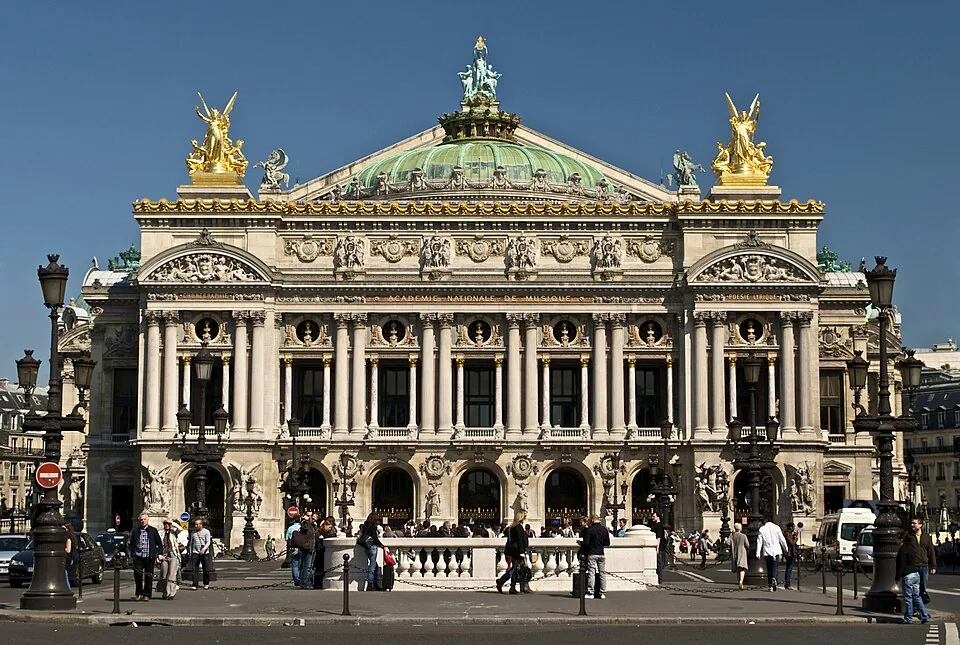
Palais Garnier
Palais Garnier’s grand staircase and richly decorated public rooms make the opera house a spectacle before performance begins. Designed by Charles Garnier and inaugurated in 1875, it joined stage machinery with the ceremonial social life of nineteenth-century Paris.
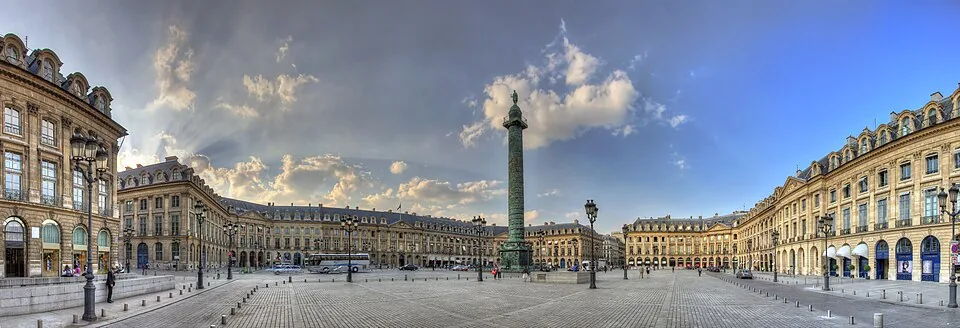
Place Vendôme
Place Vendôme’s ordered façades frame a square whose political symbols have repeatedly changed. Planned for Louis XIV, renamed Place des Piques during the Revolution and centered on a Napoleonic column, it remains a public square in Paris’s 1st arrondissement.
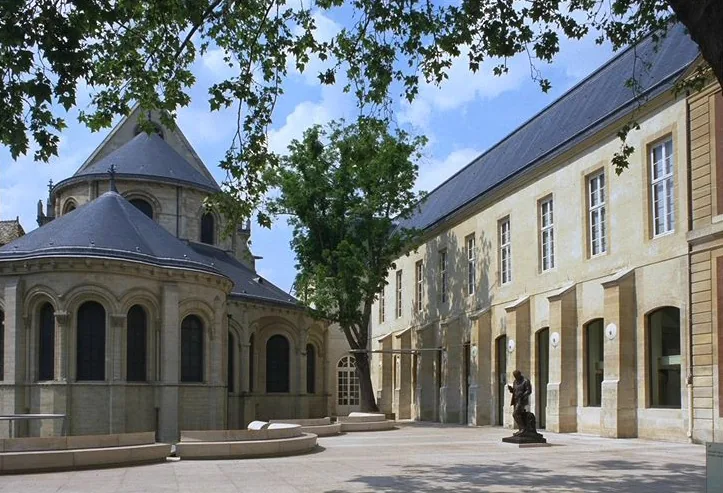
Musée des Arts et Métiers
In the former priory of Saint-Martin-des-Champs, ingenious machines and scientific instruments occupy a historic religious complex. The museum grew from a Revolutionary-era mission to gather useful inventions, turning technical objects into tools for public learning.