Explore locations
Browse places by name, city, country or category.
All locations
70 locations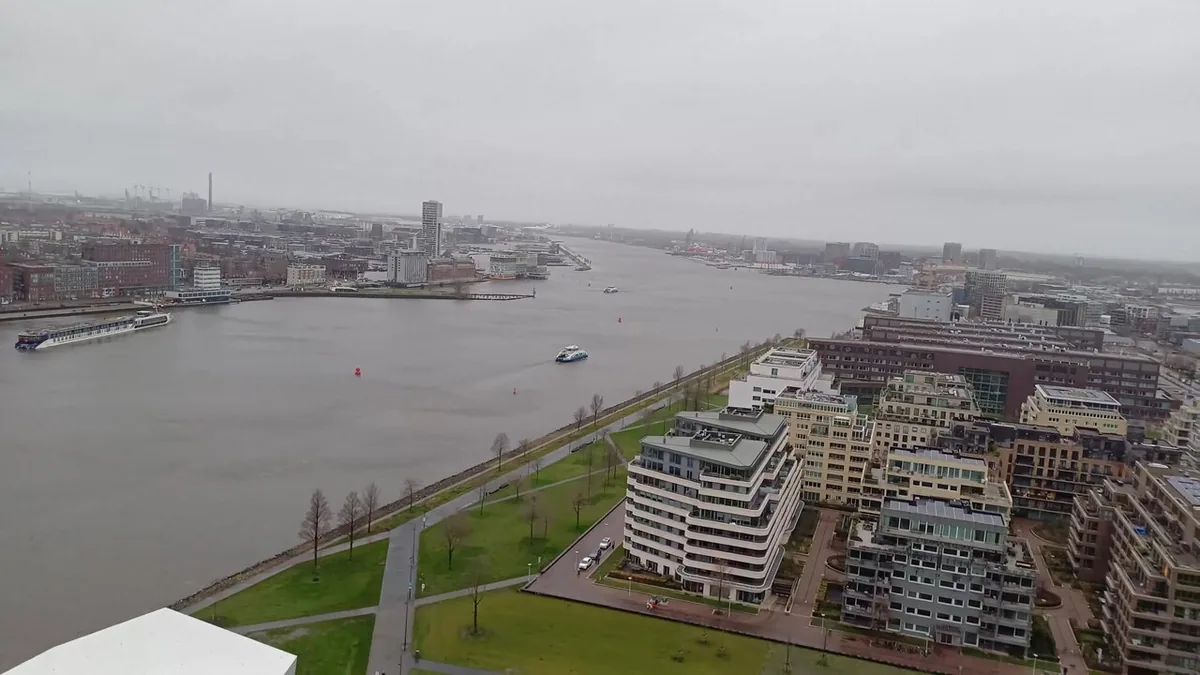
A'DAM Lookout Tower
A’DAM Lookout occupies the crown of Amsterdam Noord’s former Shell tower, a 1970s landmark set diagonally to the IJ. Its conversion into a public-facing tower kept Arthur Staal’s concrete structure while adding a sky deck above the redeveloping Overhoeks waterfront.
Albert Cuyp Market
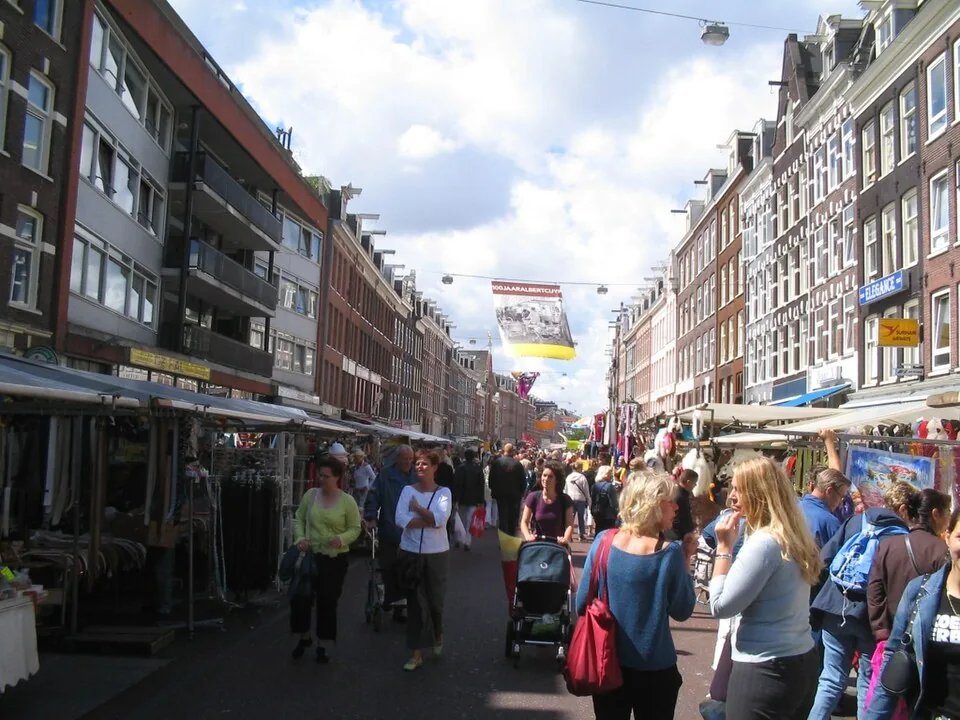
Albert Cuyp Market grew from street trading in the expanding De Pijp into one of Amsterdam’s best-known markets. Its stalls occupy a former industrial waterway, and its history holds both the everyday ingenuity of vendors and the rupture of wartime persecution.
Amsterdam Centraal Station
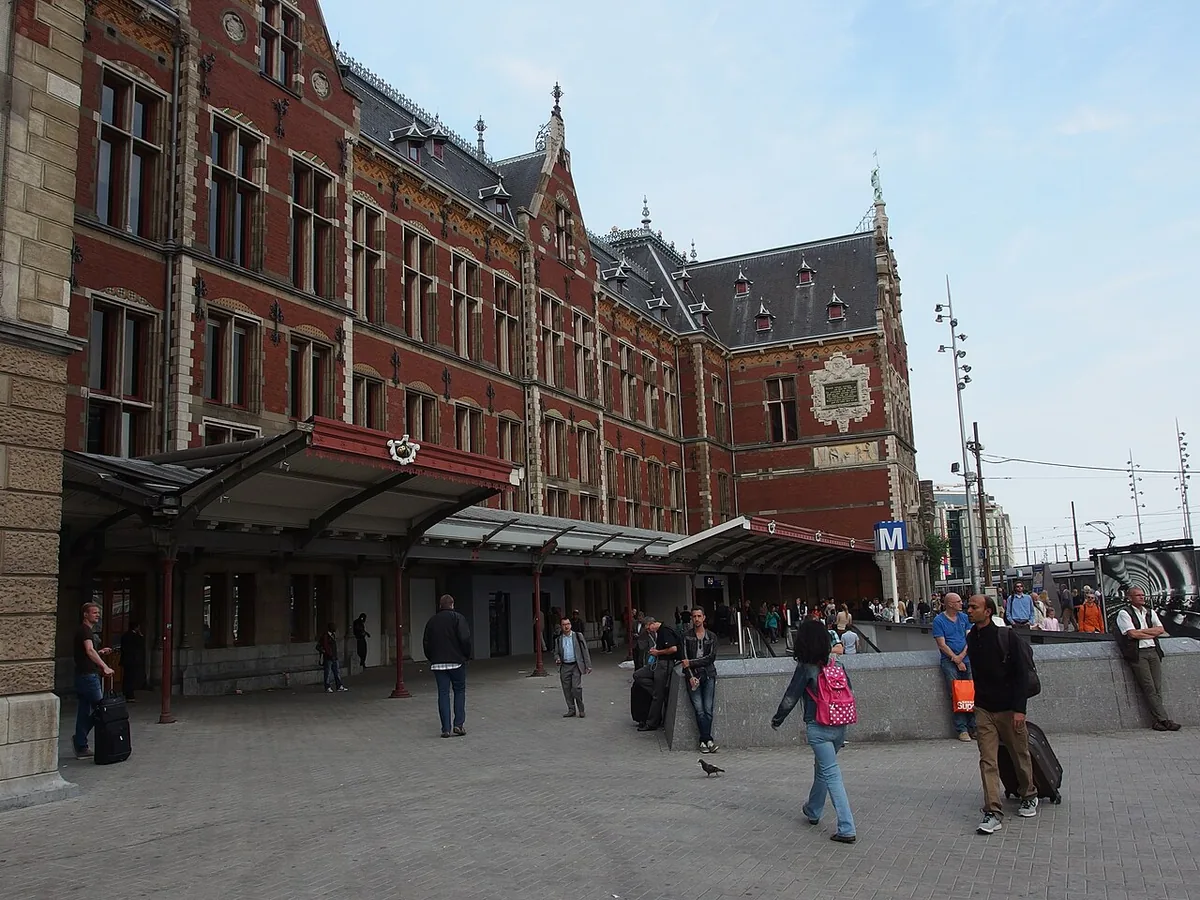
Amsterdam Centraal occupies Station Island in the IJ, where the historic centre meets the waterfront. Pierre Cuypers and A.L. van Gendt designed its monumental 1889 gateway, built on reclaimed islands and thousands of piles. Today the station remains a busy link between rail, city and harbour.
Amsterdam Dungeon
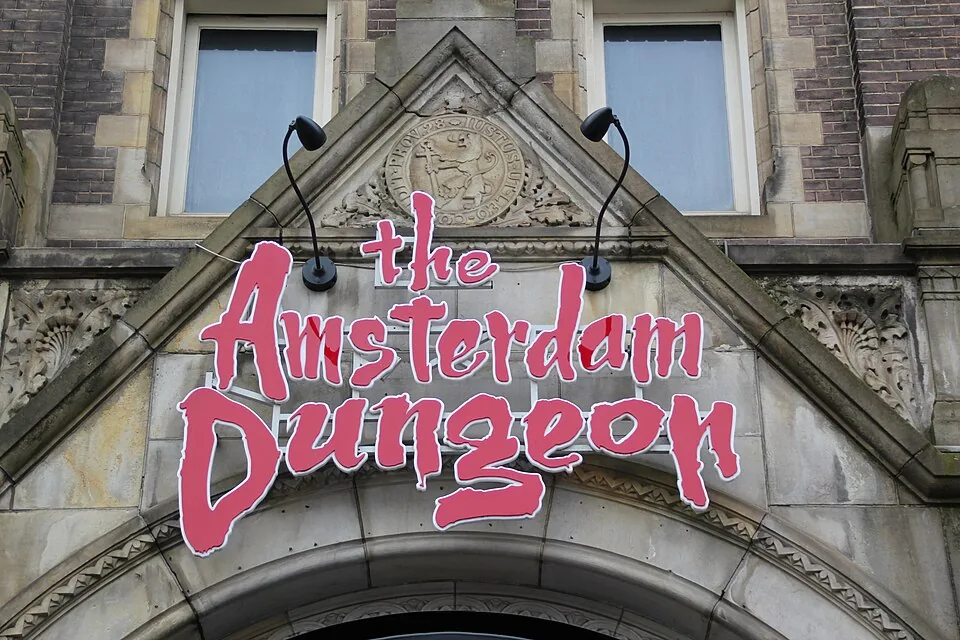
Amsterdam Dungeon stages episodes of Dutch history with actors, sets and effects inside the Nieuwezijds Kapel, a protected church built on a much older religious site. The attraction’s theatrical scenes invite visitors to distinguish popular interpretation from the city’s archival and archaeological
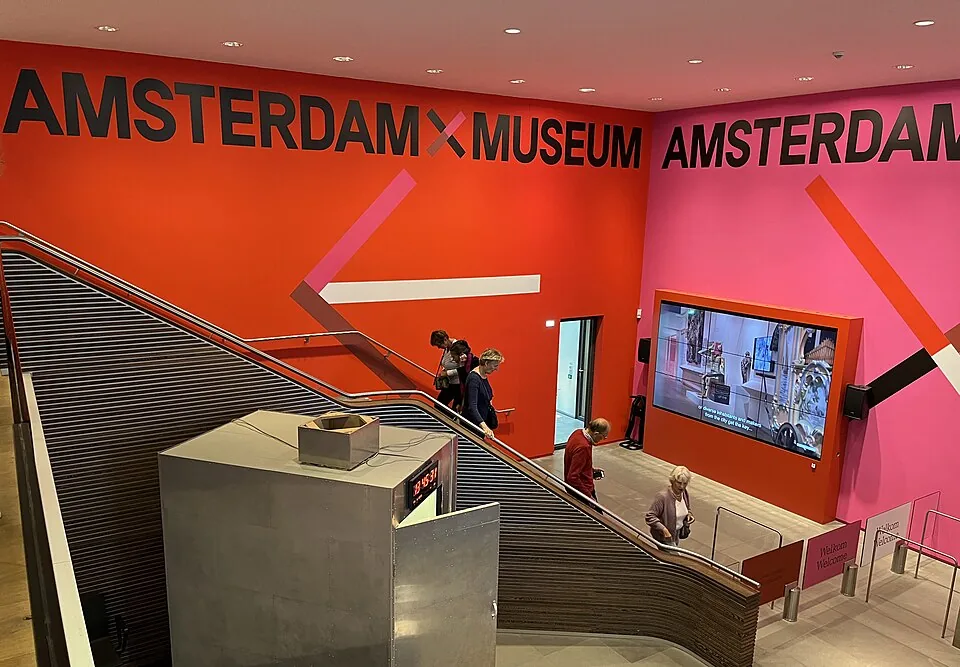
Amsterdam Museum
The Amsterdam Museum’s historic home occupies the former Burgerweeshuis, a centuries-old complex shaped by a convent, an orphanage and the city museum. Its courtyards and façades preserve that changing civic story; the Kalverstraat site is currently closed during renovation.
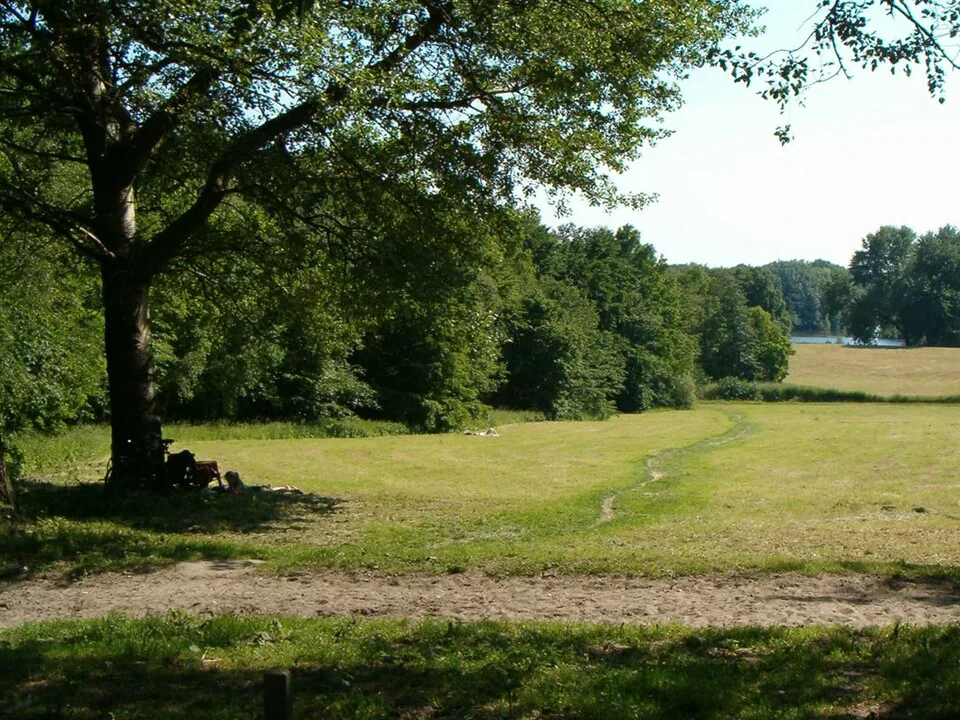
Amsterdamse Bos
Amsterdamse Bos is a vast, designed forest and recreation landscape south-west of Amsterdam, mostly in Amstelveen. Built from 1934 through 1970, it joins woods, water, meadows and sport grounds—and holds both the memory of crisis-era labor and the wartime persecution of Jewish forced laborers.
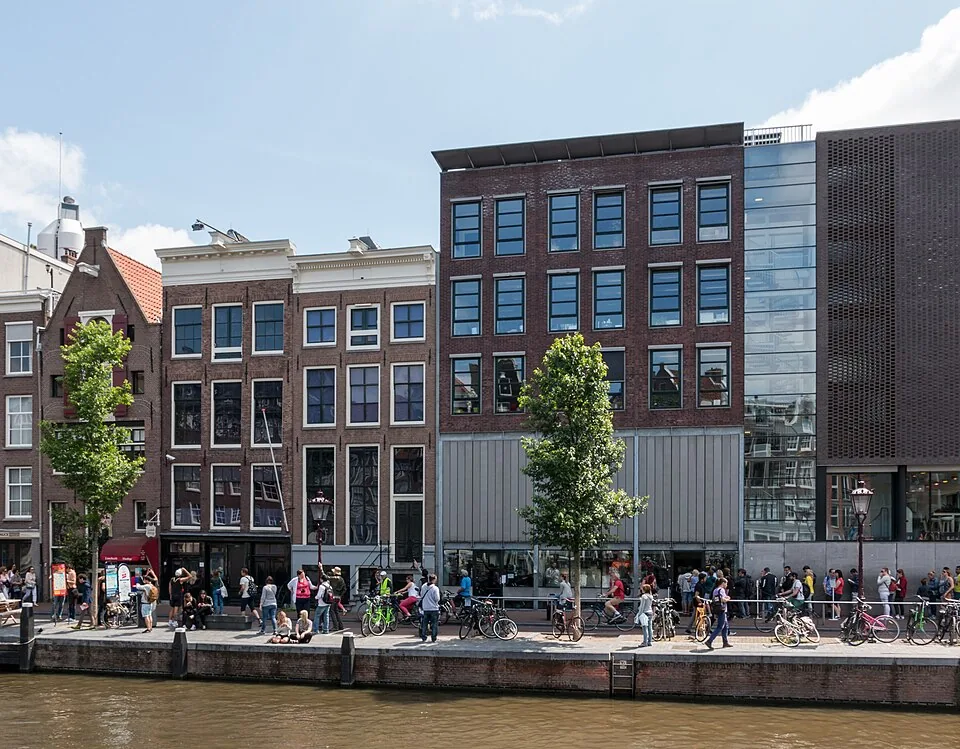
Anne Frank House
At Prinsengracht 263, a canal-side business address held the concealed annex where eight Jewish people hid from Nazi persecution. The Anne Frank House museum preserves this wartime site and the traces of its inhabitants, including the original bookcase and Anne Frank’s writings.

Artis Royal Zoo
Founded in 1838, ARTIS grew from a members’ society for studying living and preserved nature into Amsterdam’s historic zoo and museum landscape. Its grounds preserve nineteenth-century buildings and paths, while the Groote Museum invites visitors to reconsider how people have classified and related
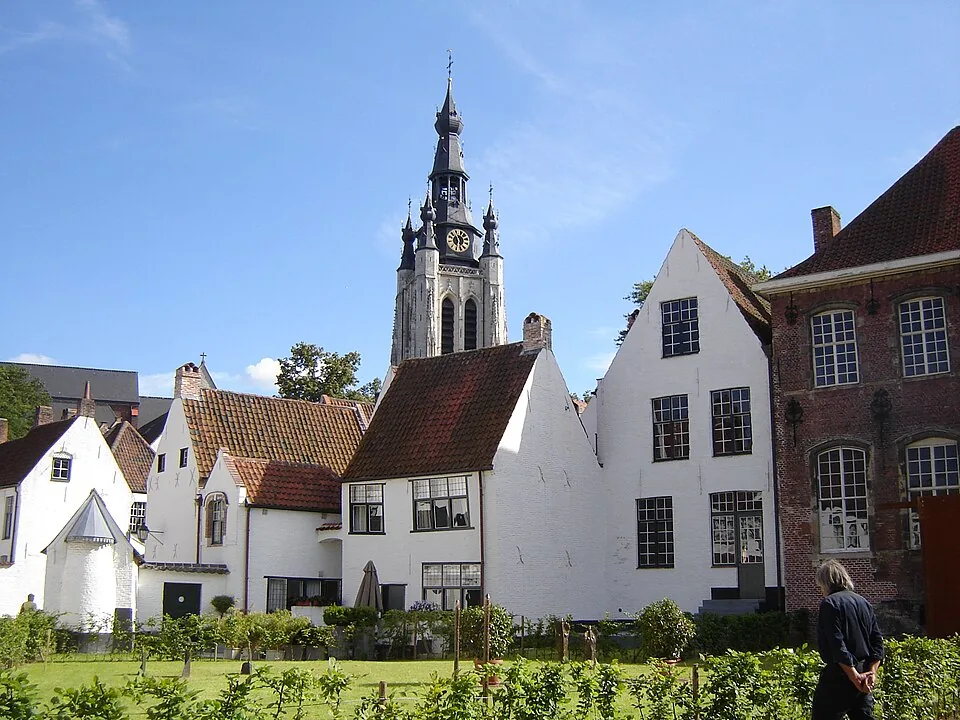
Begijnhof
Amsterdam’s medieval Begijnhof was a community of Catholic laywomen who lived and worked together without being cloistered nuns. Its uneven courtyard, rare timber-framed Wooden House, former English church, and still-active Catholic chapel record centuries of changing worship and residential life.
Bloemenmarkt
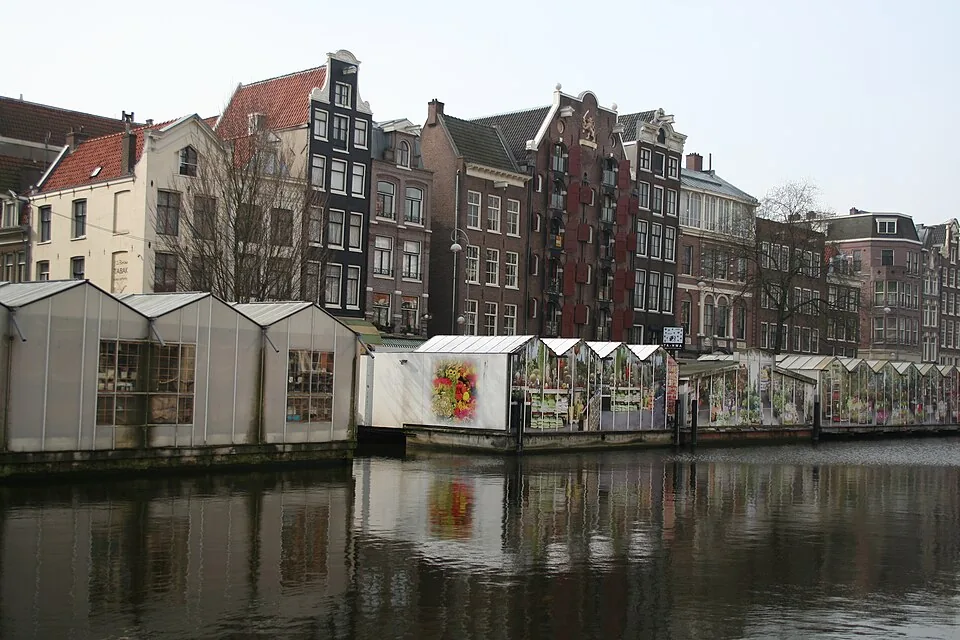
Amsterdam's Bloemenmarkt occupies floating stalls on the Singel between the Muntplein and Koningsplein. Moved here in 1862, it grew from a canal-borne trade in trees, plants and flowers. Its moorings still make the waterway part of the market's story.
Brouwerij ’t IJ
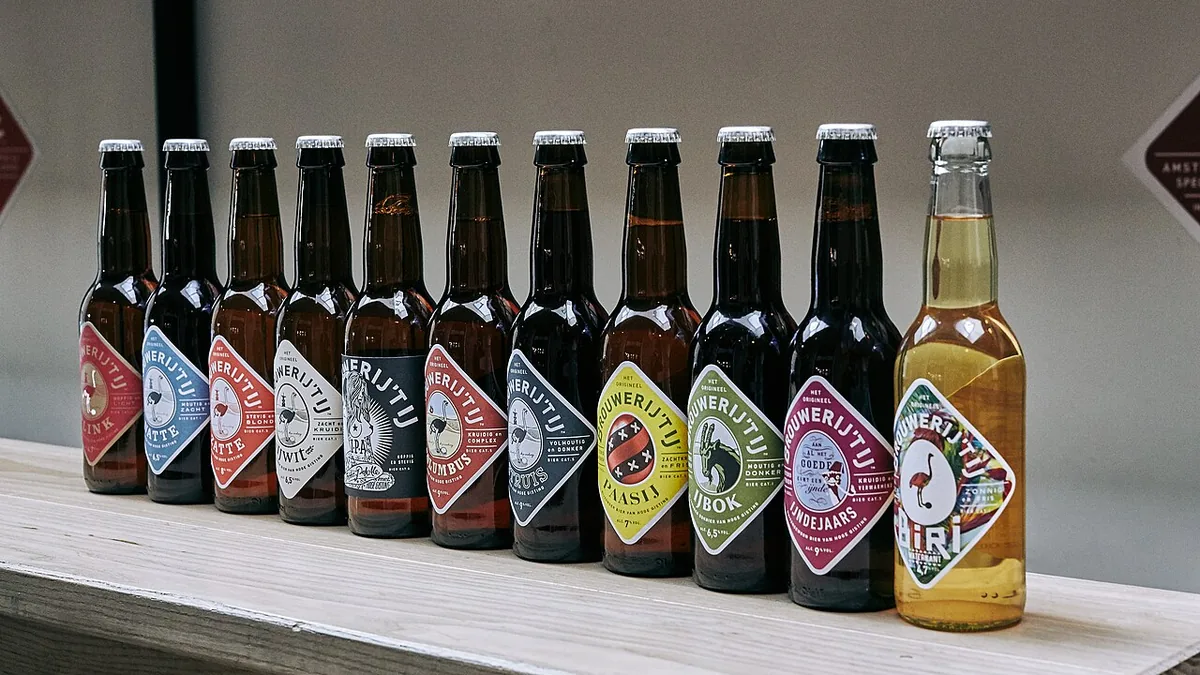
Brouwerij ’t IJ has brewed beside Amsterdam’s De Gooyer windmill since 1985, in the former Funen municipal bathhouse. Its story links the city’s public-health history with a pioneering craft brewery and a neighborhood tasting room shaped by local regulars.
Brouwersgracht
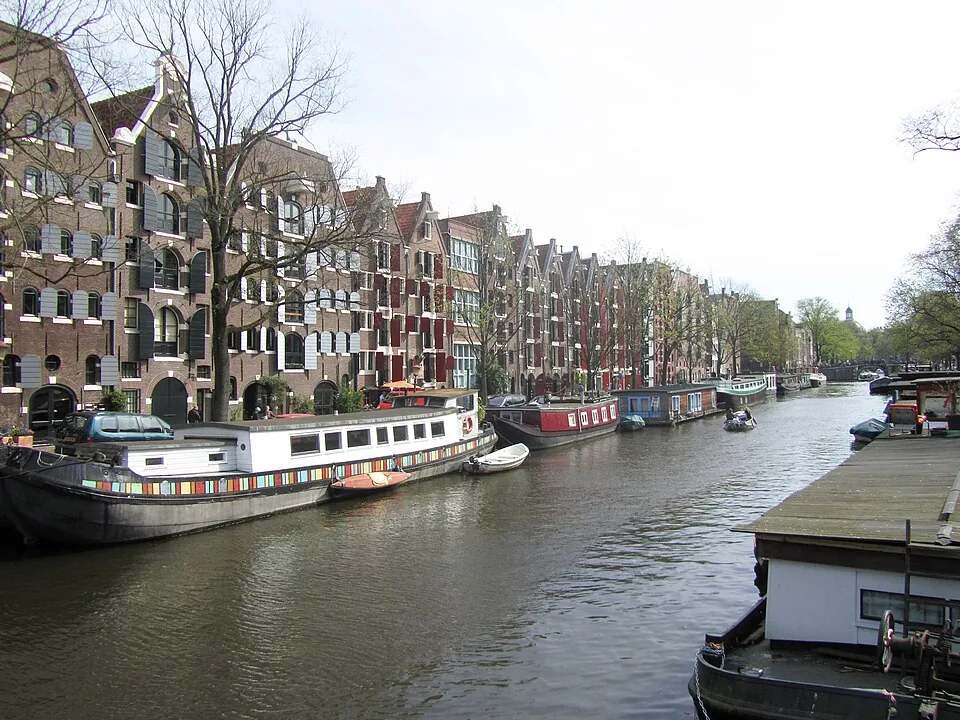
Brouwersgracht runs along the northern edge of the Jordaan, where Amsterdam’s old canal network met routes toward the IJ. Its name recalls brewing, while warehouses and Herenmarkt traces reveal the canal’s wider life as a freight route and neighbourhood workplace.
Café Papeneiland
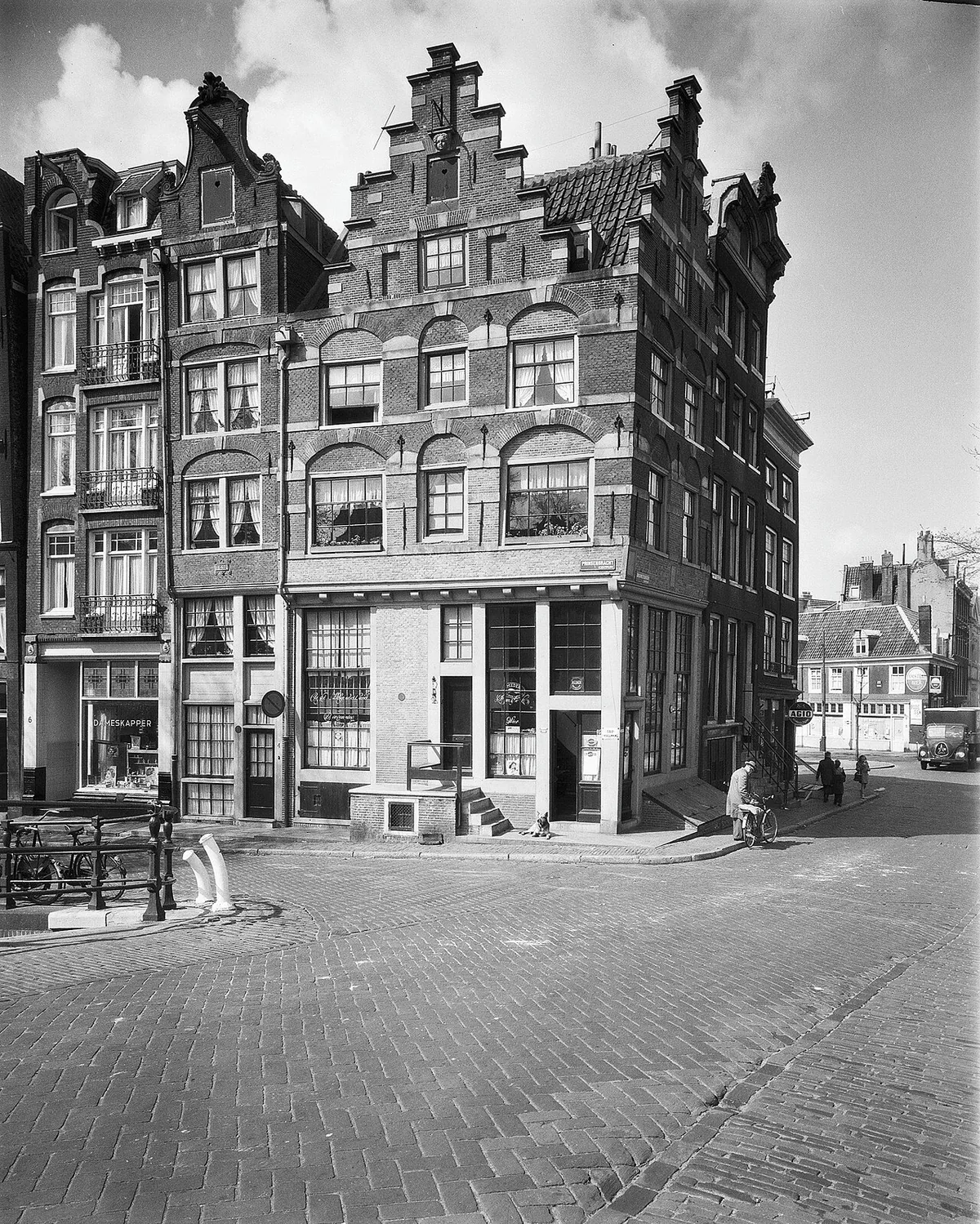
Café ’t Papeneiland occupies a canal-corner house at Prinsengracht 2 in Amsterdam. Built in 1641–42 as a shop with an upper dwelling, it became a documented café in 1896. Its façade preserves layers of restoration, while archaeological inspection disproved the famous cellar-tunnel tale.
Canal Ring (Grachtengordel)
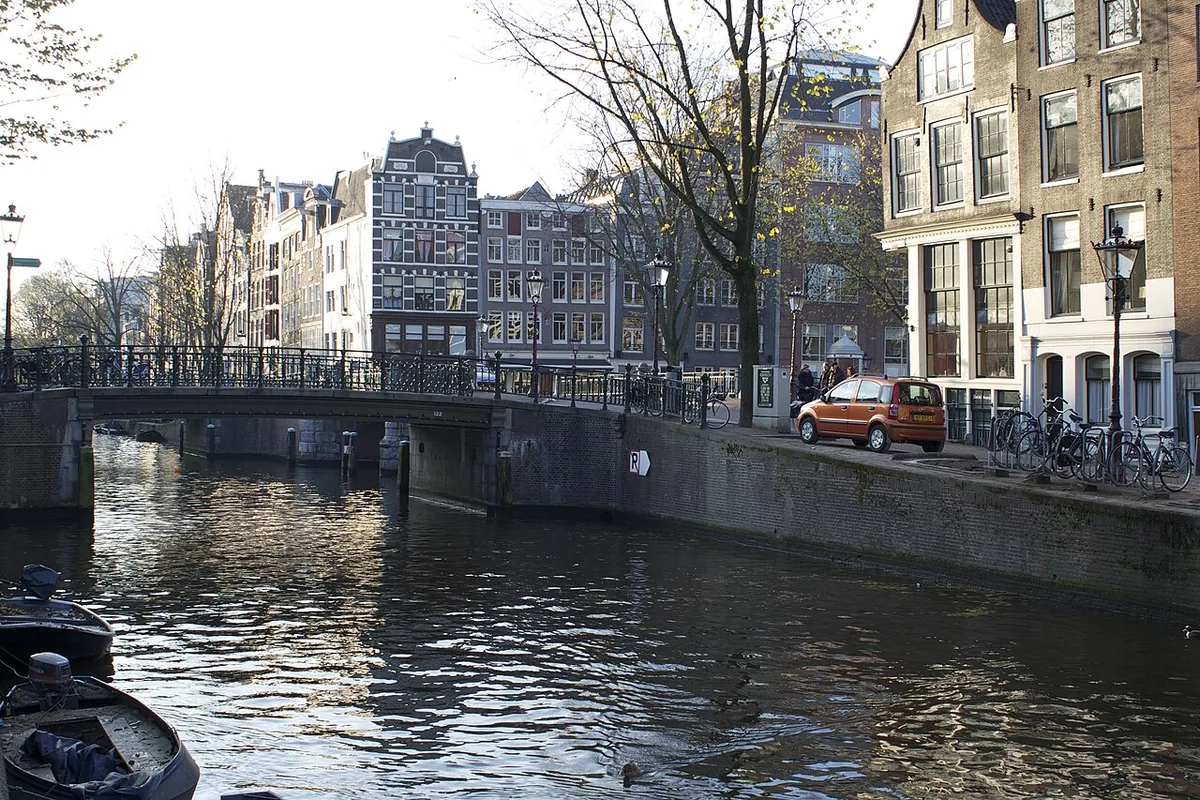
Amsterdam’s Grachtengordel is a seventeenth-century urban expansion built in stages around the older center. Read its canals, cross streets, bridges, and canal houses as one working city plan, while remembering that the UNESCO-listed area inside the Singelgracht is only a defined part of this broad
Concertgebouw
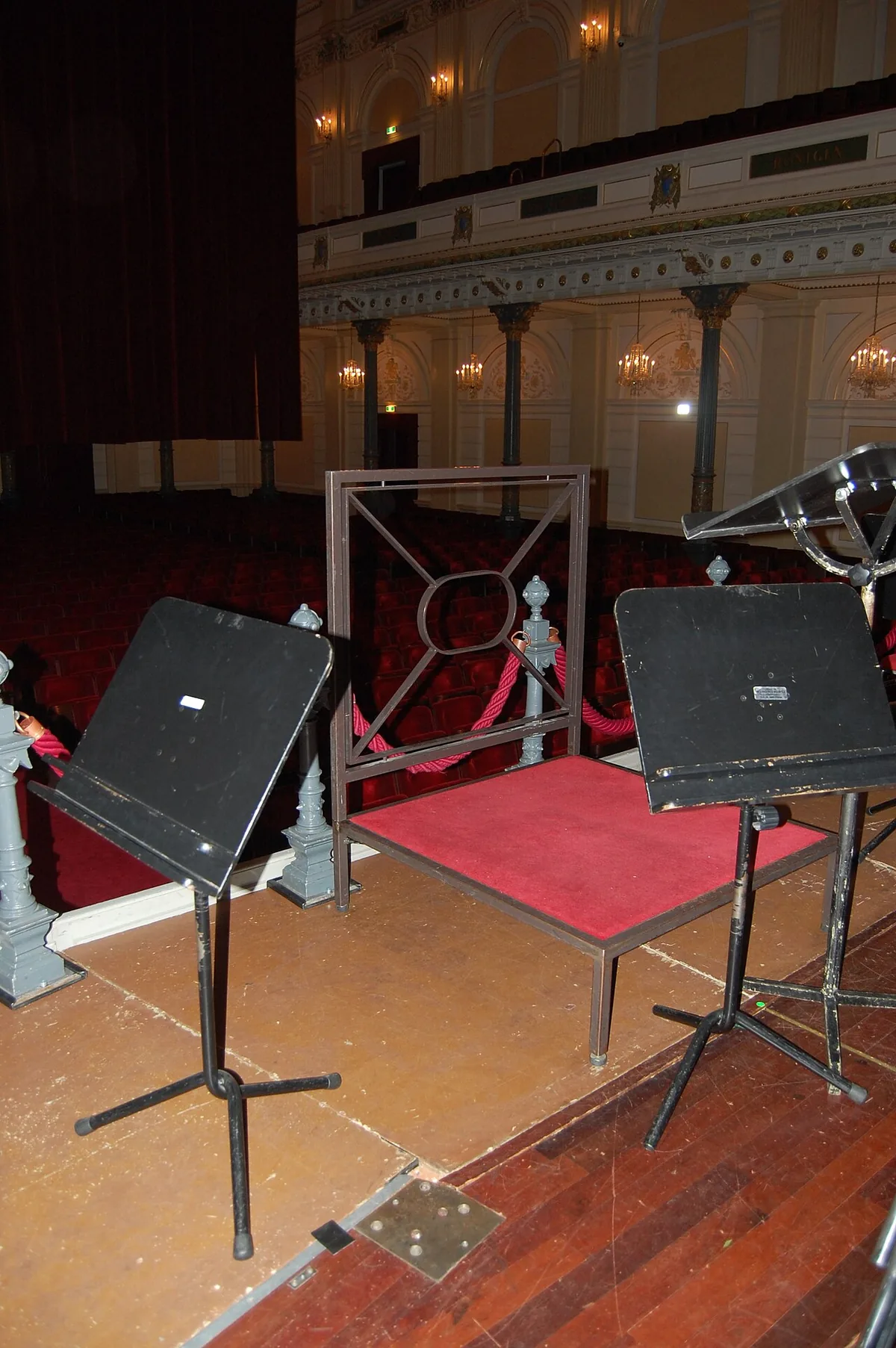
Amsterdam’s Concertgebouw began as a citizens’ campaign for a dedicated concert hall on the fields of Nieuwer-Amstel. Opened in 1888, its Main Hall became renowned only after years of acoustic adjustment; a memorial inside also recalls Jewish musicians dismissed during the occupation.
Dam Square
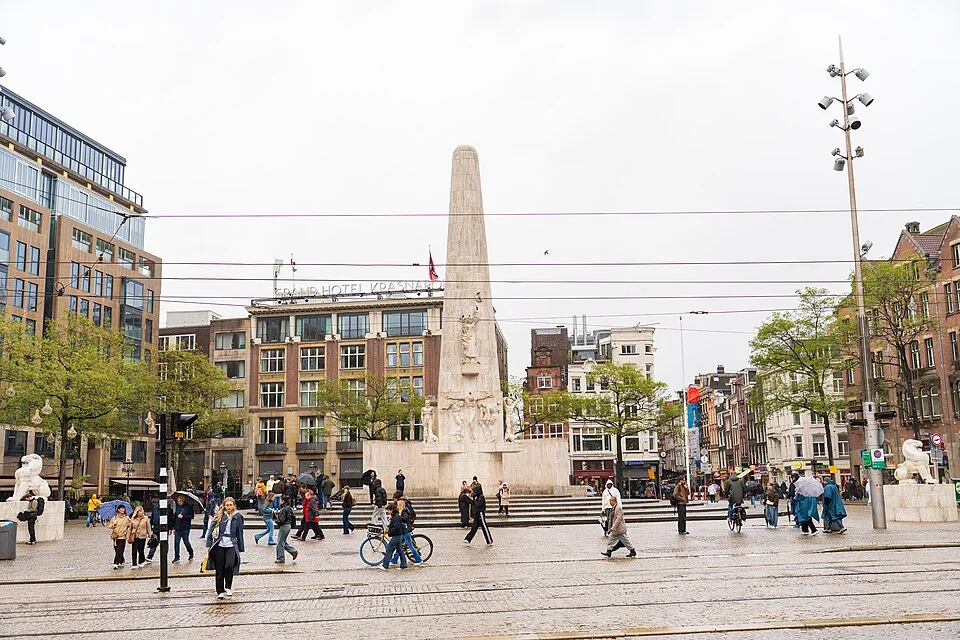
Dam Square grew from a dam across the Amstel and the civic space beside Amsterdam’s town hall. Once a waterside market, it now links the former town hall, today’s Royal Palace, with the National Monument, placing trade, authority, remembrance and protest in one busy public space.
De Negen Straatjes
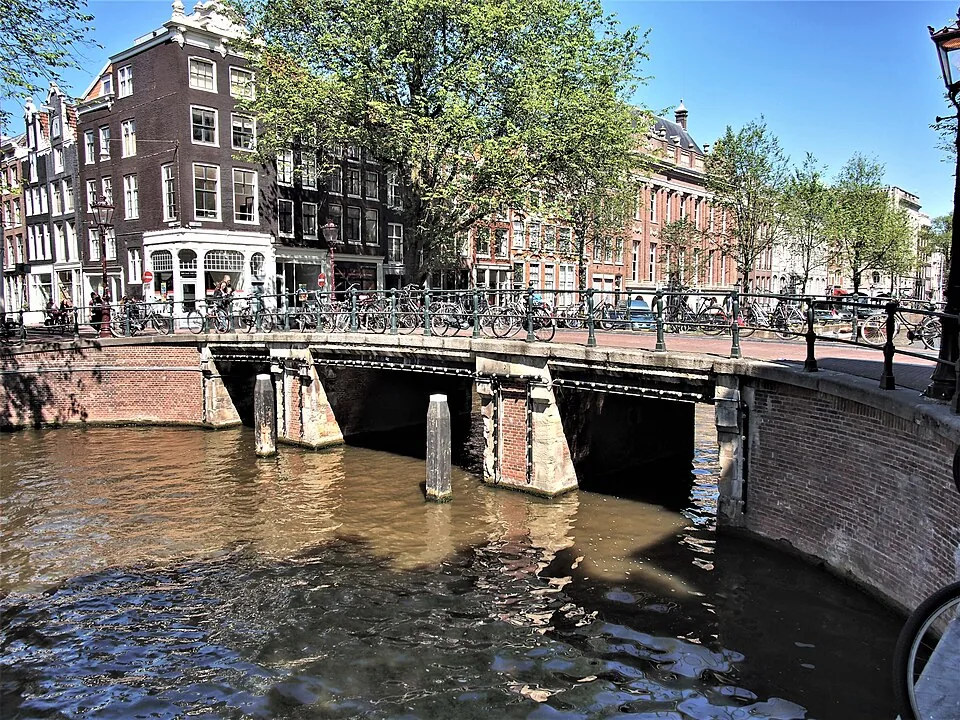
De Negen Straatjes is a named group of nine cross streets in Amsterdam’s canal belt, between the Singel, Herengracht, Keizersgracht and Prinsengracht. Their small plots once housed trades serving canal residents; today the historic street pattern frames a changing mix of shops, cafés and homes.
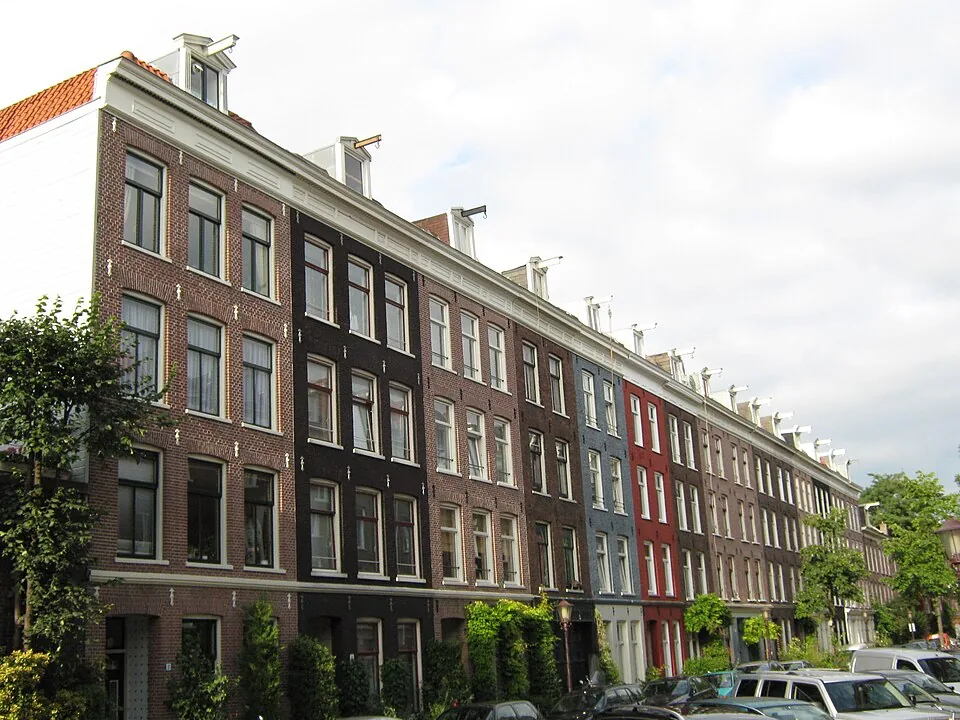
De Pijp
De Pijp grew rapidly south of Amsterdam’s historic centre, where speculative nineteenth-century housing, crowded room rentals, market trade, and later waves of residents reshaped a district once labeled Wijk YY. Its dense streets, the Albert Cuyp market and low-lying Sarphatipark preserve that layer
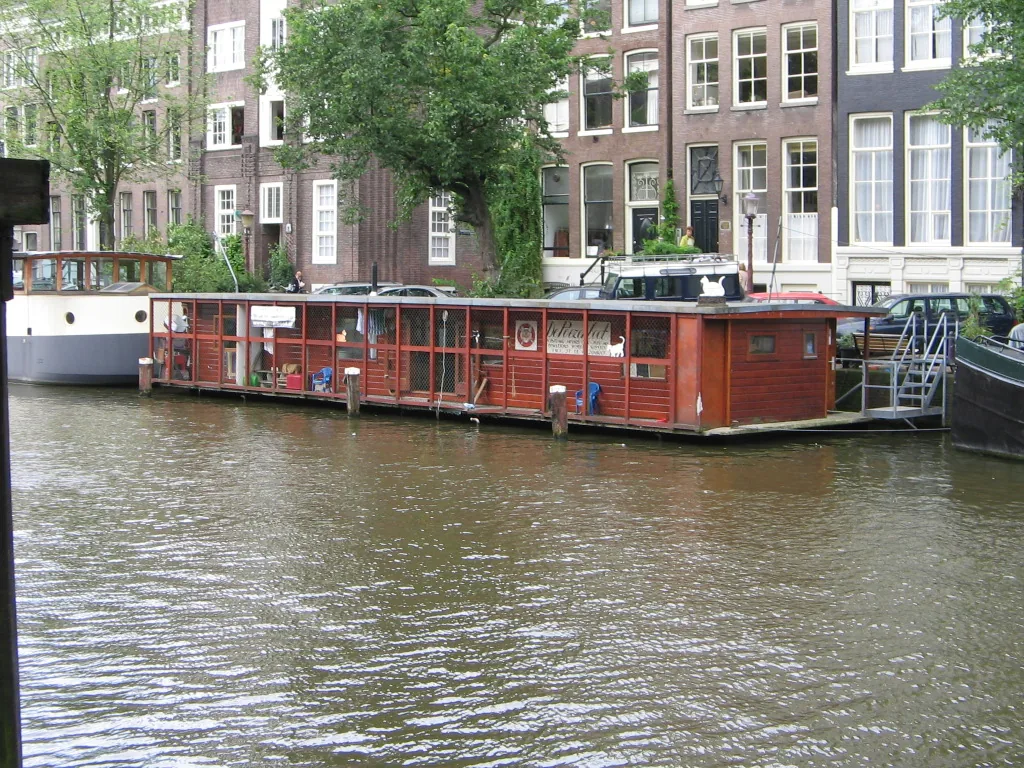
De Poezenboot
De Poezenboot is an Amsterdam cat sanctuary aboard a houseboat on the Singel. Founded by Henriette van Weelde after she began taking in stray cats in 1966, it provides veterinary care and refuge, including long-term shelter for cats not suited to rehoming. Volunteers and donations sustain its work.
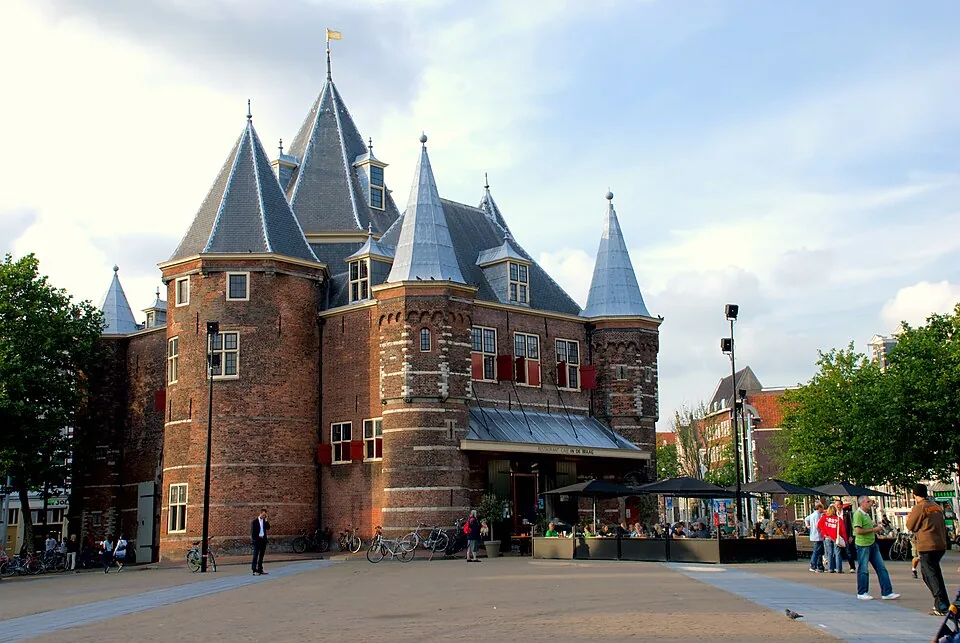
De Waag
De Waag began as Amsterdam’s Sint Anthoniespoort, a fortified eastern gate built in 1488. After the city expanded, it became a public weighing house in 1617, with guild rooms above and an anatomical theatre added in 1691. Its clustered towers trace centuries of changing city life.
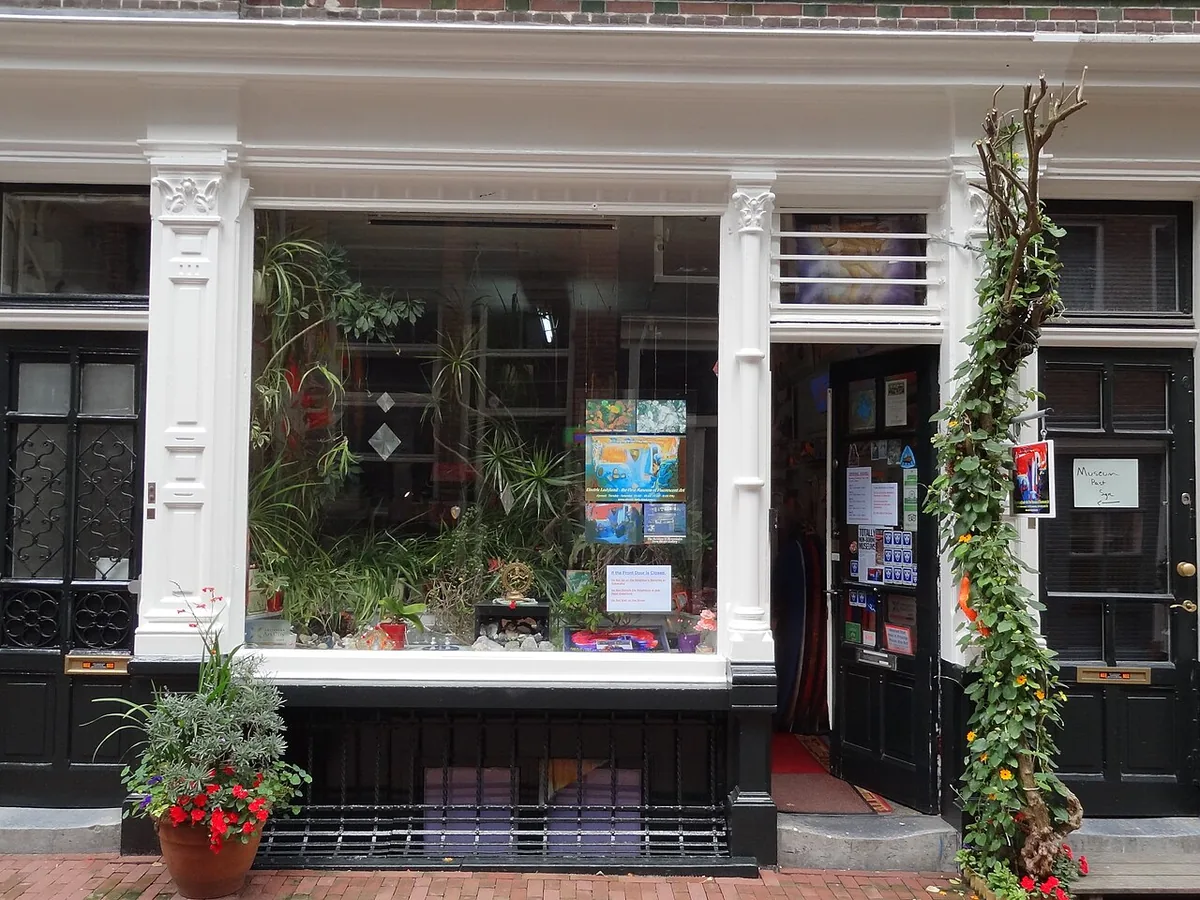
Electric Ladyland Museum
Electric Ladyland Museum in Amsterdam’s Jordaan makes fluorescence both its subject and its medium. Visitors enter a room-sized artwork, then compare minerals and everyday materials under different ultraviolet lights to see how illumination can transform what appears ordinary.
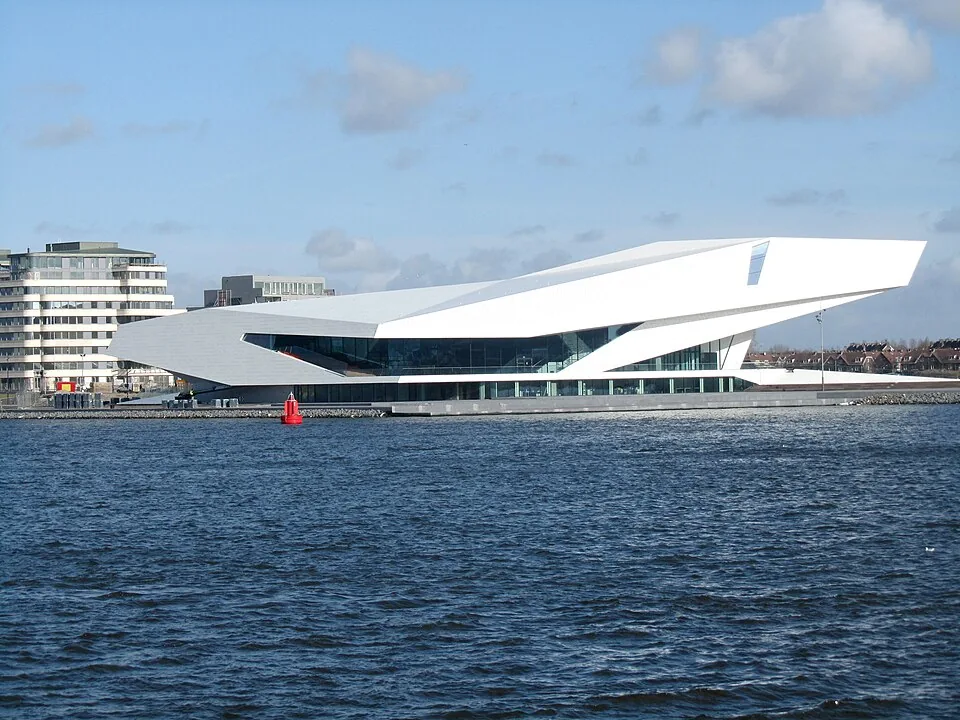
EYE Film Museum
Across the IJ from Amsterdam Centraal, EYE Film Museum brings Dutch film heritage into public view through exhibitions, screenings and a living archive. Its faceted white building, designed by Delugan Meissl Associated Architects, frames the river as part of the experience and anchors a cultural des
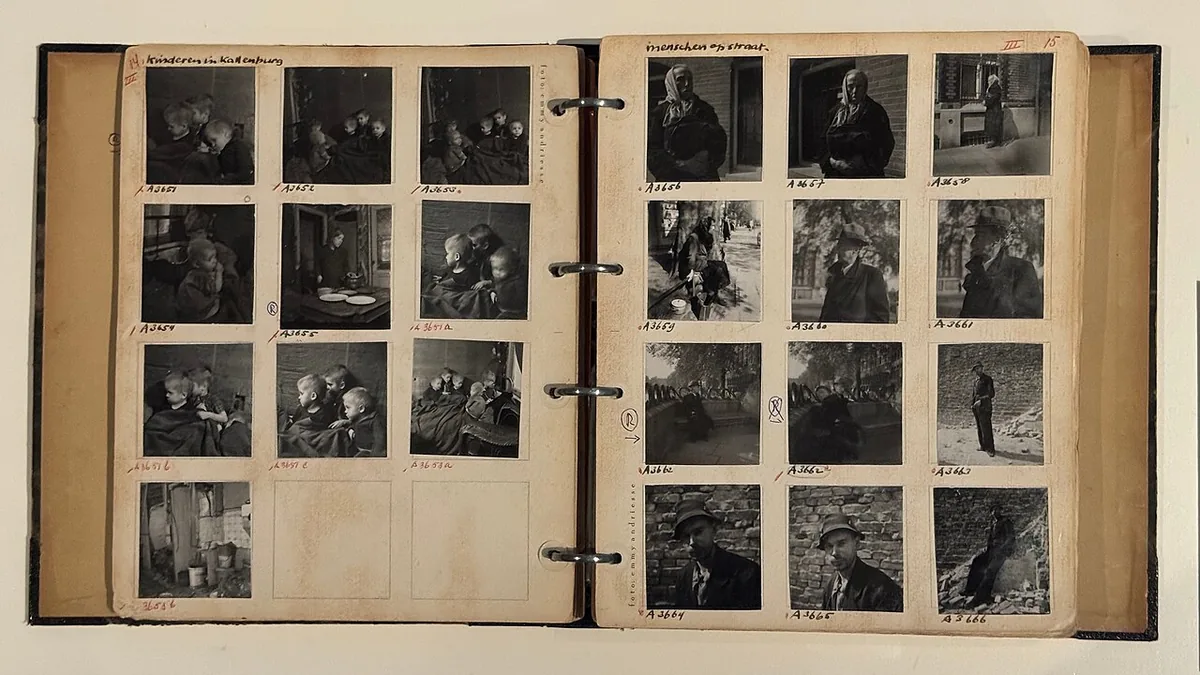
FOAM Photography Museum
At Keizersgracht 609, a carved palette and brushes recall the building’s first museum life as Museum Fodor. Today Foam presents changing exhibitions across photography’s many genres, bringing historic images and new voices into conversation.
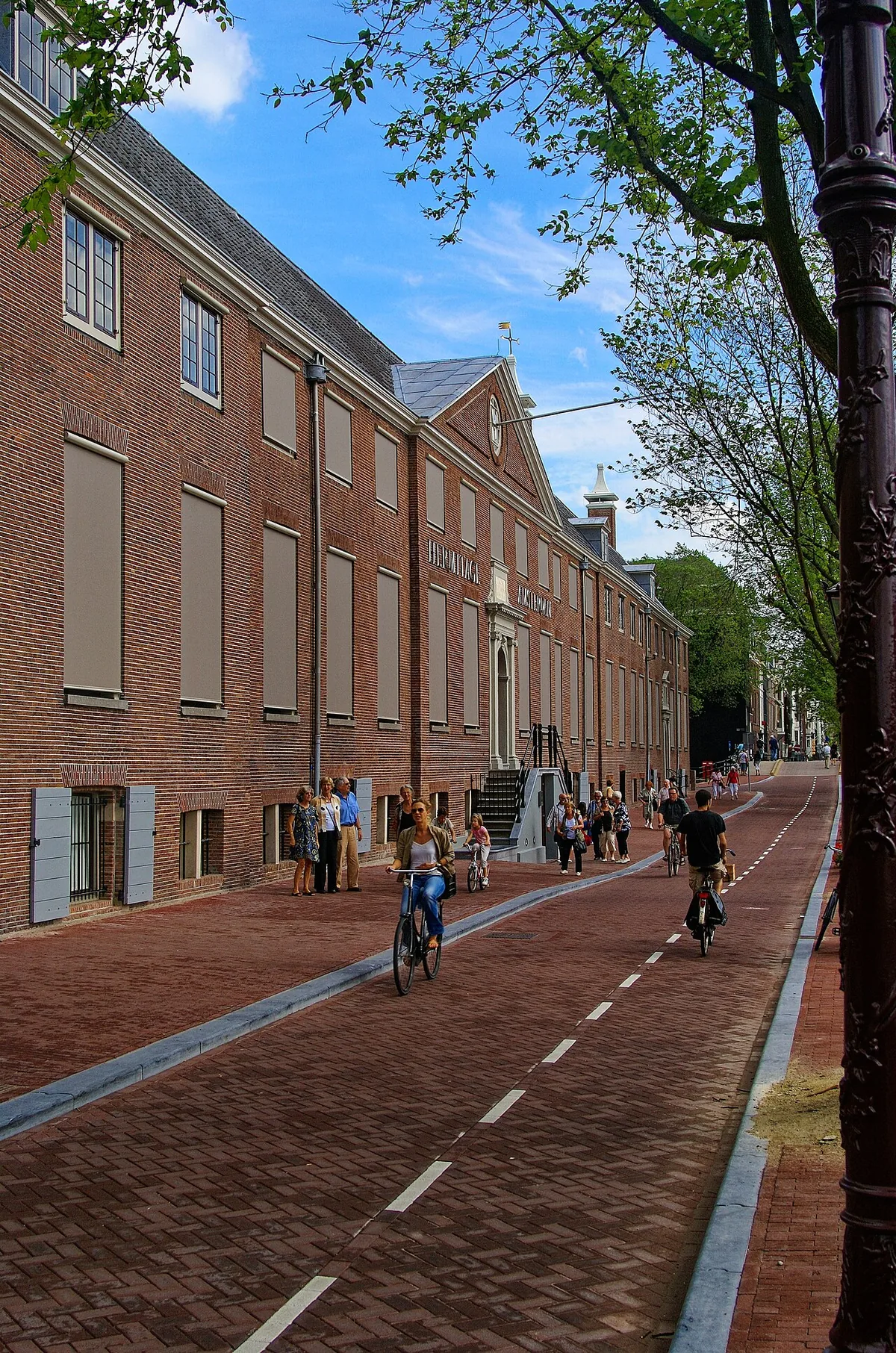
H’ART Museum
H’ART Museum occupies the Amstelhof, a riverside care home built for older women in the 1680s. Its long façade and courtyard reflect church-run care, while later museum chapters—from Hermitage Amsterdam to international partnerships—show how the building continues to serve a changing city.