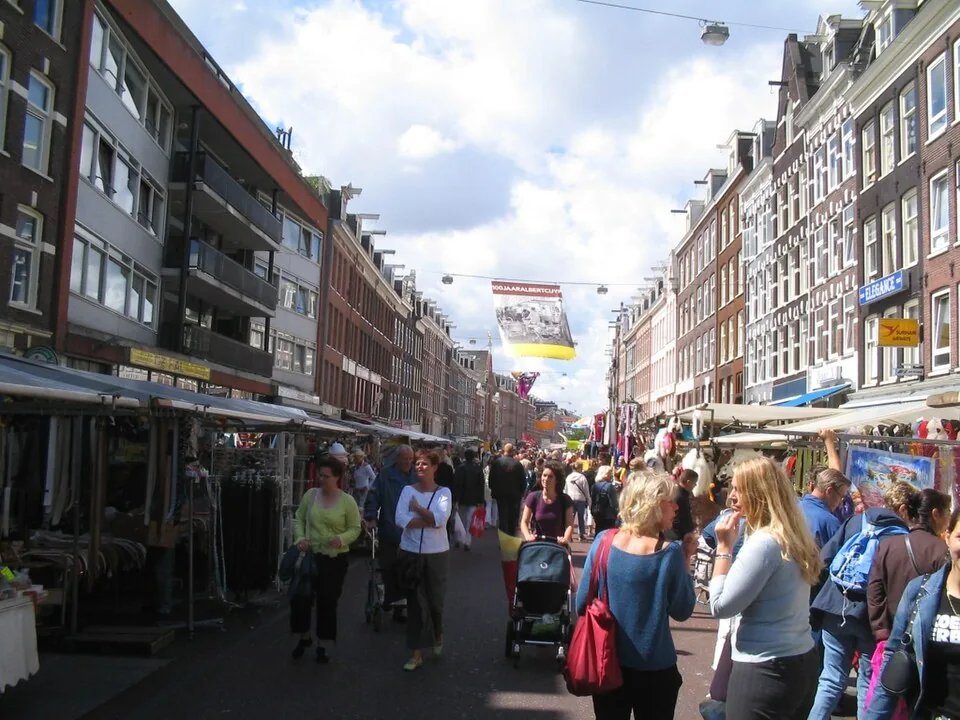
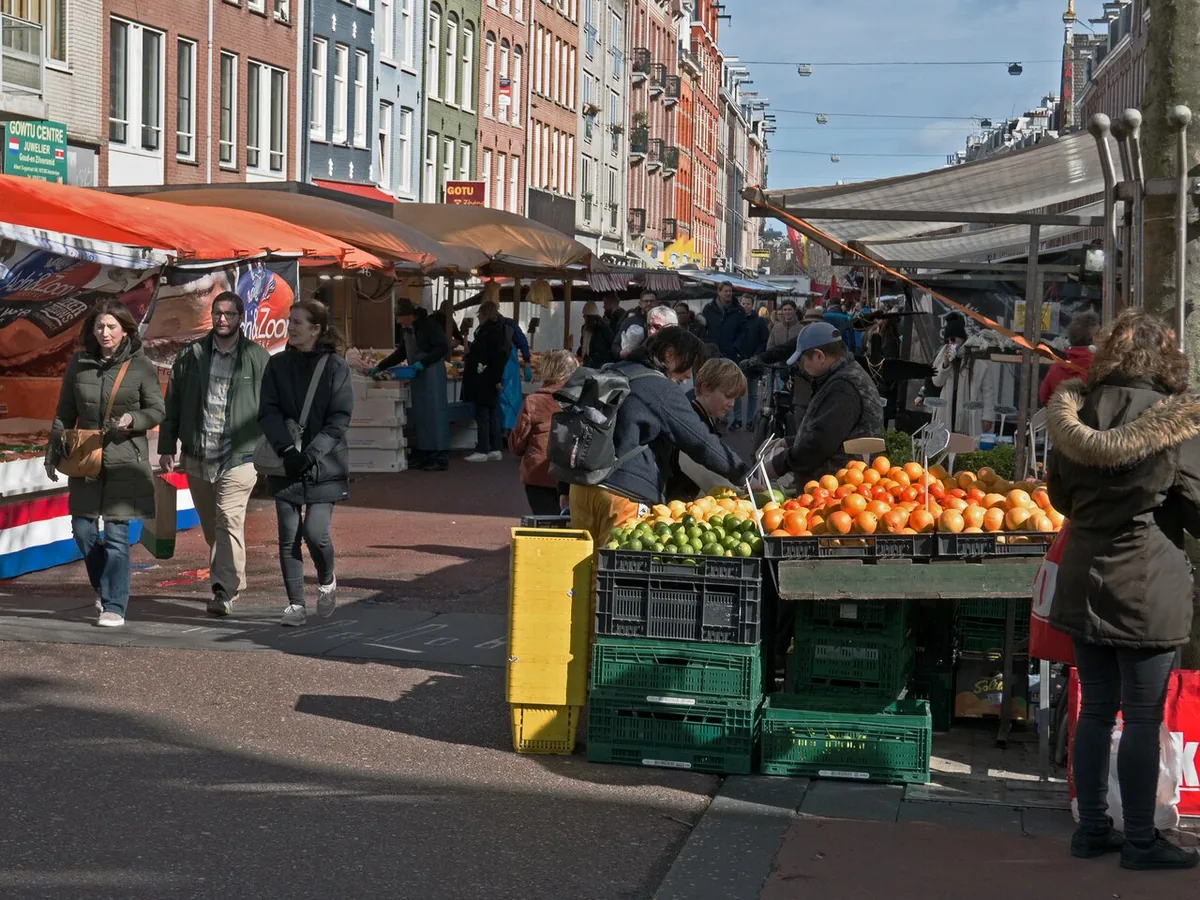
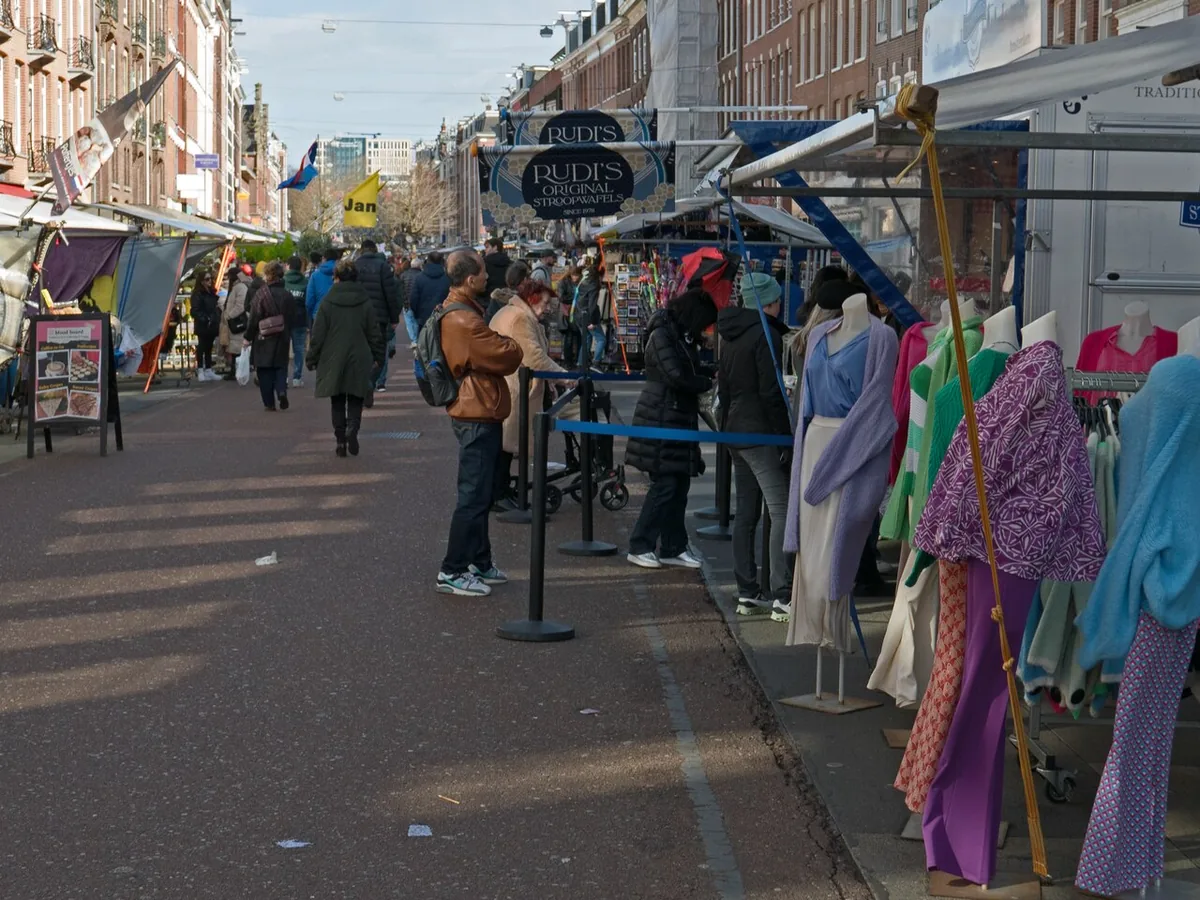
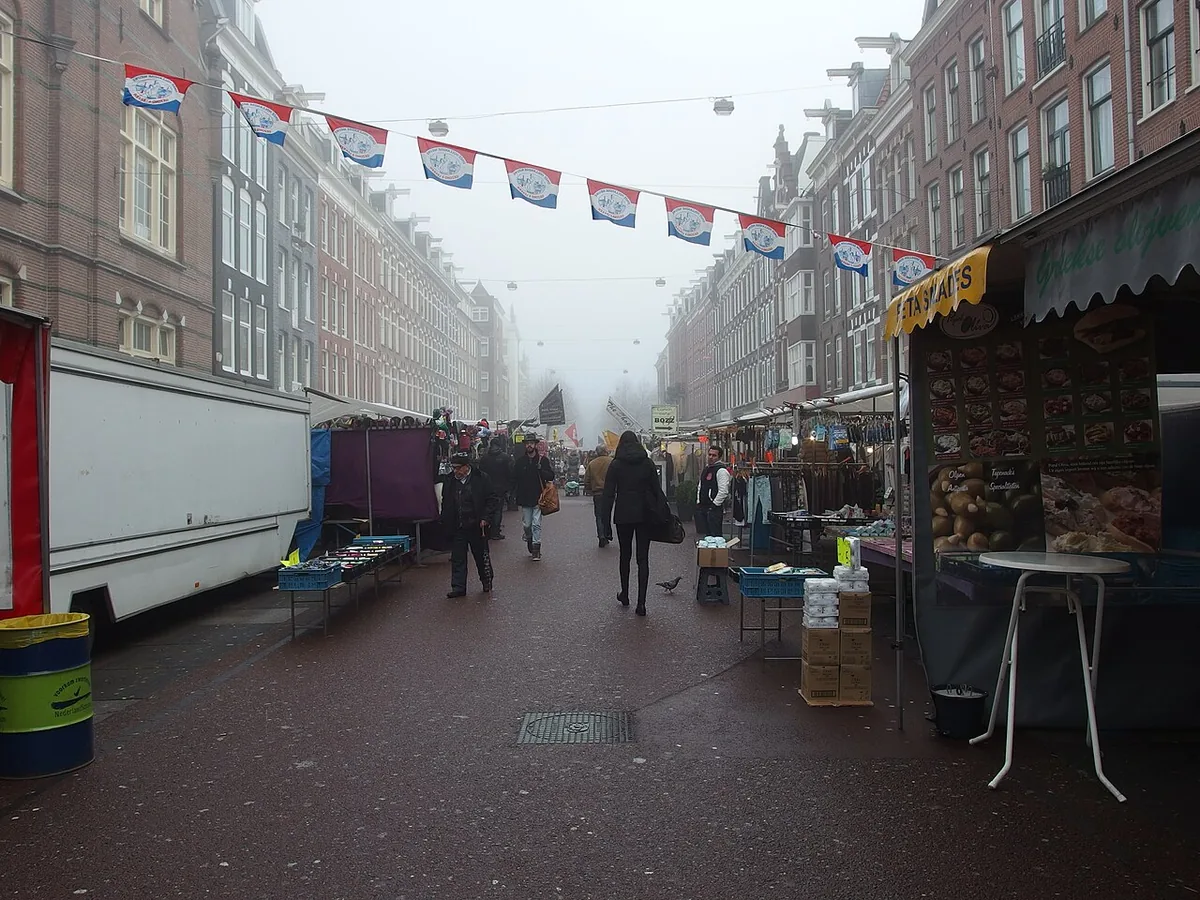
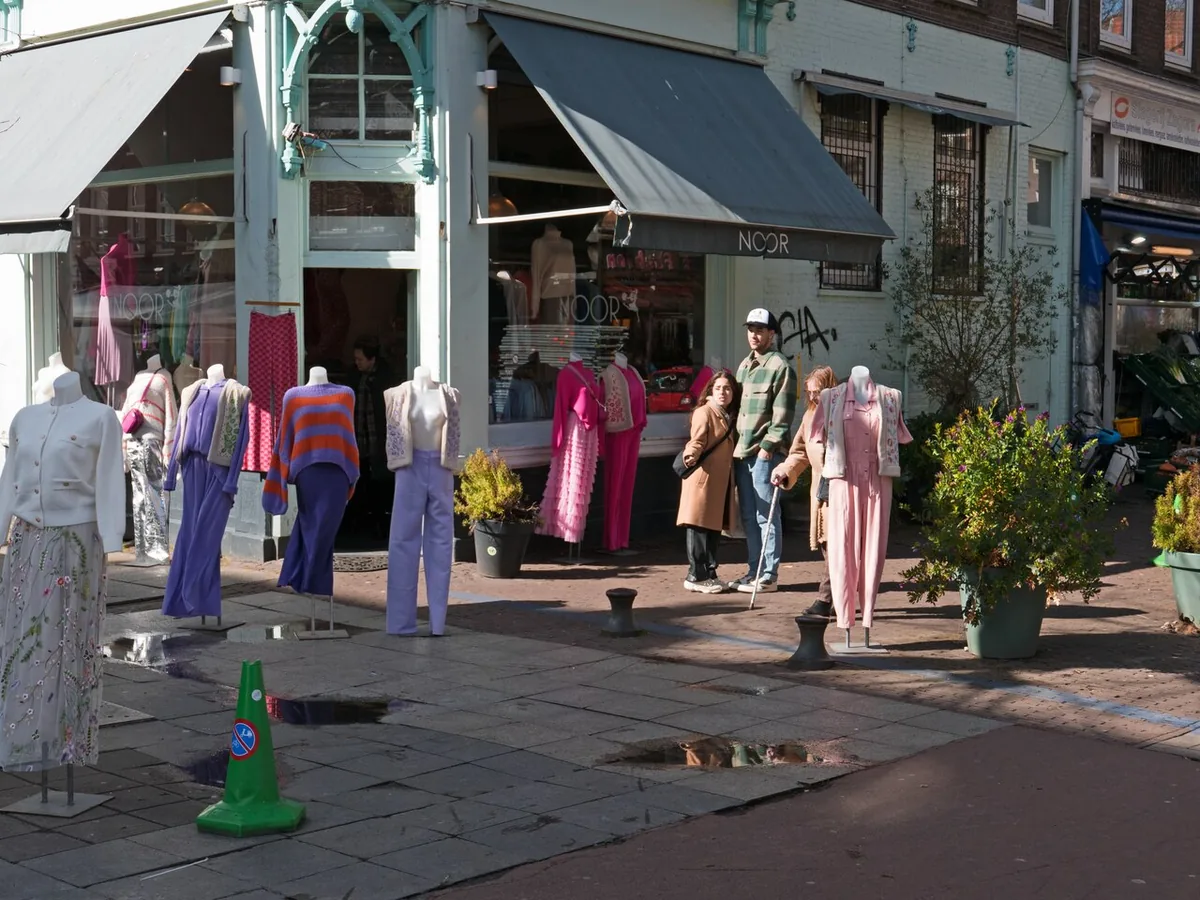
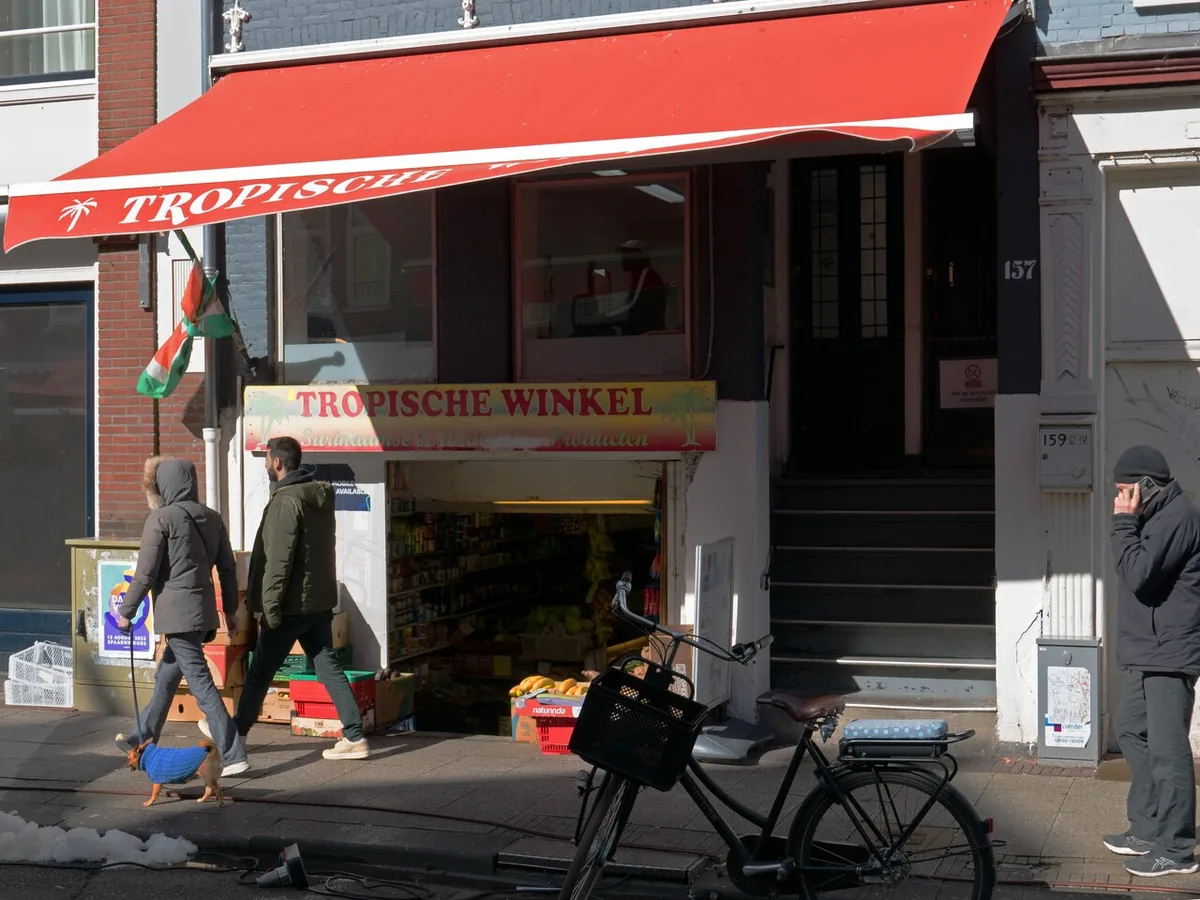
Albert Cuyp Market grew from street trading in the expanding De Pijp into one of Amsterdam’s best-known markets. Its stalls occupy a former industrial waterway, and its history holds both the everyday ingenuity of vendors and the rupture of wartime persecution.
Quick facts
The city first permitted Saturday-evening trading on Albert Cuypstraat in 1905; a formal daytime market followed in 1912.
Before housing replaced the industrial landscape, the Zaagmolensloot and 18 sawmills occupied this area.
Jewish traders were estimated to make up about a third of the market’s sellers before the Second World War; occupation barred them from trading.
Get directions to Albert Cuyp Market. Confirm the visitor entrance and current access with the venue before travelling.
Audio guide
Listen to this place’s guide.
Guide
Albert Cuyp Market is not housed in a hall: it occupies the eastern stretch of Albert Cuypstraat, between Ferdinand Bolstraat and Van Woustraat, in Amsterdam’s De Pijp. That street setting is part of its story. Before the neighborhood filled with housing, a waterway called the Zaagmolensloot ran here through a polder. From 1638, sawmills lined it; timber was cut into planks and carried away by the Amstel. Eighteen mills once stood in the industrial landscape.
Continue exploring
Discover the full story
Keep reading with a travel pass and explore every full guide and tour.
UpgradeMore places in Amsterdam
Sarphatipark
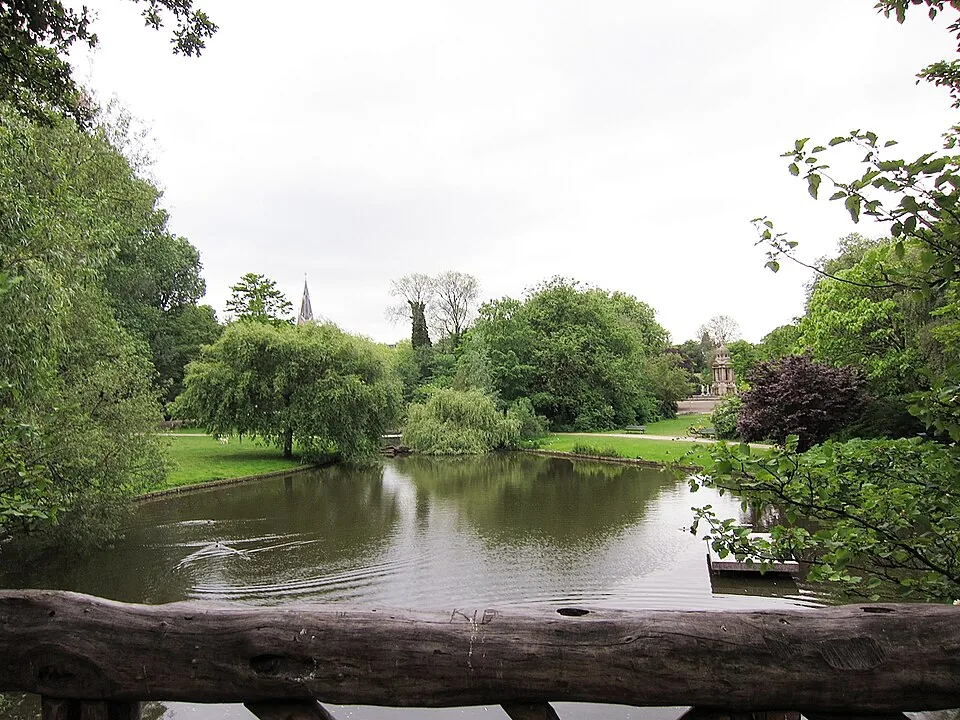
In De Pijp’s dense street grid, Sarphatipark offers a compact green pause. Its pond, low position, and monument to city reformer Samuel Sarphati make this small park a clear window into nineteenth-century urban change.
Heineken Experience
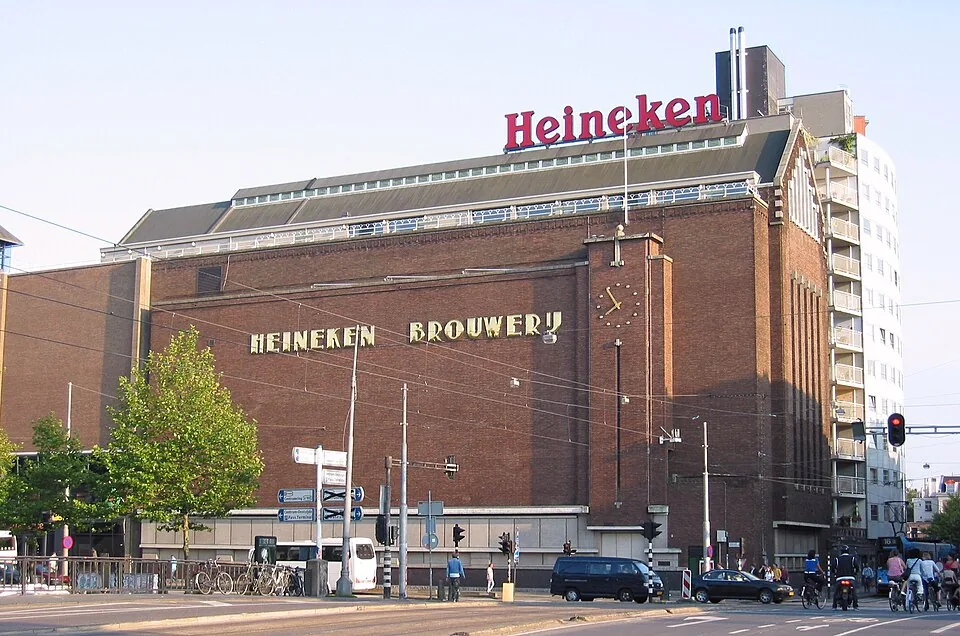
In Amsterdam’s De Pijp, the Heineken Experience occupies a surviving part of the brewery complex that grew here from 1867. Its listed brewhouse, copper kettles and later industrial buildings trace the shift from a working factory to a museum and brand experience.
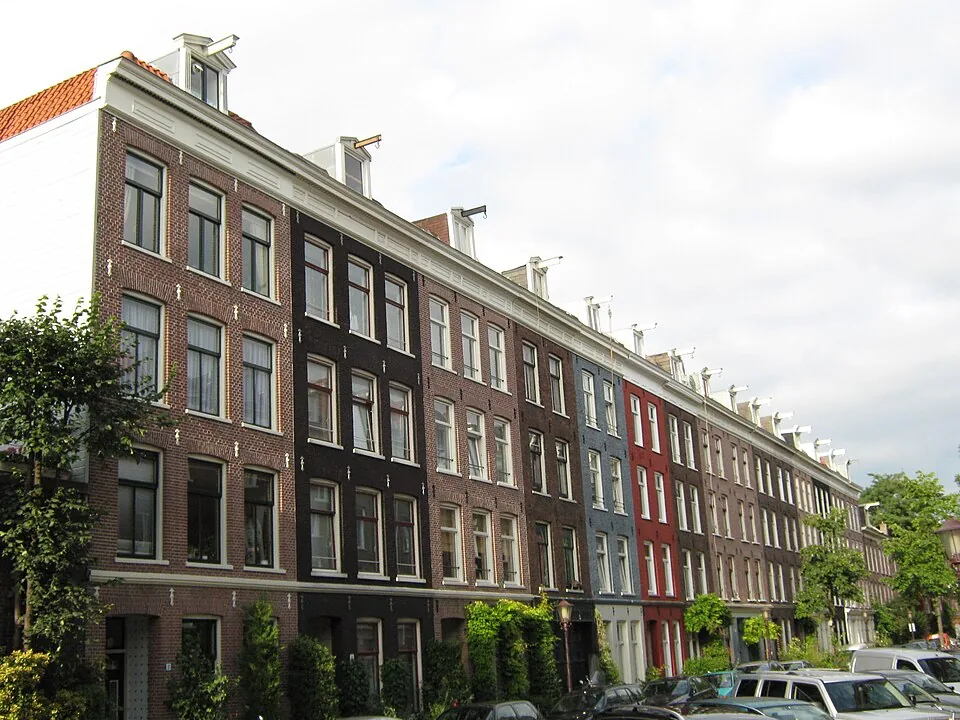
De Pijp
De Pijp grew rapidly south of Amsterdam’s historic centre, where speculative nineteenth-century housing, crowded room rentals, market trade, and later waves of residents reshaped a district once labeled Wijk YY. Its dense streets, the Albert Cuyp market and low-lying Sarphatipark preserve that layer
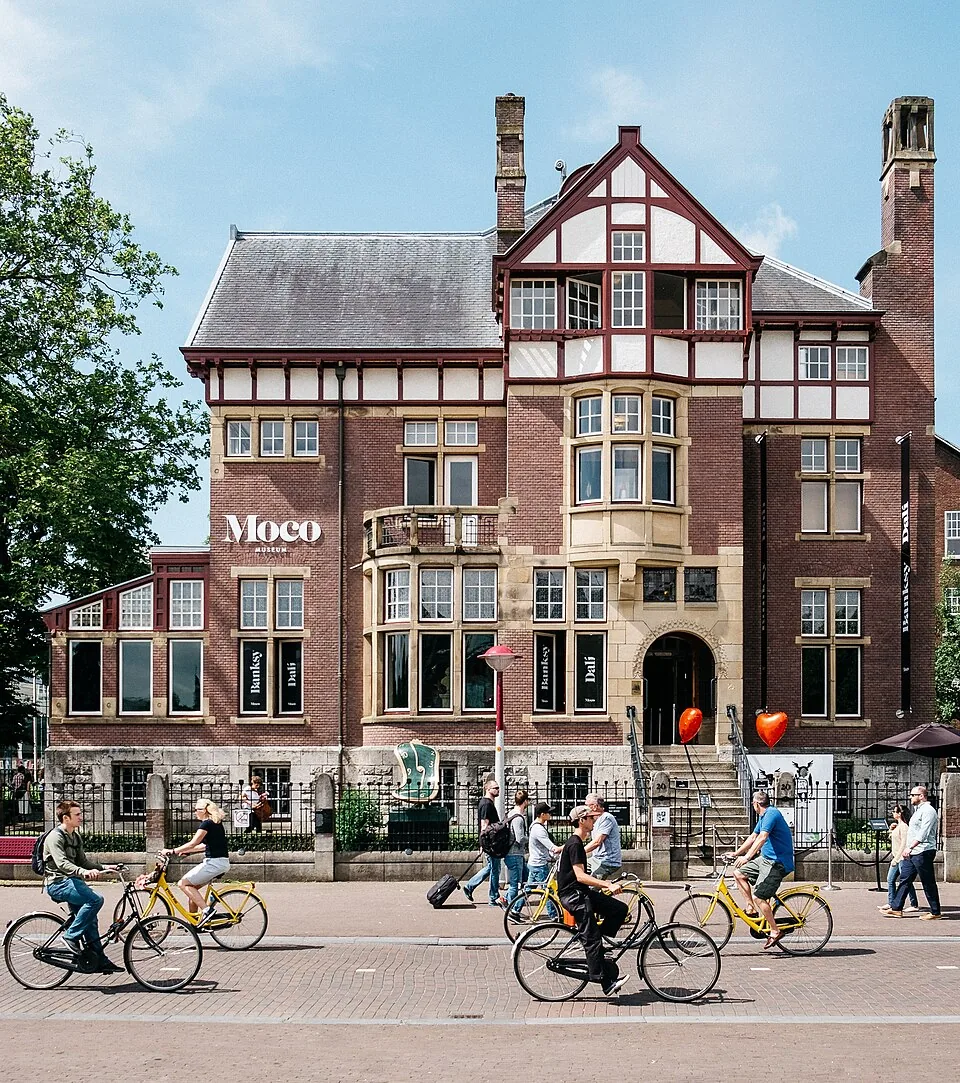
Moco Museum
Inside Villa Alsberg, an early twentieth-century residence on Museumplein, Moco places modern, contemporary and street art in domestic-scale rooms. Its history as a private home, religious residence and museum shapes how visitors encounter the work.
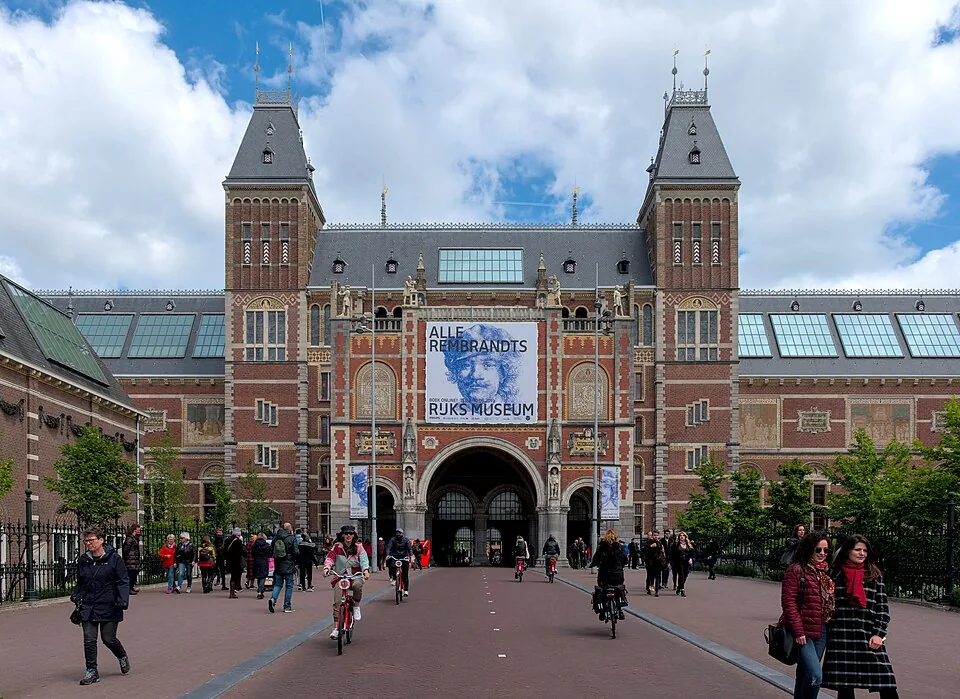
Rijksmuseum
Start with the Rijksmuseum’s red-brick gateway, where towers, arches, and carved details make the building itself part of the collection. Inside, the Gallery of Honour draws your eye toward Rembrandt’s immense Night Watch, while Vermeer and other Dutch masters reward a slower look.
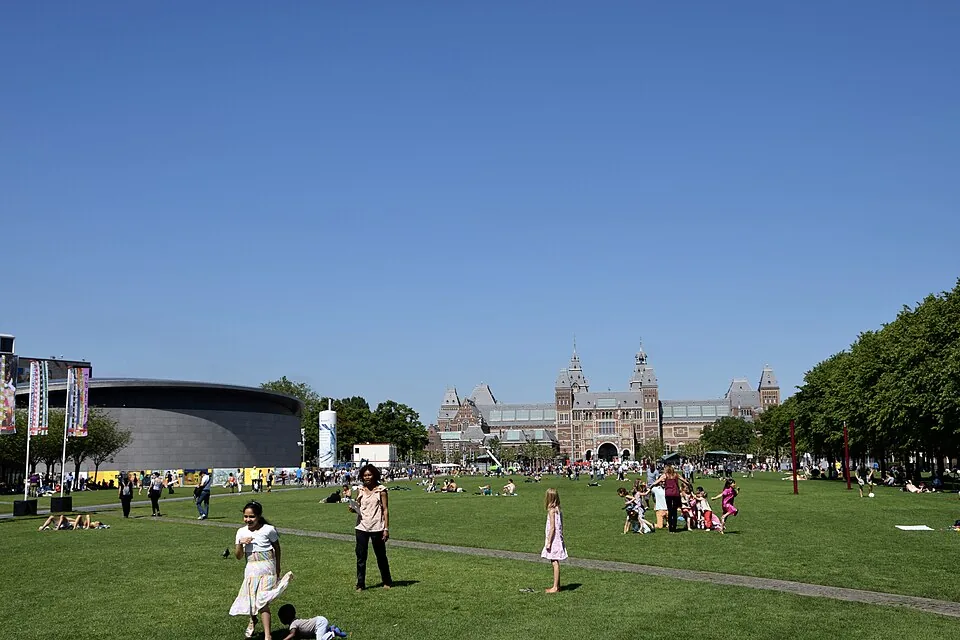
Museumplein
Museumplein is an open public square and park in Amsterdam-Zuid’s Museumkwartier, framed by major cultural institutions. Its broad lawn and tree groves reflect a 1999 redesign; the space also serves sport, neighborhood recreation, protest and public events.