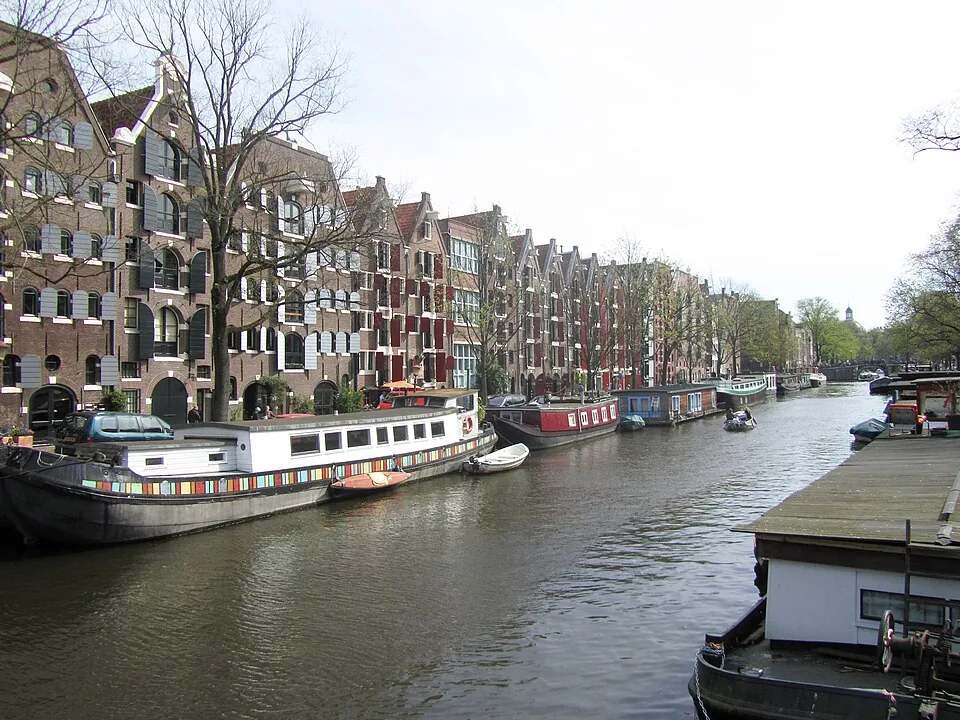
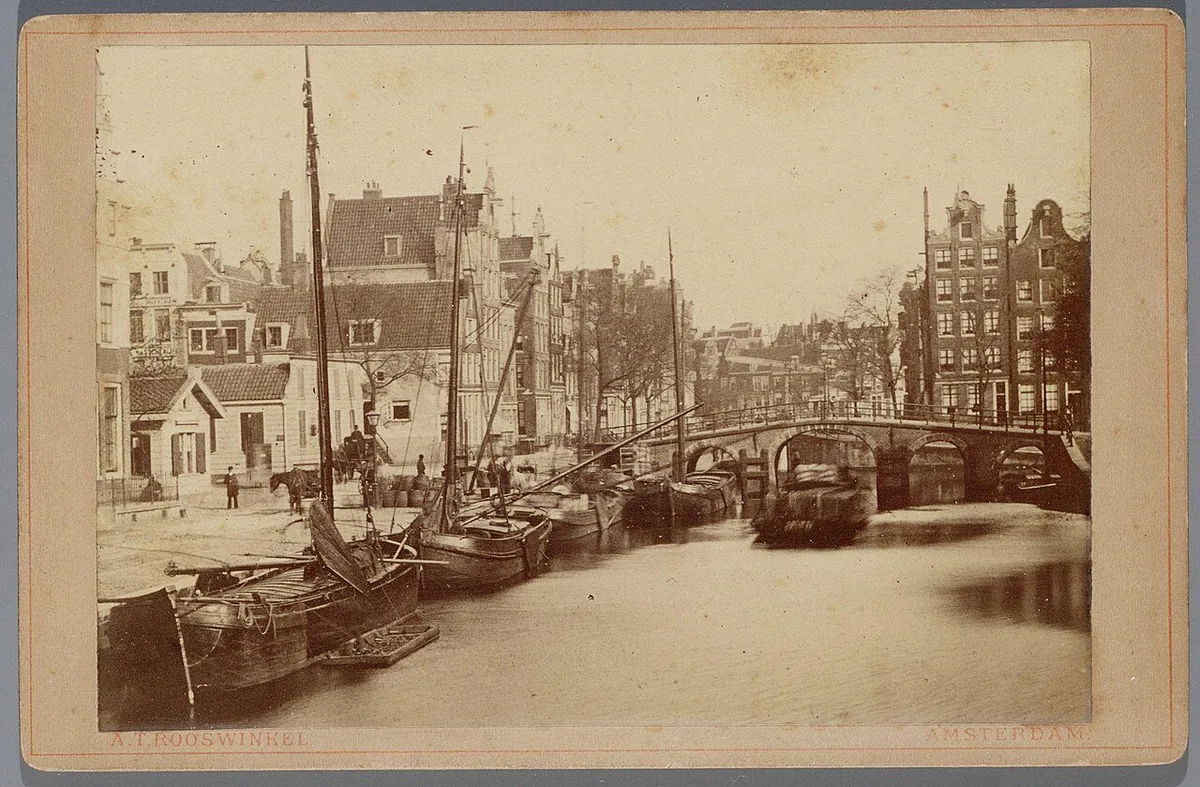
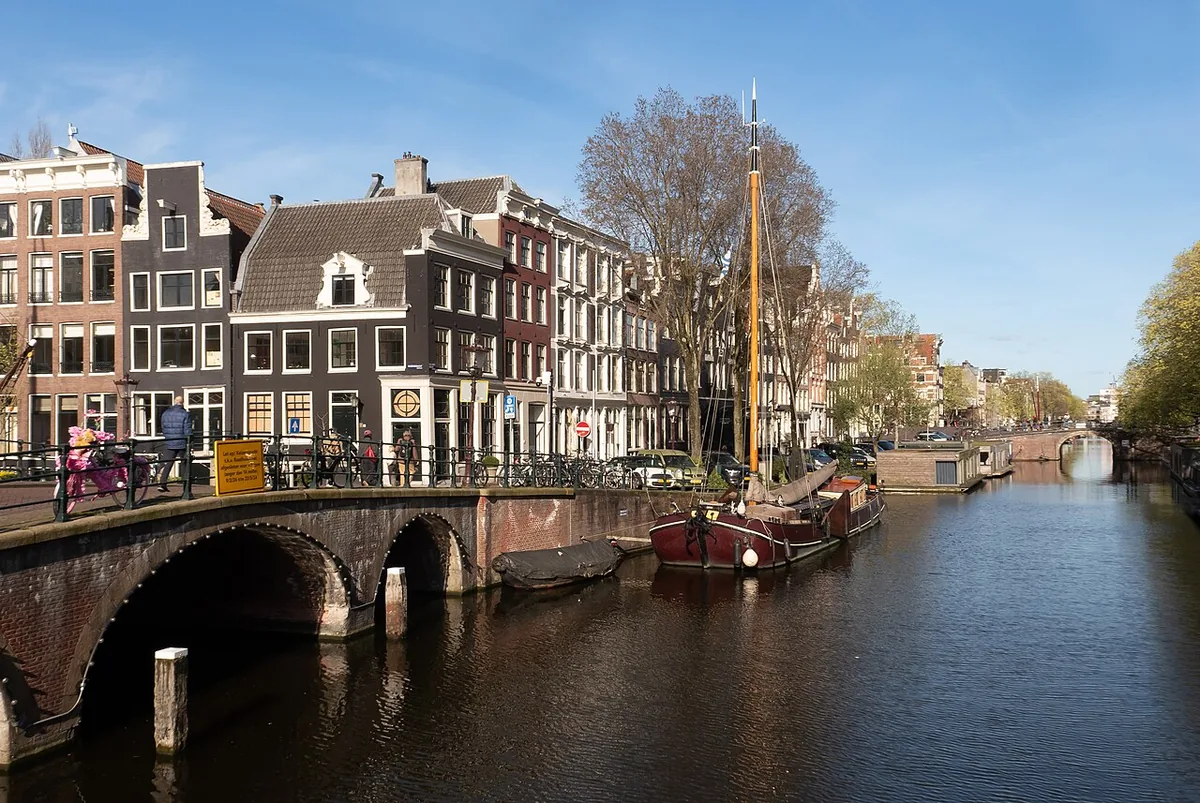
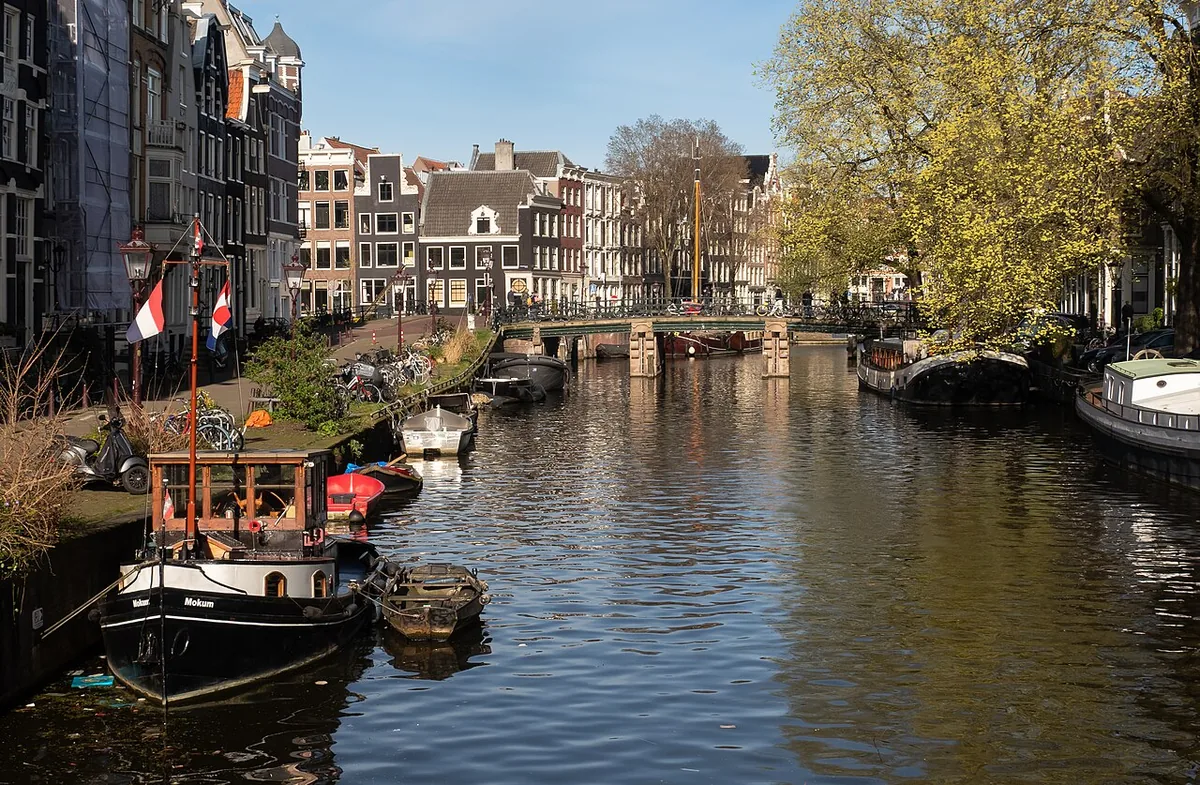
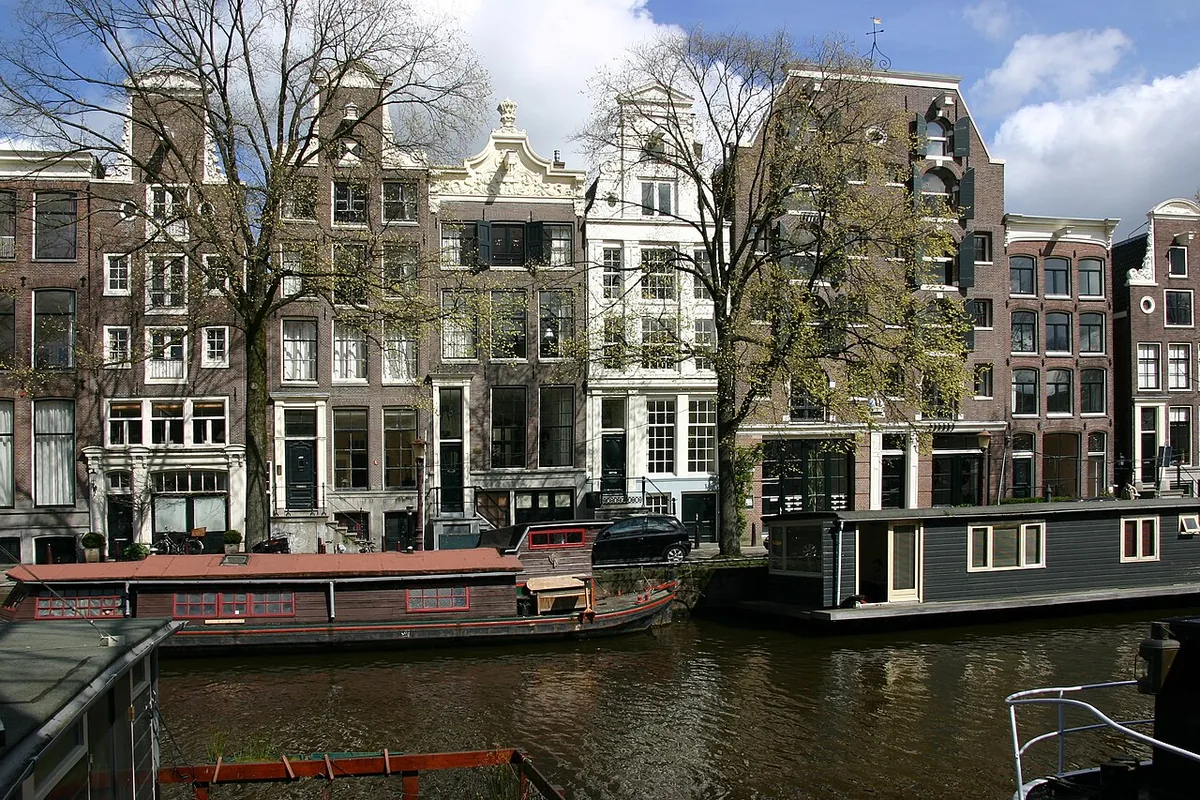
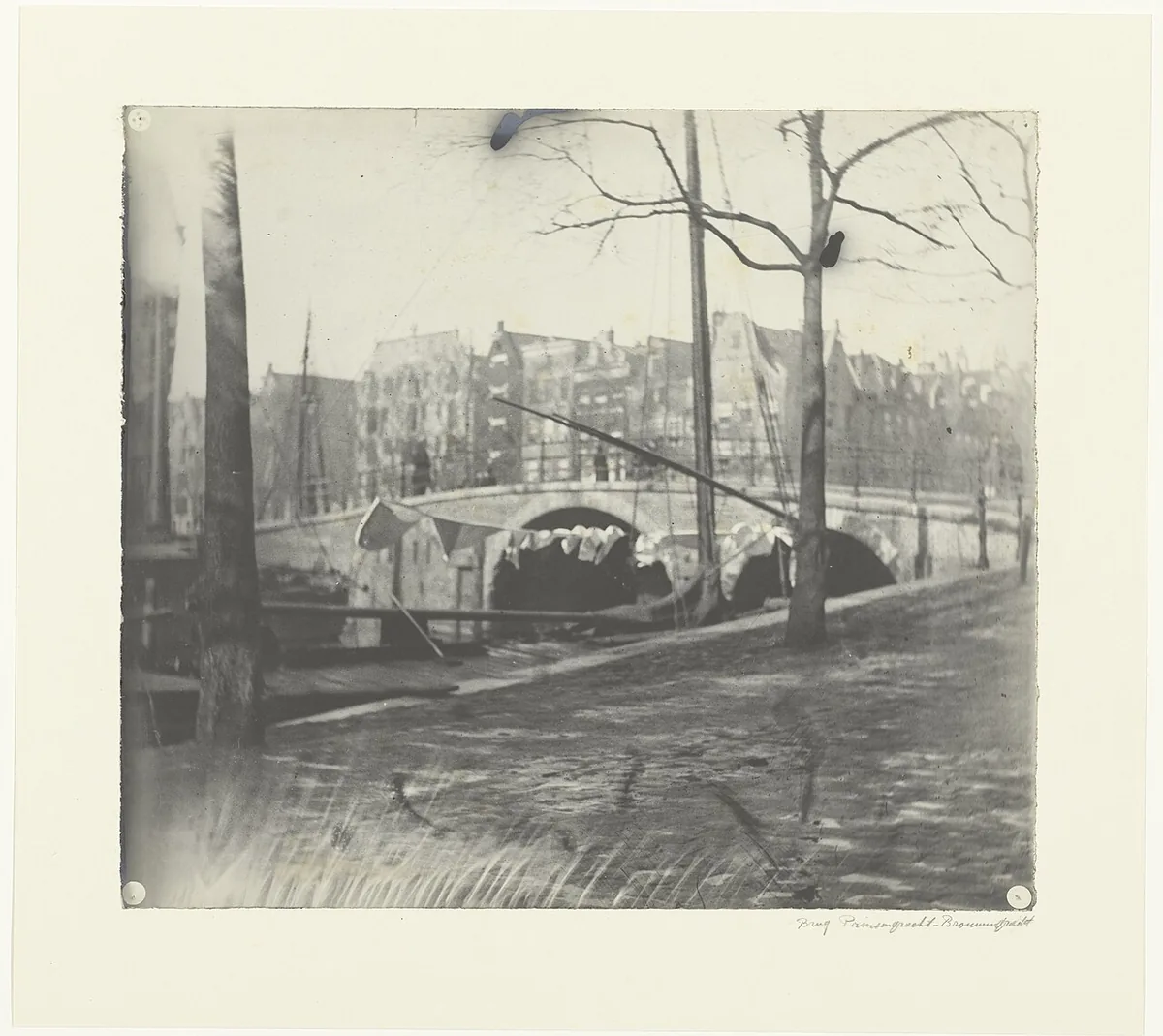
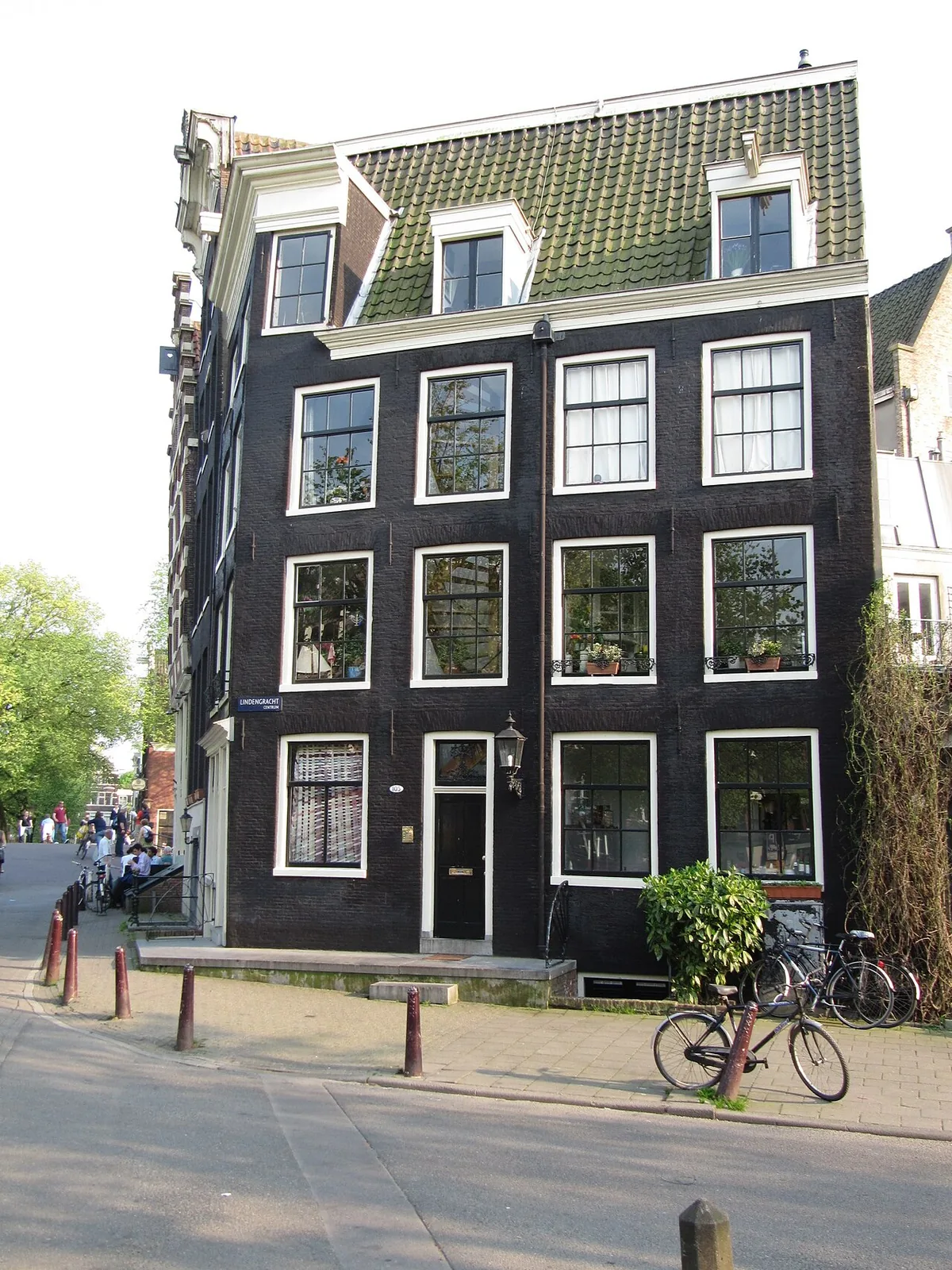
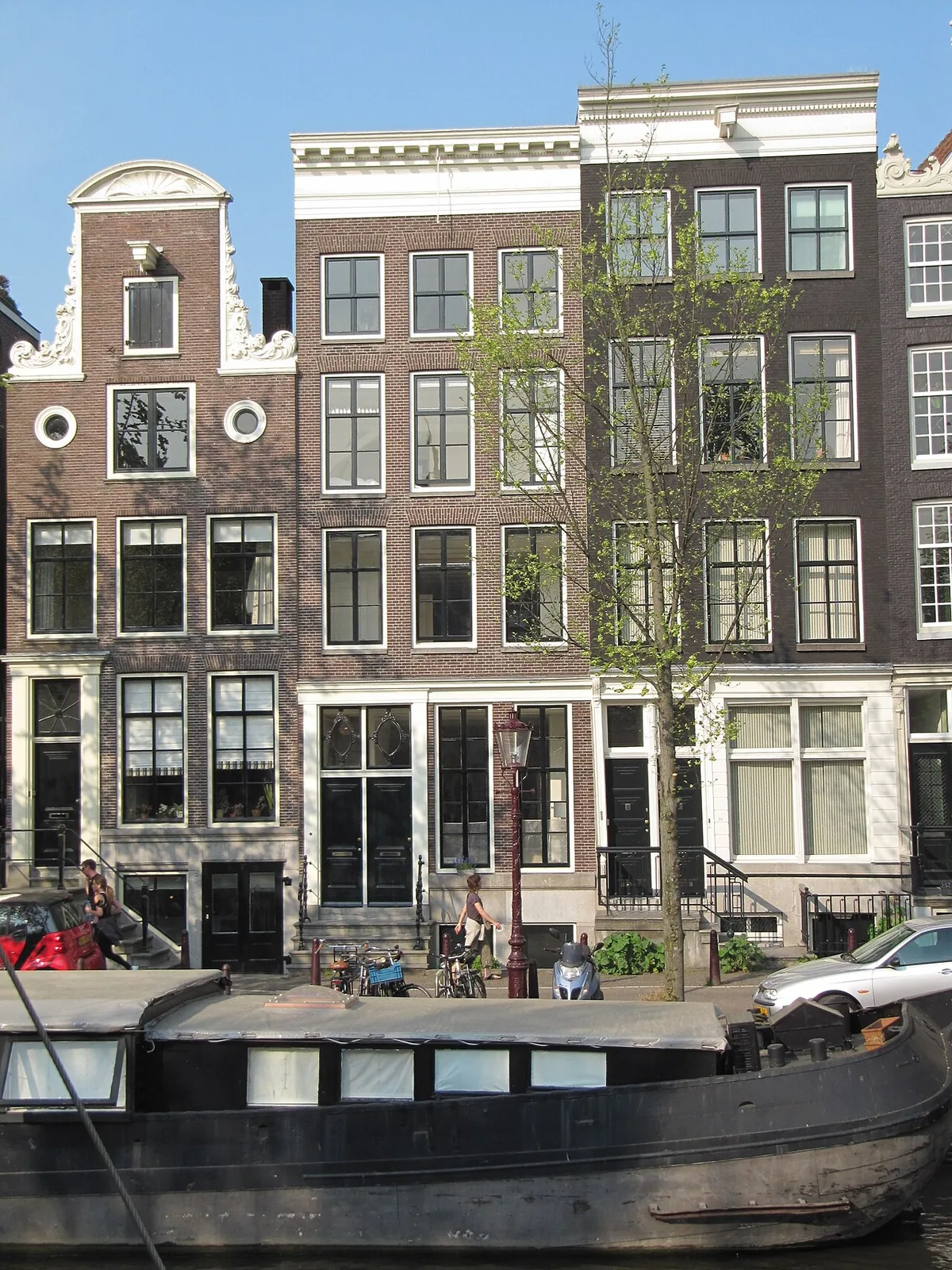
Brouwersgracht runs along the northern edge of the Jordaan, where Amsterdam’s old canal network met routes toward the IJ. Its name recalls brewing, while warehouses and Herenmarkt traces reveal the canal’s wider life as a freight route and neighbourhood workplace.
Quick facts
Amsterdam’s City Archives links the canal’s name to sixteenth- and seventeenth-century breweries that relied on canal deliveries of grain, peat, hops, and water.
The Amsterdam heritage register identifies three breweries on Brouwersgracht in the seventeenth century; none survived into the next century.
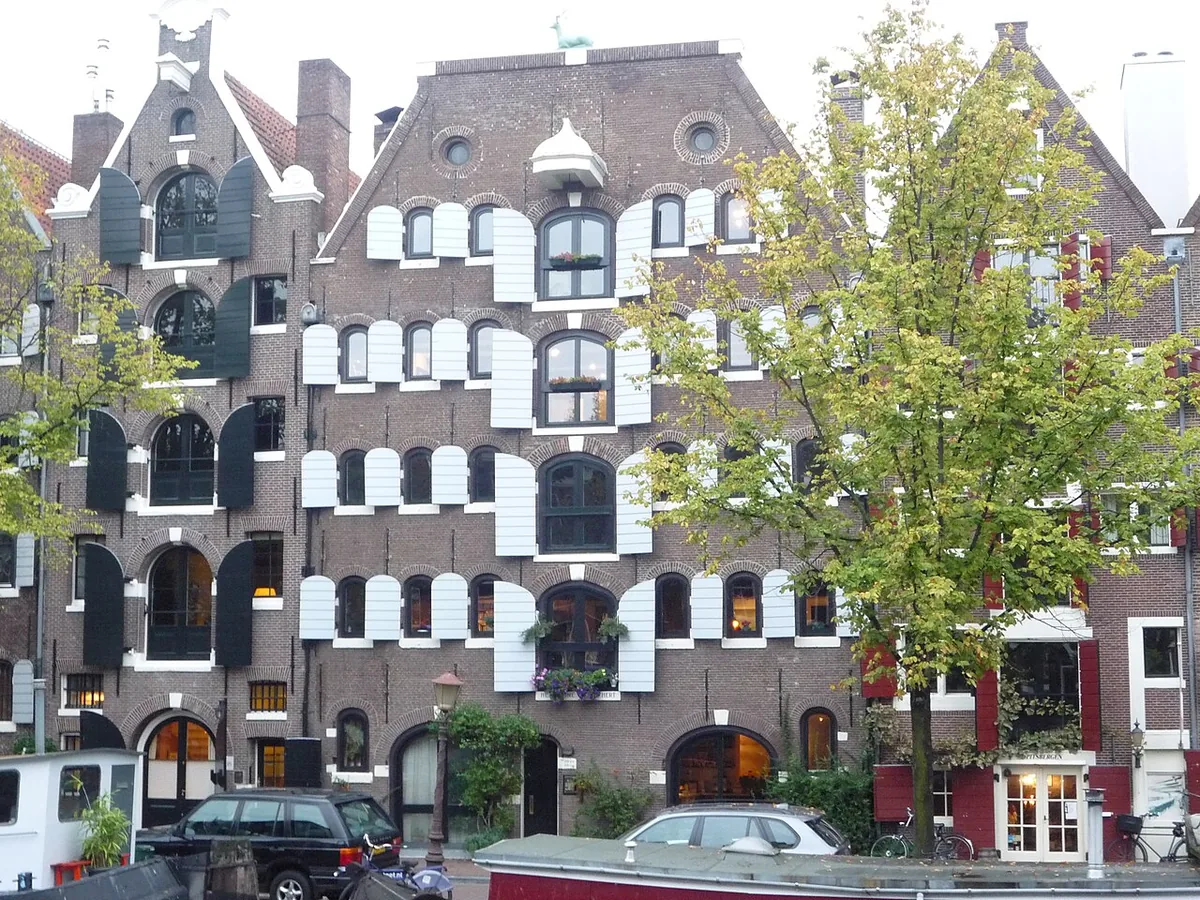
The Eenhoorn warehouses at Brouwersgracht 246–250 recall a brewery that stood there until 1684.
Get directions to Brouwersgracht. Confirm the visitor entrance and current access with the venue before travelling.
Audio guide
Listen to this place’s guide.
Guide
Brouwersgracht is easy to admire as a picture of Amsterdam: a narrow ribbon of water, bridges, house fronts, and long warehouse façades. But its most revealing feature is its working scale. The canal belongs to the city’s northern and western edge, where waterways connected the expanding town with the IJ and helped move supplies, building materials, and goods.
Continue exploring
Discover the full story
Keep reading with a travel pass and explore every full guide and tour.
UpgradeMore places in Amsterdam
Café Papeneiland
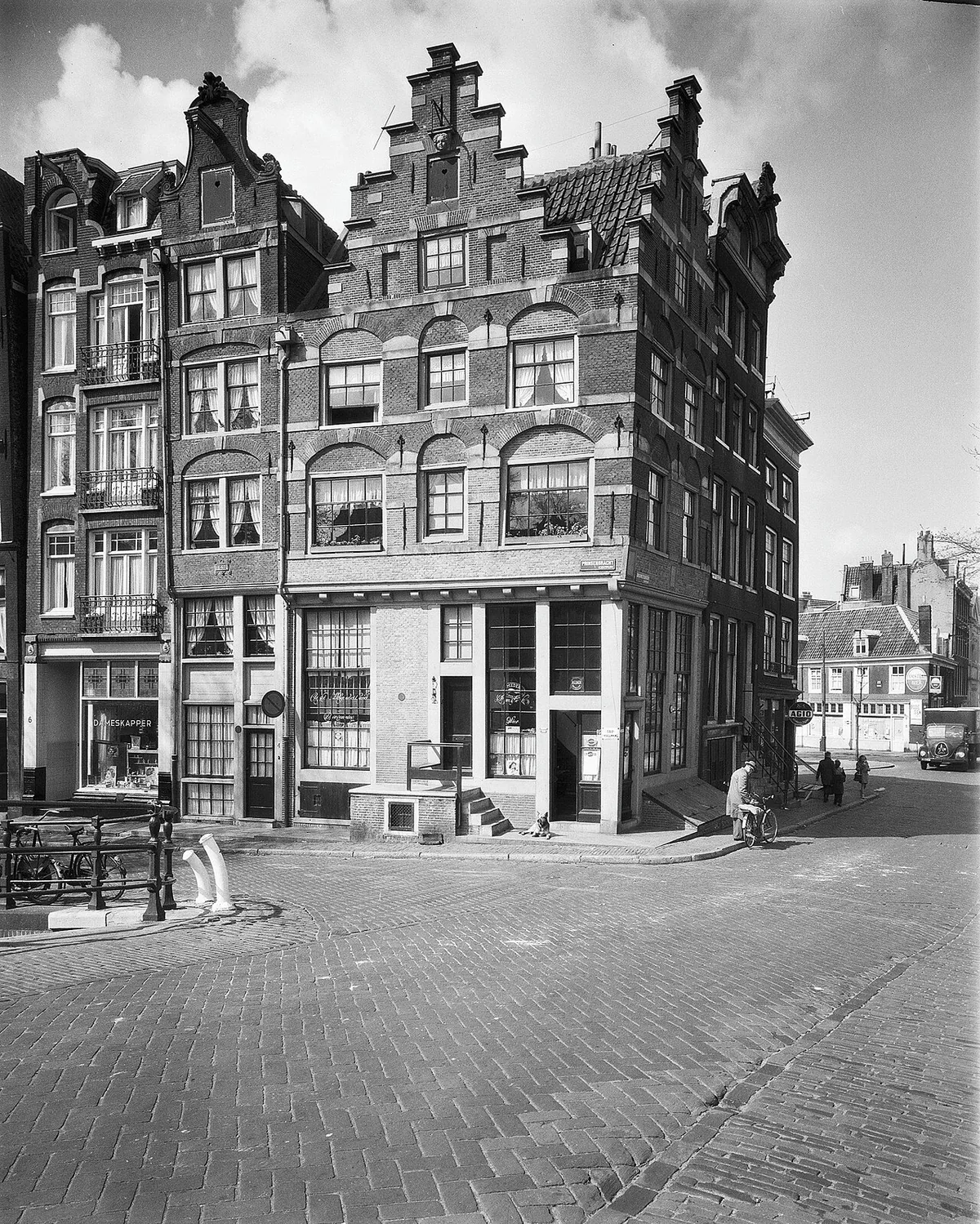
Café ’t Papeneiland occupies a canal-corner house at Prinsengracht 2 in Amsterdam. Built in 1641–42 as a shop with an upper dwelling, it became a documented café in 1896. Its façade preserves layers of restoration, while archaeological inspection disproved the famous cellar-tunnel tale.
De Poezenboot
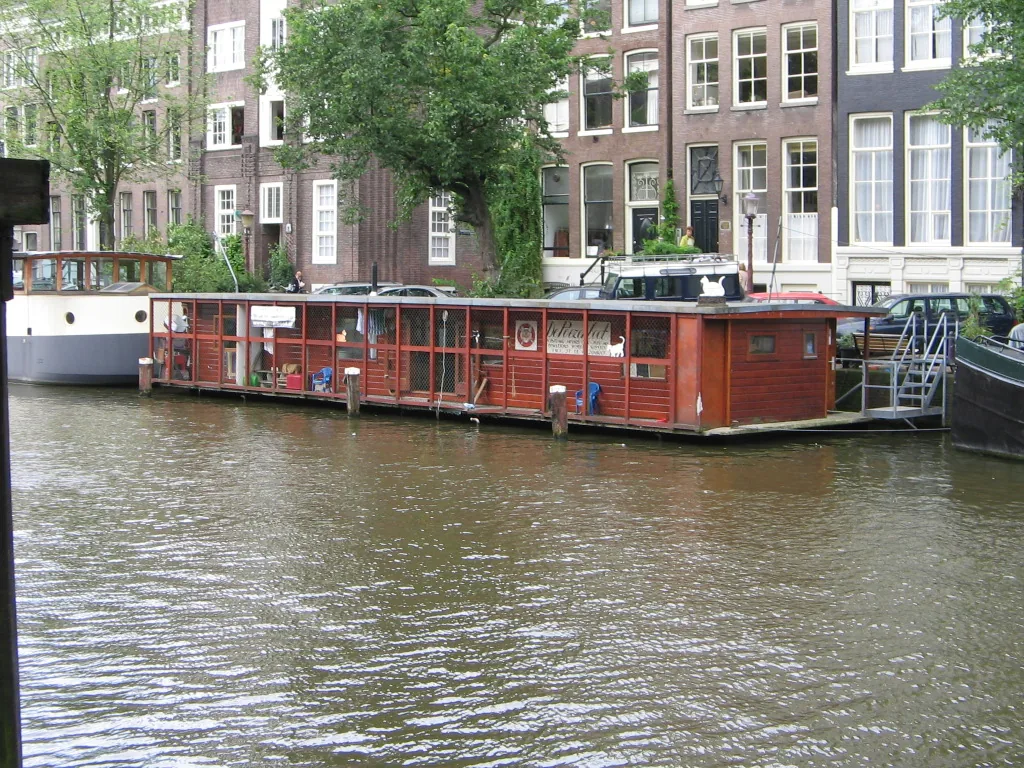
De Poezenboot is an Amsterdam cat sanctuary aboard a houseboat on the Singel. Founded by Henriette van Weelde after she began taking in stray cats in 1966, it provides veterinary care and refuge, including long-term shelter for cats not suited to rehoming. Volunteers and donations sustain its work.
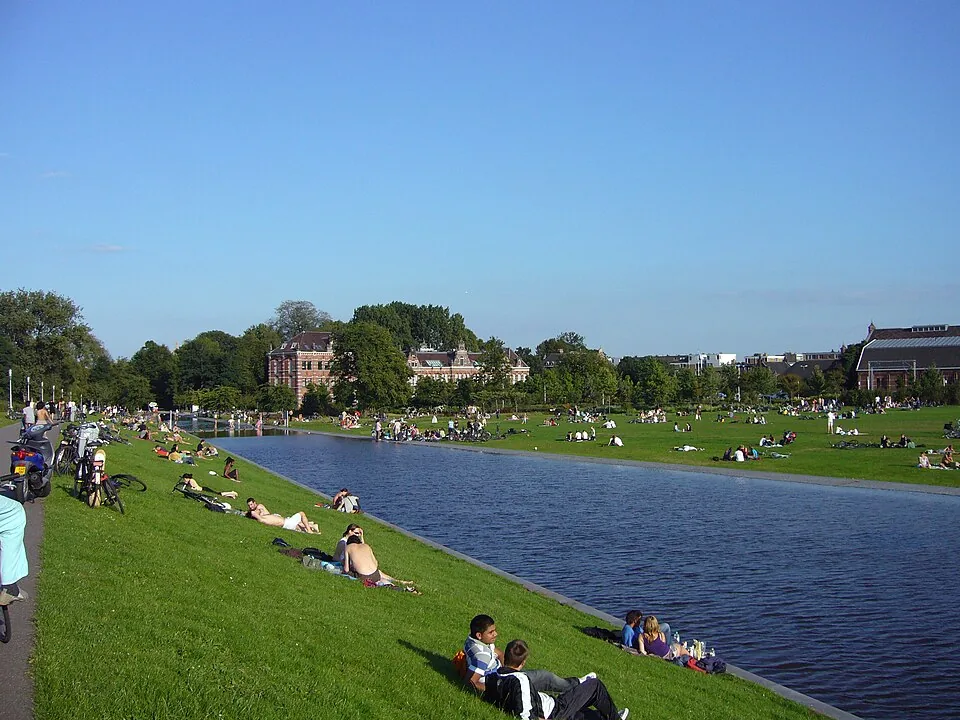
Westerpark
Westerpark joins Amsterdam’s nineteenth-century public green space with the former Westergasfabriek, whose coal-gas works shaped the district and left a legacy of contaminated soil. Today the covered industrial site is a cultural park beside lawns, water and recreation.
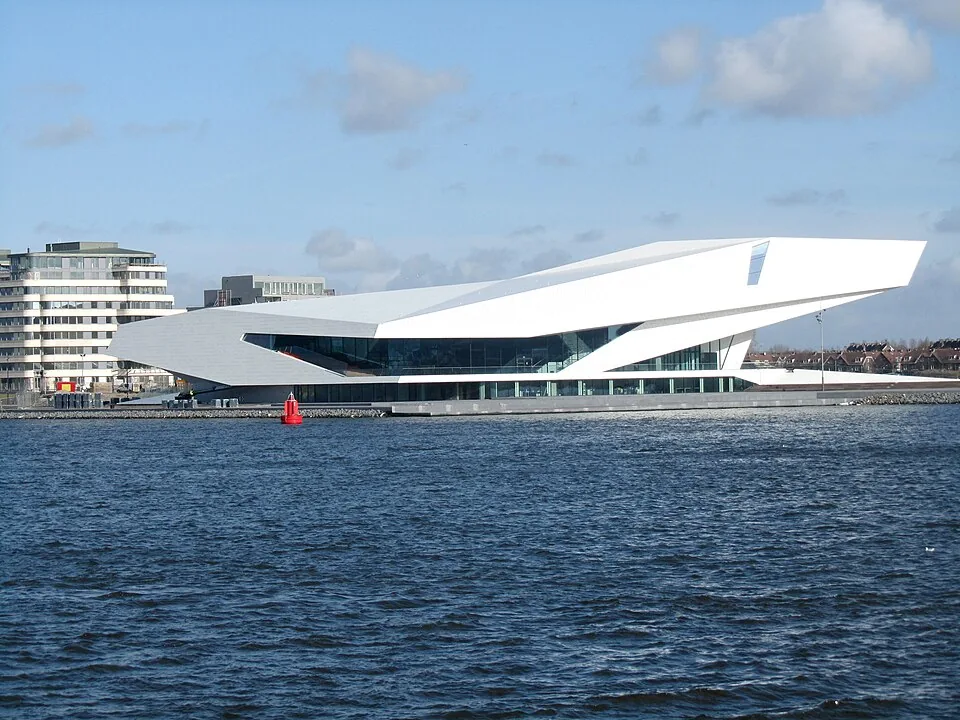
EYE Film Museum
Across the IJ from Amsterdam Centraal, EYE Film Museum brings Dutch film heritage into public view through exhibitions, screenings and a living archive. Its faceted white building, designed by Delugan Meissl Associated Architects, frames the river as part of the experience and anchors a cultural des
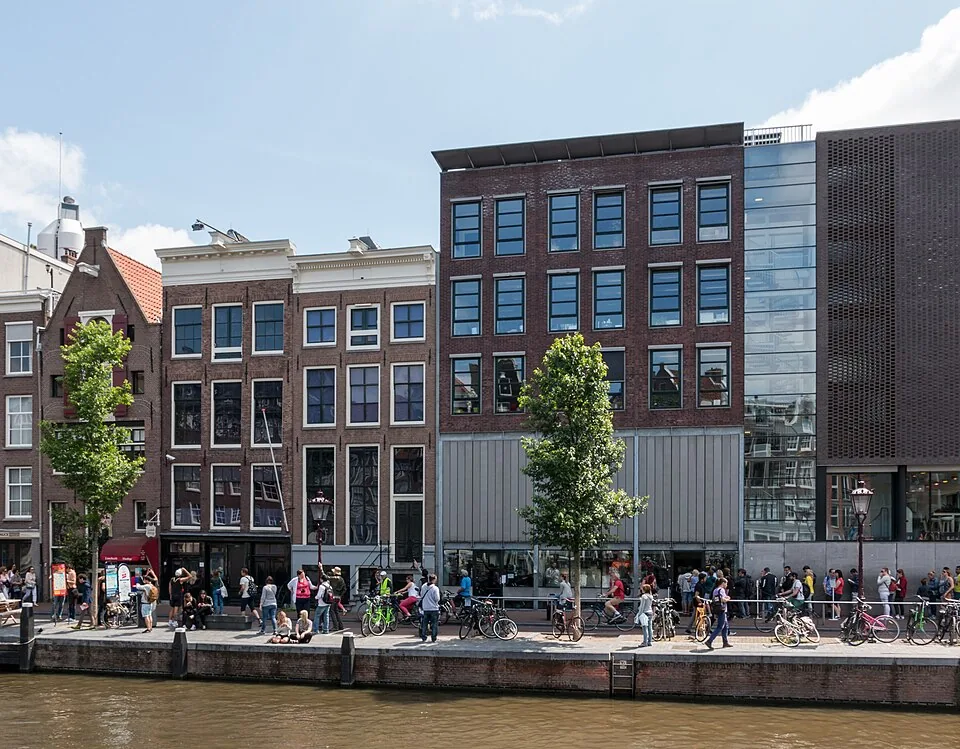
Anne Frank House
At Prinsengracht 263, a canal-side business address held the concealed annex where eight Jewish people hid from Nazi persecution. The Anne Frank House museum preserves this wartime site and the traces of its inhabitants, including the original bookcase and Anne Frank’s writings.
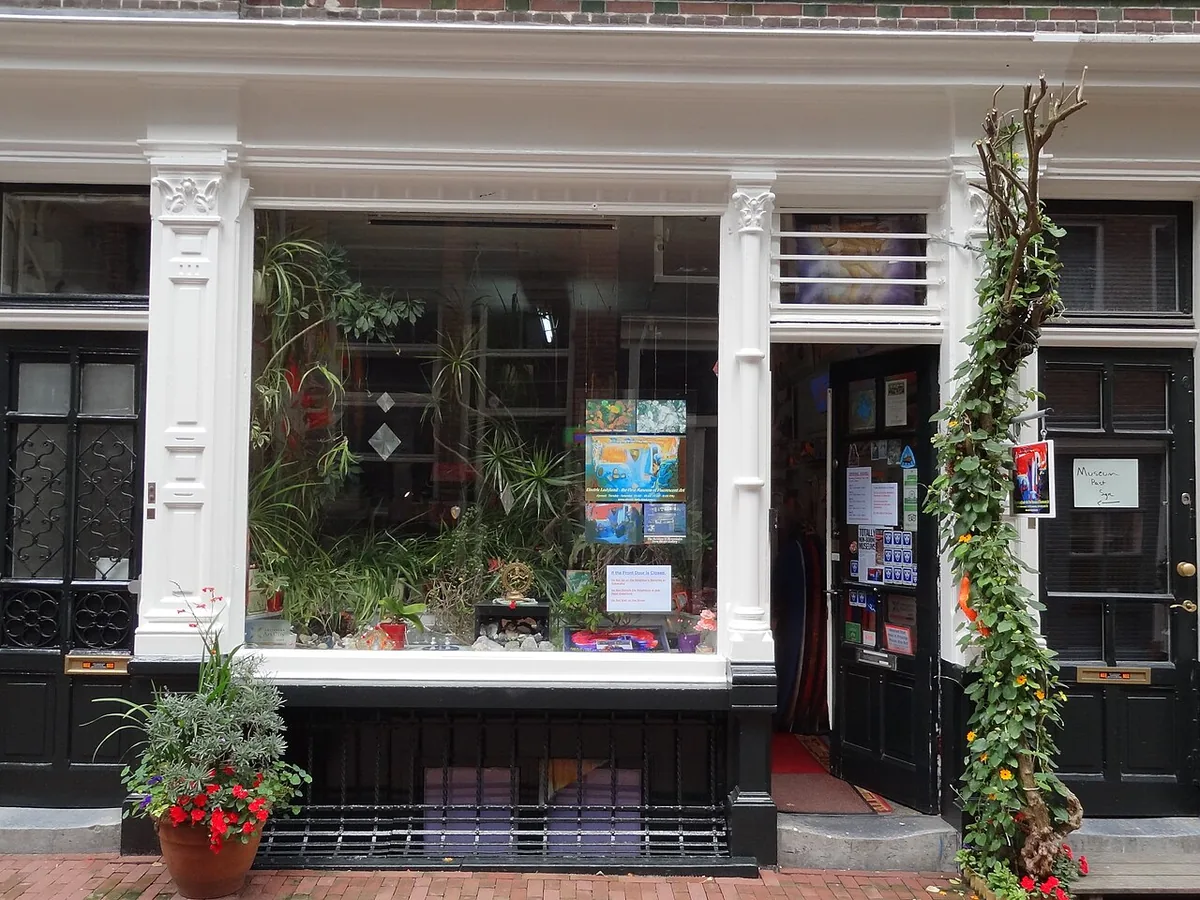
Electric Ladyland Museum
Electric Ladyland Museum in Amsterdam’s Jordaan makes fluorescence both its subject and its medium. Visitors enter a room-sized artwork, then compare minerals and everyday materials under different ultraviolet lights to see how illumination can transform what appears ordinary.