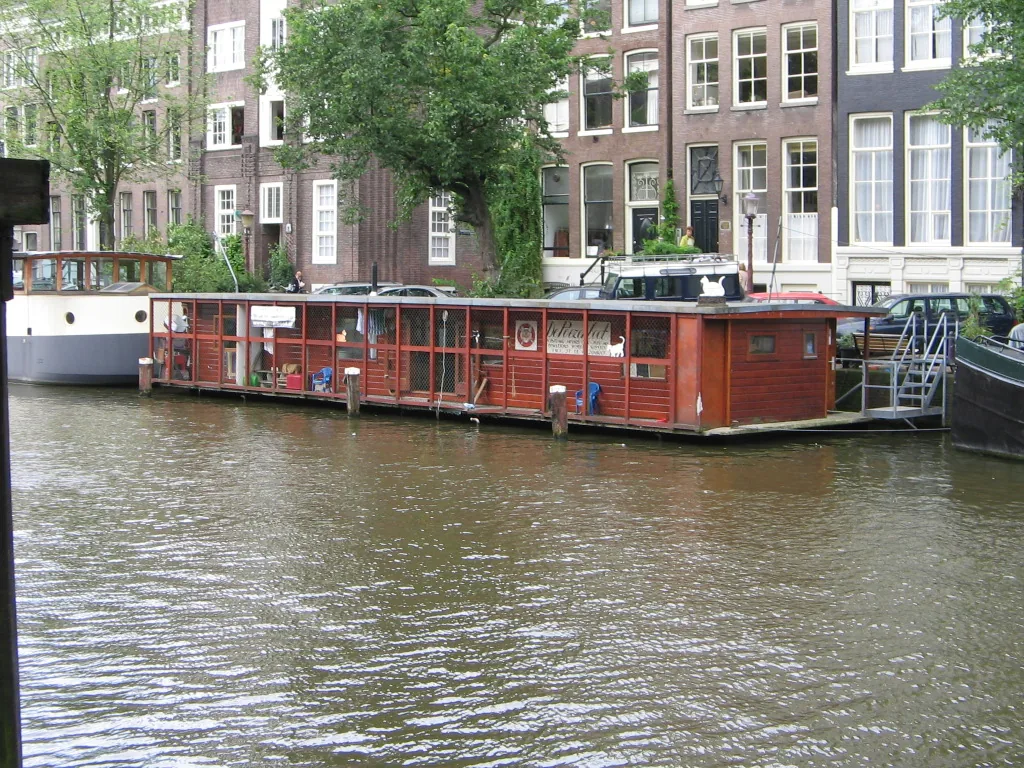
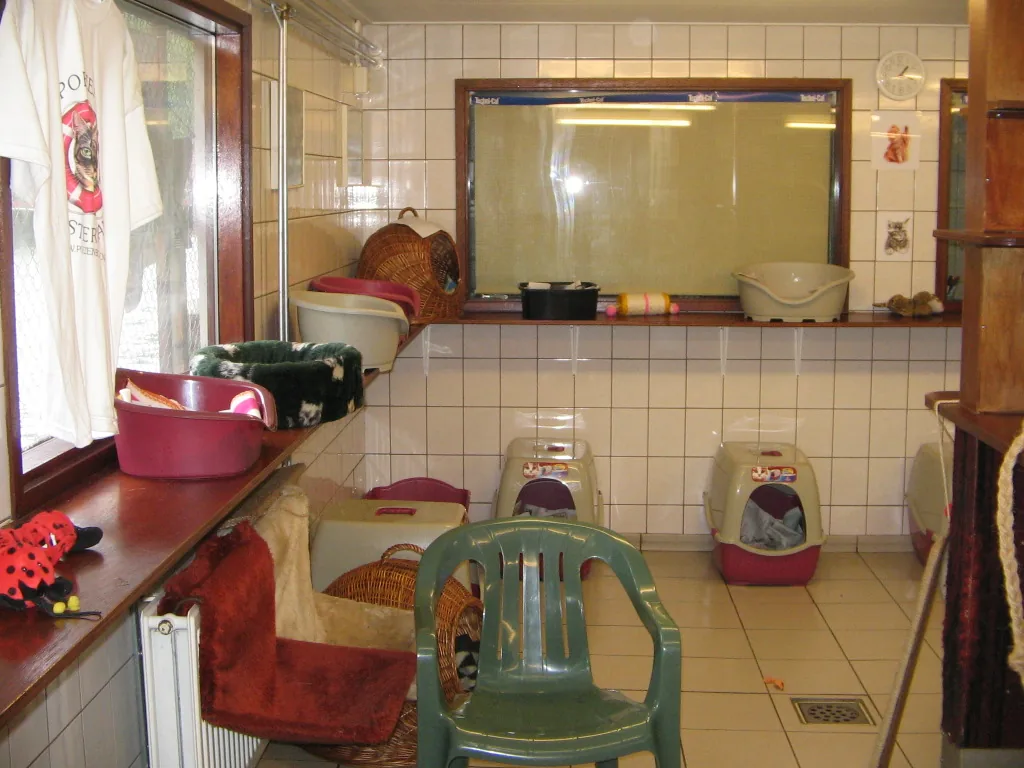
De Poezenboot is an Amsterdam cat sanctuary aboard a houseboat on the Singel. Founded by Henriette van Weelde after she began taking in stray cats in 1966, it provides veterinary care and refuge, including long-term shelter for cats not suited to rehoming. Volunteers and donations sustain its work.
Quick facts
Henriette van Weelde began caring for a mother cat and kittens she found near her home on the Herengracht in 1966.
The first Poezenboot, an old Dutch sailing barge adapted for cats, was acquired in 1968; a second boat followed in 1971.
The shelter moved to a new boat in 2023 after the previous vessel developed serious maintenance problems.
Get directions to De Poezenboot. Confirm the visitor entrance and current access with the venue before travelling.
Audio guide
Listen to this place’s guide.
Guide
At Singel 38G, the most distinctive thing about De Poezenboot is also its practical answer to a problem: this Amsterdam cat sanctuary is housed on a boat. Its history began not with a plan for a tourist attraction, but with one rescued family. In 1966, Henriette van Weelde found a mother cat and kittens near a tree opposite her home on the Herengracht. She took them in.
Continue exploring
Discover the full story
Keep reading with a travel pass and explore every full guide and tour.
UpgradeMore places in Amsterdam
Café Papeneiland
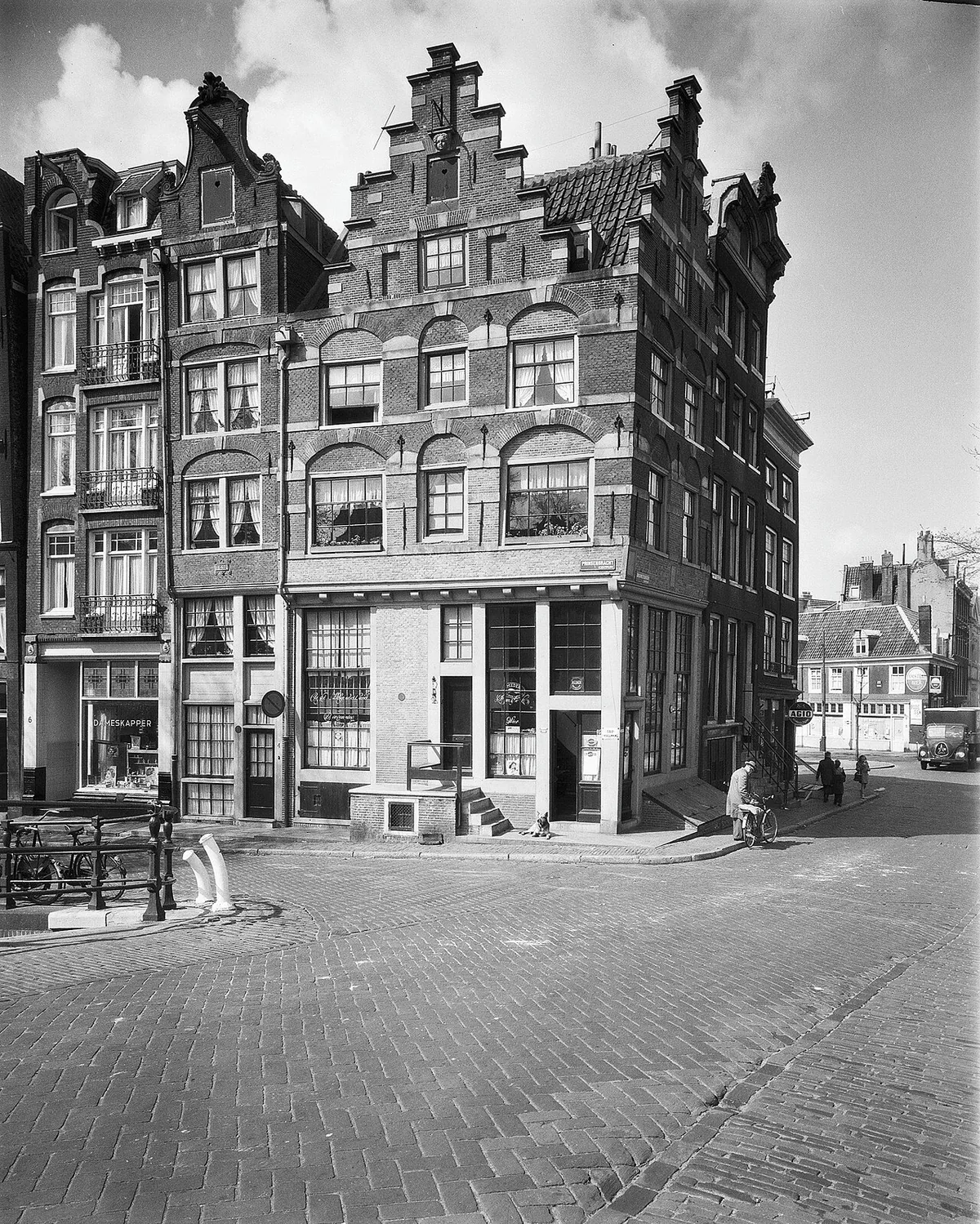
Café ’t Papeneiland occupies a canal-corner house at Prinsengracht 2 in Amsterdam. Built in 1641–42 as a shop with an upper dwelling, it became a documented café in 1896. Its façade preserves layers of restoration, while archaeological inspection disproved the famous cellar-tunnel tale.
Amsterdam Centraal Station
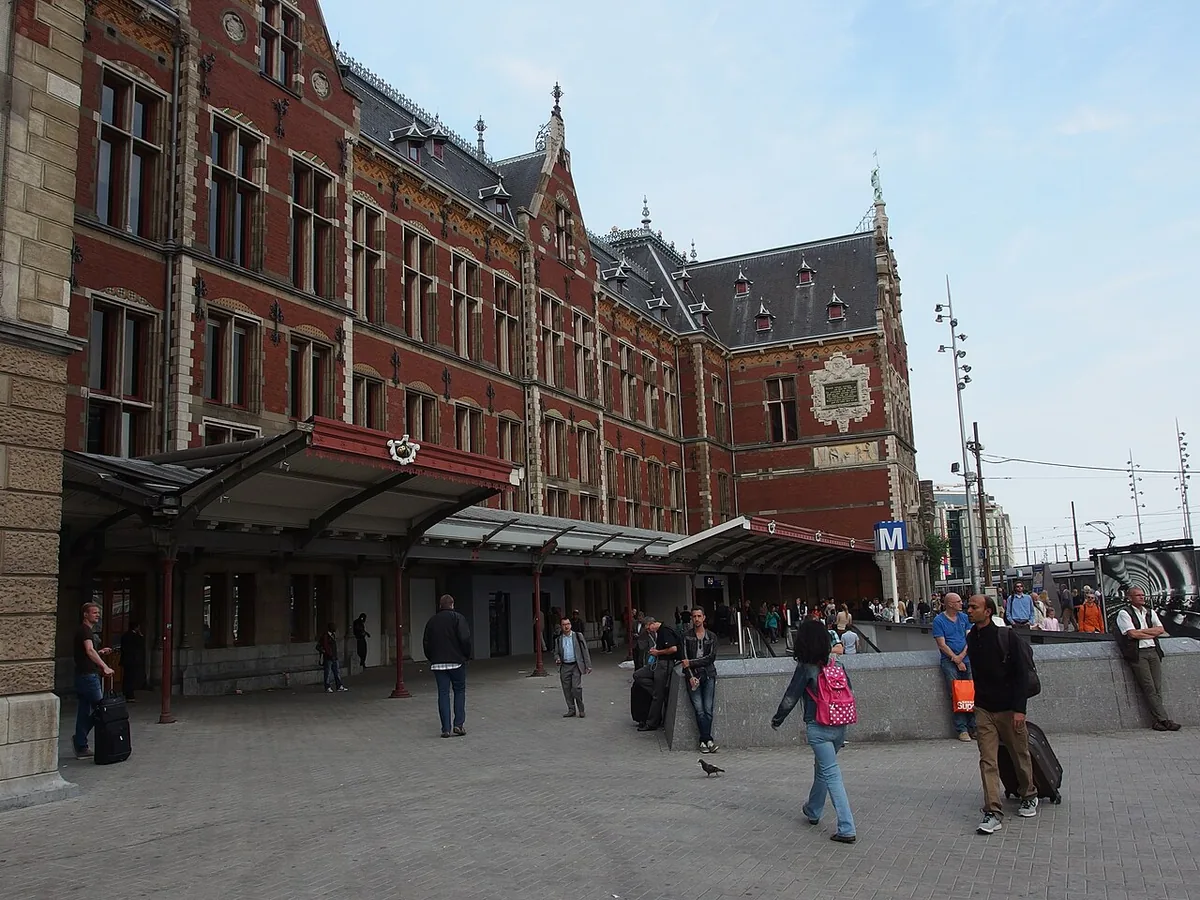
Amsterdam Centraal occupies Station Island in the IJ, where the historic centre meets the waterfront. Pierre Cuypers and A.L. van Gendt designed its monumental 1889 gateway, built on reclaimed islands and thousands of piles. Today the station remains a busy link between rail, city and harbour.
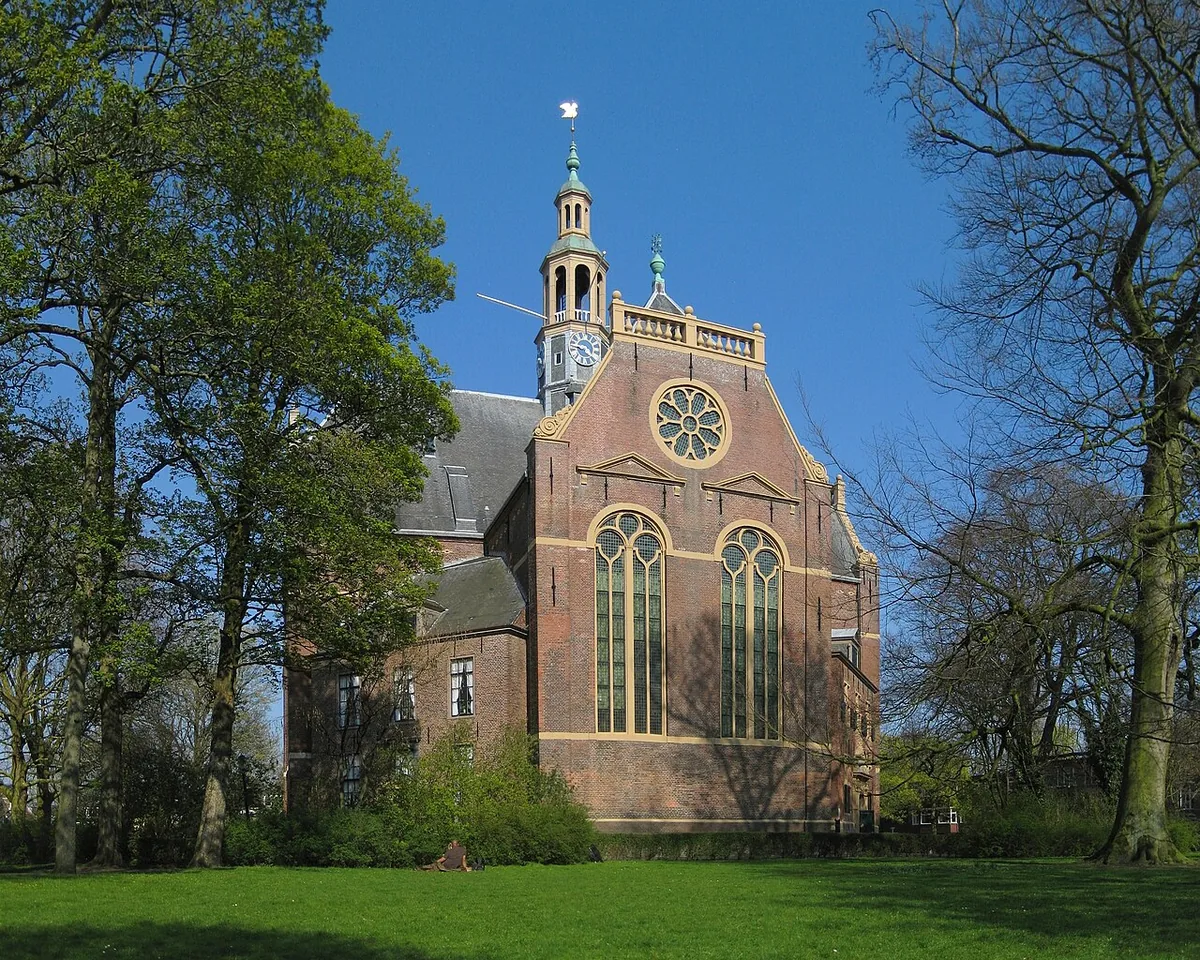
Nieuwe Kerk
A “new” church for a growing Amsterdam, the Nieuwe Kerk stands on Dam Square beside the Royal Palace. Its Gothic history holds religious upheaval, a devastating fire, elaborate craft, royal investitures, and a tower ambition that remained unfinished.
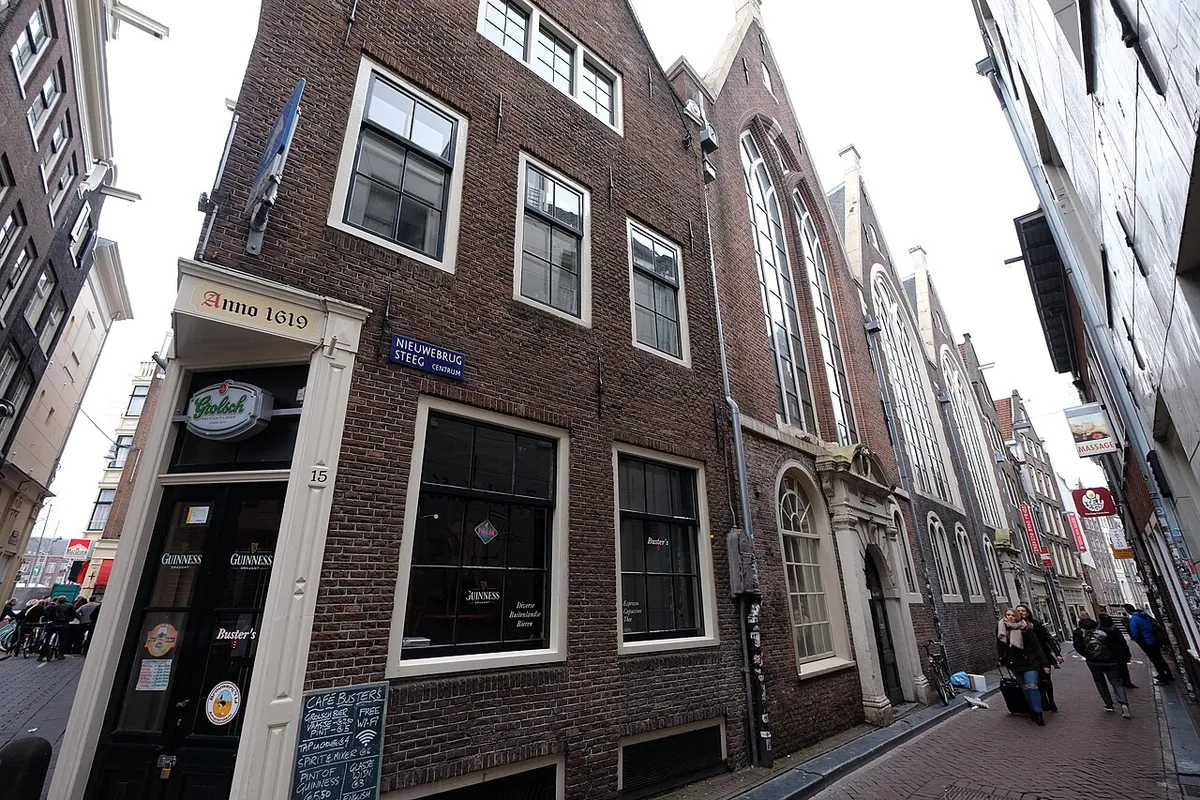
In’t Aepjen
In ’t Aepjen is a café at Zeedijk 1, inside a rare surviving sixteenth-century timber-framed Amsterdam house. Records, later shopfronts and a debated monkey legend reveal how the building’s use and story changed over time.
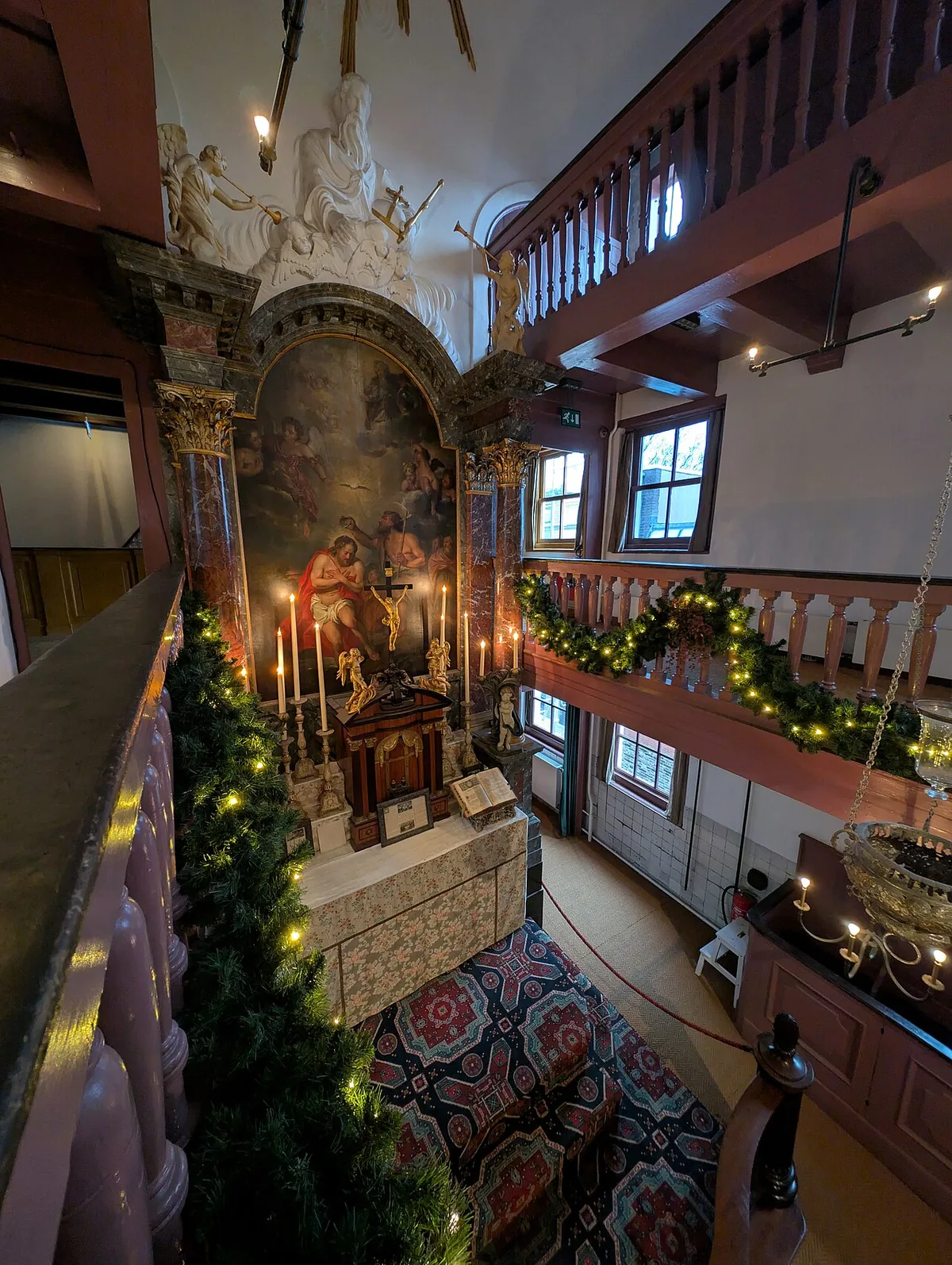
Our Lord in the Attic Museum
A seventeenth-century Catholic church fills the joined upper floors of a canal house and two rear houses. Built by merchant Jan Hartman, it preserves the history of Amsterdam’s tolerated house churches and the community that worshipped here.
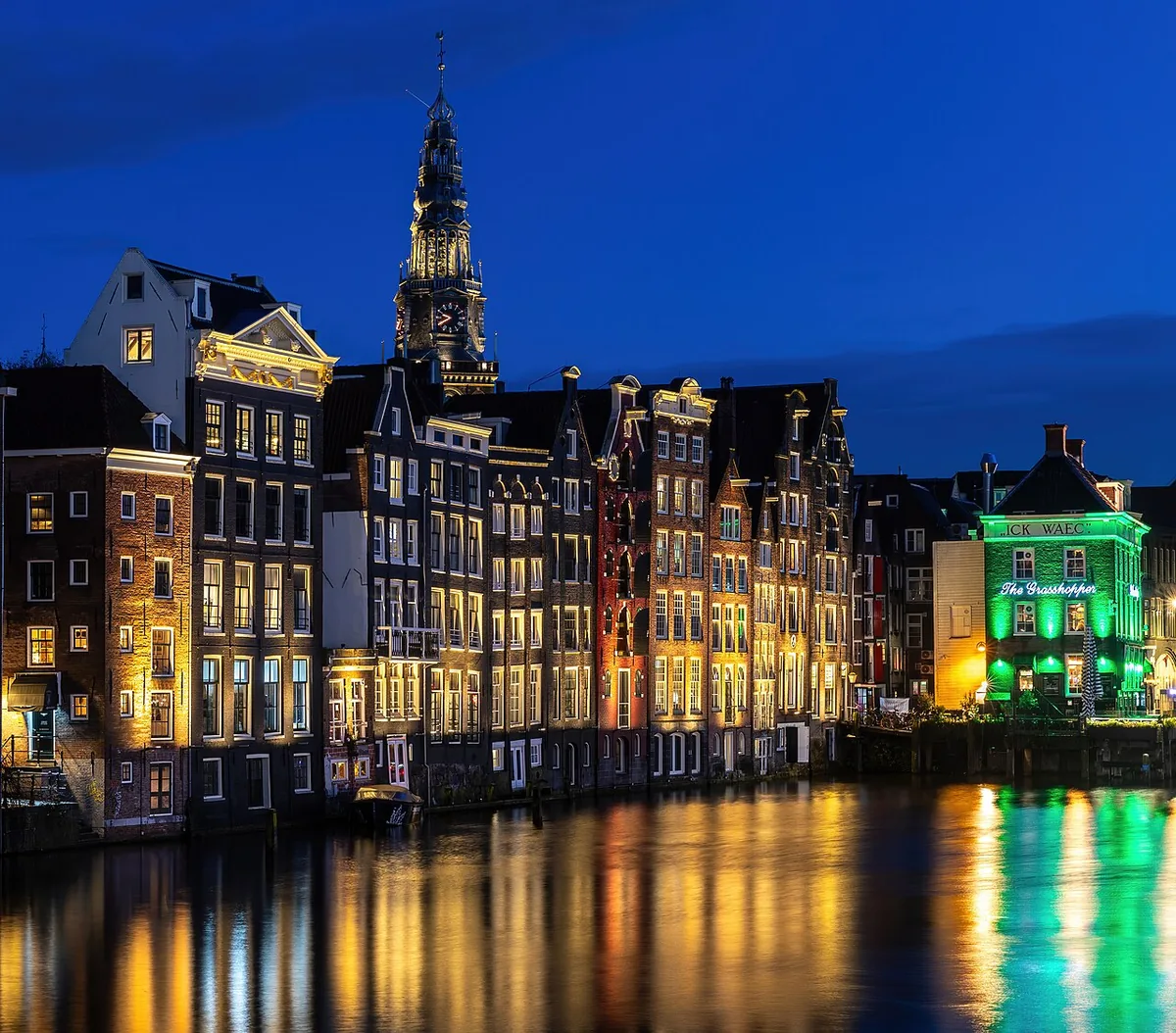
Oude Kerk
Amsterdam’s oldest surviving building grew from a thirteenth-century chapel into a Gothic hall church shaped by port trades, religious change, and generations of burial. Its guild chapels, memorials, music, and contemporary art keep the city’s layered history present.