Amsterdamse Bos is a vast, designed forest and recreation landscape south-west of Amsterdam, mostly in Amstelveen. Built from 1934 through 1970, it joins woods, water, meadows and sport grounds—and holds both the memory of crisis-era labor and the wartime persecution of Jewish forced laborers.
Quick facts
Amsterdam’s council approved a large Bosplan in 1928; construction began in 1934 and the planned planting was completed in 1970.
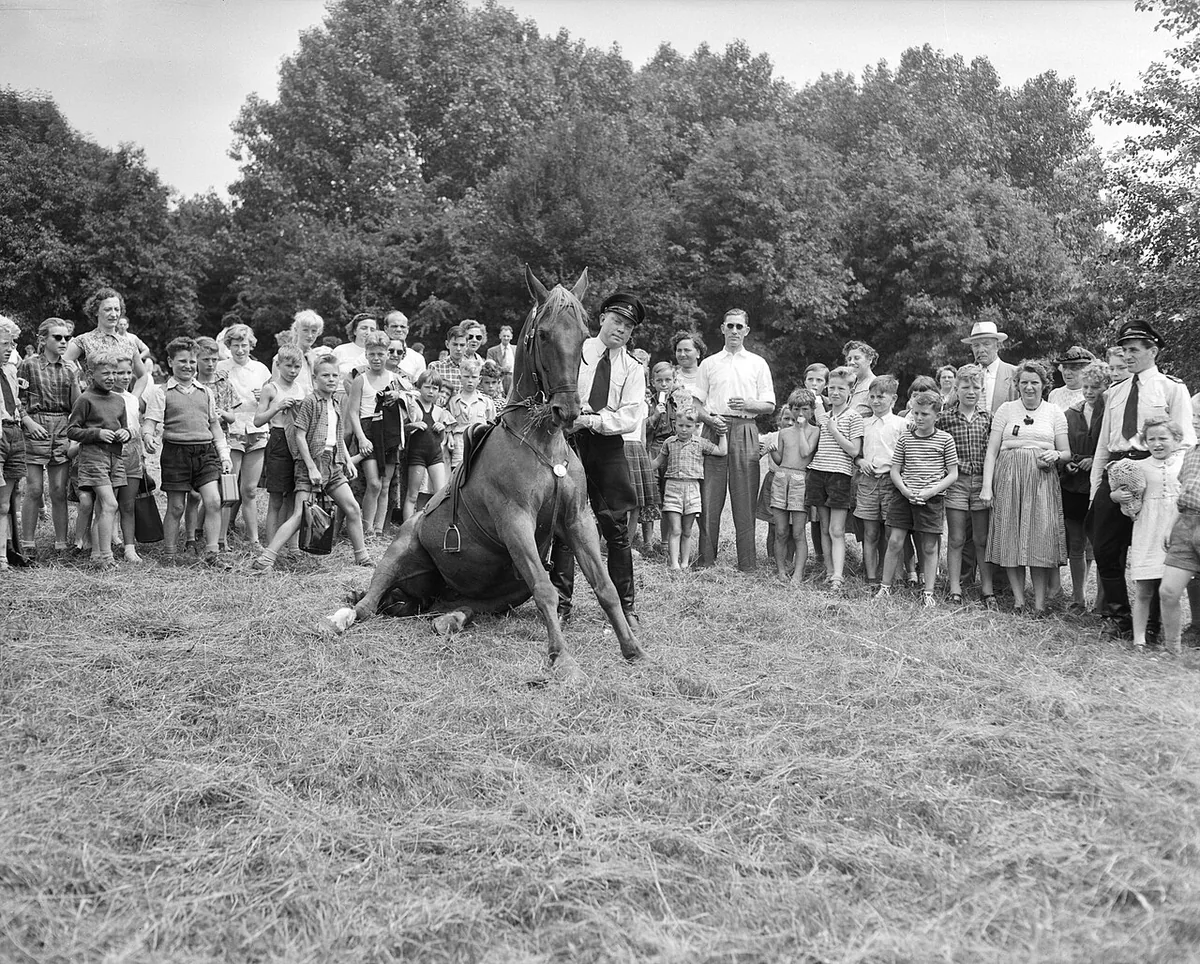
Roughly 20,000 men worked on the Bos between 1934 and 1940, moving earth largely by hand as part of unemployment-relief work.
Amsterdam City Archives identifies four Jewish forced-labor camps in the Amsterdamse Bos during the German occupation; the camps formed part of the persecution that led many prisoners to deportation.
Get directions to Amsterdamse Bos. Confirm the visitor entrance and current access with the venue before travelling.
Audio guide
Listen to this place’s guide.
Guide
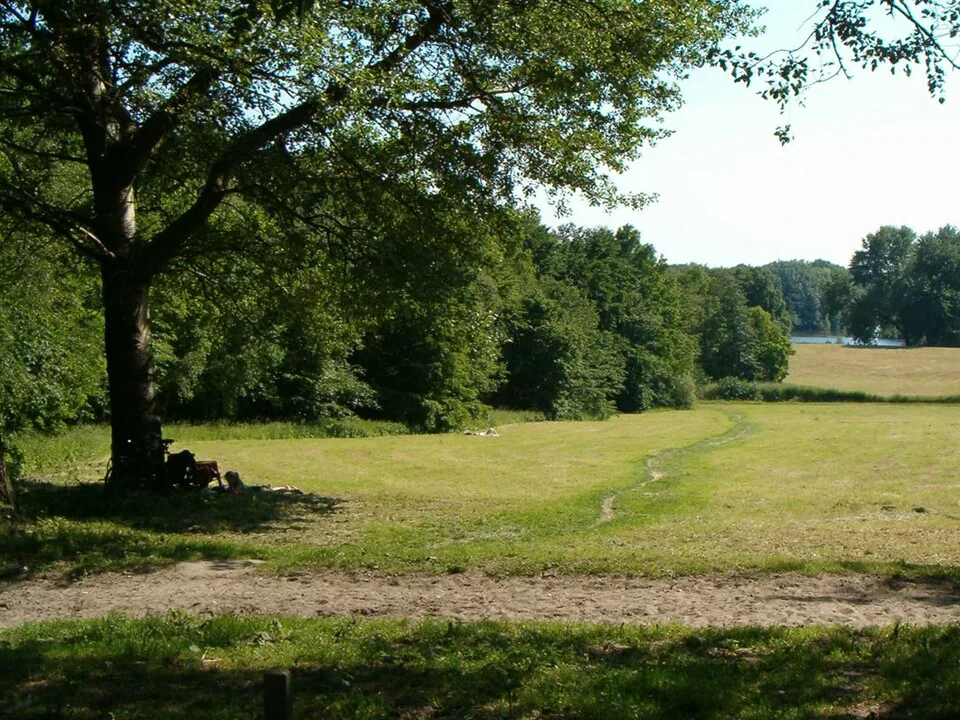
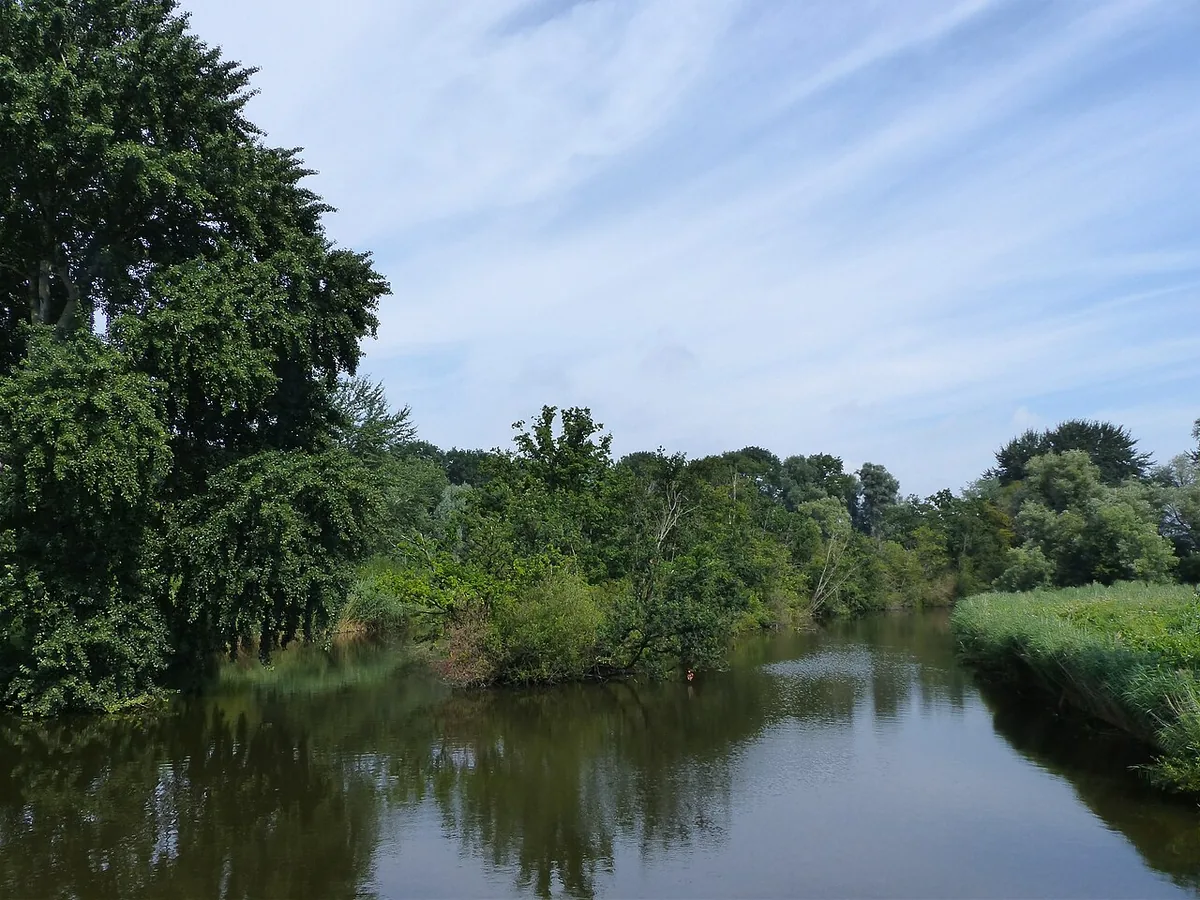
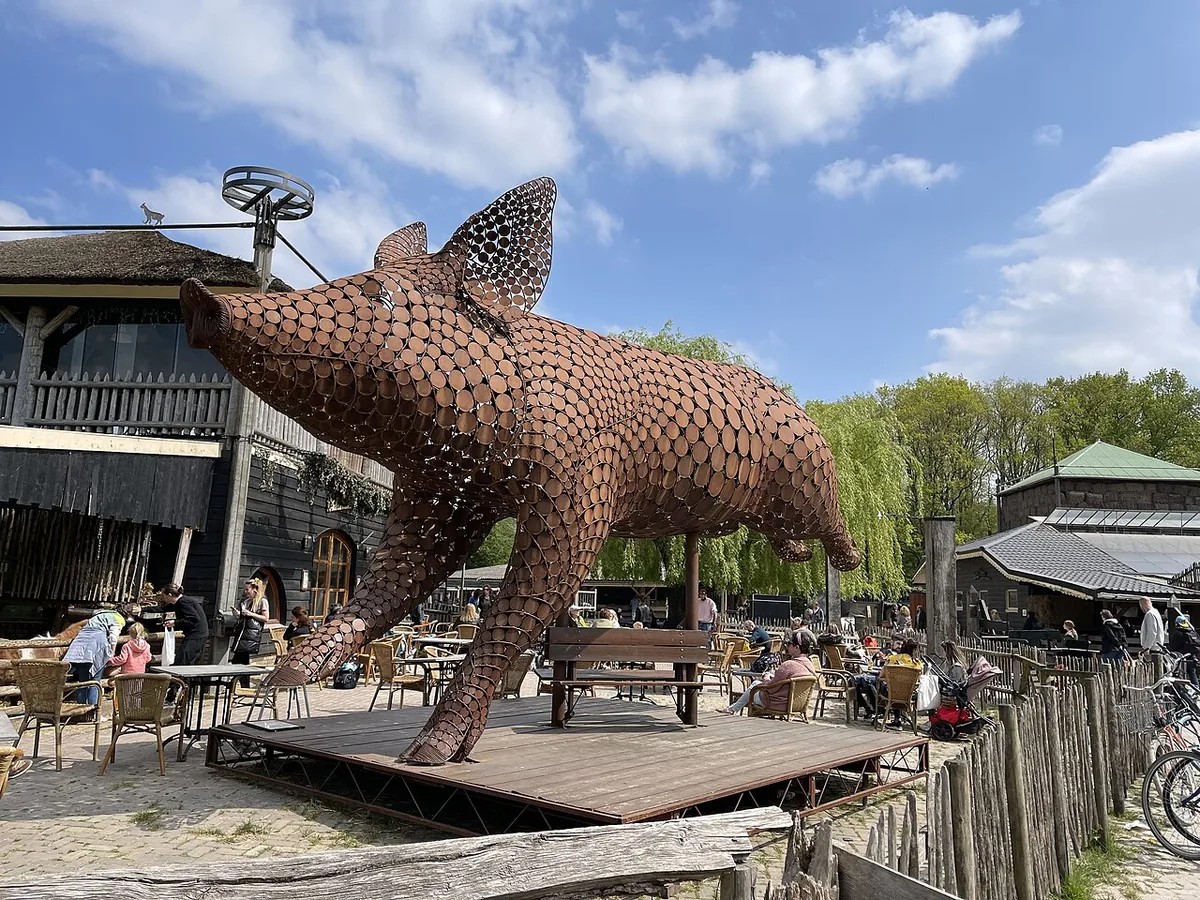
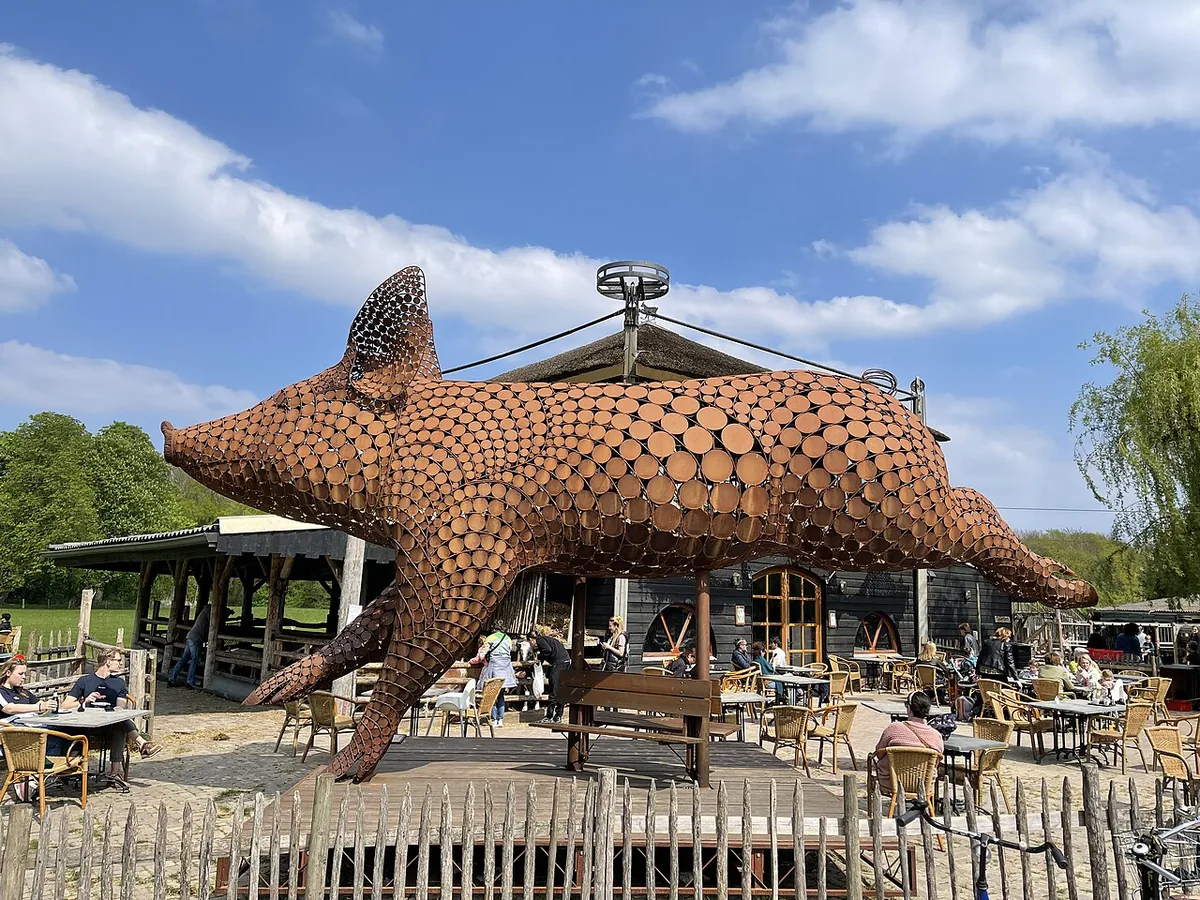
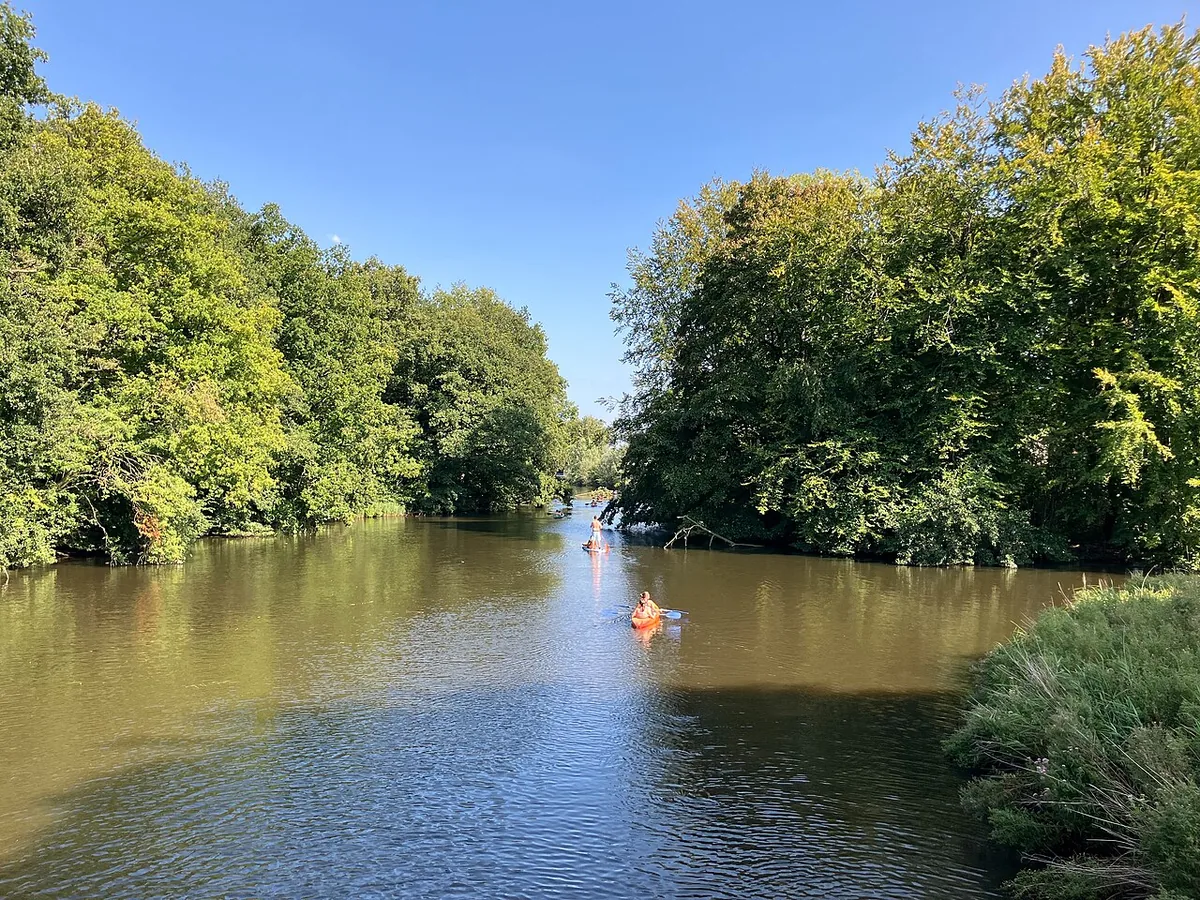
Amsterdamse Bos is not a remnant of ancient woodland. It is a city-scale landscape, planned so that ordinary Amsterdammers could reach open air, water, sport and the feeling of wandering in nature without making a day trip out of town. The park occupies a broad area mostly in Amstelveen, with the Nieuwe Meer along its northern edge. Its woods, waterways, meadows, reed beds and recreation grounds form one deliberately varied whole.
Continue exploring
Discover the full story
Keep reading with a travel pass and explore every full guide and tour.
UpgradeMore places in Amsterdam
Vondelpark
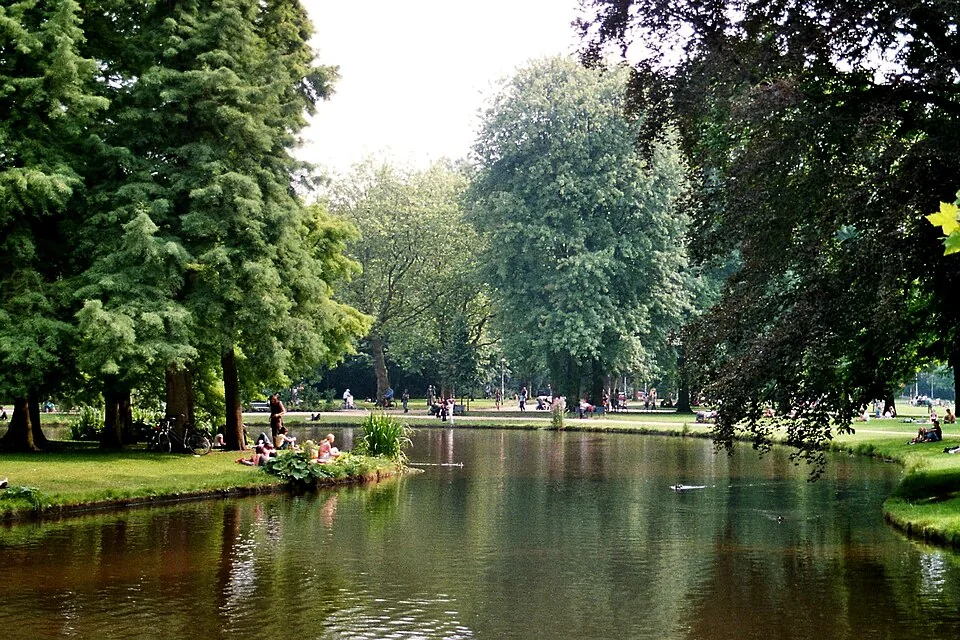
Follow the Vondelpark’s curving paths past ponds, bridges, and open lawns, and look for how the landscape hides and reveals the city. Opened in 1865, this deliberately natural-looking park began as a private civic project.
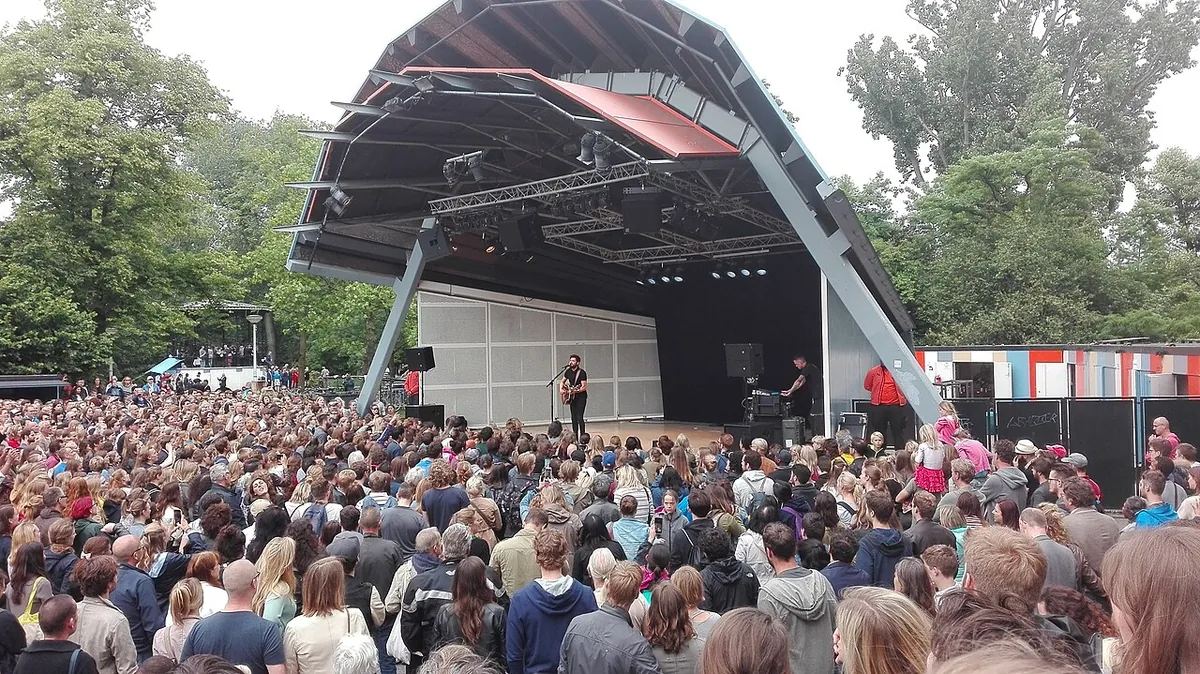
Vondelpark Open Air Theatre
Since the 1950s, music and performance have drawn audiences to Vondelpark. The open-air theatre opened in 1965, and a regular free programme was established in 1974, turning the park’s informal culture of gathering into an enduring public stage.
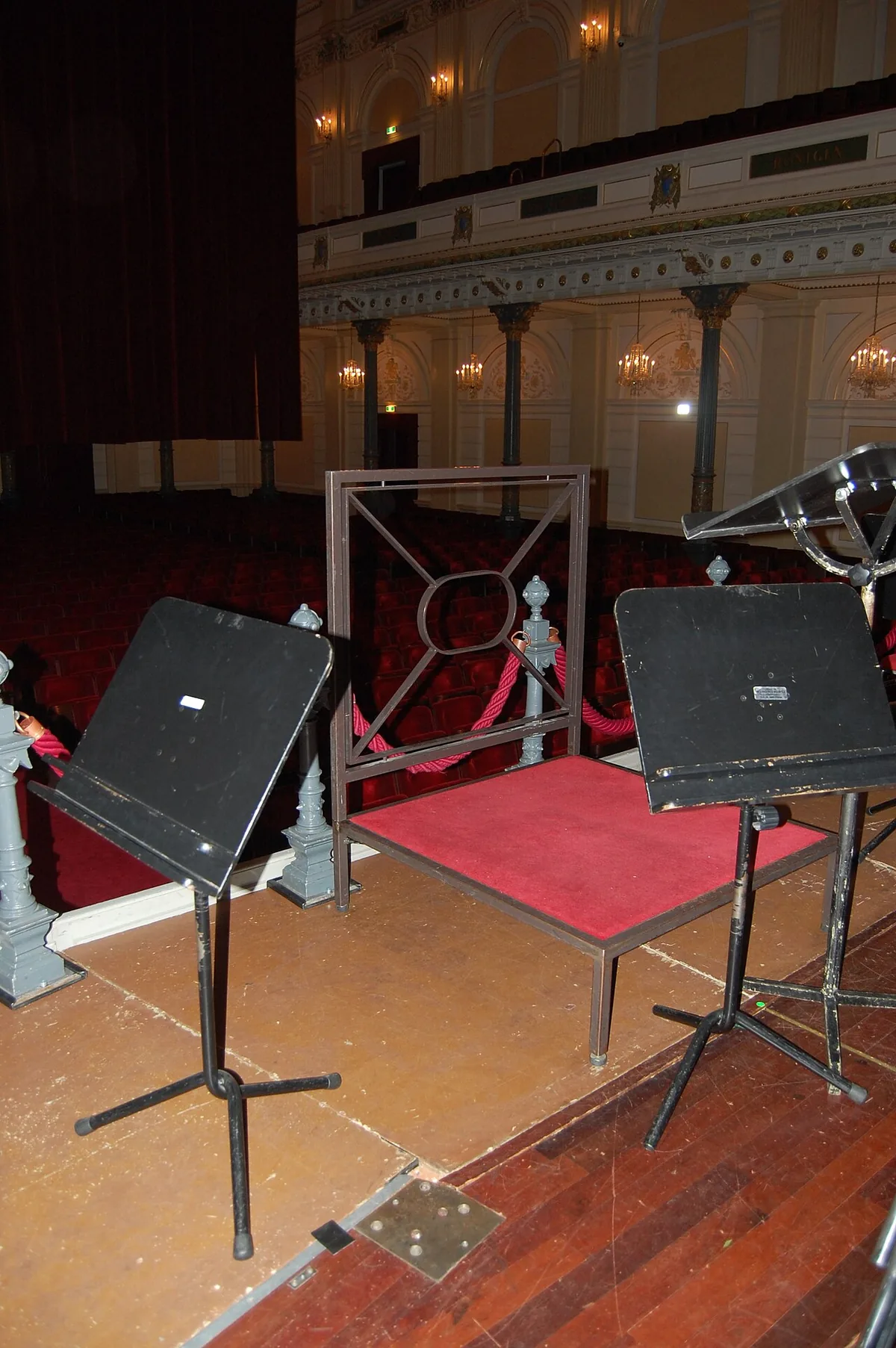
Concertgebouw
Amsterdam’s Concertgebouw began as a citizens’ campaign for a dedicated concert hall on the fields of Nieuwer-Amstel. Opened in 1888, its Main Hall became renowned only after years of acoustic adjustment; a memorial inside also recalls Jewish musicians dismissed during the occupation.
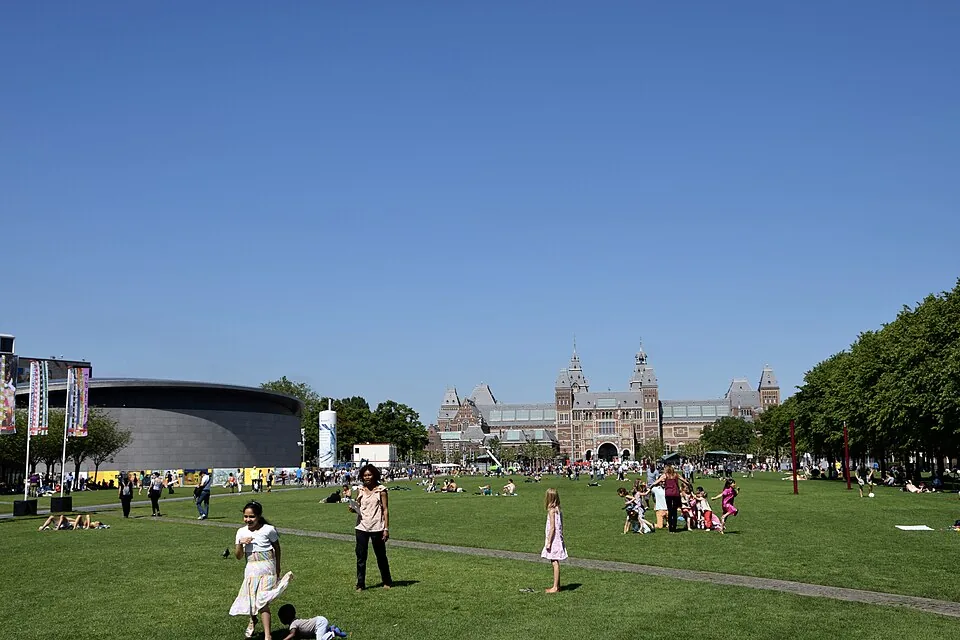
Museumplein
Museumplein is an open public square and park in Amsterdam-Zuid’s Museumkwartier, framed by major cultural institutions. Its broad lawn and tree groves reflect a 1999 redesign; the space also serves sport, neighborhood recreation, protest and public events.
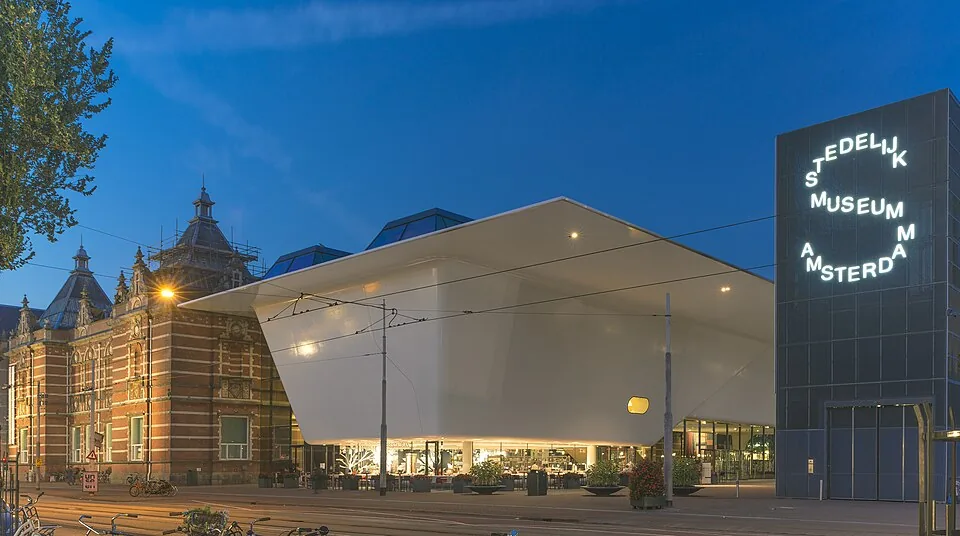
Stedelijk Museum
At Museumplein, a nineteenth-century red-brick museum meets a sweeping white extension opened in 2012. Inside, the Stedelijk brings modern and contemporary art into conversation with design and photography. Its changing displays invite close looking, while the building and its history reveal how Ams
Van Gogh Museum
At the Van Gogh Museum, follow the artist’s work alongside the family story that kept it together. Compare the dark, carefully staged Potato Eaters with later experiments in color, and notice how letters, drawings and works by contemporaries turn a celebrated name into a working artist in his time.