Explore locations
Browse places by name, city, country or category.
All locations
27 locations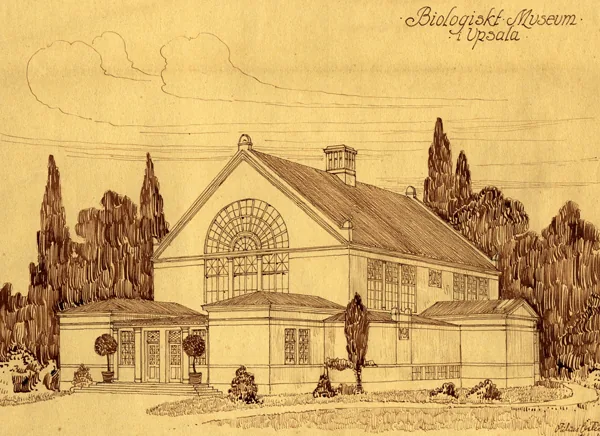
Biotopia
Biotopia brings Uppland’s wildlife and landscapes into focus through immersive early twentieth-century dioramas, geological displays and hands-on learning. Opened as Biologiska museet in 1910, it pairs preserved habitat scenes with a modern program rooted in Uppsala’s surrounding nature.
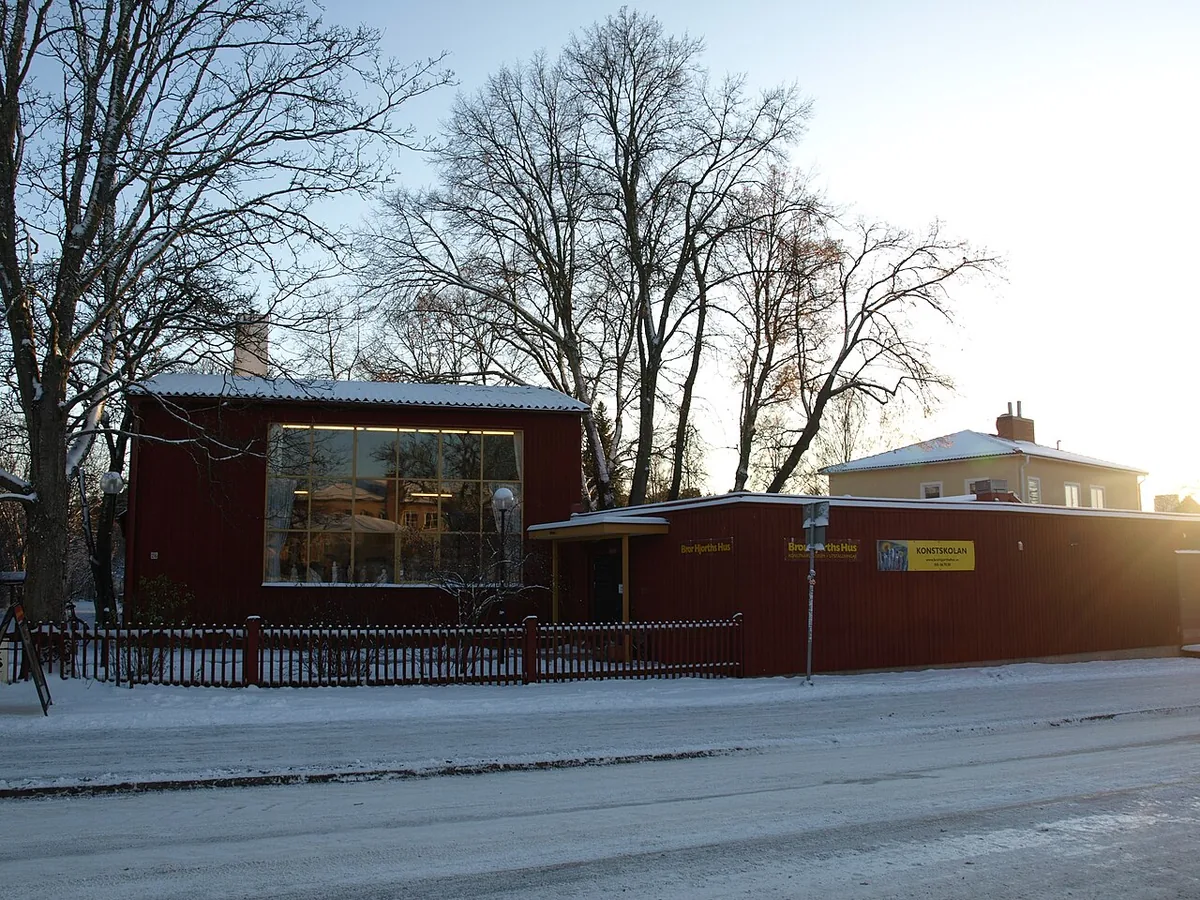
Bror Hjorths Hus
Bror Hjorths Hus preserves the red wooden home and studio where modernist artist Bror Hjorth lived and worked from 1943 to 1968. Its rooms hold his art among his books and furniture, tracing a lively exchange between Uppland folk tradition, music, and modernism.
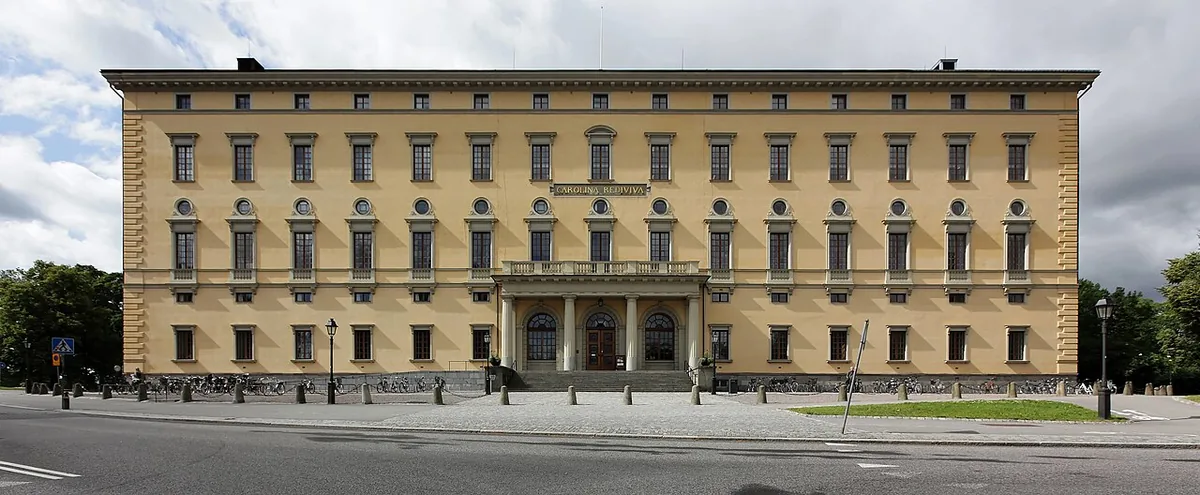
Carolina Rediviva
Carolina Rediviva is Uppsala University Library’s landmark main building, opened in 1841. A name meaning ‘the revived Carolina’ joins a demolished medieval university house to a royal-era library project; its former ceremonial hall, later reading rooms and modern extensions chart changing ideas abou
Cube of Art
A digital art museum inside Juvelen near Uppsala Central Station. In a seven-metre-high black cube, interactive light installations invite visitors to influence changing artworks with movement and touch.
Disagården Open-Air Museum
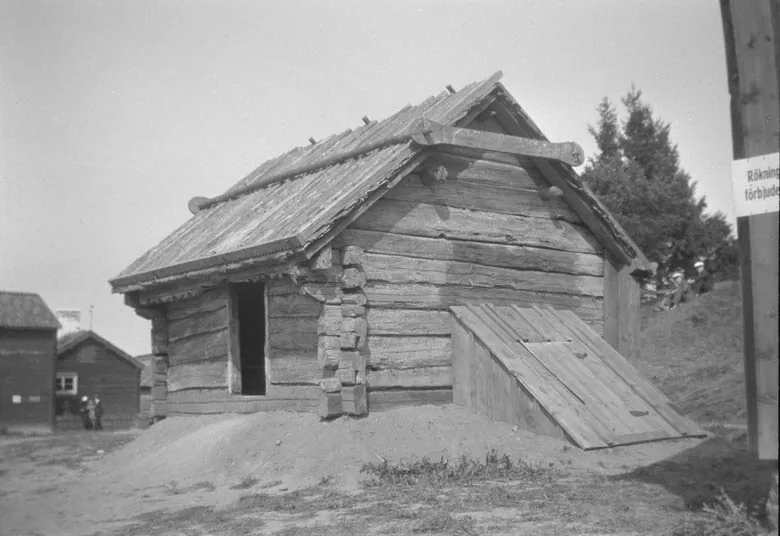
Along a winding village lane, more than twenty timber buildings brought from across Uppland form a museum landscape imagined as a rural village before the great land reforms. Disagården opened in 1931; its farms, work buildings, gardens and soldier’s croft reveal both nineteenth-century rural life a
Evolutionsmuseet
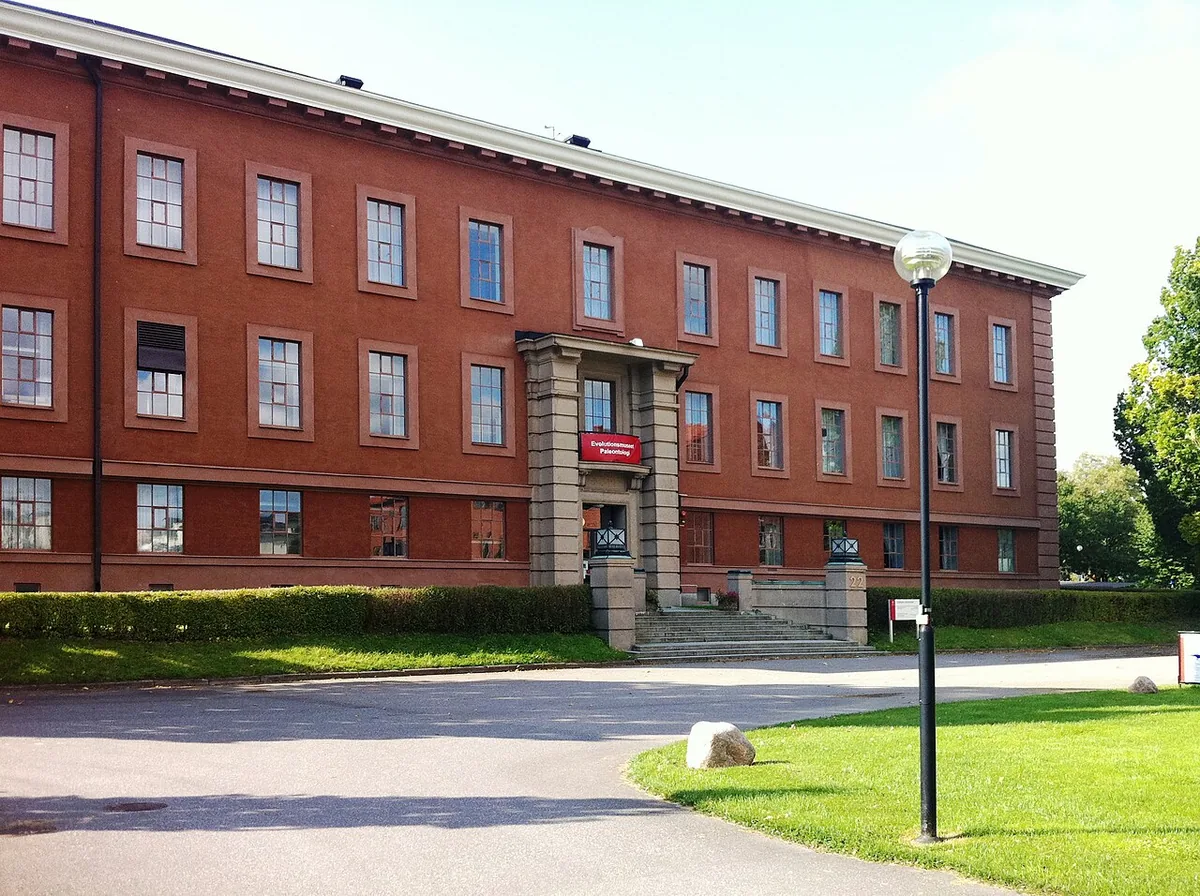
Uppsala University’s natural history museum spans two neighboring exhibition buildings: Zoology’s animals from around the world and Palaeontology’s fossils and minerals. Its collections grew from early university cabinets into a five-million-object research archive, with roots in Thunberg’s 1785 zoo
Gamla Uppsala Museum
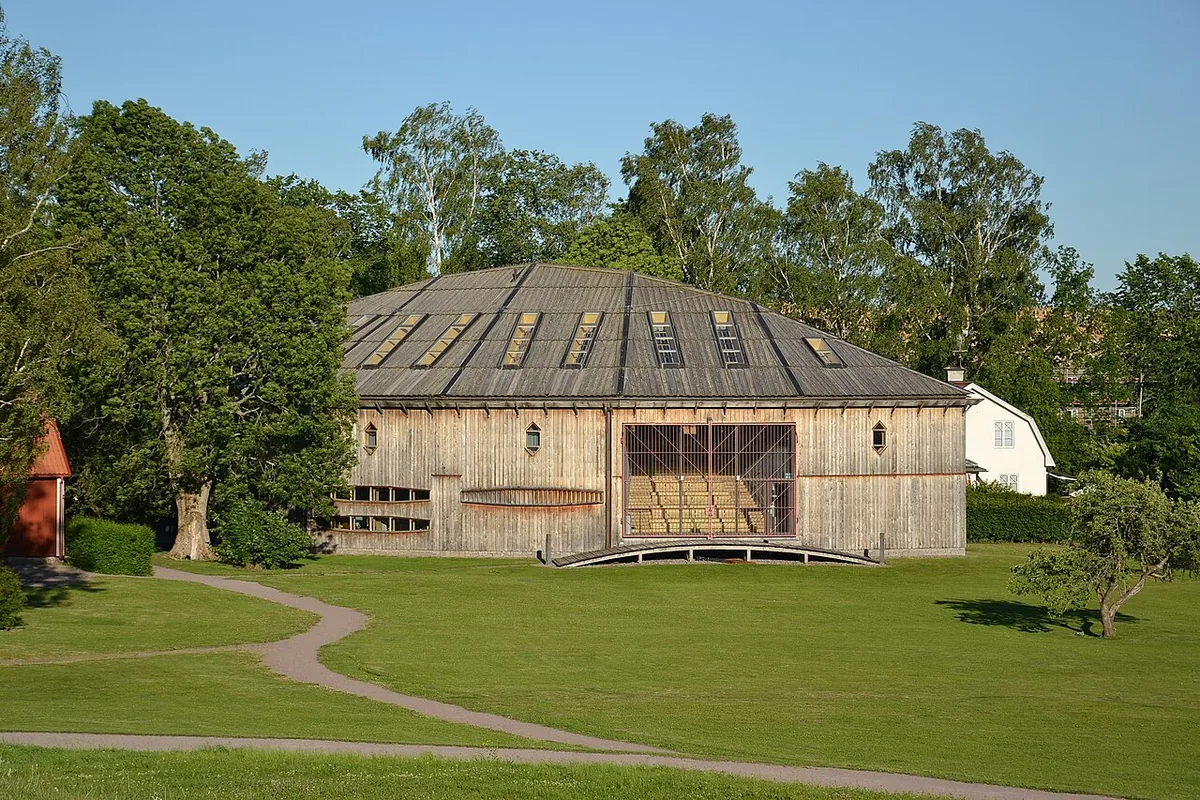
At the edge of the Royal Mounds, Gamla Uppsala Museum makes an archaeological landscape legible through original finds, a large site model and new research. Its exhibitions connect elite burials and timber monuments with a place that became Sweden’s first archbishopric in 1164.
Gamla Uppsala Royal Mounds
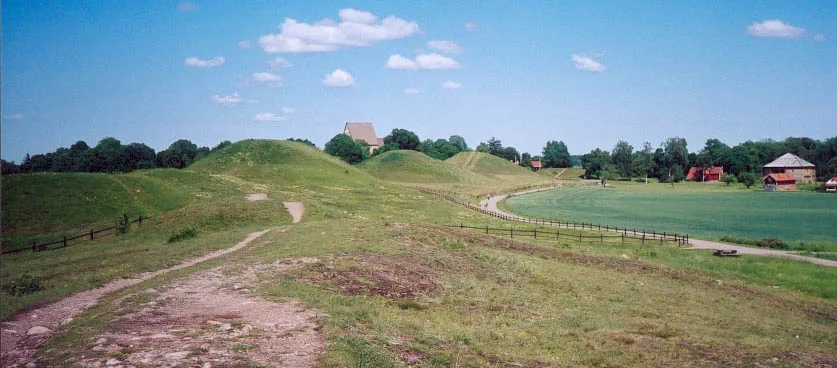
Three monumental burial mounds rise above the plain at Gamla Uppsala, an ancient center of power and ceremony. Their cremated burials date to the sixth century; nearby terraces, graves and church traces reveal a landscape that changed from an elite Iron Age center to Sweden’s first archbishopric.
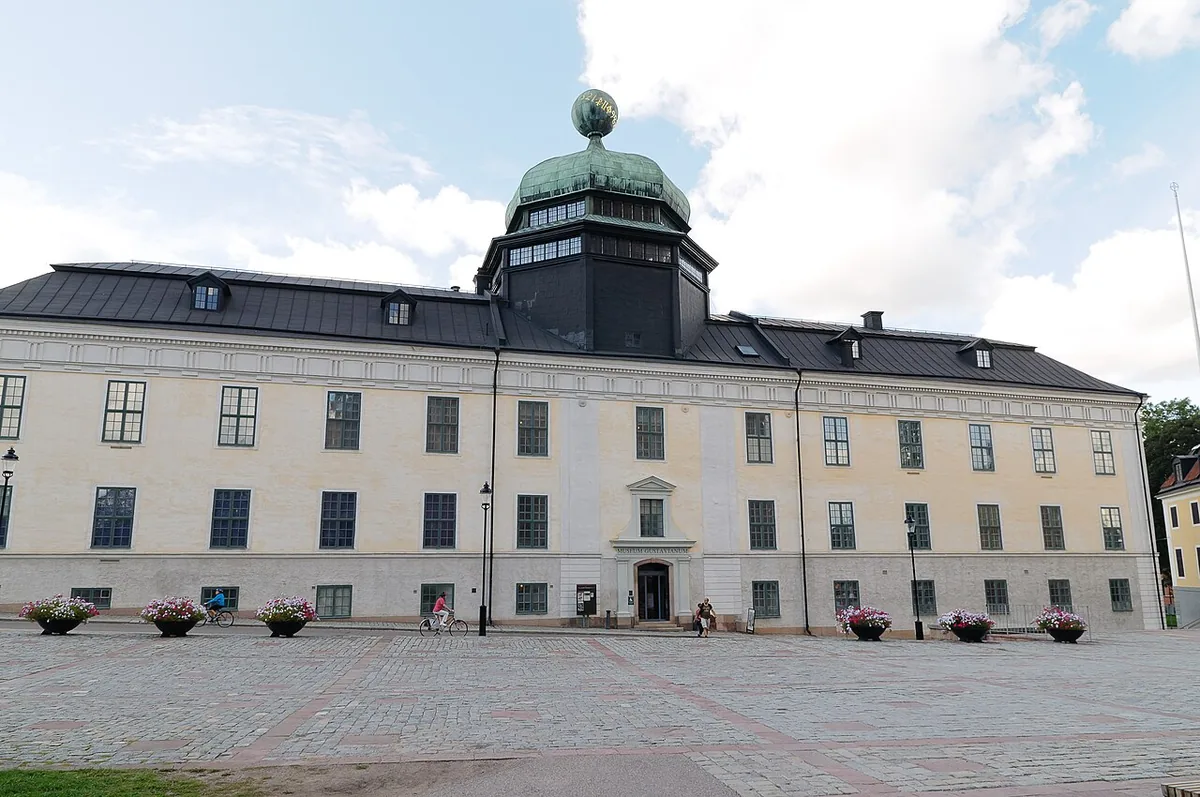
Gustavianum
Uppsala University’s oldest surviving building began as lecture halls, student rooms and a library. Today its museum collections share space with Olof Rudbeck’s reconstructed 17th-century anatomical theatre beneath the famous rooftop cupola.
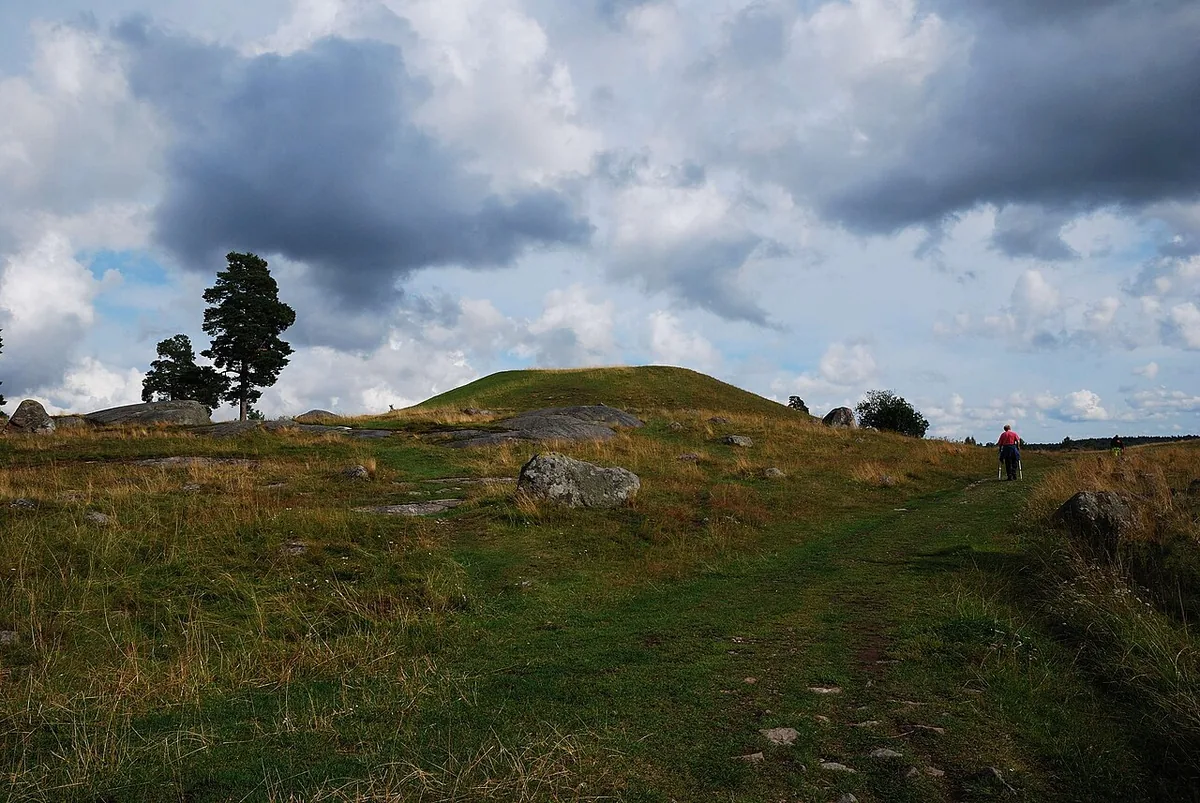
Hågahögen / Håga mound
Hågahögen is a monumental Bronze Age burial mound in Håga, west of Uppsala. Excavated in 1902–03, it proved far older than its later name Kung Björns hög suggests. Its gold and bronze grave goods connect an exceptional burial to a lived-in landscape with settlements from many periods.
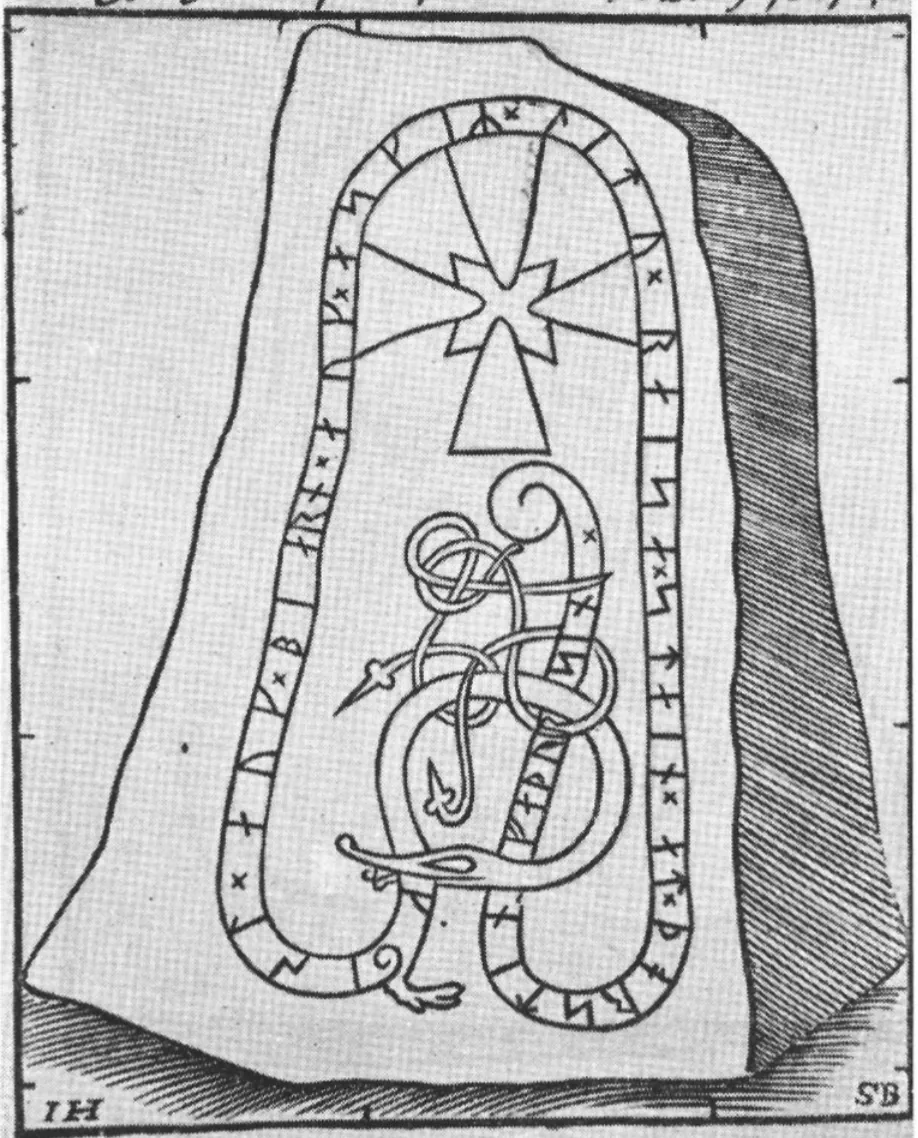
Hammarskogs herrgård
Hammarskogs herrgård is the historic heart of a former Uppland estate and the visitor centre of Hammarskog Nature Reserve, about 15 kilometres south-west of Uppsala. Its 1655 sandstone portal survived a later fire and rebuilding; today the manor connects local farm history with woodland, wetlands an
Kulturkvarteret Walmstedtska
Three historic houses in central Uppsala bring a reconstructed nineteenth-century professor’s home together with contemporary art galleries and literary organizations. Walmstedtska’s story moves from a family-built academic residence to a municipally preserved cultural quarter, where the old domesti
Lennakatten Heritage Railway
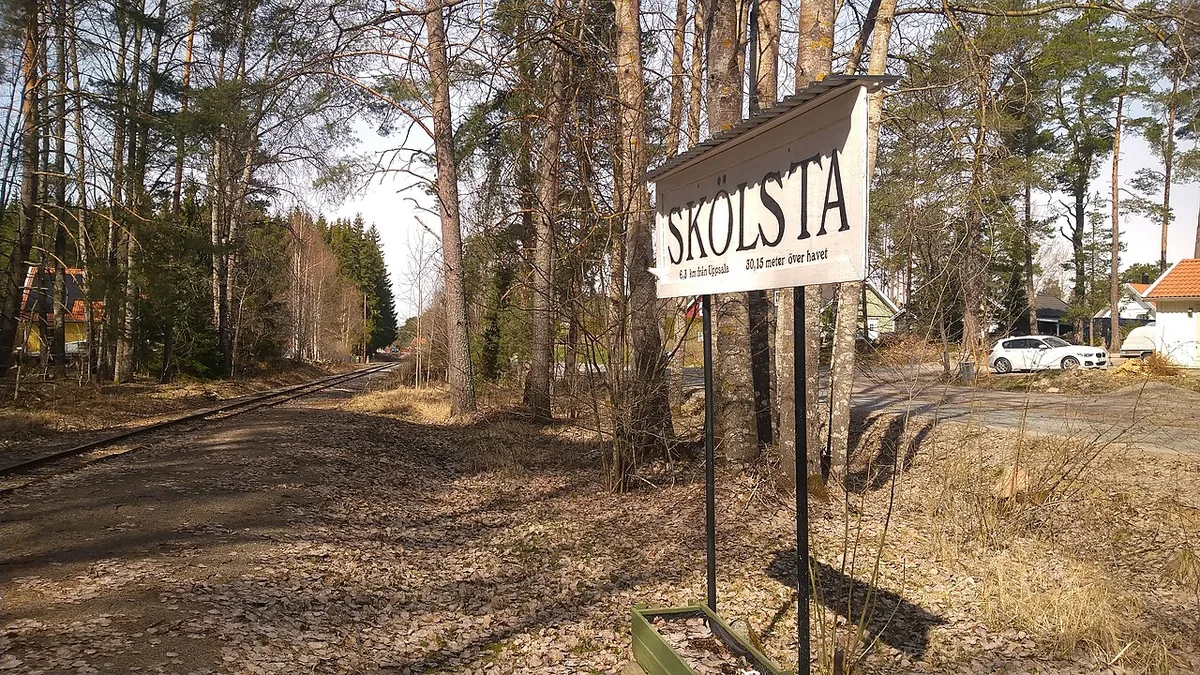
Lennakatten is a 33-kilometre narrow-gauge heritage railway running from Uppsala Östra to Faringe through Uppland. Opened in 1876 to serve Länna’s ironworks, the line now carries historic trains and preserves a working landscape of stations, track and railway craft.
Linnaeus Garden (Linnéträdgården)
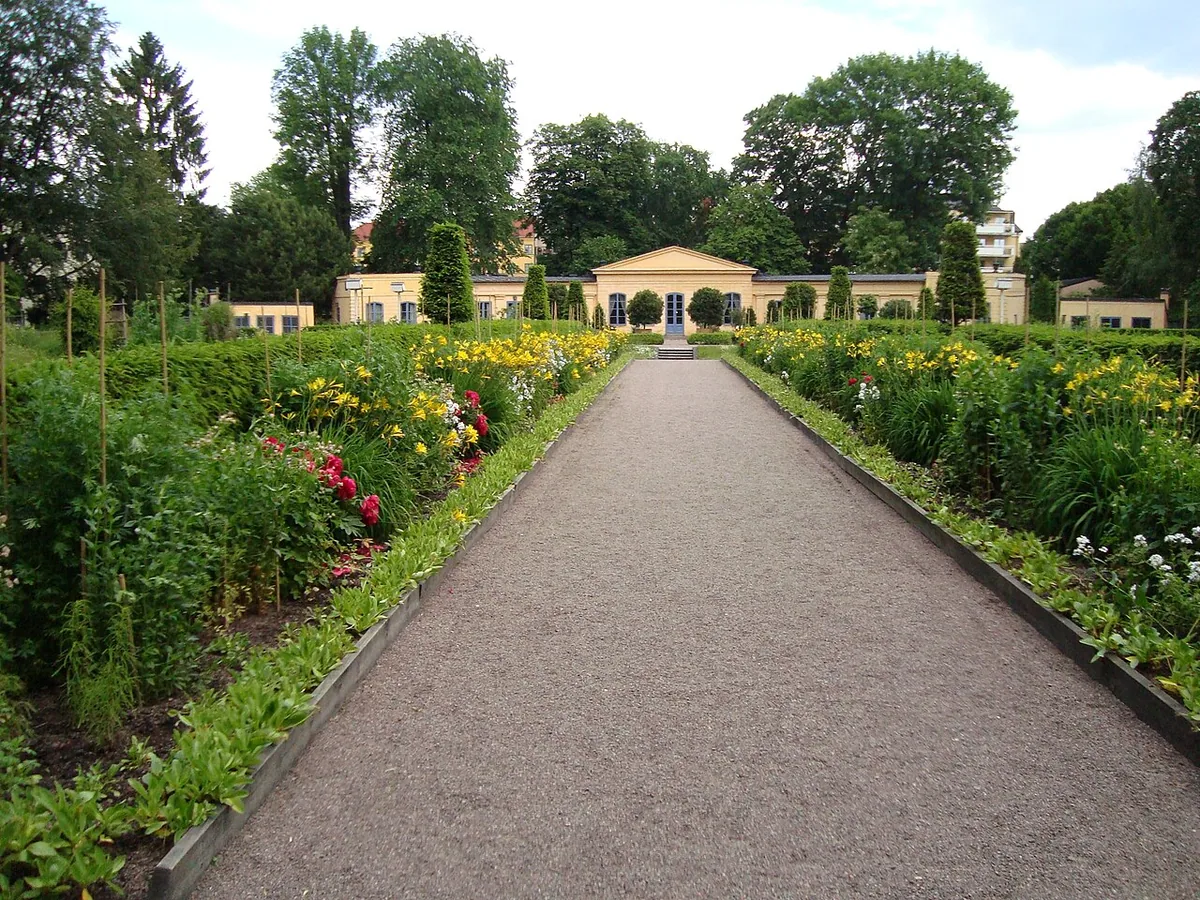
Founded by Olof Rudbeck in 1655 and reshaped by Carl Linnaeus, Sweden’s oldest botanical garden is a reconstructed eighteenth-century teaching garden. Its formal beds, Orangery, and adjacent Linnaeus Museum reveal how plants were collected, classified, and kept through Uppsala’s winters.
Linnaeus' Hammarby (Linnés Hammarby)
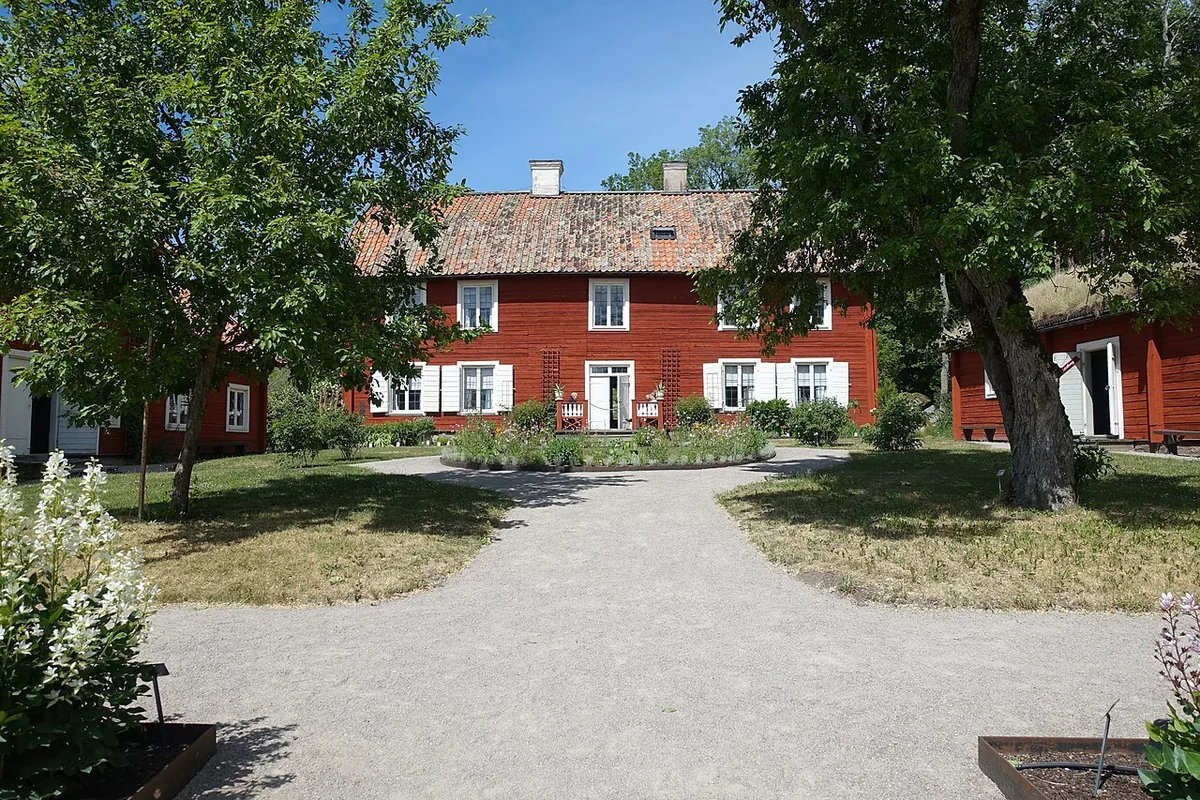
Carl Linnaeus’s rural summer home was also a working farm, experimental garden and safe store for his scientific collections. The manor, hilltop stone museum and surrounding cultural reserve preserve a rare view of eighteenth-century domestic and scientific life.
Museum of Medical History
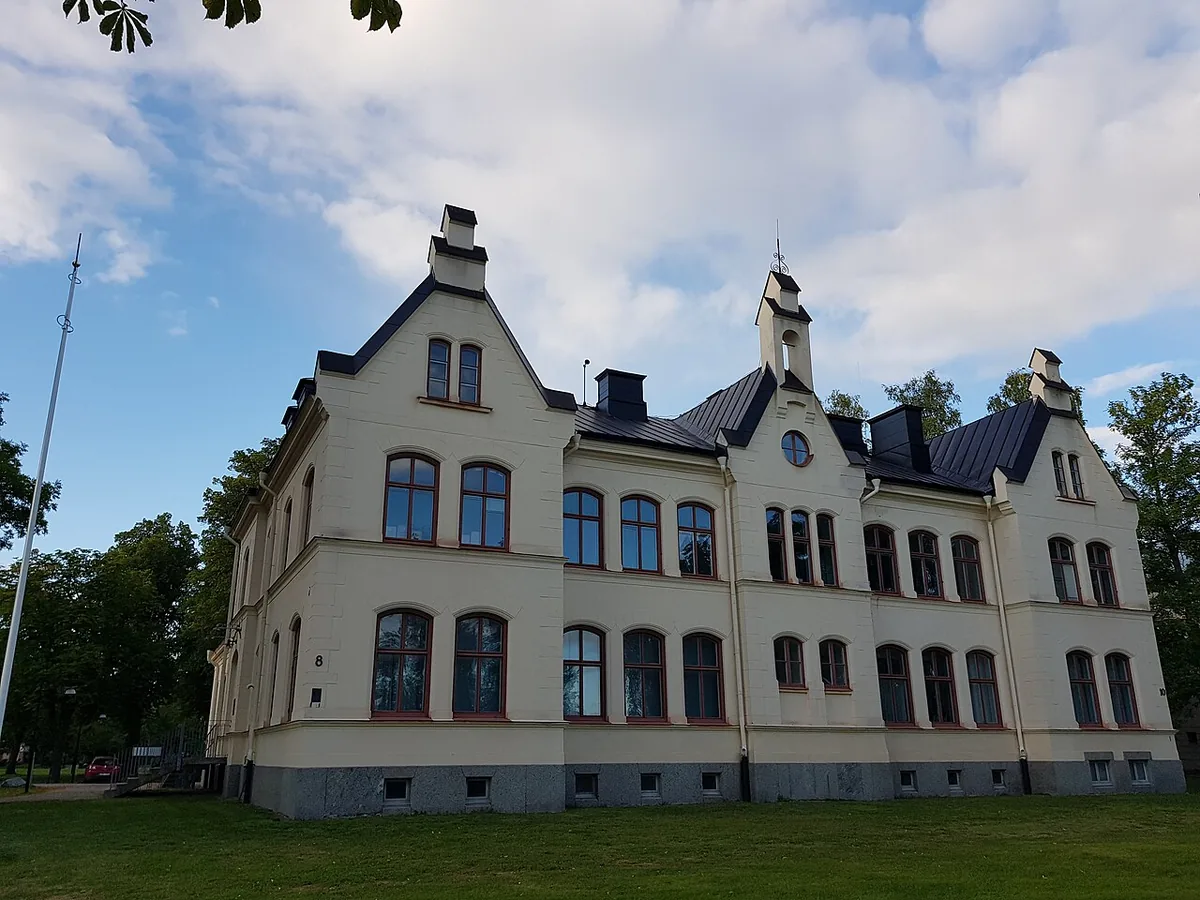
Uppsala’s Museum of Medical History occupies a 1900 administration building at Ulleråker, once one of Sweden’s largest psychiatric hospital sites. Its collections connect medical instruments, pharmacy, folk remedies and the lives of patients and staff at Ulleråker with more than three centuries of l
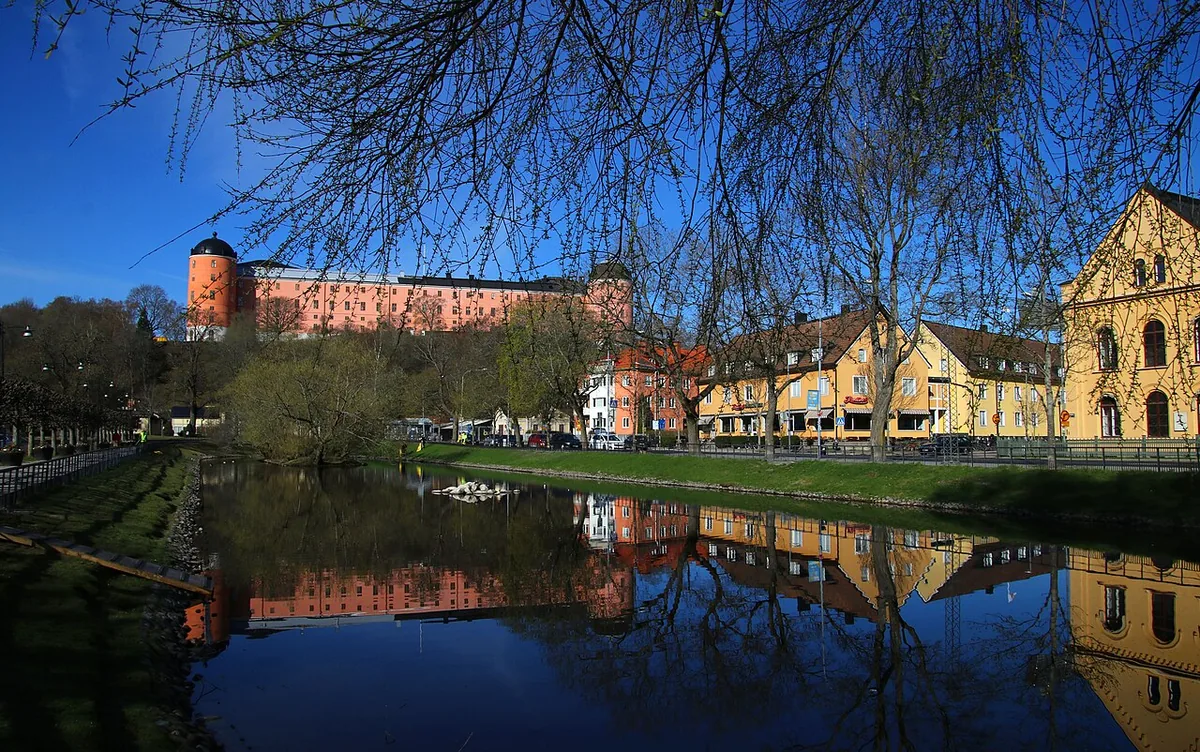
Pumphuset (The Pump House)
Uppsala’s first waterworks operated here from 1875 to 1968. The former pump house preserves turbines, pumps and controls that reveal how groundwater was lifted into the city network; today it is a municipal technology museum and learning space beside Islandsfallet.
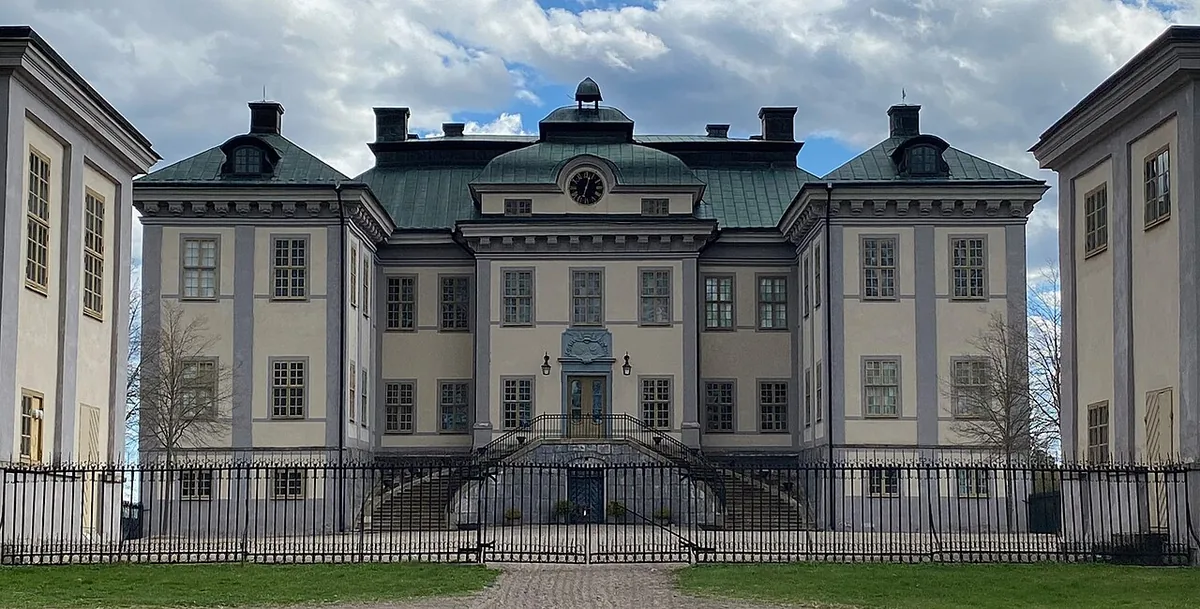
Salsta Castle
About 25 kilometres north of Uppsala, Salsta Castle is a Swedish state heritage site whose surviving rooms preserve layers from the 1600s through the 1900s. Its baroque form, older medieval foundations, estate park and archival traces reveal how a powerful Uppland household lived and worked.
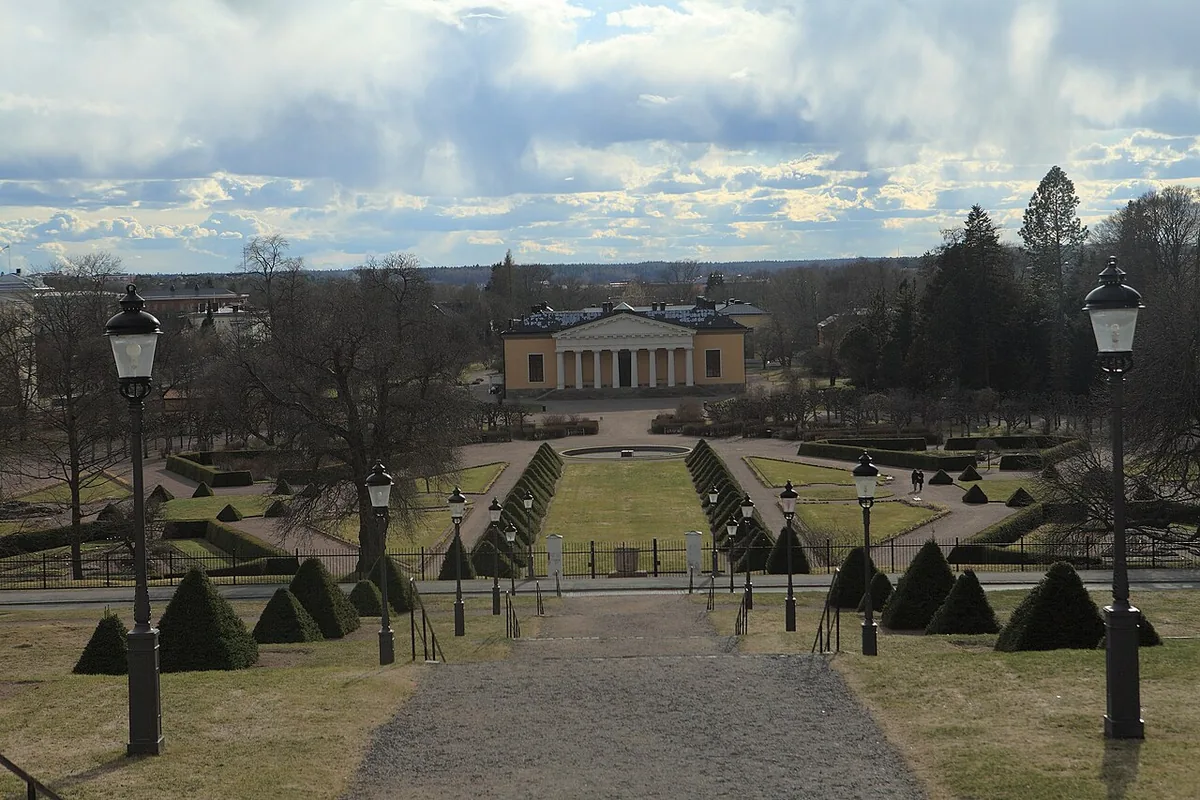
Tropical Greenhouse
Uppsala University’s Tropical Greenhouse brings rainforest, water-lily, orchid and succulent habitats under glass. Built in the 1930s and renewed after a closure threat in 2004, its climate rooms make the care of a living global plant collection visible.
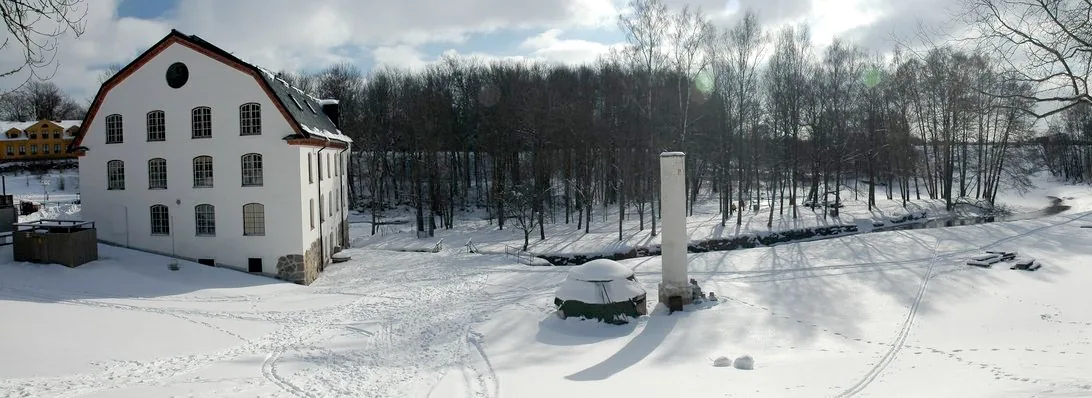
Ulva Kvarn
At a former crossing of the Fyris River, Ulva Kvarn grew from a medieval mill into a complex of water-powered industries. Its 1750s mill, millrace and falls now anchor a riverside recreation area and craft village north of Uppsala.
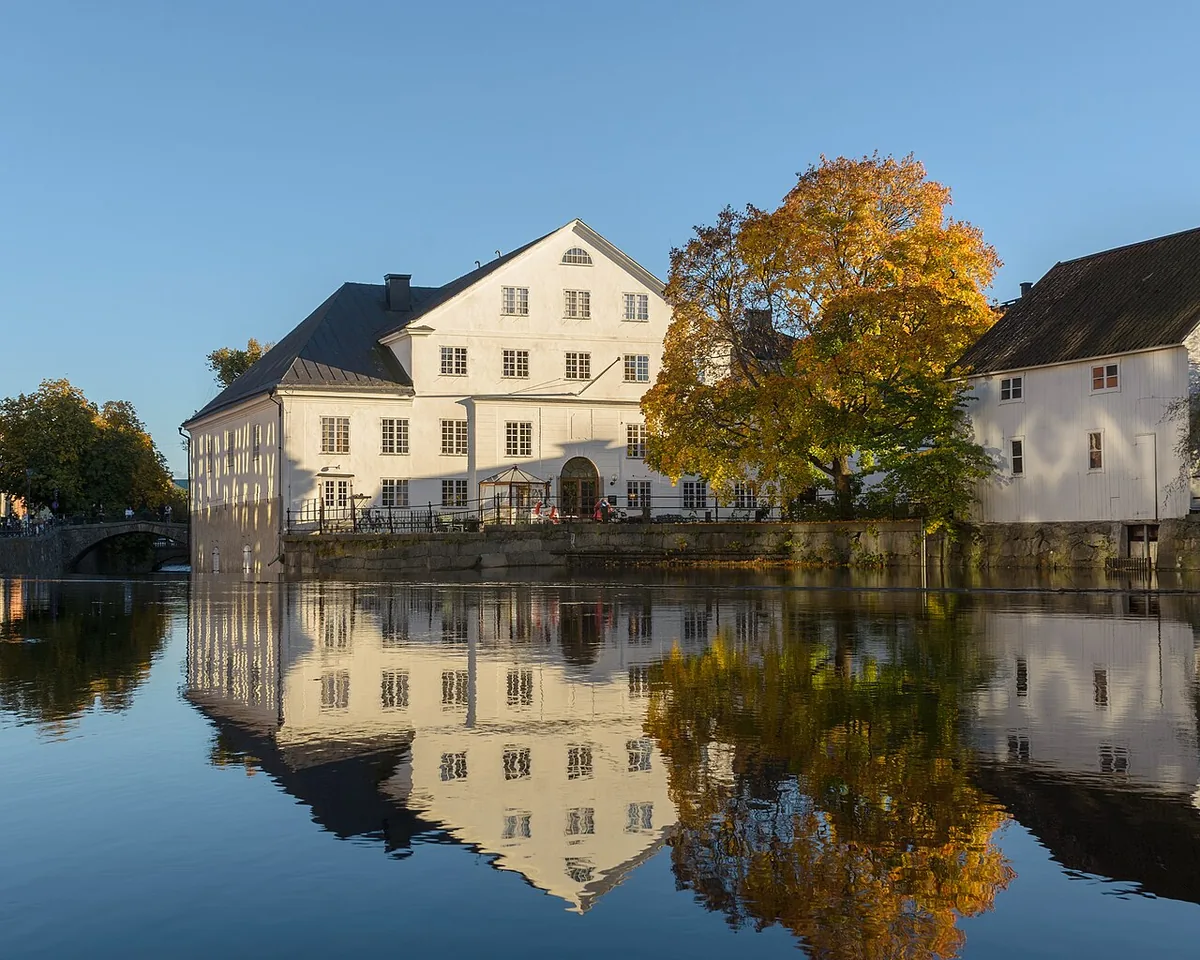
Upplandsmuseet
Upplandsmuseet tells the story of Uppsala and Uppland from its home in Akademikvarnen, a former watermill on the Fyris River. The mill’s own history—from medieval grain production and university monopoly to a 1959 museum opening—makes the building part of the collection.
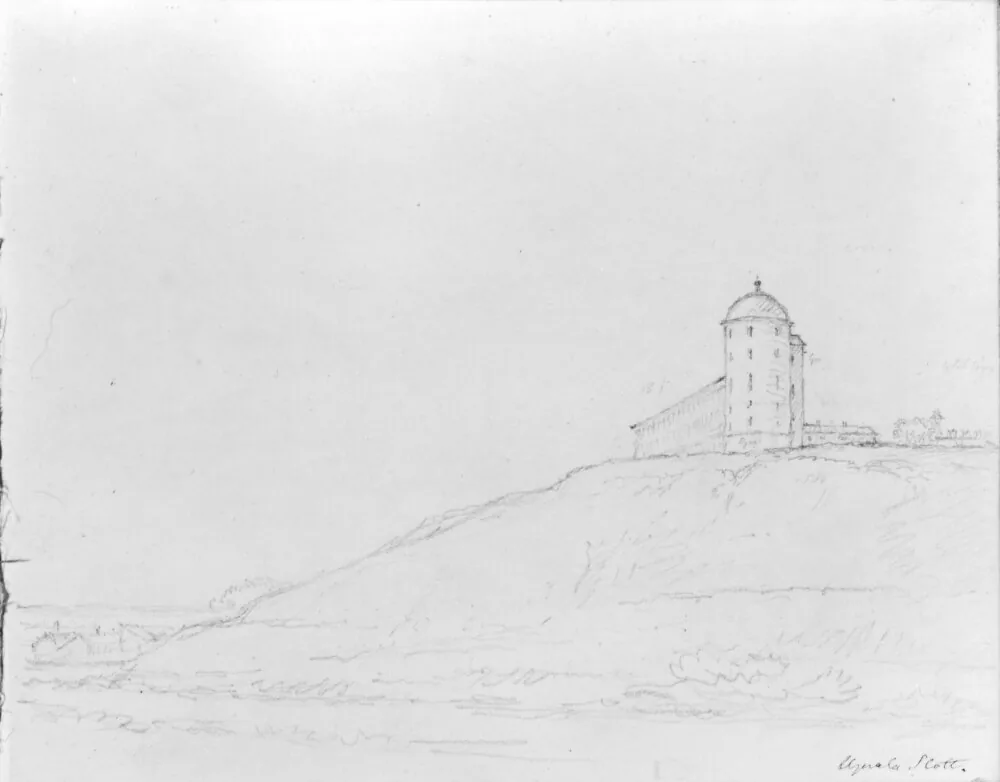
Uppsala Castle
Uppsala Castle began as Gustav Vasa’s 1549 fortress and became a Renaissance palace, royal stage, governor’s residence and civic landmark. Its bastions, Gunilla’s Bell and rebuilt State Hall preserve traces of military power, Queen Christina’s abdication, the 1702 fire and later public protest.
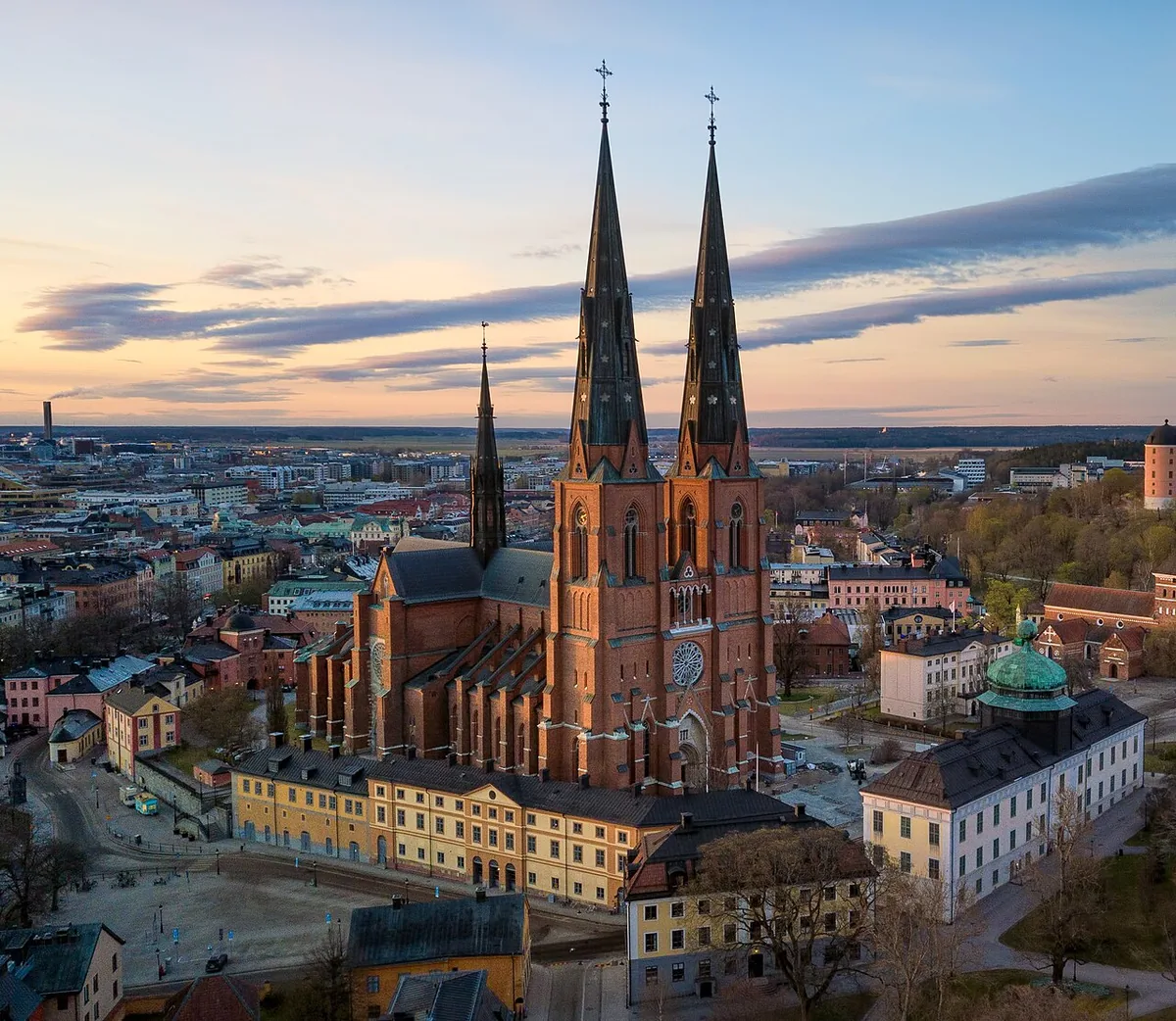
Uppsala Cathedral
Built over more than 160 years and reshaped by fire, reform and restoration, Uppsala Cathedral remains Sweden’s national church landmark and the seat of its archbishop. Inside, medieval relics, royal tombs and a 19th-century Gothic revival meet in a living place of worship.
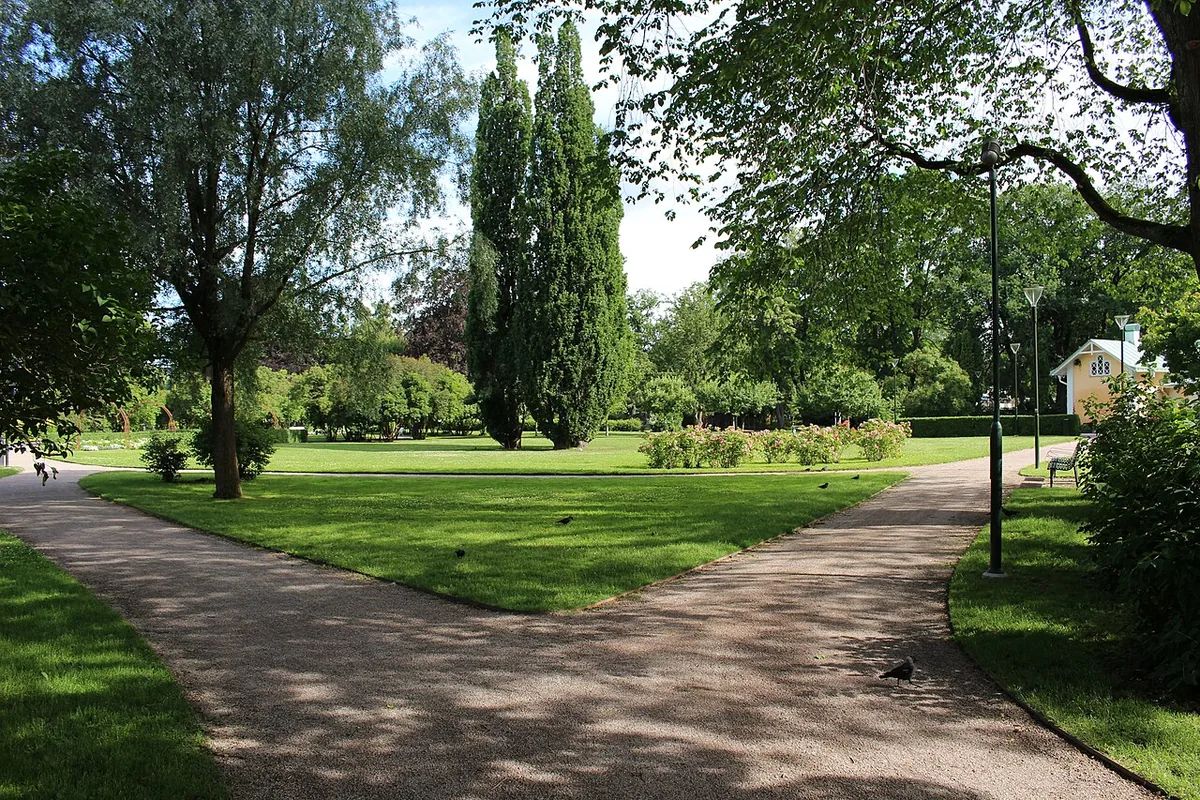
Uppsala City Garden (Stadsträdgården)
Uppsala’s central city park grew from a nineteenth-century riverside promenade and garden plots on former crown land. Today its flower beds, old river walk, public art, dance pavilion and open-air stage make Stadsträdgården a place for both quiet visits and city-wide gatherings.