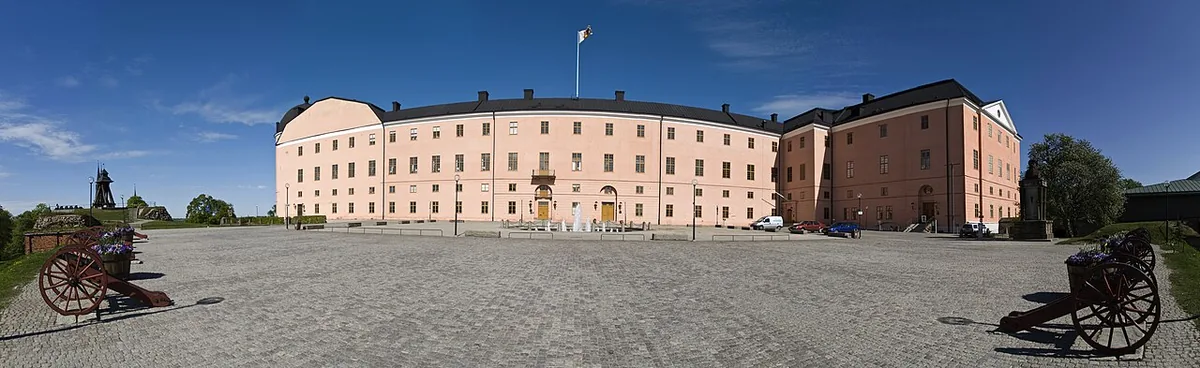
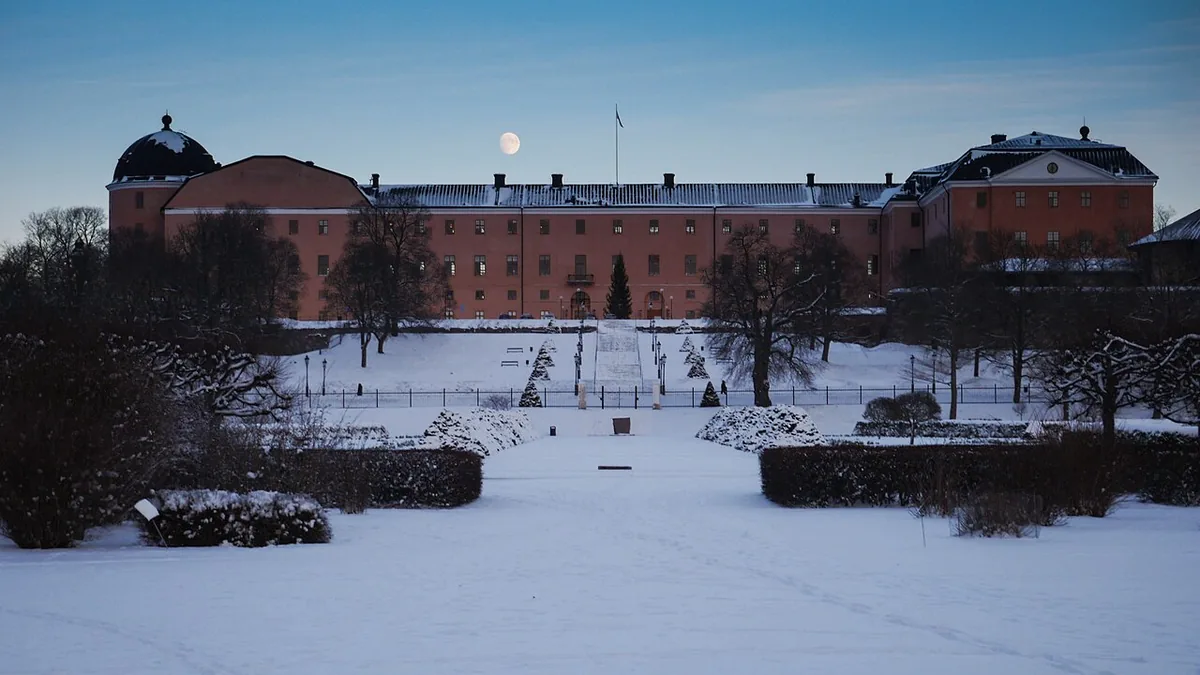
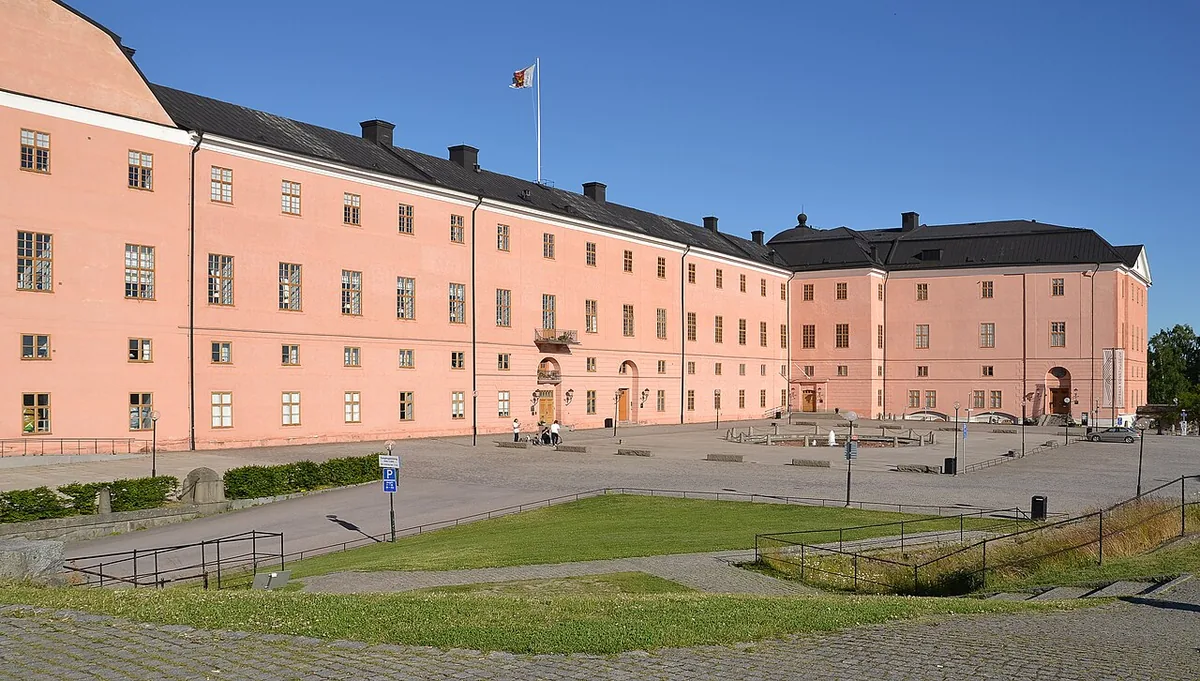
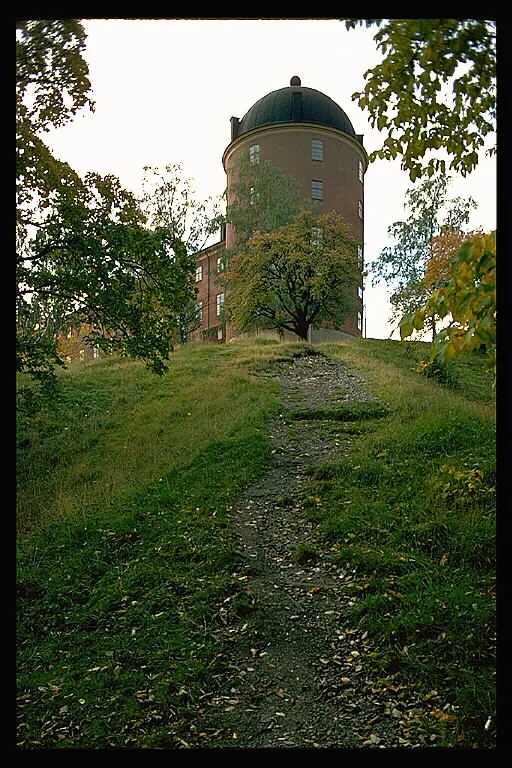
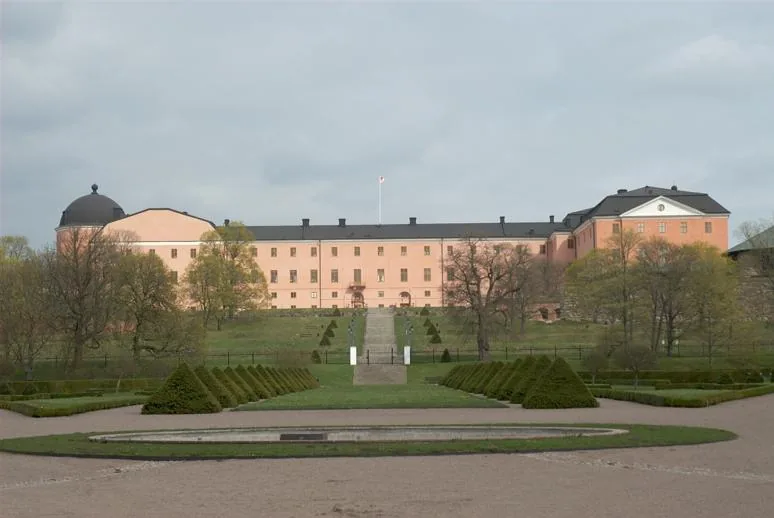
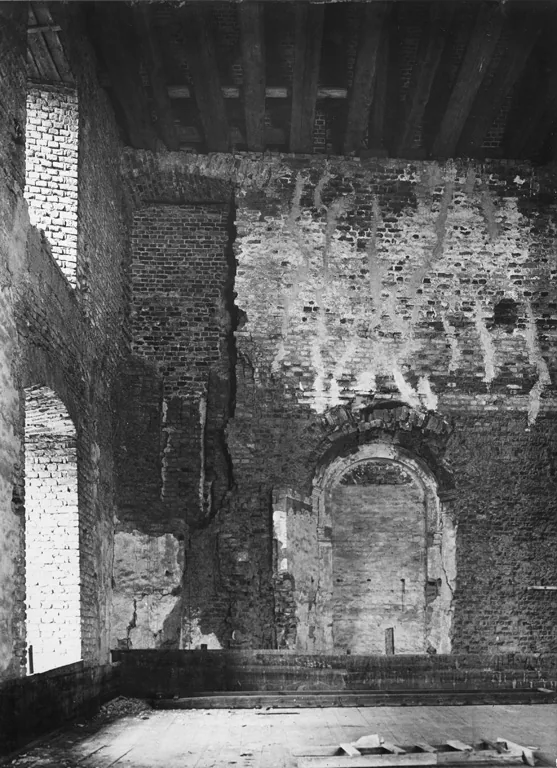
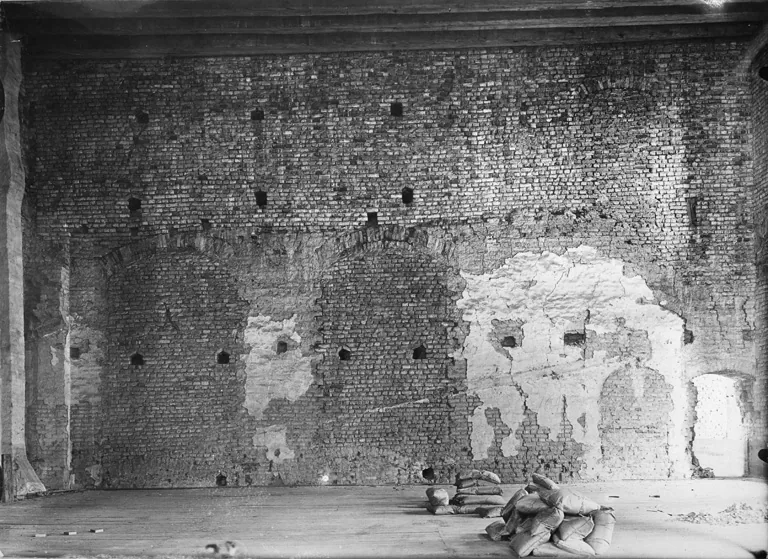
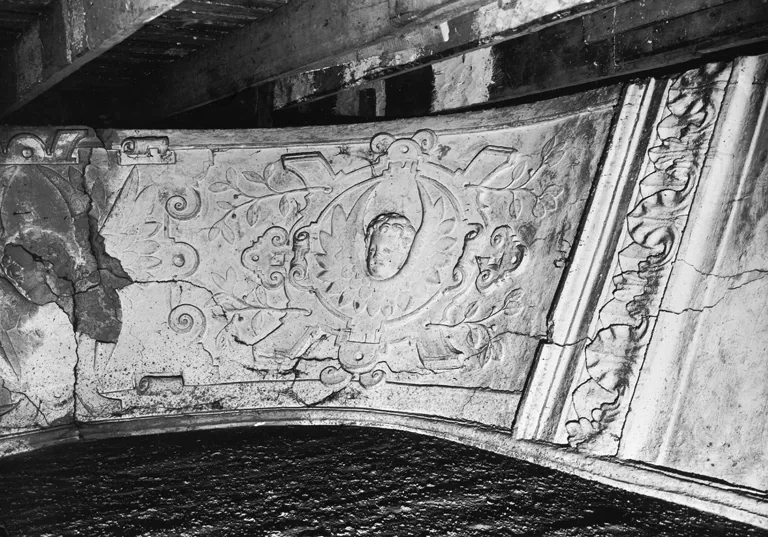
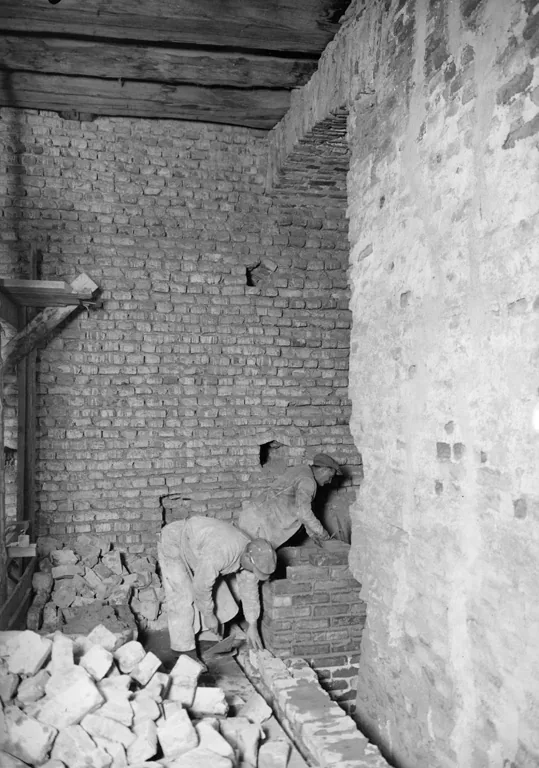
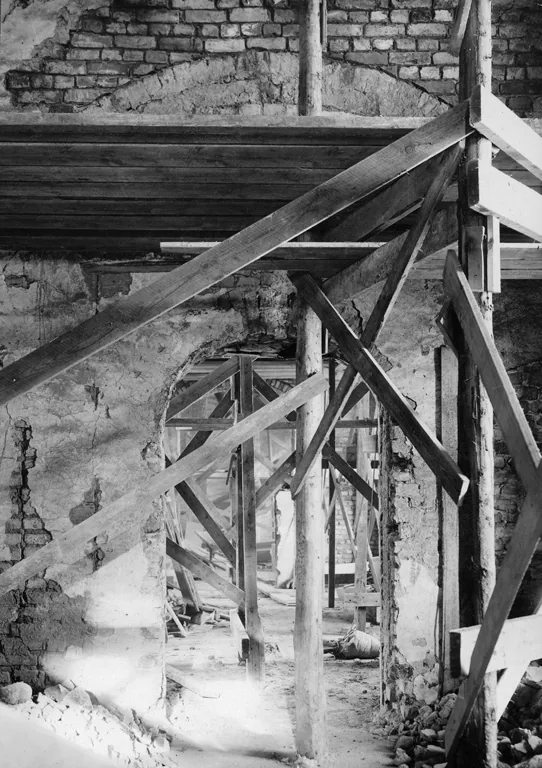
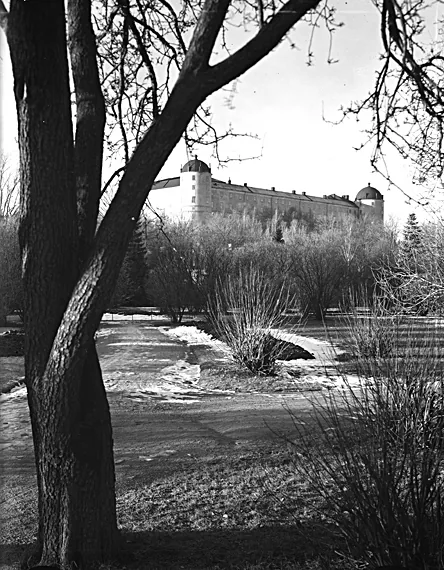
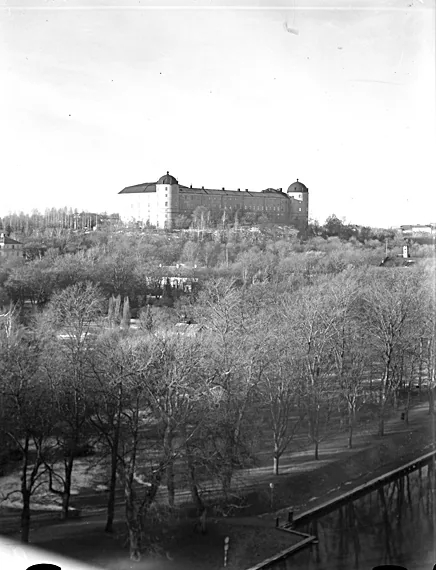
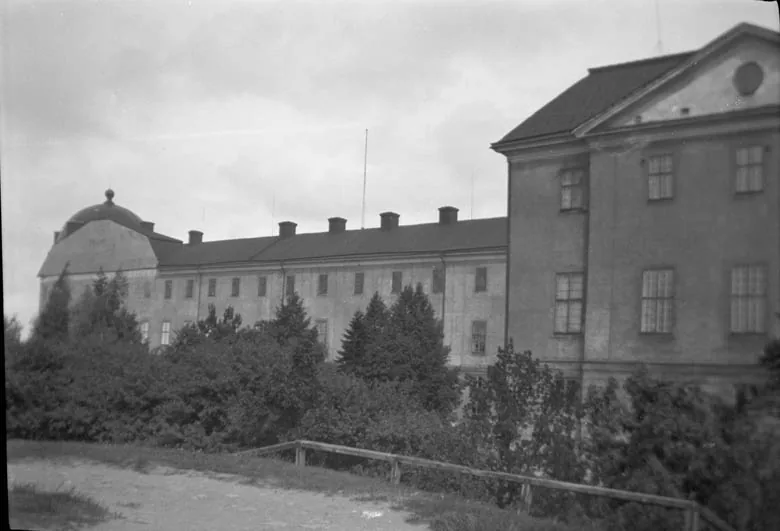
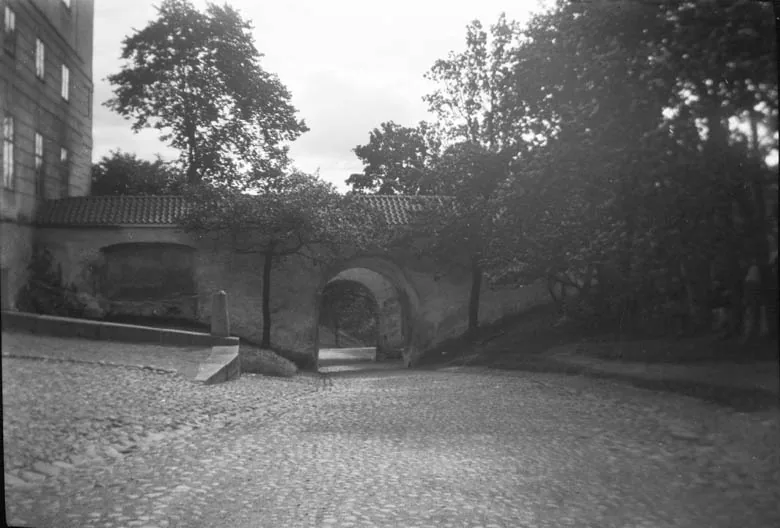
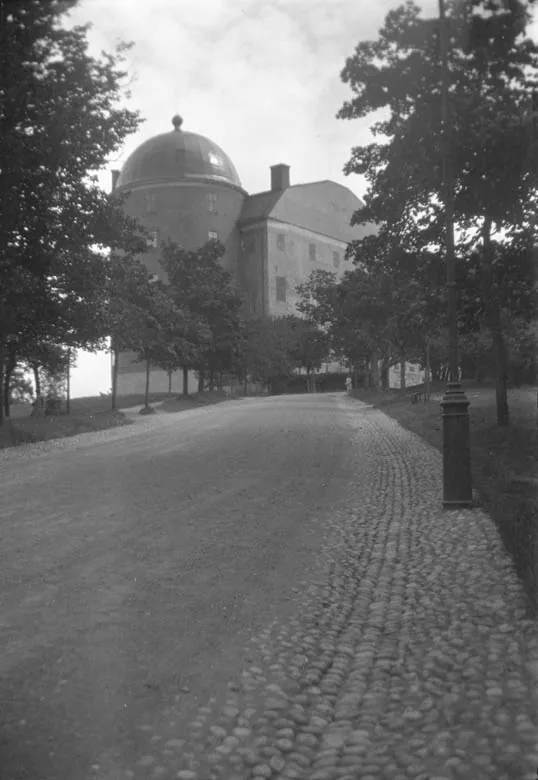
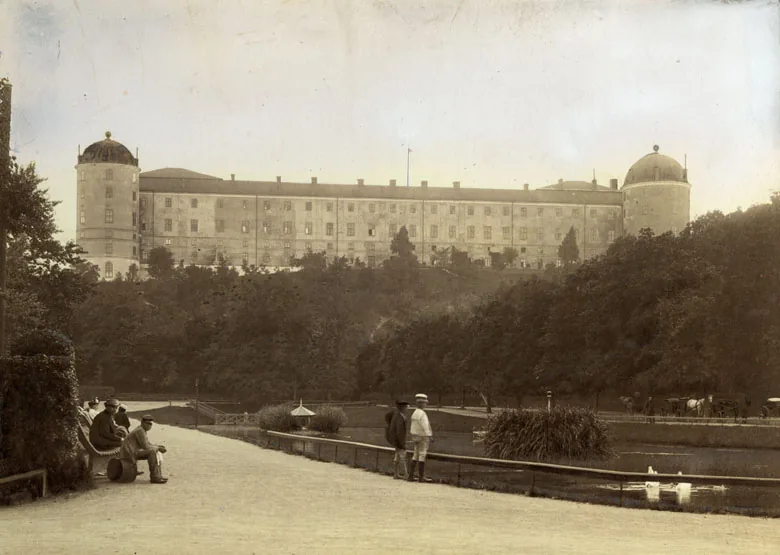
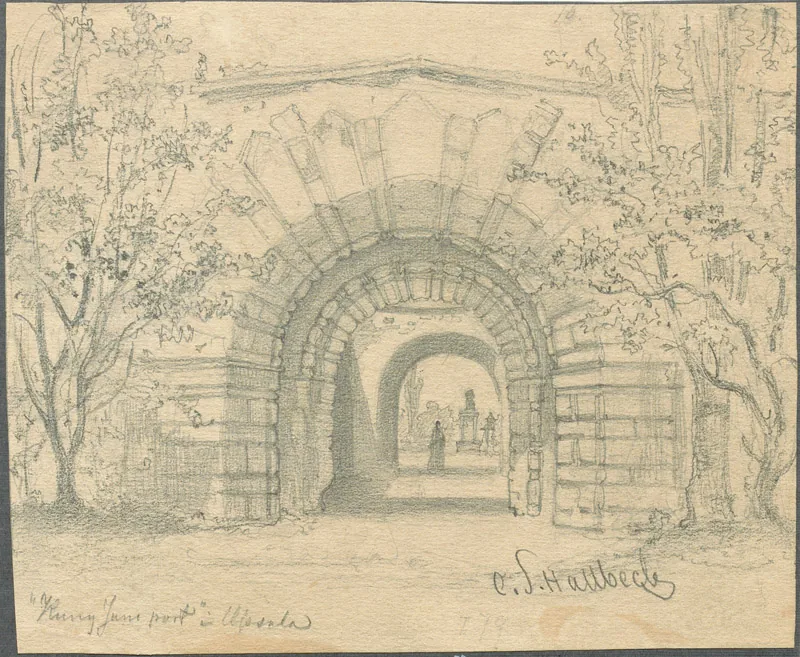
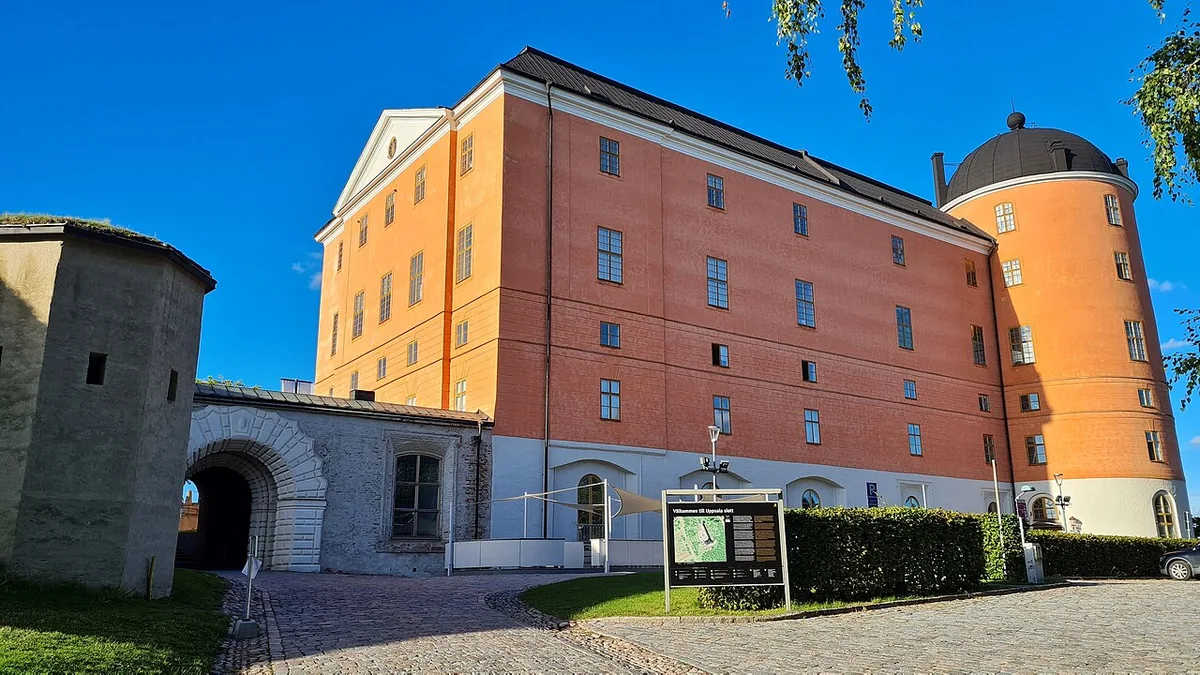
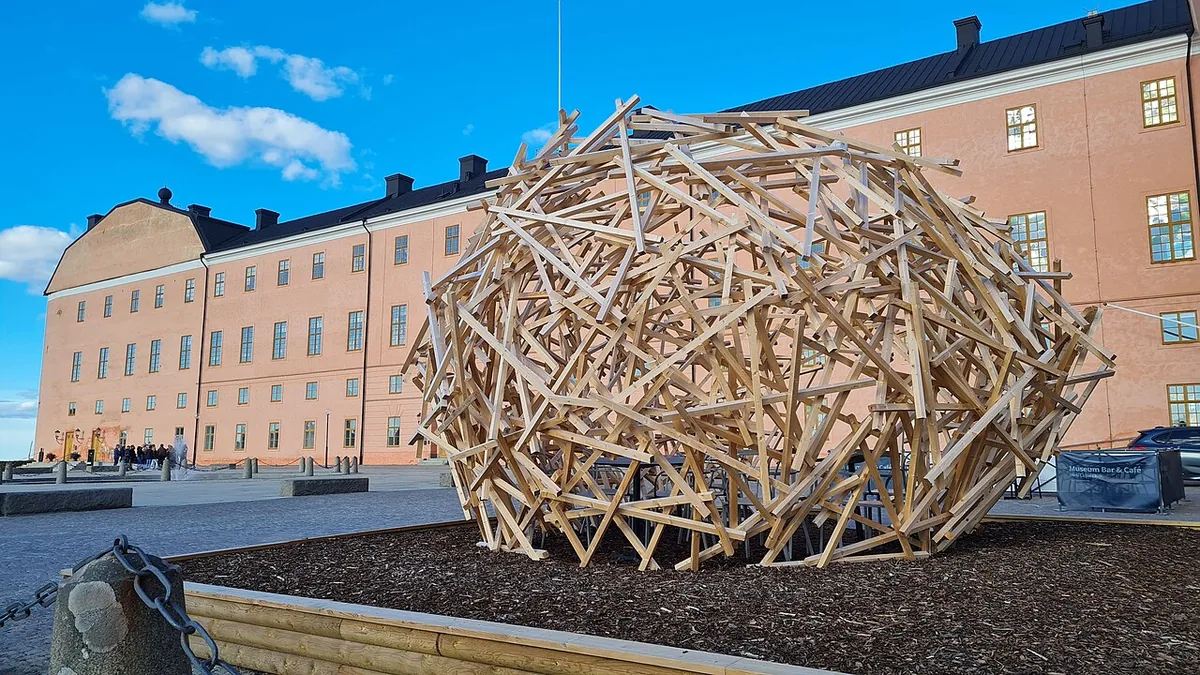
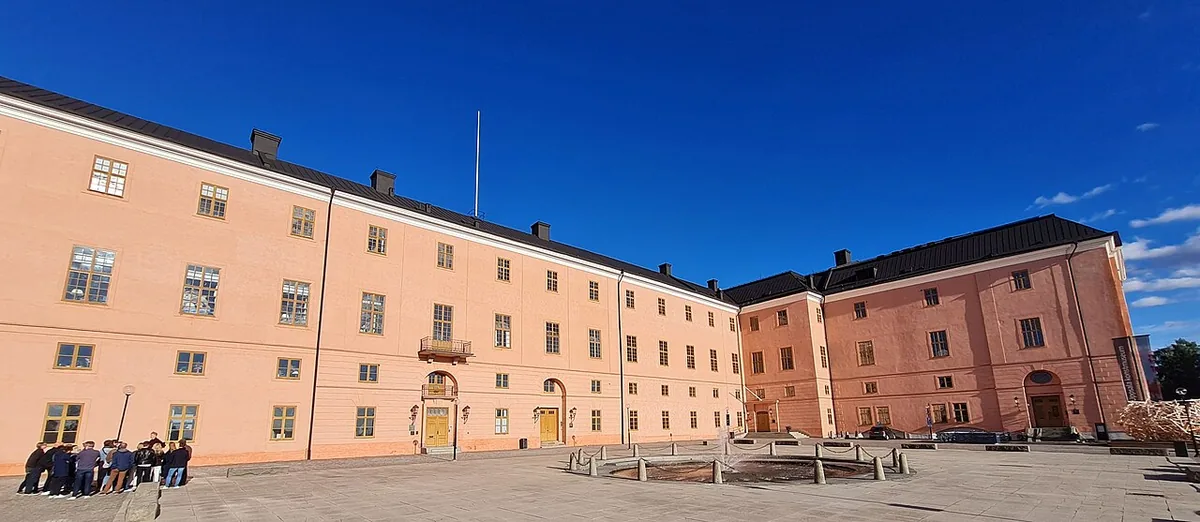
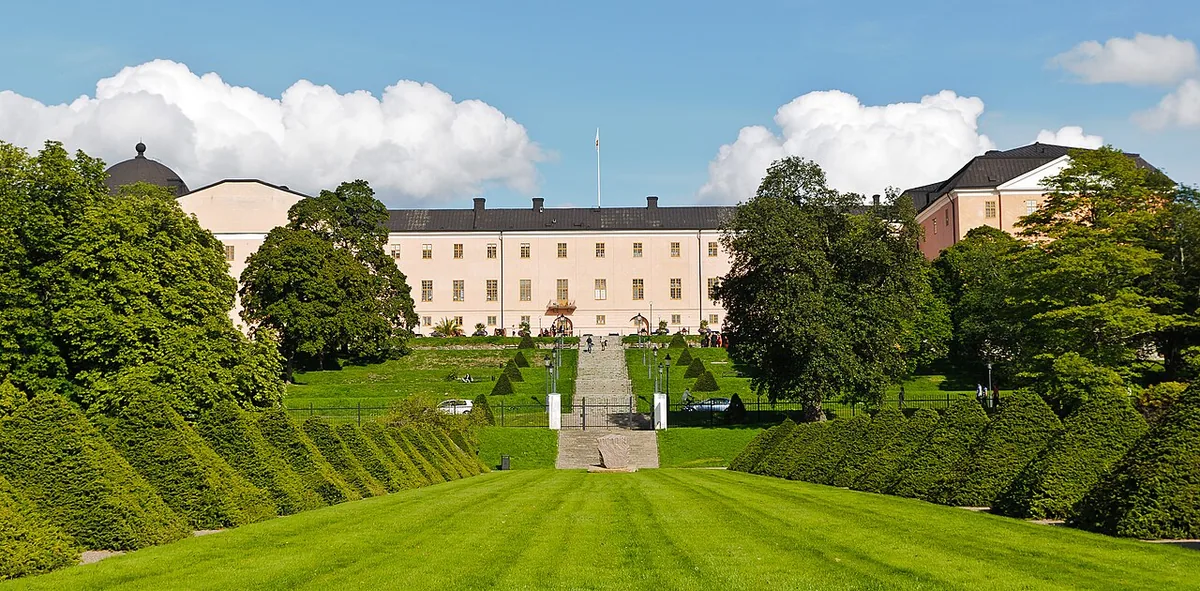
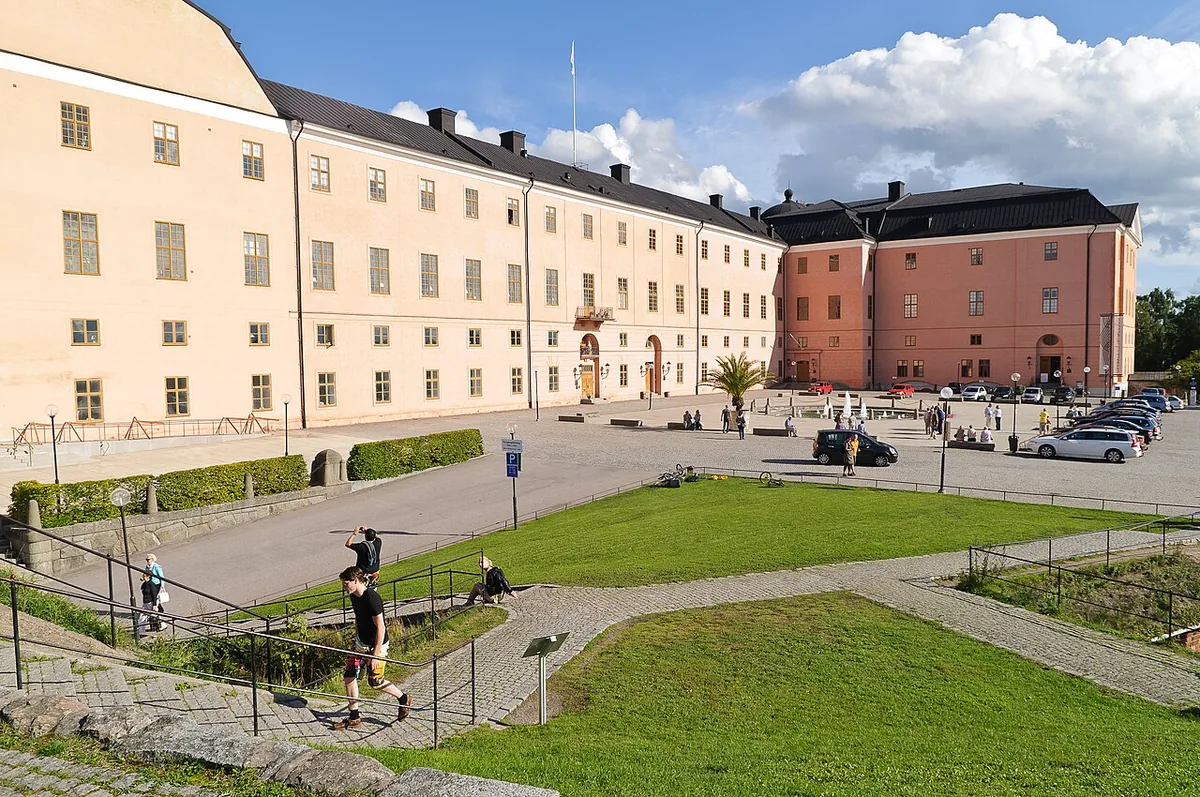
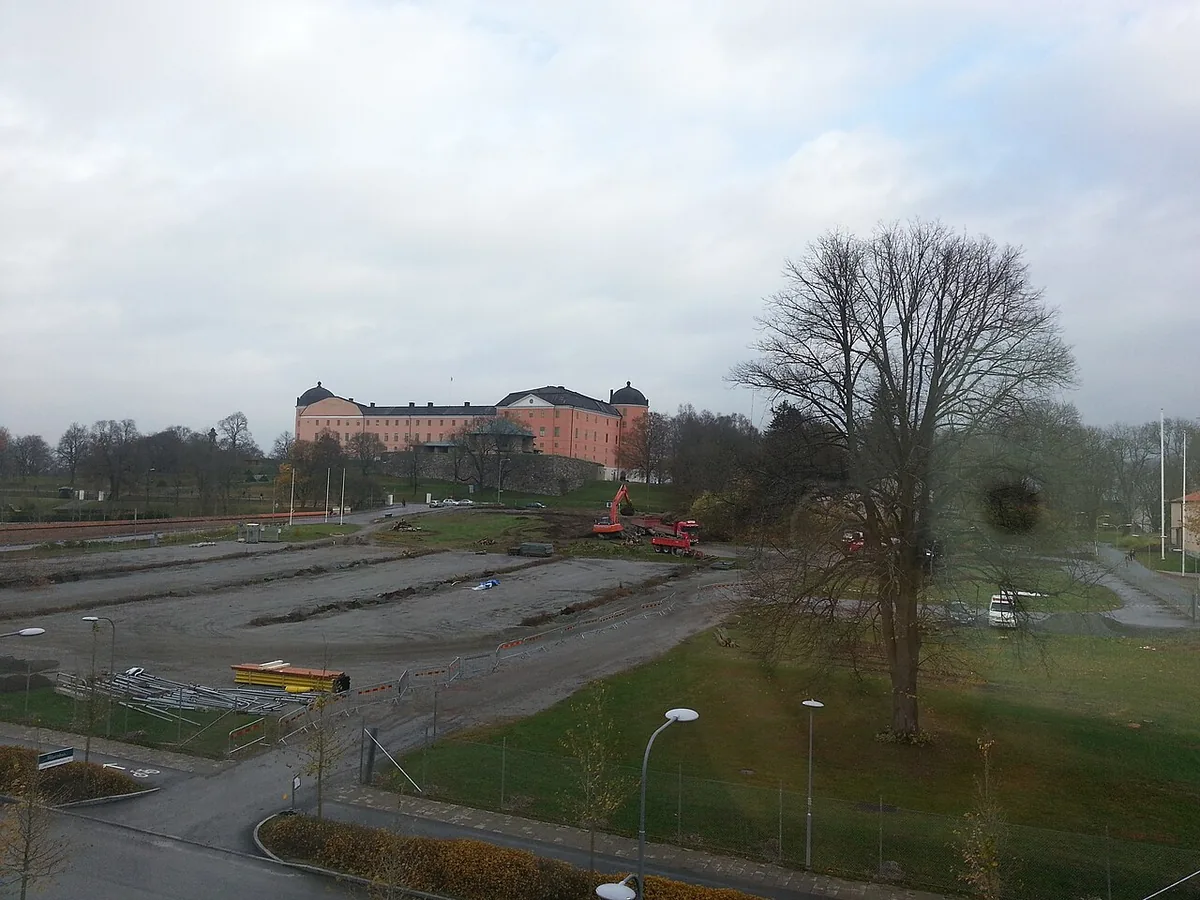

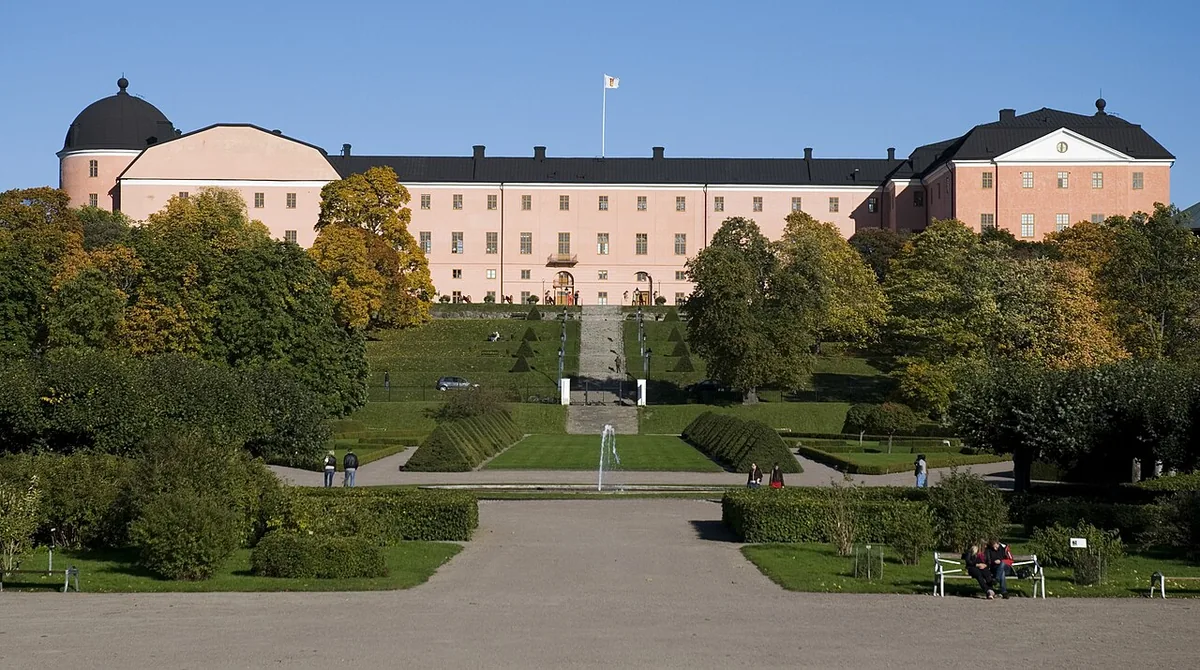
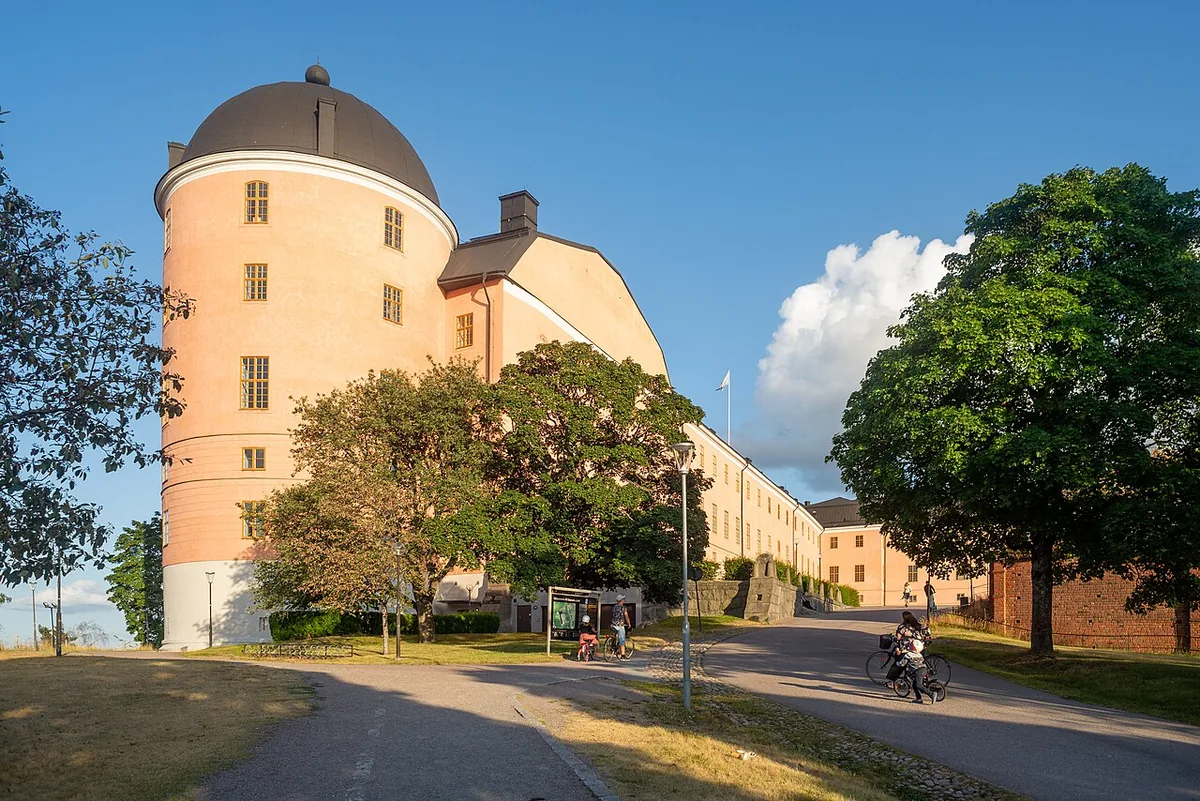
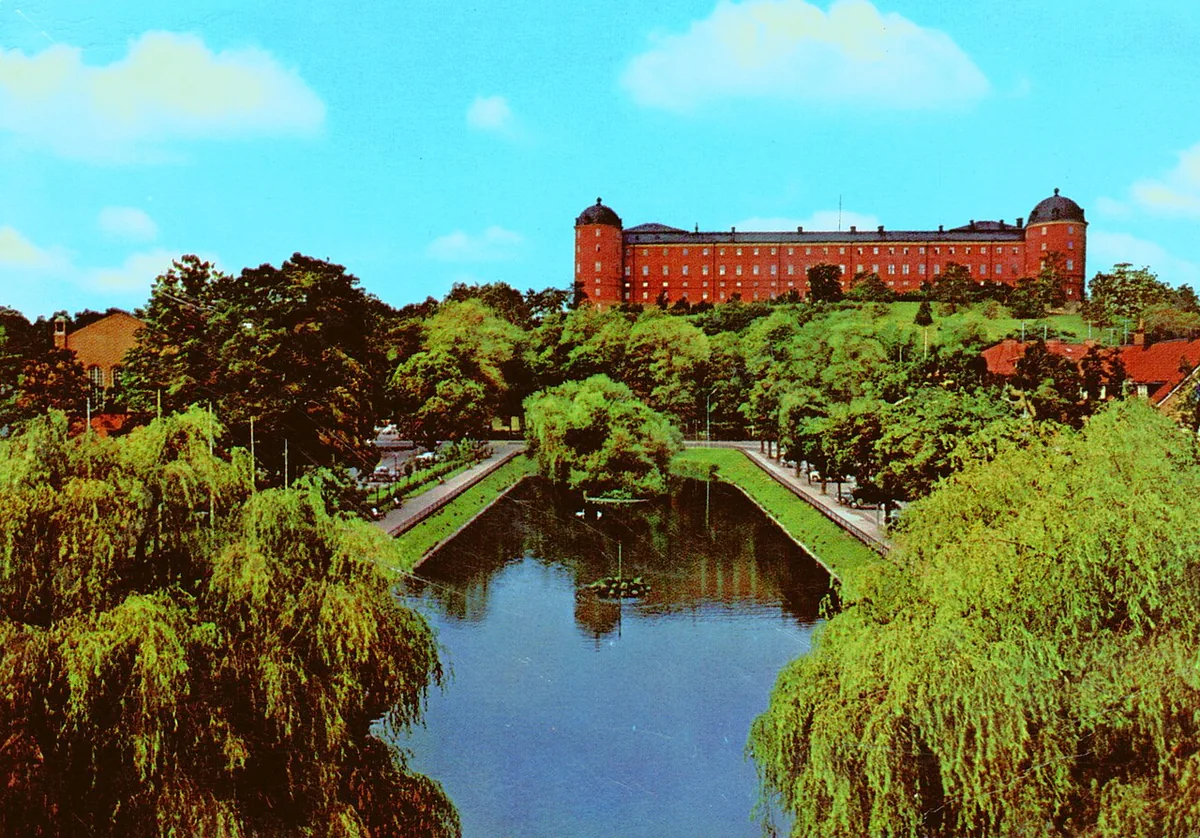
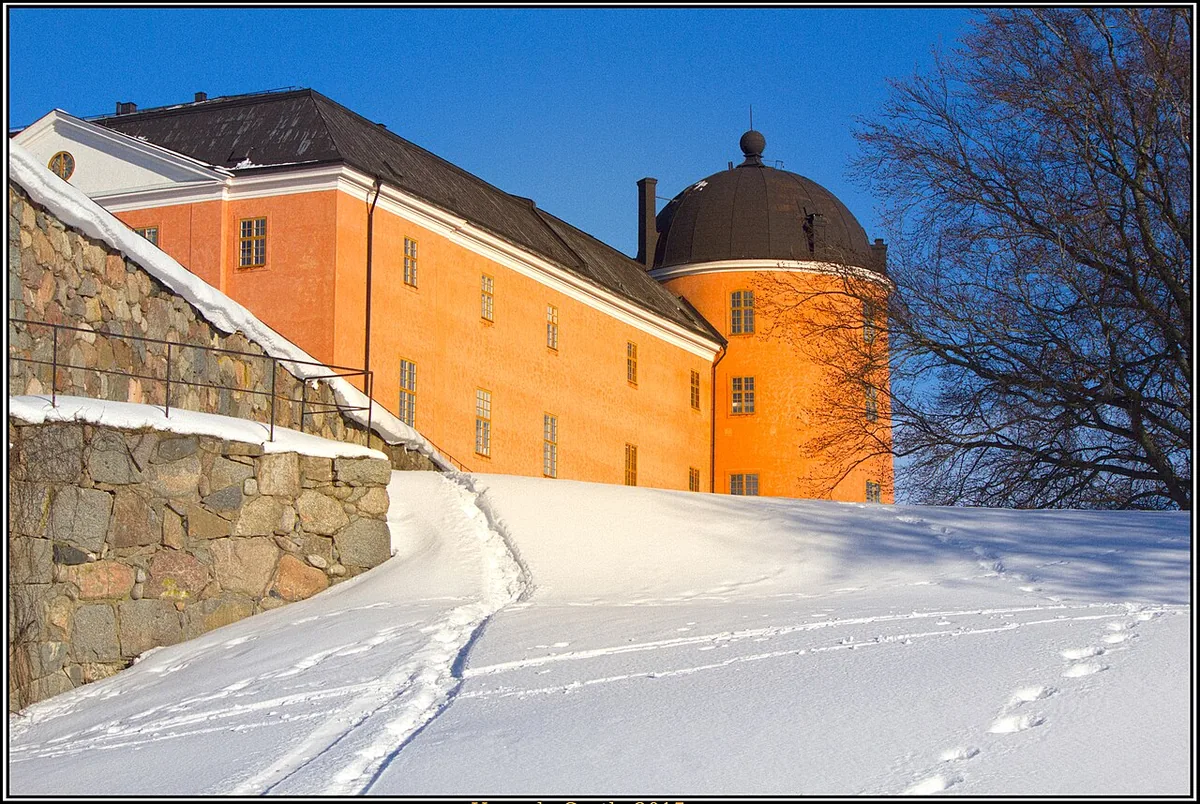
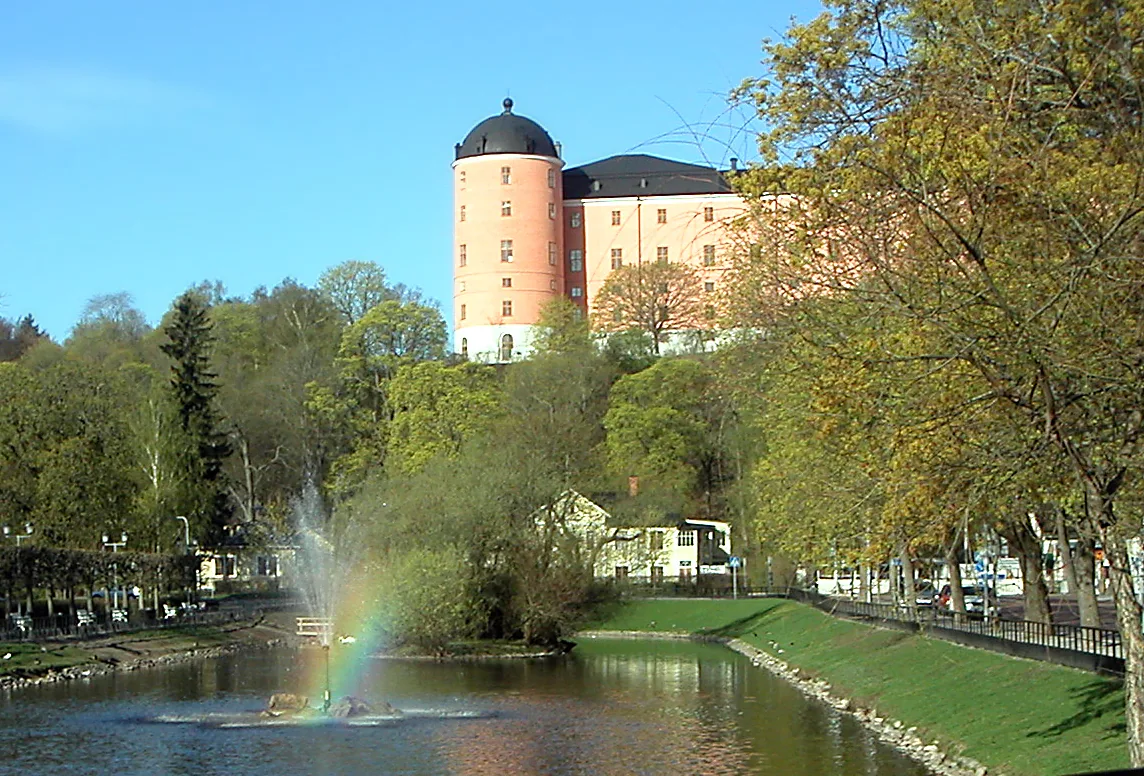
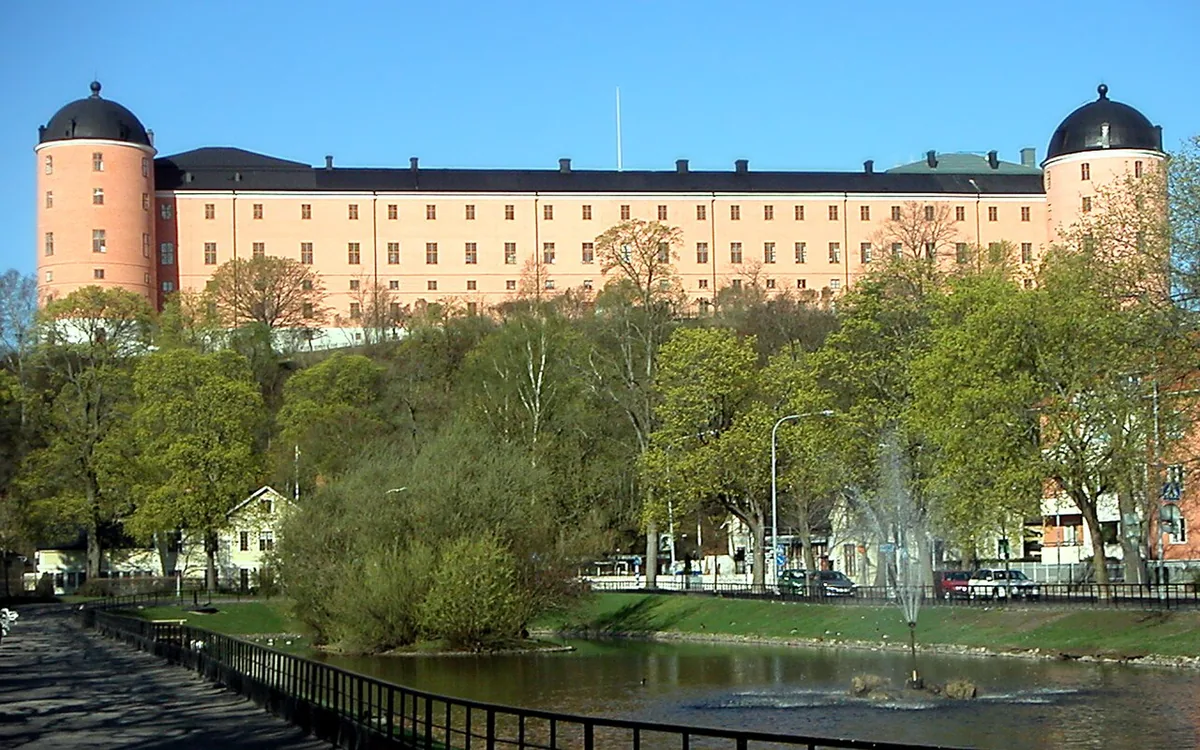
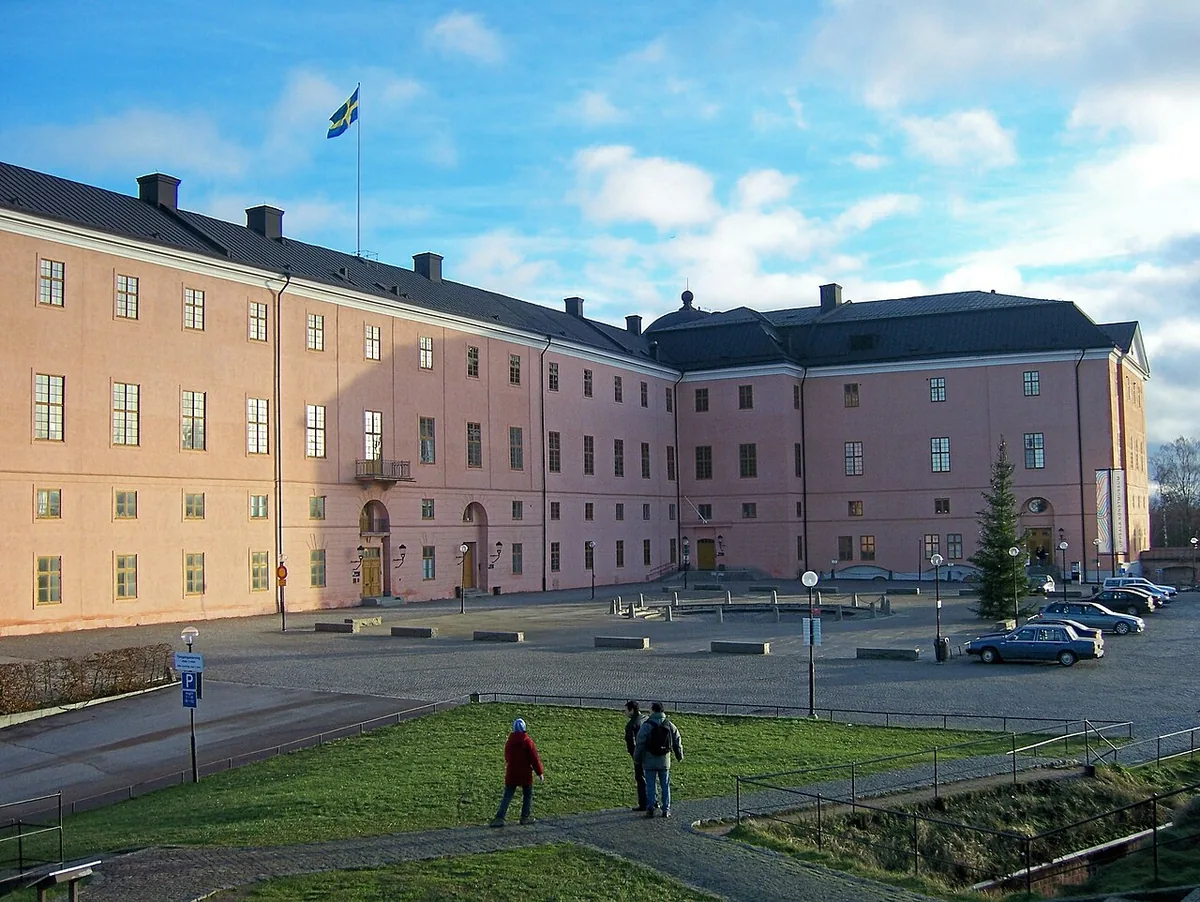
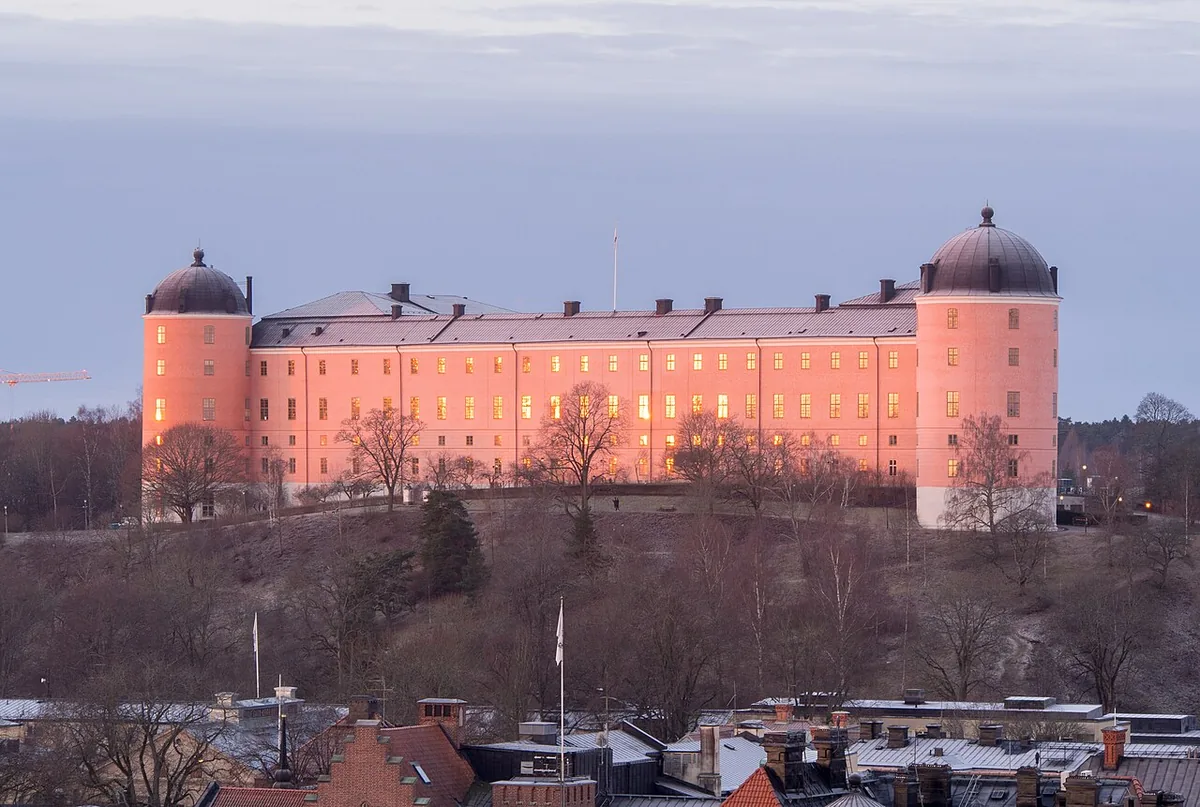
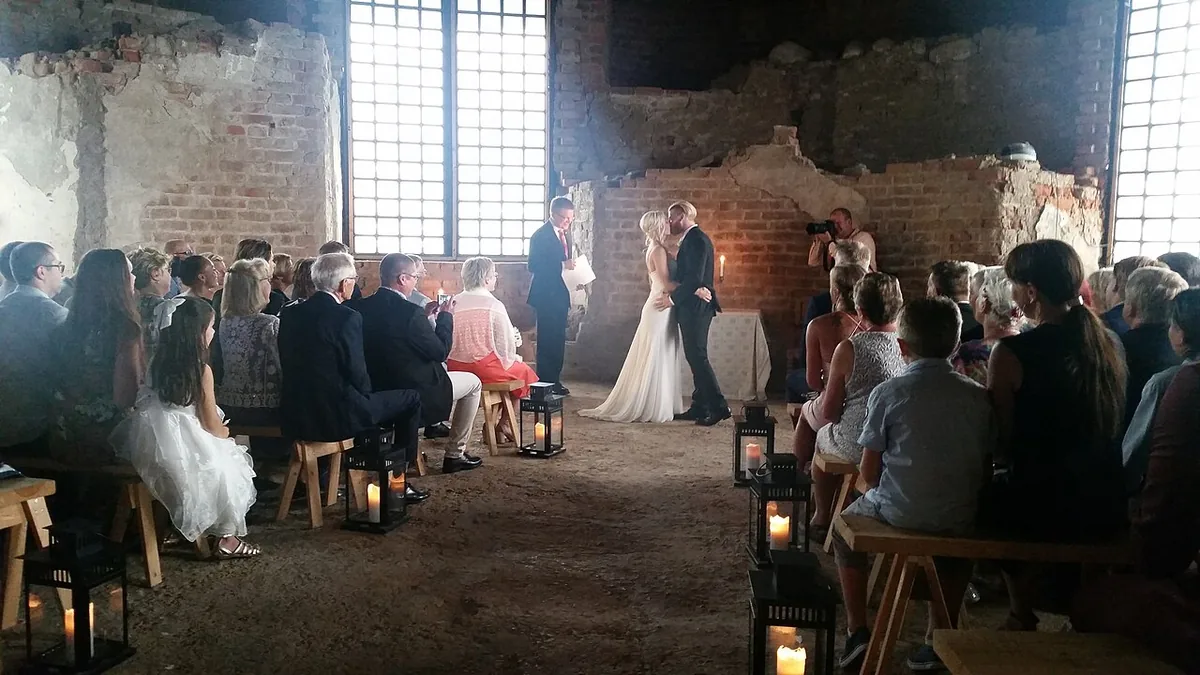
Uppsala Castle began as Gustav Vasa’s 1549 fortress and became a Renaissance palace, royal stage, governor’s residence and civic landmark. Its bastions, Gunilla’s Bell and rebuilt State Hall preserve traces of military power, Queen Christina’s abdication, the 1702 fire and later public protest.
Quick facts
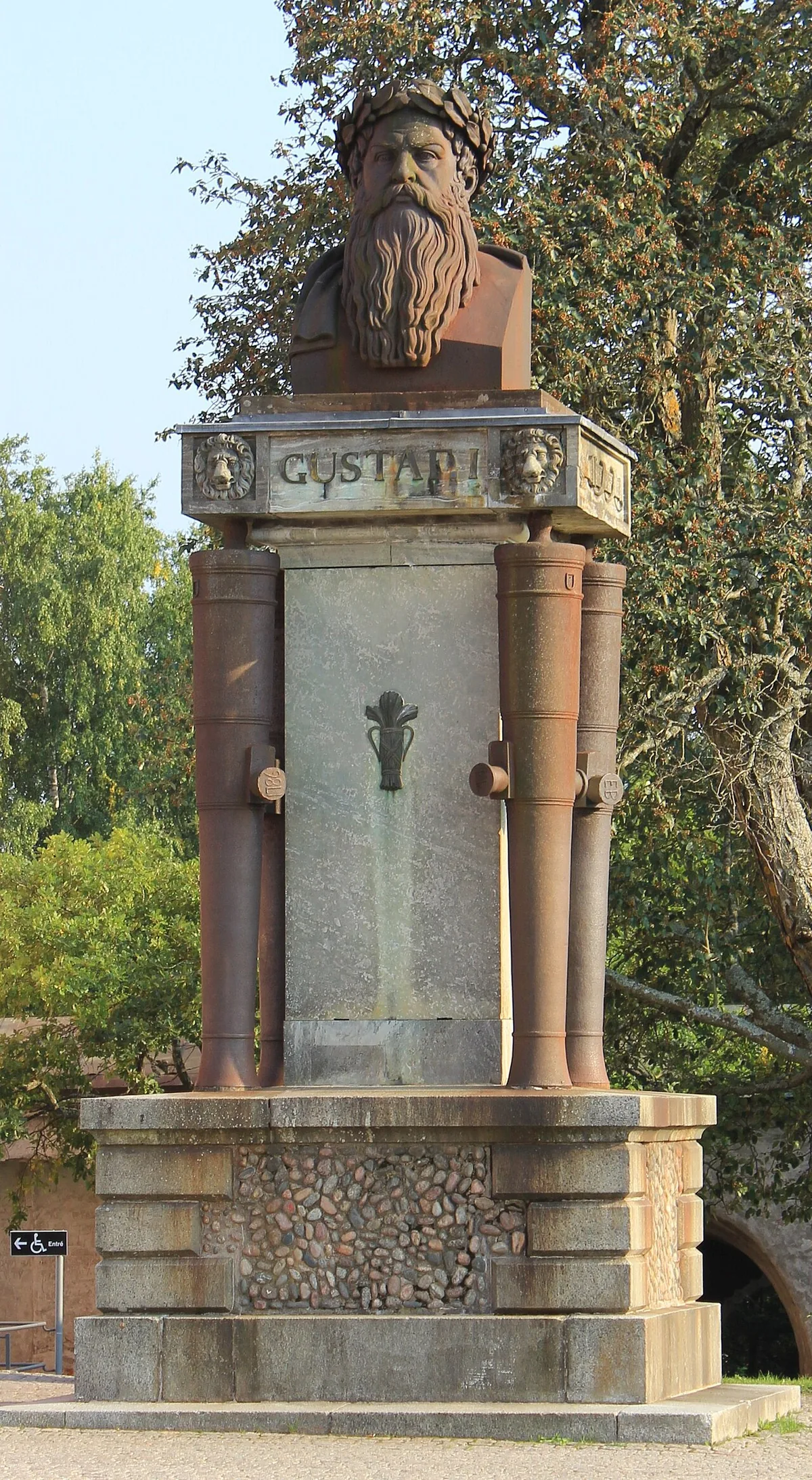
Gustav Vasa ordered Uppsala Castle’s construction in 1549 as a fortress using Italian-style bastion defenses.
Queen Christina abdicated the Swedish throne in the castle’s State Hall on 6 June 1654.
After the 1702 city fire, architect Carl Hårleman led a rebuilding completed in 1766.
Get directions to Uppsala Castle. Confirm the visitor entrance and current access with the venue before travelling.
Audio guide
Listen to this place’s guide.
Guide
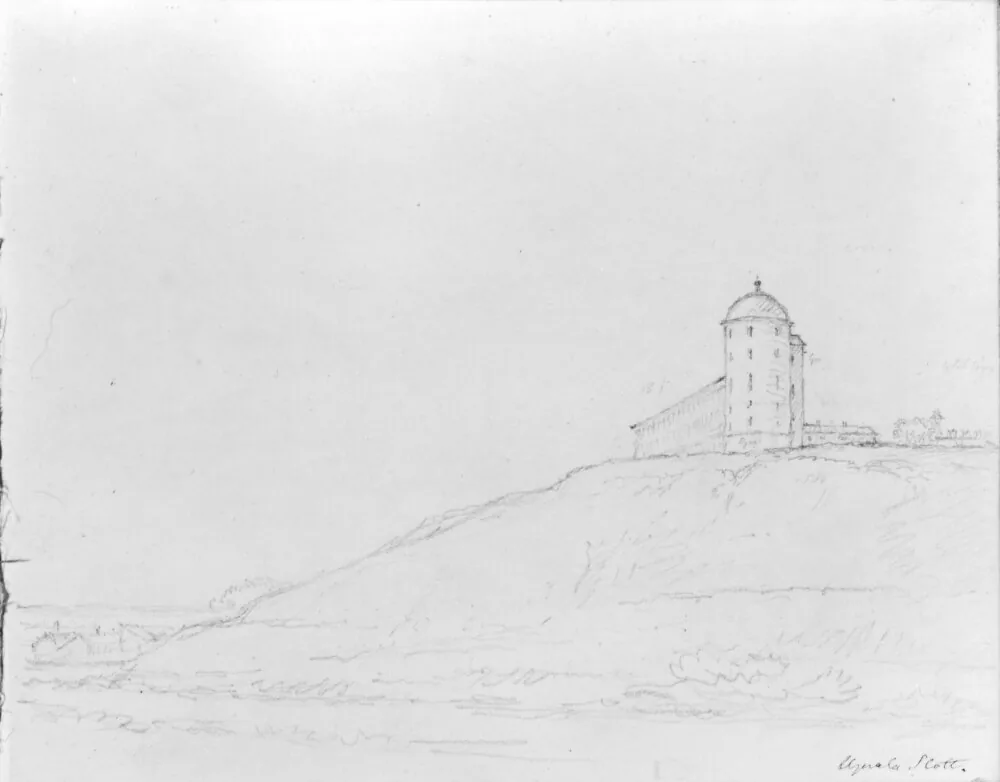
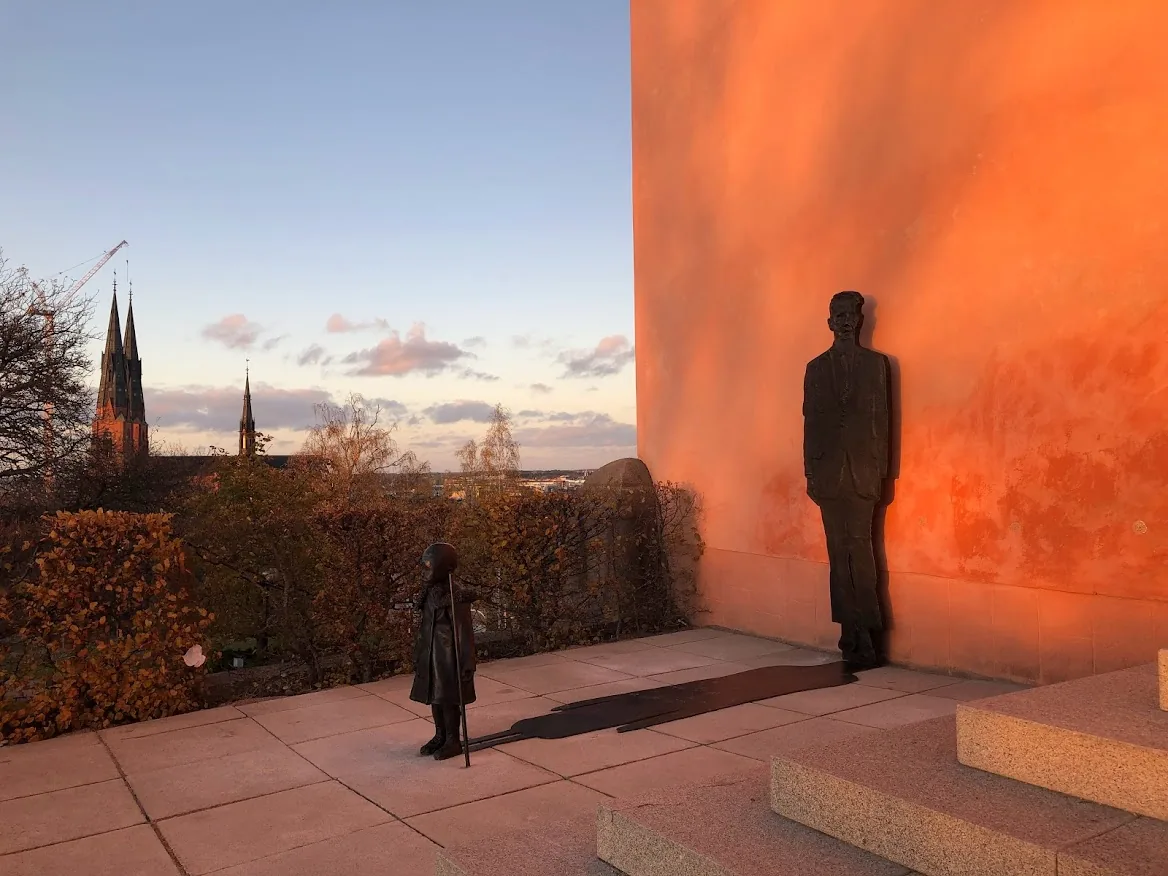
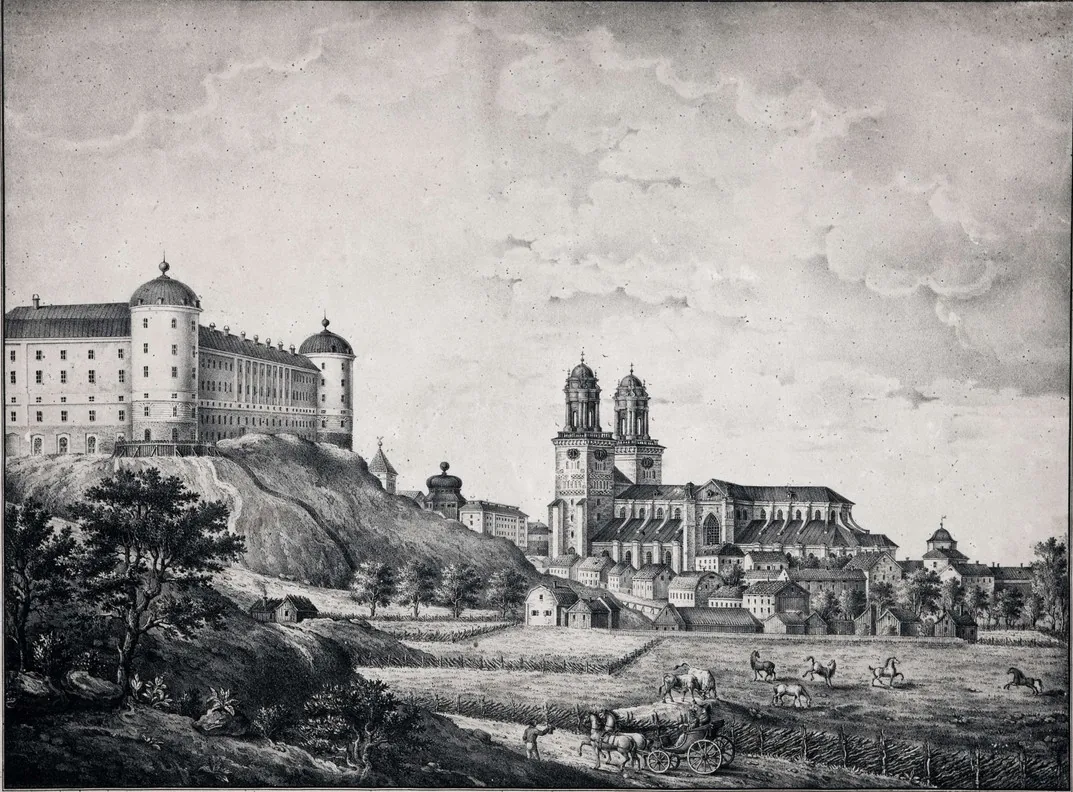
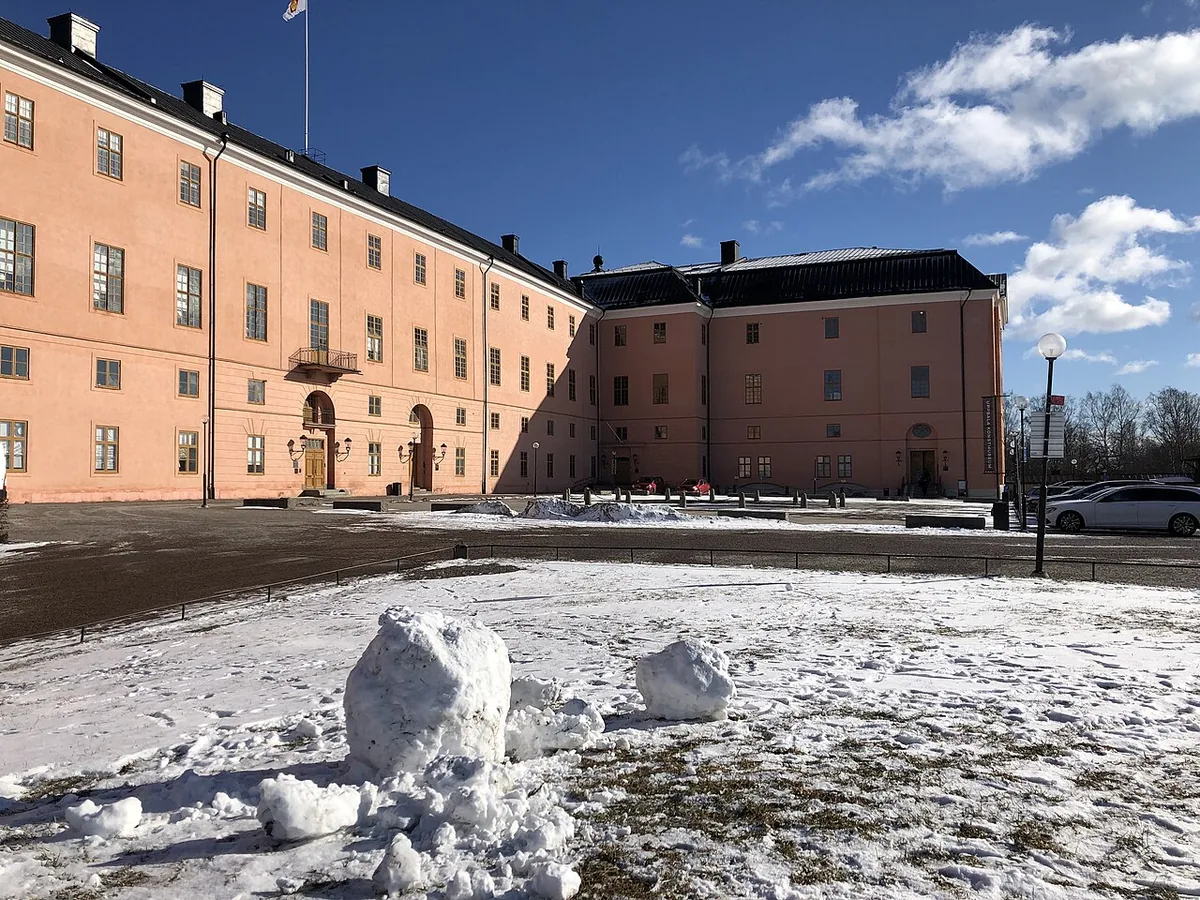
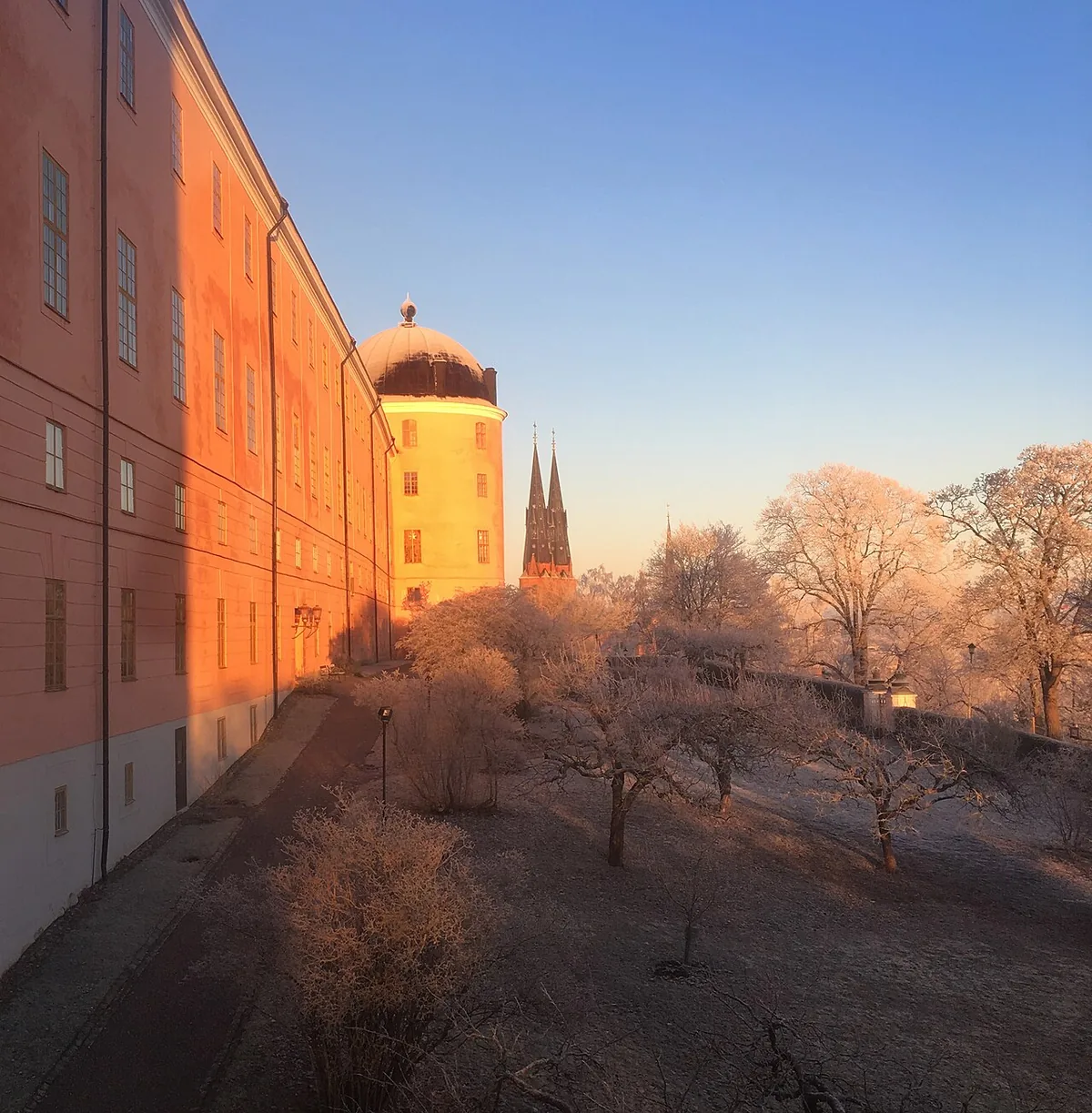
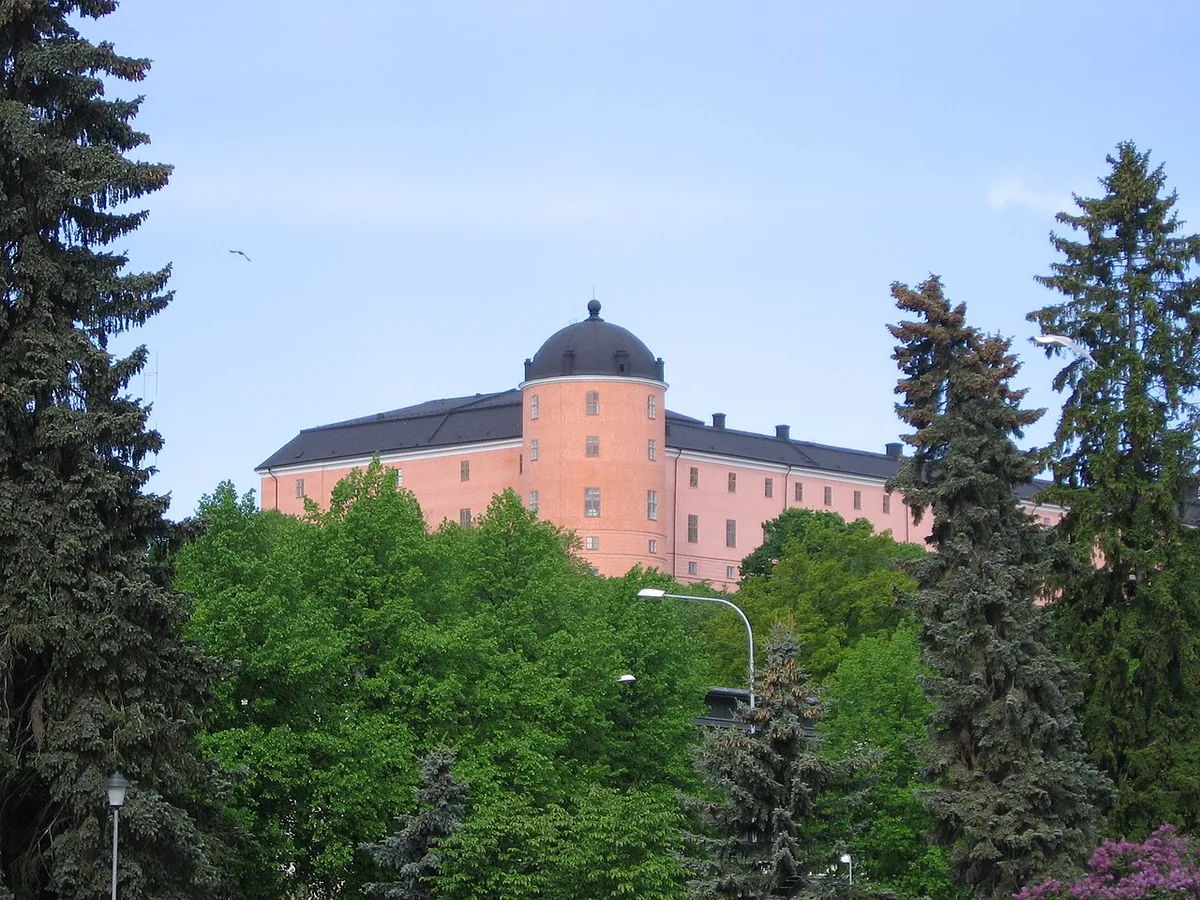
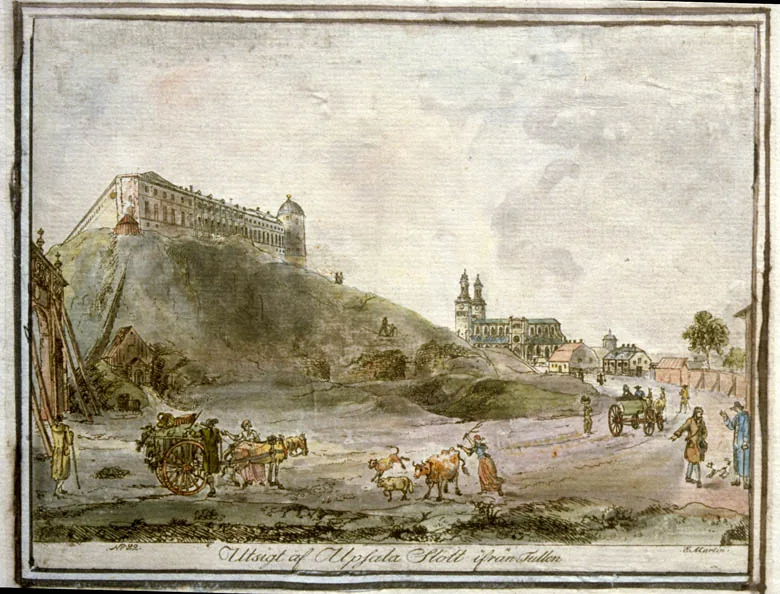
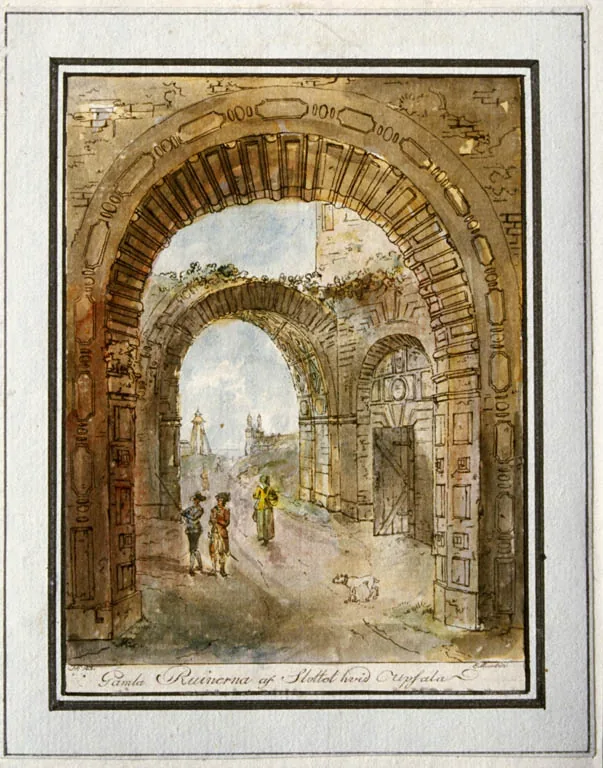
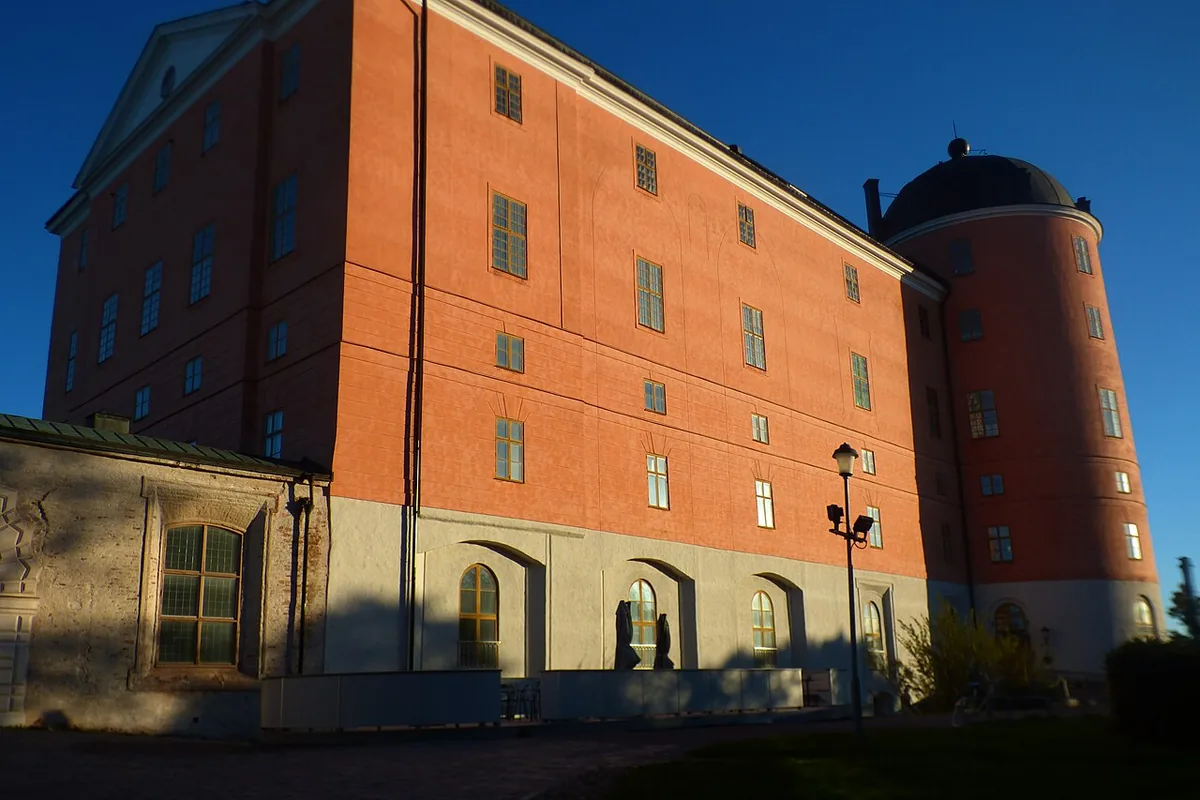
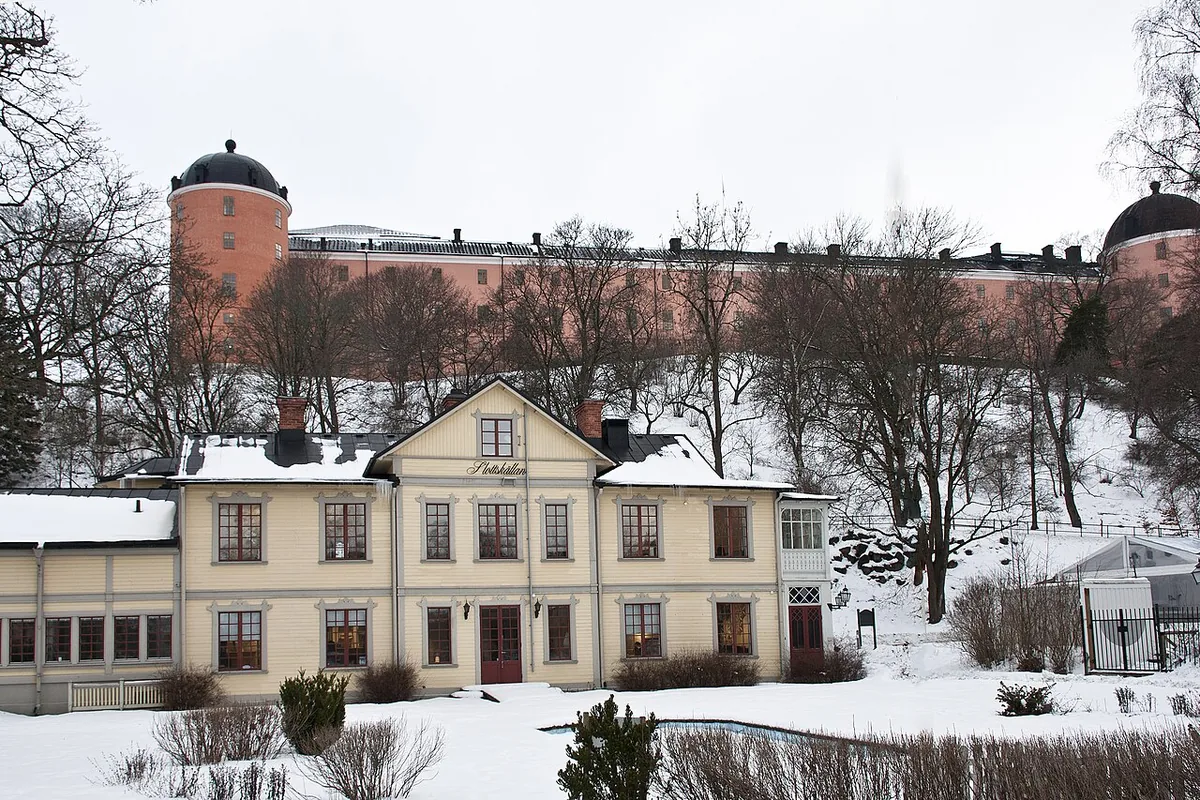
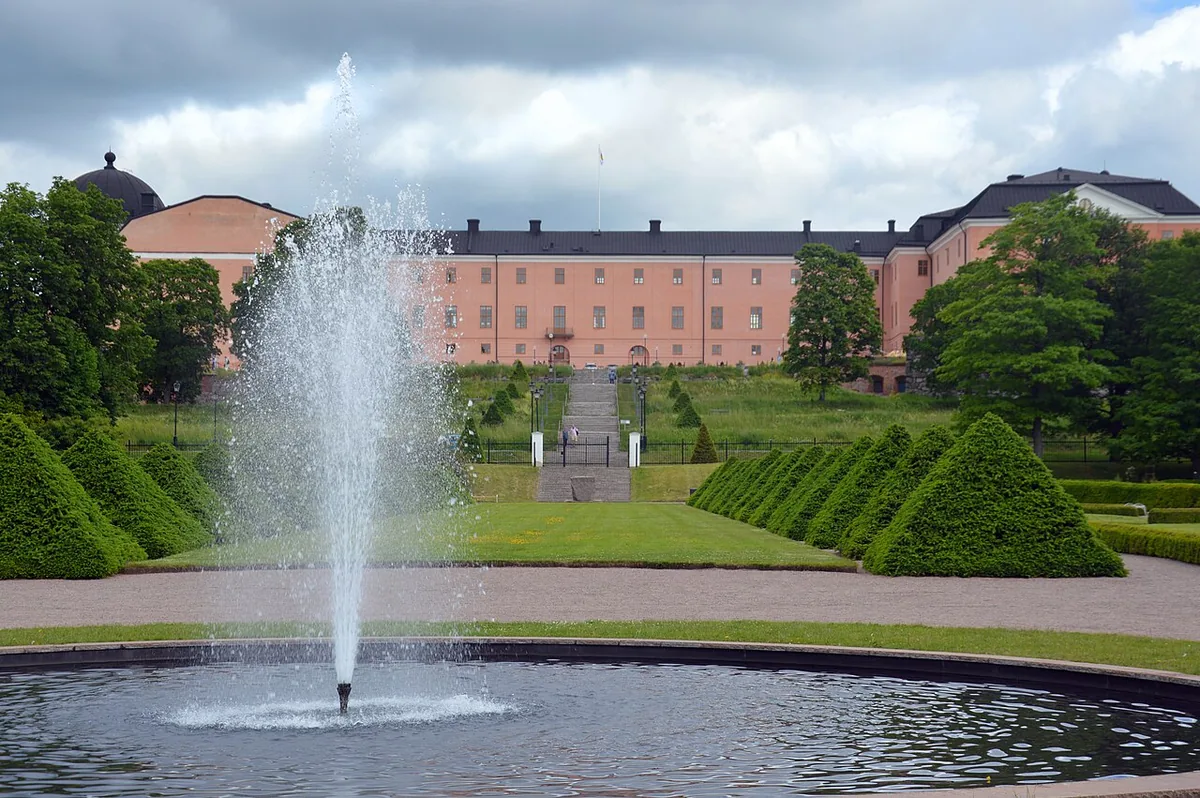
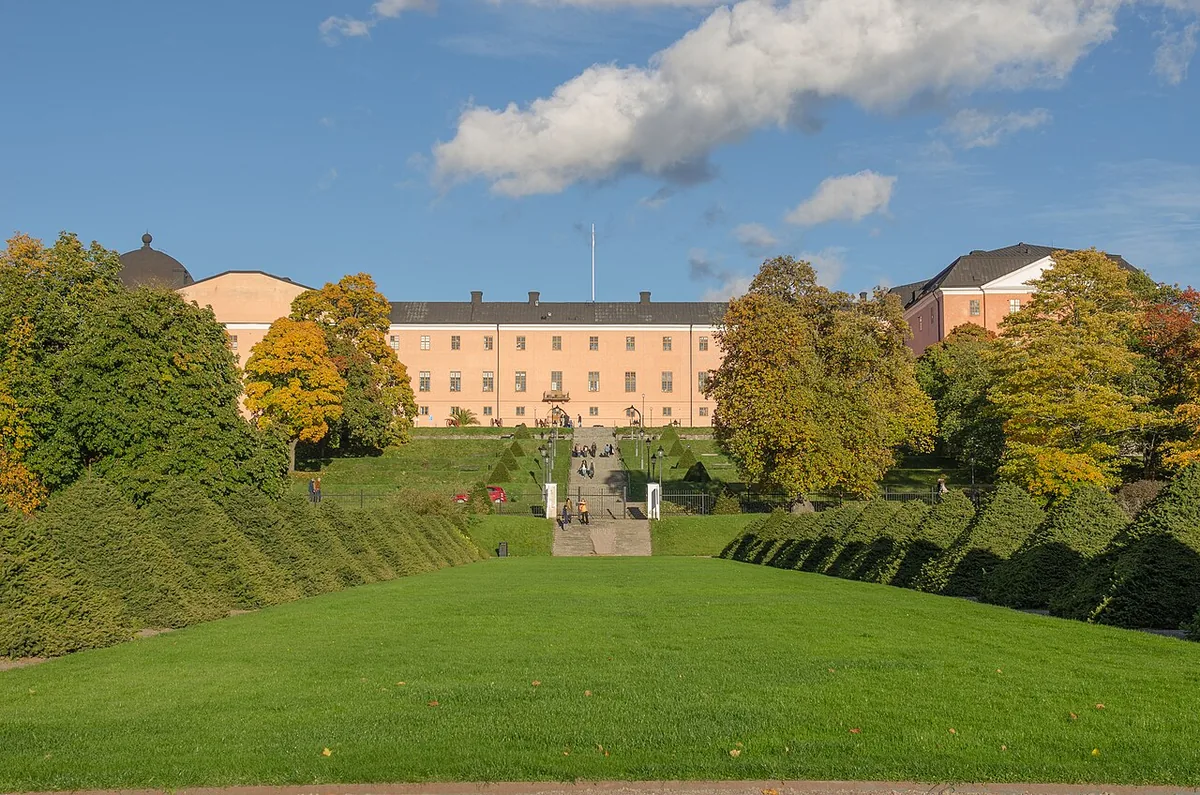
Uppsala Castle stands on Kasåsen above the city, where its red façades and bastions share the skyline with the cathedral. The hilltop position is practical history: Gustav Vasa ordered a fortress here in 1549, using Italian-style angled defenses to protect royal authority and control a strategic inland city. What visitors see today is not a single moment preserved intact. It is a building repeatedly refashioned as Sweden’s rulers, government and public life changed.
Continue exploring
Discover the full story
Keep reading with a travel pass and explore every full guide and tour.
UpgradeMore places in Uppsala
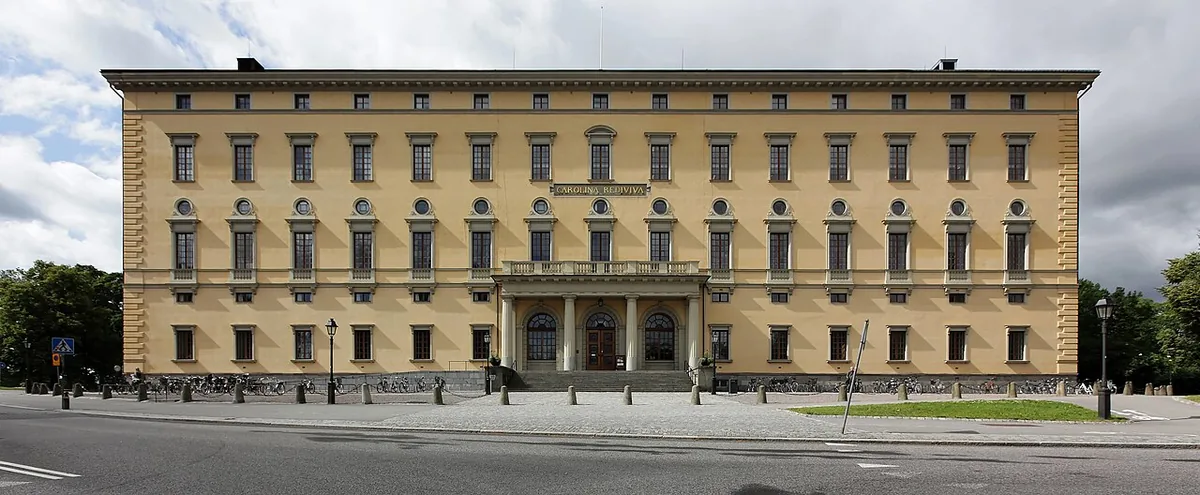
Carolina Rediviva
Carolina Rediviva is Uppsala University Library’s landmark main building, opened in 1841. A name meaning ‘the revived Carolina’ joins a demolished medieval university house to a royal-era library project; its former ceremonial hall, later reading rooms and modern extensions chart changing ideas abou
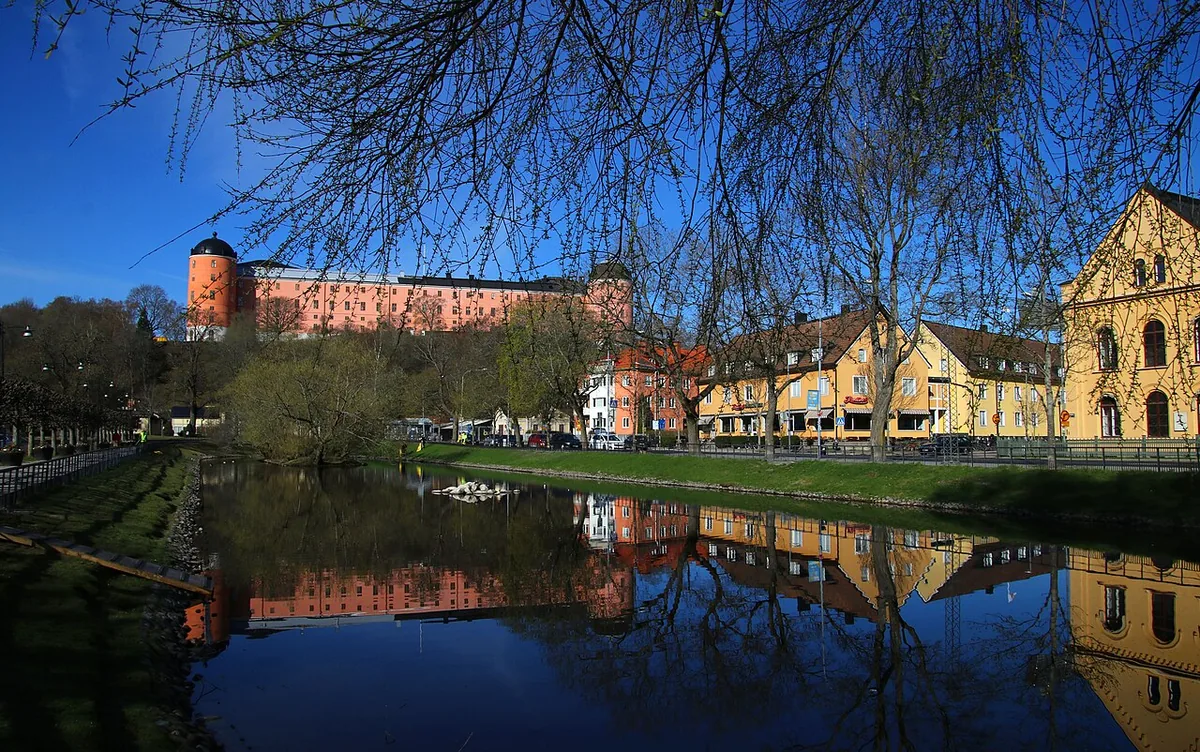
Pumphuset (The Pump House)
Uppsala’s first waterworks operated here from 1875 to 1968. The former pump house preserves turbines, pumps and controls that reveal how groundwater was lifted into the city network; today it is a municipal technology museum and learning space beside Islandsfallet.
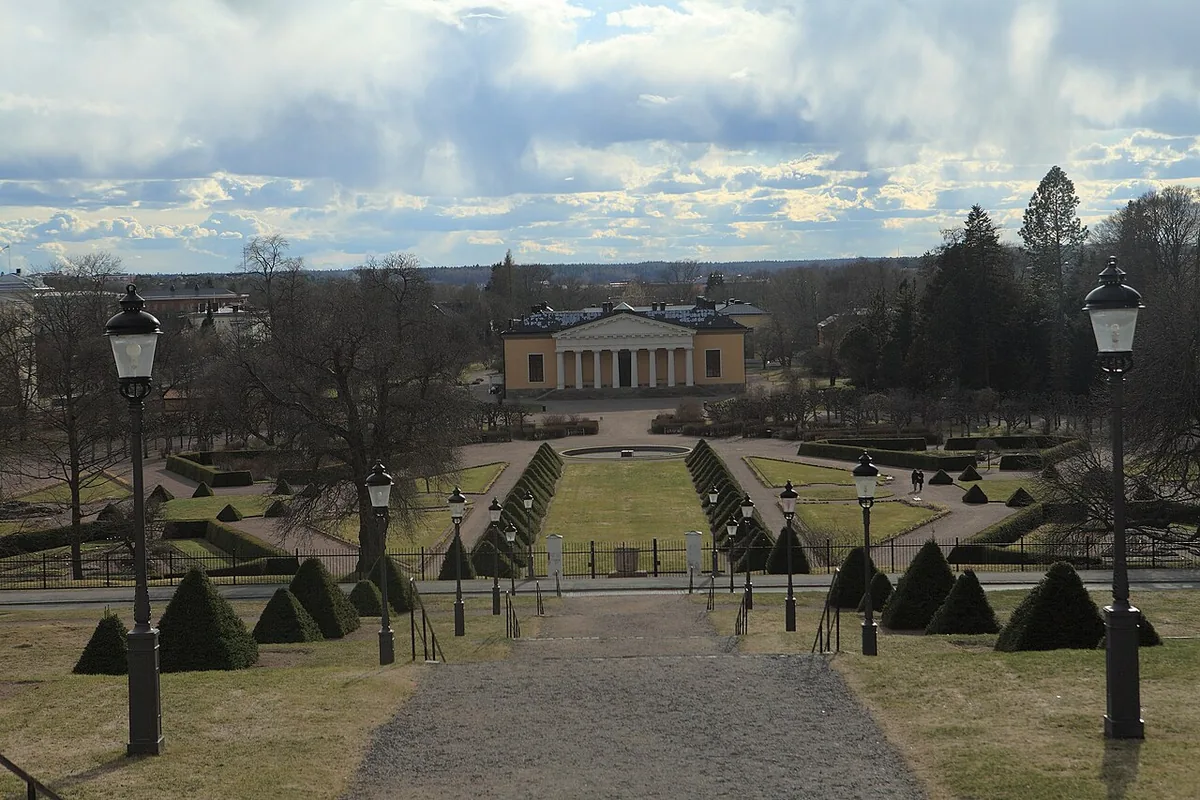
Uppsala University Botanical Garden
Uppsala University’s Botanical Garden occupies the former grounds of Uppsala Castle, where a formal Baroque garden now frames living plant collections, research and teaching. Its paths connect royal landscape design, the 1807 transfer of Sweden’s oldest university garden, and the glasshouses that ke
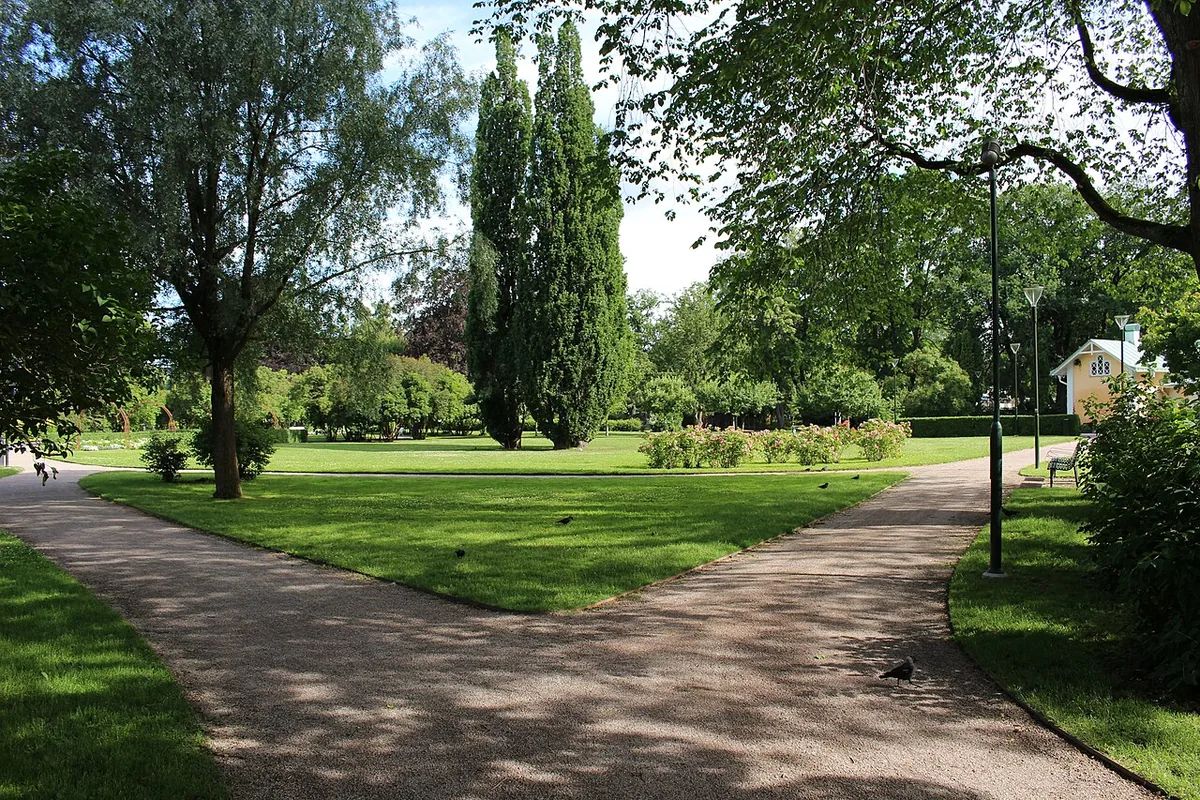
Uppsala City Garden (Stadsträdgården)
Uppsala’s central city park grew from a nineteenth-century riverside promenade and garden plots on former crown land. Today its flower beds, old river walk, public art, dance pavilion and open-air stage make Stadsträdgården a place for both quiet visits and city-wide gatherings.
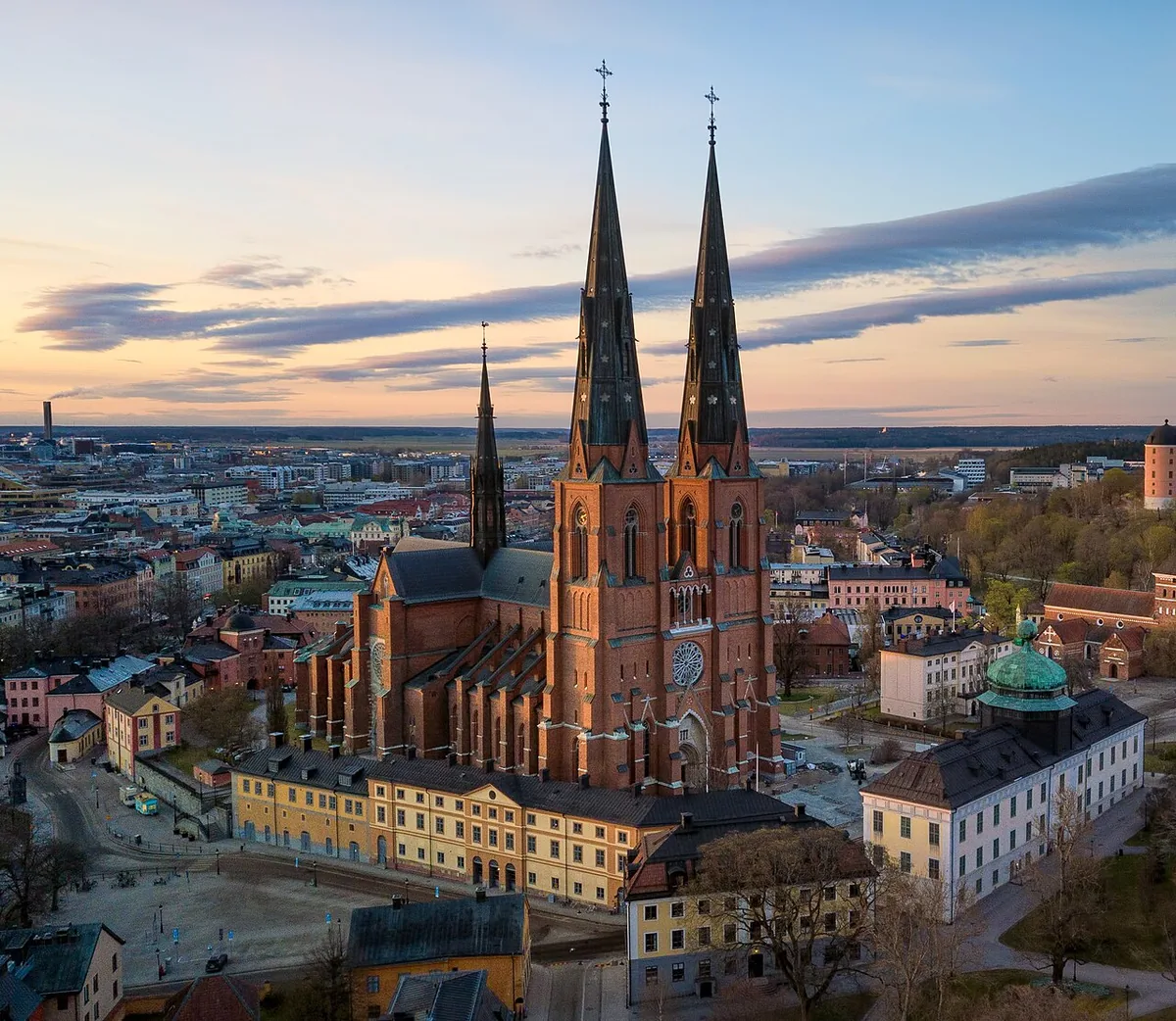
Uppsala Cathedral
Built over more than 160 years and reshaped by fire, reform and restoration, Uppsala Cathedral remains Sweden’s national church landmark and the seat of its archbishop. Inside, medieval relics, royal tombs and a 19th-century Gothic revival meet in a living place of worship.
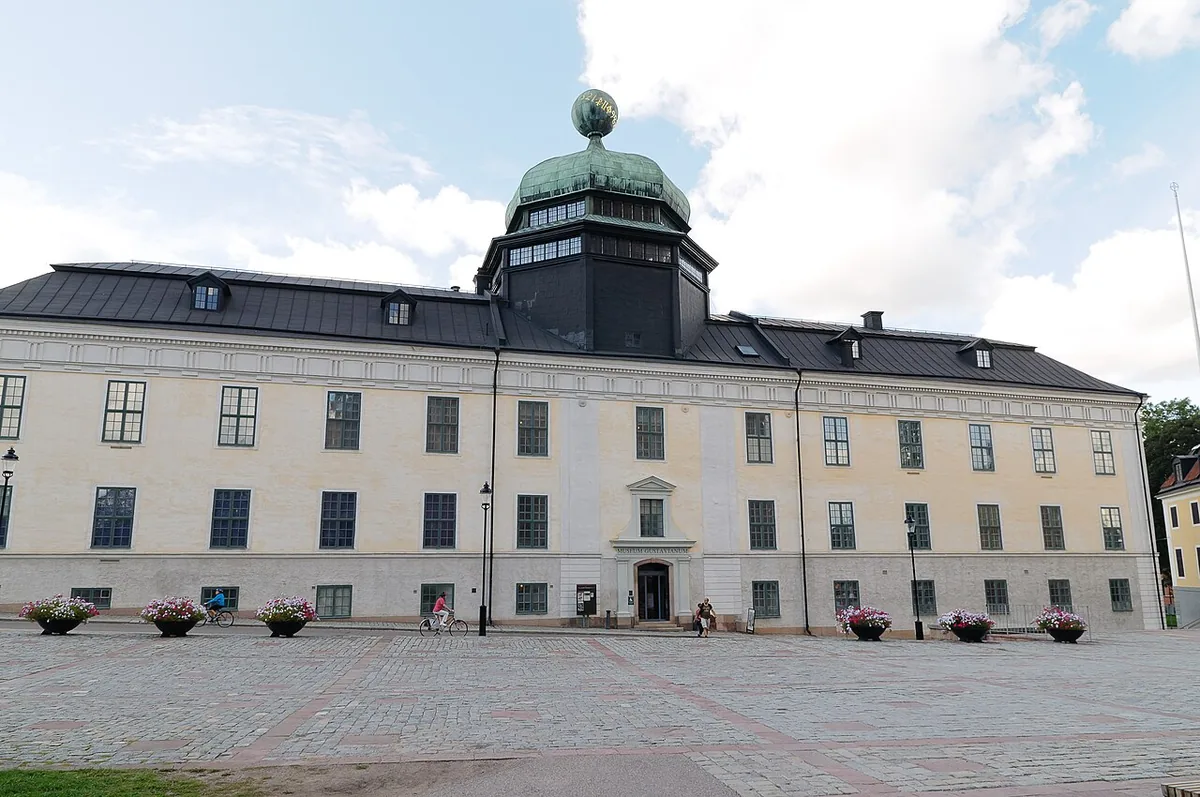
Gustavianum
Uppsala University’s oldest surviving building began as lecture halls, student rooms and a library. Today its museum collections share space with Olof Rudbeck’s reconstructed 17th-century anatomical theatre beneath the famous rooftop cupola.